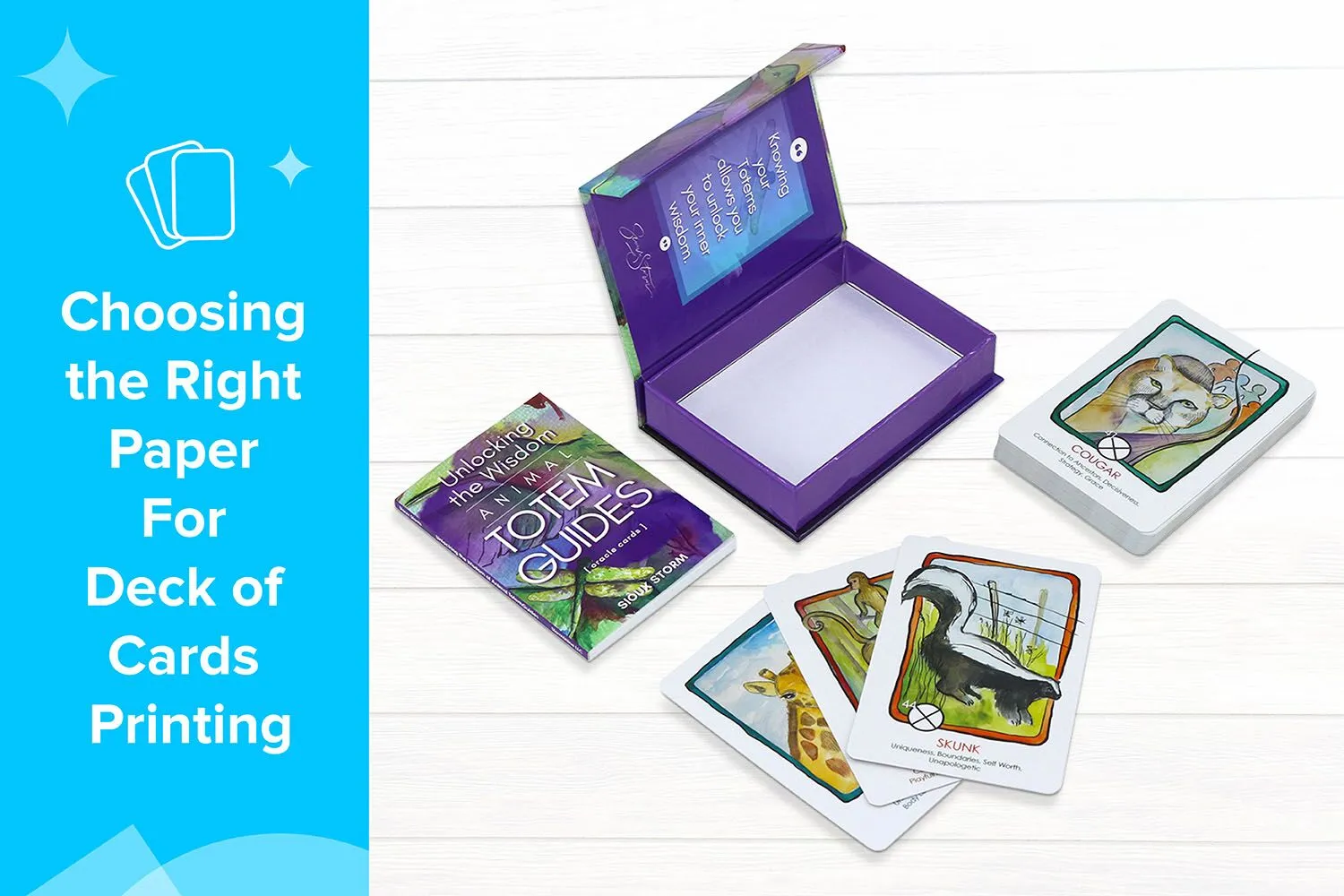
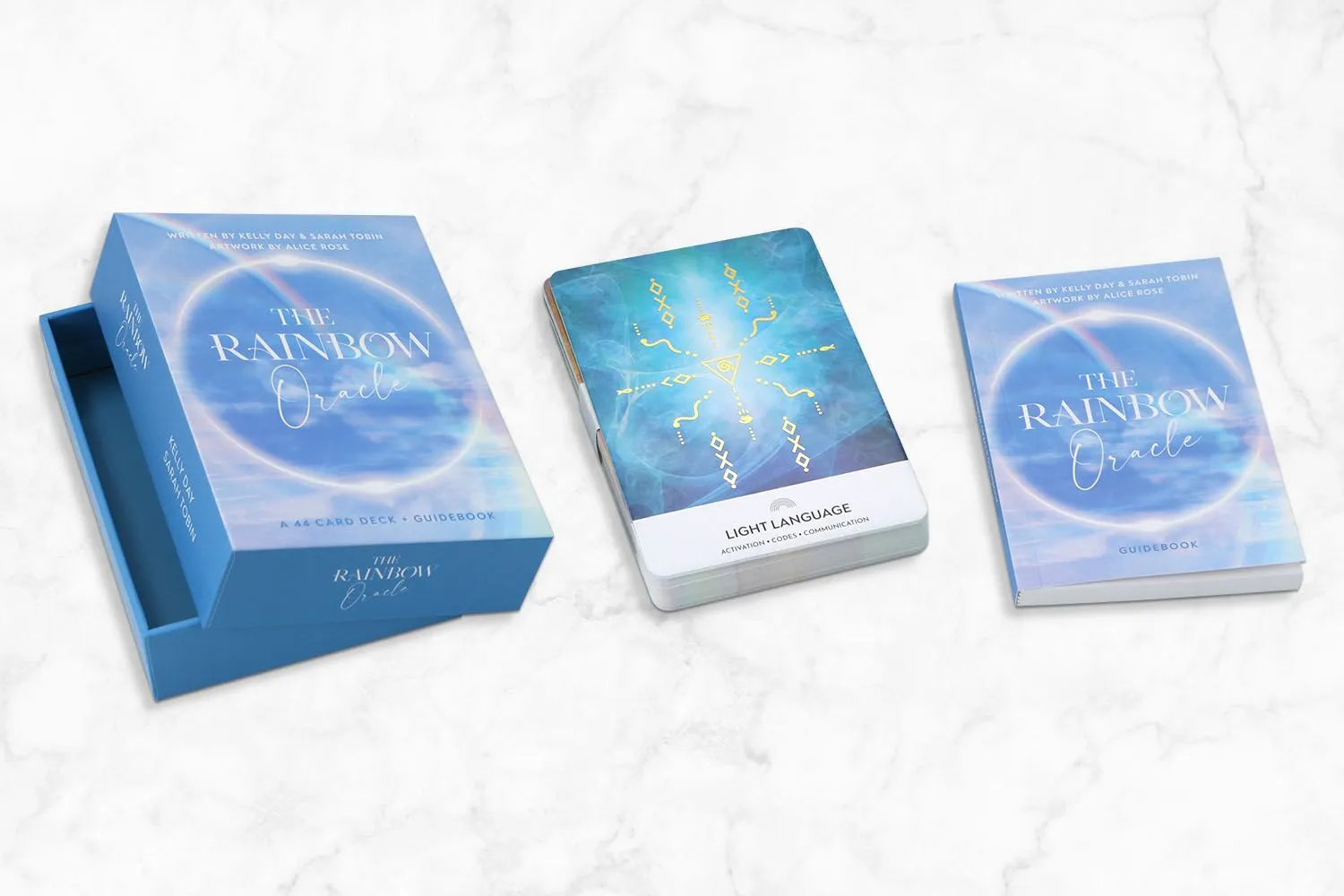
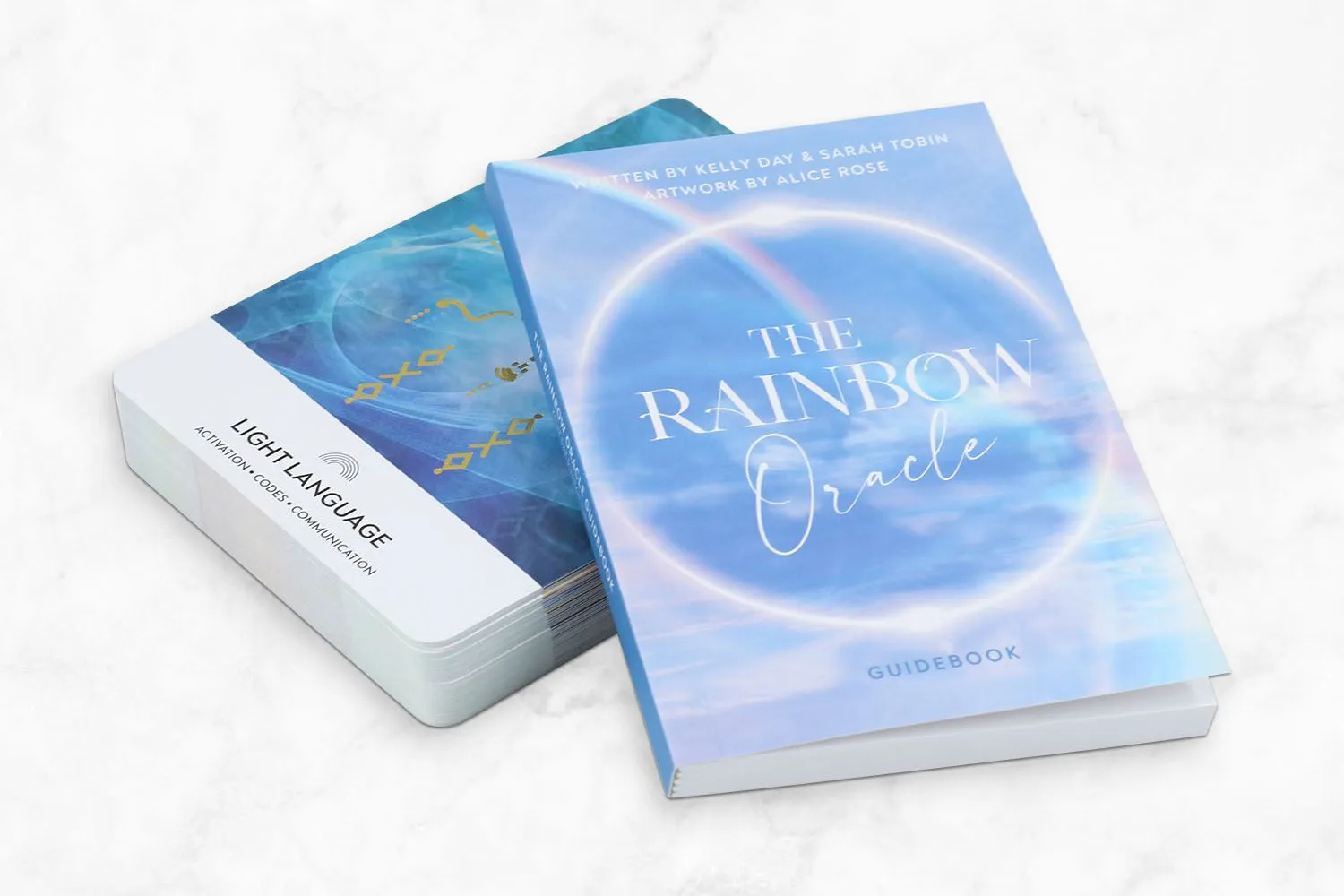
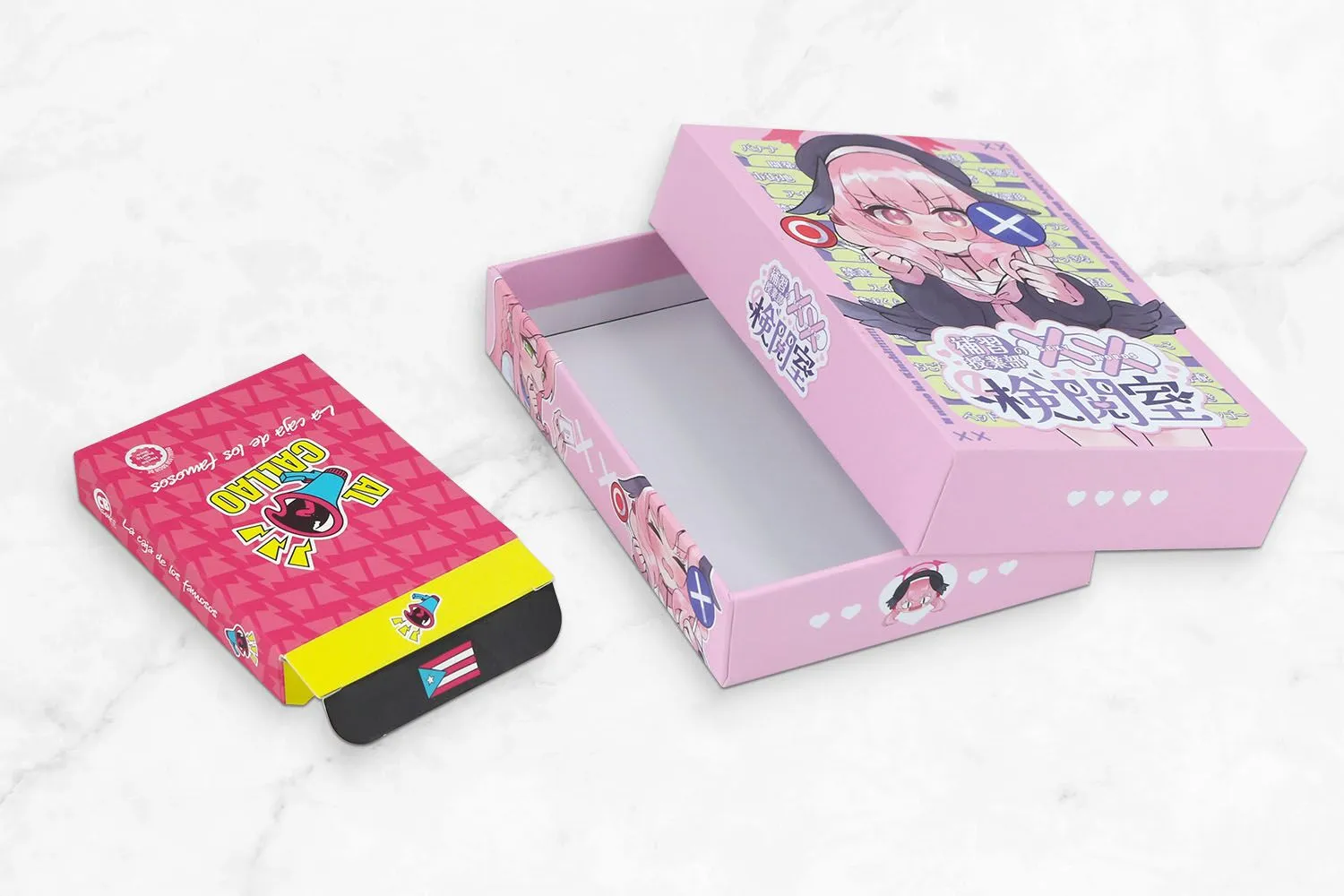
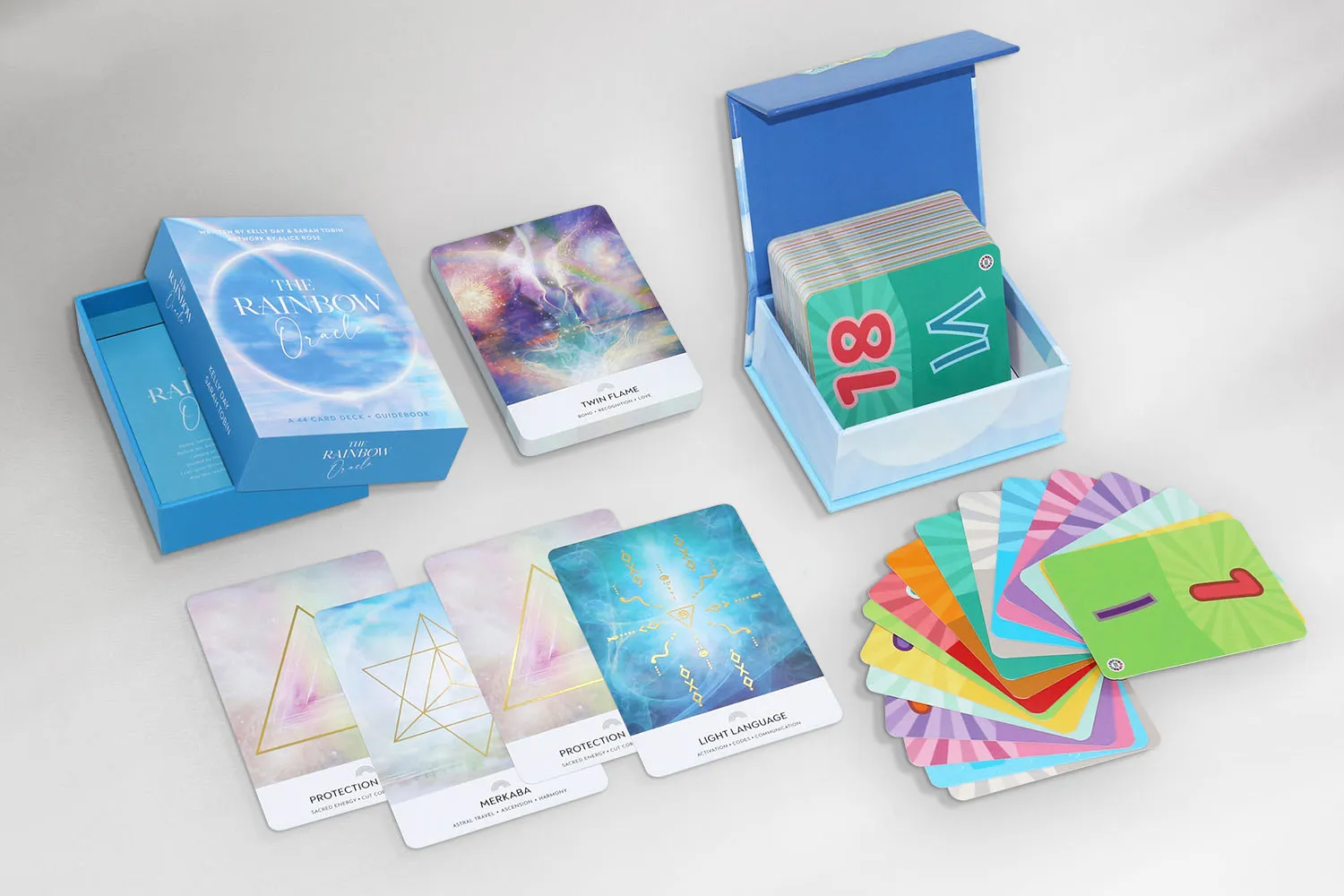
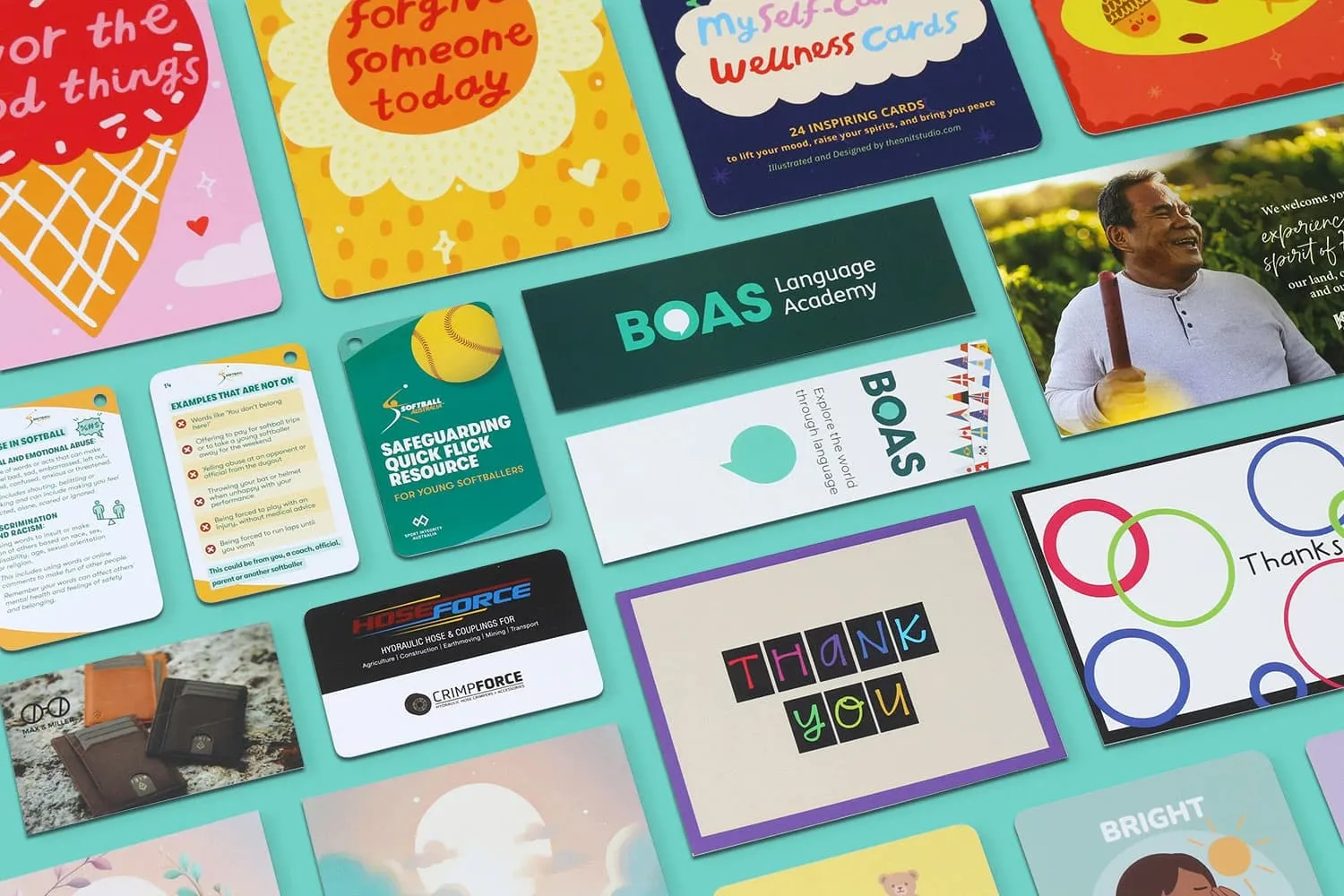
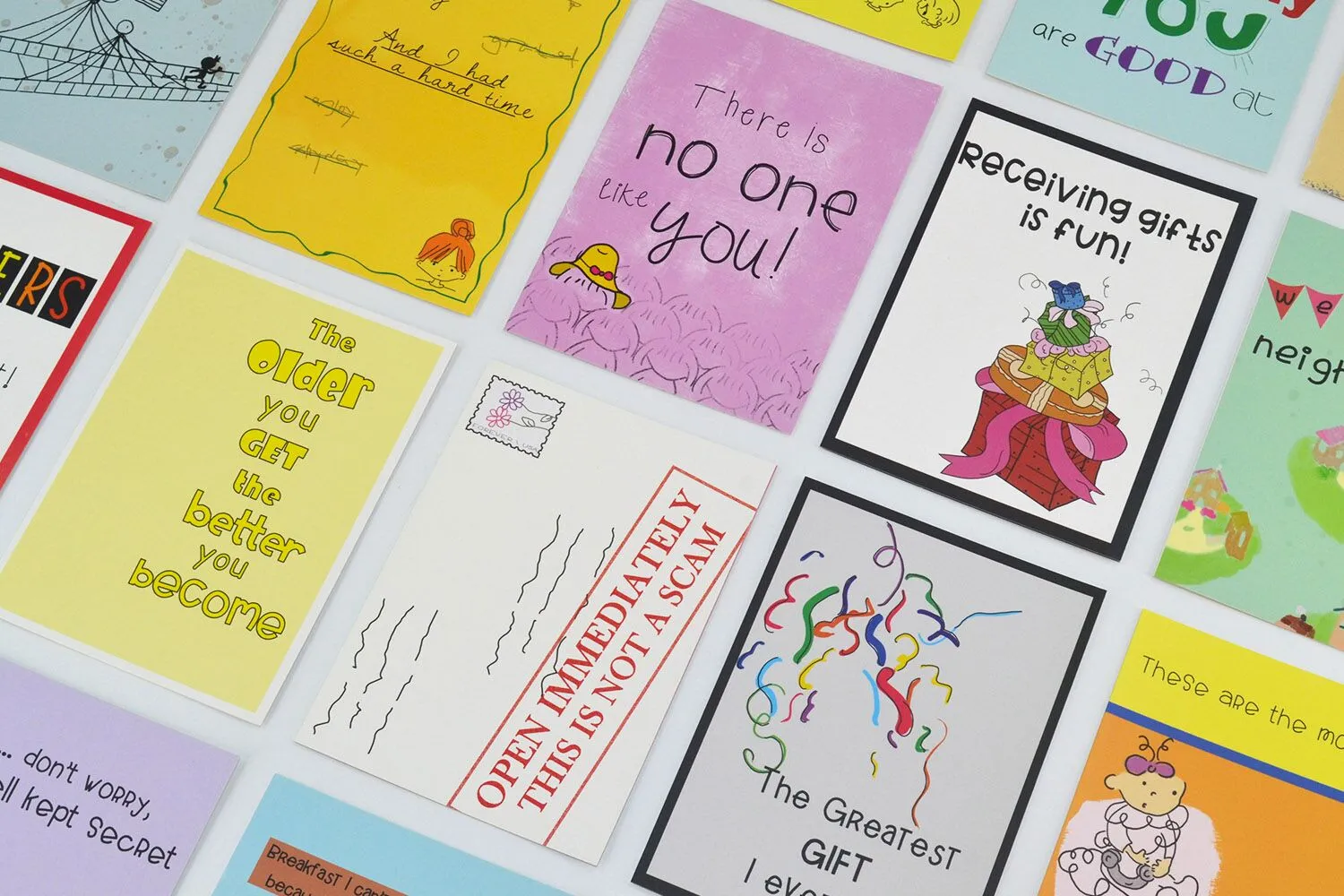
When it comes to deck of cards printing, selecting the right paper is one of the most critical decisions you will make. Whether you are producing a custom card deck for a tabletop game, playing cards, tarot cards, flashcards, trading cards, or promotional use, the paper you choose directly impacts durability, handling, visual appeal, and overall user experience.
In this comprehensive guide, we’ll walk you through everything you need to know about how to choose right paper for custom deck of card printing, including card paper type and weight, manual paper type and custom box material, so you can create a professional, high-quality product that stands out.
In card deck printing, paper selection is far more than a basic material choice—it is the foundation that determines the overall performance, appearance, and perceived value of your product. Whether you are producing a custom card deck for gaming, retail, or promotional purposes, the paper you choose directly influences how users interact with and judge your deck.
From the first touch to long-term use, paper plays a critical role in shaping the experience. Below are the key reasons why selecting the right paper is essential in custom deck of card printing.
Durability
Durability is one of the most important considerations in card deck printing, as cards are designed for repeated and continuous use. Unlike most printed products, playing cards are constantly shuffled, bent, stacked, and transported, which exposes them to significant wear and tear.
High-quality cardstock improves resistance to:
Bending and creasing during shuffling
Edge fraying and surface scratching
Moisture and environmental damage
For example, black core and blue core papers are engineered with multi-layer structures that enhance strength while maintaining flexibility. These materials prevent see through, premature damage and ensure the cards maintain their shape over time.
For even higher durability, especially in outdoor or high-humidity environments, PVC (plastic) cards offer waterproof and tear-resistant properties. This makes them ideal for travel decks, educational tools, or heavy-duty commercial applications.
Feel
The tactile experience—how the cards feel in the hand—is a defining characteristic of a high-quality custom card deck. Users immediately notice the difference between low-quality and premium stock through touch alone.
Several factors contribute to the feel of a card:
Thickness and rigidity: Determines how sturdy or flexible the card feels
Surface texture: Affects grip and ease of handling
Finish: Influences smoothness and friction during shuffling
A well-balanced cardstock allows cards to shuffle smoothly without sticking together or feeling too stiff. For example, linen finishes add a subtle embossed texture that improves grip and handling, making them popular for playing cards and board games.
In contrast, overly thin cards may feel flimsy and cheap, while excessively thick cards can be difficult to shuffle. The goal is to find the right balance that matches your deck’s purpose.
For professional-grade decks, the “snap” and rebound of the card—how it returns to shape after bending—is also a key indicator of quality. This tactile feedback enhances user satisfaction and elevates the overall playing experience.
Appearance
Visual appeal is crucial in deck of card printing, especially for products sold in competitive markets such as tabletop games, tarot decks, and trading cards. The paper you choose directly affects how your artwork is reproduced and perceived.
High-quality paper enhances:
Color vibrancy: Coated surfaces allow ink to sit on top, producing brighter and more saturated colors
Image sharpness: Smooth paper ensures fine details and text remain crisp
Consistency: Premium materials provide uniform print results across the entire deck
Coated art paper is a popular choice for decks with rich illustrations or complex graphics, as it delivers excellent print clarity and color depth.
Specialty papers further elevate the visual impact:
Holographic stock creates dynamic, light-shifting effects that attract attention
Metallic and foil papers add reflective highlights for a premium look
Pearlescent paper provides a soft shimmer for elegant designs
These enhancements are particularly effective for collector’s editions and high-end retail products, where appearance plays a major role in purchasing decisions.
Functionality
Different types of card decks are designed for different uses, and paper selection must align with the intended function of the deck.
For example:
Casino or professional playing cards require high opacity to prevent players from seeing through the cards. Black core paper is typically used to ensure complete light blockage and fairness in gameplay.
Trading card games (TCG) often prioritize visual appeal and durability, making holographic finishes and thicker stock desirable.
Tarot or oracle decks benefit from a balance of flexibility and durability, as they are frequently shuffled and handled.
Promotional or educational cards may prioritize cost-efficiency while still maintaining acceptable quality.
Additionally, functionality includes how the cards perform in real-world conditions:
Do they shuffle smoothly?
Are they easy to handle for extended periods?
Can they withstand frequent use without degradation?
Choosing the right paper ensures that your deck not only looks good but also performs reliably in its intended environment.
Overview Card Deck Core Materials
A complete card deck product involves more than just the cards themselves. To achieve a high-quality result in deck of cards printing, every component, from the cards to the booklet and packaging, requires thoughtful material selection. Each element contributes to the overall durability, presentation, and user experience of your custom card deck.
Card Paper Options
The cards are the core of any deck, and their material plays a decisive role in performance and longevity. Most cards are produced using premium card stock or plastic materials designed to balance flexibility, strength, and print quality.
Common options include:
Art paper (coated cardstock): Ideal for vibrant, full-color printing with sharp details
Black core paper: Premium, highly opaque material for professional and casino-grade decks
Blue core paper: Cost-effective standard for most commercial playing cards
PVC (plastic): Waterproof, tear-resistant, and extremely durable
Specialty finishes: Such as linen texture, holographic, metallic, or pearl paper for enhanced visual and tactile appeal
Selecting the right card material ensures your deck performs well during shuffling, handling, and long-term use.
Booklet Paper Options
Instruction manuals or rule books are an important part of many card decks, especially for board games, tarot sets, oracle decks, or educational products. The paper choice should align with the content type and design.
Coated paper (glossy or matte): Best for image-heavy layouts, offering vibrant colors and sharp graphics
Uncoated paper: Ideal for text-heavy content, providing better readability and a softer, non-reflective surface
Paper weight and binding style should also be considered based on page count and budget, ensuring the booklet is both practical and visually consistent with the overall product.
Custom Box Paper Options
Packaging is a key component that protects the deck and enhances its market appeal. The choice of box material depends on your budget, branding, and desired unboxing experience.
Tuck boxes (cardboard): Lightweight and cost-effective, typically made from 250–350 gsm C1S or C2S paper, suitable for standard decks
Rigid boxes: Premium option made from thick grey board wrapped in printed paper, offering superior durability and a luxury feel
Cardstock for Deck of Cards Printing
In deck of cards printing, selecting the right cardstock type and weight is one of the most critical decisions, as it directly affects the durability, handling, and overall perceived quality of your product. The ideal cardstock should provide the perfect balance between flexibility and rigidity, allowing the cards to shuffle smoothly while maintaining their structure over time.
Different projects, such as playing cards, trading cards, tarot decks, flashcards or promotional cards, require different material specifications. Understanding cardstock options will help you choose the most suitable solution for your custom deck of card printing project.
What Is Cardstock
Cardstock, also referred to as cover stock, is a thicker and more durable form of paper compared to standard printing paper. It is commonly used for products that require strength and longevity, such as playing cards, tarot cards, educational games, board games, business cards, postcards, and packaging.
In card deck printing, cardstock serves as the foundation of each card. It provides the necessary stiffness to prevent bending, while still allowing enough flexibility for smooth shuffling and handling. High-quality cardstock also ensures excellent ink absorption and print consistency, which is essential for achieving sharp images and vibrant colors.
Common Card Stock Materials for Deck of Cards
Choosing the right material is essential to match your deck’s purpose, target market, and budget. Below are the most commonly used cardstock options in the industry:
 Art Paper
Art paper, also known as coated paper, features a double-sided coated surface that is smooth and refined. This coating allows ink to sit evenly on the surface, resulting in high-resolution images, sharp details, and vivid color reproduction.
It is an excellent choice for decks with complex illustrations, photographs, or graphic-heavy designs. Art paper is widely used for commercial card decks where visual impact is a priority.
 Black Core Paper
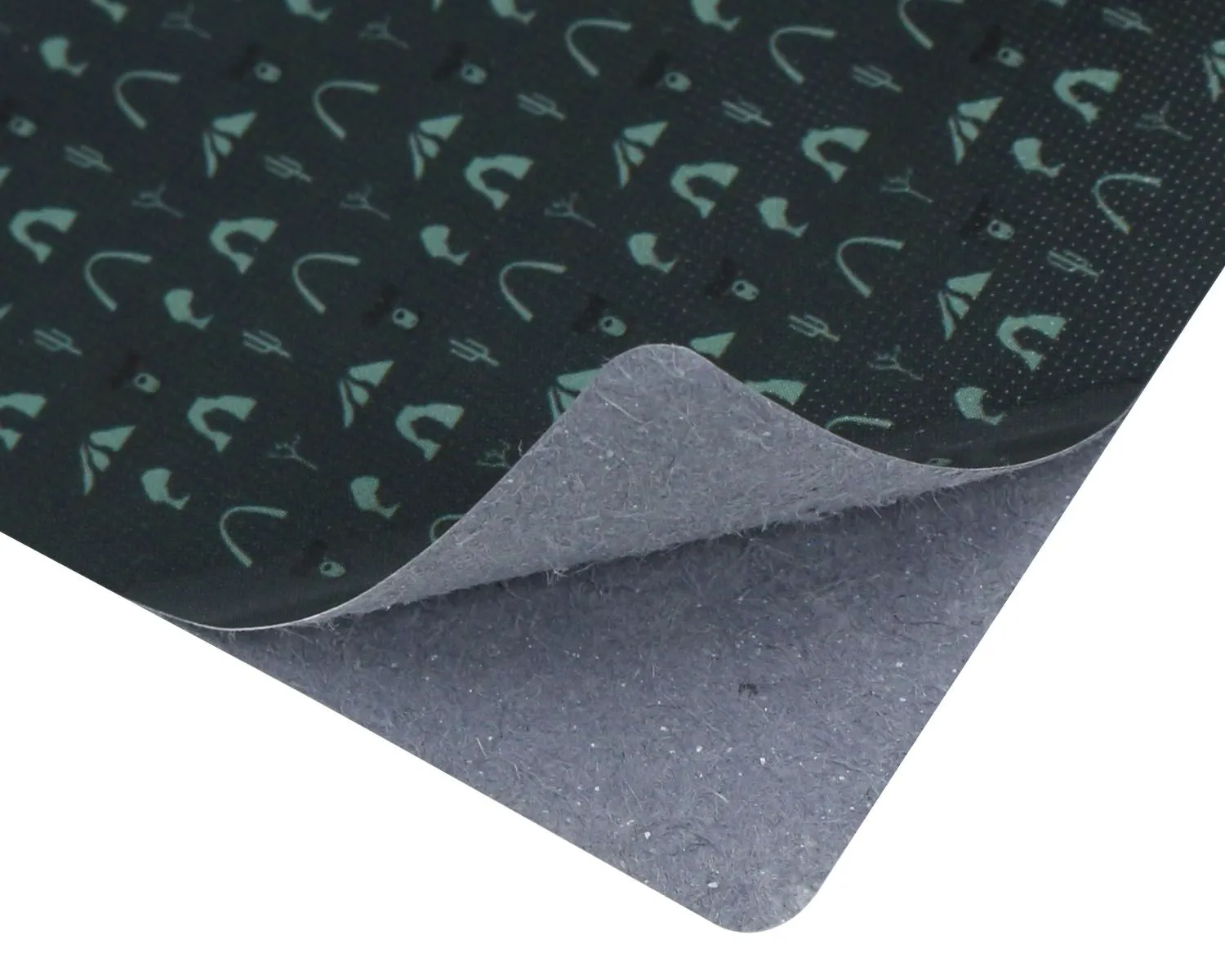
Black core cardstock is a premium, multi-layered material designed for professional-grade card decks. It consists of a black inner layer sandwiched between two white printable layers.
The black core prevents light from passing through the card, ensuring complete opacity. This is especially important in casino-style playing cards, where visibility through the card could compromise fairness. In addition to its functional benefits, black core paper also provides a firm, high-quality feel, making it ideal for luxury tarot decks and high-end retail products.
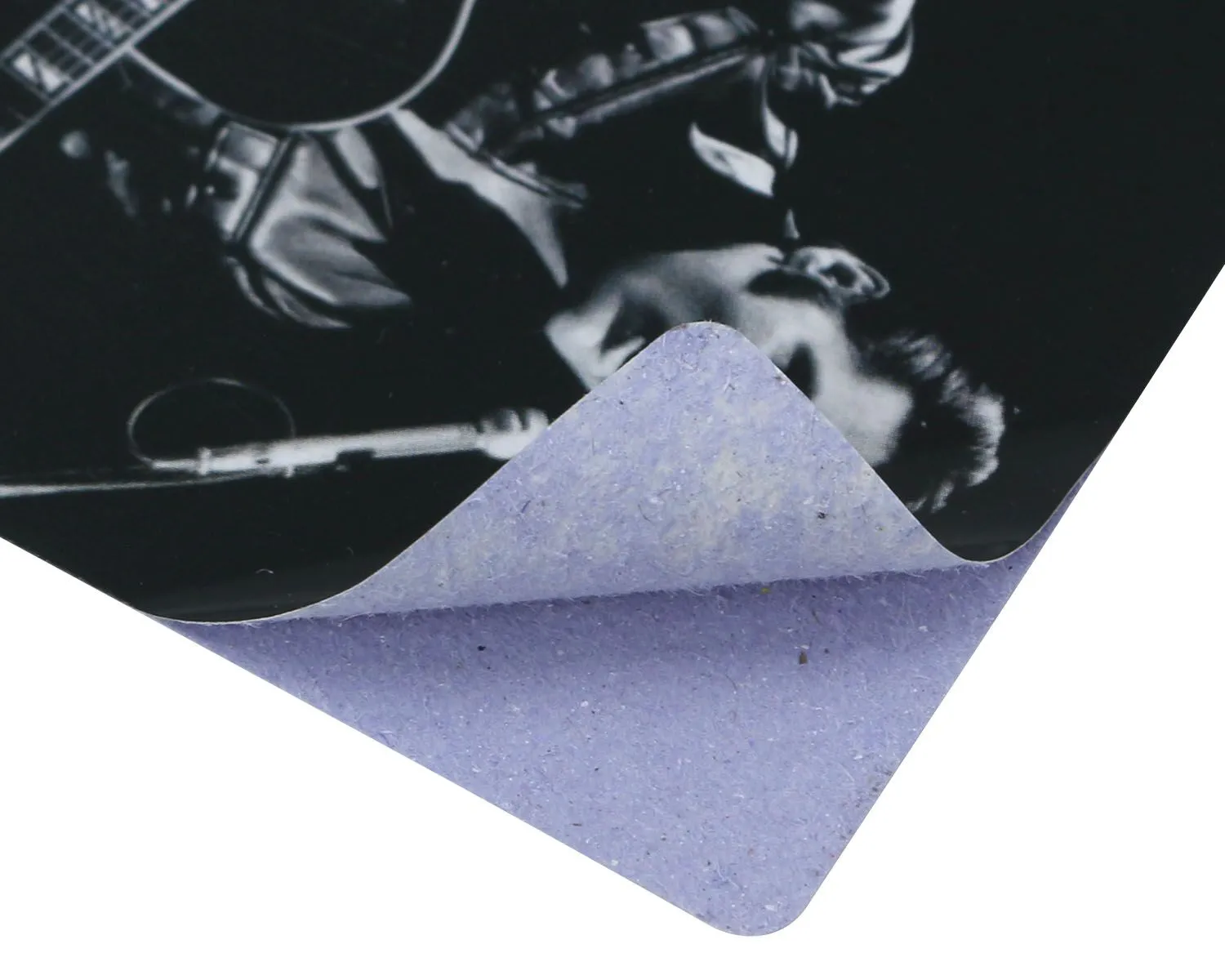 Blue Core Paper
Blue core cardstock is the industry standard for most mass-produced playing cards. Like black core, it features a colored inner layer, but at a more economical price point.
It offers good opacity, durability, and flexibility, making it suitable for standard playing cards, educational decks, and promotional products. Blue core strikes a practical balance between performance and cost, making it one of the most widely used materials in deck of card printing.
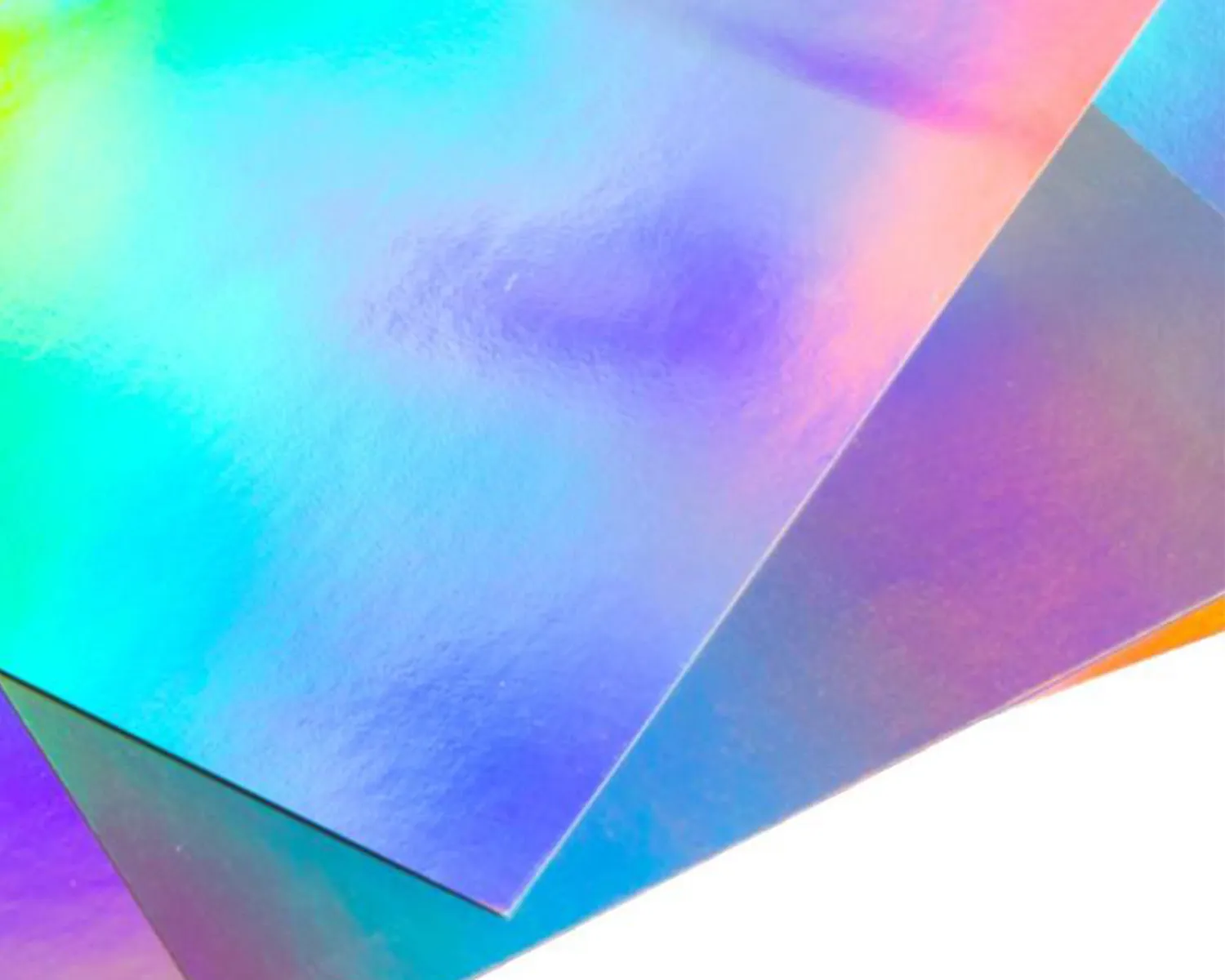 Holographic Paper
Holographic paper is a specialty material that produces a rainbow-like, reflective effect. The surface interacts with light, creating dynamic color shifts depending on the viewing angle.
This visually striking material is commonly used in trading card games (TCG), collectible cards, and premium card decks that aim to stand out on the market. It enhances the perceived value of the product and adds a unique visual dimension to the design.
 PVC
PVC
PVC cards are made from white plastic rather than paper, offering exceptional durability and resistance to environmental factors. They are waterproof, tear-resistant, and highly flexible without losing shape.
PVC is ideal for outdoor use, travel decks, or applications where cards are exposed to moisture, dirt, or frequent handling. While more expensive than paper options, PVC provides unmatched longevity and reliability.
Specialty Paper
Specialty papers are designed to elevate both the tactile and visual experience of a custom card deck.
Linen paper features a subtle embossed texture that improves grip and enhances shuffling performance
Pearl paper offers a soft, elegant shimmer for a refined appearance
Metallic paper creates reflective highlights that add depth and luxury
These materials are often used for collector editions, gift sets, or premium branding projects where differentiation and presentation are key.
Card Cores
Card cores are a crucial structural component in cardstock construction. A core is the middle layer within a multi-layered paperboard, designed to block light and improve card integrity.
White Core
White core, sometimes referred to as coreless paper, does not include a dyed inner layer. As a result, it may allow some light to pass through, which can lead to slight transparency.
This type is generally suitable for low-cost or promotional decks but is not recommended for professional or casino-grade applications.
Blue Core
Blue core paper includes a blue-dyed inner layer that reduces light transmission and improves opacity. It is widely used for standard playing cards, tarot decks, and educational cards.
This option provides a reliable balance between quality and affordability, making it ideal for most commercial uses.
Black Core
Black core paper offers the highest level of opacity and performance. Its dark inner layer completely blocks light, ensuring that card faces cannot be seen through the back.
This makes it the preferred choice for high-end playing cards, casino decks, and premium tarot cards where both security and quality are essential.
Card Stock Weight
Cardstock weight is a key specification that determines the thickness, stiffness, and overall feel of your cards. It is typically measured in GSM (grams per square meter), an international standard used in the printing industry.
In general, higher GSM indicates thicker and heavier cardstock, which contributes to a more durable and premium feel. However, the ideal weight depends on the intended use of the deck, as overly thick cards may reduce flexibility and affect shuffling performance.
Common Card Stock Weights
250 gsm white cardstock: Lightweight and economical, suitable for budget projects
300 gsm white cardstock: Balanced thickness and flexibility for general use
350 gsm white cardstock: More durable with a sturdier feel
400 gsm white cardstock: Thick and rigid, offering a premium appearance
310 gsm black core: Professional-grade quality with excellent opacity
330 gsm black core: Enhanced stiffness and durability for high-end casino decks
280 gsm blue core: Standard economical option for mass production
300 gsm blue core: Improved strength and handling performance
0.3 mm or 0.4 mm white PVC: Plastic cards with superior durability and waterproof properties
275–425 gsm holographic stock: Thickness varies depending on the specialty finish
300 gsm foil stock: Metallic surface for premium visual effects
Choosing the Right Cardstock
Selecting the appropriate cardstock weight and material depends on several factors, including your target audience, budget, and the intended function of the deck.
For budget-friendly decks, blue core or standard white cardstock is a practical choice
For premium or casino-quality decks, black core provides superior performance and opacity
For visual impact and collectibility, holographic or specialty papers are ideal
For maximum durability, PVC is the best option
By carefully evaluating these factors, you can ensure that your custom card deck printing project achieves the perfect balance of quality, performance, and cost.
Instruction Manual Paper Options
The instruction manual, also known as the rule book, is a vital component of any deck of cards printing project. It serves as the primary guide for users to understand gameplay, rules, or product usage, and thus plays a key role in shaping the overall user experience. A well-designed manual not only communicates information clearly but also reinforces the quality and branding of your custom card deck.
Selecting the right paper for your manual printing requires careful consideration of several factors, including page count, content layout, printing style, binding method, and budget. The goal is to achieve the right balance between readability, durability, and visual appeal.
Paper Type Selection
The choice between coated and uncoated paper largely depends on the nature of your content:
Coated Paper: Coated paper is ideal for manuals that feature rich visuals, illustrations, or full-color designs. The smooth surface allows ink to sit on top of the paper, resulting in sharper details, higher contrast, and more vibrant colors. Glossy finish enhances brightness and color saturation, making images stand out. Matte finish offers a softer, non-reflective look with a more premium and elegant feel.
Uncoated Paper: Uncoated paper is better suited for text-heavy manuals, especially those with black-and-white content. Its natural, non-reflective surface reduces glare and makes reading more comfortable, particularly under different lighting conditions. It also provides a more tactile, paper-like feel that is often preferred for instructional content.
Cover Options
The manual cover not only protects the interior pages but also contributes to the overall presentation of your custom deck of card printing product.
Softcover (Saddle-Stitched or Perfect Bound): Softcover manuals are typically produced using 250–350 gsm coated paper, finished with either glossy or matte lamination. This option is cost-effective, lightweight, and well-suited for most standard card decks. The lamination enhances durability while protecting the cover from scratches, moisture, and everyday wear. In some cases, the cover is printed on the same paper stock as the interior pages—this is referred to as a self-cover, offering a more economical and streamlined solution.
Hardcover (Case Bound): For premium or collector editions, hardcover manuals provide a more durable and high-end solution. These covers are usually made from 2–3 mm grey board wrapped with 157 gsm coated art paper, and finished with lamination or special effects such as foil stamping or embossing. Hardcover manuals enhance perceived value and create a more luxurious unboxing experience.
Interior Page Specifications
The interior paper weight and quality should be selected based on the manual’s length, usage, and desired feel.
80–100gsm paper: Lightweight and flexible, ideal for manuals with a high page count. It keeps the booklet compact and cost-efficient while maintaining readability.
105–128gsm paper: A balanced option that offers improved thickness and durability without significantly increasing bulk. Suitable for most standard manuals.
157gsm paper: Heavier and more premium, often used for shorter manuals or high-quality booklets. It provides a more substantial feel and enhances the overall presentation.
In addition to weight, paper finish should align with the content style to ensure optimal readability and visual consistency.
Custom Card Deck Box Material
Packaging is a crucial element in card deck printing, as it not only protects the cards but also plays a significant role in brand presentation and customer perception. A well-designed box enhances the overall value of your custom card deck, creates a memorable unboxing experience, and helps your product stand out in a competitive market.
The choice of box material should be based on several factors, including your branding objectives, target market, budget, and the level of durability required. From economical solutions to premium packaging, selecting the right material ensures both functionality and visual appeal.
Cardboard Box
Cardboard tuck boxes are the most commonly used packaging option in custom deck of card printing due to their affordability, versatility, and efficiency in mass production. They are lightweight, easy to assemble, and ideal for standard card decks.
These boxes are typically made from:
250–350 gsm coated paper: Provides a smooth surface for high-quality printing, allowing vibrant colors and sharp graphics. This option is ideal for eye-catching retail packaging.
250–350 gsm C1S paper (coated on one side): Offers a printable outer surface with a more natural interior, balancing cost and print performance.
In addition to standard materials, several alternative paperboards can be used to achieve different visual and functional effects:
Kraft cardboard: A natural, uncoated material that delivers an eco-friendly, rustic appearance. It is popular for sustainable or minimalist branding.
Gold or silver paperboard: Metallic paperboard creates a reflective, premium look, enhancing the visual impact of the packaging without additional foil stamping.
Corrugated cardboard: Features a fluted inner layer for added strength and cushioning, suitable for shipping protection or heavier products.
Tuck boxes are best suited for standard playing cards, promotional decks, and large-volume production runs where cost efficiency and practicality are priorities.
Rigid Box
Rigid boxes represent a premium packaging solution designed for high-end custom card decks. Unlike foldable tuck boxes, rigid boxes are constructed from thick, non-collapsible materials, offering superior strength and a more luxurious presentation.
They are typically composed of:
2–3 mm grey board (inner core): This thick, dense board forms the structural base of the box, providing excellent rigidity and protection.
157 gsm coated art paper (outer wrap): The exterior layer is printed with custom designs and finishes, delivering high-resolution graphics and refined surface quality.
Rigid boxes offer several key advantages:
Exceptional durability: Their solid construction protects the card deck from impact, pressure, and long-term wear.
Premium look and feel: The weight and structure convey a sense of quality and luxury, enhancing the perceived value of the product.
Enhanced unboxing experience: Rigid boxes are often designed with features such as magnetic closures, lift-off lids, or drawer-style openings, creating a more engaging and memorable presentation.
Due to these benefits, rigid boxes are widely used for collector’s editions, gift sets, crowdfunding projects, and premium retail products where branding and presentation are critical.
Conclusion
Selecting the right paper for your deck of cards printing project is essential to achieving the perfect balance of durability, feel, appearance, and functionality.
From cardstock type and core material to weight and packaging, every detail contributes to the final product. By understanding your options and aligning them with your project goals, you can create a custom card deck that not only looks impressive but also performs exceptionally.
If you’re ready to start your custom deck of card printing project, partnering with a professional manufacturer will help bring your vision to life with precision and quality.
At BookPrintingChina, we specialize in high-quality card deck printing solutions tailored to your needs. Whether you’re producing a small batch for a personal project or a large-scale commercial run, we offer:
A wide range of cardstock options, including black core, blue core, PVC, and specialty papers
Custom finishes such as foil stamping, embossing, holographic effects, and linen textures
Flexible packaging solutions, from tuck boxes to premium rigid boxes
Custom booklet printing with various paper and binding options
Competitive pricing and fast production times
Our advanced printing technology and experienced team ensure that every deck meets the highest standards of quality and craftsmanship.