




Promotional cards are one of the most effective and affordable marketing tools used by businesses today. Even in a digital world where emails, online ads, and social media dominate, physical printed cards continue to play an important role. They offer something digital channels cannot replicate: a tangible experience. A promotional card is something a customer can hold, read, keep, and remember. Because of this physical presence, promotional cards help businesses leave a stronger, longer-lasting impression.
In this guide, we will explore how to design and print promotional cards for your business, whether you need promotional postcards, greeting cards, playing cards, gift cards, business cards, or other marketing cards. This article will walk you through card types, design, materials, sizes, printing tips, and professional advice to help you get the best results.
What Promotional Cards Are
Promotional cards, also known as promo cards or marketing cards, are printed cards used to promote a product, service, event, or brand. Promotional cards are small, versatile, and highly customizable, making them one of the simplest yet most effective marketing tools that companies use across various industries.
At its core, a promotional card serves one main purpose: to communicate a clear message that encourages customer engagement.
This message can be anything, such as a discount offer, a thank-you note, a brand story, an invitation, a product highlight, or a simple reminder of your business. Because promo cards can be designed in countless ways, they are suitable for almost any marketing goal.
Here are some common purposes of promotional cards:
Brand awareness: Introduce your company with a clean, eye-catching card.
Customer loyalty: Use loyalty cards or reward cards.
Event promotion: Share details of a launch, trade show, or seasonal sale.
Product information: Include care instructions or product details inside the packaging.
Customer appreciation: Add a thank-you card to e-commerce orders.
Gift or value delivery: Provide physical gift cards or discount codes.
Interactive campaigns: Use scratch cards, playing cards, or affirmation cards to boost engagement.
Because promotional cards are both visual and tactile, customers interact with them in a more personal way than digital content. This helps build trust and enhances the customer experience.
When Businesses Typically Use Promotional Cards
Promotional cards are incredibly versatile and suitable for a wide range of occasions, such as:
Events and trade shows: Hand out business cards, postcards, or thank-you cards.
Product packaging: Include a thank-you card, care instruction card, or discount card.
Direct mail campaigns: Send postcards or greeting cards to customers.
Corporate or seasonal gifting: Use custom greeting cards or gift card holders.
Giveaways and brand awareness campaigns: Provide custom playing cards, promotional decks, or affirmation cards.
Businesses of all sizes, from e-commerce shops to large corporations, use promo cards to build relationships, increase loyalty, and drive repeated sales.
Physical Formats of Promotional Cards
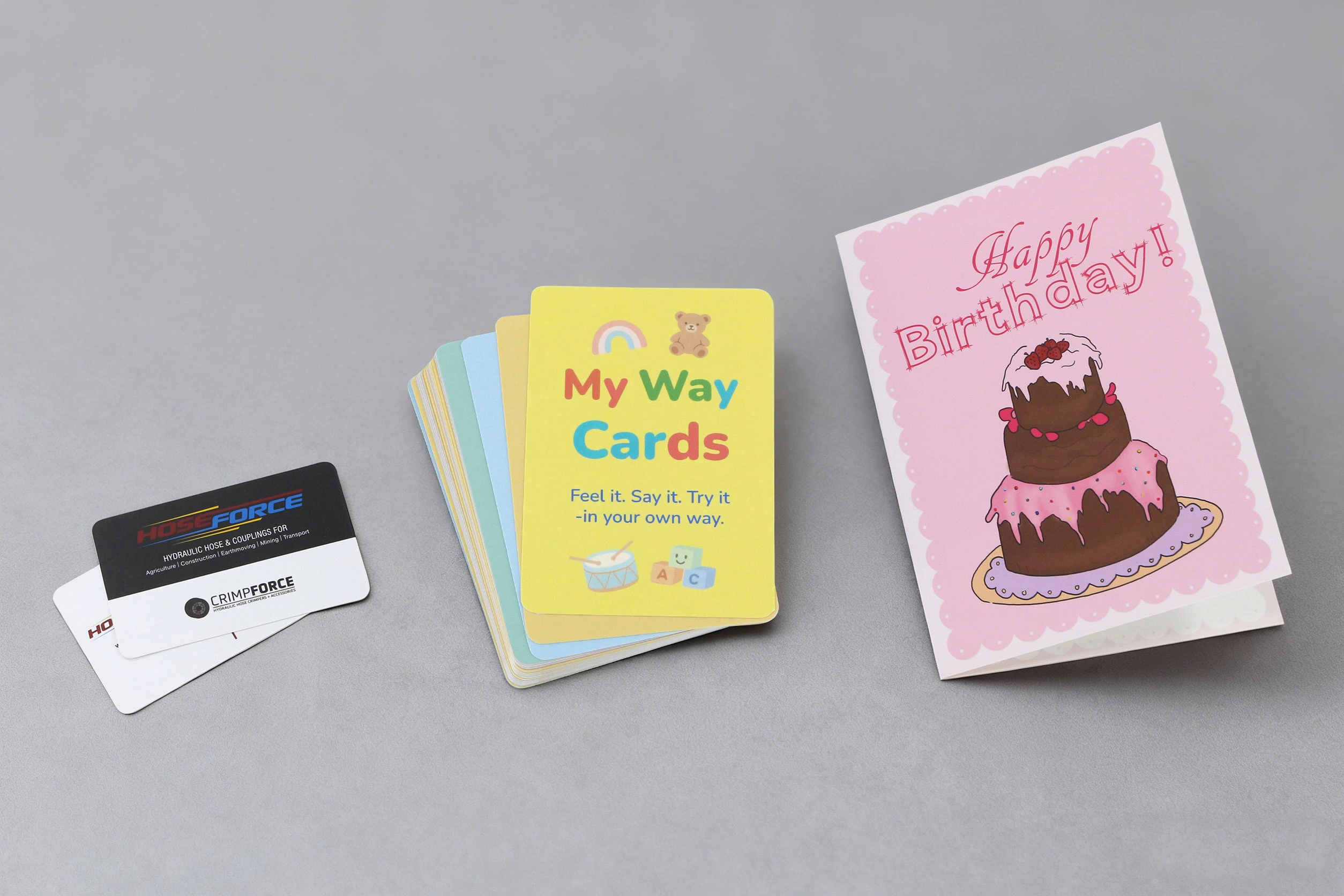
Promotional cards come in many different physical formats, allowing businesses to choose the design that best fits their goals and branding.
Below are the most common formats:
Flat Cards
Flat cards are single, flat pieces of cardstock printed on one or both sides. Typical examples include:
Postcards
Business cards
Promotional inserts
Thank-you cards
Instruction or care cards
Scratch-off cards
Gift voucher cards
Flat promo cards are easy to produce and distribute, making them a popular choice for e-commerce packaging and marketing campaigns.
Folded Cards
Folded cards provide more space for content and add a premium feel. They often appear as:
Greeting cards
Holiday cards
Corporate invitation cards
Folded thank-you cards
These cards allow businesses to include personalized messages or additional information inside the fold without cluttering the front design.
Deck-Style Cards
Deck-style cards are printed as a collection of multiple cards grouped. Examples include:
Promotional playing cards
Promotional card decks
Affirmation card sets
Training or learning flashcards
Deck-style cards are unique because they offer more interaction, making them memorable promotional gifts. Companies often use them for branding, customer engagement, education, or special merchandise.
Why Format Matters
Choosing the right physical format is important because it impacts:
How much information can you include
How customers will use the card
The overall brand experience
Production cost and packaging options
A business card is perfect for networking, but a deck of custom promotional playing cards could be a standout corporate giveaway. Meanwhile, a folded greeting card may be ideal for seasonal promotions.
No matter which format you choose, promotional cards remain a simple yet powerful way to increase brand visibility and connect with your audience.
The Advantage of Custom Promotional Cards for Business
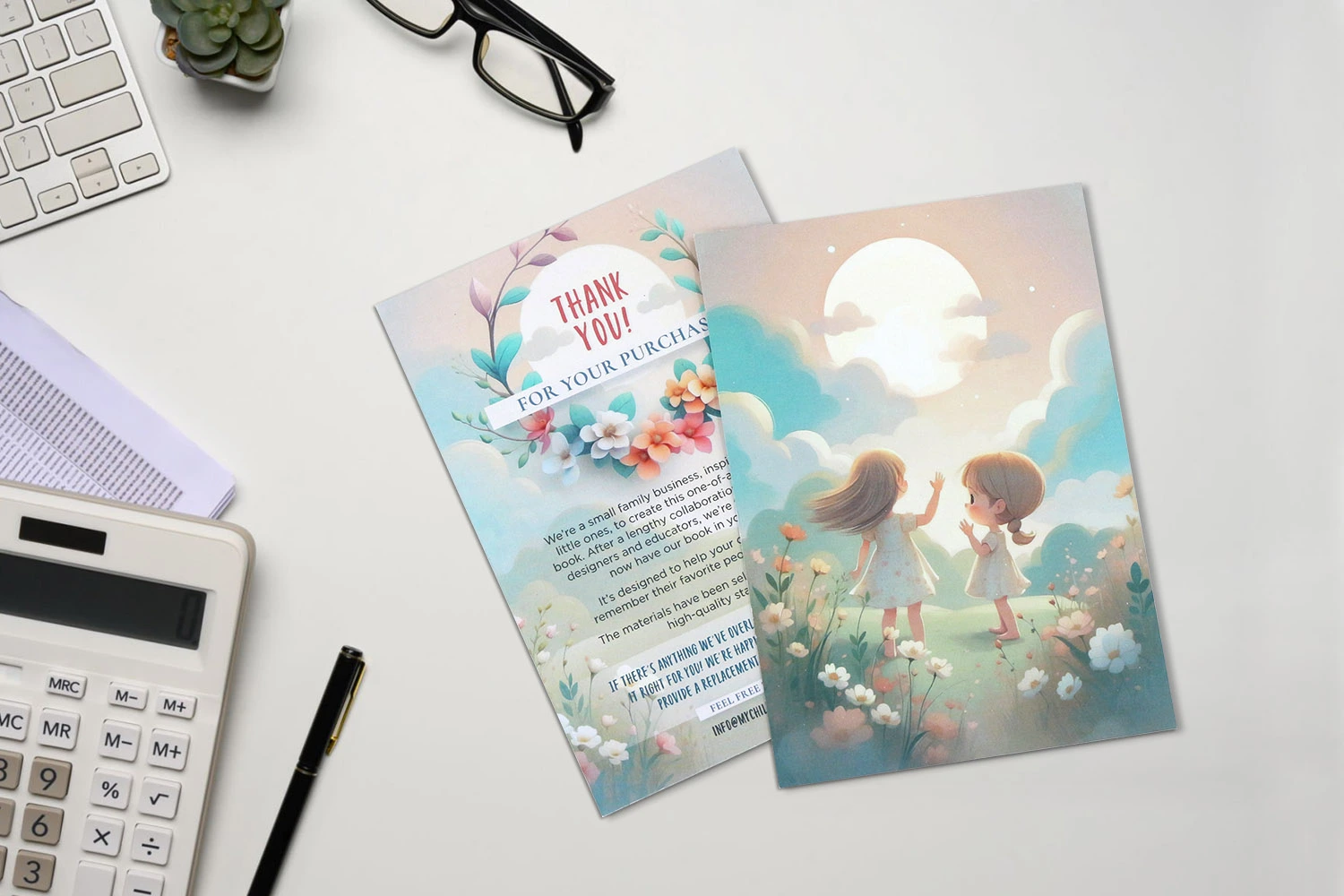
Custom promotional cards are one of the simplest, most versatile, and most reliable marketing tools available to businesses today. They work across all industries, suit all budgets, and can be tailored to almost any branding style or marketing goal. Whether you are a small business owner sending thank-you cards with orders or a large company preparing promotional card printing for a major event, these cards offer direct, powerful communication with your audience.
Below are the key advantages of using custom promotional cards for business.
High Brand Recall
One of the biggest strengths of promotional cards is their ability to create strong brand recall. Unlike digital content that disappears in a few seconds, printed cards stay visible for days, weeks, or even months.
A business card sits on a desk.
A thank-you card stays inside a drawer.
A postcard may be pinned to a wall.
A promotional deck of cards might be used again and again.
Every time the customer sees or touches the card, the brand is reinforced in their mind. The tactile experience, the feel of the paper, the finish, the weight, helps create a stronger memory than a digital message.
Affordable to Mass-Produce
Promotional card printing is cost-effective, even with add-ons like lamination, foil stamping, or spot UV. This makes promo cards accessible to businesses of all sizes. Whether you produce 100 cards or 10,000 cards, printing costs remain relatively low compared to other marketing tools.
Here’s why promo card printing remains affordable:
Card sizes are small and require less paper.
Offset printing allows large quantities at a low per-unit cost.
Cardstock options are inexpensive but high-quality.
Cards require minimal assembly or handling.
Because of this, businesses can confidently print promotional cards in bulk for events, trade shows, packaging inserts, and seasonal campaigns without worrying about high costs.
Easy to Distribute
Promotional cards are extremely easy to hand out or include with other materials. Their small size and light weight make them perfect for:
Direct mail
Product packaging
Trade show bags
Welcome kits
Corporate events
Retail counters
Gift boxes
Hotel or hospitality packs
Customers are more likely to accept something small and simple, which makes promo cards ideal for spreading brand awareness quickly and efficiently.
Versatile Usage Across Industries
One of the biggest strengths of promotional cards is their versatility. They can be used in nearly every industry, including:
E-commerce: thank-you cards, discount cards, care cards
Retail: promotional postcards, loyalty cards, gift cards
Hospitality: welcome greeting cards, room information cards
Education: flashcards, training cards, affirmation cards
Corporate brands: business cards, event invitation cards
Fitness, wellness, coaching: motivational or affirmation decks
Entertainment: custom playing cards for events or merchandise
Because promotional cards can take many forms and designs, they can be adapted to any business need or branding style.
Tangible and Memorable Physical Marketing
In a world filled with digital ads, promotional cards stand out because they create a physical connection. Customers can touch the texture, feel the weight, and examine the design, something digital screens cannot replicate.
Physical marketing feels more personal and more thoughtful. A printed card signals:
Effort
Quality
Care
Authenticity
This emotional connection can help businesses strengthen customer loyalty, build trust, and increase brand credibility.
Unlike emails that get deleted or digital ads that get scrolled past, a physical card holds attention and stays with the customer longer.
When Should You Print Promotional Cards?
Promotional cards are flexible, practical, and useful throughout the entire year. Businesses use them during product launches, special events, seasonal promotions, and even during regular day-to-day operations. Understanding when to print promotional cards can help you plan, save money, and maximize the impact of your marketing efforts.
Below are the most common situations where promotional cards play an important role.
Before Product Launches
A product launch is one of the best times to use promotional cards. They help introduce the product, build anticipation, and communicate essential information simply and memorably.
Businesses often use:
Promotional postcards
Instruction or care cards
Thank-you cards
Gift voucher cards
For example, if you are releasing a new skincare product, including a care instruction card or discount card inside the packaging can help educate customers and encourage future purchases. Promo cards also work well in press kits or influencer packages, giving your brand an extra professional touch.
Seasonal Events & Holidays
Holidays and seasonal events create natural opportunities to connect with your customers. Whether you run an online shop, a retail store, or a service business, sending out seasonal promotional cards can make your brand feel more personal and approachable.
Common uses include:
Holiday greeting cards
New year cards
Seasonal sales postcards
Gift card holders
Black Friday thank-you cards
These cards help your business stay top-of-mind during the busiest shopping seasons of the year. Customers often keep holiday cards, which increases brand visibility even after the season ends.

Trade Shows & Exhibitions
Trade shows are all about exposure, networking, and brand awareness. Promotional cards are essential tools at these events.
Businesses often bring:
Business cards
Promotional postcards
Information cards
Discount offer cards
Custom playing cards or mini decks as giveaways
Unlike brochures or catalogs, cards are small, easy to carry, and quick to read. They provide just the right amount of information without overwhelming potential customers. A memorable card can help your business stand out from hundreds of booths.
Customer Onboarding
Promotional cards help create a positive first impression when a new customer interacts with your business. Whether someone buys a product, signs up for a service, or registers for a program, the onboarding experience is crucial.
Cards commonly used for onboarding include:
Welcome cards
Thank-you cards
Instruction cards
Warranty information cards
Loyalty cards
A simple printed message included in a package or welcome kit can improve customer satisfaction and increase the likelihood of repeat purchases.
Thank-You Inserts for E-Commerce Orders
In e-commerce, small touches can make a big difference. Adding a thank-you card or promotional card to each order helps customers feel valued. It also encourages them to stay connected with your brand.
Popular card types include:
Thank-you cards
Discount or coupon cards
QR code cards linking to social media
Product care cards
Loyalty cards for repeat purchases
These cards are inexpensive but highly effective in strengthening customer loyalty.
Corporate Gifting
Businesses often send corporate gifts during holidays, major celebrations, or client appreciation events. Promotional cards can add a personalized and professional touch to these packages.
Examples include:
Greeting cards
Gift card holders
Personalized message cards
Branded playing card decks as premium gifts
A well-designed card can help convey your brand values and strengthen relationships with clients or partners.
Marketing Campaigns and Rebranding
Whenever you run a marketing campaign or rebrand your company, promotional cards are helpful tools for spreading the message.
You can use:
Postcards
Business cards
Announcement cards
Promotional scratch cards
Loyalty cards
These cards help communicate the new brand identity, introduce updated services, or promote special offers tied to the campaign.
Promotional cards are valuable all year round, but choosing the right moment amplifies their impact. Whether you are launching a product or strengthening customer relationships, printing promotional cards at strategic times can help your business grow and stay memorable.
Popular Types of Promotional Cards
Promotional cards come in many styles, each offering a unique way to highlight your brand, message, or product. The right choice depends on your purpose, audience, and the type of visual impact you want to create. Below are the most common and effective types, along with the unique benefits each one offers.
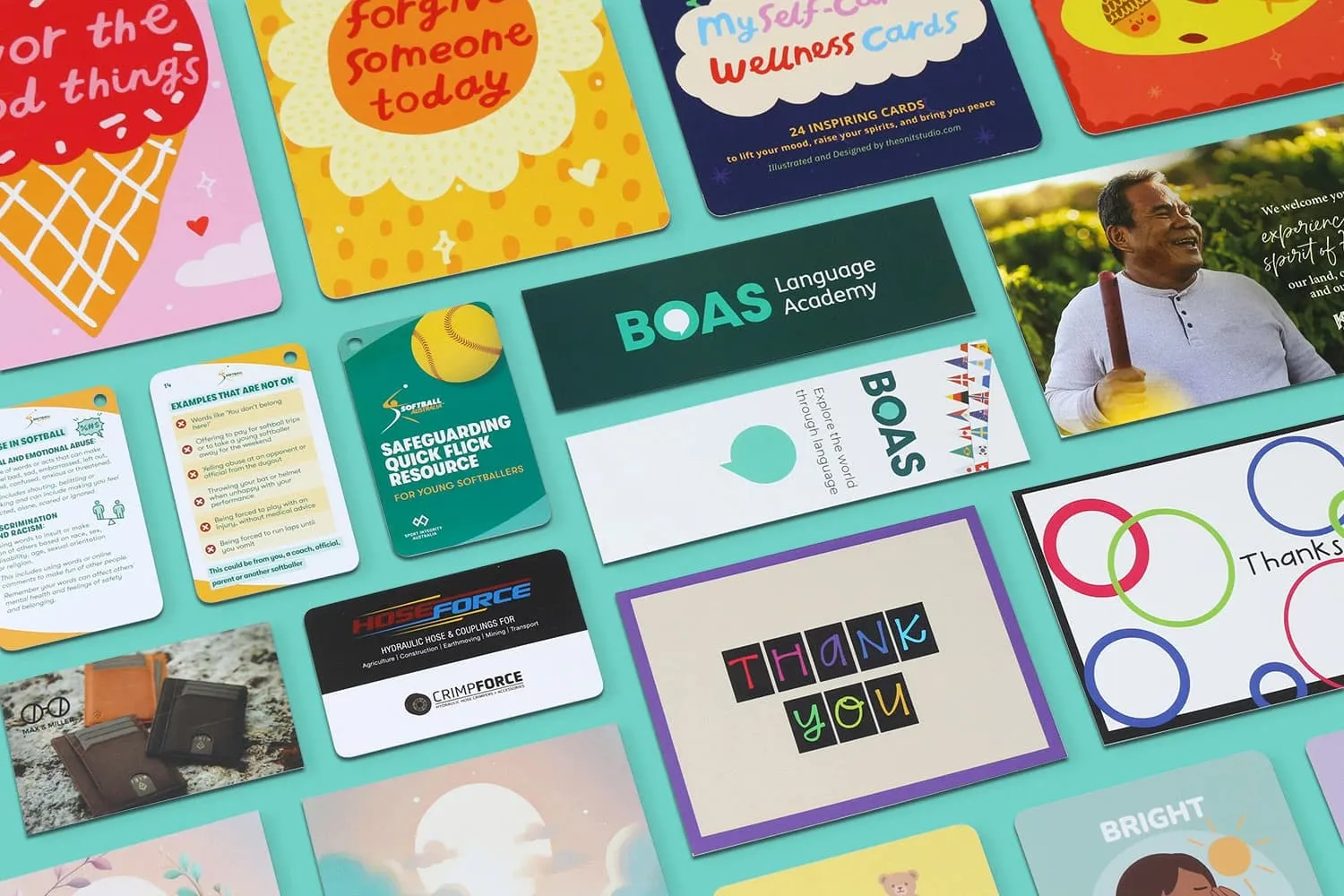
Business Cards: A staple for networking, business meetings, and events. Their compact size makes them a powerful tool for making strong first impressions.
Thank-You/ Appreciation Cards: Perfect for e-commerce stores, small businesses, and service providers who want to elevate the unboxing experience and build lasting customer loyalty.
Greeting Cards: Ideal for holidays, product launches, customer anniversaries, or special campaigns. They add a warm, personal touch while keeping your brand top of mind.
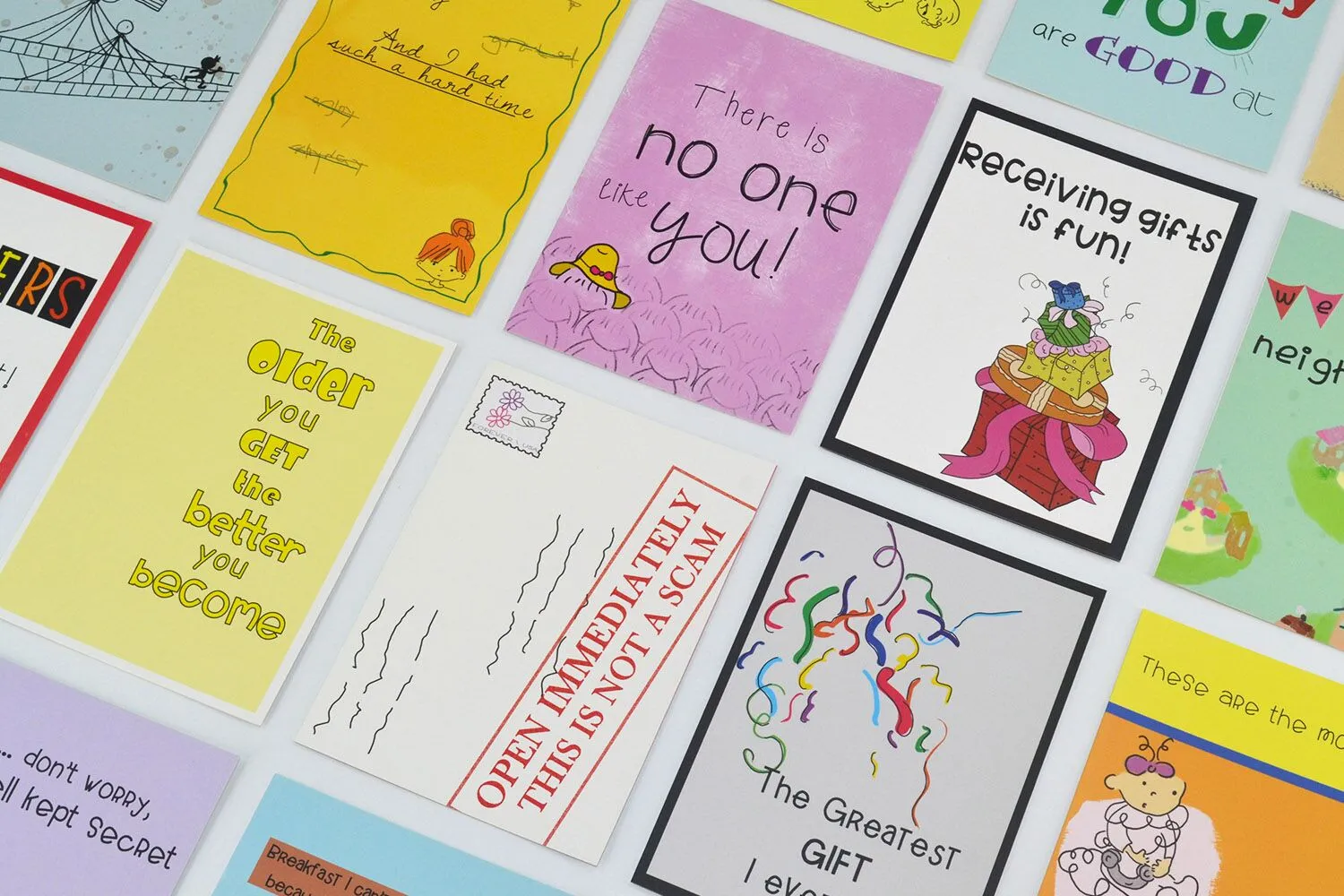
Postcards: Versatile and cost-effective, postcards work well for direct mail promotions, event invitations, product announcements, and brand storytelling.
Product Insert Cards: Placed inside packaging to communicate care instructions, brand stories, QR codes, or special discounts, enhancing customer experience and retention.
Loyalty / Reward Cards: Designed for membership programs, point tracking, punch-card systems, and repeat-purchase incentives.
Gift Cards / Voucher Cards: A polished and valuable touchpoint for retail, hospitality, and service businesses. Great for boosting sales and customer engagement.
Event & Invitation Cards: Used for launches, exhibitions, workshops, and corporate celebrations, offering a premium, professional introduction to your event.
Affirmation/ Motivation Cards: Popular in lifestyle, coaching, and wellness brands. Often displayed on a stand for daily inspiration and ongoing engagement.
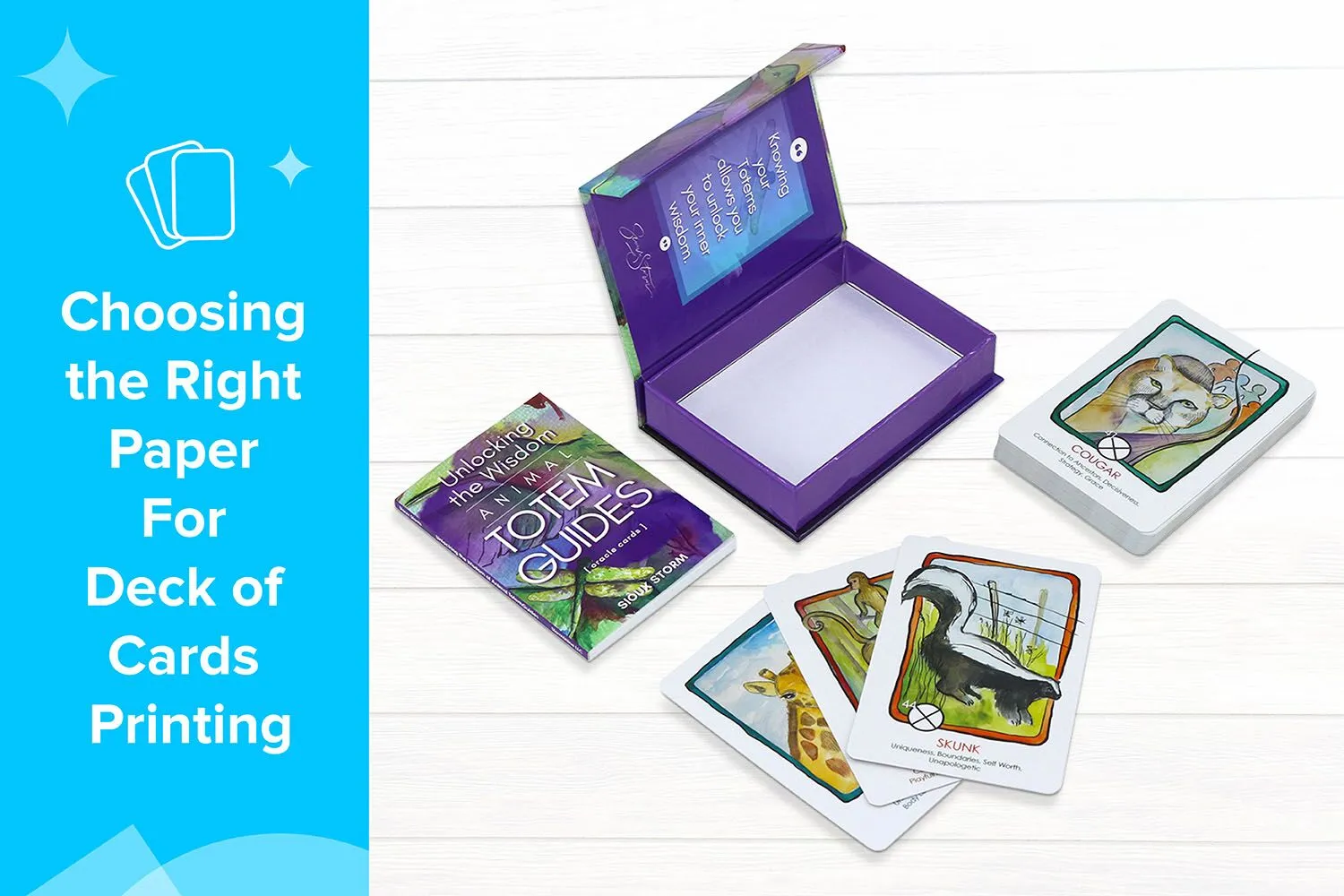
Playing Cards (Custom Decks): A fun and memorable promotional item. Custom playing cards allow you to turn your brand, artwork, messages, or product themes into a full 52-card deck for marketing, gifting, or retail.
Mini Info Cards / Pocket Guides: Compact card sets that deliver quick tips, product highlights, educational content, or brand facts in a portable format.
Design plays a crucial role in how your promotional card is perceived. Whether you’re creating a simple thank-you card, a postcard campaign, or a fully customized playing card deck, the look and feel should reflect your brand identity while capturing attention instantly. Strong design ensures your promotional cards remain visually appealing, memorable, and effective.
Design Tips for Effective Promotional Cards
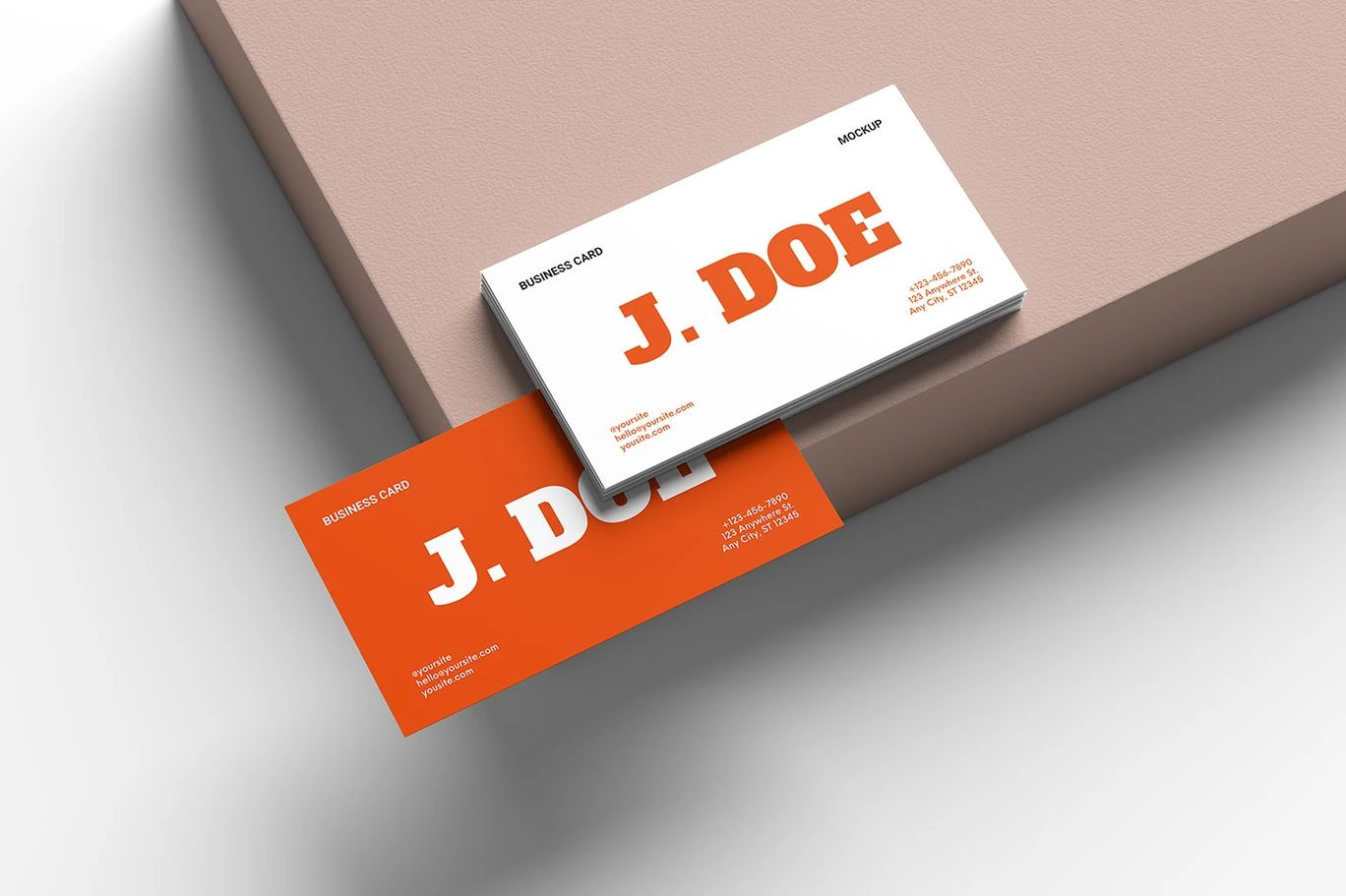
Design plays a crucial role in how your promotional card is perceived. Whether you’re creating a business card, thank-you card, or a full promotional playing card deck, the look and feel must reflect your brand while capturing attention instantly. Here are key design principles to help you create promotional cards that are visually appealing, memorable, and effective.
Keep Your Layout Clean and Balanced
A promotional card should communicate your message quickly. Avoid clutter, excessive text, or visuals that compete with each other.
Use plenty of white space to help elements breathe
Group related information using alignment and spacing
Keep the most important information at the top or center
A clean design always looks more professional and high-end.
Use Consistent Branding
Your promotional card should be an extension of your brand identity.
What to include:
Brand colors
Brand fonts
Logo placement
Style that matches your website or marketing materials
Consistency builds recognition and trust.
Choose Readable Typography
Even the most beautiful design fails if people can’t read it.
Typography rules:
Use 1–2 fonts (maximum 3)
Ensure text size is readable at arm’s length
Avoid overly decorative fonts for body text
Maintain a strong contrast between text and background
Readable typography = better communication.
Use High-Quality Visuals
Whether you include photos, patterns, or illustrations, make sure they are crisp and high resolution.
Do:
Use 300 DPI images
Choose clean, sharp graphics
Make sure visuals match your brand personality
Avoid:
Pixelated or low-resolution images
Stock images that feel generic or overused
Quality visuals instantly elevate the card.
Apply Color Psychology
Colors influence emotion and perception. Choose hues that align with your message.
Examples:
Blue: Trust, reliability (great for corporate or tech brands)
Red: Excitement, energy (good for promotions or urgent messaging)
Green: Growth, eco-friendly brands
Gold/Metallic: Luxury, premium feel
Use your brand colors first, then add accent colors wisely.
Create a Strong Visual Hierarchy
Guide the viewer’s eyes in the order you want them to read the information.
Ways to build hierarchy:
Larger text for titles
Bold or color-accented key points
Strategic placement of elements
Clear contrast between sections
Hierarchy helps your message stand out clearly.
Make Your Message Clear and Concise
Promotional cards work best with short, impactful copy.
Writing tips:
Use a short headline
Add a simple call-to-action
Include only essential information
Avoid long paragraphs
People should understand your message within 3 seconds.
Use Branding Elements Creatively
Add subtle brand details to make your card feel custom and memorable.
Ideas:
Custom patterns
Brand icons or illustrations
Unique color-blocked layouts
Signature shapes or borders
Small details make a big impact.
Design With Purpose
Each promotional card should have a specific goal, such as:
Driving website traffic
Increasing loyalty
Sharing product details
Creating a memorable unboxing experience
Enhancing brand image
Let the purpose guide your design choices.
Tips to Print Your Promotional Card
Producing high-quality promotional cards requires more than a good design. The printing stage is what determines the sharpness of your text, the richness of your colors, the durability of the card, and the overall impression your customers will receive.
Whether your project is a simple promotional postcard or a premium deck of branded cards, the following detailed tips will help you achieve professional-quality results.
Prepare a High-Quality, Print-Ready File
Before submitting your artwork for printing, it’s essential to prepare your file correctly. This step ensures that what you see on your screen matches the final printed output.
• Resolution: High resolution (Minimum 300 dpi) ensures crisp text and sharp images. Anything below 300 DPI may appear pixelated or blurry in print.
• Format: A print-ready PDF keeps all fonts, images, and layout elements locked in place. It prevents shifting and maintains accuracy across systems.
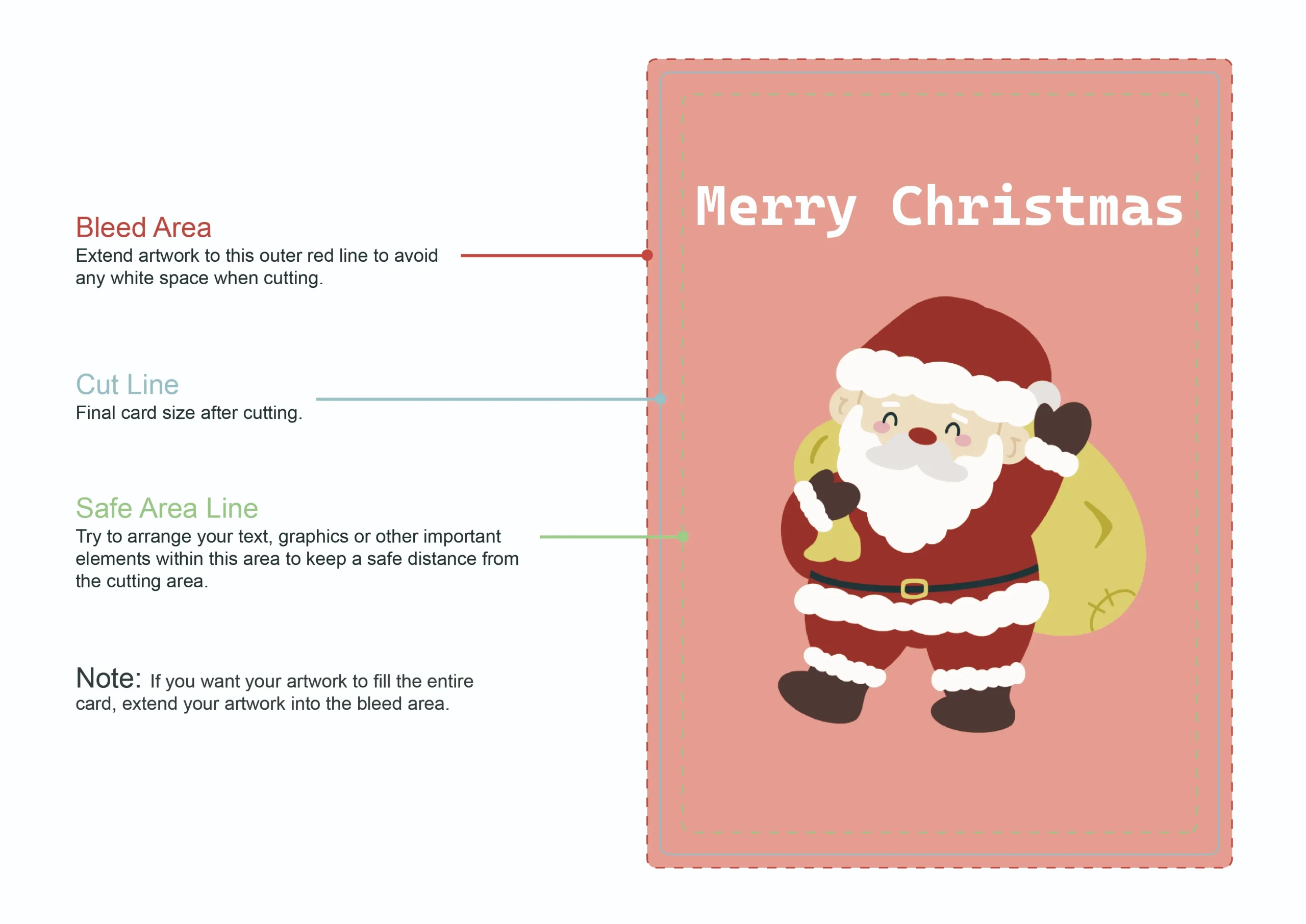
• Bleed Area: Include a 3 mm bleed on all sides. Bleed ensures that no white borders appear after trimming. It allows your background color or image to extend slightly beyond the final size, giving a clean edge.
• Color Mode: Most printers use CMYK (Cyan, Magenta, Yellow, Black). Files designed in RGB may result in dull or mismatched colors when printed.
• Safe Zone: 3–5 mm margin inside the trim line. Place important text or logos within this safe area to prevent accidental cropping.
Why Proper File Preparation Matters
Prevents blurry or distorted graphics
Avoids misaligned text or unexpected cuts
Ensures colors print accurately
Reduces delays in production
Eliminates costly reprints
A well-prepared file ensures your promotional cards look exactly the way you intended.
Select the Right Material for Your Card
Choosing the right paper stock is a key step in producing high-quality promotional cards. Your paper choice influences the card’s durability, color accuracy, and the impression it makes when customers hold it. For most promotional cards, premium 250–350gsm cardstock offers the ideal balance of thickness, strength, and print performance. You can choose between glossy or matte finishes depending on your brand style. Glossy finishes make colors appear bright and vibrant, while matte finishes provide a smooth, elegant, and non-reflective look.
C2S (Coated Two Sides) cardstock has a smooth coating on both sides, delivering rich colors, sharp images, and excellent double-sided printing results. Because both surfaces are coated, your artwork remains crisp and professional on all sides, making C2S especially suitable for promotional playing cards, affirmation cards, business cards, and other designs that require detailed graphics.
C1S (Coated One Side) cardstock features one coated side for vivid printing and one uncoated side for easy writing. The uncoated surface allows pen or pencil marks to dry quickly without smudging. This makes C1S an excellent choice for promotional cards that combine high-quality printing with handwritten elements, such as thank-you cards, greeting cards, postcards, and gift cards.
For brands that want to elevate their promotional cards with a distinctive look or premium texture, specialty papers provide an extra level of uniqueness:
Linen Paper: Features a delicate woven texture that brings elegance and refinement to the design.
Pearl Paper: Offers a soft, shimmering effect that enhances luxury and is perfect for upscale promotions or special events.
Textured Paper: Available in various surface patterns, giving cards a handcrafted, tactile feel.
These specialty materials are popular among brands aiming for a premium, boutique, or artistic presentation, helping their promotional cards stand out from traditional options.
Why Material Selection Matters
A thicker card feels premium
Coating affects print vibrancy
Uncoated surfaces improve writability
Texture affects emotional perception and brand personality
Your paper choice becomes part of your brand’s story.
Add Professional Finishes to Enhance Your Cards
Finishing options play a major role in transforming a simple printed card into a polished, premium-quality marketing piece. The right finish can enhance visual appeal, improve durability, and give your promotional cards a distinctive, memorable feel. Below are the most popular finishes to consider when elevating your card design.
Glossy Lamination: Provides a bright, reflective surface that makes colors appear more vivid and eye-catching. Glossy lamination also offers additional protection against fingerprints, moisture, and minor scratches, making it ideal for cards handled frequently.
Matte Lamination: Gives your cards a soft, non-reflective finish that looks modern and sophisticated. Matte lamination reduces glare and adds a smooth texture that feels premium in the hand, perfect for brands aiming for an elegant, understated look.
Soft-Touch Lamination: Creates a velvety, almost “suede-like” surface that delivers an ultra-premium tactile experience. Soft-touch lamination is commonly used for luxury products, high-end playing cards, and upscale promotional materials.
Varnish: A thin coating applied to the card surface to add subtle shine and protect against wear. Varnish enhances durability while maintaining a natural paper feel.
Spot UV: A glossy coating applied only to selected areas, such as logos, text, or design elements. Spot UV creates a striking contrast between matte and glossy surfaces and draws attention to important details.
Foil Stamping: Uses heat and pressure to apply metallic foil onto the card. Available in gold, silver, rose gold, holographic, and other colors, foil stamping adds luxury and sophistication. It’s especially effective for gift cards, premium business cards, holiday cards, and limited-edition promotional items.
Embossing: Raises specific elements (such as logos, icons, or patterns) above the card surface, adding dimension and tactility. Embossing gives the design a premium, handcrafted feel.
Debossing: Presses selected design elements into the cardstock, creating a recessed effect. Debossing adds elegance and depth, especially when paired with foil stamping.
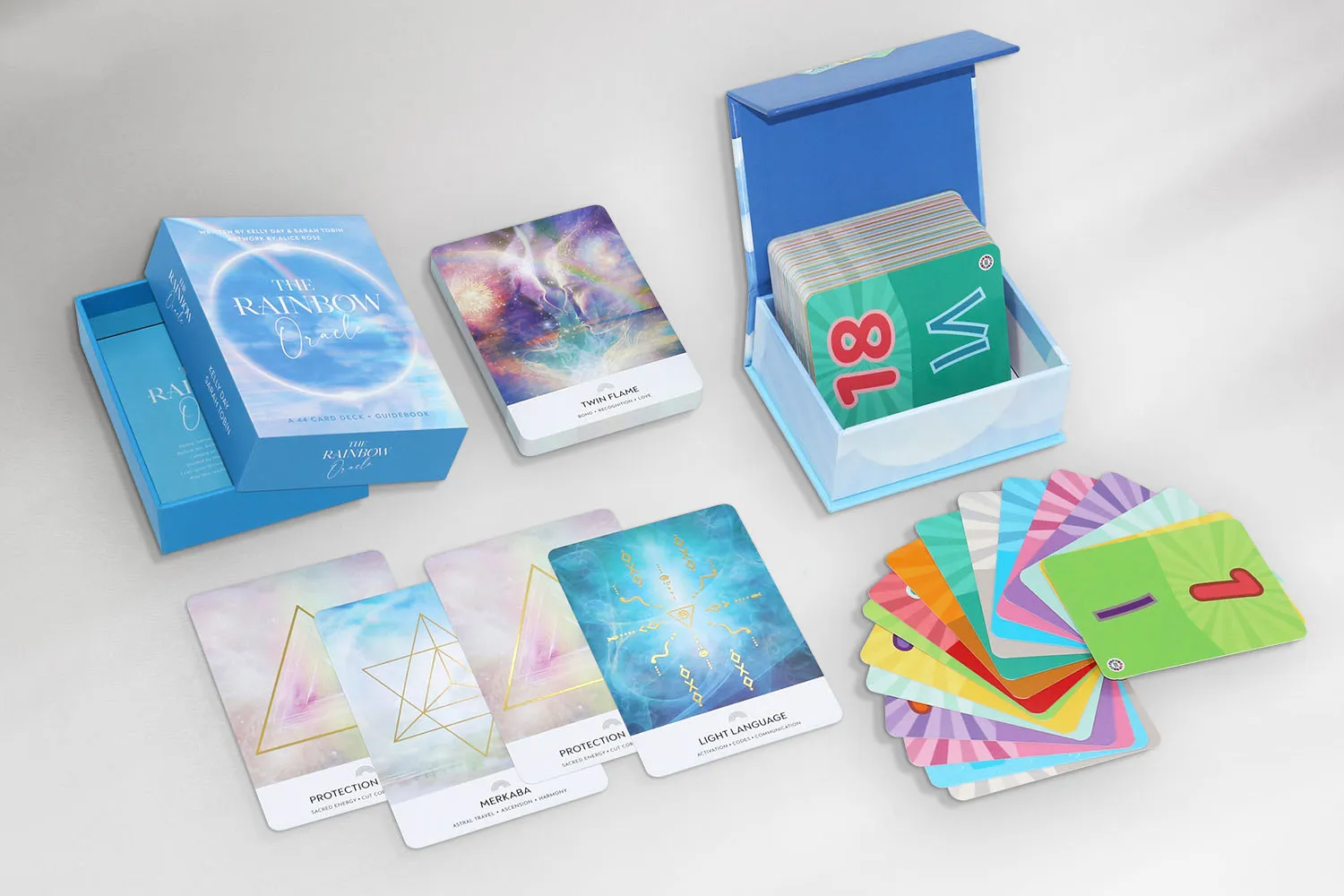
Rounded Corners: Provides smooth, curved edges that make the card feel modern and polished. Rounded corners are popular for affirmation card decks and playing card decks, as they reduce edge wear and improve durability.
Gilded Edges: Applies metallic coloring to the edges of a card deck. Gilded edges give a luxurious, high-end appearance commonly seen in premium playing cards, tarot or affirmation decks, and VIP promotional sets.
Choose the Best Packaging for Your Promotional Cards
Packaging not only protects your cards, it also enhances the unboxing experience and adds perceived value.
Shrink Wrap: Keeps card sets together and is a cost-effective packaging way for promotional cards. Ideal for mass production or bulk distribution
Plastic OPP Bag: Clear, lightweight protection. Suitable for small card sets or individual thank-you cards.
Envelope: Great for greeting cards, postcards, and thank-you notes.
Tuck Box: Standard packaging for playing cards, affirmation cards, and small promotional decks.
Two-Piece Rigid Box: Premium box design with separate lid and base. Creates an elegant unboxing moment.
Magnetic Closure Rigid Box: Luxury packaging option with a strong magnetic flap. Perfect for playing card decks or high-end promotional decks.
Drawer Rigid Box: Unique pull-out design that feels refined and special. Excellent for premium brand identity card sets or corporate gifts.
Always Request Proof Before Mass Production
Proofing is one of the most important steps to prevent errors and ensure your final product matches expectations.
Digital proof: A digital file preview showing layout, spacing, fonts, and text. Useful for content checking, but may not perfectly match printed colors.
Physical Proof (Printed Sample): A real printed sample using your selected materials and finishes. It allows you to confirm such as paper thickness, color expression, special effects (foil, embossing, UV), and trimming accuracy.
Where to Print Your Promotional Cards
Choosing the right printer is key to creating promotional cards that look professional and reflect your brand. Quality printing ensures your business cards, postcards, thank-you cards, product inserts, or even custom playing cards leave a strong and lasting impression.
At BookPrintingChina, we offer a one-stop promotional card printing solution at affordable prices. From file guidelines to paper selection, specialty finishes, and packaging, we handle every detail to help you achieve the best results. Whether you need small batches or large bulk orders, we provide reliable quality, fast production, and fully customizable options tailored to your brand.