



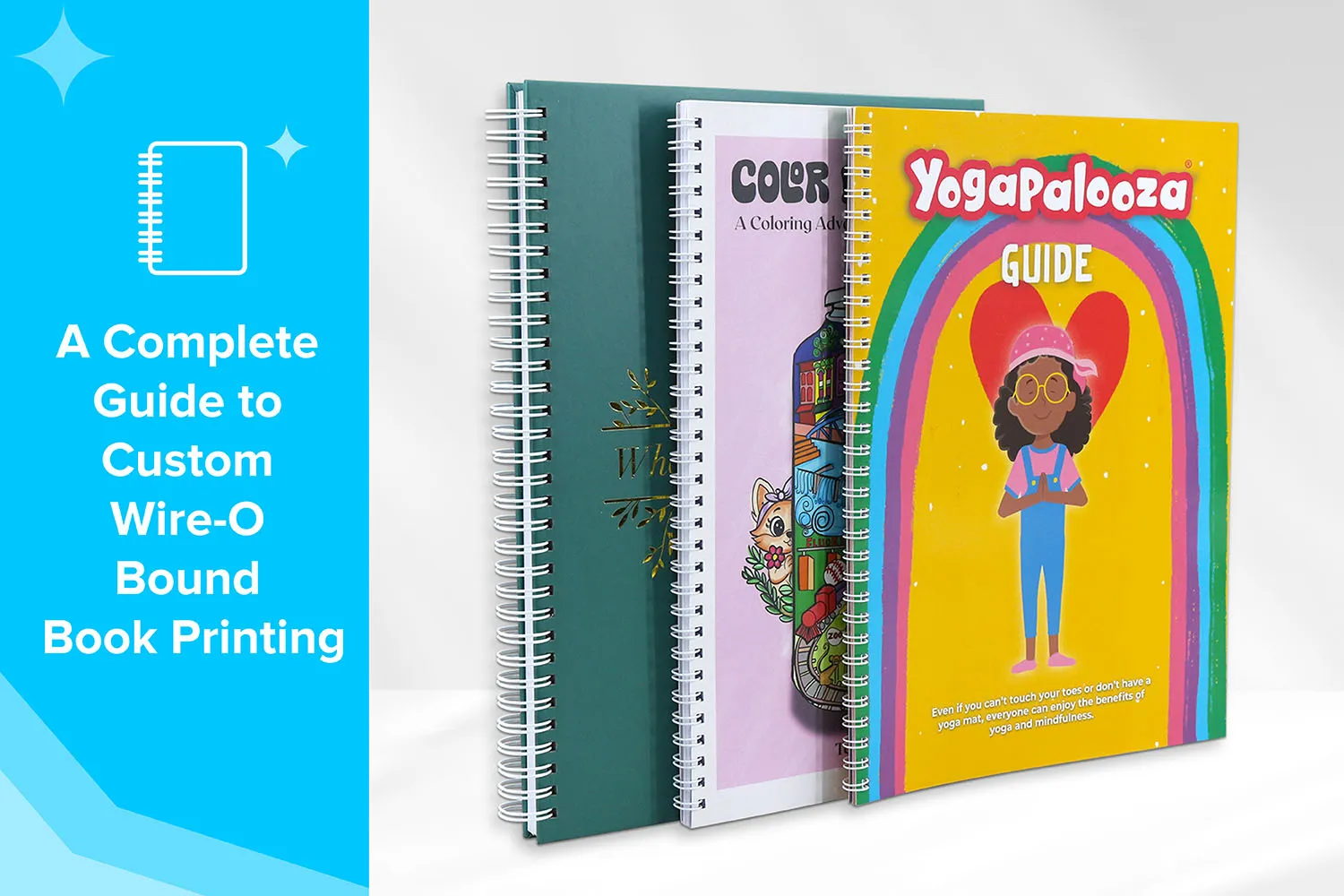
Wire-O binding is one of the most popular binding methods for notebooks, manuals, planners, and professional documents. Known for its durability, flexibility, and clean appearance, this binding style allows pages to lay flat and rotate smoothly, making it ideal for books that need to be written in or referenced frequently.
Businesses, publishers, educators, and designers often choose wire-o bound book printing because it combines functionality with a professional presentation. Whether you are printing notebooks for retail, training manuals for employees, or planners for personal organization, wire binding offers a reliable and attractive solution.
In this guide, we will explore everything you need to know about custom wire bound book printing, including the types of wire binding, production process, materials, cover options, wire sizes, design considerations, and common applications. Understanding these details will help you make the right choices when planning your next wire-bound printing project.
What’s Wire-O Binding?
Wire-O binding is a binding method that uses double metal wire loops inserted through punched holes along the edge of a book. The wire is then closed into a continuous series of loops that hold the pages securely together.
Wire-O binding is also commonly known as:
Double loop wire binding
Twin loop wire binding
Double wire binding
Unlike other binding methods such as perfect binding or saddle stitching, wire binding does not rely on glue or folded signatures. Instead, individual sheets are punched with holes and held together by the wire loops. This allows the book to open completely flat and even fold back on itself.
One of the biggest advantages of wire-o binding is its 360-degree page rotation, which means the pages can be turned fully around without damaging the spine. This feature makes wire-bound books extremely convenient for writing, studying, or referencing information.
Types of Wire-O Binding
Although all wire-o bound books use the same double-loop wire mechanism, there are several different binding styles depending on how the wire is presented on the book. In custom book printing, wire-o binding is generally divided into two main types: standard wire-o binding and concealed wire-o binding. Each style offers different advantages of appearance, protection, and production cost.
Standard Wire-O Binding
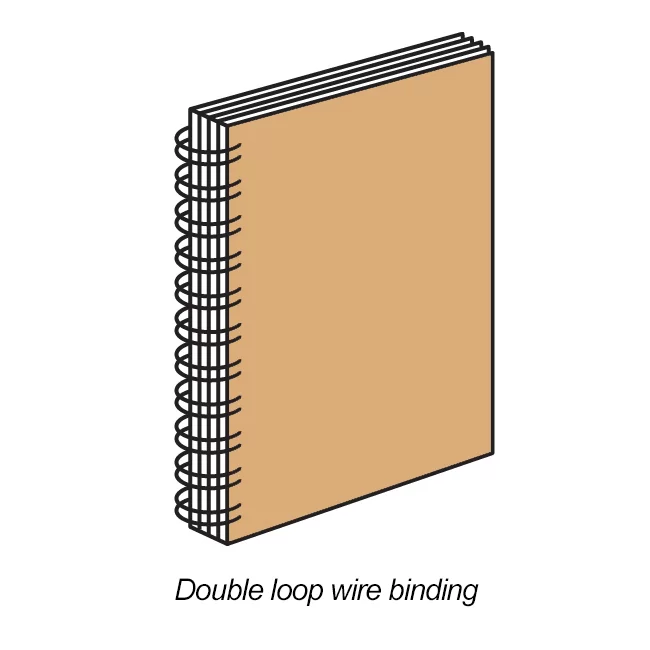
Standard wire-o binding is the most common and widely used wire binding style. In this format, the metal wire loops are fully visible along the spine of the book. The pages and covers are punched with evenly spaced holes, and the double-loop wire is inserted and closed to hold the pages together.
Because the wire spine is exposed, the book opens easily and pages turn smoothly. The binding also allows the pages to lay completely flat or fold back 360 degrees, which makes it especially convenient for writing, reading, or referencing information.
Another advantage of standard wire-o binding is its simple production process. Since the wire is directly applied to the punched pages, it requires fewer manufacturing steps than concealed binding. This makes it a cost-effective option, particularly for medium and large printing quantities.
Standard wire-o binding is commonly used for many practical and frequently used printed products, including:
Notebooks and journals
Workbooks and study guides
Training manuals
Instruction or reference books
Corporate reports and presentations
Planners and organizers
Because the wire loops remain visible, designers often select a wire color that complements the cover design. Popular wire colors include black, white, silver, and gold, allowing the binding to blend with or enhance the overall appearance of the book.
Concealed Wire-O Binding
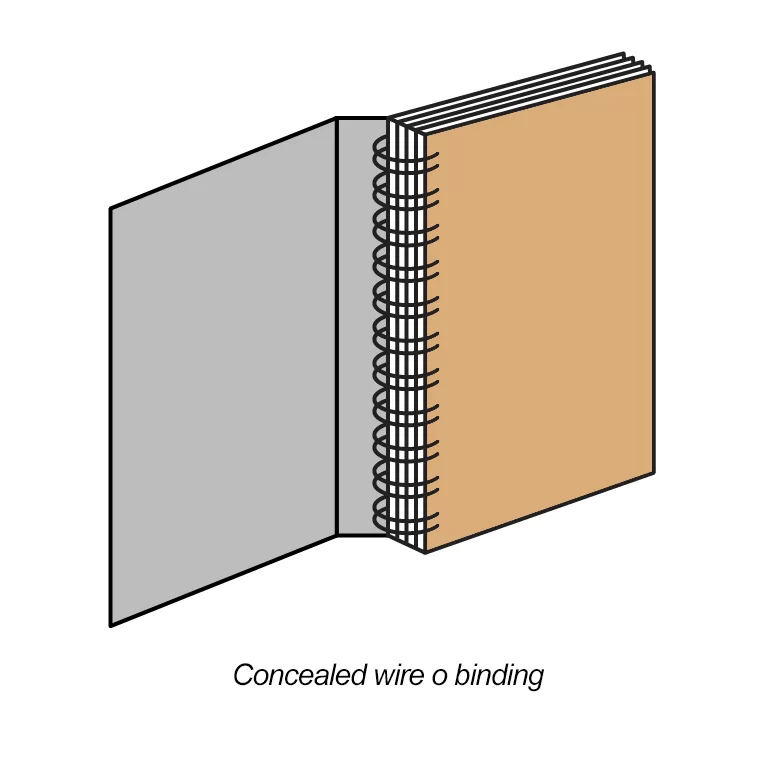
Concealed wire-o binding is a more premium and visually refined version of wire binding. In this format, the metal wire loops are hidden inside a specially designed cover so that the spine appears cleaner and more similar to a traditional book.
Concealed wire-o binding generally includes two variations:
Semi-concealed wire-o binding: The cover partially wraps around the spine, hiding most of the wire loops while leaving a small portion visible.
Fully concealed wire-o binding: The wire loops are completely hidden within the cover structure, creating a smooth and professional spine appearance.
To achieve this design, the cover is printed larger than the interior pages and then folded around the binding edge. The folded portion wraps around the wire and is glued or attached inside the cover. This construction hides the metal wire and gives the book a more polished, book-like look.
Because of its elegant appearance, concealed wire-o binding is often chosen for projects that require a more sophisticated or premium presentation, such as:
Executive planners
Corporate annual reports
Premium notebooks and journals
Presentation books
Marketing materials
High-end training manuals
However, concealed wire-o binding requires additional cover design considerations and more complex production steps. The cover must be carefully measured, printed, and folded to properly hide the wire loops. As a result, this option typically costs slightly more than standard wire-o binding.
Despite the extra production effort, concealed wire binding provides a cleaner spine, improved aesthetics, and a more professional overall appearance, making it an excellent choice for high-quality printed products.
The Benefits of Wire Bound Books
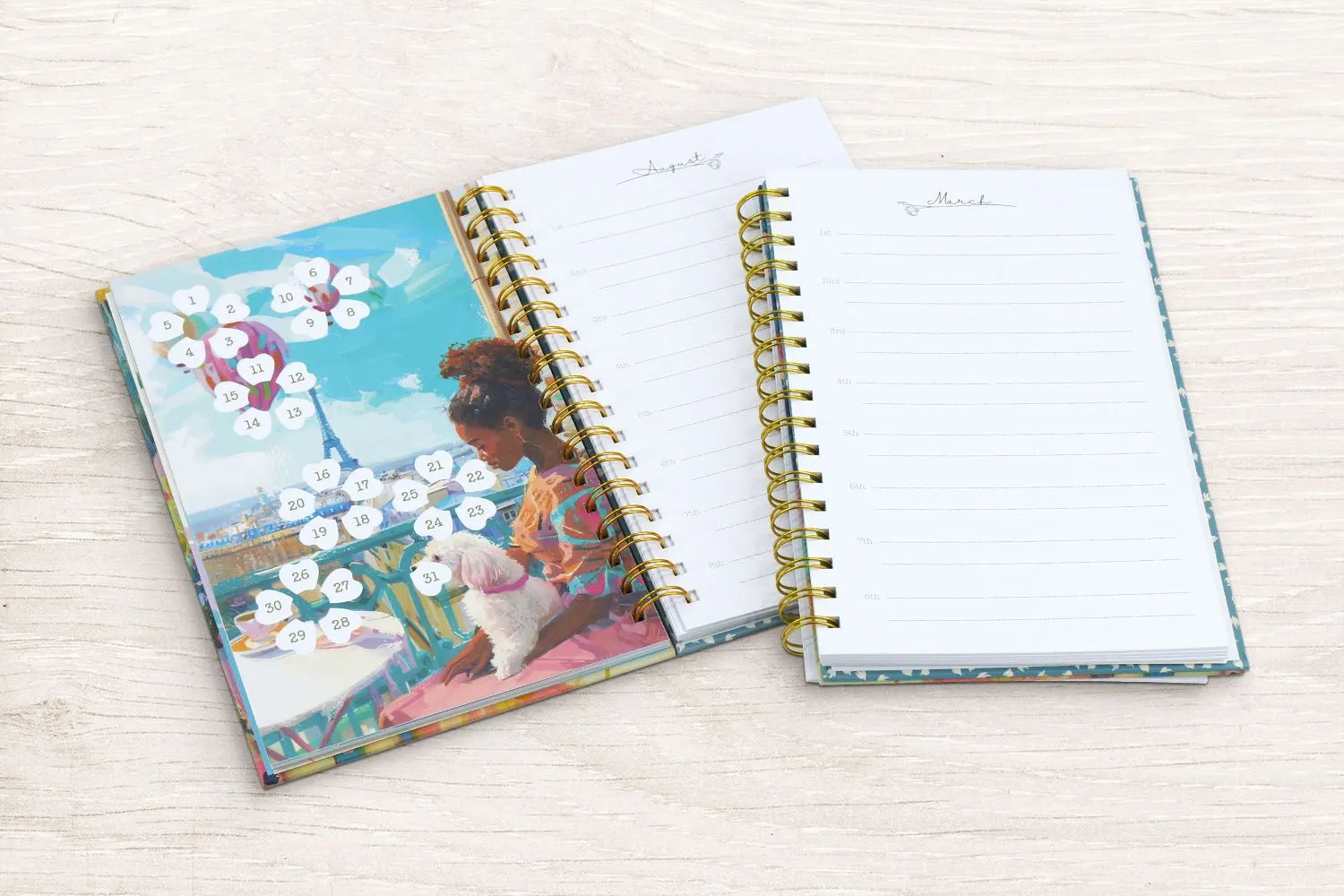
Wire-o binding has become one of the most popular binding methods for notebooks, manuals, planners, and professional documents. Its structure combines durability, flexibility, and convenience, making it ideal for books that are frequently opened, written in, or referenced. Compared with other binding methods such as perfect binding, wire-o binding offers several practical advantages that improve both usability and appearance.
Pages Lay Completely Flat
One of the most valuable features of wire-bound books is that the pages lay completely flat when the book is opened. Unlike perfect bound books, which tend to close on their own or require pressure to keep them open, wire-o bound books remain flat on a desk or table.
This feature is particularly beneficial for books that require writing, drawing, or hands-free reading. For example, students working on a workbook, professionals taking notes in a notebook, or users following instructions in a manual can easily keep the pages open while working. The flat-lay design improves comfort and usability, making the book more practical for everyday use.
360-Degree Page Rotation
Another important advantage of wire binding is its 360-degree page rotation. The double-loop wire allows pages to turn completely around the spine, so the book can be folded back on itself without damaging the binding.
This makes the book more compact and easier to hold, especially when working in limited spaces. Users can flip the pages all the way around and write on a single page without the book taking up extra room on the desk.
Professional and Clean Appearance
Wire-o binding offers a clean and professional look that makes it suitable for business, educational, and corporate materials. The evenly spaced double metal loops create an organized spine that gives the book a structured and polished appearance.
Compared with plastic comb binding or spiral coil binding, wire-o binding often looks more refined and durable. This is why many companies choose wire-o binding for reports, presentations, training manuals, and corporate notebooks.
In addition, the wire loops are available in several colors, allowing designers to select a wire color that complements the cover design and enhances the overall visual effect of the book.
Durable and Long-Lasting Binding
Wire-bound books are also known for their strength and durability. The double-loop metal wire holds the pages securely together, reducing the risk of pages tearing out or becoming loose during frequent use.
Because the binding uses strong metal loops rather than plastic components, it is less likely to break or deform over time. This durability makes wire-o binding a reliable choice for books that will be used repeatedly, such as manuals, workbooks, and reference materials.
Flexible Page Count
Another advantage of wire binding is its flexibility in accommodating different page counts. By selecting the appropriate wire diameter, printers can bind books with a wide range of thicknesses.
Smaller wire sizes can be used for thin notebooks or journals, while larger wire diameters allow the binding of thicker manuals or planners. This flexibility makes wire-o binding suitable for many types of printed projects without changing the binding method.
Wide Range of Customization Options
Wire-o bound books also offer many customization possibilities to match different design needs and branding requirements. Various elements of the book can be customized, including:
Wire colors to match the cover design
Cover materials, such as laminated paper, kraft paper, cloth, or PU leather
Interior paper types and weights for writing, drawing, or full-color printing
Special finishes such as foil stamping, embossing, or spot UV on the cover
Add-ons such as index tabs, pockets, pen holder
These customization options allow businesses, publishers, and designers to create wire-bound books that perfectly match their intended style, purpose, and brand identity.
Because of these advantages, wire-o binding remains one of the most versatile and practical binding solutions for a wide variety of printed products.
How a Wire Bound Book Is Made
The production of a wire-bound book involves several precise manufacturing steps. Each stage ensures that the pages are aligned correctly, the holes are accurately punched, and the wire binding holds the book securely together.
Printing the Parent Pages
The process begins with printing the interior pages and covers. Depending on the order quantity and printing requirements, printers typically use either offset printing or digital printing.
For larger print runs, offset printing is the preferred method because it provides high image quality, consistent color reproduction, and lower cost per unit. For smaller quantities or short-run projects, digital printing is often used because it allows faster production without the need for printing plates.
During this stage, the pages are usually printed on large parent sheets, which contain multiple pages arranged in a layout. Printing multiple pages on one sheet helps improve efficiency and reduce production costs.
Cutting the Sheets
After printing is completed, the large sheets are trimmed down to the final page size using industrial cutting machines. Accurate cutting is extremely important because all pages must be perfectly aligned before the binding process begins.
Clean and precise trimming ensures the pages stack evenly and that the finished book has smooth, uniform edges.
Collating the Pages
Once the pages are cut to the correct size, they are collated into the correct order. Collating means arranging all pages sequentially so that the book reads properly from beginning to end.
For books with many pages, automated collating machines are typically used to speed up the process and reduce the possibility of errors.
Punching Binding Holes
The next step is to punch holes along the binding edge of the pages and covers. These holes are required to allow the wire loops to pass through and hold the book together.
The holes are punched in straight vertical rows with evenly spaced intervals, depending on the binding pitch (such as 2:1 or 3:1 wire-o pitch). Precise alignment during this stage is essential because improperly positioned holes can cause pages to turn unevenly or affect the overall appearance of the binding.
Inserting the Wire
After the holes are punched, the double-loop wire is inserted through the holes along the binding edge. The wire is carefully threaded through the stacked pages and covers so that it forms the spine of the book.
At this stage, the wire loops are still open and not yet secured.
Closing the Wire
Once the wire is positioned correctly, a specialized wire-binding machine is used to close and clamp the loops. The machine compresses the wire evenly, locking the pages firmly in place.
This step forms the final binding structure and allows the pages to turn smoothly while remaining securely attached.
Cover Material Options for Wire-Bound Books
Selecting the right cover material is an important step in custom wire-bound book printing. The cover not only determines the overall appearance of the book but also affects its durability, protection, and user experience. Depending on the purpose of the book—such as a notebook, planner, manual, or presentation material—different cover materials can be chosen to achieve the desired look and performance.
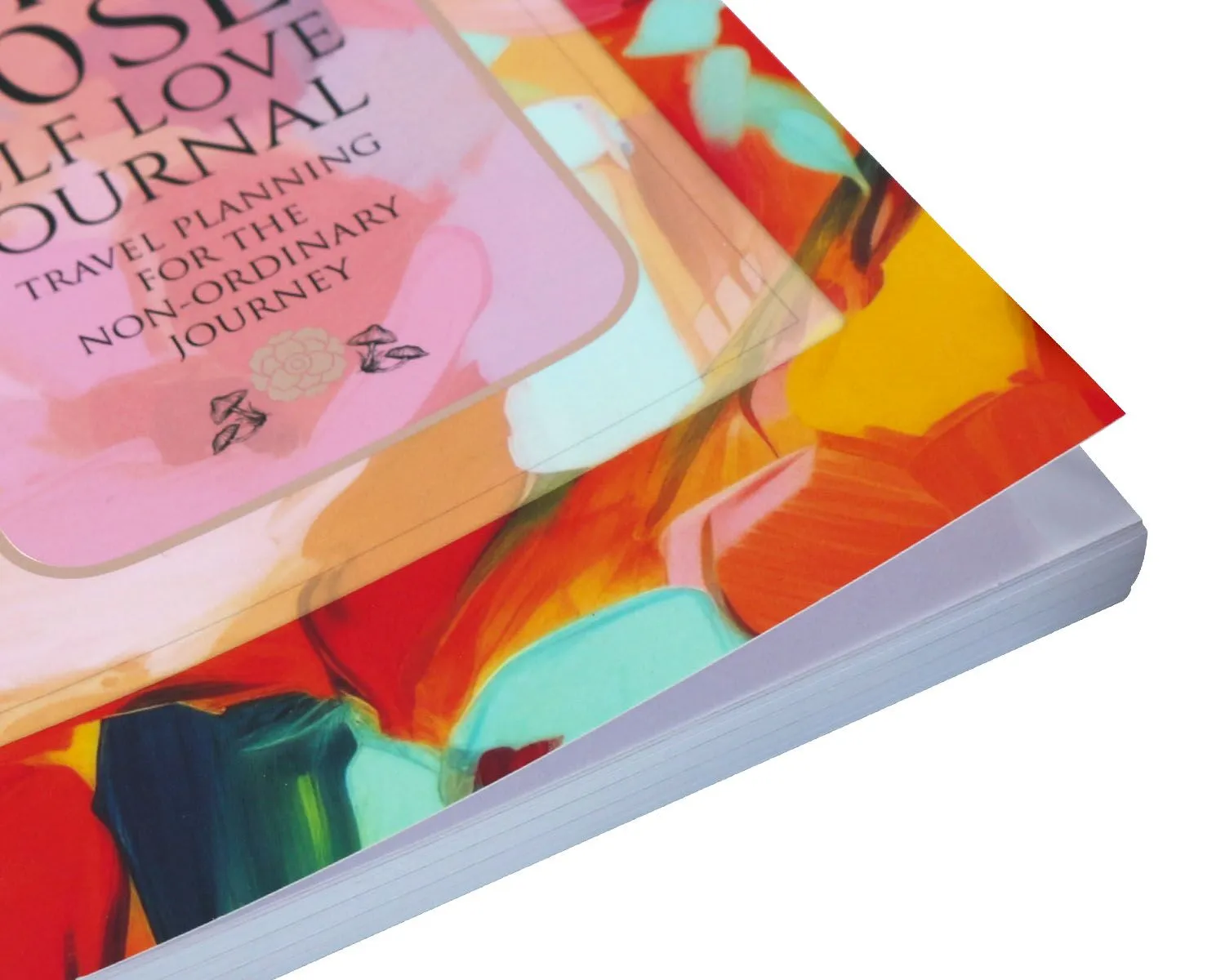
Laminated Paper Cover
Laminated paper covers are the most commonly used option for wire-bound books. In this format, the cover is printed on coated paper or cardstock and then laminated with a protective film. Lamination helps protect the printed surface from scratches, fingerprints, and moisture while also enhancing the visual appearance of the cover.
Common lamination finishes include gloss lamination, matte lamination, and soft-touch lamination. Gloss lamination creates a shiny and vibrant surface that enhances color brightness, while matte lamination provides a smooth, non-reflective finish for a more elegant look. Soft-touch lamination adds a velvety texture that gives the cover a premium feel.
Plastic Protective Cover
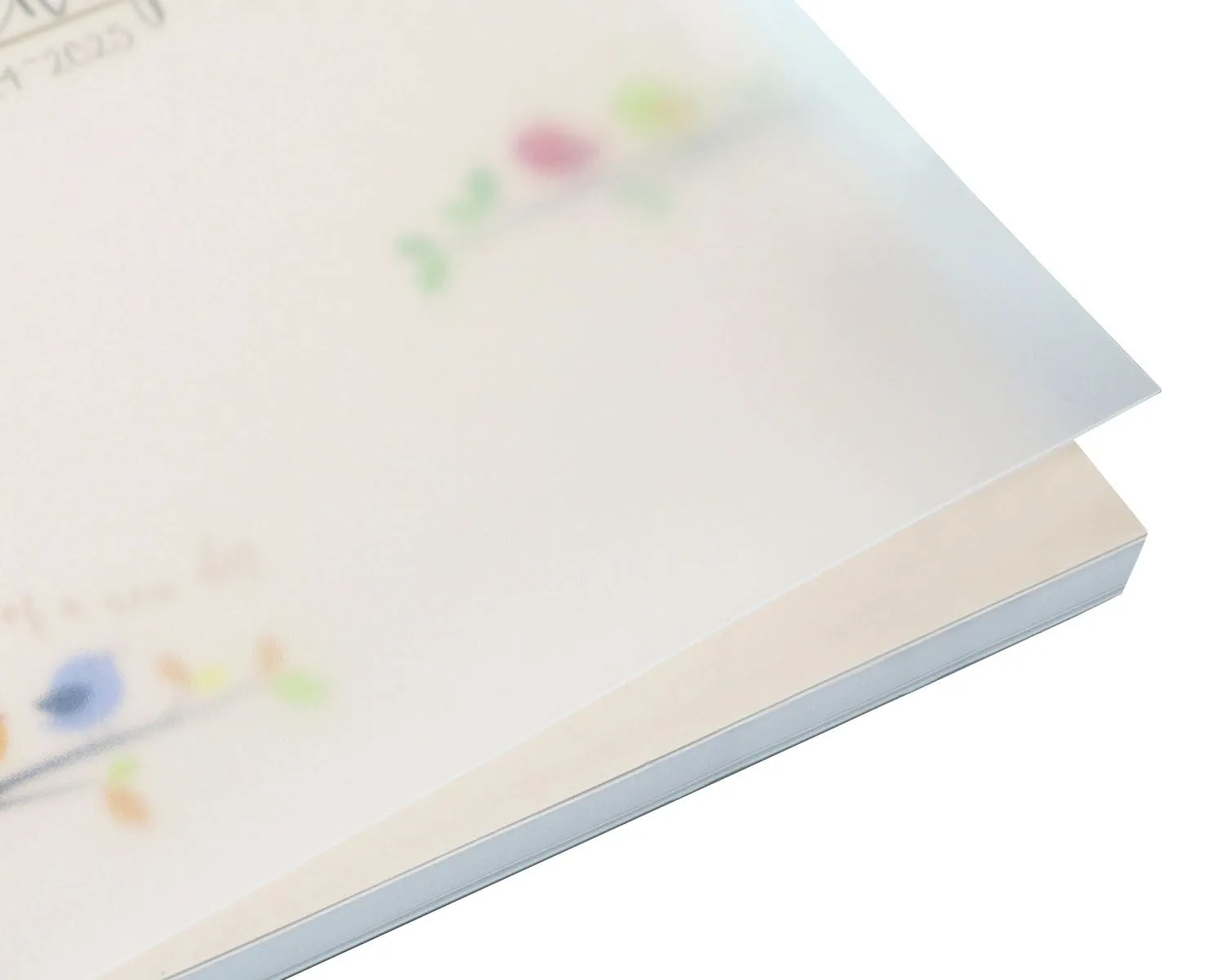
In some cases, especially when the printed cover does not have lamination, a plastic protective cover can be added to the front or back of the book. These covers help prevent damage from bending, dirt, or moisture, making them ideal for books that will be used frequently.
Plastic covers are available in several styles, including clear, frosted, printed, or blank options. Clear covers allow the printed cover design to remain visible while adding a layer of protection.
Kraft Paper Cover
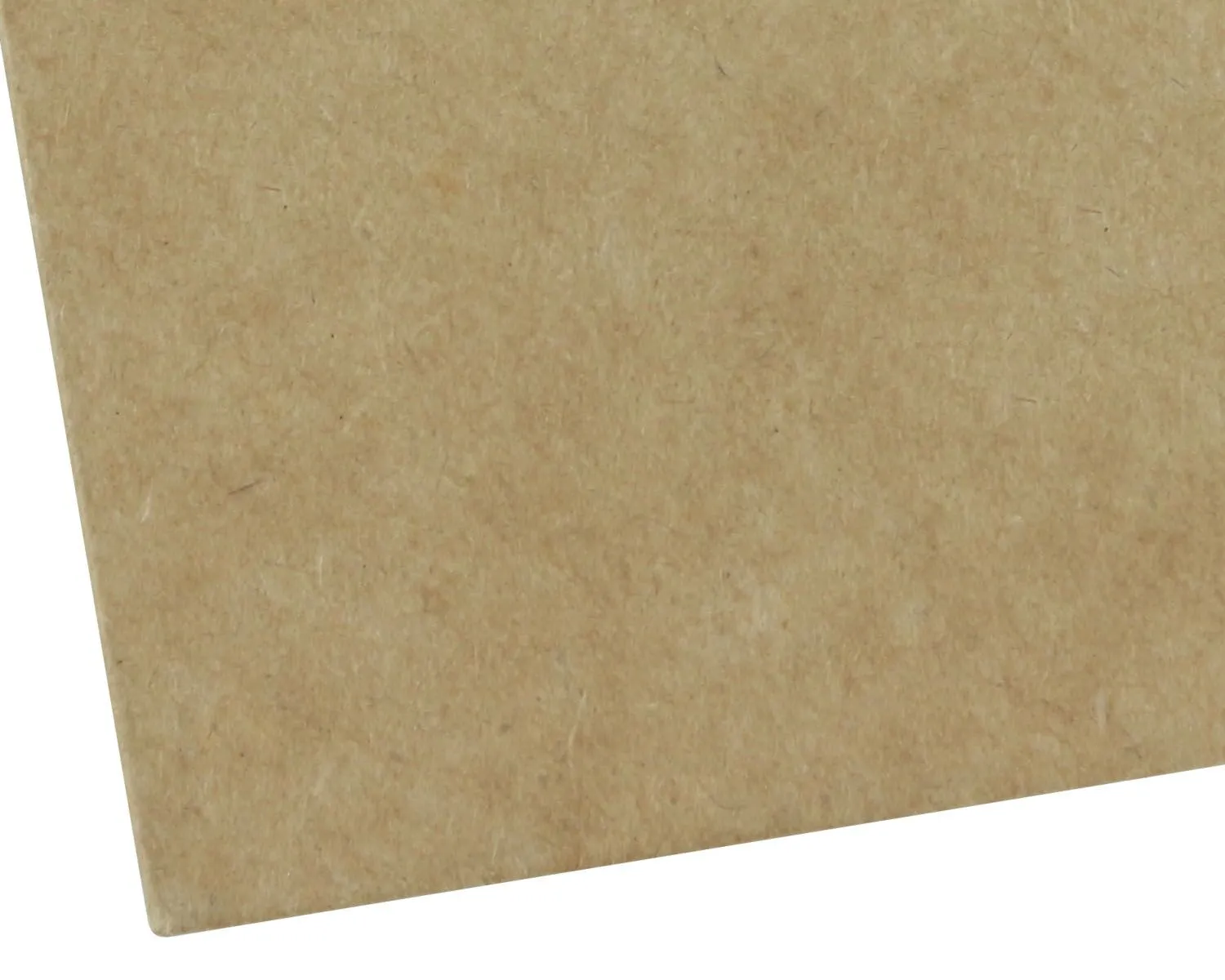
Kraft paper covers offer a natural, eco-friendly appearance that is popular for journals, sketchbooks, and minimalist notebooks. The earthy texture and warm brown color give the book a simple and organic style.
Cloth Cover
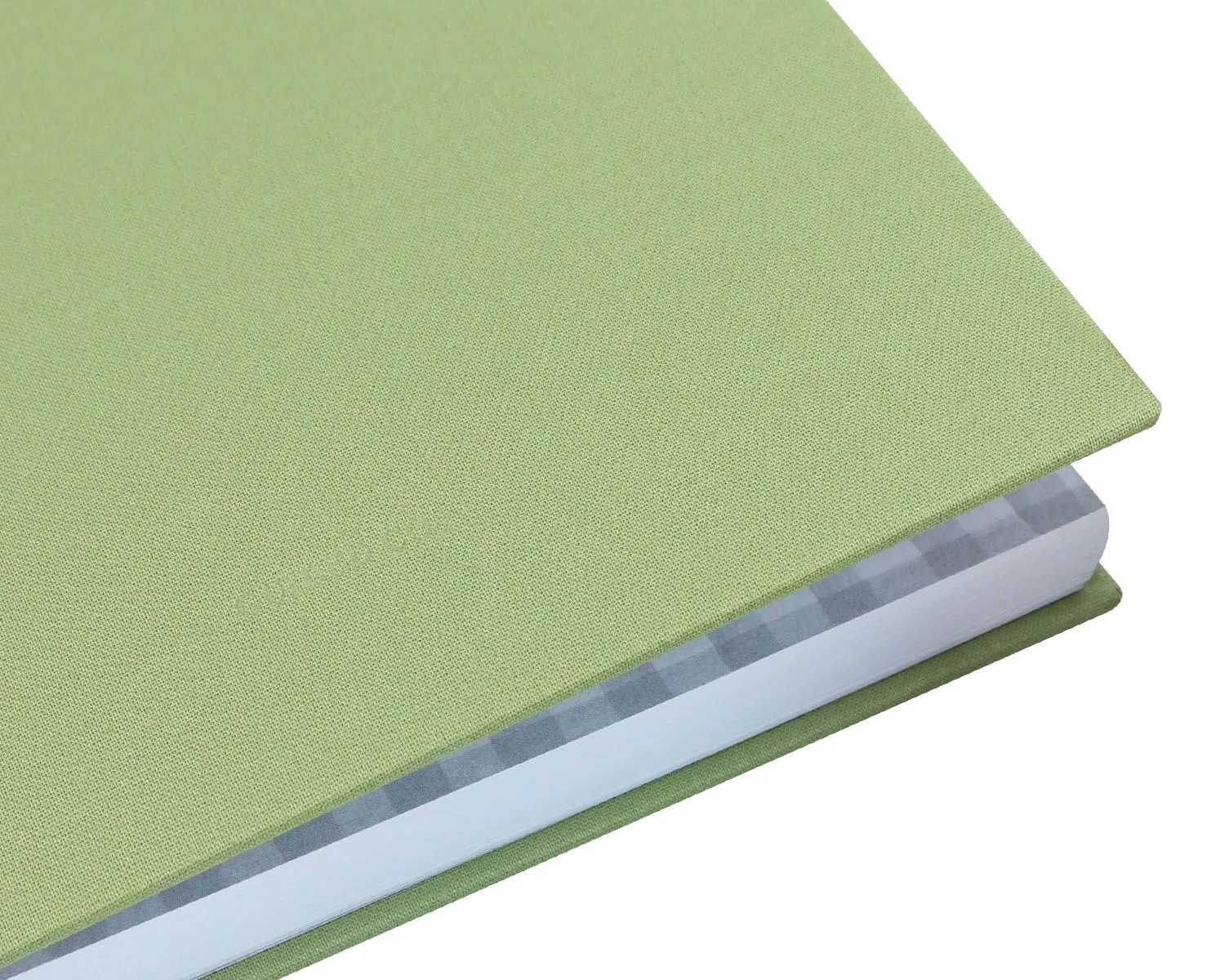
Cloth covers provide a textured and sophisticated finish. They are often used for premium planners, journals, and presentation books, adding both durability and an upscale appearance.
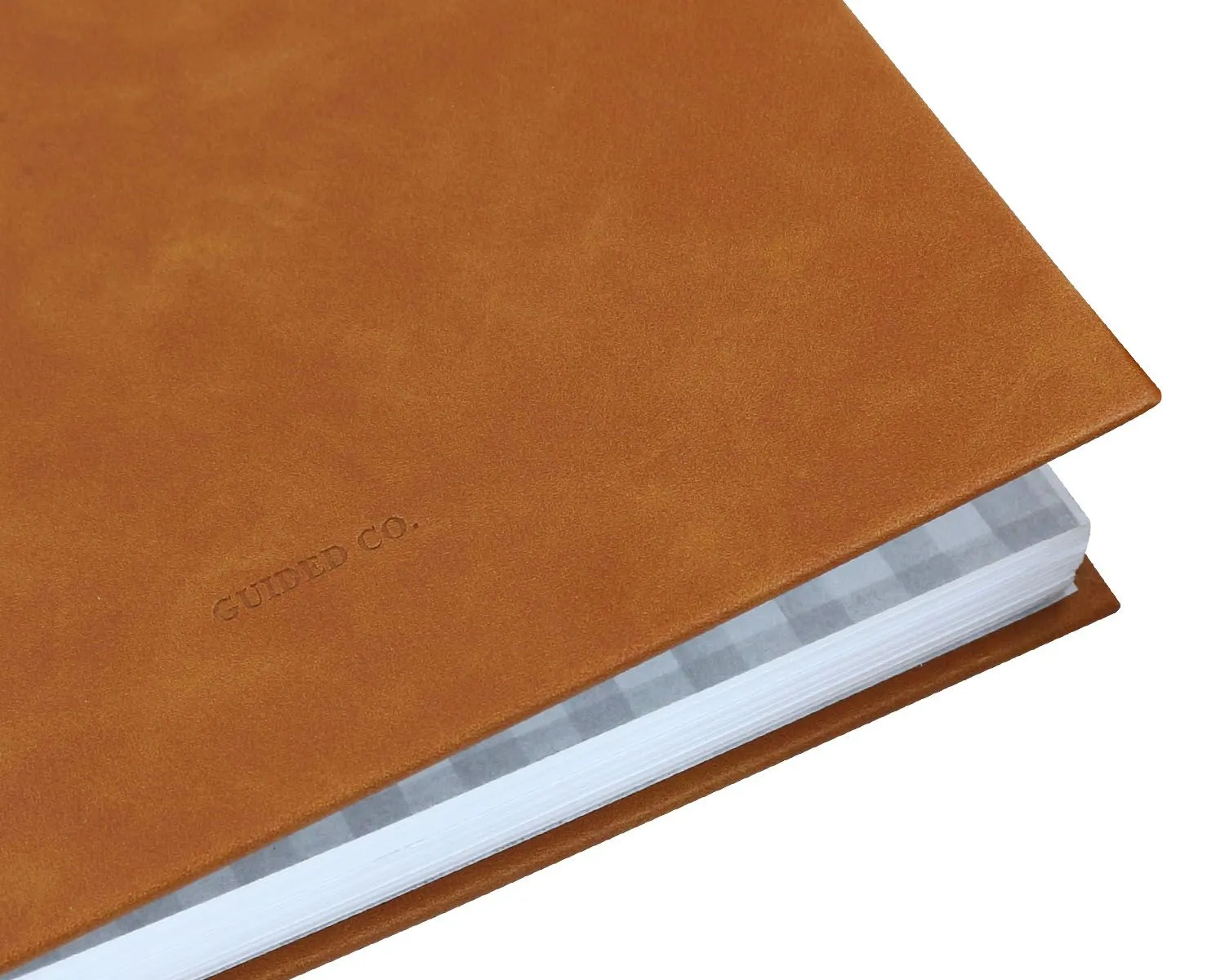
PU Leather Cover
PU leather covers create a luxurious and professional look while remaining cost-effective. This material is commonly used for executive planners, corporate notebooks, and business gifts.
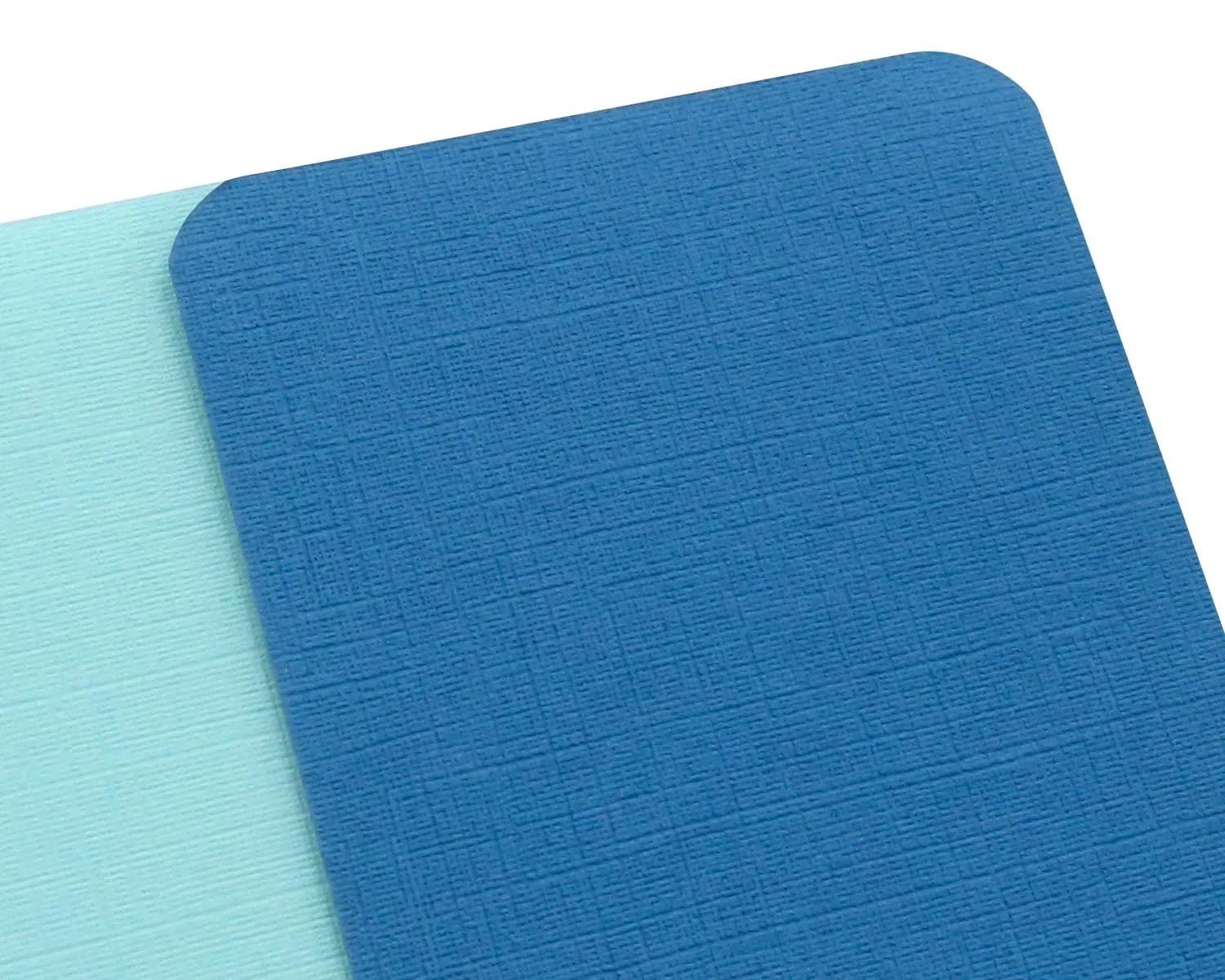
Specialty Paper
Specialty papers include textured, metallic, or colored papers that add unique visual and tactile effects to the cover. These materials are often selected for creative or high-end projects where design and presentation are especially important.
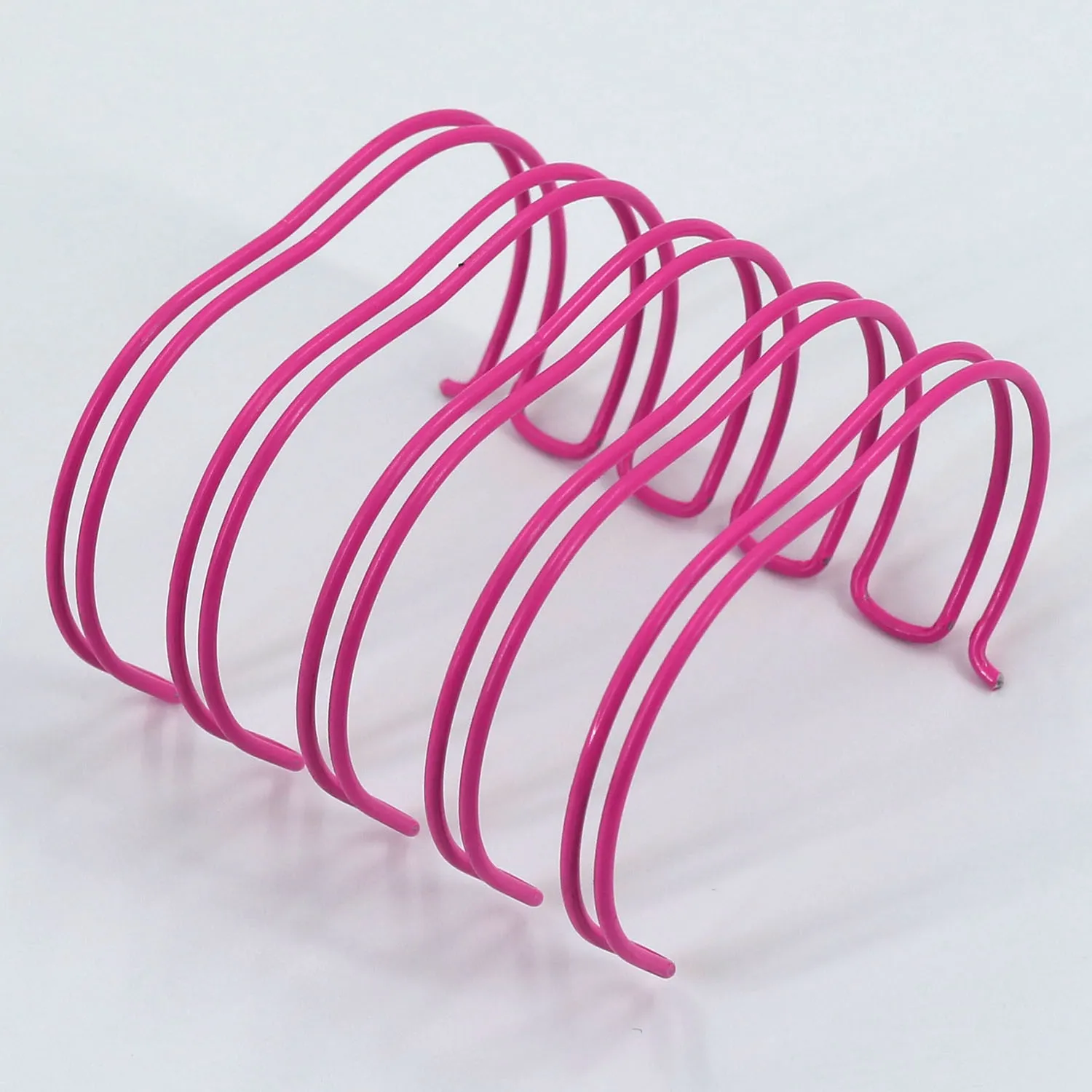
Wire Colors and Sizes
One of the advantages of wire-o binding is the flexibility it offers in both wire colors and loop sizes, allowing the binding to complement different book designs and accommodate various page counts. Choosing the right wire not only ensures proper binding strength but also enhances the overall appearance of the finished book.
Wire Colors
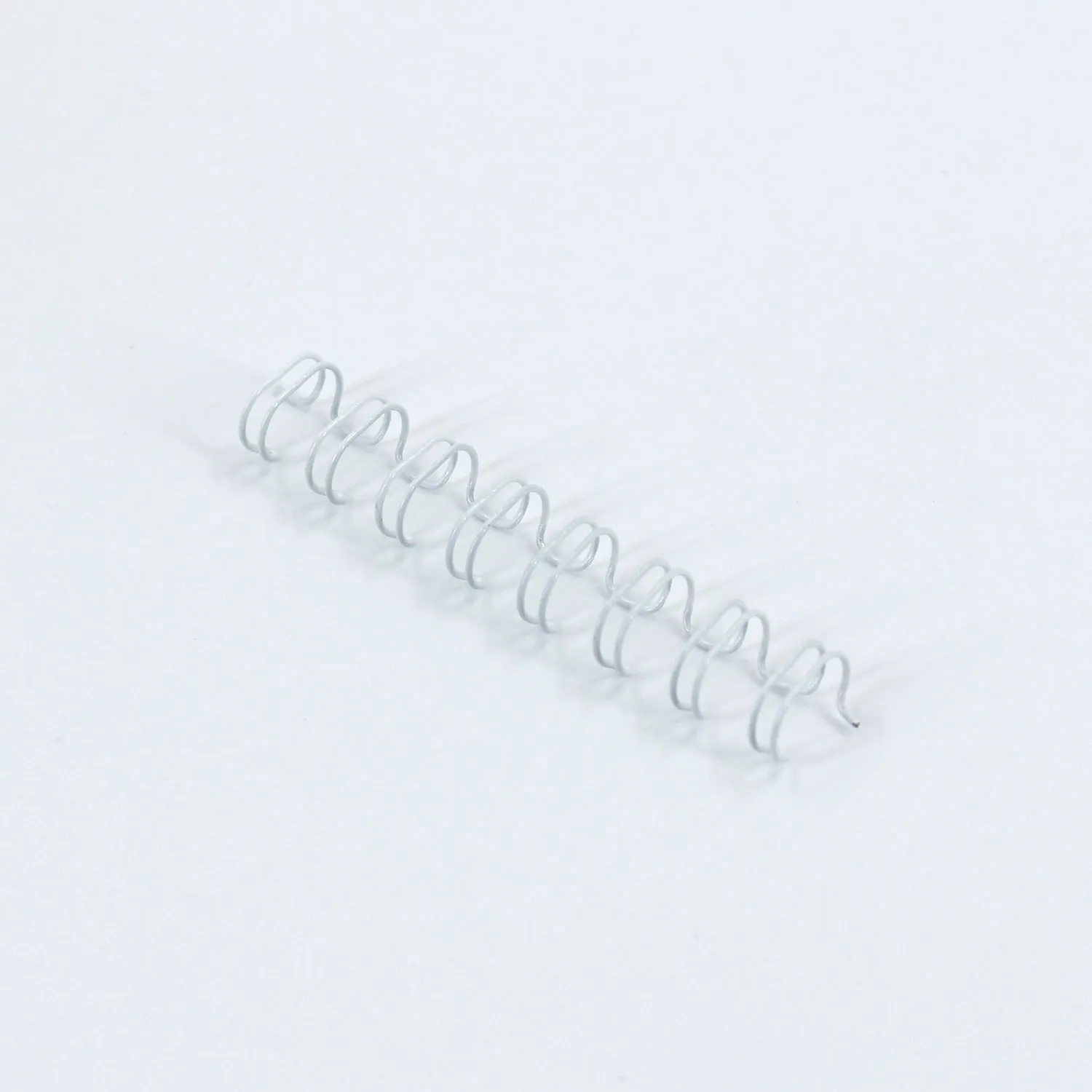
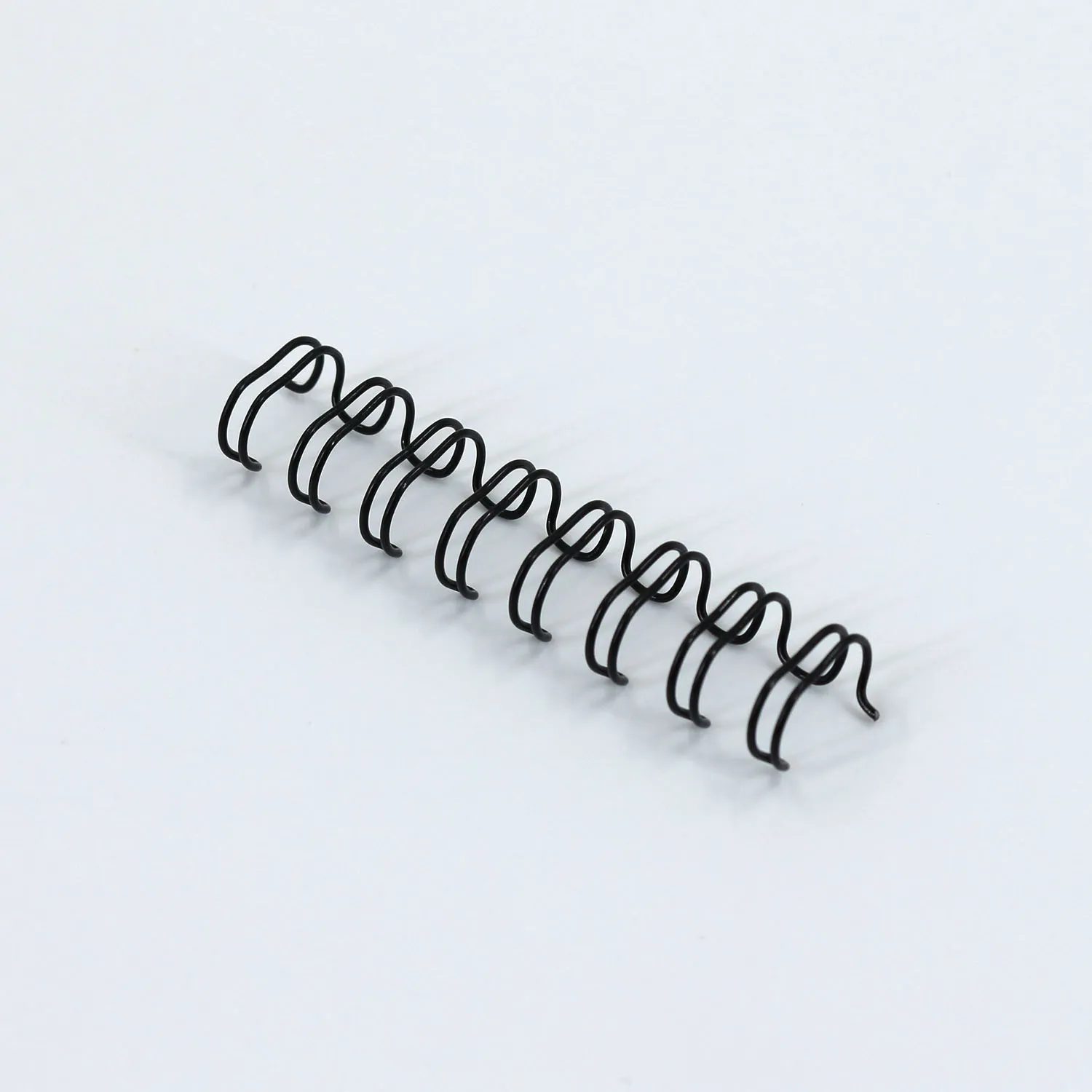
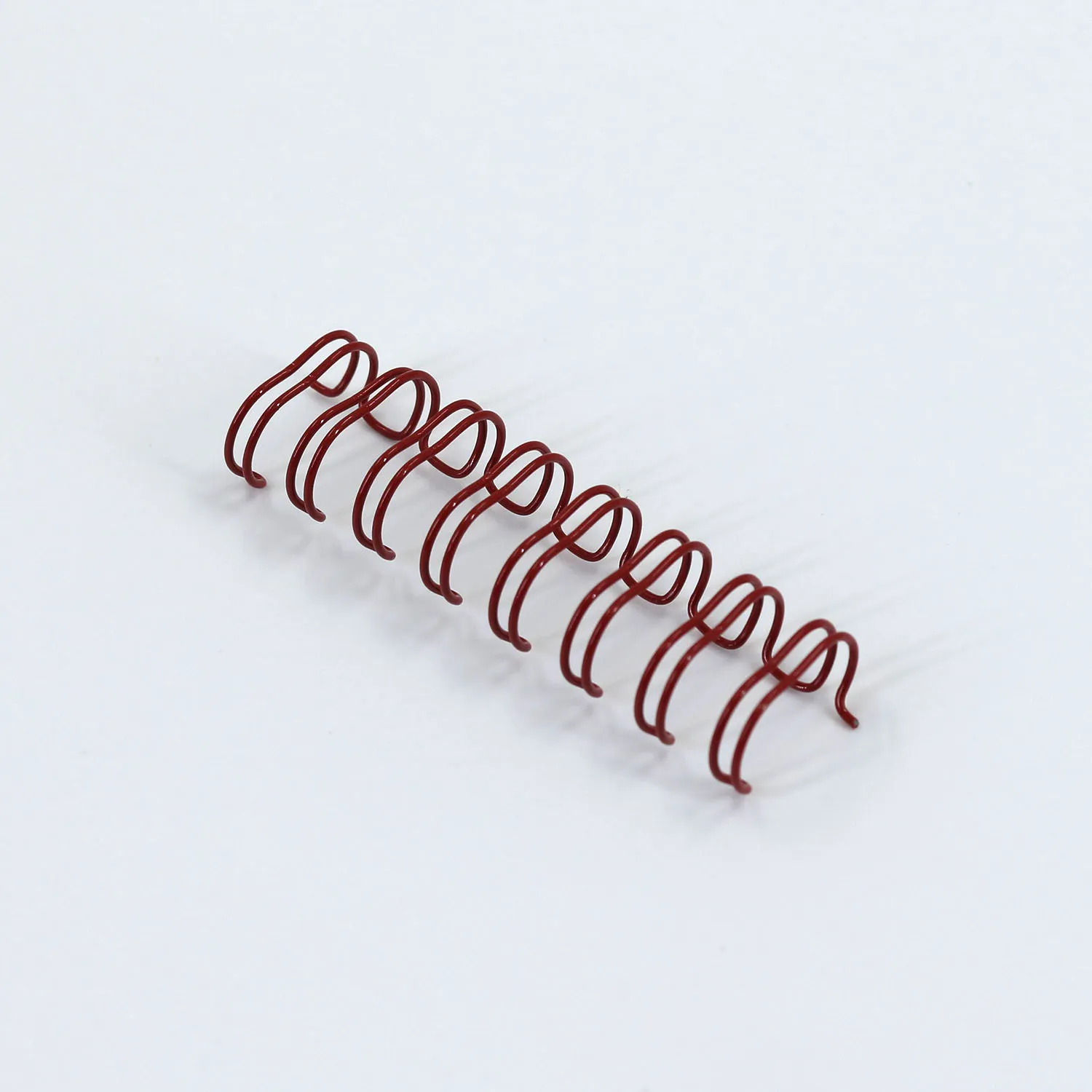
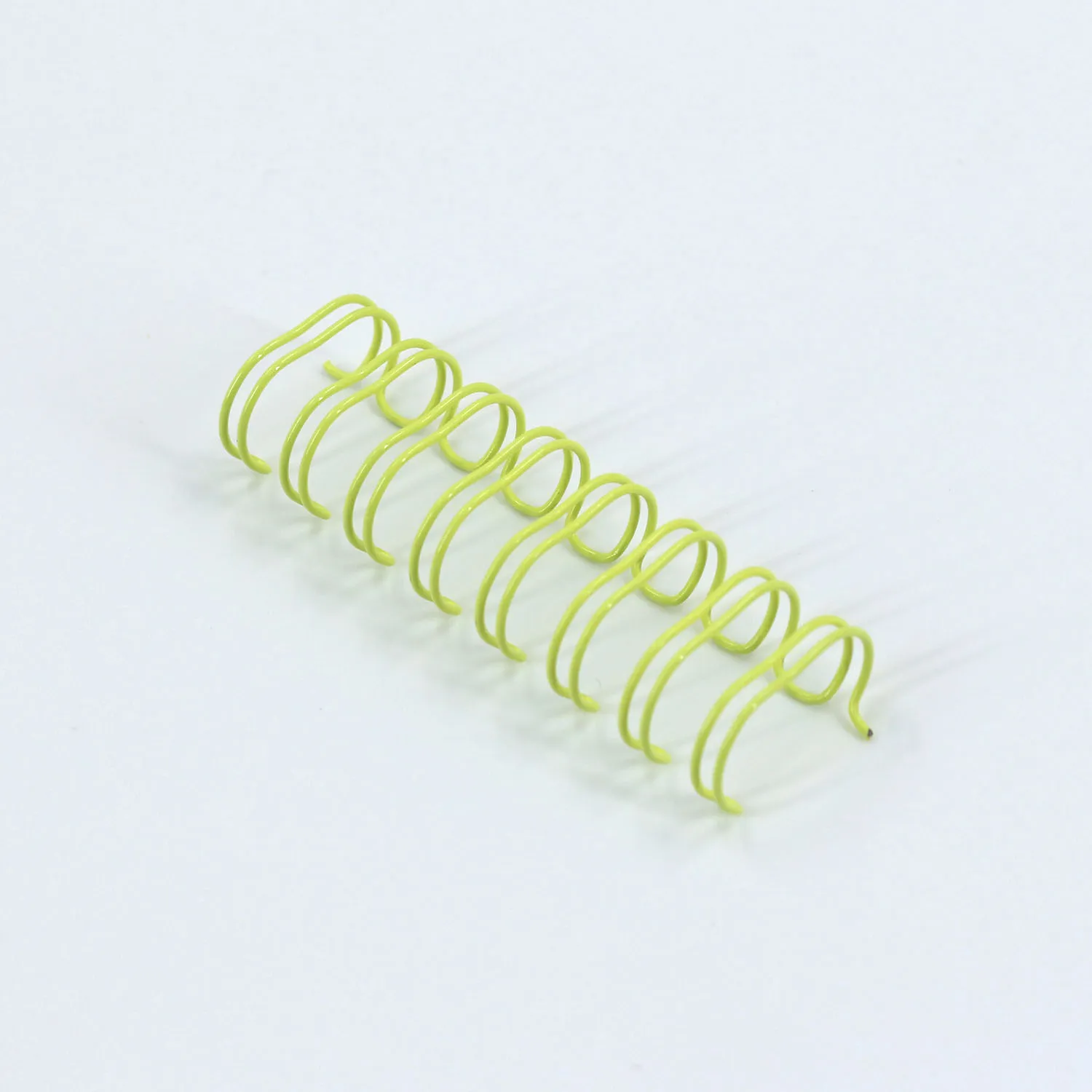
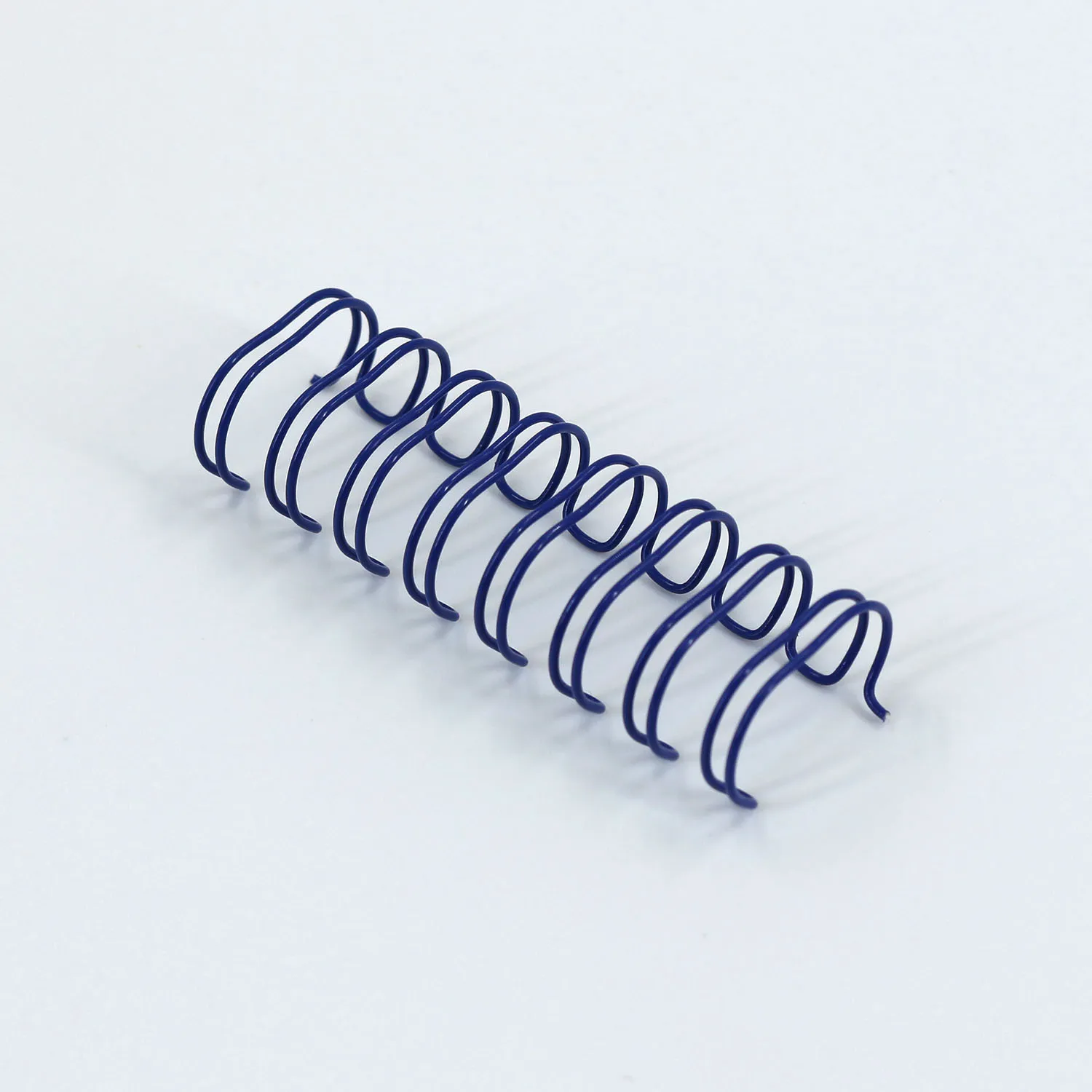
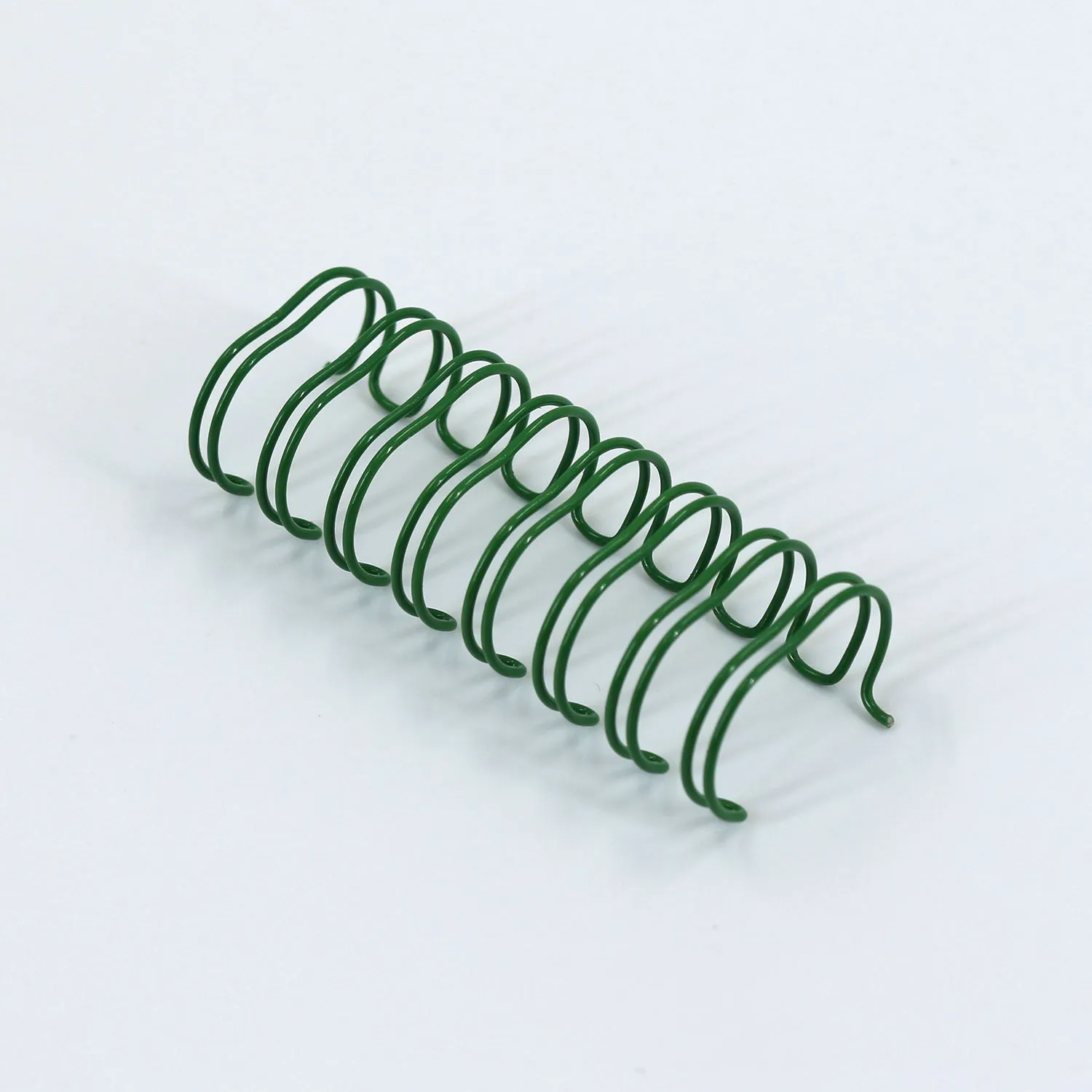
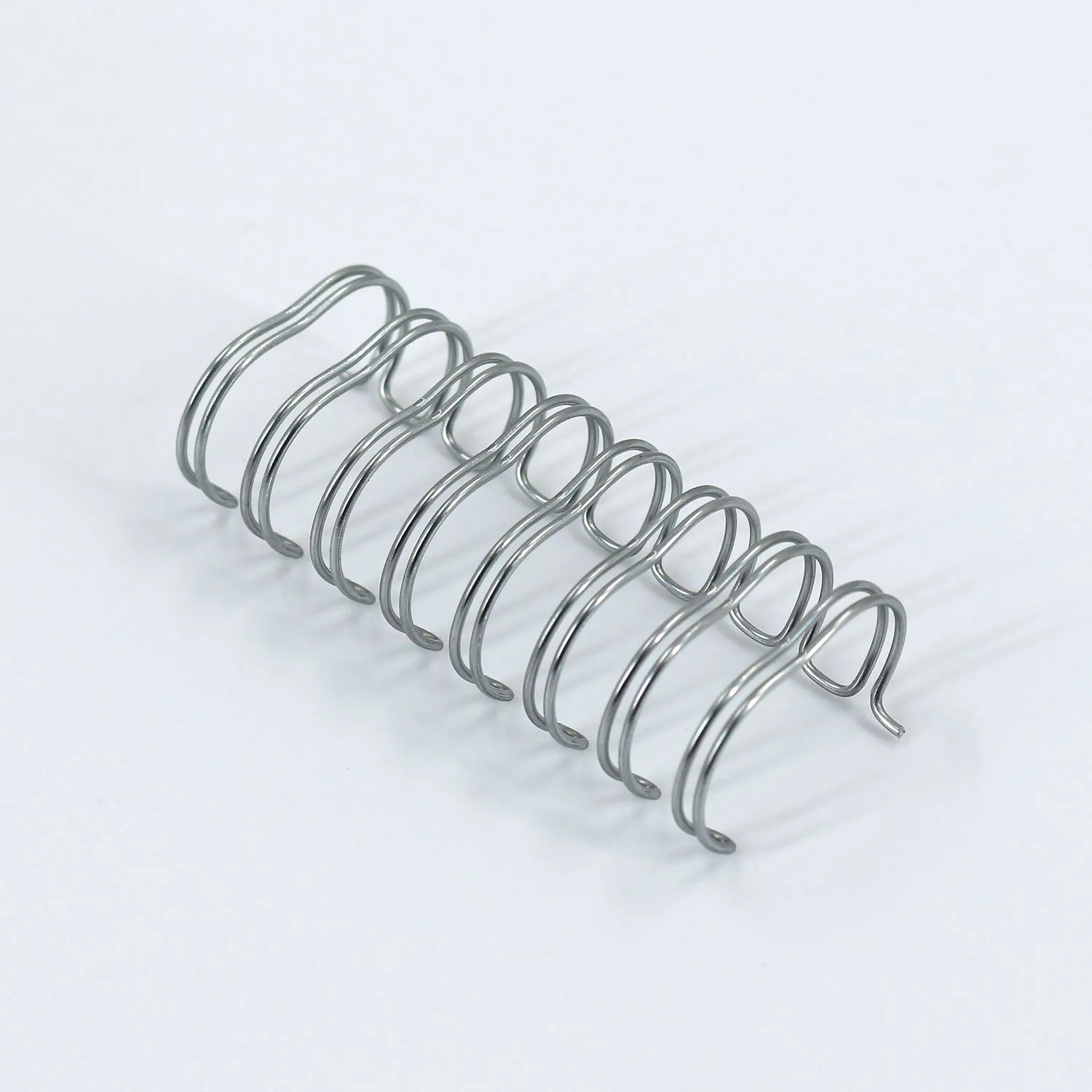
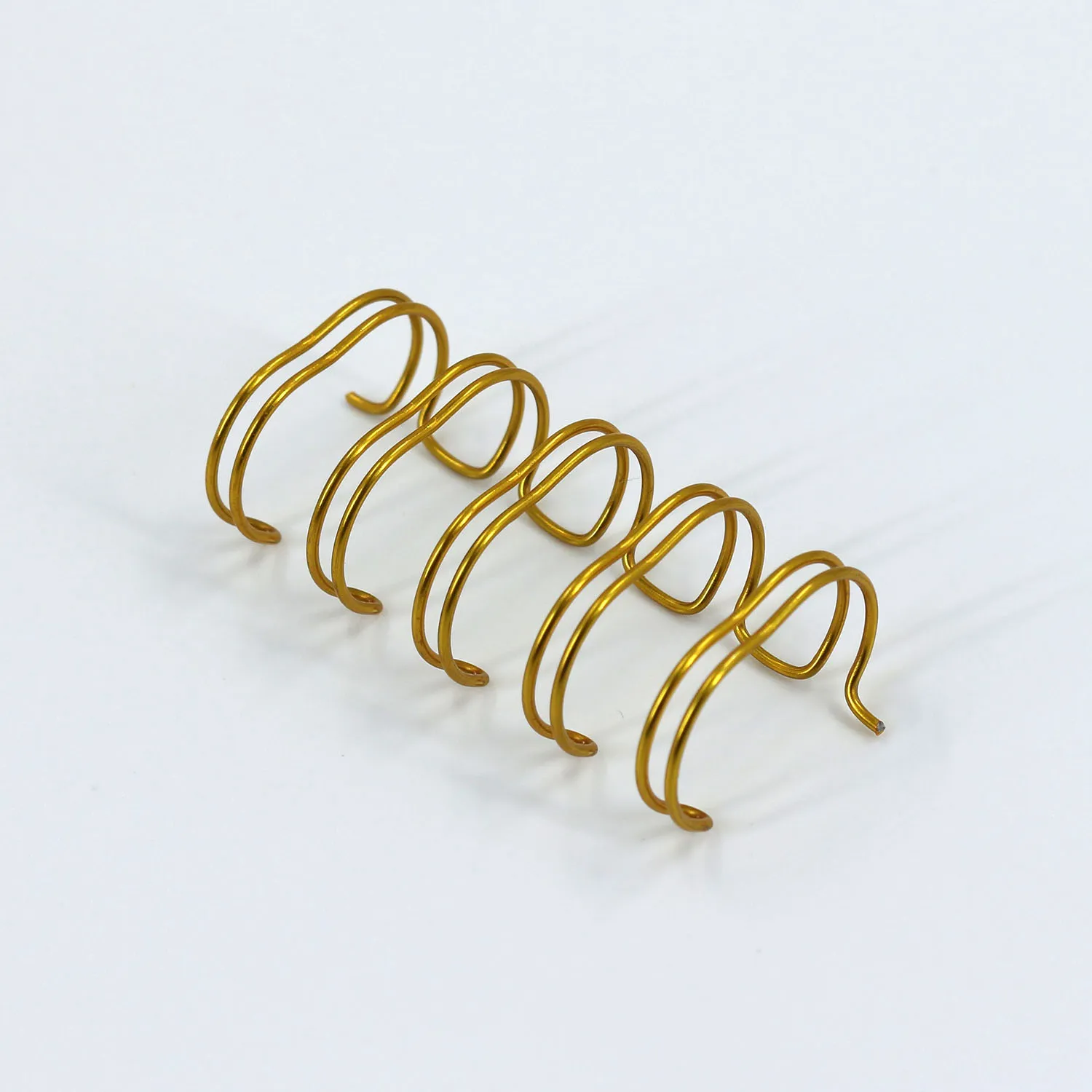
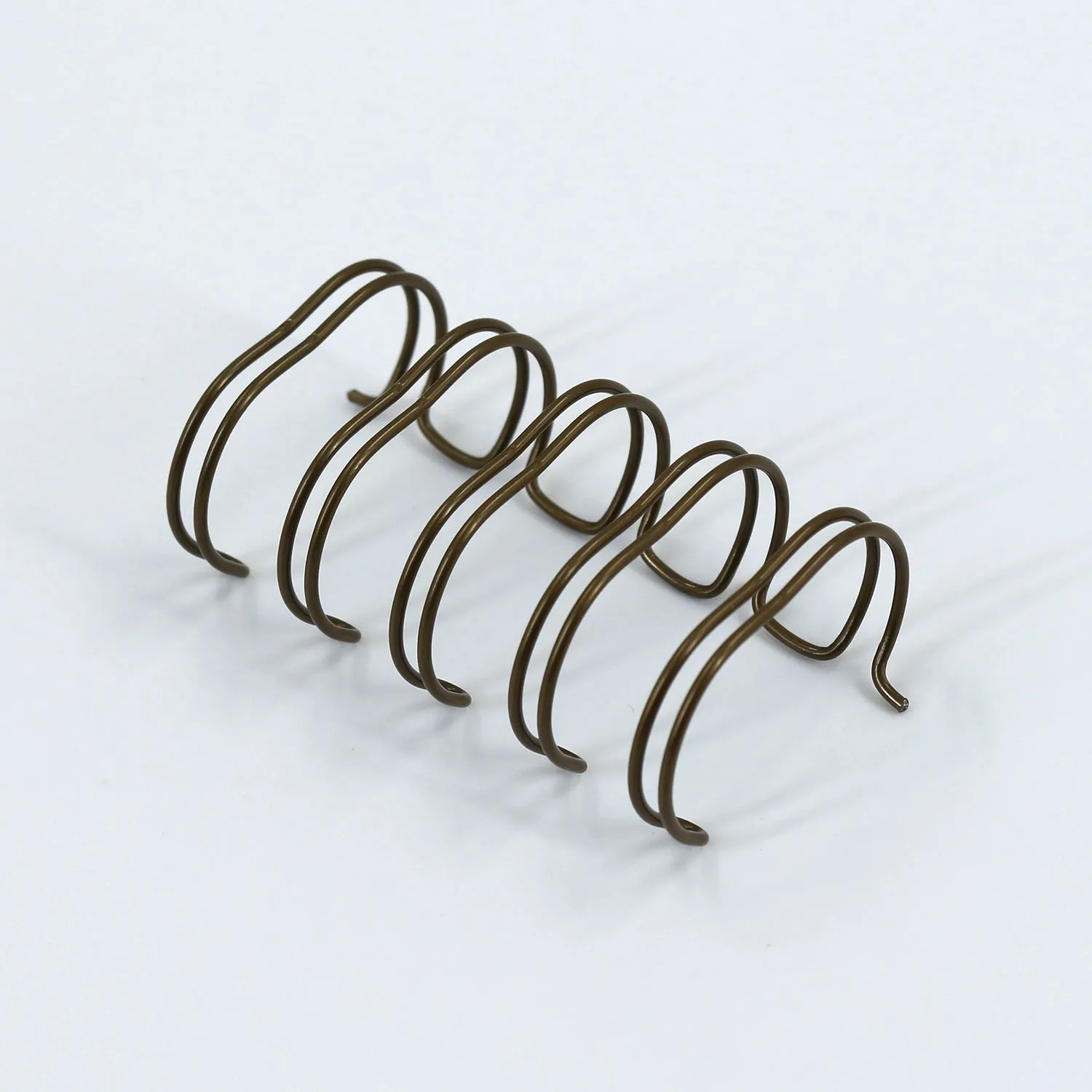
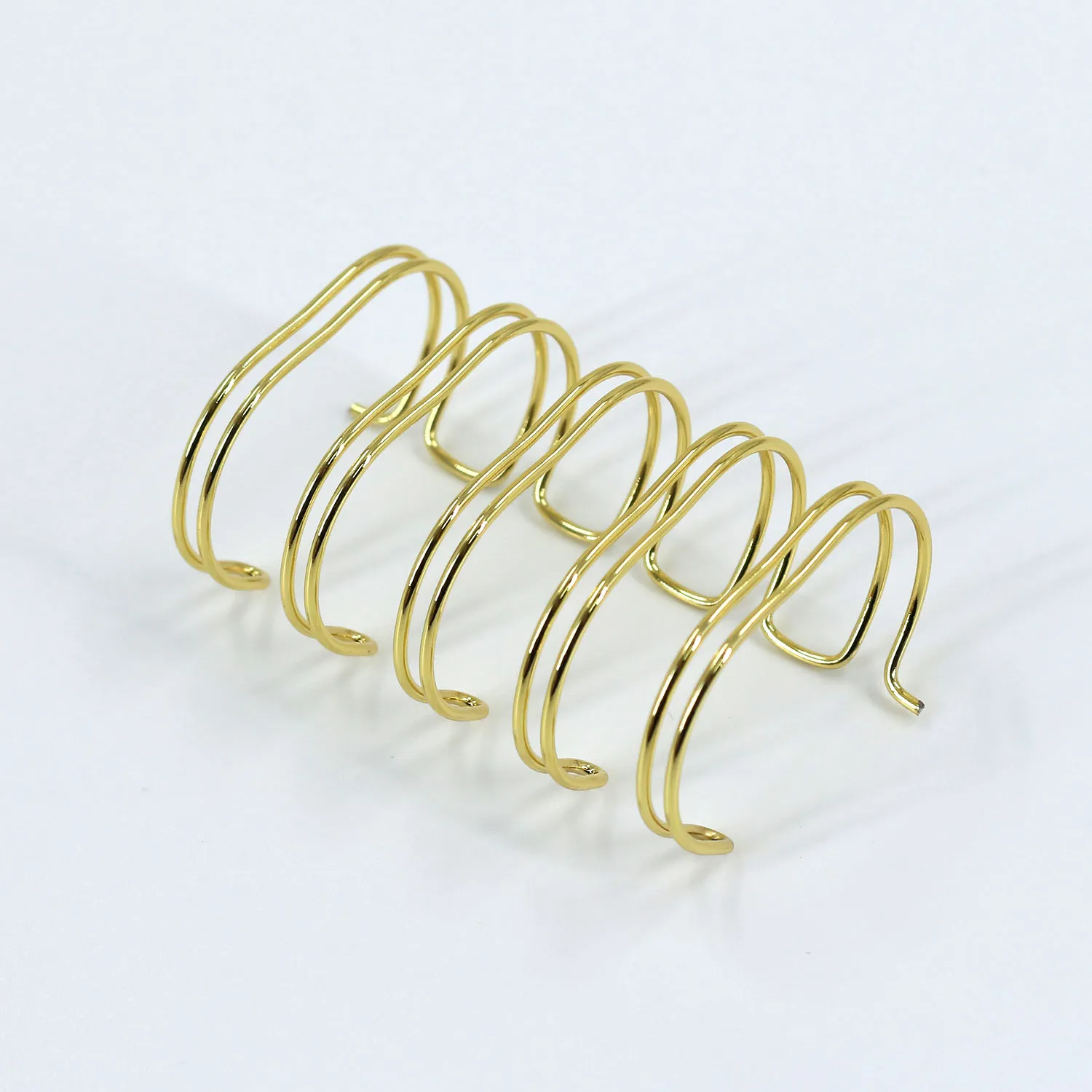
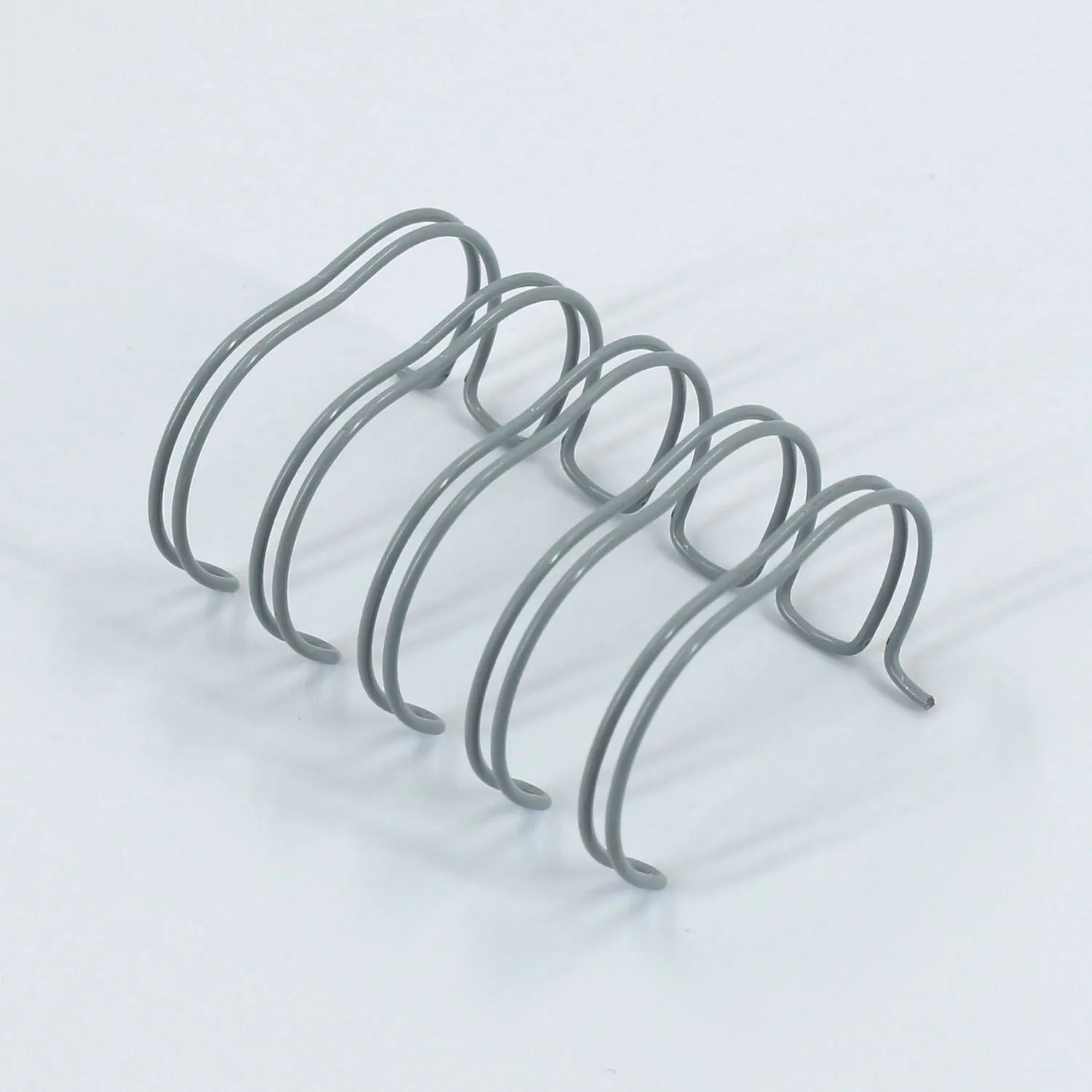
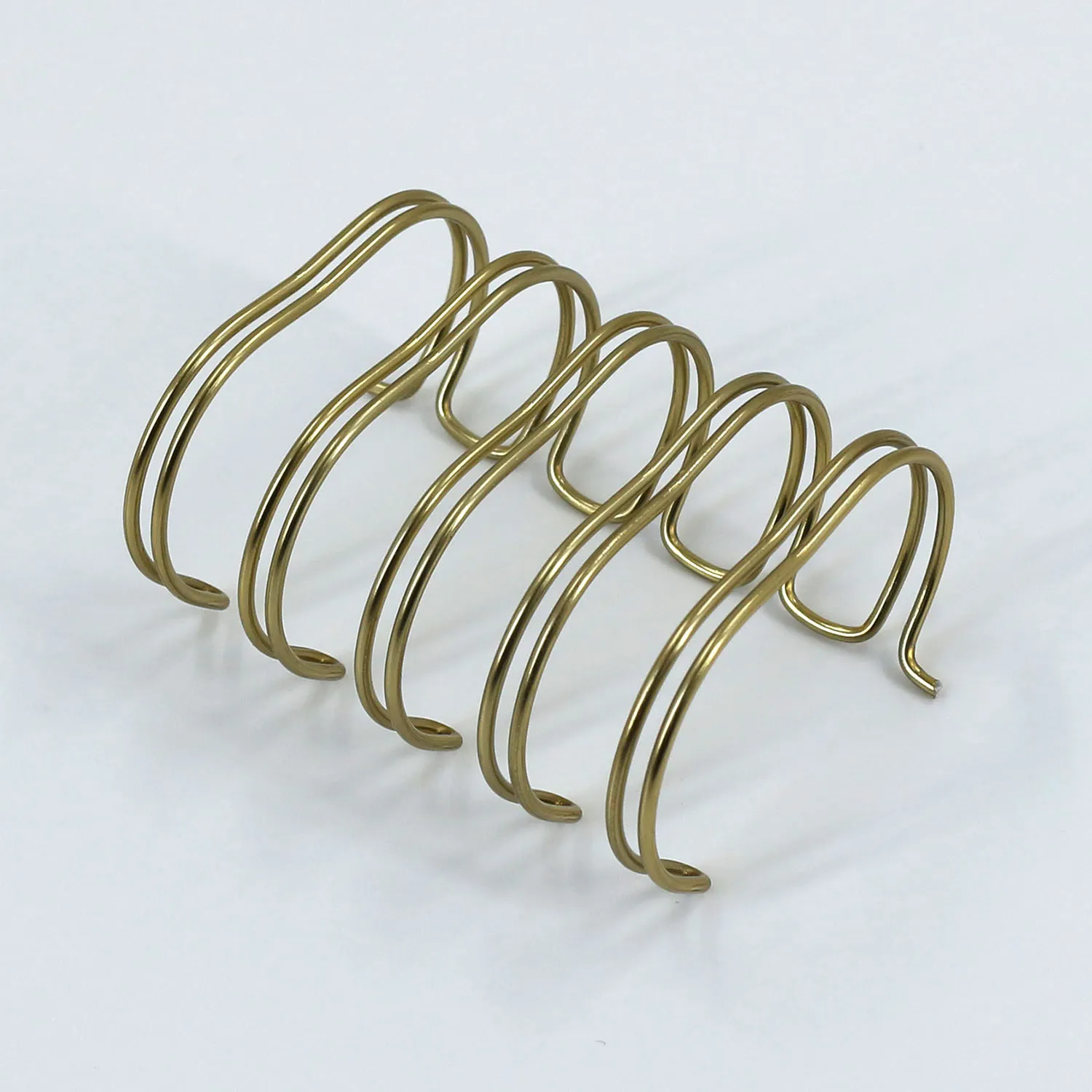
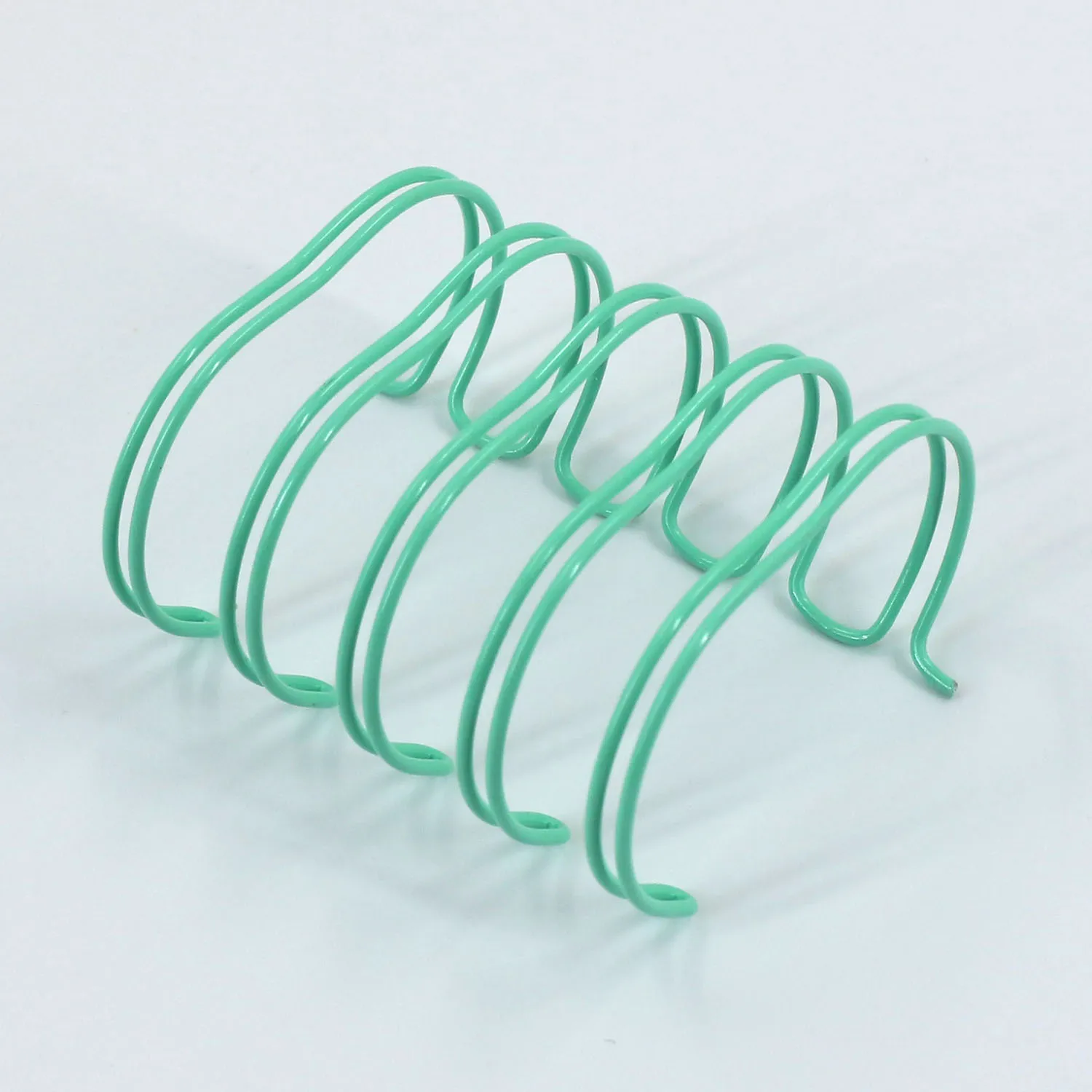
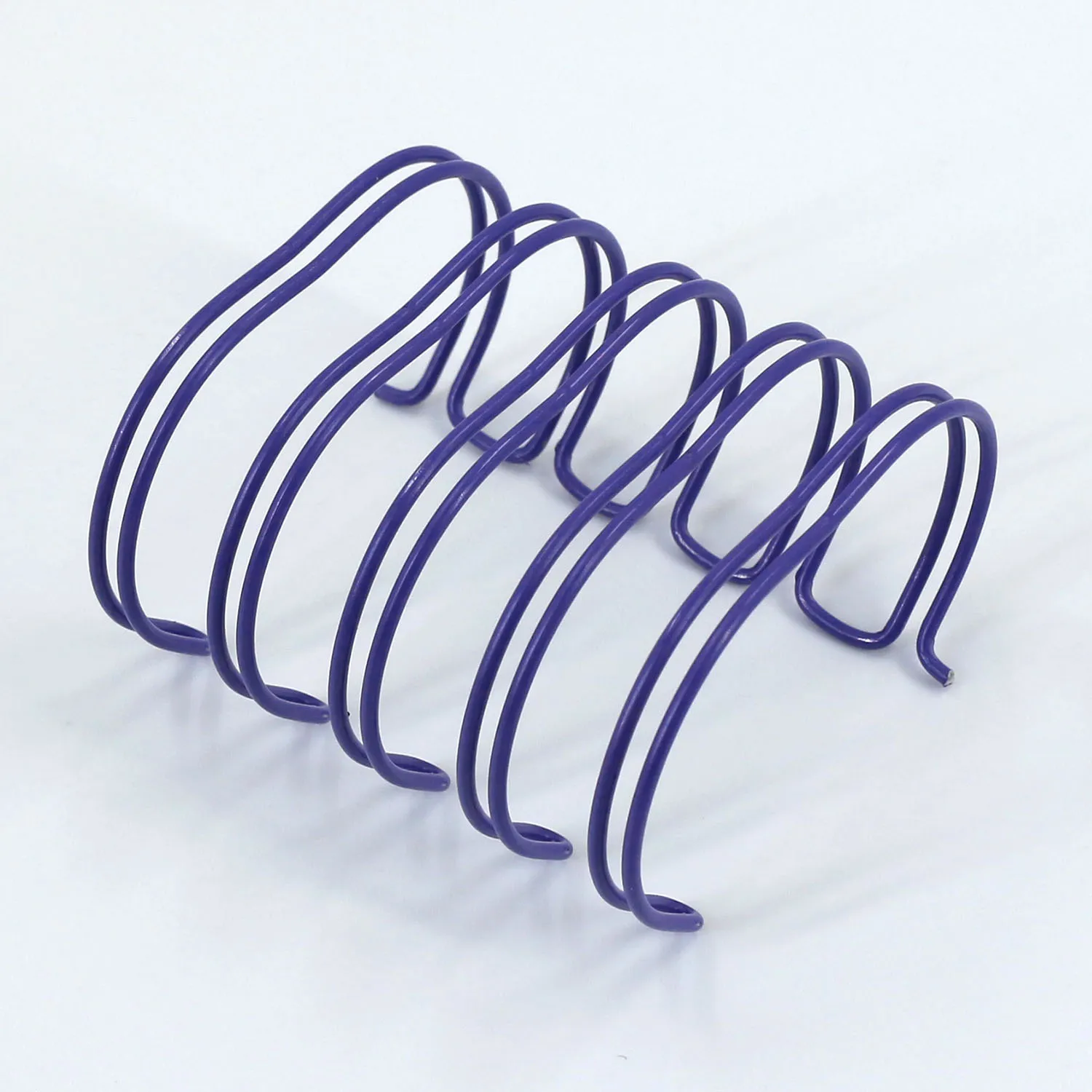
Wire-o binding is available in several standard colors, making it easy to match the binding with the book’s cover design or brand style. Common wire colors include black, white, silver, gold, and bronze. Among these options, black and white are the most frequently used because they provide a clean and professional look suitable for most projects.
For books with premium or decorative covers, metallic colors such as silver, gold, or bronze can add a more refined and elegant touch. Selecting a wire color that complements the cover design can create a more cohesive and visually appealing finished product.
Wire Loop Sizes
Wire loop diameters typically range from 1/4 inch to 1-1/2 inches, depending on the thickness of the book. The correct wire size is determined by the total number of pages and the type of paper used.
Smaller wire diameters are suitable for thin notebooks or booklets, while larger diameters are used for thicker manuals, planners, or workbooks. Choosing the appropriate wire size ensures the pages turn smoothly and the binding remains secure.
Interior Paper Options for Wire-Bound Books
Selecting the right interior paper is a critical step in custom wire-bound book printing, as it affects the book’s look, feel, functionality, and durability. The choice of paper depends largely on the book’s purpose, whether it’s for writing, reference, illustration, or professional presentation.
Offset Paper
Offset paper is a popular choice for books that require writing or note-taking, such as notebooks, journals, planners, and workbooks. It has a natural texture and smooth surface, which works well with pens, pencils, and markers. Its opacity prevents ink from bleeding through pages, ensuring a clean writing experience.
Coated Paper
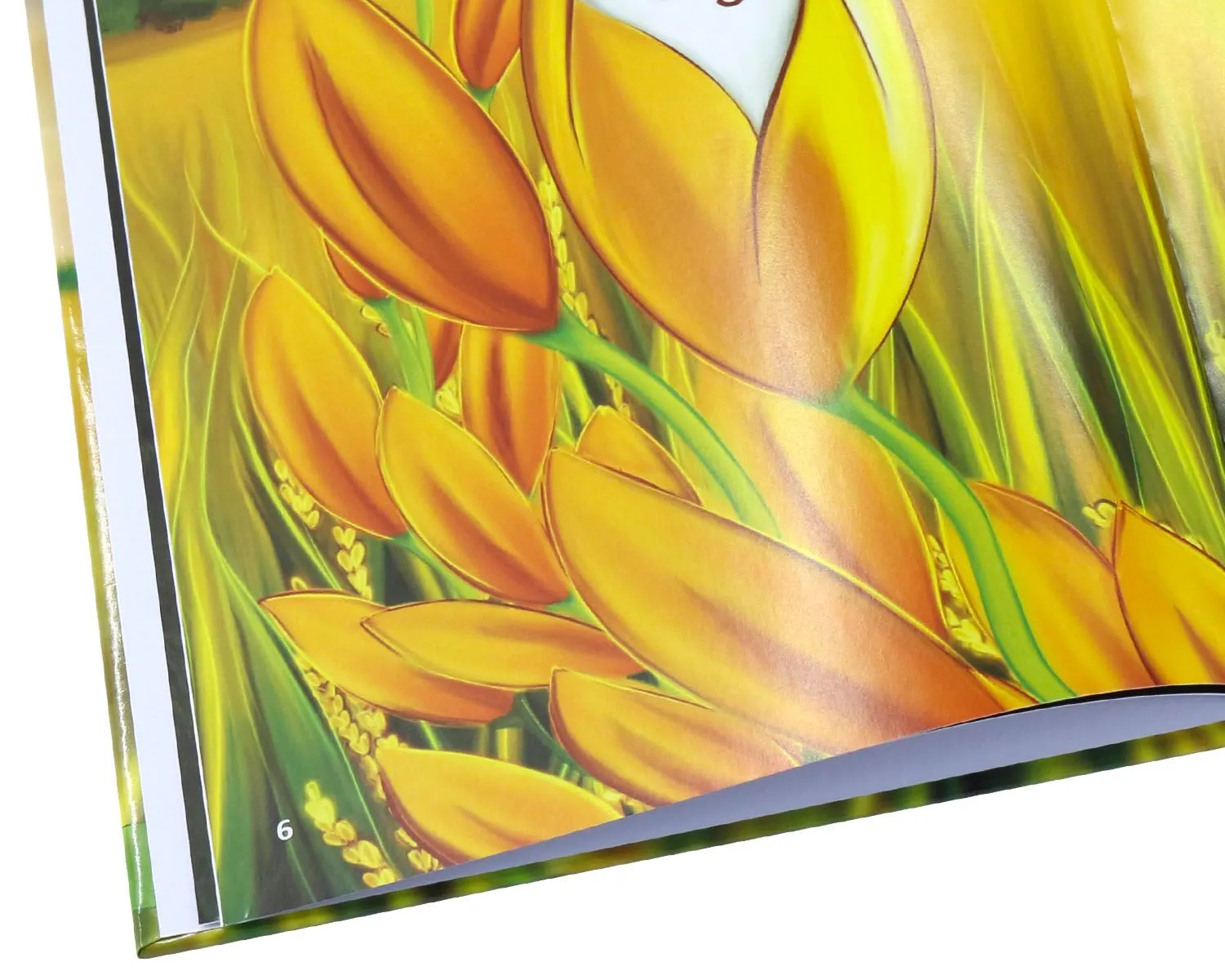
Coated paper is treated with a surface finish, typically in glossy or matte, which enhances color vibrancy and image sharpness. This type of paper is ideal for books that contain many images, graphics, or full-color content, such as cookbooks, instruction guides, product catalogs, and art books. Glossy coated paper provides a shiny, vibrant finish that makes colors pop, while matte coated paper gives a softer, non-reflective surface that feels premium.
Recycled Paper
For environmentally conscious projects, recycled paper is an excellent option. It provides a sustainable alternative without compromising quality and is suitable for notebooks, journals, and manuals. Using recycled paper also communicates a brand’s commitment to eco-friendly practices.
Paper Weight Options
Wire-bound books can be printed on a range of paper weights to achieve the desired durability and feel. Common interior paper weights include:
80 gsm: lightweight, ideal for daily notebooks
100–105 gsm: standard weight, suitable for general-purpose books
120–128 gsm: thicker, more durable for coloring books, workbooks, planners, product catalogs
140–157 gsm: heavy paper for premium notebooks, cookbooks with frequent handling
Choosing the appropriate paper type and weight ensures that the book meets both functional and aesthetic requirements while providing an excellent user experience.
Softcover vs Hardcover Wire-Bound Books
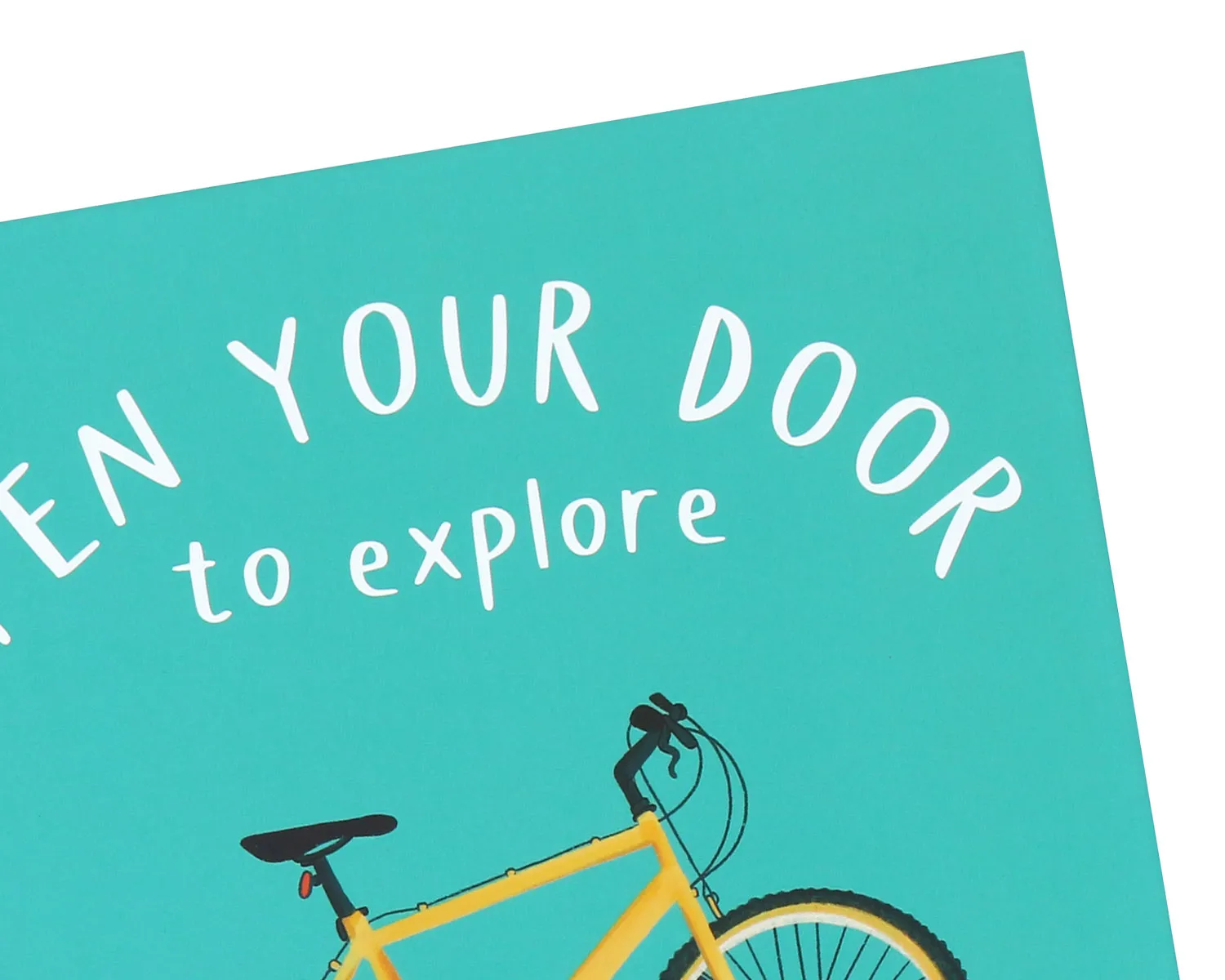
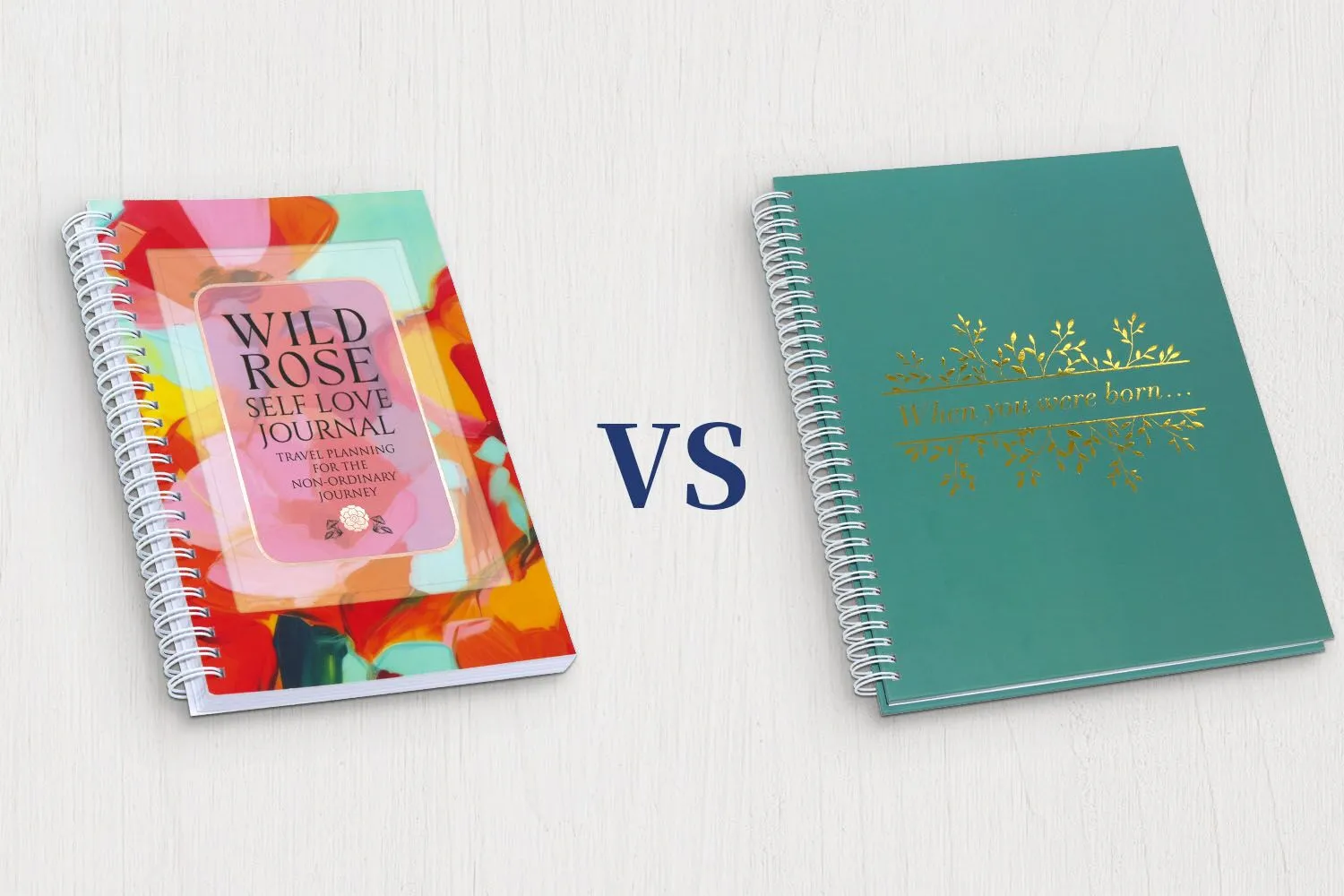
Wire-o binding is a versatile binding method that can be used for both softcover and hardcover books. The main difference between the two options lies in the cover structure, durability, and overall presentation. Choosing between softcover and hardcover wire-bound books depends on the purpose of the project, budget, and the level of durability or premium appearance you want to achieve.
Softcover Wire-Bound Books
Softcover wire-bound books use flexible covers made from printed paper, cardstock, or other lightweight materials. The covers are typically printed and then finished with protective lamination, such as gloss or matte lamination, to improve durability and enhance the appearance.
Because the covers are flexible, softcover wire-bound books are lightweight, cost-effective, and easy to produce, making them an excellent choice for projects that require larger print quantities or frequent updates. They are also easy to carry and convenient for everyday use.
Softcover wire binding is commonly used for a wide range of practical printed materials, including:
Notebooks and journals
Training manuals
Workbooks and study guides
Instruction manuals
Reports and presentations
Hardcover Wire-Bound Books
Hardcover wire-bound books use rigid board covers, usually made from thick gray board wrapped with printed paper, cloth, or leather-like materials. The sturdy construction provides greater protection for the interior pages and creates a more premium and durable product.
Compared with softcover versions, hardcover wire-bound books offer stronger structure, longer lifespan, and a more sophisticated appearance. The rigid cover helps protect the pages from bending or damage, making the book suitable for long-term use.
Hardcover wire-o binding is often selected for higher-end projects such as:
Premium notebooks and journals
Executive planners
Corporate presentation books
High-quality training materials
Gift or retail notebooks
Because of their durability and upscale look, hardcover wire-bound books are frequently used when a professional or luxury presentation is desired.
Which Projects Are Suitable for Wire-O Binding
Wire-o binding is a highly versatile binding method that works well for a wide variety of printed materials. Because the pages can lay flat and rotate 360 degrees, wire-bound books are especially useful for projects that require frequent page turning, writing, or hands-free reading. This functionality makes wire-o binding a practical choice for both personal and professional applications.
Workbooks: Workbooks are one of the most common uses for wire-o binding. Since the pages remain flat when opened, users can easily write answers, complete exercises, or take notes without the book closing on its own.
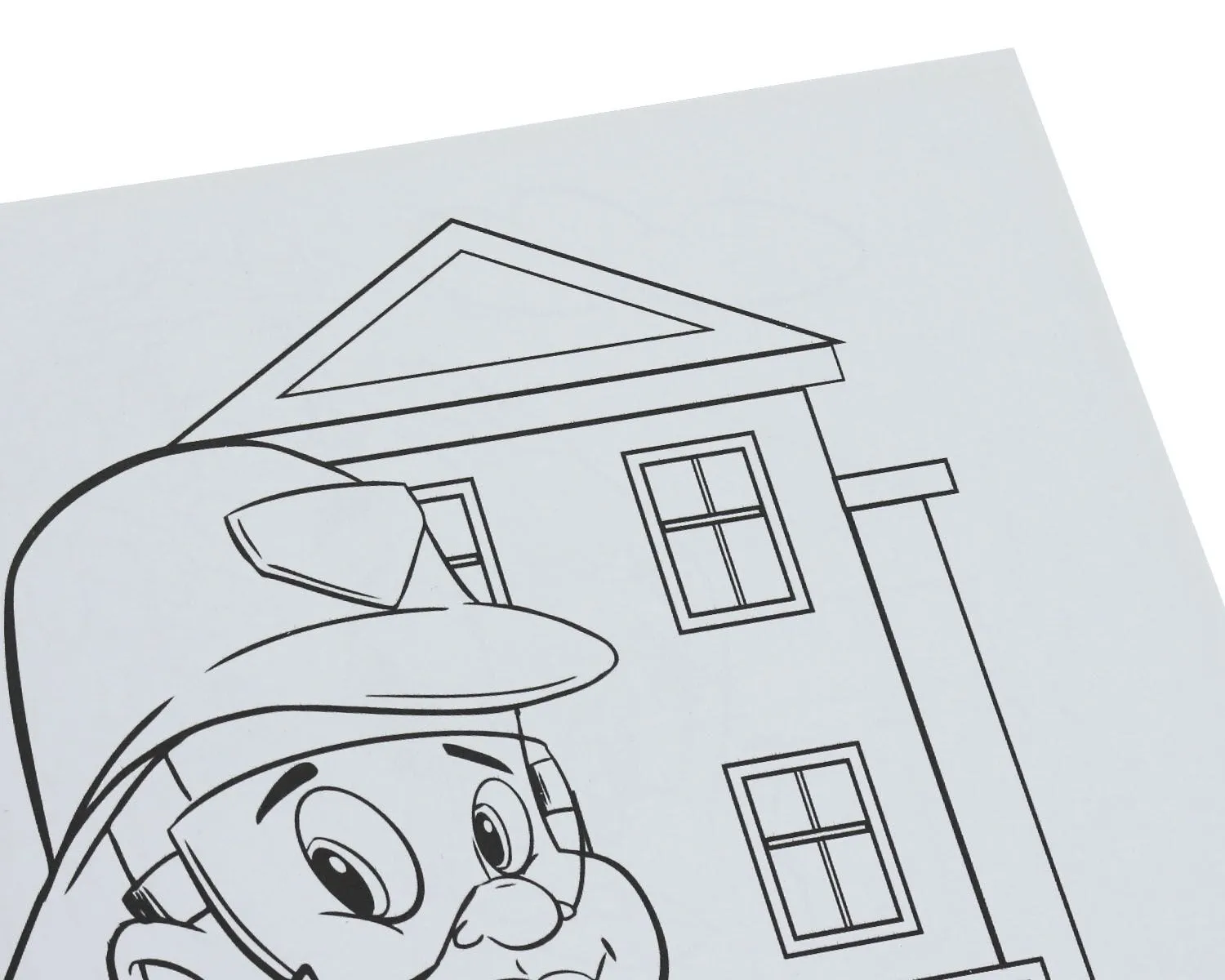
Coloring books: Coloring books, whether for children or adults, also benefit from wire binding. The flat-lay design allows artists to color comfortably across the entire page.
Cookbooks: Cookbooks often use wire binding because the pages can stay open on a kitchen counter while following recipes, making them easier to use while cooking.
Calendars: Calendars, including desk calendars and wall calendars, frequently use wire-o binding because it allows pages to flip smoothly between months.
Training manuals: Businesses commonly use wire-o binding for training manuals, as the durable binding can withstand frequent handling.
In addition, notebooks, journals, reports, and presentations often use wire binding for its convenience, durability, and clean professional appearance.
Design Considerations for Wire-Bound Books
When designing a wire-bound book, several technical and aesthetic factors must be taken into account to ensure proper printing, binding, and usability. Paying attention to these details helps create a professional-looking book that functions well for the end user.
Drill Hole Position
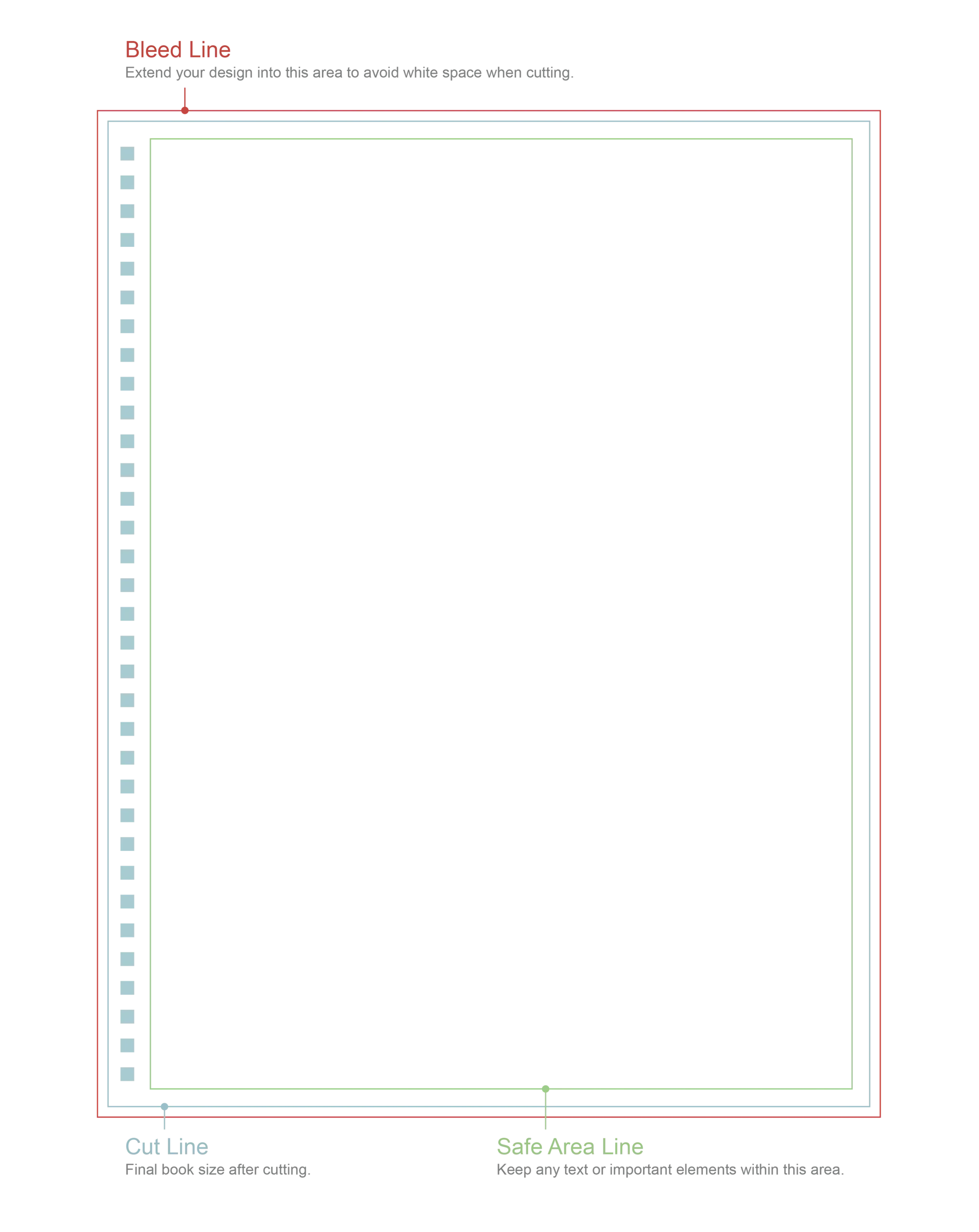
Wire-o binding requires evenly spaced holes along the binding edge. Typically, these holes are drilled 12 mm inside the trim line on the binding side. It’s crucial to avoid placing text, images, or important design elements within this area, as they may be partially obscured by the wire loops. Maintaining a safe margin ensures the content remains fully visible and readable.
Bleed Settings
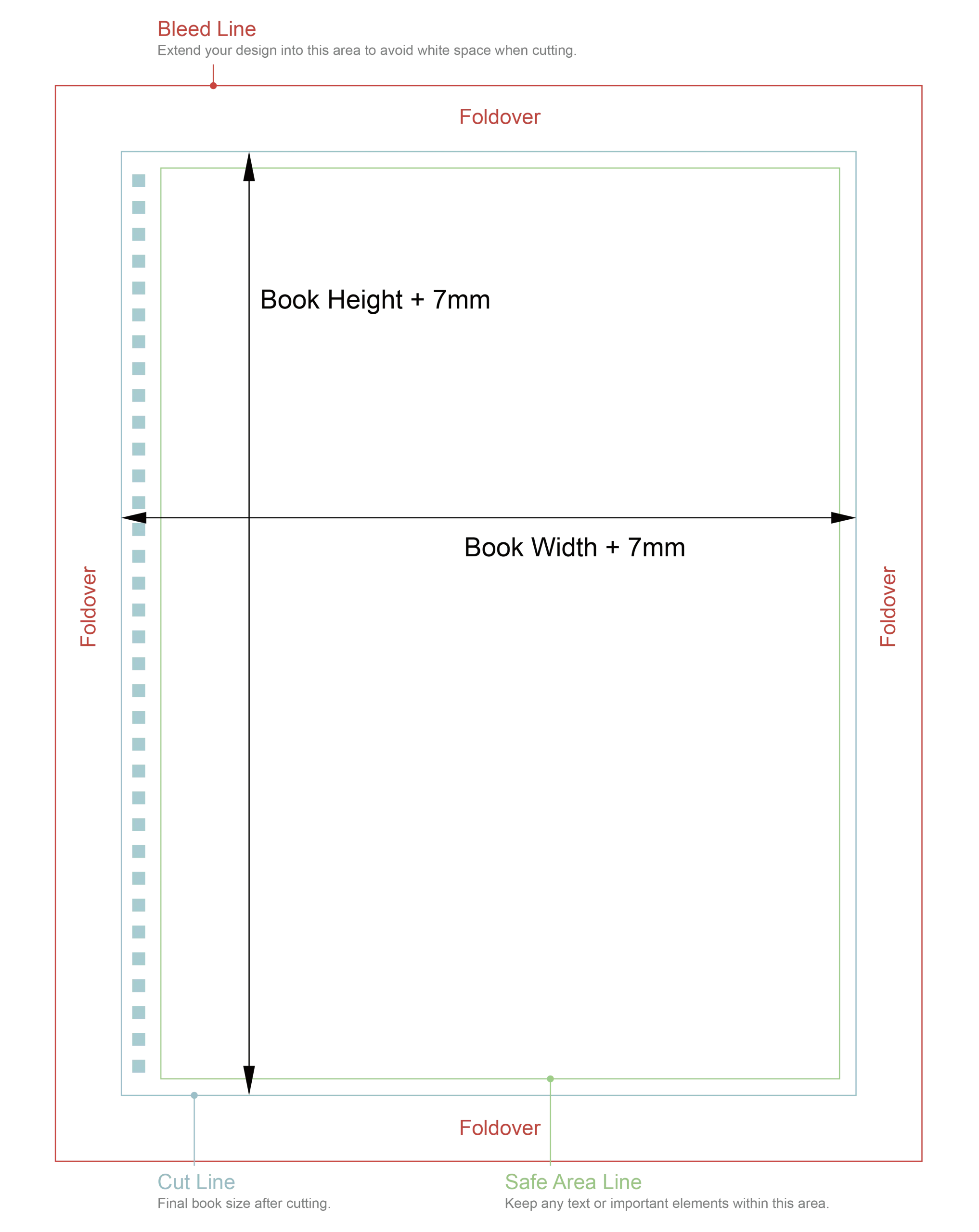
Bleed allows printed elements such as images or background colors to extend beyond the edge of the page, preventing white borders after trimming. Recommended bleed settings vary depending on the book type:
Softcover books: 3 mm bleed
Hardcover books: 20 mm bleed
Hardcover books require a larger bleed because the cover wraps around the gray board, and additional material is needed to accommodate folding and trimming.
Cover Trim Size
For softcover wire-bound books, the cover trim size is usually the same as the interior pages. For hardcover wire-bound books, the cover must be slightly larger, typically 7 mm wider and taller than the inner pages, to account for wrapping around the rigid boards.
Divider Tabs (Index Tabs)
Divider or index tabs are often added in manuals, planners, and reference books to help organize sections. When including tabs, the cover width must be increased to accommodate their extension. Standard tab widths typically range from 10 to 12 millimeters, depending on the design. Proper planning ensures the tabs are fully functional without interfering with the binding or cover edges.
By carefully considering hole placement, bleed, cover size, and tabs, designers can produce wire-bound books that are both visually appealing and fully functional.
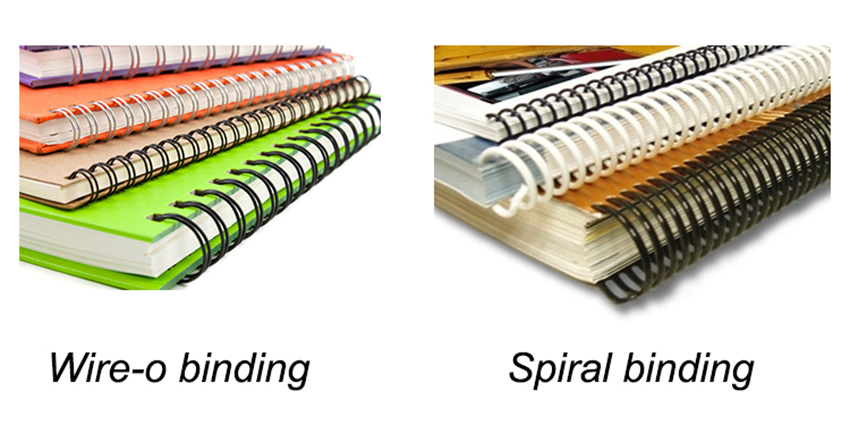
Wire-O Binding vs Spiral Binding
Wire-o binding and spiral coil binding are two of the most popular methods for binding books, notebooks, manuals, and planners. While both allow the pages to lay completely flat and provide full 360-degree rotation, they differ in structure, appearance, durability, and suitability for different types of projects. Understanding these differences can help you select the best binding method for your printing needs.
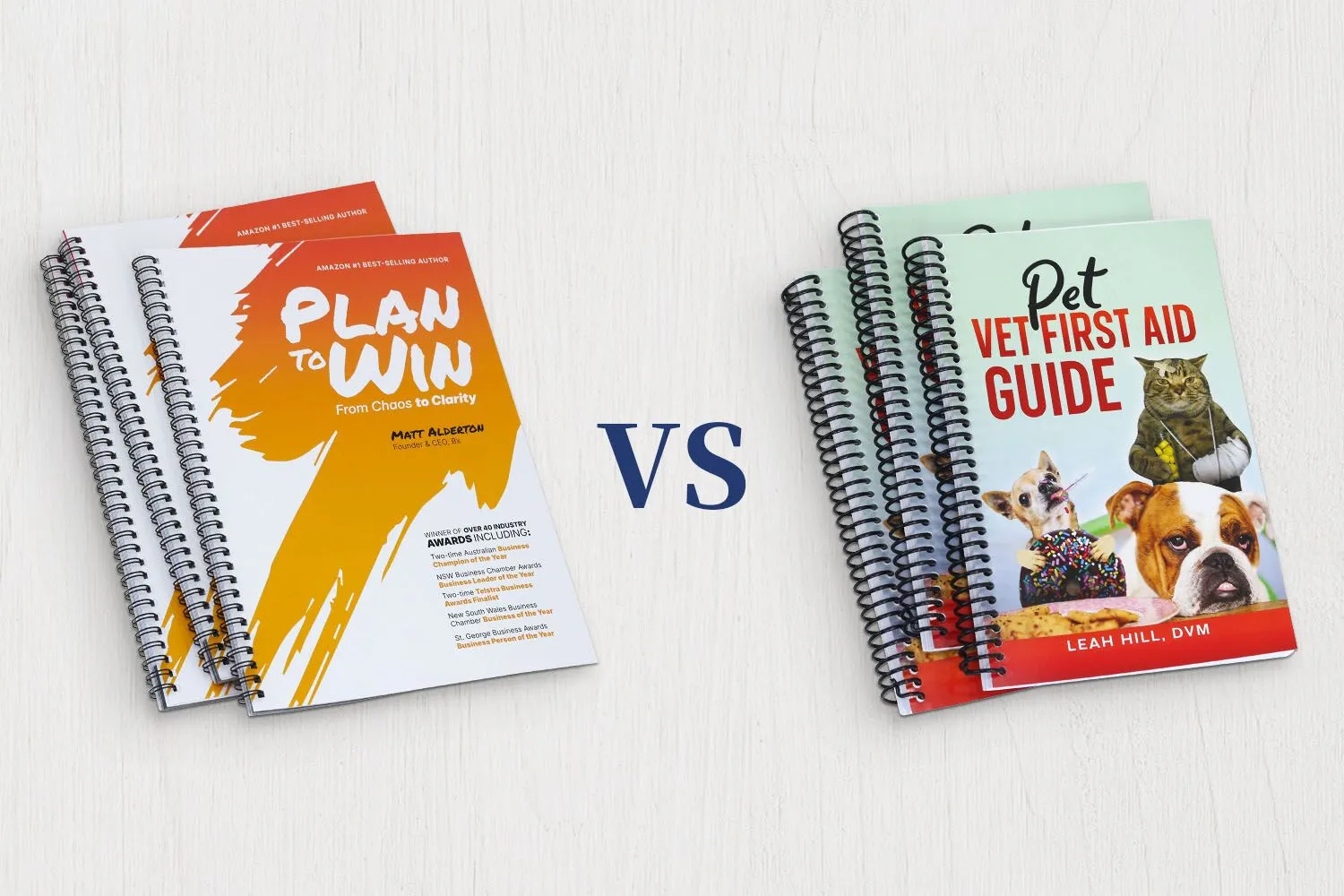
Wire-O Binding
Wire-o binding uses double-loop metal wires threaded through punched holes along the spine. This method provides a clean and professional appearance that is ideal for corporate, academic, or high-end products.
Key advantages of wire-o binding include:
Professional Appearance: The evenly spaced metal loops create a neat and polished spine, making the book suitable for executive planners, corporate reports, and presentation materials.
Stronger Metal Loops: The metal wire is durable and holds pages securely, reducing the risk of loosening or damage over time.
Better Page Alignment: The rigid structure of wire-o binding ensures that pages stay aligned and turn smoothly, giving a high-quality feel to the book.
Wire-o binding is commonly chosen by businesses and publishers for professional materials, premium notebooks, and manuals where aesthetics and durability are priorities.
Spiral Coil Binding
Spiral coil binding uses a single continuous plastic or metal coil twisted through the punched holes along the spine. This type of binding is often used for casual notebooks, educational workbooks, and short-term printing projects.
Advantages of spiral coil binding include:
More Flexibility: Plastic coils allow easier page flipping and bending, making the book lightweight and user-friendly.
Plastic Coil Options: Plastic coils come in multiple colors and sizes, offering customization for informal or creative projects.
While spiral binding is functional and economical, it is less durable and less formal in appearance than wire-o binding. For projects requiring a professional look and long-lasting durability, wire-o binding is typically preferred.
Print Wire Bound Books with Us
If you are looking for reliable custom wire-o bound book printing, BookPrintingChina offers professional printing solutions tailored to your needs.
We provide a wide range of customization options, including:
Multiple book sizes
Various cover materials
Different interior paper types
Custom wire colors and sizes
Special finishing and add-on options
Our experienced team provides one-to-one online support to help you select the best materials and specifications for your project.
With high-quality printing, competitive pricing, and reliable global shipping, we make it easy to produce professional wire-bound books for businesses, publishers, and organizations worldwide.
Whether you need notebooks, planners, manuals, cookbooks, or reports, our custom wire bound book printing service ensures your project is produced with precision and quality.