




Offset Paper
On this page, we’ll explore what offset paper is, its key features and common weights, and the types of projects for which it is best suited.
What's Offset Paper
Offset paper, often called uncoated paper or wood-free paper, bond paper, is a high-quality printing paper primarily used in offset printing. Despite the name, “wood-free” doesn’t mean it contains no wood—it means the paper is free of mechanical pulp, which gives it a smoother, brighter, and more durable finish.
Key features:
- Smooth, non-glossy surface
- Excellent for text-heavy documents like books, brochures, and flyers
- Absorbs ink well for crisp, clear prints
- Available in various weights and finishes
It’s a versatile choice for professional printing that requires readability and a clean look without the shine of coated paper.
Types of Offset Paper: Weight and Thickness
Offset paper comes in a variety of types, each suited for different printing applications. It comes in different weights, allowing you to select the right thickness and feel for your needs. Lighter papers are thin, economical, and ideal for high-volume printing, while heavier papers provide durability and a premium tactile experience.
Common categories include:
Lightweight (70–100 gsm): Affordable and practical, perfect for novels, notebooks, journals, notepads, magazines, textbooks, and workbooks.
Medium-weight (100–140 gsm): Offers a slightly sturdier feel, ideal for coloring books, envelopes, premium notebooks and journals, brochures, and magazines.
Heavyweight (140–180 gsm): Thick and durable, often used for endpapers, high-quality coloring books, catalog covers that need more impact.
Cover stock & Cardstock (200+ gsm): Strong and substantial, suitable for book covers, invitations, posters, packaging, business cards, and other items requiring both visual appeal and resilience.
When selecting offset paper, it’s important to consider opacity, texture, brightness, weight, and ink compatibility. These factors affect readability, print quality, and the overall look and feel of your finished project, ensuring it meets both aesthetic and functional requirements.
Offset Paper: Weight and Thickness
| GSM | LB | Thickness(mm) |
| 70 gsm | 47 lb text | 0.088 mm |
| 80 gsm | 54 lb text | 0.098 mm |
| 100 gsm | 68 lb text | 0.118 mm |
| 120 gsm | 71 lb text | 0.140 mm |
| 140 gsm | 95 lb text | 0.160 mm |
| 160 gsm | 108 lb text | 0.180 mm |
| 180 gsm | 122 lb text | 0.20 mm |
Common Uses of Offset Paper
Offset paper is a versatile printing material widely used across publishing and commercial printing because of its smooth surface, durability, and excellent ink absorption. It is particularly suitable for text-heavy pages, writable surfaces, and black-and-white printing.
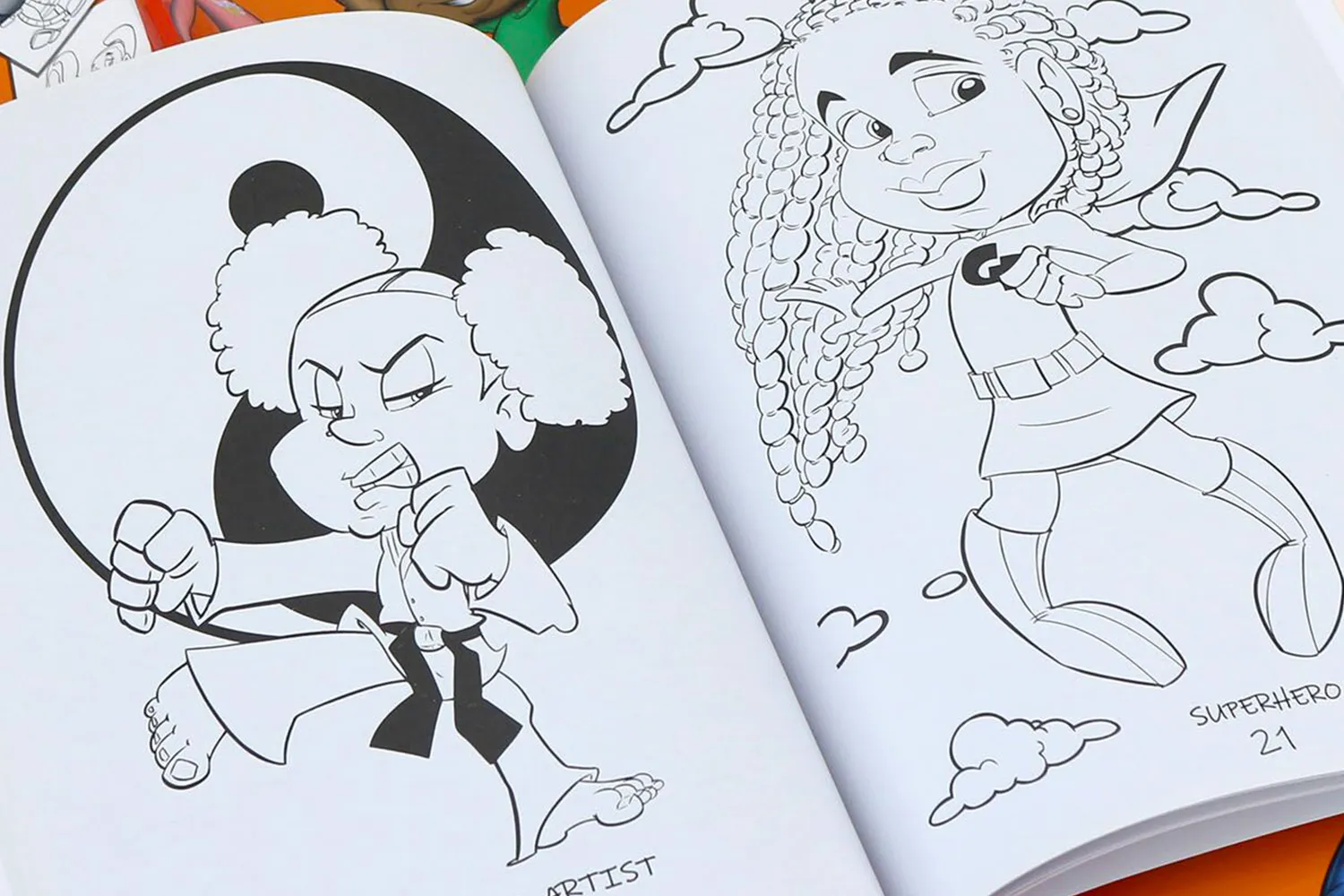
In Publishing: Offset paper is often chosen for book interiors, including novels, textbooks, coloring books, workbooks, and comic books with black-and-white content. It is also ideal for hardcover book endpapers and magazine pages, providing a professional, readable finish that enhances the reading experience.
In Commercial Printing: Offset paper is commonly used for a broad range of business and promotional materials. Typical applications include catalogs, notebooks, journals, notepads, envelopes, brochures, flyers, leaflets, labels, stickers, and packaging. Its versatility allows it to meet both functional needs and aesthetic demands, delivering high-quality prints with clarity and consistency.
Selecting the right weight of offset paper ensures your project achieves the desired appearance, feel, and performance, whether for everyday publications or premium commercial products.
Offset Paper vs Coated Paper: The Difference
Offset paper and coated paper differ in several key aspects, including surface, print quality, and usage. Understanding these differences helps you select the right paper for your project.
Surface and Finish
Offset Paper: Also known as uncoated paper, it has a natural, matte surface with no added coating. It feels soft to the touch and is easy to write on, making it ideal for notes, text-heavy content, and everyday printing.
Coated Paper: This type features a glossy or matte finish, giving it a smooth, polished finish. The coating enhances color vibrancy, sharpness, and overall visual appeal.
Print Appearance
Offset Paper: Ink penetrates the fibers, creating a more subtle, muted appearance. It works well for black-and-white text, novels, journals, and other readable content.
Coated Paper: Ink sits on the surface rather than soaking in, producing sharper images, brighter colors, and higher contrast, perfect for catalogs, photo books, children’s books, brochures, magazines, posters, and visually striking materials.
Usage
Offset Paper: Best suited for applications where readability, writeability, and cost-effectiveness are priorities, such as novels, textbooks, coloring books, workbooks, and notebooks.
Coated Paper: Ideal for projects that demand strong visual impact, including photographic prints, marketing brochures, posters, and high-end packaging.
If you’re unsure which type or weight of offset paper is best for your project, please contact us, we’re happy to provide expert guidance and help you choose the perfect option.