



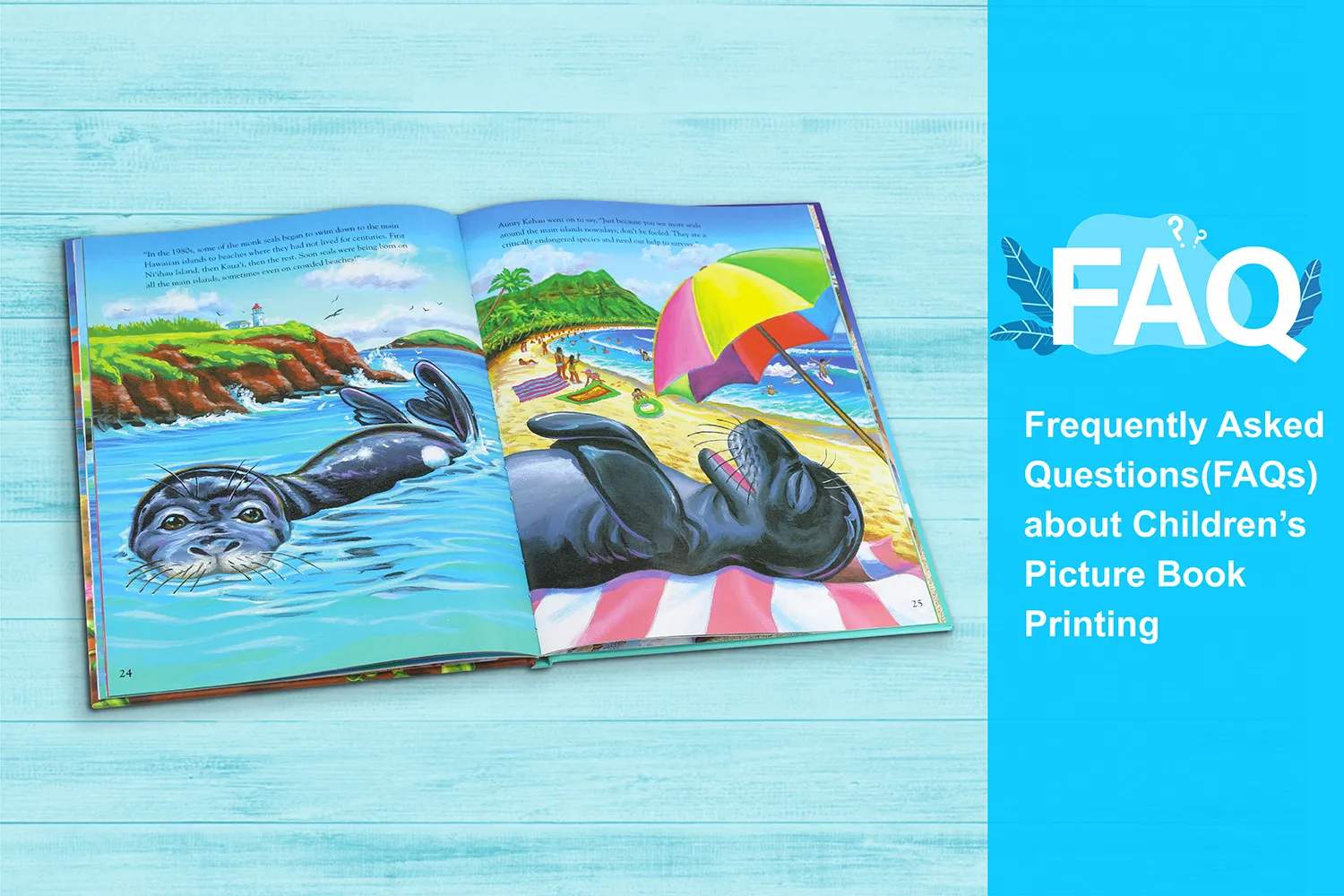
Welcome to our comprehensive Children’s Picture Book Printing FAQs—a helpful guide designed to answer the most common questions authors, illustrators, and self-publishers have when preparing their books for print. Here, you’ll find essential information on choosing sizes and orientations, selecting the right paper, understanding cover materials, exploring special finishes, preparing print-ready files, estimating costs, and more. We’ve gathered these details to make your printing process smoother, clearer, and more efficient.
If you don’t see the information you’re looking for in these FAQs, please feel free to reach out. We’re always happy to update the guide and provide additional support.
FAQs
What are the Common Children’s Picture Book Dimensions
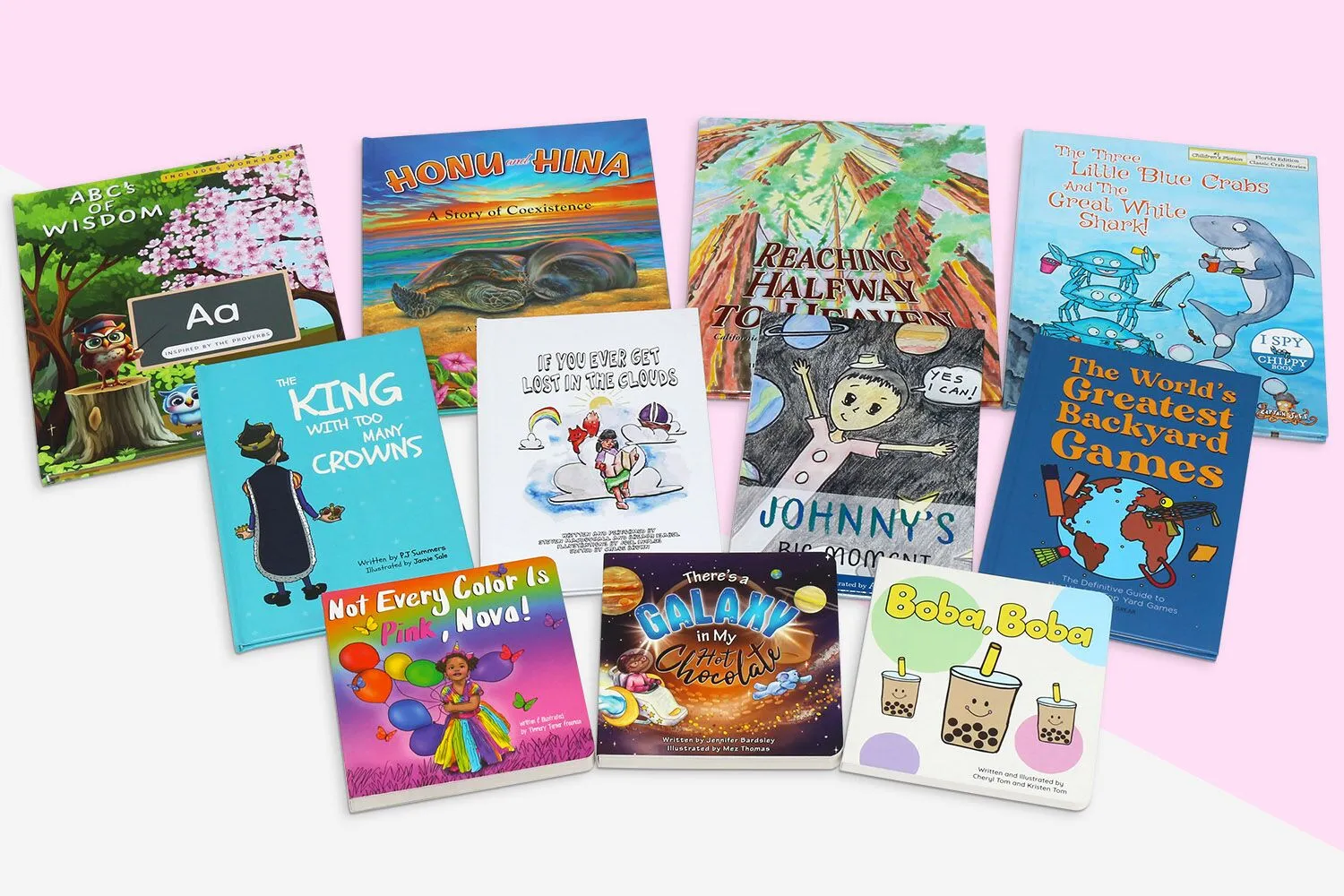
Children’s picture books are available in a wide range of sizes, generally from 8” x 8” to 12” x 9”. The ideal dimensions for a book depend on several factors, including the target age group, story type, illustration style, and overall design preferences. Selecting the right size is important, as it can influence readability, handling, and the visual impact of illustrations. Larger formats allow for more expansive artwork and detailed scenes, while smaller sizes may be easier for young children to hold and carry. Some of the most popular sizes for children’s picture books include:
Portrait: 7.5” x 9.5”, 8” x 10”, 8.5” x 11”, A4, 9.5” x 12”
Square: 7” x 7”, 8” x 8”, 8.5” x 8.5”, 9” x 9”, 10” x 10”, 11” x 11”
Landscape: 10” x 8”, 11” x 8.5”, A4, 12” x 9”
Board Books: 6” x 6”
Selecting the right format can help your illustrations shine and ensure the book is comfortable for young readers to handle.
How Many Pages in A Children’s Picture Book?
Most children’s picture books typically follow a 32-page format, which has become the industry standard. However, the ideal page count can vary depending on the target age group, story structure, illustration style, and word count. In general, picture books range from 32 to 64 pages, giving authors and illustrators plenty of flexibility to create the right pace and visual experience for young readers.
Which Binding Types are Ideal for Children’s Picture Books
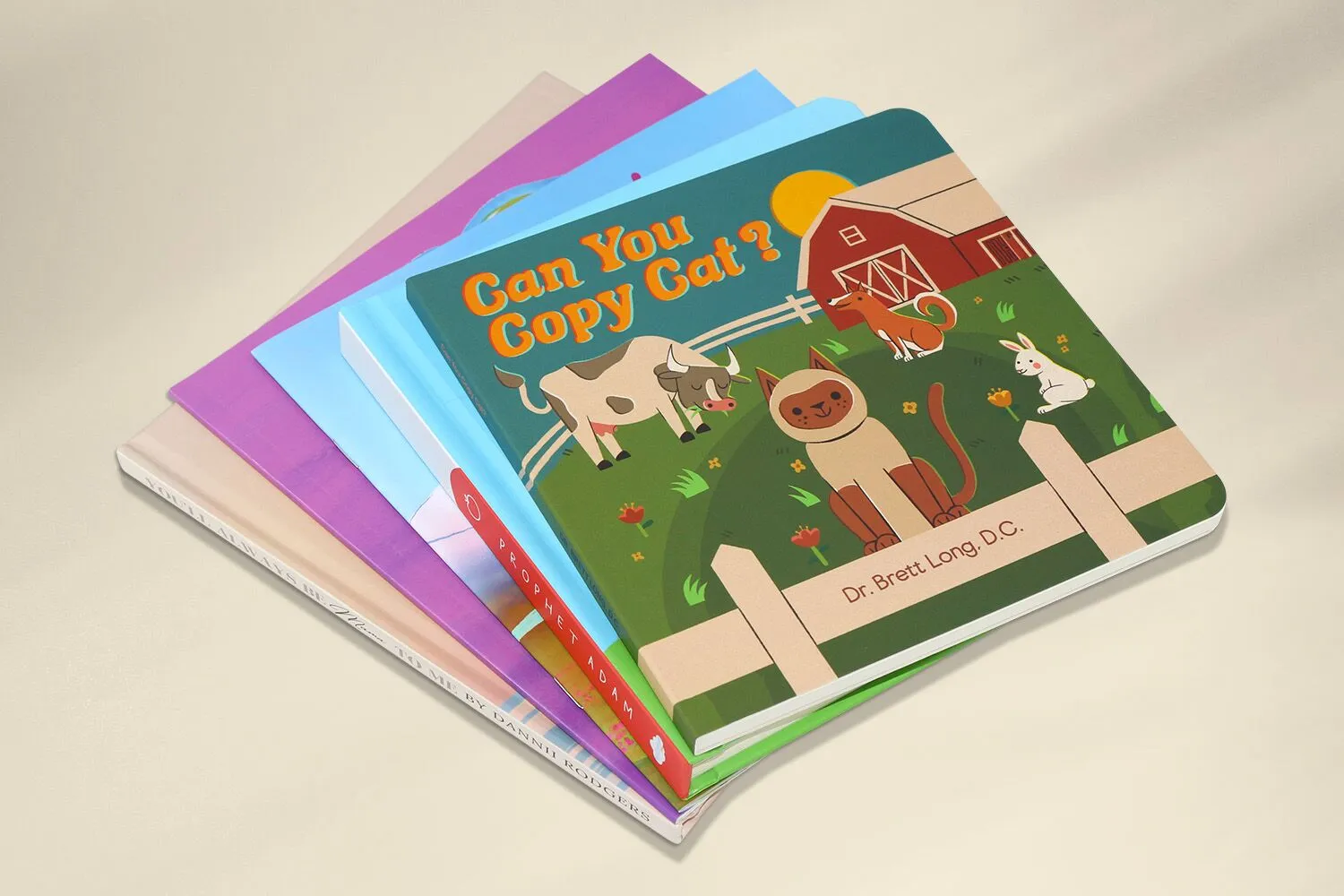
Children’s picture books can be produced with a variety of binding styles, each offering different benefits in terms of durability, cost, and visual presentation. While hardcover binding remains the most popular choice, thanks to its strength, longevity, and premium appeal, other binding methods are also widely selected based on factors such as page count, intended age group, design needs, and overall budget. Below are the most common binding styles used for children’s picture books:
Saddle Stitch
Saddle-stitch binding involves folding printed sheets in half, nesting them together, and fastening them with metal staples along the spine. This method is well-suited for shorter picture books, early readers, and activity-style books due to its simplicity and affordability. It produces a lightweight book that opens fairly flat, making it easy for young children to handle and flip through. Because of its construction, the page count must be in multiples of four, and it is generally recommended for books with fewer than 48 pages.
Sewn Perfect Binding
Sewn perfect binding begins with pages being printed, folded, collated into sections, and then stitched together before being glued into a flexible softcover. The sewing process adds strength to the spine, making the book more durable than standard (glue-only) perfect binding. This option works well for medium-length picture books that require a balance between affordability, flexibility, and durability. It also offers a clean, professional appearance ideal for both educational and commercial titles.
Sewn Hardcover Binding
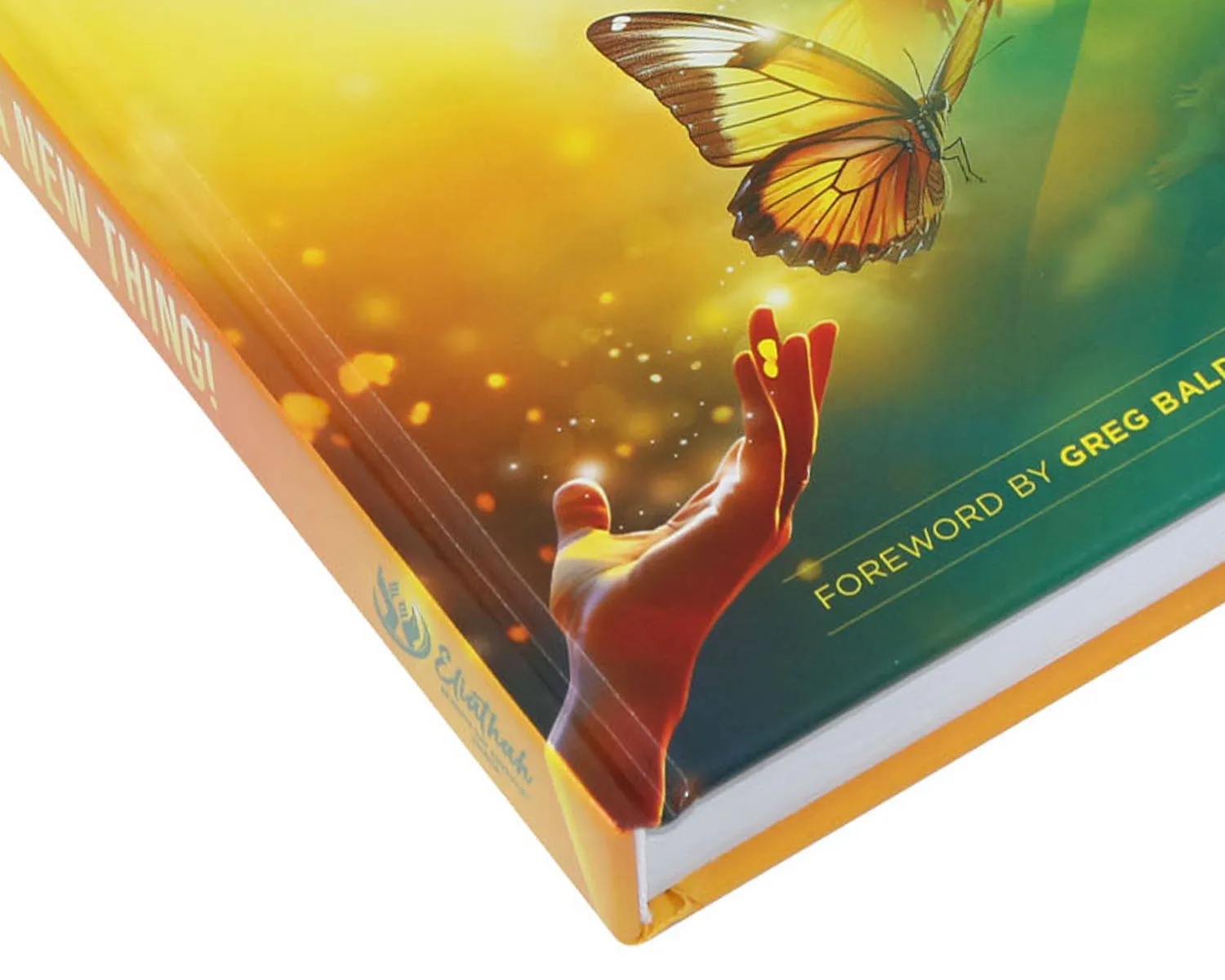
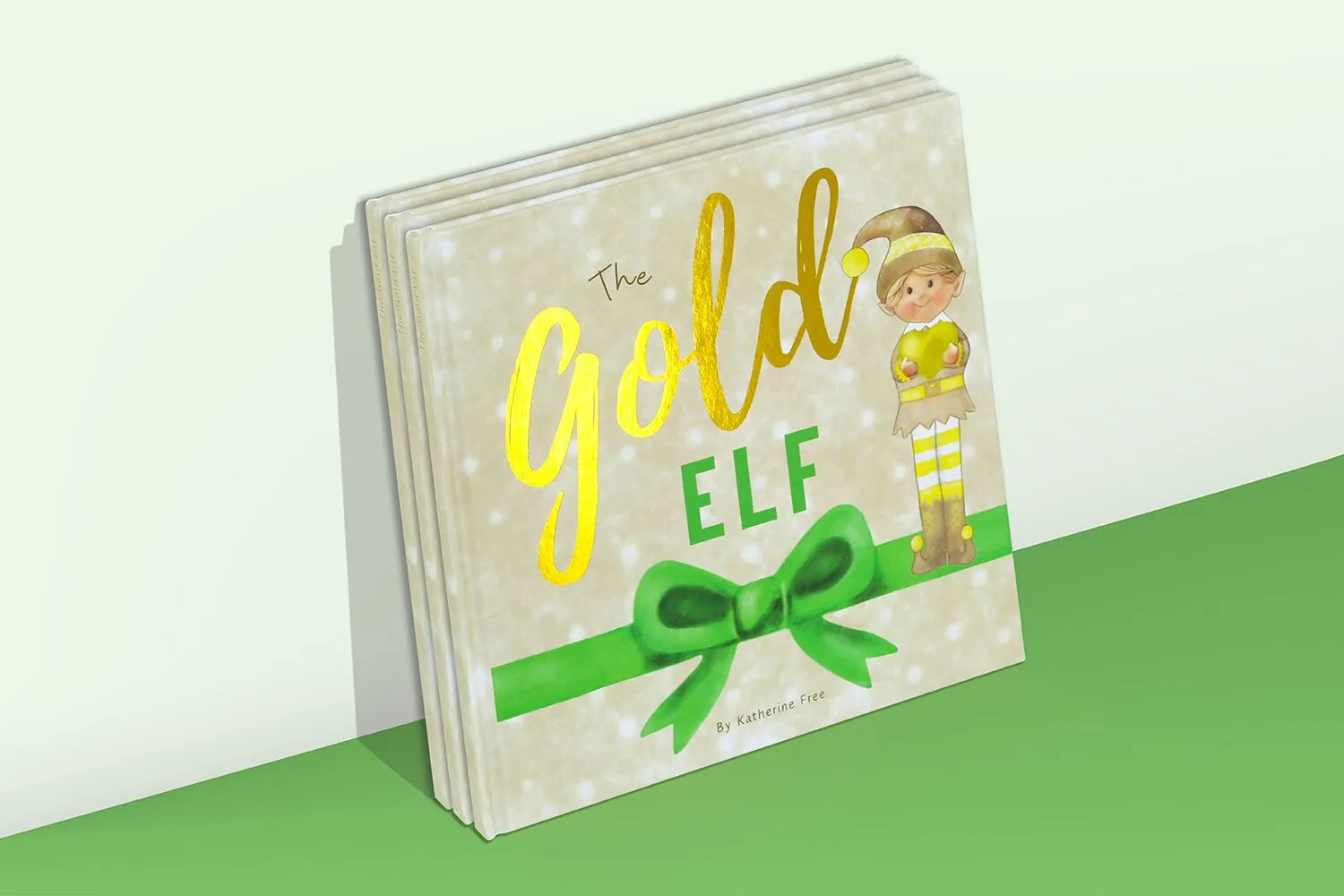
Considered the most premium binding method, sewn hardcover involves printing and folding pages, gathering them into sewn signatures, and attaching them securely to a rigid case. The case is typically made from 2–3 mm grayboard, wrapped with printed paper, cloth, or faux leather. This binding style provides exceptional durability, allowing the book to withstand years of use, perfect for libraries, classrooms, collectors, or high-end gift editions. Hardcovers can also be enhanced with special finishes such as foil stamping, embossing, debossing, spot UV, ribbon bookmarks, headbands, and dust jackets, giving the book an elegant, long-lasting appearance.
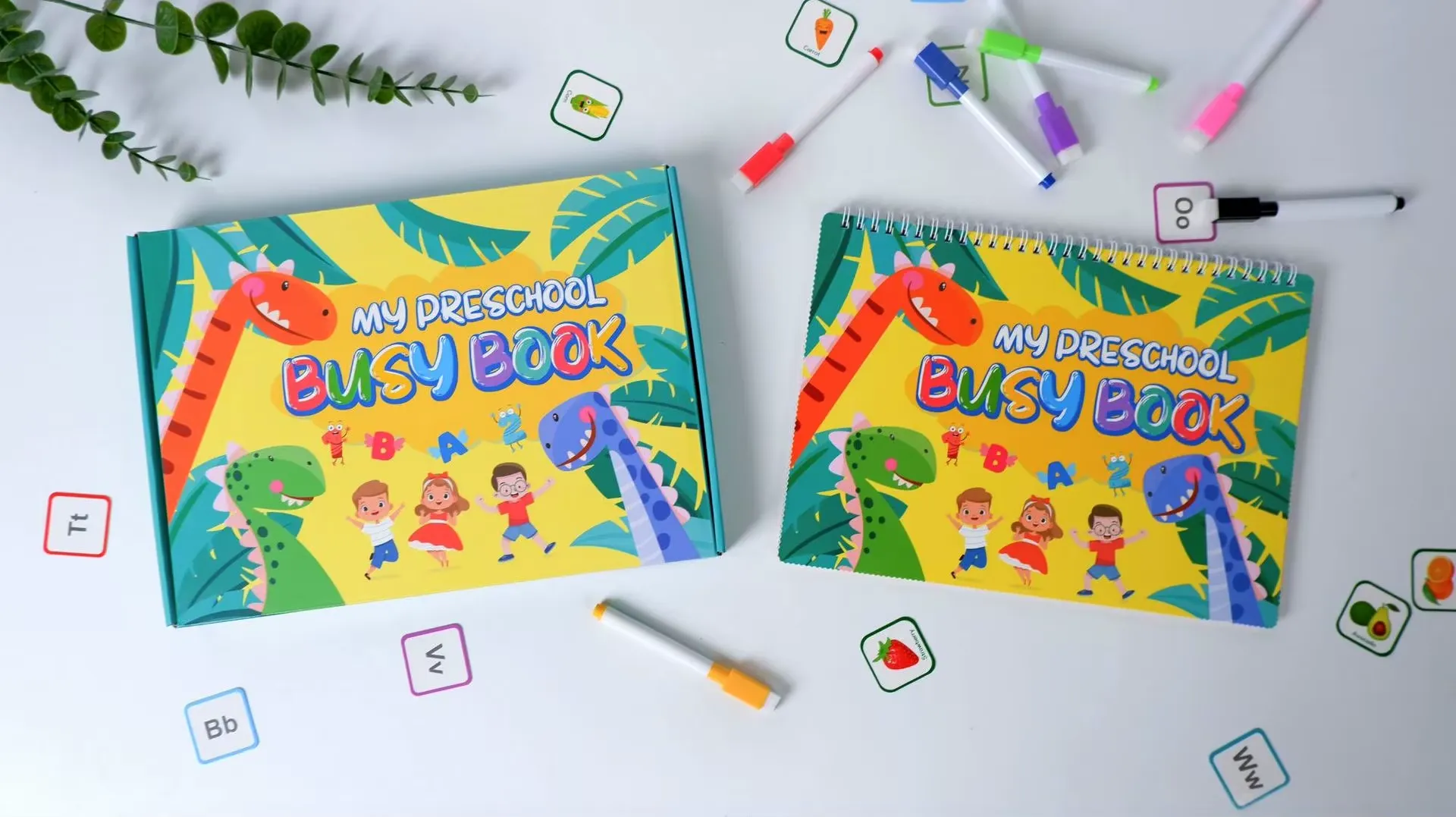
Board books are designed specifically for babies and toddlers, offering maximum durability with thick, rigid pages that resist bending, tearing, and drool. There are two main types:
Self-Cover Board Book: Each page is typically constructed by gluing two thick sheets of cardboard together, creating sturdy pages throughout. The cover is made from the same material as the interior pages, and the entire book is usually finished with matte or glossy lamination for added protection. This creates a seamless, child-friendly product with rounded corners for safety.
Hardcover Board Book: The interior pages are the same as a self-cover board book, but the cover is built like a traditional casebound cover using 2–3 mm greyboard wrapped with a printed sheet (typically 157gsm coated stock). This gives the book the sturdiness of a board book with the elevated look and feel of a hardcover.
How to Choose the Orientation for My Picture Book?
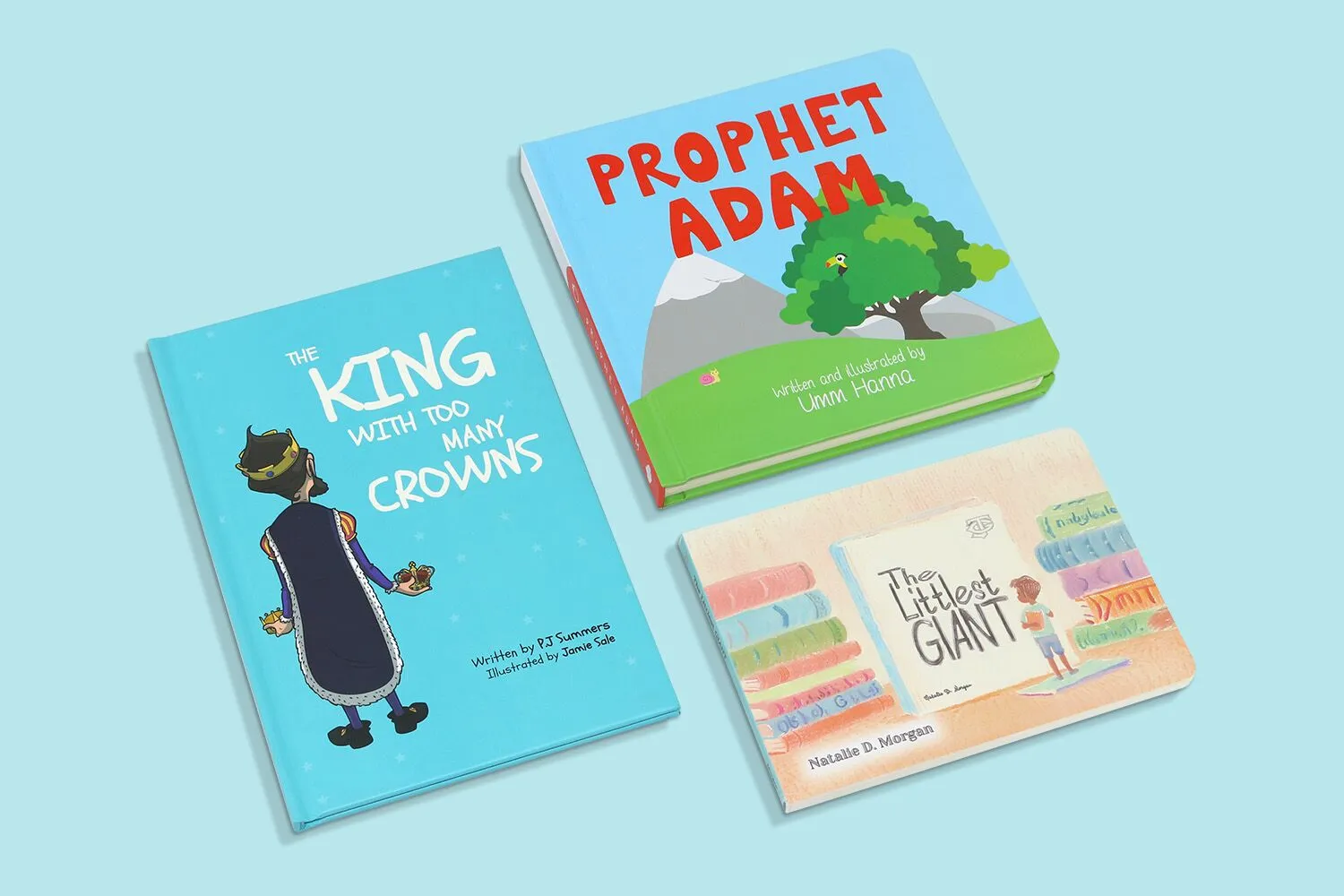
Choosing the right orientation for your picture book depends on how you want to present your story, how your illustrations are composed, and the preferences of your target age group. Each orientation has its own strengths and visual impact. While square books remain the most popular format in children’s publishing, portrait and landscape orientations are also widely used to support different storytelling styles.
Portrait Format
Portrait orientation is taller than it is wide, making it ideal for stories that focus on characters, vertical movement, or sequential actions. It works well for bedtime stories, educational content, and narrative-driven picture books. This format also provides an easy-to-hold shape for young readers, especially for read-aloud moments.
Square Format
Square picture books are the most versatile and commonly chosen option. Their balanced proportions provide a flexible canvas for both text and illustrations, making them suitable for almost any children’s book genre, from whimsical stories to concept books. This format is visually appealing, easy for kids to handle, and offers plenty of room for creativity in layout design.
Landscape Format
Landscape orientation is wider than it is tall and is perfect for stories that rely on large, panoramic illustrations. It enhances scenes with movement, nature, travel, or group interactions, allowing artwork to stretch across the pages in a cinematic way. This format is often chosen for visually rich books where scenery plays an important role.
How to Select Paper for Children’s Picture Book Printing
Choosing the right paper is essential, as it directly affects your book’s durability, tactile experience, visual appeal, and overall readability. Since children’s picture books rely heavily on colorful illustrations and minimal text, selecting a paper that enhances sharp, vibrant color reproduction and withstands frequent handling is crucial. For this reason, glossy or matte art paper is typically recommended for the best printing results.
If you prefer a more natural, warm, or eco-friendly aesthetic, uncoated paper is an excellent alternative. It works beautifully with hand-drawn, watercolor, or pastel-style artwork, though the colors will appear softer and less saturated compared to coated papers.
Cover Paper Options
Softcover books typically use heavier coated paper, such as 250gsm, 300gsm, or 350gsm, for the cover to ensure sturdiness and a professional finish. These are typically finished with glossy, matte, or soft-touch lamination to protect the cover from wear, improve durability, and elevate the look and feel.
For hardcover picture books, the cover is usually made from 2–3 mm greyboard wrapped with a printed sheet to showcase vibrant artwork. The outer surface can be finished with glossy, matte, or soft-touch lamination to enhance durability and visual appeal. For a more luxurious, premium look, the cover material can also be upgraded to cloth, specialty textured paper, or faux leather, creating an elegant and tactile finish that adds extra value to the book.
Interior Paper Options
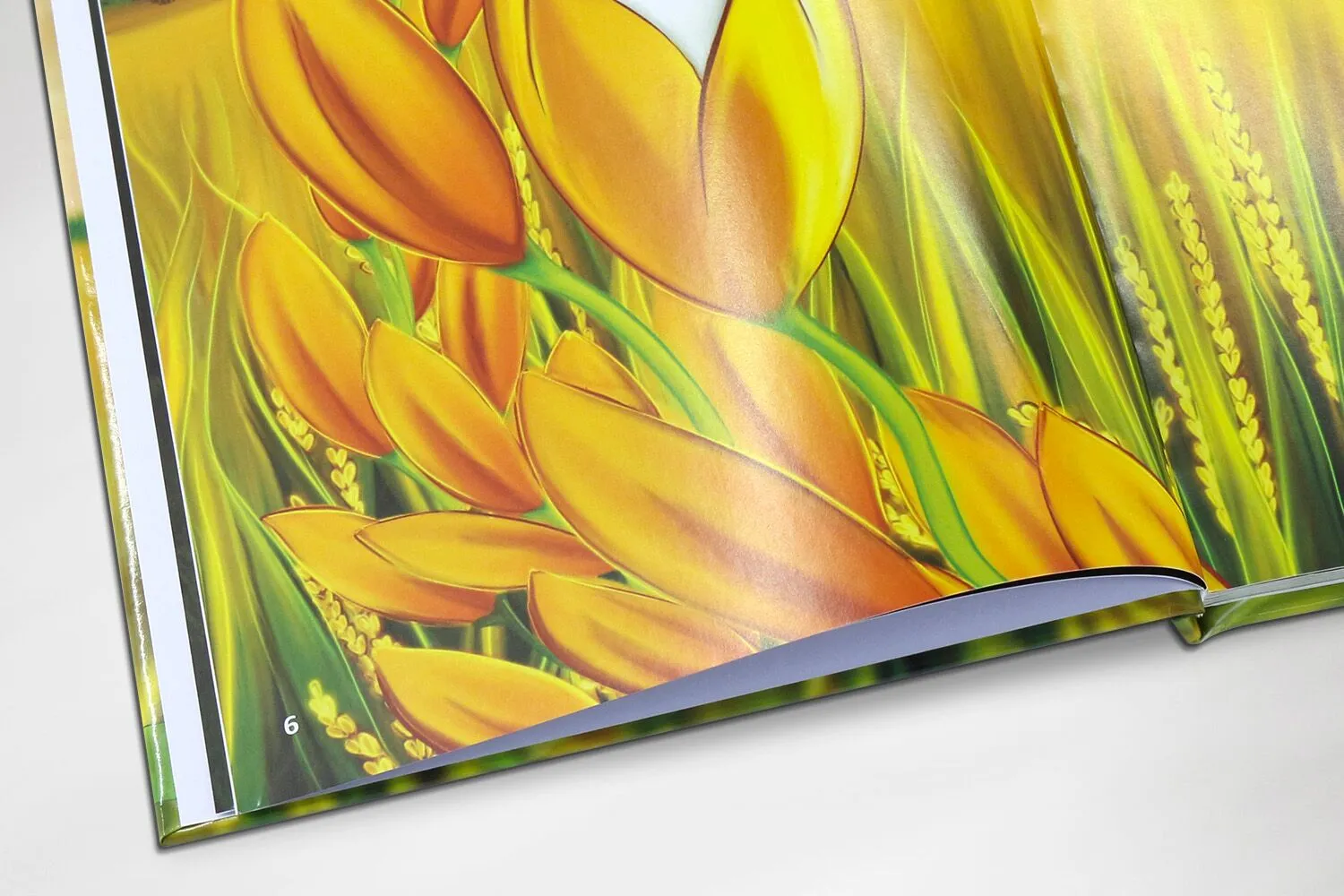
Interior pages are usually printed on glossy or matte art papers that enhance color clarity and detail. Popular choices include 128gsm, 157gsm, and 200gsm. For softcover or hardcover picture books with 32 pages or fewer, we advise a thicker 200gsm paper that provides a sturdy, high-quality feel.
For board books, where pages must be rigid and durable, we recommend 250gsm, 300gsm, or 350gsm C1S (Coated One Side) paper. These sheets are laminated on the coated side and then mounted together to create thick, child-safe pages.
By selecting the right combination of cover and interior paper, you can significantly enhance the visual impact, durability, and overall reading experience of your children’s picture book.
Which Finish Options Do You Provide?
To give your children’s book, or any custom print project, a standout, professional finish, we offer a wide variety of premium enhancements. These finishing options go beyond basic protection; they add personality, tactile appeal, and visual depth, helping your book capture attention at first glance. Whether you’re aiming for bold shine, soft texture, or artistic detailing, the following finishes can elevate the overall quality and style of your product:
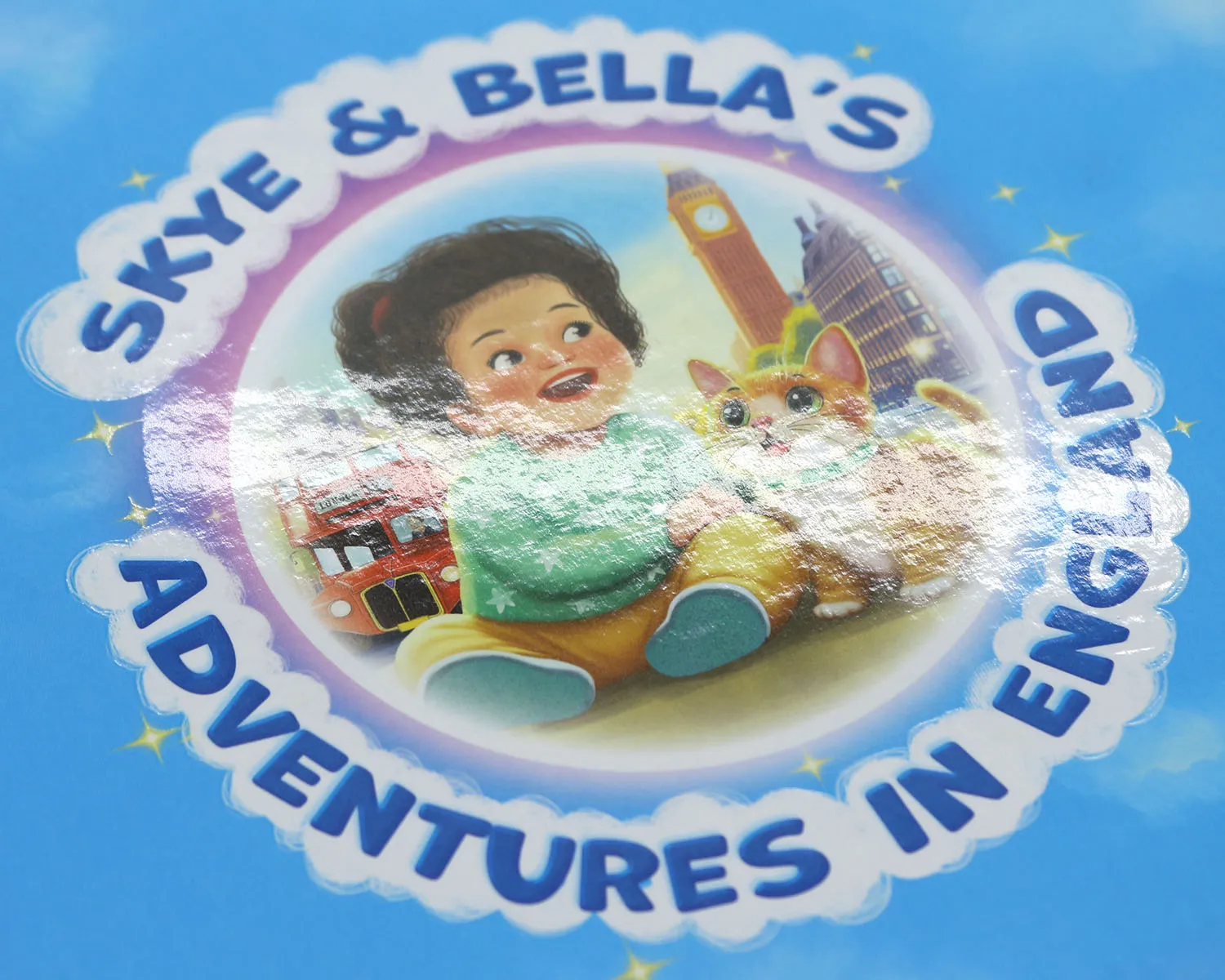
Glossy Lamination: Creates a high-shine, reflective surface that intensifies colors and sharpens illustrations. This finish also offers excellent resistance to scratches, fingerprints, and everyday handling.
Matte Lamination: Gives your cover a smooth, non-reflective texture that feels modern and sophisticated. It reduces glare and provides a soft, elegant aesthetic.
Soft-Touch Lamination: Adds a velvety, luxurious feel that enhances the sensory experience. It also boosts durability and keeps surfaces clean by resisting smudges and fingerprints.
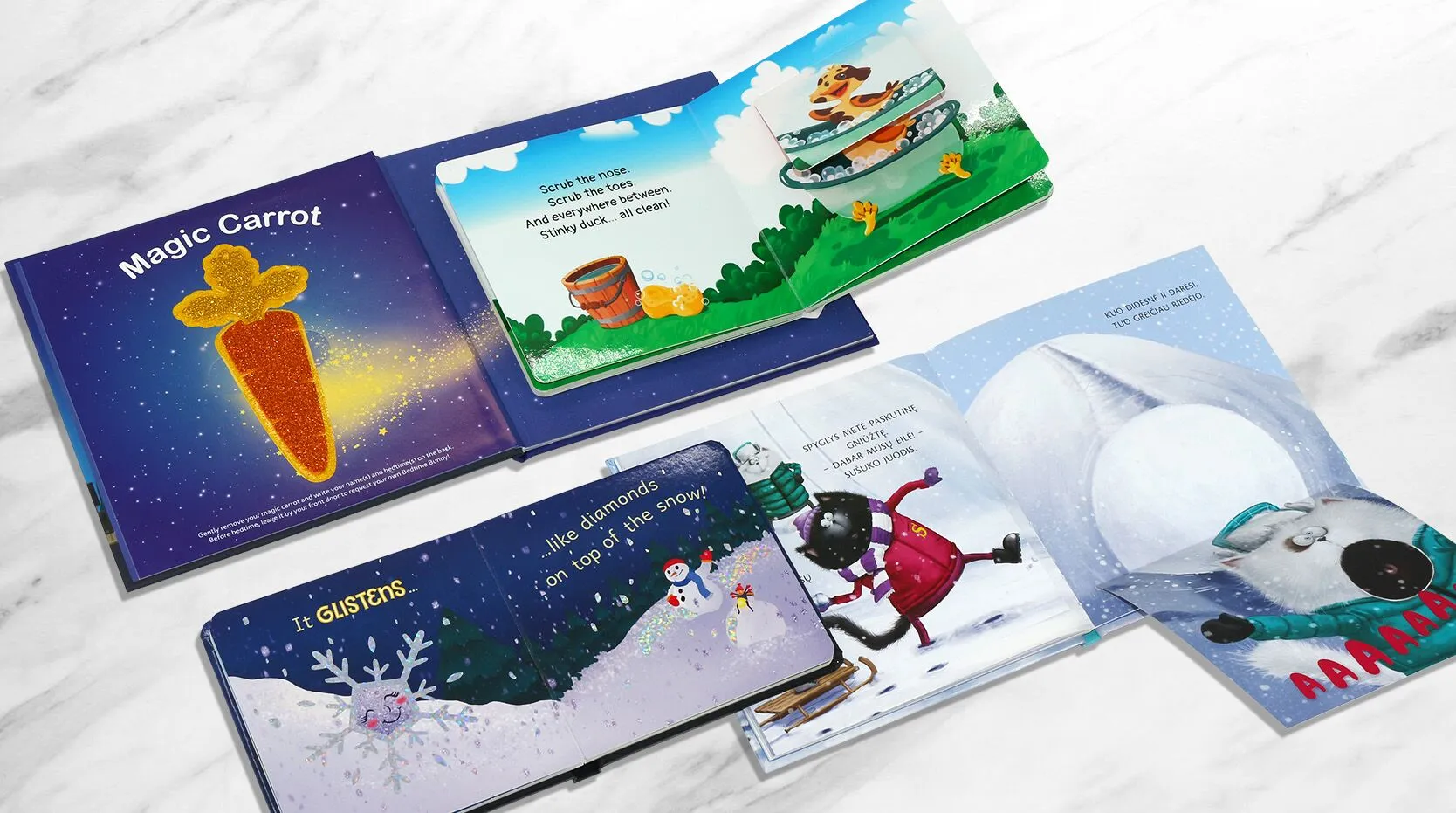
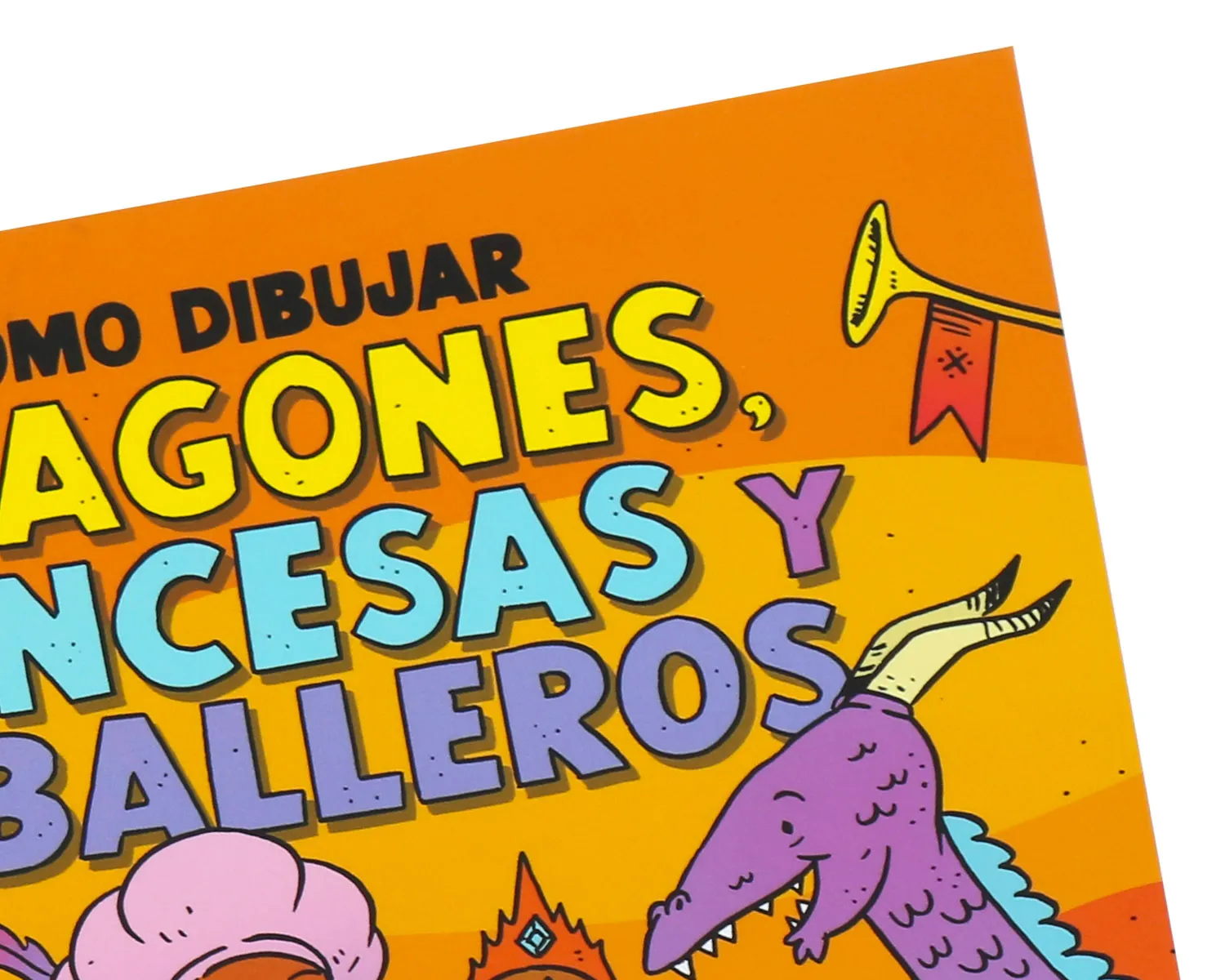
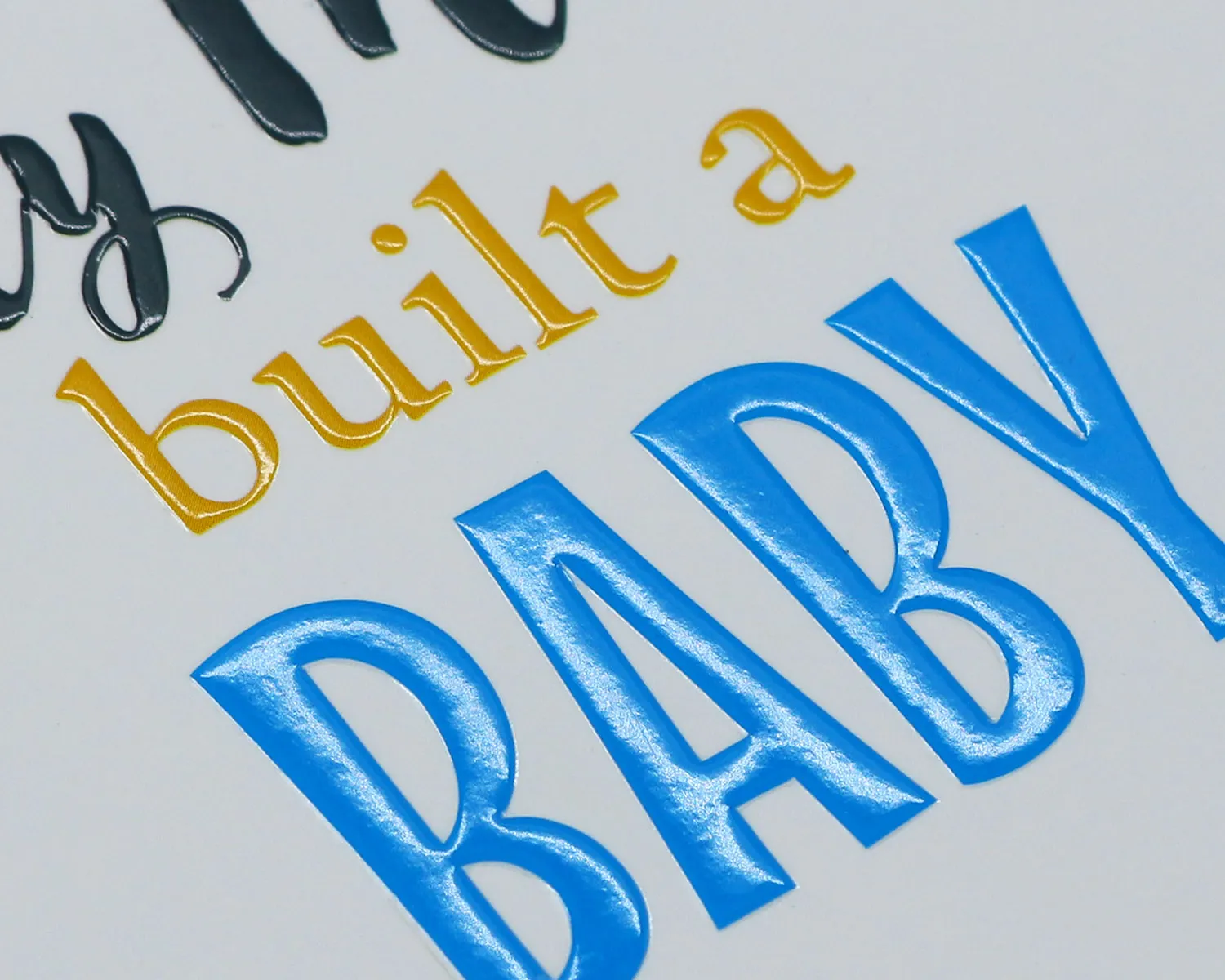
Spot UV Coating: Spot UV adds a glossy, raised finish to selected areas, such as titles, characters, or decorative elements, making them pop against the rest of the design. When paired with a matte background, it creates bold contrast and an eye-catching, premium effect. It can also be combined with embossing or foil stamping for an even more dimensional and high-shine result.
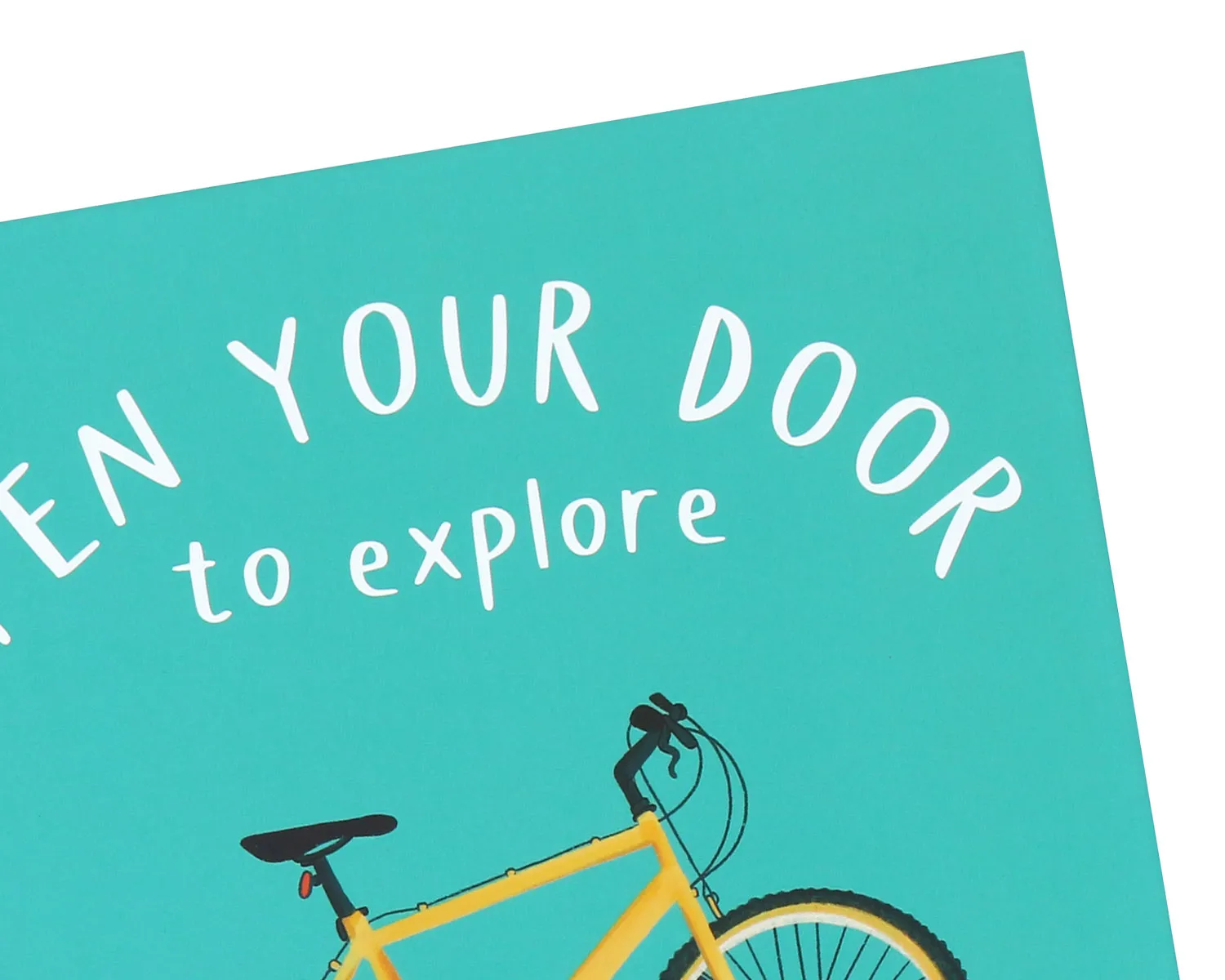
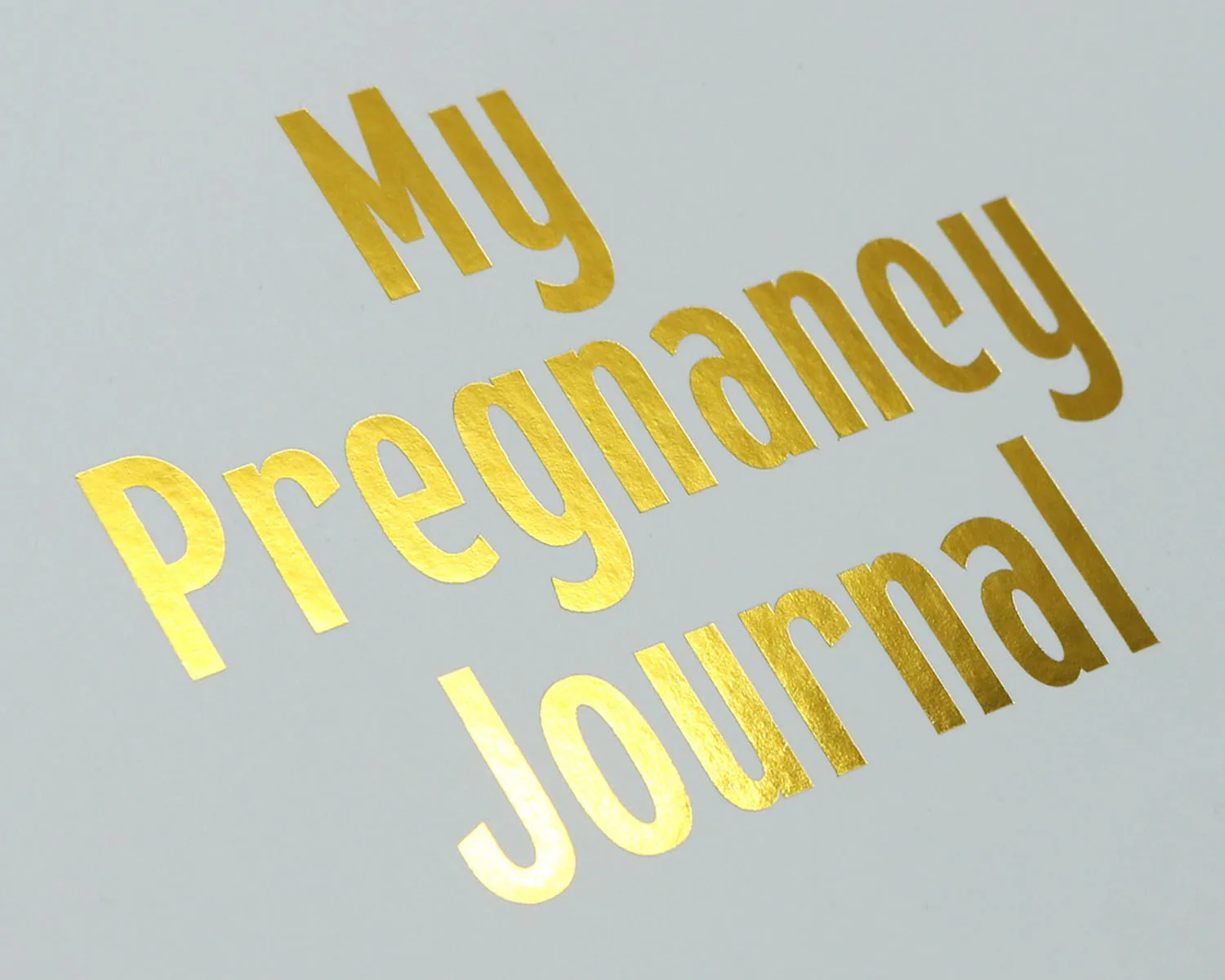
Foil Stamping: Uses metallic foil such as gold, silver, or custom colors to add brilliance and prestige. Perfect for logos, lettering, or decorative accents that need a premium finish.
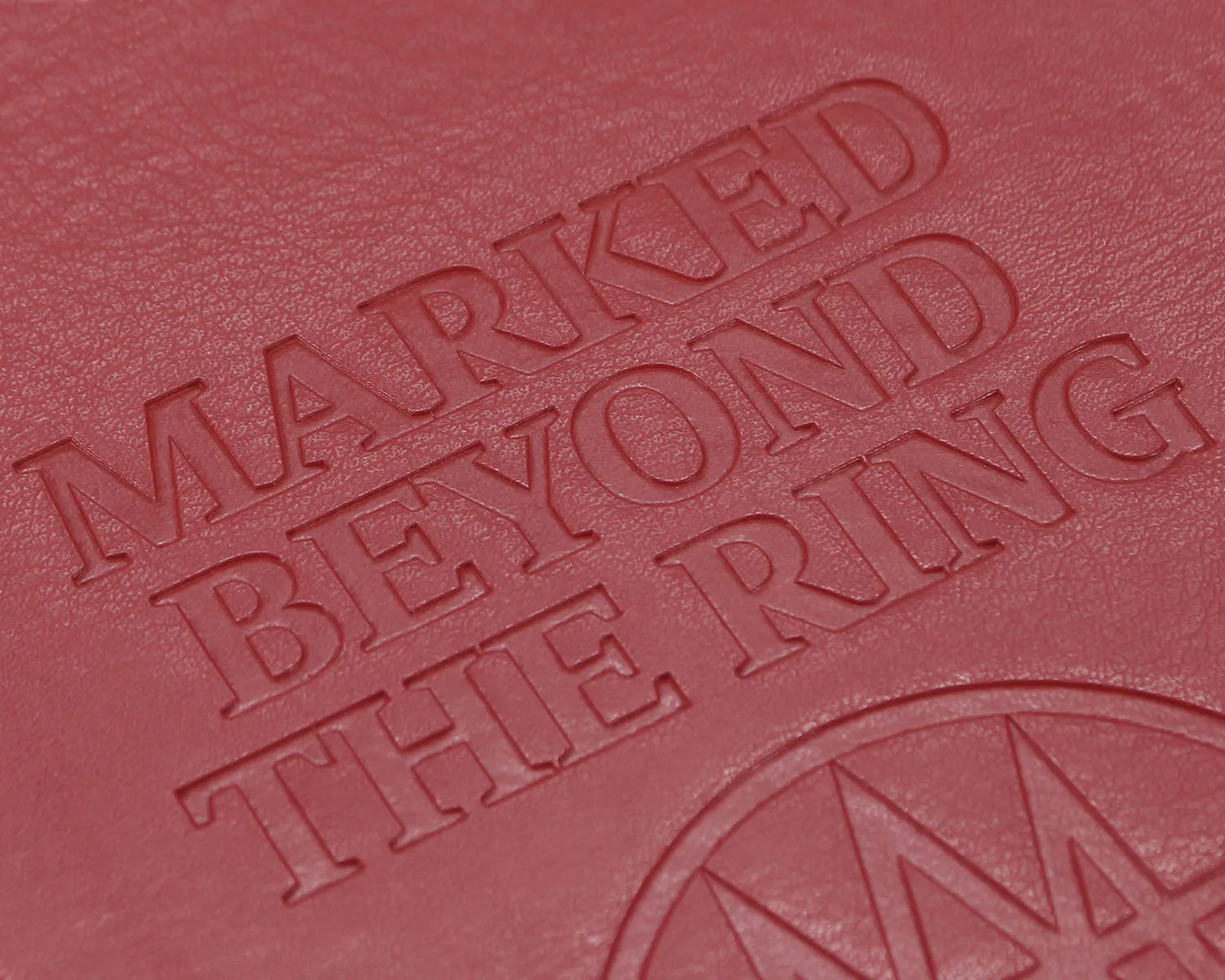
Embossing & Debossing: Embossing lifts elements off the surface, while debossing presses them inward. Both create tactile dimension and help key design features stand out visually and physically.
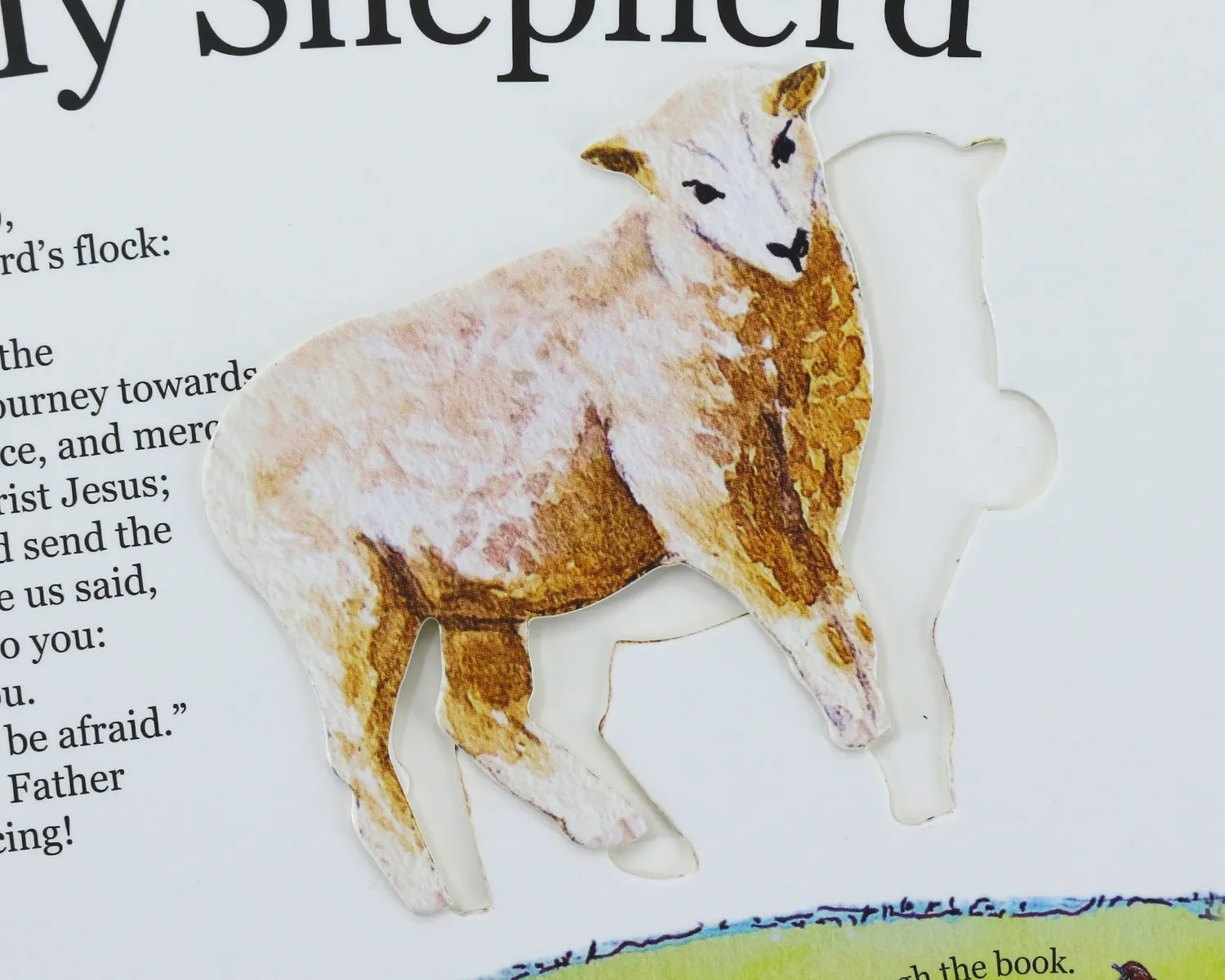
Die-Cut Shapes: Allows you to incorporate custom cutouts or windows in the cover or pages, adding playful interaction and creative depth, an excellent choice for children’s titles and novelty books.
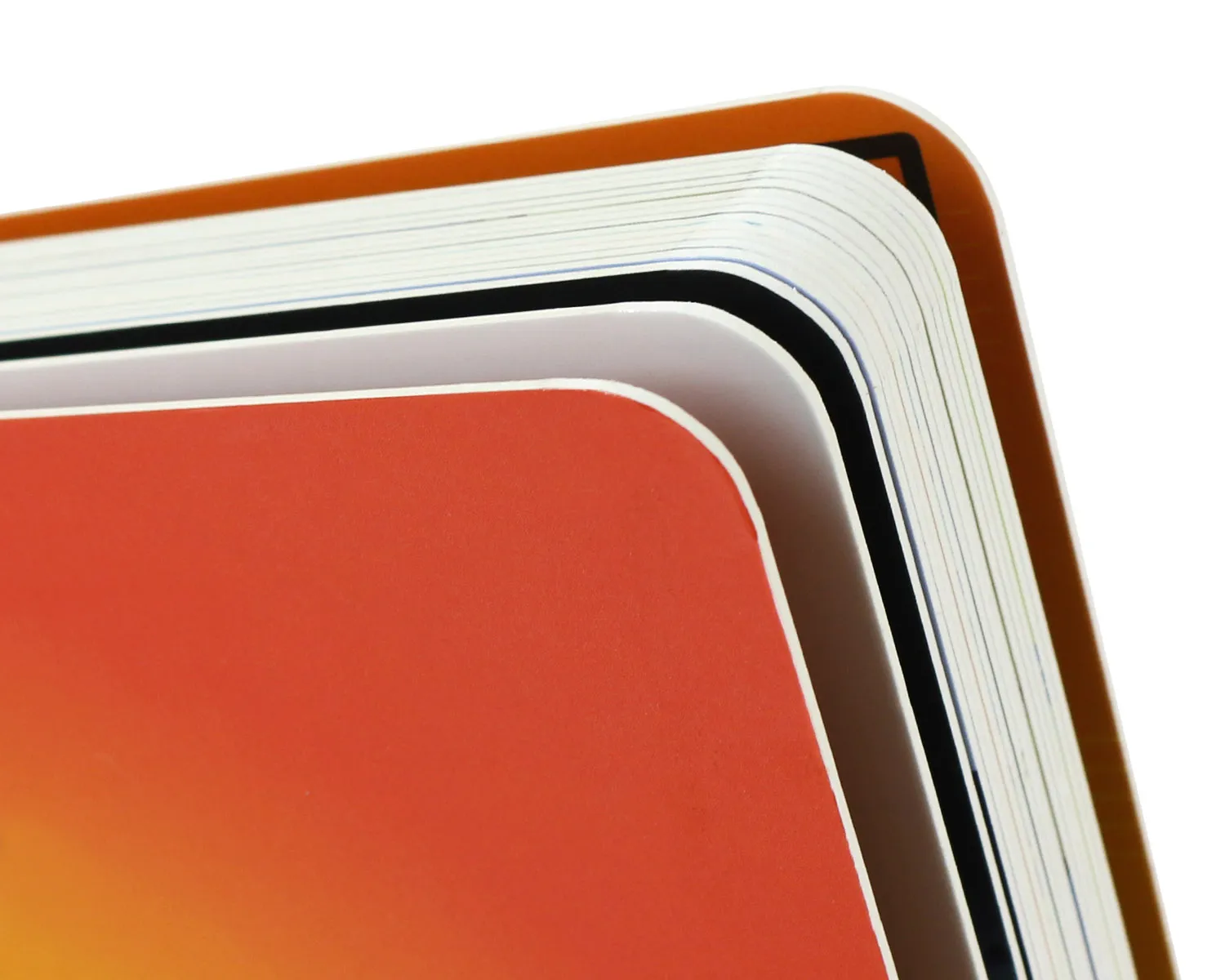
Rounded Corners: Smooths sharp edges for a safer, more polished look. Rounded corners help prevent bending, making them ideal for children’s board books and frequently handled products.
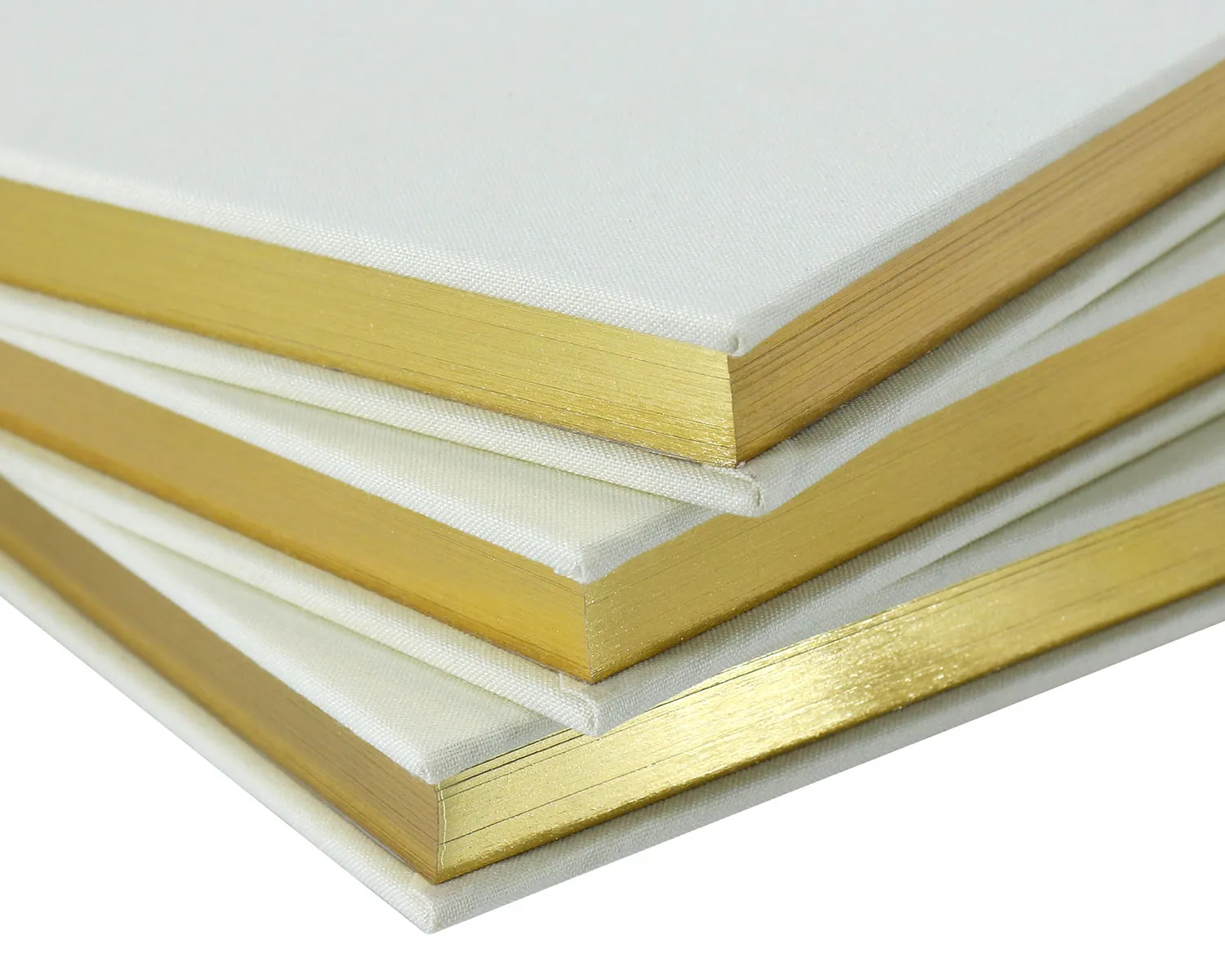
Gilded Edges: Adds a metallic sheen to the edges of the pages, giving your book a luxurious, premium appearance. Available in gold, silver, rose gold, and custom finishes.
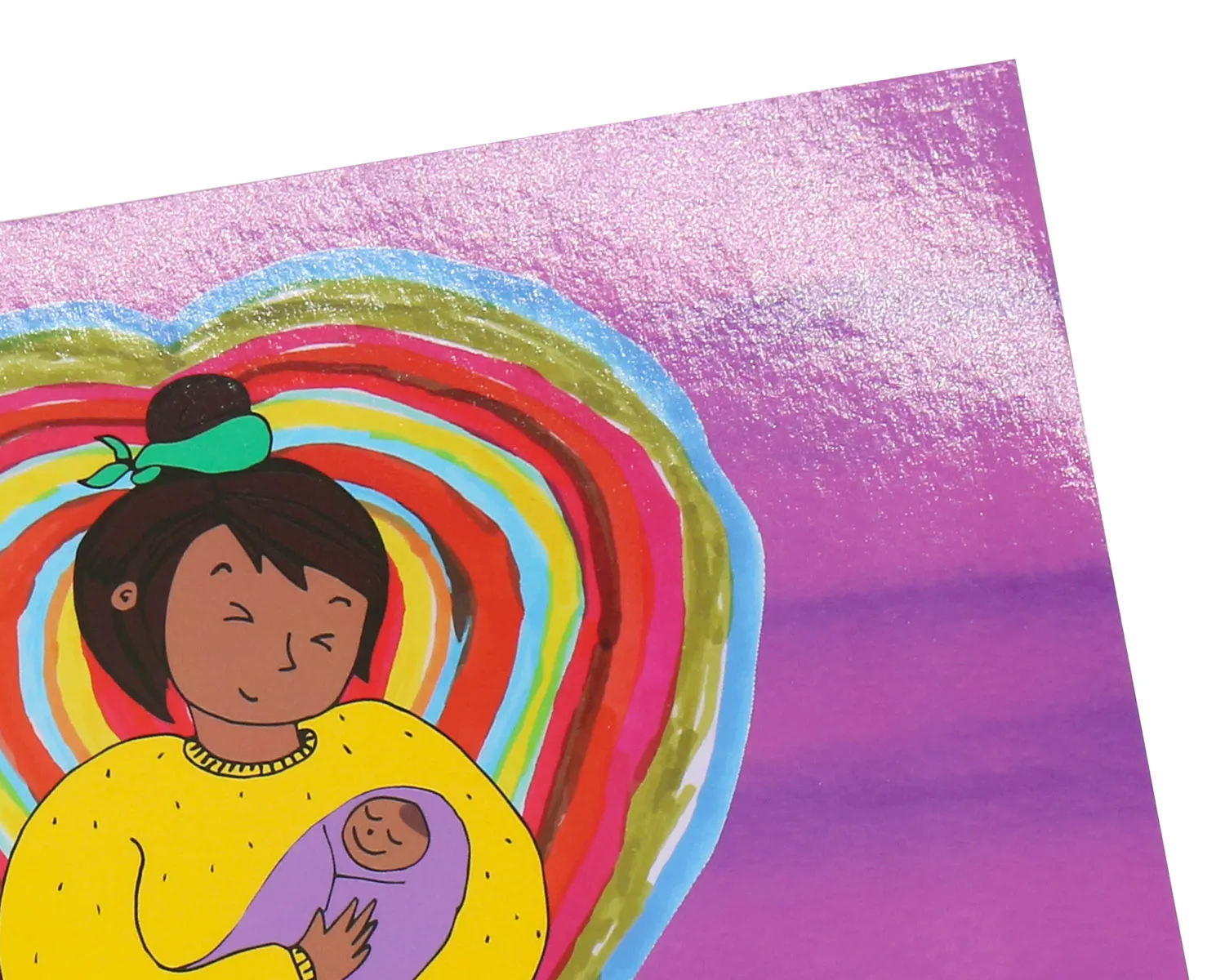
Holographic Effects: Features shimmering, color-shifting patterns that change with movement and light. This magical, eye-catching option is especially popular for fantasy themes and children’s storytelling.

How Much Does It Cost to Print Picture Books
The cost of printing a children’s picture book depends on several factors, including trim size, paper type, binding style, finishes, color printing, and order quantity. To help you plan your budget, we’ve prepared a price list that makes it easy to compare costs across different page counts and quantities:
8.5 x 8.5 inches Paperback Children’s Book Price List
| Quantity | 100 copies | 500 copies | 1000 copies | 3000 copies | 5000 copies |
| 32pp | Unit piece: $7.14 Total: $714 | Unit piece: $2.60 Total: $1300 | Unit piece: $1.42 Total:$1420 | Unit piece: $0.85 Total: $2550 | Unit piece: $0.72 Total: $3600 |
| 40pp | Unit piece: $7.87 Total: $787 | Unit piece: $2.30 Total: $1150 | Unit piece: $1.37 Total: $1370 | Unit piece: $0.88 Total: $2640 | Unit piece: $0.81 Total: $4050 |
| 48pp | Unit piece: $8.41 Total: $841 | Unit piece: $2.46 Total: $1230 | Unit piece: $1.48 Total: $1480 | Unit piece:$1.01 Total: $3030 | Unit piece: $0.88 Total: $4400 |
- Cover: 250gsm coated cover paper with lamination
- Inner: 157gsm coated text paper for interior
- Please note that all prices are EXW (Ex Works) our facility and do not include shipping costs.
8.5 x 8.5 inches Hardcover Children’s Book Price List
| Quantity | 100 copies | 500 copies | 1000 copies | 3000 copies | 5000 copies |
| 32pp | Unit piece: $8.92 Total: $892 | Unit piece: $2.94 Total: $1470 | Unit piece: $1.87 Total:$1870 | Unit piece: $1.21 Total: $3630 | Unit piece: $1.09 Total: $5450 |
| 40pp | Unit piece: $9.91 Total: $991 | Unit piece: $3.17 Total: $1585 | Unit piece: $2.02 Total: $2020 | Unit piece: $1.31 Total: $3930 | Unit piece: $1.17 Total: $5850 |
| 48pp | Unit piece: $10.62 Total: $1062 | Unit piece: $3.35 Total: $1675 | Unit piece: $2.12 Total: $2120 | Unit piece:$1.45 Total: $4350 | Unit piece: $0.88 Total: $6200 |
- Cover: 157 gsm / 58 lb coated cover paper with matte lamination wrapped on 3 mm thickness greybeard
- Inner: 157gsm coated text paper for interior
- Please note that all prices are EXW (Ex Works) our facility and do not include shipping costs.
8.5 x 8.5 inches Self-cover Board Book Price
| Quantity | 100 copies | 500 copies | 1000 copies | 3000 copies | 5000 copies |
| 24pp | Unit piece: $6.7 Total: $670 | Unit piece: $2.63 Total: $1315 | Unit piece: $1.83 Total:$1830 | Unit piece: $1.56 Total: $4680 | Unit piece: $1.22 Total: $6100 |
| 32pp | Unit piece: $9.5 Total: $950 | Unit piece: $3.60 Total: $1800 | Unit piece: $2.43 Total: $2430 | Unit piece: $1.81 Total: $5430 | Unit piece: $1.64 Total: $8200 |
| 40pp | Unit piece: $14.97 Total: $1497 | Unit piece: $5.30 Total: $2650 | Unit piece: $3.60 Total: $3600 | Unit piece:$2.65 Total: $7950 | Unit piece: $2.37 Total: $11850 |
- Cover and inner: 350gsm C1S paper mounted on 350gsm C1S paper with matte lamination
- Please note that all prices are EXW (Ex Works) our facility and do not include shipping costs.
Do you Offer Eco-friendly Materials?
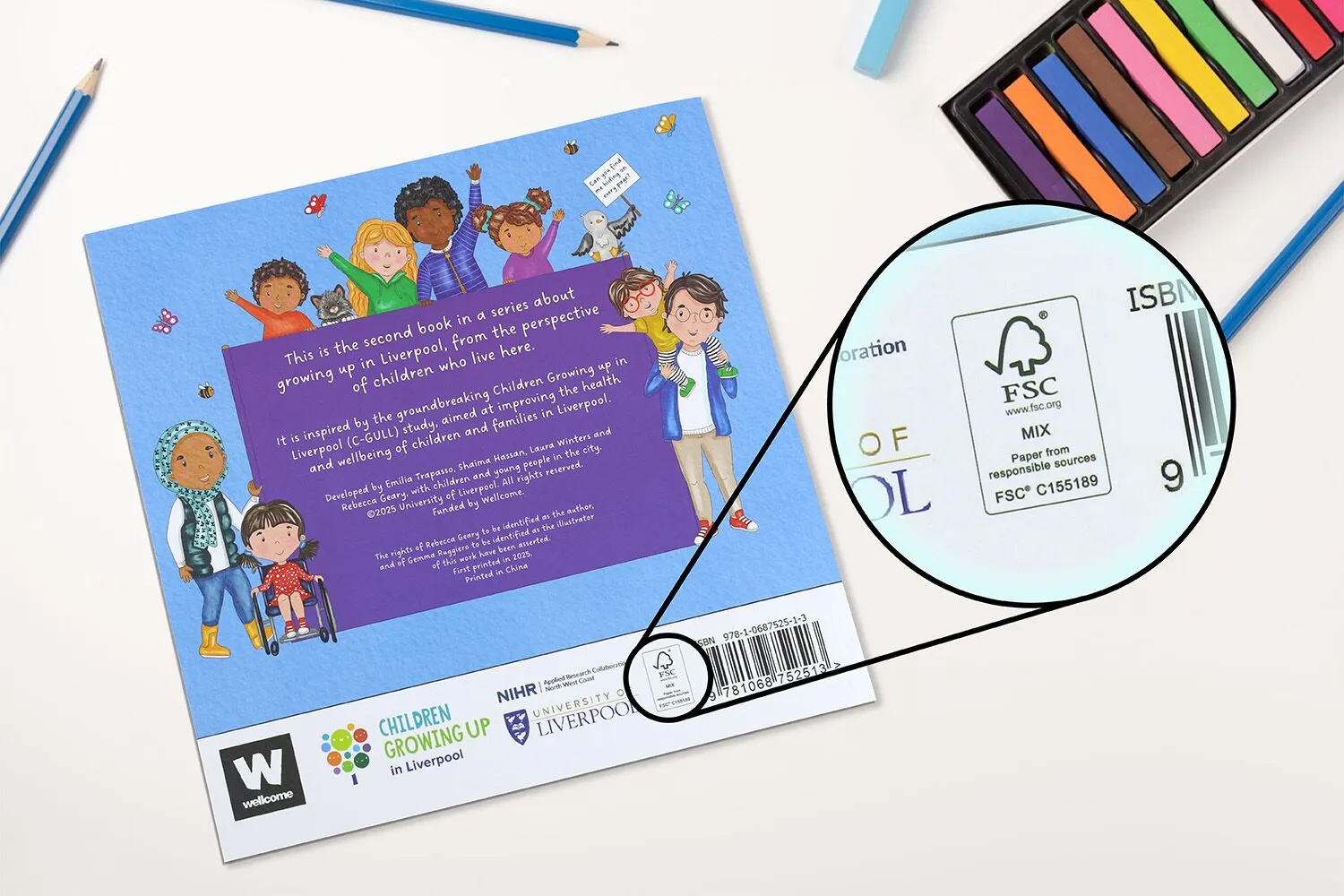
Yes! We are committed to environmentally responsible printing. All of our children’s books are printed using soy-based inks, and we offer FSC-certified paper along with other sustainable materials and eco-friendly printing practices to minimize environmental impact while maintaining vibrant, high-quality results.
What’s your MOQ for Children’s Picture Book Printing?
Our minimum order quantity for children’s picture book printing usually starts at 100 copies. The more you print, the cheaper the unit price.
For smaller quantities, we also offer digital printing options for samples or short-run projects.
How do I Prepare Files for Printing?
To ensure the best printing quality for your children’s picture book, prepare your files as high-resolution PDFs (at least 300 dpi). Include a 3 mm bleed on all sides to prevent white edges after trimming. Use the CMYK color mode for accurate print colors, and make sure all fonts are embedded to avoid missing or substituted type during printing.
Do You Provide Design Service?
We do not offer in-house design services. However, we do provide free file checking to ensure your artwork meets printing standards, including bleed, image resolution, margins, color settings, and font embedding. Additionally, we can supply artwork guidelines and custom templates to help you prepare your files correctly for a smooth printing process.
Do You Provide Proofing Service?
Yes, we offer several proofing options, including PDF proof, physical sample, dummy sample, digitally printed sample, and offset-printed sample.
After you complete the deposit and before mass production, we usually provide a free digitally printed sample for your confirmation.
How Long does Children’s Picture Book Printing Take?
Children’s picture book production typically takes 10–18 days after your final print-ready files are approved. The exact turnaround time can vary depending on factors such as order quantity, binding style, finishing options, and the complexity of your design. Our current production schedule may also affect lead times. Once your books are completed, shipping time will depend on your location and the shipping method you choose. Air shipping is faster, while sea freight offers the most economical option.
Can I Print Hardcover and Paperback in the Same Order?
Yes, you can print both hardcover and paperback versions within the same order. Many customers choose this option to offer multiple formats. Provide the specifications for each version, and we’ll produce them together according to your requirements.
What Shipping Methods Are Available?
We provide multiple shipping options to ensure your printed books arrive safely and on time. You can choose from air freight, sea freight, or express courier services such as DHL, FedEx, and UPS. Our team will help you evaluate your timeline, destination, and budget to recommend the most efficient and cost-effective shipping method for your order.
Get In Touch with Us
Have questions about children’s book printing, need a custom quote, or want guidance on your project? Our team is here to help every step of the way. Whether you’re a first-time author, self-publisher, illustrator, or business, we provide clear answers, professional support, and timely communication.
Reach out to us with your book specifications, artwork files, or general inquiries, and we’ll respond promptly and guide you toward the best printing options for your goals and budget. We look forward to assisting you and bringing your book to life!