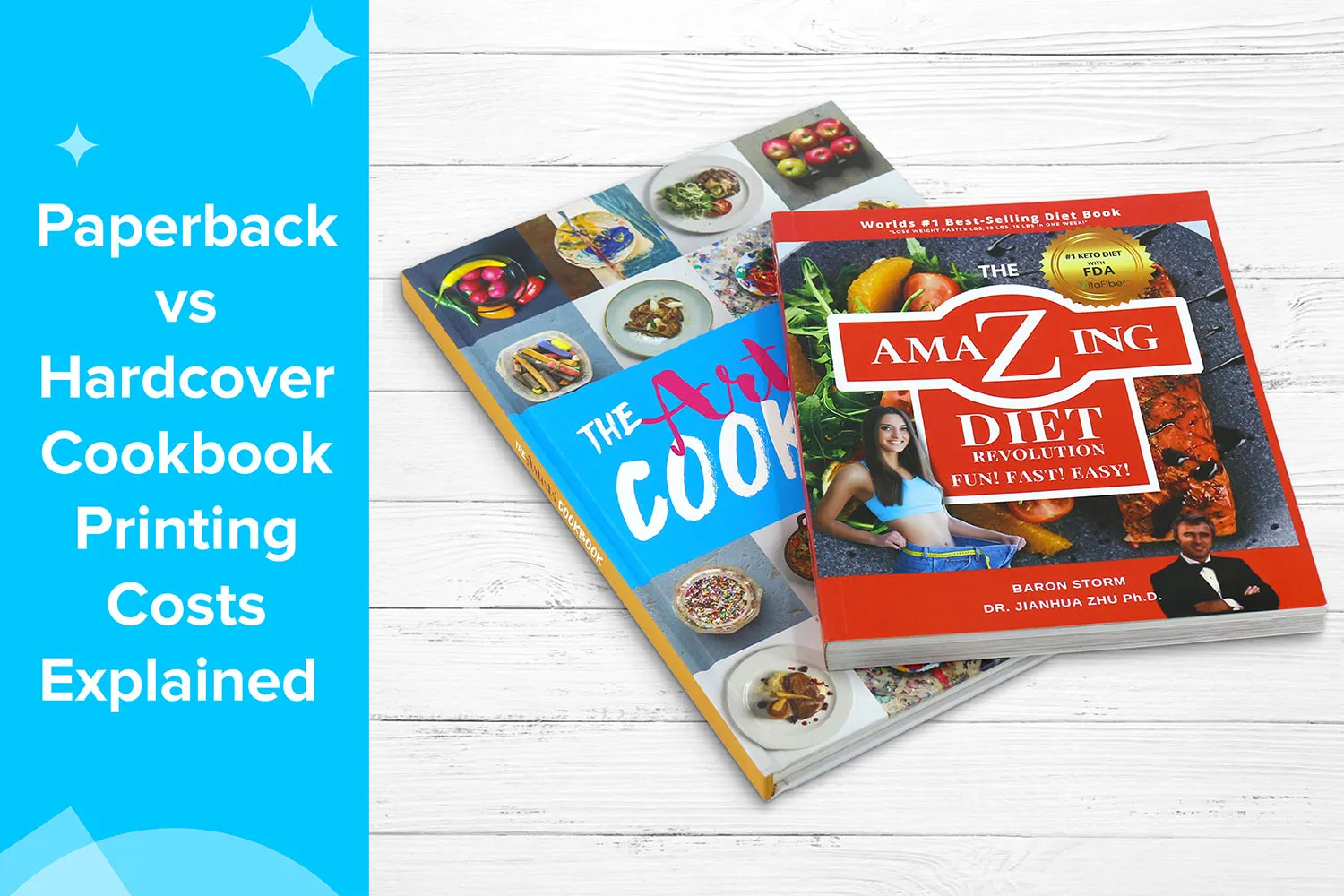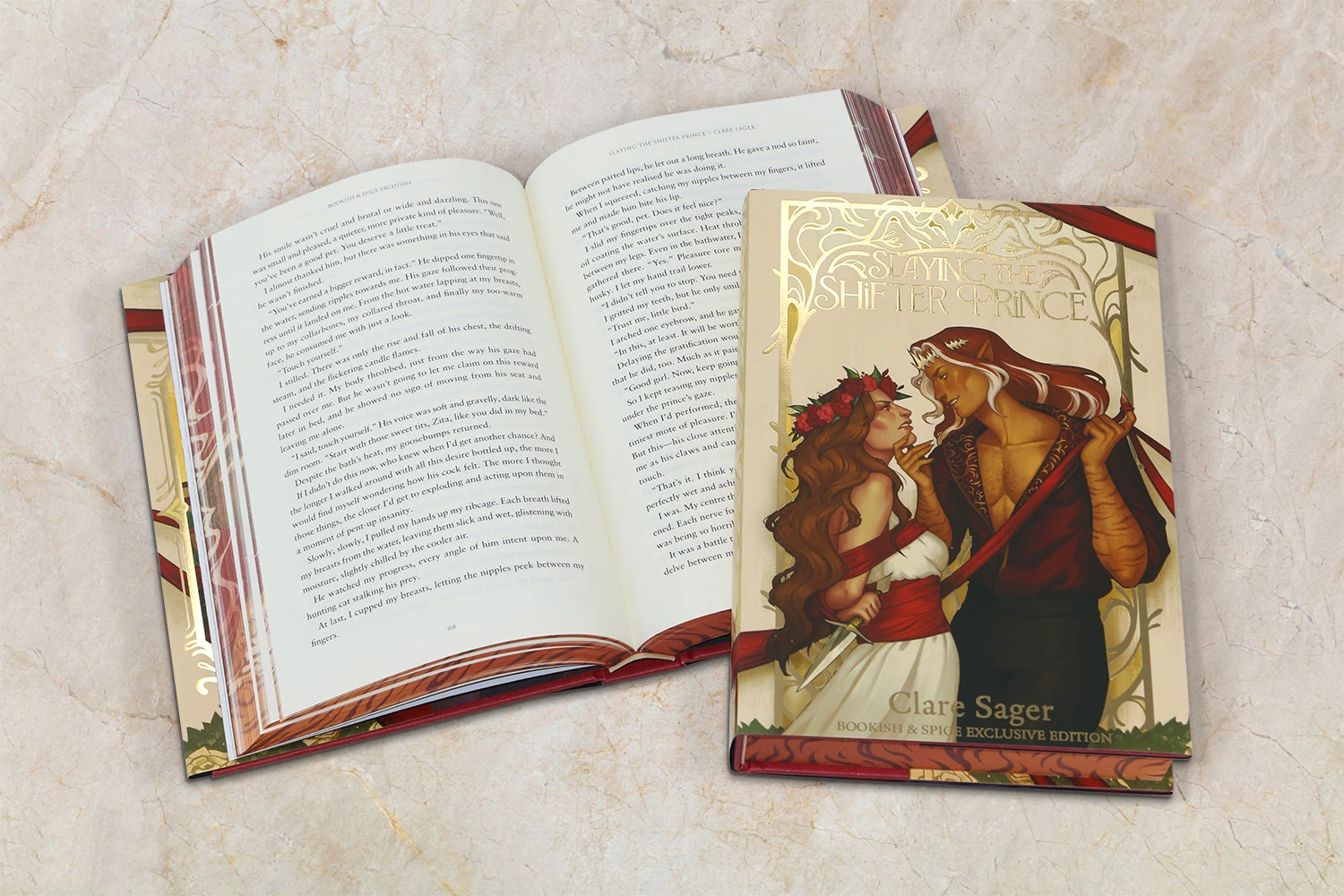




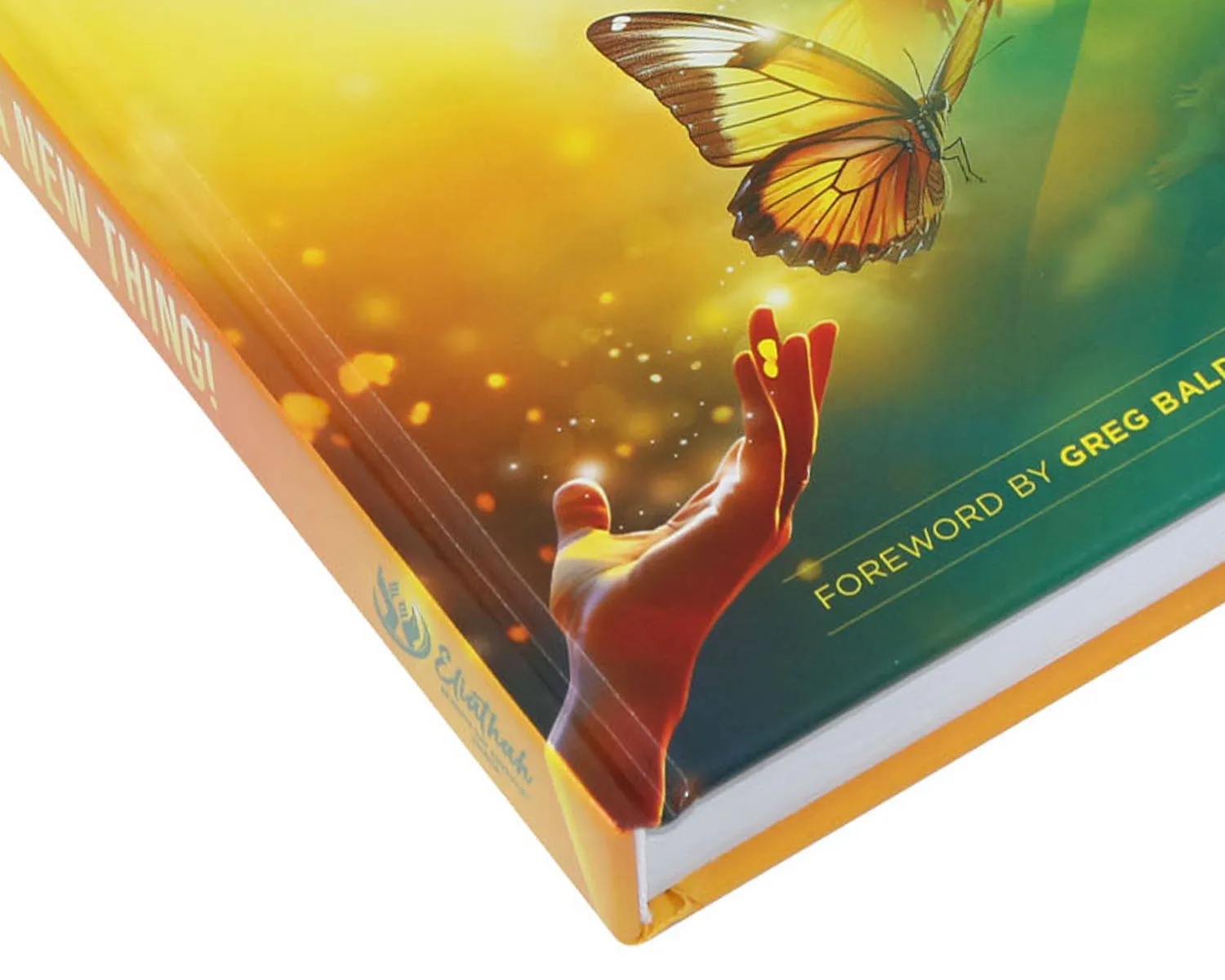
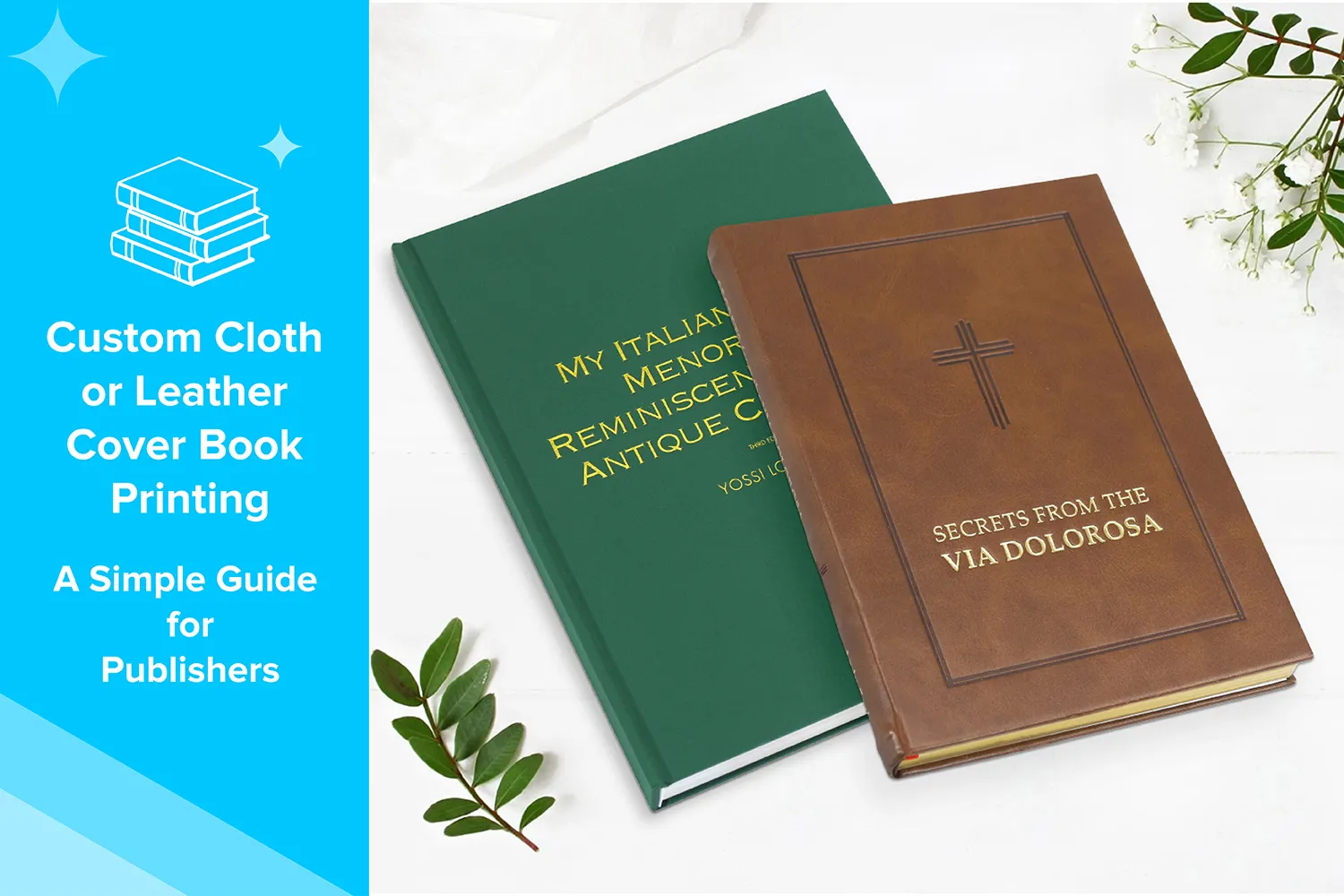
Looking to elevate your book project? Cloth and leather covers instantly add a sense of sophistication and luxury, turning any publication into a collectible, library-worthy piece. At BookPrintingChina, we specialize in producing high-quality custom cloth cover books and leather cover books, paired with premium finishing options such as foil stamping, debossing, and embossing. With these tools, publishers, authors, and designers can create books that captivate readers from the very first glance.
Cloth vs leather cover: which is best for your project? In this guide, we will look at the benefits, binding and cover custom options, pricing, and ideal uses for each, etc to help you make a right choice. Whether you’re planning an art book, a special edition fiction, a coffee table photography book, or a keepsake journal, understanding your options is key to creating a book that impresses both visually and tactilely.
The Pros of Cloth Cover Books
Cloth-covered books have been a staple of publishing for centuries. They offer a classic, elegant appearance while remaining versatile for a variety of projects.
Durability: High-quality cloth protects the book from everyday wear and tear, offering long-lasting performance. Unlike paper covers, cloth resists minor scratches, scuffs, and fading over time.
Textural Appeal: Cloth covers provide a tactile experience that engages readers before they even open the book. From the smooth finish of silk-like cloth to the coarse texture of canvas, different textures create distinct impressions.
Customization Potential: Cloth covers can accommodate a variety of design enhancements, including full-color printing, foil stamping,debossing, silk screening, and tip-in images. This flexibility allows publishers to match the book’s visual identity to the content’s tone and audience.
Versatility: Cloth covers work across a wide range of genres and project types, from portfolios and art books to coffee table editions and high-end novels. Their adaptability makes them ideal for both large-scale publishing and small-batch special editions.
The Pros of Leather Cover Books
Leather cover books evoke luxury, elegance, and durability. Whether using high-quality PU leather or premium leather-like paper, these covers are ideal for premium editions and keepsake publications.
Premium Feel: Leather provides a rich tactile experience that conveys luxury and quality. It has a weight and texture that instantly signals value to the reader.
Longevity: Leather is one of the most durable cover materials available, making it perfect for bibles, prayer books, and heirloom-quality publications intended to last decades.
Custom Finishing: Leather can be enhanced with foil stamping, embossing, debossing, silk screening, tip-in images, and even round corners for a truly bespoke look.
Prestige Projects: Leather covers communicate importance and gravitas. They are often chosen for formal or commemorative publications, including memoirs, photography books, yearbooks, and corporate gifts.
Leather-bound books are ideal when the goal is to create a lasting impression that combines luxury, durability, and professional craftsmanship.
Cloth Cover Options
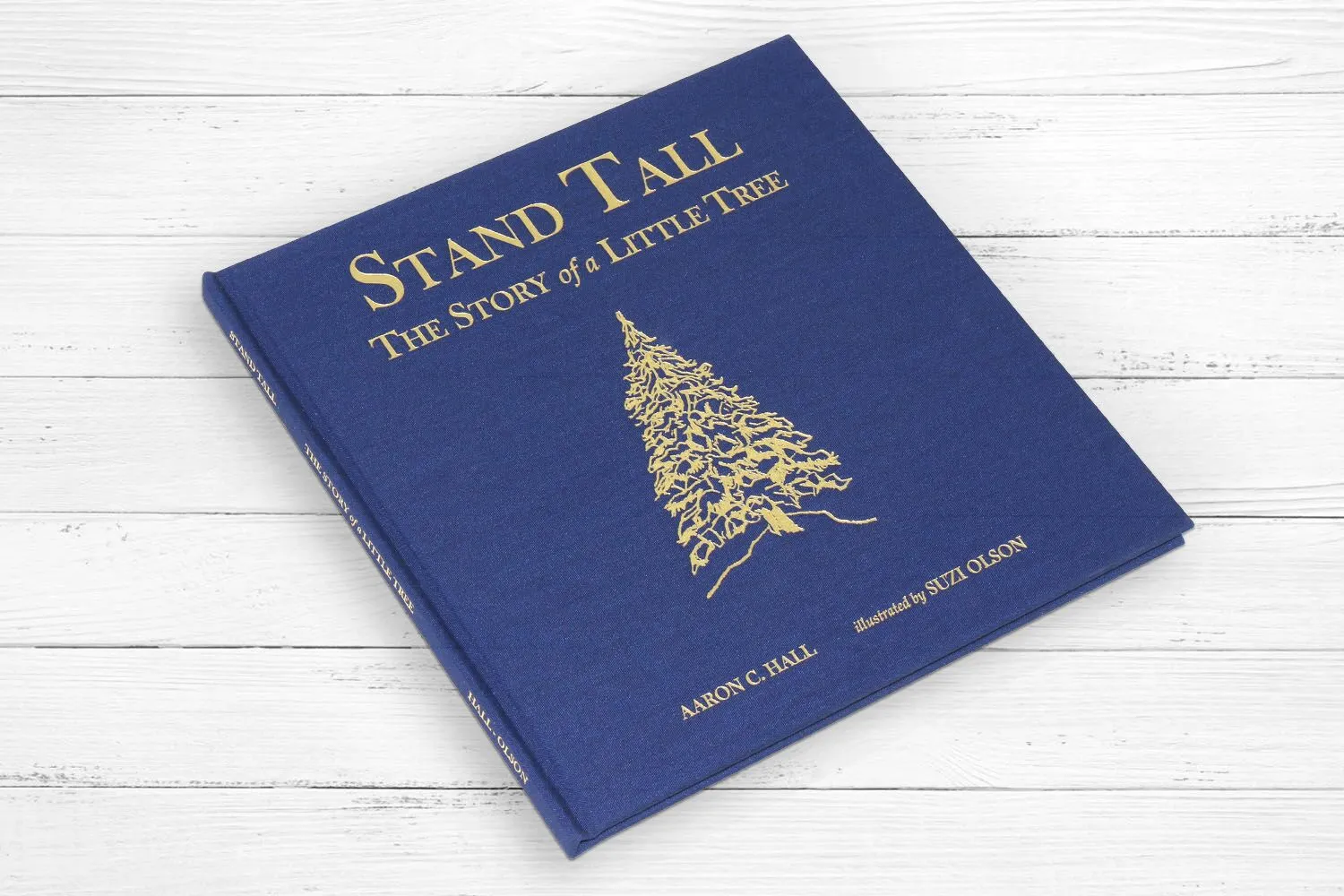
Cloth-covered books have long been associated with refinement, durability, and timeless appeal. The textured surface, natural warmth, and understated elegance of cloth make it a preferred choice for publishers seeking a sophisticated presentation. At BookPrintingChina, we offer an extensive selection of cloth materials, colors, and finishing techniques—allowing you to create a book that is both visually striking and structurally durable.
From classic literary works to modern design-driven editions, cloth covers provide a versatile foundation that enhances the overall reading experience.
Cloth Textures
The texture of your cloth cover plays a significant role in defining the character of your book. We provide a variety of materials to suit different design goals, usage needs, and budgets.
Classic Linen: Linen remains one of the most popular choices for cloth-bound books. Its subtle woven texture conveys tradition and craftsmanship, making it ideal for art books, literary publications, academic titles, and special editions. Linen offers a balanced tactile feel, refined without being overly ornate, and pairs beautifully with foil stamping or blind debossing.
Luxury Silk: Silk cloth delivers a smoother, more delicate surface with a gentle sheen. This material enhances the richness of metallic foils and intricate designs, making it especially suitable for coffee table books, commemorative editions, and high-end portfolios. Silk elevates the overall visual impact while maintaining an elegant softness.
Canvas: Canvas is known for its strength and durability. Its slightly heavier texture makes it a practical choice for larger-format books, children’s publications, journals, or frequently handled editions. Canvas provides long-term resilience while preserving a stylish, textured finish.
Modern Synthetic Blends: Synthetic cloth materials combine the appearance of natural fibers with improved durability and cost efficiency. These options often provide greater consistency in texture and color, making them suitable for projects requiring vibrant tones or large production runs. They offer flexibility while maintaining a premium aesthetic.
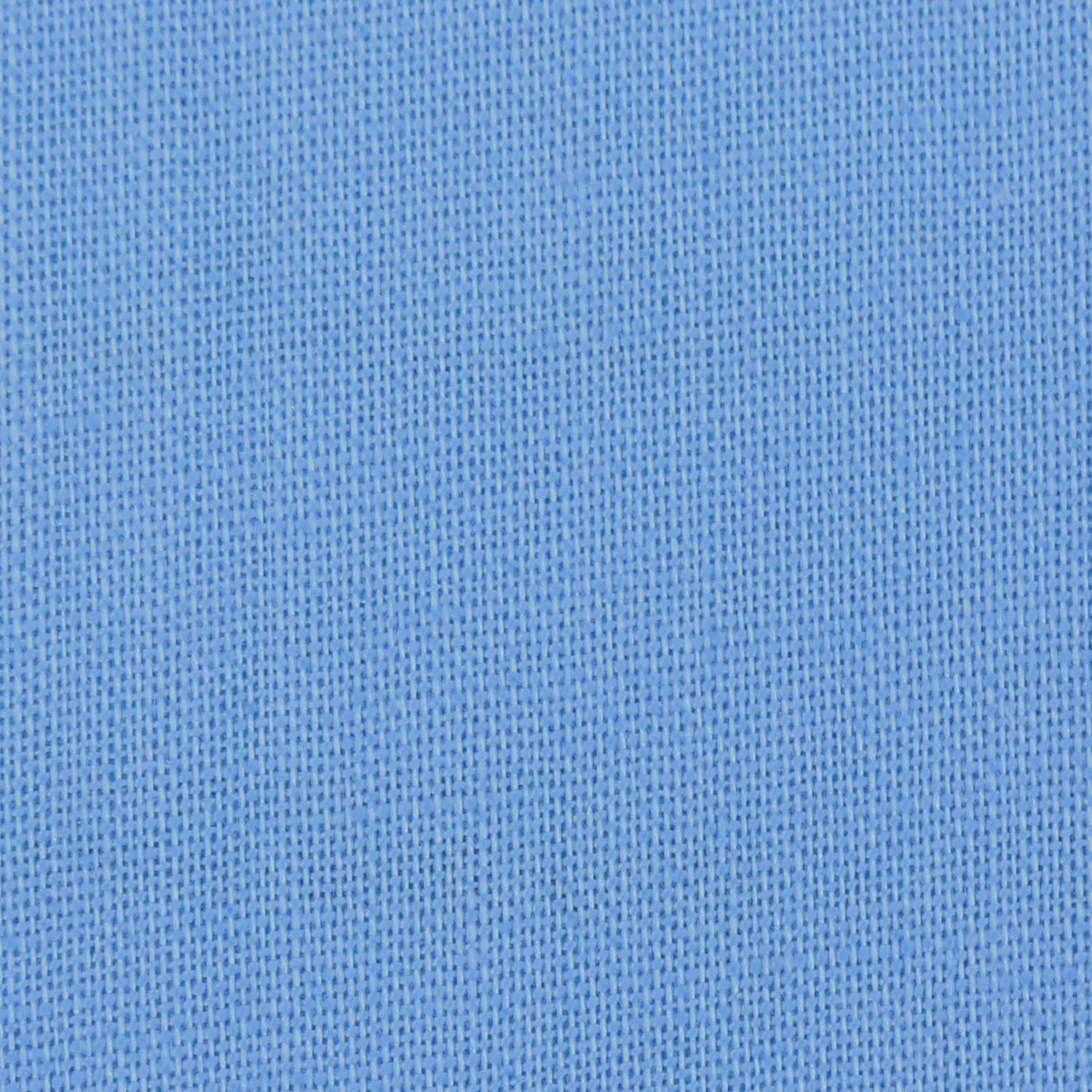
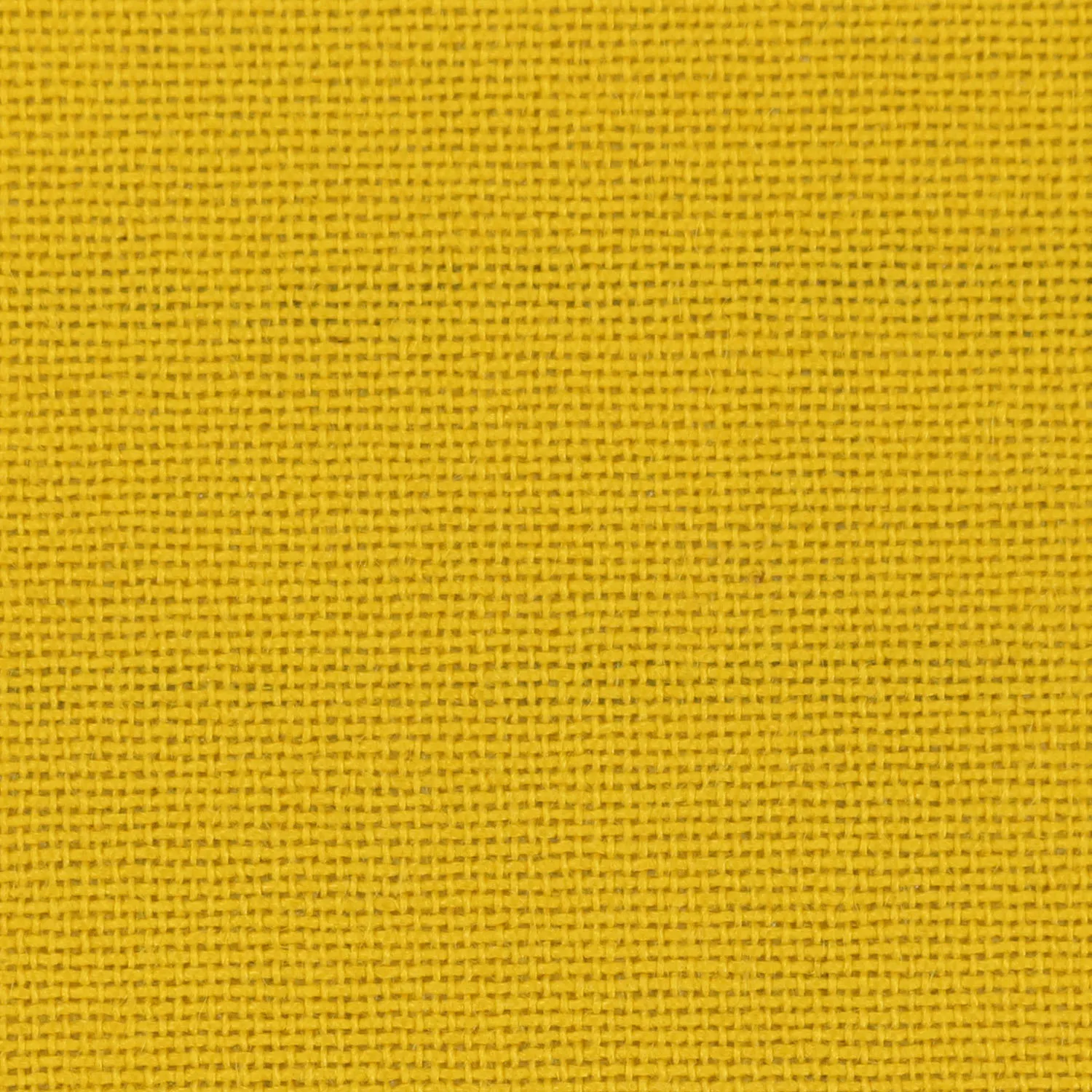
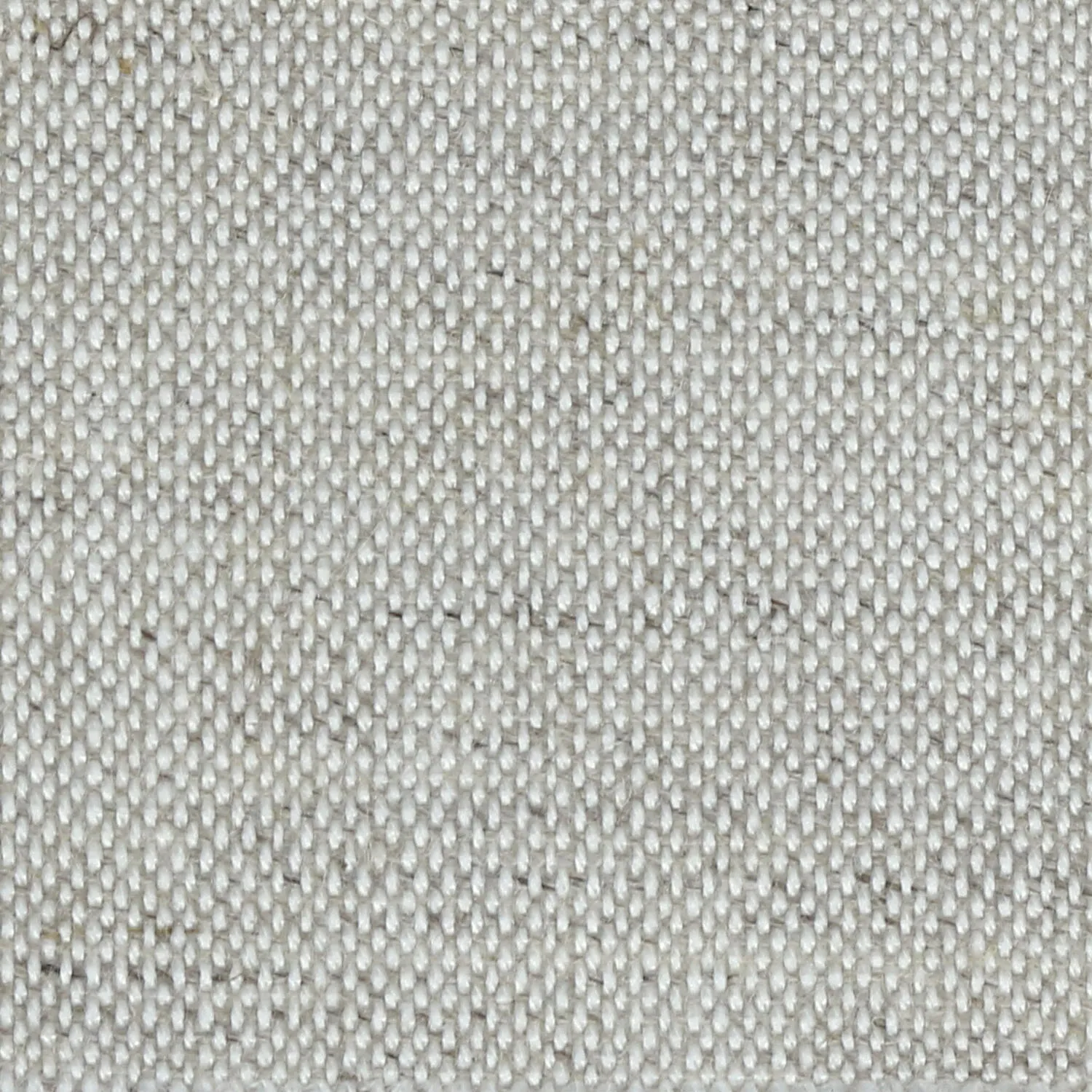
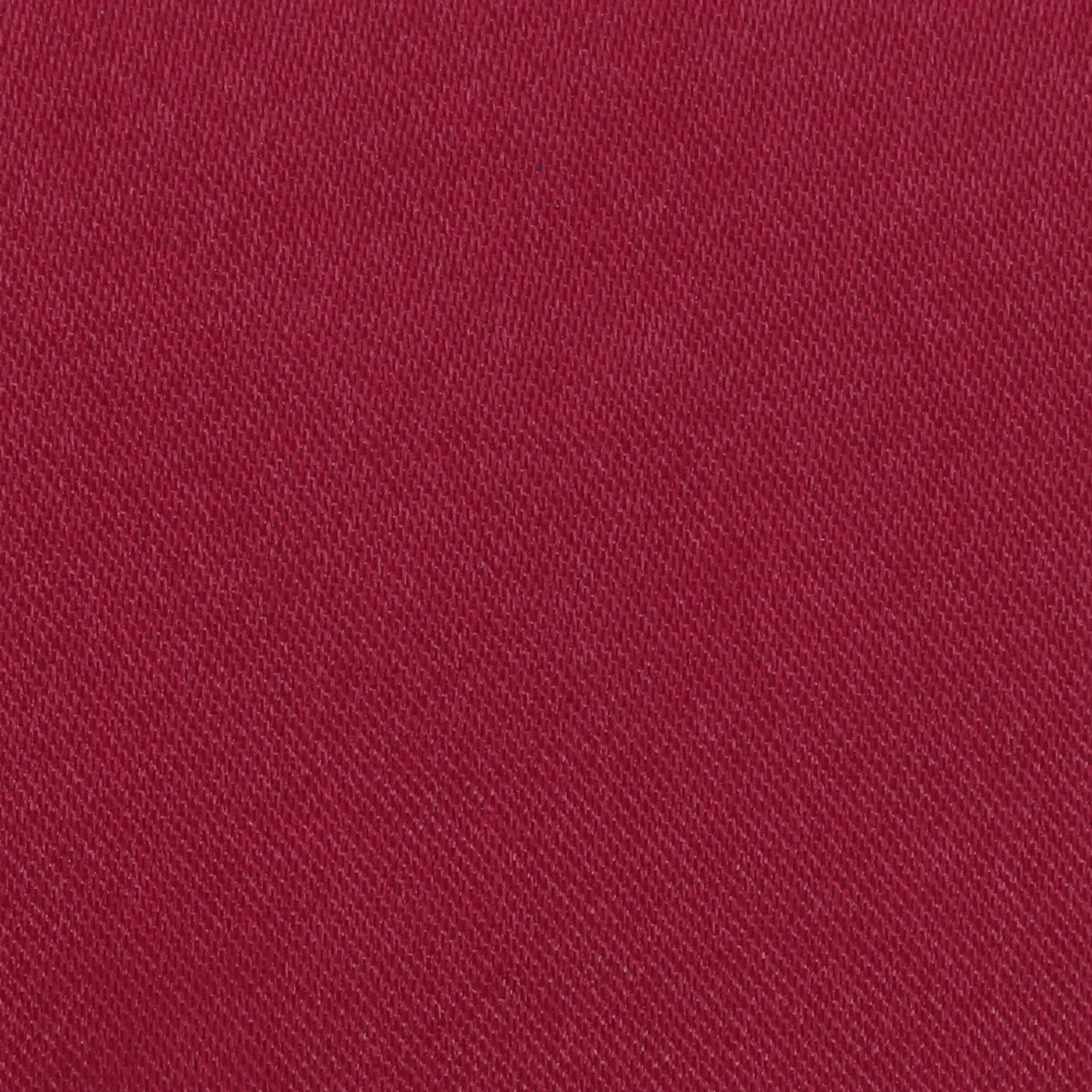
Cloth Color Options
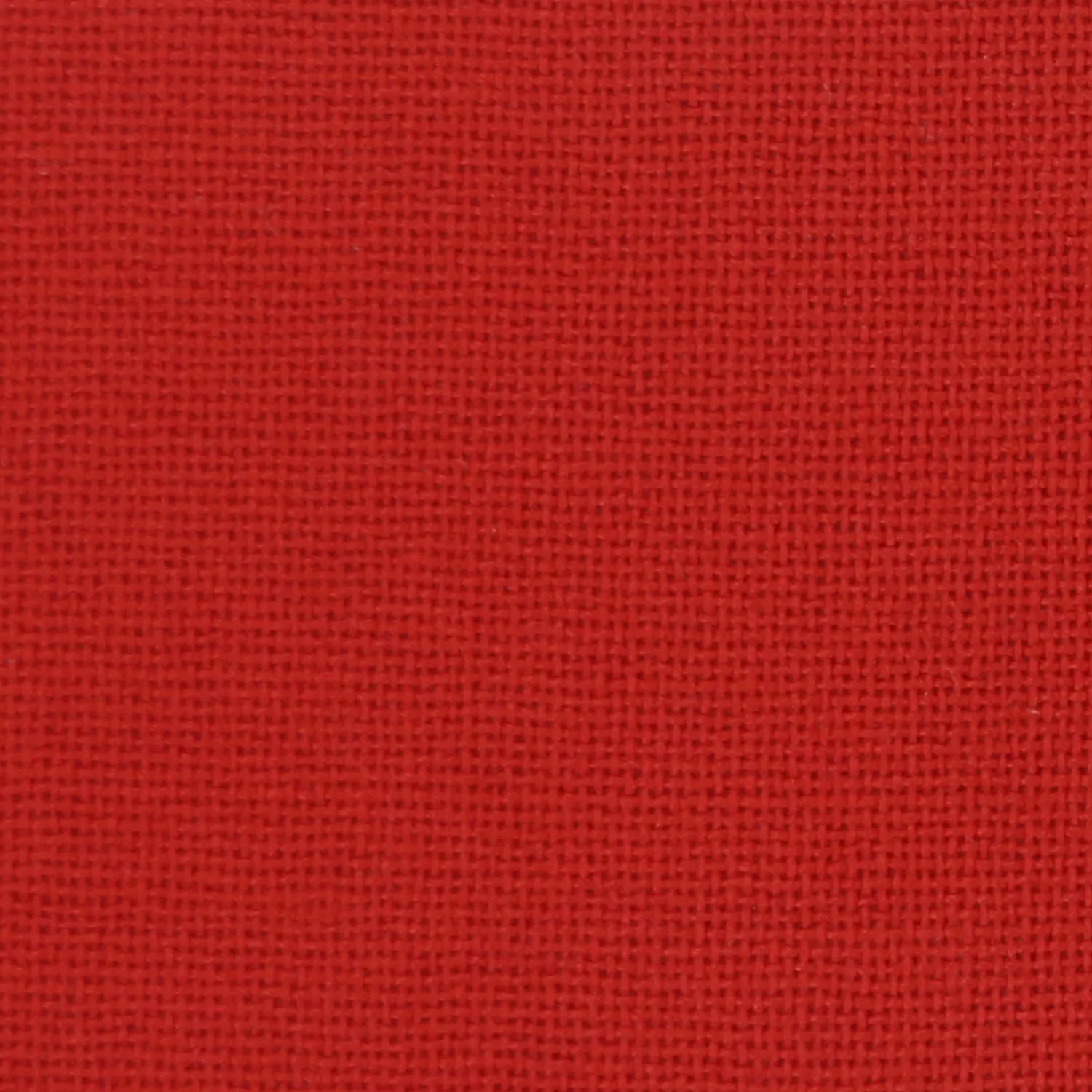
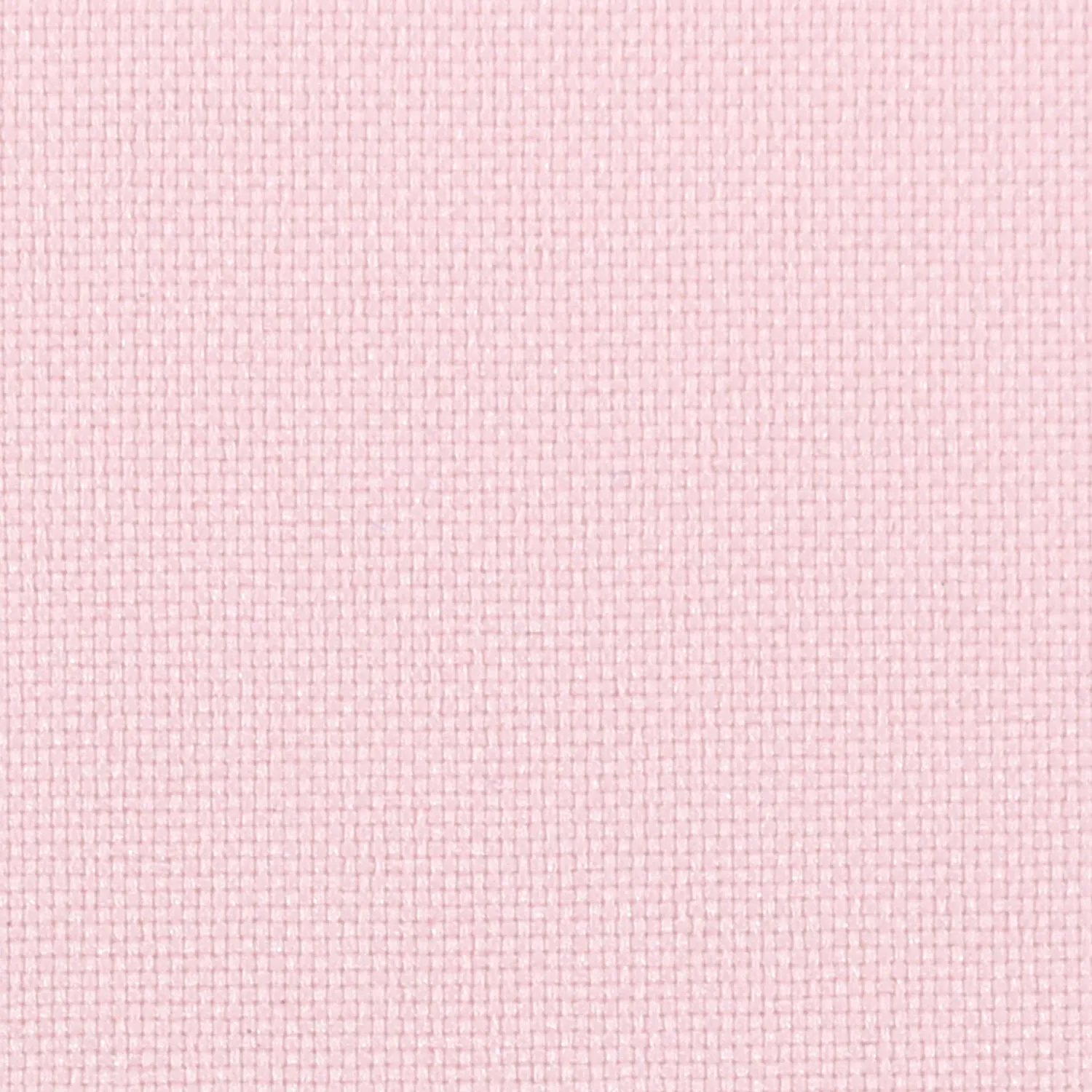
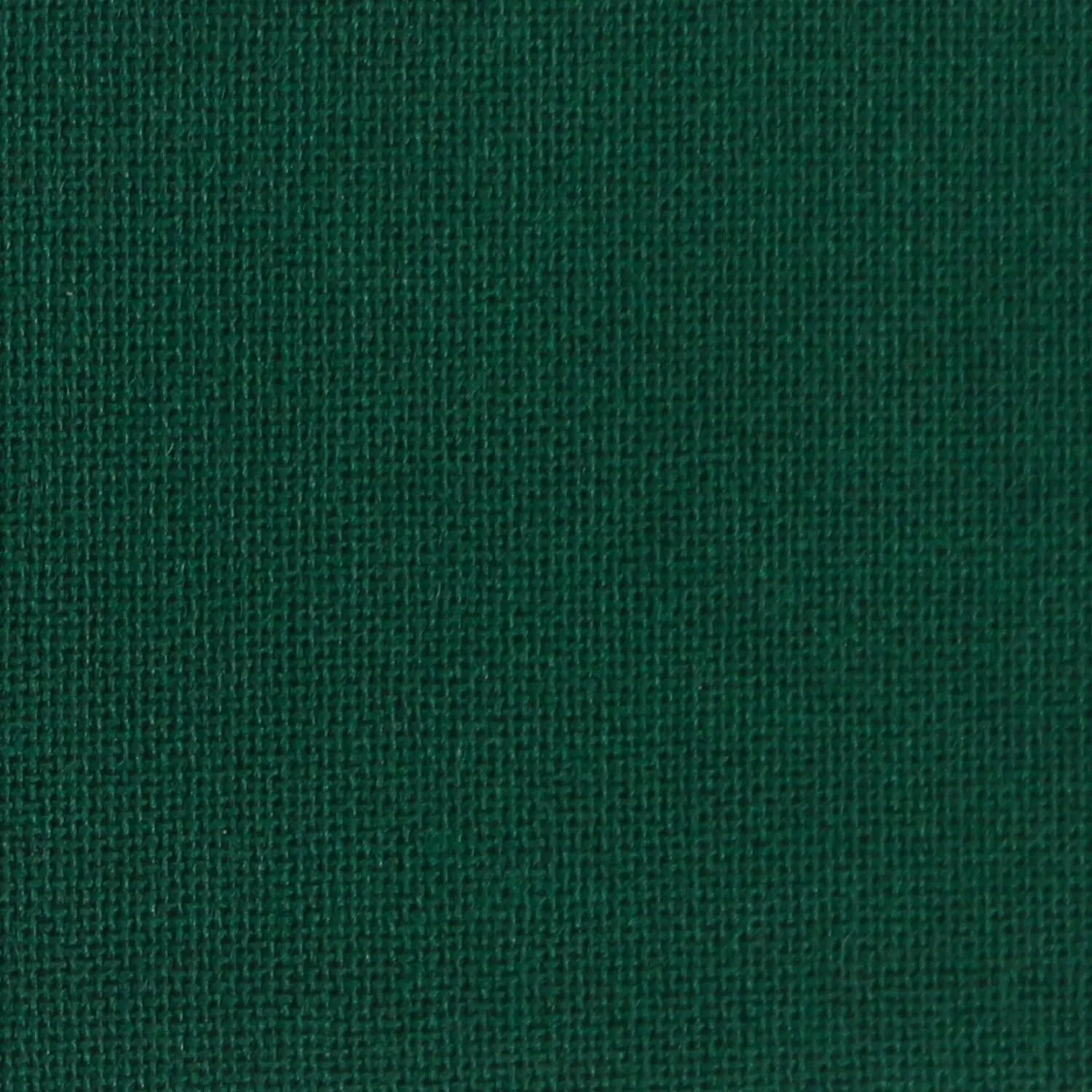
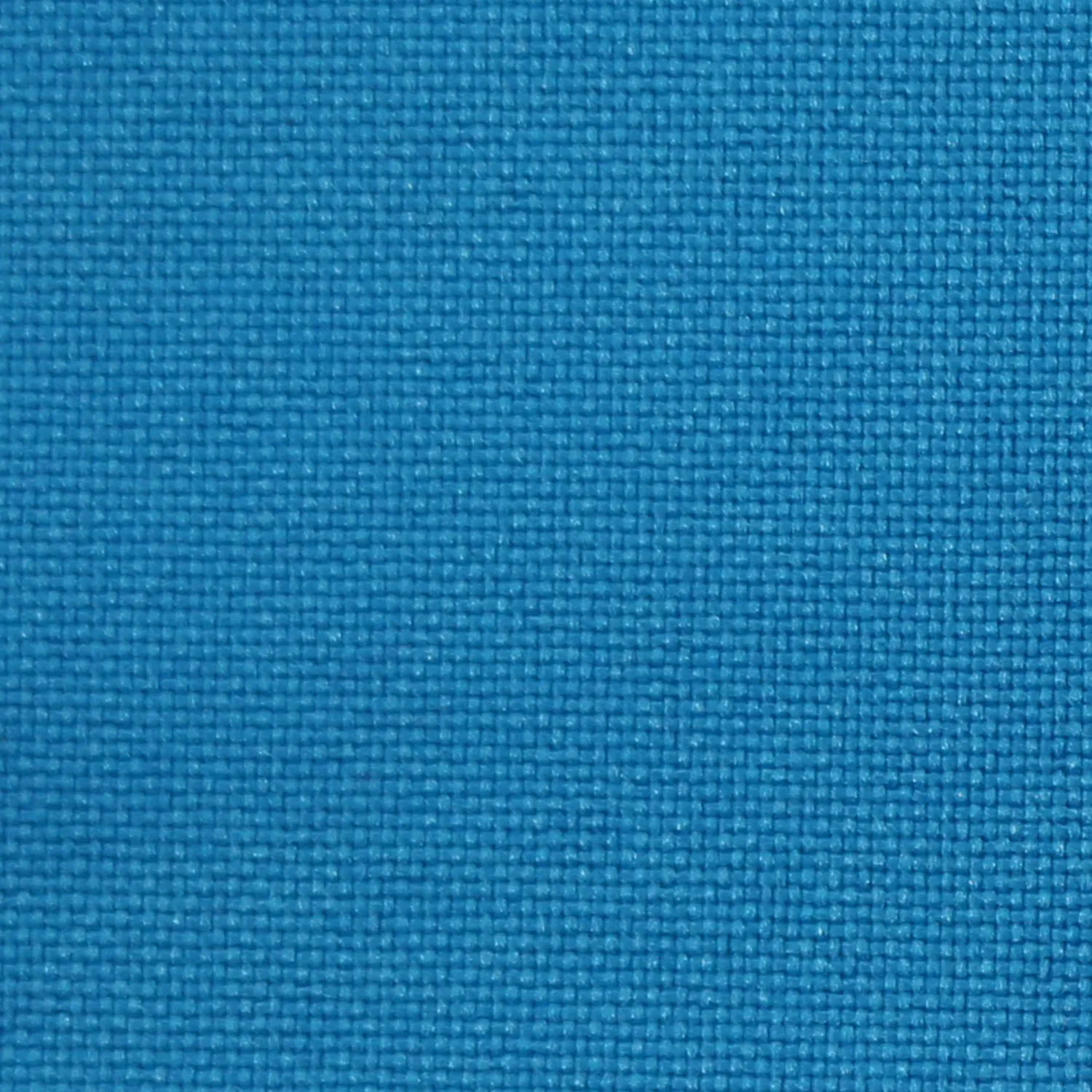
Cloth covers are available in a wide spectrum of colors, ranging from bold statement hues to understated neutrals. Below are some popular cloth color options:


Customizable Finish Options
Cloth covers serve as an excellent base for a wide range of finishing enhancements. These options allow you to tailor the cover to reflect the tone, purpose, and audience of your publication.
Full-Color Printing: Our advanced printing techniques can print detailed graphics, illustrations, or patterns directly onto certain cloth surfaces. This approach combines texture with vibrant imagery for a unique visual statement.
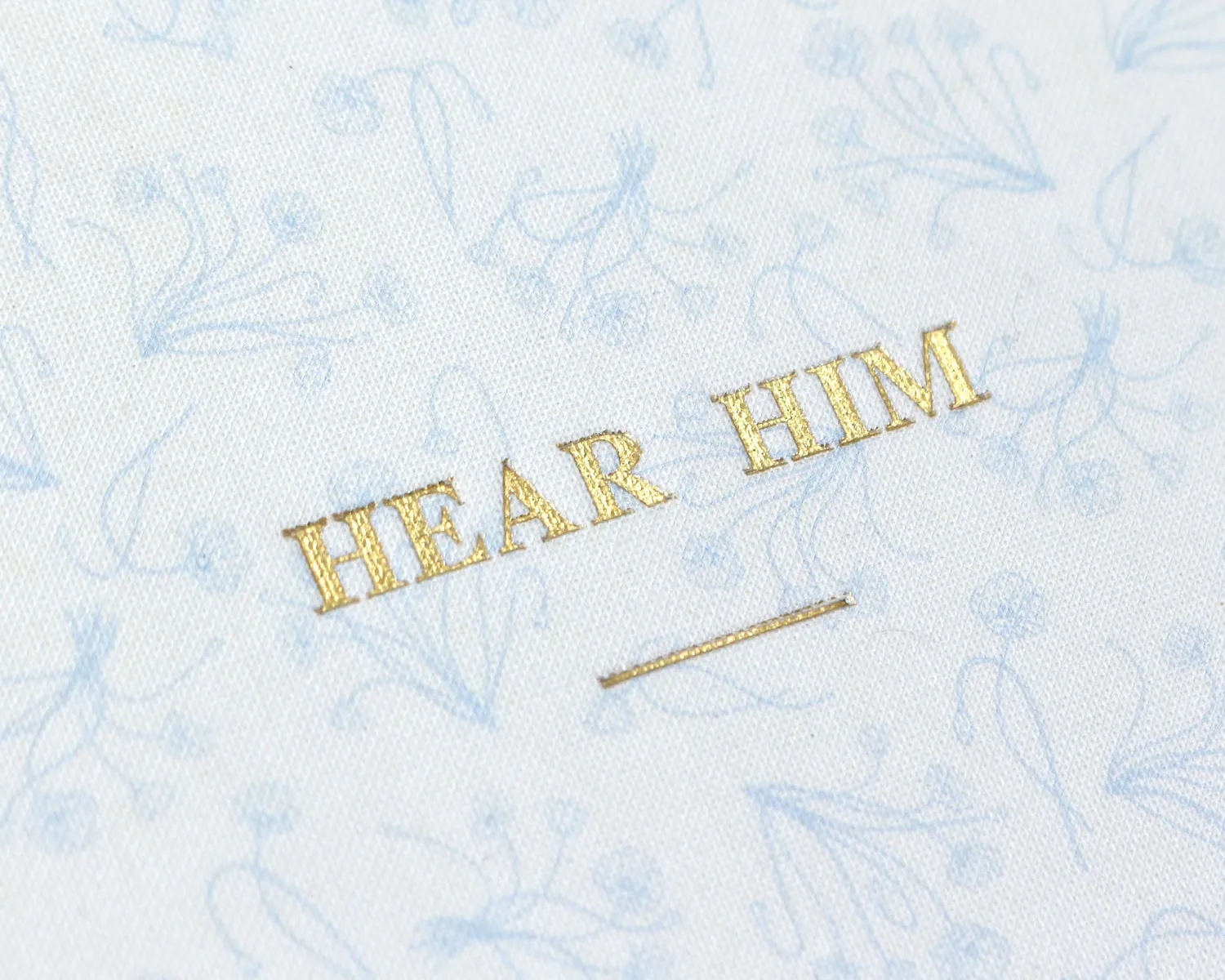
Foil Stamping: Metallic foils, such as gold, silver, copper, or custom colors, add brilliance and sophistication to titles, logos, and decorative elements. Foil stamping is one of the most popular enhancements for cloth-bound books.
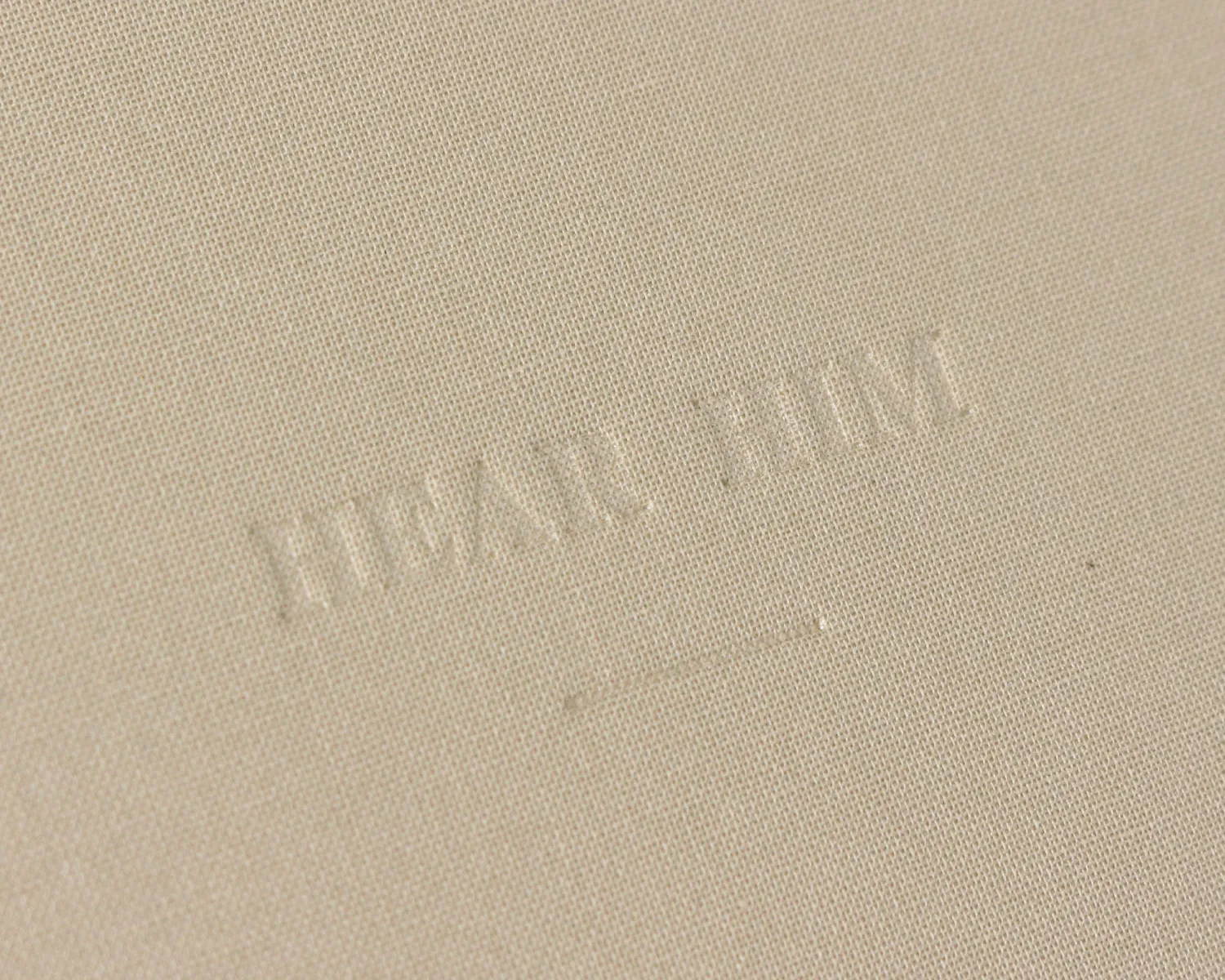
Blind Debossing: Debossing creates recessed impressions without foil, producing a subtle yet elegant tactile effect. This technique is ideal for minimalist or design-focused publications.
Foil Debossing: By combining foil with debossing, you achieve both texture and shine, resulting in a luxurious and eye-catching finish.
Silk Screening: Silk screening allows bold graphics or solid color designs to be applied to the cloth surface. It works particularly well for contemporary or artistic projects.
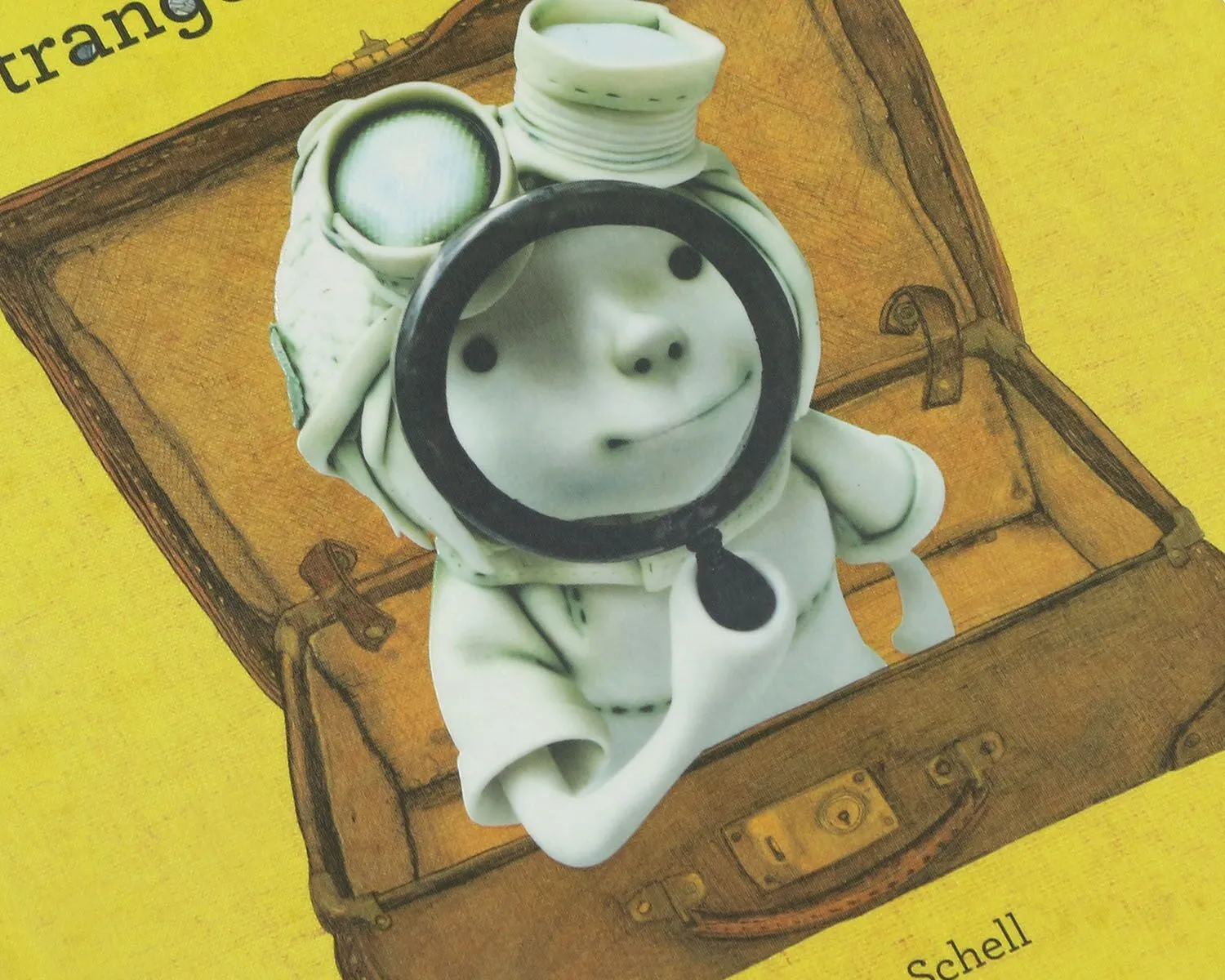
Tip-In Images: Specially printed illustrations or photographs can be mounted onto the cloth cover, creating a focal point and adding a collectible quality to the book.
Debossing with Tip-In Printing: This combination technique integrates dimensional texture with mounted imagery for a striking multi-layered effect.
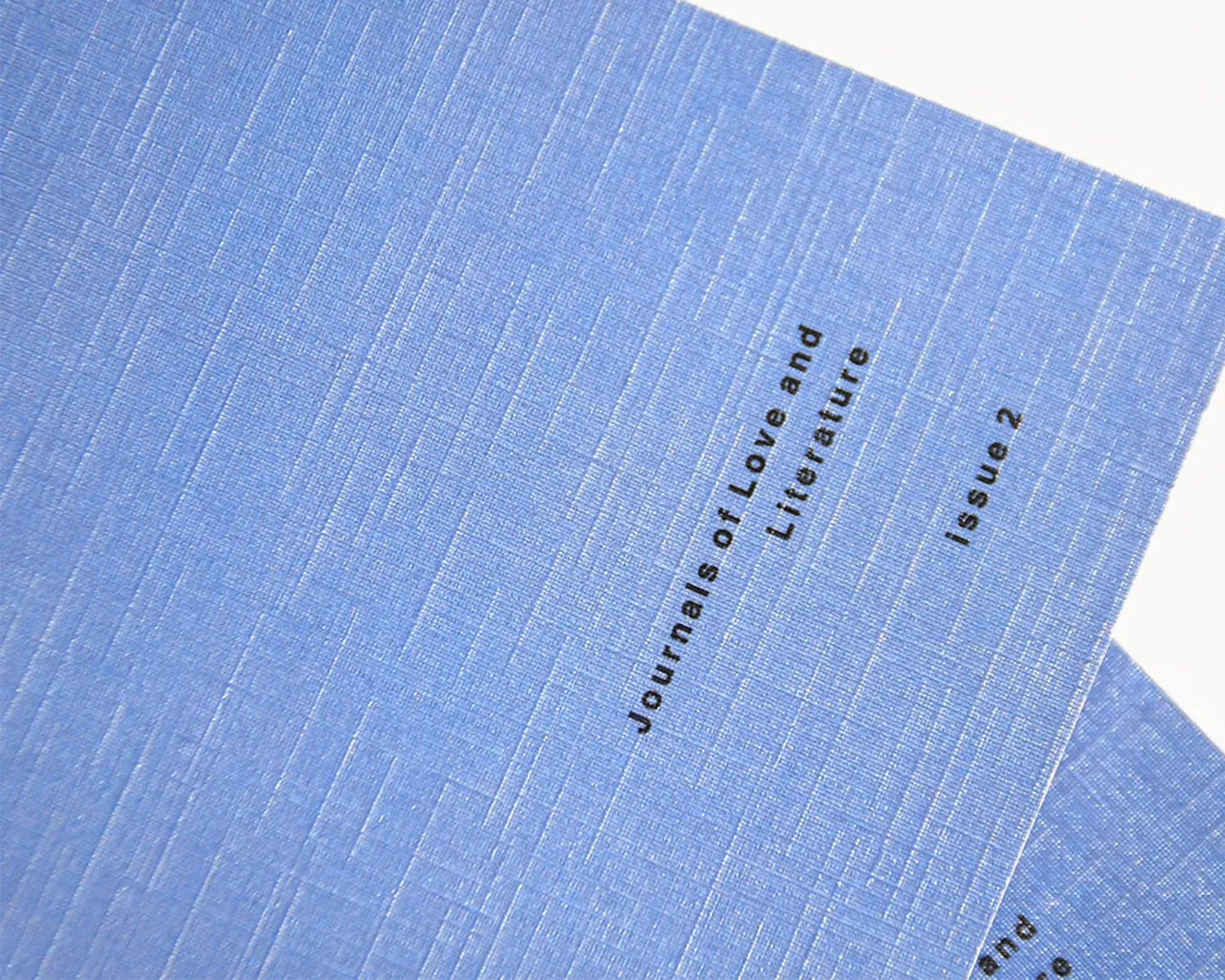
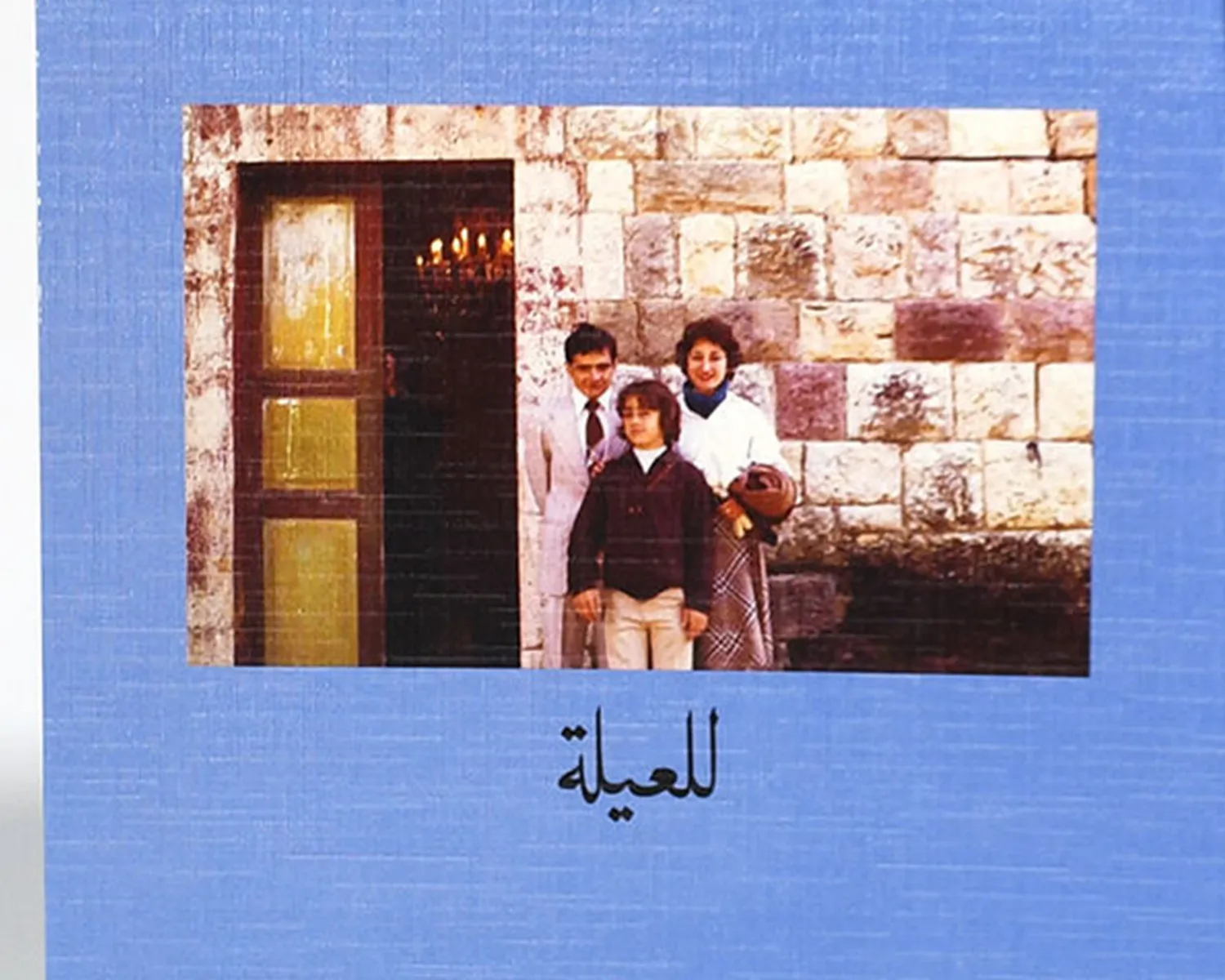
Through the thoughtful selection of materials, colors, and finishing techniques, cloth covers can transform a publication into a premium, library-worthy edition. By balancing tactile appeal with visual sophistication, cloth-bound books offer publishers a timeless solution that enhances both form and function.
Leather Cover Options
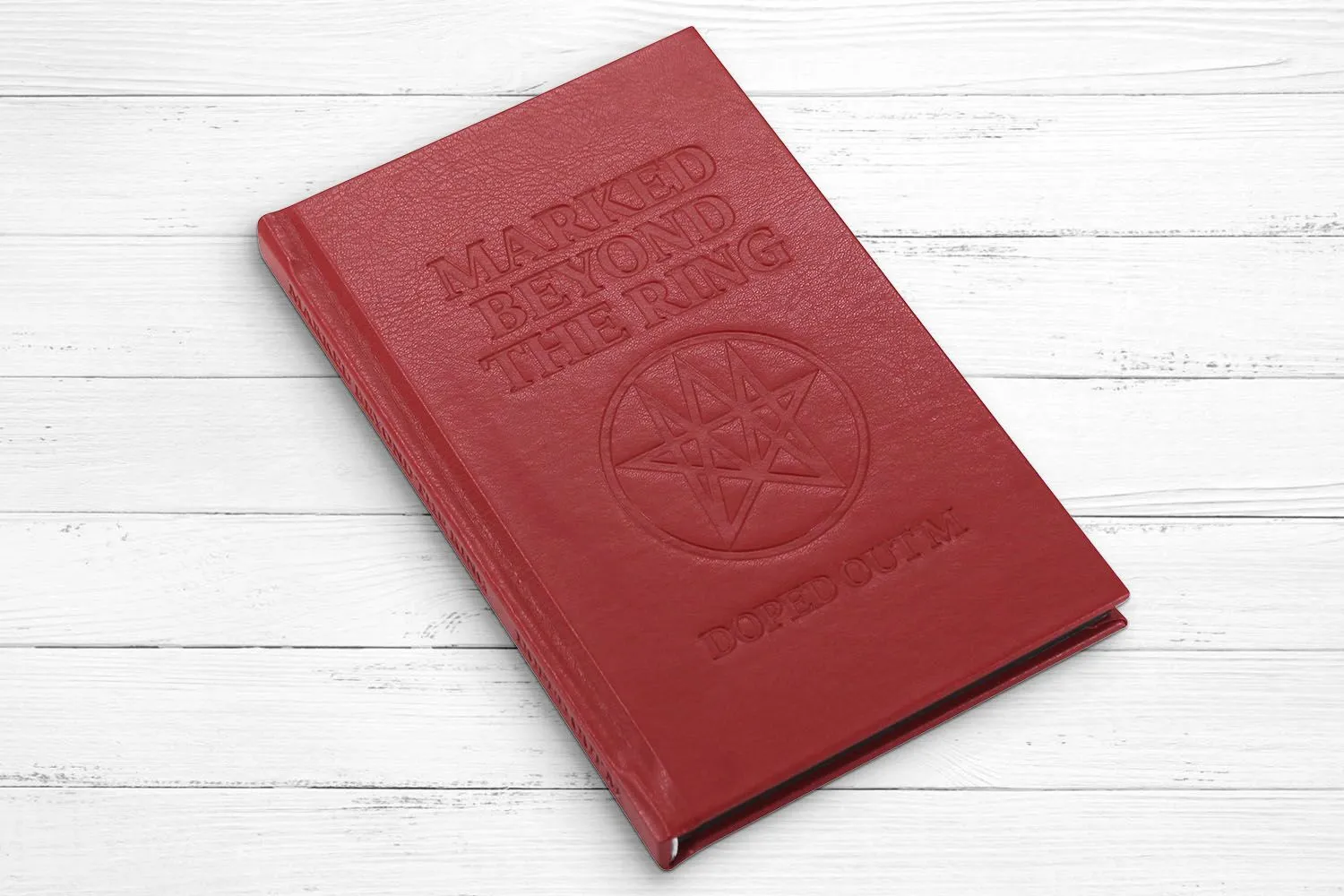
Leather-covered books are known for their elegant look, long-lasting quality, and premium feel. A leather cover instantly makes a book feel more valuable and special. At BookPrintingChina, we offer different leather materials, colors, and finishing options to help you create a book that looks refined and professional while staying within your budget.
Whether you are producing a religious book, a keepsake edition, or a luxury journal, leather is a strong and stylish choice that stands the test of time.
Leather Materials
We provide several types of leather materials to meet different needs, price levels, and design goals.
PU Leather: PU leather is one of the most popular choices. It is affordable, durable, and more environmentally friendly than real leather. It closely resembles genuine leather in both appearance and texture, making it a practical option for high-quality books at a reasonable cost. PU leather works well for Bibles, journals, planners, and gift editions.
Leather-Like Materials: This material is specially treated to look and feel like leather. It has a textured surface and strong durability, making it suitable for books that will be used often. It offers a clean and professional appearance while remaining cost-effective. This option is commonly used for Bibles, commemorative books, and corporate publications.
Genuine Leather: Genuine leather is the most premium option, but less use. It has natural grain patterns and a soft, rich texture that cannot be exactly duplicated by synthetic materials. Each piece of real leather has slight variations, giving every book a unique character. Genuine leather is typically used for high-end projects such as Bibles, prayer books, luxury editions, and collectible publications.
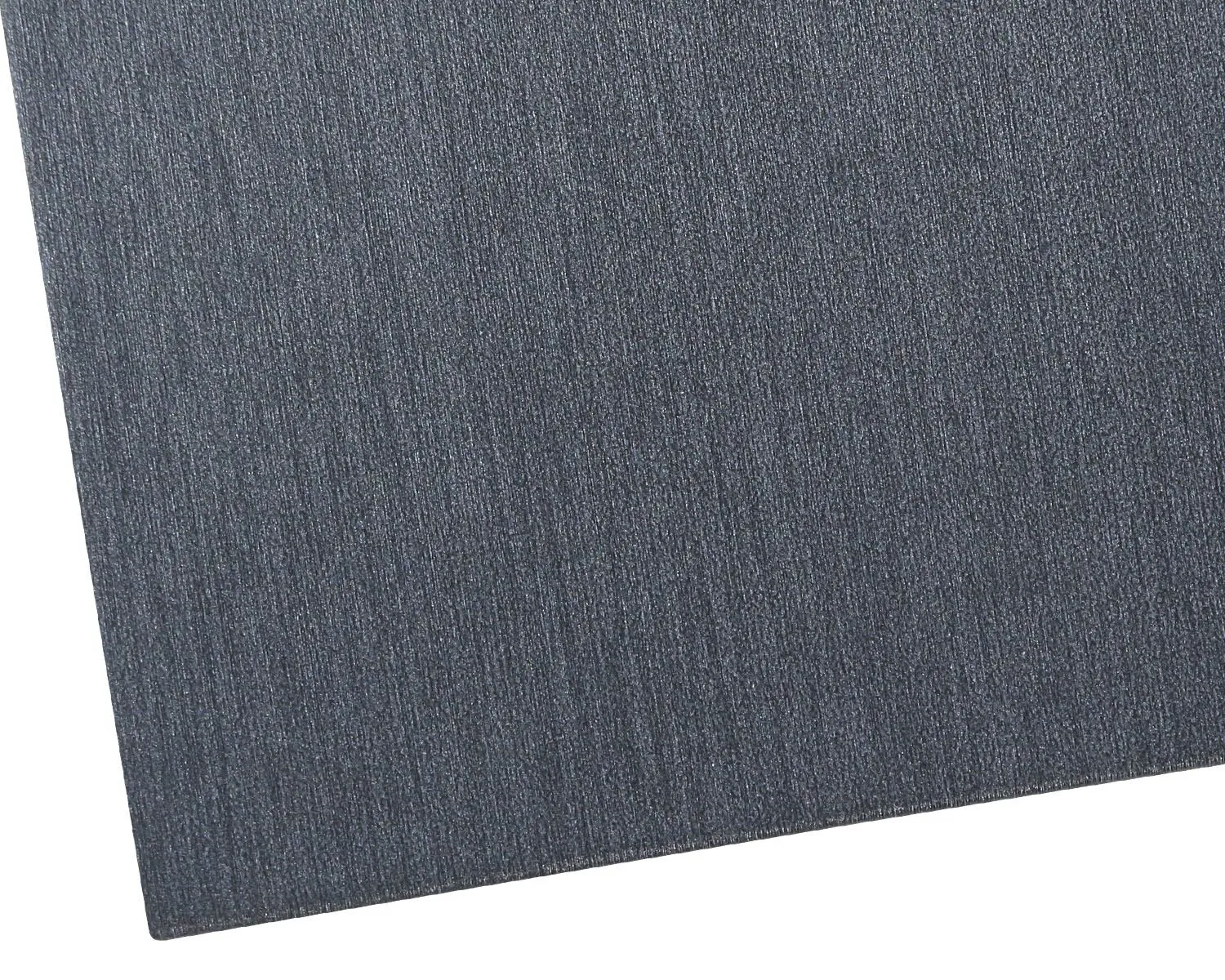
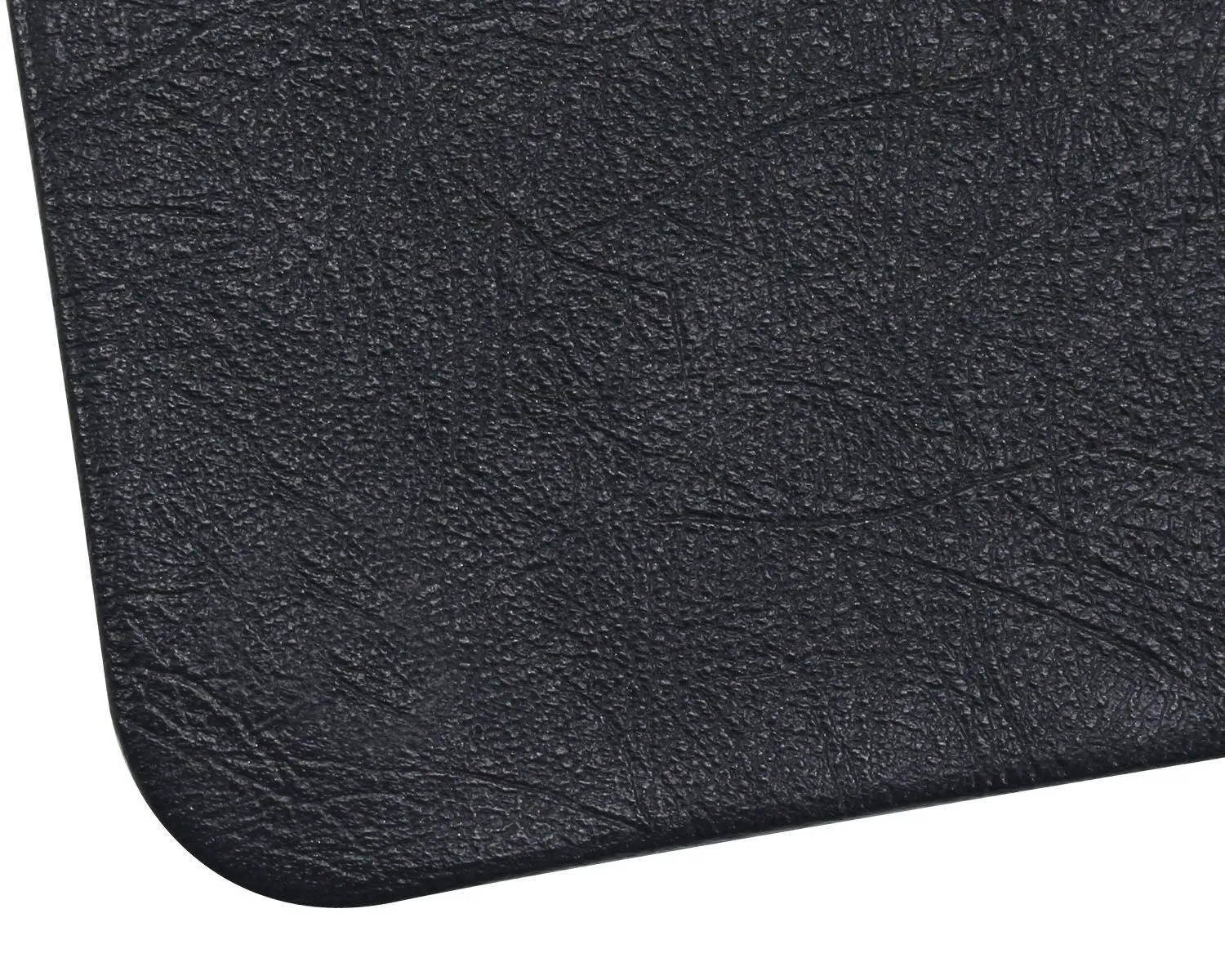
Leather Color Options
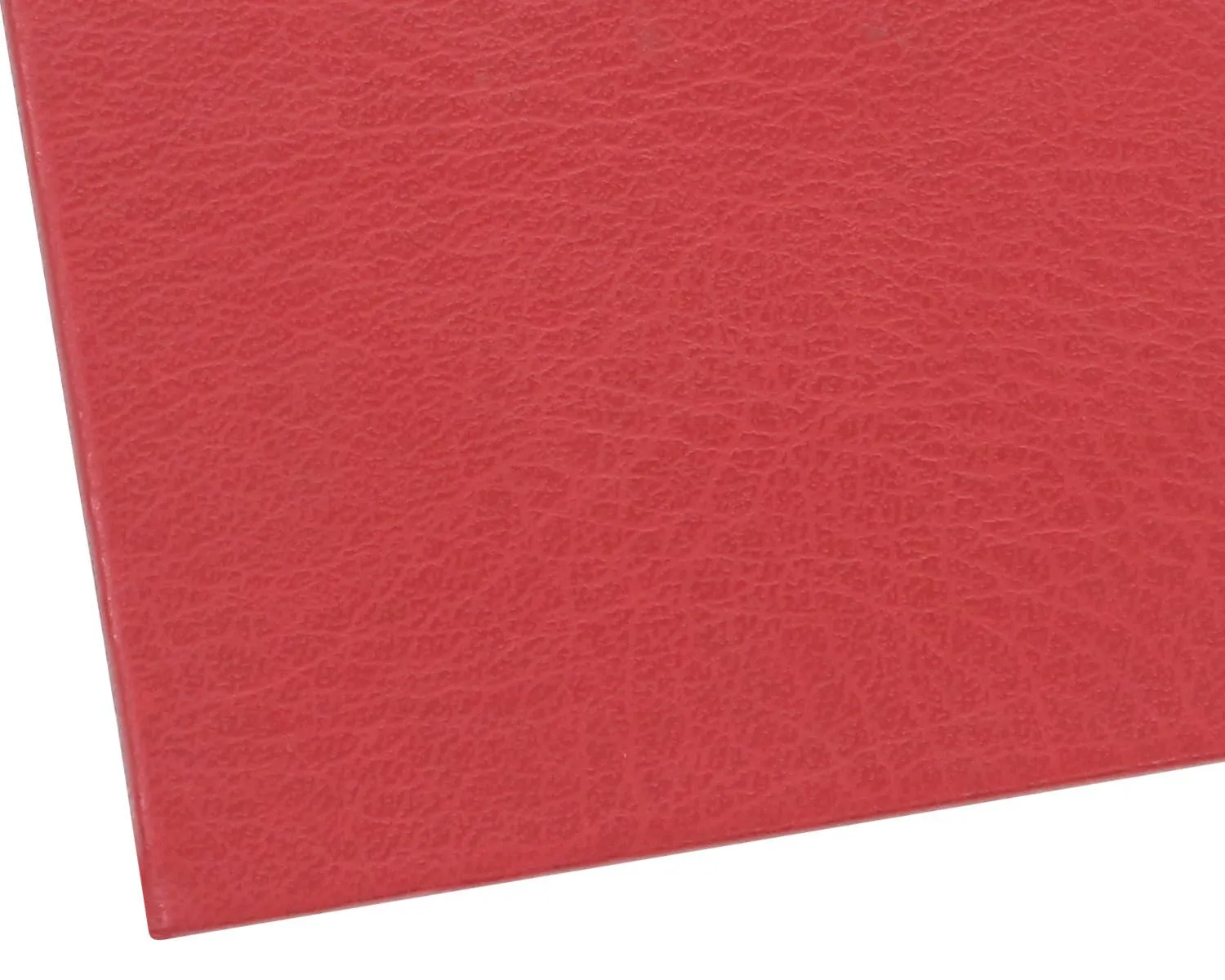
Leather covers are available in a wide range of colors. Popular choices include classic black, deep brown, warm tan, burgundy, and navy blue. These traditional tones give books a timeless and elegant appearance. Here are some popular leather color options:
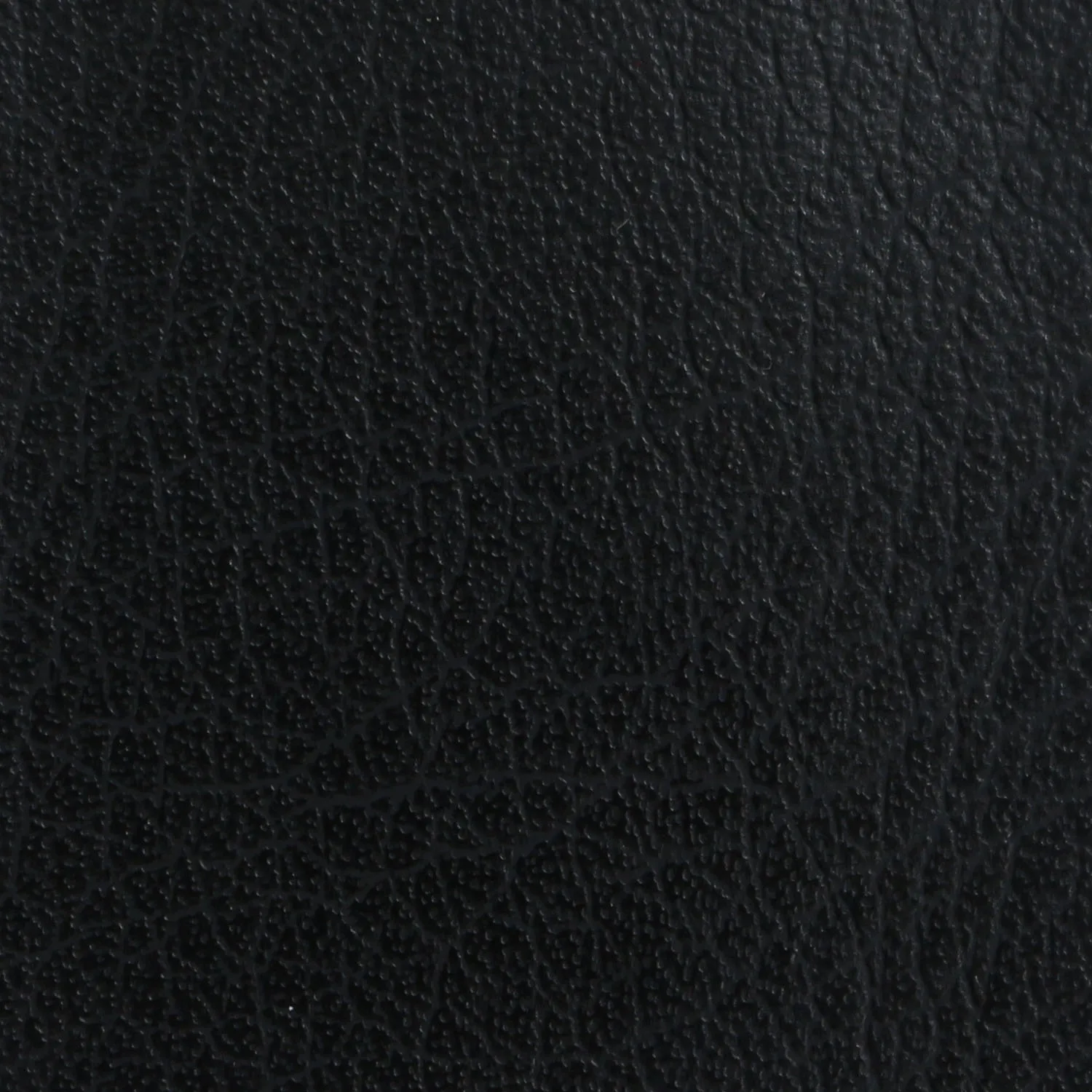
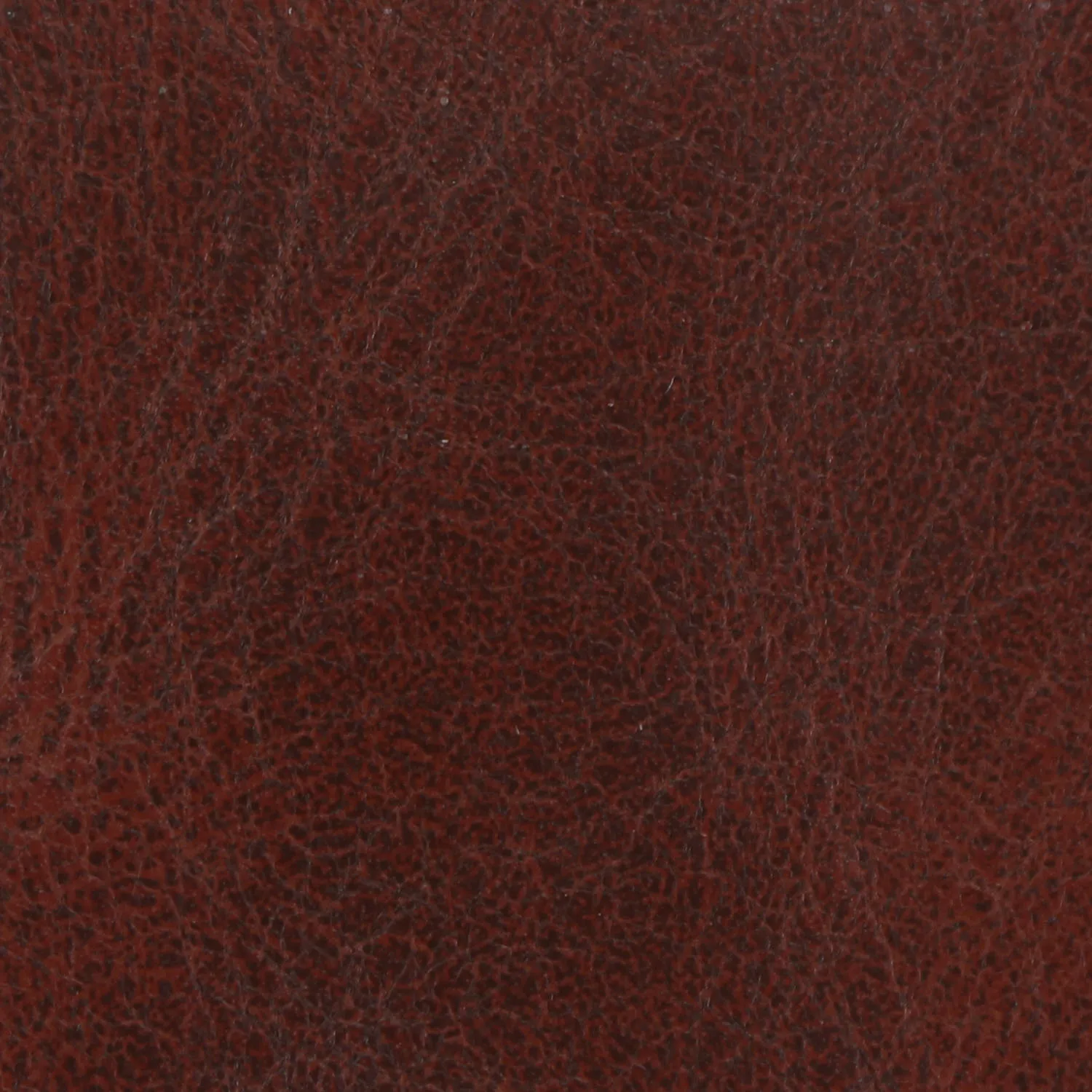
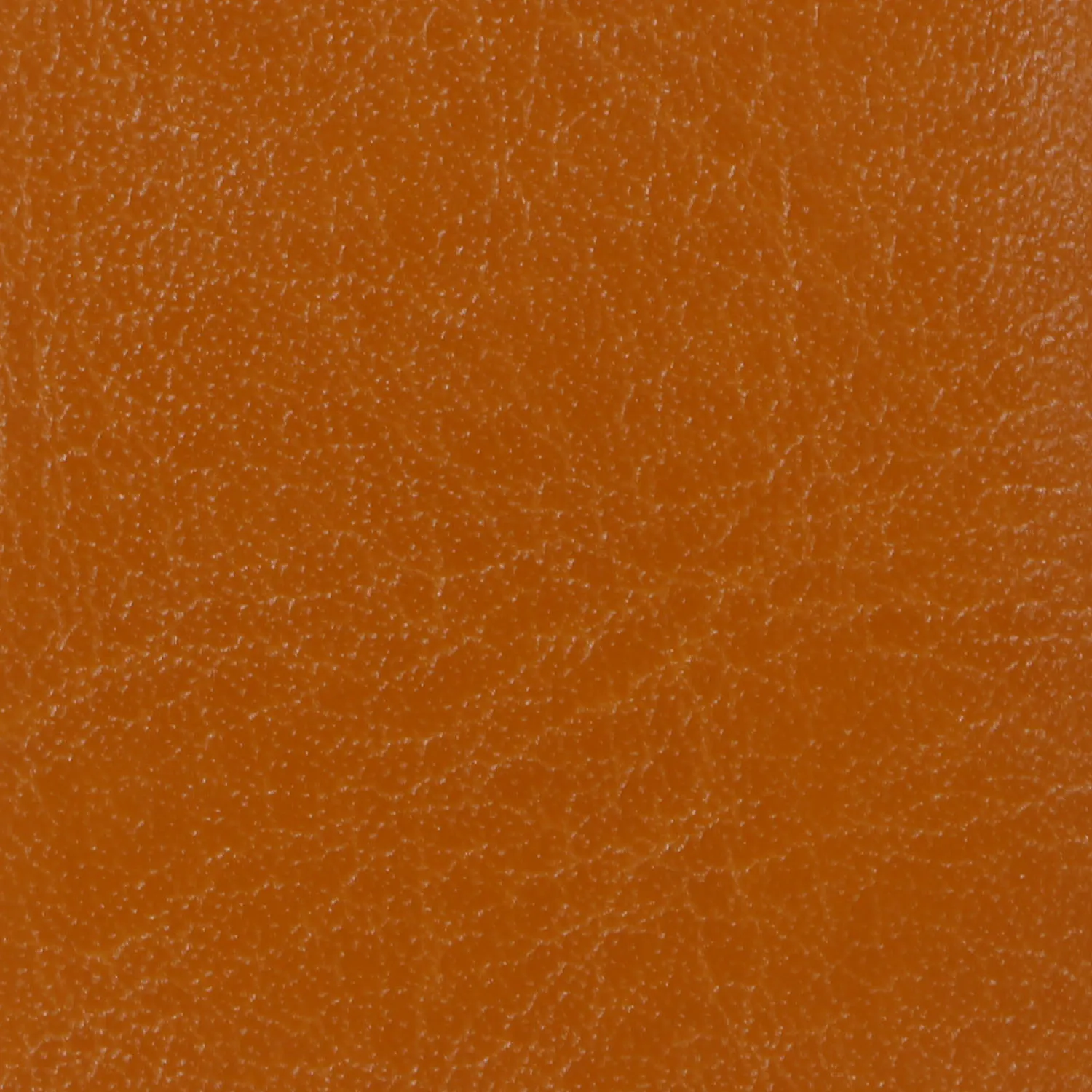
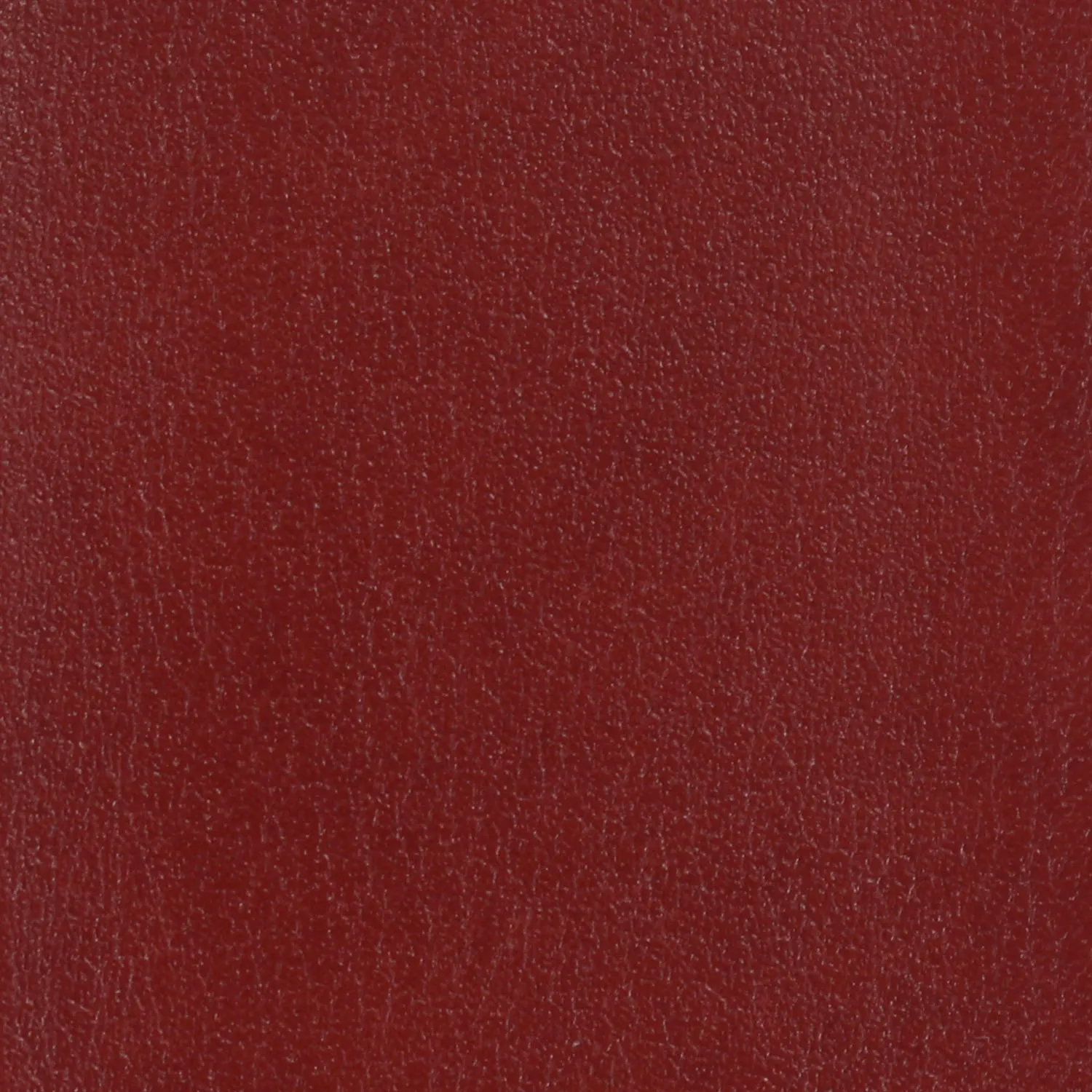
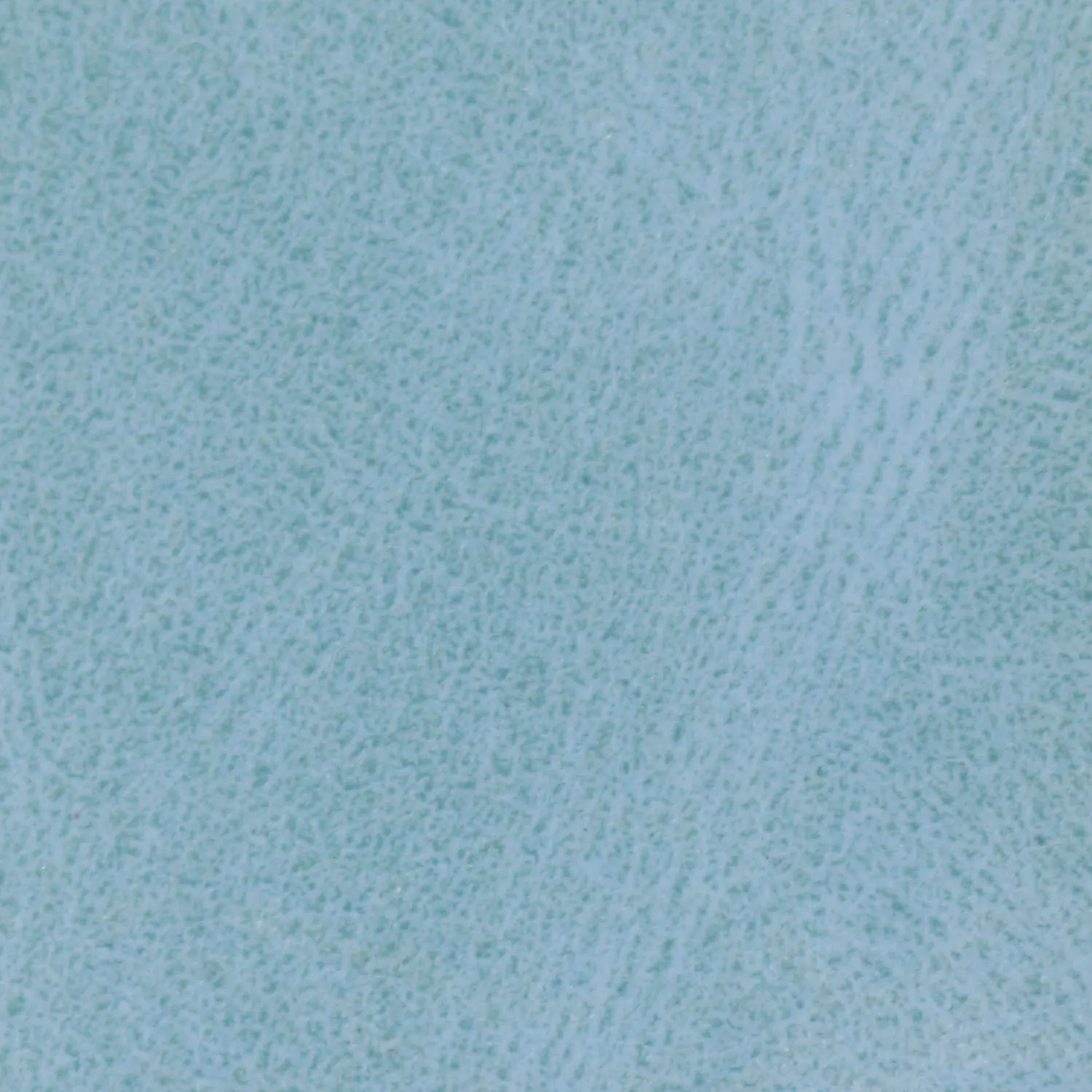
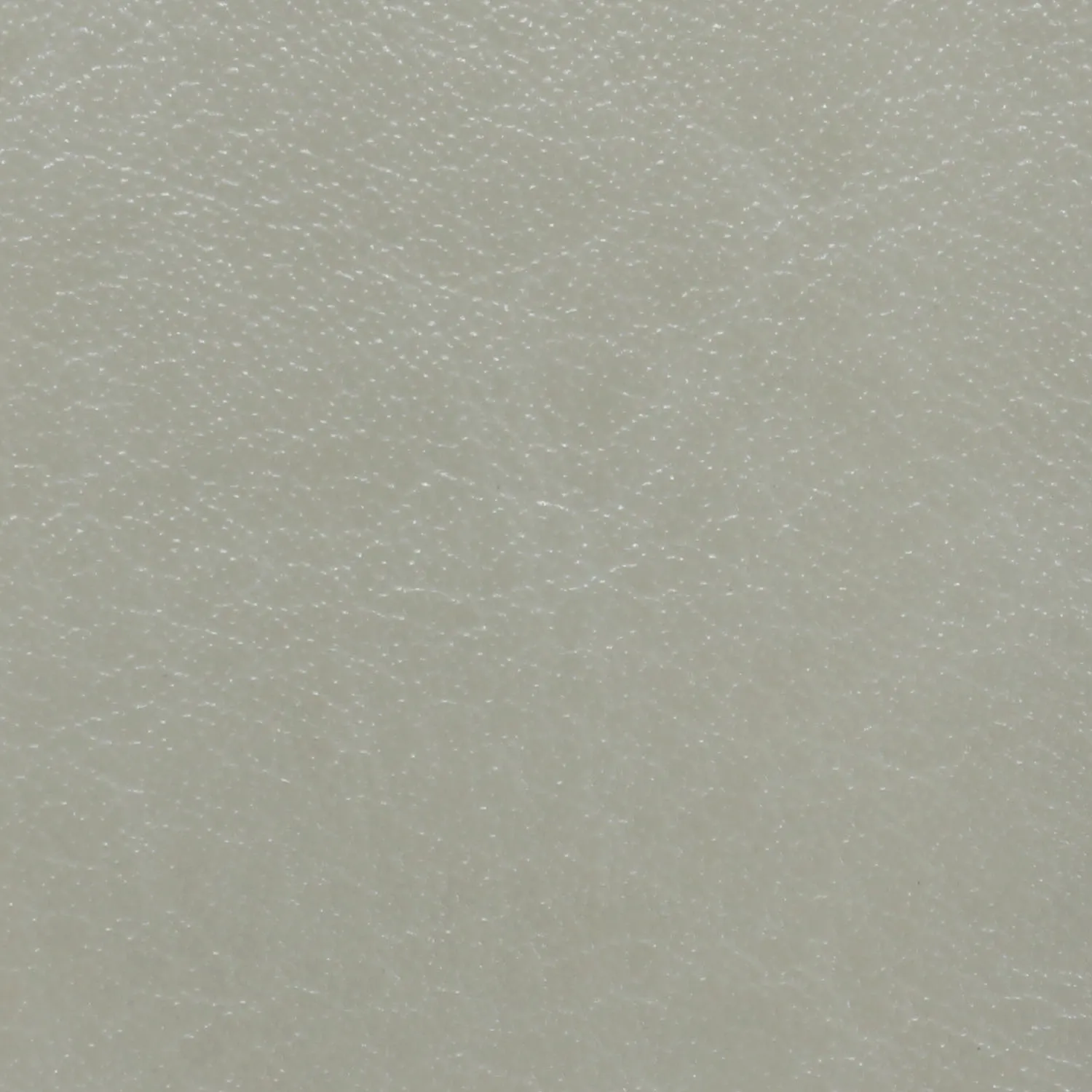
If you need a specific color to match your brand or theme, our team can help you find the closest available option. However, it is important to understand that leather materials have some color limitations. Unlike printed paper, leather colors are usually more natural and slightly muted. The available shades depend on the materials stocked by our suppliers.
Even with these limitations, careful color selection combined with the right finishing techniques can create a striking and sophisticated result.
Customization Options
Leather covers offer many ways to personalize your book and enhance its overall look.
Foil Stamping: Metallic foil, such as gold or silver, can be applied to titles, logos, or decorative details. This creates a bright and eye-catching contrast against the leather surface.
Blind Embossing or Debossing: This technique creates raised or recessed designs without adding color. It gives the cover a subtle, textured look that feels elegant and refined.
Foil Embossing or Debossing: By combining foil with embossing or debossing, you add both shine and dimension. This creates a more dramatic and luxurious effect.
Silk Screening: Silk screening allows graphics, patterns, or logos to be printed directly onto the leather surface. It is ideal for bold or modern designs.
Tip-In Images: Printed images or special design elements can be attached to the cover, adding a unique and collectible touch.
Round Corners: Rounded corners improve the appearance of the book and help reduce wear over time, especially for frequently handled editions.
Raised Band Spine: This classic feature is commonly seen on traditional leather-bound hardcover books. The raised bands along the spine add a sense of craftsmanship and timeless beauty.
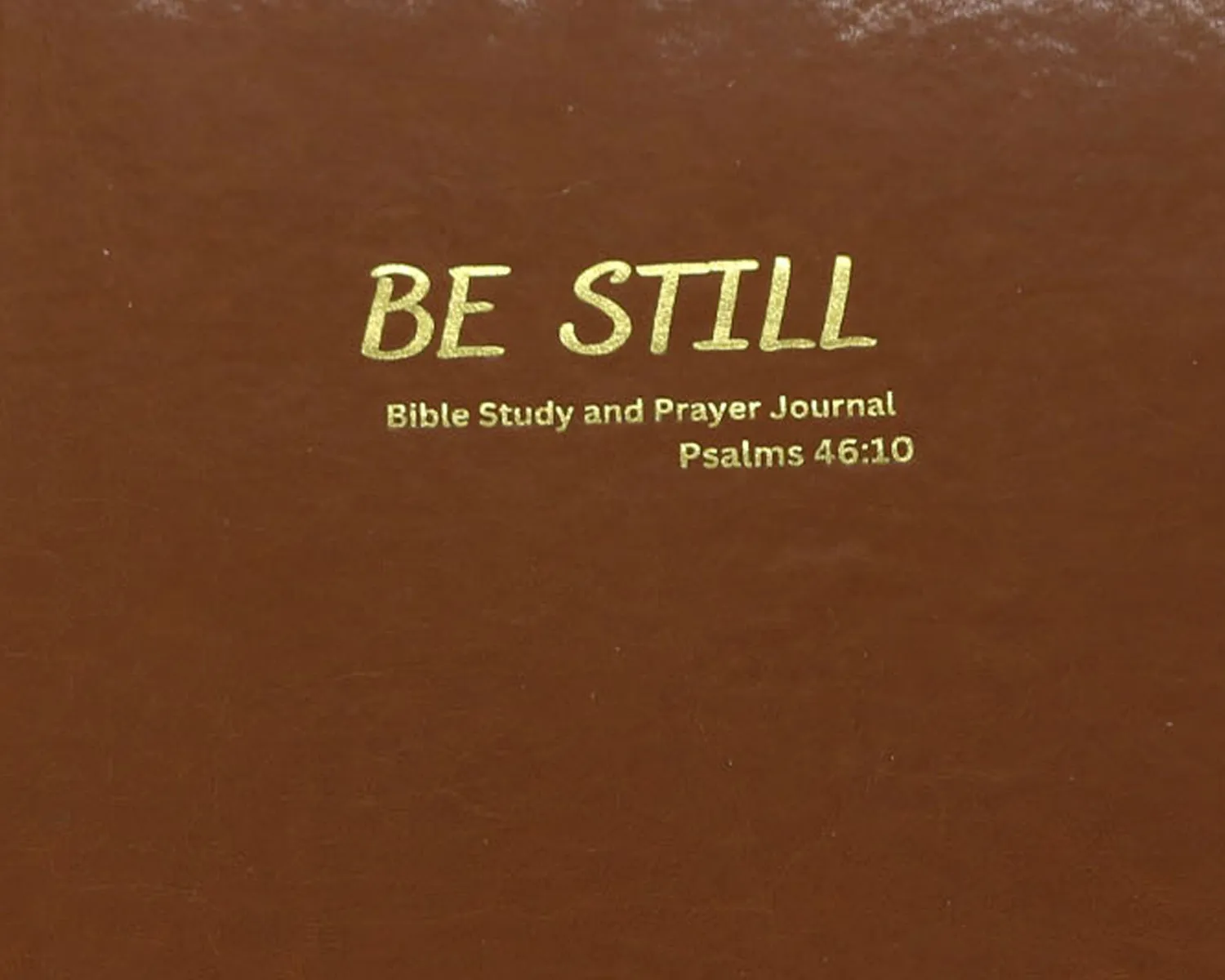
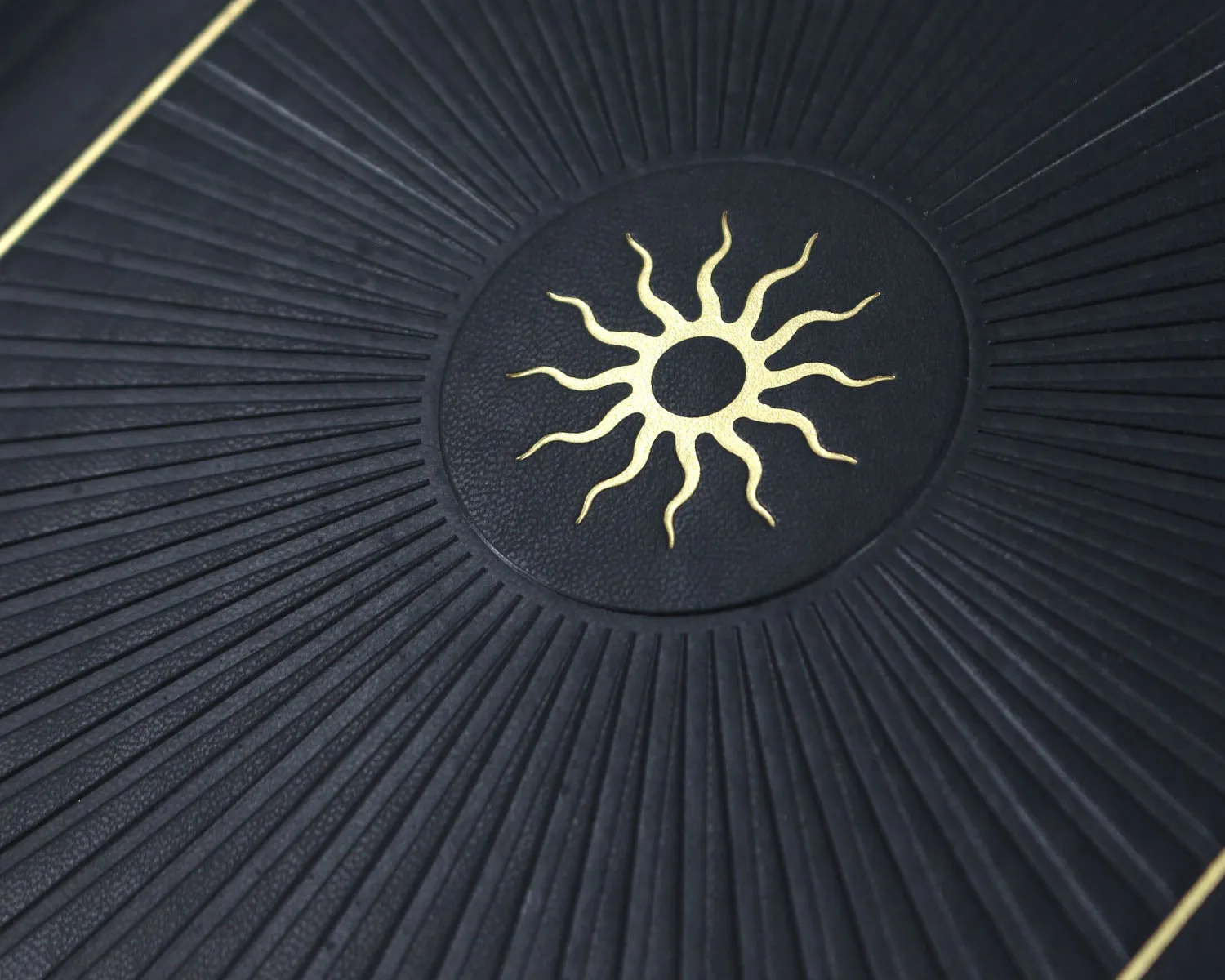
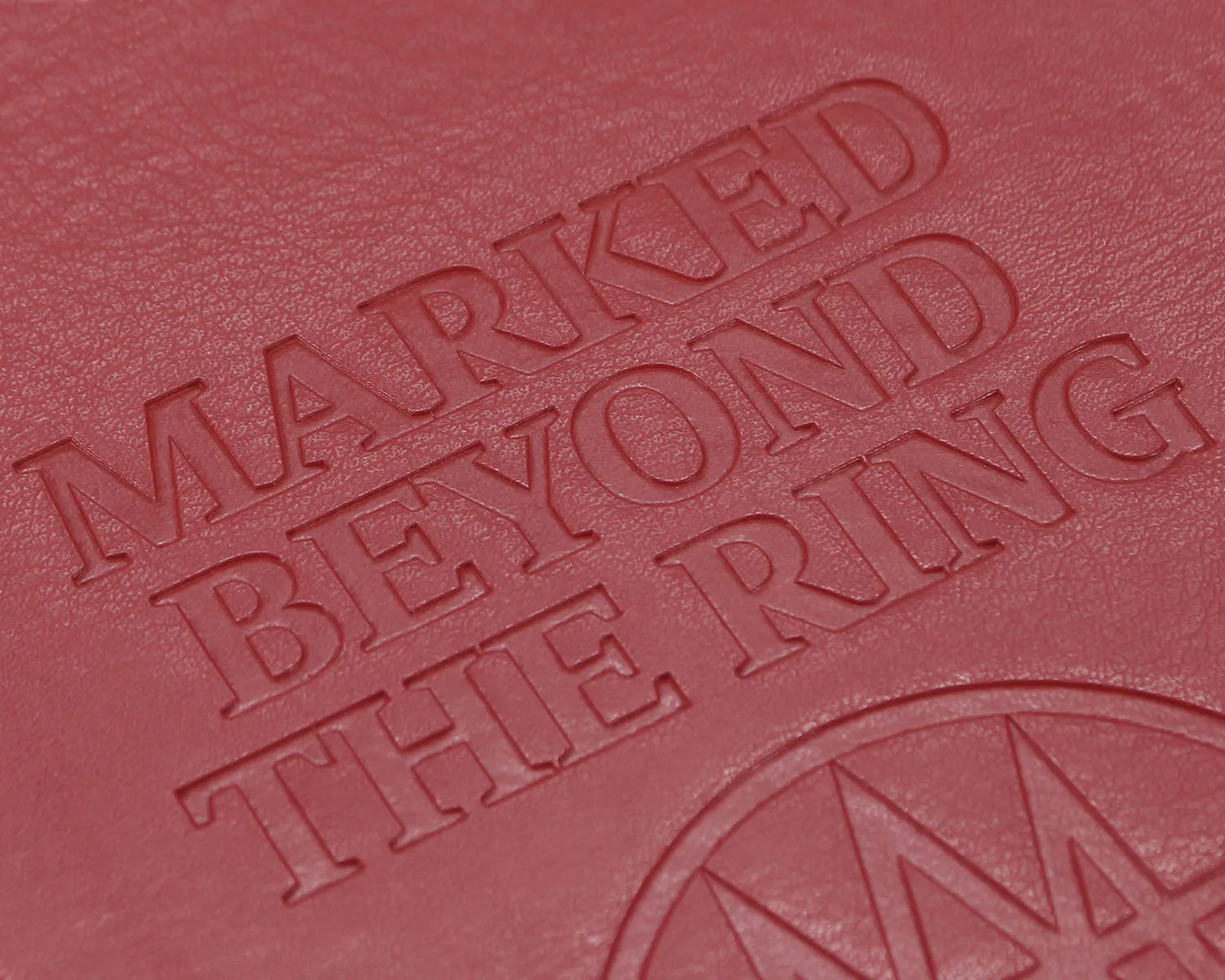
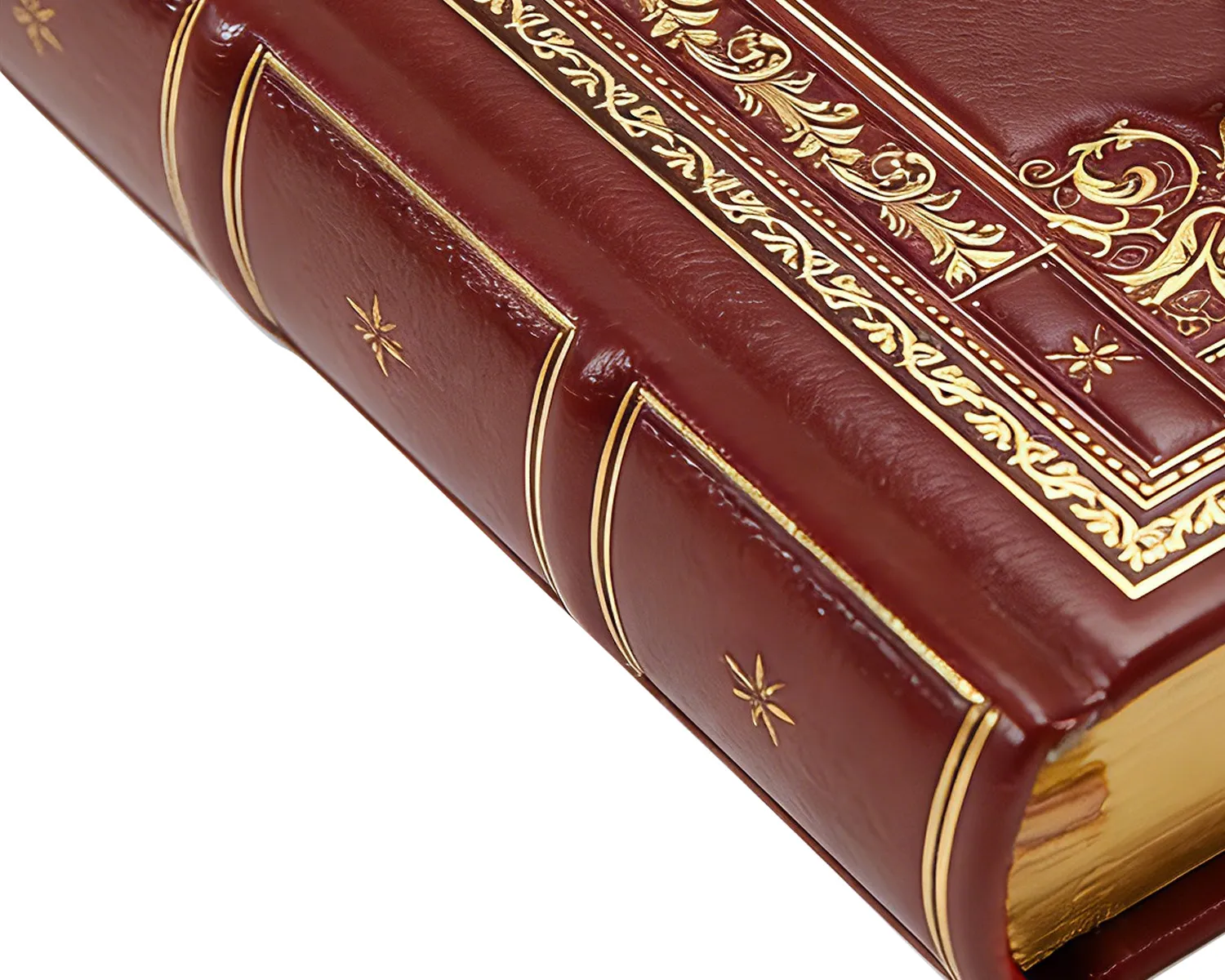
Leather covers are an excellent choice for books that need to feel prestigious and durable. With their rich texture and strong construction, leather-covered books offer both visual impact and a premium tactile experience that readers appreciate for years to come.
Cloth or Leather Cover Book Binding Options
Selecting the right binding method is just as important as choosing a cloth or leather cover. The binding determines how your book opens, how durable it will be over time, and how it feels in the reader’s hands. While sewn hardcover binding remains the most popular and traditional choice for cloth or leather cover books, several other binding styles are available to suit different project goals, budgets, and usage requirements.
Below are four common binding options for cloth or leather cover books.
Sewn Hardcover Binding
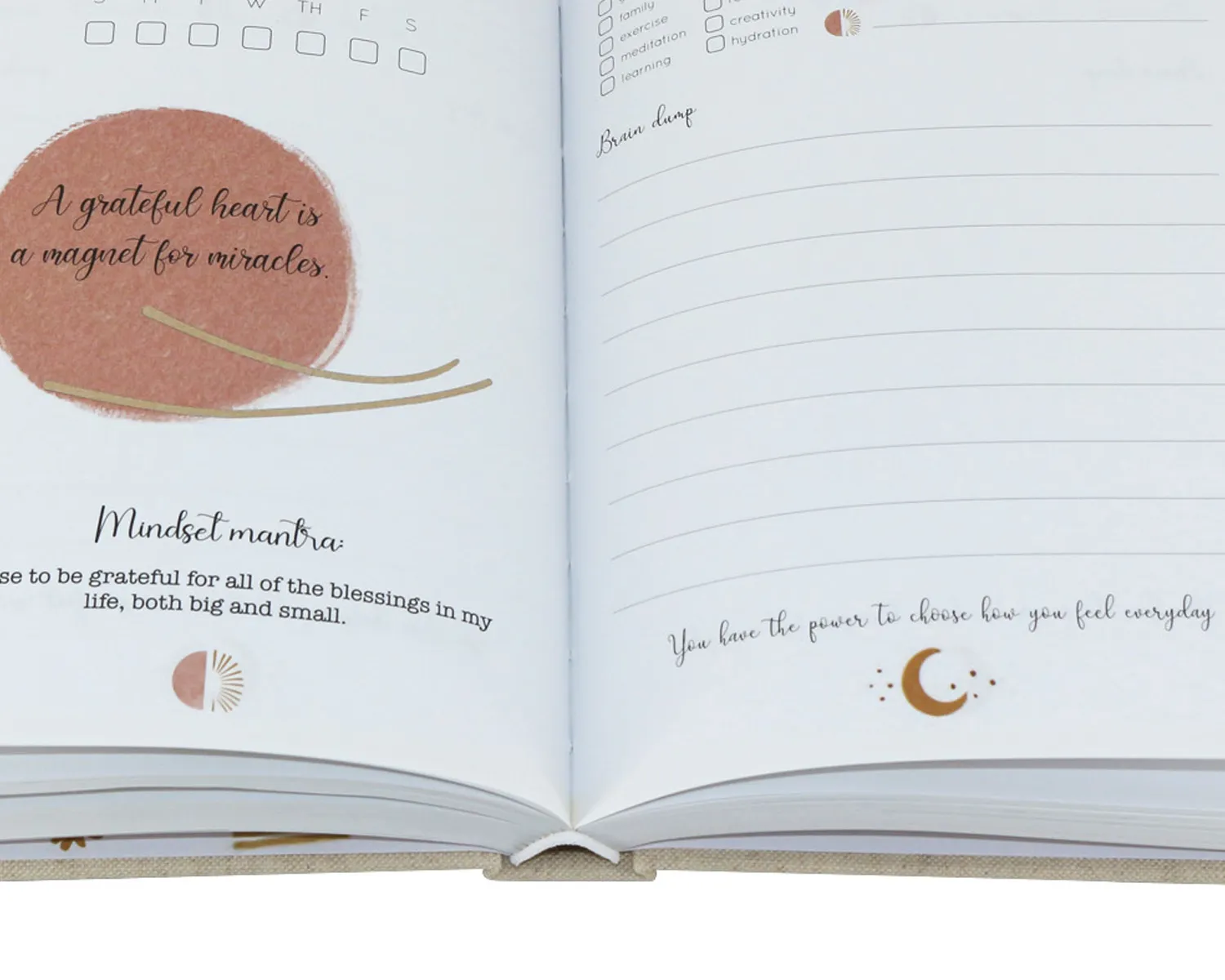
Sewn hardcover binding is the most widely used and highly recommended option for premium cloth or leather cover books. In this process, printed pages are folded and collated into signatures, sewn together with thread, and then securely attached to rigid cover boards (typically 2-3 mm grey board) wrapped in cloth or leather material.
This method offers exceptional durability and allows the book to open more naturally and lay relatively flat without damaging the spine. It is ideal for long-term use and heavy handling. Sewn hardcover binding is commonly chosen for art books, photography books, Bibles, commemorative editions, and collector’s publications.
For projects that require a luxurious, library-quality finish, sewn hardcover binding delivers both strength and elegance. It also supports additional features such as headbands, ribbon markers, rounded spines, and dust jackets for cloth covers.
Spiral or Wire-O Hardcover Binding
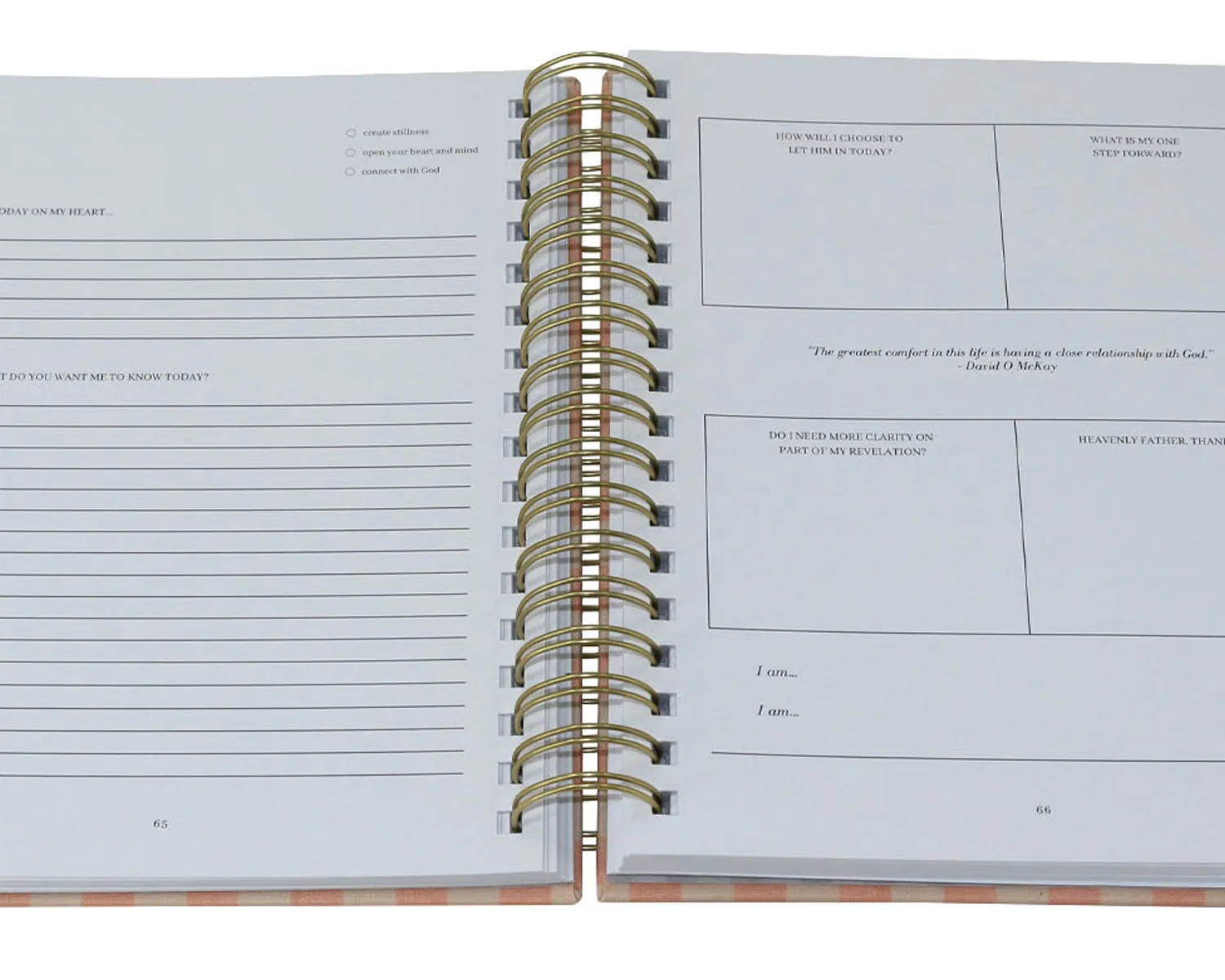
Spiral or Wire-O hardcover binding offers a functional alternative for cloth or leather-covered books that require true lay-flat performance. The cover is constructed using sturdy 2–3 mm gray board, wrapped in your selected cloth or leather material for a refined, durable finish. In this binding method, holes are punched along the book’s edge and secured with a metal coil or double-loop wire.
This structure allows the book to open completely flat and even fold back 360 degrees, making it highly practical for interactive or reference-heavy projects. It is particularly well suited for planners, portfolios, cookbooks, and specialty journals that need to remain open during use.
While it does not feature a traditional enclosed spine like sewn hardcover binding, Spiral or Wire-O hardcover combines a premium exterior with maximum usability, delivering both professional presentation and everyday convenience.
Flexibound Binding
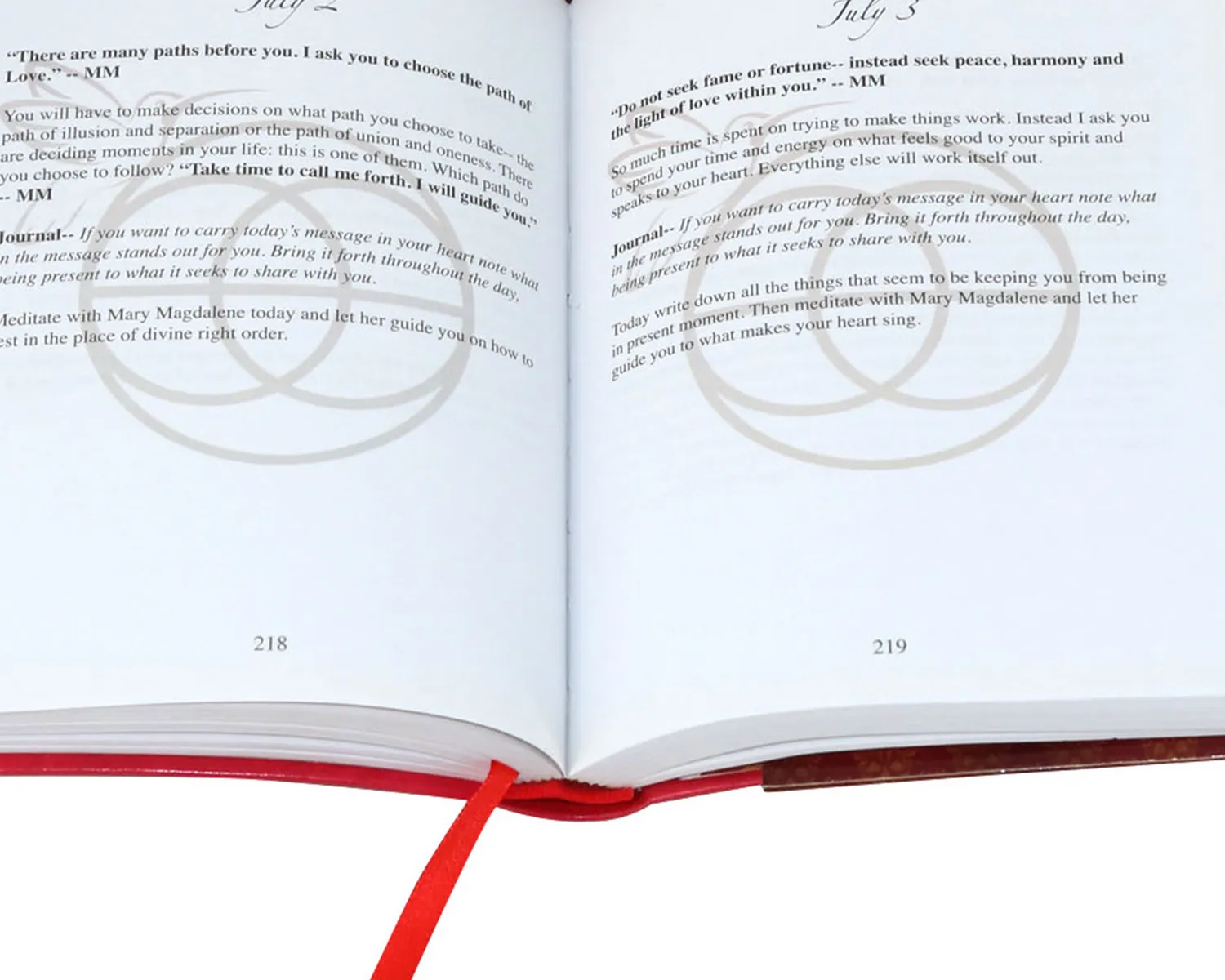
Flexibound binding combines the strength of sewn construction with the flexibility of a softcover format. Unlike traditional rigid hardcovers, flexibound books feature a flexible cloth or leather cover that allows the book to bend gently while maintaining a polished, high-end appearance.
The process starts with printing, folding, and gathering the pages into signatures, which are then sewn together with thread to ensure strength and longevity. The cloth or leather cover material is wrapped and adhered to the endpapers, securing the text block at the spine. Since the spine itself is not glued, the book opens smoothly and lays flatter, providing a more comfortable and flexible reading experience.
Lightweight and portable, flexibound books are especially popular for Bibles, devotional books, journals, planners, and gift editions. They offer a softer, more comfortable feel in the hands while still presenting a premium, elegant look.
For publishers seeking a refined yet flexible alternative to traditional hardcover binding, flexibound construction is an ideal solution, particularly for books designed for frequent use, travel, or daily reading.
Exposed Spine Binding
Exposed spine binding, also known as open spine or Swiss binding, is a contemporary option that reveals the sewn signatures along the spine. Instead of hiding the spine beneath a rigid cover, this style showcases the craftsmanship of the binding itself.
When combined with cloth or leather elements, exposed spine binding creates a distinctive and artistic presentation. It is often selected for design-focused publications, limited editions, portfolios, and creative projects where aesthetics play a central role.
Although this binding method may offer slightly less spine protection compared to traditional hardcover binding, it delivers a modern, high-end visual impact that appeals to designers and collectors.
Each binding option serves a different purpose. Sewn hardcover provides classic durability and prestige. Spiral or Wire-O delivers maximum usability. Flexibound combines flexibility with elegance. Exposed spine binding offers a modern, design-driven look.
At BookPrintingChina, we help publishers evaluate page count, usage, audience, and budget to recommend the most suitable binding solution for cloth or leather cover books, ensuring both visual impact and long-lasting performance.
Which Projects Are Ideal for Cloth Cover Books
Cloth cover books offer a timeless, tactile appeal that makes them suitable for a wide range of publications. Their durability and elegant texture enhance both visual presentation and user experience.
Art Books: The refined surface of cloth complements fine artwork while adding a gallery-quality feel.
Photography Books: A neutral, textured cover provides a sophisticated frame for powerful imagery.
Coffee Table Books: Durable and visually striking, cloth covers make display books more attractive and long-lasting.
Special Edition Fiction: Perfect for collector’s editions, adding depth and prestige to literary works.
Children’s Books: Textured or canvas cloth improves durability while offering an engaging tactile element.
Notebooks & Journals: Stylish yet sturdy, cloth covers elevate everyday writing products.
Portfolios: Protect and present creative work in a professional, high-end format.
Luxury Lookbooks: Ideal for fashion, lifestyle, or premium branding projects that require an elegant presentation.
Cloth covers combine functionality with sophistication, making them an excellent choice for projects that value both durability and design impact.
Which Projects Are Ideal for Leather Cover Books?
Leather-bound books are synonymous with prestige, durability, and timeless craftsmanship. They are especially suitable for projects that demand a premium appearance and long-term use.
Bibles: A traditional and enduring choice, offering elegance and strength for daily reading and lifelong preservation.
Prayer Books: Combines spiritual significance with a refined, tactile finish that enhances the reading experience.
Photography Books: Provides a luxurious presentation for high-end portfolios or collector’s coffee table editions.
Memoirs: Ideal for personal legacies or corporate commemorative editions that deserve a distinguished format.
Yearbooks: Durable enough for long-term storage while maintaining a sophisticated appearance.
Notebooks & Journals: Delivers a premium writing experience, favored by professionals, executives, and gift editions.
Leather covers elevate a publication into a lasting keepsake, making them the perfect option for books intended to be treasured for years to come.
Cloth vs. Leather Hardcover: Price Comparison
Below is a reference price comparison for an 8.5″ × 11″ hardcover book featuring gold foil stamping on the front cover and spine. The cover is made with 3 mm gray board wrapped in cloth or PU leather, includes 140 gsm blank offset endpapers, and contains 120 pages printed on 157 gsm matte art paper:
This guide is intended to help you evaluate the cost differences between cloth and PU leather cover options for the same specifications.
| Quantity | Cloth Cover | PU Leather Cover |
| 100 Copies | Unit Price: $15.00 Total Price: $1500 | Unit Price: $14.86 Total Price: $1486 |
| 500 Copies | Unit Price: $6.14 Total Price: $3070 | Unit Price: $6.00 Total Price: $3000 |
| 1000 Copies | Unit Price: $4.213 Total Price: $4213 | Unit Price: $4.072 Total Price: $4072 |
| 2000 Copies | Unit Price: $3.28 Total Price: $6560 | Unit Price: $3.143 Total Price: $6286 |
| 5000 Copies | Unit Price: $2.49 Total Price: $12450 | Unit Price: $2.43 Total Price: $12143 |
Cloth vs. Leather Cover: How to Choose?
Deciding between a cloth or leather cover depends on the purpose of your book, your budget, and the image you want to present. Both options offer durability and a premium look, but they serve slightly different needs.
Cloth Covers: Cloth offers texture and design flexibility. It works well for projects that focus on visual presentation and creative finishes. Cloth covers are ideal for art books, photography books, special edition fiction, portfolios, and coffee table books. They provide an elegant appearance while allowing various customization options such as foil stamping, debossing, or dust jackets.
PU Leather Covers: PU Leather is a cost-effective option that delivers a more classic and prestigious feel. It is often chosen for books meant to be treasured for years, such as Bibles, memoirs, yearbooks, commemorative editions, and premium journals. Leather gives a stronger sense of tradition and luxury, making it perfect for heirloom or collectible publications.
When choosing between the two, consider the level of durability required, your overall budget, the expectations of your target audience, and how much design flexibility you need.
Print Your Book with Us
At BookPrintingChina, we specialize in transforming your vision into beautifully printed books with cloth or leather covers. From selection of materials to premium finishing options like foil stamping, or debossing, we guide you through every step of the process.
Whether you’re publishing an art book, a photography portfolio, a luxury journal, or a collectible edition, we provide high-quality printing, expert advice, and competitive pricing to ensure your project exceeds expectations. Contact us today to get started and create a book that’s library-ready and memorable.