Pop-up books are often associated with children’s literature, but their appeal extends far beyond early readers. From architecture and engineering manuals to art books, marketing presentations, and collectors’ editions, pop-up books provide a powerful and memorable way to communicate ideas. At the heart of every successful pop-up book lies one essential element: pop-up book mechanisms.
Pop-up book mechanisms transform flat printed pages into three-dimensional, interactive experiences. When designed thoughtfully, they surprise, educate, and emotionally connect with readers. Whether you are an author, illustrator, educator, or publisher planning a custom pop-up book, understanding how different pop-up book mechanisms work is critical to choosing the right structure for your project.
In this article, we will explore the most popular pop-up book mechanisms, explain how they function, and discuss when and why to use each one. By understanding these mechanisms, you can collaborate more effectively with a professional pop-up book manufacturer and bring your creative vision to life.
A pop-up book is far more than a standard printed book with decorative cut-outs. The mechanism determines how the book opens, moves, and interacts with the reader. Choosing the right pop-up book mechanism affects not only the visual impact but also the durability, cost, production complexity, and user experience.
Enhancing Reader Engagement
Pop-up book mechanisms invite readers to take part rather than passively consume content. The act of opening a page to reveal a three-dimensional structure triggers curiosity and delight. For children, this interaction supports cognitive development and storytelling comprehension. For adults, it creates a sense of discovery and craftsmanship that elevates the book into a keepsake or art object.
Supporting the Story or Message
Each pop-up mechanism communicates differently. Some mechanisms are ideal for revealing layered scenes, while others emphasize movement, transformation, or surprise. Selecting the wrong mechanism can weaken the narrative, while the right one can dramatically enhance it. A well-chosen mechanism reinforces the message, whether it’s explaining a scientific process, showcasing a building’s structure, or telling an emotional story.
Impact on Manufacturing and Cost
From a production standpoint, pop-up book mechanisms vary greatly in complexity. Simple fold mechanisms are cost-effective and suitable for large print runs, while complex mechanisms need precise hand assembly and increase labor costs. Early planning helps align creative ambition with budget and production feasibility when working with a pop-up book manufacturer.
Fold-Style Mechanism
Fold-style mechanisms are the foundation of pop-up book design. They rely on paper folds and structural geometry to create depth and dimension when a page is opened. These mechanisms are widely used because they are reliable, visually effective, and relatively easy to manufacture.
V-Fold
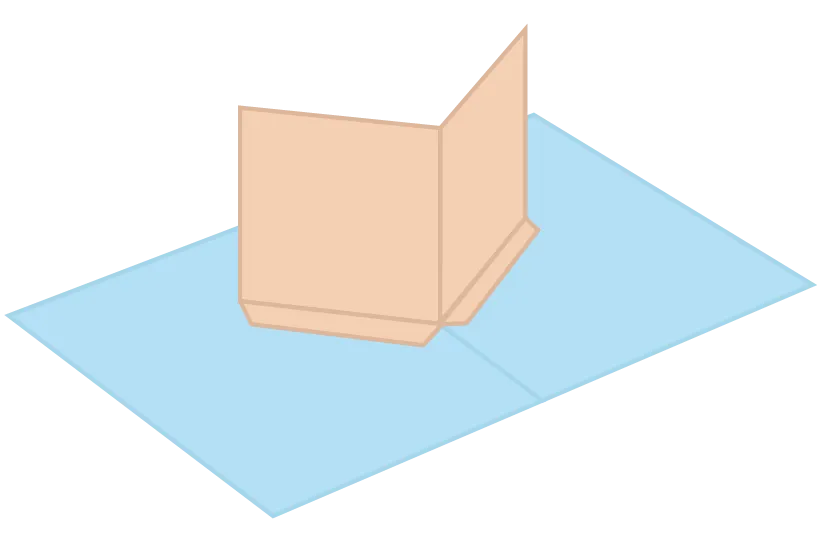
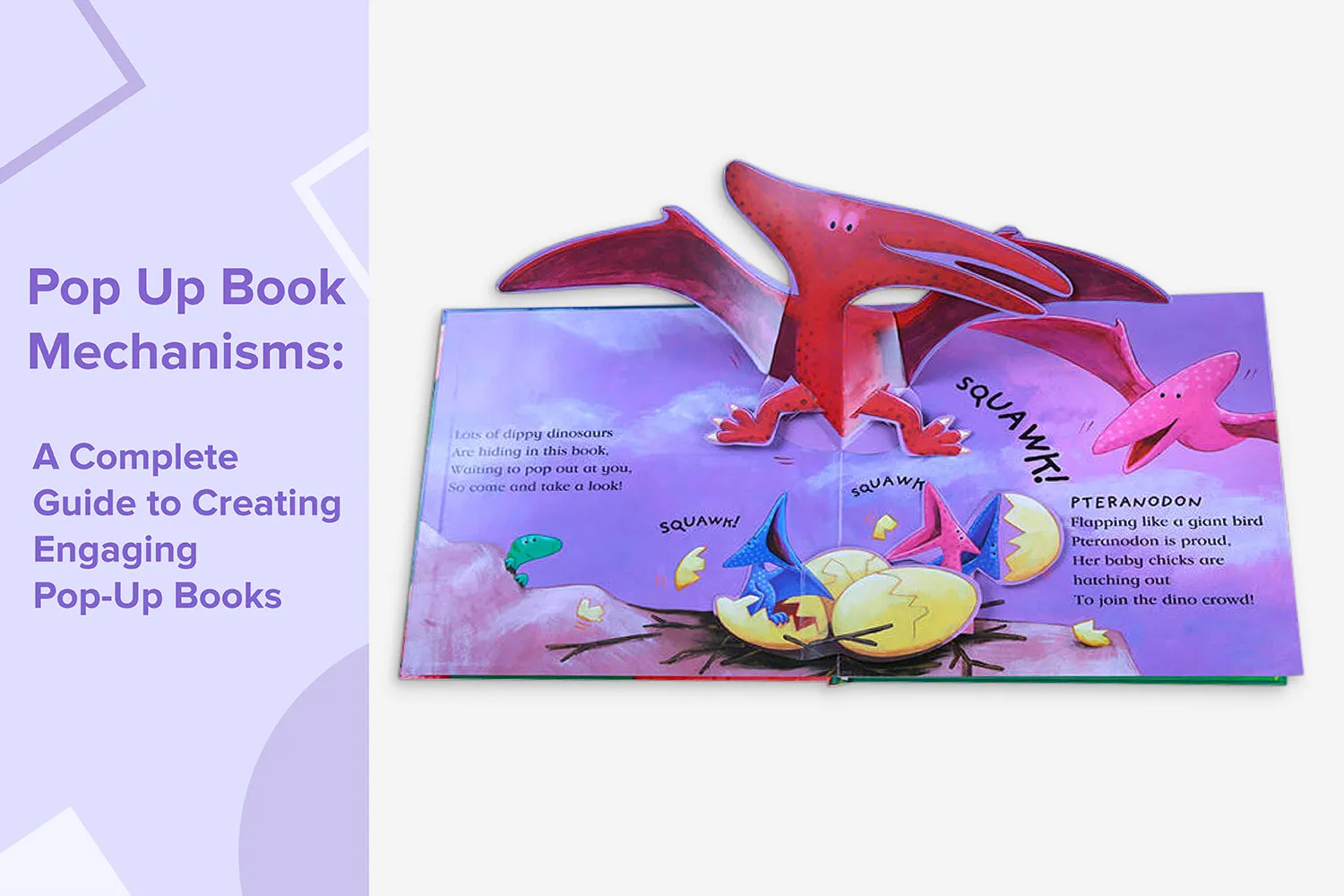
The V-fold is one of the most versatile and widely used pop-up book mechanisms. It consists of a folded piece of paper attached to both pages at an angle, forming a “V” shape when the book opens.
V-folds can create dramatic pop-ups that rise from the center of the book. By adjusting the angle and length of the fold, designers can achieve different heights and movements. This flexibility makes V-folds suitable for characters, objects, and focal elements.
Advantages:
Best used for:
Character pop-ups
Surprise reveals
Focal visual elements
Step-Fold (Parallel Fold)
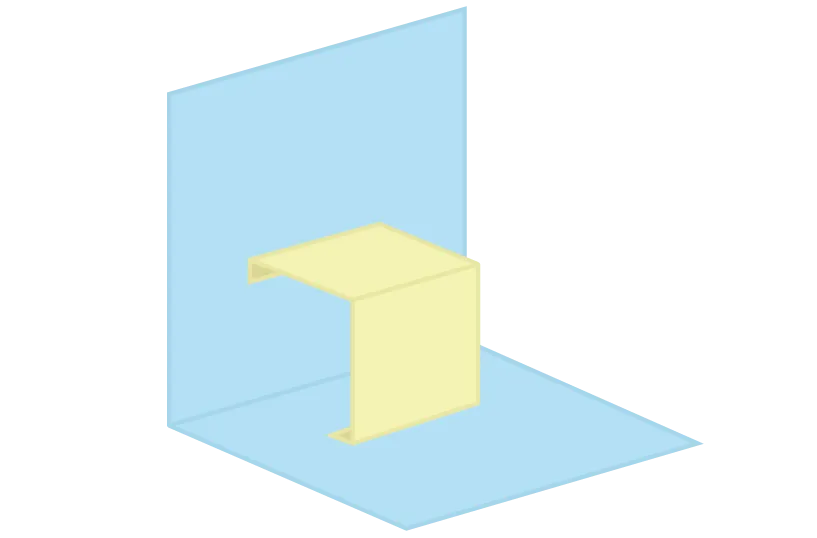
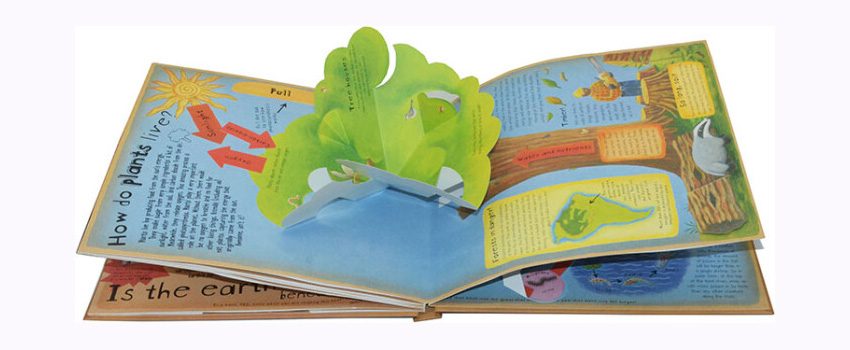
The Step-Fold, also known as the Parallel Fold, is one of the most recognizable pop-up book mechanisms. It creates a staircase-like effect, where layers rise vertically at different depths.
This mechanism is achieved by attaching folded paper strips parallel to the book’s pages. When the page opens, each layer stands upright, creating a sense of perspective and depth. Step-folds are ideal for scenes such as city skylines, landscapes, interior rooms, or educational diagrams.
Advantages:
Strong visual depth
Easy to understand for readers
Durable and stable structure
Cost-effective for mass production
Best used for:
Box Fold
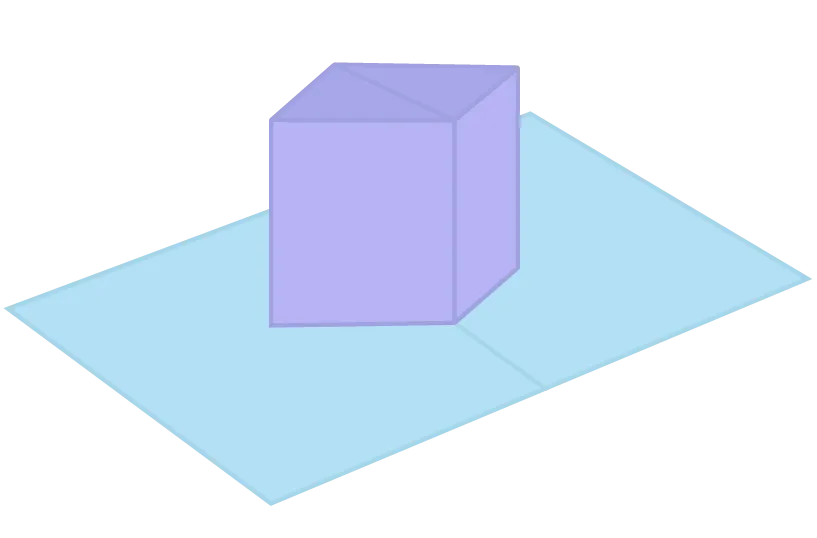
The Box Fold creates a three-dimensional cube or rectangular structure that stands firmly on the page. Unlike V-folds, box folds use multiple panels and right-angle folds to form enclosed shapes.
This mechanism offers excellent stability and is often used to depict buildings, rooms, vehicles, or product packaging in a custom pop-up book. Because of its structural integrity, it can support additional decorative elements.
Advantages:
Best used for:
Architectural models
Product showcases
Scene-based storytelling
Layered Fold
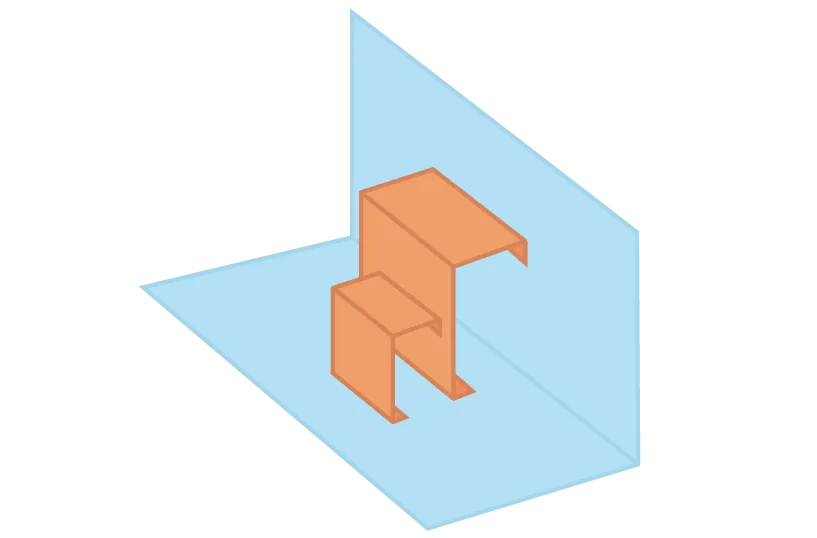
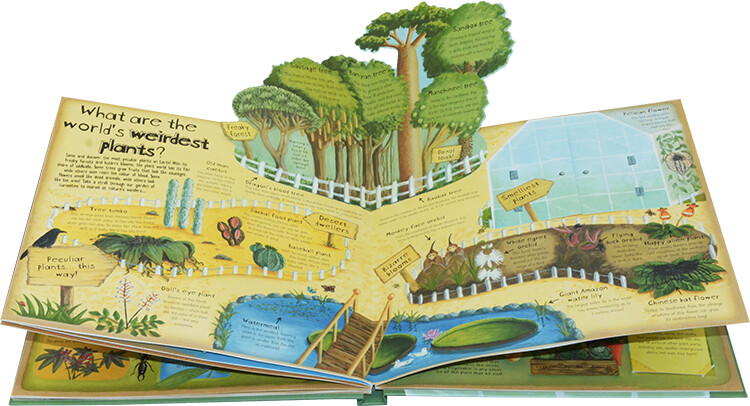
The Layered Fold builds depth by stacking multiple folded layers, often combined with step-fold or V-fold structures. Each layer adds visual richness and complexity to the scene.
This mechanism is particularly effective for storytelling, where foreground, middle ground, and background elements are needed. It allows readers to visually explore a scene in stages.
Advantages:
Best used for:
Illustrated narratives
Nature scenes
Artistic pop-up books
Tent Fold
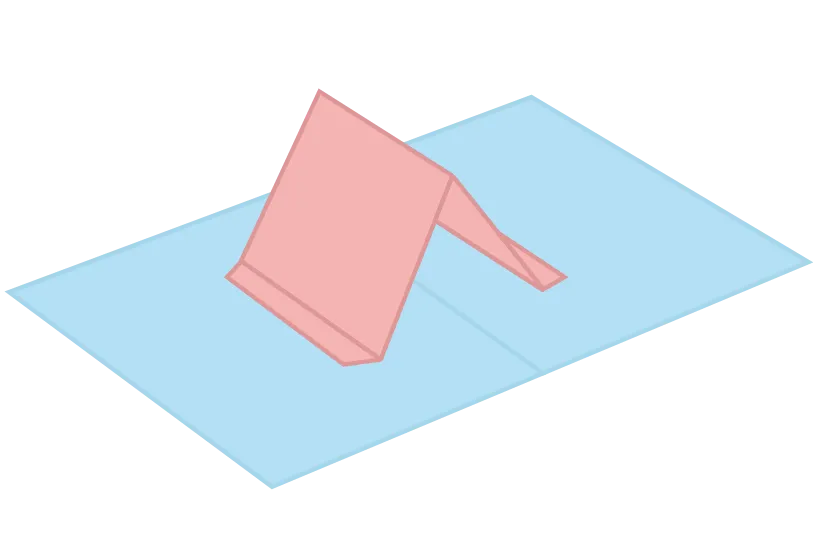
The Tent Fold opens into a triangular, tent-like structure that stands upright when the book is fully opened. This mechanism is simple yet elegant, often used for symmetrical designs.
Tent folds are commonly found in greeting cards but are also effective in pop-up books where balance and symmetry are important.
Advantages:
Best used for:
Decorative scenes
Educational displays
Minimalist designs
Zigzag (Z) Fold
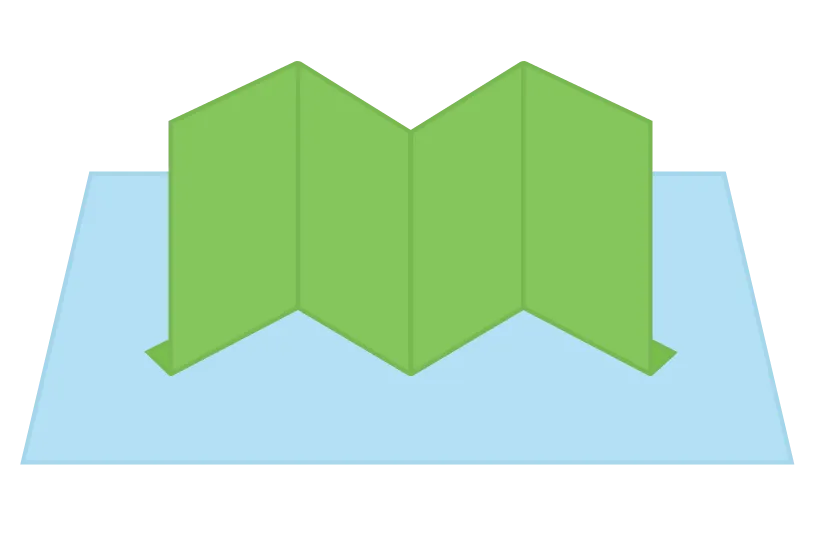
The Zigzag Fold, or Z-Fold, uses accordion-style folds to create expandable layers. When the page opens, the folded panels extend outward, revealing a sequence of images or information.
This mechanism is excellent for storytelling, timelines, or processes that unfold step by step. It provides a sense of progression and movement without complex assembly.
Advantages:
Best used for:
Timelines
Instructional content
Story progression
Movement Mechanism
Movement mechanisms take pop-up books to the next level by allowing readers to actively manipulate elements. These mechanisms introduce motion beyond the simple act of opening a page.
Pull Tab Mechanism
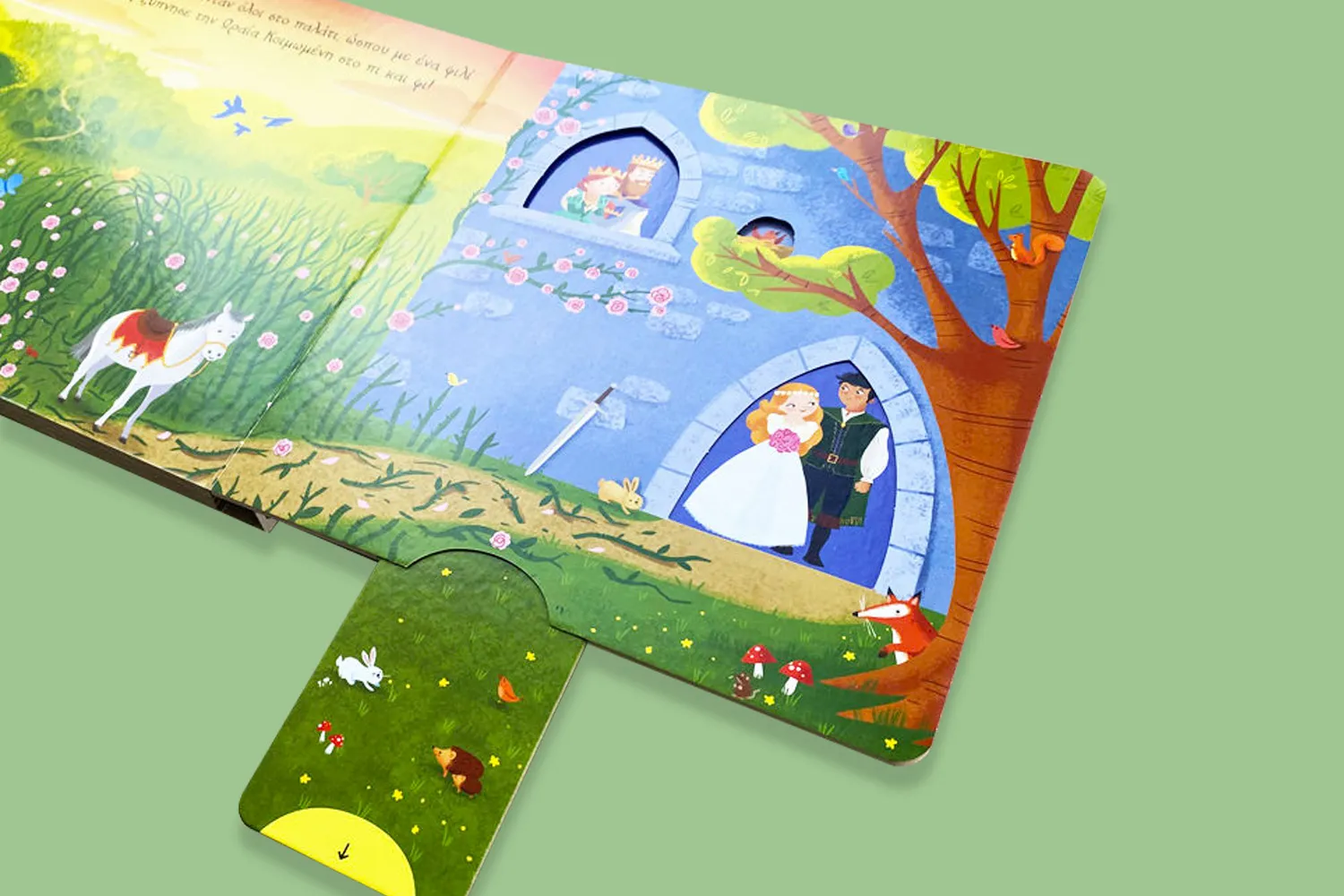
The Pull Tab Mechanism allows readers to slide a paper tab to trigger movement. Characters can wave, doors can open, or scenes can transform.
This mechanism is highly engaging, especially for children, as it encourages hands-on interaction. However, it requires precise engineering to ensure smooth movement and durability.
Advantages:
Best used for:
Children’s books
Interactive learning
Playful designs
The Sliding Mechanism
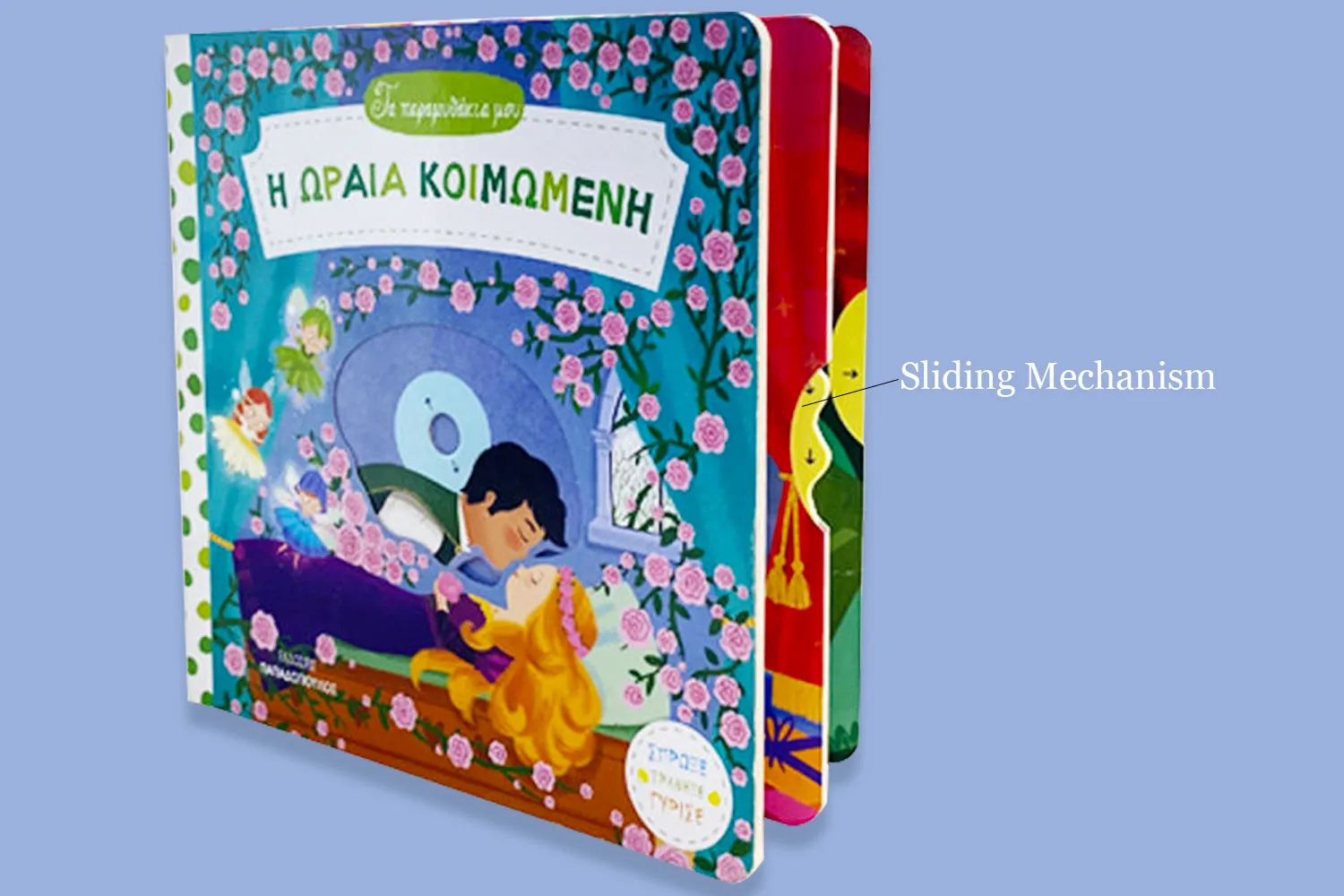
The Sliding Mechanism is similar to pull tabs but focuses on horizontal or vertical movement within a concealed track. It creates smooth transitions and controlled motion.
Sliding mechanisms are often used in educational pop-up books to demonstrate changes, comparisons, or cause-and-effect relationships.
Advantages:
Best used for:
Educational content
Before-and-after scenes
Informational graphics
The Rotary Mechanism
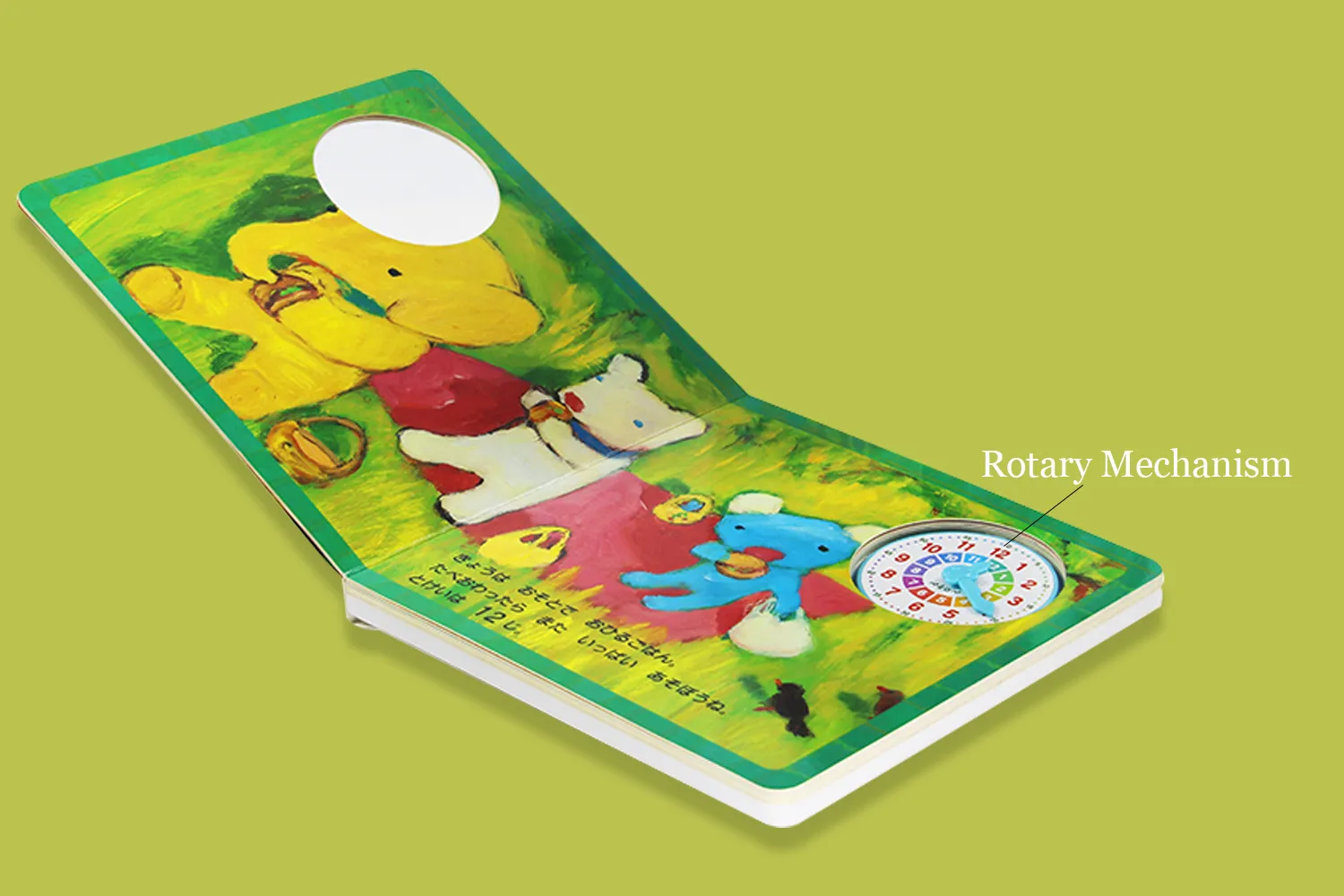
The Rotary Mechanism uses a wheel or disc that rotates when turned by the reader. This movement can animate scenes, change images, or reveal hidden details.
Rotary mechanisms are more complex to produce and require careful alignment, making collaboration with an experienced pop-up book manufacturer essential.
Advantages:
Best used for:
Premium pop-up books
Interactive storytelling
Collector’s editions
How to Select the Right Pop-Up Book Mechanism
Selecting the right pop-up book mechanism is a crucial step in creating a successful and engaging pop-up book. The mechanism you choose influences not only the visual impact of the book but also its usability, durability, production cost, and overall reader experience. Careful planning at the early design stage helps ensure your pop-up book delivers its intended message while remaining practical to manufacture.
Understand Your Target Audience
The first consideration is identifying who the book is designed for. Age, reading habits, and expectations all play an important role. For young children, pop-up mechanisms should be simple, sturdy, and easy to operate. Basic mechanisms such as V-folds, step-folds, or pull tabs are ideal, as they provide strong visual effects while minimizing the risk of damage.
Teenagers and adult readers, on the other hand, often appreciate more intricate structures and refined movement. Advanced mechanisms such as box folds, layered folds, sliding panels, or rotary elements can create a sense of sophistication and craftsmanship. But these mechanisms should still be intuitive to use, ensuring the interactive experience feels enjoyable rather than frustrating.
Define the Purpose of Your Pop-Up Book
Understanding the primary purpose of the book will help guide your mechanism selection. If the book is intended for entertainment or storytelling, mechanisms that enhance surprise, character interaction, and scene depth are especially effective. Fold-style pop-ups and pull-tab elements can bring narratives to life engagingly and playfully.
For educational pop-up books, clarity and functionality are key. Layered folds, Z folds, sliding mechanisms, and rotary mechanisms are excellent choices for explaining processes, timelines, or complex concepts. These mechanisms allow information to be presented in a structured and visually appealing manner.
Marketing and promotional pop-up books often aim to make a strong visual statement. In these cases, bold box folds, dramatic V-folds, and rotary mechanisms can help showcase products, architecture, or branding elements with maximum impact.
Balance Creativity with Budget
While creative ambition is important, it must be balanced with realistic budget considerations. Complex pop-up book mechanisms typically require more materials, precision cutting, and hand assembly, which increases production time and cost. Simple mechanisms are more cost-effective and better suited for large print runs, while complex designs may be reserved for premium or limited-edition projects.
Early communication with a professional pop-up book manufacturer is essential. Their experience can help refine your design, suggest alternative mechanisms, and identify cost-saving solutions without compromising visual quality.
Consider Durability and Usability
Pop-up books are handled more frequently than standard books, making durability a critical factor. Mechanisms must withstand repeated opening, closing, and interaction. This is especially important for children’s books, classroom materials, and library editions.
Selecting the right paper weight, reinforced folds, and reliable mechanism structures will extend the lifespan of the book. A well-designed pop-up mechanism should feel smooth, stable, and secure, providing readers with a satisfying and long-lasting experience.
Custom Pop-up Book With Us
Pop-up book mechanisms form the foundation of interactive book design. By understanding both fold-style and movement-based mechanisms, creators can make informed choices that strengthen storytelling, captivate readers, and support efficient, high-quality production.
Bringing a pop-up book to life requires specialized knowledge in design, paper engineering, and production. BookPrintingChina is a professional pop-up book manufacturer dedicated to high-quality custom pop-up book printing and manufacturing.
With extensive experience in pop-up book mechanisms, BookPrintingChina supports clients throughout every stage of the process—from concept development and artwork preparation to material selection, binding, finishing, and international shipping.
Whether you are creating a simple children’s pop-up book or a sophisticated, movement-driven collector’s edition, partnering with BookPrintingChina ensures your creative vision is realized with precision, reliability, and exceptional craftsmanship.