




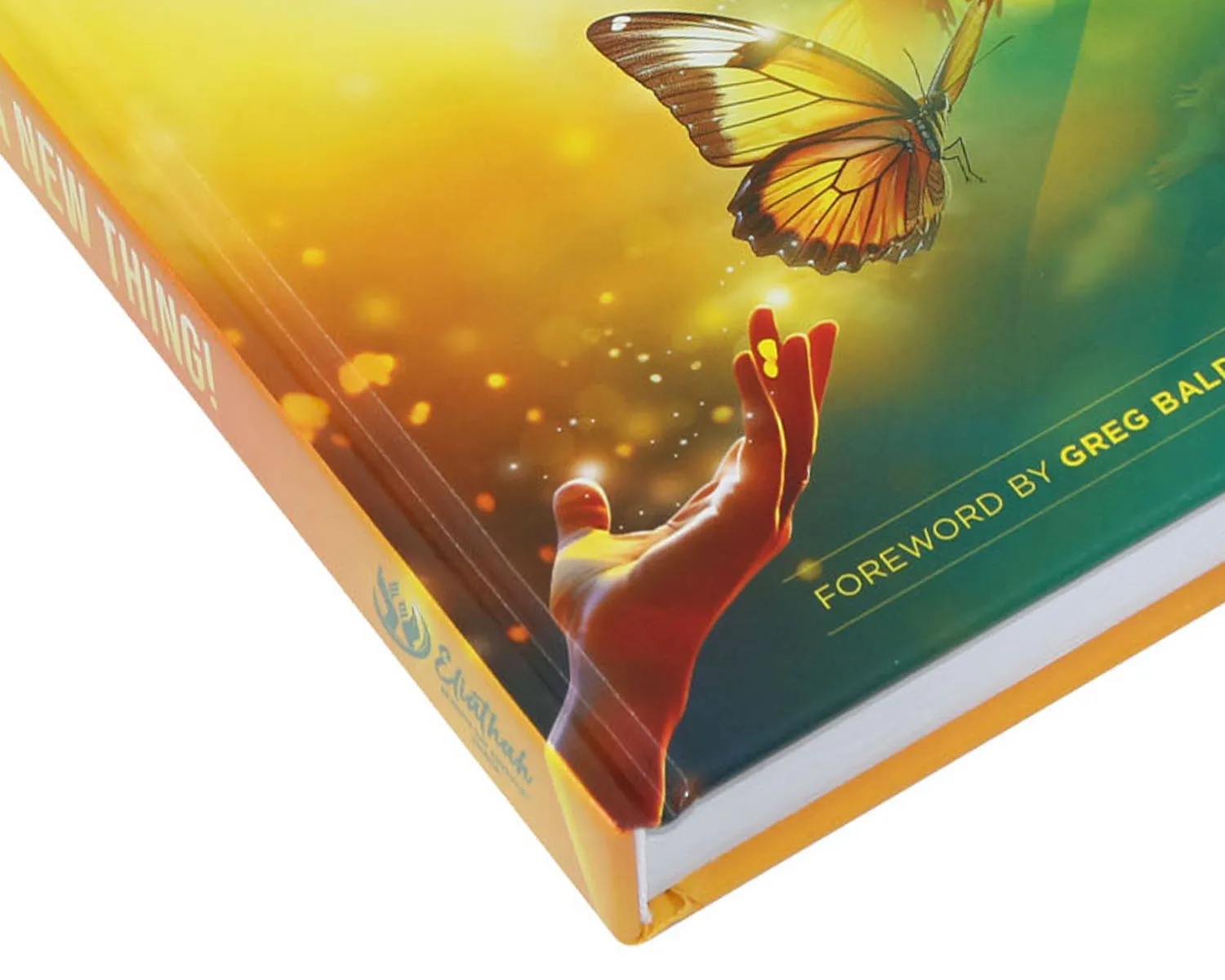

Debossing
In the realm of printing and design, the term “deboss” holds a unique significance. It refers to a specialized technique that creates an indented impression on a surface, adding depth and texture to the final product. In this article, we’ll delve into the world of debossed printing, exploring its nuances, applications, and the intricate processes involved.
What is Deboss Meaning
The term “deboss” originates from the combination of the prefix “de-” and the word “boss,” which means to indent. In the context of printing, debossing involves pressing a die or mold into a material, creating a depressed or sunken design. This technique is often used to add visual interest and tactile appeal to a wide range of products, from book covers and packaging to stationery and promotional materials.
The Advantage of Deboss Printing
Debossed printing offers several distinct advantages that make it a popular choice in various industries.
Enhanced Aesthetic Appeal: Deboss printing creates a refined, three-dimensional effect that adds elegance and sophistication. The recessed design enhances visual interest and elevates the perceived quality of products made from paper, leather, cloth, and other materials.
Tactile Experience: Beyond appearance, debossing delivers a distinctive tactile feel. The textured surface encourages interaction, making products more engaging and memorable while helping brands form stronger emotional connections with customers.
Versatility Across Materials: Deboss printing works well on a wide range of substrates, including leather, fabric, cardstock, and cardboard. It can also be combined with techniques like foil stamping or offset printing to achieve richer, more dynamic designs.
Durability and Longevity: Because the design is pressed into the material rather than printed on the surface, debossed impressions are highly durable. They resist fading and wear, helping products maintain their premium look over time.
Brand Recognition and Differentiation: In competitive markets, deboss printing helps brands stand out. Its subtle, elegant appearance communicates attention to detail and quality, making products more recognizable and reinforcing brand identity.
Eco-Friendly Options: Deboss printing can support sustainability goals. It often relies on physical impression rather than heavy ink usage, and many compatible materials can be sourced responsibly, making it an environmentally conscious choice.
The Application of Debossed
The versatility of debossed printing allows it to be utilized in a wide range of applications. Each showcases its unique charm and functionality.
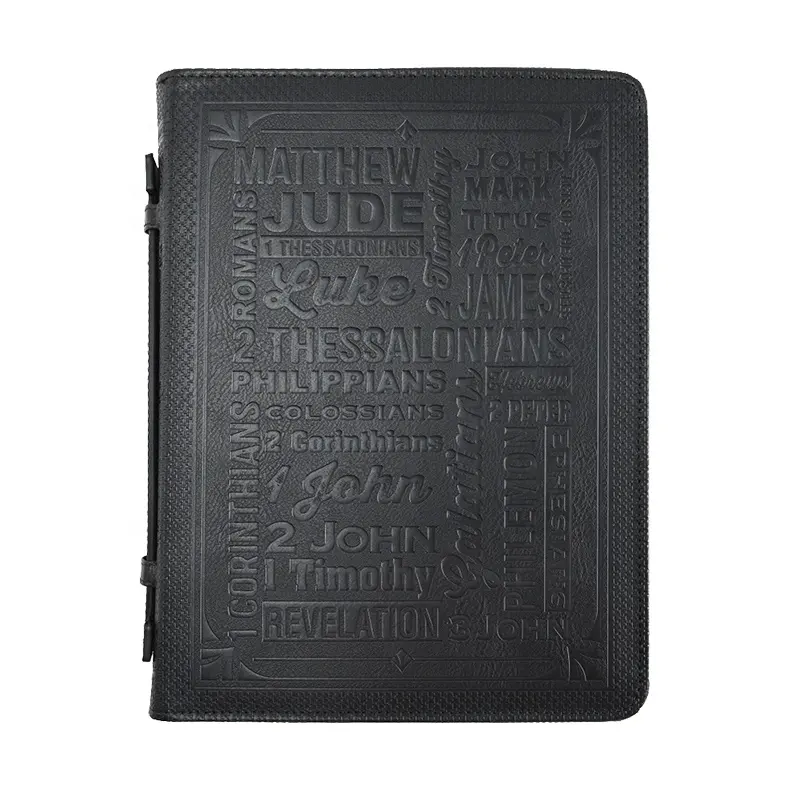
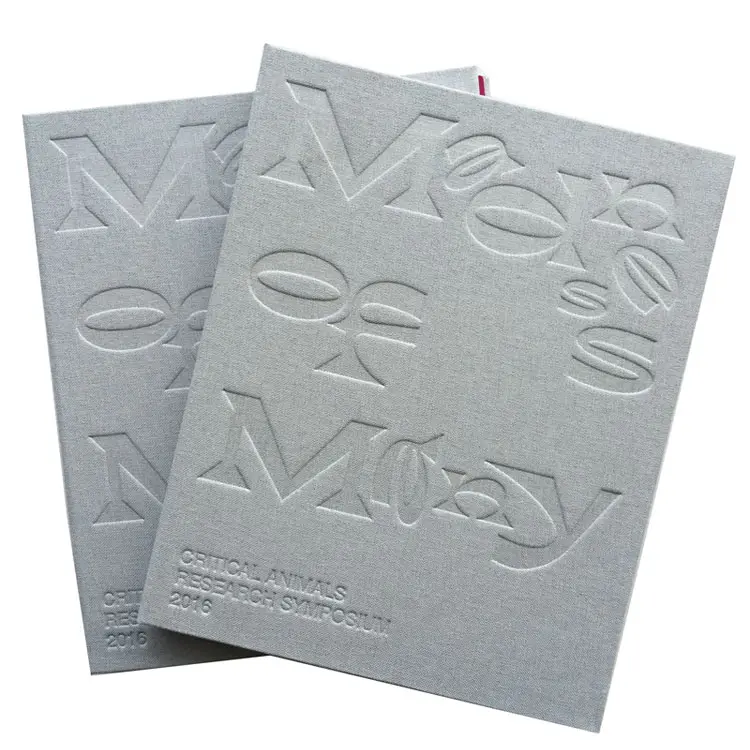
Book Covers: Debossed book covers exude a sense of sophistication and elegance. The indented designs not only add visual appeal but also provide a tactile experience that enhances the reading journey. From classic leather cover tomes to modern paper covers, debossed book covers elevate the presentation and make them stand out on any bookshelf.
Notebooks/Journals: Debossed notebooks and journals offer a touch of luxury and personalization. Whether it’s a simple monogram or an intricate design, the indented elements add a distinctive flair to these everyday writing companions. They make perfect gifts or serve as elegant accessories for professionals and creatives alike.
Cards: Business cards, greeting cards, and thank you cards can benefit greatly from the incorporation of debossed elements. The indented designs add a touch of sophistication and elegance, leaving a lasting impression on the recipient.
Packages: In the world of packaging, debossed designs can transform ordinary boxes or containers into eye-catching and memorable pieces. Whether it’s a subtle logo or an intricate pattern, the indented elements add depth and texture, enhancing the product’s perceived value and creating a unique unboxing experience for the consumer.
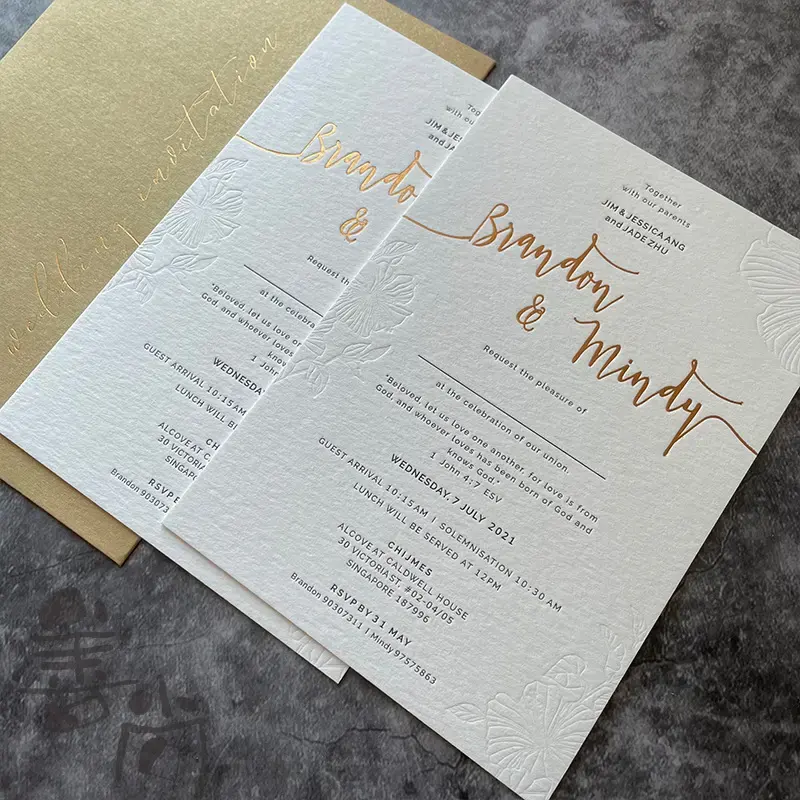
Invitations: Debossed invitations exude sophistication and elegance, setting the tone for the event they represent. From weddings and galas to corporate events, the intricate designs add a touch of luxury and refinement, leaving a lasting impression on the recipients and creating anticipation for the occasion.
The Process of Debossed Printing
The process of debossed printing is a fascinating blend of precision and craftsmanship. It typically involves the following steps:
Design Creation: The design process begins with the creation of a digital or physical artwork, which will serve as the template for the debossed elements.
Die or Mold Creation: A specialized die or mold is created based on the design. This die or mold is typically made from metal or polymer and serves as the tool for creating the indented impressions.
Material Preparation: The material on which the debossed design will be applied, such as paper, leather, or cloth, is carefully prepared and positioned for the debossing process.
Debossing Process: The die or mold is pressed into the material using a specialized debossing machine or press. The pressure and heat applied during this process create the desired indented design.
Finishing and Inspection: After the debossing process, the final product undergoes finishing touches and quality inspection to ensure the desired outcome is achieved.
What Need to Consider When Selecting Material for Deboss Printing
The choice of material plays a crucial role in the success of debossed printing. Different materials have varying properties and characteristics that can impact the final result. Here are some key considerations when selecting materials for deboss printing:
Paper
Paper is a popular choice for debossed printing, particularly for book covers, invitations, and stationery. When selecting paper, it’s essential to consider factors such as thickness, texture, and opacity. Thicker and more rigid papers tend to hold the debossed impressions better, while textured papers can add an extra layer of visual interest.
Selecting the right paper is also crucial for best quality debossing. The paper thickness and the surface texture will affect the performance of details. Like coated paper, often recommend over 250gsm, Coated one side paper, often recommend over 200gsm.. For hardcover book, mounting gray board on the printing paper is for a more high quality embossing effect. Besides, embossing can be combined with foil stamping.
Leather
Leather is a premium material that lends itself beautifully to debossed printing. The natural grain and texture of leather can enhance the depth and character of the debossed design. However, it’s essential to consider the type of leather, its thickness, and its ability to maintain the debossed impressions over time.
Cloth
Debossed printing on cloth can create unique and tactile designs for various applications, such as packaging, apparel, and accessories. The type of cloth, its weave, and its thickness can impact the clarity and durability of the debossed elements. Thicker and more tightly woven fabrics tend to hold the impressions better.
Deboss Combined with Foil Stamping
While debossed printing is a stunning technique on its own, it can be further elevated by combining it with foil stamping. This combination creates a visually striking and tactile design, where the indented elements are accentuated by the metallic sheen of the foil.
The process involves first debossing the design onto the material, followed by the application of foil through a heated die or mold. The foil adheres to the indented areas, creating a stunning contrast and adding an extra layer of depth and dimension to the final product.
This combination is particularly effective for luxury packaging, high-end stationery, and promotional materials, where the goal is to create a truly premium and eye-catching product.
Emboss vs Deboss: What’s the Difference
While embossing and debossing may seem like opposite techniques, they are closely related and often used in conjunction with each other. Here’s a breakdown of the key differences between the two:
Embossing: Embossing involves raising a design or pattern above the surface of the material, creating a raised or protruding effect. This technique is often used to add texture and depth to various products, such as stationery, packaging, and promotional materials.
Debossing: As discussed throughout this article, debossing involves creating a depressed or indented design on the surface of the material. The design is pushed into the material, creating a sunken or recessed effect.
While embossing and debossing are opposite techniques in terms of the direction of the design, they can be used in combination to create intricate and visually striking patterns. For example, a design can feature both raised and indented elements, adding depth and dimension to the final product.
Emboss and Deboss Artwork Set Up Tips
Embossing and debossing are two popular techniques used in the world of print design, transforming flat artwork into tactile masterpieces. These processes create raised (embossed) or recessed (debossed) designs that add depth, dimension, and a sense of luxury to printed materials such as business cards, packaging, invitations, and promotional items.
To achieve the best results, it’s essential to understand the setup requirements for your artwork. Here’s a comprehensive guide to help you navigate the intricacies of embossing and debossing.
Choose the Right Software: To create your artwork for embossing or debossing, use professional graphic design software like Adobe Illustrator or CorelDRAW. These programs allow you to create vector graphics, which are essential for producing crisp, clean lines that can be accurately translated into a physical imprint.
Use Vector Graphics: Always create your designs in vector format. Unlike raster images, vector graphics can be scaled without losing quality, ensuring that your artwork maintains its integrity during the embossing or debossing process. Aim for clean lines and avoid overly intricate designs that might not translate well in relief form.
Ensure Correct Sizing: When setting up your artwork, factor in the size of the embossed or debossed area. It’s generally recommended to create your design at its final size. For embossing, remember that details like fine lines may require larger sizes to stand out effectively. Similarly, ensure that your debossed areas are deep enough to be tactile but not so deep that they compromise the material’s integrity.
Understand Your Material: Different materials respond uniquely to embossing and debossing. Cardstock, leather, and cloth each have different thicknesses and textures. Research how your chosen material will hold up against the chosen technique, and conduct tests if possible. Also consider the finish of the material; glossy finishes may reflect light, affecting the perceived depth of your design.
Provide Clear Specifications: When sending your artwork to the printer, provide clear specifications regarding your embossing or debossing desires. Indicate areas of the design that should be embossed or debossed, and include any additional details, such as the depth of debossing or the amount of relief desired in embossing. Providing a mock-up can be particularly helpful.
Consult with Your Printer: Every print manufacturer has its own capabilities and requirements. Before finalizing your design, consult with your printer to understand their specific guidelines regarding artwork setup for embossing and debossing. They may have additional tips or suggestions based on their equipment and experience.
Test, Review, Refine: Finally, always request proof of your embossed or debossed design before the full run. This will give you a chance to see how your artwork translates from screen to print. Examine the details and adjust as necessary. It’s better to identify any issues at this stage rather than after a large batch has been printed.
FAQ About Deboss
Throughout our experience in the printing industry, I’ve encountered various questions and concerns regarding debossed printing. Here are some frequently asked questions and their respective answers:
Can debossed printing be done on any material?
While debossed printing can be done on a wide range of materials, not all materials are suitable for this technique. The material’s thickness, density, and ability to hold the debossed impression are crucial factors to consider. Common materials used for debossed printing include paper, leather, and certain types of cloth or fabric.
Is debossed printing expensive?
The cost of debossed printing can vary depending on several factors, such as the complexity of the design, the material used, and the production quantity.
Generally, debossed printing is considered a premium technique and may be more expensive than standard printing methods. However, the added value and perceived quality often justify the additional cost for high-end products or applications.
Can debossed printing be combined with other printing techniques?
Absolutely! Debossed printing can be combined with various other printing techniques, such as foil stamping, embossing, or traditional printing methods like offset or digital printing. These combinations can create intricate and visually stunning designs, adding depth and dimension to the final product.
How durable is debossed printing?
Debossed printing is known for its durability and resistance to wear and tear. The indented design is physically imprinted onto the material, making it less susceptible to fading or deterioration over time. However, the durability can also depend on the material used and the level of exposure to environmental factors or handling.
Can debossed printing be done on curved or irregular surfaces?
While debossed printing is typically done on flat surfaces, it is possible to deboss on curved or irregular surfaces with the right equipment and techniques. This can be particularly useful for applications such as product packaging or promotional items with unique shapes. However, it may require specialized dies or molds and additional setup considerations.
Talk to Us
If you’re interested in exploring the world of debossed printing for your next project, we invite you to reach out to our team of experts. With years of experience and a passion for crafting premium products, we can guide you through the process. Ensure that your vision is brought to life with the utmost attention to detail and quality.
Whether you’re looking to create stunning book covers, luxurious packaging, or eye-catching promotional materials, we have the expertise to turn your ideas into reality. Contact us today, and let’s embark on a journey of elevated design and tactile excellence.