




Coated Paper
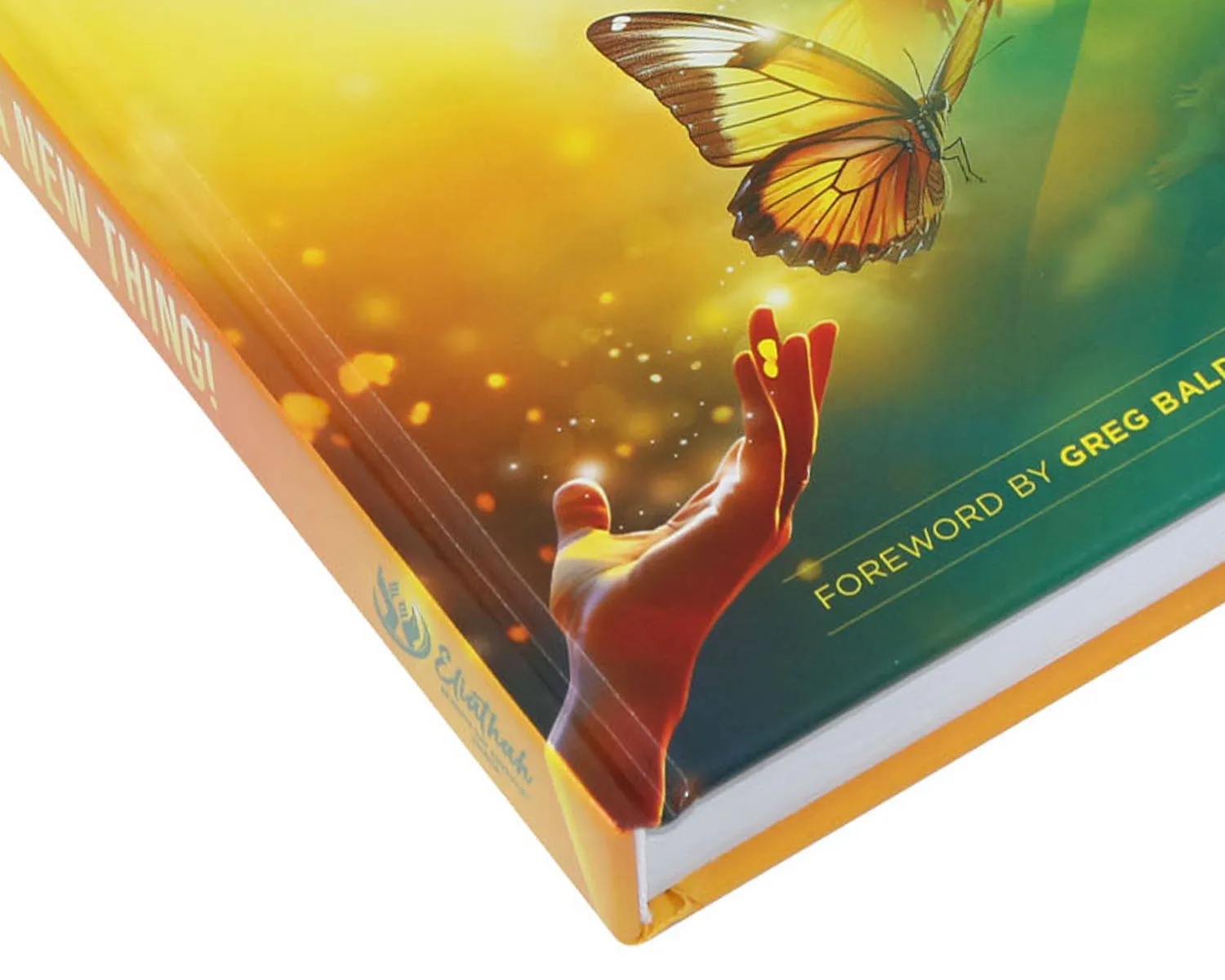
Coated paper brings printed materials to life with sharp details and vibrant colors. From a vivid photograph to a children’s picture book with bright illustrations, or a calendar with eye-catching visuals, coated paper enhances the overall quality and appeal of your prints.
On this page, we explore everything you need to know about coated paper and how it can elevate your printing projects from ordinary to exceptional.
What's Coated Paper
Coated paper is paper that has been treated with a thin surface coating, usually made from clay, calcium carbonate, or similar materials, to improve its printing performance and appearance.
Key features of coated paper
Smooth surface: The coating fills paper fibers, creating a smooth finish for sharper text and images.
Better color reproduction: Ink sits on the surface instead of soaking in, producing brighter, more vibrant colors.
Higher detail: Ideal for photos, illustrations, and fine graphics with clear contrast.
Professional look: Often used when a polished, high-quality finish is required.
The Pros and Cons of Coated Paper
Coated paper is widely used in printing for its smooth finish and vibrant color reproduction, but it also has some limitations. Here’s a detailed look:
Pros:
Vibrant Colors & Sharp Detail: Coated paper keeps ink on the surface, making colors brighter and images more detailed, perfect for photos, illustrations, and marketing materials.
Professional Appearance: Its smooth, polished finish (glossy or matte) gives printed materials a high-quality, refined look.
Durability: The coating provides a layer of protection against moisture and dirt, helping prints stay cleaner and last longer.
Cons:
Difficult to Write On: The smooth surface makes writing with pens or pencils challenging, and ink may smudge or take longer to dry.
Glare Issues: Glossy coated paper can reflect light, making text harder to read under bright conditions.
Less Eco-Friendly: Coated paper often requires more processing and chemicals, making it less environmentally friendly compared to uncoated options.
Common Uses of Coated Paper
Coated paper is ideal for projects that demand vibrant visuals and a polished, professional finish. Its smooth surface enhances color, detail, and overall presentation. Typical applications include:
Image-Heavy Books: Perfect for photography books, art books, coffee table books, and other publications rich in visuals.
Catalogs and Magazines: Highlights products, fashion spreads, and editorial content with sharp, vivid imagery.
Children’s Picture Books: Bring colorful illustrations to life with bright, eye-catching results.
Calendars: Produces crisp images and clean designs for wall or desk calendars.
Card Decks: Suitable for playing cards, flashcards, tarot cards, and other cards requiring durability, smoothness, and vibrant color.
Promotional Materials: Brochures, flyers, marketing inserts, and other print materials that need a high-quality, professional look.
With its ability to deliver sharp detail, rich colors, and a premium feel, coated paper remains a top choice for any visually driven printing project.
Type of Coated Paper: Weight and Thickness
Coated paper is offered in both glossy and matte finishes, each delivering a distinct look and tactile experience. It also comes in multiple weights, with heavier options providing greater thickness and strength. We offer a wide range of coated paper weights, allowing you to choose the perfect balance of appearance, durability, and performance for your project, including:
Glossy Art Paper: Weight and Thickness
| GSM | LB | Thickness(mm) |
| 80 gsm | 54 lb text | 0.065 mm |
| 105 gsm | 71 lb text | 0.088 mm |
| 128 gsm | 86 lb text | 0.105 mm |
| 157 gsm | 106 lb text | 0.136 mm |
| 200 gsm | 135 lb text | 0.18 mm |
| 250 gsm | 92 lb cover | 0.235 mm |
| 300 gsm | 111 lb cover | 0.28 mm |
| 350 gsm | 129 lb cover | 0.37 mm |
| 400 gsm | 148 lb cover | 0.41 mm |
Matte Art Paper: Weight and Thickness
| GSM | LB | Thickness(mm) |
| 80 gsm | 54 lb text | 0.072 mm |
| 105 gsm | 71 lb text | 0.095 mm |
| 128 gsm | 86 lb text | 0.116 mm |
| 157 gsm | 106 lb text | 0.148 mm |
| 200 gsm | 135 lb text | 0.2 mm |
| 250 gsm | 92 lb cover | 0.25 mm |
| 300 gsm | 111 lb cover | 0.31 mm |
Factors to Consider When Selecting Coated Paper for Printing
Choosing the right coated paper is essential for achieving the desired look, feel, and performance of your printed project. Key factors include:
Coating Type: Decide between glossy (shiny, vibrant, eye-catching) and matte (subtle, elegant, glare-free) finishes based on the visual effect you want.
Weight and Thickness: Heavier paper is thicker and more durable, giving a premium feel, while lighter paper may be more flexible and cost-effective.
Budget: Higher-quality or heavier coated paper can increase production costs, so balance quality needs with your budget.
Page Count: For projects with many pages, thinner coated paper may prevent the book from becoming too bulky, while thicker paper works better for thinner publications or image-heavy spreads.
Printing Content: Consider whether your project focuses on images, illustrations, or text, as coated paper enhances vibrant visuals but may be less ideal for extensive handwriting or text-heavy designs.
Durability & Usage: Think about how the printed material will be handled—coated paper is more resistant to dirt, moisture, and wear, which is important for frequently used items like calendars or card decks.
Considering these factors will help you select the right coated paper to achieve the perfect balance of aesthetics, functionality, and cost for your project.
Glossy Art Paper vs Matte Art Paper: The Difference
Glossy and matte art paper differ in several noticeable ways, including:
Surface Finish: Glossy art paper features a smooth, shiny, and reflective surface that enhances visual impact. Matte art paper has a smooth but non-reflective finish, offering a more subtle and elegant look.
Color Appearance: Glossy paper allows ink to sit on the surface, resulting in brighter, richer, and more saturated colors. Matte paper absorbs ink slightly more, producing softer, more natural, and muted tones.
Readability: Because of its reflective surface, glossy paper may cause glare under strong lighting, which can make text harder to read. Matte paper reduces glare, making it more comfortable for reading and ideal for text-heavy layouts.
Writability: Due to its very smooth coating, glossy art paper is difficult to write on, as ink may smear or not dry properly. Matte art paper is more writable, making it suitable for notes, signatures, or handwriting.
Fingerprint Resistance: Glossy art paper tends to show fingerprints, smudges, and scratches more easily. Matte art paper is more resistant to fingerprints, helping printed materials maintain a clean, professional appearance.
Coated Paper vs Uncoated Paper: The Difference
Coated and uncoated paper each has unique qualities that influence both visual appeal and practical use, including:
Surface Finish: Coated paper is treated with a smooth layer and is available in gloss or matte finishes, creating a clean, refined appearance. Uncoated paper has no coating, offering a natural texture and a more tactile feel.
Print Quality: Coated paper keeps ink on the surface, resulting in sharp details and bright, vibrant colors that work well for photos and illustrations. Uncoated paper absorbs ink into the fibers, producing a softer, more subdued look that is ideal for text-heavy or black-and-white printing.
Readability: Glossy coated paper can reflect light and cause glare, while uncoated paper reduces reflection, making it easier on the eyes and better suited for reading-focused designs.
Writability: Because of its smooth surface, coated paper can be difficult to write on, with ink taking longer to dry or smudging. Uncoated paper is easy to write on, making it suitable for notes, forms, and handwriting.
Best Uses: Coated paper is well-suited for image- or illustration-heavy projects such as photo books, children’s picture books, catalogs, magazines, and promotional materials. Uncoated paper is ideal for writing, text-focused or black-and-white printing, and projects seeking an eco-friendly, natural look, including coloring books, novels, notebooks, and more.