





Hardcover Binding
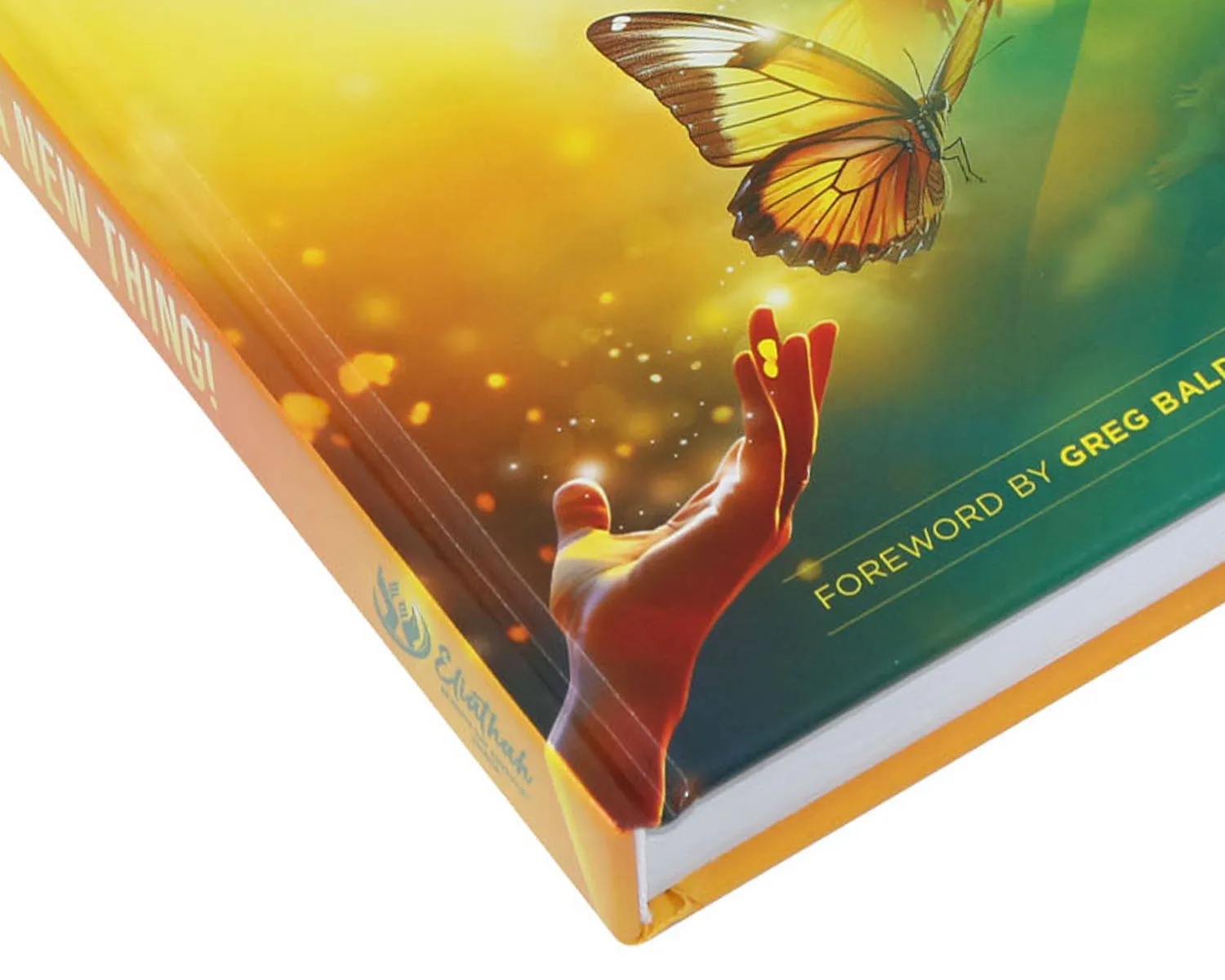
Hardcover binding, also called case binding, hardbound, which involves sew the pages together into signatures and attaches them to a rigid case wrapped with paper, cloth, or leather. The spine can be square or rounded and is printable with titles, author names, or logos. This binding offers a durable, high-end, and professional look, providing superior protection and longevity for your book.
What are Hardcover Binding?
Hardcover binding, also known as case binding, case bound, or hardback. It is a premium bookbinding method that combines durability with a high-end appearance. In this process, the printed pages are folded, collated, and sewn together in groups called signatures, then securely glued onto a rigid cover. The hardcover, typically made from 2–3 mm gray board, is wrapped with printed paper, leather, cloth, or other specialty materials. Compared to softcover books, hardcover books are not only more durable but also offer a more luxurious and professional look.
Hardcover books can feature either a square spine or a rounded spine. For custom square-spine hardcover books, the minimum page count is 32 pages. For rounded-spine hardcover books, the minimum is 200 pages.
Hardcover binding also allows for a wide variety of add-on options to enhance visual appeal, including foil stamping, spot UV, embossing, debossing, die-cutting, gilded edges, ribbon bookmarks, dust jacket, and more.
The Structure of Hardcover Binding
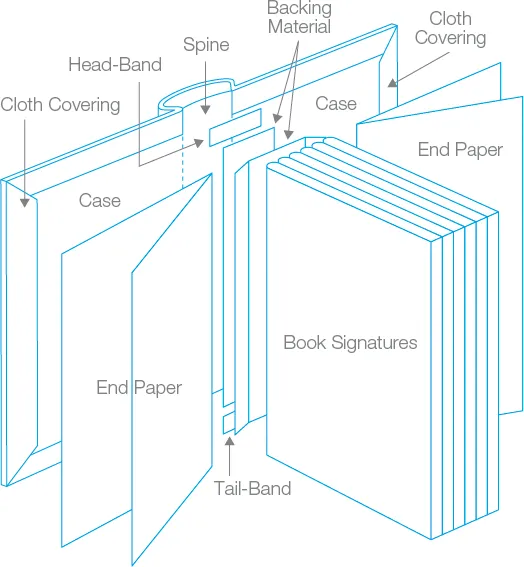
Understanding the components of a hardcover book highlights the craftsmanship behind this durable, premium binding style. A hardcover book is typically made up of three main parts: the book block, the cover boards, and the spine. Below are the key elements:
Rigid Case: The sturdy case is made from thick boards (typically 2-3 mm gray board), giving the book its strength and long-lasting durability.
Cover Wrap: The printed paper, cloth, or leather material that is wrapped around the rigid case to create the final exterior design.
Endpapers: Sheets of paper placed at the front and back of the book, connecting the book block to the case. They provide additional support and enhance the overall appearance.
Signatures (Book Block): The interior pages, usually grouped into folded sections and sewn together for added strength before being attached to the cover.
Spine: The central part of the cover that holds the book block in place and allows the book to open and close smoothly. It can be flat or rounded depending on the design.
Head & Tail Bands: Decorative, small fabric bands attached at the top and bottom of the spine. They offer a refined look and provide minimal extra reinforcement.
Backing Material: A layer of cloth or paper applied to the spine of the book block to add stability and help maintain the book’s shape over time.
The Advantage of Hardcover Book Binding
Hardcover binding is far from outdated; it’s becoming even more popular thanks to advantages that softcover books simply can’t match.
Exceptional Durability: Hardcover books offer unmatched strength and longevity. If you want your book to be collected, displayed, or even passed down for generations, hardcover binding is the most reliable choice.
More Finishing Options: Hardcover binding provides a premium, high-end feel because it supports a wide range of finishing techniques. To achieve a luxurious look, hardcover books can combine multiple processes such as hot stamping, spot UV, lamination, embossing, debossing, rounded corners, and more.
Strong Aesthetic Appeal: The rigid cover gives the book a polished, professional appearance that stands out on any shelf. Many hardcover books also feature customizable dust jackets, allowing for striking artwork and enhanced visual impact.
Suitable for Any Book Type: Hardcover binding works for virtually all book projects, children’s books, cookbooks, catalogs, Bibles, journals, novels, art books, and more. Almost any book you can imagine can be produced as a hardcover.
High Perceived Value: Hardcover books naturally feel premium. Their weight, structure, and presentation give readers a sense of quality and importance, making them more treasured and more likely to be kept long-term. This makes hardcover an excellent option for authors and publishers who want to position their books as high-value products.
How Do We Produce Hardcover Books?
Producing high-quality hardcover books requires a combination of skilled craftsmanship and modern printing technology. BookPrintingChina, a renowned printing company, specializes in producing exceptional hardcover books. In the below video, you can watch how we produce high quality hardcover books from plate making to finished product.
Here are the key steps we follow to ensure every hardcover book is produced with exceptional quality:
Proofing: Before mass production, we create a free digital proof. This allows you to verify color accuracy and make final adjustments to ensure the printed book meets your expectations.
CTP Plate Making: For bulk production, we use advanced offset printing machines. Before printing begins, we create CTP plates to ensure your artwork is reproduced with maximum clarity and precision.
Printing: Your book’s pages are printed on high-quality sheets using state-of-the-art offset printing. We pay close attention to color consistency, sharpness, and overall print quality.
Folding & Collating: After printing, the large sheets are trimmed to size, folded, and gathered into signatures.
Sewing: These signatures are then sewn together to create a strong and durable book block.
Cover Production: Cover boards are cut to size and wrapped with your chosen material, printed paper, fabric, or even leather, to achieve the desired look and feel.
Binding: The sewn book block is carefully attached to the cover using strong adhesive. We ensure the spine is properly aligned so the book opens smoothly and maintains its shape.
Quality Check: Every finished hardcover book undergoes a detailed quality inspection to confirm that the printing, binding, and finishing meet our high standards before shipping.
Which Types of Books Are Good for Hardcover Binding?
Hardcover binding is versatile and well-suited for many book types and genres. Below are some examples of projects that particularly benefit from a hardcover format:
Novels & Fiction: Hardcover editions of novels are popular among readers and collectors. Their durability and premium appearance make them ideal for showcasing literary works.
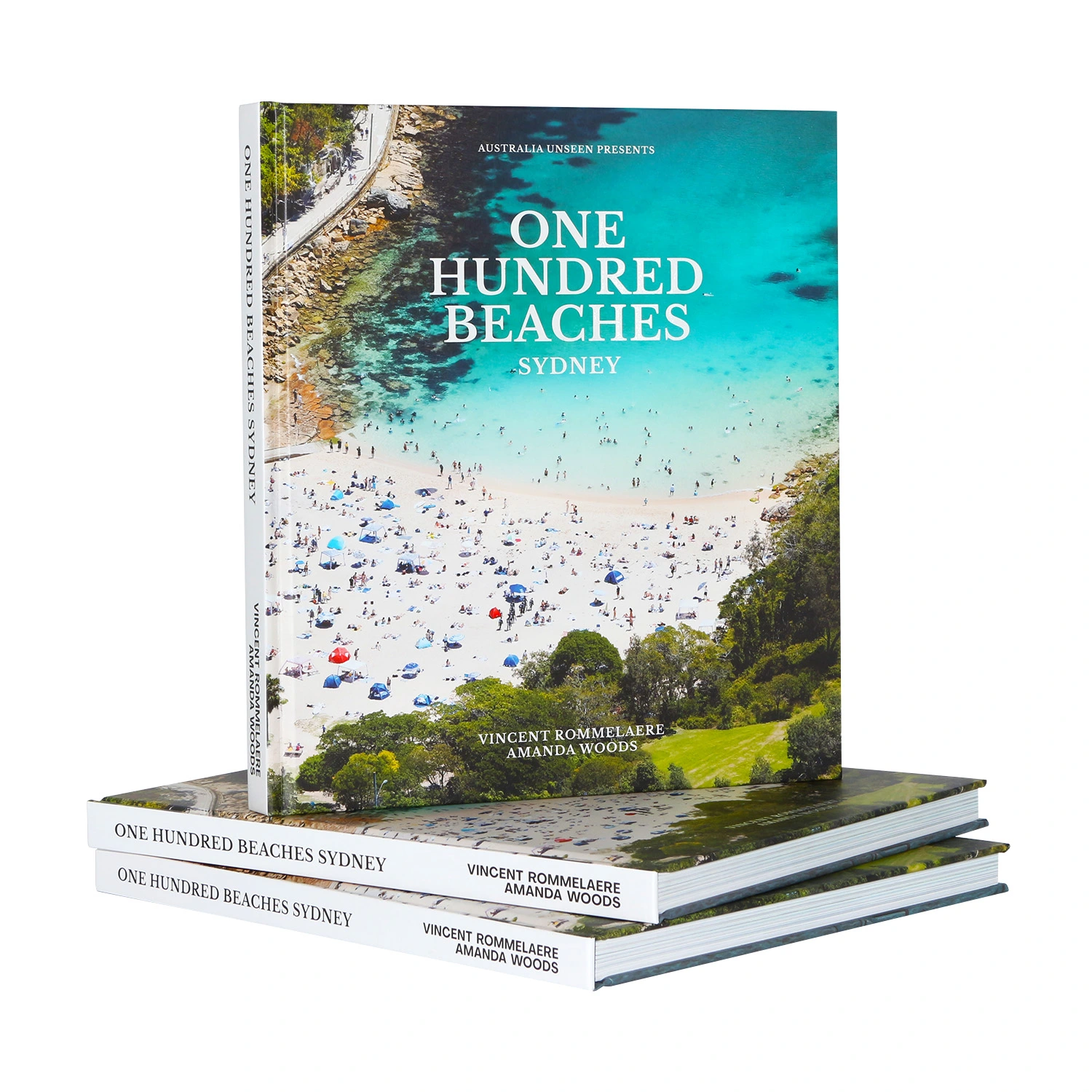
Coffee Table Books: With their large visuals and high-impact photography, coffee table books are best presented as hardcovers. The sturdy cover and high-quality printing highlight the images and make the book a standout display piece.
Art & Photography Books: These books require a strong and elegant presentation to match the value of the artwork. Hardcover binding ensures long-lasting durability while preserving image quality.
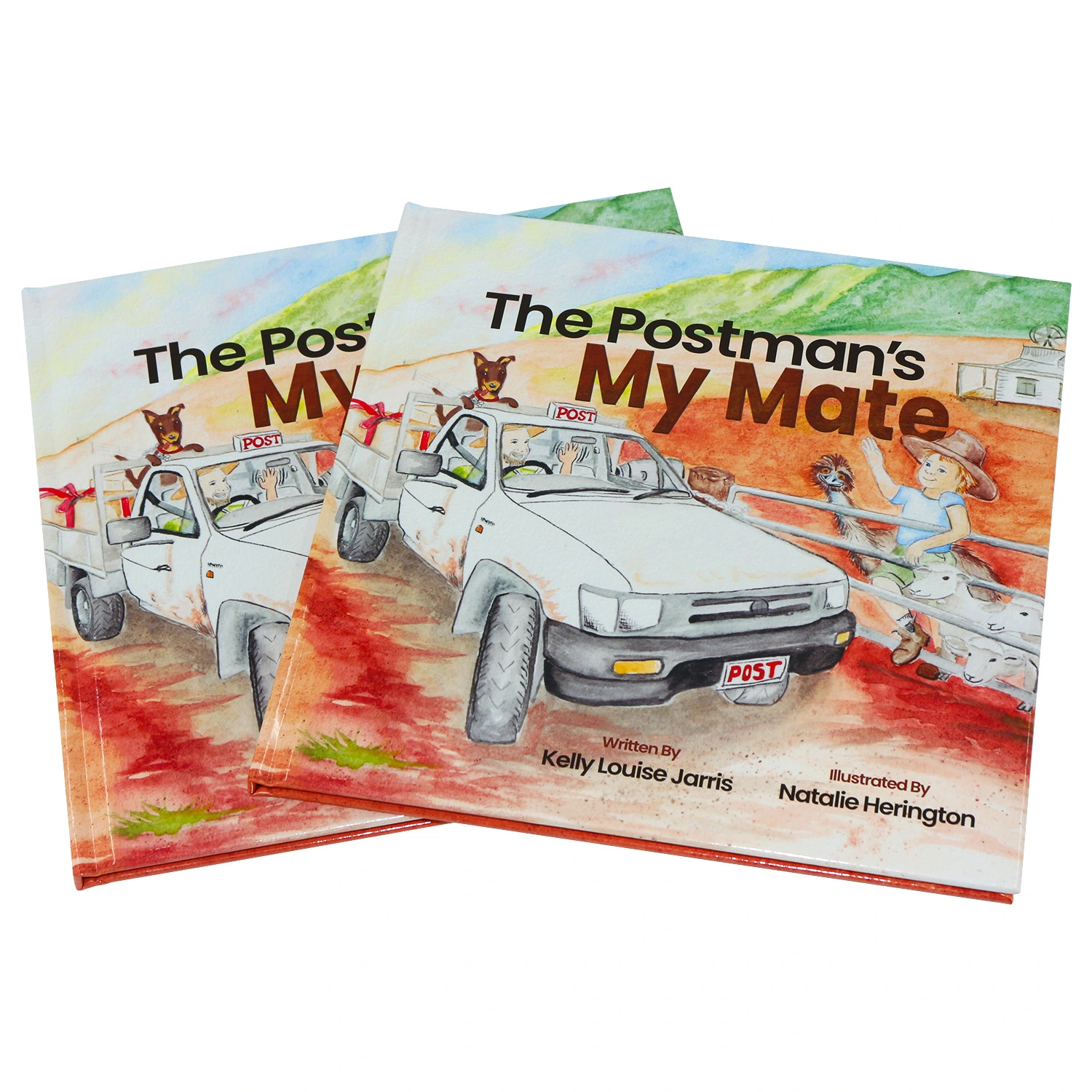
Children’s Books: Hardcover binding is a great choice for children’s books, offering extra strength to withstand frequent handling and everyday wear.
Luxury Catalogs: High-end catalogs gain a more premium, professional feel when bound as hardcovers, making a strong impression on clients or buyers.
Reference Books & Religious: Books intended for repeated use, such as manuals, Bibles, and reference guides, benefit from the long-term durability of a hardcover format.
Special Editions & Collector’s Items: Limited editions and collectible releases look more exclusive and valuable in hardcover. The premium weight and design make them highly desirable for collectors.
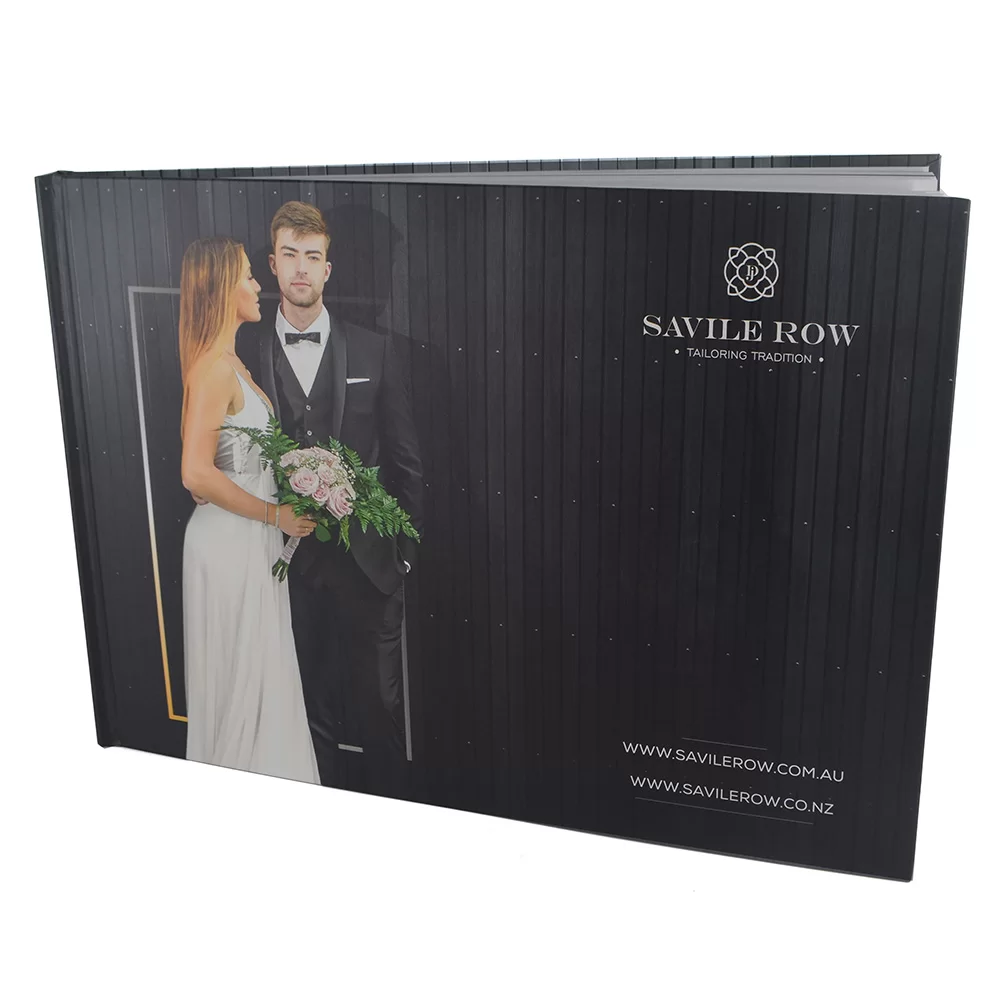
Hardcover Book Artwork Tips
When preparing artwork for hardcover book printing and binding, careful setup is essential. Below are key tips to ensure your files are correctly prepared:
Bleed: For interior pages, include at least 3 mm of bleed on all edges. For the cover wrap, add a minimum of 20 mm around all sides to accommodate the wrapping and trimming process.
Spine Width: Spine thickness varies based on page count and paper weight. Calculate the exact spine width to ensure the spine text is centered, properly aligned, and easy to read.
Cover Design: Design the full cover layout—including front, back, and spine, as one complete spread. Ensure all elements are balanced and visually cohesive. Choose fonts, colors, and imagery that complement the book’s content and create a strong visual impact.
Resolution & File Format: Use high-resolution images (300 dpi or higher) for the best print quality. Save your final artwork as a print-ready PDF to ensure crisp, accurate reproduction.
FAQ About Hardcover Binding
What’s minimum and maximum size of our hardcover binding?
At BookPrintingChina, we provide a wide range of custom sizes to cater our clients’ need. Typically, for hardcover books, the minimum size we can custom print is 30mm x 40mm (1.18 x 1.57 inches), the maximum size we can custom print is 420mm x 520mm(16.54 x 20.47 inches).
What’s minimum and maximum page counts are needed for hardcover binding?
Usually, the page counts for hardcover binding is depend on your spine. For square spine, we recommend minimum page count is 16 pages; and for round spine, we recommend minimum page count is 200 pages. The maximum page counts in a hardcover book can be in the thousands, however this depends largely on the thickness of the paper you choose and the overall size of the book.
Can I choose different cover materials for my hardcover book?
Yes, BookPrintingChina offers a wide range of cover materials, including printed paper, cloth, leatherette, and specialized paper. You can choose the material that best suits your design and budget.
What is the typical production time of hardcover books?
BookPrintingChina strives to provide fast and efficient service while maintaining high-quality standards. The hardcover book binding production time often needs 15-18 days. Please see our lead time to see how much time for your project will depend on factors such as the quantity of books ordered and the complexity of the design.
Can I print a small quantity of hardcover books?
Yes, BookPrintingChina caters to both small and large print runs. Whether you need a few copies for personal use or a larger quantity for distribution, we can accommodate your needs. For small runs (e.g. less than 100 copies) we typically print with digital printing machine to ensure budget savings and faster turnaround times. For large print runs(e.g. 500 copies, 5000 copies, 10000 copies, etc.) we typically print with our powerful offset machine, to make sure save per cost still in 100% quality printed result.
Do hardcover books cost more to produce than softcover books?
Sure. Hardcover books typically have a higher production cost than softcover books, due to the materials and craftsmanship involved. However, the perceived value and durability of hardcover books often justify the higher price point.
Can I customize the design of the dust jacket or slipcase?
Yes, the dust jacket or slipcase can be fully customized with your artwork, including the front, back, spine, and flaps. BookPrintingChina offers various finishing options such as spot UV coating, embossing, and foil stamping to enhance the visual appeal of the dust jacket. Besides, we provide other custom options to meet your personal needs, such as shrink wrap, custom package box and so on. More custom requirements, please contact us to discuss in details.
There is no doubt that hardcover binding is the most expensive and durable of all binding options, especially if you are focus on all the details, extras, and special finishes.
We’re not kidding, if you need custom print a well-made hardcover book, you won’t find a more cost-effective, high-quality and customer-centric customer service than ours anywhere in the world. We have always strived to build excellent brand reputation by providing the highest quality products to customers around the world through unmatched prices and services. If such of service is you are looking for, please contact us to start the unforgettable printing trip with us.