




Board Book Binding
In this guide, we are explore what board book binding is, its advantage, production process, etc. Board book binding usually apply in toddler’s book, like enlightenment book, puzzle book, pop up book, etc. The books with board book binding, enough durable to withstand frequestly read and tear off by little readers.
What’s Board Book Binding?
Board book binding is two pages thicker cardboard mounting together with glue, and then self cover or hardcover are glued to be a book. Board book binding is the most popular binding way for baby enlightenment book. Some special collection book also with this binding way. Like art book,coffee table book,etc.
The thicker cardboard usually use two sheet of 250-350gsm coated one side paper (C1S). Sometimes, also use two sheet of C1S paper mounting with 2mm-3mm gray board, the make the book looks more thicker.
Board book binding have two types, one type is self cover board book binding, another one is hardcover board book binding.
Self-cover Board Book Binding
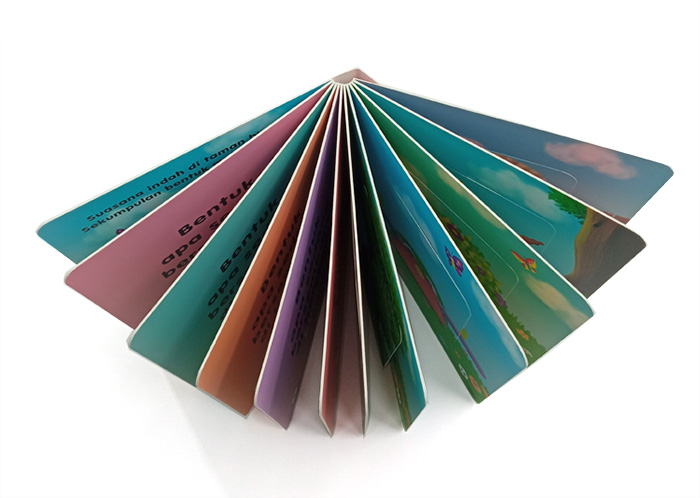
Self-cover board book binding, which cover paper is the same as inner paper and the spine is not glued together. So that the readers can open the book easily. The binding process is all pages are two sheet of cardboard wrapped together and then wrapped on the cover.
Hardcover board book binding
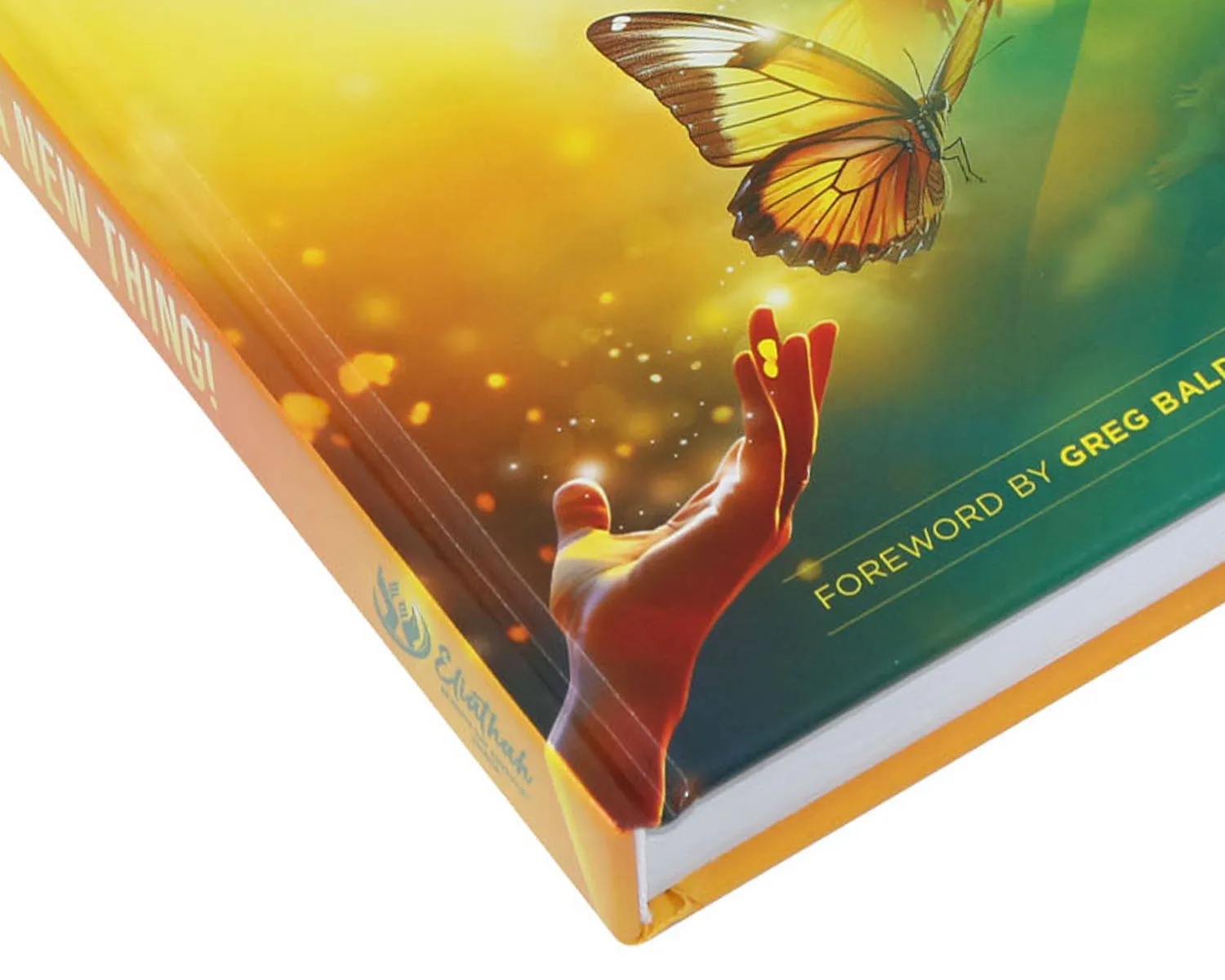
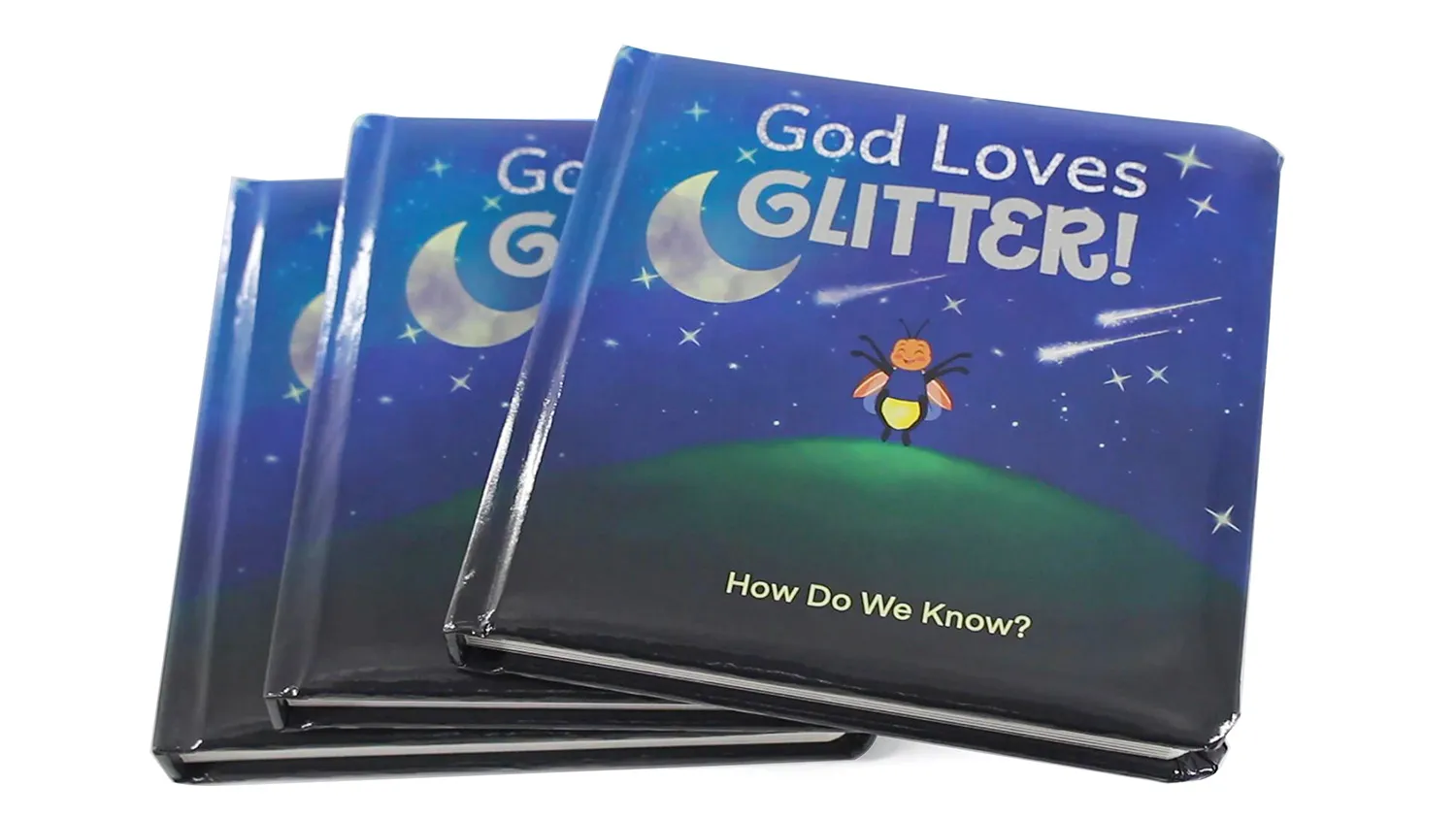
Hardcover board book binding, which cover material is the same as normal hardcover book cover. The first inner page of paper is glued on the inside of front cover and the final inner page of paper is glued on the inside of back cover. The spine also not glued, so that convenient for the readers to open.
The Advantage of Board Book Binding
Board book binding offers numerous advantages over traditional bookbinding methods, making it the preferred choice for children’s books.
Durability. The primary advantage is the durability and longevity it provides. Unlike regular books, board books can withstand repeated use, rough handling, and even occasional spills or accidents. This durability factor ensures that the books remain intact and usable for an extended period, making them an excellent investment for parents, educators, and libraries.
Tactile appeal. Another advantage of board book binding is its tactile appeal. The thick cardboard covers and sturdy pages provide a unique sensory experience for young readers. The pages are easy to turn, and the books can be opened and closed without fear of damage. This interactive aspect of board books allows children to actively engage with the story, enhancing their reading experience and fostering a love for books from an early age.
Lay-flat. Board books can be lay flat when opening, which makes it easier for little readers to flip through the pages.
Customization. Board book binding also allows for customization. Publishers and authors can choose from a wide range of sizes, shapes, and designs to create visually appealing and engaging books.
The customization options extend to the content as well, with the ability to incorporate interactive elements such as flaps, touch-and-feel textures, and pop-up features. These added features make board books more engaging and captivating for young readers, promoting early literacy and cognitive development.
How Do We Produce Board Books?
The production of board books involves a series of carefully executed steps to ensure the final product is of the highest quality. Here is an overview of the process involved in producing board books:
Watch below video to learn the whole board book production process, from printing to binding, laminating to trimming, etc, all key steps are included in this video.
Proofing. The first step in producing board books is proofing. This involves creating a prototype of the book to check for any errors or design issues. The prototype is usually made using a combination of digital and manual processes, allowing the publisher and author to review and make necessary changes before proceeding to the next stage.
Plate making. Once our clients approve the sample and confirm the final artwork, the next step is plate making. Plates are created by transferring the digital files of the book onto metal or plastic sheets. These plates are then used in the printing process to transfer the images and text onto the paperboard pages.
Printing. Printing is a crucial stage in the production of board books. For mass printing, we use offset printing machines to transfer the images and text from the plates onto the paperboard pages. The printing process requires precision and attention to detail to ensure that the colors are vibrant and the text is legible. Once the pages are printed, they are left to dry before proceeding to the next step.
Laminating. To enhance durability and protect the board book from spills and stains, the cover and inside pages are laminated. Lamination involves applying a thin layer of plastic film to the pages, sealing them, and making them resistant to moisture and wear. The lamination process also adds a glossy finish to the pages, giving the book a polished and professional look.
Wrapping together. After the pages have dried, they are carefully wrapped together to form a book block. The book block consists of all the printed pages stacked in the correct order. The pages are then glued together along the spine, creating a solid and secure book block.
Trimming and rounded corners. Once the book has been bound, the book is trimmed to its final size and cut rounded corners. Trimming involves cutting the excess paperboard around the edges, ensuring that all pages are neatly aligned and uniform in size. Rounded corners to make sure the book edges are rounded and won’t scratch children’s tender hands.
Quality control. Before the board books are ready to ship, a thorough quality control check is conducted. This involves inspecting each book for any defects, such as printing errors, loose pages, or lamination imperfections. Any defective books are discarded, ensuring that only high-quality board books reach the hands of our clinets.
Packaging and shipping. Finally, the board books are carefully packaged to prevent any damage during transportation. We offer various packaging options, including shrink-wrapping or custom-designed boxes. Once packaged, the books are ready to be shipped to our clients.
Hardcover VS Board book : What’s the Difference
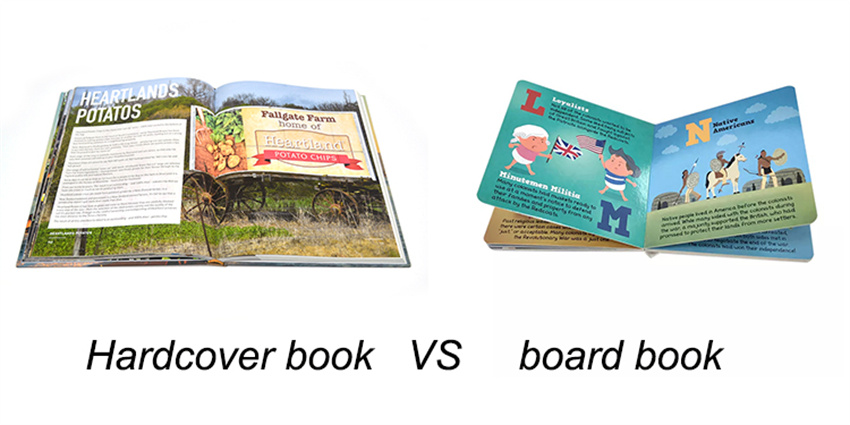
Although both hardcover and board book binding are durable, they differ in several key ways.
Paper Choice: Board books typically use 250–350gsm C1S paper because each page is built from two or more laminated cardboard sheets. C1S paper has one coated side for vivid, high-quality printing and an uncoated side that ensures strong adhesive bonding. Hardcover books, on the other hand, offer far more flexibility, with interior paper options such as coated paper, art paper, offset paper, and various specialty papers to suit different styles and projects.
Page Count: Board books typically range from 8–40 pages and are usually produced in smaller sizes (about 3–10 inches). If the page count becomes too thick or the size too large, board book binding is not recommended. Hardcover books require a minimum of 32 pages, but have virtually no upper limits in size or page count.
Book Type: Board book binding is mainly used for toddler and early-learning books, such as simple board books or pop-up books. Hardcover binding is far more versatile and can be used for any book type—from children’s books and novels to cookbooks, art books, catalogs, and more.
For more differences between the two, please refer to the article “board book vs hardcover vs paperback“.
FAQ about Board Book Binding
Are board books suitable for all age groups?
Board books are primarily designed for babies and toddlers who are still developing their fine motor skills. However, they can be enjoyed by children of all ages, especially those who appreciate the tactile experience and durability of board books.
Can board books withstand chewing and biting by teething babies?
Yes, board books are considered safe for babies who are in the teething phase. The thick cardboard covers and laminated pages make them resistant to tearing and chewing, reducing the risk of ingestion of small parts.
Can I include interactive elements in a board book?
Yes, board book binding allows for the inclusion of various interactive elements such as flaps, textures, and pop-ups. These elements not only engage young readers but also enhance their sensory experience.
How long does it take to produce a custom board book?
The production time for a custom board book can vary depending on factors such as the complexity of the design, the quantity ordered, and the availability of materials. Usually, the board book binding production time needs 15-18 days. Please see our lead time to see how much time for your project will depend on your proofing and printing requirement.
Can board books be recycled?
While board books are more durable than traditional paperbacks, they can still be recycled. We encourage responsible disposal of board books once they are no longer in use to minimize environmental impact.
Board book binding is a specialized method of bookbinding that offers numerous advantages for creating durable and engaging books for children. As a custom board book manufacturer, we take pride in producing high-quality board books that withstand the test of time and provide young readers with a memorable reading experience.
Whether you are looking to create a personalized board book for your child or seeking to publish a series of board books, our team is here to guide you through the entire production process. Contact us today to bring your board book ideas to life!