




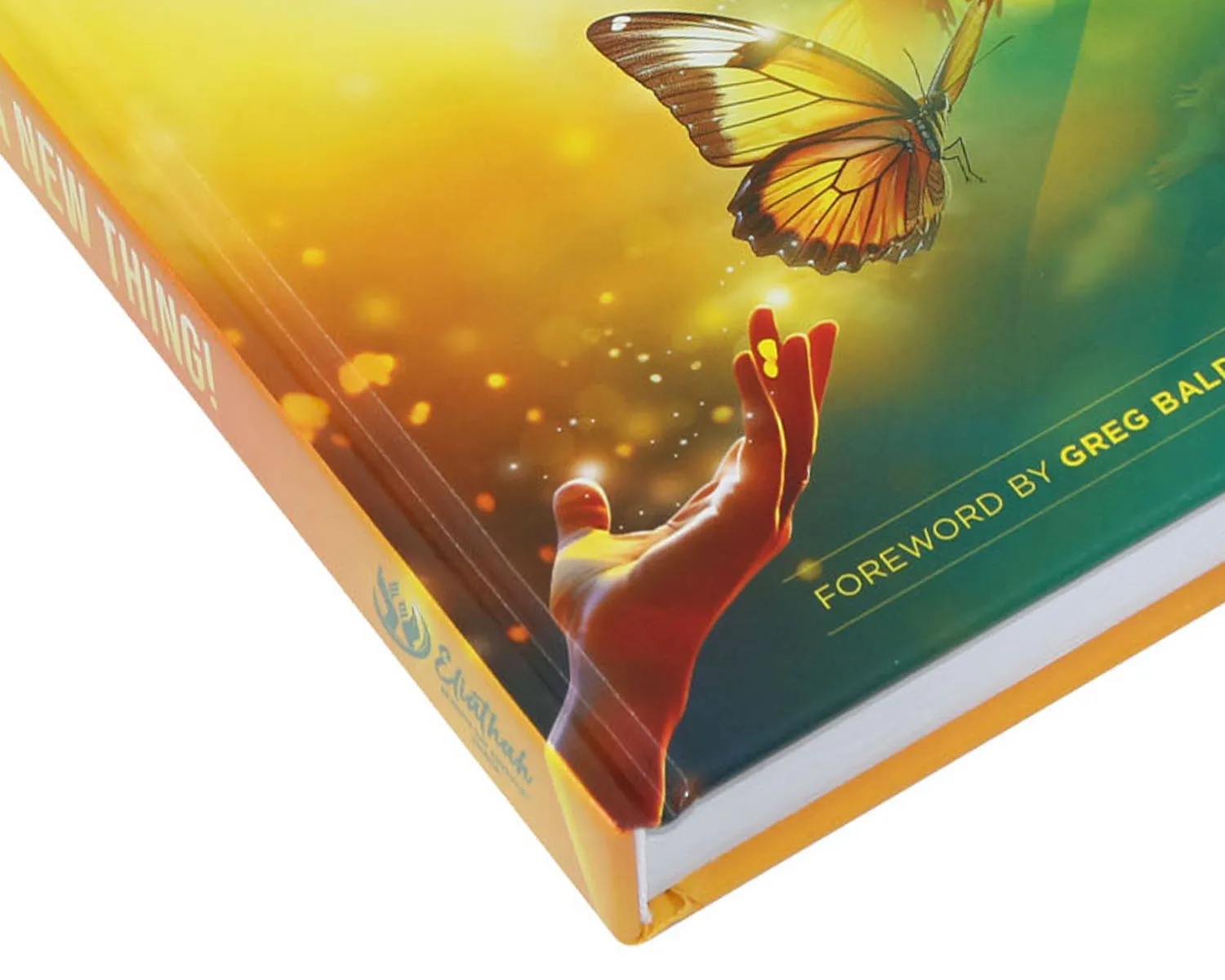


Finish Options
In this guide, we explain what post-press is, and list some popular surface options to help your print project stand out from your competitors.
What is Finishing
The after-printing process, known as surface options, special finishing, is the process of processing printed matter after printing. To meet the use requirements and improve the appearance quality.
Usually, after printing the products, we will do some processes on the surface to make the product more special and attractive. And improve the grade of the product, make your product more high-end.
Common Finish Options
Below are the common surface processes we often use in book and other product printing.

Glossy Lamination
Glossy lamination adds a shiny, reflective finish that enhances colors, protects the cover from scratches, and gives prints a vibrant, premium appearance.

Matte Lamination
Matte lamination provides a smooth, non-reflective finish that feels soft to the touch, reduces glare, and gives products an elegant, modern, high-end appearance.

Soft-touch Lamination
Soft touch lamination creates a velvety, suede-like finish that feels luxurious, reduces fingerprints, and elevates the overall elegance and tactile appeal of any products.

Spot UV
Spot UV adds glossy, raised highlights to specific design areas, creating contrast, enhancing detail, and giving book covers a striking, premium visual and tactile effect.
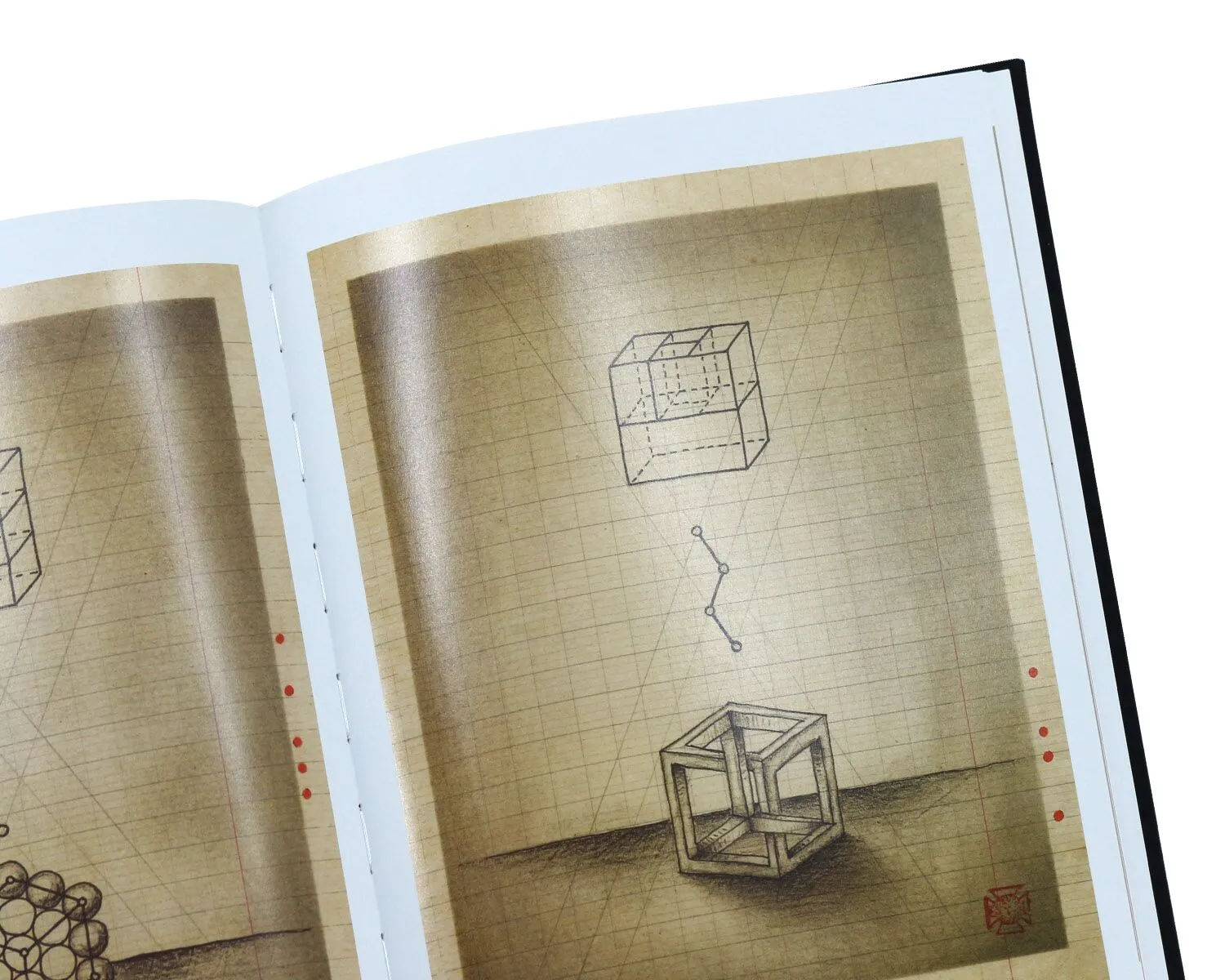
Varnish
Varnish provides a protective coating that enhances durability, reduces smudging, and adds subtle shine, making it ideal for book interiors, card decks, and packaging boxes.

Foil Stamping
Foil stamping applies metallic or pigmented foil onto the surface using heat and pressure, creating eye-catching, luxurious accents that elevate book covers, card deck, ect. printed products.
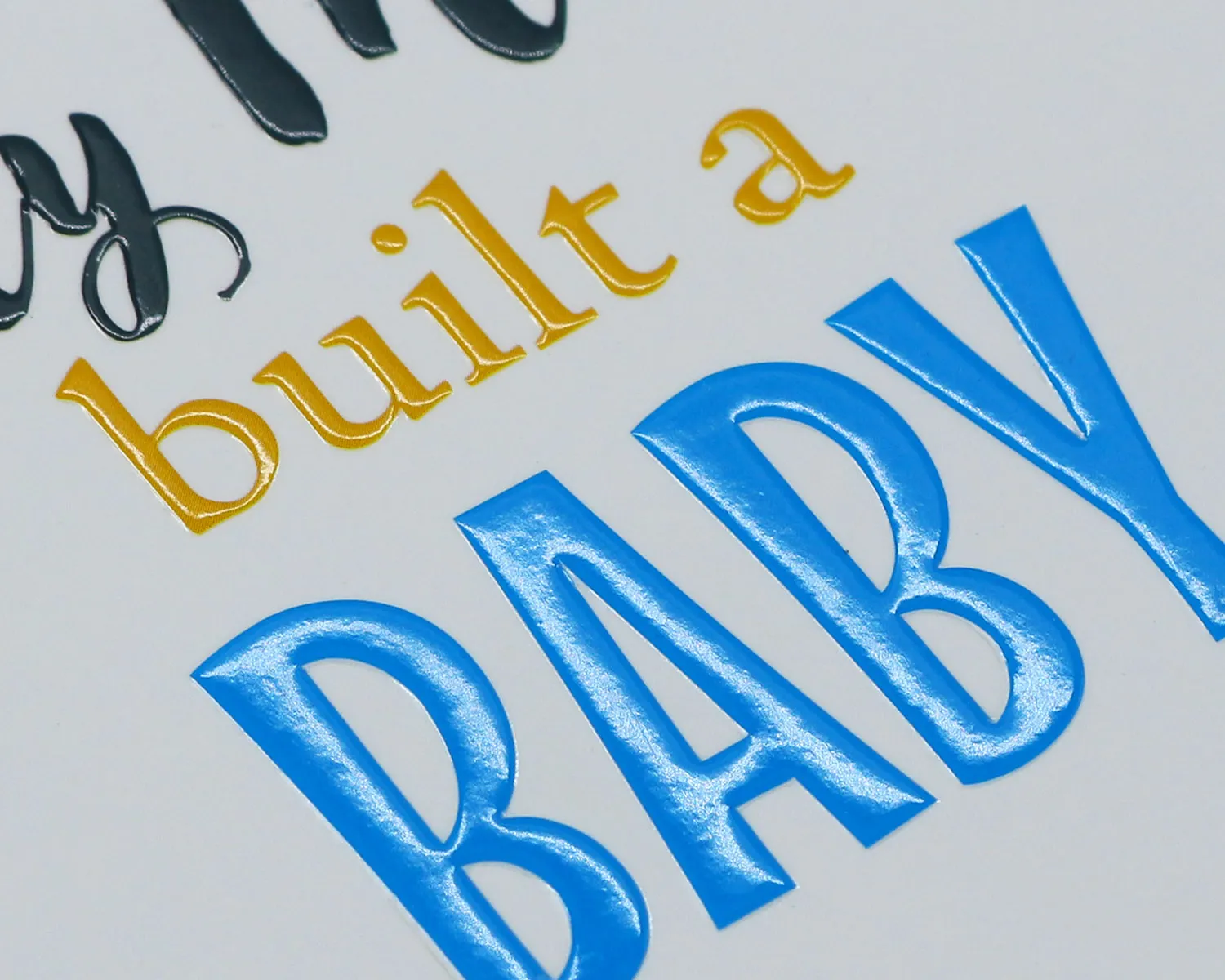
Emboss
Embossing creates a raised, three-dimensional design on paper or cardstock, adding texture, depth, and a sophisticated tactile effect to printed materials.
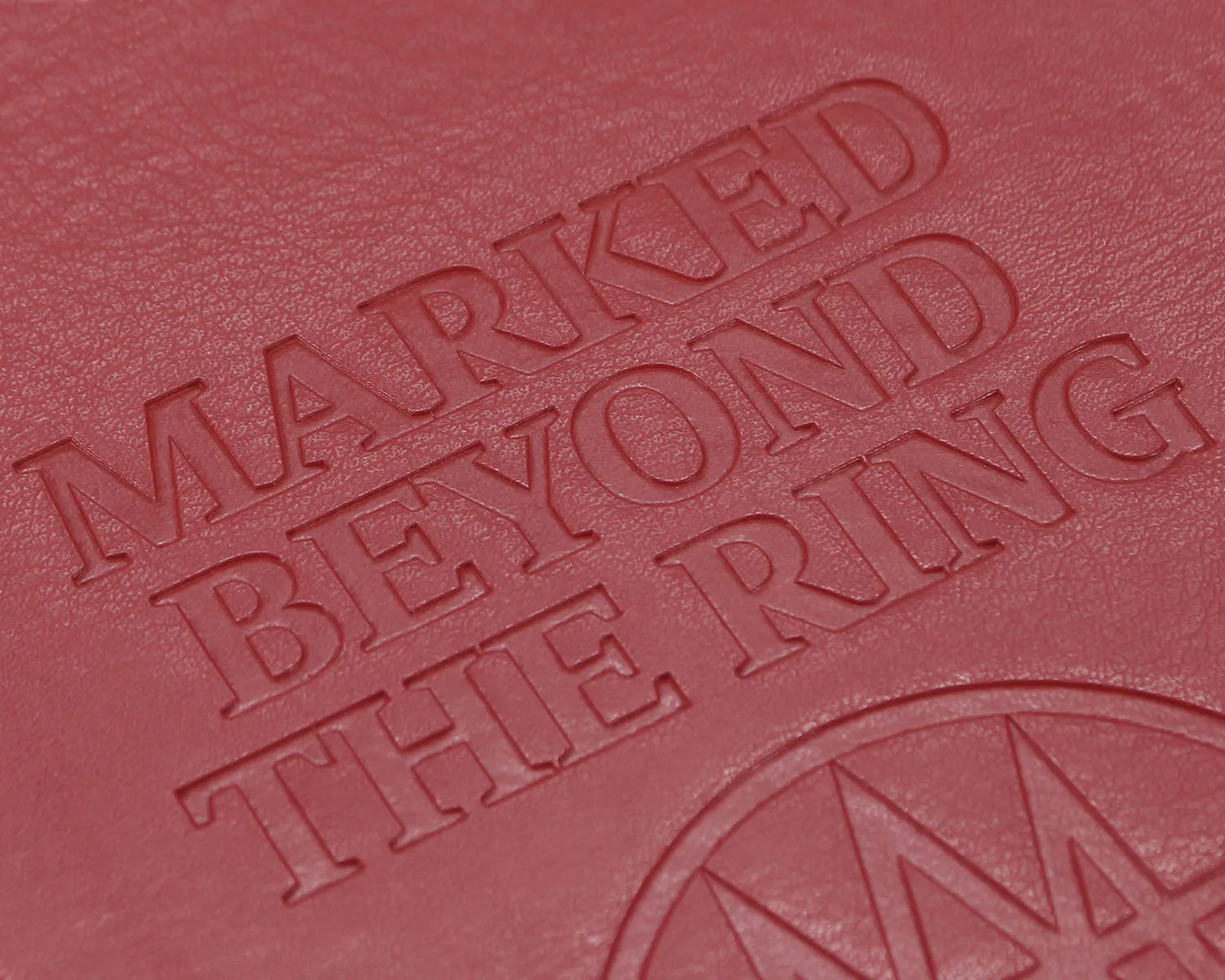
Deboss
Debossing creates an indented design pressed into paper or cardstock, adding subtle texture and depth, often used for elegant branding, book covers, or premium packaging.
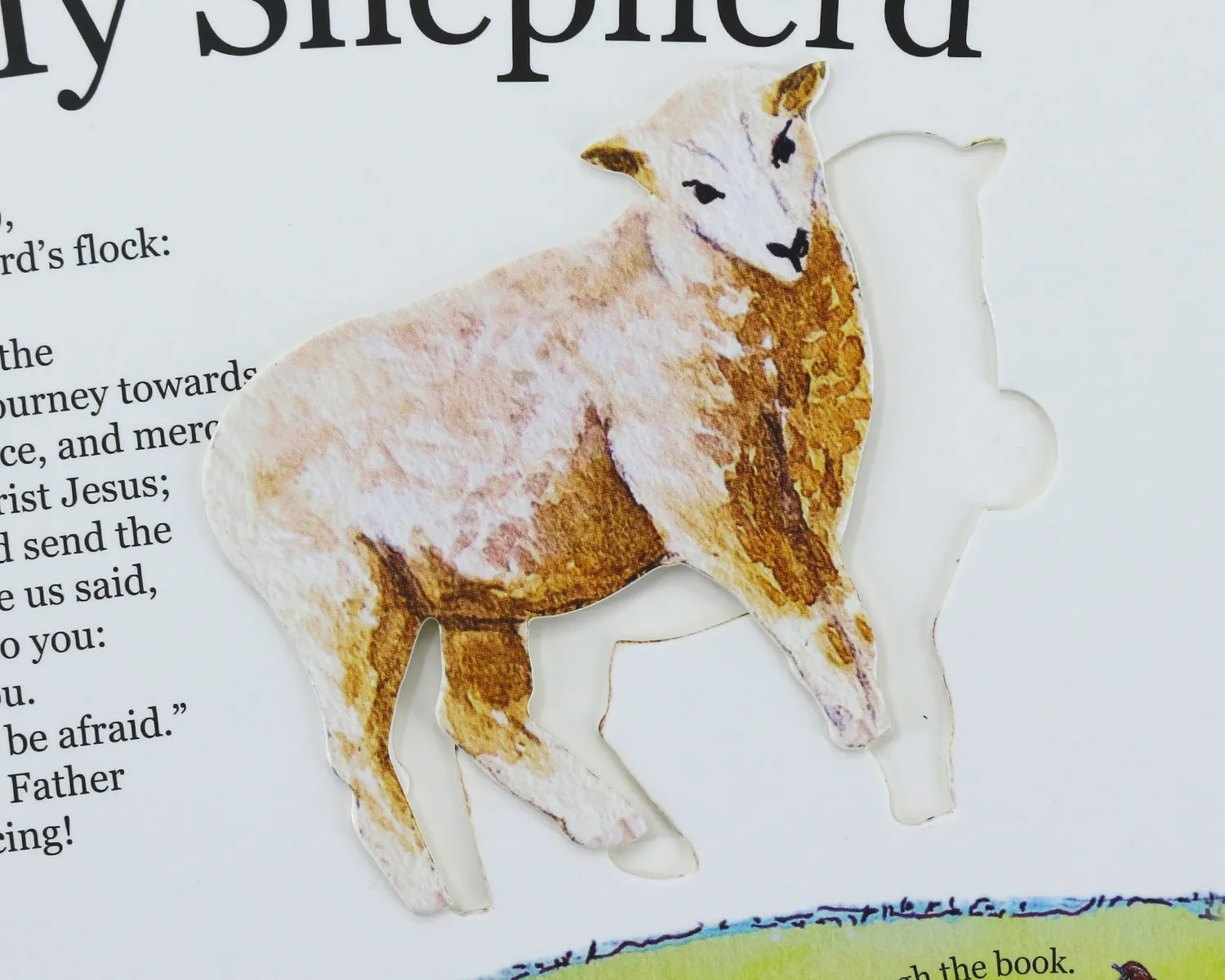
Die Cut
Die cutting uses a custom-shaped blade to precisely cut or remove areas of paper, cardstock, or packaging, creating unique shapes, windows, or decorative elements for books and products.
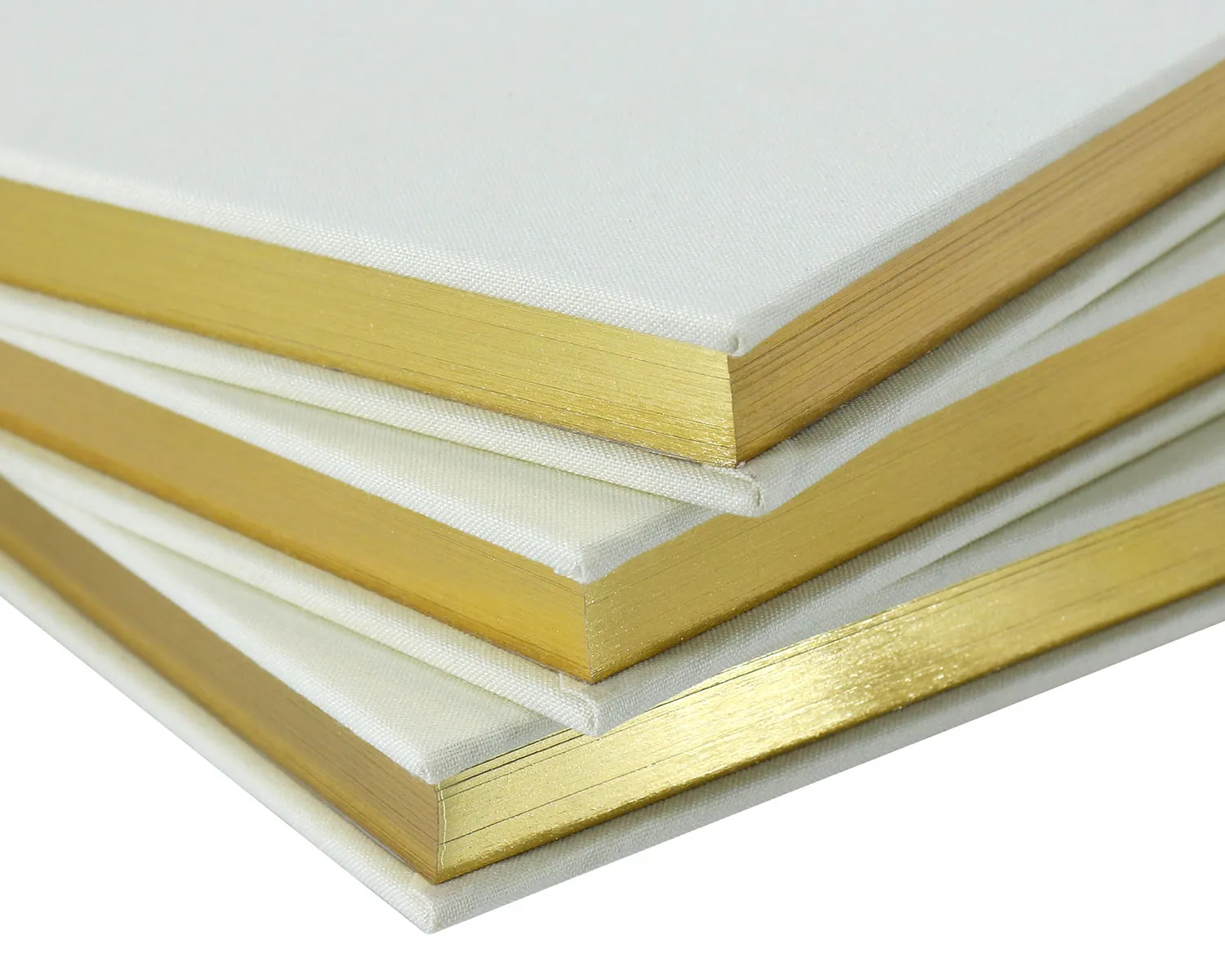
Gilded Edges
Gilded edges apply a thin layer of metallic foil—often gold or silver—to the edges of book pages, creating a luxurious, eye-catching finish and elevating the book’s premium appeal.
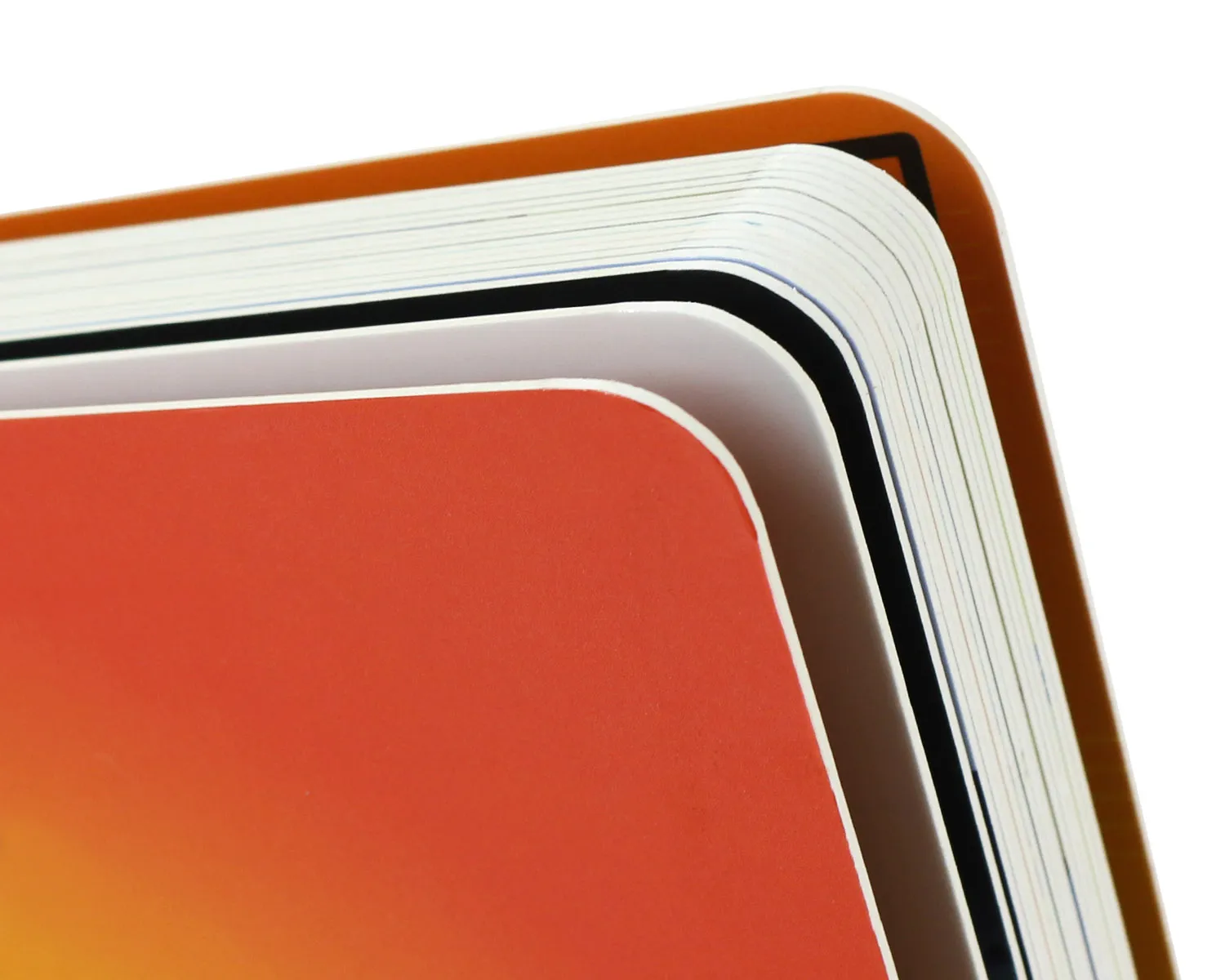
Rounded Corner
Rounded corners give books or printed materials smooth, curved edges, enhancing durability, reducing wear and tear, and creating a polished, modern, and professional appearance.
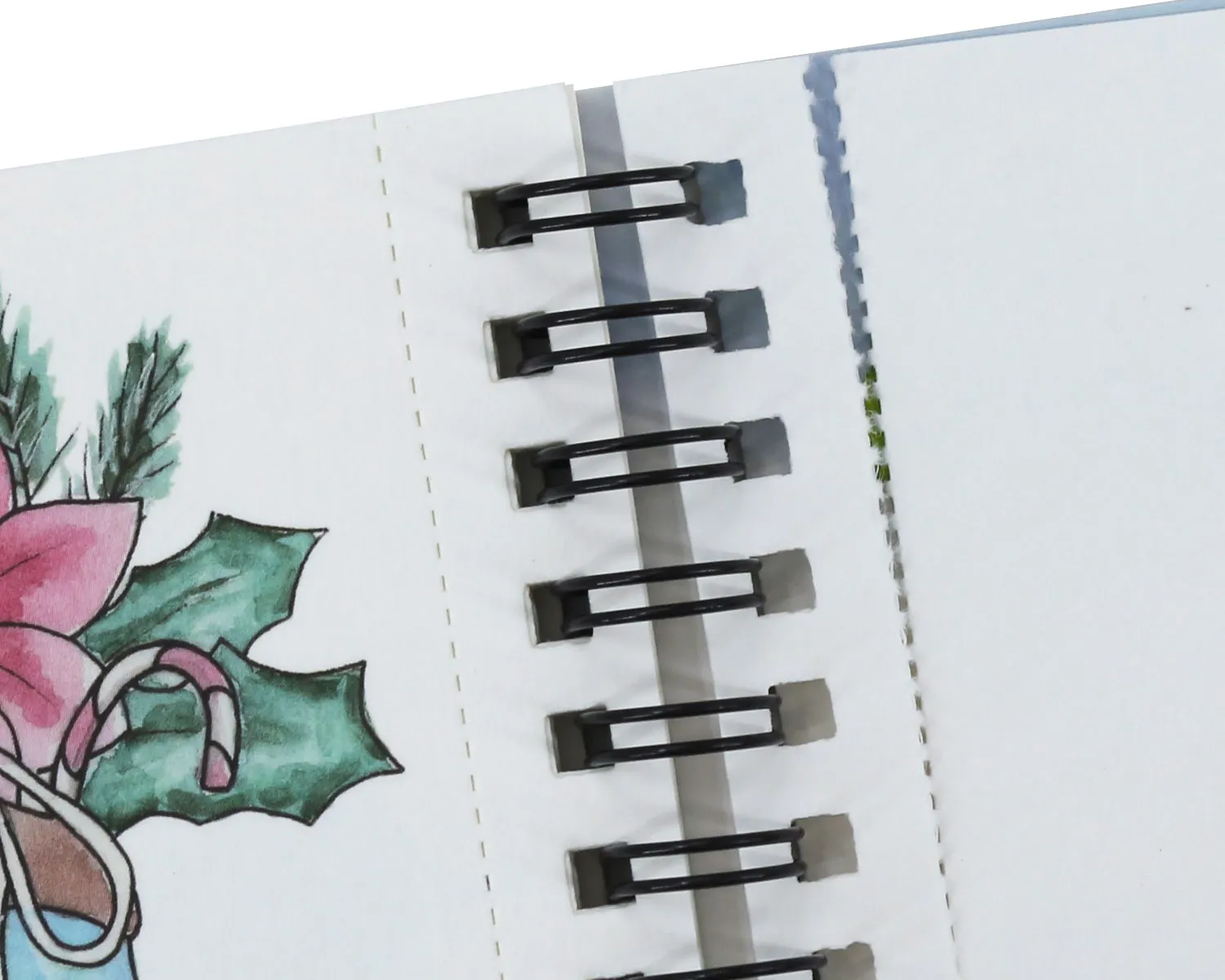
Perforated
Perforated pages feature small, evenly spaced holes or cuts, allowing easy and clean tearing or detachment, commonly used in coloring books, notebooks, tickets, and packaging materials.
If you are not sure which surface option is right for your project or want to learn more options we provide, please feel free to contact us and one of our customer service specialists will assist you to make the right choic
How to Choosing a Finish for Your Products
Selecting the right finish is an essential step in elevating the appearance, durability, and tactile experience of your printed products. Several factors should guide your decision:
Desired Visual Effect: Different finishes create distinct visual impressions. Glossy finishes make colors pop and appear vibrant, matte finishes offer elegance and subtlety, while spot UV, foil stamping, or embossing can highlight key design elements.
Durability and Protection: Finishes can extend the life of your product. Lamination, varnish, or UV coatings protect against scratches, fingerprints, moisture, and wear, which is especially important for products handled frequently, like packaging, books, or cards.
Budget Considerations: Some finishes, like soft-touch lamination, embossing, or foil stamping, add production cost. Balancing aesthetics and functionality within your budget ensures the finish adds value without unnecessary expense.
Target Audience: Understand who will use your product. Children may prioritize durability, collectors may value premium finishes like gilded edges or embossing, and retail products may benefit from finishes that catch the eye on shelves.
Compatibility with Printing and Materials: Not all finishes work with every paper type or material. Ensure the finish you select complements the base material to achieve the best results without compromising print quality.