




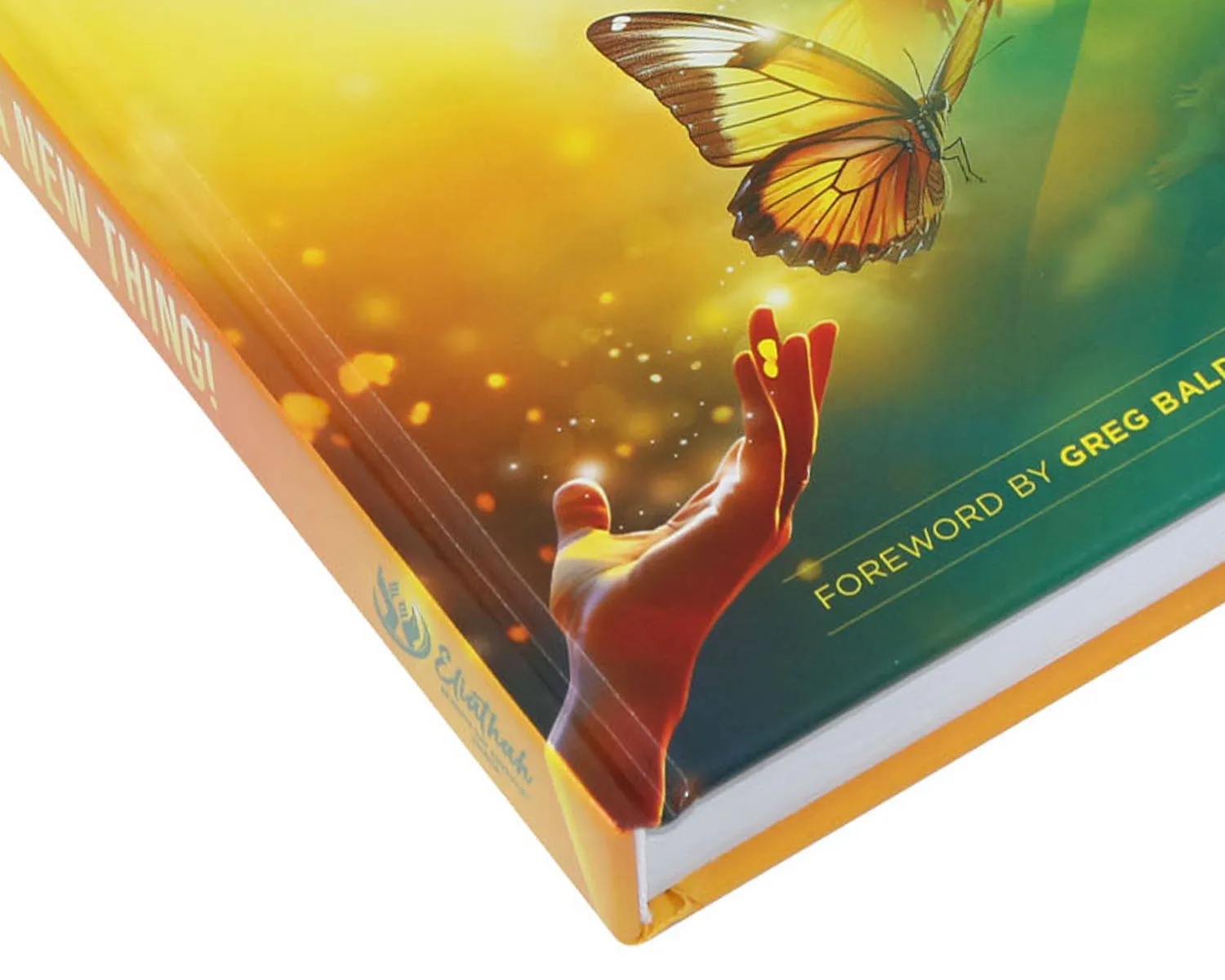

Saddle Stitching
Saddle stitch is a popular book binding technique that has been used for centuries. It is a cost-effective and efficient method for binding books, calendars, catalogs, and booklets. Following, we will explore what saddle stitch is, which types of books are suitable for saddle stitch, the pros and cons, and the document setting requirements, FAQs for saddle stitch printing.
What's Saddle Stitch in Printing
When it comes to book printing, there are several binding methods to choose from. One of the most popular and cost-effective methods is saddle stitch. Saddle stitch is a binding technique that uses wire staples to secure the pages together. It is commonly used for booklets, catalogs, calendars, workbooks, textbooks, sticker books, comic books, and other types of publications.
The process of saddle stitching involves folding the pages in half and placing them on a saddle, which is a metal device that holds the pages in position. The wire staples are then inserted through the fold line, securing the pages together. This method is simple yet effective, providing a clean and professional finish to the printed materials.
The Pros and Cons of Saddle Stitching
Like any other binding method, saddle stitch has its own set of advantages and disadvantages. Let’s take a closer look at what makes saddle stitch a popular choice for book printing.
Pros:
Cost-effective: One of the significant advantages of saddle stitch printing is its cost-effectiveness. Compared to other binding methods, such as perfect binding or spiral binding, saddle stitch is relatively affordable. This makes it an ideal choice for projects with budget constraints, such as booklets, pamphlets, or catalogs.
Short production time: Another benefit of saddle stitch is its quick production time. Since the binding process only involves folding and stapling, it is a relatively simple and efficient method. This makes it suitable for projects that require a fast turnaround time, such as event programs or newsletters.
Versatility: Saddle stitch can accommodate a wide range of projects and applications. Whether you need to print a small booklet, a calendar, or a catalog, saddle stitch can handle it all. Its flexibility makes it a popular choice for various industries, including publishing, marketing, and education.
Lay-flat design: Unlike other binding methods that may cause the pages to close or curl, saddle stitch offers a lay-flat design. This means that the pages will stay open and flat, allowing for easy reading and reference. It is particularly beneficial for books or manuals that need to be used frequently or lie flat on a surface.
Lightweight: Saddle-stitch books are lightweight and easy to carry. This makes them suitable for distribution at events, trade shows, or as promotional materials. The lightweight nature of saddle stitch also reduces shipping costs, making it an economical choice for both small and large-scale printing projects.
A wide range of paper types and sizes options: Saddle stitch printing provides flexibility in terms of paper type and size. Whether you prefer coated or uncoated, lightweight or heavyweight, saddle stitch can accommodate your preferences. Besides, it supports various sizes, from small pocket-sized booklets to larger-sized catalogs or calendars.
Cons:
Limited page count: While saddle stitch can accommodate a variety of page counts, it is not suitable for extremely thick books. There is a limit to the number of pages that can be saddle-stitched due to the size and capacity of the wire staples.
Durability: Compared to other binding methods such as perfect binding or case binding, saddle stitch may not be as durable, especially for books that are frequently handled or subjected to heavy use.
Appearance: Although saddle stitch provides a clean and professional finish, it may not have the same level of sophistication as other binding methods. This is something to consider if you are looking for a high-end look for your publication.

What is the Best Page Count for Saddle Stitch Binding?
Choosing the right page count for saddle stitch binding is crucial to ensure a successful printing project. While saddle stitch can accommodate a range of page counts, there are some guidelines to consider.
For thin booklets or brochures, a page count of 8 to 40 pages is recommended. This range allows for a sufficient number of pages without compromising the quality and durability of the saddle stitch.
For thicker publications such as catalogs or magazines, a page count of 32 to 64 pages is more suitable. However, it is important to keep in mind that as the page count increases, the book may not lay as flat when opened due to the thickness of the paper.
Which Types of Projects are Good for Saddle Stitch
Saddle stitch binding is well-suited for a variety of book types. Here are some examples of publications that are commonly printed using the saddle stitch method:
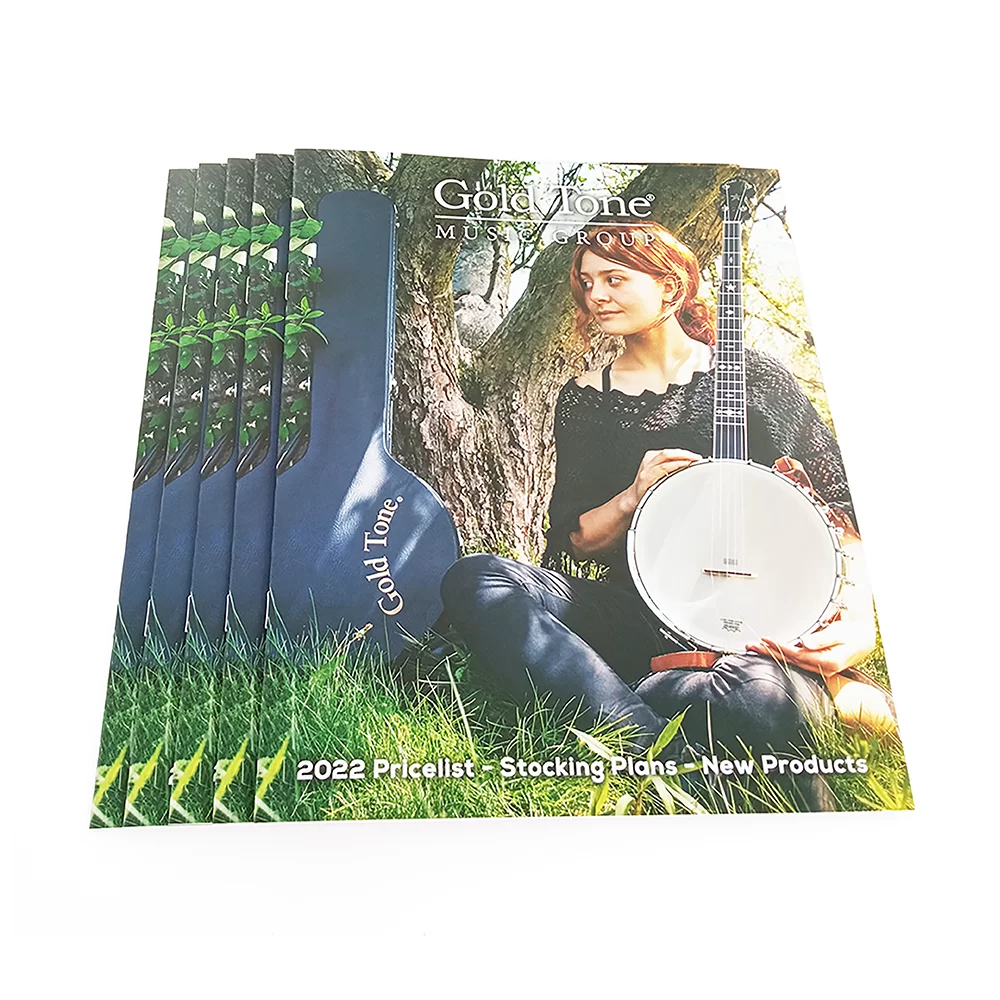
Booklets and brochures: Saddle stitch is ideal for booklets and brochures that contain a small number of pages. It provides a clean and professional finish, making it a popular choice for marketing materials, event programs, and product catalogs.
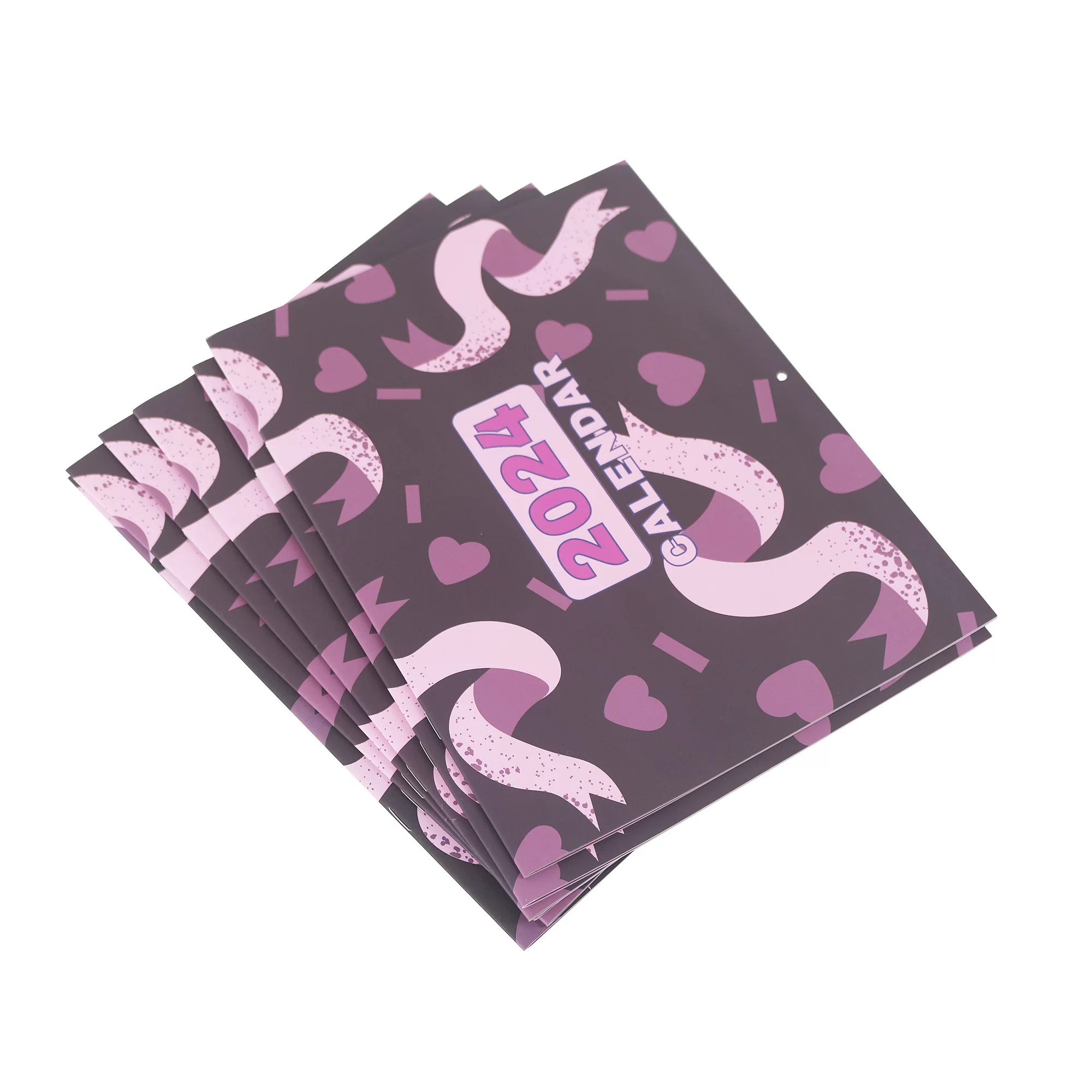
Calendars: Saddle stitch is commonly used for calendar printing. It allows the pages to lay flat when opened, making it easy for users to view the entire month at once.
Catalogs and magazines: Catalogs and magazines often require a combination of text and images to showcase products or services. Saddle stitch binding allows for easy navigation through the catalog or magazine, ensuring that customers can browse through the pages effortlessly. It provides a cost-effective solution for publishing product catalogs, fashion magazines, and other similar publications.
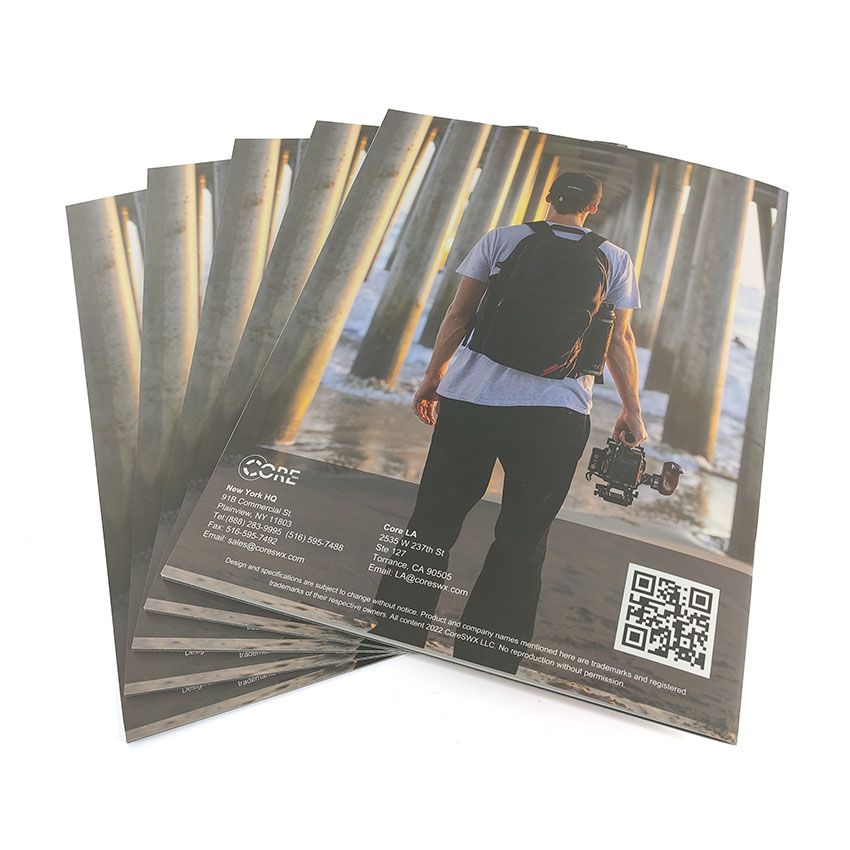
Instruction manuals: Saddle stitch is often used for printing instruction manuals and user guides. Its lay-flat design makes it convenient for users to refer to the manual while working with a product or equipment.
Newsletters: Newsletters are typically produced on a regular basis and require a quick turnaround time. Saddle stitch binding allows for efficient production and distribution of newsletters, ensuring that the content reaches the intended audience promptly.
Also suitable for other types of projects with fewer pages, such as comic books, sticker books, workbooks, notebooks, and so on.
How Do We Produce Saddle Stitch Book
Producing saddle-stitch printed materials involves several steps to ensure a high-quality finished product. Here is an overview of the saddle stitch production process:
Plate making: Because we use state-of-the-art offset printing machines for bulk quantity printing. So before printing, we will do a plate make with CTP plate making technology to make sure perfectly restore your artwork.
Printing: After finishing the plate making, the next step is to print the pages of your publication with our offset printing. High-quality printing is essential to achieve clear and vibrant images and text.
Folding: After printing, the pages are folded in half. This prepares them for the saddle stitch binding process.
Collating: The signatures are then collated in the correct order to form the book’s content. This ensures that the pages are arranged as intended.
Stapling: The folded pages are placed on a saddle stitching machine, which holds them in position. Wire staples are then inserted through the fold line, securing the pages together.
Trimming: Once the pages are stapled, the excess edges are trimmed to achieve a clean and finished look.
Quality control: Finally, all of our finished saddle-stitched publications undergo a quality control check to ensure that there are no printing errors or defects.
Saddle Stitch Document Setting Requirements
To ensure a successful saddle stitch binding, it is essential to follow specific document setting requirements. Here are a few key considerations:
Page size: Set your document page size to the final trimmed size of the book. This ensures that the content is properly aligned within the finished booklet.
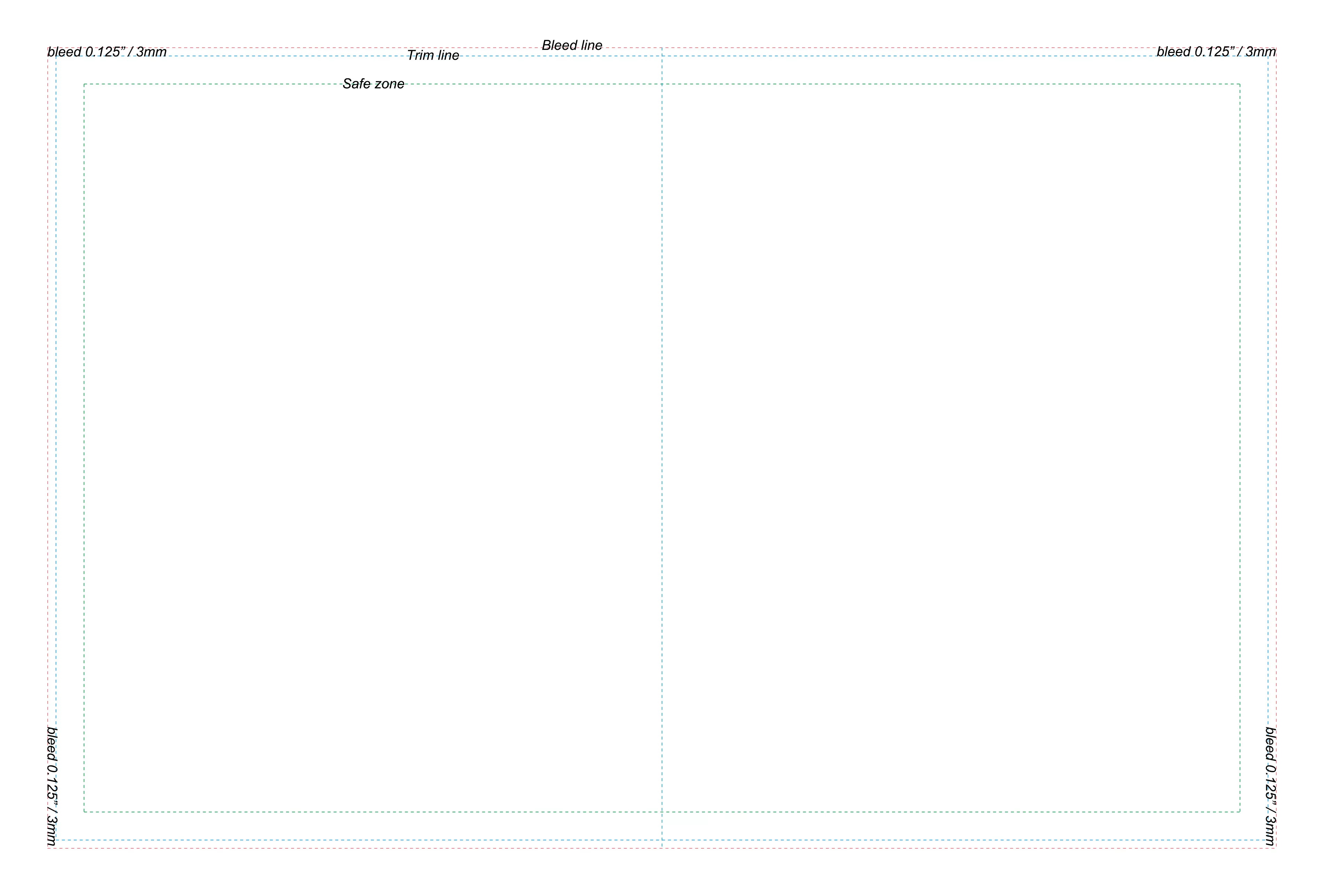
Bleed: Include a bleed area of at least 1/8 inch/3mm around the document. This allows for any slight shifts during the trimming process, ensuring that there are no white borders around the pages.
Margins: Leave sufficient margins around the content to prevent important text or images from being too close to the edge of the page. A margin of at least 1/4 inch is recommended.
Page order: Arrange pages in the correct order to ensure content flows logically. Please note any special considerations, such as double-page spreads or foldouts. The saddle stitch binding process involves taking larger sheets of printed paper and folding them to form pages. This means that your total page count must always be a multiple of four. Usually, 8, 16, 32, or 48 pages plus a four-page cover are the most popular and effective options.
Resolution: Use high-resolution images (300 dpi) to ensure sharp and clear printing quality. Low-resolution images may appear pixelated or blurry in print.
Single Sewn vs Saddle Stitch vs Loop Stitch
While saddle stitch, loop stitch, and singer-sewn binding are all suitable for books under 64 pages, each method offers distinct advantages.
Saddle Stitch: This method folds multiple sheets and staples them along the spine. It’s the most economical option for low-page books and allows the booklet to lie flat when opened. Saddle-stitched books must have a page count in multiples of four.
Singer Sewn: Singer-sewn binding uses a visible thread to stitch pages together, creating a stronger and more durable finish. It’s ideal for books that will be handled frequently or require a more premium look. Thread colors can be customized to match your design. This method is generally more expensive than saddle stitch and loop stitch.
Loop Stitch: Loop stitch uses automated machines that staple through the folded spine and create metal loops on the outside—allowing the booklet to be inserted into binders if needed. It’s commonly used for brochures, manuals, and specialty publications. Loop stitching costs more than saddle stitching and also requires page counts in multiples of four.
Your ideal binding option depends on the durability you need, the aesthetic you prefer, and your budget.
FAQ about Saddle Stitch Printing
Can saddle stitch accommodate different paper sizes?
Yes, saddle stitch can accommodate various paper sizes, including standard sizes such as A4, A5, letter size, and custom sizes.
What is the minimum and maximum number of pages for saddle stitching?
We generally recommend a minimum number of pages for saddle stitching of 8 pages and a maximum number of pages of 64 pages. Since saddle-stitched booklets can become bulky as the number of pages increases. So we recommend using lighter-weight paper as the number of pages increases.
For example, for 8.5″ x 11″ booklets up to 32 pages, we recommend using 250gsm coated paper as cover and 157gsm coated paper as text, or a thicker cover (Thicker paper will do). And for A4 text books up to 64 pages, use a 250gsm coated paper as cover and 80gsm uncoated paper as text ( Lighter paper will do).
Is saddle stitch suitable for printing large quantities of books?
Saddle stitch is a cost-effective binding method for both small and large quantities of books. However, it is important to consider the production time and cost when printing large quantities.
How long does saddle stitch production take?
The production time for saddle stitch varies depending on factors such as the page count, quantity, and complexity of the project. Usually, our saddle stitched book production time often needs 7-12 days. Please see our lead time to see how much time for your project will depend on your proofing and printing requirement.
Can saddle stitch be used for books with multiple sections or chapters?
Yes, saddle stitch can be used for books with multiple sections or chapters. However, it is important to ensure that the page count does not exceed the capacity of the saddle stitch binding.
Saddle stitch is a versatile and cost-effective binding method for book printing. It is suitable for a range of publications, from booklets and brochures to calendars and catalogs. Understanding the pros and cons of saddle stitch, as well as its production process, will help you make an informed decision when choosing the right binding method for your printing project.
If you’re looking for a reliable printing service that offers saddle stitch binding, contact us today! Our team of experts will ensure that your publication is produced to the highest quality standards. Don’t miss out on the benefits of saddle stitch printing – get started on your project today!