





Binding Options
The binding method not only affects the durability and appearance of your book but also impacts the overall reading experience. Binding is the overall process of books from collation to sealing and forming into volumes. Generally, it includes processing steps such as arranging the printed pages in sequence, connecting, sewing, equipping, and putting on the cover. Different binding method, the final processes are different.
BookPrintingChina, with more than 25 years of printing experience in the printing industry, no matter what type of binding way you need, we are happy to provide it for you.
Below are some popular binding ways you need to know, so that you can choose the suitable binding way for your book.

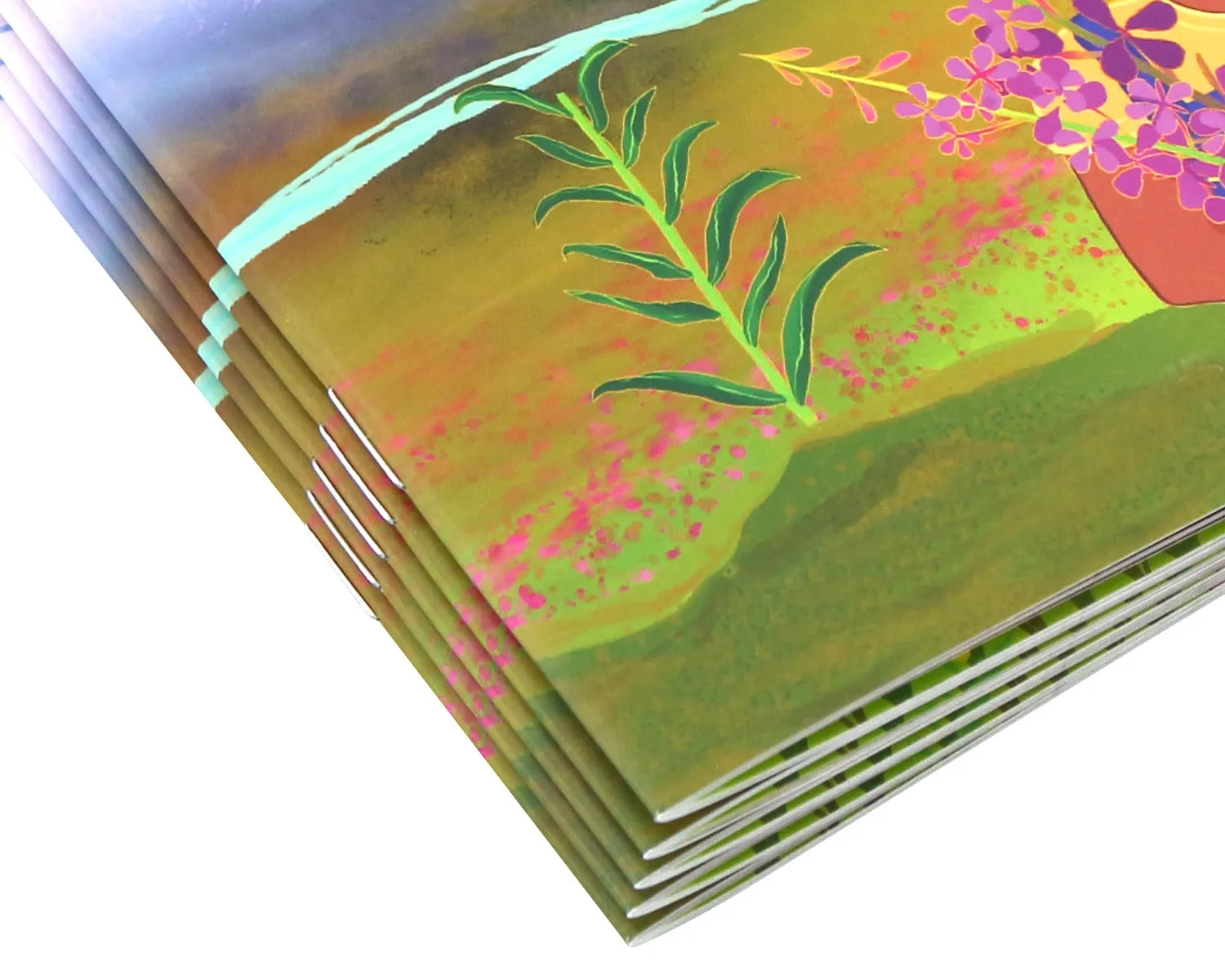
Saddle stitched
Saddle stitched, also known as staple binding, which pages are folded and stapled together. Saddle stitched binding is ideal for the books lower than 64 pages, such as catalog, magazine, booklet, etc.
Perfect Binding
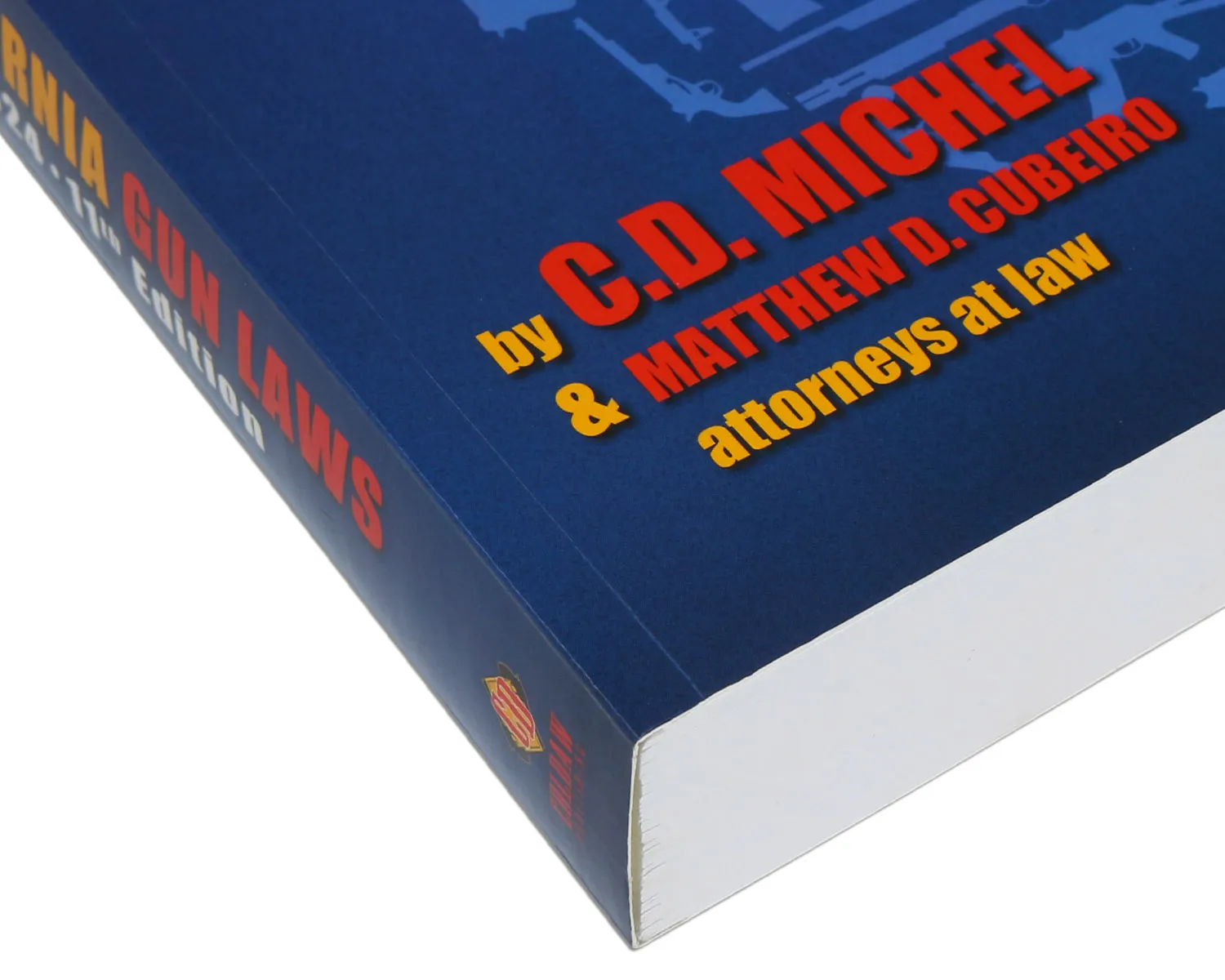
Perfect binding is one of the most popular bindings for softcover books. The binding process involves gluing the pages together after printing, folding, and collating, then gluing the spine on the flexible cover.
Hardcover Binding
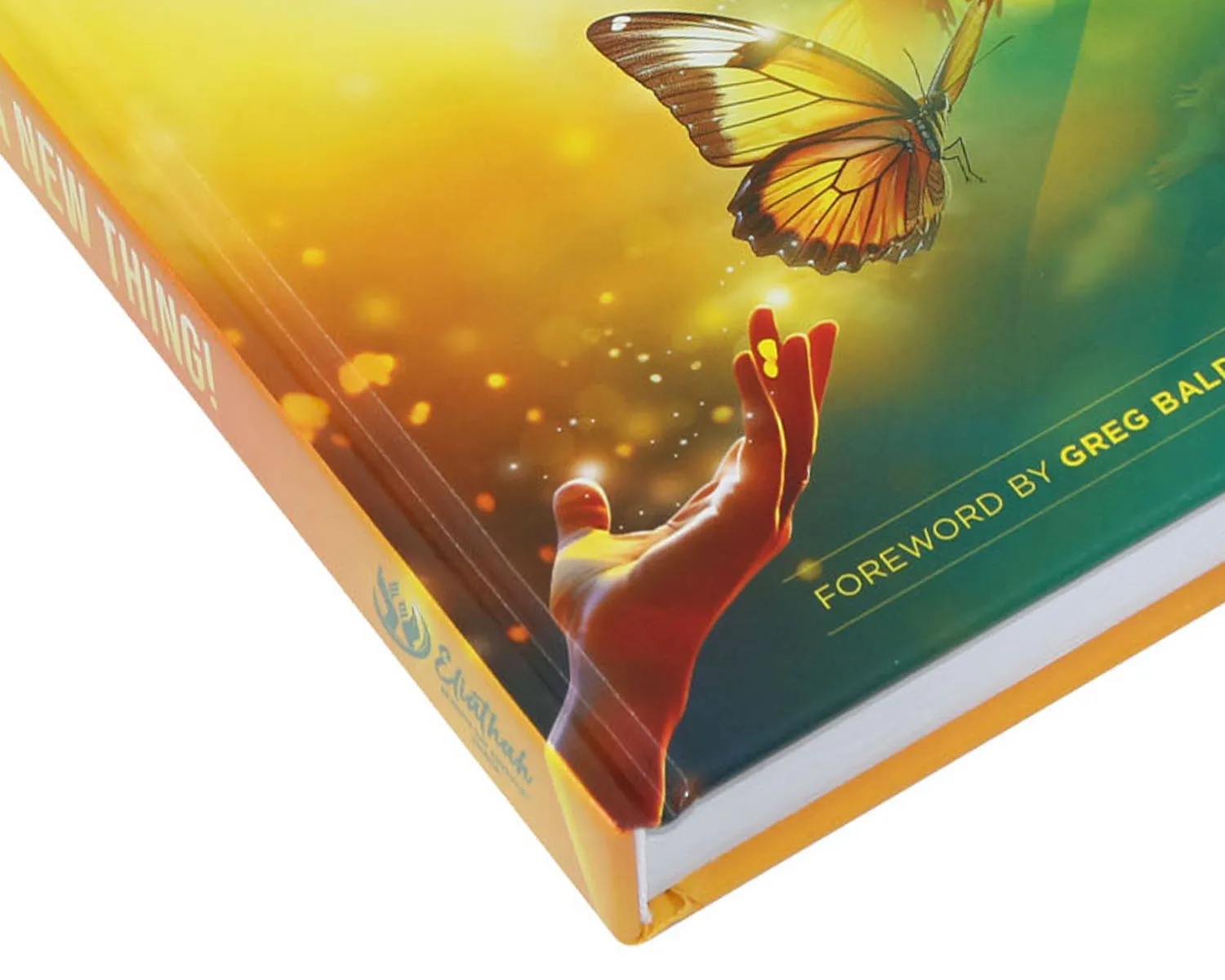
Hardcover binding not only looks high-end, but also feels better to read and use. For hardcover binding, the pages are printed, folded, collated, sewn in groups, and then glued onto a hard case.
Board Book Binding
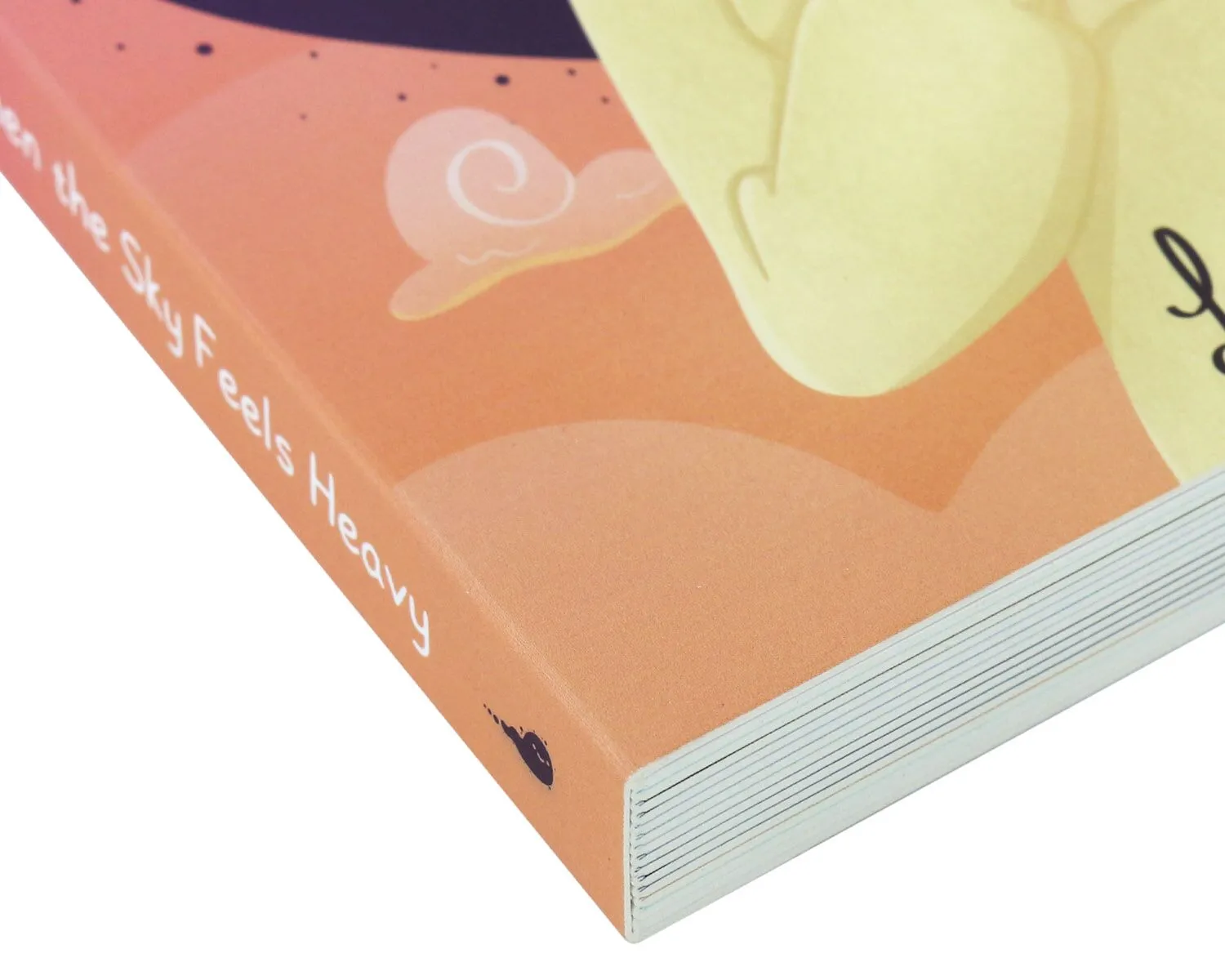
Board book binding is commonly used for children’s board books, pop-up books, and similar projects. It is made by mounting two sheets of coated one-side paper together with glue.
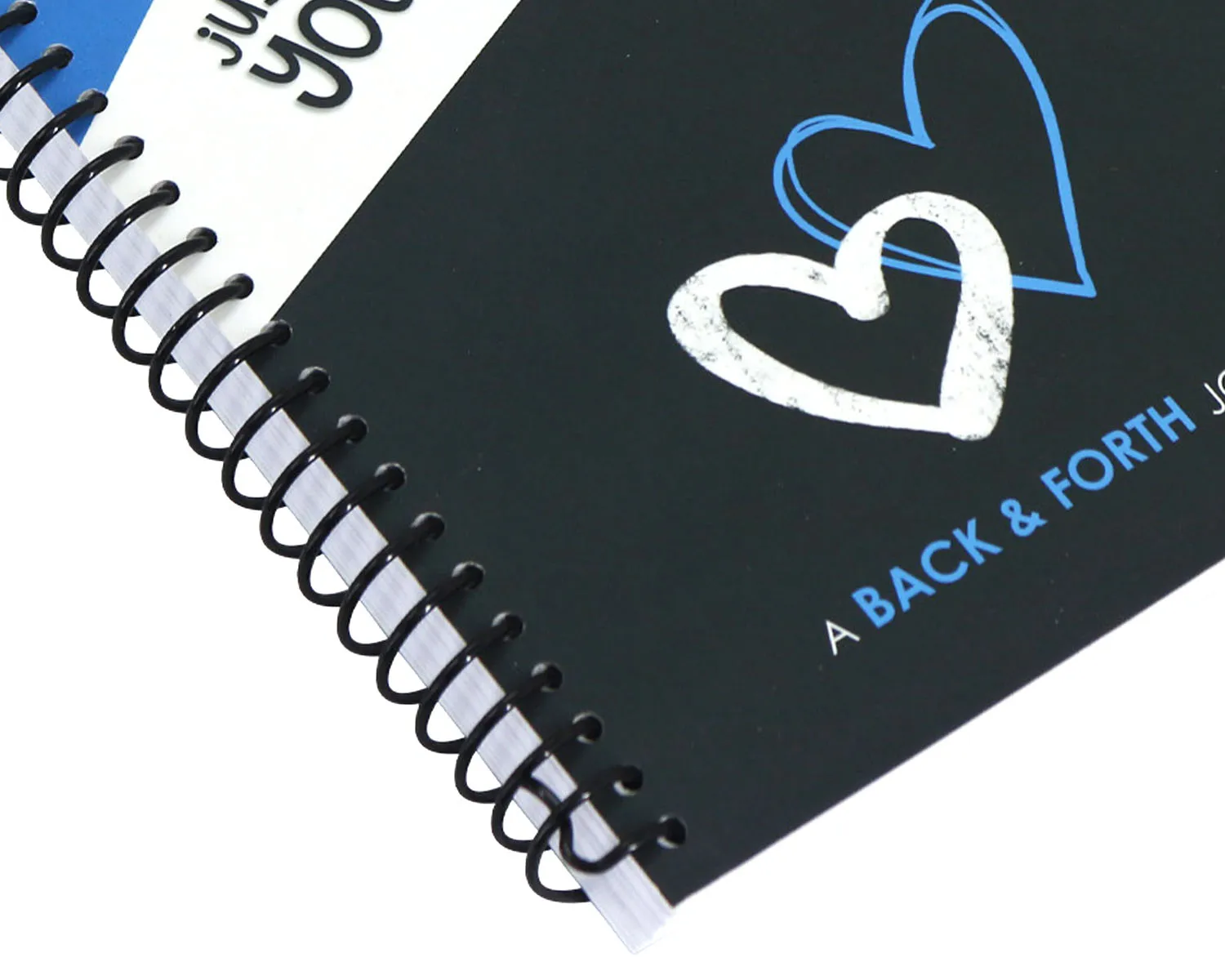
Spiral Binding
Spiral binding uses a durable plastic or metal coil to hold pages together. It opens flat, turns smoothly, and is ideal for notebooks, manuals, cookbooks, and workbooks.
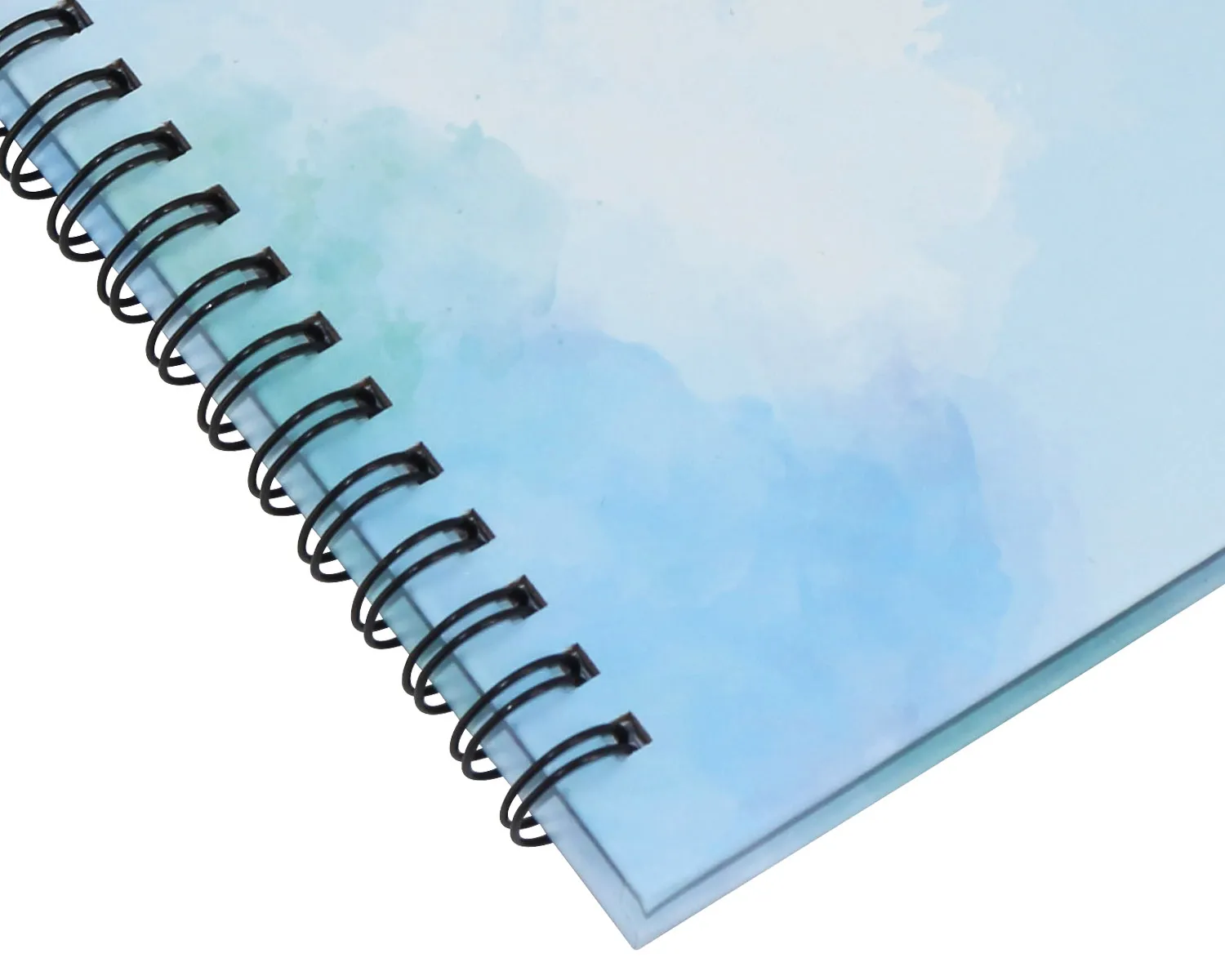
Wire-o Binding
Wire-O binding uses a double-loop metal wire to secure pages. It opens flat, flips easily, and is perfect for calendars, notebooks, planners, presentations, and manuals.
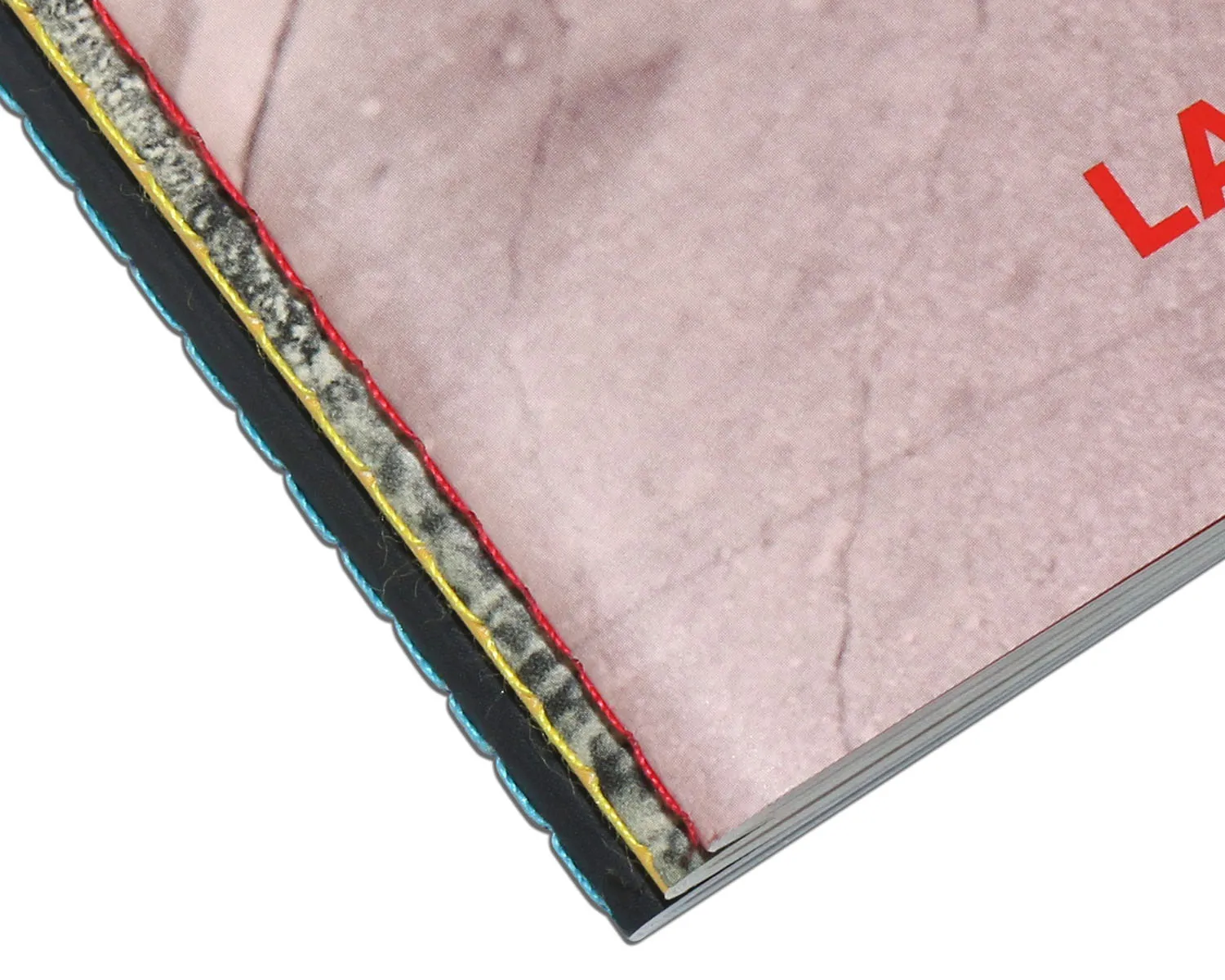
Singer Sewn
Singer sewn binding uses a visible thread stitched along the spine to hold pages together. It’s durable, lies flat, and adds a stylish, handcrafted look.
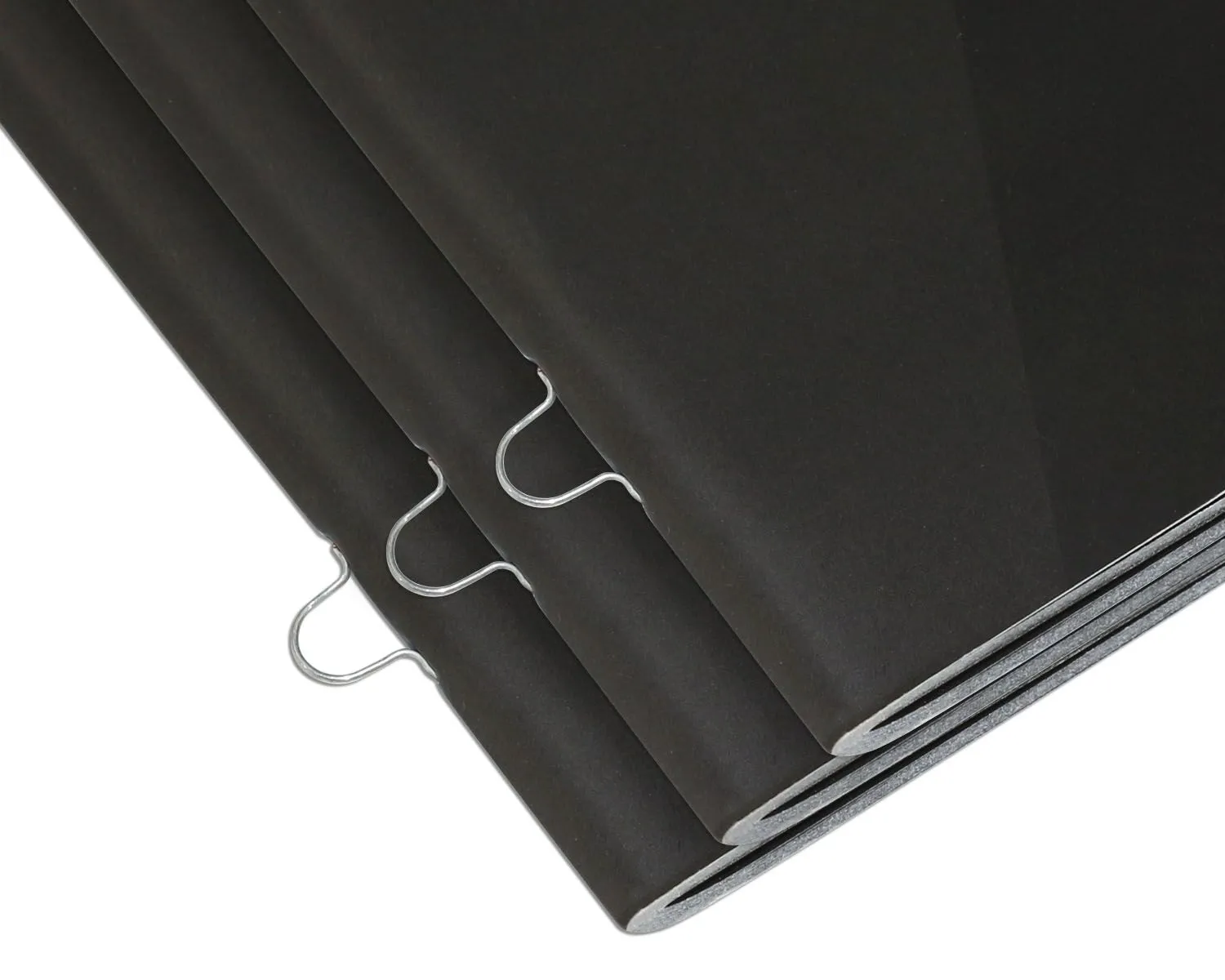
Loop Stitch
Loop stitch binding uses metal loops instead of staples to secure pages, forming visible loops along the spine. It’s durable, stylish, and ideal for booklets or manuals.
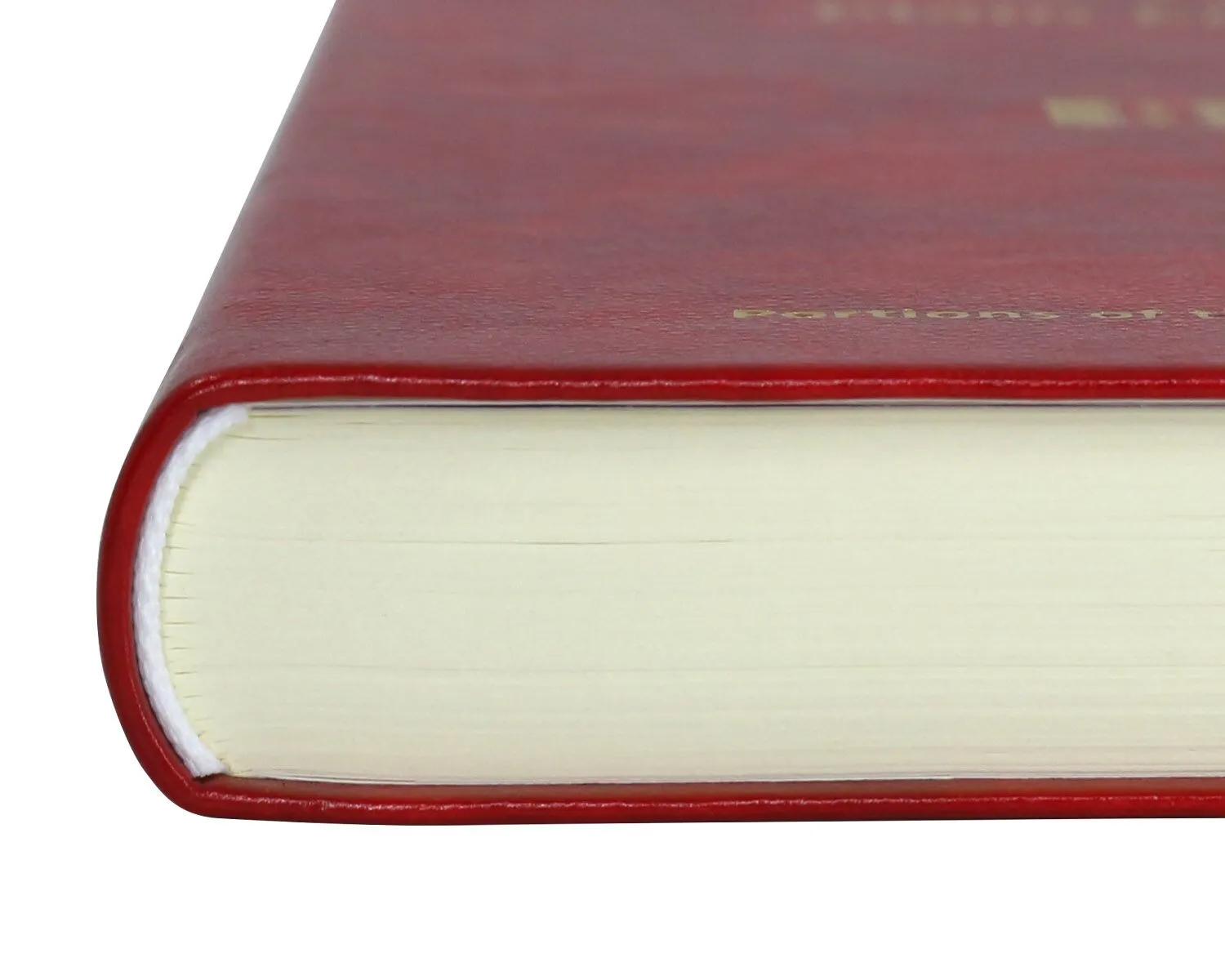
Flexibound Binding
Flexibound binding combines the durability of hardcover with the flexibility of softcover. Pages are sewn or glued, then attached to a flexible cover for a premium feel.
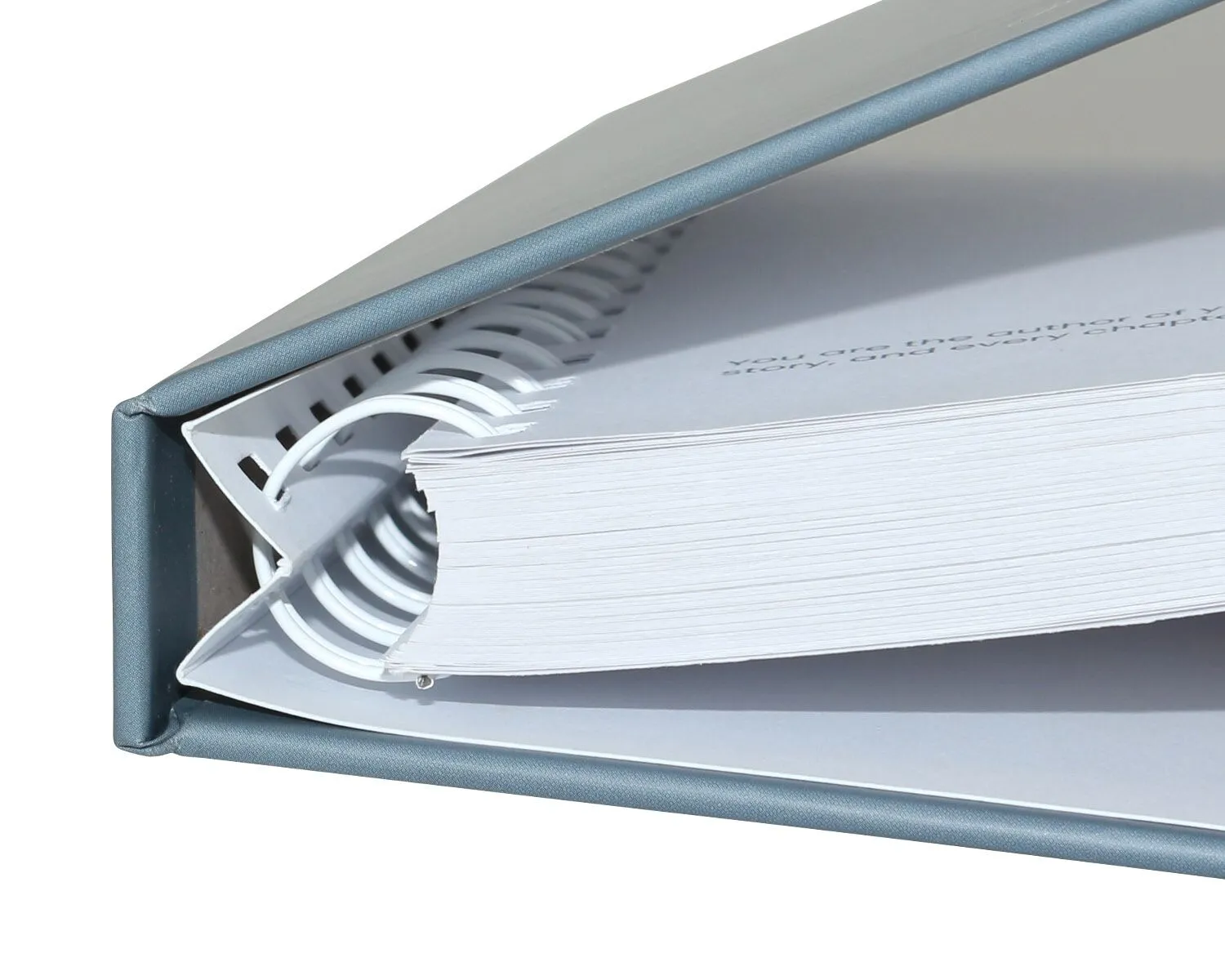
Concealed Wire-O
Concealed Wire-O binding uses a hidden metal wire to secure pages, providing a clean, professional look. It opens flat and is ideal for notebooks, planners, and cookbooks.
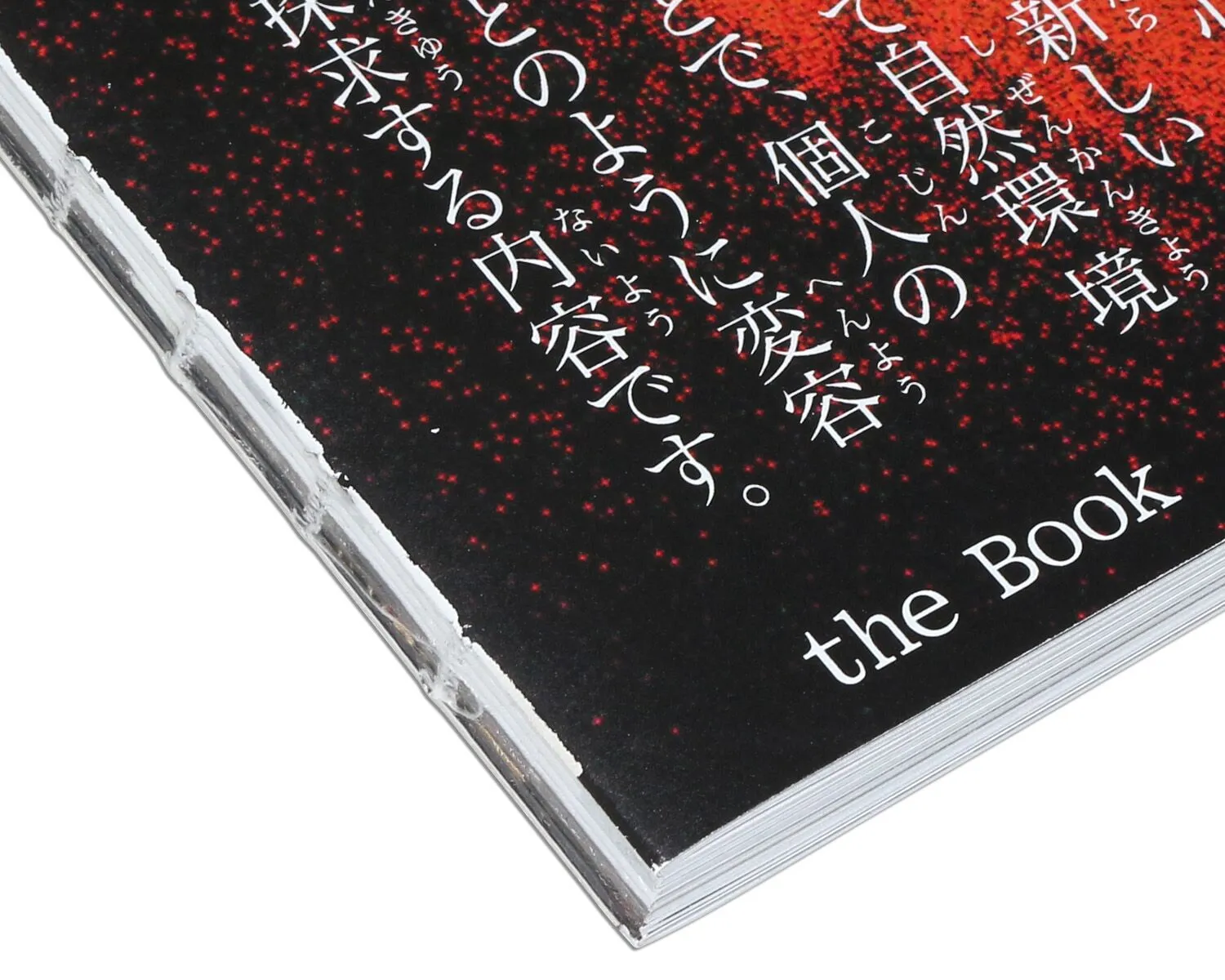
Exposed Binding
Exposed binding showcases the stitching along the spine, leaving threads visible. It’s durable, artistic, and ideal for journals, sketchbooks, and high-end designer books.
Why Choose the Right Binding Method is Important?
The binding method plays a crucial role in the overall quality and longevity of your book. It not only strengthens the book’s structure but also enhances its visual appeal. Here are some reasons why selecting the right binding method is important:
Durability: The binding method determines how well your book will withstand frequent use, handling, and storage. If you anticipate your book to be used often or passed down through generations. Selecting a sturdy binding method like hardcover or board book binding is recommended.
Professional appearance: The binding method contributes significantly to the professional look and feel of your book. A well-bound book with a clean finish immediately creates a positive impression on readers. It is more likely to be taken seriously by potential readers, reviewers, and literary agents.
Reader experience: The binding method affects the overall reading experience. A well-bound book allows readers to comfortably hold and turn pages without fear of pages falling out or the spine breaking. It ensures that the book remains intact throughout its lifespan, enhancing the enjoyment of reading.
Branding and marketing: The binding method can also be a tool for branding and marketing. Choosing a unique or eye-catching binding method can make your book stand out on bookstore shelves or online platforms. It can attracts potential readers and increasing sales.
How to Choosing the Right Binding Method
Now that we understand the importance of selecting the right binding method. Let’s delve into some valuable tips to help you make an informed decision:
Consider the purpose and content of your book: The nature of your book should guide your choice of binding method. For instance, if you are publishing a toddler book with interactive elements, board book binding is an excellent choice. As it provides durability and allows for easy page turning. On the other hand, if you are printing a novel or a non-fiction book, perfect binding or hardcover binding may be more suitable for a professional and long-lasting finish.
Evaluate your budget: You need to consider your budget when selecting a binding method. Hardcover binding, for example, tends to be more expensive than softcover or perfect binding. Assess your financial resources and determine how much you are willing to invest in the binding method without compromising on quality.
Assess the quantity and frequency of printing: If you plan to print a large quantity of books or have frequent reprinting needs. It is crucial to choose a binding method that is cost-effective and efficient. Like catalog printing, perfect binding or saddle stitch binding are often more economical options for high-volume printing. Hardcover binding may be more suitable for limited edition books or special releases.
Seek professional advice: When in doubt, consult with professionals in the book printing industry. Like BookPrintingChina, we have extensive knowledge and experience in different binding methods. We can guide you in choosing the best option based on your specific requirements. Reach out to book printing companies or experienced book designers who can provide valuable insights and recommendations.
Choosing the right binding method for your book printing project is a decision that should not be taken lightly. It requires careful consideration of factors such as durability, appearance, reader experience, and budget. We are here to help you make a right choice. Get in touch with us today to discuss your book printing and binding needs, and let us help you bring your vision to life.