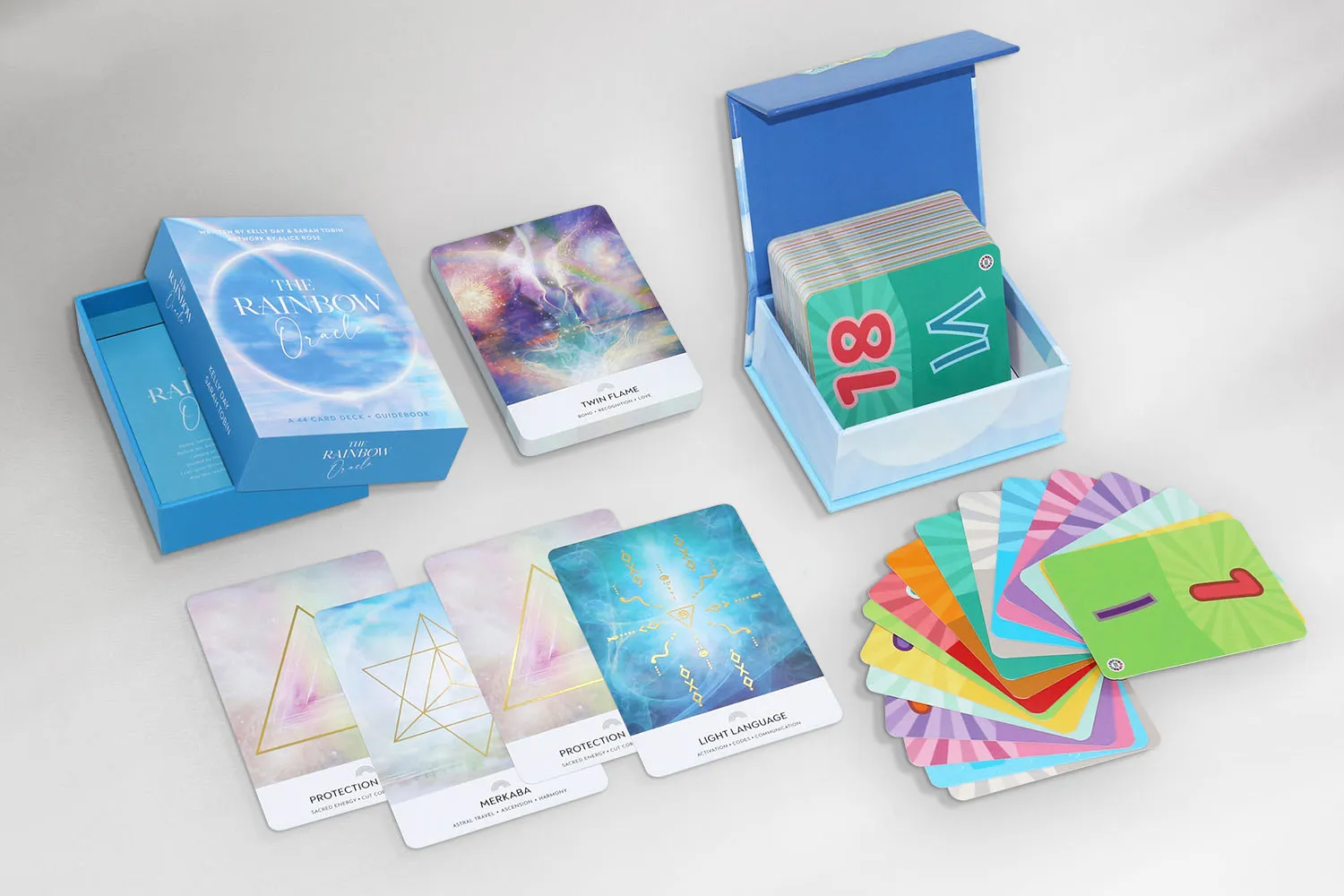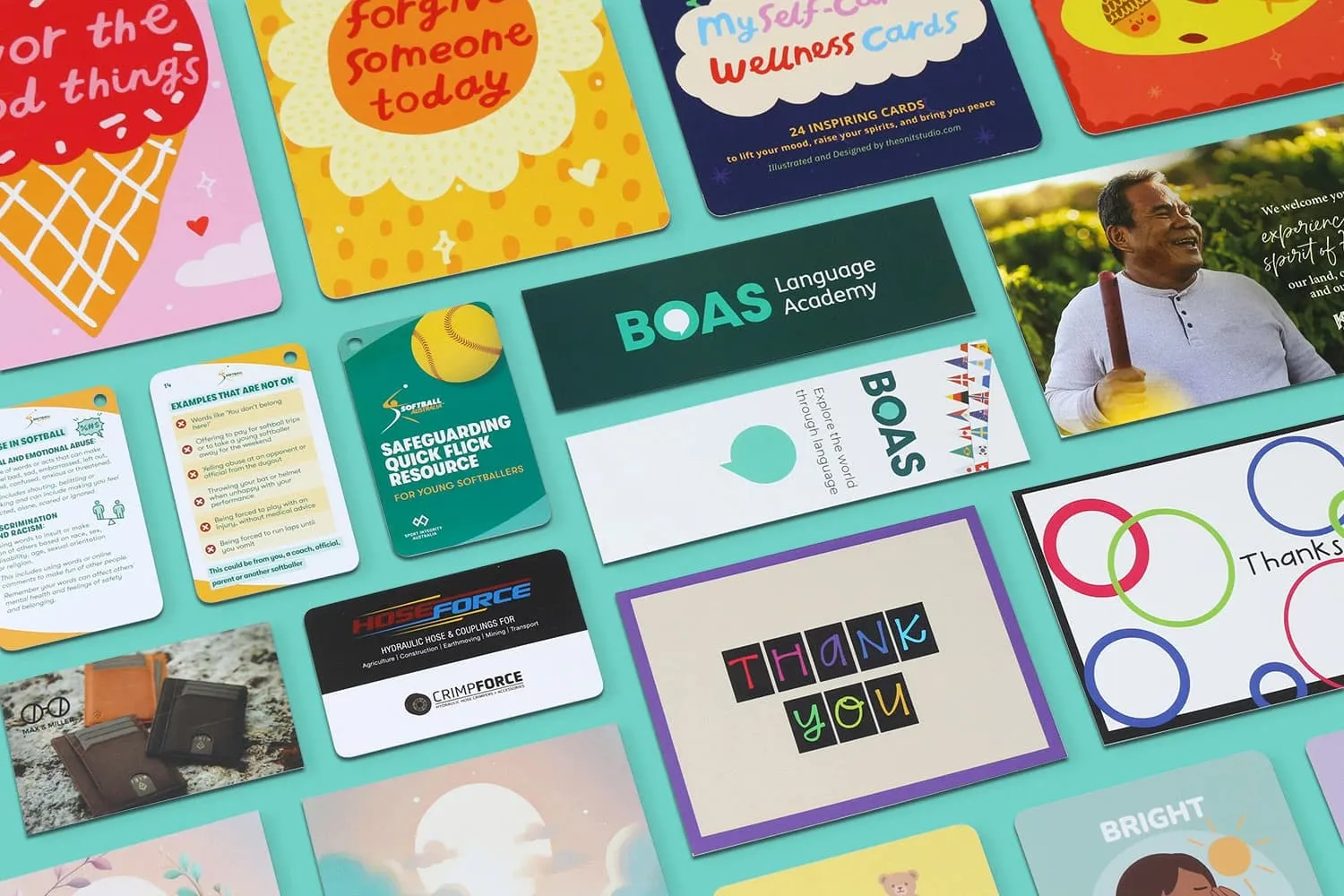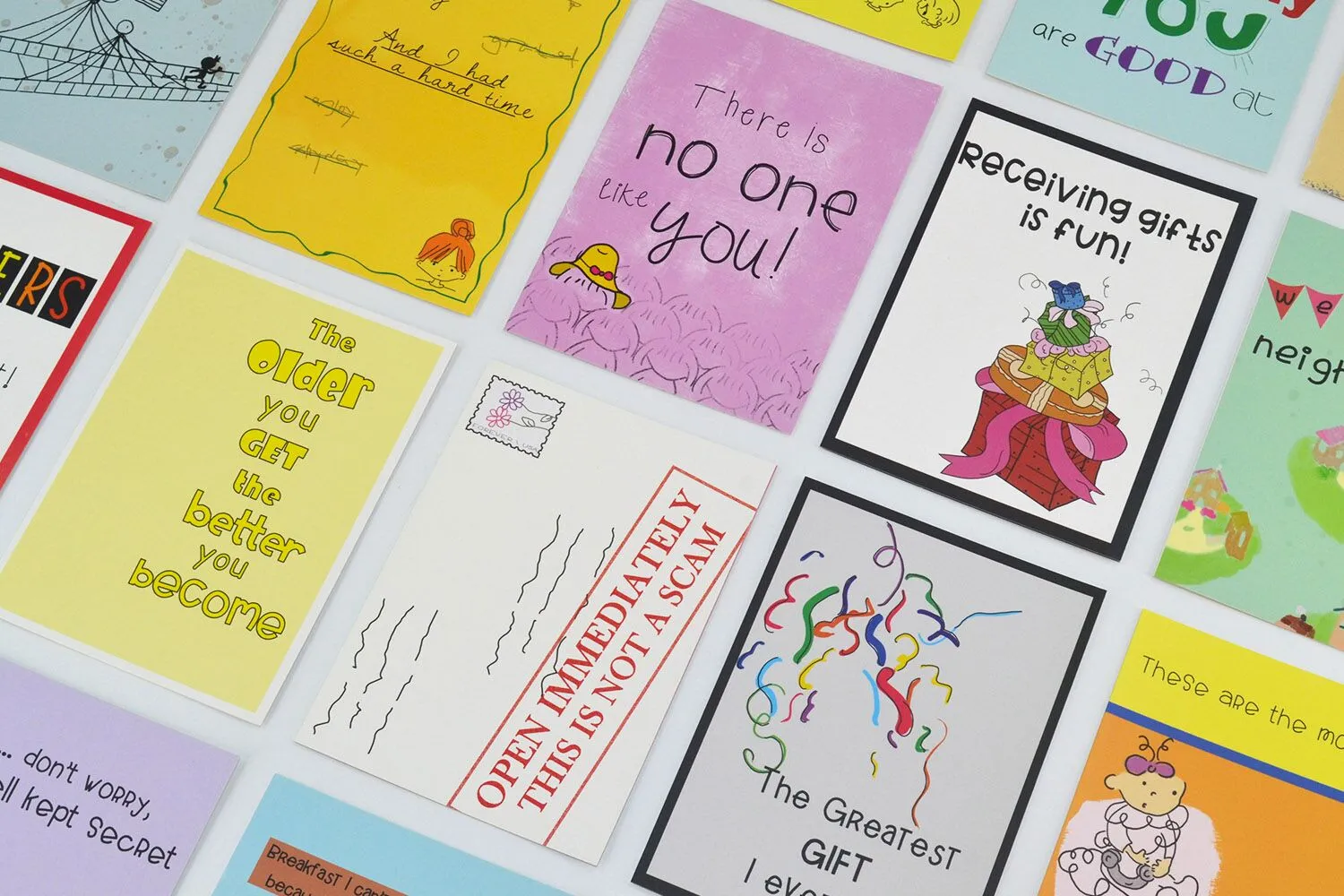





We explore how to design and print a uniqal flashcard to sell, that includes popular flashcard theme, tips of planning, designing and printing your flashcards, etc.
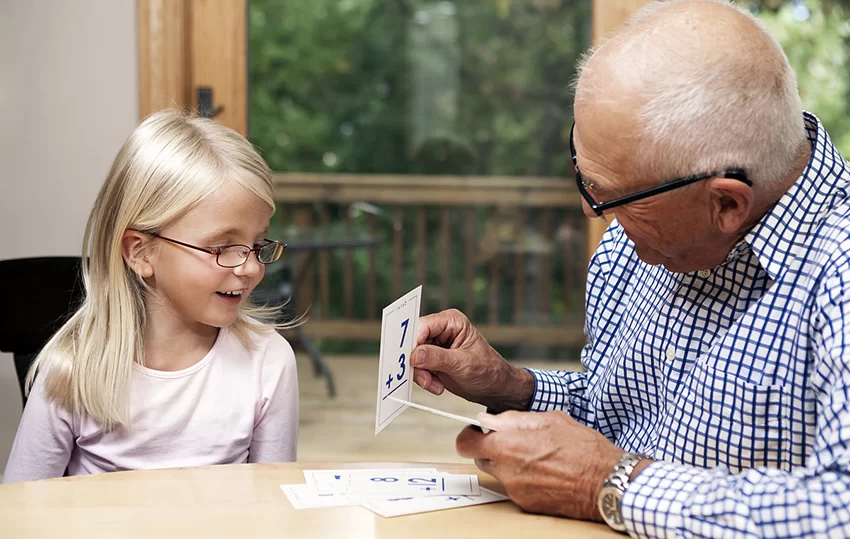
Flashcards have long been recognized as a valuable learning tool. They helping students of all ages to retain information more effectively. In recent years, the demand for custom flashcards has skyrocketed, creating a lucrative opportunity for entrepreneurs and educators alike. Whether you are a teacher looking to create custom flashcards for your classroom or an entrepreneur interested in starting a flashcard printing business, designing and printing high-quality flashcards is essential. This article will guide you through the process of designing and printing your own flashcards to sell, providing valuable insights and tips along the way.
What are Flashcards
Before we delve into the details of designing and printing flashcards, let’s first understand what they are. Flashcards are a powerful learning tool that has been used for decades to help students of all ages memorize information. They are small, portable cards that feature information on one side and a corresponding question or prompt on the other.
Flashcards can be used for a wide range of educational purposes, from language learning to exam preparation. Flashcards are easy to use, and highly effective for reinforcing knowledge and improving memory retention.
The Benefits of Flashcards
There are several benefits to using flashcards as a learning tool.
1. Promote active recall
Firstly, they promote active recall, which is the process of retrieving information from memory. Through repeatedly testing yourself on the content of the flashcards. You strengthen the neural connections associated with that information, making it easier to remember in the future. For children, flashcards can help improve their vocabulary, develop their reading skills, and enhance their memory retention. For adults, flashcards provide a convenient way to review and reinforce important concepts, making them a valuable study aid.
2. Encourage spaced repetition
Flashcards also encourage spaced repetition, which is the practice of reviewing information at increasing intervals over time. This technique has been shown to enhance long-term retention and prevent forgetting.
3. Can be customized
Additionally, flashcards can be customized to focus on specific topics or areas of weakness, allowing learners to target their study efforts more effectively.
Elements of Great Study Flashcards
To create effective study flashcards, there are a few key elements to consider:
1. Clear and concise information
Flashcards should present information in a simple and straightforward manner. Avoid cluttering the cards with excessive text or complex concepts. Keep the content concise and focus on key points.
2. Visual appeal
Use visually appealing graphics, colors, and fonts to make your flashcards attractive and engaging. Incorporate images that enhance understanding and reinforce the concepts being taught.
3. Relevance and context
Ensure that the flashcards are relevant to the learning objectives and provide context to the information being presented. This helps learners connect the concepts to real-life situations and aids in comprehension and retention.
4. Interactive elements
Make the flashcards interactive by including activities, quizzes, or games. This adds an element of fun and interactivity, making the learning experience more enjoyable and memorable.
Popular Themes of Flashcards
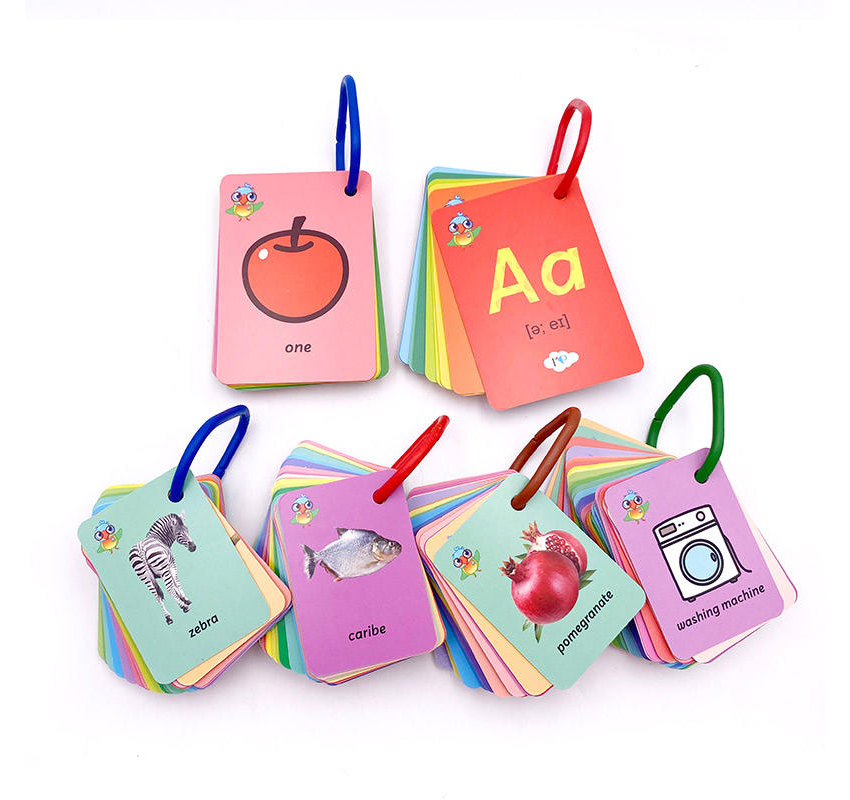
When designing flashcards to sell, it’s important to consider popular themes that appeal to a wide range of customers. Some of the most popular themes for flashcards include:
Alphabet and numbers: Flashcards that help children learn the alphabet and numbers are always in high demand. These cards often feature colorful illustrations or photos to engage young learners.
Vocabulary and language learning: Flashcards that teach vocabulary and help with language learning are popular among students of all ages. These cards can include words in different languages, along with their definitions or translations.
Math and science: Flashcards that cover math concepts, formulas, and scientific terms are commonly used by students studying STEM subjects. These cards can be designed to simplify complex concepts and make them easier to understand.
History and geography: Flashcards can help students memorize historical events, important dates, world capitals, and geographical features. They can include maps, images, and brief descriptions to aid understanding.
Art and music: Flashcards can introduce art techniques, famous artists, musical notes, and instruments. They can showcase images of famous artworks or musical scores to enhance visual learning.
Planning Your Flashcards
Before diving into the design and printing process, it’s crucial to plan your flashcards. Consider the following steps:
1. Define your learning objectives
Identify the specific knowledge or skills you want to teach with your flashcards. This will guide your content selection and design choices.
2. Research and gather content
Collect the necessary information, facts, images, and examples that will be included on your flashcards. Ensure that the content is accurate, relevant, and aligned with your learning objectives.
3. Organize and sequence
Determine the order and structure of your flashcards. Group related concepts together and consider the logical flow of information. This will help learners build connections between different cards.
Choosing a Theme for Your Flashcards
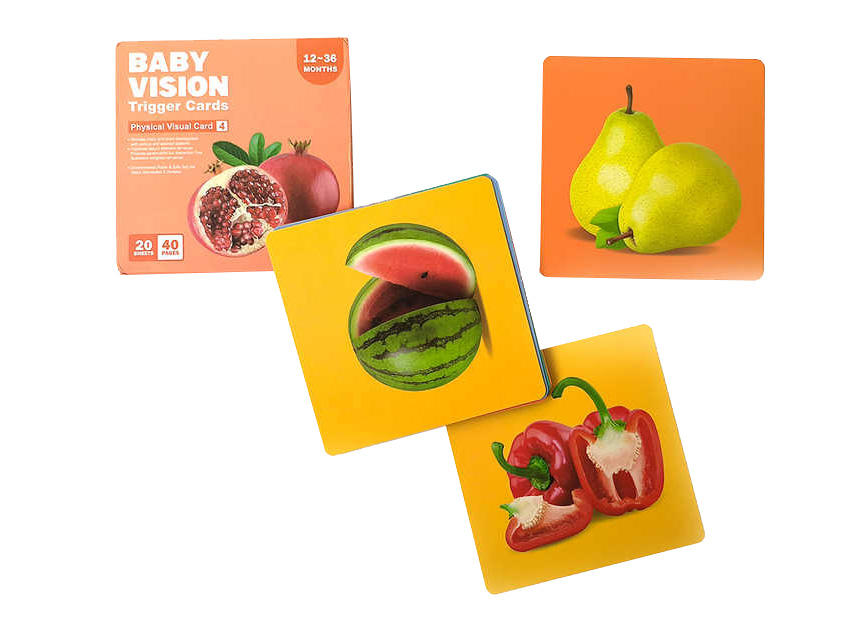
To maximize your sales potential, it’s important to choose a theme for your flashcards that is both popular and aligned with your target audience. Consider the age group, educational level, and interests of your potential customers when selecting a theme. For example, if you are creating flashcards for young children to learn basic math skills, you might choose a theme with colorful illustrations and numbers. For older students studying vocabulary, a theme related to their interests or specific subject matter would be more appropriate. Conducting market research can help you make an informed decision.
Designing Your Flashcards
Now that you have chosen a theme for your flashcards, it’s time to design them. Follow these steps to create eye-catching and effective flashcards:
1. Choose a design software
To create professional-looking flashcards, you will need a design software that offers a wide range of features and templates. Some popular options include Adobe Illustrator, Canva, and Microsoft Publisher. These software programs allow you to easily customize your flashcards with images, text, and various design elements.
2. Decide card shape, size, and layout
The shape, size, and layout of your flashcards are important factors to consider. Standard flashcards are typically rectangular in shape, but you can experiment with different shapes to make your product stand out. Make sure to choose a size that is easy to handle and fits comfortably in the hands of your target audience. When designing the layout, consider the placement of text and images to ensure clarity and readability. Standard flashcards are usually small in size ( e.g. 3×5 inches, 5 x7 inches, A6, A7,). But you can experiment with different shapes and sizes to make your flashcards stand out.
3. Design the front card
The front of your flashcard is where you will display the key information or question. Choose a font that is legible and appropriate for the age group you are targeting. Use bold and vibrant colors to grab attention and make the content visually appealing. Include relevant images or illustrations that reinforce the concept or topic being covered.
4. Design the back card
The back of your flashcard is where you will provide the answer or additional information related to the question on the front. Use a clean and organized layout to present the information clearly. Consider using bullet points or numbered lists for easy comprehension. Include any relevant examples or explanations that will help the user understand the concept better.
5. Design the card package
If you plan on selling your flashcards as a set, designing an attractive and informative card package is crucial. The package should include a clear and eye-catching cover that showcases the theme of your flashcards. Provide a brief description of the content and benefits of your flashcards on the back of the package. Make sure to include your contact information and any necessary instructions for using the flashcards.
Printing Your Flashcards
Once your flashcards are designed, it’s time to bring them to life through printing. Consider the following factors when start your custom flashcards printing:
1. Choose a flashcard printer
Research and select a reputable flashcard printing company that offers high-quality printing services. Look for companies that specialize in children’s flashcard printing, as they often have experience in producing visually appealing and durable cards.
2. Choose right paper type
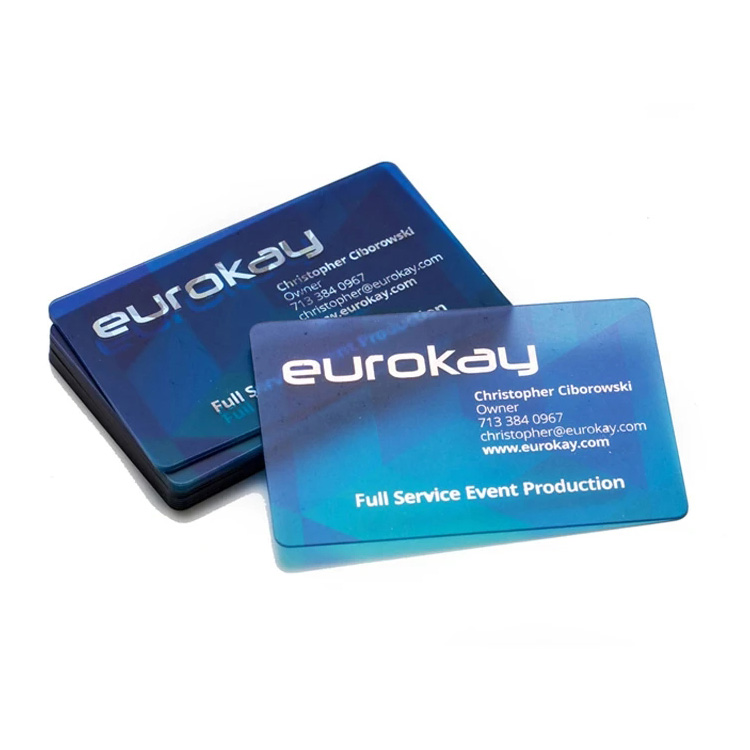
Choosing the right paper type is essential to ensure the durability and quality of your flashcards. Two commonly used paper options for flashcard printing are C2S paper and C1S paper. C2S paper, also known as coated paper, has a glossy finish on both sides, which makes colors appear more vibrant. C1S paper, or coated one side paper, has a glossy finish on one side and a matte finish on the other. Consider the look and feel you want to achieve when selecting the paper type for your flashcards.
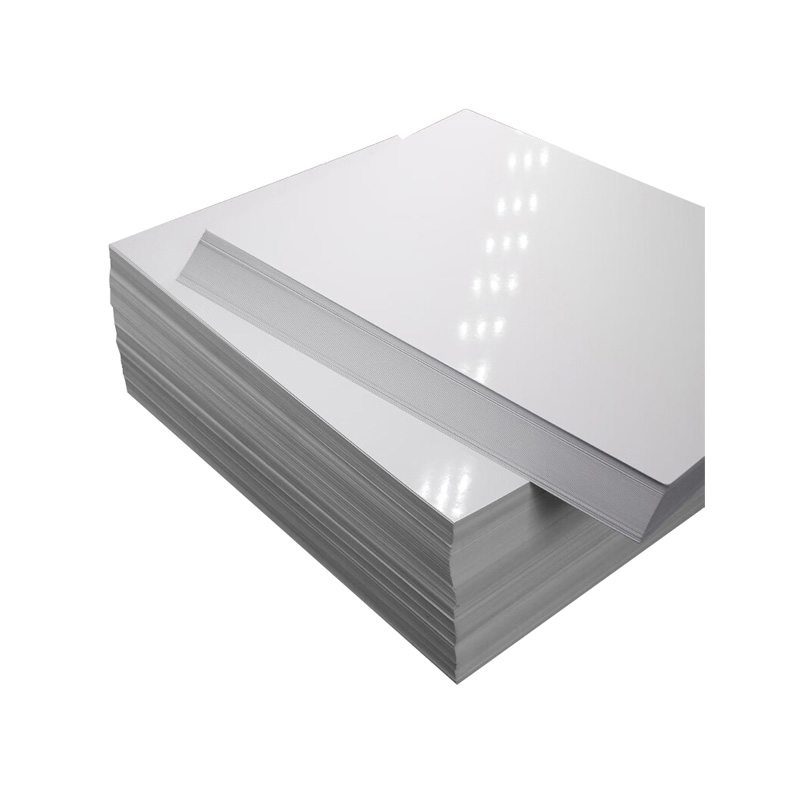 |
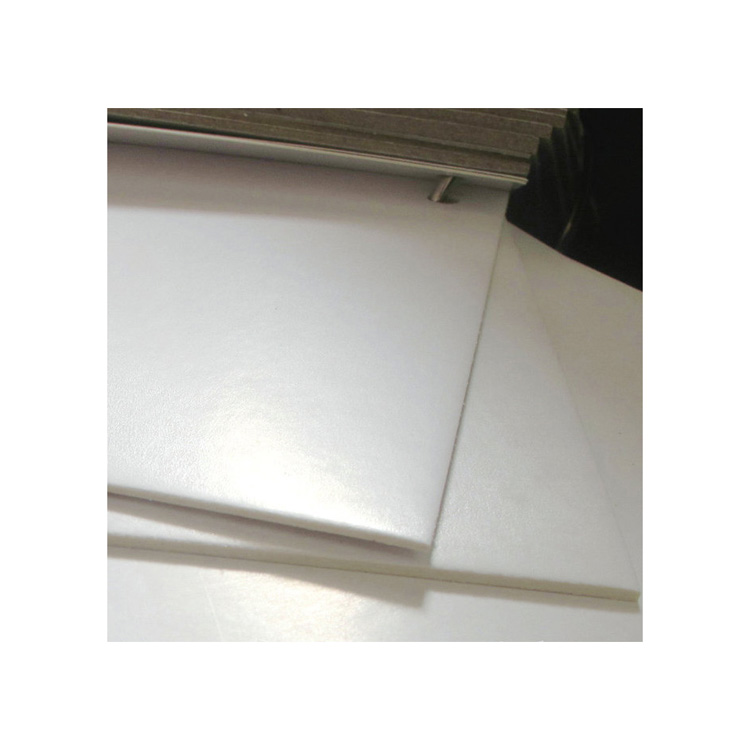 |
 |
| C2S paper | C1S paper | More |
Popular paper weight for custom flashcard:
250gsm/ 92 lb glossy/matte C2S paper
300gsm/ 111 lb glossy/matte C2S paper
350gsm/ 129 lb glossy/matte C2S paper
Two sheets of 250gsm/ 92 lb C1S paper wrapped together
Two sheets of 300gsm/ 111 lb C1S paper wrapped together
Two sheets of 350gsm/ 129 lb C1S paper wrapped together
3. Choosing finish options
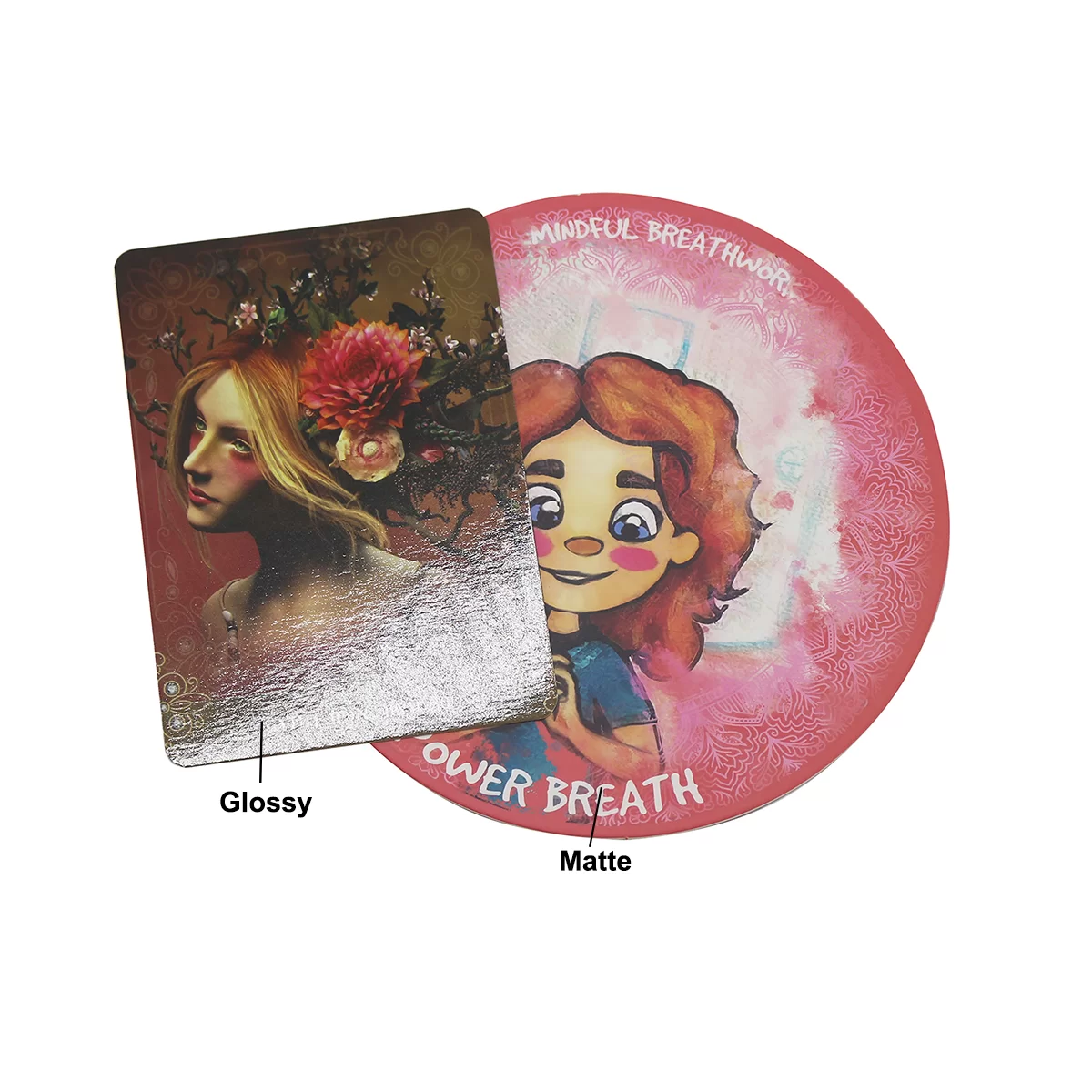
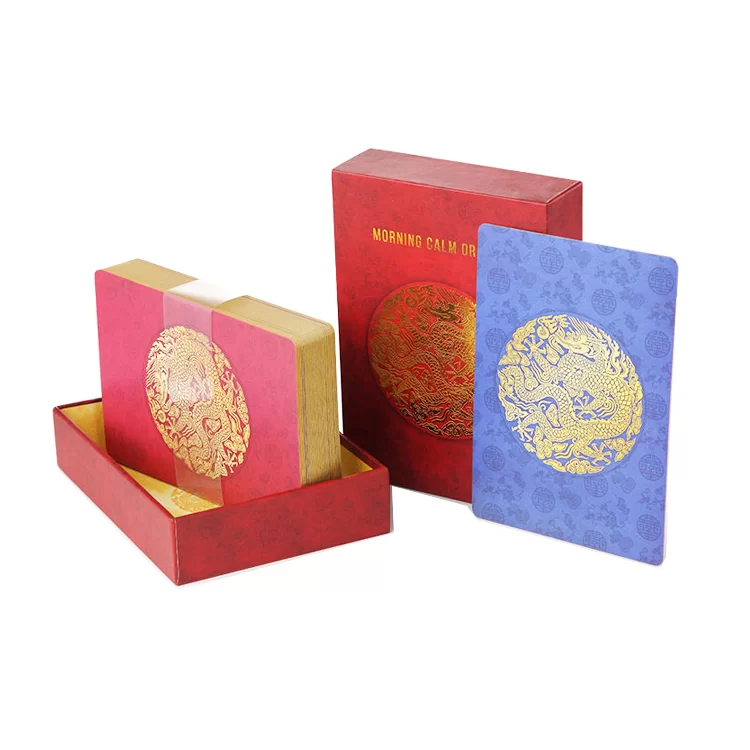
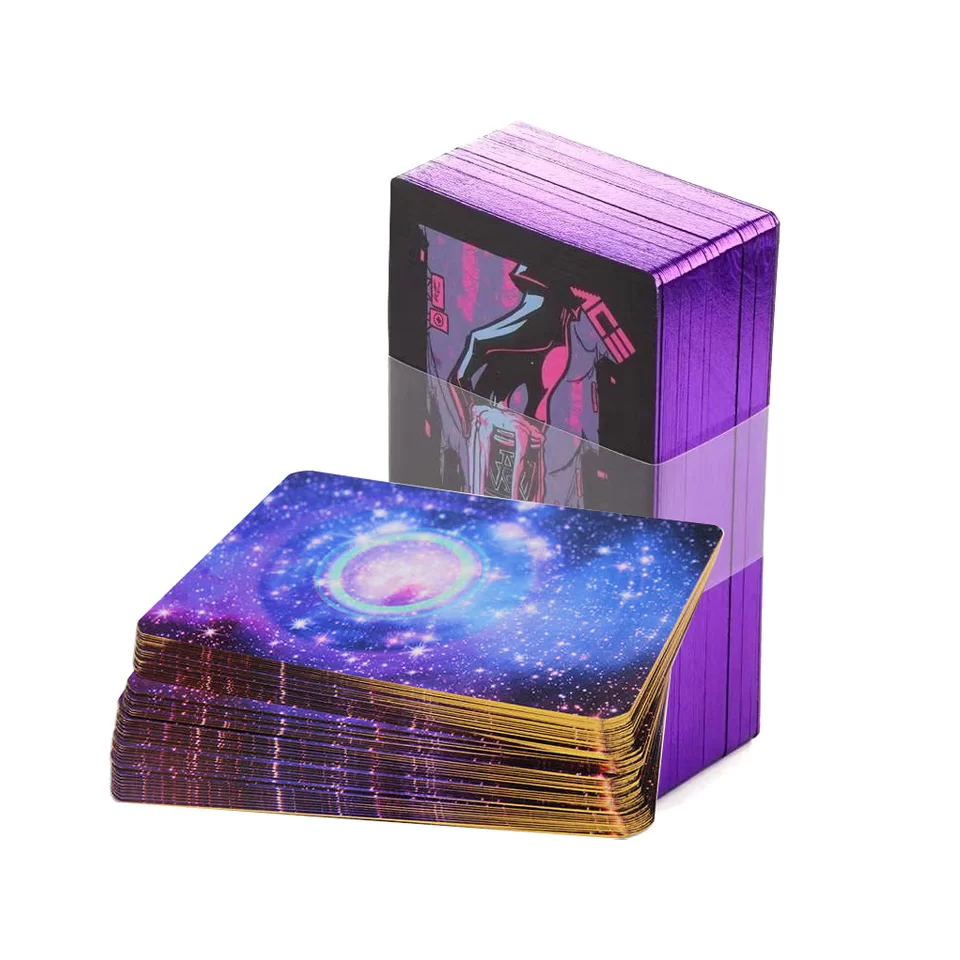
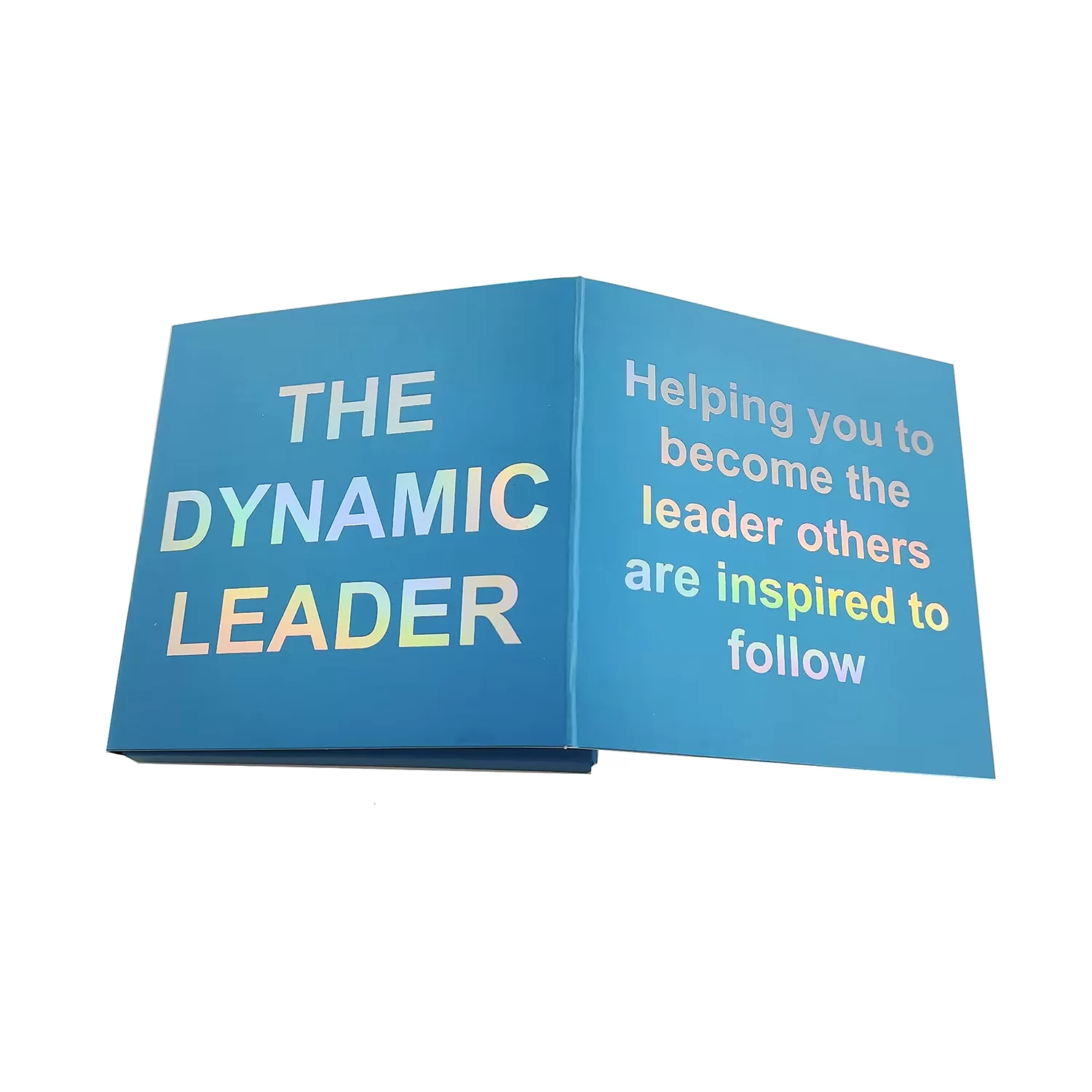
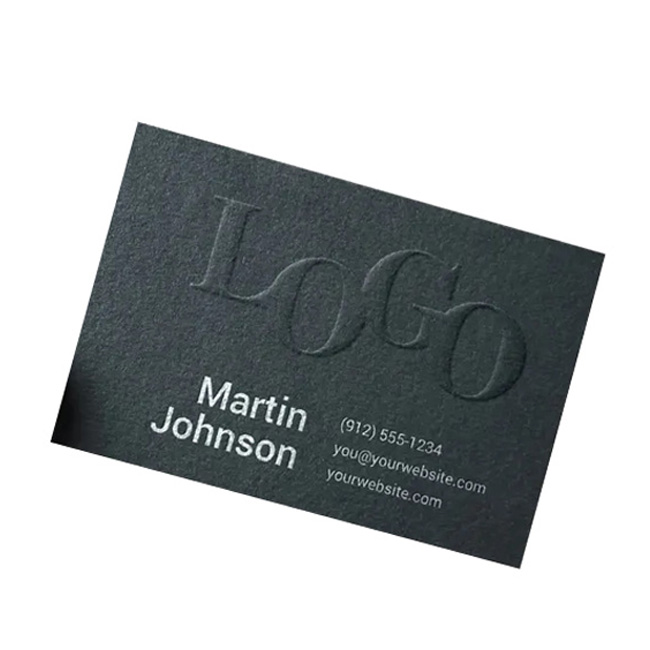
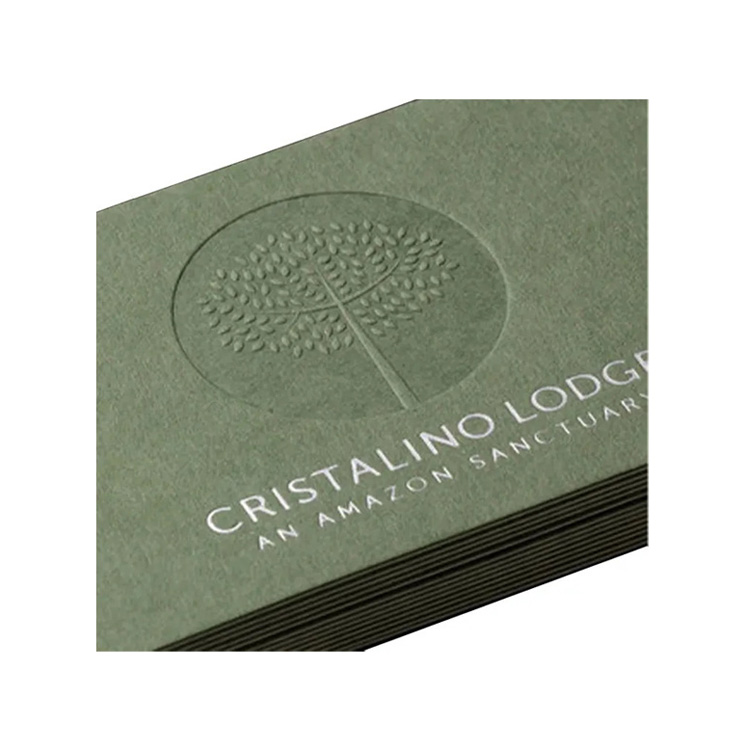
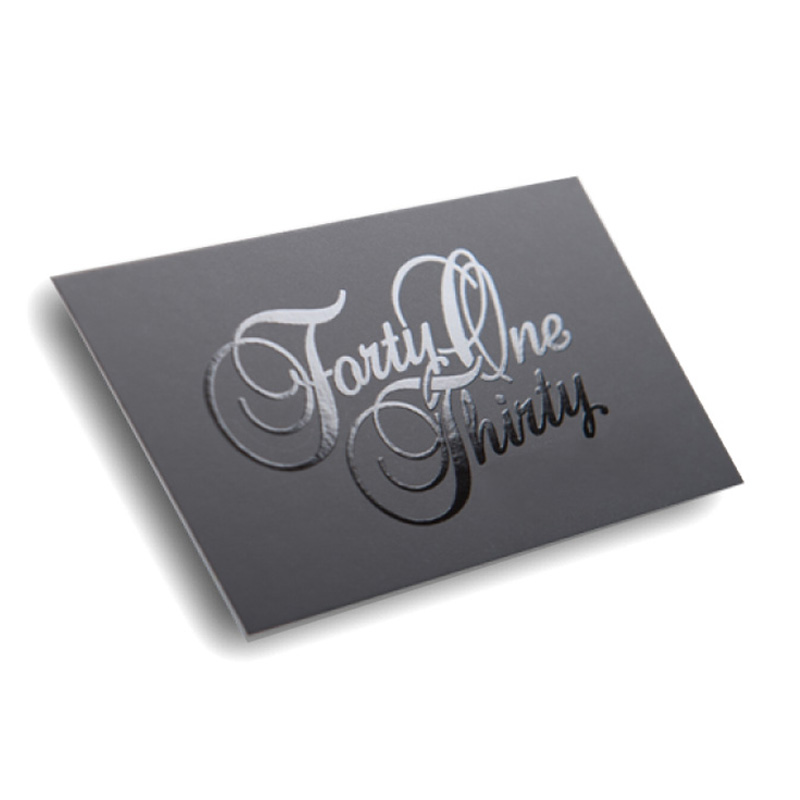
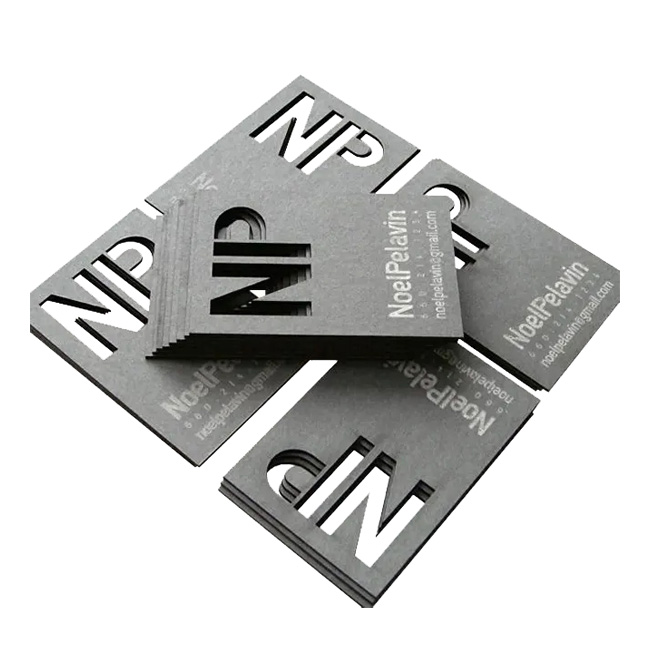
In addition to choosing the paper type, you may also want to consider finish options to enhance the overall appearance of your flashcards. Some popular finish options include matte, gloss lamination and UV coating. Matte finish provides a smooth and non-reflective surface, while gloss finish adds shine and vibrancy to the colors. UV coating offers extra protection against wear and tear, making your flashcards more durable. More finish options, please refer “surface finish”
 |
 |
 |
 |
| Glossy/Matte lamination | Foil stamping | Glitter edge | Laser foil stamping |
 |
 |
 |
 |
| Emboss | Deboss | Spot UV | Die cut |
4. Review and proofread
Before sending your flashcards for printing, carefully review the design, content, and layout. Check for any errors, typos, or formatting issues. It’s a good idea to have someone else proofread your work to catch any mistakes you may have missed.
5. Place your order
Once you are satisfied with the final design, submit your order to the printing company. Provide them with all the necessary files and specifications. Make sure to inquire about the estimated turnaround time and delivery options.
Selling and Marketing Your Flashcards
Now that your flashcards are printed and ready to sell, it’s time to focus on marketing and sales. Here are some tips to help you effectively market and sell your flashcards:
1. Identify your target market
Clearly define your target market based on age, educational level, and interests. This will help you tailor your marketing efforts to reach the right audience.
2. Create a strong online presence
Establish a professional website or online store where customers can easily purchase your flashcards. Utilize social media platforms and online marketplaces to reach a wider audience.
3. Leverage influencers and reviews
Collaborate with influencers or bloggers in the education or parenting niche to promote your flashcards. Encourage customers to leave positive reviews and testimonials to build credibility and trust.
4. Offer discounts and bundles
Attract customers by offering discounts, promotions, or bundle deals. This can incentivize them to purchase multiple sets of flashcards or try out your product.
Tips to Design Your Flashcard Artwork for Printing
Designing your flashcard artwork with printing in mind is crucial for a successful final product. Here are some tips to ensure your artwork is print-ready:
1. Use high-resolution images
To prevent pixelation and ensure crisp printing, use high-resolution images (at least 300dpi) or vector graphics in your design. This will result in sharp and clear visuals on the printed flashcards.
2. Pay attention to color accuracy
Adjust your design settings to ensure accurate color reproduction during printing. Use the CMYK color mode instead of RGB, as it is specifically optimized for print.
3. Maintain safe margins and bleed
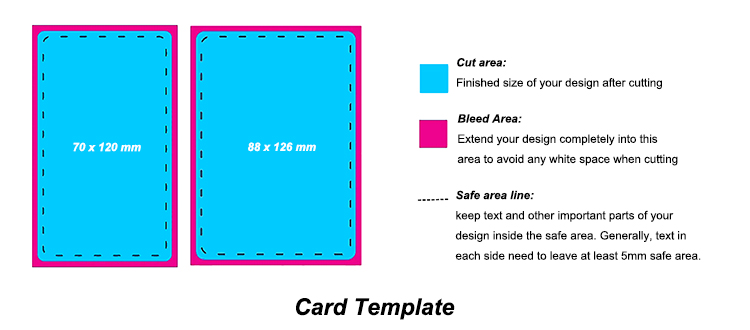
Keep important elements like text and images within the designated safe margins to avoid any trimming issues. If you want the design to extend to the edge of the card, include a bleed area(at least 3mm/0.125inches) to ensure a clean and professional finish.
4. Convert fonts to outlines
To avoid any potential font issues, convert your fonts to outlines before sending the file for printing. This will ensure that the text appears as intended, even if the printing company does not have the exact fonts you used.
5. Include a dieline
If you are using custom shapes or die-cutting for your cards, include a dieline in your design file. This will help the printing company understand the desired shape and ensure accurate cutting.
6. Save the file as a print-ready PDF
Once you have finalized your design, save the file as a print-ready PDF. Make sure to check the settings and options specified by your printing company, such as bleeds, color profiles, and compression settings.
Tips to Sell Your Flashcards
Selling flashcards successfully requires a strategic approach. Here are some tips to help you increase sales and grow your business:
1. Offer free samples or trials
Give potential customers a taste of your flashcards by offering free samples or trials. This allows them to experience the quality and effectiveness of your product before making a purchase.
2. Provide educational resources
Create additional educational resources, such as study guides or online tutorials, that complement your flashcards. This will add value to your product and position you as an authority in the field.
3. Implement customer loyalty programs
Reward repeat customers and encourage brand loyalty by implementing customer loyalty programs. Offer discounts or exclusive perks to customers who make multiple purchases or refer others to your flashcards.
How to Print Your Flashcard?
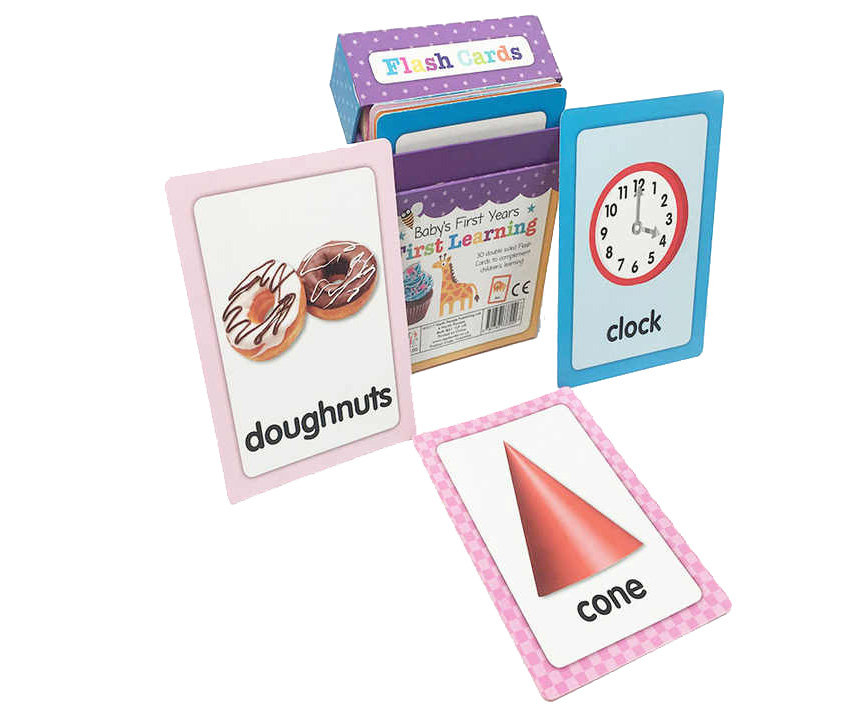
When comes to custom flashcard printing, there many printing methods to choose from, the most common printing methods are print on demand and offset printing. Depends on your quantity and budget, you can choose is suitable one for your flashcard printing.
1. Print on demand
Print-on-demand services are an excellent option for small-scale production. These services allow you to print a small batch of flashcards as per your requirements, eliminating the need for large upfront investments. Research and select a reputable print-on-demand company that specializes in flashcard printing. Ensure that they offer high-quality materials and printing options that align with your design specifications.
2. Offset printing
Offset printing is a more traditional printing method suitable for larger production volumes. This method involves creating printing plates and transferring ink onto the flashcards. Offset printing offers superior color accuracy and is cost-effective for bulk orders. However, it requires higher minimum order quantities and longer production lead times compared to print-on-demand services.
In conclusion, designing and printing flashcards to sell requires careful consideration of the theme, design, printing, and marketing strategies. Following above steps outlined in this article, you can create high-quality flashcards that will appeal to your target audience and help them in their learning journey. With a well-designed product and effective marketing, your flashcards can become a valuable educational resource for students of all ages.
Talk to Us
If you’re looking for a reliable custom flashcard printing company, we are here to help. Our experienced team can assist you with all your flashcard printing needs, from design to production. Contact us today to discuss your requirements and take your flashcard business to the next level.