




Die Cutting
In this guide, we’ll unpack the intricacies of die cutting, its advantages, and showcase some stunning examples of die-cut products. Die cutting is a versatile printing technique that has become increasingly popular in recent years, offering a wide range of creative possibilities for businesses and individuals alike.
What Is Die Cut In Printing
In the world of printing and graphic design, the term “die cut” refers to the process of cutting or shaping materials, such as paper, cardboard, or even plastic, into specific designs or patterns using a specialized tool called a “die.” This die is a sharp metal or plastic template that is designed to cut the material into the desired shape.
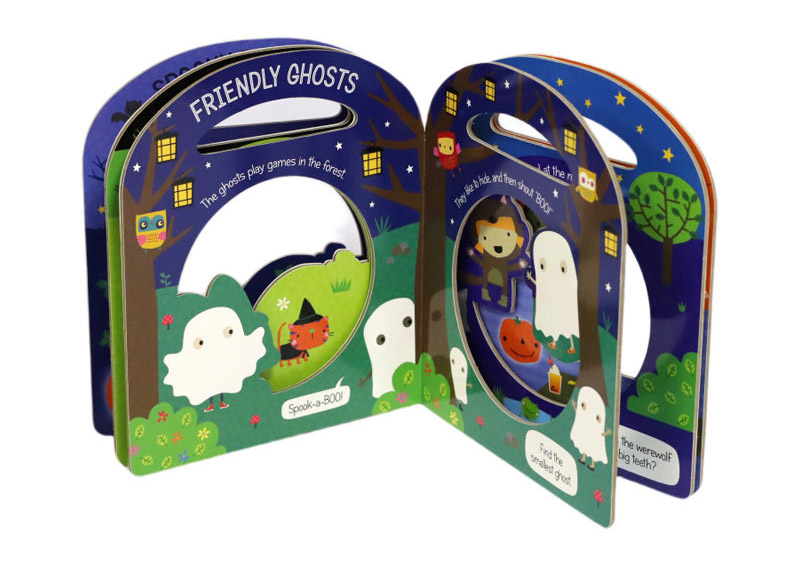
Die cutting is a versatile technique that allows for the creation of a wide range of custom-shaped products, from label & sticker to intricate packaging and even pop-up books.
The die-cutting process involves placing the material to be cut onto a cutting surface, aligning the die with the desired location, and then applying pressure to the die to cut through the material.
The Advantages Of Die Cut
Die cutting offers several advantages that make it a popular choice for a variety of printing and packaging applications:
-
Customization: Die cutting allows for the creation of unique shapes, patterns, and designs that can be tailored to specific needs or branding requirements. This can help businesses and individuals stand out in a crowded marketplace.
-
Enhanced visual appeal: Die-cut products often have a distinctive and eye-catching appearance, which can help them stand out in the market and make a lasting impression on your customers.
-
Precision: The die-cutting process is highly accurate, ensuring that the final product matches the design specifications precisely. This attention to detail can be especially important for packaging, labeling, and other applications where precise dimensions are crucial.
-
Efficiency: Die cutting can be a relatively fast and efficient process, especially when compared to manual cutting or other more labor-intensive methods. This can help reduce production times and costs.
-
Versatility: Die cutting can be applied to a wide range of materials, including paper, cardboard, plastic, and even fabric, making it a versatile technique for a variety of printing and packaging applications.
-
Durability: The clean, precise cuts produced by die cutting can result in products that are more durable and less prone to fraying or tearing, which can be important for items like labels, stickers, and packaging.
-
Cost-effectiveness: For high-volume production runs, die cutting can be a cost-effective solution compared to foil stamping or emboss. As the initial investment in the die can be amortized over a large number of units.
Pop Die Cut Products
Die cutting is a versatile technique that can be used to create a wide range of custom-shaped products. Here are some popular examples:
 |
 |
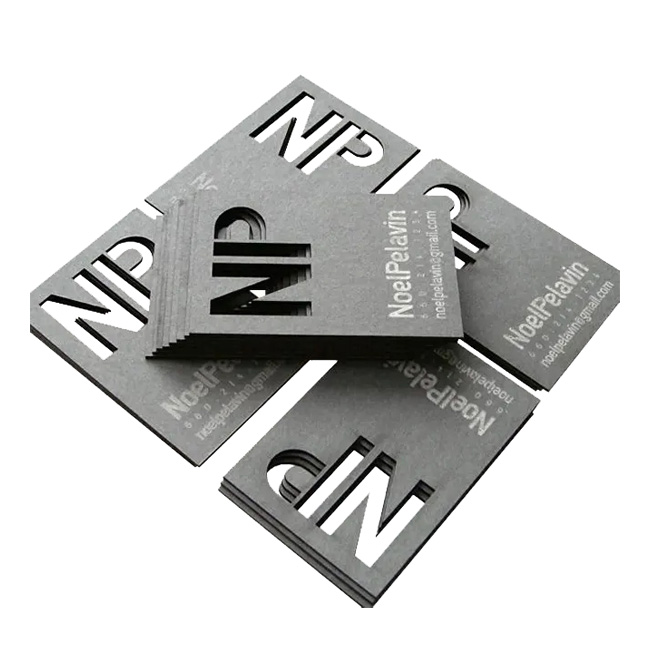 |
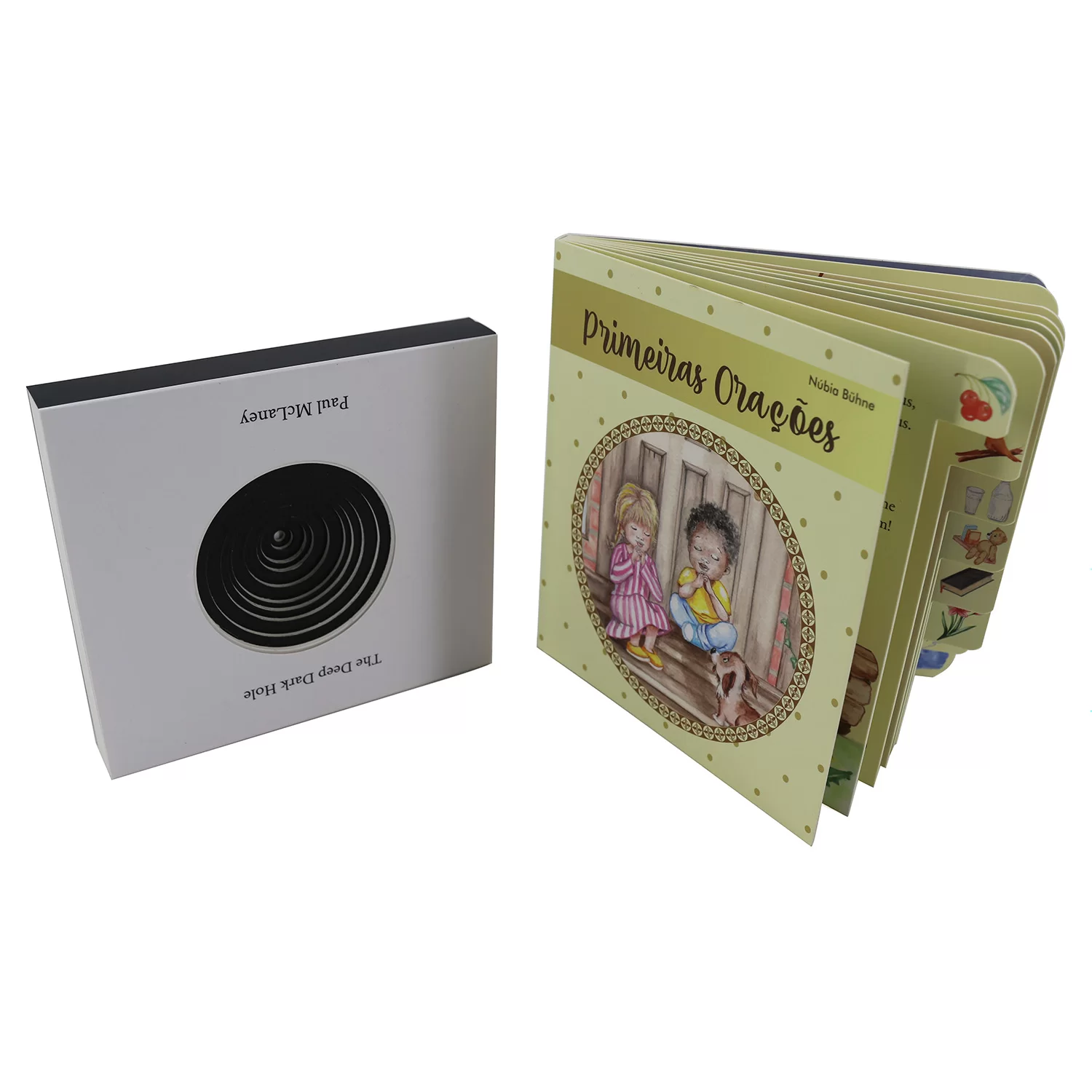
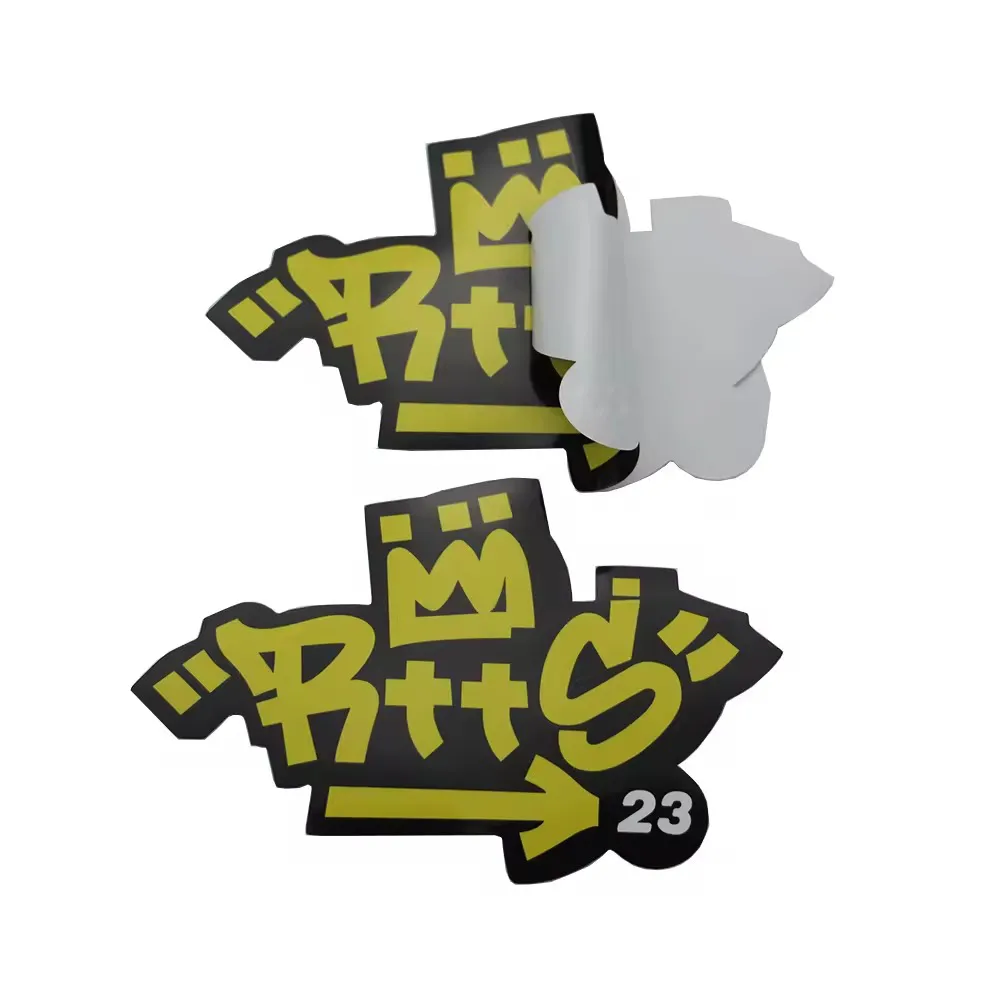
| Die cut board book | Die cut sticker printing | Die cut business cards |
-
Custom die cut books: Die cutting can be used to create unique book covers, interior pages, and even book edges with intricate designs and shapes. Especially in the children’s book printing field, die cut is a cost-effective and appeal way to cataching children’s eye.
-
Custom die cut sticker & label printing: Die-cut stickers and labels can be produced in a variety of shapes and sizes, making them ideal for product branding, packaging, and more.
-
Custom die cut cards: From business cards and postcards to flashcards and greeting cards, die cutting can add a touch of elegance and uniquity to a wide range of card products.
-
Custom die cut brochures & flyers: Die-cut brochures and flyers can feature unique shapes, windows, or cutouts, drawing the reader’s attention and creating a memorable marketing experience.
-
Custom die cut packaging: Die cutting is often used in the production of custom packaging, such as boxes, bags, and labels, to create unique and visually appealing designs.
Die cutting can be applied to a variety of other products, including bookmarks, round corners, custom tabs, envelopes, wedding invitations, die-cut puzzles and so on.
Above just a few examples we provide for die cut products, more die cut custom options, please feel free to contact our experts. If you are looking for a cost-effective way to make your product and brand stand out from your competitiors, and leave a deep and lasting impression in your target audience, die cut is a great option.
Die Cut Process
The die-cutting process typically involves the following steps:
-
Design creation: The first step in the die-cutting process is to create the design or pattern that will be cut into the material. This can be done using graphic design software or by working with a professional designer.
-
Die creation: Once the design is finalized, a custom die is created to match the desired shape or pattern. This die can be made from a variety of materials, such as steel, brass, or even laser-cut acrylic.
-
Material preparation: The material to be cut, such as paper, cardboard, or plastic, is prepared and positioned on the cutting surface.
-
Cutting: The die is then placed over the material and pressure is applied, either manually or using a die-cutting machine, to cut the material into the desired shape.
-
Finishing: After the cutting process, the cut material may undergo additional finishing steps, such as scoring, perforating, or folding, to create the final product.
The die-cutting process can be highly customized to meet the specific needs of each project, from the size and shape of the die to the type of material being used.
Die Cut Artwork Design Tips
When designing artwork for die-cut products, there are a few key considerations to keep in mind:
-
Understand the die-cutting process: It’s important to have a solid understanding of how the die-cutting process works and the limitations of the technology. This will help you design artwork that can be effectively cut and produced.
-
Consider the final product dimensions: When designing your artwork, be sure to take into account the final dimensions of the die-cut product. Because this will impact the overall design and layout.
-
Leave enough bleed area: To ensure that your design is properly trimmed, it’s important to leave a sufficient bleed area around the edges of your artwork.
-
Avoid small or intricate details: Very small or intricate design elements may be difficult to reproduce accurately during the die-cutting process. It’s best to keep your designs relatively simple and bold.
-
Incorporate structural elements: Consider incorporating structural elements into your design, such as perforations, folds, or cut-outs, to add visual interest and functionality to the final product.
-
Mark line colors: It is recommended to mark die cut lines, folding lines and other lines with difference colors, so that your printer can see which line is represent which.
-
Use PDF format: For best results, we recommend use Adobe Illustrator to set up your graphic as vectors in PDF format.
By keeping these design tips in mind, you can create stunning and effective die-cut products that truly stand out from the crowd.
If you’re interested in exploring the possibilities of die-cut printing for your next project, we’d be happy to discuss your specific needs and provide a customized quote. Simply contact us to get started.