




Creating interactive children’s books is an art form that combines storytelling with engaging elements to captivate young minds. These books are not just about reading; they are about experiencing a story through touch, sound, and imagination.
In this article, we’ll guide you through the essentials of designing interactive children’s books that enchant kids and make reading a delightful adventure. We will explore why these books are important, the various types of interactive designs, and how to bring your creative ideas to life.
What are Interactive Children’s Books
Interactive children’s books are designed to engage young readers through hands-on activities and sensory experiences. These books often include elements like flaps, pop-ups, textures, and sounds that invite children to take part actively in the storytelling process. By transforming reading into a multifaceted experience, interactive books encourage kids to explore, question, and discover.
Unlike traditional books, interactive children’s books are crafted to stimulate many senses. The tactile elements and vivid illustrations are designed to capture attention and hold it, making reading an enjoyable and fascinating activity. These books serve as a bridge between learning and play, nurturing a child’s curiosity and imagination.
The interactive nature of these books also fosters a deeper connection with the content. Children are not just passive listeners; they become part of the story, interacting with characters and scenarios. This active participation enhances comprehension and retention, making the learning process both fun and effective.
Why Design Interactive Books for Children

Designing interactive books for children can have numerous benefits:
Improve Reading Interest
Interactive children’s books are a fantastic tool to improve reading interest among young learners. The engaging elements turn reading from a mundane task into an exciting adventure. By incorporating flaps to lift, buttons to press, or textures to feel and more, these books grab a child’s attention and spark their curiosity to explore further.
Young readers are naturally drawn to activities that allow them to be hands-on. Interactive books cater to this preference by providing opportunities for children to physically engage with the story. This engagement not only makes reading more enjoyable but also encourages children to spend more time with books, thus fostering a love for reading.
Moreover, the diverse interactive components introduce an element of surprise and discovery, keeping children eager and motivated to read. This heightened interest can have a lasting impact, cultivating a lifelong passion for books and learning.
Enhance Emotional Experience
Interactive books enhance the emotional experience of reading by allowing children to connect with the story on a personal level. The tactile elements and vivid illustrations elicit emotions and stimulate imagination, helping children relate to the characters and situations more deeply.
Through interactive play, children can express emotions and empathize with characters, which is crucial for emotional development. For instance, a book with a story about a lost puppy might include a soft, furry texture to touch, helping children understand the puppy’s need for comfort and love.
Additionally, the emotional involvement encouraged by interactive books can aid in developing social skills. As children discuss stories with peers or caregivers, they learn to articulate feelings and share experiences, contributing to their emotional intelligence and interpersonal relationships.
Develop Cognitive and Fine Motor Skills
Interactive children’s books are instrumental in developing cognitive and fine motor skills. The activities within these books need children to think critically, solve problems, and make decisions, all which enhance cognitive development.
The physical interaction with books—such as lifting flaps, tracing letters, or piecing puzzles—improves hand-eye coordination and fine motor skills. These actions need precision and control, which are essential skills for writing and other daily tasks.
Furthermore, interactive books often incorporate educational content, such as numbers, letters, and shapes, seamlessly into the story. This integration helps children learn foundational concepts effortlessly while enjoying their reading adventure.
Cultivate Creativity
Interactive children’s books are a powerful medium for cultivating creativity. The open-ended nature of these books encourages children to imagine scenarios beyond the printed page, sparking their creative thinking.
By engaging with various textures, colors, and shapes, children learn to associate different elements and ideas creatively. This exploration fosters an imaginative mindset, encouraging them to think outside the box and develop innovative solutions.
Additionally, the storytelling aspect of interactive books inspires children to create their own narratives, characters, and worlds. This creative expression can be nurtured further with activities such as drawing, writing, or acting out stories, providing a foundation for lifelong creative pursuits.
Design Considerations of Interactive Children’s Books
When designing interactive children’s books, it is important to consider various design elements to ensure an engaging and educational experience for young readers:
Experiential Interactive Design
Experiential interactive design focuses on creating an immersive reading experience. This involves incorporating elements that stimulate the senses and engage the reader beyond the visual narrative. For example, using textures like foam hardcover can provide a tactile dimension to the story, making it more tangible and memorable.
Incorporating sounds, whether through buttons that play music or pages that crinkle, adds an auditory layer to the experience. These elements can be used strategically to enhance the storytelling, such as the sound of waves in a story about the ocean. This multisensory approach enriches the narrative, making it more relatable and immersive for young readers.
Designing with experiential interaction in mind requires a keen understanding of the story’s themes and the sensory elements that can best convey them. By aligning these elements with the narrative, you create a holistic reading experience that captivates and engages children on multiple levels.
Toy-like Interactive Design
Toy-like interactive design involves incorporating playful elements that transform the book into a toy-like object. This approach makes the book more appealing to children, as they can interact with it in a playful manner, like how they would with their favorite toys.
Elements such as pull-tabs, rotating wheels, or detachable pieces provide a playful interaction that encourages exploration and discovery. These features invite children to engage physically with the book, making reading a fun and dynamic activity.
Incorporating toy-like elements requires a balance between playfulness and educational value. The design should enhance the story and not distract from it, ensuring that the playful elements contribute to the narrative and learning objectives.
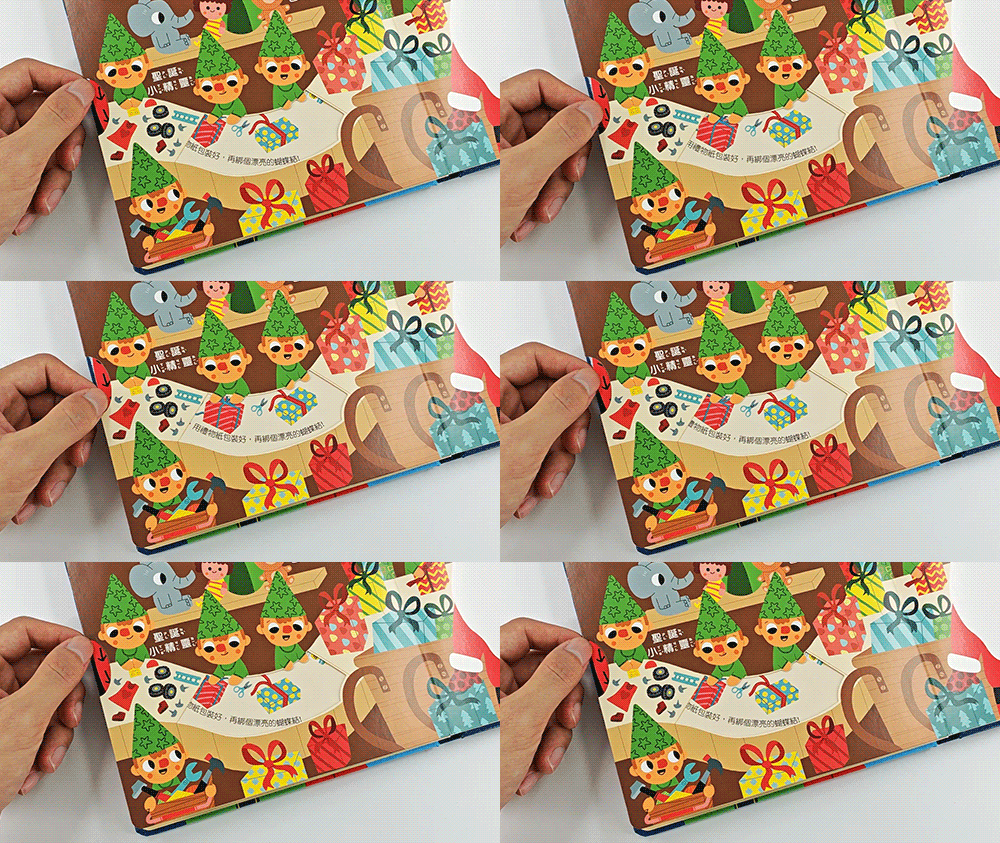
Skillful Interactive Design
Skillful interactive design emphasizes the integration of educational activities that develop specific skills. This design approach focuses on creating interactions that challenge a child’s cognitive and motor abilities, promoting learning through play.
Books designed with skillful interaction often include activities like problem-solving, matching games, counting exercises, or color identification tasks. These interactive elements are seamlessly woven into the narrative, allowing children to learn while they engage with the story.
The key to successful skillful interactive design lies in creating activities that are age-appropriate and aligned with the developmental milestones of the target audience. By tailoring the challenges to the child’s abilities, you ensure that the book provides an enriching and rewarding experience.
Voice Interaction Design
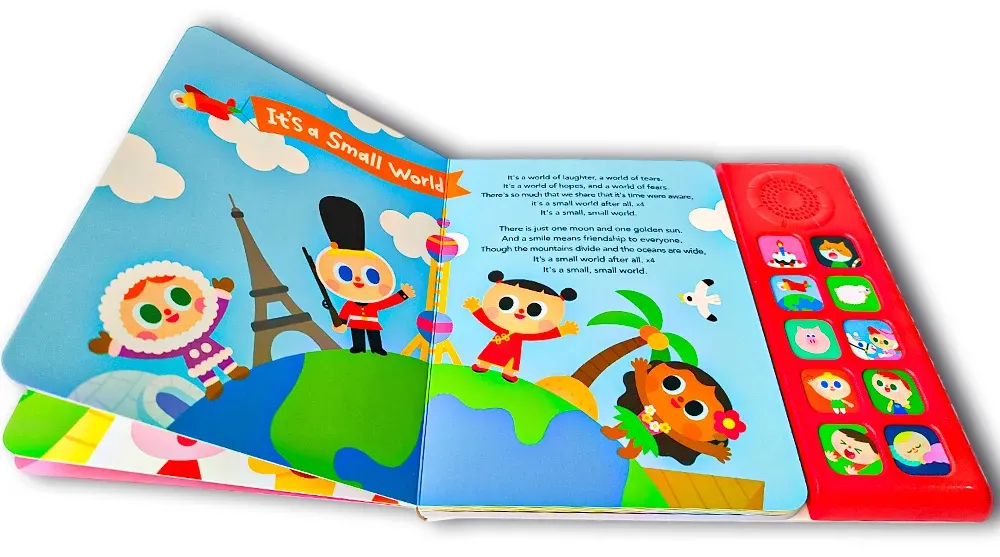
Voice interaction design introduces an auditory dimension to the reading experience, allowing children to interact with the story through voice commands or responses. This innovative approach leverages technology to create dynamic and engaging storytelling.
Interactive books with voice interaction can include features like voice-activated sound effects, character dialogues, or interactive question-and-answer sessions. These elements add depth to the narrative, making the experience more engaging and interactive for young readers.
Designing for voice interaction requires careful consideration of the technology used and its integration with the story. Ensuring that the voice elements are intuitive and seamlessly blend with the narrative is crucial for creating a cohesive and enjoyable experience.
Exploratory Interactive Design
Exploratory interactive design encourages children to explore and discover the story in their own way. This approach fosters curiosity and independent thinking by allowing children to navigate the book and uncover hidden elements or surprises.
Books with exploratory interactive design often include features like hidden flaps, secret panels, or intricate mazes that invite children to search and explore. These elements create a sense of adventure, making the reading experience more engaging and rewarding.
The success of exploratory interactive design lies in creating a balance between guidance and freedom. Providing hints or clues can help children navigate the story while allowing them the freedom to explore and discover the narrative at their own pace.
Puzzle Interactive Design
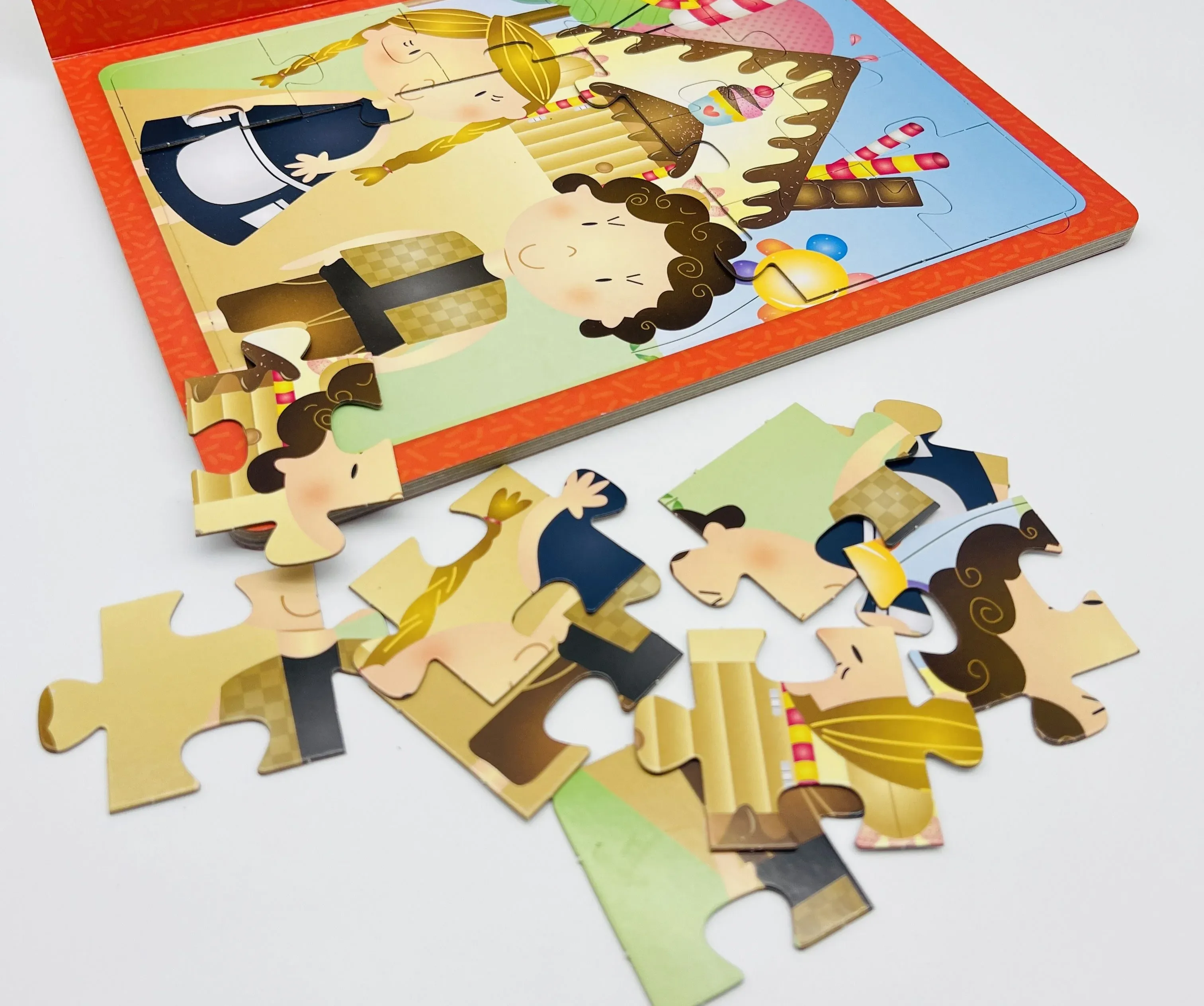
Puzzle interactive design incorporates puzzles and problem-solving activities into the narrative, challenging children to think critically and creatively. This approach not only makes reading more engaging but also helps develop cognitive skills and logical thinking.
Books with puzzle interactive design can include jigsaw puzzles, or logic games that are integrated into the story. These elements encourage children to pause, think, and solve problems, making the reading experience more interactive and stimulating.
Designing puzzles requires an understanding of the target audience’s cognitive abilities and interests. The puzzles should be challenging yet achievable, providing a sense of accomplishment and satisfaction upon completion.
Popular Interactive Children’s Book Ideas
Interactive children’s books have become increasingly popular among young readers, as they offer a more engaging and immersive reading experience. Here are some popular interactive children’s book ideas that have become favorites among kids and parents alike:
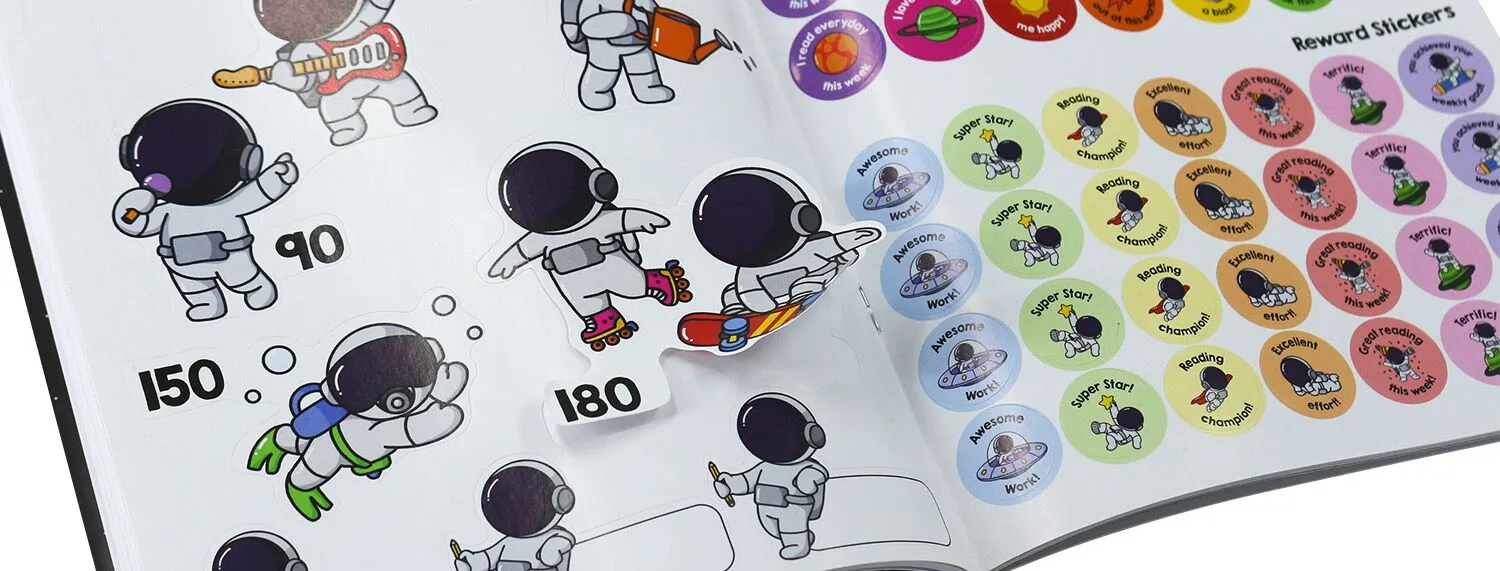
Sticker: Sticker books allow children to interact with the story by placing stickers on designated spots throughout the book. This activity enhances creativity and fine motor skills as children decide where each sticker fits best within the narrative.
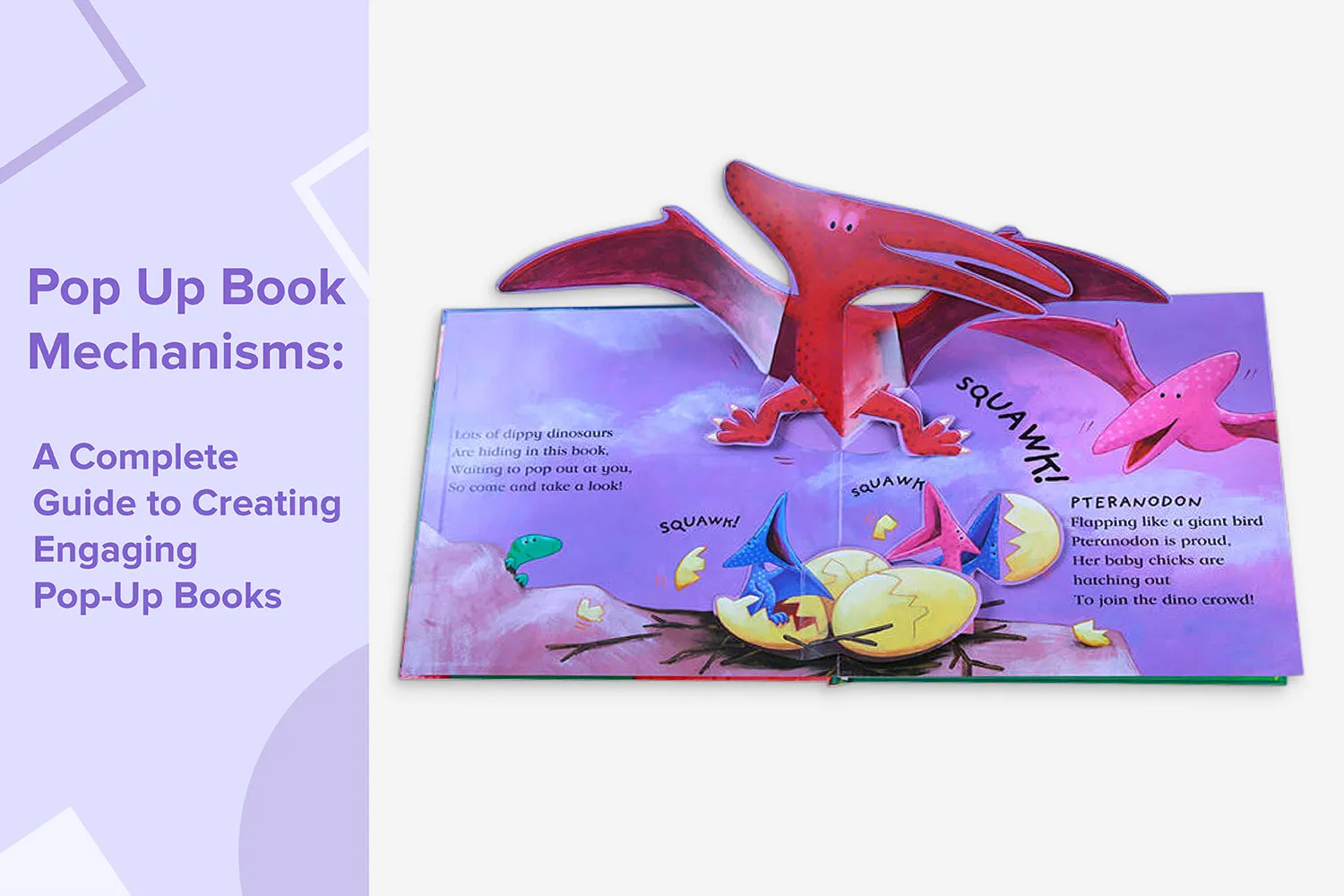
Pop-Up: These pop up books provide a delightful surprise for children as characters and scenes unexpectedly come to life when the pages are turned, adding an element of surprise and wonder to the storytelling.
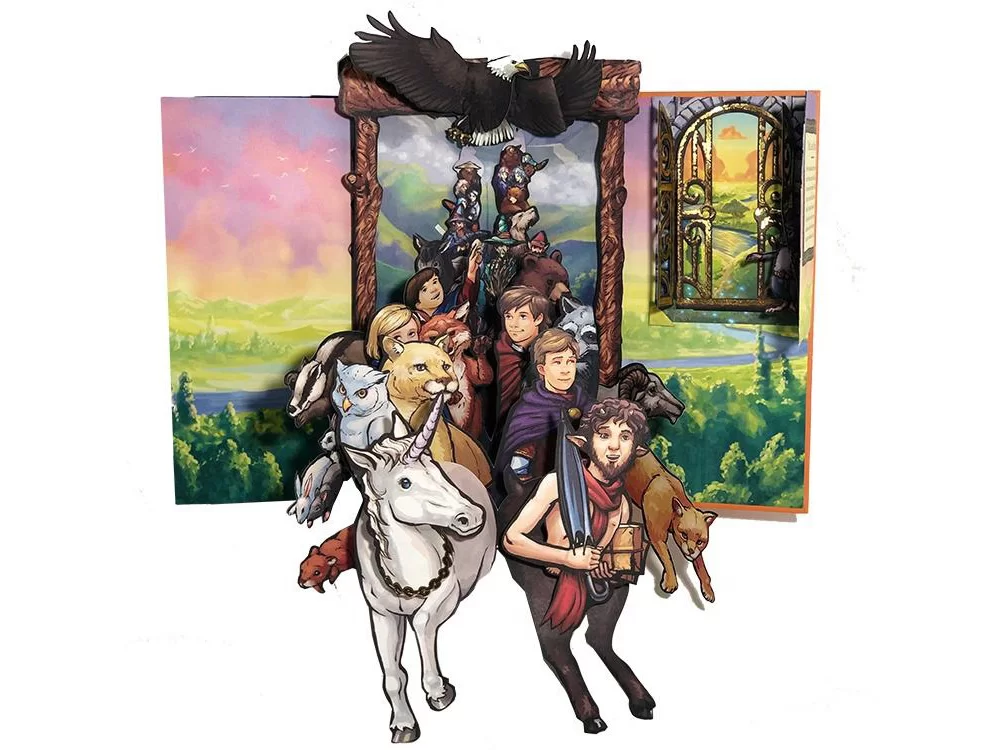
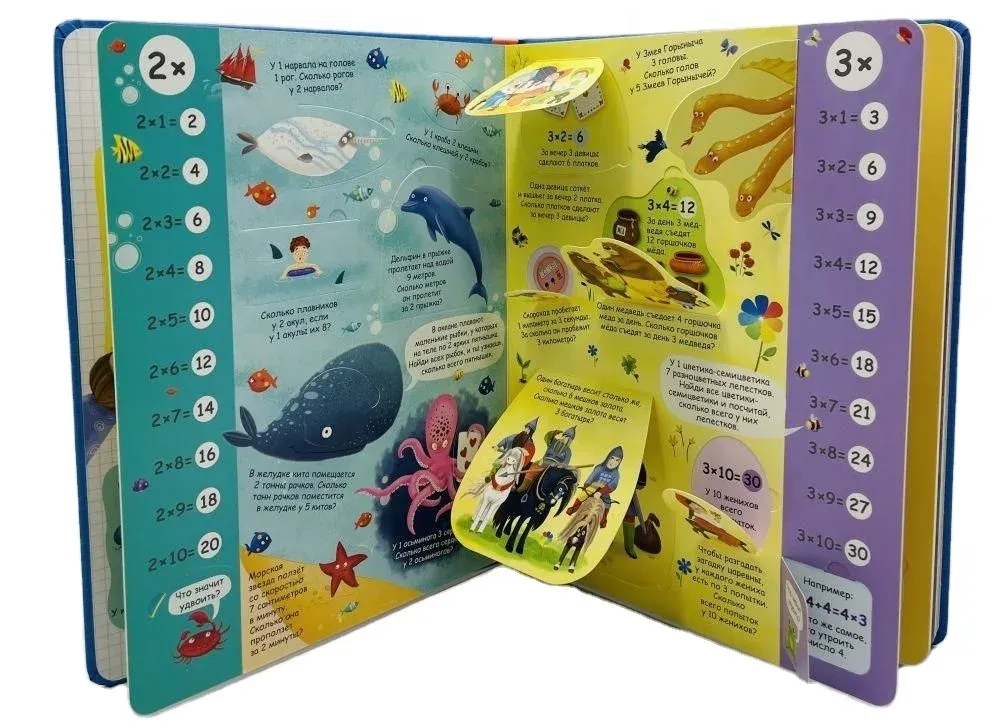
Cut-Window: Cut-window books feature pages with cut-out sections that reveal hidden images or words, inviting children to peek through and discover surprises. This design element adds an element of mystery and excitement to the reading experience.
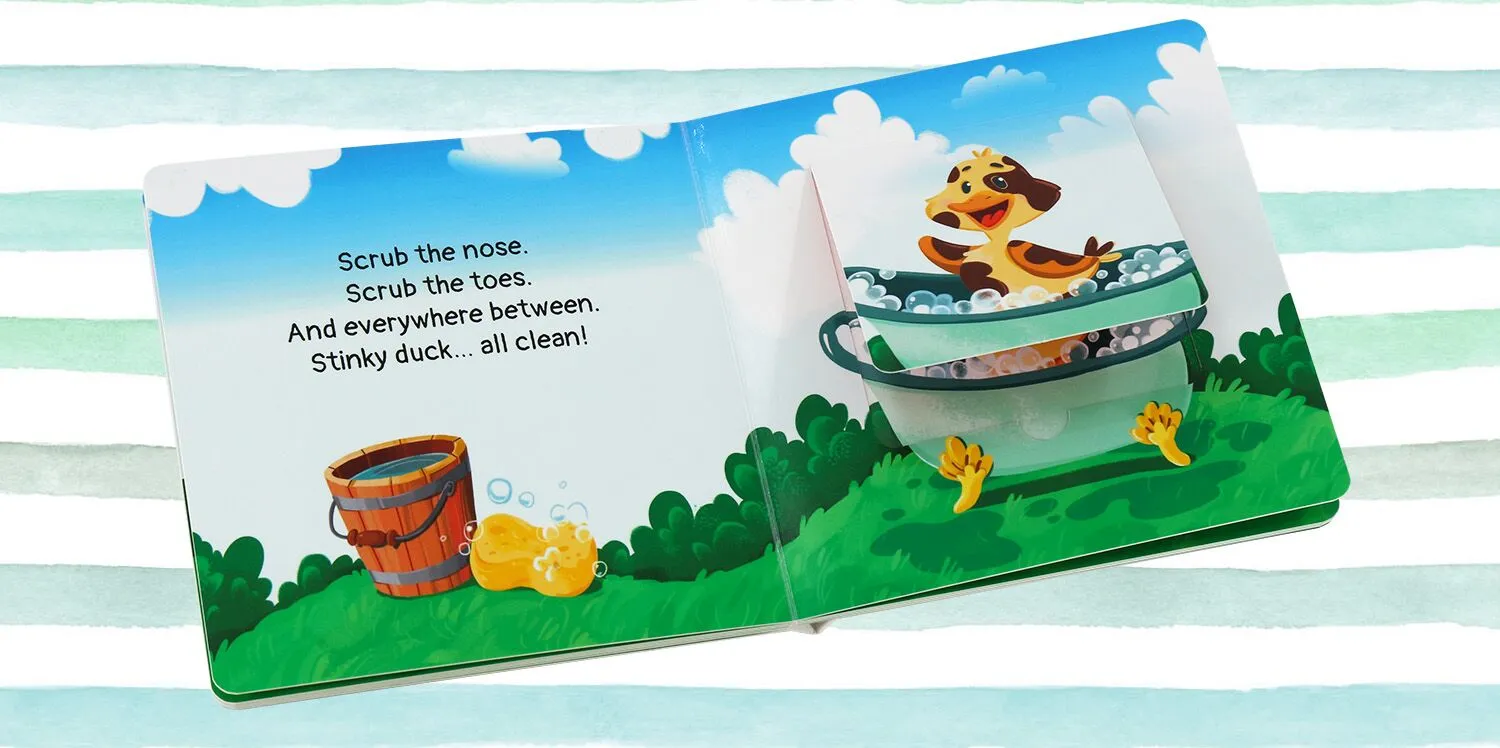
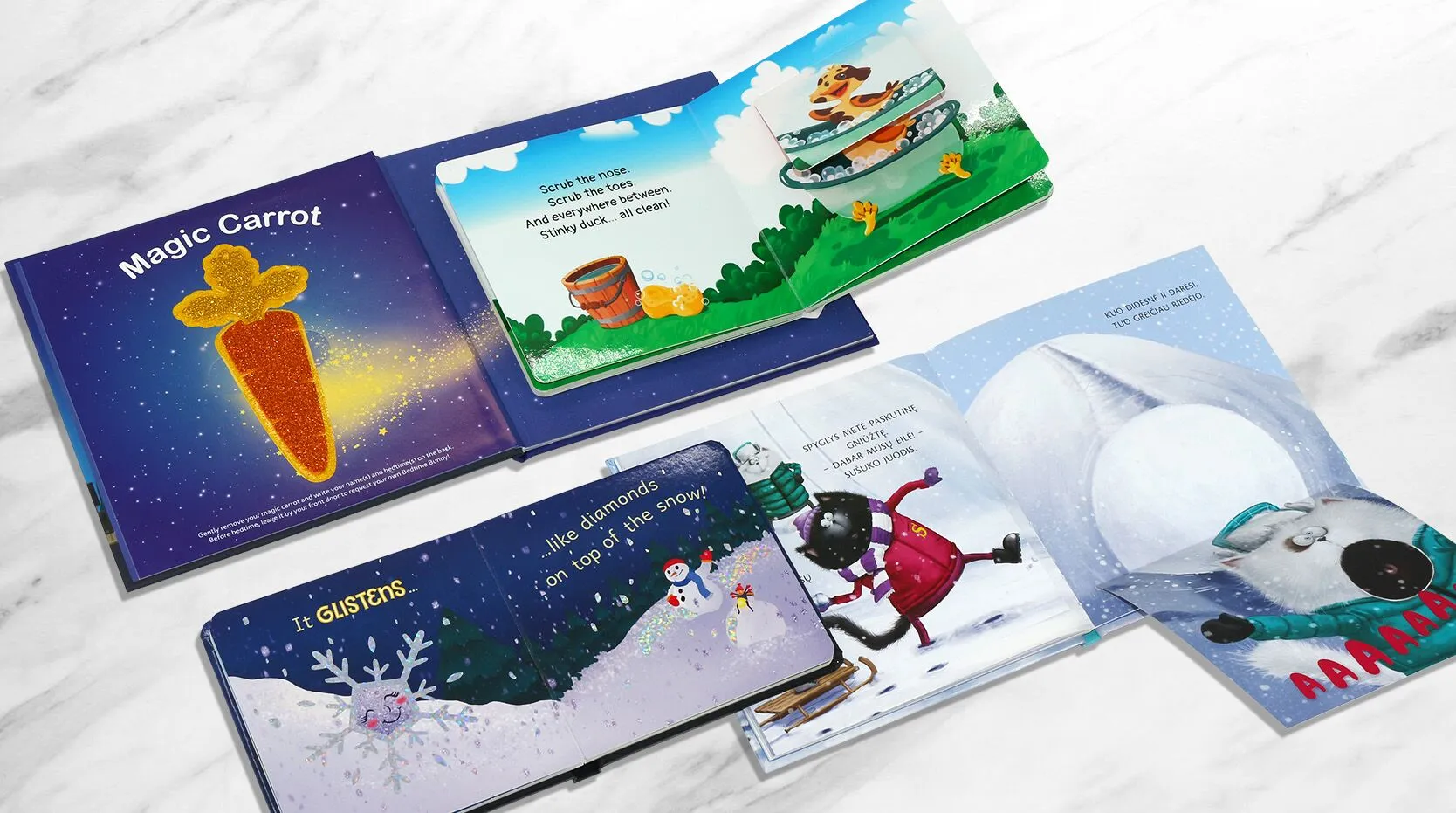
Flaps: Books with flaps allow children to lift sections of the page to reveal hidden illustrations or text. This interactive element encourages exploration and discovery, making reading more engaging and fun.
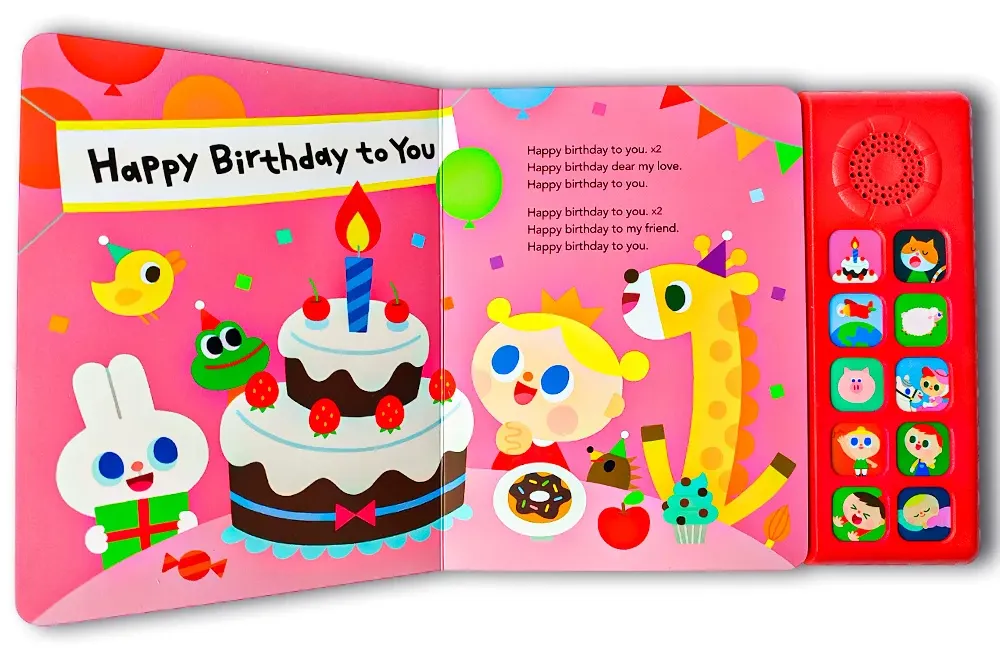
Sound (Audio): Audio elements in books, such as sound buttons or embedded audio clips, add an auditory dimension to the story. These features enhance the narrative and provide an immersive experience for young readers.
Mirror: Mirror books incorporate reflective surfaces that allow children to see themselves within the story. This interactive element fosters self-recognition and personal connection with the narrative.
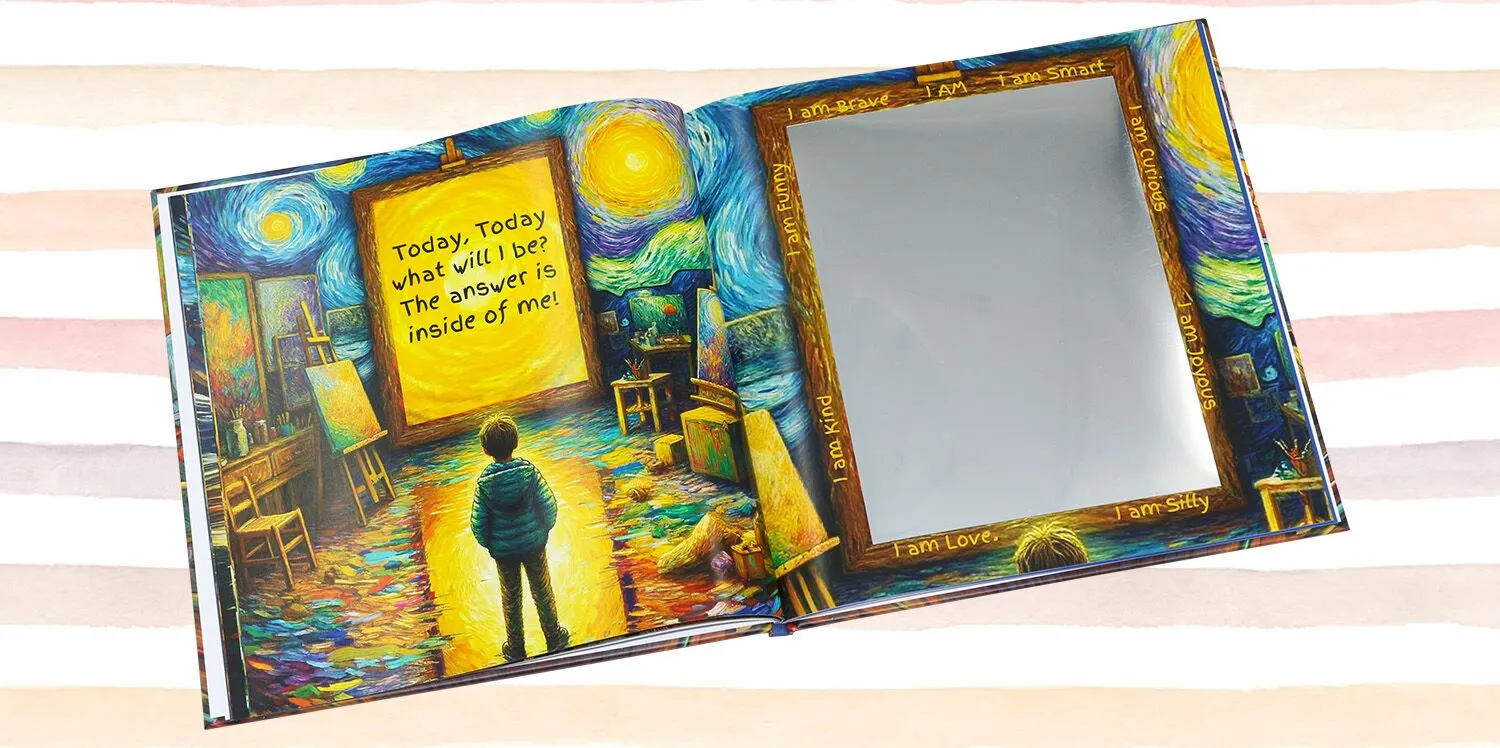
Glitter: Glitter elements add a touch of magic and sparkle to the illustrations, capturing children’s attention and making the story more visually appealing and enchanting.

Puzzle: Puzzle books incorporate jigsaw puzzles or problem-solving activities that challenge children to think critically and creatively, enhancing cognitive skills and logical thinking.
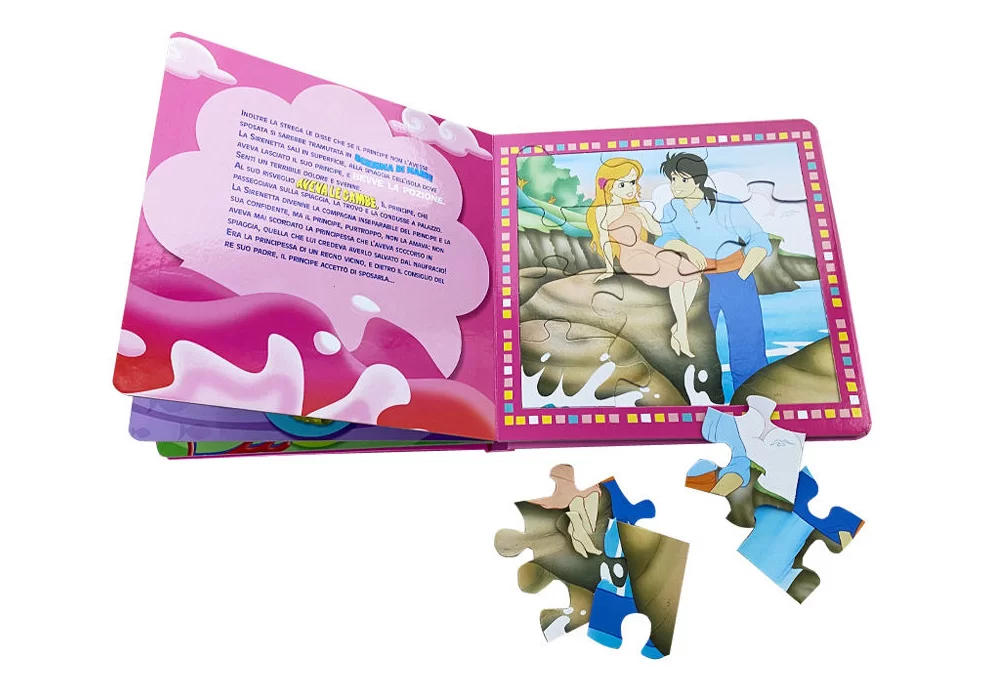
Movable Modules: These books often feature sliding tabs, rotating wheels, or other movable elements that allow children to influence the action on the page. This hands-on interaction makes the reading experience dynamic and engaging.
Smell: Books with scented elements introduce olfactory experiences to the story, adding another sensory dimension that enhances the narrative and captivates young readers. Imagine a book about baking cookies that releases the aroma of vanilla! While less common, this sensory element can create a lasting impression.
How to Design an Interactive Children’s Book
Designing an interactive children’s book involves careful consideration of various elements to create an engaging and enjoyable reading experience for young readers. Here are some key factors to keep in mind when designing an interactive children’s book:
Understand Your Target Age Group
Understanding your target age group is crucial when designing an interactive children’s book. Different age groups have varying cognitive abilities, interests, and developmental milestones, which should inform the book’s content and design.
For toddlers, focus on simple, bold illustrations and basic interactive elements like textures or flaps. Preschoolers, on the other hand, can handle more complex interactions like puzzles or audio elements, which require higher cognitive engagement.
By tailoring the book’s design and content to the specific age group, you ensure that the interactions are age-appropriate and engaging, providing a rewarding reading experience for young readers.
Consider Size and Orientation
The size and orientation of the book play a significant role in the reading experience. Large-format books with landscape orientation are ideal for interactive elements like pop-ups or flaps, providing ample space for exploration.
Consider the book’s portability and ease of handling for young children. A book that is too large or cumbersome may be difficult for small hands to manage, while a book that is too small may not provide enough space for interactive elements.
Balancing size, orientation, and usability ensures that the book is accessible and enjoyable for children, enhancing their overall reading experience.
Bright and Vibrant Illustrations
Bright and vibrant illustrations are essential for capturing a child’s attention and stimulating their imagination. Use bold colors and dynamic compositions to create visually appealing scenes that draw children into the story.
Illustrations should complement the narrative and enhance the interactive elements, providing visual cues that guide children through the story. Consider incorporating visual storytelling techniques, such as perspective or motion lines, to add depth and movement to the illustrations.
By creating visually engaging illustrations, you enhance the story’s appeal and make the reading experience more enjoyable and memorable for young readers.
Simple Text and Engaging Language
Using simple text and engaging language is crucial for maintaining a child’s interest and ensuring comprehension. The text should be concise and easy to read, using language that is appropriate for the target age group.
Incorporate playful and expressive language that captures the essence of the story and resonates with young readers. Consider using rhyme, repetition, or alliteration to create a rhythmic and enjoyable reading experience.
Balancing simplicity and engagement in the text ensures that the story is accessible and captivating, encouraging children to read and explore the book independently.
Suitable Fonts and Typography
Choosing suitable fonts and typography is essential for readability and visual appeal. Use large, clear fonts that are easy for children to read, avoiding overly decorative or complex typefaces.
Consider the hierarchy of text elements, such as headings, body text, and captions, to guide the reader’s eye through the page. Use typography creatively to emphasize key moments in the story or highlight interactive elements.
By selecting appropriate fonts and typography, you enhance the book’s readability and ensure that young readers can engage with the text effortlessly.
Right Layout Design
The layout design of the book should facilitate a seamless reading experience, guiding children through the story and interactive elements. Consider the placement of text, illustrations, and interactive components to create a harmonious and balanced composition.
Use visual cues, such as arrows or pathways, to guide children through the interactive elements, ensuring that the interactions are intuitive and easy to navigate. The layout should support the narrative flow, enhancing the story’s pacing and rhythm.
By designing an effective layout, you create a cohesive and engaging reading experience that captivates young readers and encourages exploration.
Strategically Place Interactive Elements
Strategically placing interactive elements is crucial for maximizing engagement and enhancing the reading experience. Consider the narrative structure and pacing when deciding where to incorporate interactive features.
Place interactive elements at key moments in the story, such as plot twists or emotional climaxes, to heighten the impact and engagement. Ensure that the interactions are intuitive and enhance the story, rather than distracting from it.
By thoughtfully integrating interactive elements, you create a dynamic and immersive reading experience that captivates and entertains young readers.
Premium Printing and Binding
Choosing premium printing and binding options is essential for ensuring the durability and quality of the book. Interactive children’s books require sturdy materials that can withstand repeated handling and play.
Consider using thick, high-quality paper and robust binding methods, such as board book binding, to ensure that the book is durable and long-lasting. Premium printing options, such as vibrant colors and high-resolution images, enhance the visual appeal of the illustrations.
Investing in quality printing and binding ensures that the book can withstand the test of time, providing a lasting and enjoyable reading experience for children.
Interactive Children’s Book Print-ready File Tips
When preparing a print-ready file for an interactive children’s book printing, it’s crucial to ensure that the file meets the necessary requirements for high-quality printing and successful production of the interactive elements. Here are some essential tips to consider when creating a print-ready file for an interactive children’s book:
Use High Image Resolution (At Least 300 dpi): To ensure clear and crisp images in the final printed book, all images should have a resolution of at least 300 dots per inch (dpi). High-resolution images are essential for maintaining quality, especially for interactive elements that require detailed graphics.
If Using Board Book Binding, Set Your Page Layout with “Spread” Not “Page”: If your interactive children’s book will have board book binding, it’s important to set up your page layout using the “spread” option in your design software. This allows you to design the pages as they will appear when the book is opened, considering the continuity of the images and interactive elements across the spread.
Include 3mm Bleed: Adding a 3mm bleed around the edges of your document ensures that there is no white border or unintended cropping during the printing and trimming process. Bleed allows for slight variations in the printing and cutting process, ensuring that the design extends all the way to the edge of the page.
For Pop-Up Elements, Prepare Separate Designs for Each Element: If your interactive children’s book includes pop-up elements, it’s essential to prepare separate designs for each pop-up element. This helps ensure that each pop-up is correctly positioned and aligned within the book, enhancing the functionality and visual appeal of the interactive feature.
Convert All Text to Outlines: To avoid font substitution issues and maintain the integrity of your design, convert all text in your interactive children’s book to outlines before generating the final print-ready file. Converting text to outlines ensures that the text will appear as intended, even if the font is not available on the printing system.
Transfer Your File in PDF Format: When you have finalized your print-ready file for the interactive children’s book, it’s recommended to save the file in PDF format for printing. PDF files preserve the layout, fonts, and images of your design, making it a reliable format for ensuring that your interactive children’s book is accurately reproduced during the printing process.
Where to Print An Interactive Children’s Book?
Finding the right printing partner is crucial for bringing your interactive children’s book to life. BookPrintingChina offers high-quality printing services that cater to the unique needs of interactive book design. With our expertise in printing and binding, you can ensure that your book is crafted to the highest standards, providing an engaging and durable reading experience for young readers.
BookPrintingChina specializes in producing a wide range of interactive elements, from pop-ups to sound modules, ensuring that your creative vision is realized with precision and quality. Our commitment to excellence and attention to detail make us an ideal partner for your interactive children’s book project.
By choosing BookPrintingChina, you gain access to professional printing services that support your book’s design and enhance its appeal, ensuring that your interactive book captivates and delights its young audience.