



In the realm of book printing, the terms “page” and “spread” are fundamental concepts that every author, publisher, and reader should understand. These terms are not only crucial for the physical layout of a book but also play a significant role in the overall reading experience.
In this article, we will delve into the intricacies of pages and spreads, exploring their definitions, differences, and applications in book printing.
What is a Spread in a Book?
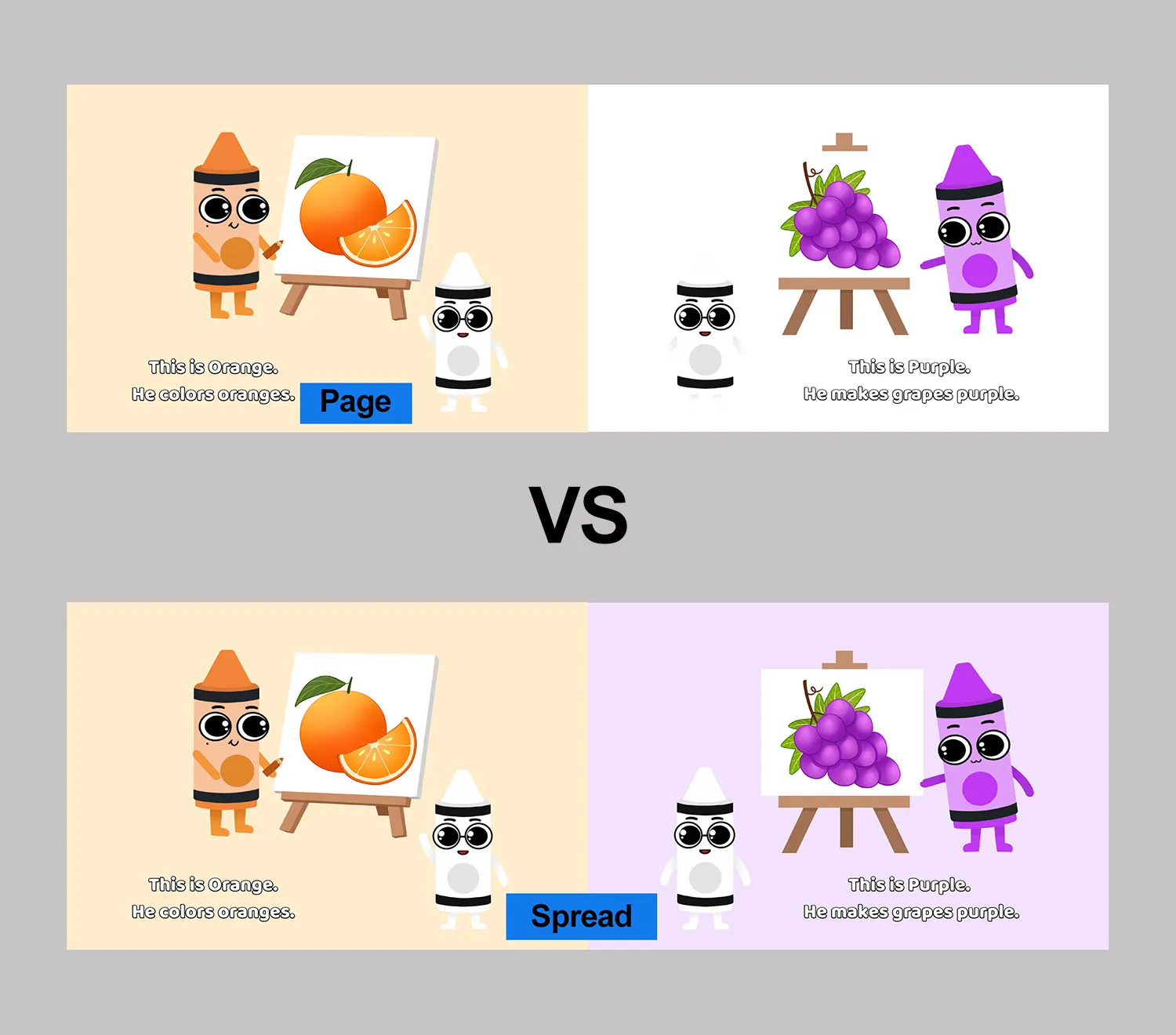
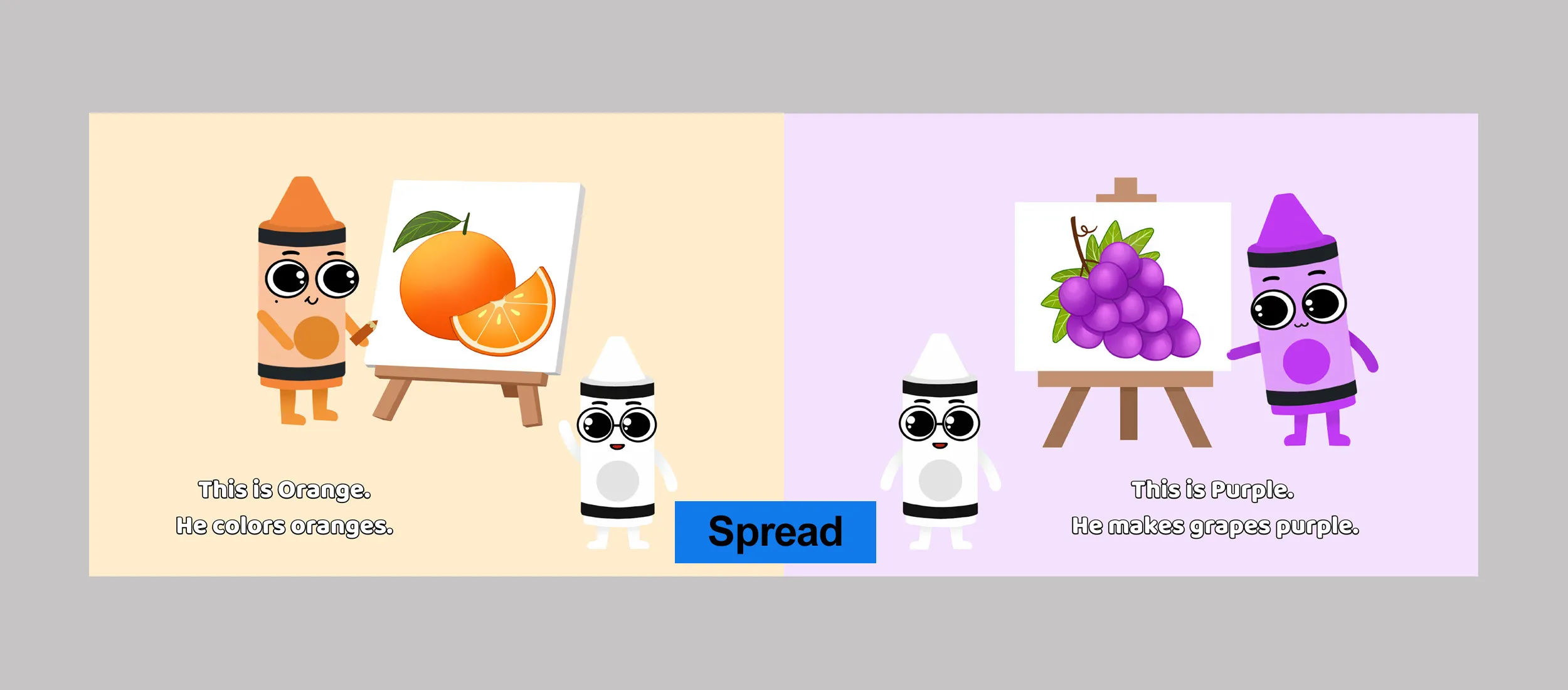 A spread refers to the two facing pages that are visible when a book is opened. It encompasses the entire visual expanse that greets the reader, allowing for seamless storytelling and design continuity. A spread is a fundamental unit in book layout and design, as it provides a canvas for creative expression and effective communication.
When flipping through a book, each turn of the page reveals a new spread, inviting the reader to immerse themselves in the narrative or content presented. Spreads play a crucial role in maintaining the flow and rhythm of a book, enabling designers and publishers to carefully orchestrate the visual experience for their audience.
Moreover, spreads offer a unique opportunity for artistic expression and visual storytelling. Illustrations, photographs, or graphic elements can span across both pages, creating a sense of continuity and enhancing the overall aesthetic appeal. This expansive canvas allows for dynamic compositions, captivating layouts, and impactful visual narratives that truly engage the reader.
What is a Page in a Book
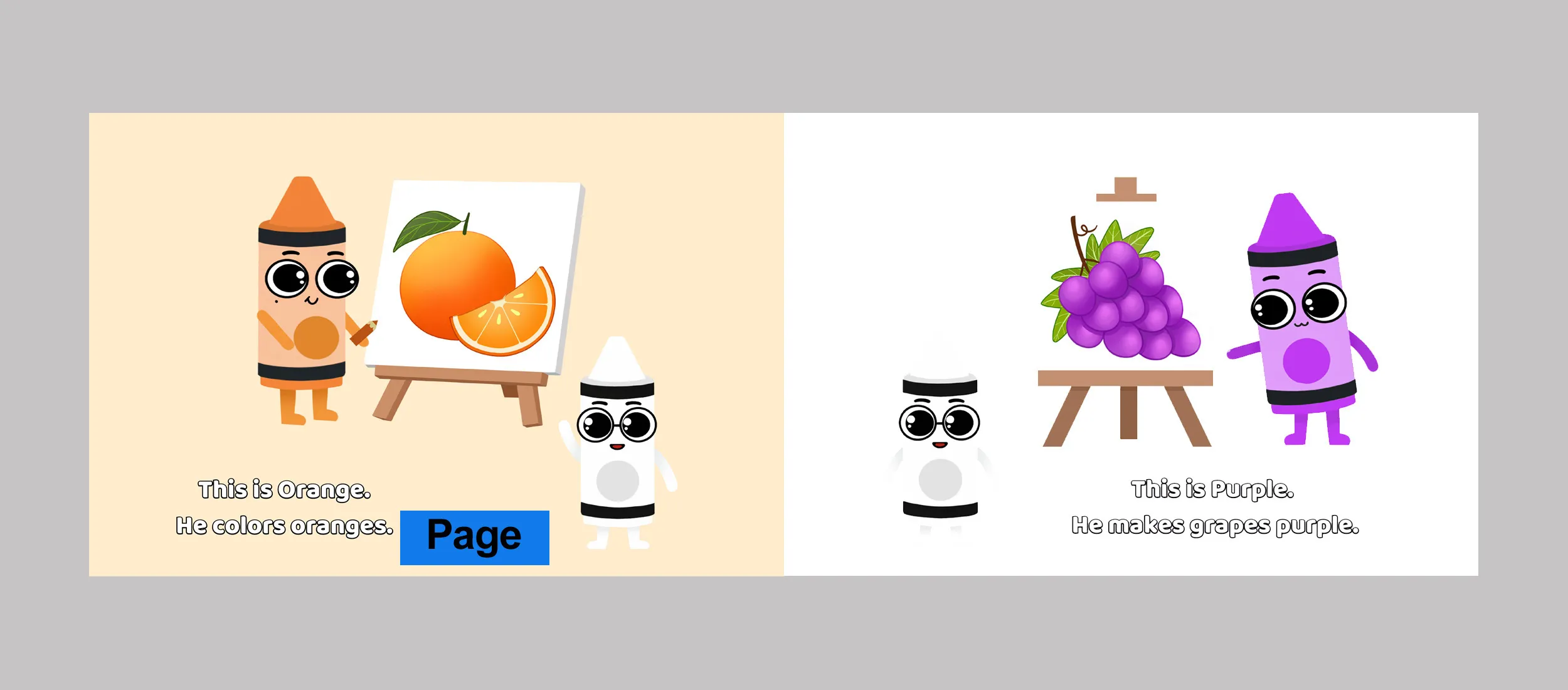 A page in a book is the fundamental building block upon which the written content, illustrations, and design elements are presented. It is a single sheet of paper, typically printed on both sides, that forms part of the larger whole that is the book itself. Pages are the physical manifestation of the author’s words, the artist’s creations, and the designer’s vision.
Each page within a book serves as a canvas for the storytelling or information to unfold. Whether it’s a captivating novel, a thought-provoking essay, or a visually stunning art book, the pages provide the medium through which the content is conveyed. They are the vessels that carry the words, images, and ideas that captivate and enlighten the reader.
Beyond their functional purpose, pages also hold symbolic significance. They represent the journey that the reader embarks upon, with each turn unveiling a new chapter, a new perspective, or a new revelation. The tactile experience of turning pages creates a sense of progression and anticipation, adding to the overall reading experience.
What is the Difference between a Full Page and a Spread?
The primary distinction between a full page and a spread lies in their respective scope and visual impact. A full page is a single sheet within a book, presenting content or design elements confined to its boundaries. In contrast, a spread encompasses two facing pages, offering a broader canvas for creative expression and visual storytelling.
A full page is a self-contained unit, allowing for focused attention on the content or design elements presented within its borders. It provides a contained space for text, illustrations, or graphics, making it suitable for presenting specific sections, chapters, or individual pieces of information.
On the other hand, a spread offers a more expansive and immersive experience. By spanning across two facing pages, a spread allows for continuous visual narratives, panoramic illustrations, or seamless design elements that flow from one page to the other. This broader canvas enables designers and artists to create dynamic compositions, enhancing the visual impact and storytelling potential of the book.
Furthermore, spreads often play a crucial role in pacing and rhythm within a book. They can serve as natural breaks or transitions, guiding the reader’s journey and creating a sense of progression. Spreads can also be utilized for impactful introductions, chapter openings, or grand visual statements, capturing the reader’s attention and setting the tone for the content that follows.
What are Pages used for?
Pages in a book serve a multitude of purposes, each contributing to the overall reading experience and the effective communication of the content. Here are some of the primary uses of pages in book printing:
Presenting Written Content: The most fundamental purpose of pages is to provide a canvas for the written word. Whether it’s a catalog, novel, a textbook, or a collection of essays, pages allow authors to share their stories, ideas, and knowledge with readers. The text is neatly organized and presented on the pages, ensuring a seamless reading experience.
Showcasing Visual Elements: In addition to written content, pages are essential for displaying visual elements such as illustrations, photographs, diagrams, and artwork. These visual components can enhance the narrative, convey complex concepts, or add aesthetic appeal to the book.
Structuring Information: Pages play a crucial role in organizing and structuring information within a book. They can be used to divide content into chapters, sections, or distinct topics, making it easier for readers to navigate and comprehend the material.
Providing Context and Atmosphere: The design and layout of pages can contribute to the overall atmosphere and context of a book. Thoughtful use of typography, spacing, and visual elements can set the tone and create a specific mood or ambiance that complements the content.
Engaging the Reader: Well-designed pages can captivate and engage the reader, encouraging them to turn the page and continue their journey through the book. Elements such as page layout, typography, and visual cues can all contribute to an immersive and enjoyable reading experience.
What are Spreads used for?
Spreads in book printing serve several important purposes, enhancing the visual storytelling, design impact, and overall reading experience. Here are some key uses of spreads:
Panoramic Visuals and Illustrations: Spreads provide a wide canvas for panoramic illustrations, large-scale artwork, or visually stunning photographs. By spanning across two facing pages, spreads allow for seamless and immersive visual narratives, creating a sense of depth and grandeur.
Continuous Design Elements: Designers can utilize spreads to create continuous design elements that flow from one page to the next. This can include background textures, patterns, or graphic elements that add visual interest and cohesion to the book’s overall aesthetic.
Impactful Introductions and Chapter Openings: Spreads are often used for impactful introductions or chapter openings, setting the tone and capturing the reader’s attention right from the start. Bold typography, striking visuals, or dramatic compositions can create a memorable and engaging experience.
Emphasizing Key Moments: Spreads can be strategically employed to highlight pivotal moments or significant events within a narrative. By dedicating a spread to a particular scene or concept, designers can emphasize its importance and create a lasting impact on the reader.
Enhancing Pacing and Rhythm: The use of spreads can influence the pacing and rhythm of a book. Designers can strategically place spreads to create natural breaks, transitions, or pauses in the narrative, allowing the reader to pause and absorb the content before moving forward.
Showcasing Detailed Information: For books that require the presentation of detailed information, such as reference books or technical manuals, spreads can be used to display large diagrams, charts, or intricate visuals that would be challenging to fit on a single page.
How many Pages in a Spread?
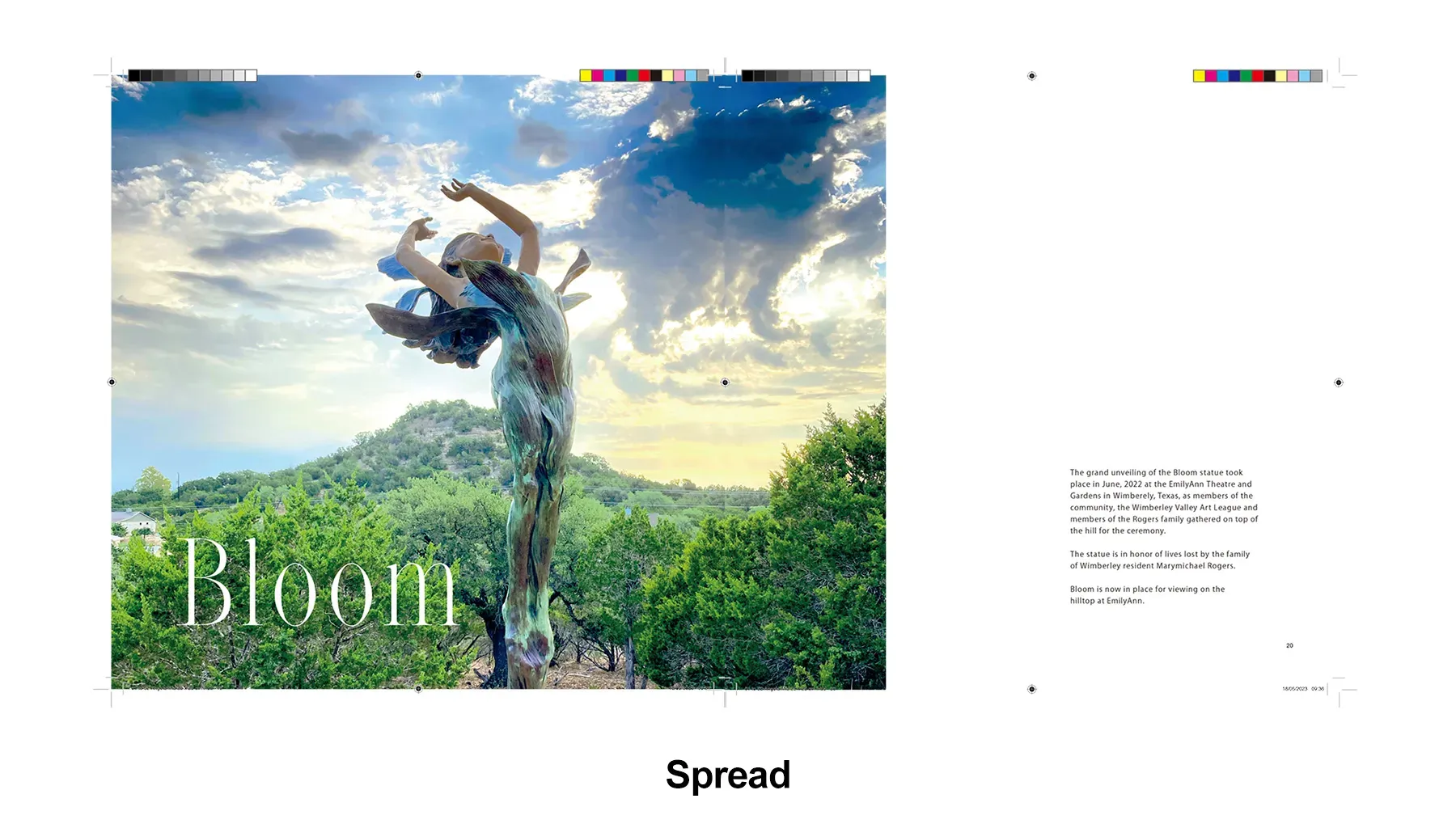
A spread in book printing typically consists of two facing pages. When a book is opened, the reader is presented with a spread that encompasses the left and right pages side by side. This two-page layout provides a continuous visual canvas, allowing for seamless storytelling, impactful design, and effective communication of content.
While the standard spread consists of two pages, there are instances where a spread can span across more than two pages. These variations are often employed for specific creative or functional purposes:
Gatefold Spreads: In some cases, a spread can incorporate additional foldout or gatefold pages, creating an extended canvas that unfolds from the center of the book. These gatefold spreads are commonly used for showcasing panoramic visuals, detailed diagrams, or intricate illustrations that require more space than a standard two-page spread.
Foldout Spreads: Similar to gatefold spreads, foldout spreads involve additional pages that can be unfolded or extended from the book’s binding. These spreads can provide an even larger canvas for presenting expansive visuals, maps, or other content that benefits from a broader viewing area.
Multi-page Spreads: In some specialized publications, such as art books or portfolios, a spread may encompass more than two facing pages. These multi-page spreads allow for continuous visual narratives or uninterrupted presentations of large-scale artwork or imagery across multiple pages.
It’s important to note that while these variations in spread layout can add visual impact and creative flexibility, they may also introduce additional production complexities and costs during the book printing process.
Why Spread is Important in Book Printing?
Spreads play a vital role in book printing, offering numerous benefits and opportunities for effective storytelling, visual impact, and overall reading experience. Here are some key reasons why spreads are important in book printing:
Visual Storytelling: Spreads provide a larger canvas for visual storytelling, allowing designers and artists to create immersive and captivating narratives that span across two facing pages. This expansive space enables seamless illustrations, panoramic visuals, and continuous design elements that enhance the overall aesthetic appeal and engagement.
Impactful Introductions and Transitions: Spreads are often utilized for impactful introductions, chapter openings, or pivotal moments within a book. By dedicating a spread to these key sections, designers can create memorable and attention-grabbing visuals that set the tone and engage the reader from the outset.
Pacing and Rhythm: The strategic placement of spreads can influence the pacing and rhythm of a book’s narrative. Spreads can serve as natural breaks or transitions, guiding the reader’s journey and allowing them to pause and absorb the content before moving forward.
Detailed Information Presentation: For books that require the presentation of detailed information, such as reference books, technical manuals, or educational materials, spreads offer a larger canvas for displaying intricate diagrams, charts, or complex visuals that would be challenging to fit on a single page.
Creative Expression: Spreads provide designers and artists with a broader canvas for creative expression. They can experiment with dynamic compositions, unconventional layouts, and innovative design elements that span across both pages, pushing the boundaries of traditional book design. Spread design is ideal for children’s board book, art book and photo book, etc project that need to show creative design or photography.
Enhanced Reading Experience: Well-designed spreads can significantly enhance the overall reading experience. By combining engaging visuals, thoughtful layouts, and seamless storytelling, spreads can captivate the reader and create a more immersive and enjoyable journey through the book.
Production Efficiency: In some cases, utilizing spreads can improve production efficiency and cost-effectiveness during the book printing process. By allowing for continuous design elements or illustrations across facing pages, spreads can minimize the need for complex imposition or binding techniques, streamlining the production workflow.
Print Quality: Printing on spreads often results in higher-quality output, as the images or illustrations can be printed without interruption across the gutter (the center margin where the pages meet).
What are the Three Types of Spreads?
In the world of book printing, there are three primary types of spreads that designers and publishers can employ to create visually compelling and engaging layouts. These spreads are:
Vertical spread
A vertical spread is a layout where the design elements, illustrations, or text flow vertically across the two facing pages of a spread. This type of spread is particularly effective for creating a sense of depth, movement, or progression within the book.
- Vertical spreads are commonly used for:
- Displaying tall or elongated illustrations or photographs that span across both pages.
- Creating a sense of verticality or height, which can be visually striking and attention-grabbing.
- Presenting continuous narratives or timelines that flow from top to bottom across the spread.
- Showcasing architectural drawings, blueprints, or other technical diagrams that benefit from a vertical orientation.
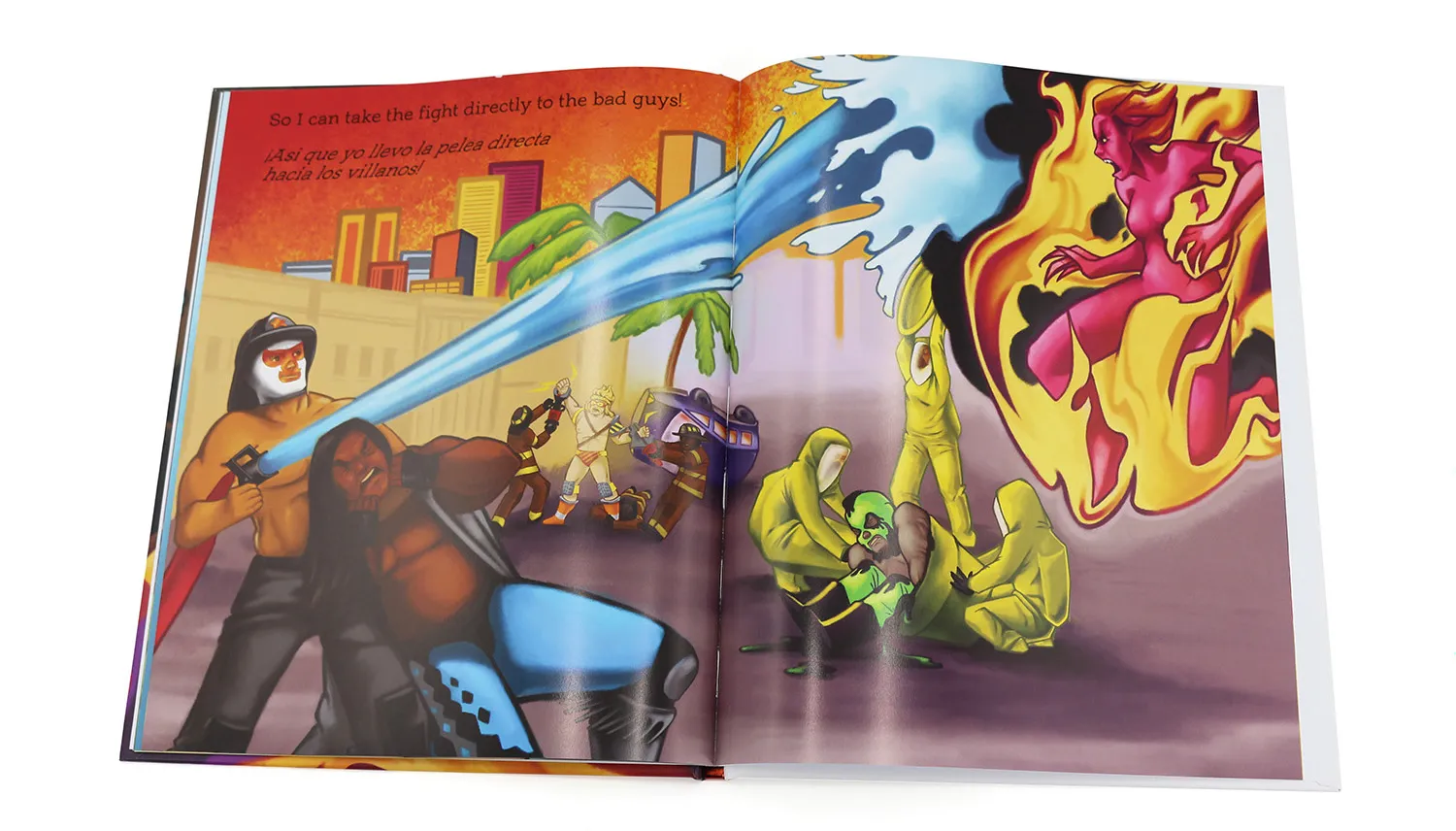
By utilizing the vertical space effectively, designers can create a sense of dynamism and movement, guiding the reader’s eye through the content in a natural and engaging manner.
Horizontal spread
A horizontal spread is a layout where the design elements, illustrations, or text flow horizontally across the two facing pages of a spread. This type of spread is ideal for creating a sense of breadth, panoramic views, or expansive scenes.
Horizontal spreads are commonly used for:
- Showcasing panoramic landscapes, cityscapes, or wide-angle scenes that benefit from a continuous, uninterrupted view.
- Presenting timelines, chronologies, or narratives that progress from left to right across the spread.
- Displaying large-scale infographics, maps, or diagrams that require a wide canvas for effective communication.
- Creating a sense of openness and space, allowing the reader’s eye to roam freely across the spread.

By leveraging the horizontal expanse of the spread, designers can create a sense of vastness and immersion, drawing the reader into the content and providing a more expansive viewing experience.
Diagonal spread
A diagonal spread is a layout where the design elements, illustrations, or text are arranged diagonally across the two facing pages of a spread. This type of spread introduces a dynamic and unconventional approach to book design, often used to create a sense of movement, energy, or tension.
Diagonal spreads are commonly used for:
- Creating a sense of motion or action, guiding the reader’s eye along the diagonal path across the spread.
- Highlighting specific focal points or areas of emphasis through the diagonal composition.
- Introducing visual interest and breaking away from traditional horizontal or vertical layouts.
- Showcasing abstract or conceptual designs that benefit from a more dynamic and unconventional approach.
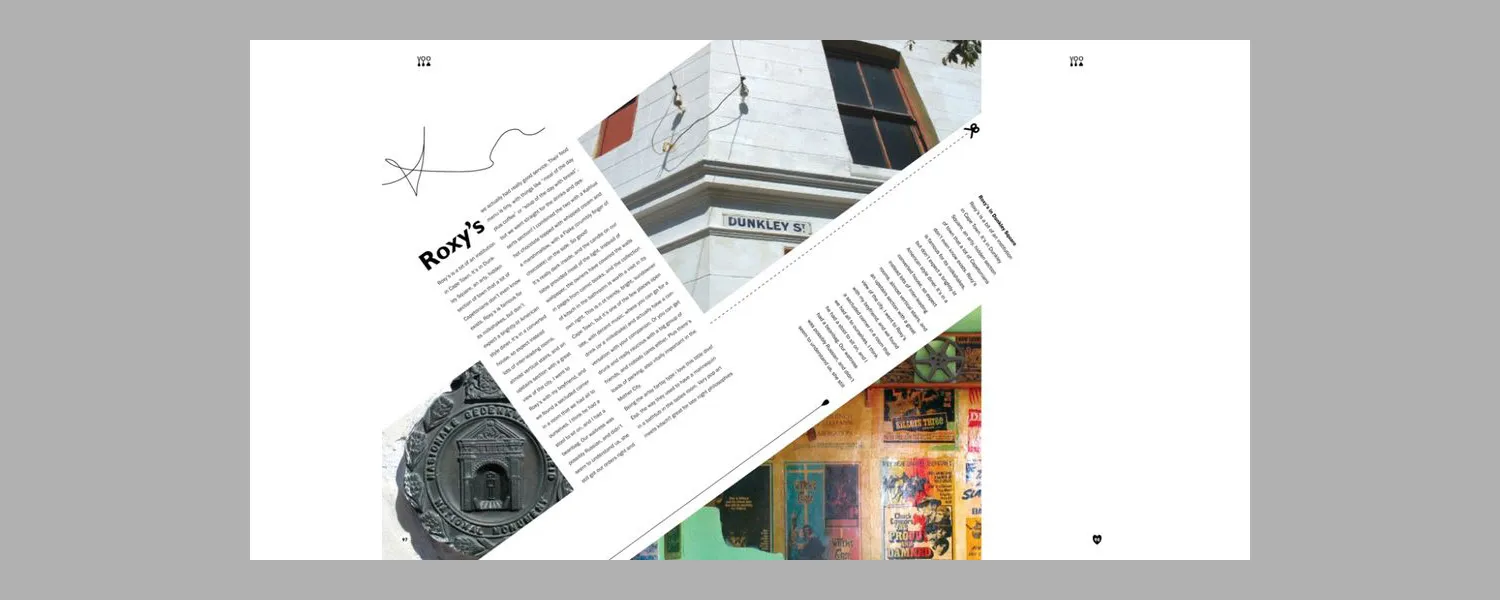
By employing a diagonal layout, designers can challenge traditional reading patterns and inject a sense of excitement or tension into the spread. This type of spread can be particularly effective for capturing the reader’s attention and creating a memorable visual impact.
It’s important to note that while these three types of spreads offer distinct visual characteristics and benefits, they can also be combined or used in conjunction with one another throughout a book. The choice of spread type will depend on the specific design goals, content requirements, and overall visual narrative desired for each section or chapter of the book.
If you’re looking to print your book with exceptional quality and affordability, consider working with BookPrintingChina. Our team of experts will guide you through the entire process, ensuring that your book’s design, including the strategic use of spreads and pages, is executed flawlessly. With our premium printing services and attention to detail, you can bring your vision to life and create a truly captivating reading experience for your audience. Contact us today to learn more about our book printing solutions and take the first step towards bringing your literary masterpiece into the world.