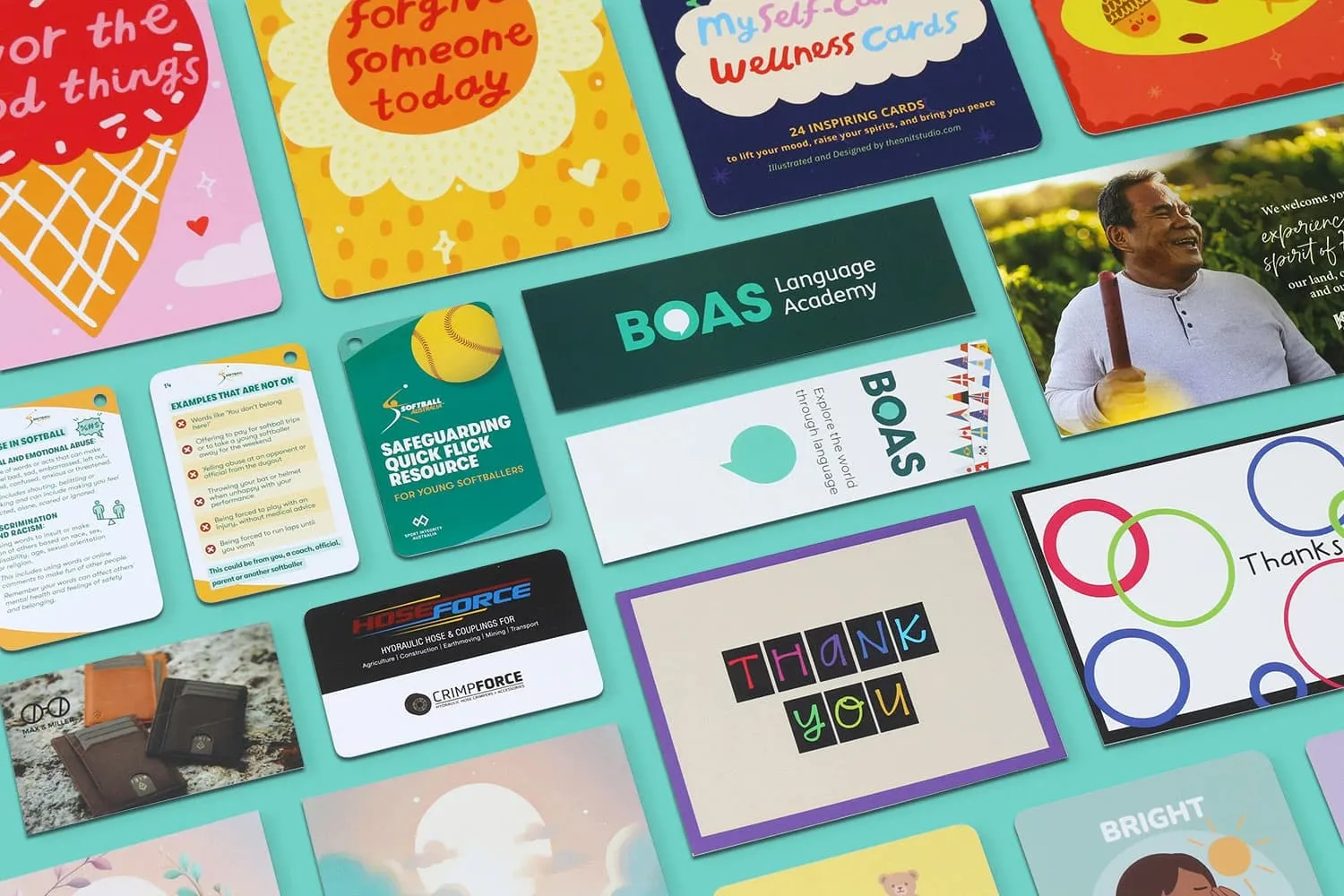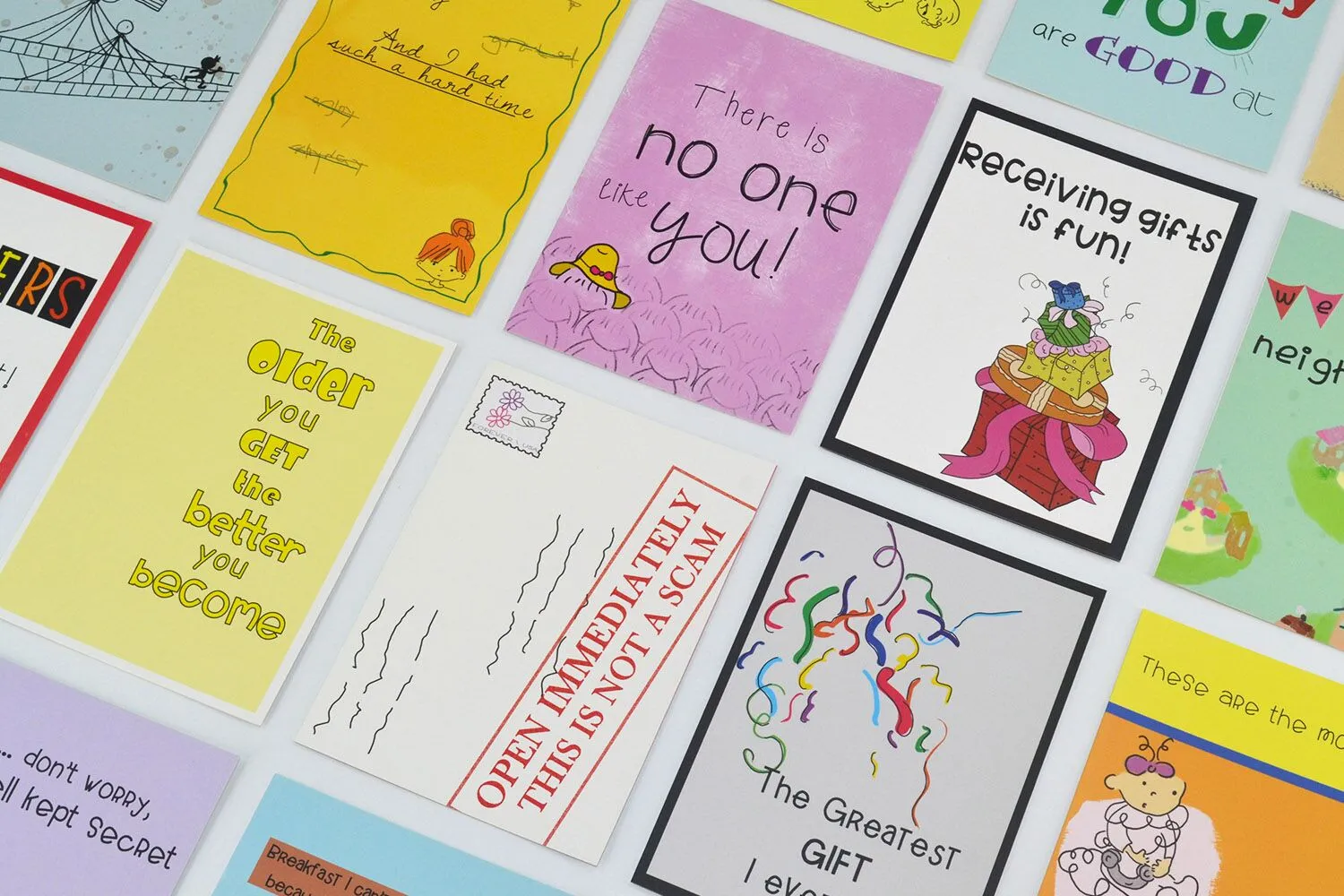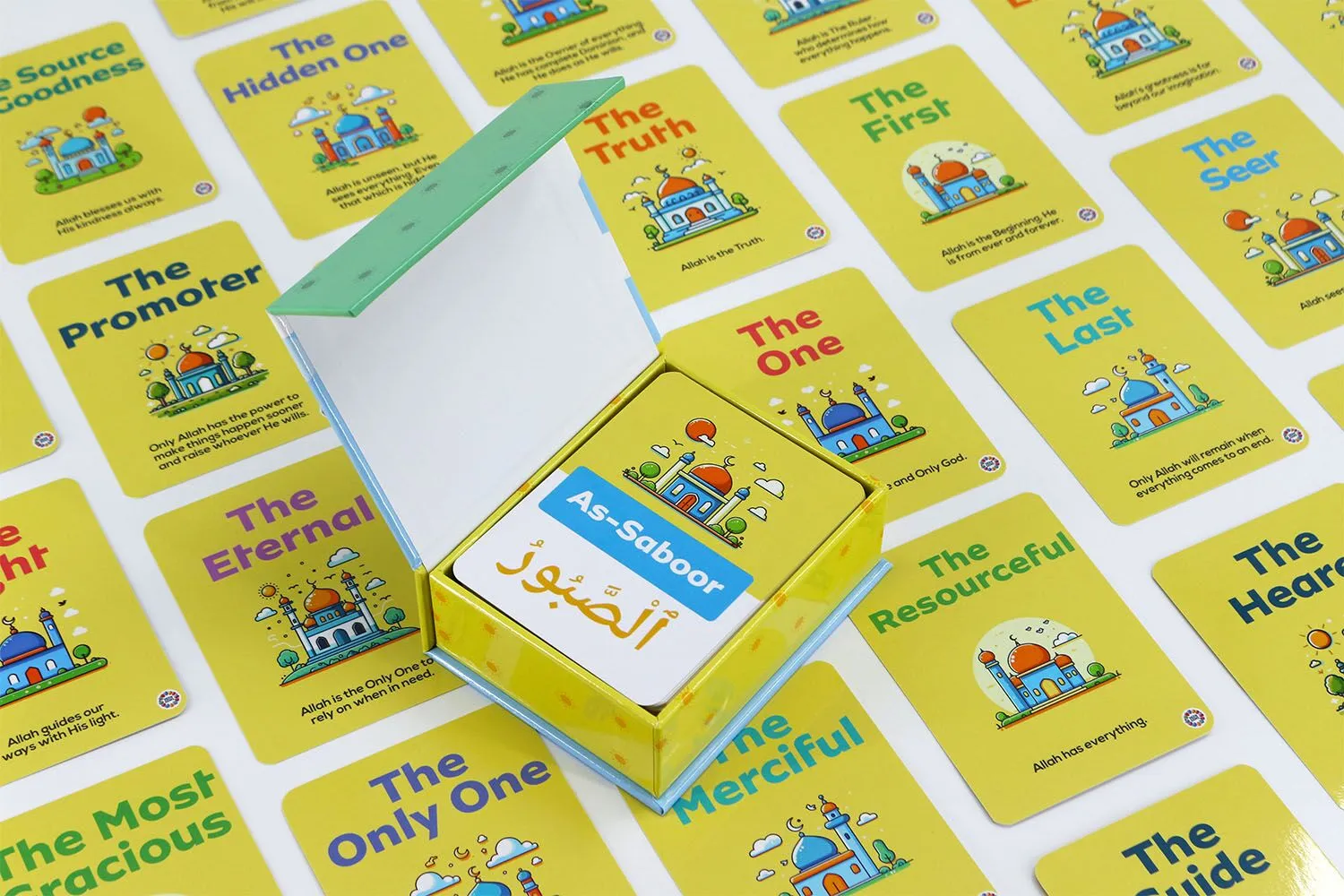





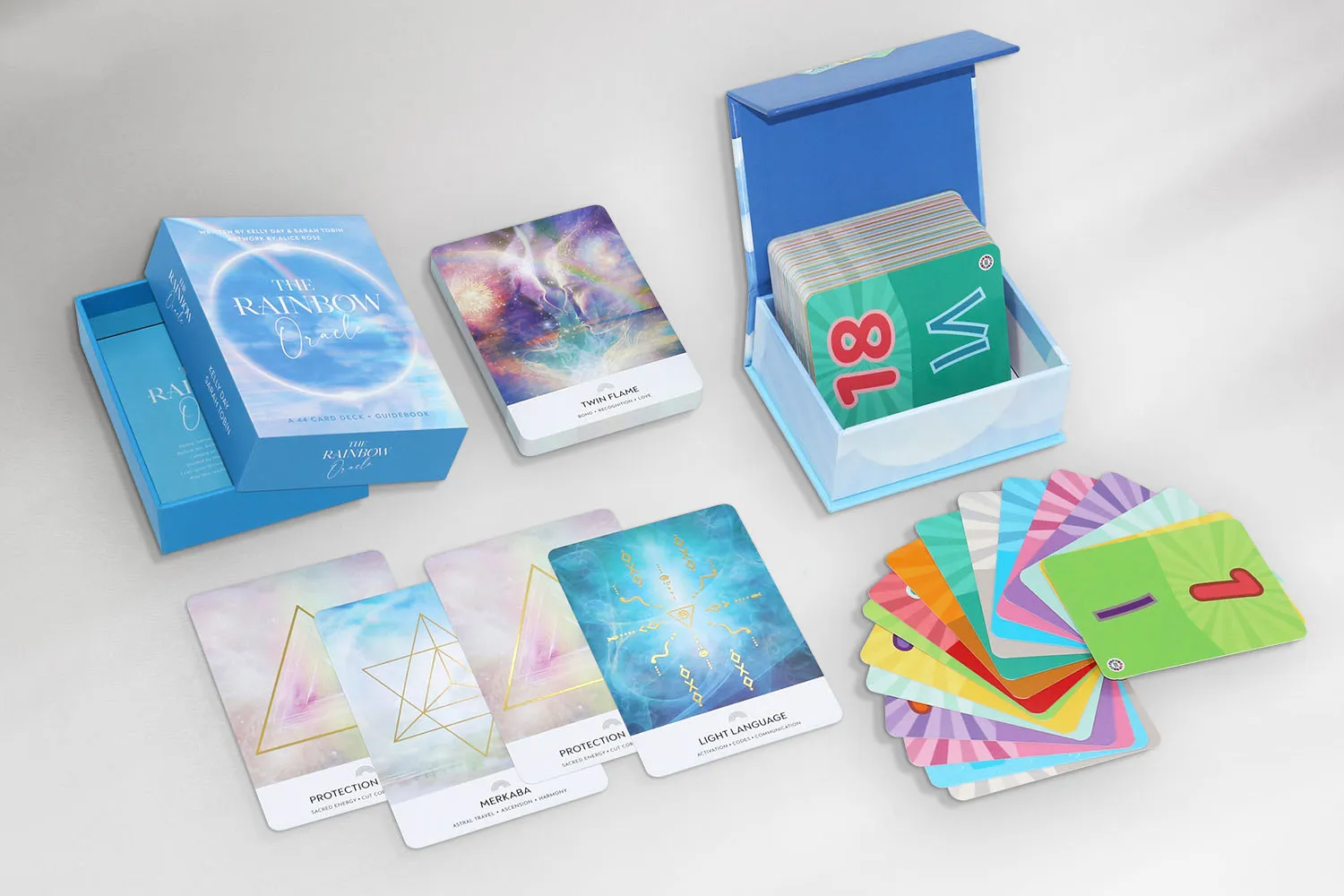
In recent years, custom card decks have gained widespread popularity across a variety of industries. From tarot and oracle decks created by independent artists, to branded playing cards used for marketing, tabletop games, and corporate promotions, as well as flashcard decks for education and affirmation card decks for daily inspiration, the demand for custom deck of cards printing continues to rise. Along with this growth comes a common challenge: how to request an accurate and reliable printing quotation?
Many creators underestimate the complexity of custom card deck printing. Unlike standard cards, such as business cards, greeting cards, card decks consist of multiple components, including individual cards, packaging, and accessories. When inquiries lack sufficient detail, printers can only provide rough estimates, which may change later and lead to delays, unexpected costs, and frustration for both parties.
By communicating clearly with your card deck manufacturer and providing complete specifications from the beginning, you can receive an accurate deck of cards quote much more quickly. This approach not only saves time but also allows you to compare options effectively, manage your budget, and make informed production decisions. In this guide, we offer a detailed, step-by-step explanation of how to request custom card deck printing quotations, what information printers require, and how to structure a professional inquiry email.
By the end of this article, you will have a clear understanding of how custom card deck cost is calculated, how to avoid common mistakes, and how to confidently request custom card deck quotes online.
What’s Card Deck Printing Specification
Before contacting a printer, it is important to understand the core elements that make up a custom card deck printing quotation. Each specification directly affects material usage, production time, labor, and shipping costs. Below is a comprehensive breakdown of the most important factors.
1. Card Size
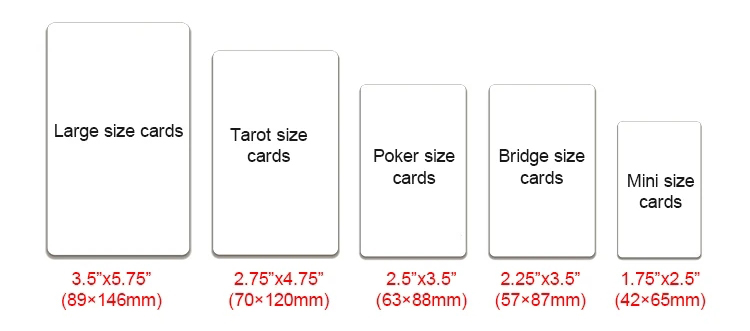
Card size, also called trim size, refers to the final dimensions of each card after cutting. This is one of the most critical details in custom card deck printing because it determines how cards are laid out on printing sheets, how much paper is used, and whether standard cutting tools can be applied.
Common card sizes include:
Standard playing cards: 2.5 × 3.5 inches (63 × 88 mm)
Tarot cards: 2.75 × 4.75 inches (70 × 120 mm)
Oracle cards: 3 × 5 inches or other custom dimensions
Flashcards:3x 5 inches or 5 x 7 inches
While custom sizes are absolutely possible, non-standard dimensions may increase costs due to additional setup, higher paper waste, or custom cutting dies. If you are working within a budget, asking your printer to recommend a standard or optimized size can help reduce your overall custom card deck cost.
2. Number of Cards
The number of cards per deck affects both material consumption and production efficiency. Printers calculate costs based on total printed cards, not just the quantity of decks.
Typical examples include:
Playing card deck: 52 cards (sometimes 54 with jokers)
Tarot card deck: 78 cards
Oracle, flashcard, affirmation, or educational decks: 30 to 120 cards
Always confirm the exact card count before requesting a quote. Even a small change in card quantity can affect printing imposition and pricing, especially for large orders.
3. Preferred Paper Type and Weight
Paper choice plays a major role in how your custom card decks feel in your hand and how durable they are over time. Most decks are printed on thick cardstock to ensure stiffness and resistance to bending.
Common paper options include:
250gsm art paper: An economical choice suitable for lightweight card decks, promotional cards, or projects with tight budgets. While cost-effective, it offers less stiffness and durability compared to heavier stocks.
300gsm art paper: A balanced option that provides improved thickness and rigidity while remaining affordable. This paper weight is commonly used for standard custom card decks that require good durability without significantly increasing costs.
350gsm art paper: A heavier cardstock and one of the most popular choices for custom card decks. It offers excellent stiffness, durability, and a premium hand feel, making it ideal for tarot cards, oracle cards, and high-quality playing cards.
400gsm art paper: A thicker and more durable option that delivers a solid, luxury feel. This paper is well-suited for premium decks that require extra strength, though it comes at a higher cost and may be less flexible for frequent shuffling.
Premium black core or blue core cardstock: Designed specifically for professional playing cards, these core papers prevent light from passing through the cards and enhance durability. They provide superior opacity, improved snap, and a high-end playing experience, making them ideal for casino-style or premium game decks.
Glossy art paper enhances color vibrancy and contrast, making it popular for visually rich designs. Matte art paper reduces glare and fingerprints, offering a softer, more refined look. Premium core papers are often used for professional playing cards, as they prevent light from showing through the cards.
If you are unsure which paper is suitable for your project, your manufacturer can recommend options based on usage, target market, and budget.
4. Color Printing Options
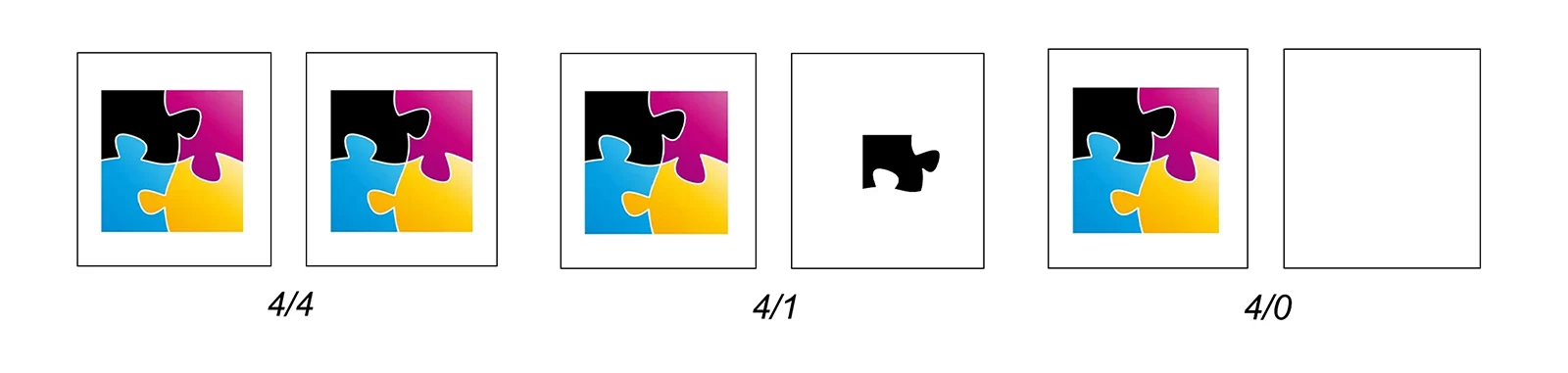
Color printing is usually described using standard industry notation:
4C/4C: Full color on both sides of the card
4C/1C: Full color on the front, one color (usually black) on the back
4C/0C: Full color on the front, no printing on the back
Most custom card decks use 4C/4C printing to support full illustrations and detailed designs. However, if your design allows for limited color usage, reducing colors on one side can help lower printing costs.
5. Card Finish and Special Effects
Finishing options significantly influence both the appearance and price of custom card decks. They also affect how cards feel during shuffling and handling.
Common finishes include:
Glossy lamination for bright, vibrant colors
Matte lamination for a smooth, non-reflective surface
Soft-touch lamination for a premium, velvet-like feel
Spot UV to highlight specific design areas
Varnish for light surface protection and subtle sheen
Special effects may include:
Foil stamping (gold, silver, holographic, or custom colors)
Gilded edges or glitter edges
Rounded corners
Linen texture or embossing
Each finish or special effect adds production steps, tooling, and labor. Clearly listing all desired finishes in your inquiry is essential for receiving an accurate deck of cards quote.
6. Card Packaging Options
Packaging is a major factor in both presentation and cost. The right packaging protects your cards and enhances the overall unboxing experience.
Flexible packaging options include shrink wrap or OPP bags, which are cost-effective for bulk or promotional decks.
Paperboard tuck boxes are commonly used for playing cards and lightweight card decks. They are cost-effective, easy to assemble, and suitable for mass production. Popular styles include:
Straight tuck end (STE) box, with both tuck flaps on the same side
Reverse tuck end (RTE) box, with top and bottom flaps on opposite sides
Tuck-end hanging tab box, designed for retail display on hooks
Tuck top auto bottom box, featuring a pre-glued bottom for added strength
Tuck top snap lock bottom box, offering extra durability for heavier decks
Rigid boxes provide a more premium appearance and superior protection. They are sturdier and ideal for higher-end products. Common styles include:
Set-up rigid box, a classic two-piece or lift-off lid design
Magnetic rigid box, with built-in magnets for secure closure, ideal for high-end card deck
Drawer rigid box, featuring a slide-out tray for a refined unboxing experience
Flip cover rigid box, with a hinged lid for easy access
Rigid boxes are especially popular for tarot and oracle decks, affirmation decks, where durability, presentation, and a luxury feel are key considerations.
7. Accessories
Accessories add value and functionality to custom card decks. These items should always be listed separately in your inquiry.
Common accessories include:
Instruction or guide booklets (Saddle stitch binding, perfect binding, or hardcover binding)
Dice, tokens, or counters
Custom inserts or dividers
Foam or paper inserts inside the box
Each accessory requires its own materials, printing, and assembly steps, which affect overall pricing.
8. Order Quantity
Order quantity is one of the biggest factors affecting the custom card deck cost. Printing larger quantities reduces the unit price due to economies of scale.
Typical order ranges include:
250–500 decks for small runs or crowdfunding projects
1,000–3,000 decks for retail or online sales
5,000+ decks for large-scale distribution
Requesting multiple quantities in one inquiry allows you to compare pricing tiers and choose the most cost-effective option.
9. Shipping Address and Terms
Shipping costs depend on destination, weight, volume, and shipping terms. Always provide a complete delivery address and specify your preferred shipping term, such as EXW, FOB, CIF, or DDP.
For international buyers, DDP (Delivered Duty Paid) is often the most convenient option because it includes customs duties and taxes, reducing logistical complexity.
Tarot Card Deck Email Format Example
A professional, well-structured email helps manufacturers review your request efficiently and respond with accurate pricing. When inquiring about tarot card decks, it is especially important to include details about packaging, finishes, and accessories.
The example below demonstrates how to clearly organize specifications, quantities, and shipping requirements in one concise message. Using this format minimizes back-and-forth communication and speeds up the quotation process.
Subject: Inquiry– Custom Tarot Card Deck + External Booklet
Hello,
I hope you are doing well.
I am contacting you to request a quotation for producing a custom tarot card deck. Please provide pricing for 250, 500, and 1,000 decks, along with estimated production time, available proof options, and DDP shipping costs to the address below.
Tarot Card Deck Specifications
Card size: 2.75 × 4.75 inches (70 × 120 mm)
Number of cards: 78 cards
Card material: 300gsm matte cardstock
Printing: 4C/4C (full color on both sides)
Finish: Matte lamination on both sides, gold foil stamping on card backs, rounded corners, glitter edges
Booklet Specifications
Size: 2.75 × 4.75 inches
Page count: 4pp cover + 52pp interior pages
Cover: 4C/0C printing on 250gsm matte art paper with matte lamination
Interior pages: 4C/4C printing on 105gsm matte art paper
Binding: Sewn perfect binding
Rigid Box Specifications
Box type: Set-up rigid box
Material: 2mm grey board wrapped with 157gsm matte art paper
Printing: 4C/0C
Surface finish: Matte lamination with gold foil stamping
Packaging
Each deck is individually shrink-wrapped
Tarot cards and a booklet are packed together inside the rigid box
Shipping Address (DDP): 1028 E Indian School Rd, Phoenix, AZ 85014
Please let me know if any additional information is needed to prepare the quotation. I look forward to your response.
Thank you for your time and assistance.
Best regards, SADH
Playing Card Deck Email Format Example
Playing card decks often have simpler specifications, but clarity is still essential. Including card size, paper type, finishes, box style, quantity, and shipping terms ensures that the printer can calculate costs accurately.
This example shows how to request a quote for a standard 2.5 × 3.5 inch playing card deck with a tuck box and FOB shipping terms.
Subject: Inquiry – Standard 2.5 x 3.5 inches Playing card deck
Hello,
I hope you are doing well.
I am writing to request a quotation for producing a custom playing card deck. Please provide pricing for quantities of 500 and 1,000 decks, along with estimated production time, available proof options, and FOB shipping costs to New Zealand.
Playing Card Specifications
Card size: 2.5 × 3.5 inches
Number of cards: 52 cards
Card material: 350gsm glossy cardstock
Printing: 4C/4C (full color on both sides)
Finish: Glossy lamination on both sides, rounded corners, linen finish
Tuck Box Specifications
Box type: Straight tuck end box
Material: 350gsm C1S paper
Printing: 4C/0C
Surface finish: Glossy lamination
Shipping Terms:
FOB to New Zealand
Please let me know if any additional information is required to prepare the quotation. I look forward to your response.
Thank you for your time and assistance.
Best regards, Kira
Common Mistakes to Avoid When Requesting Custom Card Deck Quotes
Many delays and pricing discrepancies occur due to incomplete or unclear inquiries. Common mistakes include:
Not specifying card size or exact card count
Forgetting to list special finishes or accessories
Providing incomplete shipping addresses
Changing specifications after receiving a quote
Avoiding these issues will help you receive accurate custom card deck quotes online and keep your project on schedule.
Start to Custom Print Your Card Deck
Requesting a custom card deck printing quotation does not need to be complicated. By understanding and clearly communicating each specification, card size, number of cards, paper, printing, finishes, packaging, quantity, and shipping, you enable manufacturers to provide fast, accurate pricing.
If you are ready to bring your custom card deck idea to life, choosing the right printing partner is crucial. BookPrintingChina specializes in producing high-quality custom card decks, including tarot cards, oracle cards, playing cards, affirmation cards, and more. With advanced offset printing technology, a wide range of materials and finishes, and worldwide shipping options, BookPrintingChina helps creators turn ideas into professional, market-ready products.
Prepare your specifications using the guidelines in this article, send your inquiry with confidence, and take the first step toward producing your own custom deck of cards.