




In the world of commercial offset printing, the choice of coating can significantly influence the durability, aesthetic appeal, and overall quality of printed materials. Coatings not only enhance the visual characteristics of printed pieces but also provide essential protection against wear and environmental factors. This article delves into the various types of coatings used in offset printing, including laminate, UV, varnish, and aqueous coatings, along with their benefits, applications, and best use cases.
When Should You Consider Coating?
Choosing the right coating for your printed materials is crucial, and several factors should guide your decision. Coatings can be considered when:
1. Enhancing Visual Appeal:
-
Boosting Color Vibrancy: Coatings, especially gloss UV coatings, can intensify colors and make images pop, creating a more eye-catching and impactful design.
-
Achieving a Specific Aesthetic: Whether you desire a subtle matte finish for a sophisticated look or a high-gloss shine for a modern feel, coatings allow you to fine-tune the visual impact of your printed materials.
-
Adding Depth and Dimension: Selective coating, where only certain areas are coated, can highlight specific elements and create visual interest.
2. Protecting Your Investment:
-
Increasing Durability: Coatings offer a protective barrier against scratches, scuffs, fingerprints, and fading, extending the lifespan of your printed materials, especially those that will be handled frequently.
-
Resisting Moisture: Coatings can provide a degree of water resistance, protecting your prints from accidental spills and humidity.
-
Preserving Ink Quality: By sealing the ink, coatings help prevent it from rubbing off or fading over time, ensuring your brand message remains clear and consistent.
3. Improving Functionality:
-
Creating a Tactile Experience: Soft-touch coatings offer a unique sensory experience, making your printed materials more engaging and memorable.
-
Enhancing Readability: Matte coatings can reduce glare, making text easier to read, especially in brightly lit environments.
-
Making the Color Pop: A glossy coating can enhance the vibrancy and brightness of colors, making them more vivid.
4. Cost Considerations:
-
The Cost-Benefit Analysis: While coatings add to the overall printing cost, consider the long-term benefits. Will a coating protect your materials from damage, extending their lifespan and reducing the need for reprints? Will it enhance the perceived value of your product or brand?
-
Target Audience and Message: Is your project aimed at a premium market that expects a high-quality finish? Does your message require a long shelf life? If so, a coating may be a worthwhile investment.
Examples of When Coatings are Particularly Beneficial:
-
Book Covers: Protects the cover from wear and tear and enhances its visual appeal.
-
Business Cards: Creates a professional and durable impression.
-
Packaging: Protects the product and attracts attention on the shelf.
-
Brochures and Catalogs: Increases durability and enhances the visual appeal of product images.
-
Postcards: Protects the postcard from scratching and fading during mailing.
Different Types of Coating
Printing coatings are transparent, thin substances applied to the printed surface after the ink has dried. They are essentially thin, protective layers that dry to a smooth, even finish. Common types include:
Laminate Coating
In the world of print and packaging, creating a lasting impression is paramount. Laminate coating offers a powerful solution to enhance the visual appeal and durability of various products.
What’s Laminate Coating?
Laminate coating involves applying a thin layer of plastic film to a printed surface. This film is bonded using heat and pressure, creating a protective and aesthetically pleasing finish. The result is a product that is more resistant to scratches, scuffs, moisture, and fading, extending its lifespan and maintaining its visual integrity. Laminate coatings are widely used in various applications, from packaging to marketing materials.
Benefits of Laminate Coating
Laminate coatings offer numerous advantages, including:
-
Durability: Laminate acts as a shield, protecting the underlying print from wear and tear, moisture, and UV damage. This significantly increases the product’s longevity.
-
Enhanced Aesthetics: Lamination can add a polished look to printed pieces, making colors appear more vibrant and textures more pronounced.
-
Easy Maintenance: Laminated surfaces are typically easier to clean and maintain, making them ideal for items that will be handled frequently.
-
Moisture Resistance: Laminate provides a barrier against moisture, preventing damage and warping, making it suitable for products exposed to humidity.
-
Tactile Experience: Some laminate finishes, like soft-touch, provide a unique and pleasing tactile experience, enhancing the overall sensory appeal of the product.
Finish Options of Laminate Coating
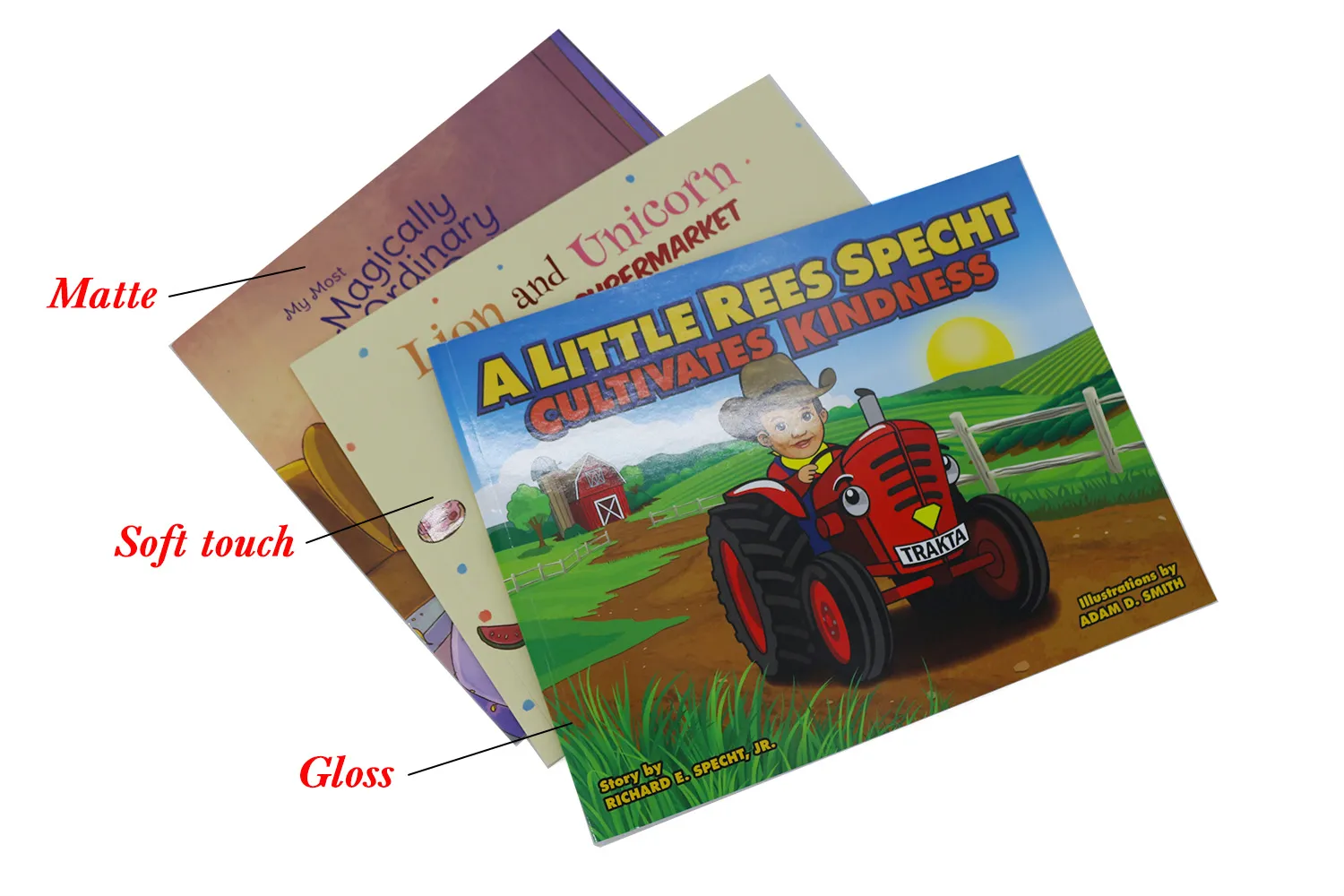
Lamination offers a range of finishes, each providing a distinct aesthetic and tactile experience:
-
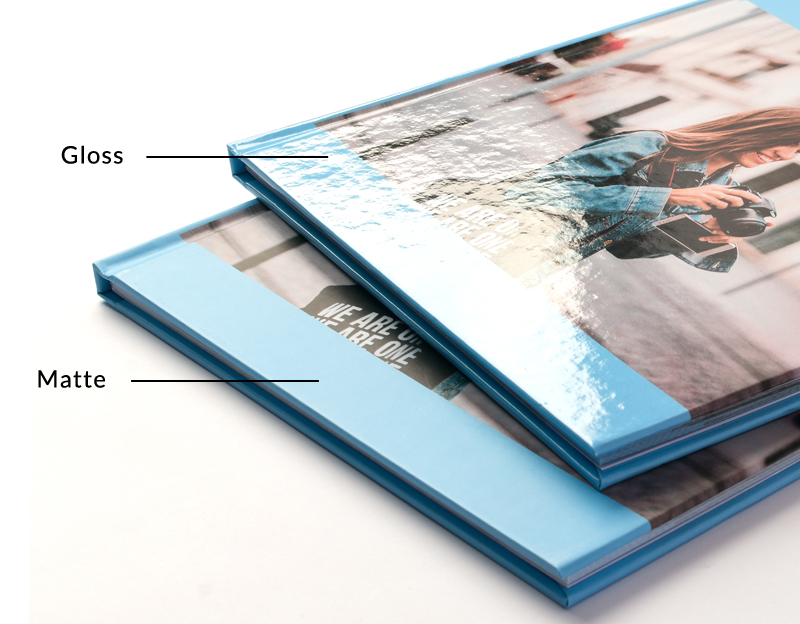
Glossy Lamination: This finish provides a shiny, reflective surface that enhances color saturation and vibrancy, making it suitable for books, promotional materials and packaging.
-
Matte Lamination: Matte lamination offers a smooth, non-reflective surface, providing a sophisticated and understated look. It reduces glare and provides excellent readability, making it ideal for book covers and elegant packaging.
-
Soft Touch Lamination: Soft-touch lamination provides a velvety, tactile experience that is both luxurious and inviting. It adds a unique sensory element to the product, enhancing its perceived value and creating a memorable impression.
Applications of Laminate Coating
Laminate coatings are versatile and can be applied to a variety of products, including:
-
Book Covers: Laminate protects book covers from wear and tear, keeping them looking new for longer.
-
Marketing Materials: Catalogs, brochures, flyers, and posters benefit from laminate’s ability to enhance colors and durability, making a lasting impression on potential customers.
-
Packaging: Laminate protects product packaging from damage during shipping and handling, maintaining its visual appeal on store shelves.
-
Card Decks: Playing cards and other card decks benefit from laminate’s moisture resistance and durability, ensuring a longer lifespan and improved playability.
UV Coating
In the realm of printing and packaging, the quest for visual appeal and durability is never-ending. Among the various techniques available, UV coating stands out as a versatile and effective method to elevate the quality and longevity of printed materials.
What’s UV Coating?
UV coating is a finishing technique that uses ultraviolet light to cure a liquid coating applied to printed materials. This process creates a protective layer that enhances the appearance of the print while also providing resistance against scratches, smudges, and fading. UV coatings can be applied to entire surfaces or selectively to specific areas for added effect.
Benefits of UV Coating
UV coating provides several key benefits:
-
Fast Drying: The UV curing process allows for rapid drying, which can significantly speed up production times.
-
Enhanced Visual Appeal: UV coating adds a glossy or matte finish that enhances the colors and contrast of the printed material, making it more eye-catching and visually appealing.
-
Protection: The coating acts as a shield against scratches, abrasions, and fingerprints, extending the lifespan of the printed product.
-
Durability: UV coating provides resistance against moisture, chemicals, and fading, making it suitable for both indoor and outdoor use.
-
Environmentally Friendly: UV coatings are generally low in volatile organic compounds (VOCs), making them a more environmentally friendly option compared to some traditional coatings.
Finish Options of UV Coating
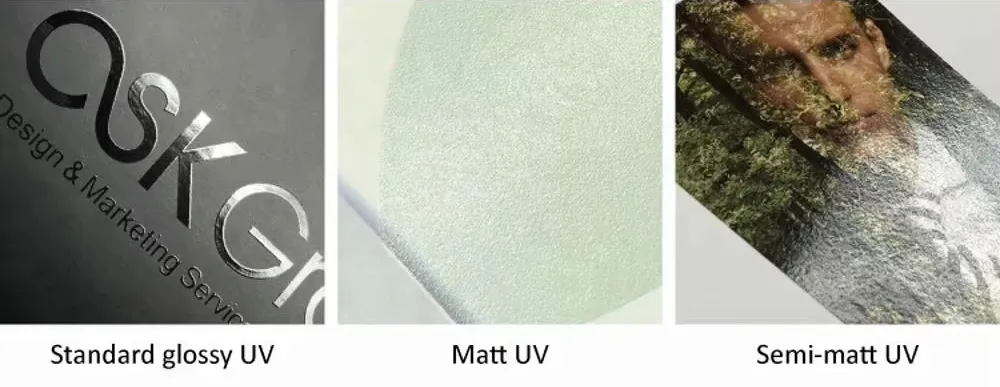
UV coating offers a range of finish options to suit different aesthetic preferences and functional requirements:
-
Gloss: The most common type of UV coating, gloss, provides a high-shine finish that enhances colors and creates a vibrant, attention-grabbing look. It is often used for marketing materials, book covers, and packaging.
-
Matte: Matte UV coating offers a smooth, non-reflective finish that exudes sophistication and elegance. It is ideal for applications where readability and a subtle aesthetic are desired, such as brochures, business cards, and high-end packaging.
-
Textured: Unique finishes such as soft-touch or glitter can add an interactive element to printed materials, enhancing the overall experience.
Applications of UV Coating
UV coating is commonly used in various applications, including:
-
Full UV Coating: Full UV coating is frequently used on packaging to protect the contents and enhance shelf appeal.
-
Marketing Materials: Spot UV coating is often used on logos, images, and text in brochures, flyers, and business cards to highlight specific elements and create a premium look.
-
Books: Spot UV coating can be applied to book covers to add visual interest and protect against wear and tear.
-
Posters and Signage: UV coating protects posters and signage from fading and damage, ensuring their longevity
Varnish Coating
When it comes to enhancing the visual appeal and durability of printed materials, varnish coating has emerged as a popular choice.
What’s Varnish Coating
Varnish coating is a clear, liquid substance applied to the surface of printed materials to protect them from wear, tear, and external damage. It is made up of a combination of resins, solvents, and additives. Varnish can be applied to the entire surface of a printed piece (a flood coat) or in specific areas for a spot varnish effect.
Benefits of Varnish
Varnish coating offers numerous benefits, including:
-
Enhanced durability: Varnish provides an additional layer of protection, increasing the longevity of printed materials.
-
Improved appearance: Varnish can add depth and richness to colors, making them appear more vibrant and eye-catching.
-
Scratch resistance: Varnish helps protect printed materials from scratches, scuffs, and other forms of damage.
-
Easy maintenance: Varnished surfaces are easier to clean and maintain than uncoated surfaces.
Finish Options of Varnish
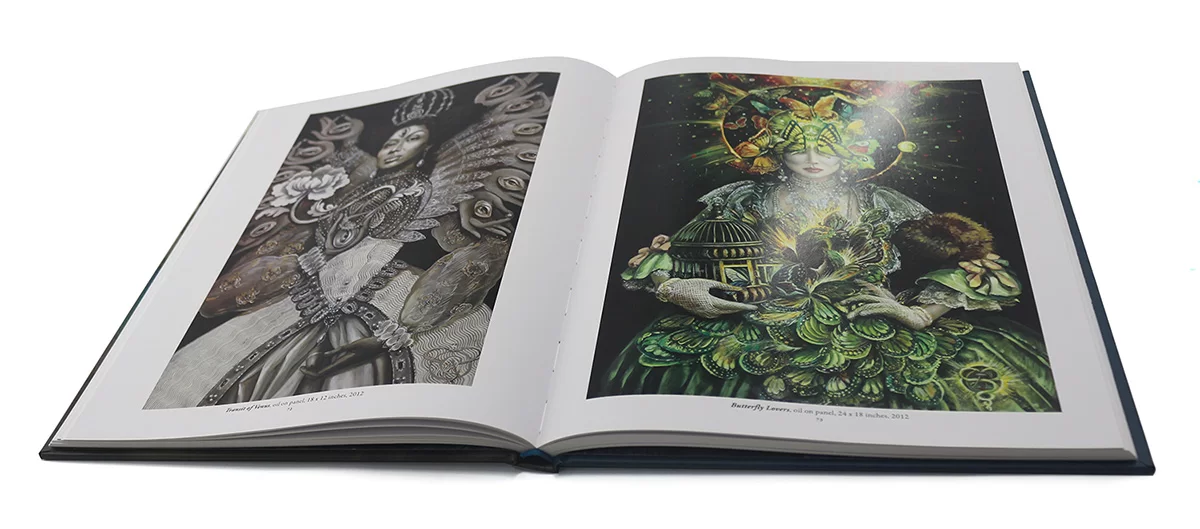
Varnish coatings come in several finish options, allowing for customization based on project requirements.
-
Glossy Varnish: Glossy varnish provides a high-shine, reflective surface that can make colors appear more vibrant and images more detailed. It is often used for image-heavy materials, for example, photo books, brochures.
-
Matte Varnish: Matte varnish has a smooth, non-reflective surface that can reduce glare and improve readability. It is often used for text-heavy materials, where a glossy finish might be too distracting.
Applications
Varnish coatings are commonly used in various applications, including:
-
Book Interiors: Varnish can protect the pages of books from wear and tear, while also enhancing the appearance of the printed text and images.
-
Packaging: Varnish can provide an extra layer of protection for packaging materials, as well as making them more visually appealing.
-
Card Decks: Playing cards and other card decks can benefit from varnish coating, which can help protect the cards from damage and make them easier to shuffle.
-
Marketing materials: Business cards, brochures, and other marketing materials can be enhanced with varnish coating, making them more durable and visually appealing.
Aqueous Coating
What’s Aqueous Coating
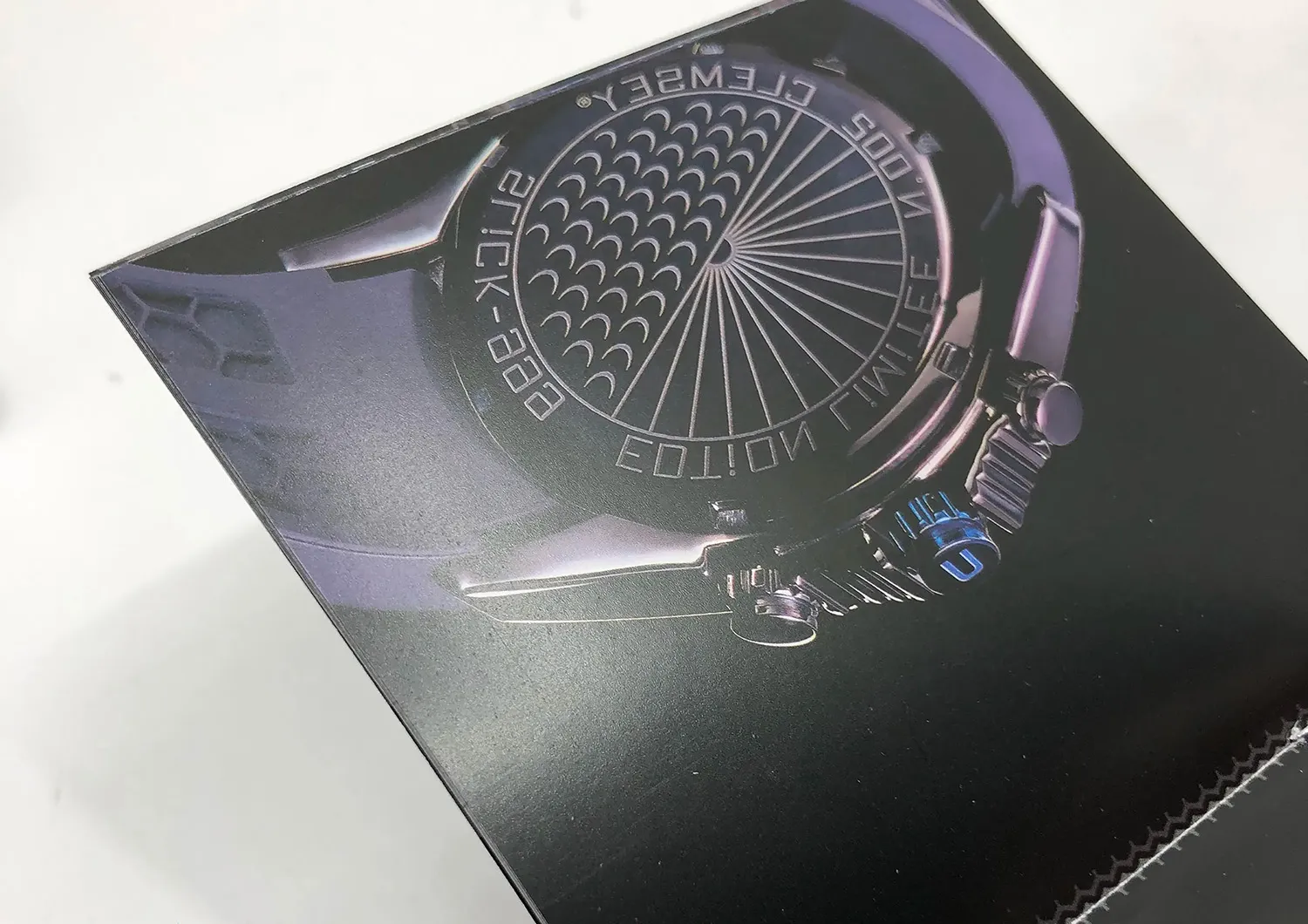
Aqueous coating is a water-based finish that has gained popularity in the printing industry due to its eco-friendly properties. Unlike solvent-based coatings, aqueous coatings are less harmful to the environment and offer quicker drying times. This type of coating forms a thin layer over printed materials, providing a smooth and glossy finish.
Benefits of Aqueous Coating
Aqueous coatings come with numerous benefits, making them a preferred choice for many printing projects:
-
Environmental Friendliness: Being water-based, they emit fewer volatile organic compounds (VOCs), making them safer for the environment.
-
Enhanced Appearance: Aqueous coating gives printed materials a professional, polished look. It can also enhance the colors and images on the page, making them appear more vibrant and vivid.
-
Durability: Aqueous coating is resistant to moisture and dirt, making it a great choice for materials that will be exposed to the elements. It also helps to prevent ink from rubbing off or fading over time.
-
Quick Drying: Aqueous coatings dry faster than varnish, reducing turnaround times and increasing efficiency.
-
Enhanced Protection: Aqueous coating provides a protective layer that helps to prevent scuffs, smudges, and fingerprints. This is especially important for materials that will be handled frequently, such as business cards or brochures.
Finish Options of Aqueous Coating
Aqueous coatings are available in various finishes, catering to different aesthetic preferences:
-
Gloss: Provides a shiny, reflective surface that enhances color vibrancy.
-
Matte: Offers a non-reflective finish, giving a sophisticated and elegant look.
-
Satin: This finish strikes a balance between gloss and matte, providing a subtle sheen.
-
Soft-Touch: A unique finish that provides a velvety feel, adding a tactile dimension to printed materials.
Applications
Aqueous coatings are widely used in various applications, including:
-
Packaging: Protects and enhances the visual appeal of product packaging.
-
Business Cards: Provides a polished look while ensuring durability.
-
Brochures and Booklet Covers: Enhances the presentation of marketing materials.
Choosing the Right Coating for Your Project
Selecting the appropriate coating for your printing project is crucial for achieving the desired results. Consider the following factors when making your decision:
-
For Maximum Durability: If your project requires a strong protective barrier, UV or laminate coatings are excellent options due to their resistance to scratches and environmental factors.
-
Project Requirements: Evaluate the specific needs of your project. Are you looking for protection against moisture, or do you want to enhance visual appeal? Understanding your project’s requirements will guide your choice of coating.
-
Aesthetic Goals: Consider the desired look and feel of your printed materials. Different coatings offer various finishes, from glossy to matte. Choose a coating that aligns with your brand’s visual identity. Such as, if visual impact is a priority, UV coatings provide a high-gloss finish that enhances colors.
-
Budget Constraints: Coatings vary in cost, so it’s essential to consider your budget. While some coatings may be more expensive, their benefits in terms of durability and appearance may justify the investment. If you consider the budget, laminate coatings offer a budget-friendly solution while still enhancing the appearance of printed materials.
-
Environmental Considerations: If sustainability is a priority for your brand, opt for eco-friendly coatings like aqueous or water-based laminates. These options reduce environmental impact while providing adequate protection.
-
End-Use Considerations: Think about how the printed materials will be used. For items that will be handled frequently, such as business cards or packaging, a more durable coating may be necessary to withstand wear and tear.
Conclusion
In summary, the choice of coating is a critical aspect of commercial offset printing that can significantly impact the final product’s appearance and durability. Understanding the various types of coatings available, including varnish, aqueous, UV, and laminate coatings, will help you make informed decisions that align with your project goals. By considering factors such as project requirements, aesthetic goals, budget constraints, and environmental considerations, you can select the right coating to enhance your printed materials and ensure their longevity.
Whether you’re looking to create stunning packaging, eye-catching marketing materials, or durable business cards, the right coating will elevate your printed products and leave a lasting impression on your audience.
If you are not sure which coating is right for your project, please contact our printing experts. With over 25 years of experience in printing industry, the latest offset printing technology, extensive knowledge of paper types, coatings, finishes, and various custom options, and truly customer-centric service, we are happy to provide the best advice for your printing project to cater your budget. Get in touch with us, let us bring your dream to life!