



UV Coating
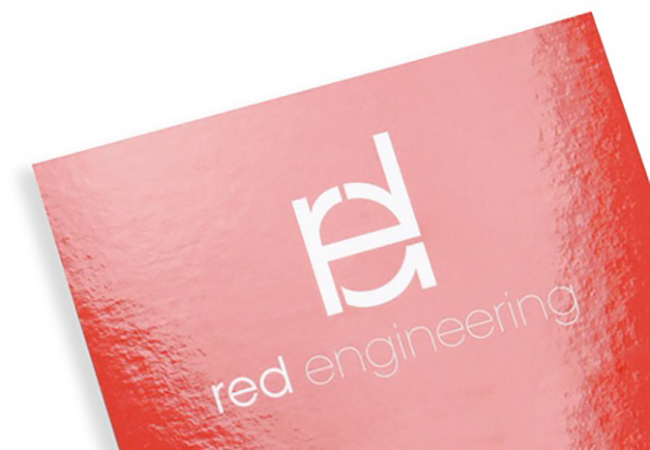
In the world of printing, you may have come across the term “UV coating” or heard it mentioned by print professionals. But what exactly is UV coating, and why is it so widely used?
In this comprehensive guide, I’ll dive into the intricacies of UV coating, exploring its advantages, applications, processes, and different types. Buckle up as we unravel the mysteries of this printing technique!
What is UV Coating in Printing
UV coating, short for ultraviolet coating, is a liquid coating applied to printed materials that cures and hardens when exposed to ultraviolet light. This process creates a protective layer on the surface of the printed piece. To enhance its durability, resistance to scuffs and scratches, and overall visual appeal.
The coating itself is a clear liquid that contains monomers and oligomers, which are essentially small molecules that polymerize (link together) when exposed to UV light. This polymerization process is what transforms the liquid coating into a solid, protective layer.
The Advantages of UV Coating
UV coating offers numerous benefits that make it a popular choice among print professionals and businesses alike. Here are some of the key advantages:
Durability: The cured UV coating acts as a shield, protecting the printed material from wear and tear, moisture, and other environmental factors that could potentially damage the print.
Scuff and scratch resistance: The hard, glossy surface created by UV coating is highly resistant to scuffs and scratches. To make sure that your printed materials maintain their pristine appearance for an extended period.
Vibrant colors and gloss: UV coating enhances the vibrancy and depth of colors, making them appear richer and more vibrant. Additionally, it imparts a high-gloss finish that adds an eye-catching sheen to your prints.
Quick drying: Unlike traditional coatings that require a longer drying time, UV coatings cure almost instantly when exposed to UV light, allowing for a faster production turnaround.
Environmental friendliness: Many UV coatings are formulated to be low in volatile organic compounds (VOCs), making them a more environmentally friendly option compared to some traditional coatings.
Common Applications of UV Coating
UV coating is versatile and can be applied to a wide range of printed materials. Here are some common applications:
1. Book Covers
UV coating is frequently used on book covers, both hardcover and softcover, to protect them from wear and tear. The glossy finish also adds an attractive visual appeal, making the books more appealing on shelves.
2. Business Cards
Business cards are often coated with UV to create a professional and durable finish. The coating ensures that the cards remain in pristine condition, even after extended periods of handling and storage.
3. Packages
UV coating is commonly used on packaging materials, such as boxes, bags, labels, and pouches. To enhance their visual appeal and protect them from moisture and other environmental factors.
4. Labels & Stickers
Applying UV coating to labels and stickers helps them withstand harsh conditions, such as exposure to moisture, chemicals, and abrasion. Making them suitable for various applications, including product labeling and outdoor signage.
5. Posters & Flyers
UV coating is an excellent choice for posters and flyers. Since it not only protects the printed materials from wear and tear but also adds a vibrant and eye-catching finish that attracts attention.
6. Calendars
Calendars, particularly those intended for long-term use, benefit from UV coating. To make sure that the printed images and text remain vibrant and protected throughout the year.
UV Coating Process
The process of applying UV coating involves several steps:
Printing: The material is first printed using traditional printing methods, such as offset, digital, or screen printing.
Coating application: The liquid UV coating is then applied to the printed surface using a specialized coating machine or roller.
UV curing: After the coating is applied, the material passes through a UV curing unit, which exposes the coating to intense UV light. This light triggers the polymerization process, causing the liquid coating to solidify and form a protective layer.
Finishing: Once the coating is cured, the material may undergo additional finishing processes, such as trimming, folding, or binding, depending on the specific application.
The UV curing process is highly efficient, as the coating cures almost instantly upon exposure to UV light. Allowing for a faster production turnaround compared to traditional coatings that require extended drying times.
Types of UV Coating
UV coatings come in various types, each with its own unique characteristics and applications. Here are some common types:
1. Gloss UV coating
Gloss UV coating is the most common type and imparts a high-gloss, shiny finish to the printed material. It enhances the vibrancy of colors and provides a sleek, professional appearance.
2. Matte UV coating
Matte UV coating, as the name suggests, provides a non-glossy, matte finish. This type of coating is often used when a more subtle or understated look is desired, or when glare reduction is a priority.
3. Spot UV coating
Spot UV coating is a technique where the coating is selectively applied to specific areas of the printed material, creating a unique visual effect. This method is often used for highlighting specific elements, such as logos or text, while leaving the rest of the surface uncoated.
UV Coating vs. Lamination
While both UV coating and lamination provide protection and enhance the appearance of printed materials. There are some key differences between the two processes:
Application method: UV coating is a liquid coating that cures and hardens when exposed to UV light. But lamination involves applying a thin plastic film over the printed surface using heat and pressure.
Thickness: Lamination are generally thinner than UV coating, resulting in a more subtle and less noticeable protective layer.
Cost: UV coating is generally more expensive than lamination, especially for smaller print runs or projects with intricate designs.
Turnaround time: Lamination almost instantly, allowing for a faster production turnaround compared to UV coating, which may require additional drying or curing time.
Aqueous vs. UV Coating
In addition to UV coatings, there is another type of coating called aqueous coating. Here’s a comparison between the two:
Composition: UV coatings are composed of monomers and oligomers that cure when exposed to UV light. Aqueous coatings are water-based and contain polymers that dry through evaporation.
Curing process: UV coatings cure instantly when exposed to UV light, while aqueous coatings require a longer drying time, often involving heat or air circulation.
Durability: UV coatings generally provide better durability, scratch resistance, and moisture protection compared to aqueous coatings.
Environmental impact: Aqueous coatings are typically considered more environmentally friendly. Due to their water-based composition and lower VOC content.
Cost: UV coatings tend to be more expensive than aqueous coatings, but the faster curing time and enhanced durability can offset the initial cost difference in certain applications.
UV Coating File Set-up Tips
When preparing files for UV coating, there are a few tips to keep in mind to ensure optimal results:
Bleed and trim: Always include appropriate bleed and trim marks in your file to ensure proper coating coverage and accurate trimming.
Spot UV coating files: If you plan to use spot UV coating, create a separate spot UV layer or file that clearly defines the areas to be coated.
Resolution and color mode: Use high-resolution images (at least 300 dpi) and work in CMYK color mode for best results.
Fonts and text: Convert all text to outlines or curves to avoid any potential font issues during the printing and coating process.
Communication: Clearly communicate your UV coating requirements to your print provider, including the type of coating, finish, and any specific instructions or preferences.
In conclusion, UV coating is a versatile and invaluable technique in the printing industry. It offers enhanced durability, visual appeal, and protection for a wide range of printed materials.
Through understanding the different types, processes, and applications of UV coating, you can make informed decisions and elevate the quality and longevity of your printed pieces. Whether you’re producing business cards, packaging, or high-end marketing materials, UV coating can provide the professional touch and lasting impression you desire.
If you’re looking to take your printed materials to the next level, consider incorporating UV coating into your next project. At BookPrintingChina, we offer a wide range of UV coating options, including gloss, matte, and spot UV coatings. Our experienced team will work closely with you to ensure your vision is brought to life with stunning results.
Visit our website or contact us today to learn more about our UV coating services and receive a personalized quote for your project.