




In this article, I’ll guide you through the eight essential steps to successfully designing and manufacturing board games.
Designing and manufacturing board games are an exciting journey that combines creativity, strategy, and a touch of entrepreneurship. It requires a deep understanding of game mechanics, components, and the audience that will enjoy the game.
Understand the Custom Board Game Specifications
Before diving into the creative process, it’s crucial to have a clear understanding of what makes a board game successful. This foundational knowledge will guide your decisions throughout the design and manufacturing board games process.
Components of a Great Board Game
A well-designed board game typically consists of several key elements:
-
Engaging Gameplay: The core mechanics should be intuitive yet challenging, providing a balance of strategy and luck that keeps players invested.
-
Clear Rules: Instructions should be concise and easy to understand, allowing players to quickly grasp the game’s concept and start playing.
-
Visual Appeal: Attractive artwork and design not only draw players in but also enhance the overall gaming experience.
-
Quality Materials: Durable components ensure the game can withstand repeated play and maintain its appeal over time.
-
Replayability: Varied outcomes or strategies encourage players to return to the game multiple times, increasing its value.
Understanding Game Mechanics
Game mechanics are the rules and systems that govern how players interact with the game and each other. Some popular mechanics including: worker placement, deck building, area control, resource management and cooperative play.
Understanding these mechanics and how they contribute to player engagement will help you craft a game that resonates with your target audience.
Balancing Complexity and Accessibility
One of the challenges in board game design is striking the right balance between complexity and accessibility. While some players enjoy intricate strategies and deep gameplay, others prefer more straightforward experiences. Consider your target audience when determining the level of complexity in your game.
Considering Production Constraints
As you develop your game concept, keep in mind the practical aspects of manufacturing. Certain components or materials may be more costly or difficult to produce. These could impact your game’s final price point and market viability.
Know Your Target Audience

Understanding your target audience is a crucial step in designing and manufacturing board games process. This knowledge will inform every aspect of your game, from mechanics and theme to artwork and marketing strategies.
Identifying Your Niche
The board game market is diverse, with different segments catering to various player preferences. Some common categories include family, strategy, party, educational, cooperative, and themed games. Determine which niche your game concept fits into, or if it potentially bridges multiple categories. This will help you focus your design efforts and marketing approach.
Researching Player Demographics
Consider the following factors when defining your target audience:
-
Age Range: Is your game suitable for children, adults, or a wide age range?
-
Gaming Experience: Are you targeting casual players or experienced gamers?
-
Group Size: Is your game designed for two players or larger groups?
-
Play Time: Will your game appeal to those looking for quick sessions or longer, more immersive experiences?
Understanding these demographics will guide your design choices and help you create a game that resonates with your intended players.
Analyzing Market Trends
Stay informed about current trends in the board game industry. This knowledge can help you identify gaps in the market or popular themes that might align with your game concept. Some ways to stay updated include:
-
Attending board game conventions
-
Following industry news and publications
-
Engaging with online board gaming communities
-
Analyzing sales data and bestseller lists
Gathering Feedback
Engage with potential players early in the design process. This can be done through:
-
Playtesting sessions with diverse groups
-
Online surveys or questionnaires
-
Participating in board game design forums
-
Collaborating with local game stores or clubs
By involving your target audience in the development process, you can gain valuable insights and refine your game to better meet their expectations.
Balancing Innovation and Familiarity
While it’s important to create a unique gaming experience, consider incorporating familiar elements that will resonate with your target audience. This could include popular themes, mechanics, or artwork styles that have proven successful in similar games.
Designing Your Board Game
The design phase is where your board game concept begins to take shape. This crucial stage involves developing the game’s core mechanics, creating visually appealing components, and ensuring a cohesive overall experience. Let’s break down the key elements of board game design.
Developing Game Mechanics
-
Core Gameplay Loop: Define the primary actions players will take during their turns. This should be engaging and align with your game’s theme.
-
Player Interaction: Determine how players will interact with each other. Will it be competitive, cooperative, or a mix of both?
-
Balancing: Ensure that all strategies or paths to victory are viable and that no single approach dominates the game.
-
Pacing: Consider how the game progresses from start to finish. Is there a build-up of tension or resources? How does the endgame differ from the early stages?
-
Randomness vs. Strategy: Decide on the balance between luck-based elements and strategic decision-making.
Creating Game Components
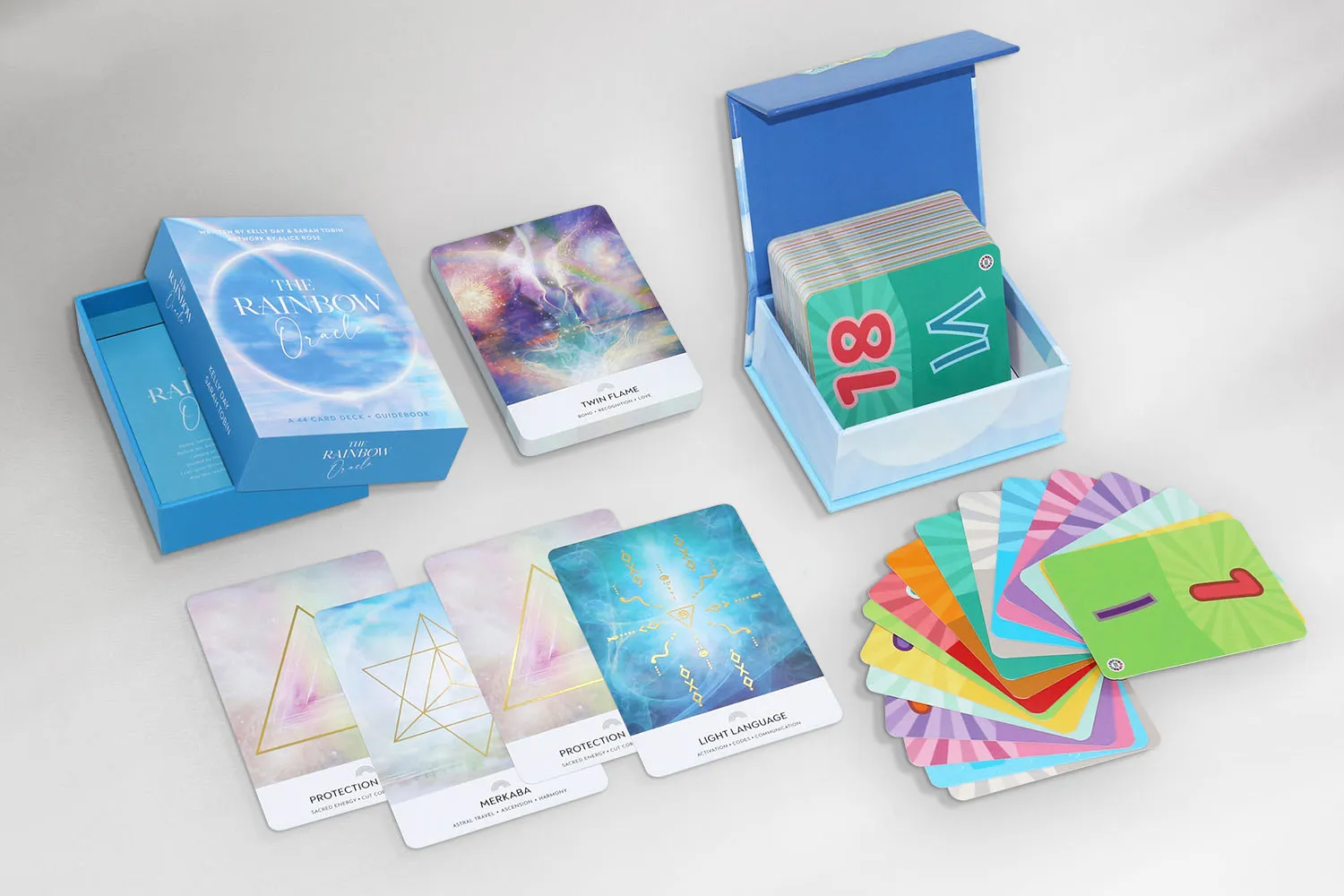
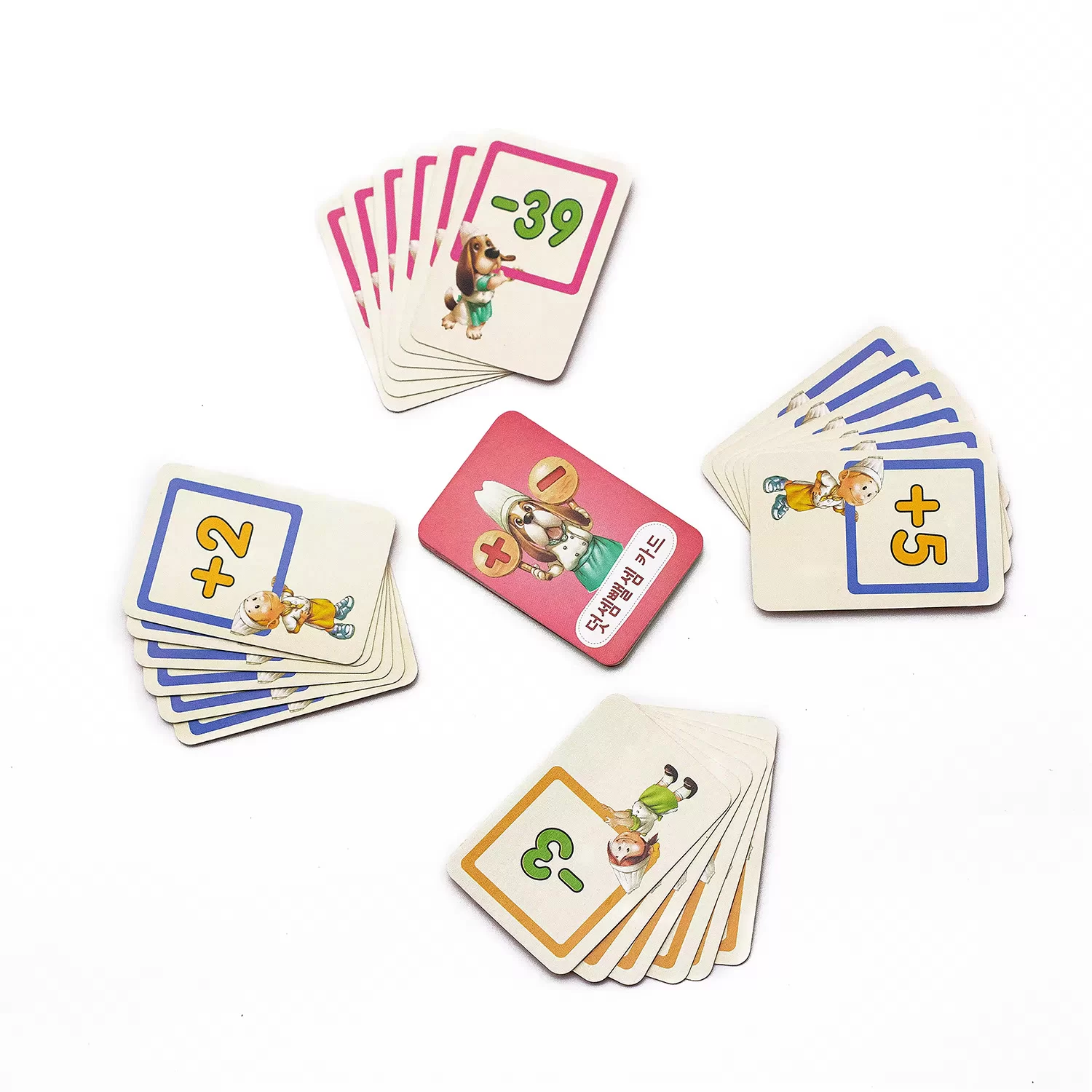 Board Game Cards
Cards are often a central component in many board games. When designing cards, consider:
-
Information hierarchy: Prioritize the most important information
-
Readability: Use clear fonts and appropriate text sizes
-
Iconography: Develop consistent symbols for quick reference
-
Durability: Choose appropriate card stock and finishes (e.g., gloss, matte, linen, recycled)
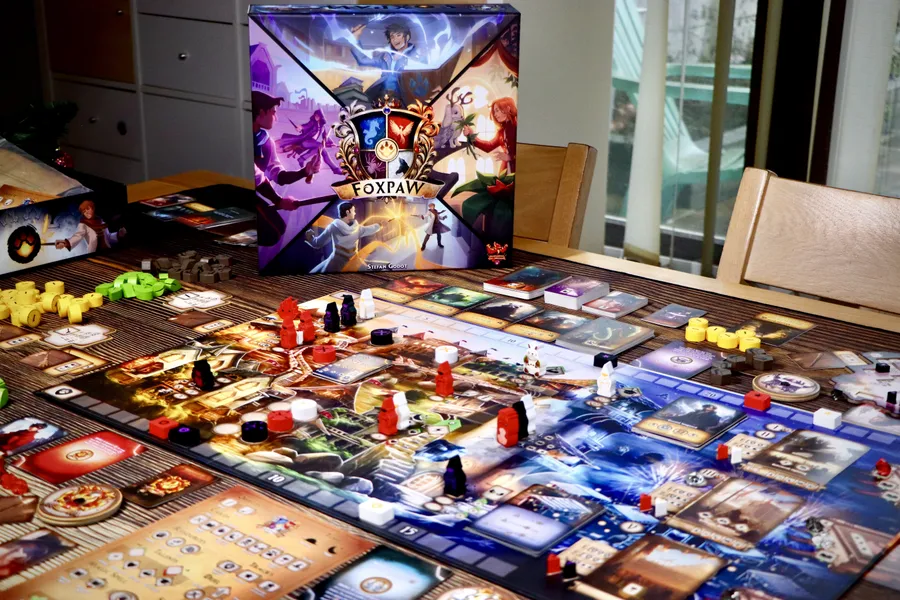
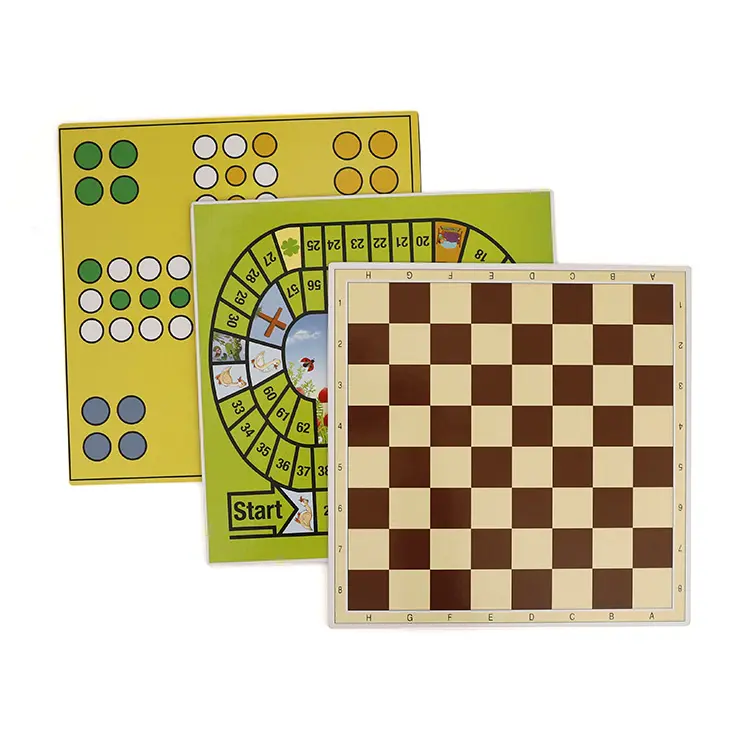 Board Game Board
The game board is typically the centerpiece of your game. Key considerations include:
-
Layout: Ensure the board facilitates smooth gameplay
-
Visual appeal: Create an attractive design that complements your theme
-
Functionality: Include all necessary spaces, tracks, or zones for gameplay
-
Size: Balance between playability and table space requirements
-
Durability: Opt for high-quality material to withstand repeat use (e.g., art paper mounted cardboard)
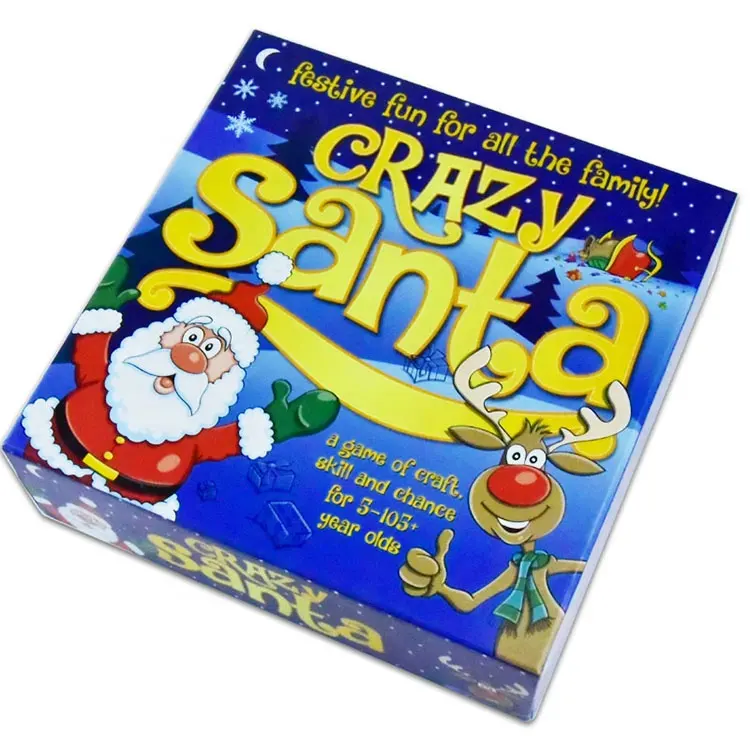 Board Game Box
Your game box is not just for storage; it’s also a crucial marketing tool. Design elements to consider:
-
Cover art: Create an eye-catching image that represents your game
-
Back panel: Include key information like player count, age range, and play time
-
Size: Choose a box size that accommodates all components comfortably
-
Material: Select durable materials that protect the game contents
-
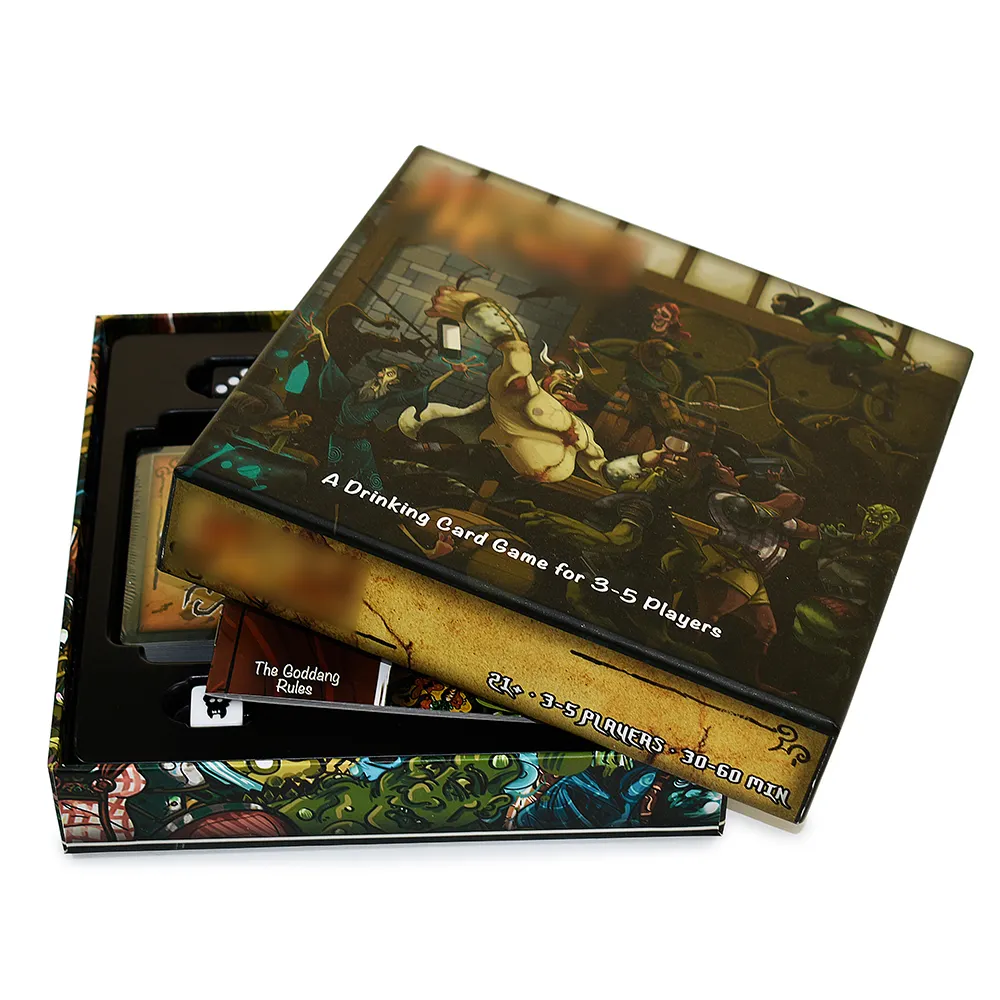
Insert: Custom insert to storage your board game components (e.g., game card, dice, rulebook)
Other Board Game Components
Depending on your game design, you may need additional components, such as dice, miniatures or meeples, tokens or counters, rulebook and so on. Ensure that each component serves a purpose and enhances the overall gameplay experience.
Playtesting and Iteration
Playtesting is an essential part of the design process. It helps you identify rules that need clarification, balancing issues, pacing problems and component usability.
Conduct multiple playtesting sessions with diverse groups, including both experienced gamers and those new to board games. Be open to feedback and willing to make changes based on player experiences.
Prototyping
Before moving to full production, create prototypes of your game. This allows you to:
-
Test component sizes and materials
-
Refine artwork and graphic design
-
Identify any manufacturing challenges
-
Gather final feedback from playtesters
Consider using print-on-demand services or digital printing service for small-scale prototypes before committing to large-scale manufacturing.
Legal Considerations
As you finalize your design, be mindful of potential legal issues:
-
Trademark: Ensure your game name and logo are unique and available for use
-
Copyright: Protect your original artwork and text
-
Patents: Consider whether any unique game mechanics warrant patent protection
Consulting with a legal professional specializing in intellectual property can help you navigate these considerations.
Remember that design is an iterative process, and being open to refinement and improvement throughout the development journey will lead to a stronger final product.
Finding a Board Game Manufacturer
Once you’ve finalized your board game design, the next crucial step is to find the right manufacturer to bring your vision to life. This process involves researching potential partners, comparing prices, and ensuring quality standards are met. Here’s a comprehensive guide to help you navigate this important phase of board game production.
 Researching Potential Manufacturers
-
Online Directories: Utilize online directories specifically for board game manufacturers. These often include reviews and ratings from other game creators.
-
Industry Forums: Engage with board game design communities on platforms like Reddit. Fellow designers often share their experiences with different manufacturers.
-
Referrals: Reach out to other game designers or publishers for recommendations based on their experiences.
-
Local vs. International: Consider both local and international manufacturers. While local options might offer easier communication, international manufacturers may provide cost advantages.
Evaluating Manufacturers
When assessing potential manufacturers, consider the following factors:
-
Experience: Look for manufacturers with a proven track record in board game production.
-
Quality: Request samples of their previous work to assess the quality of components and printing.
-
Capacity: Ensure they can handle your desired production volume and timeline.
-
Communication: Assess their responsiveness and clarity in communication.
-
Services Offered: Most manufacturers offer additional services like free file checking, storage service.
Requesting Quotes and Comparing Prices
-
Prepare Detailed Specifications: Create a comprehensive list of your game components, including quantities, materials, and any special requirements.
-
Request Multiple Quotes: Reach out to several manufacturers with your specifications to get a range of quotes.
-
Compare Line Items: Break down each quote to compare individual component costs across manufacturers.
-
Consider Minimum Order Quantities (MOQ): Most manufacturers offer better prices for larger orders. Evaluate if a higher MOQ aligns with your production plans.
-
Factor in Additional Costs: Consider shipping costs, customs fees, and any potential additional charges when comparing overall prices.
Understanding Pricing Factors
Several elements can influence the cost of manufacturing board games:
-
Component Complexity: Intricate designs or custom shapes may increase costs.
-
Material Quality: Higher quality materials typically come at a premium.
-
Print Techniques: Special printing effects like foil stamping or embossing can add to the cost.
-
Production Location: Labor and material costs can vary significantly between countries.
-
Order Volume: Larger orders often benefit from economies of scale.
Building a Relationship
Remember that choosing a manufacturer is about more than just finding the lowest price. Building a strong, long-term relationship with a reliable manufacturer can be invaluable as you continue to develop and produce games.
Request a Sample Before Mass Production
Before committing to a full production run of your board game, it’s crucial to request and evaluate a sample. This step serves as a quality check before committing an order. Here’s a detailed guide on how to approach this critical phase of the manufacturing process.
Requesting a sample allows you to check the quality of the materials and printing.
Types of Samples
There are different types of samples you might request:
-
Digital Printed Sample: Digital printing samples usually print your artwork on the paper or cardstock through a digital printing press. Digital printed physical samples of game boards, cards, instructions, or puzzles can help you get a rough idea of what the finished product will look like.
-
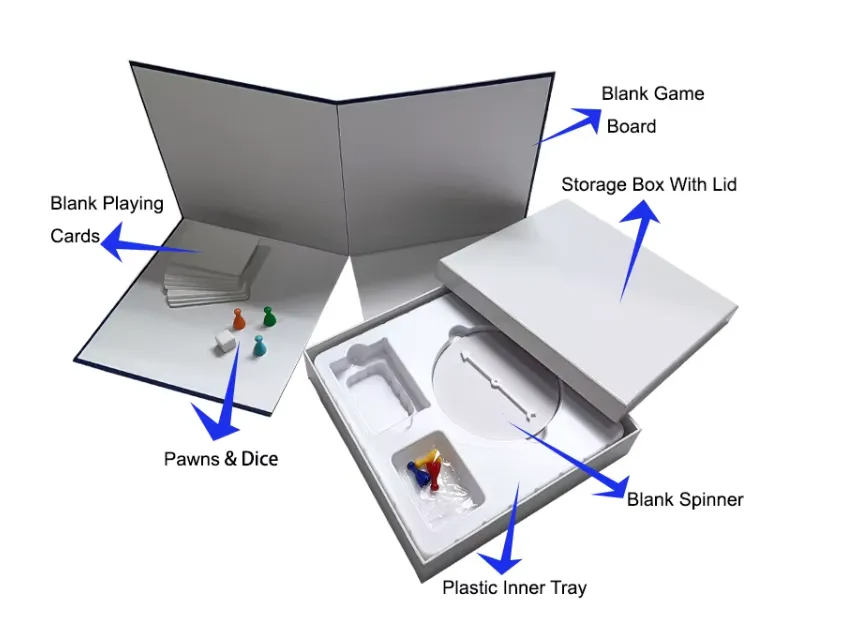
Dummies: This blank sample uses the same material stock, board and box style as will be used for the final product. You can use the dummy to check the material thickness, size, unique finishes of the cover surface. It shows the look and texture of the finished game, card or puzzle without printing. This sample is often used in conjunction with a PDF or digital print sample to give you an accurate idea of what your board game will look like overall.
-
Physical offset sample: You can request a physical offset sample that is very close to your project to check the quality, material and finish, etc. If you want a physical offset sample of your board game, you might consider the cost, as this type of sample will be higher than digitally printed sample.
-
Material Samples: Material samples (e.g., gloss, matte, linen or other) help you decide which material is best suit for your board game project.
Requesting the Sample
When asking for a sample:
-
Be Specific: Clearly communicate what type of sample you need.
-
Set Expectations: Discuss the timeline for receiving the sample.
-
Discuss Costs: Understand any fees associated with sample production.
-
Shipping Details: Clarify who will cover shipping costs and arrange delivery.
Preparing Board Game Print Ready Files
Preparing print-ready files is a critical step in manufacturing board games process. Properly formatted files ensure that your game components are produced accurately and efficiently. This section will guide you through the essential elements of preparing your files for printing.
Understanding Print Requirements
Ensuring that game board, card deck, rulebook, box and jigsaw puzzle files meet the manufacturer’s specifications is crucial for a smooth production process.
-
Bleed: Please extend background images or colors beyond the trim line by 3mm on all sides. This prevents white edges from appearing if there’s slight misalignment during cutting.
-
Color: Convert all colors to CMYK (Cyan, Magenta, Yellow, Black) format. RGB colors are for digital displays and may print differently than expected.
-
Resolution: Ensure all raster images are at least 300 dots per inch (dpi) for crisp printing. Lower resolutions may result in blurry or pixelated images.
-
Vector Graphics: Use vector graphics for logos, text, and illustrations whenever possible. Because vector images maintain quality at any size, unlike raster images.
-
File Format: Submit files in PDF format for print production and include all fonts or convert text to outlines to avoid font issues.
Checking Your Files
Before submission, perform these final checks:
-
Preflight: Use preflight tools in your design software to catch common issues.
-
Overprint Settings: Ensure overprint settings are correct to avoid unexpected color results.
-
Font Embedding: Verify all fonts are embedded or converted to outlines.
-
Image Links: Check that all linked images are properly embedded or included.
-
Transparency: Flatten any transparency effects to avoid printing issues.
Communicating with Your Printer
-
Specifications Sheet: Provide a detailed spec sheet listing all components and their specifications.
-
Print Instructions: Include any special printing instructions or finish requirements.
-
File List: Provide a comprehensive list of all files being submitted.
-
Contact Information: Include your contact details for any questions or issues.
Manufacturing Board Games
The production phase is where your board game design finally comes to life. This stage involves several critical steps to ensure that your game is manufactured to the highest standards. Let’s explore the key aspects of manufacturing board games process.
The Process of Manufacturing Board Games
Comprehensive File Checking
Before production begins, a thorough review of all submitted files is essential:
-
File Format Verification: Ensure all files are in the correct format (typically PDF) and properly set up for printing.
-
Resolution Check: Confirm that all images meet the required resolution (usually 300 dpi).
-
Color Mode Verification: Check that all colors are in CMYK mode for accurate printing.
-
Bleed and Trim Lines: Verify that bleed areas and trim lines are correctly set up on all components.
Making a Digital Proof and Approval
Digital proofs are created to give you a final opportunity to review and approve the game board, card deck, rulebook, and box before printing:
-
Text and Graphics: Check all text for typos and ensure graphics are positioned correctly.
-
Layout Verification: Confirm that all elements are within safe areas and properly aligned.
-
Approval Process: Provide clear approval or request necessary changes before proceeding to production.
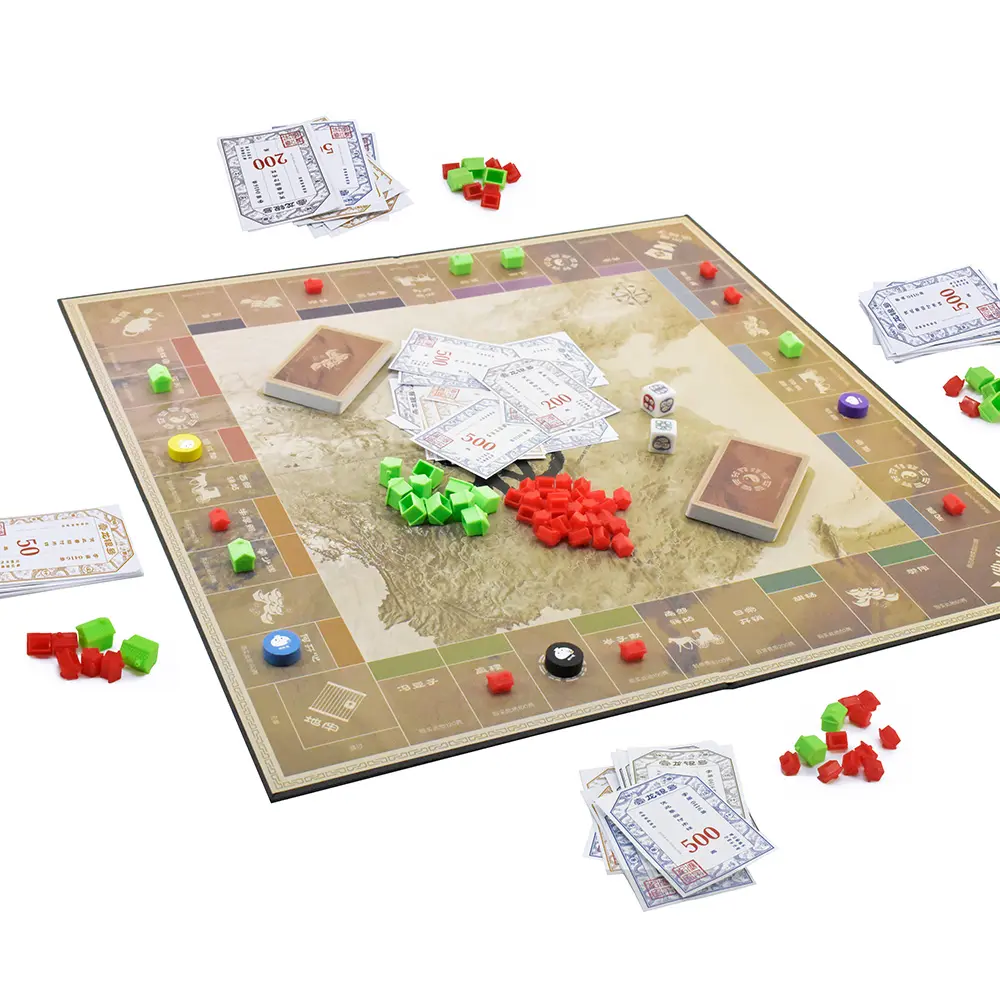
Producing Game Cards and Other Components
Once proofs are approved, the actual production of game components begins:
a. Printing Process
-
Plate Creation: For offset printing, plates are created for each color (CMYK).
-
Paper Selection: The chosen paper stock is loaded into the printing press.
-
Printing: The game components are printed using high-quality printing presses.
-
Quality Control: Regular checks are performed during printing to ensure color consistency and print quality.
b. Cutting and Finishing
-
Die Cutting: Custom-shaped components are cut using specially created dies.
-
Trimming: Cards and other components are cut to their final size.
-
Finishing Touches: Any special finishes like lamination, spot UV, or foil stamping are applied.
c. Component Production
-
Molding: Plastic components like miniatures or custom dice are produced through injection molding.
-
Wood Components: Wooden pieces are cut, shaped, and finished as needed.
-
Specialty Items: Any unique components specific to your game are manufactured according to specifications.
Quality Check and Assembly
The final stage involves rigorous quality control and game assembly:
a. Component Inspection
-
Each component is inspected for defects, color accuracy, and overall quality.
-
Final products are thoroughly checked to ensure they meet all specifications.
b. Assembly Process
-
Components are sorted and organized for efficient assembly.
-
Games are assembled according to the specified contents list.
-
Any inserts or organizers are placed in the box.
c. Final Quality Control
-
Assembled games undergo a final inspection to ensure all components are present and correctly placed.
-
A sample of complete games is play-tested to verify functionality and completeness.
d. Packaging
-
Games are sealed in their boxes, often with shrink wrap for protection.
-
Any external packaging or shipping preparations are completed.
Managing Production Timelines
Understanding and managing production timelines is essential:
-
Production Schedule: Work with the manufacturer to establish a clear production schedule.
-
Milestone Tracking: Set up key milestones and track progress against them.
-
Contingency Planning: Build in some buffer time for unexpected delays or issues.
Shipping Your Board Game
After the production of your board game is complete, the next crucial steps are packaging and shipping. These processes are vital for ensuring that your game reaches customers in perfect condition and creates a positive first impression. Let’s explore the key aspects of packaging and shipping your board game.
Preparing for Shipping
-
Inventory Management: Implement a system to track your inventory accurately. Consider using barcodes or QR codes for efficient tracking.
-
Quality Control: Conduct final checks before packaging games for shipment. Randomly inspect packaged games to ensure consistency.
-
Labeling: Custom clear, durable labels for shipping boxes. Include any necessary handling instructions on the labels.
Choosing Shipping Methods
-
Small Order Shipping: Recommend using USPS, UPS, FedEx, etc shipping way.
-
Bulk Shipping: For large orders or distribution to retailers, consider sea freight shipping options.
Conclusion
Designing and manufacturing board games are an intricate process that requires careful planning, creativity, and attention to detail. By understanding specifications, knowing your audience, and diligently following each step, you can create a game that not only entertains but also resonates with players.
I hope this guide serves as a valuable resource for those looking to embark on their own board game journey. Remember, the key is to remain passionate and open to feedback throughout the process.
BookPrintingChina is a printing and manufacturing company specializing in various print products, including custom board game. We have established ourselves as a reliable partner for game designers and publishers worldwide, offering a combination of quality production, competitive pricing, and comprehensive services. Contact us today, let’s bring your version to life.