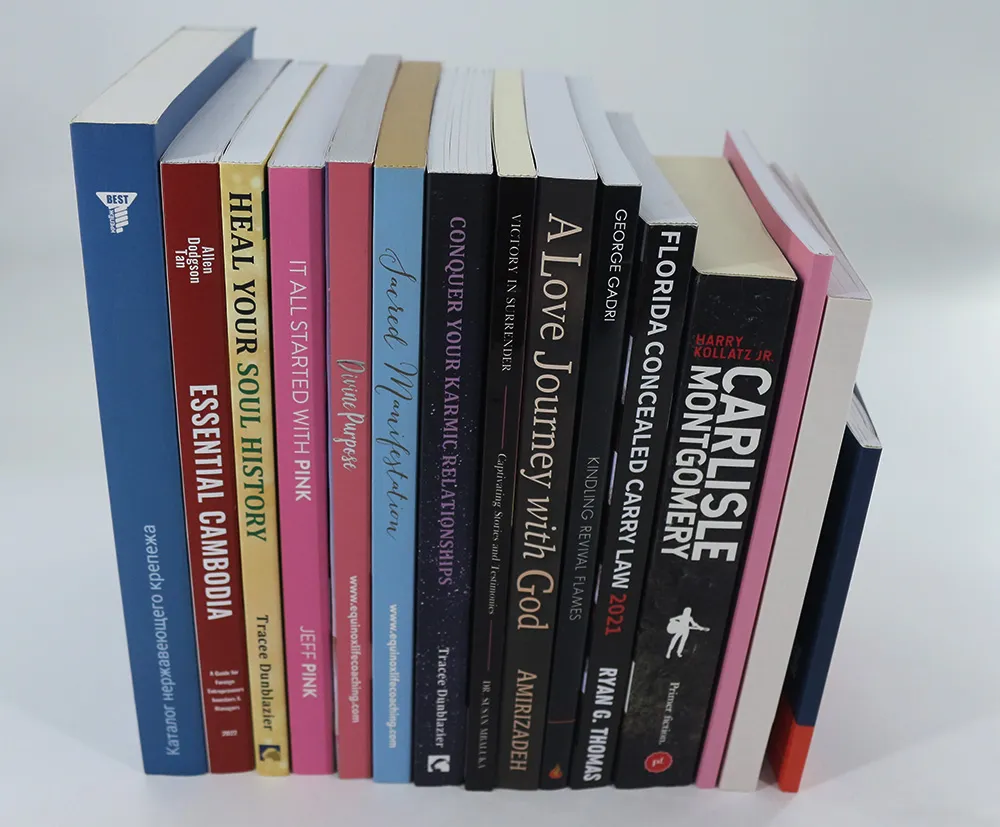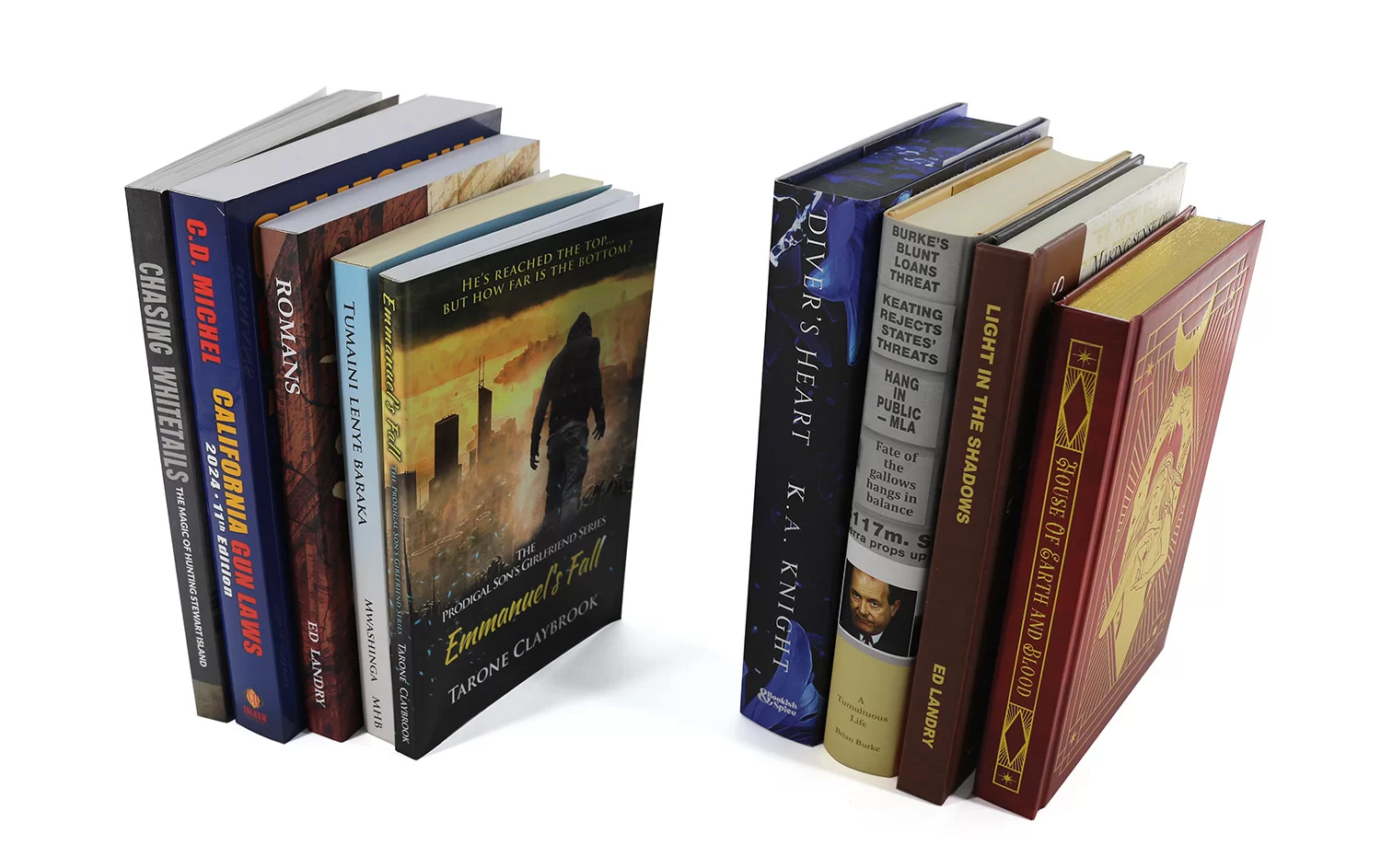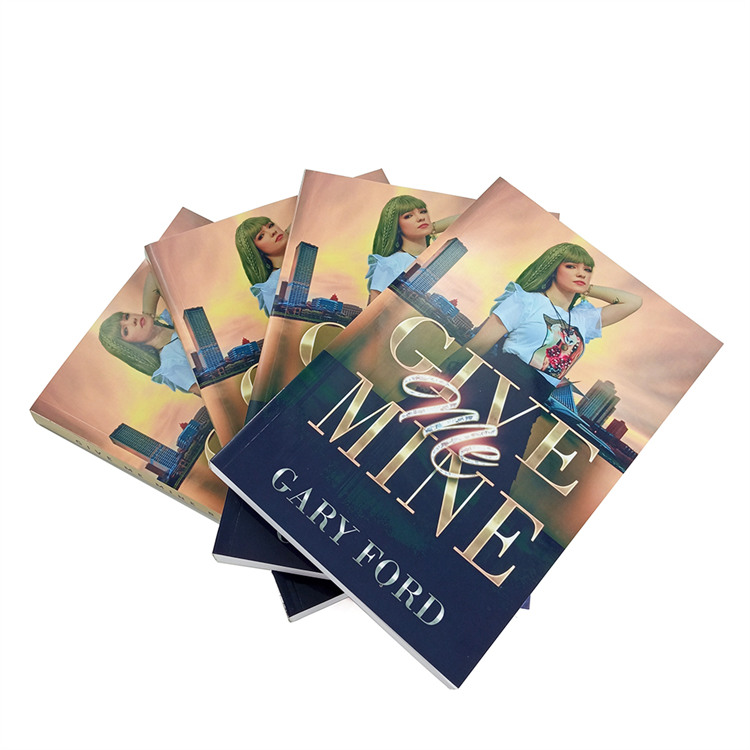




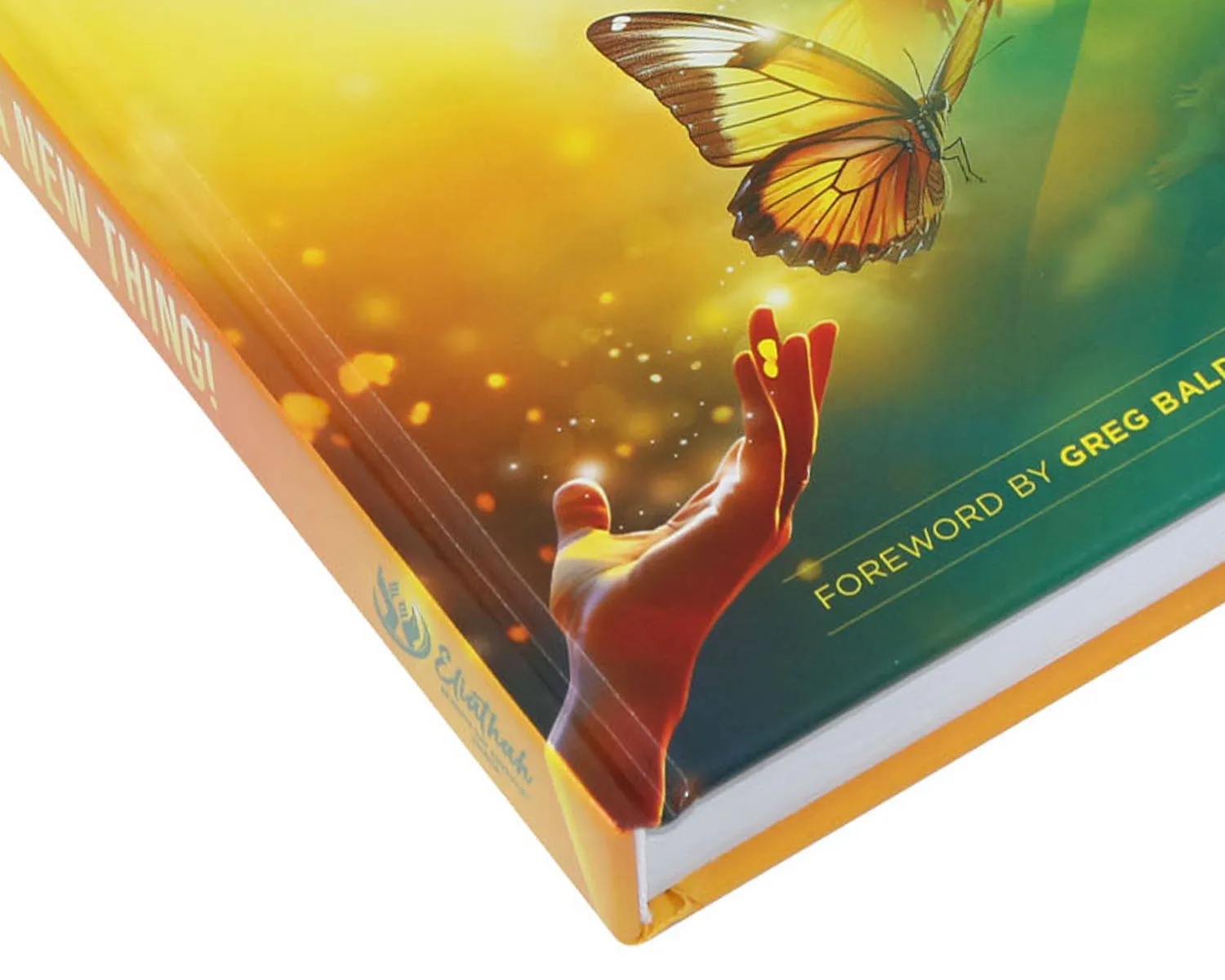
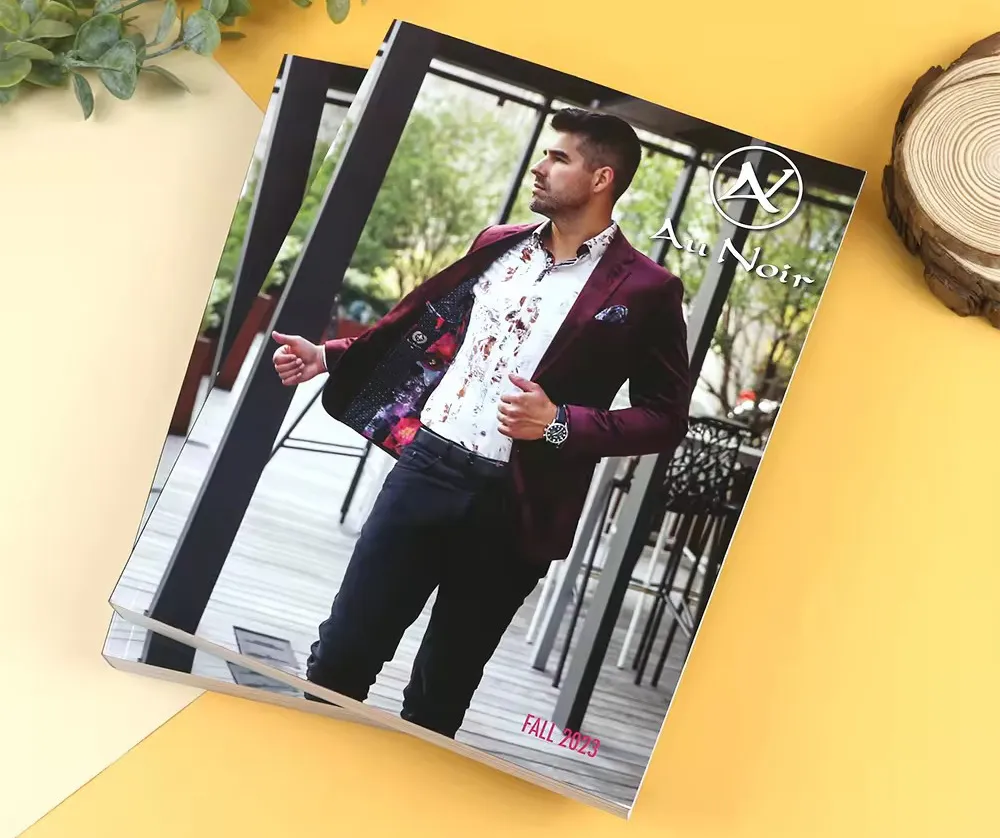
When comes to custom perfect bound book printing, you may meet a series of questions, especially when you are new in this industry. In this post, we listed top 10 questions answered about perfect bound book printing, to help you printing process more easily and simply.
Perfect bound book printing offers a versatile and cost-effective solution for a wide range of projects, from novels and catalogs to self-published works and magazines. By understanding the various factors that influence the printing process, such as binding methods, page counts, and so on, you can make informed decisions to achieve the desired outcome for your book.
What is Perfect Bound Book Printing?
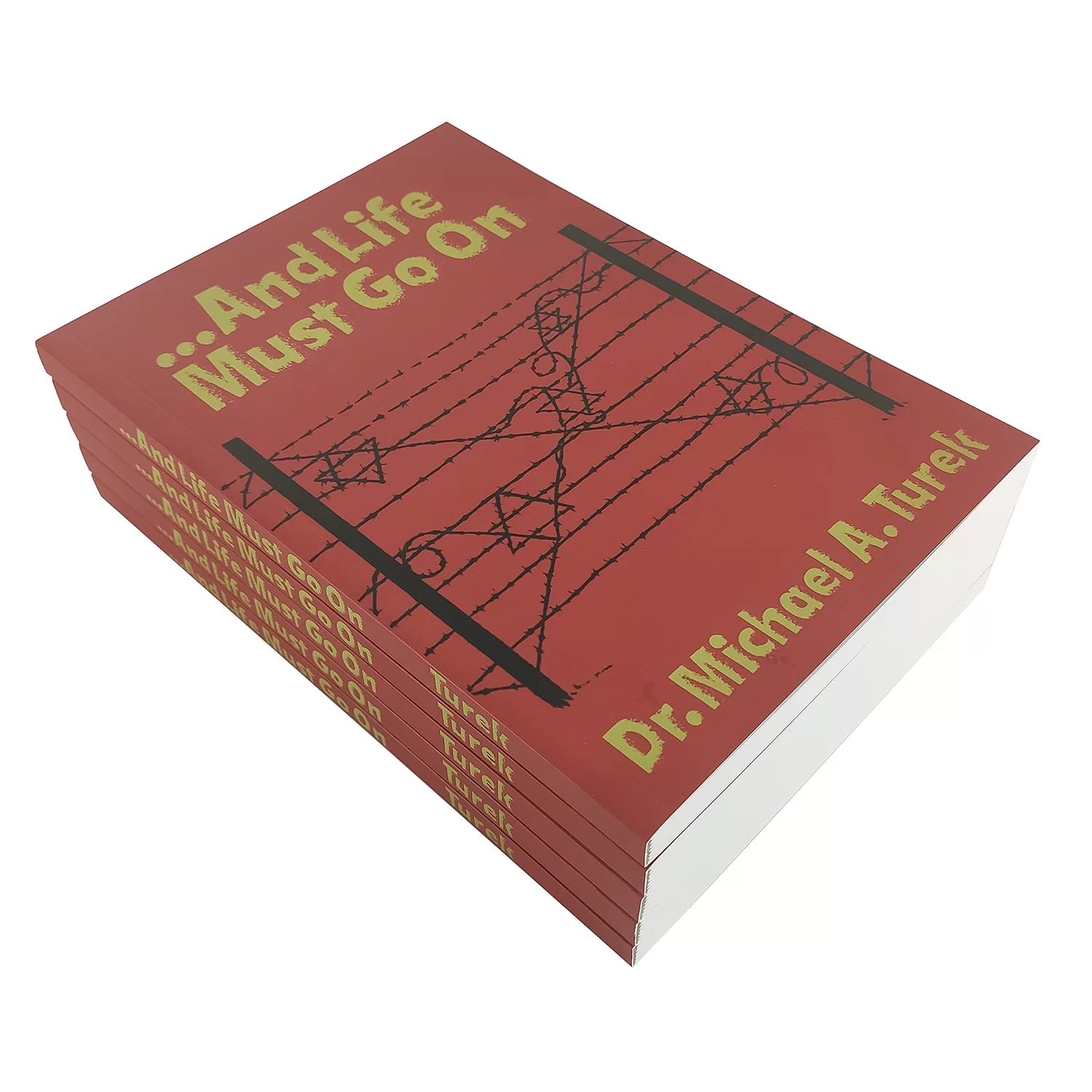 Perfect binding, also known as softcover or paperback binding. It is a popular and cost-effective method for binding books, catalogs, magazines, and other printed materials.
In this process, the pages are gathered and held together by a flexible adhesive along the spine, creating a durable and professional-looking book. Perfect bound books offer a neat and tidy appearance, making them suitable for a wide range of applications.
Unlike hardcover books, which have rigid covers and are often more expensive to produce. Perfect bound books have a soft, flexible cover made of thick paper or lightweight cardboard. Its cover is then wrapped around the book block (the collected pages) and glued to the spine. The result is a book that is lightweight, easy to handle, and affordable to produce in large quantities.
Perfect bound books are a popular choice for publishers, authors, and businesses alike due to their versatility, durability, and cost-effectiveness. They offer a professional appearance while being more economical than hardcover books, making them an excellent option for various projects, from novels and textbooks to catalogs and manuals.
What are the Advantages of Perfect Bound Books Printing?
Perfect bound books offer several advantages that make them an attractive choice for various printing projects. Here are some of the key benefits:
- Cost-effective: One of the primary advantages of perfect bound books is their cost-effectiveness. Compared to hardcover books, which require more materials and labor-intensive processes. Perfect bound books are more affordable to produce, especially in larger quantities. Perfect bound books are therefore an excellent choice for self-published authors, small businesses, and organizations on a budget.
- Fast turnaround time: Perfect binding is a relatively straightforward process, allowing for faster turnaround times compared to hardcover binding. This is particularly beneficial for time-sensitive projects or when you need to replenish your inventory quickly.
- Professional look: Despite their affordability, perfect bound books have a professional and polished appearance. The smooth, flat spine and neatly wrapped cover create a clean and finished look. They suitable for a wide range of applications, from novels and textbooks to catalogs and manuals.
- Lightweight: Perfect bound books are generally lighter and more portable than hardcover books, making them easier to handle and transport. This can be an advantage for readers who prefer lightweight books or for situations where weight and portability are important considerations.
Perfect Binding vs Sewn Perfect Binding: Which One is Best?
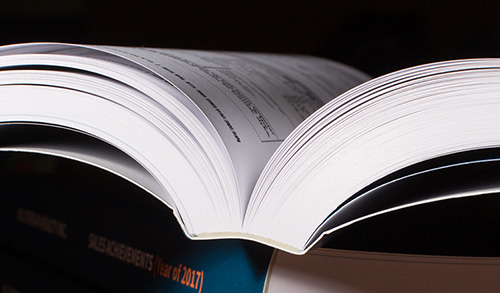
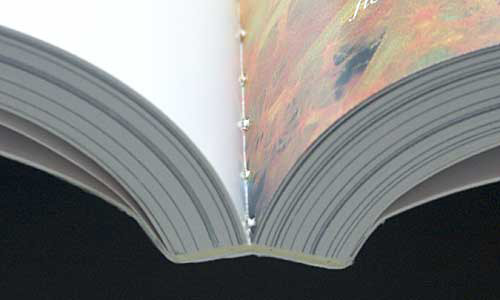
When it comes to perfect bound books, there are two main binding methods: perfect binding and sewn perfect binding. While both techniques involve gluing the pages to the spine, sewn perfect binding adds an extra step of sewing the pages together before binding. Let’s explore the differences between these two methods:
 |
 |
| Perfect Binding | Sewn perfect binding |
- Durability: Sewn perfect binding is generally considered more durable than regular perfect binding. The sewing process adds an extra layer of strength and stability to the book, making it less likely to fall apart with heavy use or over time.
- Page limit: Regular perfect binding has a page limit, typically around 300-500 pages, depending on the paper thickness and book size. Beyond this limit, the book may become too thick and bulky for the binding to hold effectively. Sewn perfect binding, on the other hand, can accommodate a higher page count, making it a better choice for thicker books or publications with a large number of pages.
- Cost: Sewn perfect binding is typically more expensive than regular perfect binding. Due to the additional labor and materials required for the sewing process.
- Lay flat: Books bound with the sewn perfect binding method tend to lay flatter when opened, making them more suitable for reference books, cookbooks, or any publication that requires frequent referencing or note-taking. Books bound with perfect binding, usually hard to lay flat when opened, due to the pages are glued together.
- Production time: Sewn perfect binding takes slightly longer to produce than regular perfect binding. Due to the additional sewing step involved.
When choosing between perfect binding and sewn perfect binding, consider factors such as the intended use of the book, the number of pages, and your budget. For thicker publications or those that require durability and lay-flat capabilities, sewn perfect binding may be the better option. But regular perfect binding is a more cost-effective choice for thinner books or publications with a lower page count.
How to Choose the Orientation for Your Perfect Bound Books?
When planning a perfect bound book project, one crucial decision is determining the orientation or layout of the pages. The orientation you choose can significantly impact the overall look, readability, and user experience of your book. Here are the three main orientations to consider:
 |
 |
 |
| Portrait | Square | Landscape |
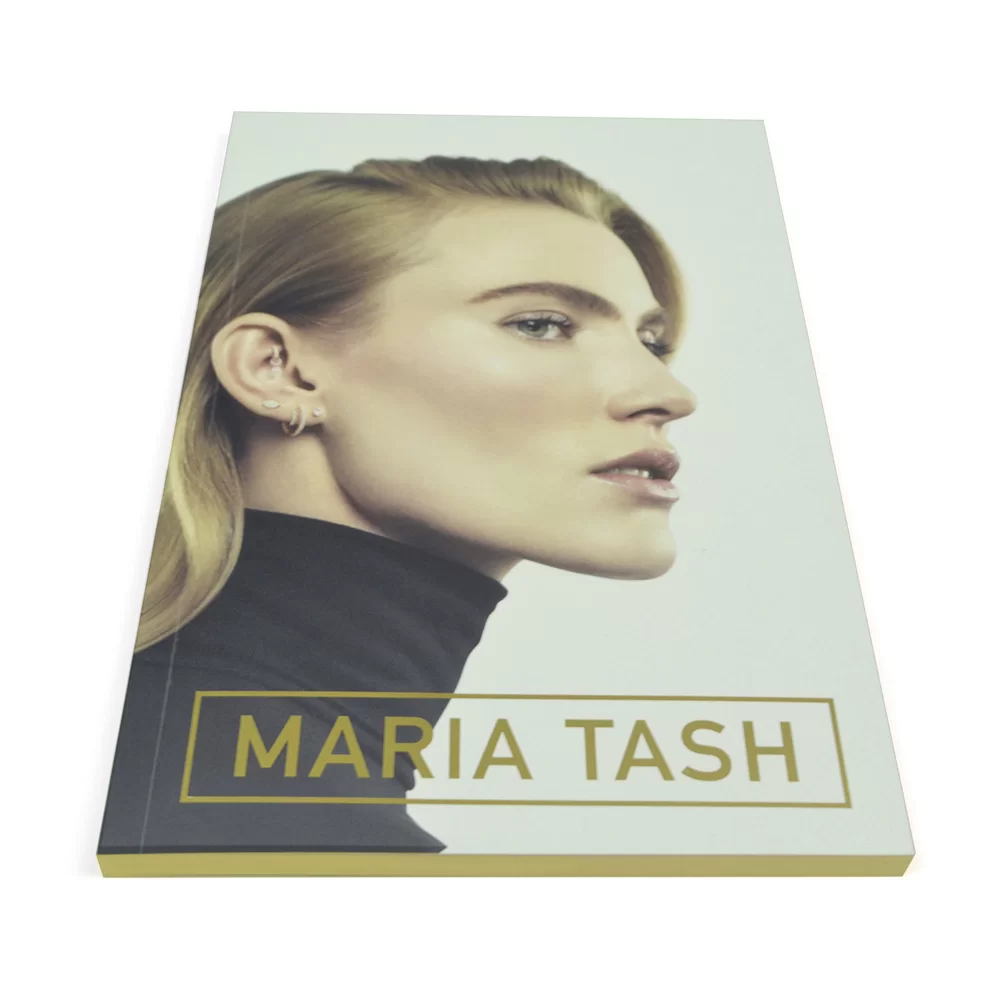
Portrait
Portrait orientation, also known as upright or vertical, is the most common and traditional layout for books. In this orientation, the pages are taller than they are wide, resembling the shape of a standing person. Portrait orientation is widely used for novels, textbooks, and other traditional book formats.
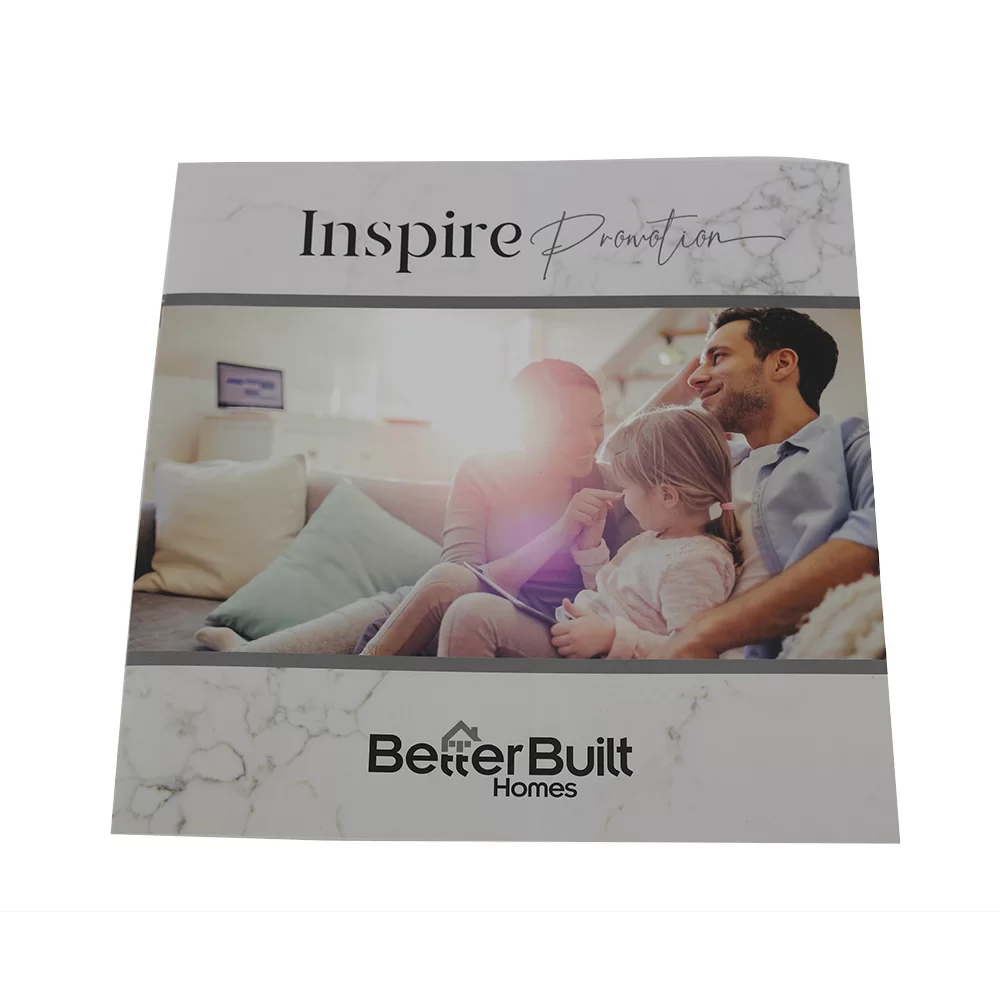
Square
Square orientation, as the name suggests, features pages with equal height and width dimensions. This layout is less common for books but can be an interesting and unique choice for certain projects, such as coffee table books, photo albums, or children’s books with square illustrations.
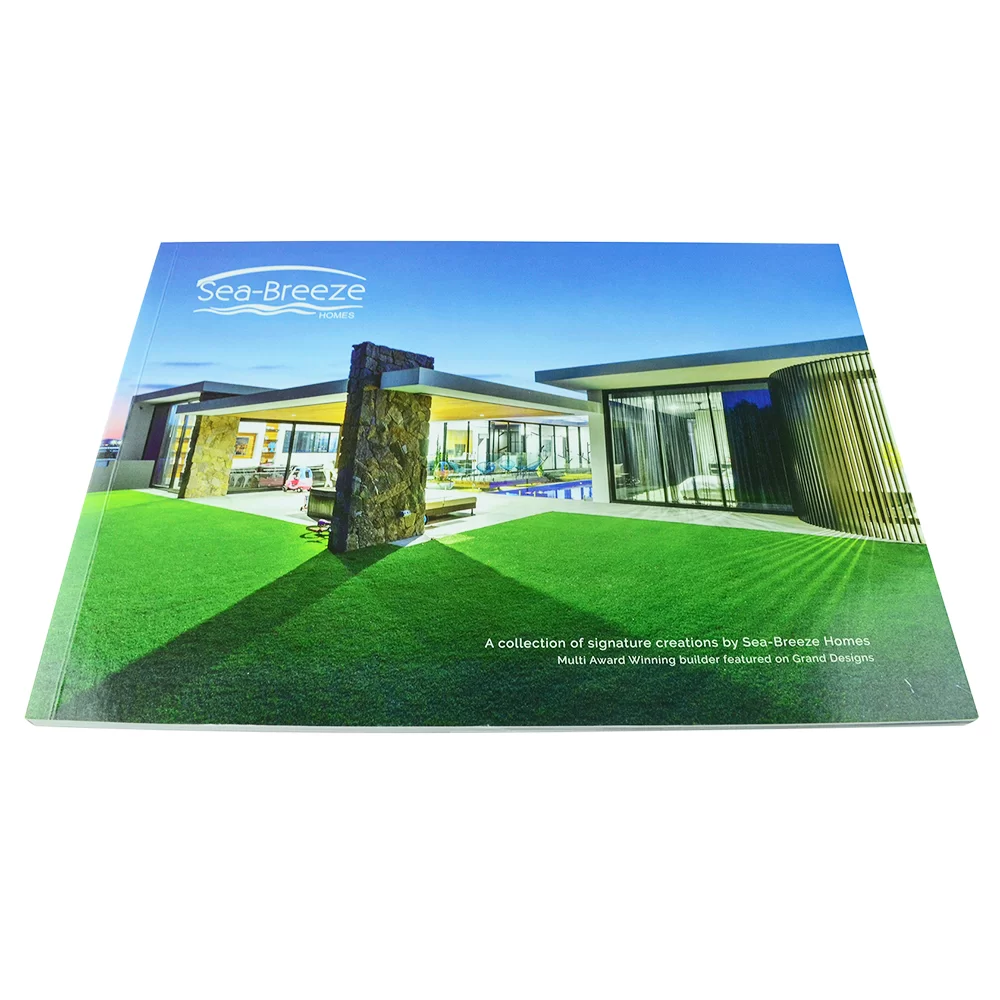
Landscape
Landscape orientation, also known as horizontal or wide, features pages that are wider than they are tall. This layout is often used for publications that require a broader canvas, such as art books, photography books, or manuals with detailed illustrations or diagrams.
When selecting the orientation for your perfect bound book printing, consider the following factors:
- Content: The nature of your content will play a significant role in determining the most suitable orientation. For text-heavy books, such as novels or textbooks, portrait orientation is often the best choice for comfortable reading. For visual-heavy content like art books or manuals, landscape or square orientations may be more appropriate.
- Intended use: Think about how your book will be used and handled. If it’s a reference book that needs to be frequently opened and laid flat, a landscape or square orientation may be more practical. If it’s a book meant for casual reading, portrait orientation is likely the most comfortable option.
- Design considerations: The orientation you choose can also impact the overall design and visual appeal of your book. For example, landscape orientation may be better suited for showcasing panoramic images or wide illustrations. Portrait orientation can create a more traditional and familiar book experience.
Remember, there are no strict rules when it comes to orientation choice. The key is to consider your content, intended use, and design preferences to create a book that is both visually appealing and functional for your target audience.
Can Printed Perfect Bound Books be Customized with Special Extras?
Absolutely! Perfect bound books offer a wide range of customization options. They allow you to add special touches and unique elements to make your book stand out. Here are some popular special extras that can be incorporated into your perfect bound book project:
- Book flap: A book flap, is an extension of the book cover that folds inside the front and back covers. It provides additional space for promotional text, author biographies, or other relevant information about the book.
- Foil stamping: Foil stamping is a printing technique that involves applying a thin layer of metallic foil (such as gold, silver, or colored foils) to the cover or spine of the book, creating a shiny, eye-catching effect. It can be used to add text, logos, or decorative elements to your book’s cover.
- Spot UV: Spot UV, is a printing technique that applies a high-gloss, clear coating to specific areas of the book cover, creating a raised, shiny effect. It can be used to highlight text, logos, or design elements, adding depth and visual interest to your book’s cover.
- Emboss/Deboss: Embossing and debossing are techniques that create raised or recessed patterns or text on the book cover, respectively. Embossing raises the design elements, while debossing creates a sunken or indented effect. These techniques can add texture and dimensionality to your book’s cover, making it more tactile and visually striking.
- Glitter edges: Glitter edges involve applying a thin layer of glitter or metallic foil to the outer edges of the book pages, creating a sparkling effect when the book is closed or opened. This unique touch can add a touch of glamour and visual interest to your book.
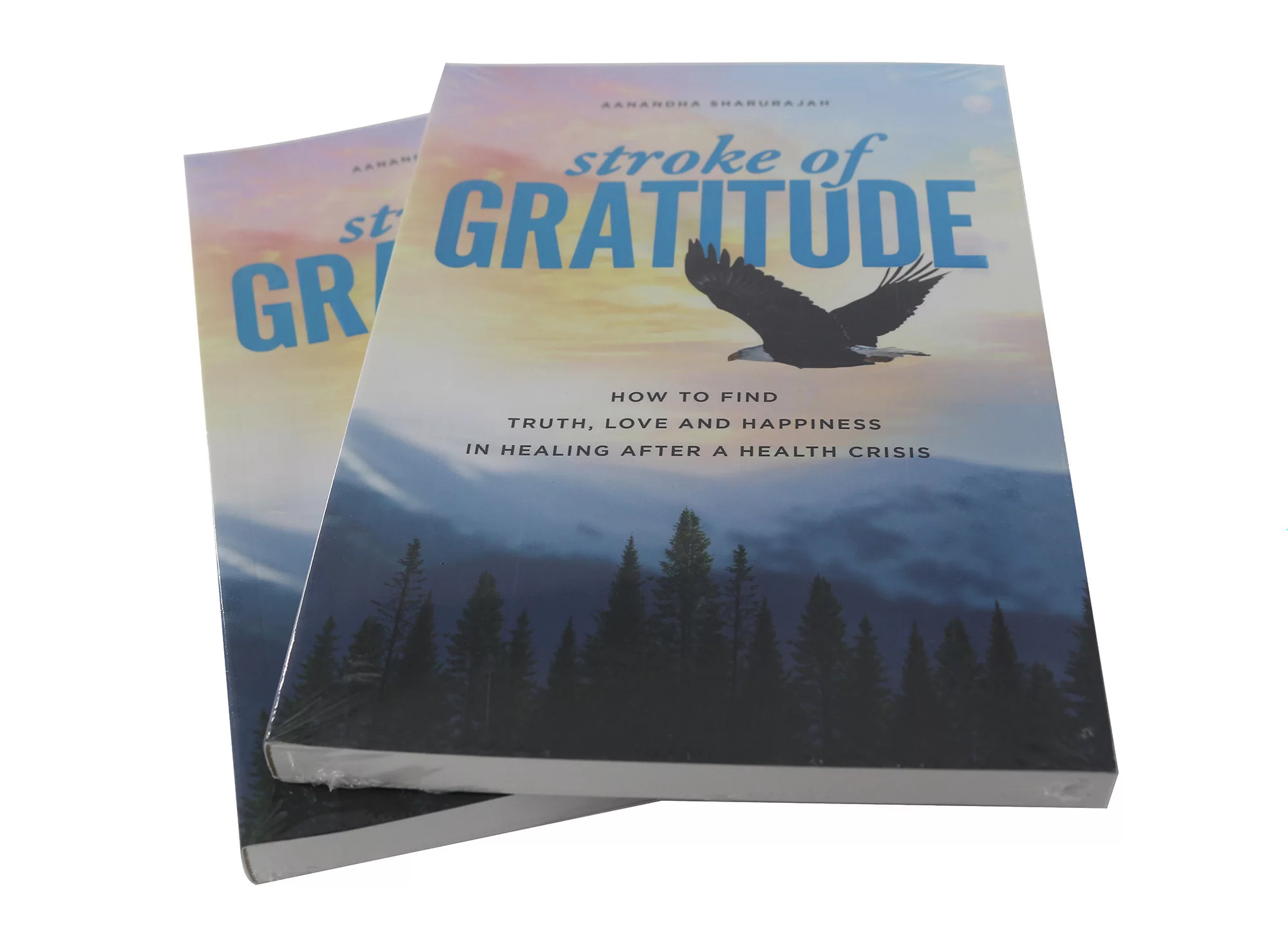
- Shrink wrap: Shrink wrapping your perfect bound book involves encasing it in a tight, clear plastic film, providing protection and a clean, polished look. It is particularly useful for books that will be shipped or displayed in retail settings, as it helps keep the book in pristine condition.
Above special extras can enhance the overall aesthetic appeal and perceived value of your perfect bound book, making it more memorable and visually captivating.
But, it’s important to note that some of these customization options may incur additional costs and production time. So be sure to discuss your requirements with your printer to ensure they can accommodate your desired special extras.
What Factors Affect the Printing Cost of Perfect-Bound Books?
When it comes to printing perfect-bound books, various factors can influence the overall cost. Understanding these factors is crucial for budgeting and making informed decisions about your book project. Here are the key elements that can impact the printing cost of perfect-bound books:
- Number of pages: The number of pages in your book is one of the primary factors affecting the printing cost. Generally, the more pages your book has, the higher the cost will be due to the increased amount of paper and printing required.
- Dimension: The size or dimensions of your book can also affect the printing cost. Larger books typically need more paper and may have higher printing and binding costs compared to smaller books.
- Binding: As discussed earlier, the binding method you choose can impact the cost. Sewn perfect binding is generally more expensive than regular perfect binding. Due to the additional labor and materials involved in the sewing process.
- Printing method: The printing method you choose can also influence the cost. Digital printing is often more cost-effective for smaller print runs. But offset printing is typically more economical for larger quantities.
- Color printing: Full-color printing, which involves using four ink colors (combination of CYAN, MAGENTA, YELLOW , and BLACK ink). It is generally more expensive than black-and-white printing. If your book contains a significant number of color pages or images, the printing cost will be higher.
- Order quantity: Like many print projects, the cost per unit of perfect-bound books typically decreases as the order quantity increases. This is due to economies of scale, where the fixed costs are spread over a larger number of units.
- Special extras: Any special extras or customizations you add to your perfect-bound book, such as foil stamping, spot UV, or glitter edges, will increase the overall printing cost. These additional processes and materials can add to the overall production expenses.
You need to take into account all these factors when planning your perfect-bound book project and to communicate your requirements clearly with your printer. This will help ensure accurate cost estimates and prevent any unexpected expenses.
Besides, working with an experienced printer can help you navigate these factors. Then make informed decisions to optimize your printing costs while achieving the desired quality and specifications for your book.
What are the Popular Uses of Perfect Bound Books?
Perfect bound books are versatile and widely used for various applications. Due to their professional appearance, durability, and cost-effectiveness. Here are some of the popular uses of perfect bound books:
 |
 |
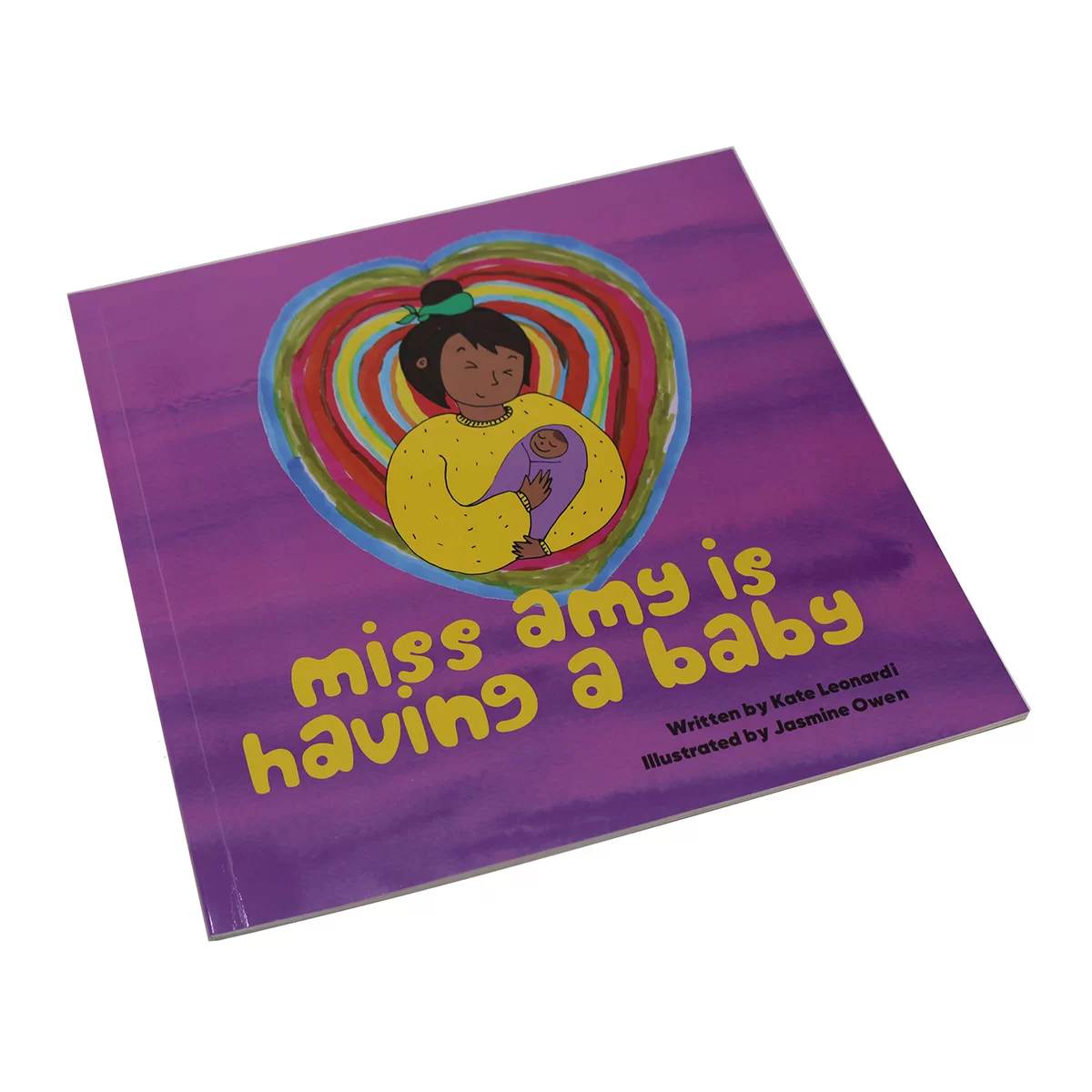 |
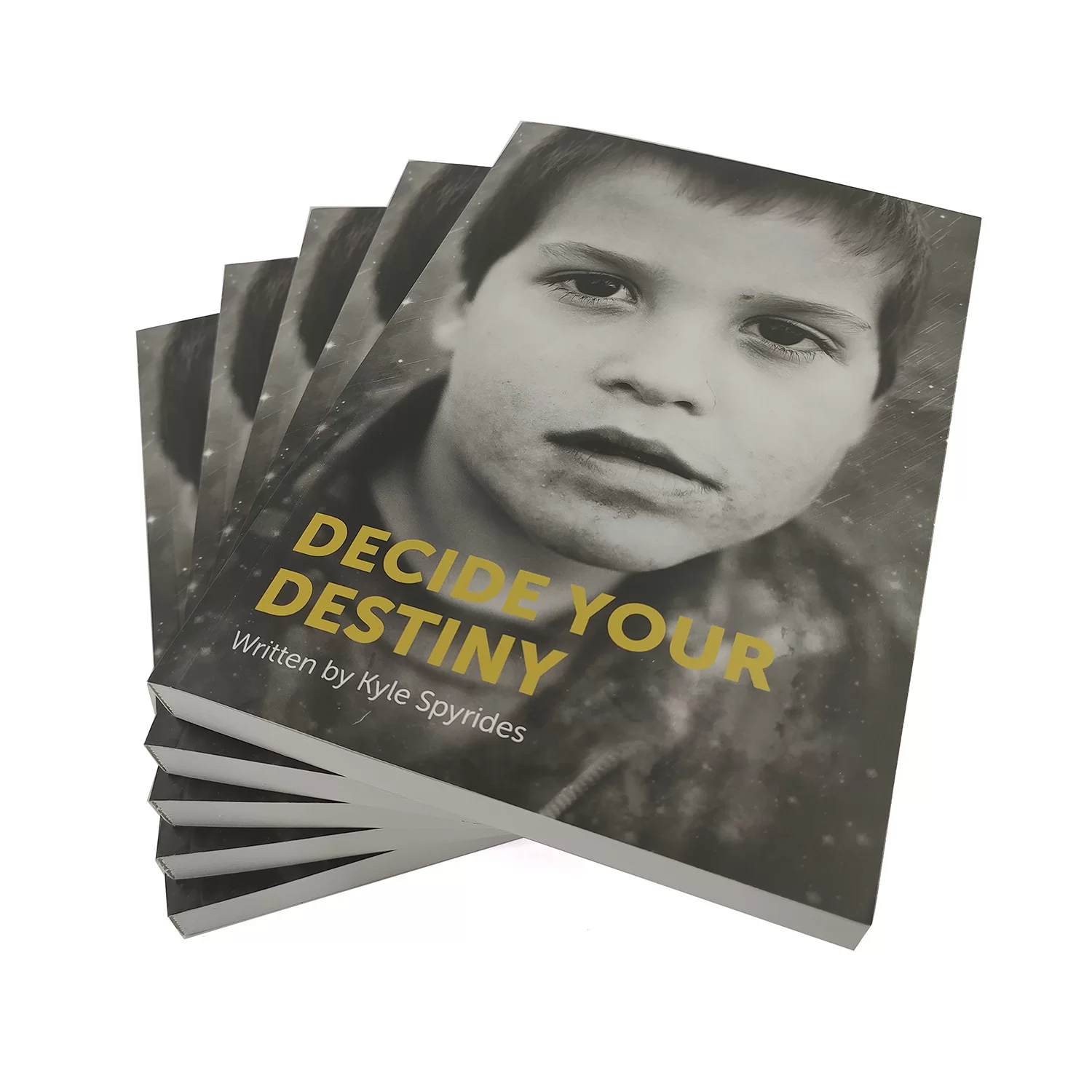
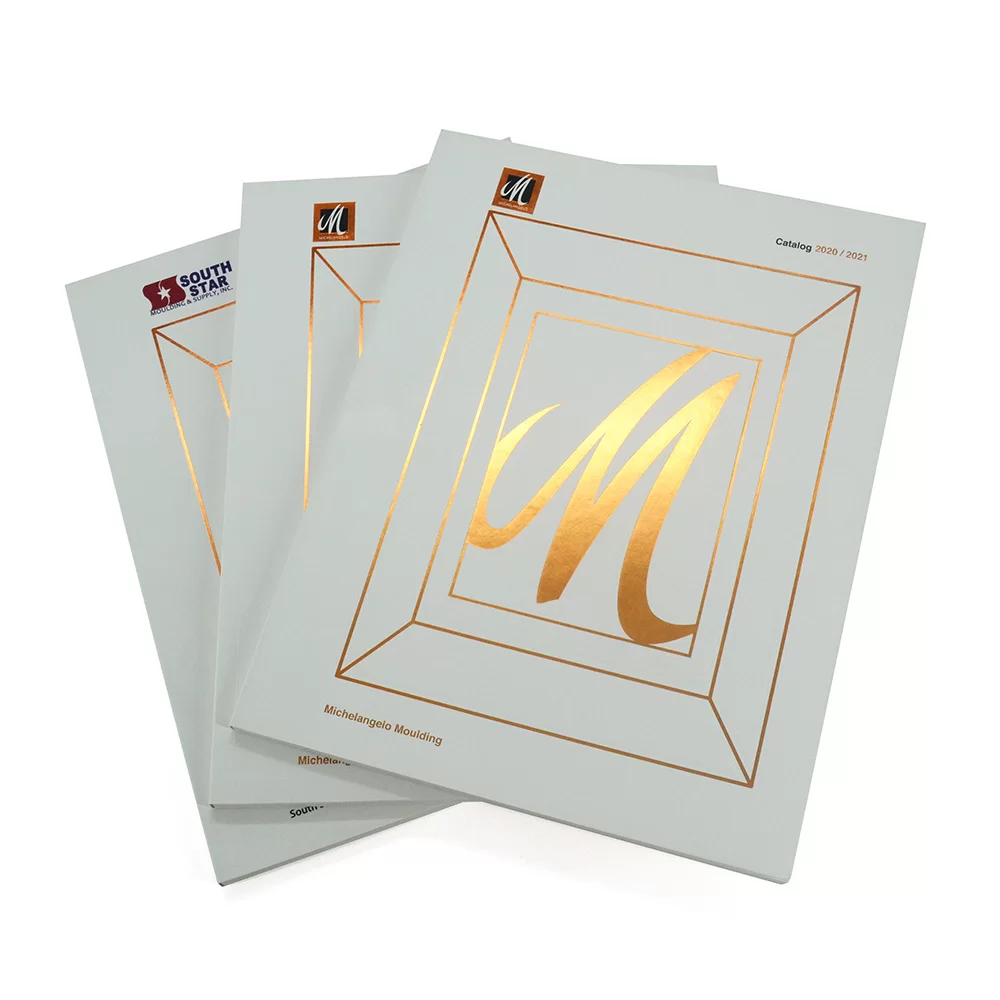
| Novel | Catalog | Children’s book |
- Fiction books: Perfect binding is a popular choice for publishing fiction novels, short story collections, and other literary works. The soft cover and flexible binding make these books comfortable to hold and read. And the professional look and affordability make them accessible to a wide range of readers and publishers.
- Catalogs: Catalogs, whether for product showcasing, marketing, or educational purposes, are often perfect-bound. The ability to incorporate high-quality images and detailed descriptions, combined with the cost-effectiveness of perfect binding. Thus, it is an ideal choice for catalogs that need to be visually appealing yet practical.
- Children’s books: Many children’s books, particularly those with a higher page count or intended for older readers, are perfect-bound. The soft cover and lightweight nature of these books make them durable and easy for young hands to handle.
- Self-published books: Perfect binding is a popular choice for self-published authors and independent publishers. The affordability and quick turnaround times associated with this binding method. Therefore, it is accessible for those with limited budgets or who need to print smaller quantities.
- Magazines: While some magazines are saddle-stitched (stapled), others, particularly those with a higher page count or more substantial content, may be perfect-bound. It provides a more durable and professional look, making it suitable for magazines that need to withstand frequent handling or have a longer shelf life.
These are just a few examples of the many applications for perfect bound books. Their versatility, cost-effectiveness, and professional appearance make them suitable for a wide range of projects, from educational materials and manuals to corporate reports and periodicals.
How to Calculate Spine Width of a Perfect Bound Book?
Calculating the spine width of a perfect bound book is crucial to ensure a proper fit and professional appearance. The spine width determines the space available for the book’s title and other text or design elements, as well as the overall thickness of the book. Here’s a step-by-step guide to calculating the spine width of a perfect bound book:
Determine the total page count: Count the total number of pages in your book, including any blank pages or inserts.
Measure the paper thickness: Measure the thickness of the paper stock you will be using for your book. This is typically expressed in inches or millimeter (e.g., 0.001 inches or 0.0254 mm).
Calculate the book block thickness: Multiply the total page count by the paper thickness to find the book block thickness. For example, if your book has 200 pages and you’re using 80gsm uncoated paper. text stock (approximately 0.0039 inches or 0.1 mm thick), the book block thickness would be:
(200 pages x 0.0039 inches)/2 = 0.39 inches (or 10 mm)
Account for the cover stock thickness: Measure the thickness of the cover stock you’ll be using for your book. This is typically a heavier weight paper or cardstock.
Add the cover stock thickness to the book block thickness: Add the cover stock thickness to the book block thickness to get the total spine width. For example, if your cover stock is 0.0123 inches (0.32 mm) thick, the total spine width would be:
Spine= Book block thickness (0.39 inches) + Cover stock thickness (0.0123 inches) = 0.4043 inches (or 10.32 mm)
It’s important to note that this calculation is an estimate, and the actual spine width may vary slightly due to factors such as paper bulking, binding techniques, and printing tolerances. It’s always a good idea to consult with your printer and provide them with your book specifications to ensure an accurate spine width measurement.
Additionally, keep in mind that a wider spine width may be required for books with a higher page count or those using thicker paper stocks. A properly calculated spine width not only ensures a professional appearance but also helps prevent issues like text or design elements being obscured or pages not opening properly.
What’s the Minimum and Maximum Page Requirements for Perfect Bound Book Printing?
When it comes to perfect bound book printing, there are generally accepted minimum and maximum page requirements to ensure the binding holds effectively and the book maintains a professional appearance. These requirements can vary slightly depending on the printer and the specific project details, but here are the typical guidelines:
Minimum pages
Most printers require a minimum of 22 pages (11 sheets) for a perfect bound book. This minimum is necessary to ensure that the book block (the collected pages) has enough thickness and rigidity to be properly bound and maintain its shape.
With fewer than 22 pages, the book may appear flimsy, and the binding may not hold securely. Additionally, a book with too few pages may have a disproportionately thick cover, resulting in an unbalanced and unprofessional appearance.
Maximum pages
There is no definitive maximum page count for perfect bound books. The limit is primarily determined by the thickness of the paper stock and the size of the book.
Generally, perfect bound books can accommodate up to a few hundred pages when using standard text weight paper (around 65-80 lb. or 100-120 gsm). However, as the page count increases, the book becomes thicker and more challenging to bind effectively using the perfect binding method.
For books with a higher page count, such as textbooks or reference materials, it is common to use a thinner paper stock (e.g., 50 lb. or 80 gsm) to reduce the overall thickness of the book block. This allows for a higher page count while still maintaining a manageable size for the perfect binding process.
We can accommodate books with thousands of pages by using specialized binding techniques or lightweight paper. However, beyond a certain thickness, other binding methods such as sewn perfect binding may be more suitable to ensure durability and ease of use for thicker publications.
It’s essential to consult with your printer regarding their specific capabilities and recommendations for page count limits based on your book’s dimensions, paper stock, and intended use. They can advise on the most appropriate binding method and any necessary adjustments to accommodate your desired page count while maintaining a high-quality, professional result.
Do You Accept Custom Size based on My Perfect Bound Book Projects?
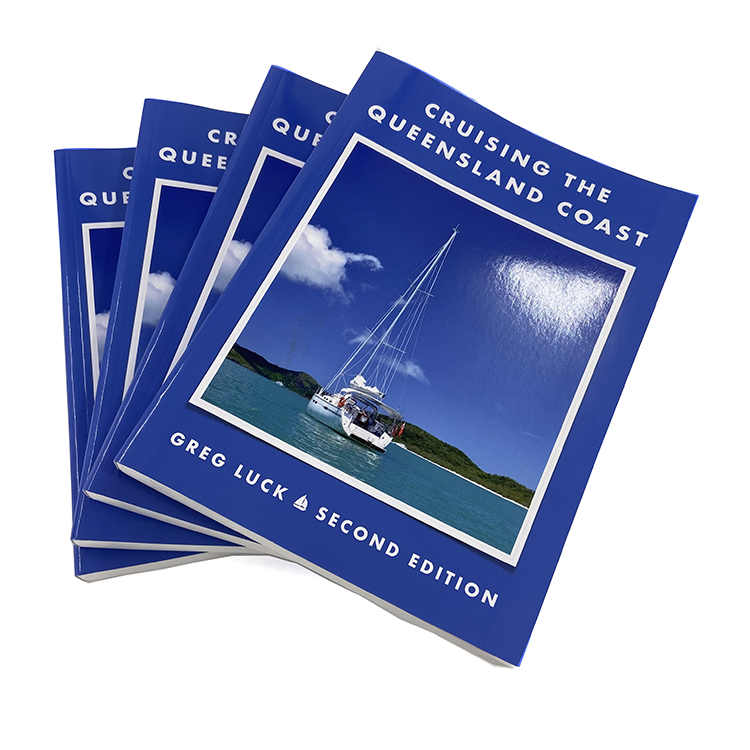 Absolutely! At our printing facility, we understand that every project is unique. So we strive to accommodate custom size requests for perfect bound books. We recognize that standard book sizes may not always fit the specific requirements or creative vision of our clients.
Whether you have a unique concept in mind or need to adhere to specific dimensions for your project. We can work with you to produce custom-sized perfect bound books tailored to your needs. Our state-of-the-art equipment and experienced team allow us to handle a wide range of book sizes, from miniature manuals to large-format photo albums.
When requesting a custom size, we’ll guide you through the process, ensuring that your desired dimensions are feasible and optimized for the perfect binding process. We’ll take into account factors such as paper stock, page count, and binding method to ensure a professional and durable final product.
Custom sizes can open up new creative possibilities for your perfect bound book projects. For instance, you could create a landscape-oriented book to showcase panoramic photographs or a square-shaped book for a unique children’s story. The possibilities are endless, and we’re excited to bring your vision to life.
To initiate a custom size project, simply provide us with your desired dimensions. And our team will work closely with you to ensure a seamless production process. We’ll provide guidance on any necessary adjustments or recommendations to achieve the best possible result.
At our printing facility, we believe in offering tailored solutions to meet the diverse needs of our clients. Whether you’re a self-published author, a small business, or a large corporation. We’re committed to delivering high-quality, custom-sized perfect bound books that exceed your expectations.
Don’t settle for standard book sizes that may not fit your needs perfectly. Contact us today to discuss your custom perfect bound book printing project, and let our team of experts guide you through the process. We’ll work closely with you to bring your unique vision to life, ensuring a professional and visually stunning final product. Unleash your creativity with custom-sized perfect bound books from our printing facility.