





If you plan to print your own manga, creating a good manga cover is a top priority. With these 10 steps, you can create a stunning cover that will increase your sales.
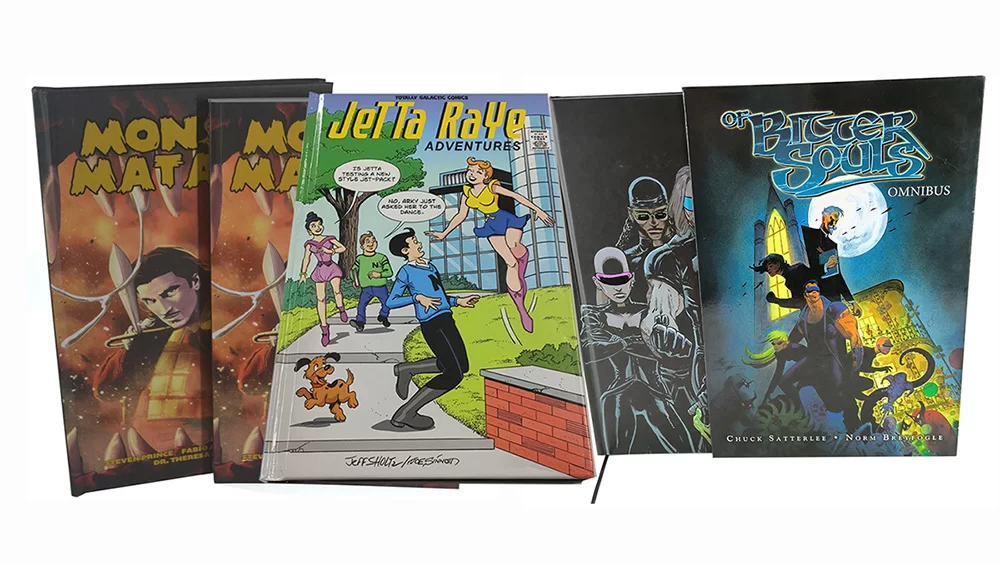
Manga, with its unique blend of visuals and narrative, has the power to transport readers into an entirely different universe. But before the story can unfold, it’s the cover of a manga that makes the first impression. The cover is not merely a protective layer; it’s the face of the work, an invitation to a journey yet to be explored.
The journey of creating a manga book cover is both an art and a science. It requires an understanding of design principles, an eye for aesthetics, and a grasp of what captivates a reader’s attention. A well-designed manga cover can intrigue potential readers, convey the essence of the story, and ultimately, play a pivotal role in the manga’s success. In this article, we’ll delve into the intricacies of manga cover creation, from concept to print, ensuring that your manga stands out on the shelves.
Why is Manga Cover Design Important?
The saying “Don’t judge a book by its cover” may hold some truth, but when it comes to manga, the cover plays a crucial role in attracting readers. It serves as a visual representation of the story and gives potential readers a glimpse into the world they are about to enter. A well-designed manga cover can generate curiosity and intrigue, making people want to pick it up and explore further. It sets the tone for the story, conveying its genre, mood, and style. Whether you’re self-publishing or working with a publisher, investing time and effort in creating an eye-catching cover is essential for grabbing the attention of your target audience.
10 Steps to Create A Stunning Manga Cover
Do a research in advance
Before diving into the design process, it’s imperative to do research. Understanding the market trends, audience preferences, and what’s currently popular can provide valuable insights. Analyzing successful manga covers can reveal patterns and elements that resonate with readers. This research phase also involves studying the genre of your manga and finding inspiration from covers that have successfully captured a similar vibe and audience. Understanding what your target readers are drawn to can significantly inform your design decisions.
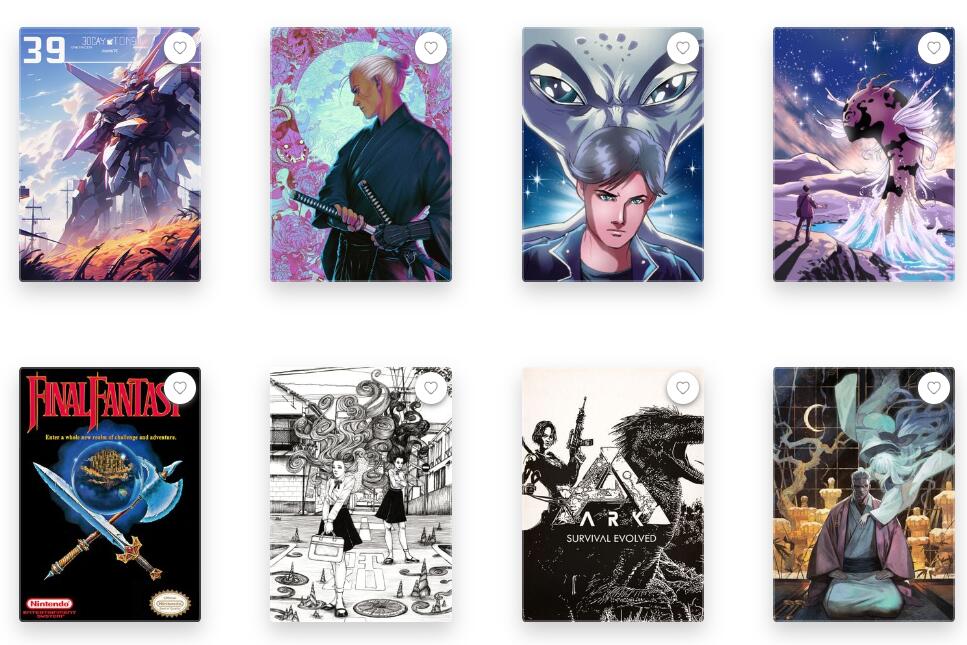
Understanding the cover elements of manga
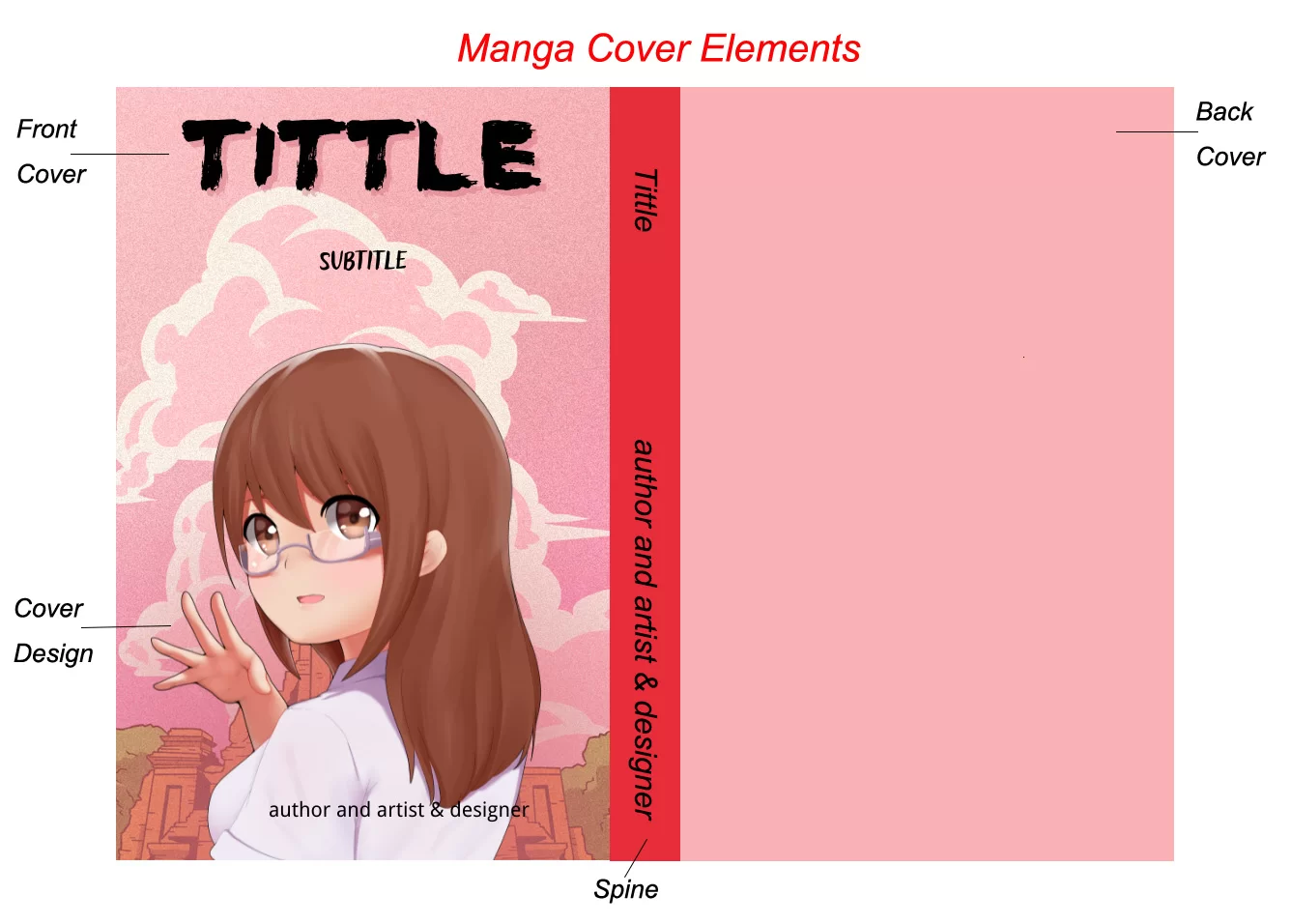
A manga cover comprises several key elements that work together to create a harmonious and impactful design. Each element plays a distinct role in attracting the reader and providing a glimpse into the world within the pages.
A catchy title
The title is often the first text a potential reader notices. It should be engaging and reflective of the manga’s content. The font, size, and placement of the title are all strategic decisions that can affect the cover’s overall impact. A strong title will stay with readers, even long after they’ve put the manga down.
An evocative subtitle
If your manga includes a subtitle, it should complement the main title and add to the intrigue without giving too much away. It’s an opportunity to provide a bit more context or tease the reader with a hint of the story’s depth. The subtitle’s typography should harmonize with the main title while still standing on its own.
Interesting typography
Typography is a powerful tool in cover design. The choice of font, size, color, and arrangement can communicate the manga’s tone and genre. For instance, bold, angular fonts may suggest action or adventure, while soft, flowing typefaces might be more suited to romance or drama. The typography should be legible but also artistically integrated into the cover design.
A stunning spine
The spine of a manga is more than just a structural necessity; it’s a visual slice of the cover that can be seen when the book is shelved. A well-designed spine can make your manga easily identifiable and appealing even when only a small part is visible. It should include the title, possibly the author’s name or logo, and often a small but distinctive element of the cover art.
Coherent cover design and layout
The overall design and layout of a manga cover should be coherent and balanced. The placement of the title, imagery, and other text must be considered carefully to create visual harmony. Every element should contribute to the story or theme you wish to convey, without overwhelming the senses.
Position of author and artist & designer
Acknowledging the creators is crucial. The author’s name, along with the artist and designer if different, should be prominently displayed on the cover. Their placement should complement the rest of the design, often found at the top or bottom, and be easily readable.
Choose a manga cover dimension
Selecting the right manga cover dimensions is vital. It affects not only the visual appeal but also the portability and readability of the manga. Common modern manga book size in USA is 5 inches x 7.5 inches, but you can also consider custom dimensions that might make your manga stand out. Keep in mind that the dimensions should be proportional to the interior pages of your manga. It’s advisable to consult with a professional manga printer to ensure the dimensions are accurate and suitable for printing.
Brainstorm manga cover content
The content of your manga cover should be a reflection of the story within. Consider the themes, characters, and settings that define your manga. Consider the emotions you want to evoke in your readers and how you can convey them through your cover design. Sketch out different concepts and experiment with different compositions until you find the one that best captures the essence of your manga. It’s important to strike a balance between revealing enough to captivate readers and preserving the mystery of the story.

Consider manga cover options
When it comes to manga covers, there are several options to choose from, each bringing a different texture and experience to the reader’s hands.
Laminated cover
A laminated cover is a common and cost-effective choice. It’s sturdy and provides a smooth surface for high-quality printing. You can opt for different thicknesses and finishes to match the desired feel of your manga.
Cloth cover
For a more luxurious touch, a cloth cover adds a tactile dimension to your manga. It exudes a classic vibe and can be combined with foil stamping or embossing to elevate the design further.
Leather cover
A leather cover is the epitome of premium quality. It’s durable and lends a sense of sophistication to your manga. Perfect for collectors’ editions, leather covers can be debossed or foil stamping.
Dust jacket
A dust jacket offers a protective and decorative layer over the primary cover. It provides additional space for artwork and can be printed with different finishes. Dust jackets can also be removed, offering a different aesthetic with the underlying cover.
Slipcase
A slipcase is an outer case that encloses the manga, often used for box sets or special editions. It can serve as a canvas for additional artwork and information, adding to the unboxing experience for the reader.
Drawing a manga cover
The artistic process of drawing a manga cover is where the magic happens. This is where your research, brainstorming, and material choices come to life. The cover illustration should be striking and embody the heart of the manga’s story. Whether you’re collaborating with an artist or creating the artwork yourself, this step is about translating the essence of your narrative into a single, powerful visual statement.

Choose a color and font scheme
Colors and fonts are instrumental in setting the mood for your manga. They can evoke emotions and create an atmosphere that complements the cover art. When choosing a color scheme, consider color psychology and cultural associations. The font scheme should align with the genre and tone of your manga, enhancing the readability and aesthetic appeal of the title and other text elements.
Consider apply special finishes on your cover
Adding special finishes to your manga cover can give it a distinctive look and feel that sets it apart from the rest.
Lamination
Lamination adds a protective layer to your cover and can come in glossy or matte finishes. A glossy lamination catches the light and makes colors pop, while a matte finish offers a more subdued and elegant look.
Spot UV
Spot UV coating applies a glossy finish to specific areas of the cover. It create a contrast in textures and highlighting key elements like the title, logo, characters or images.
Foil stamping
Foil stamping presses metallic foil onto the cover, providing a shiny, reflective effect. It’s great for adding a touch of luxury to titles or logos.
Emboss/deboss
Embossing or debossing creates raised or indented areas on the cover. Adding a three-dimensional aspect that can enhance the tactile experience of holding the manga.
Glitter edges
For a truly unique feature, applying glitter to the edges of your manga pages can catch the eye and bring a playful or magical feel to your creation.
Experiment with different finishes to find the one that enhances your cover design. Remember to consider your budget, content, theme when apply special finishes to your manga.
Test your covers
Once you’ve designed a few cover options, it’s important to test them. Gather feedback from potential readers, peers, or a focus group. See which cover resonates the most, which elements are most appealing, and whether the cover effectively conveys the story’s tone. Testing is a crucial step in ensuring your manga cover has the intended impact.
The book cover test website like pickfu, you can upload different version of covers and tittles to test which one is more popular by your target audience. Using this website to test your book cover is quickly, privately, and without bias.

Upload your cover
When you’ve finalized your manga cover design, it’s time to prepare it for printing. This involves uploading your cover file to the printer’s specifications. Ensure the file format, resolution, and color settings meet the printer’s requirements to guarantee the best quality print. Double-check that all the necessary elements, such as the title, author’s name, and artwork, are included and positioned correctly.
Through about 10 steps guide, you can craft a cover that not only attracts readers but also becomes a memorable part of their manga collection. Remember, the cover is the gateway to the world you’ve created; make it inviting, make it intriguing, and most importantly, make it yours. With careful planning and attention to detail, your manga cover will leave a lasting impression on readers and entice them to delve into your captivating world of storytelling.
Printing manga with BookPrintingChina
For the last step in bringing your manga cover to life, choosing the best printer for printing manga is paramount. BookPrintingChina is a trusted provider of book printing services for manga. We offer high-quality printing options that can accommodate various manga cover dimensions and special finishes. Whether looking for CMYK print manga or golded print manga. With our expertise, you can rest assured that your manga will look as stunning in print as it does in your imagination.
And so, fellow manga creators and enthusiasts, I hope this guide has ignited your inspiration and equipped you with the knowledge to create a manga cover that captivates and enthralls. The world of manga awaits your story, and it begins with a cover that speaks volumes.



One Response
You always know how to provide exactly what your readers need. Thanks!