




As a first-time author, publishing your debut book is one of the most exciting milestones in your creative journey. You’ve poured countless hours into writing, editing, and perfecting your manuscript. But once the book is complete, another big challenge begins—figuring out how to market your book effectively.
In today’s crowded marketplace, readers are overwhelmed with choices. Thousands of new titles are released every day, and standing out isn’t easy. For many first-time authors, the toughest part isn’t writing the book—it’s selling the book. The good news is that with the right strategies, you can learn how to market your own book, reach your target readers, and build long-term success as an author.
In this guide, we’ll share practical tips for marketing your book, from creating a plan before launch to leveraging social media, email marketing, and real-world events. Whether you’re self-publishing or working with a small press, these strategies will help you turn your passion project into a book that finds its audience.
Create a Marketing Plan Early
One of the most common mistakes new authors make is waiting until their book is already published to think about promotion. But if you want to build momentum, you need to start marketing your book months before launch.
Here are some essential steps:
Build Your Website in Advance
Your website should be your digital “home base.” Create an author website before your book launches, even if it’s just a simple one-page site. Include:
-
Your book details (title, description, cover art)
-
Your author bio
-
A blog or updates section for sharing news
-
Links to social media and preorder options
A website provides readers, media, and reviewers with a central platform to learn about you and your work.
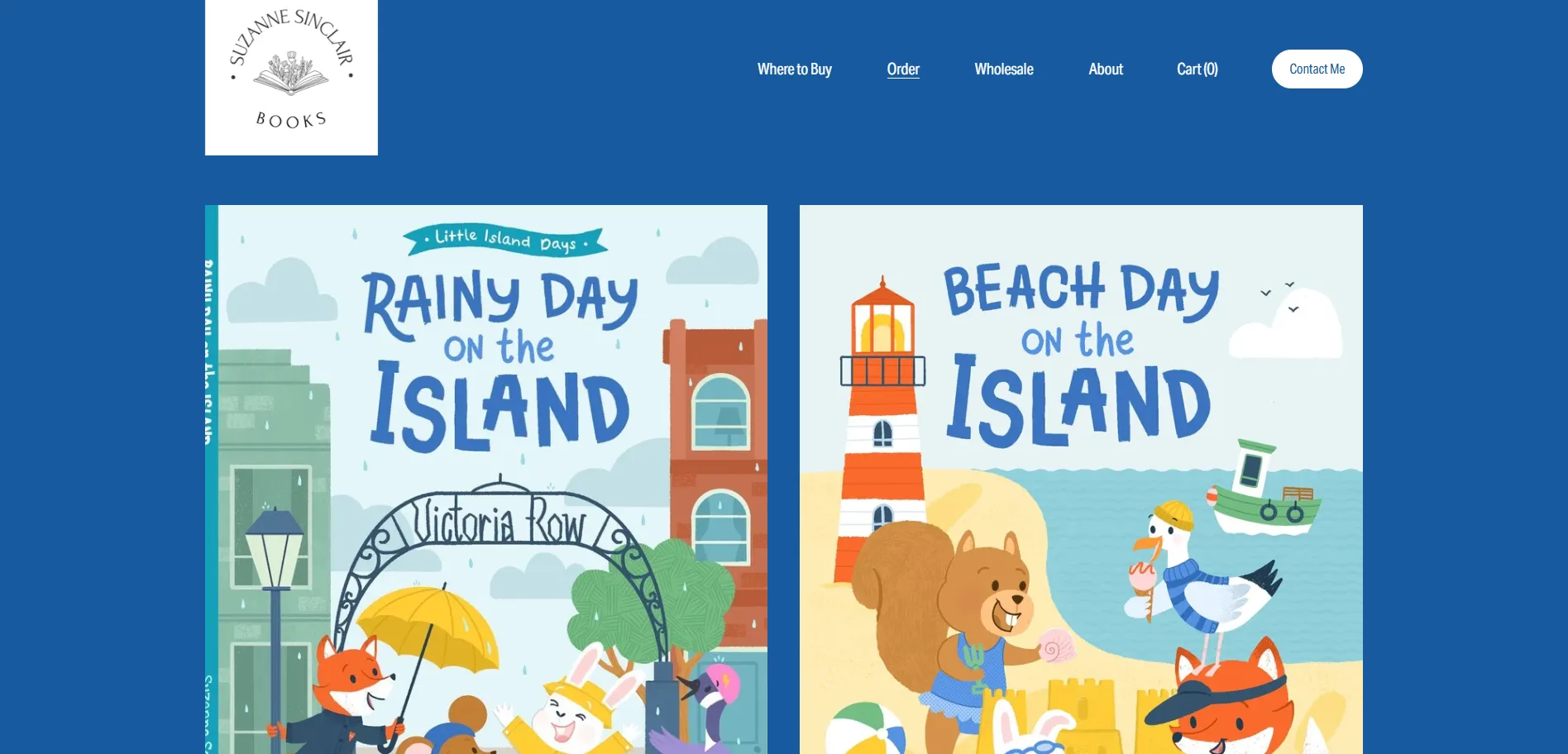 Screenshot from https://www.suzannesinclairscott.com/
Plan and Schedule Book Printing
If you’re self-publishing, don’t leave printing to the last minute. Partner with a reliable printer and finalize your timeline early. Having advance reader copies (ARCs) ready allows you to send your book to reviewers, influencers, and beta readers, building buzz before launch. It also ensures you’re prepared for events, signings, and preorders.
Reach Out to Reviewers and Influencers
Reviews sell books. Reach out to book bloggers, Bookstagrammers, BookTok creators, and industry reviewers months in advance. Many reviewers have busy schedules, so giving them time increases your chances of being featured. Positive early reviews boost credibility and attract more readers.
Grow Your Email List Early
An email list is one of the most powerful tools for marketing your book. Start collecting emails before publishing—offer free content like a sample chapter, a short story, or behind-the-scenes insights in exchange for sign-ups. When launch day comes, you’ll already have a group of engaged readers ready to buy.
Plan Pre-Launch Promotions
Don’t let launch day arrive quietly. Create excitement with pre-launch promotions like:
-
Cover reveals on social media
-
Giveaways of early copies
-
Countdown posts
-
Sneak peeks of chapters
A strong pre-launch campaign ensures readers are anticipating your release.
Design a Stunning Cover

The old saying goes, “Don’t judge a book by its cover,” but in publishing, the truth is quite the opposite. Readers make snap decisions within seconds, and your cover is often the very first impression they’ll have of your book. A striking, professional design can mean the difference between your book being noticed or overlooked. In fact, your cover is not just packaging—it’s one of your most powerful marketing tools.
Understand Your Genre and Audience
Your book cover should immediately convey its genre. A reader glancing at your design should instantly know what kind of story or content awaits inside. Romance covers often feature softer tones, expressive typography, or intimate imagery, while thrillers lean toward darker palettes, bold fonts, and moody atmospheres.
Spend time studying the bestselling titles in your category. Notice the patterns, the visual cues, and the common elements. Once you understand the conventions, put your own creative twist on them so your book feels fresh without confusing potential readers.
Make Readability a Priority
No matter how beautiful your cover is, if your title and author name aren’t clear, it won’t work. Most readers first encounter books as tiny thumbnails online, whether on Amazon, Barnes & Noble, or other digital platforms.
Test your design at small sizes to ensure the text remains legible. Bold, clean typography will help your title pop, while overly decorative fonts may distract or become unreadable. Remember: clarity builds trust, and trust leads to clicks and sales.
Use Strong Visuals with Purpose
Less is often more when it comes to book covers. Instead of cramming in multiple images or symbols, choose one powerful visual that represents your book’s theme or mood. A single striking image is far more likely to leave a lasting impression than a cluttered composition. Think of your cover as a billboard—it needs to communicate quickly and memorably.
Harness the Psychology of Color
Colors are not just decorative; they influence emotions and expectations. Bright hues can signal energy, optimism, or adventure. Darker shades suggest tension, mystery, or danger. Soft pastels often create a sense of warmth, comfort, or tenderness. Select a color palette that aligns with your book’s message and genre. Subtle choices, like the contrast between background and typography, also play a big role in catching the reader’s eye.
Invest in Professional Quality
An amateur cover is the fastest way to lose credibility. Even if your story is brilliant, a poorly designed cover can make readers assume the content is equally unpolished. If your budget allows, hiring a professional designer is worth every penny. A skilled designer understands typography, composition, and market trends. Think of this step as an investment, not an expense—your cover is your book’s frontline salesperson.
Balance Originality with Marketability
While your cover should reflect your unique voice, it should also meet the expectations of your target audience. Readers want a sense of familiarity—they want to recognize the genre—but they also crave something that stands out. Striking the right balance between creative originality and proven market trends ensures your book feels both appealing and distinctive.
A thoughtfully designed cover communicates professionalism, engages curiosity, and sets the stage for the story inside. In short: your cover is not just art—it’s strategy.
Build Your Brand
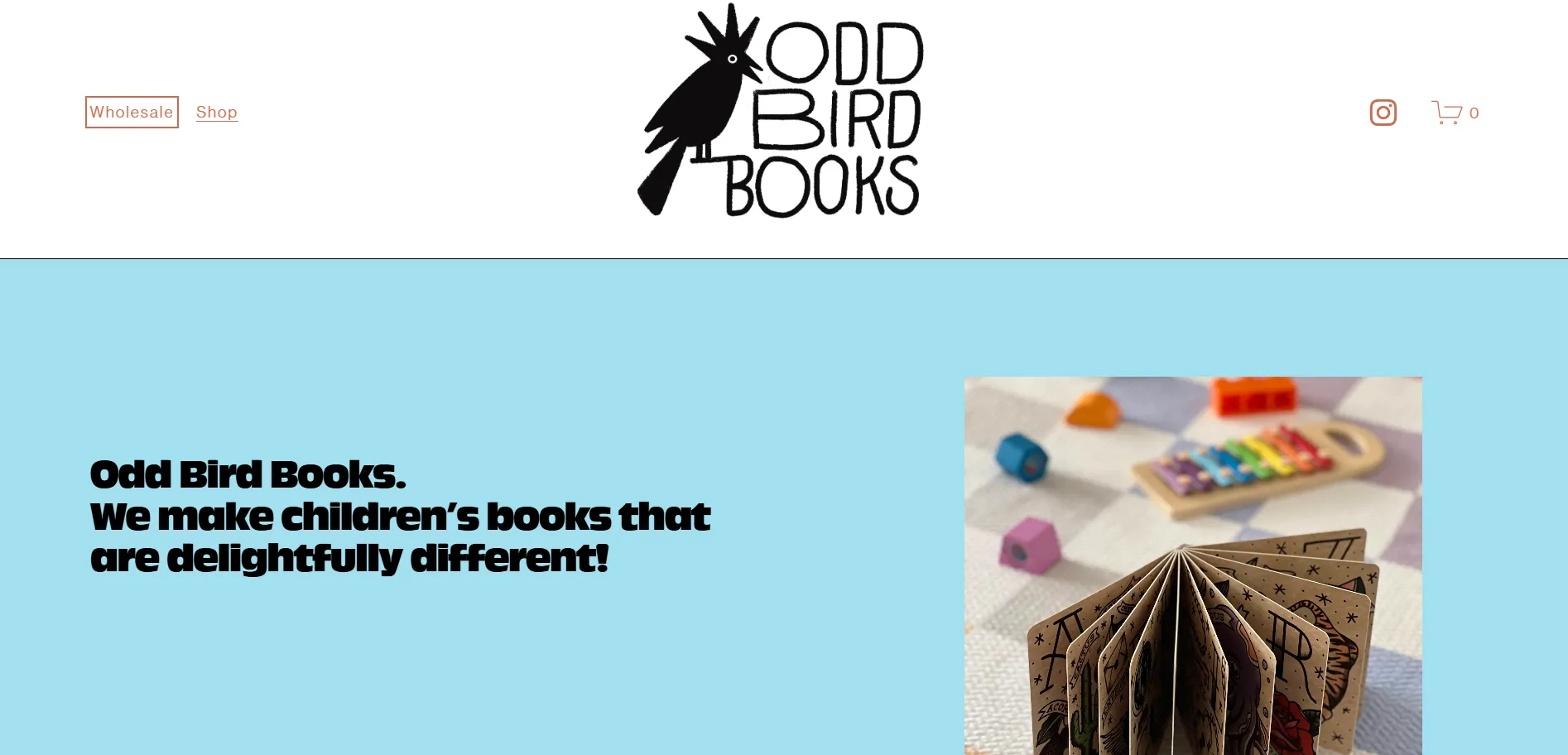
When you step into the publishing world, you’re not only introducing a single book—you’re building something much bigger: a recognizable author brand. A book is a product, but a brand is a promise. It’s the emotional connection readers form with you that keeps them coming back, not just for one story, but for everything you create.
Strong author branding establishes trust, builds loyalty, and positions you as more than just another name on the shelf. Here’s how to create a brand that feels authentic, professional, and memorable.
Define Your Author Identity
The foundation of branding begins with clarity. Ask yourself: What do I want to be known for? Are you the writer who delivers heartwarming romances, spine-chilling thrillers, or empowering nonfiction? Your identity should reflect your genre, your voice, and the emotional experience readers can expect.
Think of bestselling authors—Harloe Rae is instantly linked with romance worlds, while Brené Brown is known for vulnerability and courage. Defining your identity helps readers quickly understand who you are and what your work represents.

Create a Consistent Visual Style
Your brand should be instantly recognizable, no matter where readers find you—on your website, book covers, or Instagram profile. Choose a set of colors, fonts, and design elements that reflect your genre and personality.
For example, a fantasy author might lean toward deep jewel tones and ornate typography, while a self-help author might prefer clean lines and uplifting, modern visuals. Consistency across all platforms signals professionalism and makes your brand feel cohesive.
Craft a Memorable Author Bio
Your author bio is more than a resume—it’s a chance to connect. Instead of listing only credentials, share your personal journey: what inspired you to write, the passions that fuel your stories, or even quirky details that make you relatable.
For example: “After years of scribbling stories on café napkins, I finally turned my love of magical adventures into full-length novels.” This kind of bio doesn’t just inform readers—it invites them into your world.
Readers want more than books—they want connection. Sharing your values and motivations gives your brand authenticity. Maybe you write historical fiction because you believe in preserving forgotten stories, or maybe you publish children’s books because you’re passionate about sparking creativity in young minds.
When readers see your “why,” they feel invested in your journey and are more likely to become long-term supporters.
Develop a Unique Voice
Your author voice isn’t just for your books—it extends into newsletters, blog posts, and social media. If your writing is witty and playful, let that humor shine in your emails. If your stories are profound and thought-provoking, adopt that same reflective tone in your posts.
A consistent voice helps readers know what to expect and builds a stronger, more personal connection.
Use Professional Photography
Your author photo often serves as your first introduction. A clear, high-quality headshot conveys professionalism and builds trust. If possible, invest in professional photography. Choose a style that reflects your genre—a thriller author might go for dramatic lighting, while a children’s author might prefer bright, friendly images.
Good photography isn’t vanity—it’s branding. A polished image can elevate your presence in media features, on book covers, and across marketing materials.
Engage with Your Readers
Building a brand isn’t only about aesthetics—it’s about relationships. When readers comment on your posts, reply. When they send emails, respond. These small acts of engagement make readers feel valued and turn casual buyers into loyal fans.
Consider hosting Q&A sessions, sharing behind-the-scenes content, or creating a reader group on Facebook. The more accessible you are, the stronger your brand community becomes.
Align Branding with Genre
Your branding should mirror the tone of your books. If you write thrillers, your materials should create an air of suspense. If you write children’s books, your branding should be playful, colorful, and inviting.
This alignment helps readers instantly know they’re in the right place. Nothing confuses an audience faster than branding that feels disconnected from the stories themselves.
Create a Tagline or Slogan
A short, memorable tagline can anchor your brand in readers’ minds. It should capture the essence of your writing and the promise you deliver. For example:
-
A fantasy author: “Adventures that awaken your imagination.”
-
A romance writer: “swoony romance.”
-
A self-help author: “Inspiration for everyday courage.”
Your slogan doesn’t just describe your books—it captures the feeling you want readers to associate with your work.
Be Consistent Everywhere
Consistency is the glue that holds your brand together. Whether someone visits your website, follows you on Instagram, reads your newsletter, or hears you in an interview, your tone, visuals, and messaging should align.
This doesn’t mean being rigid—it means ensuring every touchpoint reflects the same identity. Over time, this consistency builds trust and recognition, two essentials for growing your readership.
As an author, your brand is the bridge between your stories and your readers. It tells people not just what you write, but why you write and who you are as a creator. By defining your identity, maintaining consistency, and building genuine connections, you transform from simply selling books to creating a lasting presence in readers’ lives.
A strong brand doesn’t happen overnight, but every choice—from your cover design to your author photo—adds another layer of recognition. Build it with care, authenticity, and purpose, and you’ll create a foundation that supports not just one book, but a lifetime of storytelling.
Build a Social Media Presence
In today’s digital age, social media has become one of the most powerful tools for authors to market their books and connect directly with readers. It’s not just about posting promotions—it’s about building a community, sharing your journey, and making your voice heard in spaces where readers already spend their time. With the right approach, social media can help you gain visibility, attract loyal fans, and create long-term momentum for your writing career.
Choose the Right Platforms
Not all social media platforms serve the same purpose, and it’s important to focus your efforts where they matter most.
TikTok and Instagram are particularly effective for reaching younger audiences. The #BookTok community on TikTok, for example, has become a significant trendsetter in the publishing world, helping both indie and traditional authors alike increase their book sales. Instagram, with its visual nature, is perfect for sharing aesthetic book photos, teaser graphics, and reels.
For community-based engagement, Facebook still holds strong. Many older readers and book clubs use Facebook to connect, making it an excellent place to promote events, share updates, and foster discussions. Twitter (now known as X) is another useful platform, especially for engaging with industry professionals, fellow writers, and publishing communities. By choosing platforms strategically, you’ll avoid spreading yourself too thin and maximize your impact.
Post Consistently
Consistency is key to staying visible on social media. Whether you decide to post daily, a few times a week, or bi-weekly, sticking to a schedule helps your audience know when to expect new content from you. Regular activity signals that you’re active, engaged, and worth following. Tools like content calendars and scheduling apps can make this easier, allowing you to plan ahead and balance promotional posts with personal or interactive ones.
A killer social media presence is about more than just announcing your book. Readers want to feel connected to you as an author and as a person. Share sneak peeks of your book, behind-the-scenes writing updates, personal stories, or even your creative struggles. Short videos, reels, or live Q&A sessions are especially effective at sparking engagement. Think of your feed as a storytelling extension of your book—it should be authentic, relatable, and engaging.
Hashtags are powerful tools for expanding your reach beyond your immediate followers. Popular hashtags such as #BookTok, #AmReading, #IndieAuthor, or genre-specific tags like #RomanceBooks or #FantasyReads help new readers discover your content.
Keep an eye on current trends, challenges, and viral formats on platforms like TikTok or Instagram, and adapt them to showcase your book. Joining trending conversations makes your posts more discoverable and increases your chance of going viral.
Engage with Your Audience
Social media works best when it’s interactive. Instead of treating it as a one-way broadcast channel, see it as a conversation. Respond to comments, thank readers for their support, and take part in discussions. You can also run polls, ask questions, or host giveaways to encourage interaction. The more genuine and approachable you are, the more your audience will feel connected to you—and that connection often translates into book sales and loyal fans.
A strong social media presence takes time and effort, but the rewards are worth it. By choosing the right platforms, posting consistently, creating engaging content, leveraging hashtags, and actively connecting with readers, you’ll not only market your book more effectively but also build a community that supports you throughout your writing journey.
Engage in Email Marketing

For authors, especially those just starting, building strong and lasting relationships with readers is essential. While social media is great for visibility, it’s often unpredictable—algorithms change, trends shift, and posts get buried. Email marketing gives you direct access to your readers without distractions. An email list becomes one of your most valuable assets because it allows you to connect with readers on your own terms, nurture loyalty, and promote your books effectively.
Build a List
The first step is to grow your subscriber base. Start by collecting emails through your author website, social media, or in-person events. Offering a free incentive—such as a sample chapter, a short story, or even a printable bookmark—can encourage people to sign up. Make your signup form visible on your website and always provide a clear reason why joining your list will benefit readers.
Send a Welcome Email
Once someone subscribes, don’t leave them waiting. A welcome email sets the tone for your relationship. Introduce yourself, explain your writing style, and give readers a glimpse of what they can expect in future newsletters. This first impression is crucial for establishing trust and making subscribers feel valued from the beginning.
Readers love feeling like insiders. Reward your subscribers with perks they can’t find anywhere else—early cover reveals, behind-the-scenes updates, or bonus chapters. Exclusive content creates excitement and keeps readers looking forward to your emails. It also strengthens their connection with you, turning casual fans into loyal supporters.
Announce Launches and Events
Email is one of the most effective ways to generate sales when launching a new book or promoting an event. Use clear and compelling calls-to-action (CTAs), such as “Pre-order now” or “Join my virtual book signing.” Because subscribers have already shown interest in your work, they’re more likely to respond positively and support your launch efforts.
Personalize Your Messages
Generic emails can feel impersonal. Use personalization tools to address subscribers by their first names, and consider segmenting your list based on interests or engagement levels. For example, you could send exclusive offers to your most active readers or share genre-specific recommendations. Personalized messages often lead to higher open rates and stronger engagement.
Stay Consistent
Consistency builds reliability. Decide on a schedule—whether monthly, bi-weekly, or weekly—and stick to it. Sending newsletters too often can overwhelm readers, while infrequent updates may cause them to forget about you. A regular rhythm helps readers expect your messages and look forward to them.
Use Visuals and Links
Design matters. Include book cover images, author photos, or event graphics to make your emails visually appealing. Always provide clickable links to your store, website, or social platforms so readers can easily take action. A clean, engaging design makes your email both professional and reader-friendly.
Ask for Feedback
Email should be a two-way conversation. Encourage subscribers to reply with their thoughts, reviews, or questions. This not only provides valuable insights but also strengthens the bond between you and your readers. When readers feel heard, they’re more likely to remain loyal and spread the word about your work.
When used effectively, email marketing goes beyond simple promotion—it builds a community. By offering value, staying consistent, and fostering authentic connections, your email list can become a powerful tool to grow your readership and support your author journey for years to come.
Leverage Book Reviews and Influencers
One of the most effective ways to market your book is through the power of social proof. Readers are far more likely to purchase a book when they see others enjoying it, which makes book reviews essential.
Aim to gather reviews on platforms such as Amazon, Goodreads, and book-related blogs. These reviews not only influence buying decisions but also improve your book’s visibility in search results and recommendation algorithms. Consider sending out advance reader copies (ARCs) before your launch to generate early buzz and ensure that reviews are available as soon as your book goes live.
In addition to traditional reviews, partnering with influencers can dramatically extend your reach. Bookstagrammers, BookTubers, and BookTok creators have passionate audiences who trust their recommendations. A single post, video, or reel featuring your book can introduce it to thousands of potential readers who might not have discovered it otherwise.
When approaching influencers, take time to research their style and audience to ensure a good fit for your genre. Offer free copies and be genuine in your outreach. By combining authentic reviews with influencer endorsements, you can create a powerful wave of visibility that boosts sales and builds long-term credibility for your work.
Participate in Events and Communities
When it comes to marketing your book, many first-time authors focus heavily on digital promotion. While online visibility is important, there’s another powerful tool that should not be overlooked—the power of community. By actively participating in events and engaging with groups of readers and writers, you not only promote your book but also create lasting connections that can fuel your growth as an author.
Attend Book Fairs and Festivals
Book fairs and literary festivals are excellent opportunities to showcase your work, meet new readers, and build credibility. These events bring together publishers, industry professionals, and book lovers who are genuinely interested in discovering new voices. Having a presence—whether through a booth, signing session, or panel discussion—allows you to network and gain exposure beyond your existing audience. Even small local fairs can provide meaningful connections that translate into sales and word-of-mouth recommendations.
Join Writing and Reader Groups
Communities thrive online as well. Joining writing forums, Goodreads groups, or Facebook book clubs can help you connect with like-minded people who share your passion for stories. These groups are not just about promotion—they’re about building relationships. By offering feedback, sharing insights, or participating in discussions, you establish yourself as an engaged and supportive member. Over time, this involvement makes others more open to exploring your work.
Host or Join Virtual Events
With the rise of digital platforms, virtual events have become a powerful way to reach readers around the world. Webinars, online book launches, and live Q&A sessions allow you to interact with your audience in real time. Hosting your own event positions you as an authority, while participating in panels or joint sessions introduces you to new communities. The best part? Virtual events break geographical barriers, making it possible to connect with readers you might never meet otherwise.
Collaborate with Other Authors
Writing may feel like a solitary activity, but marketing doesn’t have to be. Collaborating with fellow authors is a smart way to expand your reach. You might co-host a book signing, organize a joint giveaway, or appear together in an online discussion. By pooling audiences, each author gains exposure to new readers, often within similar genres. Collaboration also adds credibility—when another writer endorses or promotes your work, it carries weight with their fans.
Engage in Local Events
Never underestimate the value of grassroots support. Local libraries, schools, and community centers often welcome author readings, workshops, and signings. These events not only help you connect with readers on a personal level but also build loyal supporters in your own community. Local media outlets are more likely to cover nearby events, giving you extra publicity. Plus, engaging with your hometown audience can create a strong foundation to support your broader marketing efforts.
By participating in events and communities—whether in person or online—you create opportunities for connection, collaboration, and visibility that go far beyond traditional marketing. These efforts not only boost your book sales but also help you establish meaningful relationships that sustain your writing career over the long term.
Ready to Print Your Book?
Your marketing efforts will only succeed if your book itself is high quality. That’s why professional printing is so important.
At BookPrintingChina, we have over 25 years of experience helping authors bring their stories to life with precision and care. From hardcover and softcover books to children’s books, photo books, cookbooks, and more—we can handle all your printing needs.
Our team of experts is here to guide you from start to finish, ensuring your book looks as professional as the story inside it. Ready to print and market your book? Get in touch with us today, and let’s turn your vision into a book that readers will treasure.