



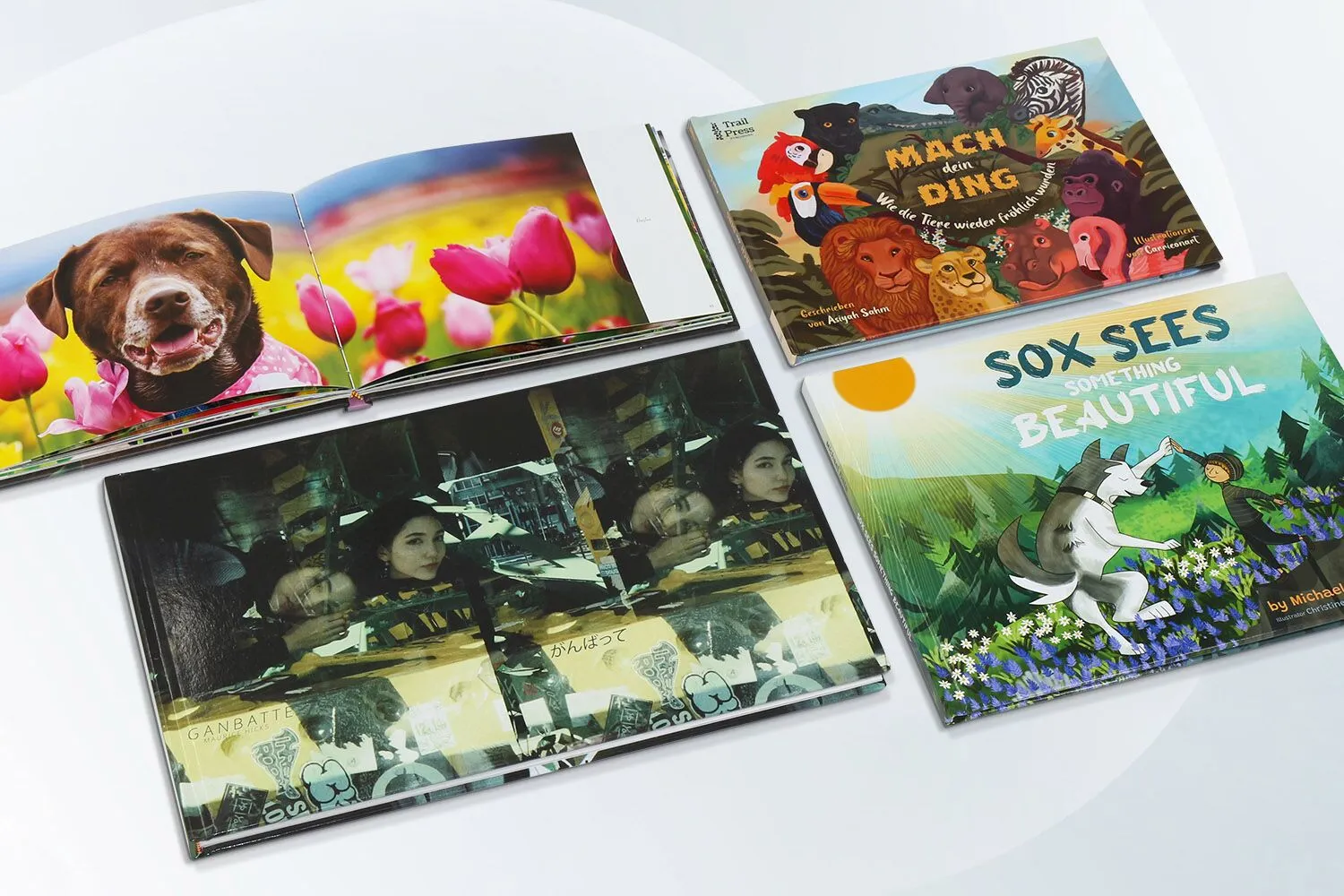
In the world of publishing, landscape book printing has emerged as a distinctive and appealing format. When showcasing imagery and creative layouts, the horizontal orientation of landscape books often proves superior to traditional portrait formats. Whether you’re a photographer, an artist, or a children’s book author, understanding the nuances of landscape book printing can significantly enhance the presentation of your work.
Landscape books are particularly favored for their ability to offer panoramic views, making them an excellent choice for projects that rely heavily on visuals. The broader canvas allows for more creative freedom in layout and design, enabling a seamless blend of text and images.
In this guide, we will delve into the benefits, sizes, binding options, layout, and considerations for landscape book printing, ensuring you have all the information needed to make an informed decision.
What is Landscape in Printing?
In printing, landscape refers to the horizontal orientation of a page, where the width is greater than the height. This is the opposite of portrait orientation, in which the height is taller than the width. Landscape printing creates a wide, rectangular layout that is often compared to a panoramic view, making it ideal for showcasing visuals that enjoy extra horizontal space.
Landscape orientation is widely used in books, catalogs, presentations, and photo albums, especially when the content relies heavily on images, charts, or designs that cross two pages. It allows for expansive layouts, making it easier to display wide graphics, panoramic photographs, or side-by-side comparisons.
This format is particularly popular in:
-
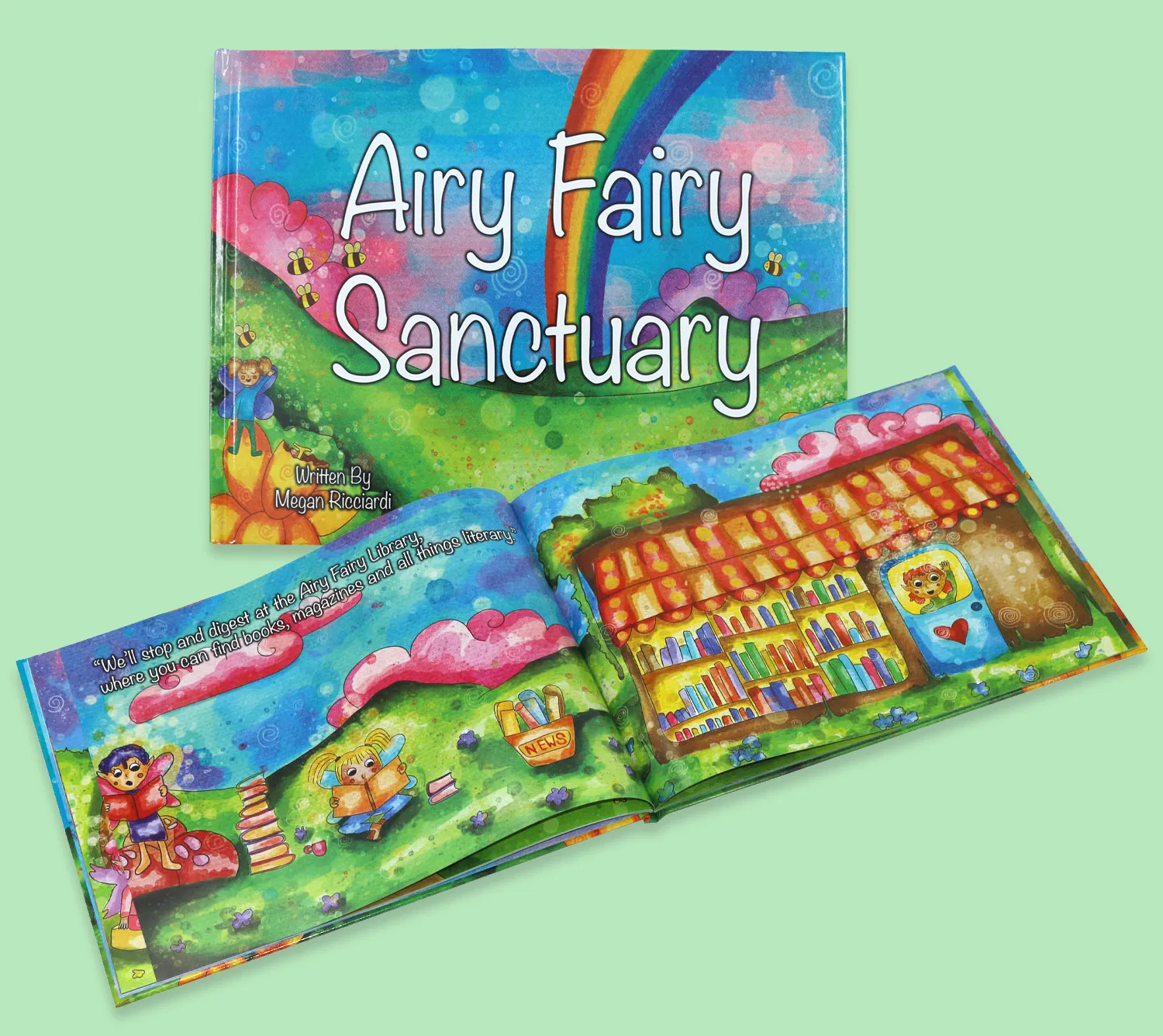
Children’s picture books: Easy for kids to hold and ideal for full-page illustrations.
-
Photo books and portfolios: Provides space for high-impact visuals and seamless spreads.
-
Cookbooks and art books: Enhance design by balancing images and text.
-
Business presentations and catalogs: Offers a professional layout for product showcases.
Benefits of Landscape Book Printing
In a world dominated by familiar vertical formats and standard vertical pages, landscape books are a breath of fresh air, breaking the mold and offering many benefits to creators and consumers alike. More than just a stylistic choice, the landscape format unlocks unique potential for visual storytelling and compelling presentation.
Enhanced Visual Impact
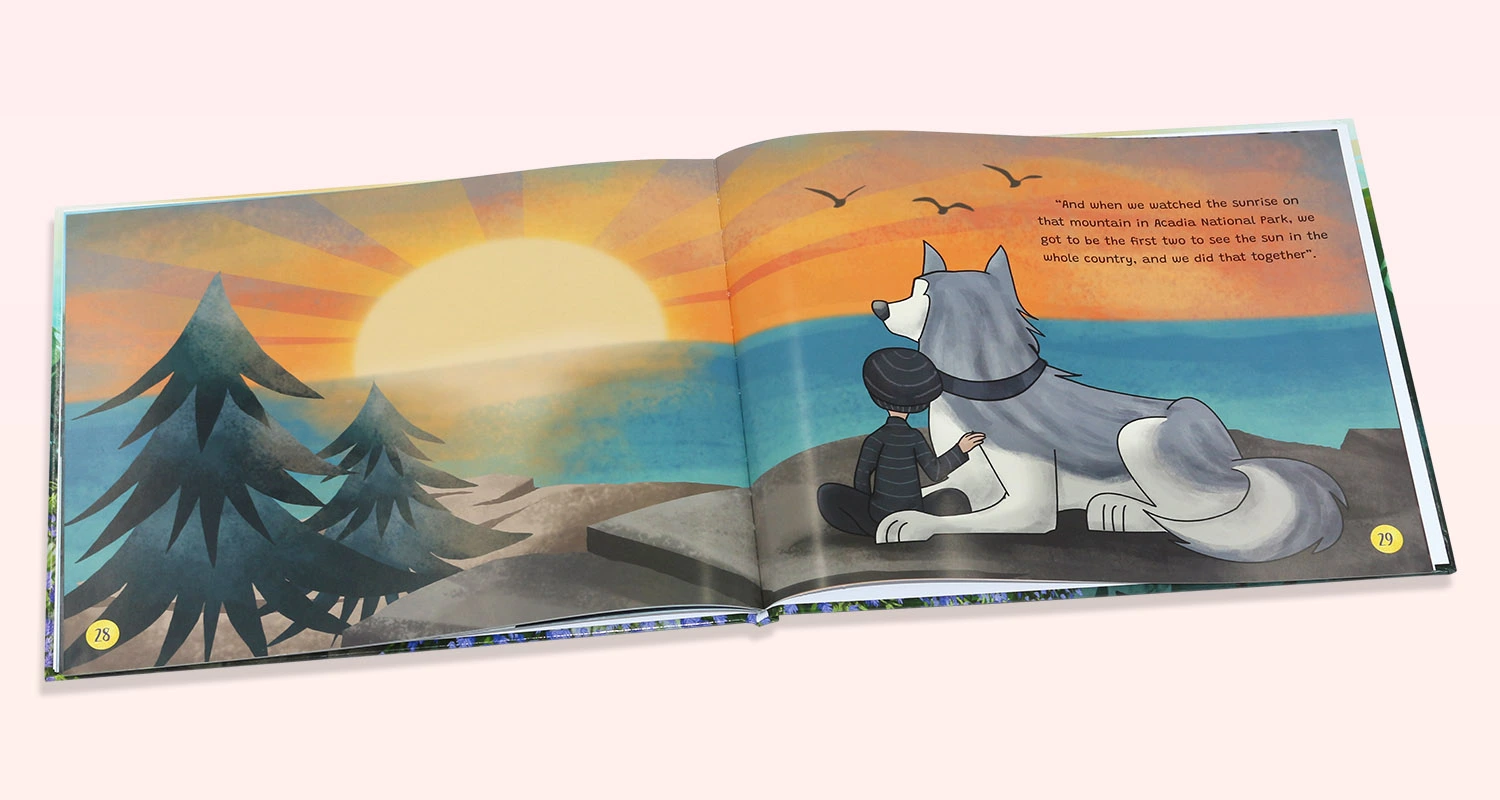
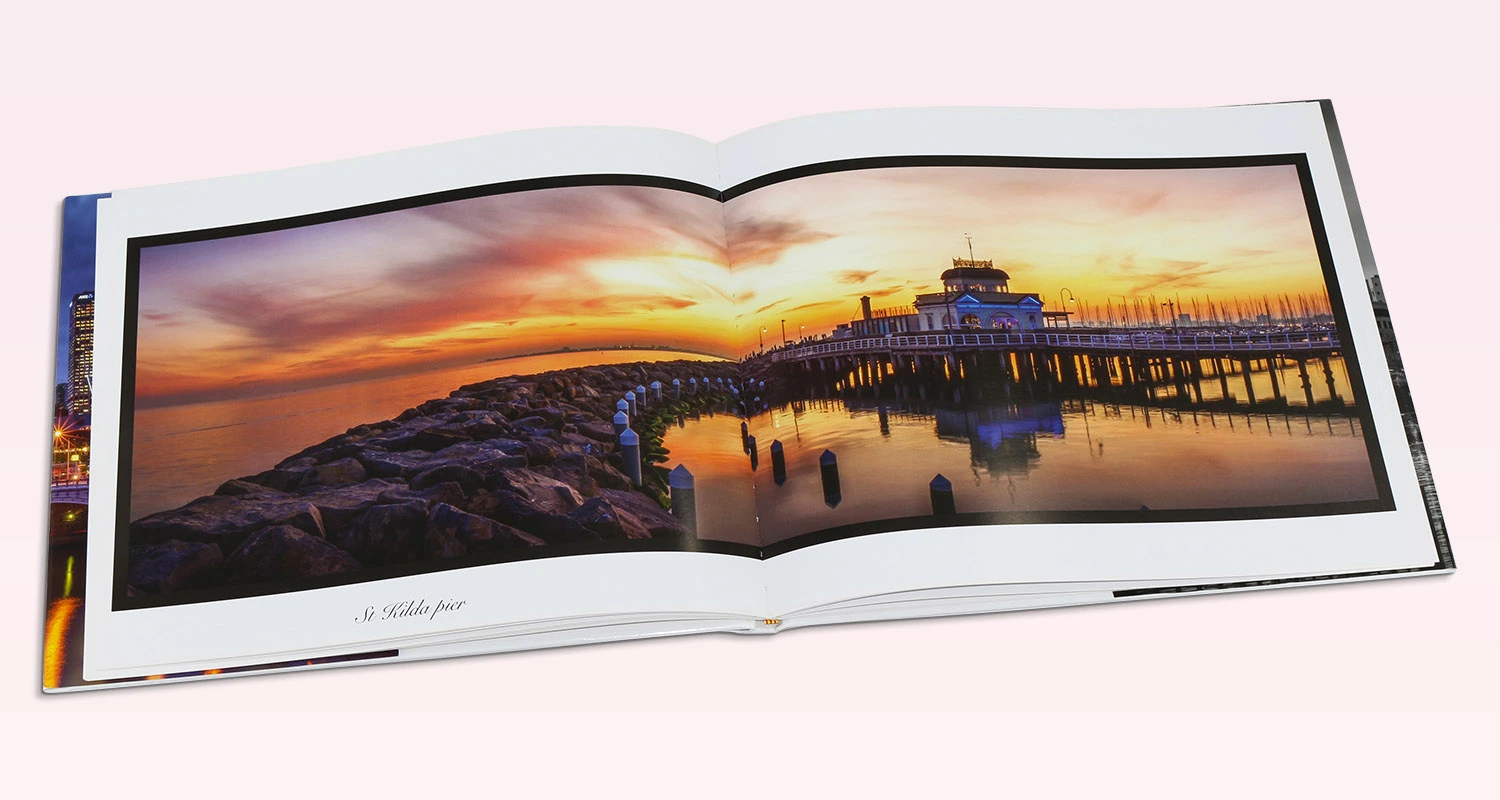
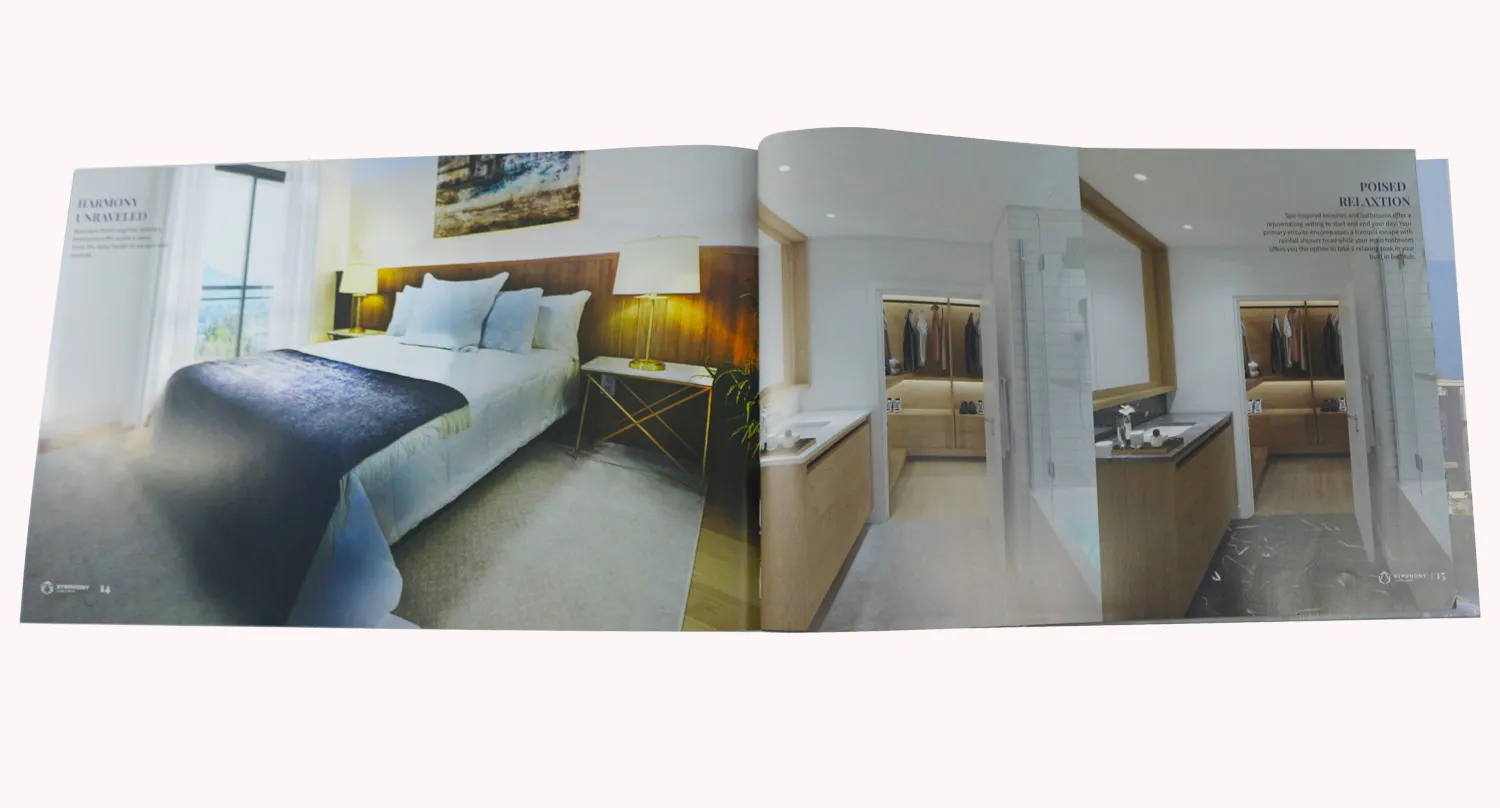
Landscape books naturally draw attention with their wide, cinematic spreads. This orientation is perfect for photography, children’s picture books, portfolios, and panoramic images, allowing readers to experience visuals in an immersive way. Unlike portrait formats, landscape layouts let you stretch an image across two pages seamlessly, creating a bold, dramatic effect that instantly captivates the audience.
Greater Creative Freedom
The wider page format offers designers far more flexibility when balancing text and visuals. With extra horizontal space, you can experiment with layouts, highlight specific content, and create dynamic interactions between text and imagery. This freedom is especially valuable for projects like cookbooks or children’s literature, where playful and innovative designs enhance the overall reader experience.
Improved Storytelling Flow
The horizontal orientation mirrors the way people naturally view images and landscapes, making stories feel more fluid and engaging. Narratives can unfold smoothly across pages, with fewer interruptions, which is particularly effective for graphic novels, photo books, and visual-heavy storytelling. This continuity helps maintain reader immersion from start to finish.
Professional and Polished Presentation
For professionals, landscape printing delivers a sleek, high-end look. Portfolios, lookbooks, and corporate catalogs gain an edge when presented in this unique format. The wider spreads not only showcase work elegantly but also elevate the perceived value of the project—making it an excellent option for impressing clients or presenting at high-stakes meetings.
Child-Friendly Design
Landscape formats are especially suitable for children’s picture books. Their wider shape makes them easier for small hands to hold and turn pages. Combined with large illustrations and playful text placement, this layout creates a more comfortable and engaging reading experience for kids, enhancing both usability and enjoyment.
Distinctive Market Appeal
On a crowded bookshelf, landscape books immediately stand out from the more common portrait styles. This uniqueness can act as a powerful marketing tool, attracting the eyes of potential buyers. Publishers and authors can use this distinction to differentiate their work and boost visibility in both physical and online marketplaces.
Wide Versatility Across Genres
From travel guides and art books to cookbooks, architecture portfolios, and technical manuals, the landscape format adapts easily across many genres. Its flexible nature makes it an ideal choice for projects that break away from convention, ensuring both creativity and functionality in presentation.
Seamless Two-Page Spreads
One of the biggest strengths of landscape printing is the ability to present visuals that flow naturally across two pages. This uninterrupted space is excellent for panoramic photos, detailed illustrations, and complex charts or diagrams. It provides a cohesive viewing experience that enhances comprehension and visual storytelling.
Memorable Reader Experience
A landscape book’s unique orientation leaves a lasting impression on readers. The format reinforces branding and makes the reading experience more distinctive, helping your project stand out long after it’s closed. For businesses and creators, this memorability translates into stronger brand identity and audience connection.
Perfect for Showcase Projects
When a project relies heavily on visuals, landscape printing is often the best choice. Exhibitions, photo collections, and art showcases benefit from this format’s ability to spotlight images with maximum impact. It highlights visual content in a bold, professional way, ensuring that your creative work gets the attention it deserves.
Standard Landscape Book Sizes
When planning your landscape book project, choosing the right size is crucial. Here are some standard landscape book sizes to consider:
-
8.5” x 5.5”
-
9” x 6”
-
10” x 8”
-
11” x 8.5”
Additionally, custom sizes can be tailored to fit specific project requirements, offering even greater flexibility in design and presentation.
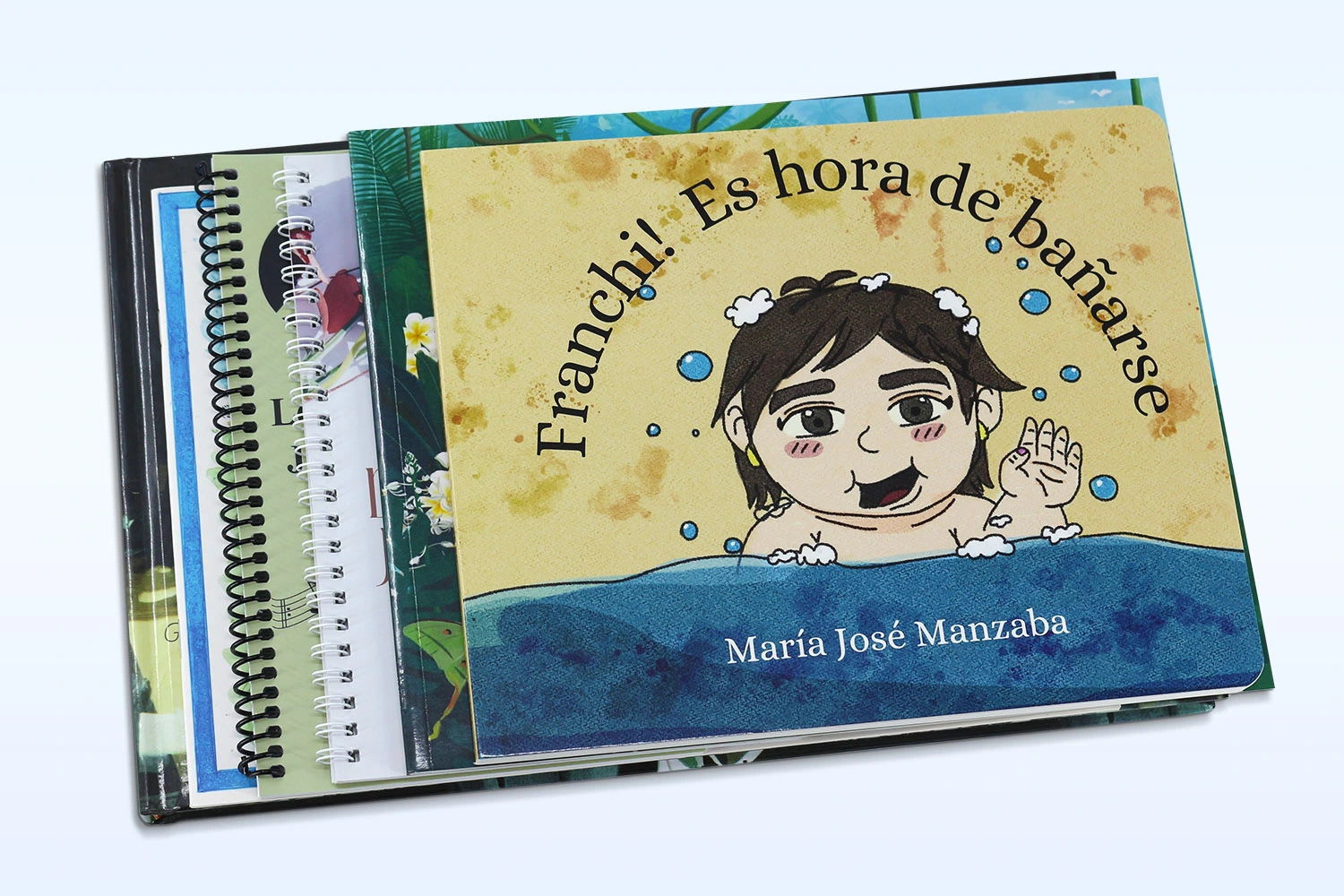
Popular Landscape Book Binding Options
Selecting the appropriate binding method is essential for both functionality and aesthetics. Here are some popular binding options for landscape books:
Saddle Stitch
Saddle stitch binding is a cost-effective option suitable for smaller books or thin books. It involves folding sheets and stapling them along the spine, making it a simple yet effective choice for short-run projects.
Perfect Binding
Perfect binding is ideal for landscape perfect bound book printing, providing a clean and professional finish. The pages and cover are glued together at the spine, offering a polished look suitable for longer publications.
Hardcover
Hardcover binding offers durability and a premium feel, making it a popular choice for high-end projects. The hardcover landscape book provides protection and longevity, ensuring your work remains in pristine condition over time.
Spiral Binding
Spiral binding allows books to lay flat when open, making it perfect for coloring books, workbooks, and portfolios. This binding method is practical and user-friendly, offering easy navigation through the pages.
Wire-O Binding
Wire-O binding is similar to spiral binding but offers a more sophisticated appearance. It is ideal for professional presentations, allowing for 360-degree page rotation and enhancing usability.
Board Book Binding
Board book binding is especially useful for children’s books, providing durability and ease of use. The thick pages are resistant to wear and tear, ensuring the book withstands frequent handling by young readers.
Considerations of Landscape Book Printing
To maximize the potential of your landscape book, there are several important factors to consider during the planning and production process. Each of these decisions will influence not only the look and feel of the book but also its usability, durability, and overall market appeal.
Purpose and Audience
Every successful book project begins with a clear understanding of its purpose and target audience. Landscape orientation works particularly well for projects that rely heavily on visuals, such as photography collections, art portfolios, architectural presentations, and children’s picture books. For instance, a panoramic photograph displayed across two landscape pages can deliver a breathtaking effect that would not be possible in portrait orientation. Similarly, for children’s books, the wider layout provides space for large illustrations and simple text that young readers can easily follow.
By identifying who the book is for and how it will be used, you can make better design and production choices. A professional portfolio will need a polished, durable presentation, while a child’s picture book should emphasize ease of handling and safety. Keeping the audience in mind ensures the format enhances the reader’s experience rather than complicating it.
Design Layout
The design of a landscape book is what truly brings the format to life. Because of the wider canvas, designers can play with typography, image placement, and white space in ways that portrait formats do not allow. But this freedom also requires careful planning to maintain balance and readability.
For example, long lines of text can be tiring to read across a wide page, so breaking content into columns or shorter text blocks improves flow. Images should be positioned thoughtfully to avoid overwhelming the page, while ample white space ensures the layout feels open and inviting. Many designers also use the opportunity to create two-page spreads that flow seamlessly, producing a cinematic storytelling effect that keeps readers engaged.
Binding Options
The binding method you choose plays a significant role in both durability and usability. Landscape books can be produced with several types of binding, each with its own benefits:
-
Saddle stitch: Cost-effective and ideal for shorter booklets, children’s books, or catalogs.
-
Perfect binding (sewn or glued): A popular option for thicker books, offering a professional look and smooth spine.
-
Hardcover binding: Adds durability and prestige, making it suitable for portfolios, art books, and high-end publications.
Because landscape books are often opened wide to view two-page spreads, the binding must allow the book to lay relatively flat. This improves the reading experience and prevents important design elements from getting lost in the gutter.
Paper Choice
Paper is more than just a medium—it contributes to the overall tactile and visual impression of the book. For landscape printing, heavier paper stocks are recommended because they provide sturdiness and prevent pages from bending too easily. This is especially important for photo books or children’s books that see frequent handling.
Glossy finishes work well for projects that rely on vibrant colors and sharp images, such as catalogs, children’s picture books, or photography portfolios. Matte finishes provide a softer, more refined look that reduces glare, making them suitable for art books or corporate materials. Selecting the right paper ensures that the content is not only visually striking but also durable and pleasant to handle.
Print Size
Landscape books can be printed in both standard and custom sizes. Standard dimensions such as 8.5” x 5.5” or 11” x 8.5” are cost-effective and compatible with most printers, which helps keep production and shipping costs manageable. But custom sizes can give your project a unique presence, setting it apart from competitors.
While custom dimensions may be appealing for artistic reasons, it is important to weigh the added expense of production and logistics. Oversized books, for example, may require special packaging and incur higher shipping fees. Choosing the right size involves balancing creativity with practicality.
Cost Considerations
Budgeting is always a critical part of book production. Because landscape formats are less common than portrait ones, they may require more specialized production processes, which can influence costs. Non-standard sizes, premium paper, and high-end binding options all add to the final price.
To manage expenses, it is helpful to focus on the elements that matter most to your project. If visual impact is the priority, investing in higher-quality paper and finishes may be worthwhile, while sticking to standard sizes can help offset costs. Careful planning ensures the finished product meets both creative goals and financial constraints.
Visual Impact
One of the greatest strengths of landscape printing is its ability to deliver a powerful visual impact. Wide spreads create a sense of openness and drama that draws the reader into the content. Photographs, infographics, and illustrations all benefit from this format, as they can be displayed at a scale that feels natural and impressive.
To maximize this advantage, highlight your strongest visuals in full spreads or across two pages. This approach creates memorable moments that leave a lasting impression on readers and elevate the overall experience.
Durability
Finally, durability should not be overlooked, especially for books that will see frequent use. Children’s books, portfolios, art books, and coffee-table photo books often endure repeated handling, so robust materials and strong binding are essential. Hardcover bindings, thicker paper, and protective finishes like lamination or coating can significantly extend the lifespan of the book.
FAQ about Landscape Book Printing
1. What types of books work best in landscape format?
Landscape printing is ideal for photo books, children’s picture books, art portfolios, cookbooks, and presentations that rely heavily on visuals. The format enhances the presentation of imagery and supports a natural storytelling flow.
2. Are landscape books more expensive to print?
Costs can be slightly higher than standard portrait books (But typically depend on your printing supplier), especially for custom sizes. However, careful planning of paper, binding, and quantity can keep budgets reasonable, ensuring you get the desired quality without excessive expense.
3. What binding options are suitable for landscape books?
Popular choices include sewn perfect binding, saddle stitching, hardcover binding, and self-cover board book binding. These options cater to different needs, from durability to aesthetics, ensuring your book meets its intended purpose.
4. Can I use landscape orientation for both softcover and hardcover books?
Yes, landscape printing works well with both softcover and hardcover books. The choice depends on factors such as durability, purpose, and target audience, allowing for flexibility in presentation and design.
5. What paper type is recommended for landscape books?
When printing landscape books, the choice of paper plays a vital role in both durability and visual quality. Heavier coated papers are generally the best option, as they provide the strength needed to withstand frequent handling while maintaining a professional feel.
A glossy coated paper enhances color vibrancy and sharpness, making photographs and detailed images stand out. Matte-coated paper reduces glare, offering a softer, more elegant finish that is comfortable for reading. Selecting the right paper ensures your landscape book is both visually striking and long-lasting.
6. Will landscape books fit on standard shelves?
Most standard landscape sizes fit on bookshelves, but oversized formats may need custom storage or display solutions. Consider the practical aspects of storage and display when selecting your book’s dimensions.
Where to Print Landscape Books?
If you’re ready to begin your landscape book printing journey, BookPrintingChina is here to provide professional, end-to-end solutions tailored to your project. Whether you need landscape perfect-bound books, hardcover book editions, spiral-bound formats, board books, or other binding styles, our expertise guarantees exceptional quality and attention to detail.
Landscape printing is more than just a format—it’s a way to showcase your content in a visually striking and memorable presentation. By taking advantage of its unique benefits, you can captivate your audience, strengthen your message, and leave a lasting impression. Partner with BookPrintingChina to transform your vision into a beautifully printed landscape book that truly stands out.