



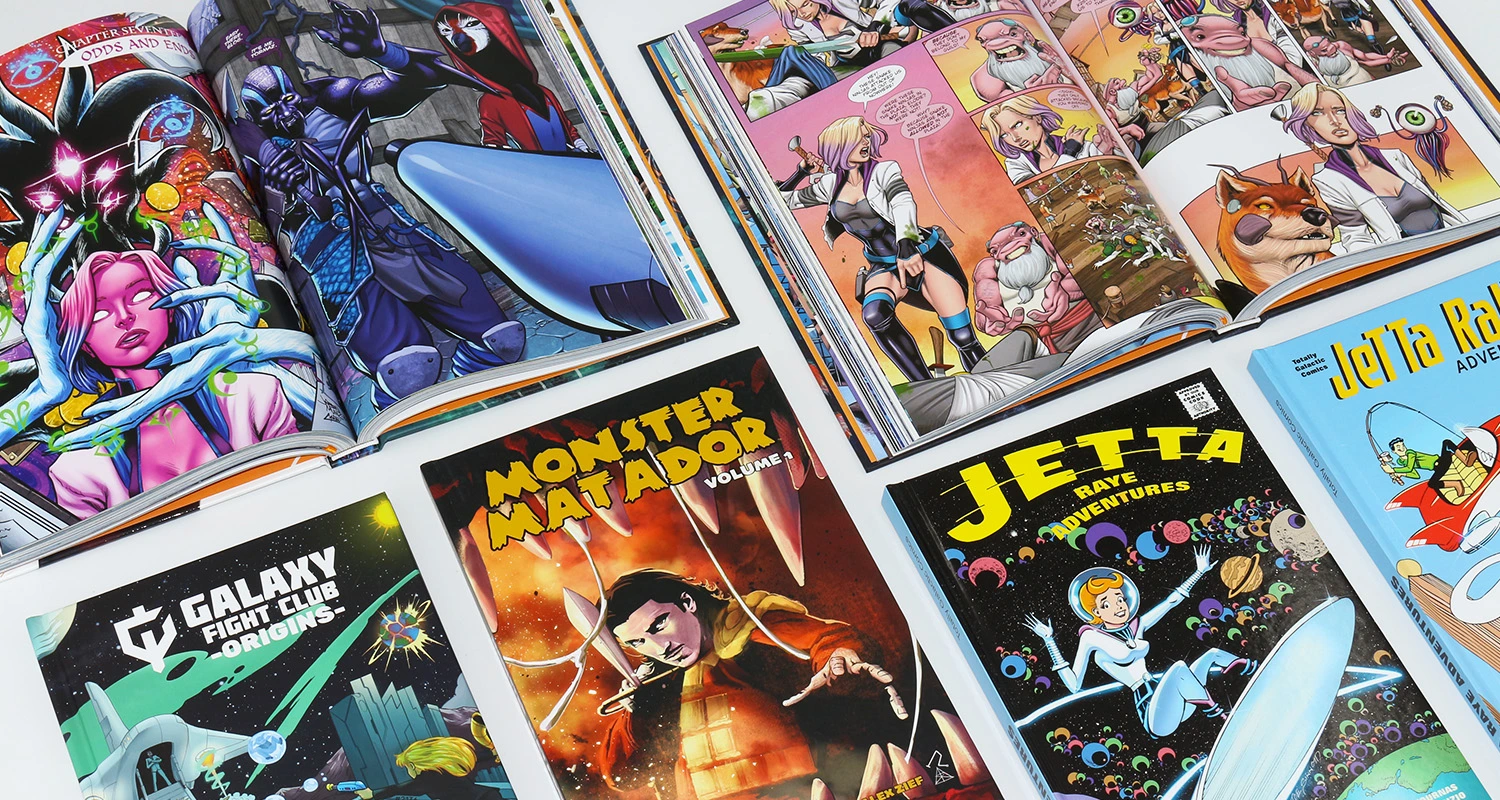
Creating a custom comic book involves several important decisions, including selecting the right paper stock and ink colors, as well as choosing the ideal binding style and cover finish. Each element plays a crucial role in the visual appeal and durability of your book. In this comprehensive guide, we answer the most common questions about comic book printing, helping you navigate the entire process with clarity and confidence. Whether you’re wondering about standard sizes, print file setup, paper types, or other details, this FAQ is tailored to provide the guidance you need.
At BookPrintingChina, we bring over 25 years of professional experience in custom printing. We’ve proudly partnered with independent creators, global publishers, and self-publishers to produce high-quality, affordable comic books. Our team understands the unique needs of comic printing and offers a range of customizable options to meet your artistic and publishing goals. This FAQ guide is your starting point for bringing your comic vision to life.
What Paper to Use for Comic Book Printing?
When printing comic books, selecting the right paper is essential for achieving vibrant visuals, crisp lines, and an enjoyable reading experience. The two main categories of paper used in comic book printing are coated paper—including glossy and matte art paper—and uncoated paper, each offering distinct characteristics suitable for different comic styles and production needs.
Coated Paper
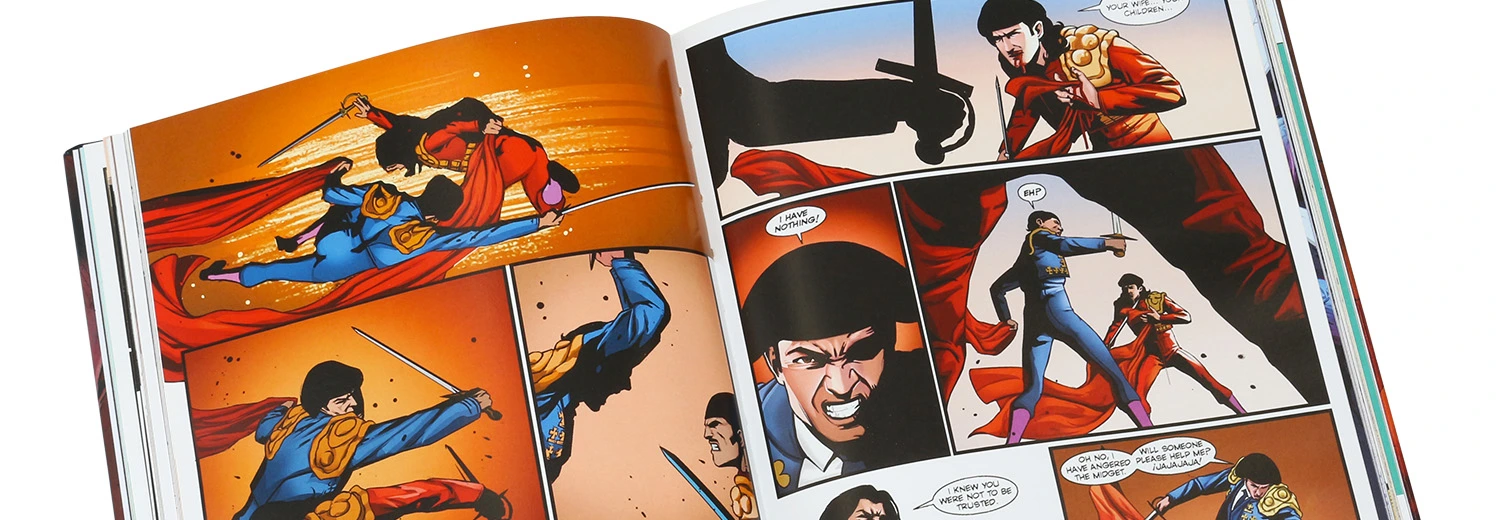
Coated paper is commonly used in modern comic book printing. It comes in two finishes: glossy and matte.
Glossy art paper has a shiny surface that enhances color saturation and detail, making it ideal for action-packed or superhero comics with bold graphics and vivid hues. It reflects light and adds a professional sheen to every page.
Matte art paper, while still coated, has a non-reflective surface that softens colors and reduces glare. It is preferred for comics with more subtle artwork, detailed linework, or storytelling that benefits from a smoother, more sophisticated appearance.
Uncoated Paper
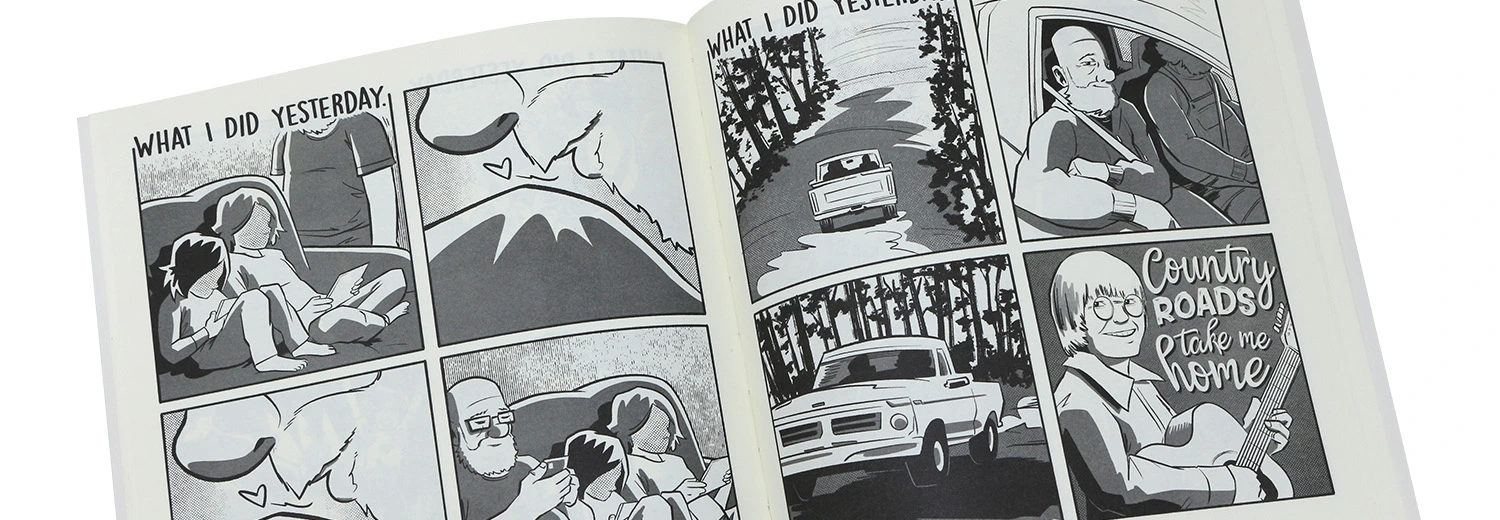
Uncoated paper does not have a surface coating, offering a more natural and textured feel. This type of paper is excellent for black and white printing or indie comics that aim for a traditional or artistic look. It absorbs ink differently, resulting in a muted color effect but providing excellent readability and a more tactile experience. Uncoated paper is also easier to write or draw on, which can be beneficial for sketch editions or interactive comics.
Paper Weight
When it comes to paper weight, the interior pages of most comics typically use 80gsm to 128gsm coated or uncoated paper. For a more premium feel and better durability, especially for full-color comics or special editions, 128gsm to 157gsm paper is often selected. This range provides good opacity and thickness without compromising flexibility.
For the cover, the choice depends on the binding type. A self-cover, which uses the same material as the inner pages but in a heavier weight, generally ranges from 250gsm to 350gsm. This adds strength and durability while maintaining visual consistency. For hardcover comics, a 157gsm coated cover paper is typically mounted on 2-3mm gray board. This combination ensures a rigid and long-lasting structure that protects the content and provides a premium presentation.
Choosing the right paper type and weight enhances not only the visual appeal of the comic book but also its durability, reader experience, and overall market value.
What Are the Ink Color Options for Comic Book Printing?
When printing comic books, selecting the right ink color option is crucial for bringing your illustrations and storytelling to life. There are three main ink color choices used in comic book printing: CMYK, black and white (or grayscale), and Pantone colors (PMS spot colors).
CMYK (Cyan, Magenta, Yellow, and Key/Black) is the most common and cost-effective color system for full-color comic book printing. It allows for a wide range of color combinations, perfect for dynamic, colorful scenes and detailed artwork. CMYK is ideal for superhero comics, fantasy stories, or any comic that relies heavily on bold visuals and vibrant effects. Most digital and offset printers use this four-color process to achieve rich, balanced results across multiple pages.
Black and white or grayscale printing uses only 100% black ink, making it ideal for comics with dark, mysterious, or dramatic themes. This style is also widely used in graphic novels, offering rich contrast and emotional depth. It’s a cost-effective option that highlights line art, shadows, and textures don’t need full-color printing.
Pantone Matching System (PMS) or spot color printing uses pre-mixed, standardized inks to ensure color accuracy and consistency. Pantone colors are especially useful for projects that require exact branding colors or special effects like metallics or fluorescents. While more expensive than CMYK, spot colors can make specific elements stand out and are often used on covers, logos, or title pages.
Choosing the right ink color option depends on your comic’s style, budget, and desired effect. CMYK is great for full-color, high-impact visuals, grayscale is ideal for detailed monochrome art, and Pantone is best for specific, high-precision color requirements or premium finishes.
What Binding Methods Are Used for Comic Books?
Comic books are bound using various methods, with the choice largely depending on page count, durability, budget, and intended use. The most commonly used binding styles are saddle stitch, perfect binding (or sewn perfect binding), and hardcover binding.
Saddle stitch binding is ideal for comic books with up to 64 pages. This method involves folding the pages and stapling them along the spine. It’s an affordable and efficient option, commonly used for monthly issues, single issues, short stories, and promotional comics. One key advantage is that it allows the comic to lay relatively flat when open, making it easy to read.
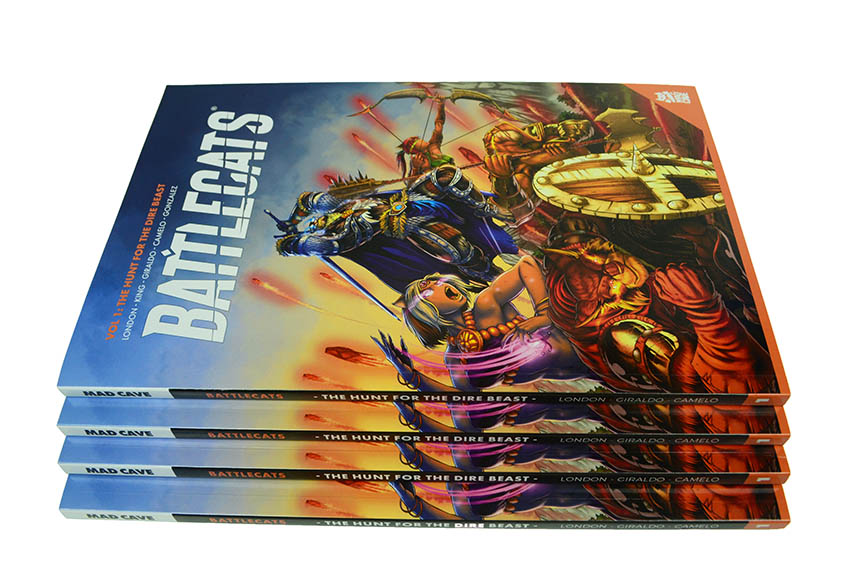
For comics with 24 or more pages, especially those with higher content volume, perfect binding is often preferred. In this method, pages are glued to a wrap-around cover, giving the comic a sleek, professional appearance with a square spine. Sewn perfect binding is a more durable version where pages are first sewn together in sections before being glued. This allows the book to open flat and adds strength, making it suitable for thicker comics or frequently handled editions.
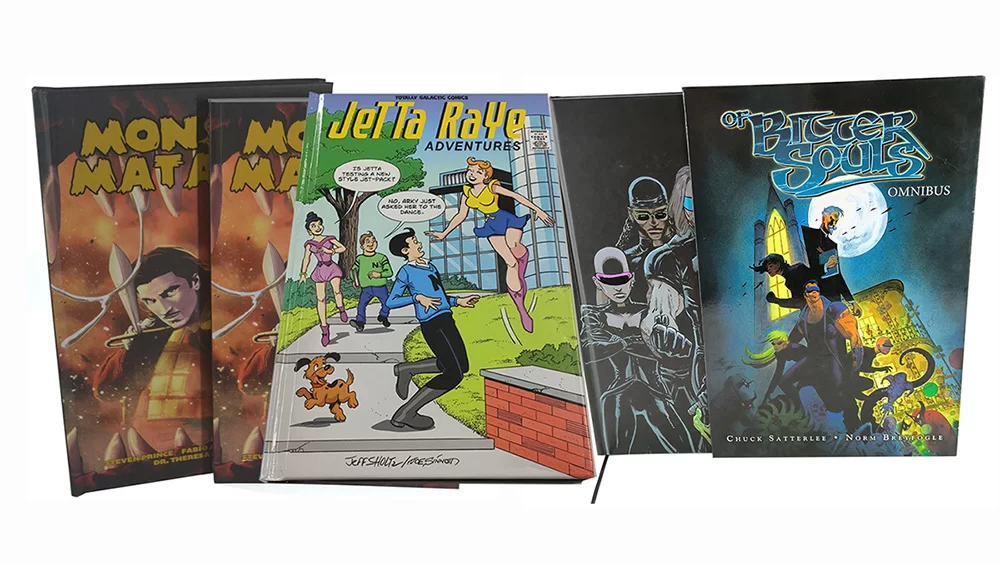
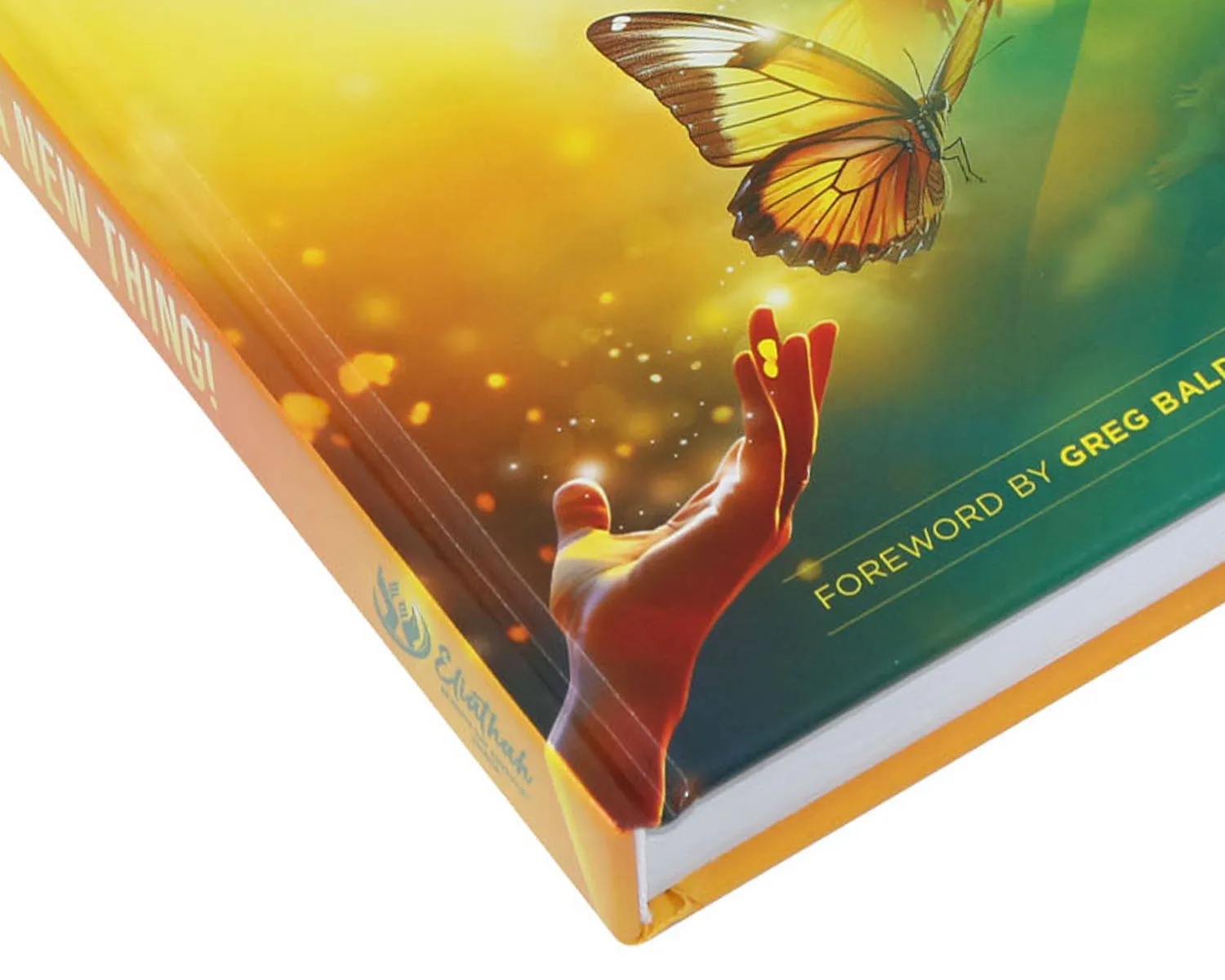
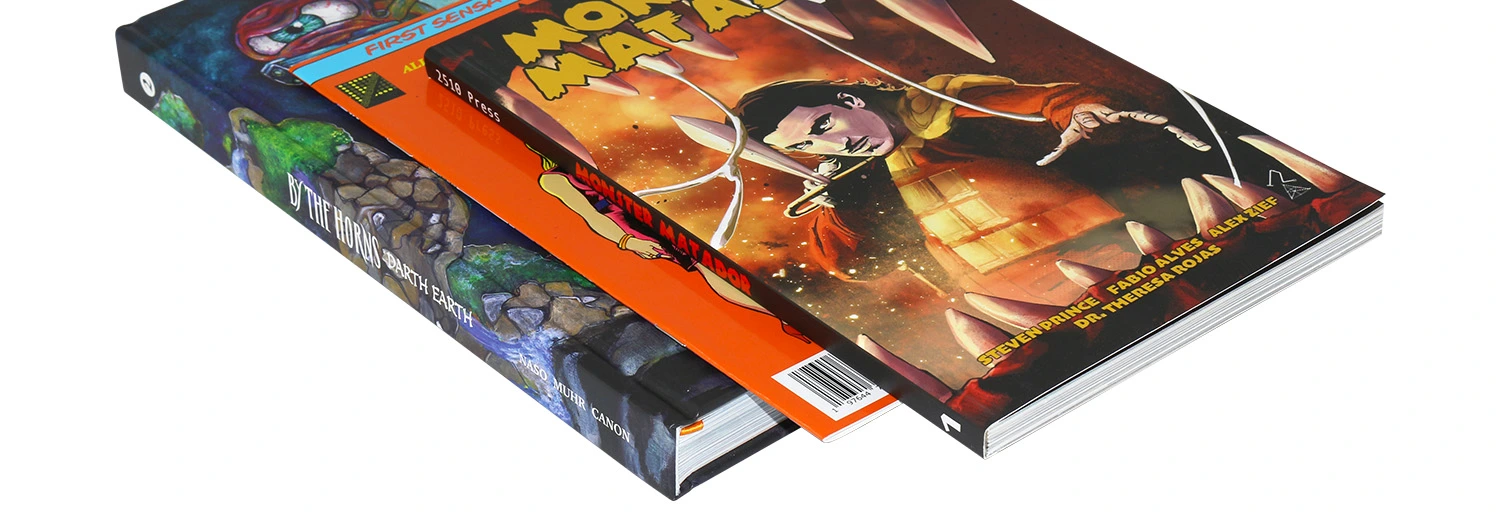
Hardcover binding is used for special editions, graphic novels, gift books, and collectors’ editions. It involves wrapping 157gsm coated paper around 2–3mm gray board, creating a rigid, premium finish. This binding method offers maximum durability and a sophisticated appearance.
Ultimately, selecting the right binding method depends on your project’s goals—whether it’s a simple issue, a long-lasting keepsake, or a deluxe collector’s edition.
What Finish or Custom Options Are Available?
When printing comic books, especially premium editions or collector’s items, a range of finishing and custom options are available to enhance both visual appeal and tactile experience. These finishing touches not only elevate the product’s appearance but also protect it and make it stand out on the shelf.
Gloss, matte, or soft-touch lamination is the common cover finish. Gloss lamination gives the cover a shiny, vibrant look, while matte offers a more subdued, elegant finish. Soft-touch lamination adds a velvety feel that conveys a luxurious quality, making the book more inviting to hold.
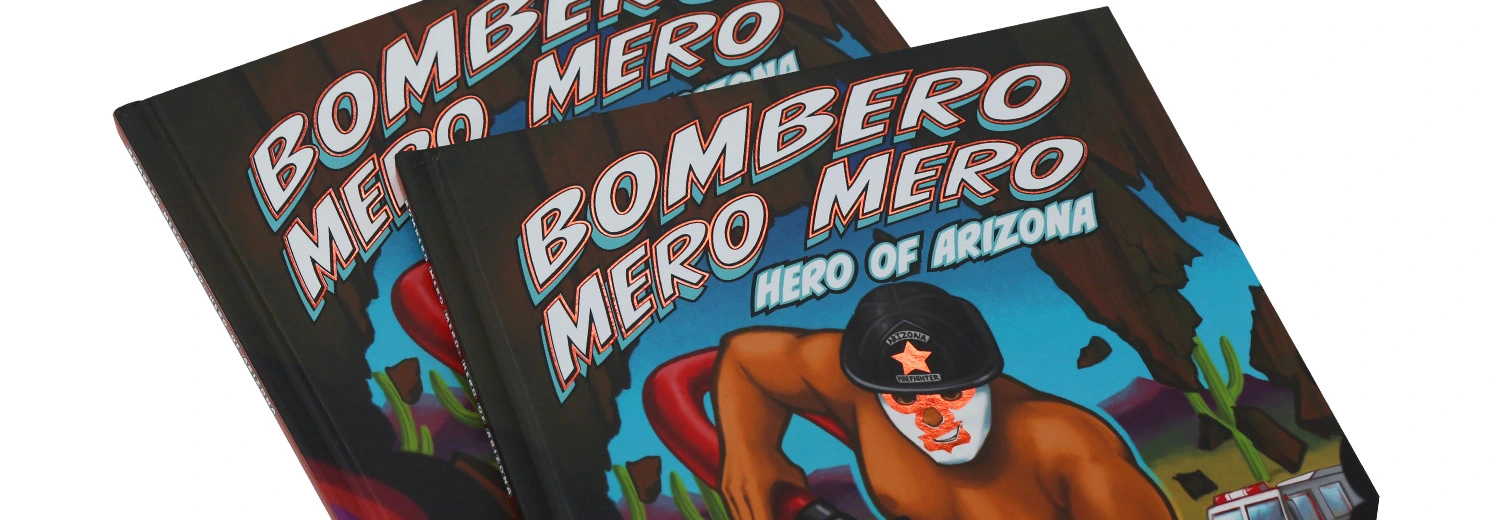
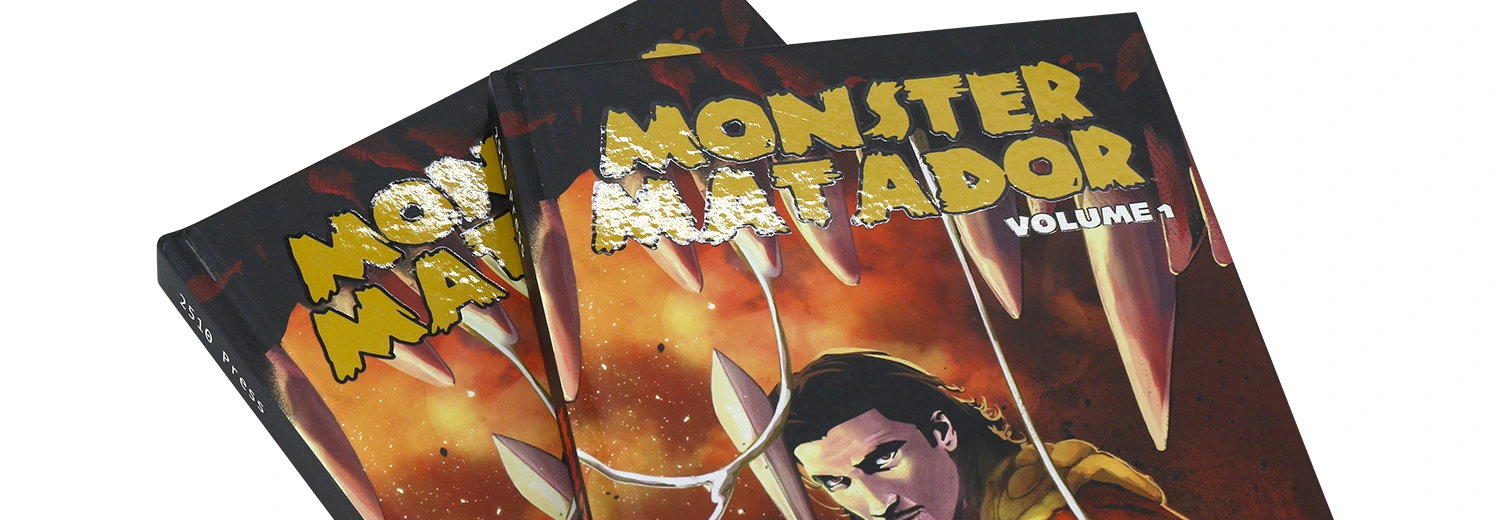
Foil stamping is used to apply metallic or colored foil to specific design elements, such as logos or titles. It’s a popular choice for special editions, adding a touch of shine and exclusivity.
Spot UV is a glossy coating applied to selected areas of the cover, such as text or graphics, to create a contrast effect with a matte background. It draws attention and adds texture.
Embossing and debossing create raised or recessed designs, respectively. These techniques add depth and a premium feel to logos or illustrations on the cover.
Dust jackets are used for hardcover editions, providing additional protection and an extra canvas for artwork or promotional content.
French flaps, often found on perfect-bound books, are fold-ins on the cover that mimic a dust jacket, offering space for blurbs or character bios.
Slipcases and custom packaging boxes are great for deluxe or box-set editions, offering protection and a high-end unboxing experience.
Additional options like gilded edges—where the edges of the pages are finished in gold or other colors—add a striking, ornamental touch.
These finishes can be combined in various ways to suit your brand, audience, and budget, giving your comic book a distinctive and memorable presence.
What Is the Purpose of a Comic Book with Multiple Covers or Language Editions?
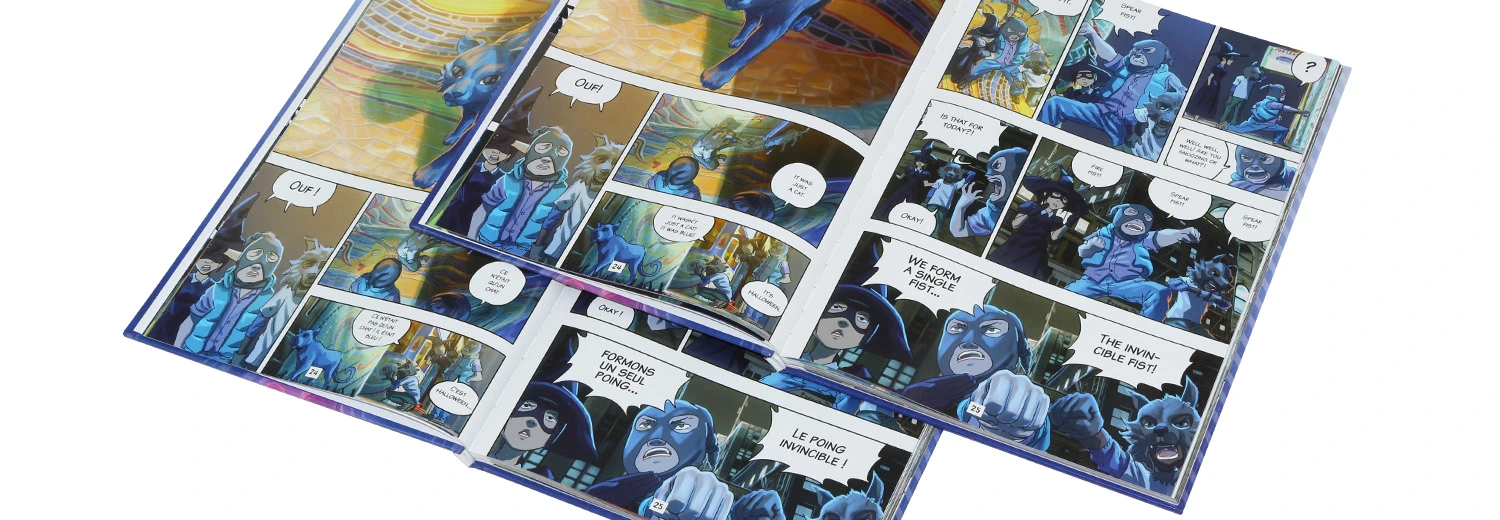
Comic books with multiple covers or multiple language editions serve both creative and marketing purposes. Multiple covers, often called variant covers, are commonly used to appeal to collectors and fans. They offer unique artwork, limited-edition designs, or artist exclusives, making each version a collectible item. This strategy can increase sales, build excitement, and cater to diverse artistic preferences.
Multiple language editions help expand a comic book’s reach to international audiences. By printing in different languages, publishers can connect with readers worldwide, break language barriers, and grow their fan base in global markets. It’s especially important for stories with universal appeal or educational content.
You can customize multiple covers or print different language versions of your comic book to increase sales. At BookPrintingChina, we offer flexible printing solutions that allow you to personalize each cover design or adjust the text for different languages. Whether you want variant artwork for collectors or multilingual editions for broader distribution, our team can bring your dream to life..
Offering multiple covers or language versions not only adds value to your comic book but also increases its marketability and accessibility across different reader groups and regions.
What’s the Standard Size of a Comic Book?
The standard size for a comic book is 6.625” x 10.25”, which is widely recognized in the industry for traditional single-issue comics. However, other popular sizes are also commonly used, depending on the target audience and design preferences. These include 5.5” x 8.5”, 6” x 9”, 5” x 7.5”, 8” x 10”, and 8.5” x 11”. Choosing the right size depends on factors such as artwork layout, storytelling format, and intended reading experience. At BookPrintingChina, we can help you select or customize the best comic book size for your project.
What Are the Self-Covers?
Self-covers refer to a printing method where the cover of the comic book is printed on the same paper stock as the interior pages. Unlike standard covers, which typically use heavier, separate paper for added durability, self-covers maintain a uniform paper type and weight throughout the entire book. For instance, a comic might be printed entirely on 157gsm gloss text paper—including the exterior cover.
This method is commonly used for comic books under 64 pages, particularly when a lightweight, cohesive appearance is desired and the book doesn’t need the extra protection of a heavier cover. While self-covers are less durable than traditional covers, they offer a clean, unified look and a smoother reading experience. They also help reduce costs, as the entire book can be printed in a single production run, eliminating the need for separate processes for the interior and cover.
Though most self-cover books use saddle-stitched binding, the technique is compatible with other softcover binding styles. To enhance durability while retaining a self-cover format, a heavier-weight paper (e.g., 250–350gsm) may still be used throughout. This makes self-covers a smart, budget-friendly solution for promotional comics or short-run publications that prioritize speed and visual consistency.
How Do I Prepare Files for Professional Quality Printing?
To prepare your file for professional-quality printing, it’s essential to follow a few key specifications to ensure the final product looks sharp, accurate, and polished.
-
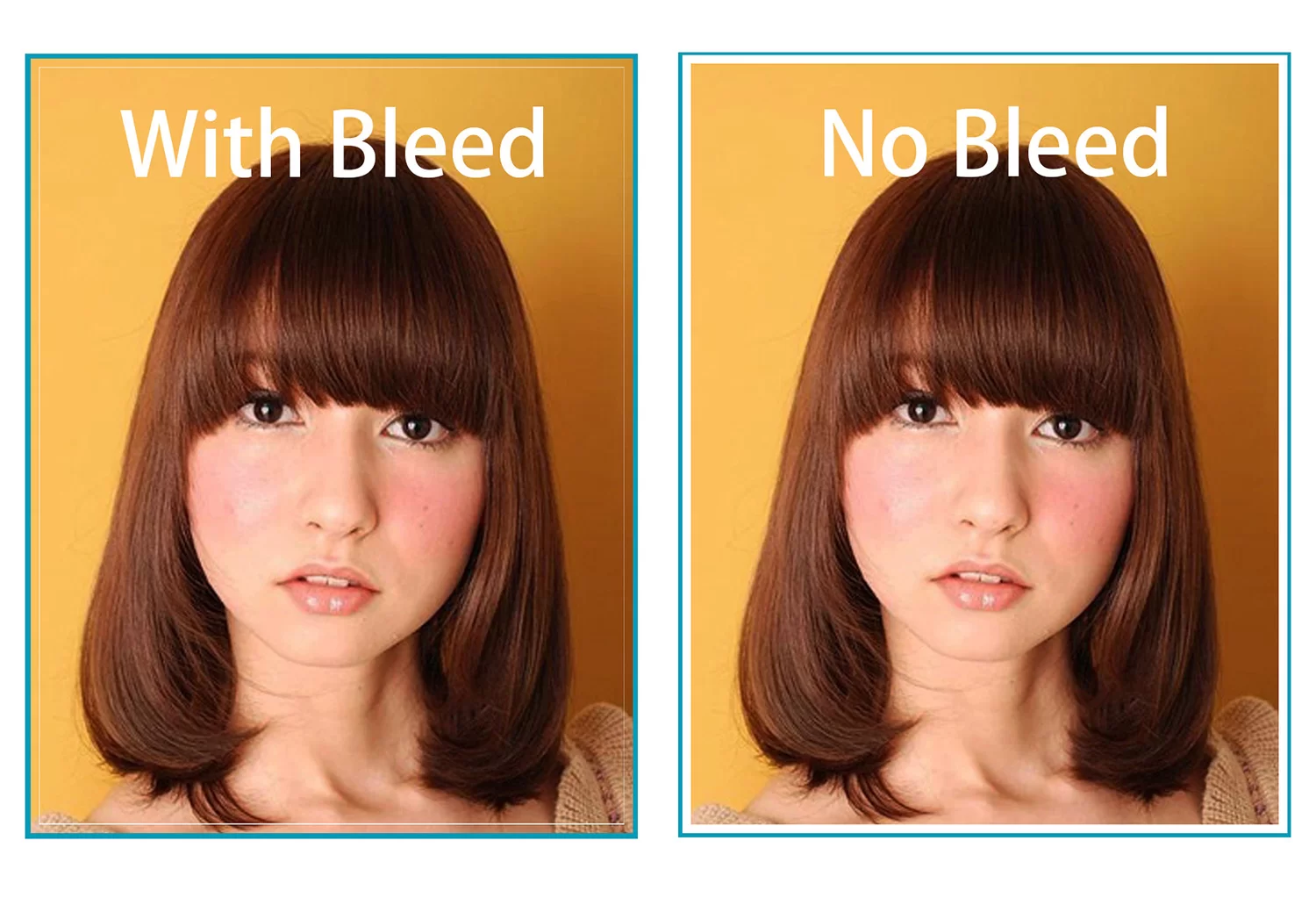
Bleed (3mm): Bleed refers to the area that extends beyond the final trim size of your printed piece. A 3mm bleed on all sides ensures that when your project is trimmed, there are no unexpected white edges. This is especially important for designs with background colors, images, or elements that go to the edge of the page.
-
Image Resolution (300 DPI): All images and graphics should be set to a resolution of at least 300 DPI (dots per inch). This ensures crisp, high-quality visuals in print. Lower resolutions can result in blurry or pixelated images that degrade your overall presentation.
-
Color Mode (CMYK): Files should be created and saved in CMYK color mode, which stands for Cyan, Magenta, Yellow, and Black. CMYK is the standard color model for printing and will provide a more accurate color representation compared to RGB, which is used for screens.
-
File Format (PDF): For best results, save and submit your file as a high-resolution PDF. PDF files preserve fonts, images, and layout, making them ideal for professional printing.
Following these guidelines ensures a smooth and successful print production process.
How Much Does It Cost to Print Comic Books?
The cost to print comic books can vary significantly based on several key factors. One of the primary elements is book size—larger dimensions typically require more material and can increase production costs. The page count also affects pricing; more pages mean more paper and ink are used.
Paper type is another cost driver. Glossy art paper, matte paper, or uncoated stocks each come with different prices. Using heavier or premium paper for covers or interiors will add to the cost.
Binding method—whether saddle-stitched, perfect bound, or hardcover—also plays a role. Saddle stitching is generally more economical and commonly used for comics under 64 pages, while perfect binding offers a more professional appearance for thicker books at a higher price point.
Ink color is important as well; black and white printing is more cost-effective than full-color, which requires multiple passes and more complex processing. Additional finishing options like lamination, foil stamping, spot UV, or embossing add visual appeal but increase the cost.
Order quantity and shipping method significantly impact the overall price. Larger print runs reduce the per-unit cost due to economies of scale, and faster shipping methods are more expensive.
For an accurate quote, it’s best to request a customized estimate based on your specific project needs.
Can I Order a Sample Before Ordering?
Yes, at BookPrintingChina, we offer free sample books similar to your project, so you can check the quality of our materials, printing, and binding before placing a full order. This allows you to better understand what to expect and make informed decisions for your custom comic book printing project.
You only need to cover the shipping cost, and we’ll handle the rest. It’s a great way to evaluate our craftsmanship, paper types, and finishes firsthand. If you require a custom-made sample with your artwork, we can also provide that at a reasonable cost. Contact us to request your sample today.
Do You Provide Printing File templates and Proofing Service?
Yes, at BookPrintingChina, we provide free custom printing file templates to ensure your artwork is properly prepared for production. Our blank templates include essential elements such as bleed, trim lines, and safe margins, helping you avoid common file setup issues. Once your files are submitted and reviewed by our pre-press team, we move forward with the proofing stage.
We offer a hard copy proof using a high-quality digital printing machine, so you can preview your project before mass production. We’ll send clear photos or a detailed video of the printed sample for your review and approval.
If preferred, we can ship the hard copy proof directly to your address at no extra cost. This process allows you to verify color accuracy, layout, and finishing effects to ensure everything aligns with your expectations. Our goal is to provide peace of mind and a smooth printing experience from start to finish.
Is There Any MOQ (Minimum Order Quantity) for Comic Book Printing?
Yes, there is typically a Minimum Order Quantity (MOQ) for comic book printing. For offset printing, most printing manufacturers’ standard MOQ is usually 500 copies. Offset printing is highly cost-effective for larger runs, as the setup costs are spread over the quantity printed. Therefore, the more you print, the lower the unit cost becomes, making it ideal for publishers or creators looking to distribute widely.
However, at BookPrintingChina, we understand that not every project requires large volumes. That’s why our MOQ is negotiable, especially for independent artists, first-time publishers, or small batch promotions. If you’re looking for a lower quantity, we’re happy to discuss digital printing alternatives or provide a tailored solution to meet your budget and needs.
Whether you’re printing a limited-edition comic or planning for mass distribution, we aim to offer flexibility and value with every print run. Contact us for a customized quote based on your exact requirements.
Where to Print Your Comic Book?
Choosing the right printing partner is crucial for ensuring your comic book is produced to the highest standards. At BookPrintingChina, we specialize in high-quality comic book printing services. Whether you need paperback comic book printing, OEM hardcover comic book printing, or a custom edition, we have the expertise and equipment to bring your vision to life.
Ready to bring your comic book to life? Contact us today to discuss your project requirements and receive a personalized quote. Let’s create something extraordinary together!