



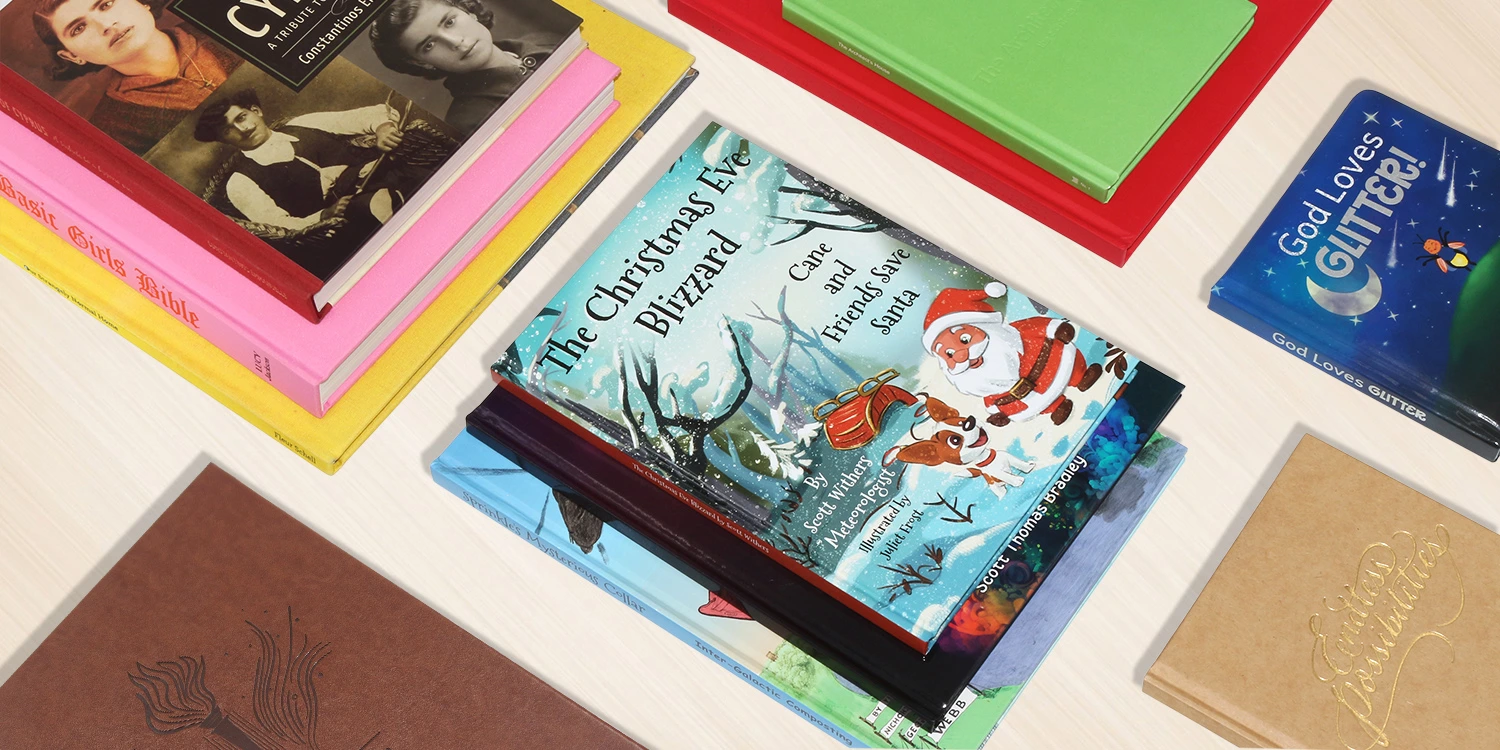
Selecting the right cover materials plays a vital role when printing a hardcover book that affect its durability, value, budget. The covering material, you can choose from several options, such as coated stock, cloth, leatherette, special paper and more. Each one owns its unique advantages. In this article, let’s explore the common hardcover book cover material options and provide guidelines to help you make a right decision.
What’s A Covering in A Hardcover Book?
A hardcover book’s covering works as the outer wrapping material that makes the book visually appealing and provides its first layer of protection. Hardcover books (also called hardbacks or case-bound books) have a more complex structure where the covering plays a vital role.
Pick up any hardcover book and look closely. You’ll notice a sturdy foundation beneath its decorative exterior. This foundation uses thick grayboard (sometimes called binder’s board) that creates the front cover, spine, and back cover. The covering wraps around this grayboard and creates the finished exterior surface that readers see and touch.
The covering works like the book’s “skin” and gives the hardcover its unique character and feel. Strong adhesives attach the covering material to the grayboard, creating what bookbinders call the “case.” This case connects to the interior book block (the actual pages) through endpapers to complete the hardcover book.
The basic structure of a hardcover book has these layers: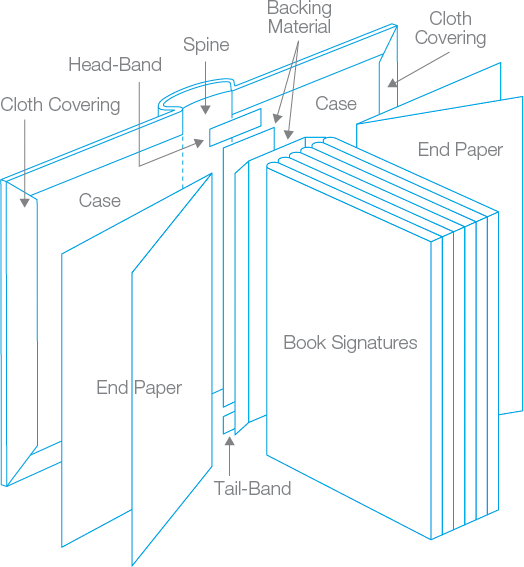
-
The covering material (paper, cloth, leather, etc.)
-
The grayboard foundation
-
The endpapers (connecting the case to the book block)
-
The book block (the actual pages)
-
Head and tail band
-
Backing material
The covering does much more than just decorate. It shields the grayboard from moisture and wear – the grayboard would quickly break down without it. The covering attracts readers through its aesthetic appeal. It also provides space for title information, author names, and other design elements through foil stamping, embossing, or printing.
Bookbinders have used many materials for coverings throughout history. Traditional hardcover books often used cloth or leather bindings, which people still value for their durability and classic appeal. Many antique books with leather or cloth coverings have lasted for centuries – clear evidence of quality covering materials’ importance.
Modern publishing offers many more hardcover book cover material options. Today’s hardcovers often use coated paper stocks with lamination for coverings. This allows vibrant full-color printing while staying durable. Specialty papers, leatherette (artificial leather), and various fabric options have become popular choices for different book types.
The gaps between the front cover, spine, and back cover sections matter a lot. These spaces, called “hinges,” let the book open correctly. The covering material creates flexible areas that work like door hinges as the book opens and closes.
Premium hardcover books often feature “turned-edge” construction. The covering material wraps completely around the grayboard edges and stays secure on the inside. This method creates a refined look and makes the edges more durable where wear happens most often.
Designers and publishers need to know how coverings work because they affect both looks and durability. The right covering material should match the book’s purpose, what readers expect, and the overall design concept.
Why Covering Materials Matter?
A hardcover book’s cover material does more than just look good—it helps shape the book’s identity, life span, and how well it works. These materials do double duty as both guardians and visual representatives of what’s inside.
Readers form their first impression of a book through its cover material. The old saying “a book sells for a skin” rings true—an attractive cover draws more readers and affects how well the book sells. But looks aren’t everything. The choice of cover material is one of the most significant decisions in book production, with many practical factors to consider.
Protection and Durability
Hardcover book cover materials’ main job is to protect the book. Good materials guard the pages against damage and create a shield from moisture, dirt, regular handling, and environmental threats. Different materials offer varying levels of protection—buckram, to name just one example, resists water, stains, and mildew while standing up well to scuffs, wear, and cracking.
These materials’ durability makes a big difference. Books wrapped in quality materials can last for decades. Buckram-bound library books typically last 50-100 years. This matters even more for heavy books with coated paper pages or extra-thick volumes, which need tough coated cloth to handle frequent use.
Tactile Experience and Reader Perception
Quality cover materials improve how it feels to read a book. The physical connection between reader and book—the feel of the cover, the weight in your hands—creates something special that goes beyond just words on paper.
Different materials bring out different responses from readers. Cloth covers add a pleasant touch that makes reading more enjoyable. Books with high-end materials stand out on any bookshelf, giving readers what many call that “premium feel”.
Practical Functionality
Cover materials directly affect how people use books every day:
-
Books that see heavy use need materials that can handle constant touching and possible spills
-
Students and researchers need textbooks and reference materials with covers that let pages lie flat without damaging the spine
-
Cookbooks and manuals must have covers that stay strong despite regular use in messy situations
Longevity and Preservation
The choice of hardcover book cover materials determine how long a book will last. Throughout history, better materials have helped books survive longer. Leather from the 16th century, for example, often remains in good shape today because tanners took their time, creating leather that resisted decay and acid damage.
The opposite proves true for 19th-century leather, which often falls apart quickly because tanners used harsh chemicals to speed up their work. This shows us how today’s material choices can affect books for centuries to come.
Economic and Environmental Impact
Hardcover book cover material choices affect both production costs and resource use over time. Tough covers mean fewer replacements, which saves resources. Some high-quality cover materials can also be recycled, making them good choices for the environment.
Aesthetic Expression and Brand Identity
Cover materials provide a canvas for creative design. The material you pick determines which decorative techniques work best—from foil stamping and embossing to printing and lamination. You should avoid complex designs when foil stamping uncoated cloth.
Publishers and authors use cover materials to build their brand. Using consistent materials across a book series creates a look readers learn to recognize and trust. The quality of materials can also signal what kind of reading experience awaits inside.
Common Hardcover Book Cover Materials
The range of hardcover book cover material has grown substantially in the last few years. Here’s a look at the most common hardcover book cover materials we provide.
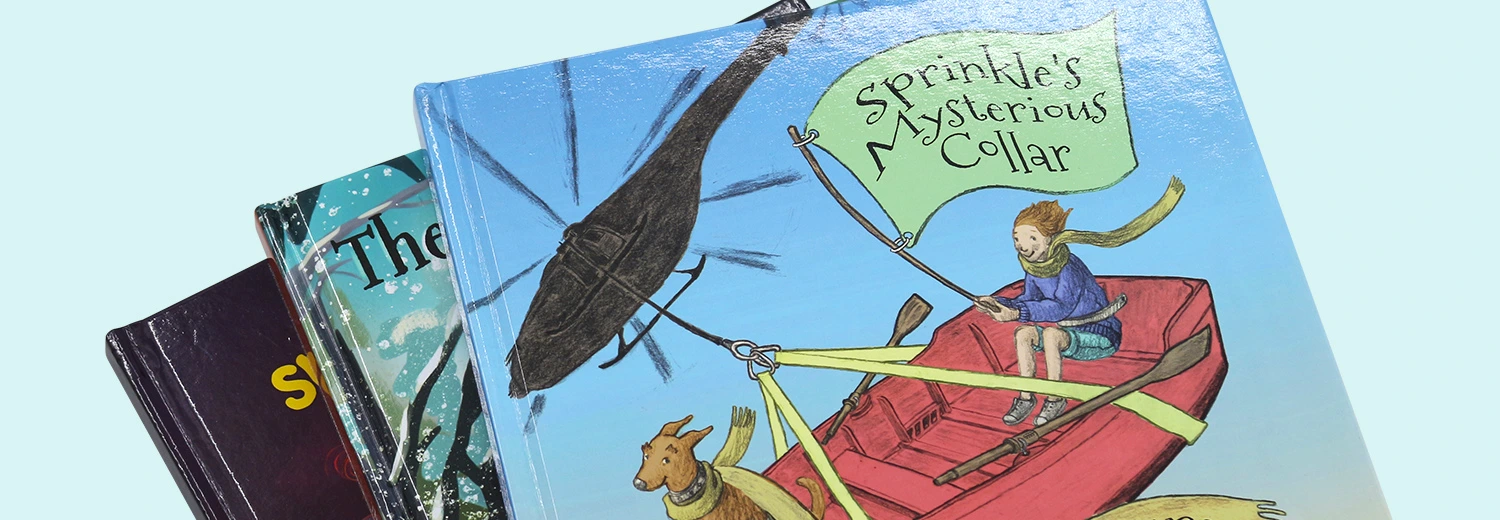
Coated stock with Lamination
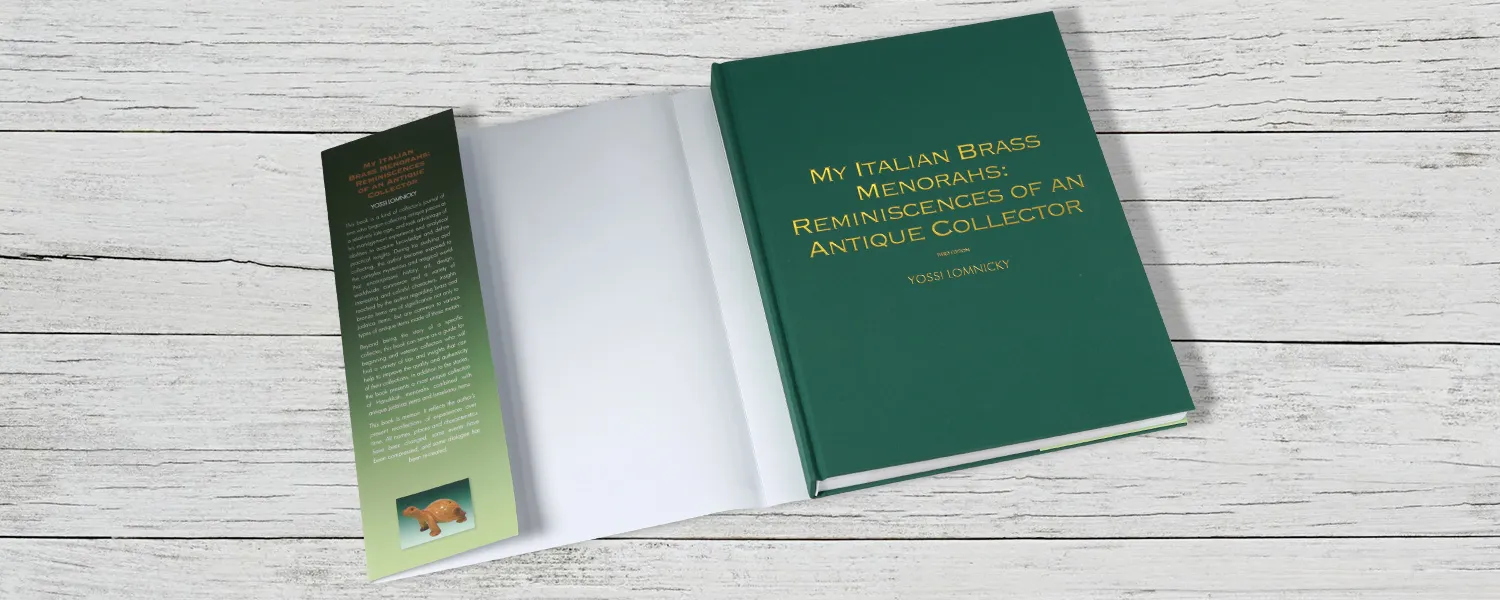
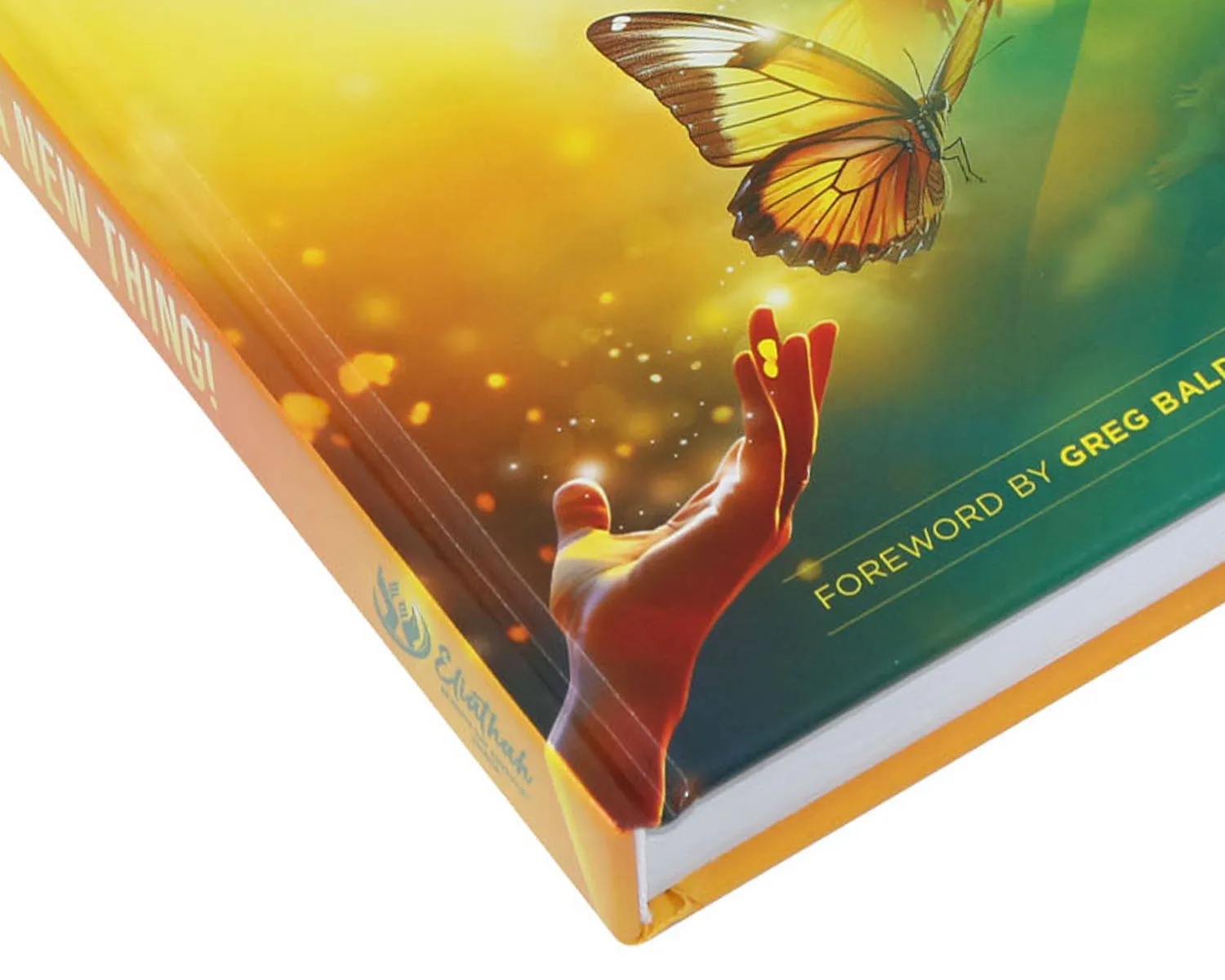
Modern hardcover books mostly use coated paper stock as their covering material. We typically use 157gsm coated paper with either glossy or matte finish. This paper strikes the perfect balance between durability and print quality. We can print vibrant, full-color images on this material with excellent results.
These covers get one of three lamination finishes:
-
Gloss laminate (standard option that makes colors pop)
-
Silk/Matte laminate (gives a sophisticated look with less glare)
-
Soft-touch laminate (provides a luxury velvet feel)
Cloth/Linen
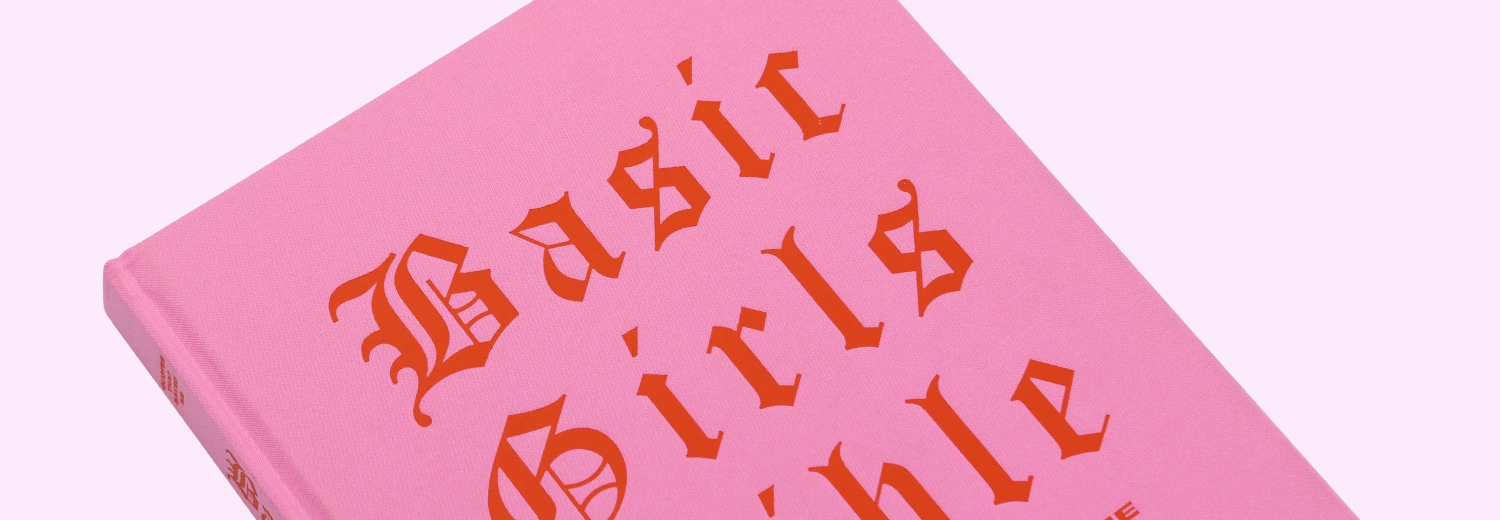
Cloth coverings give books an elegant, touchable quality that shows craftsmanship. We provide various cloth materials like classic linen, luxury silks, strong canvases, modern synthetic blends and more.
Our cloth comes in a wide range of colors and textures, which lets you customize your book’s look. While we can’t print directly on uncoated linens, but we can apply foil stamping, emboss, deboss, tip-in image printing on its surface. This creates a classic, sophisticated look that’s perfect for coffee table books, art books, high-end notebook and journals, collector’s editions, etc.
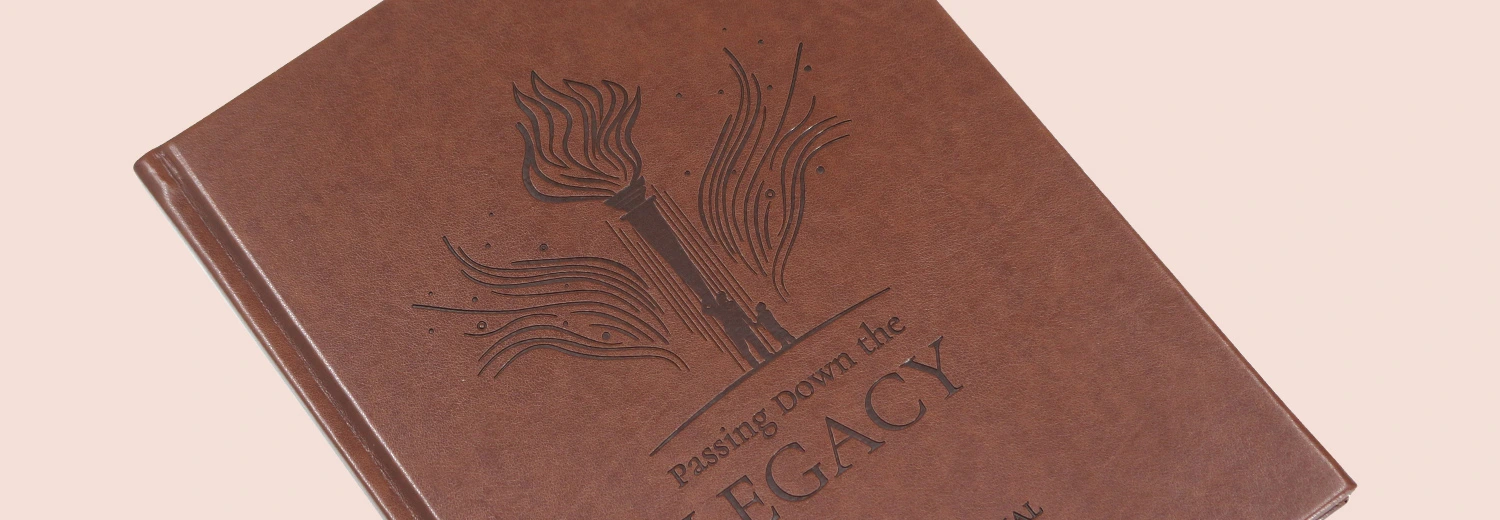
Leatherette
Leatherette (also known as imitation leather or PU leather) provides the luxurious look and feel of genuine leather at a more affordable price point. Leatherette is an excellent choice for those seeking a premium aesthetic without the ethical concerns or high cost associated with genuine leather. It is often used for high-end journals and notebooks, bibles, corporate gifts, and upscale photo books.
You’ll find leatherette in rich dark colors like black, cranberry, hunter green, maroon, navy and more. While we can’t print directly on it, it works well with foil stamping, emboss and deboss printing. This material is a great choice when you want a premium look without breaking the bank.
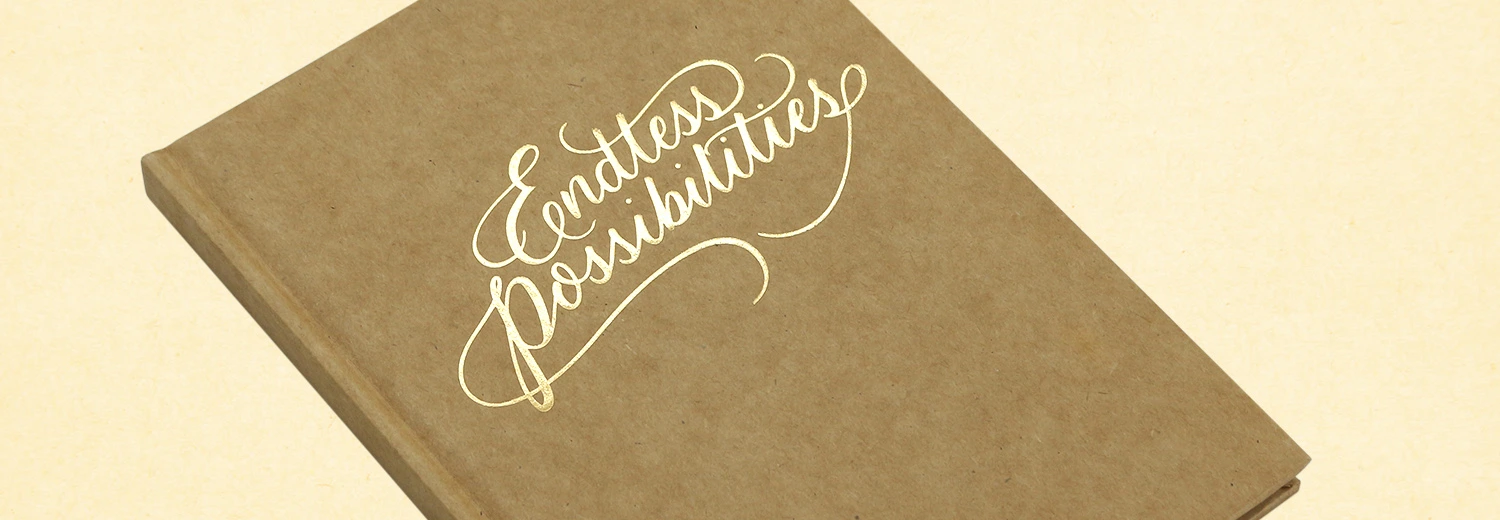
Kraft Paper
Kraft paper has become a popular choice in modern book design. This eco-friendly, rustic option brings character to your books. The unbleached, uncoated paper works well in its natural brown state or with foil stamping, spot uv and emboss. Kraft paper is an excellent choice for books that embrace a minimalist design or a vintage aesthetic. It’s often paired with simple typography and minimal embellishments to enhance its natural charm.
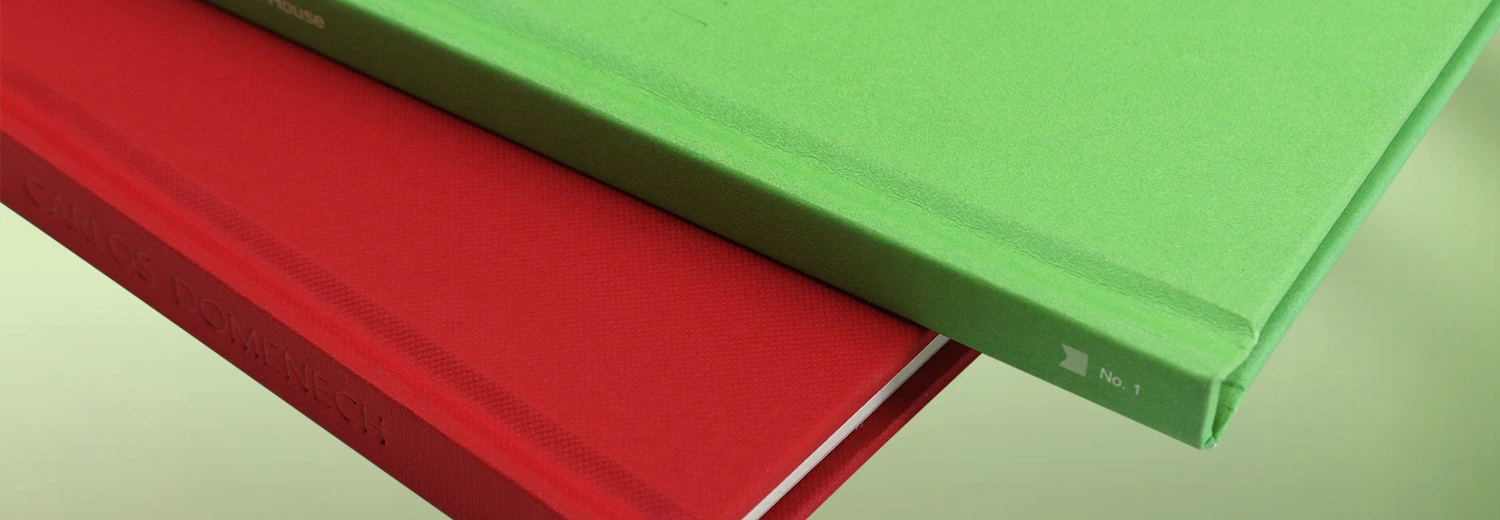
Speciality Paper
The world of specialty papers is vast and varied, offering endless possibilities for creating unique and eye-catching hardcover books. From textured papers and metallic finishes to pearlescent coatings and patterned designs, specialty papers allow for unparalleled customization. These materials create unforgettable first impressions and work great for limited editions, art books, coffe table book, and premium publications.
Choosing a specialty paper can instantly elevate the perceived value and visual impact of your book. However, it’s important to consider the cost and printability of these materials when making your selection.
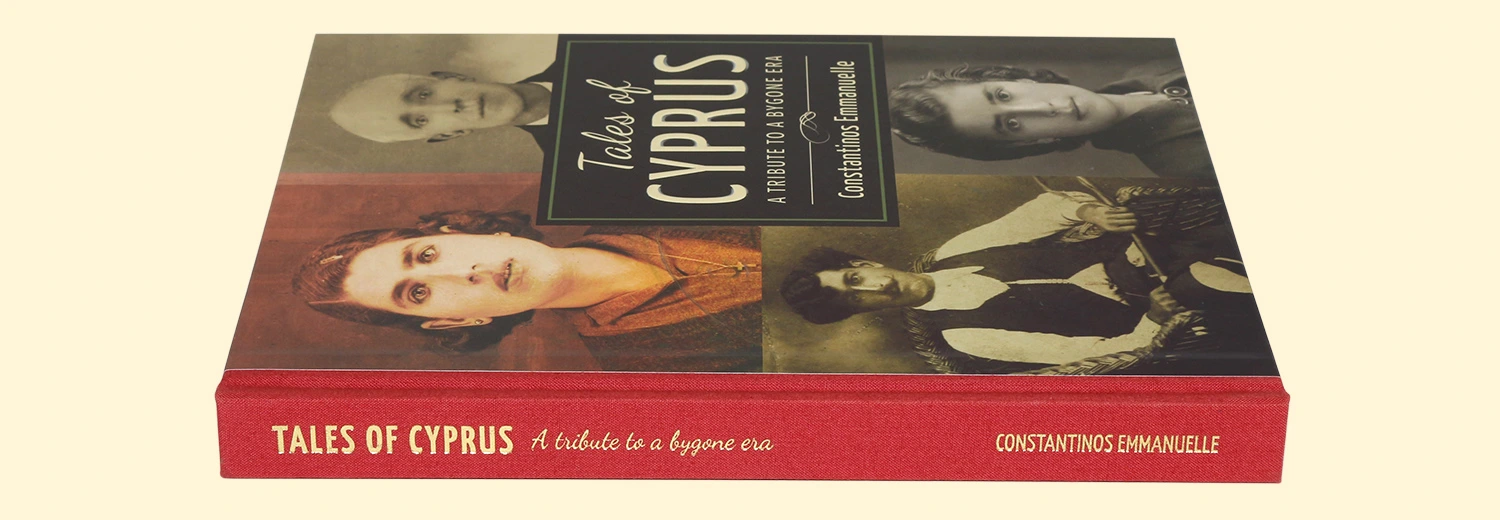
Hybrid Option
Hybrid covers mix different materials to get the best of both worlds. Most often, you’ll see cloth on the spine with printed paper on the front and back covers. This design protects the spine where books wear out most while letting you print full-color designs on the covers.
This smart mix adds a unique touch to book design and keeps the book durable. You can match the spine’s cloth color with the paper or create eye-catching contrasts.
Foam
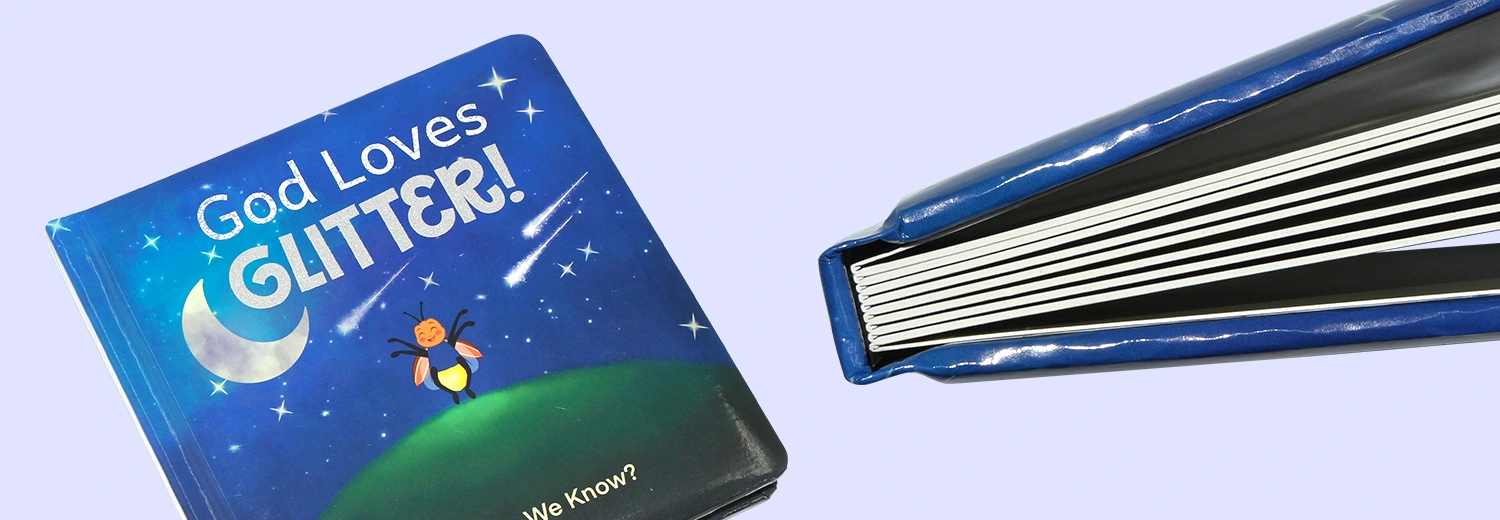
Foam-padded covers give hardcover books a luxurious, cushioned feel. We can add a thin layer of foam between the gray board and outer covering material. This creates a soft, pillowy texture that enhances the tactile experience of holding the book.
The padding makes books feel more substantial, which helps thinner volumes feel more impressive. We usually pick sponge foams because they absorb shock well. These padded covers are great for children’s books, special editions, and gift books, providing a luxurious and comfortable feel that adds to the overall appeal.
Considerations when Choosing Covering Material
Choosing the right hardcover book cover material needs a balance of several factors that affect both appeal and performance. The choices you make now can affect your book’s success by a lot, so let’s get into what matters most.
Budget
The cost often determines which covering material you’ll pick for hardcover books. Casewrap hardcover books with coated paper stock are the most budget-friendly option – perfect for authors watching their spending. Spending more on better materials might raise your original costs but can add value to your final product.
The math involves both immediate expenses and long-term worth. Cloth-bound, leatherette and special material covers cost more than standard paper options but raise your book’s perceived value and help it grab attention on retail shelves. This added value often lets you set higher retail prices, which can make up for the extra production costs.
Genre and Audience
Your book’s genre and audience should guide your hardcover book cover material choice. Such as special edition and coffee table books often focus on collectors, choosing cloth or leather cover is a smart pick. Novels or cookbooks aimed at wider audiences might do better with standard options like coated stock laminated cover. Toddlers’ books may be do well with foam-padded covers not only adds a tactile element, also added layer of cushioning and protection.
Durability and Longevity
Books that see frequent use need tough covers. Cookbooks, textbooks, and reference materials, etc frequent use projects work best with classic covering material options like coated stock with lamination. Coffee table book, art book, special edition book, gift book, etc luxury project work best with cloth covering materials due to their durability and classic appeal. Your material choice has lasting effects.
Cover material directly shapes how well a book handles wear and tear. Quality covers mean fewer replacements and a longer useful life.
Design Priorities
Your hardcover book cover material choice shapes what’s possible with design. Coated stock covering options give you more creative freedom – great for most books, such as comic books, graphic novels, cookbook, or children’s books where the cover sells the book. Clothbound and leatherette books offer fewer design options but are a chance to add texture and detail through embossing or foil stamping.
Different materials work best with specific decorative treatments:
-
Coated papers shine with full-color printing and lamination. They also work well with other extra options like foil stamping, spot uv, emboss and deboss.
-
Cloth and leatherette pair well with foil stamping, embossing and debossing
-
Specialty papers add unique textures and patterns, which can incorporating with foil stamping, emboss, deboss and more.
Common Cover Finish Options
The base hardcover book cover material is just the start. Your hardcover book’s finish options add protection and make it visually appealing. Each option brings something special that improves the reader’s experience in different ways.
Glossy Lamination
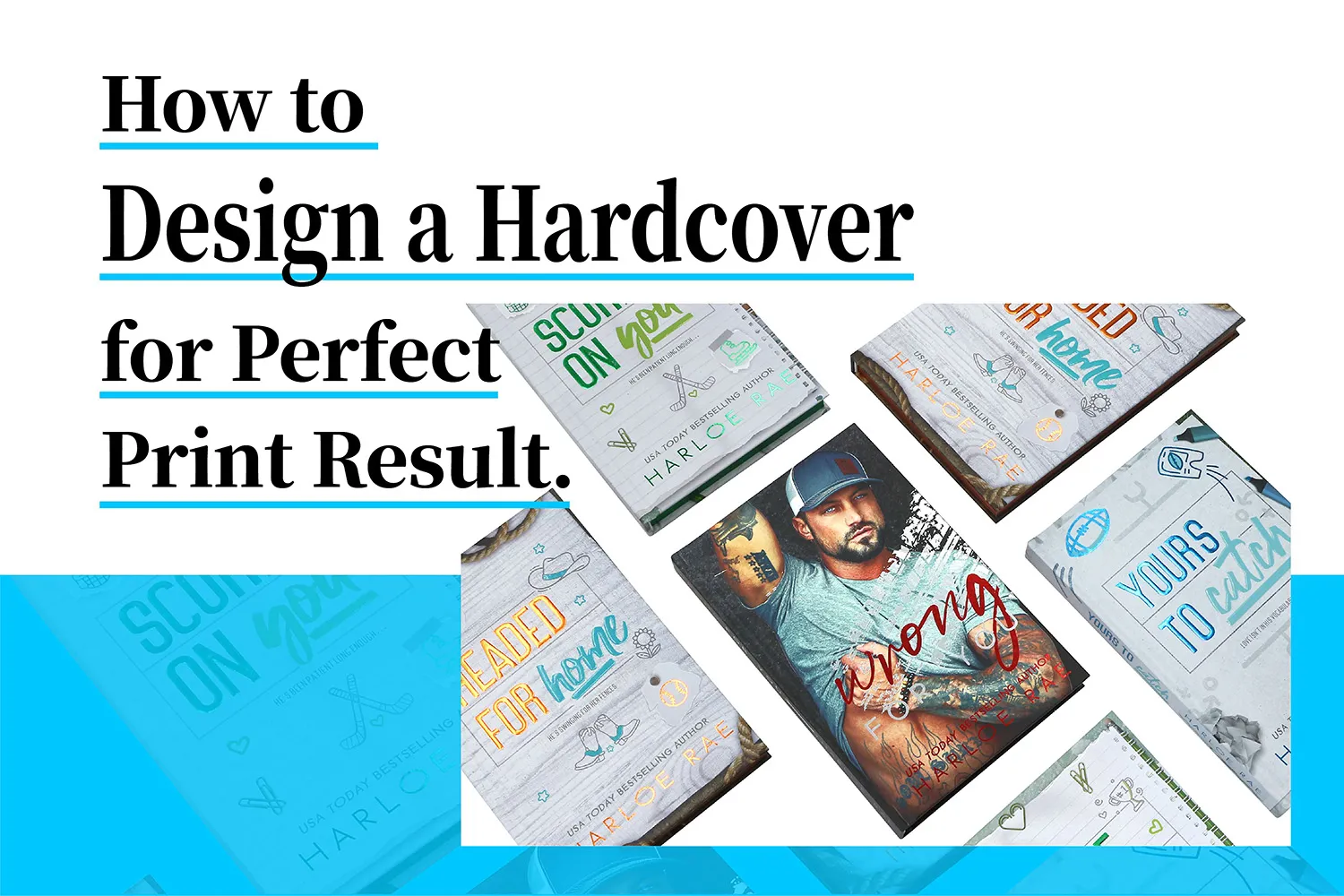
A glossy lamination creates a reflective surface that makes colors pop and guards against fingerprints, dust, and moisture. This shiny film stretches across your book’s cover to create an eye-catching look that stands out on shelves. Cookbooks, photo book, and children’s books look great with gloss lamination because it makes photographs and artwork really stand out. The price is reasonable and you can clean it easily, which works well for books people handle often.
Matte Lamination
Unlike glossy finishes, matte lamination gives you a sophisticated, non-reflective surface. This finish cuts down on glare and lets cover art look more natural, with softer contrast in darker colors. While it can’t offer bright color as gloss lamination, but it make the content easier to read. Publishers often pick this finish for memoirs, poetry collections, art books, and coffee table books that need a more refined look.
Soft-touch Lamination
People often call it “velvet” lamination. Soft-touch creates a feel you just can’t resist touching. This premium finish blends a matte-like look with a suede-like texture that adds luxury to any hardcover. First impressions matter, and soft-touch instantly says quality the moment you pick it up. The downside is that it doesn’t protect as well as gloss or matte options.
Spot UV
Spot UV lets you add a clear, glossy coating to specific parts of a printed surface instead of covering the whole thing. This method creates stunning visual contrast, especially with matte or soft-touch lamination underneath. You can highlight logos, titles, or artistic details to add depth to flat designs. The process uses special uv coating that harden under ultraviolet light, leaving glossy areas that catch your eye.
Foil Stamping
A hardcover book with shiny foil stamping always turns heads. Heat and pressure work together to transfer metallic foil onto the cover through a custom-made die. You can choose classic gold and silver or go with other colors to add elegance to your book. The technique shines on cloth-covered and leather bound hardcovers but works just as well on paper covers and dustjackets.
Emboss
Embossing lifts parts of your design above the cover’s surface to create a 3D effect that begs to be touched. A custom die presses against the cover material’s back to push selected areas forward. You can combine embossing with printing or spot uv and foil stamping for a subtle touch. These raised areas draw attention and give any hardcover book a premium feel.
Deboss
Think of debossing as embossing’s opposite – it sinks the design into the cover material. This elegant technique adds class through texture and shadow. You can pair debossing with foil stamping for extra visual impact, and it’s practical too – foil stamping with a debossed impression needs just one die. Options include blind debossing, foil debossing, each creating its own unique look.
Laser Foil Stamping
This modern approach combines traditional foil stamping with laser precision to handle tiny details and multiple colors. The results are sharper lines and more complex designs than old-school methods can achieve. It costs more than standard foil stamping, but premium hardcover books benefit from its exceptional precision and visual impact.
Print Hardcover Books with BookPrintingChina
The world of hardcover book cover materials and finishing options is so big. You need a reliable partner to bring your vision to life. BookPrintingChina is a trusted manufacturer that’s 25 years old with specialized printing experience. Our accessible expert team guides you through production—from the original printing file guidelines to the finishing touches that make your book unique.
BookPrintingChina delivers exceptional quality hardcover book printing services with a vaiety of custom options, from covering material to end sheet and interior paper options, binding to special finishes. Before ordering, we provide free samples that help you check about your paper stock, binding and finishes. You get a chance to physically check different options then making a right decision.
Ready to bring your hardcover book project to life? Contac us to discuss your project details, request quote or samples, or talk to our expert who can help your vision line up with your timeline and budget.