




Grayscale and black and white printing are quite different from each other. Grayscale uses black ink to create different shades of gray. This makes it a great choice for photos, artwork, and documents with images. Black and white printing has its benefits too, especially when you have text-heavy materials where reading clearly matters most.
The choice between grayscale and black and white depends on several factors. Your budget, print quality needs, and environmental concerns all play a role. In this article, we will help you pick right printing method between grayscale vs. black and white printing that saves money and meets your needs best.
Understanding Grayscale and Black and White Printing
Printing tasks often need you to pick between color options. The right choice between monochrome printing methods can save time and money. People often mix up grayscale and black and white printing, but these are two different ways to print without color.
What Does Grayscale Printing Mean
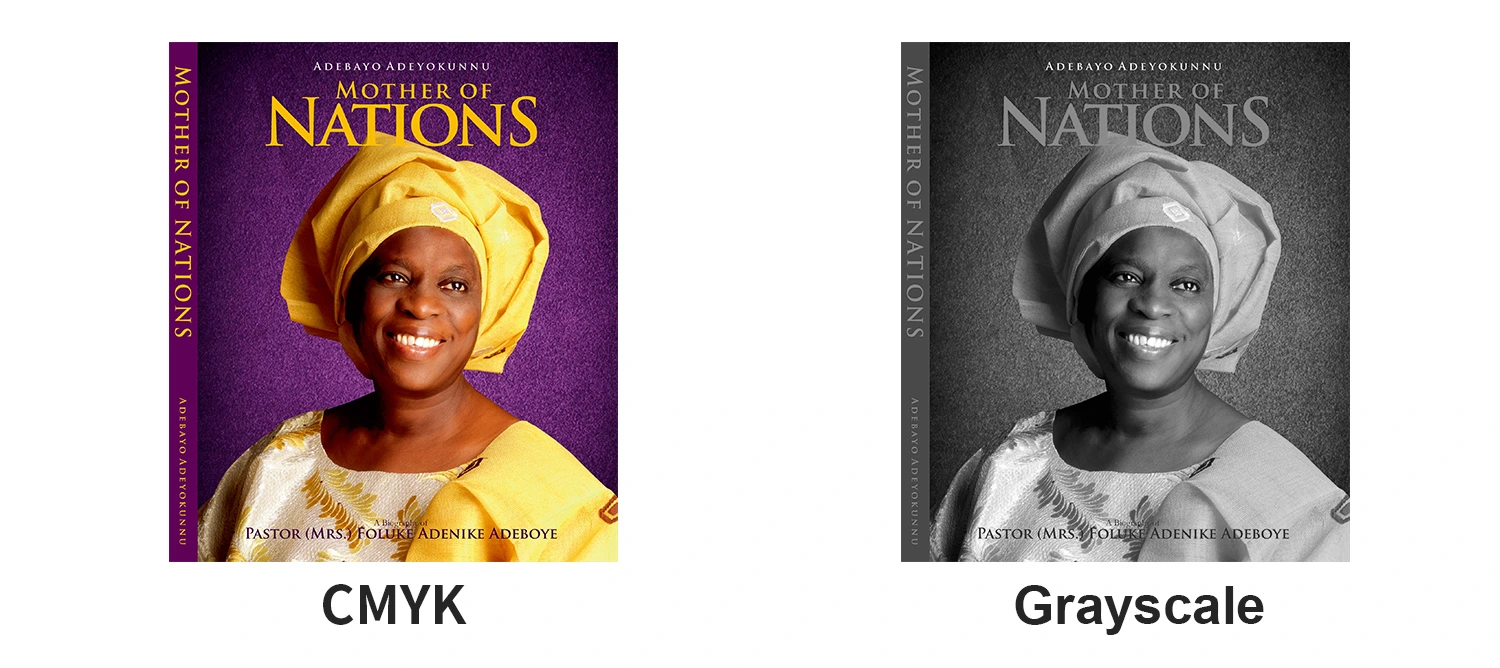
Grayscale printing makes images with black ink or toner to create different shades of gray. These shades range from pure white to solid black. Unlike color printing that mixes several inks, grayscale changes the black ink’s intensity to add depth. Printers can create about 256 gray tones by applying black ink from 0% (white) to 100% (black).
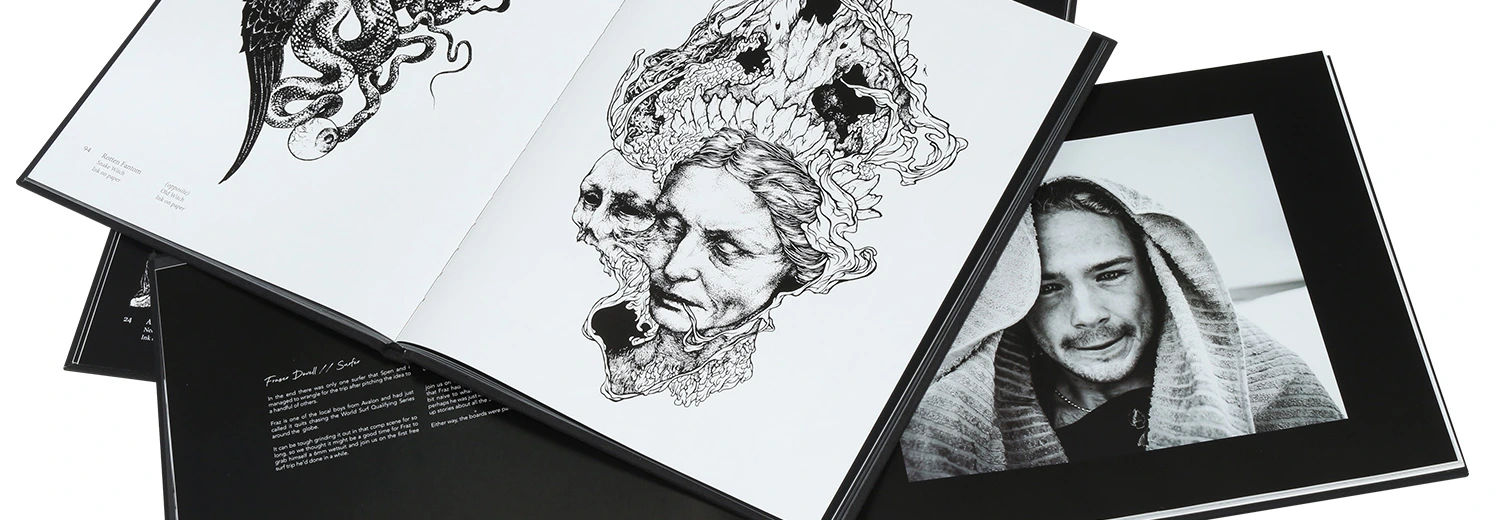
This method shines when printing photographs and complex graphics that need fine detail. The printer’s micro-dots create these variations, and you’d need a magnifying glass to see them. These dot patterns trick our eyes into seeing smooth, continuous tones. That’s why photographs printed in grayscale show remarkable depth with just one color.
Grayscale printing offers a rich range of shades. It captures tiny changes in tone and contrast, which makes it perfect to print photographs without color.
What is Black and White Printing
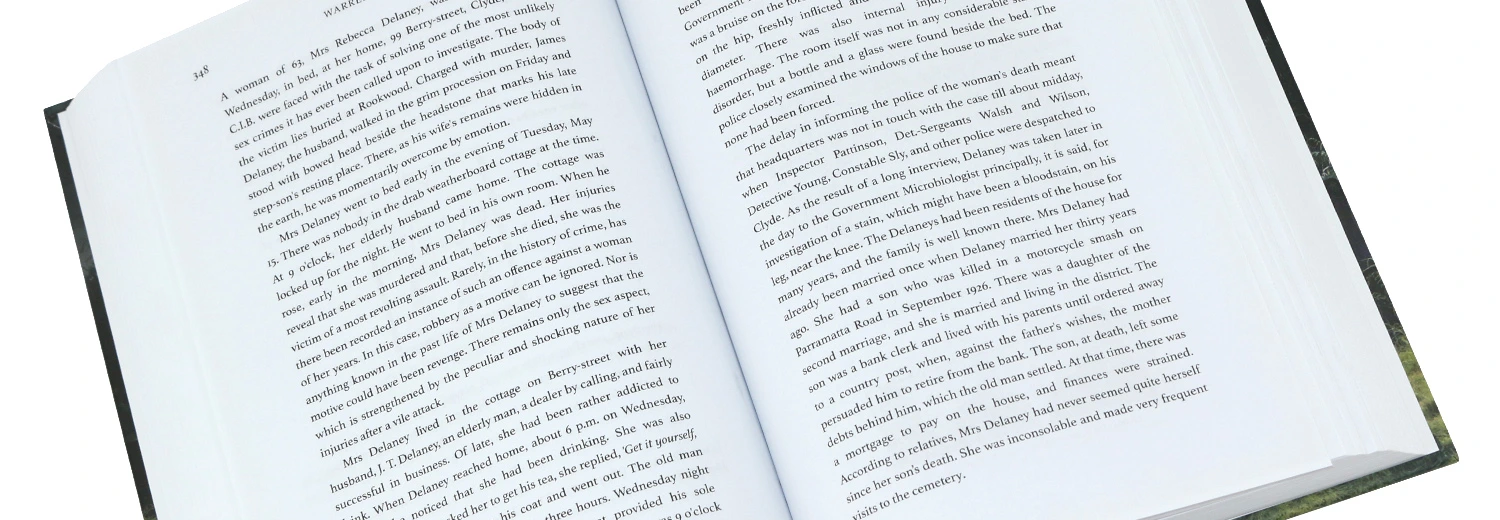
Black and white printing takes a simpler approach. This method puts 100% black ink or toner on white paper – nothing in between. True black and white printing has no gray tones at all. Everything only two values of black ink are used—100% black or 0% black. 0% black means that the white paper substrate is visible.
The process stands out for its simplicity and sharp contrast. Text documents, line drawings, silhouettes, and simple graphics work great with this method. Text becomes easy to read thanks to the stark difference between black and white areas. That’s why many businesses still choose it for documents that need to be crystal clear.
The printer works faster with black and white. Companies that print lots of text documents find this method quick and practical.
Difference Between Grayscale and Black and White Printing
These printing methods serve different purposes:
-
Tonal Range: Grayscale gives you many gray shades (up to 256), while black and white offers just one choices – pure black ink.
-
Detail Reproduction: Grayscale catches subtle changes and smooth transitions. Black and white trades these details for better contrast.
-
Application Suitability: Photos and designs with varying tones work best in grayscale. Text documents, line art, and diagrams look clearer in black and white.
-
Visual Appearance: Grayscale creates soft, smooth transitions between tones. Black and white gives you sharp, clear edges.
Most people call grayscale printing “black and white,” but printing experts know these methods are quite different. Knowing these differences helps you pick the right method that saves money and meets your project’s needs.
The Advantages of Grayscale Printing
Grayscale printing gives you quality output at affordable prices in document production. The difference between grayscale and black and white printing shows several advantages that make grayscale a better choice for specific uses.
Grayscale printing captures depth and subtle details in images through multiple shades of gray. This technique creates smooth transitions between tones and shows details that black and white printing misses. Photo enthusiasts love how it emphasizes contrast and adds texture to improve visual appeal.
You can control exactly how your images look with grayscale printing. The settings adjust to match what you need for different documents:
-
Normal mode balances contrast among gray shades for best overall image quality
-
Higher Contrast setting makes sharper lines between shaded areas, perfect for detailed line art
-
Higher Brightness makes scanned originals clearer
The cost benefits of grayscale printing are substantial. It needs less ink or toner than color printing, which saves money on big print jobs. Some printers let you print in grayscale with just the black ink cartridge, which helps your color cartridges last longer.
Grayscale printed documents last longer too. Black ink resists light, water, and smudging better than color ink. This means your contracts, reports, and legal papers stay readable longer when you print them in grayscale.
Your visual elements look more professional with grayscale printing. Technical illustrations, architectural blueprints, and detailed designs become clearer and easier to read with different shades of gray. Charts, graphs, and presentation materials look polished thanks to the added depth.
Grayscale printing runs faster than color printing. This speed boost helps offices where you need to get things done quickly. Special printing techniques use different droplet sizes to create better clarity in vignettes and gradations.
You help the environment by choosing grayscale over full-color printing. Less ink means fewer cartridges and less waste, which supports sustainability goals.
Document archiving works great with grayscale printing. Modern copiers with grayscale scanning keep all the fine details in archived documents, even faded text and detailed notes. This helps preserve your documents’ quality over time.
The Advantages of Black and White Printing
Black and white printing serves as the life-blood of business document production. It offers clear advantages that make it the better choice when comparing grayscale vs black and white printing.
The main advantage of black and white printing lies in its cost-effectiveness. Black toner reduces expenses compared to color or grayscale printing. A business can save money since black toner cartridges cost less than colored ones. The cost difference becomes more noticeable for high-volume printing operations – a black and white copier page costs about 8 cents. This makes it a smart choice for budget-conscious businesses.
These printers’ simplified functionality appeals to many businesses. They need just one ink cartridge or toner, which cuts down on the hassle of managing multiple color cartridges. The printer ends up being more reliable over time because it has fewer parts to maintain.
The speed factor gives black and white printers another edge. Text-heavy documents print faster on these machines than on color printers. High-volume environments benefit from this increased productivity. As one industry source notes, “For situations when time is of the essence, such as advertising for a flash sale, monochrome printing will be much faster”.
Black and white prints create a professional, formal look that works well for business documents. The printer’s ability to produce crisp, sharp text makes important materials more readable.
The environmental impact of black and white printing deserves attention. These printers create less waste than color printers by using fewer replaceable parts. “Color printers use a variety of surplus parts, like toner cartridges, that often need to be replaced and will only contribute to overflowing landfills”. These devices also use less energy since they skip complex color-mixing processes.
Print quality stays consistent with black and white printing. You don’t need to worry about color matching or calibration, and the results remain reliable and predictable. Businesses that need uniform document appearance across multiple printouts find this consistency valuable.
Bulk printing showcases black and white technology’s strength. “Black and white printing is also ideal for bulk orders. Whether printing business cards, reports, scriptures, envelopes, or anything else that will require printing copies on a large scale, black and white printing is your best bet”. Marketing materials needed in large quantities benefit from this scalability.
Ink Usage and Cost Efficiency
The economics of printing starts with understanding how different printing modes use ink. The cost impact ranges from small savings on occasional documents to big reductions in expenses for high-volume printing operations.

Image from istockphoto.com
Dose Grayscale Printing Use Color Inks?
Many people think grayscale printing only uses black ink. The reality surprises them – it uses color cartridges among other inks. This explains why color cartridges empty even when you print what looks like black and white. The reason behind this is technical and makes sense.
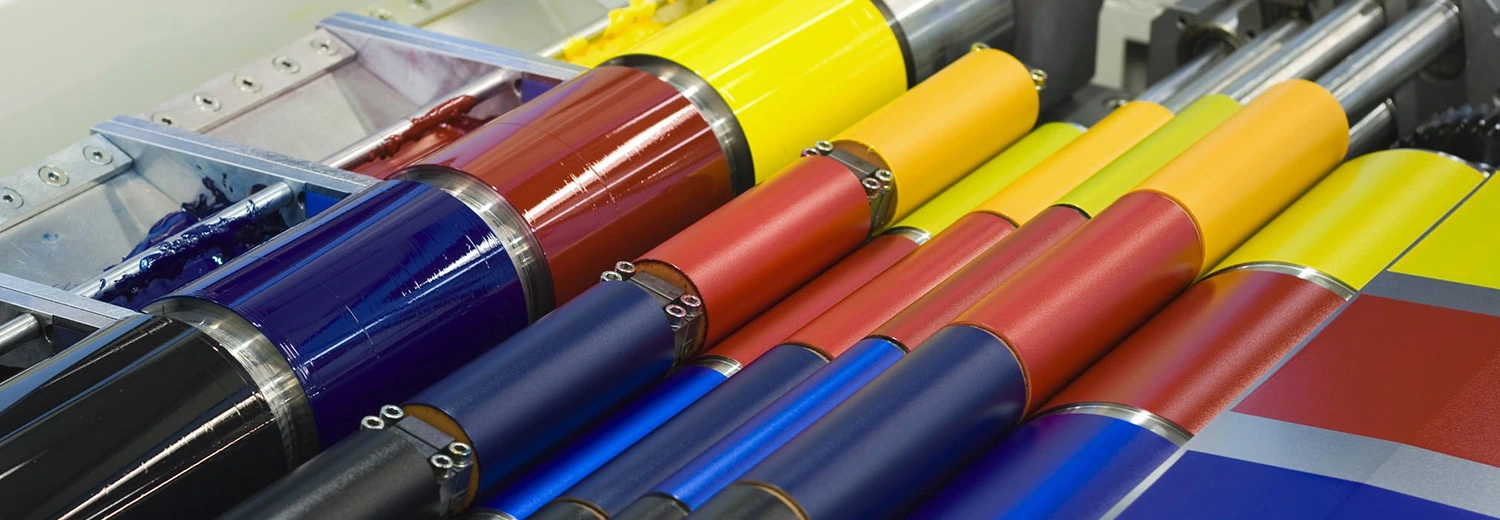
Most printer models create grayscale by mixing black ink with different amounts of cyan, magenta, and yellow. This technique, known as “rich black” or “high quality grayscale,” creates deeper blacks and smoother transitions than black ink alone. Your printer can produce about 256 shades of gray, which adds remarkable detail to photos and complex graphics.
Does Black and White Printing Use Color Inks?
True black and white (monochrome) printing uses the black ink cartridge. The printer should use only black ink when you choose “Black & White” or “Black Ink Only” in your settings. It converts all colors in your document to black.
Yes, it is a key difference between these two printing methods. Printing in monotone (black and white), you only use the black ink. This approach means elements appear either in solid black or as white space on paper.
Grayscale vs Black and White Printing: Which Saves more Ink
Black and white printing uses less ink than grayscale when we look at pure ink consumption. The reason is simple – black and white printing pulls ink from one cartridge, while grayscale often needs multiple color cartridges plus black.
The savings add up quickly with volume. Companies that print hundreds of documents monthly see this is a big deal as it means that choosing grayscale over color cuts printing costs in half.
Content type affects your choice. Black and white printing is most economical for text-heavy documents with few images. Using grayscale for simple text documents drains color cartridges without benefit. However, photos or detailed graphics might justify the extra ink grayscale uses because of better quality.
Considerations when Choosing Between Grayscale vs Black and White
The choice between grayscale and black and white printing goes beyond just costs. Your needs and situation should drive this decision to get the best results.
Printing Quality
These two modes produce very different results. Grayscale creates smooth transitions with about 256 shades of gray. This adds depth to photos and detailed illustrations through your printer’s blending techniques. Black and white, on the other hand, gives you stark, high-contrast results that make text easier to read. Documents that need maximum readability work better with true black and white because of its sharp character definition and crisp edges.
Cost
Black and white printing is more affordable due to only use black ink, while grayscale will cost more since it may be used color inks. Basic monochrome printers are cheaper than color-capable ones. Black and white printing also helps your color cartridges last longer since it only uses black ink or toner.
Content Type
The type of document you’re printing should help you decide which method to use:
-
Text-dominant materials (reports, scriptures, novels, contracts, memos, forms and more) work best with black and white’s better contrast and readability
-
Photographs and artistic works (artbook, photograph book, coffee table book, reference textbook and more) look better with grayscale’s range of tones
-
Technical diagrams might need grayscale for detailed shading but look clearer with black and white lines
-
Marketing materials often need grayscale’s better look despite higher costs
Printer Compatibility and User Control
Your printer model plays a key role in what options you have. Most modern printers offer both modes through printer properties or printing menus. Check if your device uses color cartridges to make grayscale – some printers mix color inks for richer grays. You should also look for “black ink only” settings that skip color cartridges completely.
Eco-Friendliness and Long-Term Value
Black and white printing wins on the environmental front. It uses fewer resources because it only needs black ink, unlike grayscale which might use color cartridges. Fewer cartridges also mean less plastic waste in landfills where they take hundreds of years to break down. Companies looking to go green find that black and white printing helps reduce their environmental impact.
The best choice comes down to balancing quality needs with budget while keeping in mind your document’s purpose and environmental impact.
Best Use Cases for Each Method
Your project requirements largely determine the best printing method. Each technique shines in specific applications and delivers optimal quality and cost benefits when matched correctly to content type.
Grayscale for Photography and Design
Photographers and visual artists prefer grayscale printing for its remarkable power to display depth, contrast, and emotion in images. Grayscale captures nuances, gradients, and fine details that standard black and white printing misses. This method reveals unique moods in photographs and highlights shadow, light, and texture without color distractions. A broad spectrum of gray tones—from faintest gray to darkest charcoal—provides the needed variations to represent photographic images accurately.
Photography books and art monographs commonly feature grayscale to emphasize depth and emotion. Creative works like comic books and graphic novels also benefit from grayscale printing to add uniqueness and visual interest. The technique pairs beautifully with matte finishes that reduce glare and emphasize texture, as well as glossy finishes that boost contrast between rich blacks and bright whites.
Black and White for Text-Heavy Documents
Authentic black and white printing delivers superior clarity and readability for text-intensive materials. Pure black text against a white background makes content readily available, which explains its popularity in contracts, reports, and legal documents. This approach excels with very small font sizes and produces sharp, crisp text without excess toner use.
Black and white printing runs faster than other methods, making it perfect for businesses that need high-volume printing.
Technical Diagrams and Manuals
Technical documentation demands careful selection of printing methods. Grayscale printing excels in engineering drawings, architectural blueprints, and product designs. Different shades of gray help technical illustrators show various levels of detail and depth, highlighting key features without color distractions.
Instruction manuals, workplace guides, and assembly instructions often need both methods. Grayscale works best for complex visual elements that require depth perception and subtle detail. Standard black and white proves adequate for simple diagrams where maximum contrast improves readability. Industry experts recommend optimizing technical documents for black and white reproduction by simplifying intricate designs and using clear labels instead of color coding.
Print your Project with BookPrintingChina
You need a reliable printing partner after picking the right printing method for your project. BookPrintingChina brings 25 years of printing experience to the table. We excel at grayscale, black and white printing, and full color printing for publications of all types.
BookPrintingChina gives you economical choices through digital printing for proofs and short-run projects and offset printing services for bulk print runs. Our team helps you balance quality and cost based on your project needs. Our goal is to provide one-stop, high-quality custom printing solutions to publishers, independent creators and businesses around the world. If you are ready to print your next project, contact us to get a custom quote today!