






In the world of publishing, the term “imprint” carries significant weight. It refers to a specific brand or trade name under which a publisher releases books. Imprints serve as a way for larger publishing houses to categorize their offerings, often targeting distinct genres, audiences, or themes. Understanding the concept of an imprint is essential for authors, readers, and industry professionals alike, as it shapes the landscape of book publishing.
What Does Imprint Mean in Publishing
An imprint is essentially a subdivision of a larger publishing company. It operates under the umbrella of the parent publisher but has its own unique identity. This identity is often reflected in the types of books it publishes, the audience it targets, and the marketing strategies it employs. For instance, a major publisher like Penguin Random House may have multiple imprints, each focusing on different genres such as romance, science fiction, or non-fiction.
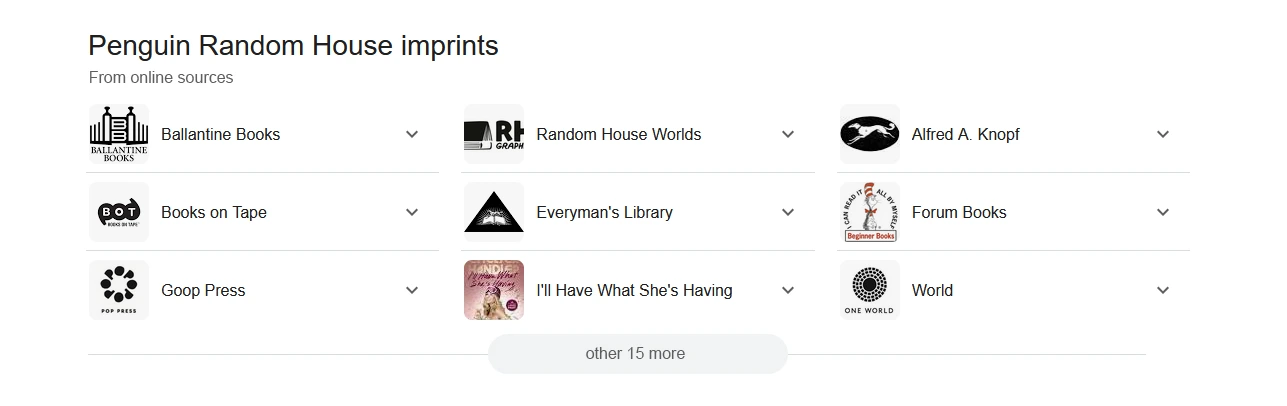
Imprints can be thought of as specialized brands within the publishing industry. They allow publishers to cater to niche markets and create a cohesive line of books that resonate with specific reader demographics. This specialization not only helps in marketing but also aids authors in finding the right fit for their manuscripts.
The Structure of Imprints
The structure of imprints can vary significantly. Some imprints are created when a larger publisher acquires a smaller press, allowing the smaller entity to maintain its branding while benefiting from the resources of the parent company. Others may be established from scratch to explore new market opportunities. Regardless of their origin, imprints play a crucial role in the publishing ecosystem.
How Does Imprinting Work?
The process of imprinting involves several key functions that contribute to the overall publishing workflow. Each imprint typically has its own editorial team, marketing strategies, and distribution channels, although they may share resources with other imprints under the same parent company.
Key Functions of Imprints
-
Acquisition and Editing: Imprints are responsible for acquiring manuscripts that align with their brand identity. This involves a thorough editing process to ensure the final product meets quality standards.
-
Design and Production: Each imprint usually oversees the design of book covers and the production process. This includes selecting formats, paper types, and other physical attributes that reflect the imprint’s branding.
-
Marketing and Sales: Imprints develop targeted marketing campaigns to reach their specific audience. This can include social media promotions, author events, and collaborations with booksellers.
-
Distribution: While imprints may handle their own marketing, distribution is often managed by the parent publisher. This allows imprints to benefit from established relationships with retailers and distributors.
Why an Imprint Matters
An imprint matters because it is a reflection of your identity, values, and beliefs. It is a way to leave a lasting mark on the world and showcase what is important to you. Whether it is through your work, your actions, or your words, your imprint has the power to inspire, challenge, and influence others.
Creating a positive imprint can help build trust, credibility, and reputation in both personal and professional realms. It can open doors to opportunities, create meaningful connections, and leave a legacy that lasts far beyond your lifetime.
Furthermore, your imprint can be a source of motivation and accountability for yourself. By being mindful of the imprint you are leaving, you can strive to make choices that align with your values and have a positive impact on those around you.
Ultimately, an imprint matters because it is a way to contribute to the collective tapestry of humanity, shaping the world in a way that reflects the best of who you are and what you stand for. So, take care in the imprint you are creating, as it has the power to change lives and make a difference in the world.
Who Notices Imprints?
While imprints are crucial for publishers and authors, readers may not always be aware of their significance. However, avid readers often develop preferences for certain imprints based on their past experiences.
Reader Awareness
-
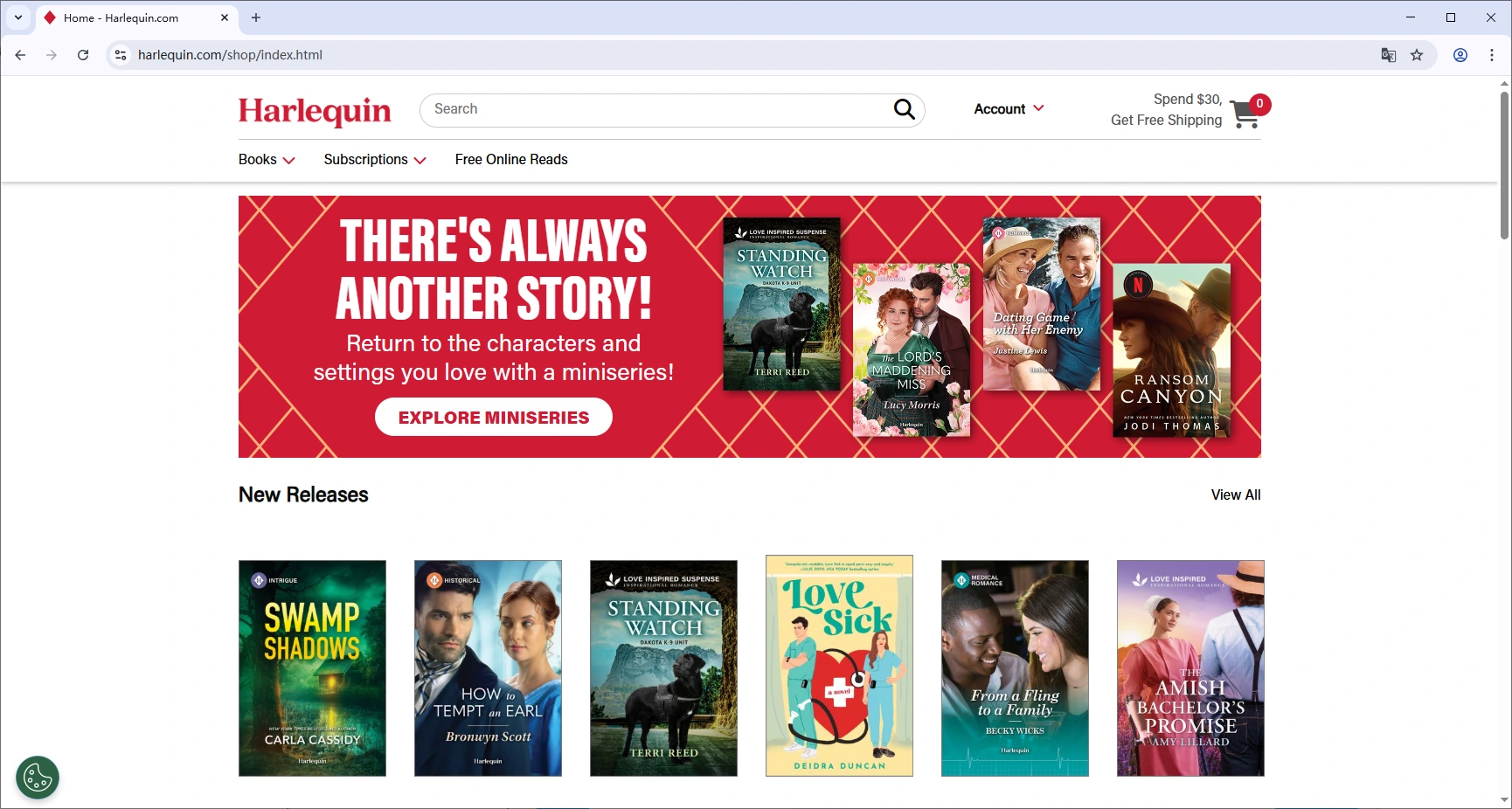
Genre Loyalty: Readers who enjoy specific genres may gravitate towards imprints known for those categories. For example, fans of romance novels might seek out titles from Harlequin, a publisher renowned for its romance imprints.
-
Quality Expectations: Established imprints often carry a reputation for quality, leading readers to trust the titles they publish. This can influence purchasing decisions, as readers may choose books based on the imprint rather than the author.
 Image from harlequin.com
A Publisher vs An Imprint: What’s the Difference
A publisher and an imprint are both entities involved in the process of producing and distributing books, but there are key differences between the two:
Publisher:
-
A publisher is a company or organization that oversees the production, printing, distribution, and marketing of books.
-
Publishers acquire, edit, design, and print books, as well as handle their distribution to bookstores, online retailers, and other outlets.
-
Publishers may have a range of imprints under their umbrella, each focusing on a specific genre, target audience, or type of book.
-
The publisher is responsible for the overall business operations related to publishing books, including contracts with authors, royalties, and sales strategies.
Imprint:
-
An imprint is a subdivision or brand within a publishing house that focuses on a specific niche, genre, or market segment.
-
Imprints may have their own editorial teams, design styles, and marketing strategies that distinguish them from other imprints within the same publishing company.
-
Imprints allow publishers to differentiate their offerings to cater to different audiences or genres while maintaining the overall brand identity of the parent publisher.
-
Books published under an imprint will often carry both the imprint’s name and the publisher’s name on the cover and title page.
-
In summary, while a publisher is the overarching entity responsible for the entire publishing process, an imprint is a specific brand or subdivision within a publishing house that caters to a particular audience or genre. Imprints provide publishers with a way to diversify their offerings and establish a unique identity within the larger publishing landscape.
The Advantage of Creating an Imprint Name
For authors and independent publishers, establishing an imprint can provide several advantages. It adds a layer of professionalism and credibility to their work, making it easier to market and distribute their books.
-
Brand Recognition: Establishing an imprint name helps create a distinct brand identity for your books. It allows you to differentiate your publications from others in the market and build brand recognition among readers.
-
Targeted Audience: An imprint name can help you cater to a specific target audience or genre. By creating a name that reflects the themes or style of your books, you can attract readers who are interested in those particular topics or genres.
-
Credibility and Trust: A well-defined imprint name can enhance the credibility and professional image of your publications. Readers, retailers, and industry professionals may be more likely to trust and engage with books that are associated with a reputable imprint.
-
Marketing and Promotion: An imprint name can serve as a marketing tool to promote your books. By building a strong brand around your imprint, you can create marketing campaigns, social media presence, and promotional materials that enhance the visibility and reach of your publications.
-
Opportunities for Expansion: Creating an imprint name opens up opportunities for future expansion and growth. As your publishing endeavors evolve, having a recognizable imprint name allows you to easily branch out into new genres, formats, or markets under the same brand umbrella.
-
Flexibility and Adaptability: An imprint name provides flexibility to adapt to changing trends and market demands. You can adjust your publishing focus, experiment with new ideas, or reposition your brand within the industry while keeping the imprint name consistent.
-
Overall, creating an imprint name when publishing your book can offer numerous benefits in terms of branding, audience targeting, credibility, marketing, expansion, and adaptability. It provides a valuable tool for authors and publishers to establish a strong presence in the publishing landscape and connect with readers in a meaningful way.
How to Create an Imprint
Creating an imprint involves several steps, each crucial for establishing a successful publishing brand. Here’s a breakdown of the process:
Name Your Imprint
The first, and arguably most important, step is to choose a name for your imprint. This name will be the face of your brand, so it should be carefully considered. Here are a few factors to keep in mind:
-
Relevance: Does the name reflect the type of books you plan to publish? A name for a science fiction imprint, for example, should evoke a sense of futuristic wonder or scientific exploration.
-
Memorability: Is the name easy to remember and pronounce? Avoid names that are overly complex or confusing.
-
Availability: Before settling on a name, conduct thorough online searches to ensure that the name isn’t already in use by another publisher or business. You’ll also want to check if the corresponding domain name is available.
-
Target Audience: Consider what kind of name would resonate with your intended readership. A name geared towards children’s literature will differ significantly from one designed for academic publications.
Once you’ve brainstormed and narrowed down your options, seek feedback from trusted colleagues and friends to get their perspectives.
Register Your Imprint Name
Depending on your location and business structure, you may need to register your imprint name. This helps protect your brand and ensures that you have the legal right to use the name in your business dealings.
-
Business Structure: The registration process can depend on whether you’re operating as a sole proprietorship, LLC, or corporation.
-
Local and State Regulations: Research the requirements for registering a business name (often called a “doing business as” or DBA) in your city, county, and state.
-
Federal Considerations: While not always necessary, consider registering your business with the federal government if you plan to operate nationally or internationally.
Consulting with a legal professional is always a good idea to ensure you’re compliant with all applicable regulations.
Create a Logo
A logo is a visual representation of your imprint and plays a crucial role in brand recognition. It should be visually appealing, memorable, and representative of your imprint’s identity.
-
Professional Design: Consider hiring a graphic designer with experience in branding to create a professional and effective logo.
-
Simplicity: A complex logo can be difficult to recognize and reproduce. Opt for a clean and simple design that is easily recognizable.
-
Color Palette: Choose colors that align with your brand’s personality and evoke the desired emotions.
-
Versatility: Your logo should look good in various sizes and formats, from website headers to book spines.
Your logo can be used on your website, marketing materials, and most importantly, on the spine and cover of your books, creating a consistent and recognizable brand.

Image from Pinterest
Create a Website
In today’s digital age, a website is essential for any business, including an imprint. It serves as your online storefront and provides a platform for showcasing your books, connecting with readers, and building your brand.
-
Domain Name: Secure a domain name that matches your imprint name.
-
Website Platform: Choose a user-friendly website platform like WordPress, Squarespace, or Wix.
-
Key Pages: Include essential pages such as:
-
About Us: Introduce your imprint, its mission, and its team.
-
Books: Showcase your published books with cover images, descriptions, and purchase links.
-
News/Blog: Share news, announcements, and blog posts related to your imprint and its authors.
-
Contact: Provide contact information for readers, authors, and media inquiries.
-
SEO Optimization: Optimize your website for search engines to improve your visibility in online searches.
Marketing
Marketing is crucial for building awareness of your imprint and selling your books. A well-defined marketing strategy can help you reach your target audience and establish your brand as a reputable publisher.
-
Social Media: Utilize social media platforms like Facebook, Twitter, Instagram, and TikTok to connect with readers, share news, and promote your books.
-
Email Marketing: Build an email list and send out regular newsletters with updates, special offers, and book recommendations.
-
Public Relations: Reach out to book reviewers, bloggers, and media outlets to generate publicity for your books and your imprint.
-
Advertising: Consider investing in online advertising campaigns on platforms like Google Ads and social media to reach a wider audience.
-
Industry Events: Attend book fairs and industry events to network with other publishers, authors, and potential partners.
-
Author Collaboration: Work closely with your authors to leverage their existing networks and marketing efforts.
Consider Trademarking Your Imprint Name
While registering your business name provides some level of protection at the state or local level, trademarking your imprint name with the United States Patent and Trademark Office (USPTO) provides broader legal protection.
-
Brand Protection: A trademark prevents others from using a similar name or logo that could cause confusion in the marketplace.
-
Legal Recourse: A registered trademark gives you the legal right to pursue legal action against infringers.
-
National Recognition: A federal trademark provides national recognition and protection for your brand.
The trademarking process can be complex, so consulting with a trademark attorney is highly recommended.
Creating an imprint is a significant undertaking, but with careful planning and execution, it can be a rewarding way to pursue your passion for publishing and build a unique brand in the literary world. By following these steps, you can lay the foundation for a successful and thriving imprint.
Ready to Print?
If you’re looking to bring your book to life, whether in hardcover book printing or paperback printing, consider reaching out to BookPrintingChina. At BookPrintingChina, we use state-of-the-art printing technology to achieve high-quality printing and offer a wide range of customization options to bring your editions to life. Contact us to start your project today, let us help you save 30-45% off.