



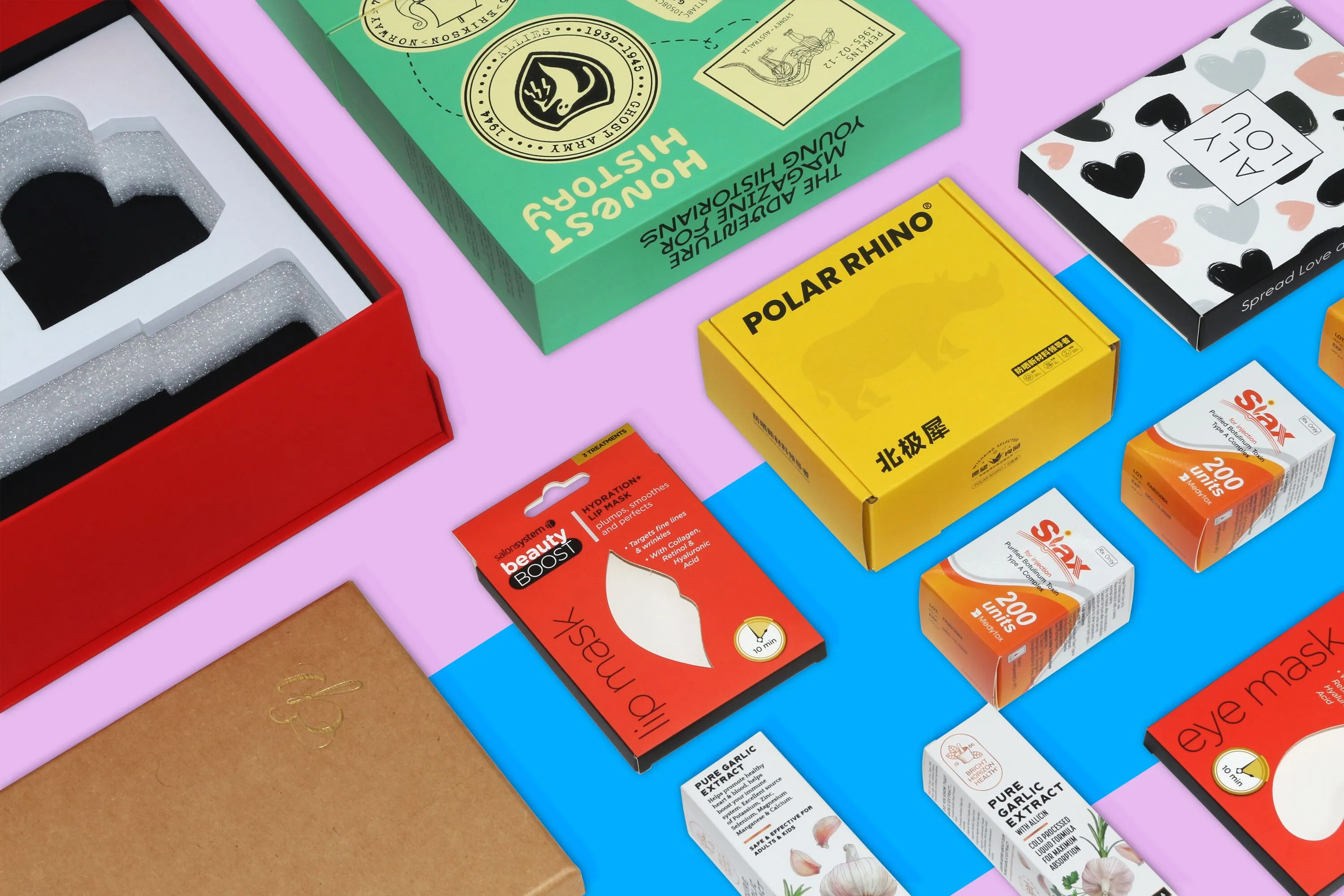
In an age where packaging plays a crucial role in branding and product presentation, understanding the materials and surface options used for custom paper boxes is essential. This knowledge empowers businesses to make informed decisions that reflect their brand’s values and meet consumer expectations. In this article, we will explore the various materials and surface options commonly used in custom paper boxes, as well as provide guides to help you create the perfect custom paper box.
Understanding Common Materials for Custom Paper Box
For custom paper boxes, we provide a variety of materials to choose from. Each material has its own unique properties and can be used for different purposes. In this section, we will explore some of the most common materials used in the production of custom paper boxes.
Cardboard Material
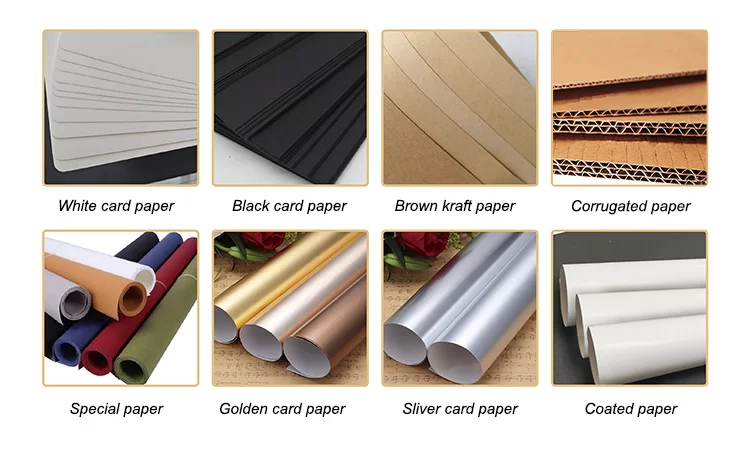
Cardboard is a versatile and widely used material for custom paper boxes. Here are some of the different types of cardboard material used in paper box printing:
-
C2S (Coated Two-Side) Cardboard: C2S cardboard features a smooth finish on both sides, making it ideal for high-quality printing. This type of cardboard is durable and provides excellent color reproduction, ensuring that your packaging looks professional and appealing. C2S is commonly utilized for luxury products, cosmetics, and retail items that require a polished presentation.
-
C1S (Coated One-Side) Cardboard: Unlike C2S, C1S cardboard has a coated surface on one side and a natural finish on the other. This characteristic allows for designs that require a matte or glossy finish on the outside while remaining uncoated on the inside that allow for gluing or wrapping. C1S cardboard is often selected for applications where aesthetic appeal meets functionality, such as food packaging, cosmetic or promotional boxes.
-
Colored Cardboard: Colored cardboard adds an element of vibrancy to your packaging, making it stand out on the shelves. Available in a variety of hues, colored cardboard can be used as the primary material or as a decorative outer layer. It’s especially popular in the arts and crafts sector, gift packaging, and seasonal promotions, allowing brands to convey a playful or festive tone.
-
Textured Cardboard: Textured cardboard offers a tactile experience, enhancing the perceived value of the product inside. With options ranging from linen to canvas textures, this type of cardboard can elevate the unboxing experience. Brands often use textured cardboard for premium products, giving customers a sense of luxury and attention to detail.
-
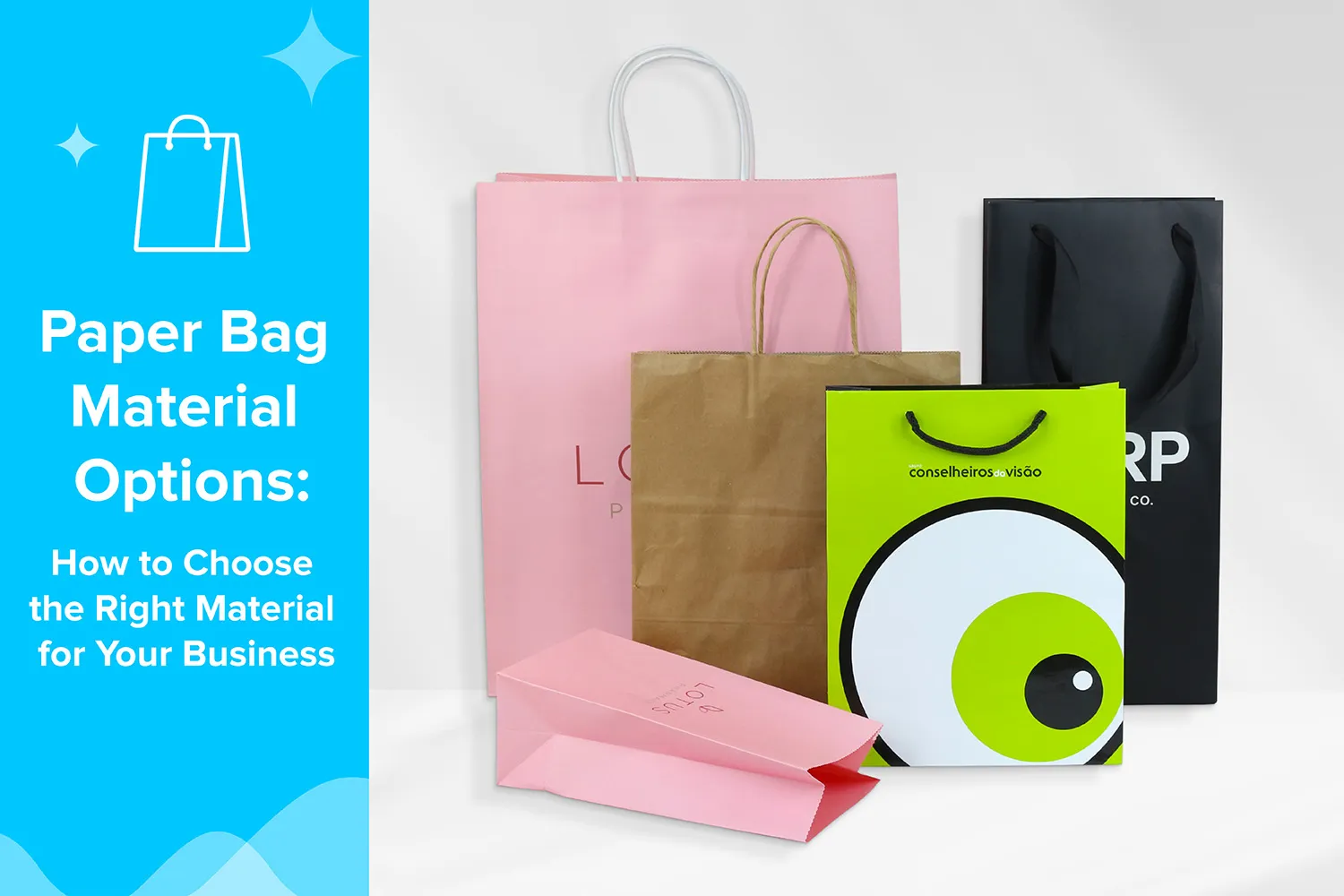
Kraft Cardboard: Kraft cardboard, known for its eco-friendly properties, is made from recycled materials and is biodegradable. Its natural brown color delivers a rustic and organic feel, making it a favorite among environmentally-conscious brands. Kraft cardboard is ideal for products aimed at sustainability, such as organic foods, handmade goods, and artisanal items.
-
Specialty Cardboards: Beyond the standard options, you might also encounter specialty cardboards like gold and silver foil, as well as holographic cardboard. These materials add a touch of elegance and uniqueness to custom paper boxes, perfect for luxury items, special events, or holiday packaging.
Corrugated Fibreboard
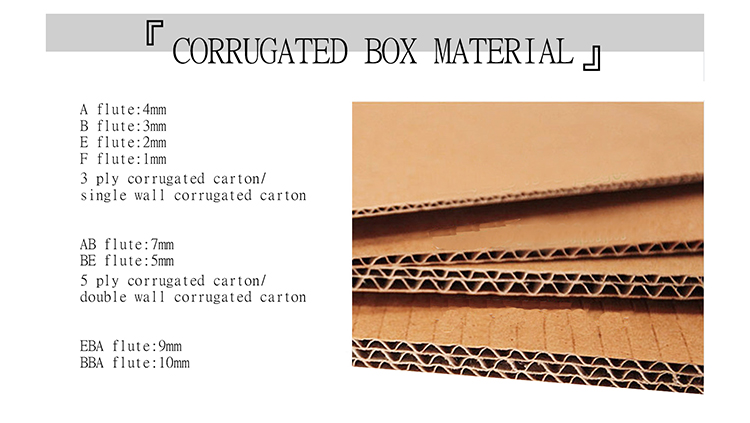
Corrugated fibreboard is another popular choice, especially for shipping and heavy-duty applications. It consists of three layers: an inner liner, an outer liner, and a fluted layer in between. Here are two common types:
-
E-Flute Corrugated Cardboard: E-Flute corrugated cardboard is known for its thin profile, making it a great choice for retail presentations where space is a concern. Despite its slender design, E-Flute offers substantial strength, making it suitable for boxes that require a compact yet durable solution, such as for shipping delicate items.
-
F-Flute Corrugated Cardboard: F-Flute corrugated cardboard is even thinner than E-Flute, designed specifically for lighter products. It’s often used in packaging for food items, electronics, and cosmetics. The fine fluting enhances printability while still providing adequate protection, catering to modern consumers’ demands for both aesthetics and functionality.
Rigid Material
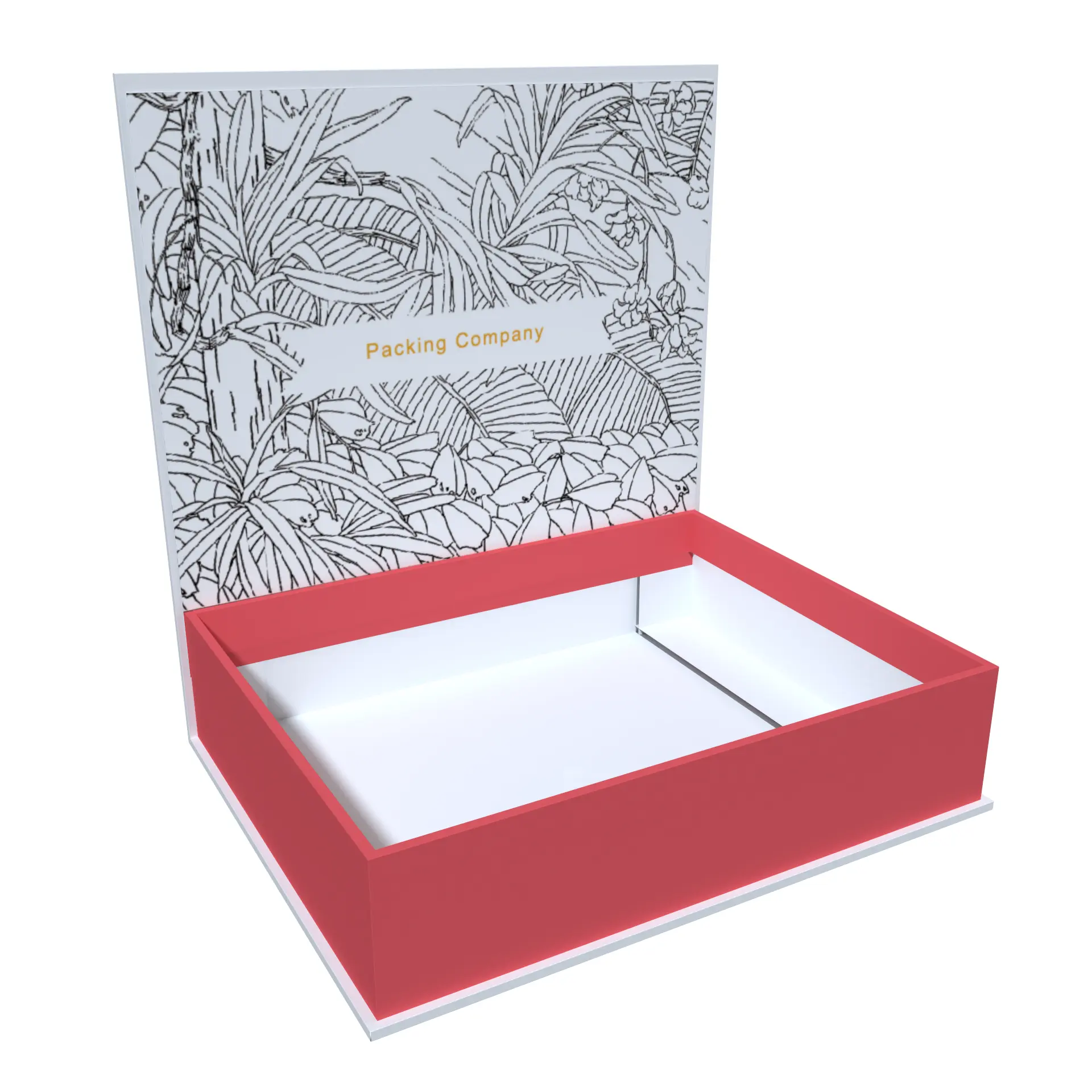
Gray board is a thick and sturdy material that is often used for custom rigid paper boxes that need to stand up on their own. Gray board, sometimes referred to as chipboard, is a rigid material made from recycled paper. Its sturdiness makes it ideal for creating custom boxes that need to maintain their shape over time.
Insert Material
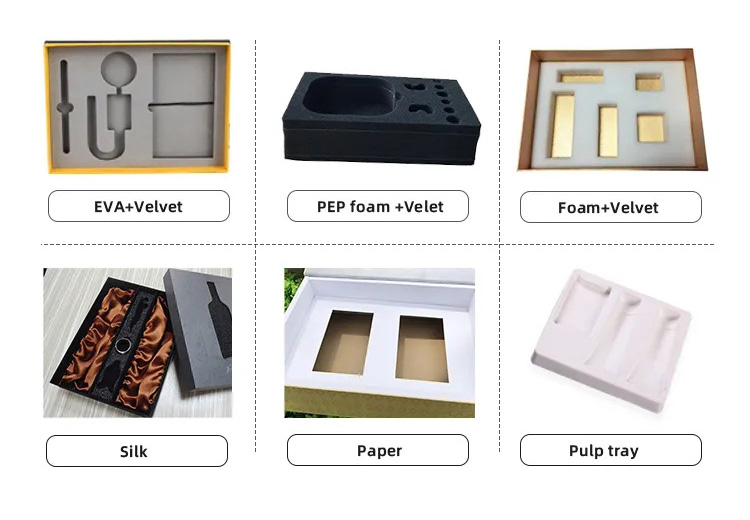
To enhance the protective capabilities of a custom paper box and provide a refined presentation, insert materials play a crucial role. These inserts not only cushion the product but also elevate the overall packaging experience.
-
Plastic Foam: Plastic foam inserts are lightweight and impact-resistant, perfect for fragile items like glassware or electronics. They can be molded to fit specific shapes, ensuring maximum protection and security during transit.
-
Paper Insert: Paper inserts, made from recycled materials, are a sustainable option for cushioning products. These inserts can be easily customized, printed on, or designed to match branding elements, making them versatile for various applications.
-
EVA Foam: EVA foam (ethylene-vinyl acetate) is known for its softness and flexibility, providing excellent cushioning for delicate items. It’s often used in packaging for electronics, cosmetics, and fragile products where added protection is paramount.
-
PU Foam: Polyurethane (PU) foam is another excellent insert material known for its durability and resilience. Unlike EVA, PU foam offers higher density and provides significant shock absorption, making it ideal for high-value items or sensitive equipment.
-
Ribbon: Ribbons are often used as decorative inserts, offering an elegant touch to custom packaging. They can be incorporated to enhance the unboxing experience or as part of a gift package, adding a personal touch that resonates with customers.
-
Fabric:Fabric inserts can be utilized for high-end products, adding a luxurious feel to the overall packaging. Whether it’s silk, cotton, or felt, fabric can elevate the customer experience, particularly for jewelry, fragrances, or high-fashion items.
Coating and Finish Options for Paper Box
The surface finish of your paper box can significantly impact its appearance and functionality. Here are some popular options:
 Lamination
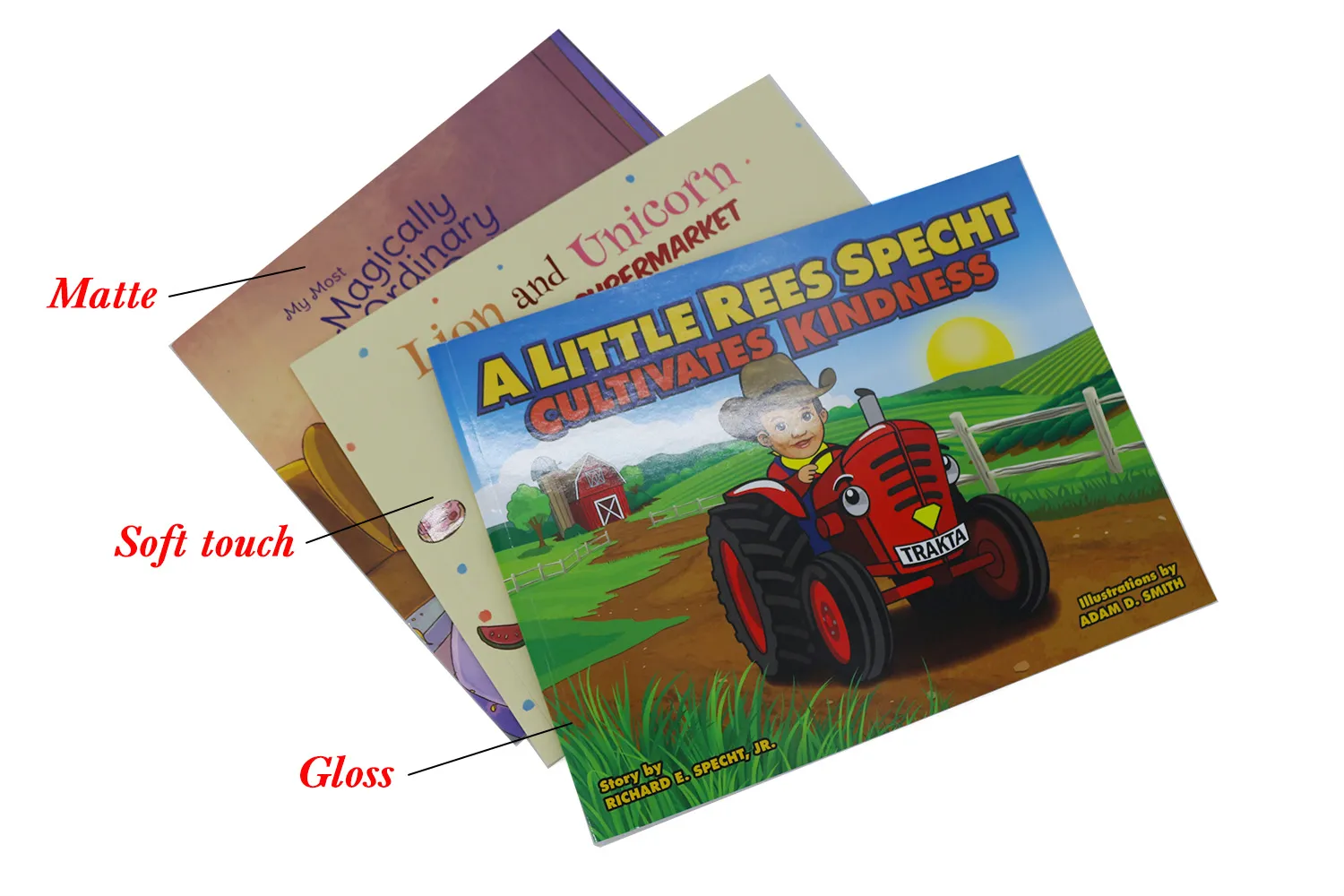
Lamination is one of the most effective ways to protect and beautify your paper boxes. It acts as a shield against moisture, dirt, and general wear and tear, ensuring that your packaging remains in pristine condition during handling and transport.
-
Glossy Lamination: Glossy lamination creates a shiny surface that enhances colors and graphics, making them pop visually. This type of finish is particularly popular for brands looking to convey a sense of luxury or high quality. By reflecting light, glossy lamination can draw attention to your packaging on crowded shelves.
-
Matte Lamination: On the flip side, matte lamination provides a smooth, non-reflective surface that exudes elegance and sophistication. It’s ideal for brands that prefer a subtle, understated look, often associated with premium products. Moreover, matte finishes provide a pleasant tactile experience, which can encourage customers to interact with the packaging. This option is excellent for design elements like typography and intricate details, ensuring they remain legible and aesthetically appealing.
-
Soft-Touch Lamination: Soft-touch lamination takes the matte finish a step further by adding a velvety texture that feels luxurious to the touch. This finish not only enhances the tactile experience but also adds a layer of protection against scuffs and scratches. Soft-touch lamination is perfect for high-end products, offering an irresistible appeal that invites consumers to explore the packaging further.
 Varnish
Varnishing is another popular option that adds a thin protective layer over printed graphics. It can enhance color vibrancy and provide a slight gloss without the full commitment of lamination. Varnishes come in various finishes, including gloss, matte, allowing for customization based on the desired aesthetic.
The application of varnish is often used for both functional and decorative purposes. For instance, a glossy varnish can make images more vibrant and engaging, while a matte varnish provides a sophisticated feel. Moreover, varnishing can serve as an economical alternative to lamination when a lightweight finish is preferred.
 Spot UV
Spot UV is a unique finishing technique that involves applying a glossy coating to specific areas of the box. This technique can create striking contrasts with the surrounding matte or uncoated areas, allowing certain design elements to stand out dramatically. Whether it’s a logo, text, or an intricate pattern, Spot UV highlights help capture attention and emphasize key aspects of the packaging.
This finishing option not only enhances the visual appeal but also adds tactile contrast, leading consumers to explore the box with their hands. Spot UV is ideal for limited-edition products or promotional items, where you want to make a lasting impression.
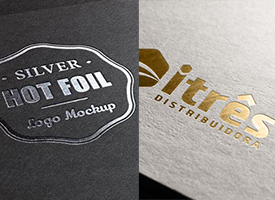 Foil Stamping
For brands looking to elevate their packaging with a touch of luxury, foil stamping is a sensational choice. This process involves applying metallic or pigmented foil to specific areas of the box using heat and pressure. The result is a shimmering effect that draws attention and exudes sophistication.
Foil stamping is commonly used for branding elements such as logos, taglines, and other key details. Gold or silver foil can lend a classic elegance, while colored foils can offer a more modern, trendy aesthetic. This finish can instantly elevate paper boxes, making them more memorable and enticing for consumers.
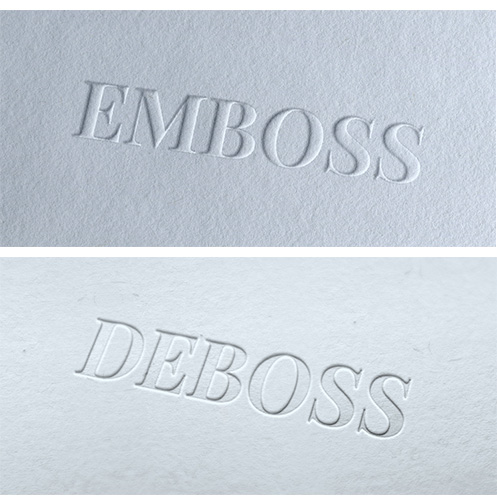 Emboss/Deboss
Embossing and debossing are techniques that add depth and dimension to your paper boxes. Embossing raises certain elements of the design, creating a three-dimensional effect, while debossing imprints the design into the paper, creating a recessed area.
These techniques not only enhance the visual appeal of the packaging but also modify the tactile experience, encouraging interaction. They are particularly effective for logos, patterns, or text, making them stand out and giving a sophisticated feel. When done correctly, embossing and debossing can create an unforgettable experience that resonates with customers long after they’ve purchased the product.
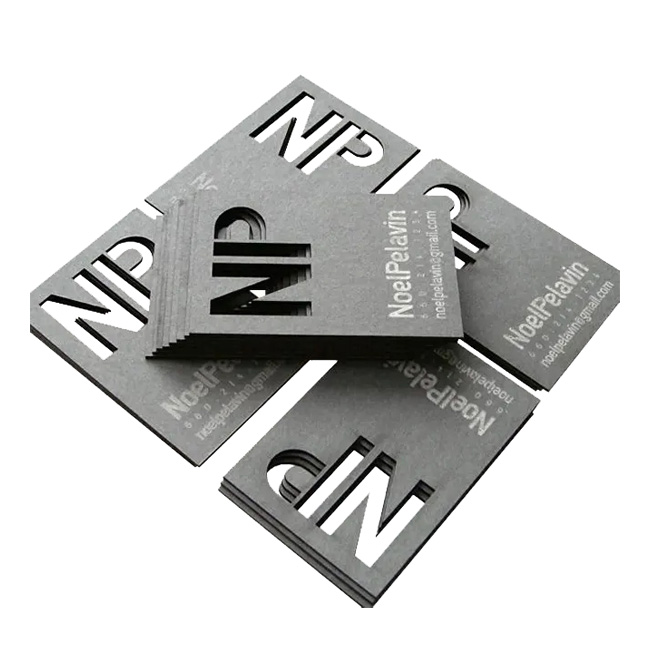 Die Cut
Die-cutting allows for creative shapes and designs that distinguish your paper boxes from standard rectangular options. This technique involves cutting the paper into custom shapes, enabling unique forms that can capture attention instantly.
Die-cut boxes can range from simple cutouts—like windows showcasing the product inside—to intricate shapes that align with the brand’s identity. They can be combined with other finishes, such as lamination or varnish, to create a truly eye-catching package. The flexibility of die-cutting opens up endless possibilities for creativity, making it an ideal choice for brands wanting to stand out on the retail shelf.
When selecting the right coating and finish options for your paper boxes, consider your brand identity, target market, and product requirements. Each finish—lamination, varnish, Spot UV, foil stamping, embossing/debossing, and die-cutting—offers distinct advantages that can enhance both functionality and aesthetics.
Investing in high-quality finishes not only improves the overall presentation of your packaging but also plays a pivotal role in attracting and retaining customers. As consumers continually seek memorable experiences, your choice of coating and finish could very well be the factor that sets your product apart in a competitive marketplace.
How to Choosing the Right Material and Surface Options
In today’s competitive market, packaging plays a pivotal role in product presentation and consumer experience. Whether you’re launching a new product or revamping existing packaging, selecting the right material and surface options is essential. Selecting the appropriate material and surface finish involves several key considerations:
Understanding Product Requirements
Before diving into the specifics of materials and surface options, it’s crucial to understand your product’s unique needs. Consider the nature of your product:
-
What is the weight and size of your product?
-
Is it fragile, heavy or robust?
-
Does it require specialized protection from moisture, light, or temperature fluctuations?
The product’s characteristics will significantly influence your choice of packaging. For instance, a delicate item might require extra cushioning, whereas a robust product could necessitate sturdier packaging. Identifying these needs early on will streamline the decision-making process and help you avoid costly mistakes.
Selecting the Appropriate Box Type
The type of box you choose directly impacts the overall effectiveness of your packaging. Generally, there are three primary box types:
-
Mailer Boxes: These are ideal for shipping small to medium-sized products. Mailer boxes are strong, easy to assemble, and offer excellent protection during transit. They are perfect for e-commerce businesses delivering directly to customers.
-
Folding Cartons: Lightweight and versatile, folding cartons are great for retail packaging. They can be customized in various ways to enhance visual appeal and branding efforts. Folding cartons are suitable for products that don’t require heavy-duty protection.
-
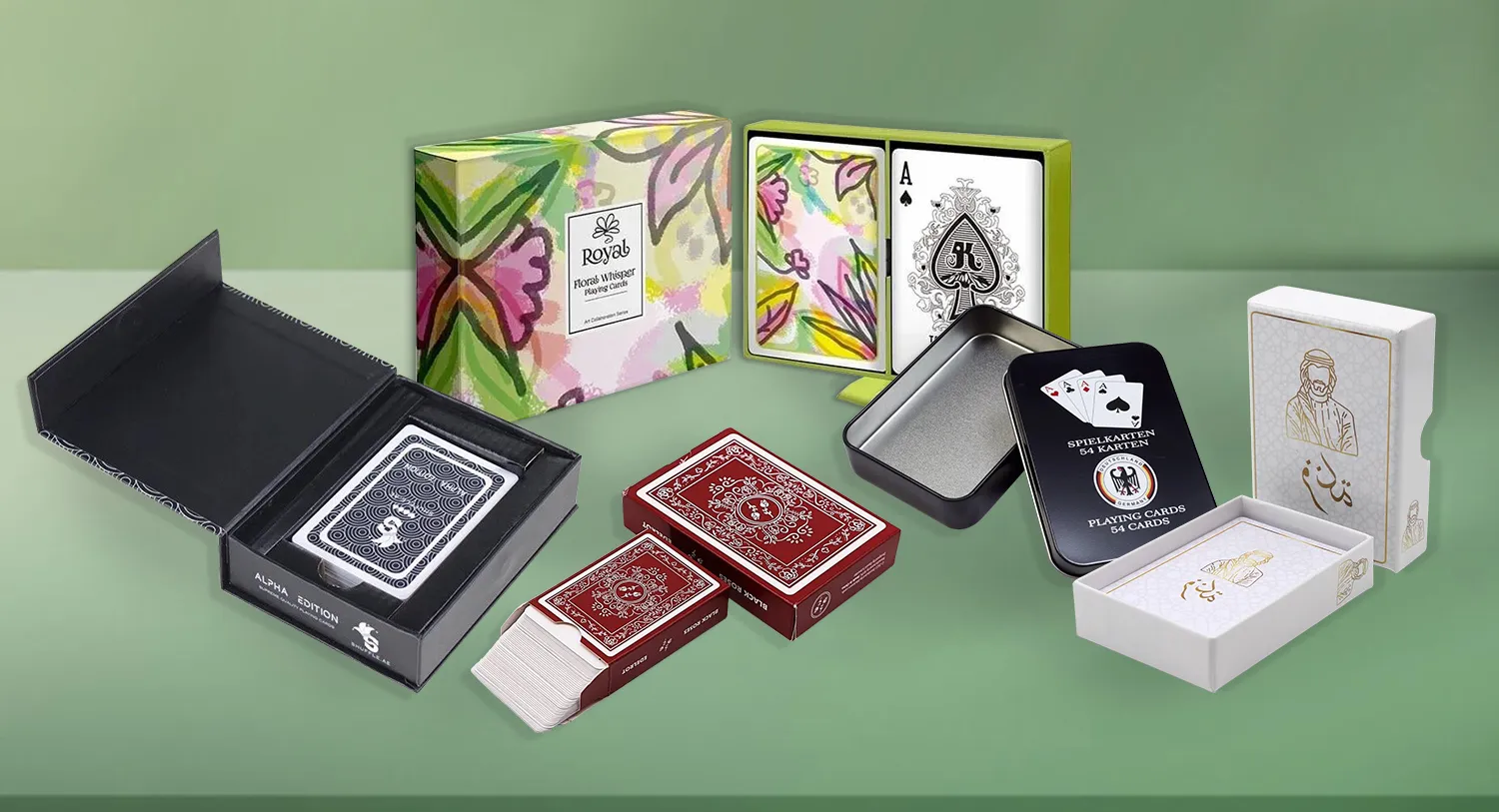
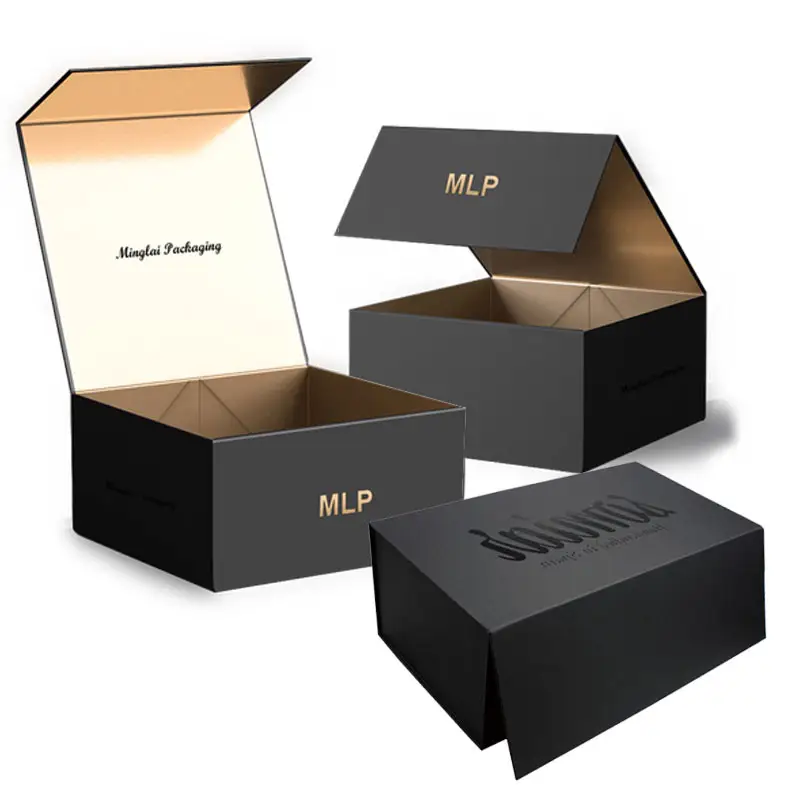
Rigid Boxes: If durability and premium presentation are top priorities, rigid boxes are the go-to option. They are sturdy and exude luxury, making them perfect for high-end products. However, they tend to be more expensive and less flexible in terms of storage and distribution.
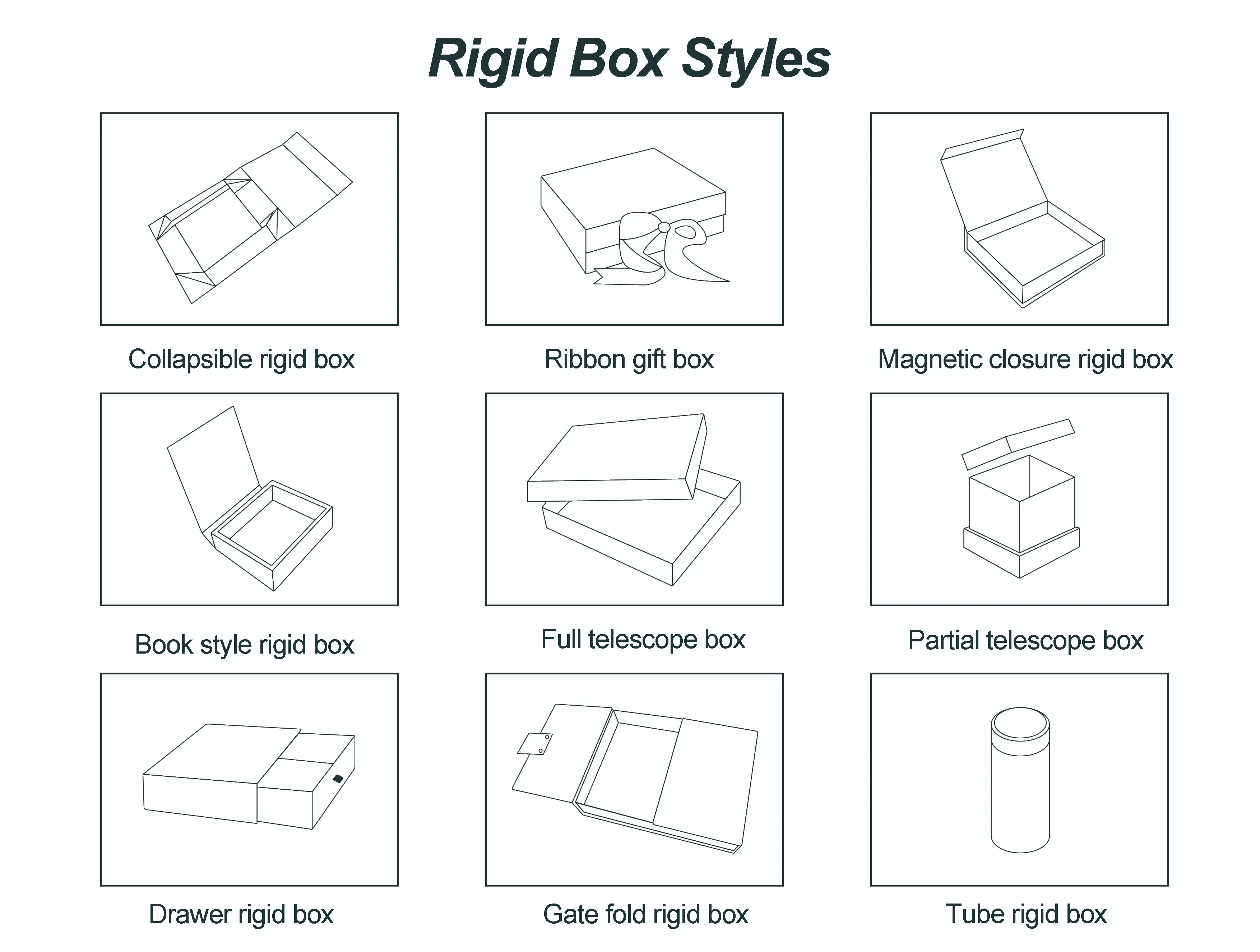
The chosen box type influences material selection. Mailer boxes often use corrugated cardboard for strength, while folding cartons frequently use lighter paperboard. Rigid boxes can employ thicker paperboard or even specialized materials for added luxury.
Considering Box Size and Fit
Box size is another critical factor in packaging. An appropriately sized box not only protects the product but also reduces waste and shipping costs. To determine the ideal box size, measure your product’s dimensions and allow for any additional inserts or padding. Using a box that’s too large can lead to increased material costs and inefficient storage, while a box that’s too small may compromise the product’s safety.
Aesthetics and Branding
Aesthetics and branding are vital elements in packaging that influence consumer perception and brand identity. Your packaging should reflect your brand’s personality and values.
Consider using bold colors, striking designs, and high-quality printing techniques to create an unforgettable look. Incorporate your logo and other branding elements consistently across all packaging to build brand recognition. Remember, first impressions matter; visually appealing packaging can significantly impact consumer purchasing decisions.
Enhancing the Unboxing Experience
In today’s social media-driven world, the unboxing experience has become a powerful marketing tool. Consider incorporating elements like:
-
Custom inserts: Custom inserts ensure products remain secure during transit while showcasing them appealingly.
-
Window cutouts: Window cutouts provide a sneak peek of the product inside, increasing excitement and curiosity.
-
Perforations: Perforations facilitate easy opening, adding convenience to the consumer experience.
Investing in these features can turn ordinary packaging into an extraordinary experience.
Distribution and Storage Considerations
Packaging must withstand various stages of distribution and storage. Evaluate your supply chain to identify potential challenges and ensure your packaging is durable enough to endure them. For example, if your product will be stored in humid conditions, consider materials that resist moisture.
Additionally, opt for packaging solutions that are stackable and space-efficient to minimize storage costs. Paying close attention to these details ensures your product reaches consumers in optimal condition.
Prioritizing Durability
Durability is non-negotiable in packaging. Weak or flimsy packaging can result in damaged products, leading to dissatisfied customers and potential financial losses. Choose materials that offer robust protection, such as corrugated cardboard for mailer boxes or thick paperboard for folding cartons. Rigid boxes naturally provide superior durability, but it’s essential to balance this with your budget and aesthetic goals.
Budget Constraints
Budget constraints are a reality for every business, and packaging decisions must align with financial limitations. While premium materials and elaborate designs are desirable, they may not always be feasible. Conduct a cost-benefit analysis to determine the best compromise between quality and affordability.
Sometimes, innovative design and smart material choices can achieve high quality without breaking the bank. Keep in mind that investing in good packaging often pays off through enhanced customer satisfaction and brand loyalty.
Addressing Environmental Factors
Environmental consciousness is increasingly important for consumers. Sustainable packaging options resonate well with environmentally aware customers and can enhance your brand image. Explore eco-friendly materials, such as recycled cardboard, biodegradable plastics, or reusable packaging solutions.
Implementing sustainable practices not only benefits the planet but also attracts a growing segment of eco-conscious shoppers. Strive to create packaging that aligns with your environmental values while maintaining functionality and aesthetic appeal.
FAQ
Can I print double-sided on the paper box?
Yes, you can choose print one-side or print double-sided on a paper box. Many businesses opt for this option to maximize brand exposure and provide additional information or decorative elements. Printing on both sides can enhance the overall look and feel of the packaging, creating a more immersive experience for the customer.
When designing your box, think about how the internal graphics can complement the external ones, creating a cohesive and compelling package.
Are there eco-friendly material options for paper boxes?
Absolutely! We offer sustainable materials, including recycled cardboard and biodegradable coatings.
How to measure the box size?
To measure the box size, determine the dimensions of your product and add extra space for inserts or protective materials.
What’s the Minimum Order Quantity for custom paper boxes?
Typically, the minimum order quantity is around 500 unit. If your needs are smaller, we still accommodate lower quantities.
How to ensure color accuracy for paper box printing?
Color accuracy is pivotal in maintaining brand consistency and ensuring that your packaging looks professional. The best way to achieve color accuracy is by using CMYK (Cyan, Magenta, Yellow, and Key/Black) or Pantone color systems. These standardized color models ensure that the colors on your printed boxes match your digital designs. Additionally, working closely with us and requesting proofs before the final run can help identify and rectify any color discrepancies beforehand.
Do you provide material or printed box samples?
Yes, we can provide samples to help you make the best decision for your custom paper boxes. We offer both material samples and printed box samples from our stock. This allows you to feel the quality, texture, and sturdiness of the material, as well as see the print quality firsthand. These samples are free, you just need to cover the shipping costs. Receiving a sample can provide peace of mind and help you visualize the final product.
Do you provide custom paper options?
Yes, we do provide custom paper options to suit your specific needs. Whether you need a particular type of paper for its aesthetic qualities, durability, or eco-friendliness, we can accommodate those preferences.
We Offer a range of custom paper choices ensures that your packaging meets the exact requirements and branding of your business. Our custom paper options also allow for unique textures, finishes, and weights, giving your product a distinctive appearance that stands out in the marketplace.
Find a Custom Paper Box Manufacturer
If you’re looking for a reliable custom paper box manufacturer, BookPrintingChina is an excellent choice. We offer a wide range of custom paper box printing services, whether you need a custom mailer box, custom folding carton, or rigid box. Our team is dedicated to bringing your vision to life with high-quality materials and finishes that reflect your brand identity.