



In this post, we’ll explore the standard board book sizes and how to select a perfect size for your project.
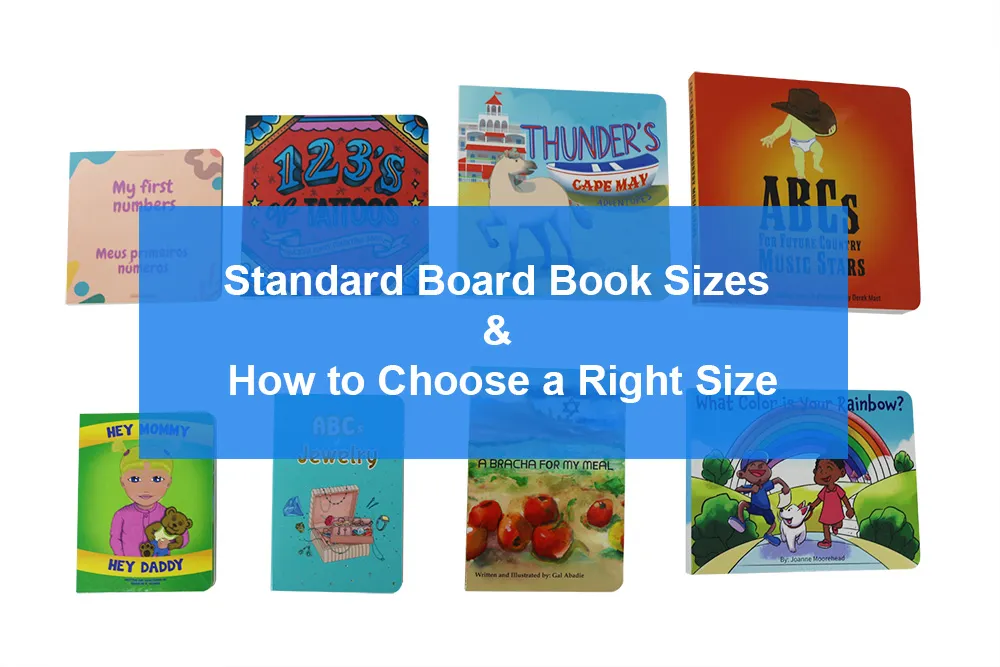
Board books are a beloved staple in children’s literature, designed to withstand the enthusiastic handling of young readers. These durable books, with their thick cardboard pages, are perfect for tiny hands and developing minds. However, choosing the right size for a board book is crucial for both its functionality and appeal.
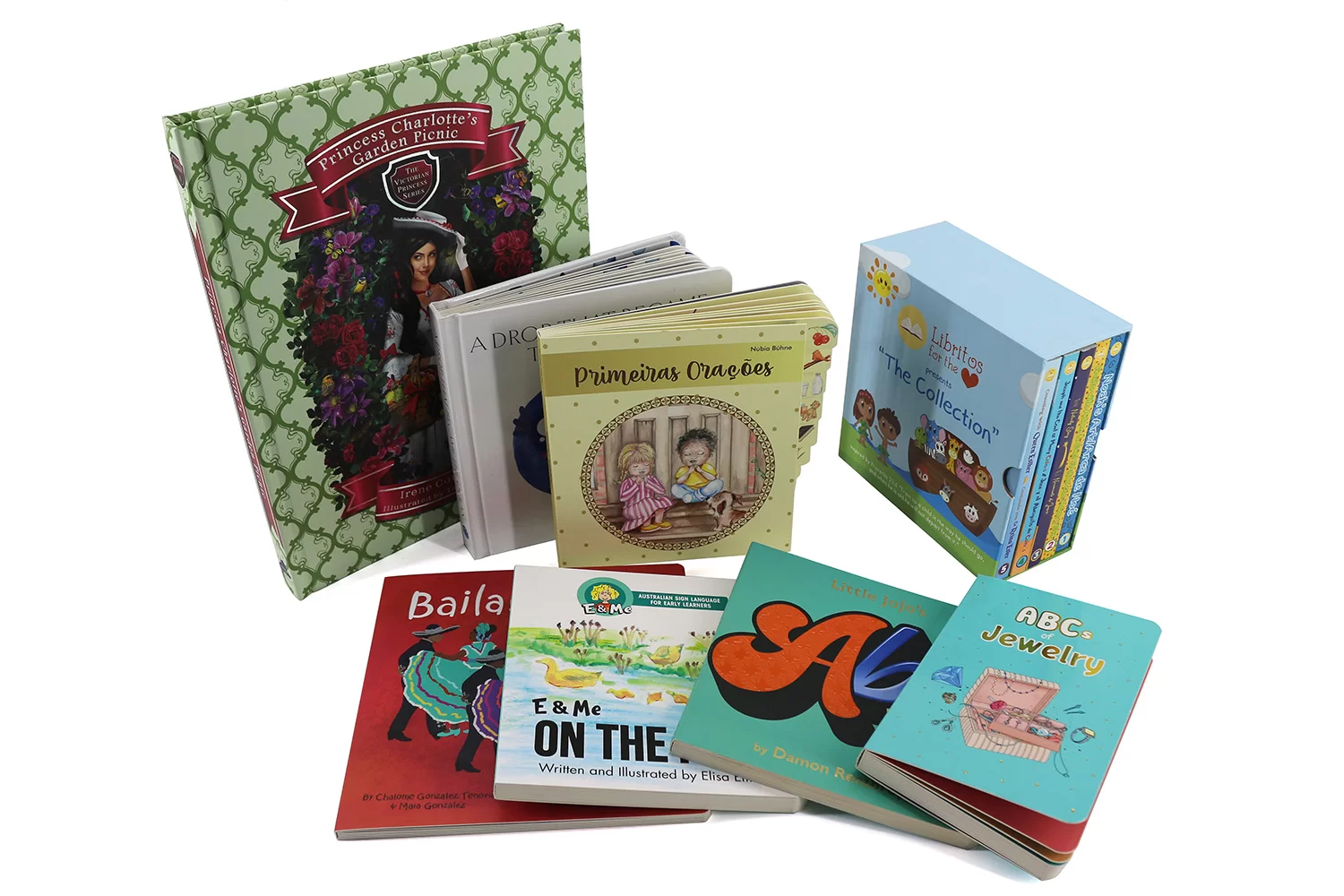
The world of board books is diverse, with various sizes and shapes catering to different age groups and reading experiences. From compact squares that fit snugly in a toddler’s grasp to larger formats that showcase vibrant illustrations, each size serves a unique purpose in a child’s reading journey.
As we delve into the intricacies of board book dimensions, we’ll uncover the reasons behind popular size choices, the impact of different orientations, and the considerations that go into selecting the ideal format for your story. Whether you’re an author, illustrator, publisher, or simply a curious parent, this guide will provide valuable insights into the art and science of board book sizing.
Why Board Books Think Small, Not Big?
When it comes to custom board books, the adage “good things come in small packages” couldn’t be more apt. The compact nature of these sturdy books is not just a design choice but a well-thought-out decision based on the needs and capabilities of their young audience. Let’s explore why board books tend to favor smaller dimensions over larger ones.
Tailored for Tiny Hands
The primary reason for the petite size of board books is their target audience: infants and toddlers. Small hands require small books. A compact board book is easier for a child to hold, manipulate, and explore independently. This size encourages self-directed learning and fosters a sense of ownership over the reading experience.
Durability in Design
Smaller board books are inherently more durable. Their compact size makes them less likely to bend or warp, even when subjected to the rough handling typical of young children. The reduced surface area of each page also means less opportunity for damage, ensuring the book can withstand repeated readings and explorations.
Focus and Engagement
A smaller format helps to maintain a child’s focus. With limited space on each page, illustrations and text are concise and to the point. This prevents overwhelming young readers and helps them concentrate on key elements of the story or concept being presented.
Portability for On-the-Go Reading
Parents and caregivers appreciate the portability of small board books. They can easily fit into diaper bags, purses, or even coat pockets, making them perfect companions for trips to the park, doctor’s visits, or long car rides. This portability ensures that learning and entertainment are always within reach.
Age-Appropriate Content Delivery
The limited space in a small board book naturally lends itself to simpler stories and concepts. This aligns perfectly with the cognitive development of infants and toddlers, who benefit from clear, straightforward content that doesn’t overwhelm their developing minds.
Standard Board Book Sizes
While board books come in various dimensions, certain sizes have emerged as industry standards due to their practicality and popularity. These standard sizes cater to different age groups and reading experiences, offering a range of options for authors and publishers.
Let’s examine the most common board book sizes and their unique characteristics.
 |
 |
 |
 |
 |
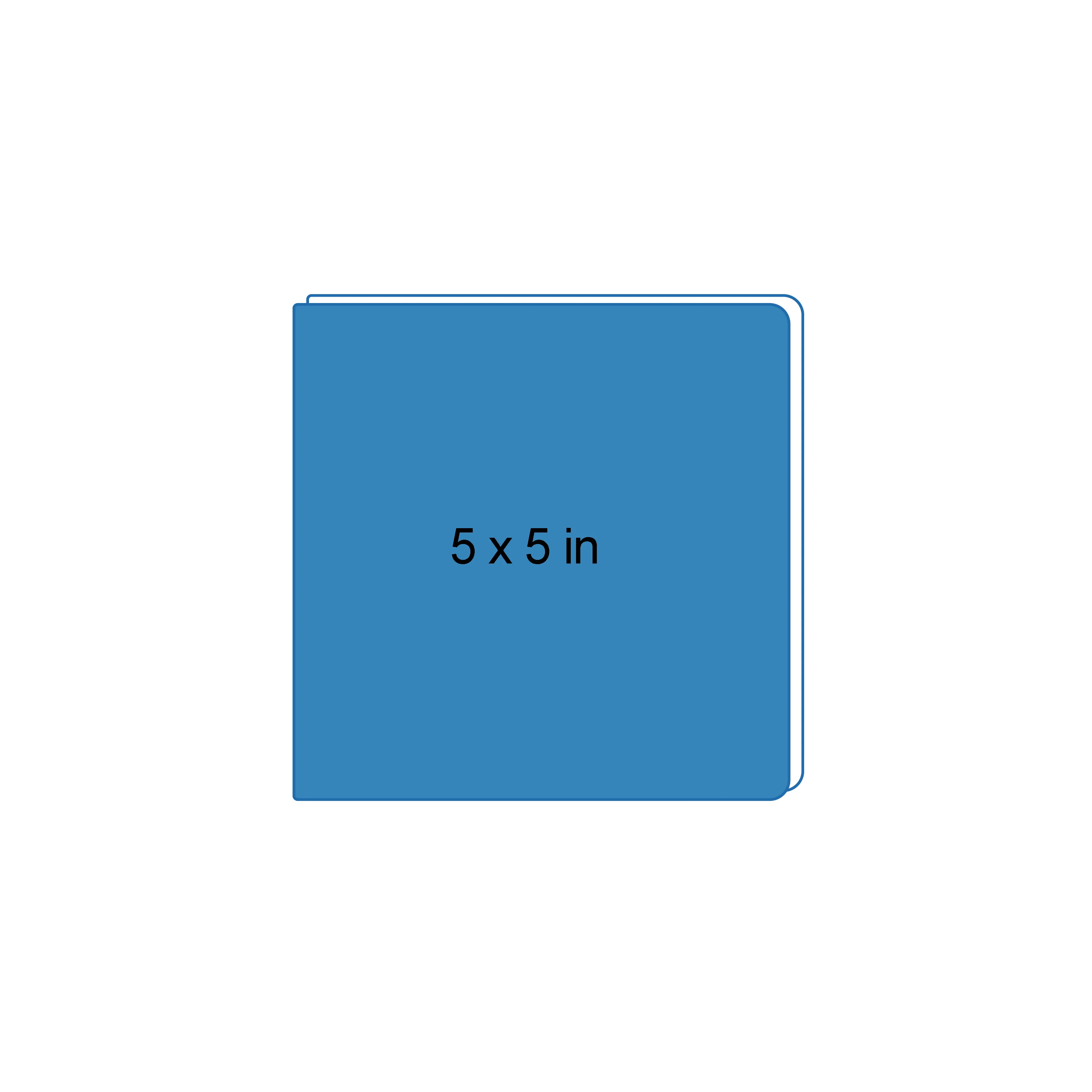
5 x 5 Inches: The Compact Square
The 5 x 5 inch format is a popular choice for board books, particularly those aimed at the youngest readers. This perfectly square shape offers several advantages:
-
Easy to hold: The small size fits comfortably in tiny hands.
-
Symmetrical design: The square shape allows for creative layouts and illustrations.
-
Focused content: Limited space encourages concise storytelling and simple concepts.
-
Ideal for babies: Perfect for introducing first words, colors, or simple shapes.
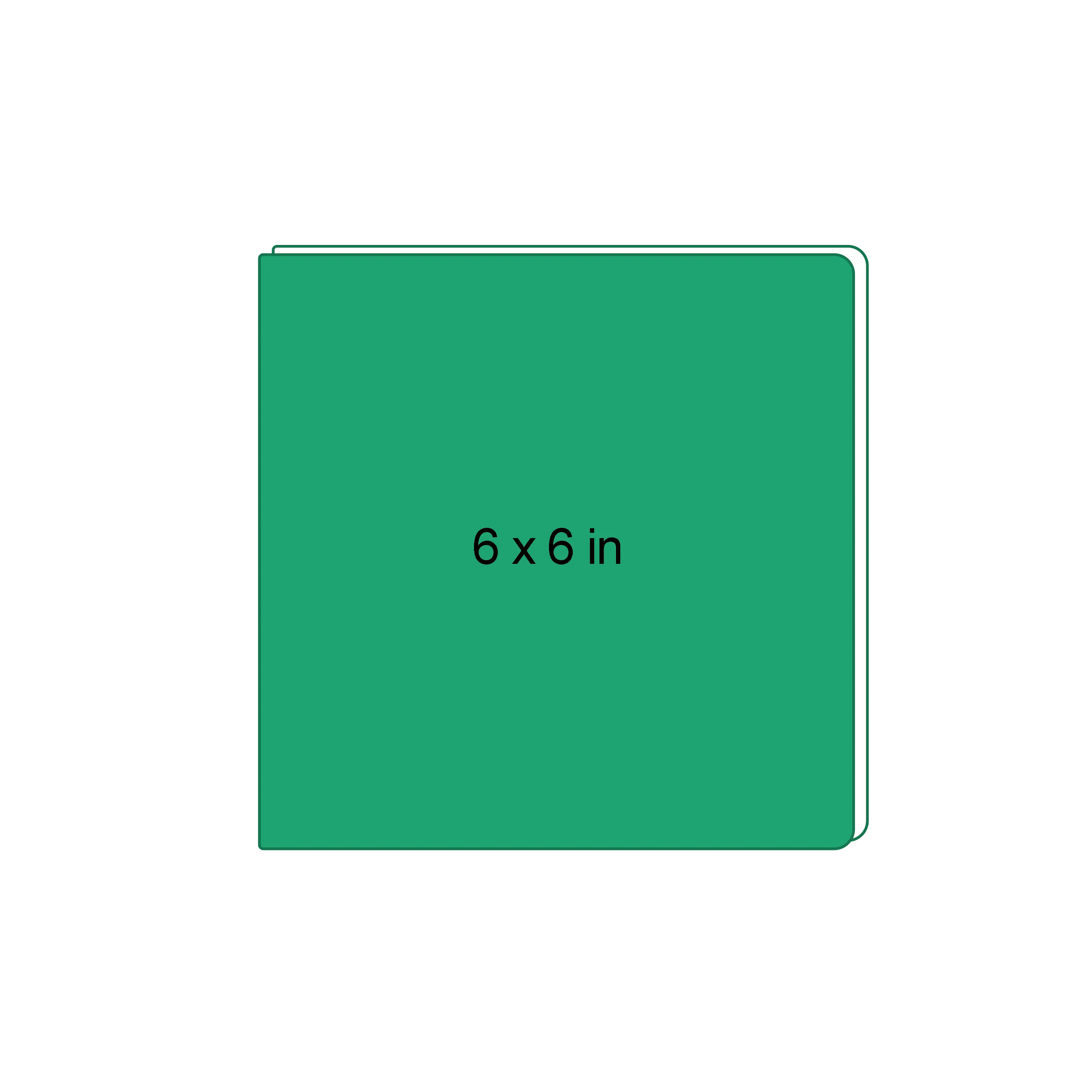
6 x 6 Inches: The Versatile Middle Ground
6 x 6 inch format is the classic choice for board books. It slightly larger than its 5 x 5 counterpart, this size provides a bit more space while maintaining a manageable size:
-
Balanced proportions: Offers more room for detailed illustrations without being unwieldy.
-
Flexible content: Suitable for slightly more complex stories or educational concepts.
-
Toddler-friendly: A good size for children who have outgrown the smallest books but still need durability.
-
Popular choice: Many publishers favor this size for its versatility across different age groups.
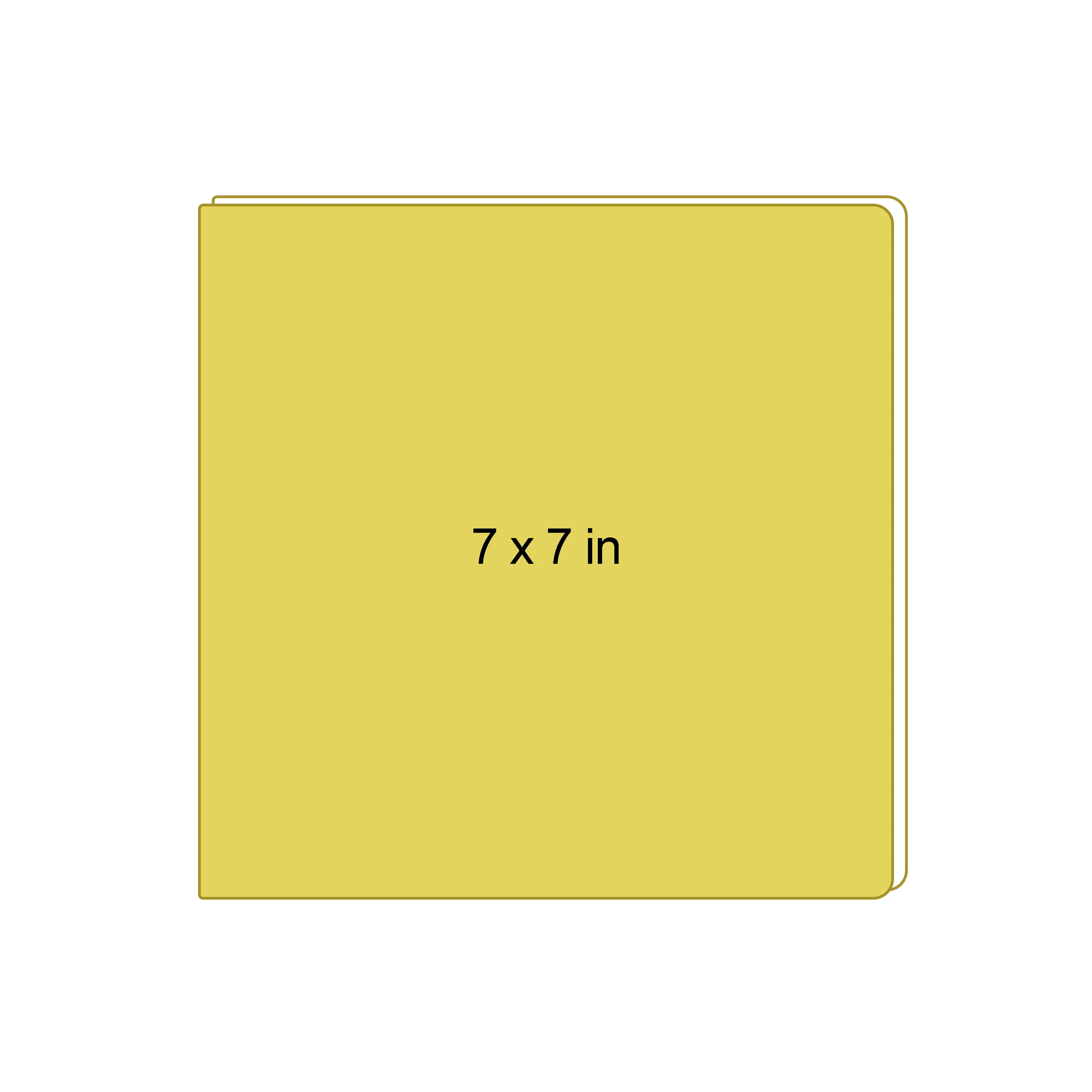
7 x 7 Inches: The Spacious Square
The 7 x 7 inch format provides ample space for more detailed illustrations and longer text, making it suitable for older toddlers and preschoolers:
-
Enhanced visual appeal: Larger pages allow for more intricate artwork and designs.
-
Expanded content: Room for longer stories or more in-depth educational material.
-
Transitional size: Bridges the gap between board books and traditional picture books.
-
Impactful presence: The larger size makes for an impressive gift or display item.
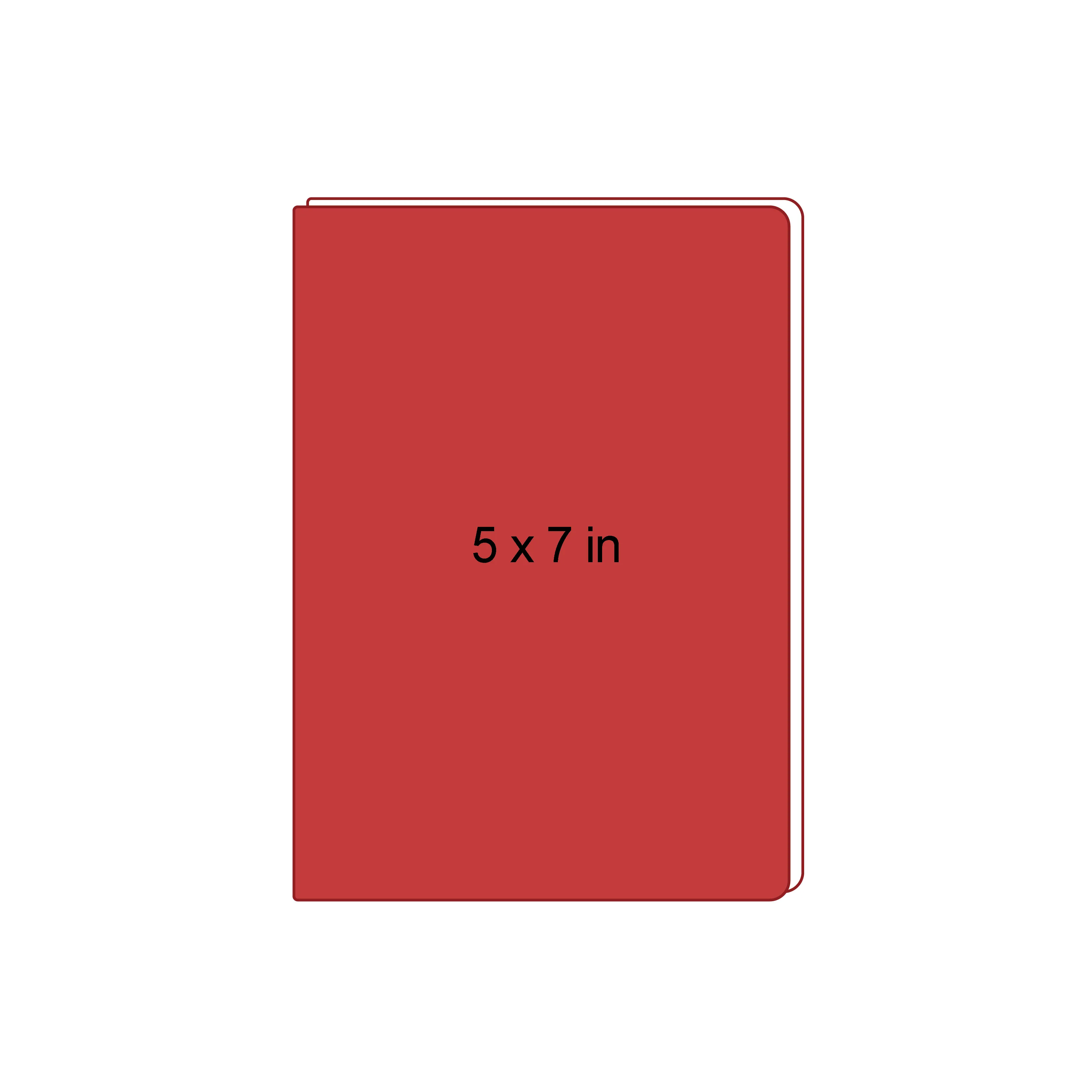
5 x 7 Inches: The Classic Rectangle
Moving away from the square format, the 5 x 7 inch rectangular board book offers a different reading experience:
-
Traditional feel: Mimics the shape of standard books, preparing children for future reading materials.
-
Varied layouts: Allows for interesting page designs and illustration placements.
-
Portable yet spacious: Maintains a compact size while offering more page area than smaller squares.
-
Versatile orientation: Can be used in both portrait and landscape formats for different storytelling approaches.
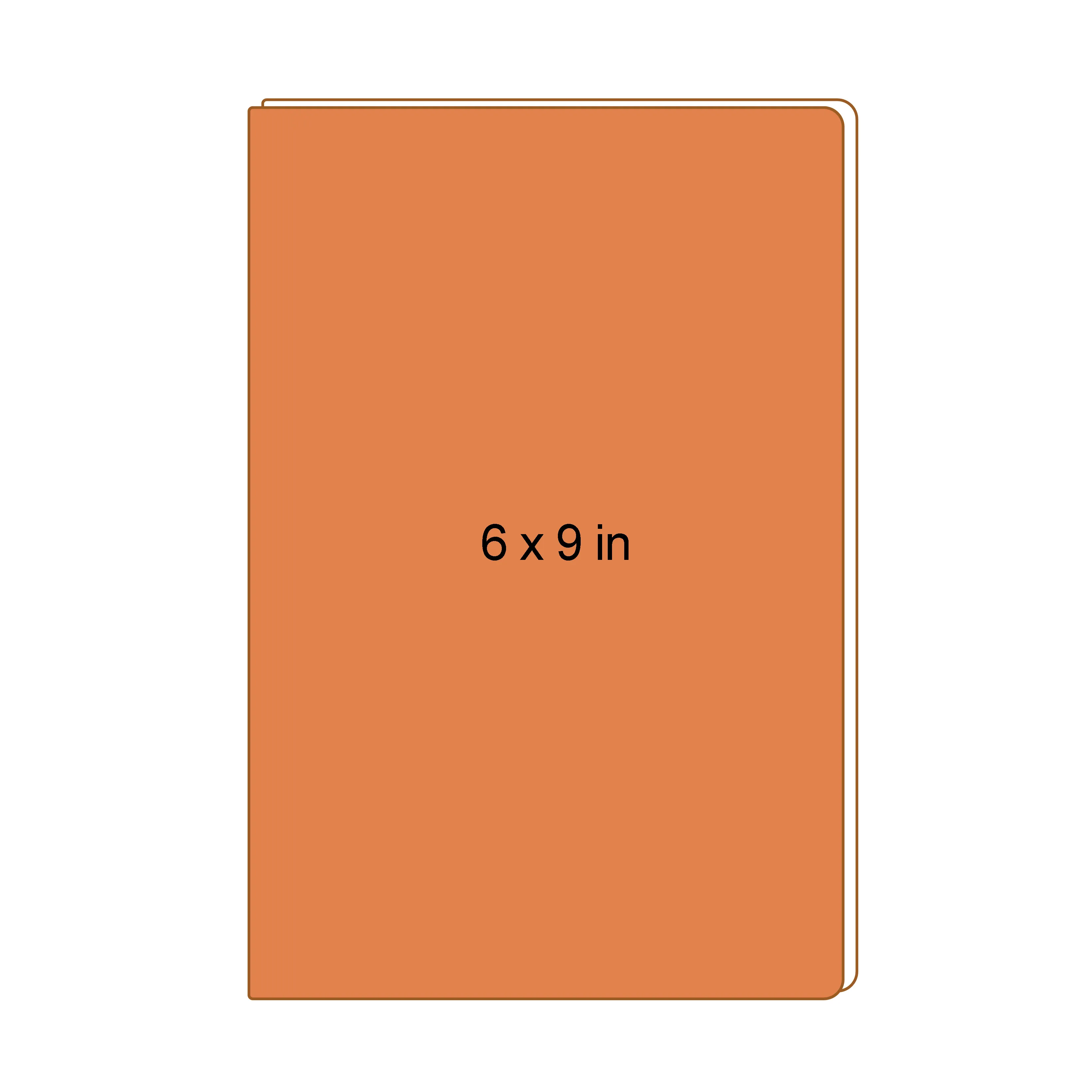
6 x 9 Inches: The Generous Rectangle
At the larger end of standard board book sizes, the 6 x 9 inch format provides significant space for content:
-
Story-driven: Ideal for more complex narratives or detailed non-fiction topics.
-
Rich illustrations: Offers a canvas for elaborate artwork and visual storytelling.
-
Older audience: Suitable for preschoolers and early readers who can handle larger books.
-
Impactful presence: Makes for an impressive addition to a child’s bookshelf.
Non-standard and Custom Sizes
While standard sizes dominate the board book market, there’s a growing trend towards unique and custom dimensions. These non-standard sizes offer creative freedom and can help a book stand out in a crowded marketplace. Let’s explore some of the exciting possibilities in non-standard board book sizing.
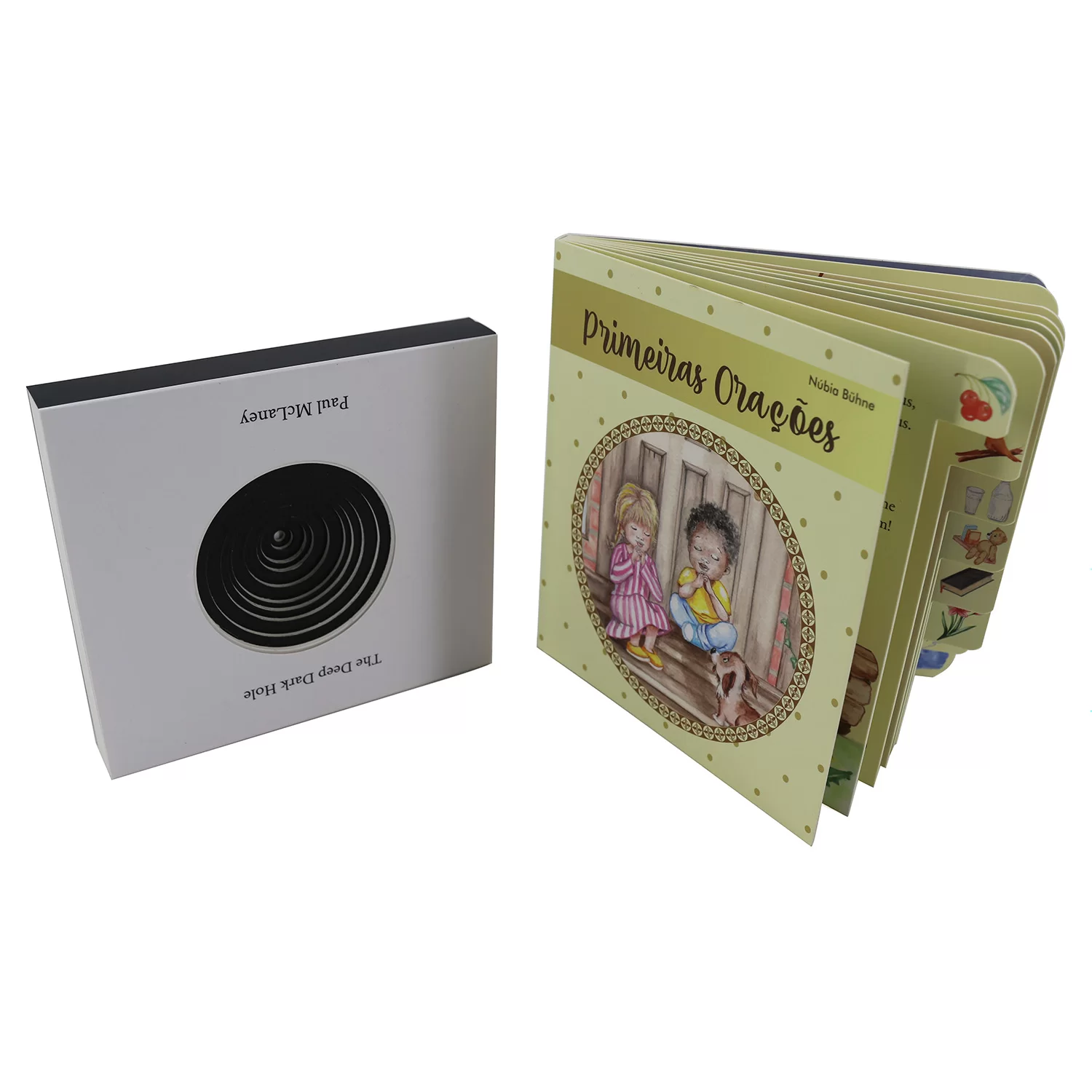
Die-cut Shapes: Beyond the Rectangle
Die-cut board books break free from traditional rectangular shapes, offering a world of creative possibilities:
-
Thematic designs: Books can be cut into shapes that reflect their content, such as animals, vehicles, or objects.
-
Interactive experience: Unique shapes encourage tactile exploration and engagement with the book as an object.
-
Memorable presence: Distinctive shapes make the book more likely to be remembered and chosen by young readers.
-
Challenges: Production can be more complex and costly, but the results can be truly eye-catching.
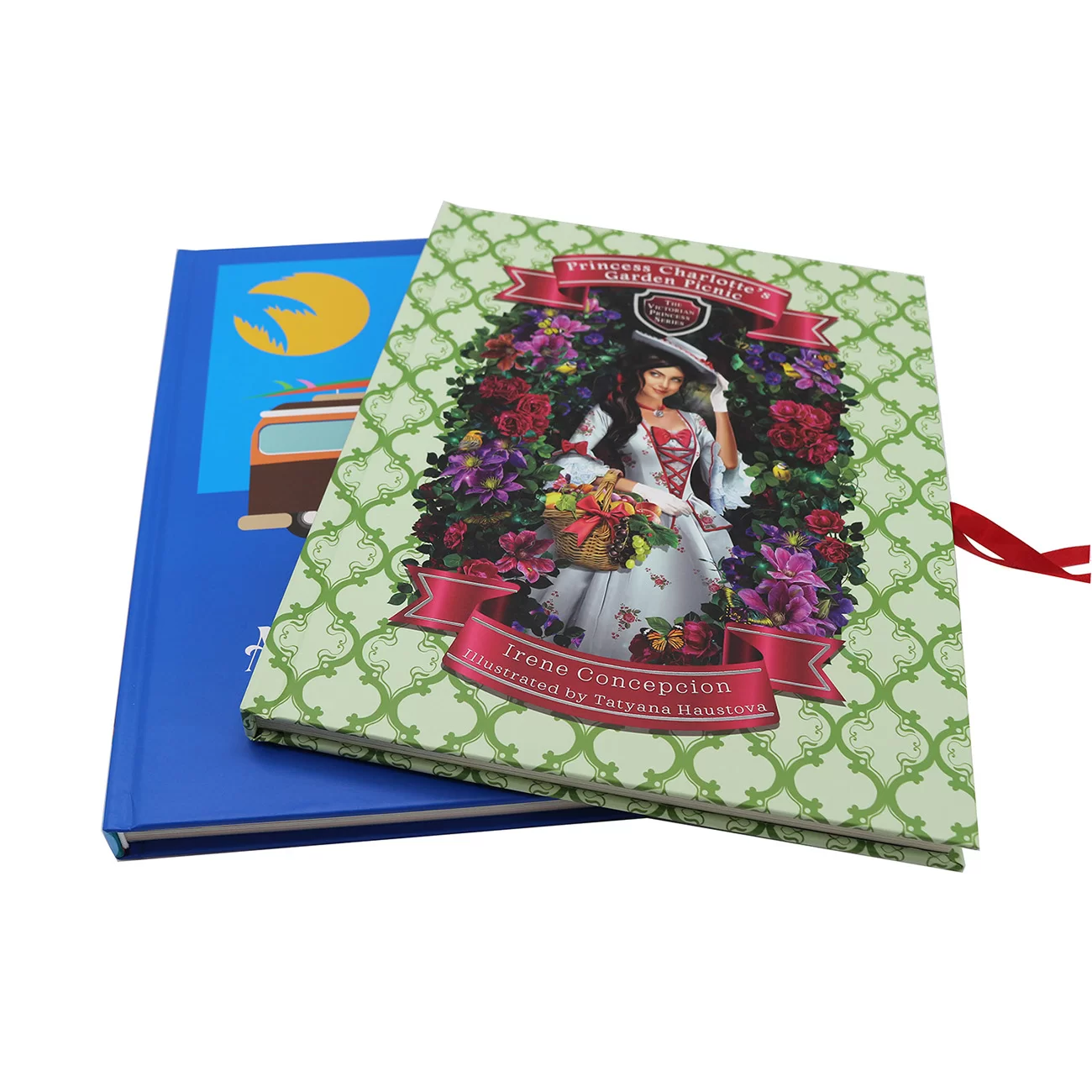 Oversized Options: Making a Big Impression
Some publishers opt for larger-than-standard board books (e.g. 8.5 x 8.5 inches, 8 x 10 inches, 8.5 x 11 inches) to create a dramatic effect:
-
Visual impact: Large formats allow for stunning, detailed illustrations that captivate young readers.
-
Shared reading: Bigger books are excellent for group storytimes or family reading sessions.
-
Educational potential: Extra space can accommodate more detailed information or learning activities.
-
Considerations: Storage and handling may be more challenging, but the wow factor can be worth it.
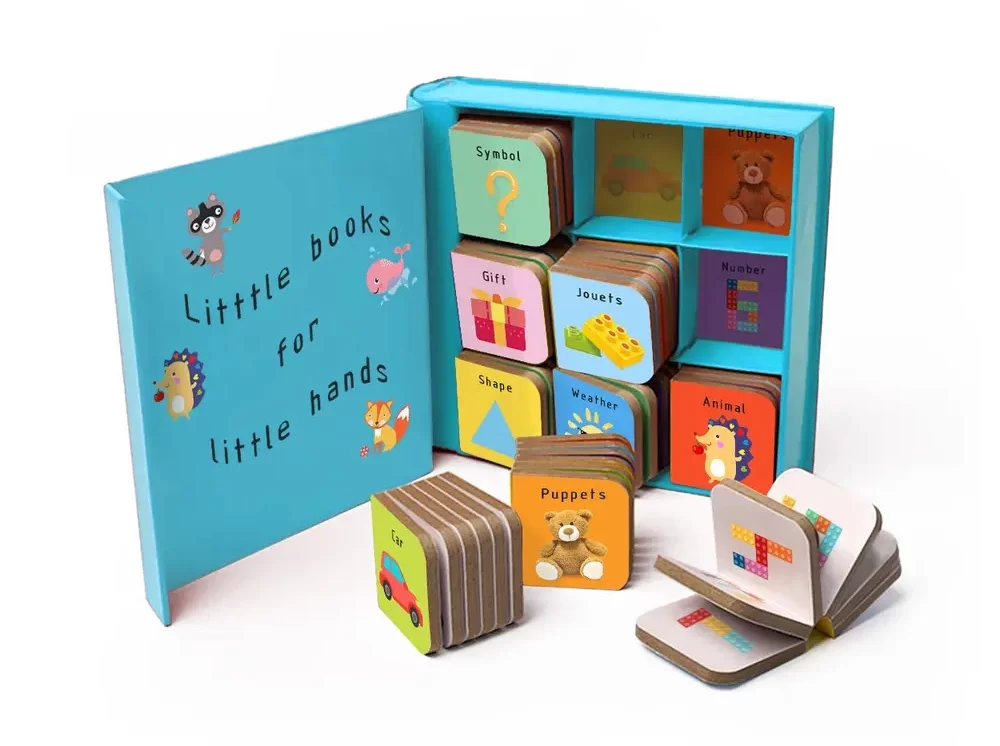 Miniature Marvels: Tiny Treasures
At the other end of the spectrum, some board books go smaller than standard sizes:
-
Portability plus: Ultra-small books can fit in pockets or small bags for on-the-go entertainment.
-
Collectibility: Tiny books often appeal to collectors and can be sold in sets.
-
Novelty factor: The unusual size can be intriguing to children, encouraging interaction.
-
Limitations: Very small sizes restrict content and may not be suitable for all types of stories or illustrations.
Custom Dimensions: Tailored to the Tale
Some authors and publishers opt for completely custom sizes to perfectly fit their vision:
-
Story-driven sizing: The book’s dimensions can be chosen to complement the narrative or theme.
-
Brand consistency: Custom sizes can align with an author’s or publisher’s unique brand.
-
Market differentiation: Unusual dimensions can help a book stand out on crowded shelves.
Board Book Orientations
The orientation of a board book plays a crucial role in how the story is presented and experienced by young readers. Each orientation offers unique advantages and can significantly impact the book’s design and functionality. Let’s explore the three main orientations used in board books: portrait, square, and landscape.
Portrait Orientation: Vertical Versatility
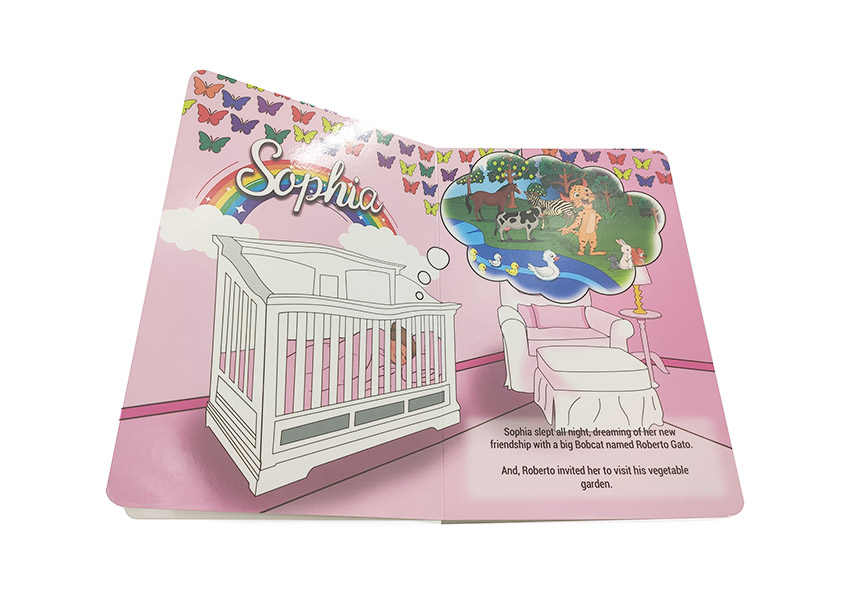
Portrait orientation, where the height is greater than the width, is a popular choice for board books:
-
Familiar format: Mimics the orientation of most traditional books, providing a sense of familiarity.
-
Vertical storytelling: Ideal for stories that involve vertical elements like tall buildings or growing plants.
-
Space efficiency: Allows for more books to be displayed on a standard bookshelf.
-
Reading flow: Encourages a top-to-bottom reading pattern, which is natural for most languages.
Square Orientation: Balanced and Bold
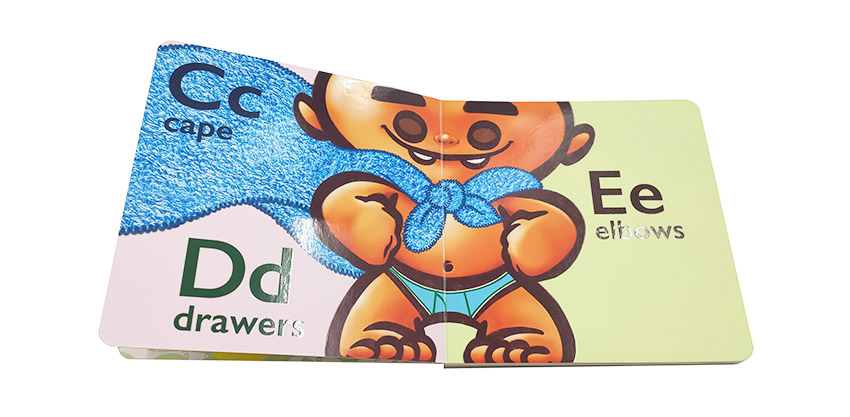
Square format is the most popular choice for board books. It offer a unique and versatile canvas for storytelling:
-
Symmetrical design: Provides a balanced layout that’s visually appealing and easy to handle.
-
Flexible layouts: Allows for creative page designs that can work in multiple directions.
-
Stable structure: The equal dimensions make the book less likely to tip over when stood up.
-
Artistic freedom: Offers a blank canvas that doesn’t favor vertical or horizontal compositions.
Landscape Orientation: Horizontal Horizons
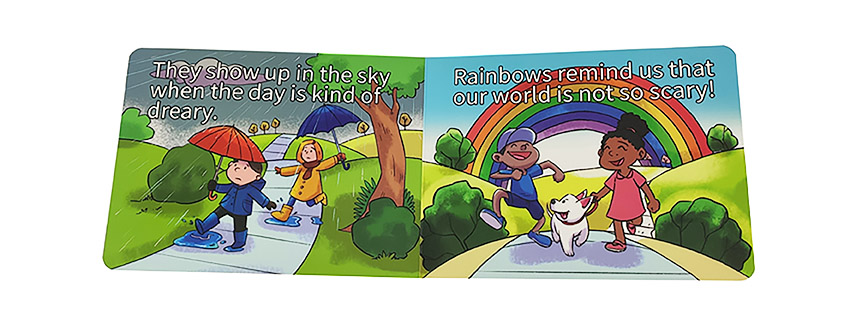
Landscape orientation, where the width is greater than the height, opens up new possibilities for board book design:
-
Panoramic views: Perfect for depicting wide scenes like landscapes, parades, or timelines.
-
Double-page spreads: Allows for expansive illustrations that stretch across both pages.
-
Interactive potential: Ideal for books with flaps, pull-tabs, or other interactive elements that benefit from a wider format.
-
Unique reading experience: The horizontal format can make the book feel more like a visual journey or adventure.
How to Pick the Right Board Book Size
Selecting the perfect size for your board book is a crucial decision that can impact its success and effectiveness. The right dimensions can enhance the reading experience, complement the content, and appeal to your target audience. Here are some key factors to consider when choosing the ideal board book size for your project.
Consider Your Target Age Group
The age of your intended readers should be a primary factor in determining book size:
-
Infants (0-12 months): Opt for smaller sizes like 5 x 5 inches that are easy to grasp and manipulate.
-
Toddlers (1-3 years): Consider slightly larger formats like 6 x 6 or 5 x 7 inches that offer more content while remaining manageable.
-
Preschoolers (3-5 years): Larger sizes such as 7 x 7 or 8 x 8 inches can accommodate more complex stories and detailed illustrations.
Evaluate Your Content
The nature of your story or concept should influence the book’s dimensions:
-
Simple concepts: Smaller sizes work well for books focusing on basic ideas like colors, shapes, or words, animals, fruits and more.
-
Detailed illustrations: Larger formats provide more space for intricate artwork and visual storytelling.
-
Text-heavy content: Consider wider or taller formats that can comfortably fit more words without crowding the page.
Think About Portability
Consider how and where the book will be used:
-
On-the-go reading: Smaller, more compact sizes are ideal for books that will be carried in diaper bags or taken on trips.
-
Home libraries: Larger formats can work well for books primarily read at home, where storage space is less of a concern.
-
Classroom use: Consider durability and visibility when choosing sizes for books that will be used in group settings.
Assess Production Costs
The size of your book can impact production expenses:
-
Standard sizes: Often more cost-effective due to established printing processes.
-
Custom shapes: May incur additional costs but can result in a unique product.
-
Material usage: Larger books require more materials and inks, potentially increasing production costs.
Analyze Market Trends
Research current trends in board book sizing:
-
Bestseller analysis: Look at the dimensions of popular board books in your genre.
-
Publisher preferences: Some publishers may have preferred sizes based on their experience and market research.
-
Emerging trends: Keep an eye out for innovative sizes that are gaining traction in the market.
Opt for Board Book Printing Manufacturers
Choosing the right manufacturer for your board book project is crucial for ensuring quality, cost-effectiveness, and timely production. While there are many options available globally, it’s important to consider factors such as expertise, production capabilities, and customer service when selecting a printing partner.
Domestic vs. International Manufacturers
When considering board book printing manufacturers, one of the first decisions is whether to choose a domestic or international provider:
-
Domestic manufacturers provide faster turnaround times, easier communication and quality control, but potentially higher costs.
-
International manufacturers often more cost-effective for large print runs, access to specialized equipment and techniques, but may be longer shipping times.
Key Factors in Choosing a Manufacturer
Regardless of location, consider these crucial aspects when selecting a board book printing partner:
-
Experience with board books: Look for manufacturers with a proven track record in producing high-quality board books.
-
Print quality: Request samples to assess the clarity of text, vibrancy of colors, and overall print quality.
-
Material options: Ensure the manufacturer offers appropriate board thicknesses and finishes for your project.
-
Production capacity: Verify that the manufacturer can handle your desired print run size and timeline.
-
Customization capabilities: If you’re considering non-standard sizes or special features, confirm that the manufacturer can accommodate these requests.
-
Environmental considerations: Look for manufacturers who use sustainable practices and materials if this aligns with your values.
-
Customer service: Choose a manufacturer that offers clear communication, responsive support, and transparency throughout the production process.
-
Pricing and payment terms: Compare quotes from multiple manufacturers, considering both unit costs and any additional fees.
-
Shipping and logistics: Understand the manufacturer’s shipping options, costs, and estimated delivery times.
-
Quality control processes: Inquire about the manufacturer’s quality assurance procedures to ensure consistency across your print run.
Working with Your Chosen Manufacturer
Once you’ve selected a board book printing manufacturer, follow these steps to ensure a smooth production process:
-
Provide clear specifications: Clearly communicate your book’s dimensions(e.g. size, page count), material preferences, binding and any special requirements.
-
Submit high-quality files: Ensure your artwork and text files meet the manufacturer’s specifications for optimal printing results.
-
Review proofs carefully: Thoroughly check any physical or digital proofs provided before approving full production.
-
Discuss timeline expectations: Establish clear deadlines for each stage of the production process.
-
Plan for shipping and storage: Consider how books will be packaged, shipped, and stored upon delivery.
-
Maintain open communication: Stay in regular contact with your manufacturer throughout the production process to address any questions or concerns promptly.
By carefully considering these factors and working closely with your chosen manufacturer, you can ensure that your board book project is produced to the highest standards, meeting both your creative vision and practical requirements.
Conclusion
Choosing the right size for a board book is a nuanced decision that involves considering various factors, from the age of your target audience to the nature of your content and production practicalities. Whether you opt for a standard size or venture into custom dimensions, the goal remains the same: to create a book that engages, educates, and delights young readers.
Remember that the physical attributes of a board book – its size, shape, and orientation – are integral parts of the storytelling experience. They can enhance the narrative, support the illustrations, and make the book more accessible and appealing to its intended audience.
As you embark on your board book project, take the time to explore different sizes and formats. Consider creating mock-ups to see how your content fits and feels in various dimensions. Consult with experienced designers, publishers, or printers who can offer insights based on their expertise in the field.
Ultimately, the perfect board book size is one that serves your story, appeals to your readers, and brings your creative vision to life in the most effective way possible. By understanding the options available and the implications of each choice, you’re well-equipped to make an informed decision that will contribute to the success of your board book.
Ready to print your own board book? BookPrintingChina is specialized in custom board book printing, whether you want to print a normal board book or pop up board book, we can bring your dream to life with premium quality printing standard. Contact us for a free quote today!