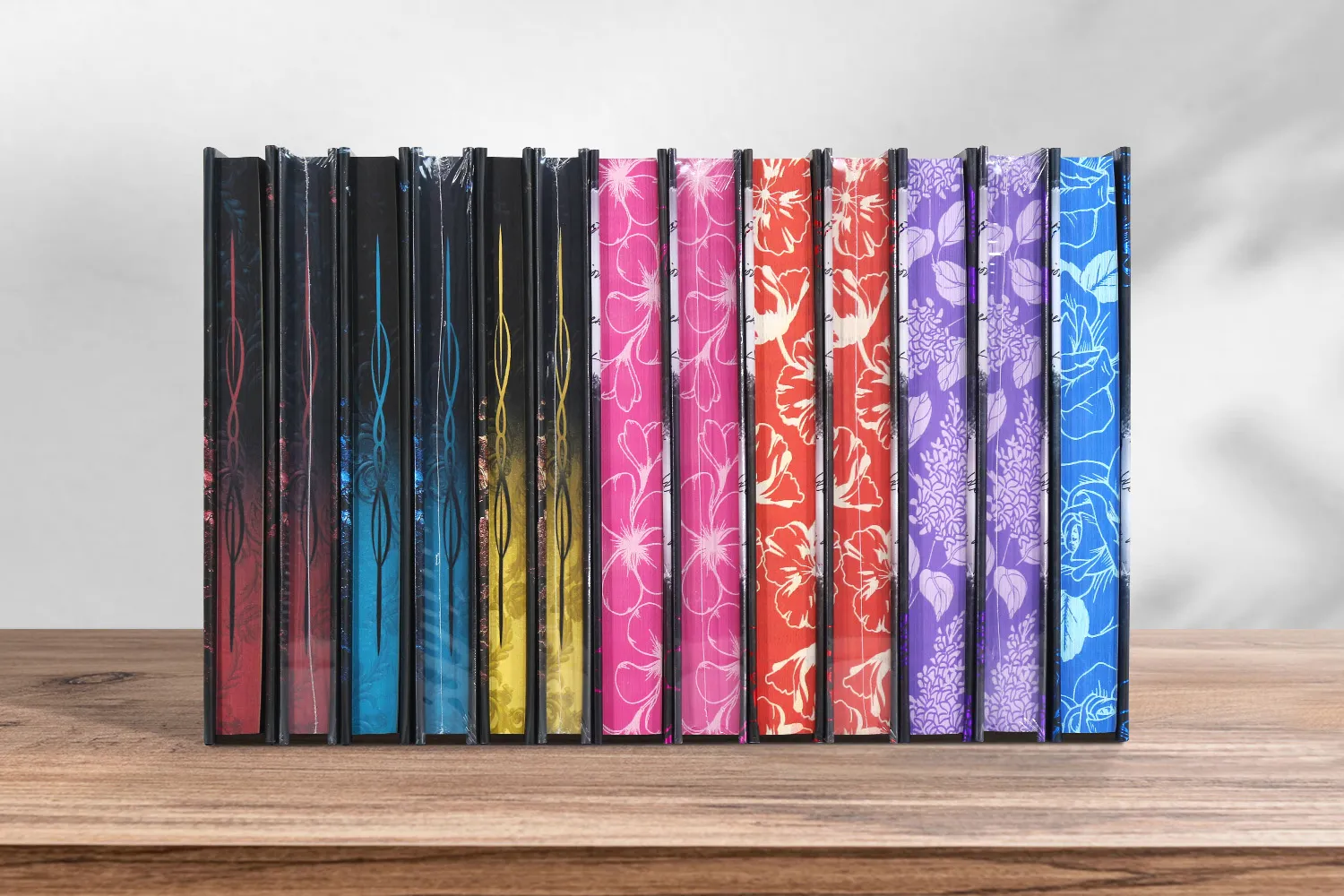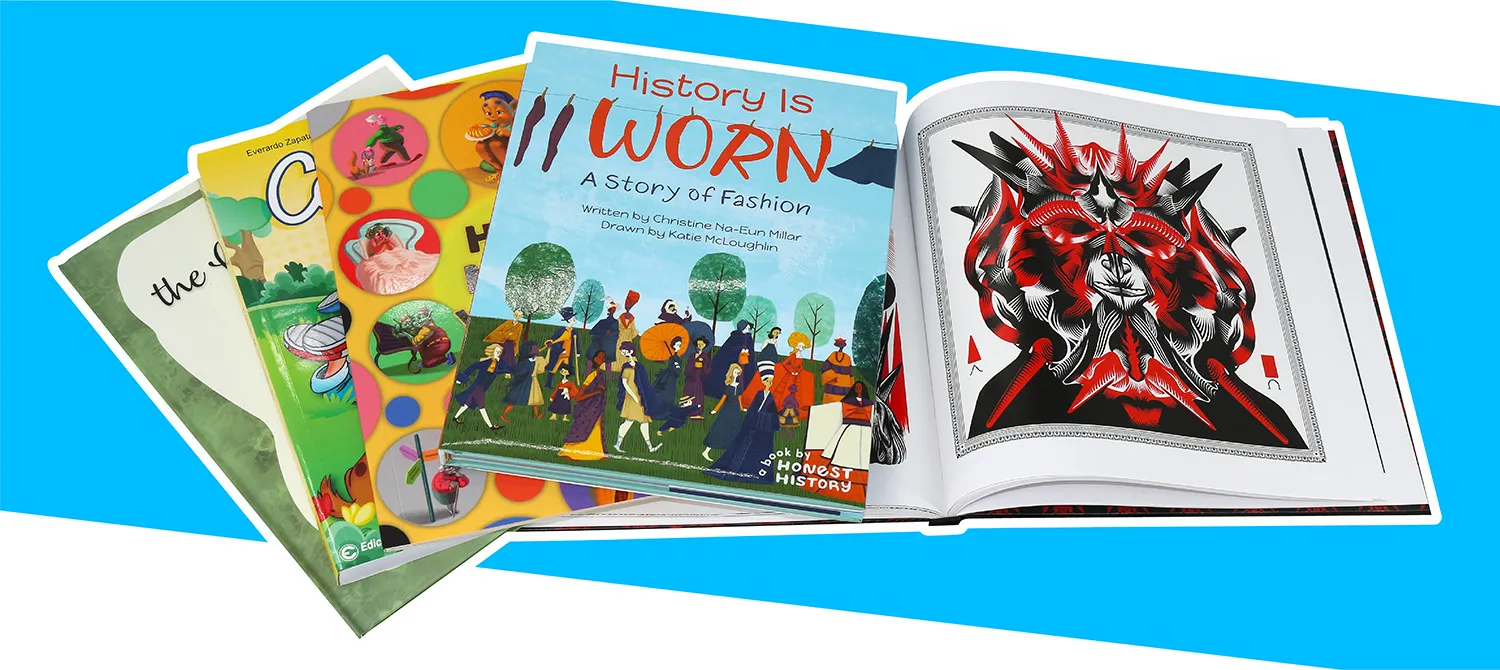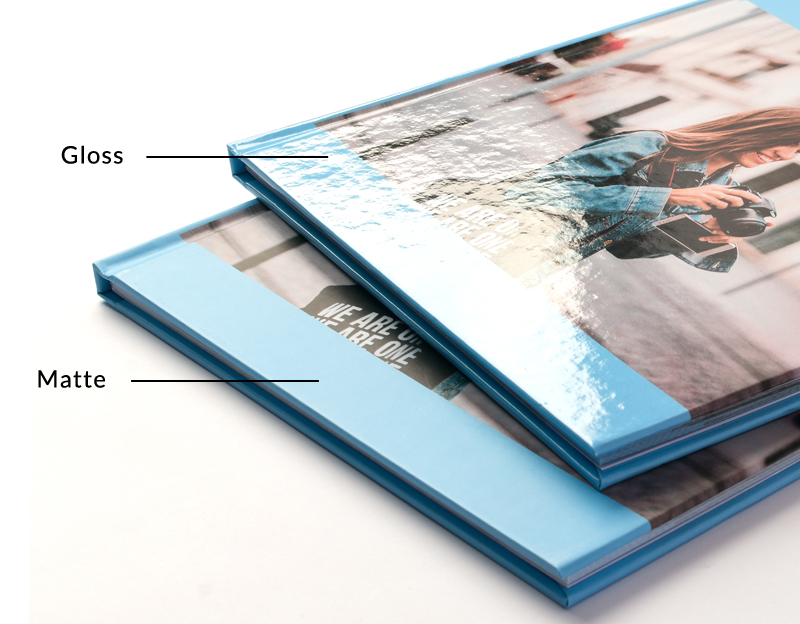




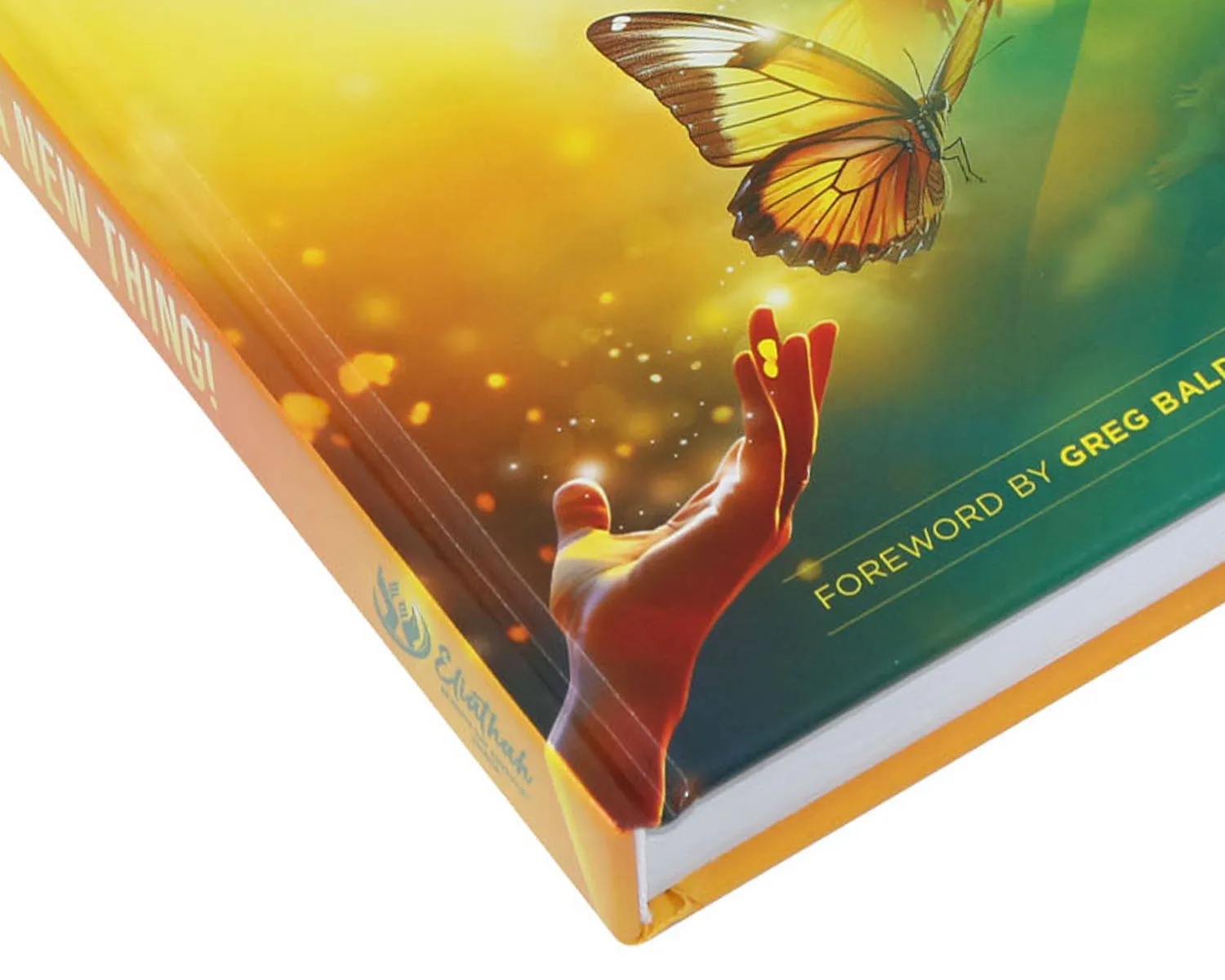
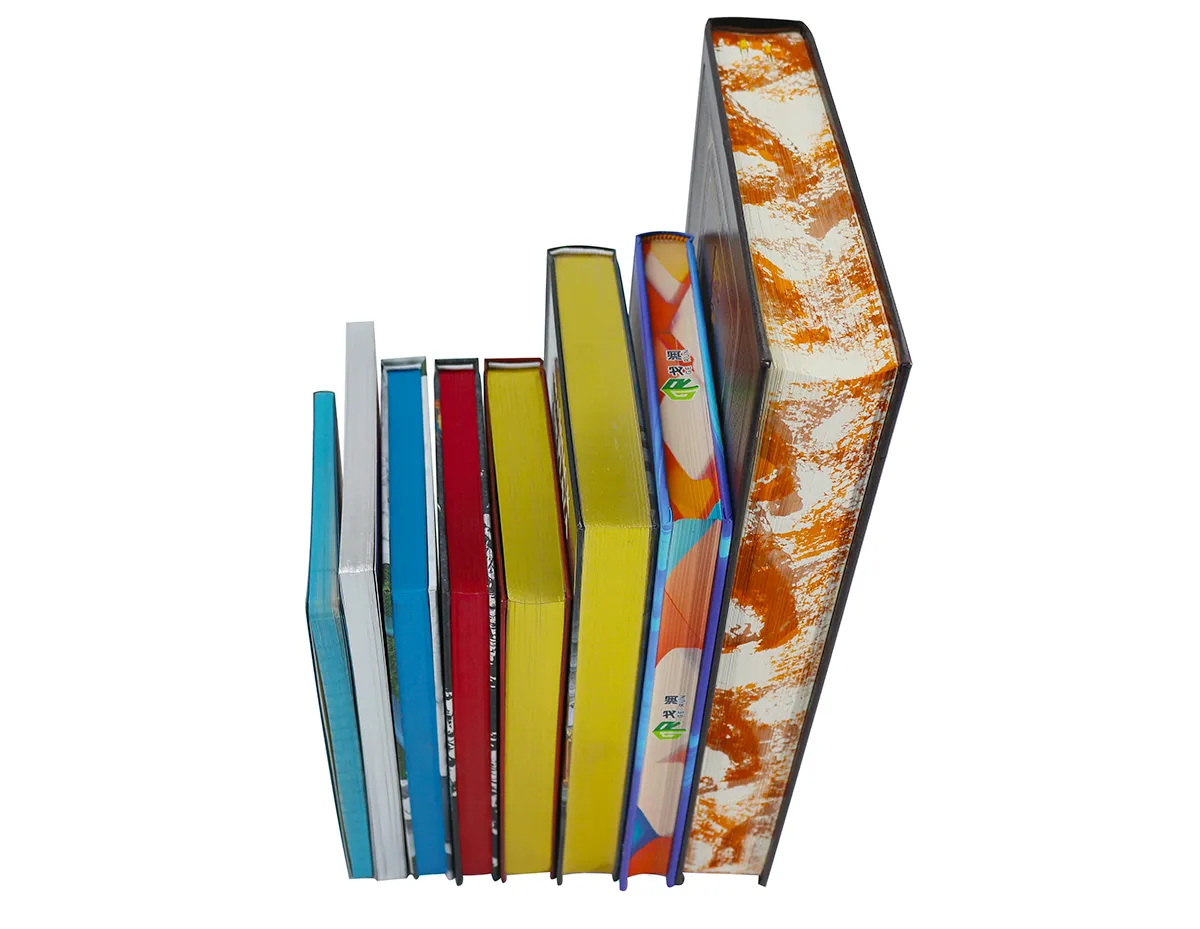
In this post, we’ll explore what’s edge printing, its various forms, applications, and how it make your printed materials stand out.
In the realm of book production and print media, edge printing stands as a testament to the enduring allure of physical books in an increasingly digital world. This sophisticated technique transforms the ordinary into the extraordinary, turning the edges of pages into canvases for artistic expression.
What’s Edge Printing
Edge printing is a sophisticated finishing technique that enhances the visual appeal and perceived value of printed materials by adorning the edges of pages with color, patterns, or metallic finishes. This process transforms the often-overlooked sides of books, catalogs, and other bound publications into eye-catching works of art. By applying various methods to the page edges, we can create stunning visual effects that complement the overall design of the publication.
The concept of edge printing dates back centuries, with early examples found in medieval manuscripts where gilded edges were used to signify the importance and luxury of the text. Today, this technique has evolved to encompass a wide range of styles and applications, from solid colors to intricate designs, catering to diverse aesthetic preferences and branding requirements.
One of the primary purposes of edge printing is to elevate the overall presentation of a printed product. When books or catalogs are displayed on shelves, their edges are often the first aspect visible to potential readers or customers. By incorporating edge printing, publishers can create a striking first impression that entices individuals to pick up and explore the publication further.
Beyond aesthetics, edge printing serves practical functions as well. The application of color or metallic finishes to page edges can help protect the paper from dust, moisture, and discoloration over time. This protective quality is particularly valuable for reference books, bibles, and other frequently handled publications that are expected to withstand years of use.
Edge printing techniques vary depending on the desired outcome and the type of material being printed. Some common methods include:
-
Spraying: A fine mist of paint or dye is applied to the edges using specialized equipment.
-
Dipping: The edges are carefully immersed in a bath of liquid color or metallic solution.
-
Foil stamping: A thin layer of metallic foil is heat-pressed onto the edges.
-
Hand-painting: Skilled artisans apply color or designs manually for intricate or custom work.
Each of these techniques requires precision and expertise to achieve a flawless finish that complements the overall design of the printed material. The choice of method often depends on factors such as the desired effect, the number of copies being produced, and the budget allocated for the project.
In recent years, advancements in printing technology have expanded the possibilities of edge printing. Digital printing methods now allow for more complex patterns and even photographic images to be applied to page edges, opening up new avenues for creative expression in book design and publishing.
The Advantage of Edge Printing
Edge printing offers many advantages that can significantly enhance the appeal and value of printed materials. This innovative technique not only elevates the aesthetic quality of books, catalogs, and other publications but also provides practical benefits that contribute to the overall user experience. Let’s explore the key advantages that make edge printing a sought-after finishing option in the printing industry.
 Visual Distinction
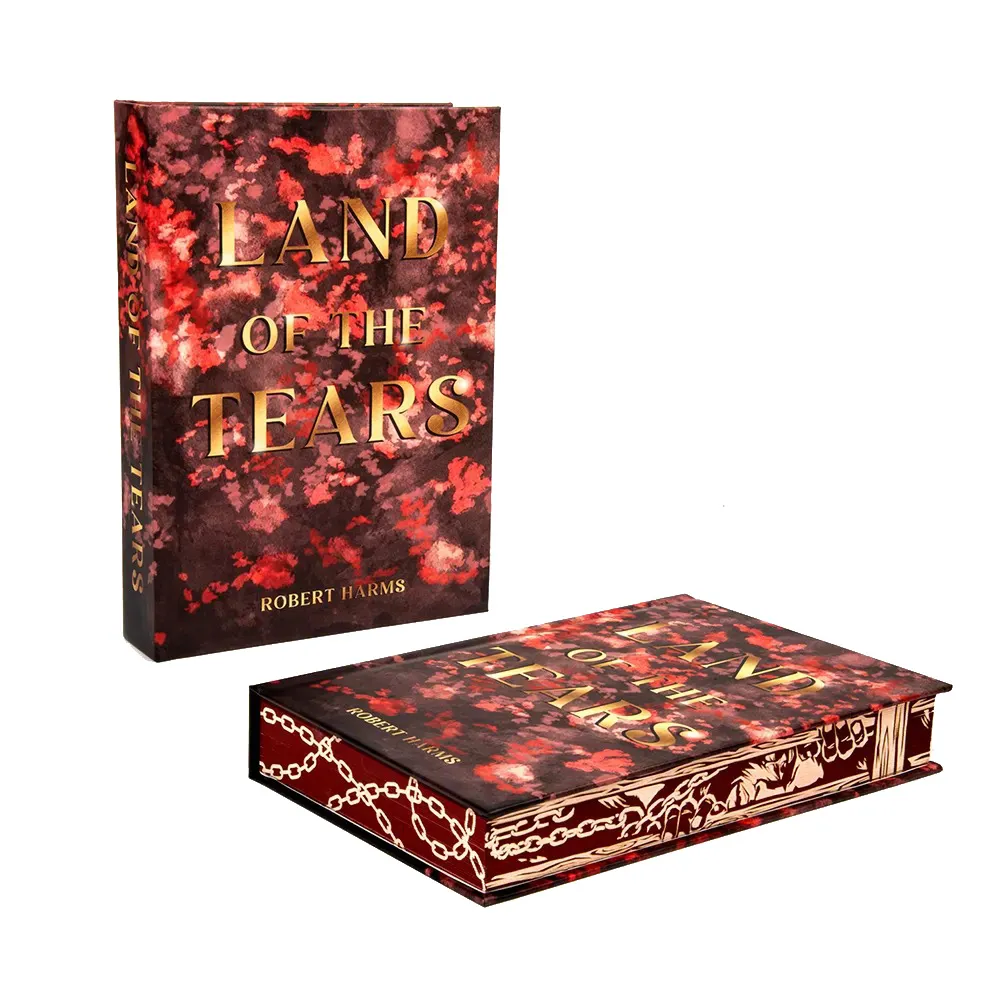
One of the primary advantages of edge printing is the immediate visual impact it creates. In a world where digital content is ubiquitous, physical books and printed materials need to offer something special to capture attention. Edge printing accomplishes this by transforming the often-overlooked edges into a canvas for artistic expression. Whether it’s a solid color, a gradient, or an intricate pattern, the treated edges make a book stand out on shelves and tables, inviting curiosity and engagement from potential readers.
Enhanced Perceived Value
The addition of edge printing can significantly increase the perceived value of a publication. Books with gilded or painted edges are often associated with luxury and high-quality craftsmanship. This perception can be particularly beneficial for special editions, limited runs, or premium content where the physical presentation is as important as the content itself.
Protection and Durability
Beyond aesthetics, edge printing serves a practical purpose by offering protection to the pages. The application of color or metallic finishes can help seal the edges, making them more resistant to dust, moisture, and general wear and tear. This protective quality is especially valuable for reference books, bibles, and other frequently used publications that need to withstand repeated handling over time.
Customization and Personalization
The versatility of edge printing techniques allows for a high degree of customization. Publishers and authors can create unique designs that complement the content or theme of their books or other printed material. This level of personalization can help create a stronger connection between the reader and the material, enhancing the overall reading experience.
Marketing Tool
Edge printing can serve as an effective marketing tool, especially for books displayed in retail environments. The eye-catching edges can attract attention and encourage potential buyers to pick up and examine the book, increasing the likelihood of purchase. In a competitive market, this subtle yet impactful feature can make a significant difference in sales performance.
Collectibility Factor
For collectors and bibliophiles, edge printing adds an extra layer of appeal to books. Limited editions or special releases with unique edge treatments often become sought-after items, potentially increasing in value over time. This collectibility factor can be a strong selling point for publishers looking to create buzz around certain titles or series.
Tactile Experience
In an age where digital reading is prevalent, edge printing contributes to the tactile experience of physical books. The smooth, colored edges provide a pleasant sensory element that enhances the overall enjoyment of handling and reading a printed book.
Types of Edge Printing
Edge printing encompasses a variety of techniques, each offering unique visual effects and practical benefits. Understanding these different types can help publishers, designers, and book enthusiasts choose the most appropriate method for their specific projects. Let’s explore the main categories of edge printing and their distinctive characteristics.
 Edge Gilding
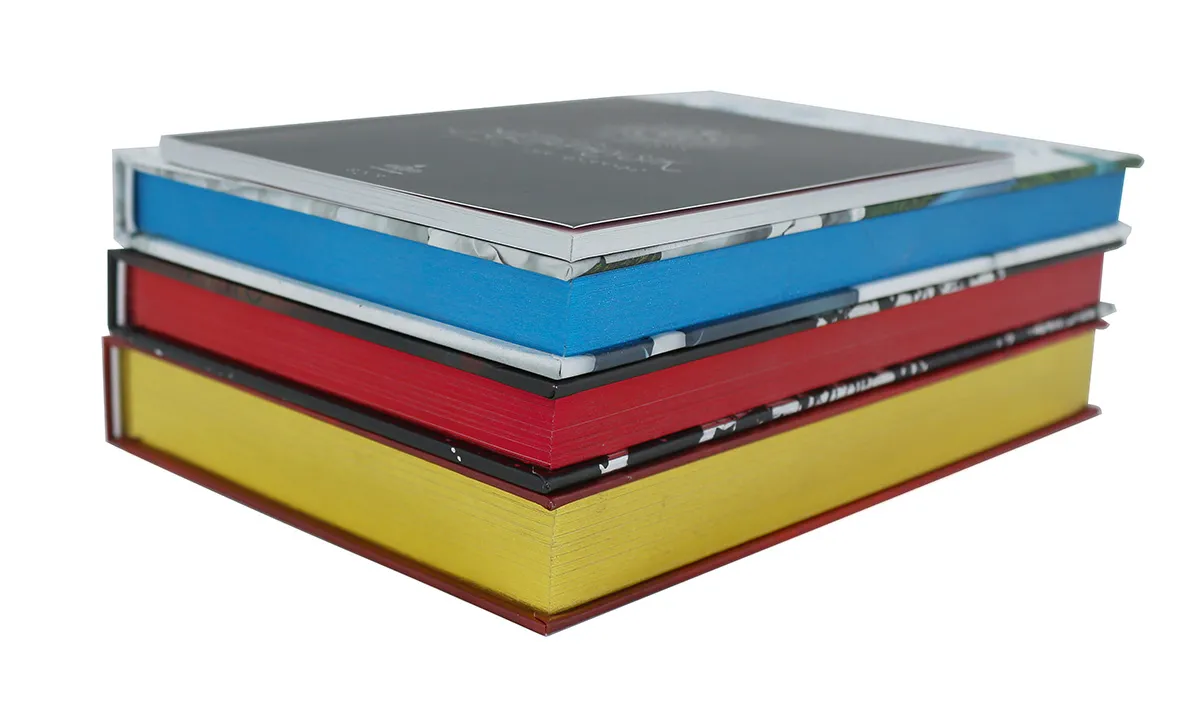
Edge gilding is perhaps the most classic and luxurious form of edge printing. This technique involves applying a thin layer of metallic foil to the edges of pages, creating a lustrous, reflective surface. Traditionally associated with high-end publications and religious texts, edge gilding adds an air of sophistication and timelessness to books.
Process:
-
The book edges are sanded to ensure a smooth surface.
-
The book block is clamped tightly to ensure even application.
-
A thin layer of metallic foil is applied on the edges.
-
Gold, silver, or other metallic foil is carefully pressed onto the edges.
-
The excess foil is removed, leaving a smooth, shimmering finish.
Edge gilding is particularly effective for: luxury edition of classic literature, high-end art books, religious text and prayer books, coffee table books, premim corporate publications and card deck.
 Edge Painting Printing
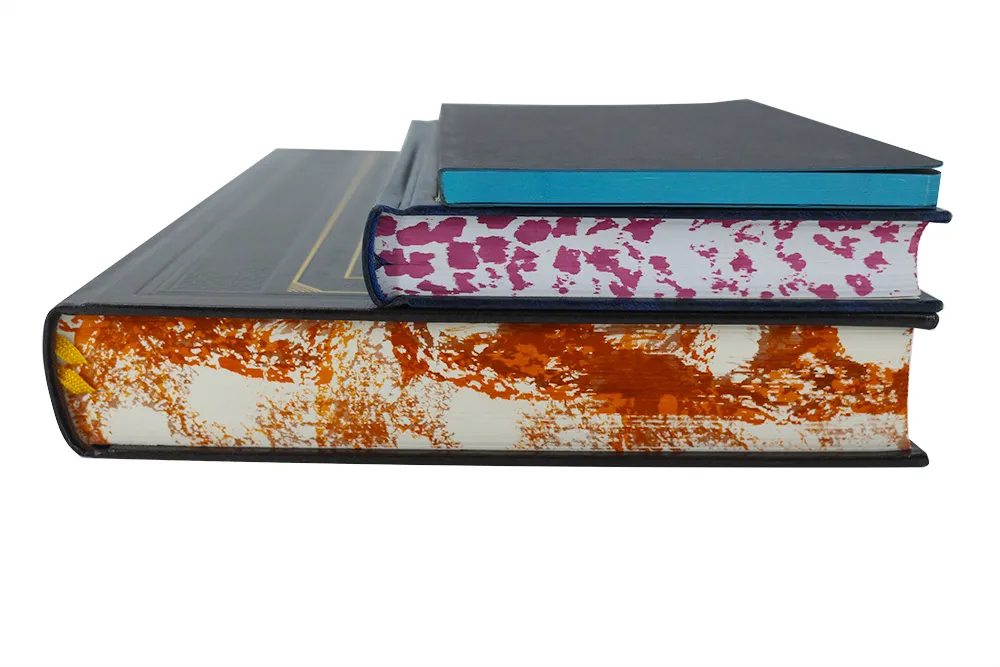
Edge painting is a versatile technique that involves applying liquid color directly to the edges of pages. This method allows for a wide range of colors and effects, from solid hues to gradients and even multi-colored designs.
Process:
-
The book block is clamped tightly and sanded to ensure a smooth surface.
-
Paint or dye is applied using specialized spraying equipment or by hand for smaller runs.
-
Multiple layers may be applied to achieve the desired depth of color or effect.
-
The edges are allowed to dry completely before the book is opened.
Variations:
-
Solid color: A single, uniform color is applied to all edges.
-
Gradient: Two or more colors are blended to create a smooth transition effect.
-
Splatter: Multiple colors are sprayed to create a speckled or mottled appearance.
-
Ombré: A gradual fading of color from dark to light along the edges.
Edge painting is ideal for: contemporary fiction and non-fiction books, bibles, or brand-specific publications where color matching is crucial.
 Edge Patterns
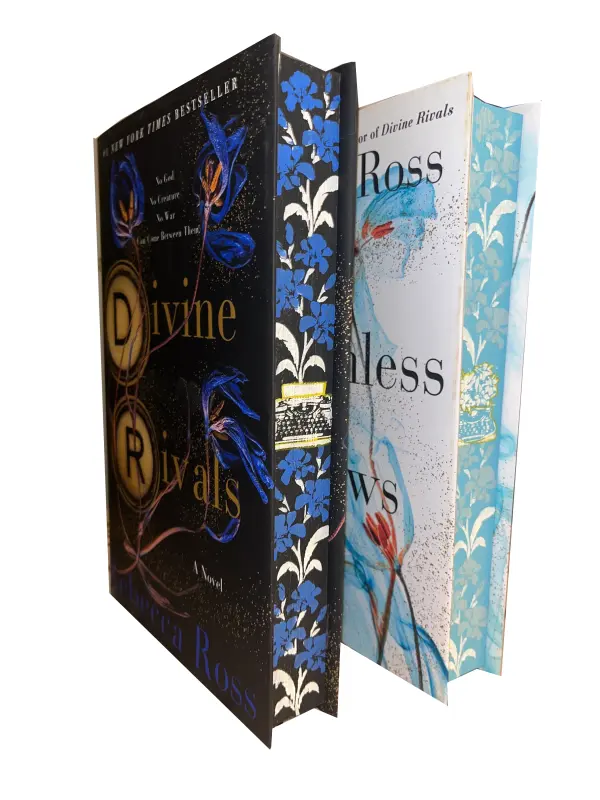
Edge pattern printing takes edge decoration to the next level by incorporating intricate designs, illustrations, or even text onto the edges of pages. This technique allows for highly customized and visually striking results that can complement or contrast with the book’s cover design.
Process:
-
A design is created specifically for the edge dimensions of the book.
-
The pattern is typically applied using specialized digital printing equipment.
-
For more complex designs, multiple passes or layering techniques may be employed.
-
This type of book is typically shrink wrap to protect the design and enhance durability.
Variations:
-
Geometric patterns: Repeating shapes or abstract designs.
-
Illustrative edges: Scenes or images that relate to the book’s content.
-
Text edges: Titles, author names, or relevant quotes printed along the edges.
-
Hidden fore-edge painting: A scene or image that is only visible when the pages are fanned.
Edge pattern printing is particularly effective for: special edition novels or book series, art and design books, or marketing materials and brand-specific publications.
Application of Edge Printing
Edge printing techniques have found their way into various sectors of the publishing and printing industry, enhancing a wide range of products. The versatility of edge printing allows it to be applied to numerous types of printed materials, each benefiting from the added visual appeal and functionality.
Here are some common applications of edge printing and how they contribute to the overall product experience.
 Books
Books
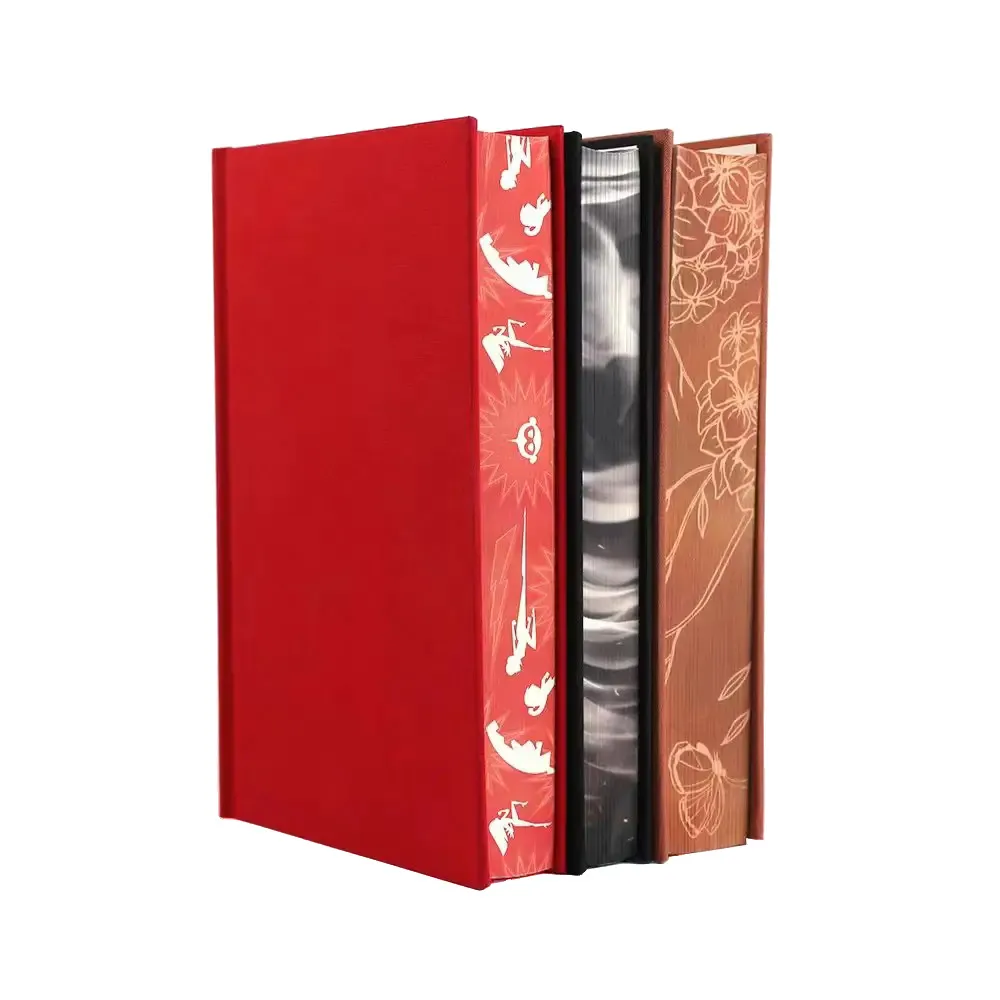
Edge printing finds a prominent place in the realm of books, especially in coffee table books, art books, and photo books, novels and literary works, and more. The visual impact of gilded or painted edges complements the high-quality images and artwork typically found in these types of publications.
Catalogs
In the world of marketing and sales, catalogs play a crucial role in showcasing products and services. Edge printing can significantly enhance the presentation of catalogs, making them more attractive and engaging for potential customers.
Edge printing adds a touch of sophistication to catalogs, setting them apart from the typical printed materials. Whether it’s a fashion catalog with gilded edges or a home décor catalog with colorful painted edges, the visual appeal can influence purchasing decisions. The unique presentation creates a sense of quality and attention to detail that resonates with consumers.
Bibles and Religious Texts
Bibles amd religios texts are often cherished items. Edge printing adds a layer of beauty and reverence to these sacred texts. Gilded edges, in particular, are a popular choice for Bibles, as they convey a sense of luxury and importance.
In addition to gilded edges, Bibles can also feature painted edges or custom patterns that reflect the personality of the recipient. This level of personalization turns a standard Bible into something truly special, creating a lasting impression that goes beyond the text itself. Edge printing has the power to transform these sacred texts into beautiful works of art.
Notebooks & Journals
Notebooks and journals are personal items that often reflect the owner’s style and creativity. Edge printing offers an opportunity to elevate these products by adding unique finishes to the edges.
The application of edge printing in notebooks allows for customization that resonates with the target audience. For example, a floral edge pattern may appeal to young women, while a sleek metallic edge may attract business professionals. This versatility ensures that there is something for everyone, making edge printing a popular choice for custom stationery.
Moreover, edge printing can enhance the overall experience of using a notebook or journal. The tactile sensation of flipping through pages with unique edges adds an element of delight to the writing process. Whether used for journaling, note-taking, or sketching, edge-printed notebooks become an extension of personal expression, encouraging creativity and inspiration.
 Card Decks
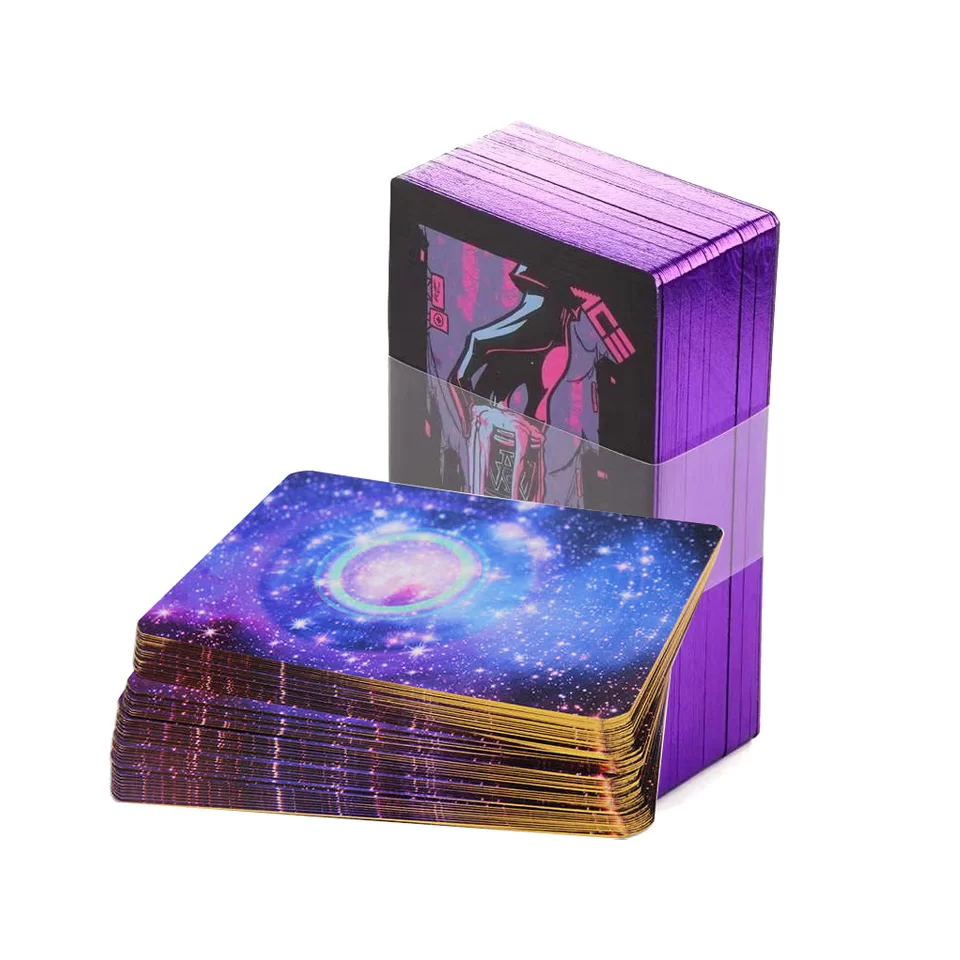
Edge printing plays a vital role in the creation of cards or card decks, including tarot cards, playing cards, oracle cards, and business cards. The edges of these cards can be printed with vibrant colors, metallic finishes, adding to their aesthetic appeal.
In the case of tarot and oracle cards, edge printing can reflect the theme and energy of the deck. For instance, a mystical deck may feature deep blue painted edges or gilded edges , while a nature-inspired deck could have green painted edges. This attention to detail creates a cohesive look that enriches the user’s connection to the cards.
For business cards, edge printing is an effective way to make a lasting impression. A unique edge design can set a business card apart from the competition, demonstrating creativity and thoughtfulness.
As printing technology continues to evolve, we can expect to see even more innovative applications of edge printing, further blurring the lines between functionality and art in printed materials.
Special Edges Artwork Design Tips
Creating effective and visually striking edge printing requires careful consideration of both design principles and technical constraints. Whether you’re a designer working on a new book project or a publisher looking to enhance your product line, these special edges artwork design tips will help you achieve outstanding results. Let’s explore the key considerations and best practices for designing edge printing artwork.
Bleed
If you choose gilded edges or solid color painted edges, the process is relatively straightforward. You don’t need to prepare specific artwork files; simply inform us of your preferred CMYK or Pantone colors, and we’ll handle the rest. This ease of customization allows for a seamless experience when creating beautiful printed materials.
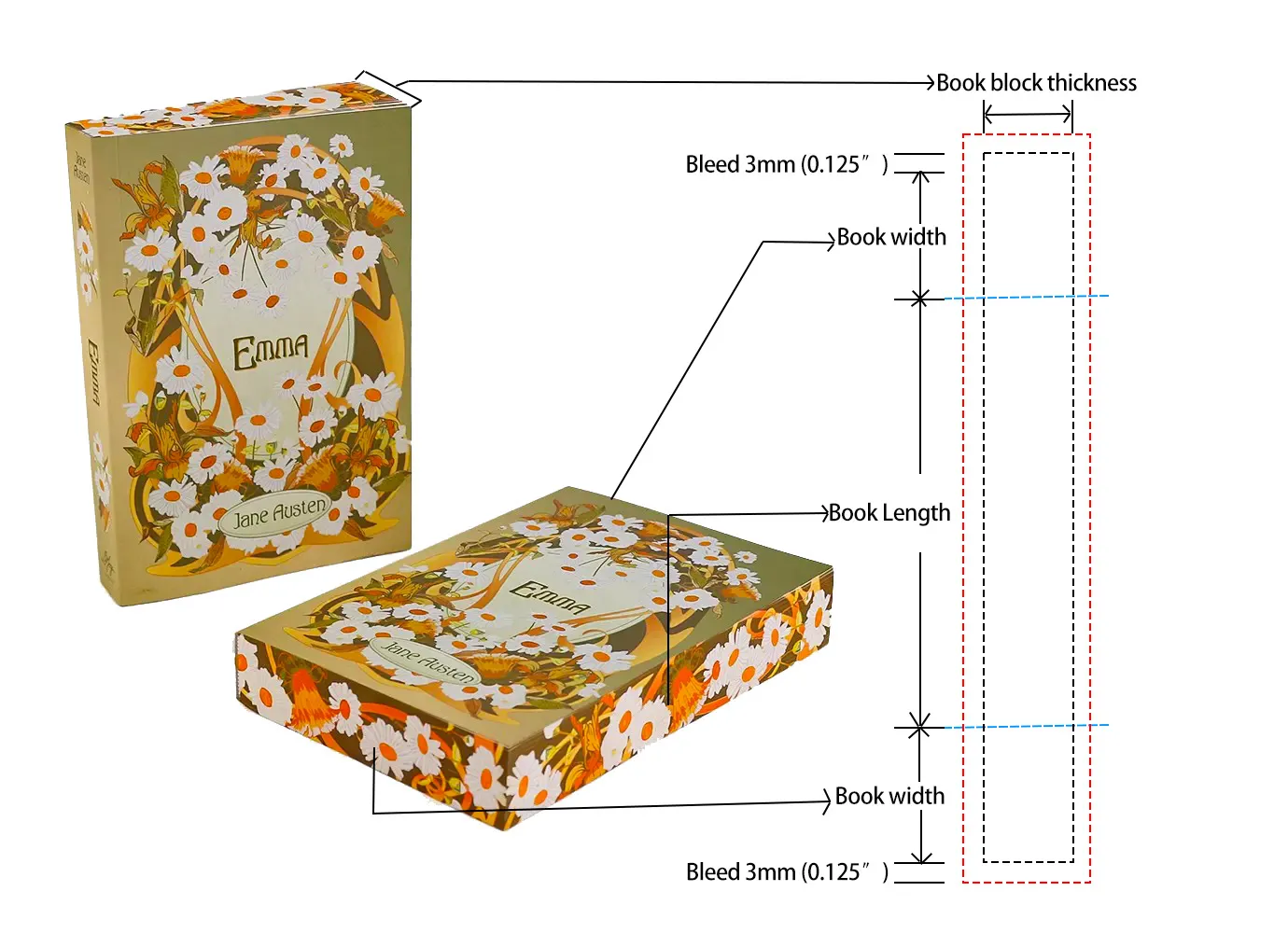
If your vision includes painting the edges with images, illustrations, or a logo, you need to consider the “bleed zone” when preparing your layouts. The bleed must be 3 mm (0.125 inches) to ensure that the design extends beyond the edge of the page, creating a seamless look. This consideration is crucial for achieving a polished and professional finish.
You can calculate your edges’ length and width with the following formula:
The edges length = 0.125″ (3mm) bleed + book width + book length + book width + 0.125″(3mm) bleed
The edge width = 0.125″(3mm) bleed + book block thickness + 0.125″ (3mm) bleed
Color Selection and Management
Choosing the right colors is essential for impactful edge printing:
-
Color Harmony: select colors that complement or purposefully contrast with the book’s cover and content. Consider using colors from the book’s interior palette for cohesion.
-
Color Systems: Use CMYK or Pantone color systems for consistency. Be aware that metallic and fluorescent colors may require special considerations.
Design Techniques for Impact
Maximize the visual impact of your edge printing with these design techniques:
-
Gradients and Fades: Create depth and interest with smooth color transitions. Experiment with radial gradients for a unique effect.
-
Patterns and Textures: Incorporate repeating patterns that align properly when the book is closed. Use textures to add visual interest and tactile appeal.
-
Typography: If incorporating text, ensure legibility at small sizes. Consider how text will read when the book is shelved spine-out.
-
Imagery and Illustrations: Design images that work both as a whole and in segments as pages are fanned. Use simplified versions of complex illustrations for clarity at small scales.
Technical Considerations
Use vector graphics when possible for scalability and sharp edges and set up your file at the correct dimensions and resolution (typically 300 DPI or higher). Design in CMYK for most printing processes and use spot colors for metallic or specialty inks.
Collaborative Approach
Work closely with printers and production teams:
-
Early Consultation: Discuss your design ideas with printers early in the process and understand any technical limations or special requirements.
-
Proofing Process: Request physical proofs to assess color accuracy and overall effect. Be prepared to make adjustments based on proof results.
-
Material Selection: Collaborate on choosing the best paper stock for your design. Consider how different materials may affect color absorption and vibrancy.
Innovative Design Ideas
Push the boundaries of edge printing with these creative concepts:
-
Interactive Designs: Create edge designs that change or reveal hidden elements when pages are fanned. Incorporate optical illusions that play with perspective.
-
Storytelling Through Edges: Use the edges to extend the narrative or themes of the book. Create a visual timeline or progression along the edges.
-
Multi-Volume Designs: Design edge artwork that spans across multiple volumes when placed together. Use color coding or patterns to distinguish between volumes in a series.
-
Glow-in-the-Dark and Special Effects: Explore specialty inks that add unique visual effects. Consider how the design might change under different lighting conditions.
The Limitations & Considerations of Edge Printing
While edge printing offers numerous aesthetic and functional benefits, it’s important to understand its limitations and consider various factors before incorporating this technique into your printing projects. Being aware of these constraints will help you make informed decisions and set realistic expectations for your edge-printed products.

Below are key limitations and considerations associated with edge printing.
Limited to Specific Product Types
Edge printing is not suitable for all types of printed materials:
-
Edge printing works best for softcover and hardcover books, but for loose-leaf documents, stapled bindings and spiral-bound materials are generally not suitable.
-
Edge printing works best on books with a substantial number of pages. Very thin books may not provide enough area for effective edge printing.
Color Limitations
Edge printing can produce stunning results, but achieving exact color matches between the cover, interior, and edges can be difficult. Besides, metallic and specialty colors may have limited options or require specific techniques.
Design Constraints
The nature of edge printing imposes certain design limitations:
-
Limited Canvas Size: The narrow width of book edges restricts the complexity of designs that can be applied. Text and intricate patterns may not be legible or visible on very thin books.
-
Orientation Challenges: Designs must work when the book is closed, partially open, and fully open. Artwork may appear distorted when pages are fanned or the book is in use.
Production Complexities
Edge printing adds complexity to the book production process:
-
Additional Time Requirements: Edge printing is often one of the final steps in book production, potentially extending timelines. Drying time for certain techniques can further lengthen the production process.
-
Specialized Equipment Needs: Not all printing facilities have the necessary equipment for edge printing. Some techniques require highly specialized tools or skilled artisans.
Cost Implications
Incorporating edge printing can impact the overall cost of book production:
-
Higher Production Costs: The additional materials, time, and expertise required for edge printing increase production costs. Small print runs may become prohibitively expensive due to setup costs.
-
Pricing Considerations: The added value of edge printing needs to be balanced against increased retail prices. Market research may be necessary to determine if target audiences will pay a premium for edge-printed books.
Durability and Longevity
The longevity of edge printing can vary based on the factors like, frequent handling can cause edge printing to fade or chip over time; exposure to sunlight, humidity, and temperature fluctuations can affect the longevity of edge printing.
Custom Edges Service
At BookPrintingChina, we take pride in offering a wide range of custom edges services to help you bring your vision to life. Whether you’re looking for edge gilding, edge painting, or intricate edge patterns, our team is dedicated to delivering high-quality results that enhance your printed materials.
Our edge printing services are designed to cater to various projects, from books and catalogs to card decks and journals. We understand that each project is unique, and we work closely with our clients to ensure their specific needs are met. This personalized approach allows us to create stunning printed materials that resonate with your audience and reflect your brand identity.
If you’re ready to explore the world of edge printing and enhance your printed materials, contact us today. Let us help you create exceptional products that stand out in a crowded market and leave a lasting impression on your audience.