




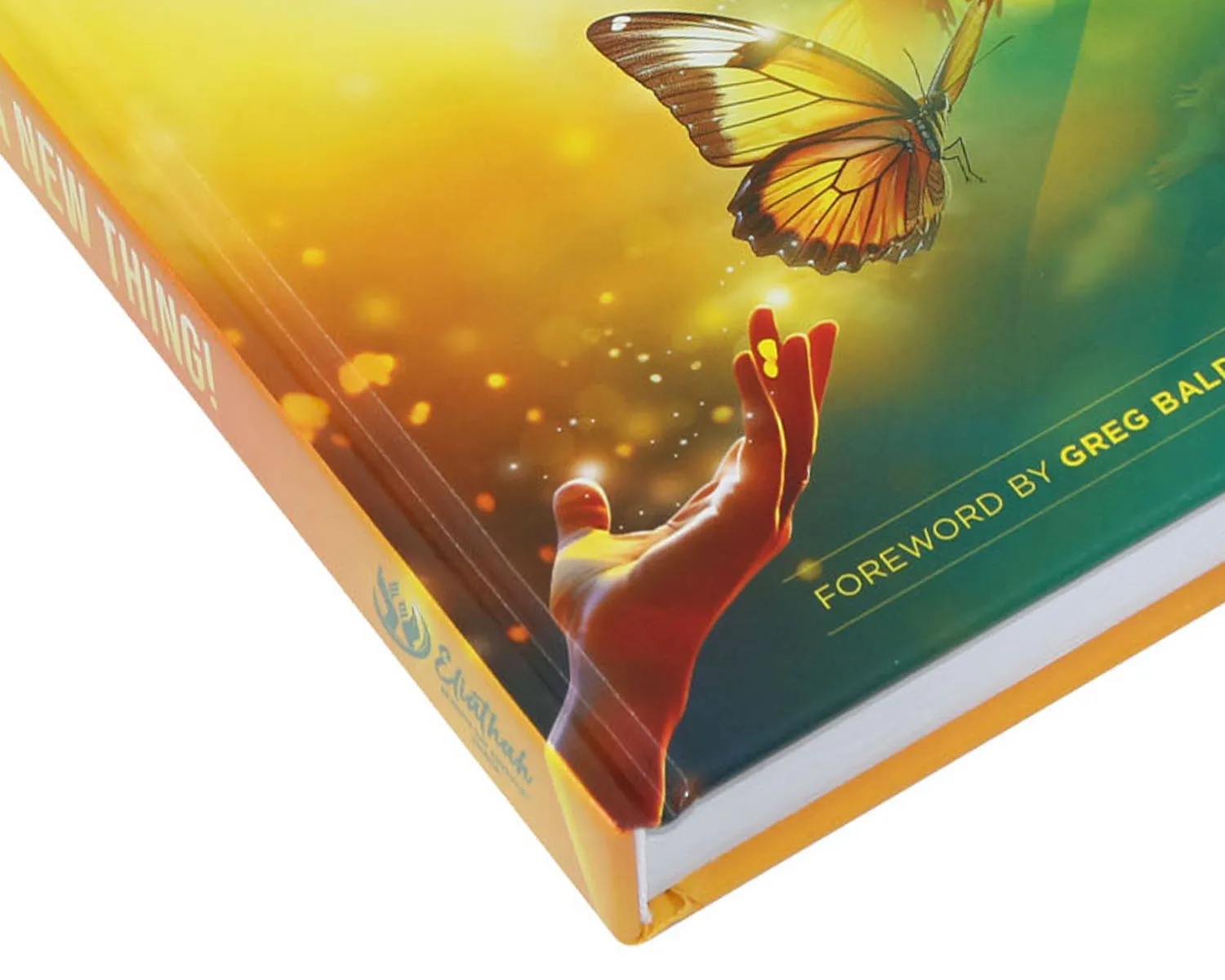
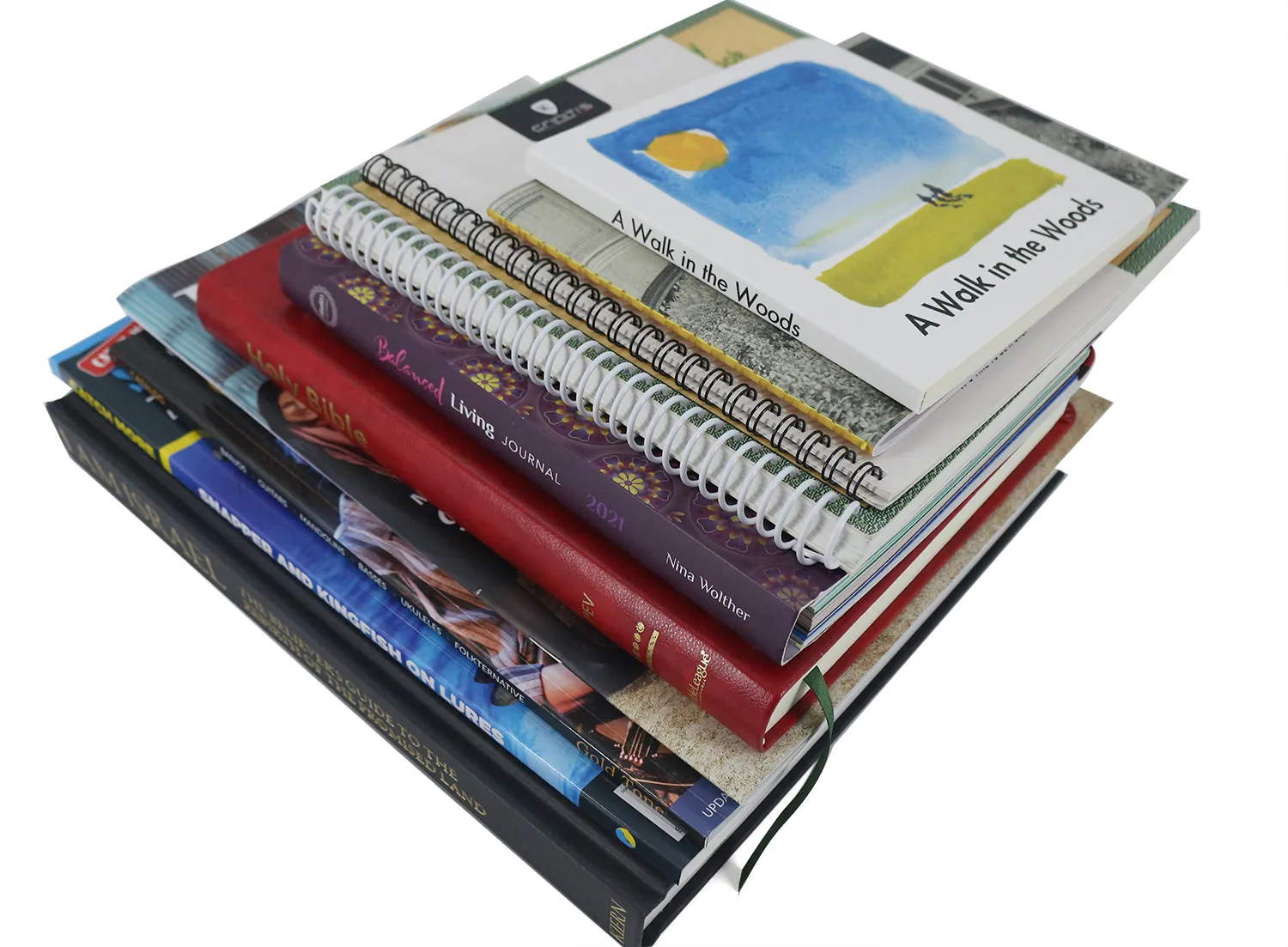
In the world of publishing, one of the most crucial aspects that can determine the longevity and aesthetic appeal of a book is its binding style. Binding not only holds the pages together but also establishes the book’s overall presentation and usability. Whether you are a seasoned publisher or a newcomer looking to explore different binding types, understanding the various binding styles available can enhance your projects significantly.
In this article, we will delve into the top binding examples and ideas that every publisher should consider.
What Binding Means in Printing
Binding is the process of assembling and securing pages together to form a single cohesive unit, such as a book or manuscript. This process not only provides a means to keep the contents organized, but it also provides durability and aesthetic appeal. It enhances the reader’s experience by allowing for easy handling and accessibility, whether it’s a novel, a report, or a collection of artwork.
Why Binding Matters
In the realms of publishing, document creation, and even bookmaking, binding plays a crucial role that often goes unnoticed. While we frequently focus on the content—words, images, and themes—the method of binding can significantly influence how that content is received, preserved, and appreciated. Following, we explore why binding matters.
-
Protection and Durability: Binding is fundamental for protecting documents from wear and tear. A well-bound book or report can endure frequent handling, ensuring that the contents remain intact and accessible over time.
-
Organization: Binding organizes loose pages into a coherent and navigable structure. This organization is crucial in settings like educational institutions, where compiled notes or textbooks facilitate ease of learning and reference.
-
Presentation: The way a document is bound can enhance its presentation and thus its reception. Professionally bound materials convey attention to detail and respect for the reader’s experience, which can be vital during presentations, pitches, or academic submissions.
-
Accessibility: Binding types like spiral or wire-o allow pages to lay flat, which improves usability, especially in instructional or manual applications. This feature ensures that users can easily follow along without dealing with unruly pages that obscure vital information.
-
Aesthetic Appeal: Aesthetically, the type of binding chosen can greatly affect the perception of a document or book. It can reflect quality, importance, and thoughtfulness while also aligning with the intended branding or design.
The Binding Process
The binding process can vary significantly depending on the method chosen. Nonetheless, several key steps are usually involved:
-
Preparation: Proper organization of pages, ensuring they are trimmed to the right size and in the correct order, is the first step in any binding process.
-
Assembly: Depending on the binding method, pages will either be folded (saddle stitching), stacked (perfect binding), or punched (spiral binding).
-
Securing: The pages are then secured using the specified method, whether it’s stitching, gluing, or looping with wire.
-
Finishing Touches: This might involve adding a cover, trimming the edges for uniformity.
Top 10+ Pick Binding Types
Below, let’s explore the common 13 binding methods and each of benefits.
1. Saddle stitch
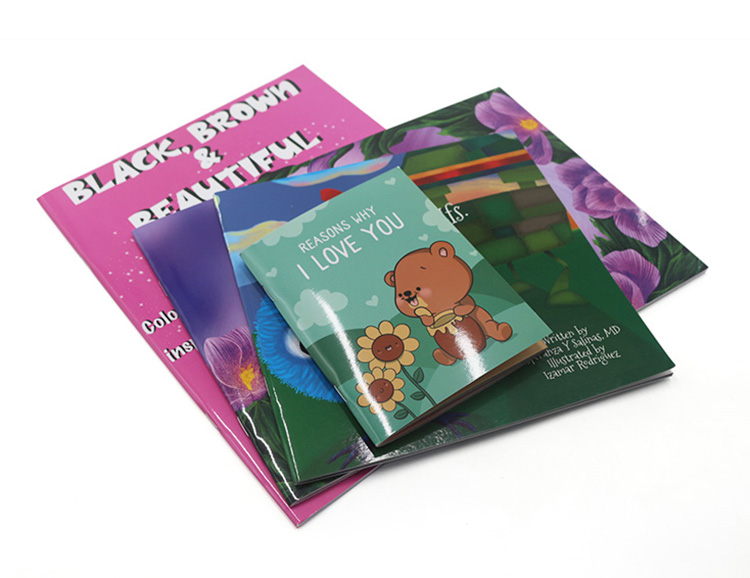
Saddle stitching, also known as stapled binding. This binding method involves folding the printed sheets in the center and securing them with staples along the folded edge. Its simplicity and cost-effectiveness make it an attractive option for publications with a limited print run or a tight budget.
Saddle stitching offers several advantages:
-
Cost-effective: It is one of the most economical binding methods, making it ideal for smaller projects or print runs.
-
Lightweight: It is lightweight, making it easy to carry, hold on hand reading or mailing and distribution.
-
Quick turnaround: The binding process is relatively straightforward, allowing for a faster production time.
-
Lay-flat design: When opened, saddle-stitched publications lie flat, providing a comfortable reading experience.
However, it is essential to note that saddle stitching has limitations in terms of the number of pages it can accommodate. Generally, it is suitable for publications with up to 64 pages, depending on the paper stock and thickness.
Since saddle stitch uses folded pages, so the total number of pages must be multiples of four(for example 8, 16, 24, etc). This is key factor need to consider when designing and layout your books or other documents.
Saddle stitch binding a popular choice for fewer pages projects, such as:
Thin catalogs and magazines
Single issue comic books
Calendars
Newsletters
Children’s books(workbook, coloring book, thin picture book, etc)
Company reports & brochures
2. Singer sewn
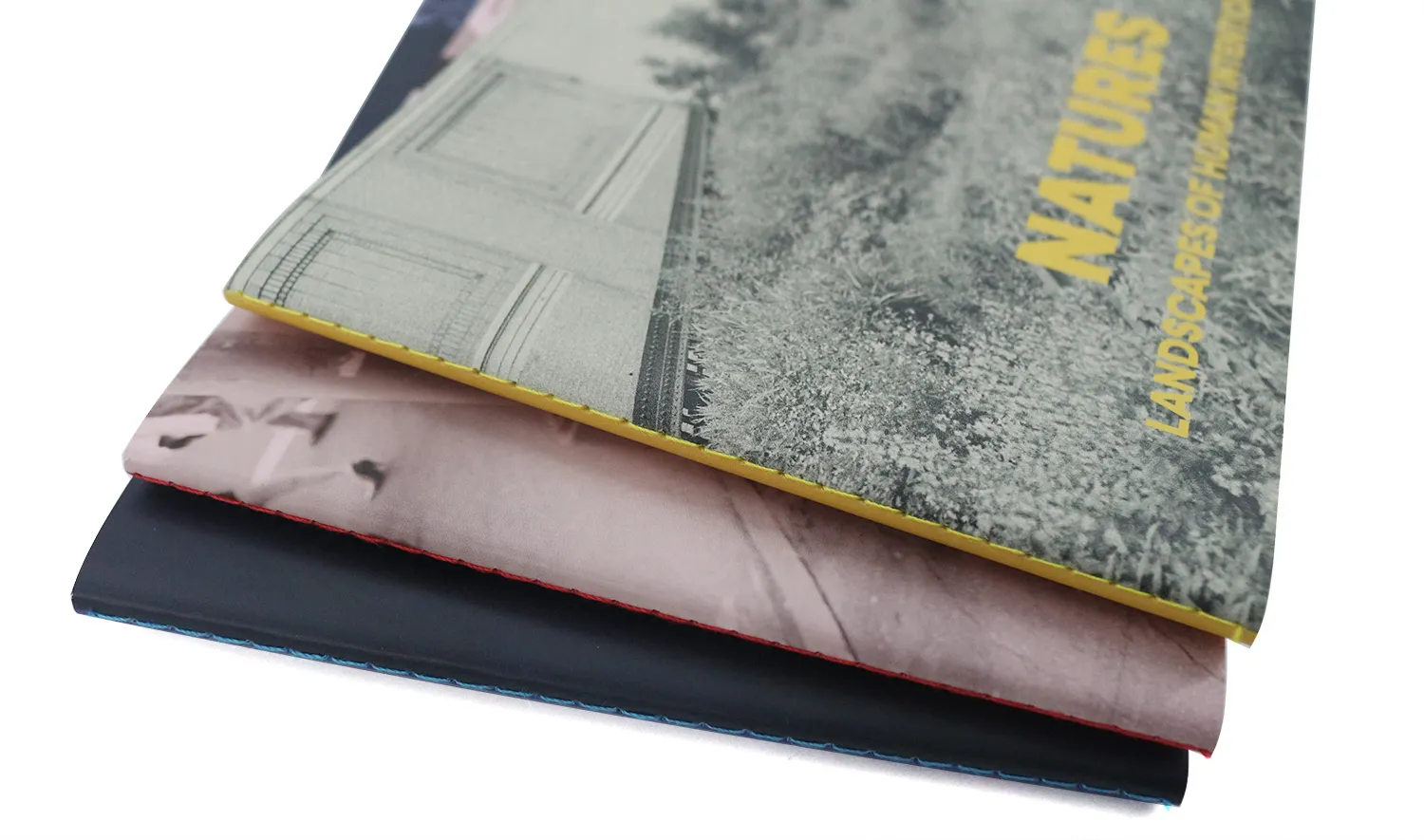
Singer sewn binding, also referred to as saddle singer sewn or stitch-sewn binding. It is one of the simplest binding methods, yet a traditional and durable method that is often used for single-part projects. In this process, thread (any color) is sewn into the folded pages of the spine, creating a strong yet flexible binding.
The advantages of singer sewn binding include:
-
Durability: The sewn binding is incredibly sturdy and can withstand extensive use, making it suitable for publications that require frequent handling or reference.
-
Customisable and eye-catching: You can customize thread color to match your cover or brand color, to create a eye-catching binding effect.
-
Lay-flat pages: The sewn binding allows the book to open flat, facilitating easy reading and note-taking.
-
Longevity: When combined with a hardcover case, singer sewn binding ensures the book’s long-lasting quality, making it ideal for libraries and archival purposes.
While singer sewn binding is more labor-intensive and expensive than saddle stitch, it is a preferred choice for publications that require a high level of durability and longevity.
Singer sewn binding is a popular choice for projects like:
Hand books
Photo albums
Booklets
3. Loop Staple
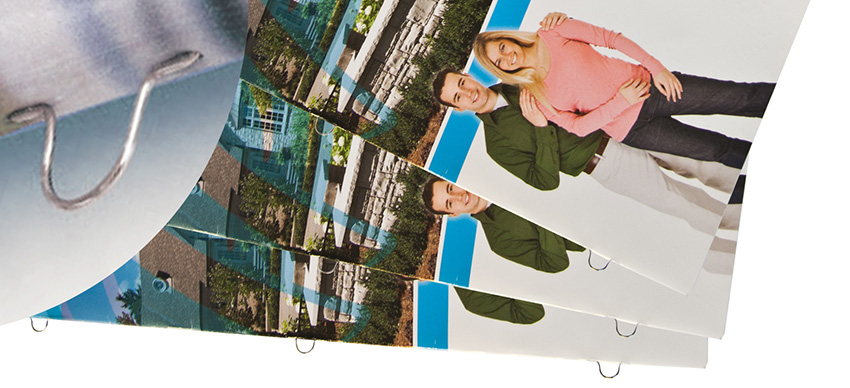
Loop staple, also known as loop stitch binding, is similar to saddle stitch binding, but the two staples on the spine are looped rather than flat. In this method, two or three metal loops are inserted through punched holes along the binding edge of the pages, creating a secure and flexible binding.
The advantages of loop staple binding include:
-
Easy page turning: The metal loops allow for smooth and effortless page turning, making it ideal for frequently referenced materials.
-
Lay-flat design: The binding allows the publication to lie flat when open, providing a comfortable reading experience.
-
Customization: Loop staple binding allow you print a series of booklets which can be Distribute individually or collect into any ring style of binder.
When designing the artwork for loop staple printing, the page count must be multiples of four, as the pages need to fold before binding, if not, the blank pages will be added.
Loop staple binding is a popular choice for small to mid-sized documents, such as
Training manuals
Reports
Brochures
B2B catalogs
Study materials
Manuals
4. Perfect Binding
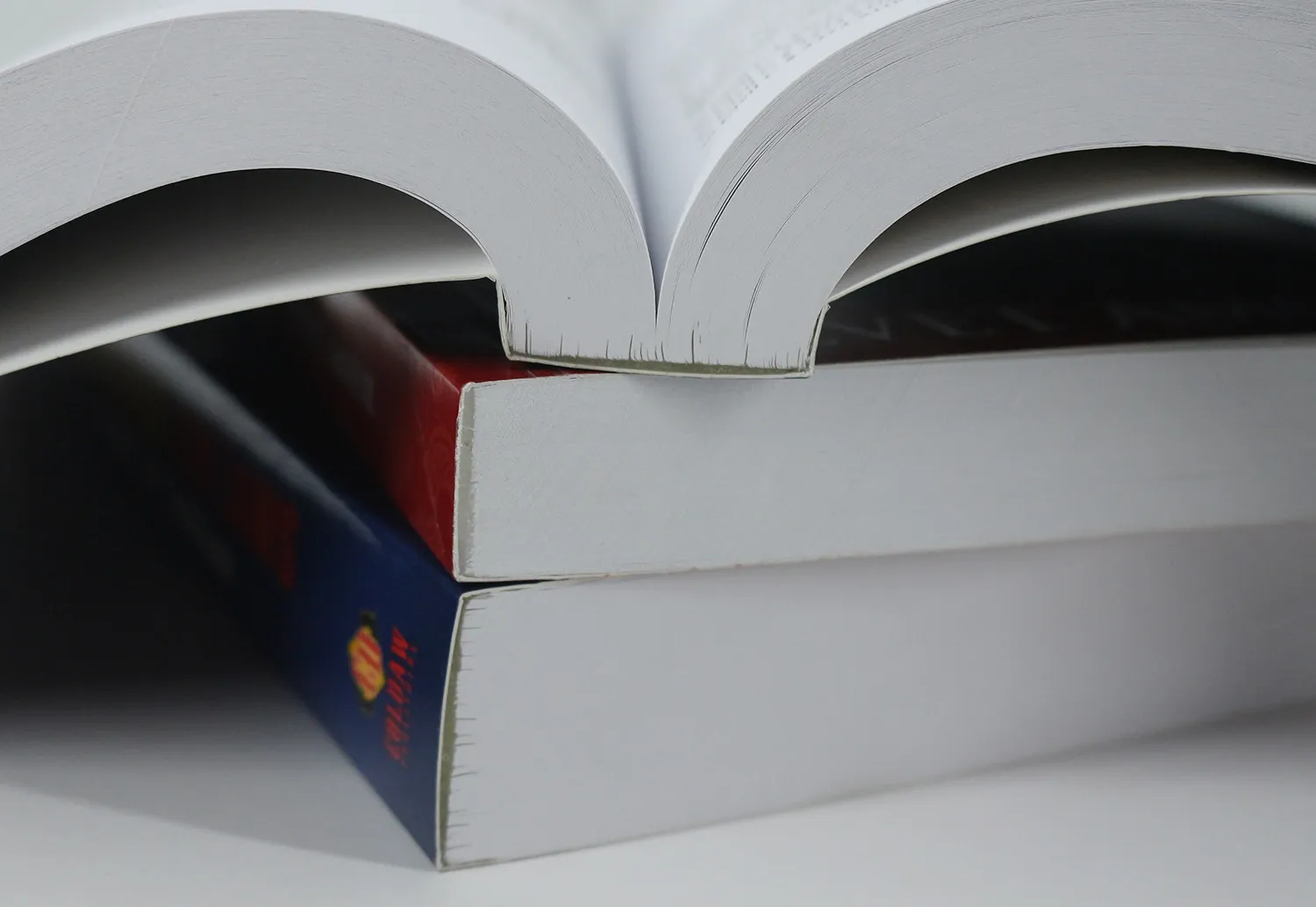
Perfect binding, also known as PUR (polyurethane reactive) binding or glue binding. It is a common method used for softcover books, catalogs, and magazines. In this process, the printed sheets are gathered, and their spine edges are roughened or scored to create a better adhesion surface. A strong, flexible adhesive or PUR is then applied to the spine, and a cover is wrapped around the bound pages.
The advantages of perfect binding include:
-
Cost-effective: Perfect binding is a relatively inexpensive option for the books between 24-1000+ pages. It is a popular choice for publications with larger print runs.
-
Professional look and feel: The finished product looks professional and sophisticated. The cover and spine can be customized with high-quality graphics, text, and finishes to enhance the overall aesthetic.
-
Flat spine: The binding creates a flat spine, allowing for easy stacking and shelf storage.
-
Lightweight and portable: Due to perfect bound book is relatively lightweight, making it easy to read, carry, storage, mail and distribute.
-
Fast turnaround time: Compared with spiral binding or hardcover, its production time is relatively short, making it suitable for commercial or bulk quantity printing.
-
Customization: Perfect binding offers various cover stock options, enabling publishers to choose materials that align with their branding and design preferences.
Perfect binding is a popular choice for a wide range of publications, such as:
Fiction books
Children’s books
Catalogs
Comic books
Textbooks/workbooks
Magazines
And more….
5. Sewn Perfect Binding
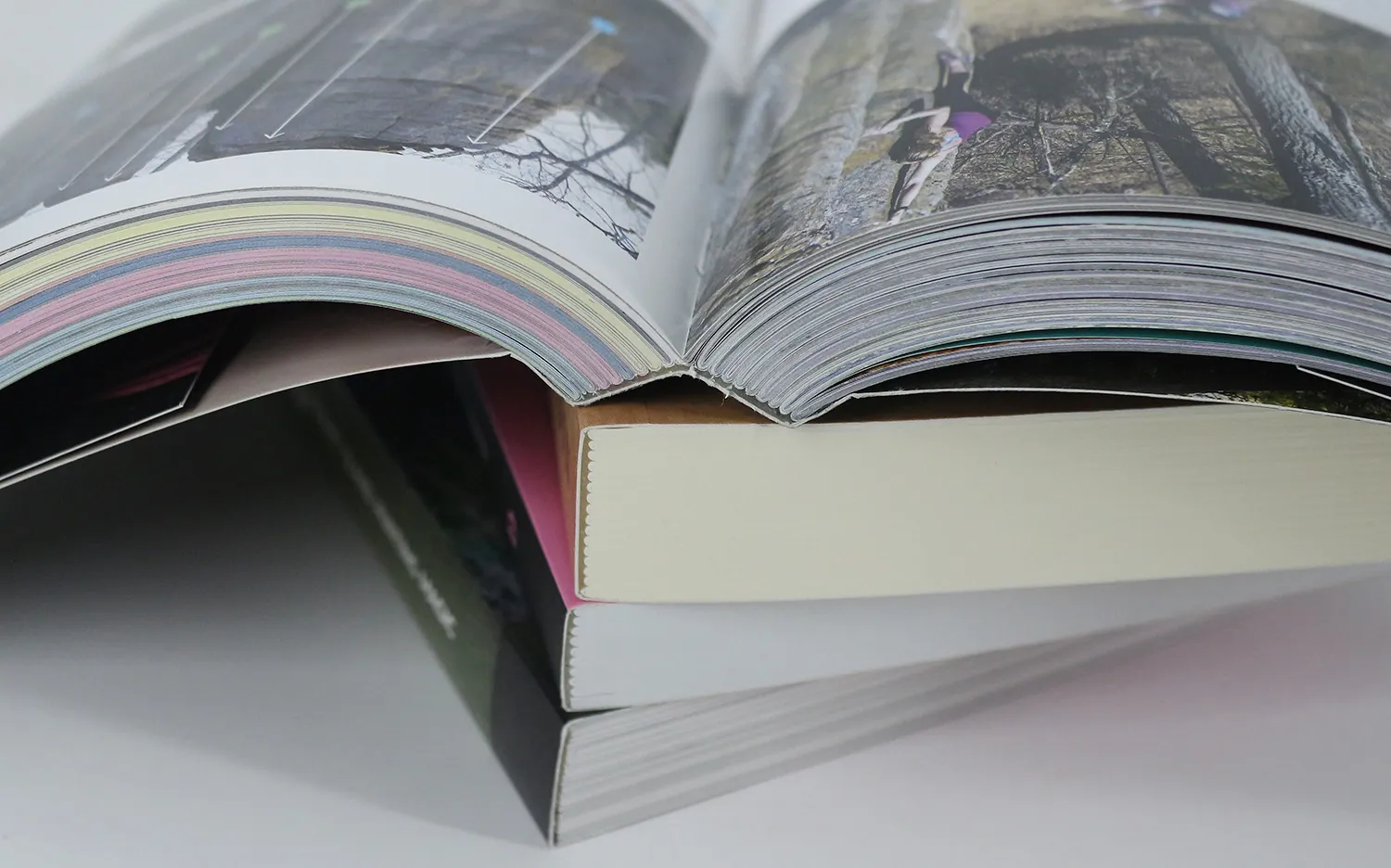
Sewn perfect binding, also know as section-sewn binding, combines the strength of singer sewn binding with the sleek appearance of perfect binding.
In this method, the folded signatures are first sewn together using thread, creating a sturdy and flexible text block. The sewn text block is then glued and wrapped with a cover, resulting in a book with a flat spine and a professional appearance.
The advantages of sewn perfect binding include:
-
Durability: The combination of sewing and gluing creates a robust and long-lasting binding, suitable for publications that require frequent handling or referencing.
-
Flat spine: This binding also creates a flat spine, allowing for easy stacking and shelf storage.
-
Lay-flat pages: The sewn binding allows the book to open flat, facilitating easy reading and note-taking.
-
Professional appearance: The flat spine and cover wrap provide a polished and professional look, making it suitable for various types of publications.
-
Lightweight and portable: These books are relatively lightweight, making them easy to read, carry, storage, mail and distribute.
While compared to perfect binding, sewn perfect binding is relatively expensive and longer production time, it allows open flat and more durable. If you are seeking a high-quality binding solution or you need to print visual “spreads”-when the book is open flat, a single image spans two pages, sewn perfect binding is an ideal choice.
Sewn perfect binding is ideal for small to large large documents( from 22-1000+ pages), for example:
Catalogs
Magazines
Bibles
Comic books
And more….
6. Spiral Binding
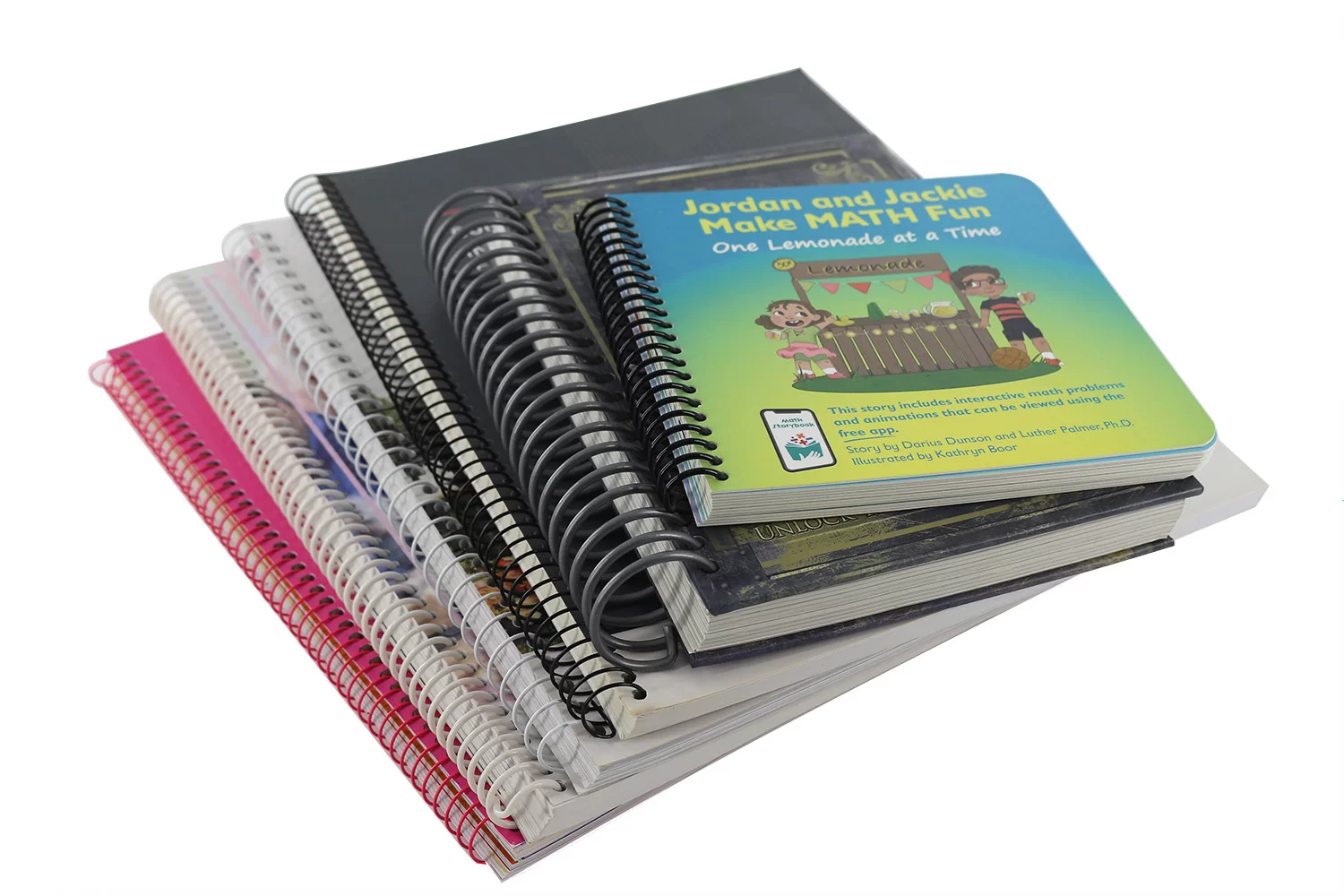
Spiral binding, also known as coil binding. It is a versatile and user-friendly option for documents, manuals, and presentations.
In this method, a continuous plastic or metal coil is inserted through punched holes along the binding edge of the pages, creating a flexible and durable binding.
The advantages of spiral binding include:
-
Flexible selection of pages-Spiral binding not like saddle stitching has page limited, with this binding, you can choose the pages between 12-300 pages or more.
-
Lay-flat design: The binding allows the publication to lie flat when open, providing a comfortable reading experience.
-
Customization: Spiral binding offers a range of coil colors and sizes, allowing for personalization and branding opportunities.
-
Smooth page turning: Due to each page is independent, so the pages can be opened freely without worrying about the pages turning or the book closing on its own.
Due to its professional appearance and ease of use, spiral binding is a popular choice for
Corporate documents
Cookbooks
Workbooks
Training manuals
Presentations
Notebooks
And more….
7. Wire-O Binding
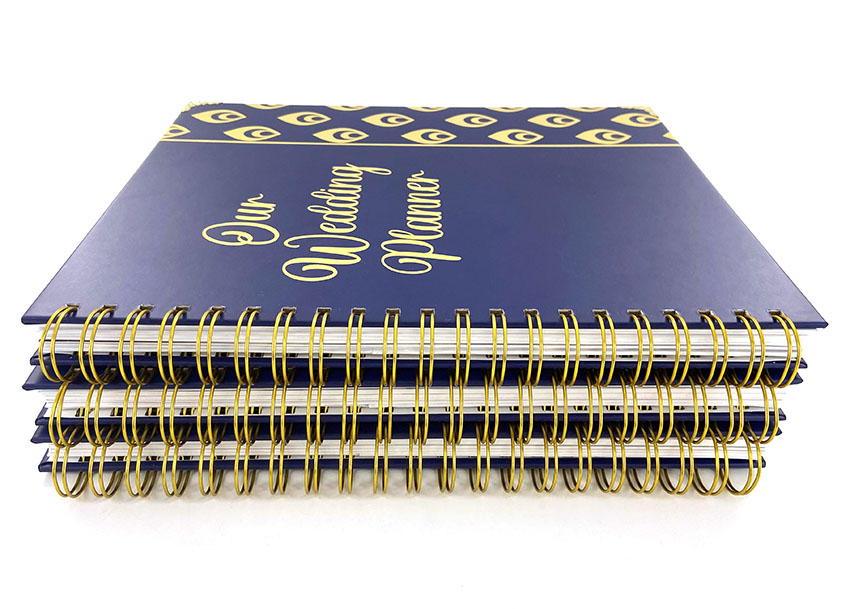
Wire-o binding, also known as twin-loop wire binding or double-loop wire binding. It is a durable and flexible option for documents, manuals, and presentations. In this method, twin-loop wire elements are inserted through punched holes along the binding edge of the pages, creating a secure and flexible binding.
The advantages of wire-o binding include:
-
Lay-flat design: The binding allows the publication to lie flat or 360 degree when open, providing a comfortable reading experience.
-
Durability: The wire elements create a sturdy and long-lasting binding, suitable for publications that require frequent handling or referencing.
-
Wide range of pages: From fewer pages to several hundred of pages, wire-o binding provides a variety of flexibility.
-
Customization: Wire-o binding offers a range of wire colors and sizes or cover options(for example printed paper, plastic, cloth, leather, etc), even custom insert tabs, allowing for personalization and branding opportunities.
Due to its professional appearance and 360-degree rotation design, wire-o binding is a popular choice for
Educational material
Coloring books
Notebooks/Planners/journals
Training manuals
Cookbooks
Calendars
Portfolios
And more….
8. Concealed Wire-O Binding
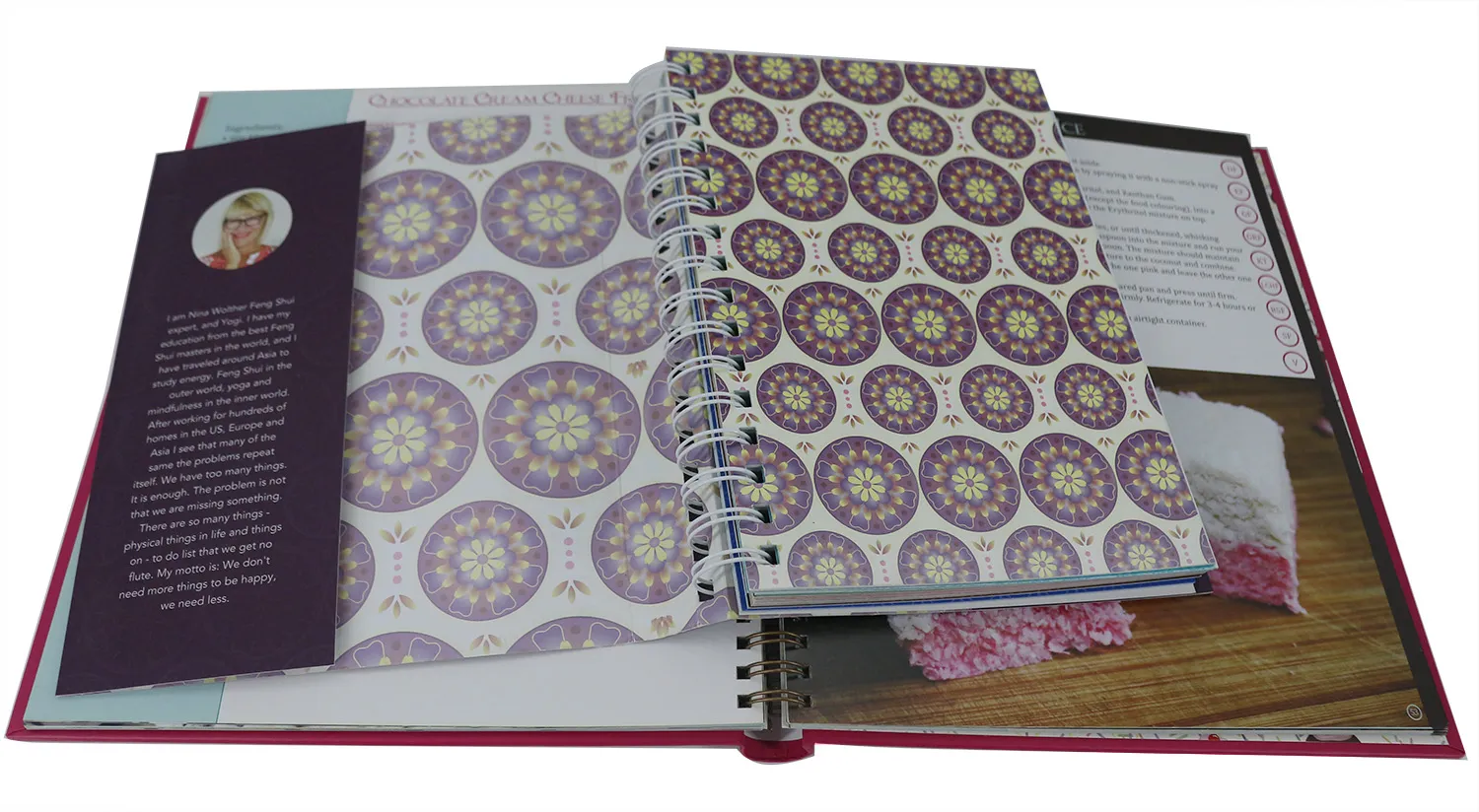
Concealed wire-o binding, also known as hidden wire-o binding, is a variation of the traditional wire-o binding. In this method, the wire elements are inserted through punched holes along the binding edge of the pages, but the wire is partially concealed by a cover material, creating a sleek and professional appearance.
The advantages of concealed wire-o binding include:
-
Professional appearance: The concealed wire elements provide a clean and polished look, suitable for corporate documents and presentations.
-
Lay-flat design: The binding allows the publication to lie flat when open, providing a comfortable reading experience.
-
Durability: The wire elements create a sturdy and long-lasting binding, suitable for publications that require frequent handling or referencing.
-
Customization: Concealed wire-o binding offers a wide range of custom options, such as soft cover to hardcover, wire colors and sizes to cover options, semi-concealed to fully concealed wire-o and more.
Concealed wire-o binding offers a balance between functionality and aesthetic appeal. It is a popular choice for publishers seeking a professional and user-friendly binding solution. Ideal for:
Memoirs
Journals
Cookbooks
Company reports
Manuals
9. Hardcover Binding
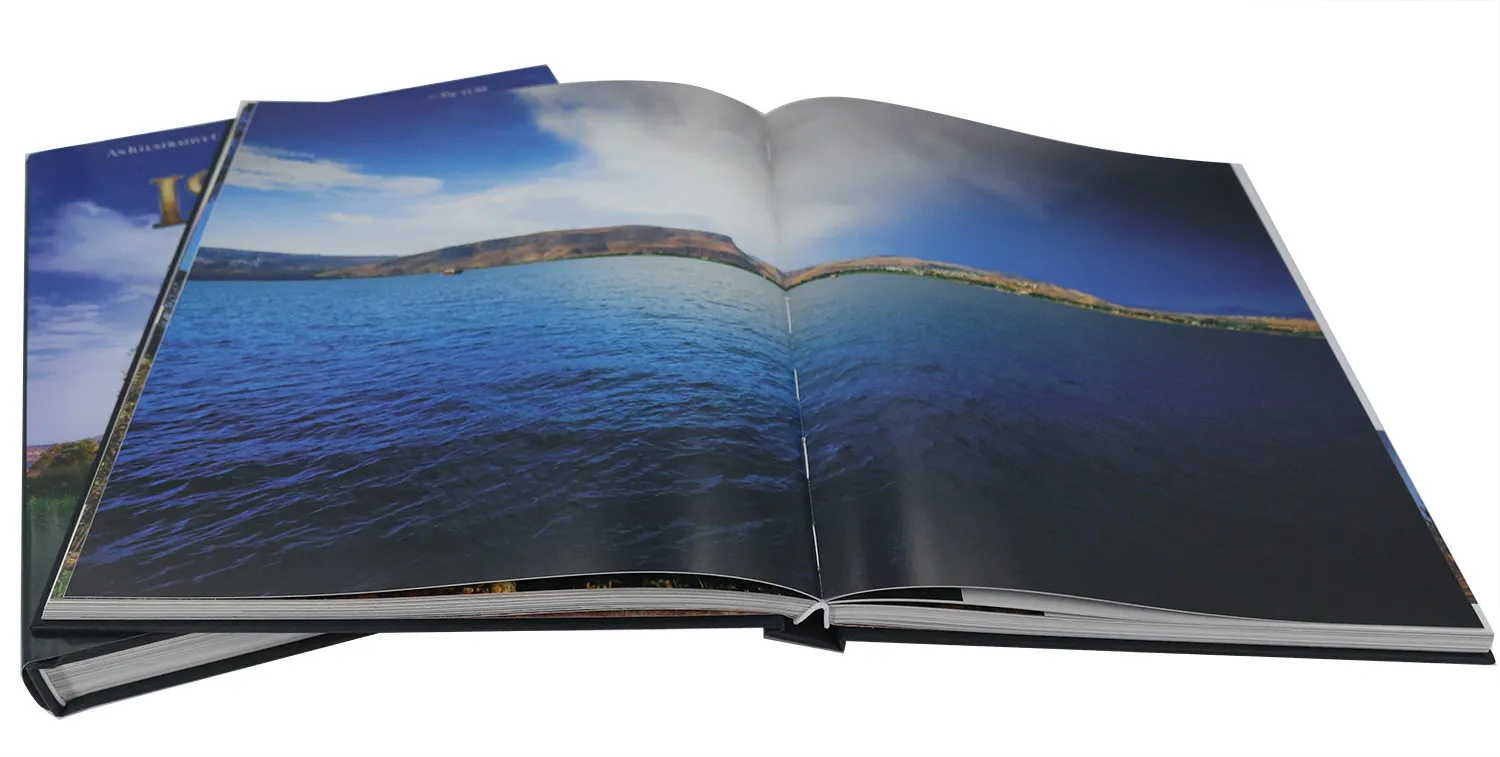
Hardcover binding, also known as case binding. It is a traditional and durable method used for books and publications that require a high level of protection and longevity. In this process, the sewn or glued text block is encased in a rigid cover, typically made of gray board, and covered with a printed material such as paper, cloth or leather.
The advantages of hardcover binding include:
-
Durability: The rigid cover and sturdy binding make hardcover books highly resistant to wear and tear, ensuring their longevity.
-
Professional appearance: Hardcover books have a classic and sophisticated look, making them suitable for various types of publications, including literary works, reference materials, and academic texts.
-
Archival quality: When combined with acid-free materials and proper construction techniques, hardcover binding can provide archival-quality protection for valuable or rare publications.
-
Wide range of pages: from 16-1000+ pages, hardcover binding provides a lot of flexibility to cater different design needs.
-
Customization: From cover options (laminated paper, cloth, leather) to finishes (glossy or matte finish, hot stamping, spot UV, silk bookmarks, dust jackets, and more), there are many customization options to make your hardcover book stand out.
Hardcover binding is a preferred choice for publishers seeking a high-quality, long-lasting binding solution for their most prestigious or valuable publications. Here some popular types, include:
High-end catalogs
Art books
Graphic novels
Poetry Collection
Special or collector editions
10. Board Book Binding
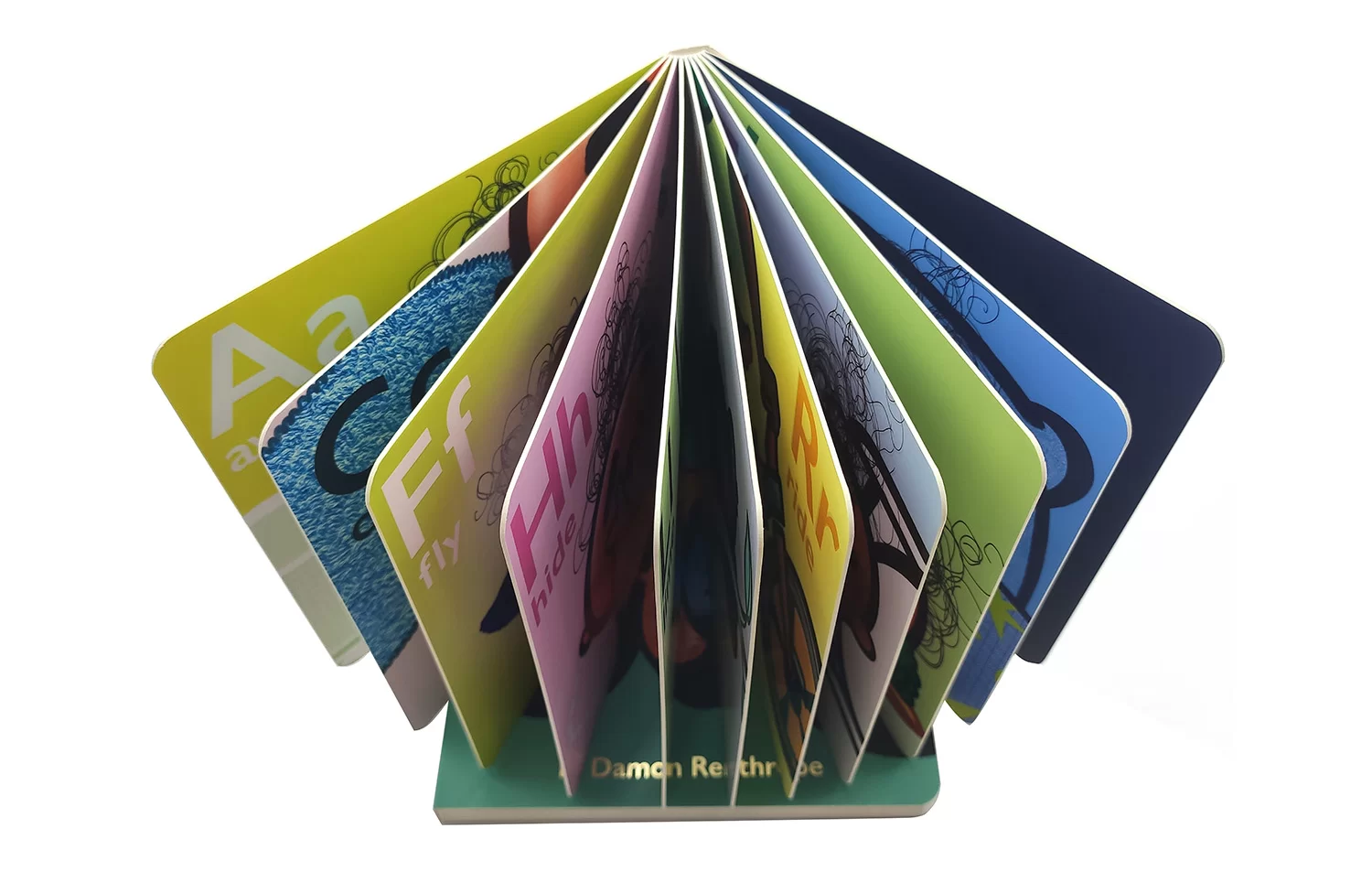
Board book binding is a specialized binding method designed for children’s books and early learning materials. In this process, the printed pages are mounted with two or more sheets of thick, rigid cardboards, typically made of C1S paper, creating a sturdy and durable book that can withstand the rough handling of young readers.
Board book binding includes self-cover board book binding and hardcover board book binding.
Self-cover binding, which cover and interior paper are made of the same thickness of C1S paper, often mounted with two or more sheets of C1S paper, and often with round corner.
On the other hand, the binding of hardcover board books has the same cover as ordinary hardcover books, usually made of 157gsm coated cover paper mounted on 2-3 mm grey board, and the paper inside is similar to the binding of self-covered board books, with two or more sheets of C1S paper mounted. Additionally, unlike the binding of self-cover board books, the corners of hardcover board books can be rounded or not, depending on your needs.
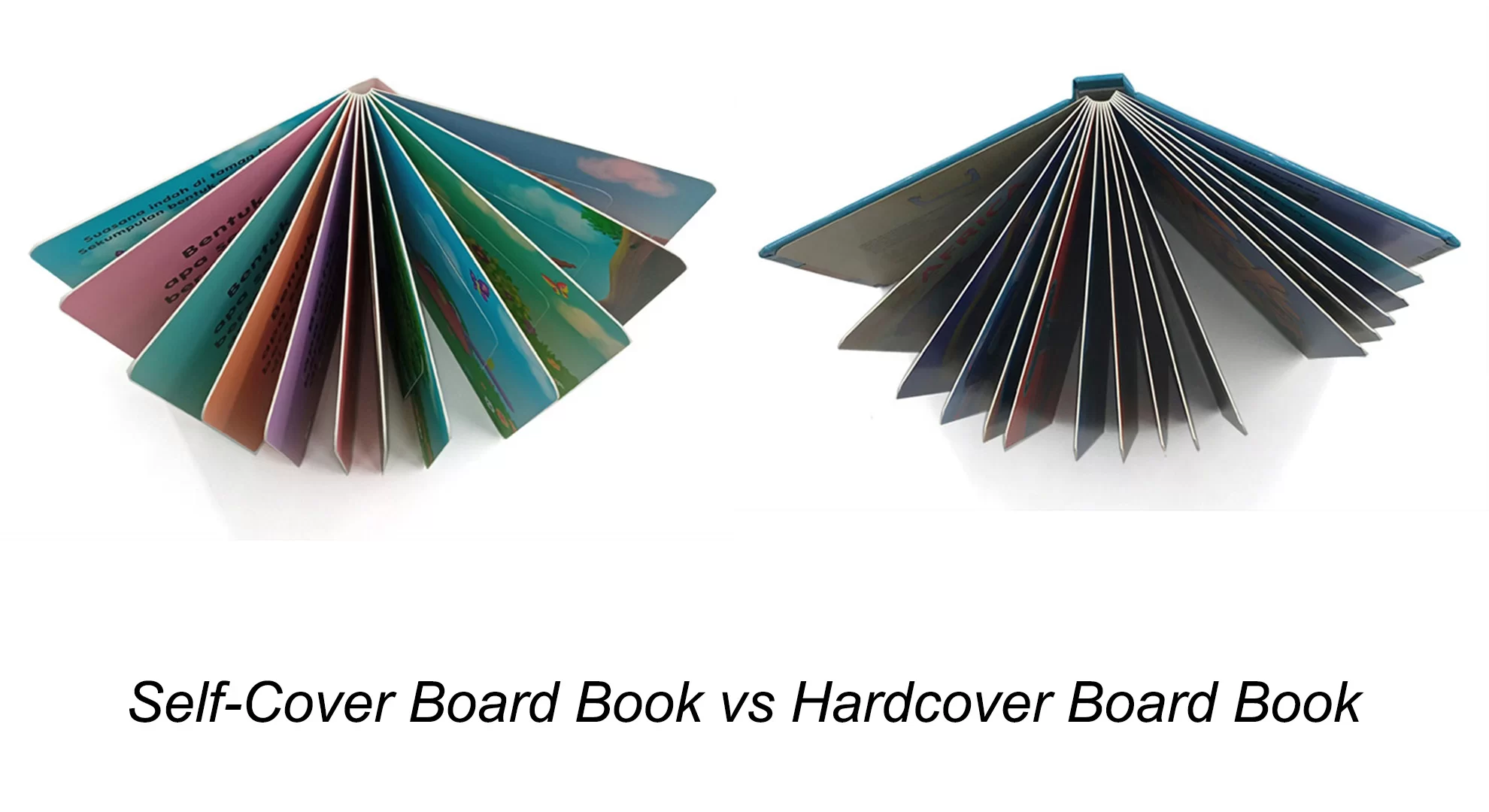
The advantages of board book binding include:
-
Durability: The rigid boards and secure binding make board books highly resistant to wear and tear, ensuring their longevity even with frequent handling by children.
-
Lay-flat design: This binding allows the pages to lie flat when open, providing a comfortable reading experience for children.
-
Safety: Board books are designed with rounded corners and thick pages, minimizing the risk of injury or damage.
-
Interactive learning: The sturdy construction of board books allows for the incorporation of interactive elements, such as flaps, textures, or pop-ups, enhancing the learning experience for young readers.
Board book binding is a specialized solution for publishers producing educational materials and children’s board books, ensuring that these publications can withstand the rigors of repeated use by their young audience.
11. Flexibinding
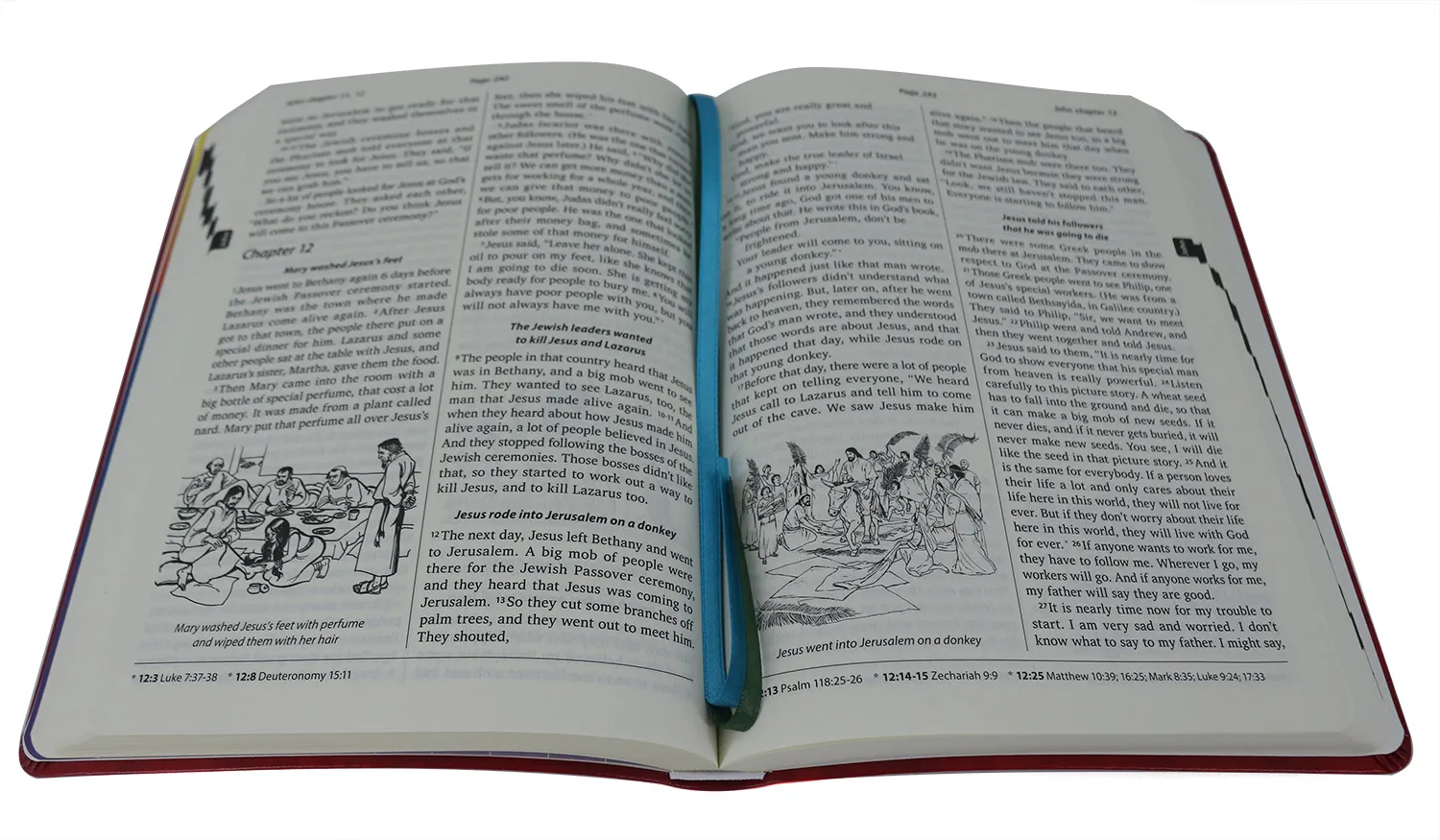
Flexibinding, also known as lay-flat binding or flexcover binding. It is a unique binding method that combines the durability of a hardcover book with the flexibility of a softcover publication. In this process, a flexible material, such as PU leather or vinyl, is used to create a sturdy yet pliable cover, which is then attached to the text block using a section sewn binding technique.
The advantages of flexibinding include:
-
Lay-flat design: The flexible cover allows the book to lie completely flat when open, providing a comfortable reading experience and making it ideal for reference materials, cookbooks, and instructional guides.
-
Durability: The sturdy cover and binding make flexibound books resistant to wear and tear, ensuring their longevity.
-
Lightweight and portable: Due to lightweight and portable, making it easy to read, carry, mail and distribute.
-
Customization: Flexibinding offers a range of cover material options, such as Pu leather, vinyl, laminted paper, allowing for personalization and branding opportunities.
Flexibinding is a popular choice for publishers seeking a durable and user-friendly binding solution for publications that require frequent referencing or hands-on use. Here some popular types, include:
Bibles, etc. religious books
Journals
Classic Books
12. Comb Binding
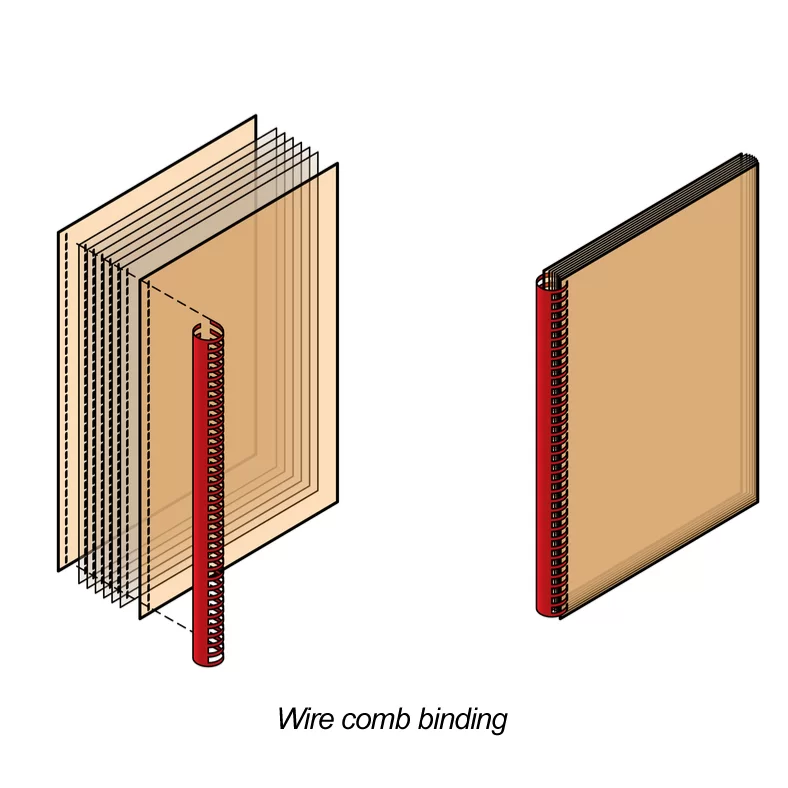
Comb binding, also known as plastic comb binding. It is a versatile and cost-effective option for documents, manuals, and presentations. In this method, a plastic comb-like binding element is inserted through punched holes along the binding edge of the pages, creating a secure and flexible binding.
The advantages of comb binding include:
-
Easy page turning: The comb binding allows for smooth and effortless page turning, making it ideal for frequently referenced materials.
-
Customization: Comb binding offers a range of comb colors and sizes, allowing for personalization and branding opportunities.
-
360-degree rotation: The comb binding can rotate 360 degrees, allowing you to focus on reading one page at a time by folding the document without damaging it.
-
Cost-effective: Comb binding is a relatively inexpensive option, making it suitable for publications with smaller print runs or tighter budgets.
Comb binding is a popular choice for corporate documents, training manuals, and presentations due to its professional appearance and ease of use. It is also suitable for publications that require frequent updates or additions, as pages can be easily removed or inserted.
13. Screw-Post Binding
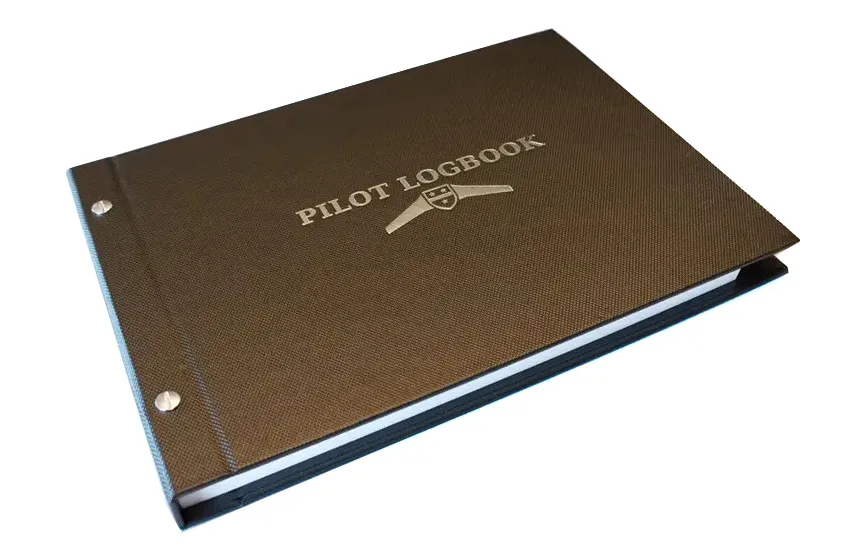
Screw-post binding, also known as Chicago Screw Posts binding. It is a durable and versatile option for sample books, photo albums, menus, portfolios. In this method, metal screws or posts are inserted through punched holes along the binding edge of the pages, and covers or backing boards are added to create a secure and professional binding.
The advantages of screw-post binding include:
-
Durability: The metal screws or posts create a sturdy and long-lasting binding, suitable for publications that require frequent handling or referencing.
-
Customization: Screw-post binding offers a range of cover materials and post colors, allowing for personalization and branding opportunities.
-
Versatility: Screw-post binding is suitable for a wide range of page counts and can accommodate the addition or removal of pages as needed.
Factors to Consider When Choosing The Binding Style for Your Project
When selecting the appropriate binding style for your project, several factors should be taken into consideration:
-
Page Count: The number of pages in your publication will influence the binding style choice. For example, saddle stitching is suitable for publications with a lower page count, while perfect binding or sewn binding is recommended for publications with a higher page count.
-
Intended Use: Consider how the publication will be used and handled. If frequent referencing or page flipping is required, a lay-flat binding style like spiral or Wire-O binding may be more suitable. For publications that need to withstand heavy use, a durable binding method like hardcover or section sewn binding is advisable.
-
Budget: Different binding styles vary in cost, with some methods being more economical than others. Consider your budget constraints and balance them with the desired quality and durability of the binding.
-
Aesthetic Appeal: The binding style you choose can significantly impact the overall visual appeal of your publication. Consider the desired look and feel, whether it’s a sleek and modern appearance or a traditional and classic aesthetic.
-
Target Audience: When choosing a binding style, it is crucial to consider your target audience. For example, board book binding is suitable for young children’s books that need to be tear-resistant.
-
Printing Specifications: Certain binding styles may require specific printing specifications, such as bleed requirements or page trimming. Consult with your printer or binding service provider to ensure compatibility and proper execution.
Bleed Requirement for Different Binding Types
To ensure a seamless and professional-looking finish, it’s essential to consider the bleed requirements for different binding types. Bleed refers to the extra area beyond the trim line where the printed content extends, allowing for a clean edge after trimming.
Here are the typical bleed requirements for various binding styles:
3mm Bleed
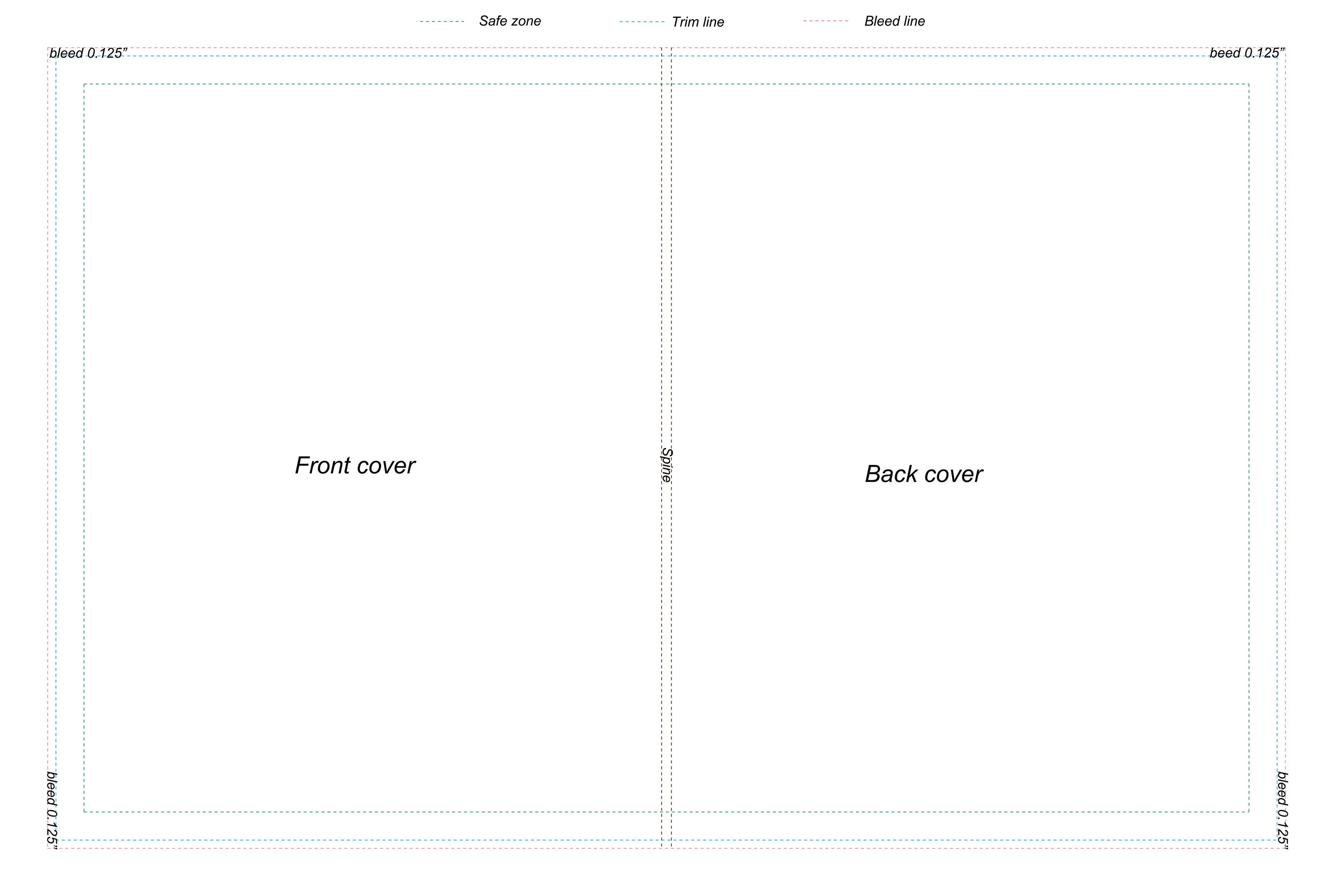
The following binding types typically require a 1.3mm bleed:
-
Saddle stitch
-
Single sewn
-
Loop staple
-
Spiral binding
-
Wire-O binding
-
Concealed Wire-O
-
Perfect binding / Sewn perfect binding
-
Board book binding
-
Flexibinding
-
Comb binding
15mm Bleed
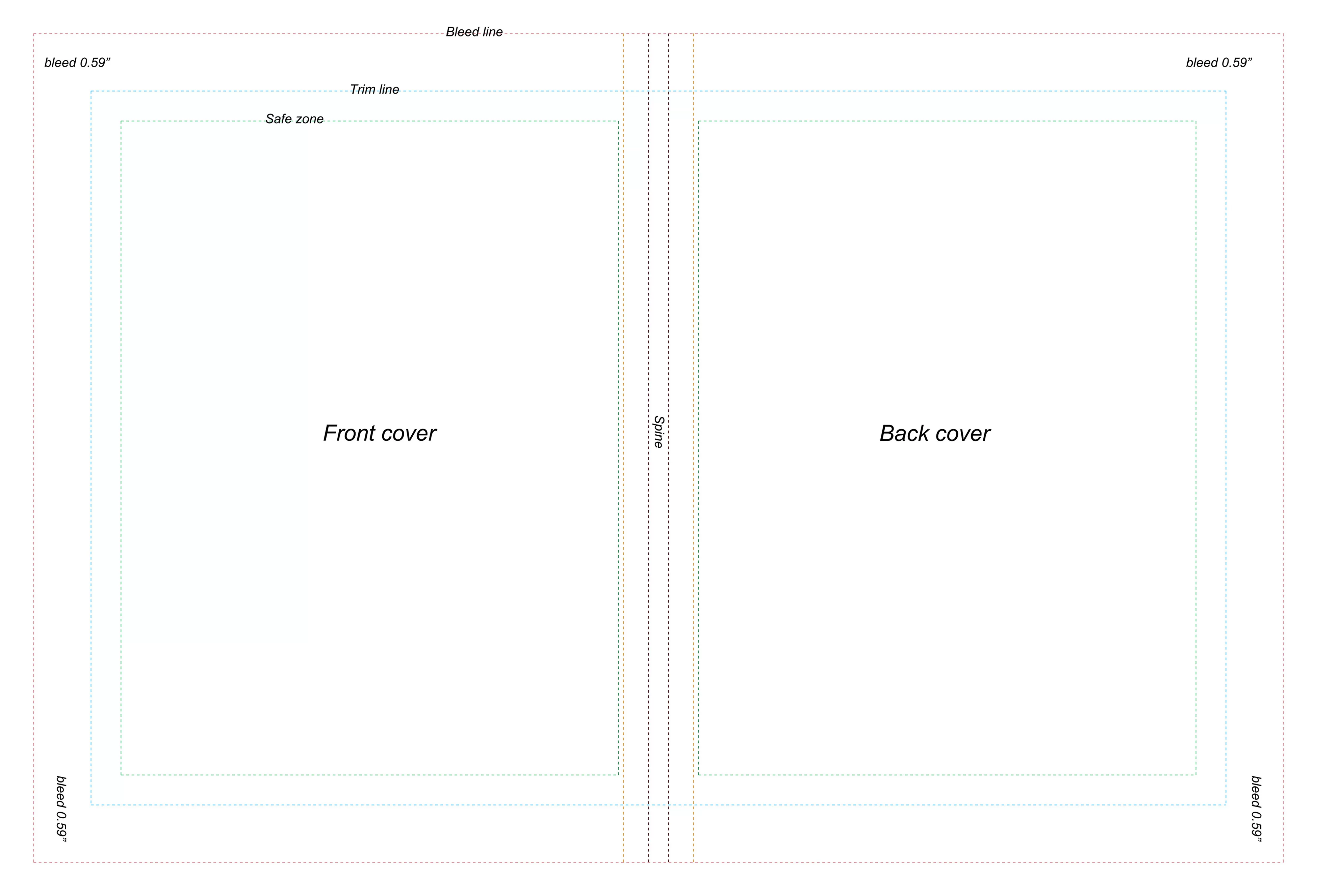
Hardcover binding, its cover often requires a larger bleed of 2.15mm to make sure leave space to wrap the inside cover gray board.
It’s crucial to consult with your printer or binding service provider to confirm the specific bleed requirements for your project, as these may vary based on their equipment and processes.
At BookPrintingChina, we understand the importance of choosing the right binding style for your publication. Our team of experienced professionals is dedicated to guiding you through the process and ensuring that your project is executed with precision and attention to detail.
Whether you’re publishing a book, magazine, catalog, or any other printed material, we offer a wide range of binding options to suit your unique needs. Contact us today, and let’s bring your vision to life with a binding solution that perfectly complements your content. Visit our website or give us a call to discuss your project requirements and receive a personalized consultation.