



As an experienced printing manufacturer, I understand the importance of creating visually appealing and informative programs for various events. Program printing is an art form that requires careful consideration of design elements, paper quality, and binding options to ensure a professional and memorable outcome.
In this comprehensive guide, I will unveil the secrets to successful program printing, empowering you to create stunning and impactful programs that leave a lasting impression.
What’s Program Printing?
Program printing is the process of creating printed materials that provide detailed information about an event, performance, or ceremony. These printed programs serve as a valuable resource for attendees, guiding them through the event’s schedule, highlighting key performers or speakers, and providing additional context or background information.
Program printing encompasses a wide range of projects, from simple single-page cards to elaborate multi-page booklets. Whether you’re planning a wedding, a sports event, a funeral, a dance or music recital, a beauty pageant, or a convention or expo. A well-designed and professionally printed program can elevate the overall experience for your guests.
Why Custom Event Program Printing?
Custom event program printing offers many benefits that can significantly enhance the overall impact and success of your event. By investing in high-quality program printing, you can:
-
Establish a Professional Image: A professionally printed program conveys a sense of professionalism and attention to detail, reflecting positively on your event and organization.
-
Enhance Engagement: Well-designed programs can captivate your audience, providing them with valuable information and creating a deeper connection with the event.
-
Create Lasting Memories: Programs serve as tangible mementos, allowing attendees to relive the experience and cherish the memories long after the event has concluded.
-
Promote Branding: Custom program printing allows you to incorporate your brand’s colors, logos, and messaging, reinforcing your brand identity and increasing brand recognition.
Hot Program Printing Projects
When it comes to program printing, the possibilities are endless. Here are some of the most popular and exciting program printing projects:
Wedding Programs
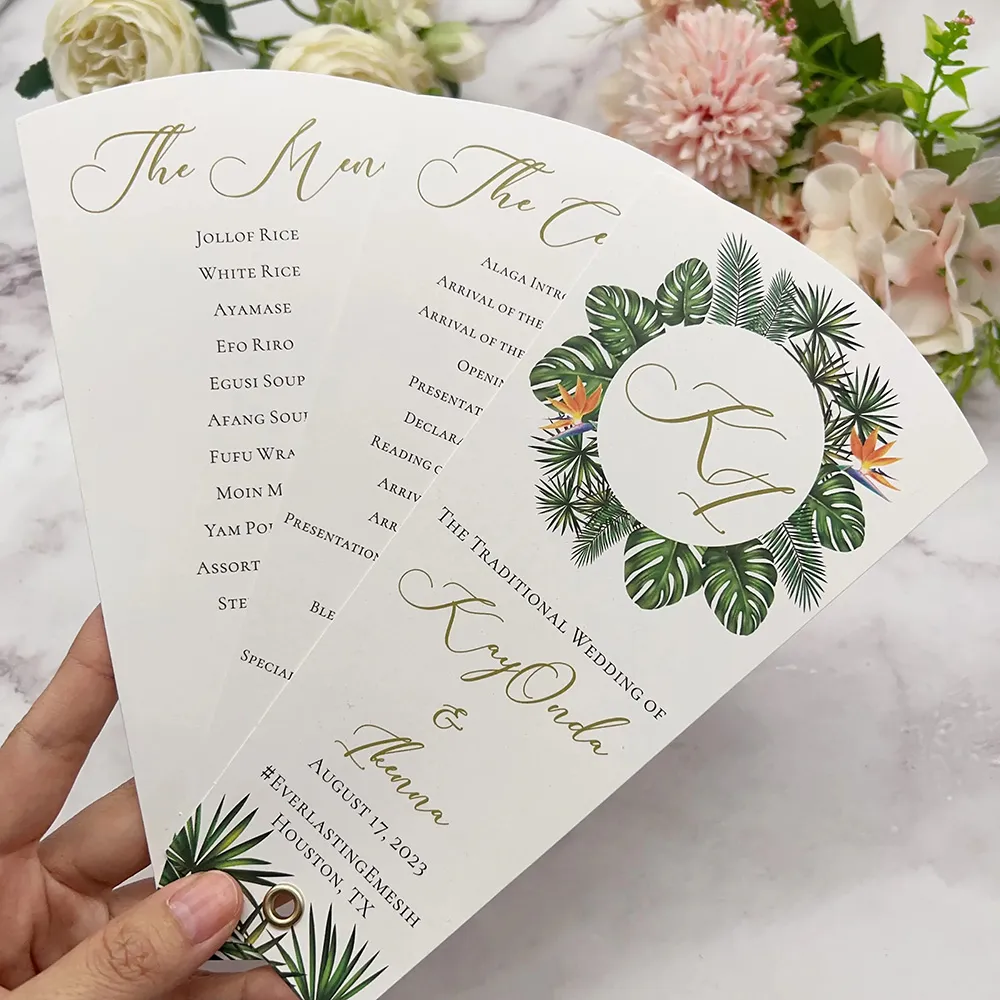
Wedding programs are essential for guiding guests through the ceremony and providing important information about the couple, the wedding party, and the event schedule. These programs can range from simple, elegant cards to intricately designed booklets, reflecting the couple’s unique style and personality.
Sports Programs
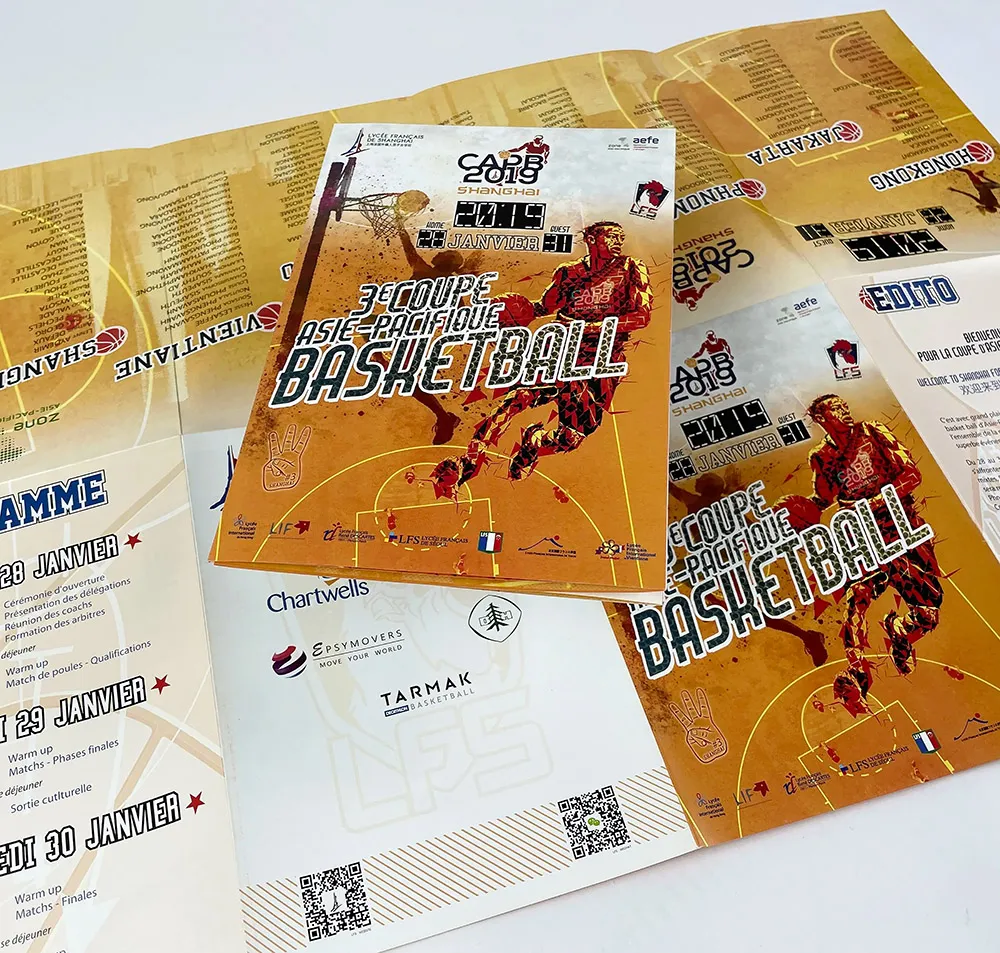
Sports programs are a staple at athletic events, providing fans with valuable information about the teams, players, and event details. From football and basketball to baseball and soccer, sports programs are a must-have for enhancing the fan experience.
Funeral Programs
Funeral programs serve as a respectful and meaningful way to honor the life of a loved one. These programs often include biographical information, heartfelt messages, and details about the service, providing a cherished keepsake for attendees.
Dance and Music Recitals
Dance and music recitals are perfect opportunities for program printing. These programs can showcase the performers, provide information about the performances, and serve as a lasting memento for proud parents and attendees.
Beauty Pageants
Beauty pageants are all about elegance and sophistication. A well-designed program can complement the event’s grandeur. These programs can feature contestant bios, event schedules, and sponsor information, adding a touch of class to the occasion.
Conventions and Expos
Conventions and expos often feature a multitude of speakers, exhibitors, and events, making a comprehensive program an invaluable resource for attendees. These programs can include schedules, exhibitor listings, and speaker bios. Ensuring that attendees make the most of their experience.
Program Printing Formats
For program printing, there are various formats to choose from, each with its own unique advantages and applications. Here are some of the most popular program printing formats:
Program Cards
Program cards are compact and easy to carry, making them ideal for smaller events or ceremonies. These single-page programs can be printed on high-quality card stock. They can include essential information such as event schedules, participant lists, and sponsor recognition.
Program Books/Booklets
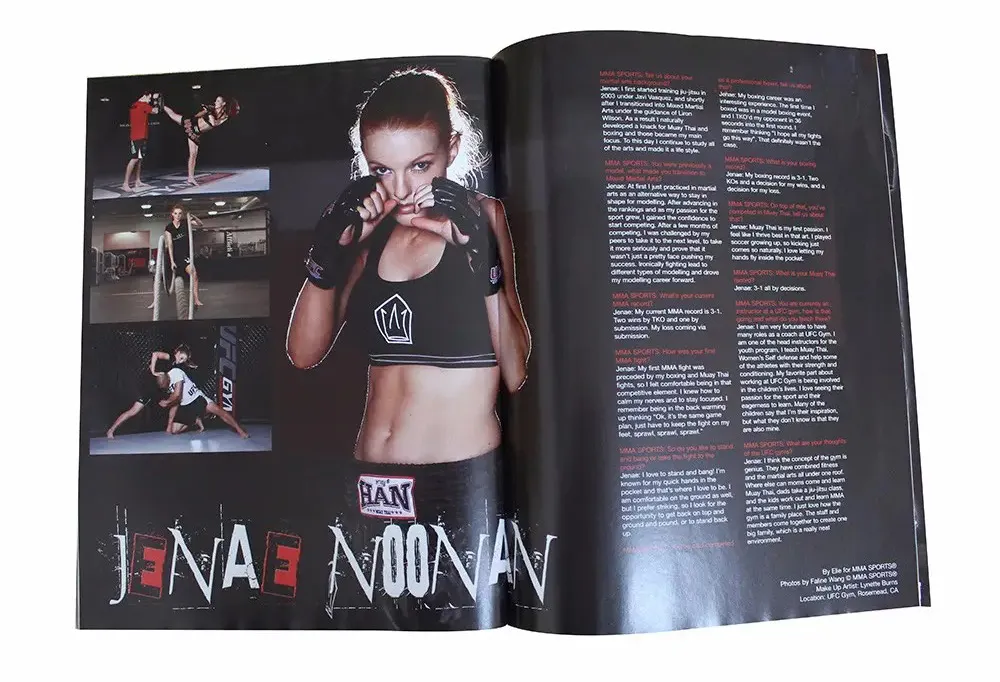
Program books or booklets are multi-page publications that provide more comprehensive information about an event. These booklets can include detailed schedules, performer bios, sponsor advertisements, and additional content such as maps or event history. Program booklets offer ample space for branding and can be bound in various styles to suit the event’s theme and budget.
Folded Programs
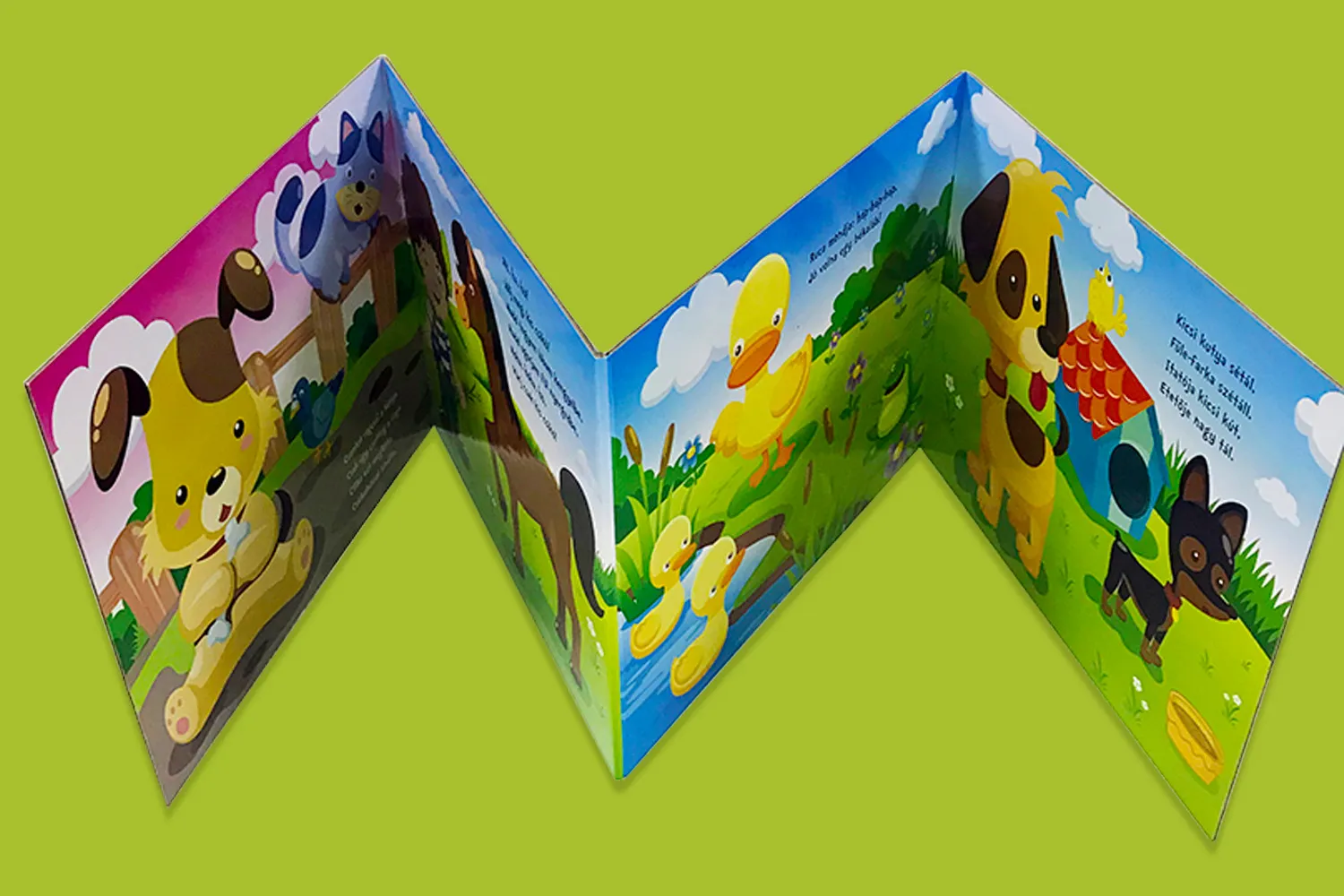
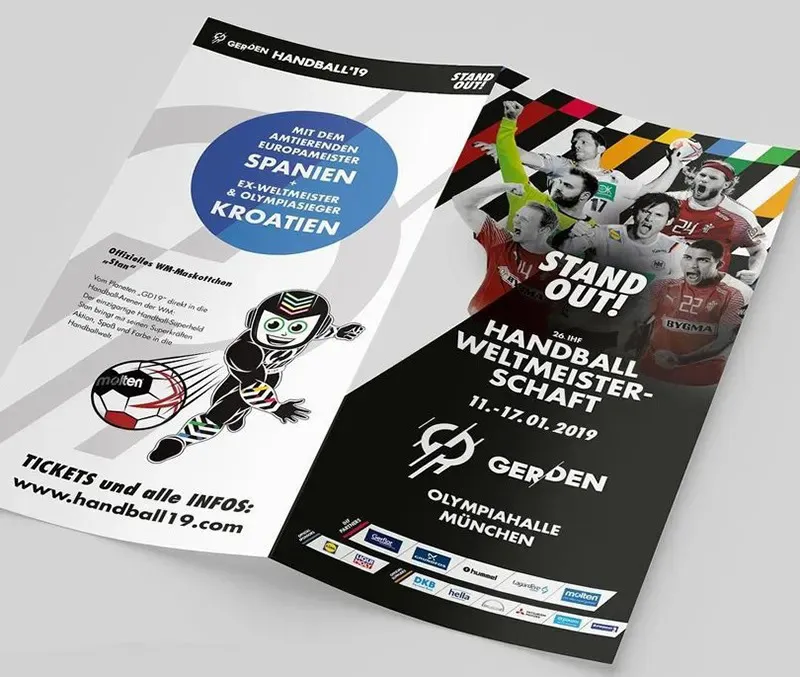
Folded programs are a versatile and cost-effective option that combines the convenience of a single-page card with the ability to include more information. These programs can be printed on a single sheet and folded into a tri-fold or bi-fold format, providing a compact and easy-to-navigate design.
Paper Options for Program Printing
The paper choice for your program printing project can significantly impact the overall look and feel of the final product. Here are some popular paper options to consider:
Gloss Art Paper
Gloss art paper is a premium paper stock that features a smooth, glossy finish. It is ideal for programs that require vibrant colors and high-quality image reproduction. Gloss art paper is a popular choice for events that demand a luxurious and polished appearance.
Matte Art Paper
Matte art paper offers a subtle, non-reflective finish that can lend a sophisticated and elegant look to your program. Matte art paper is an excellent choice for programs that feature intricate designs or typography. Because it minimizes glare and provides a pleasing tactile experience.
Uncoated Paper
Uncoated paper is a more economical option that offers a natural, textured feel. While it may not provide the same level of vibrancy as coated papers, uncoated paper can lend a warm and organic aesthetic to your program. Uncoated paper is a suitable choice for events with a rustic or eco-friendly theme.
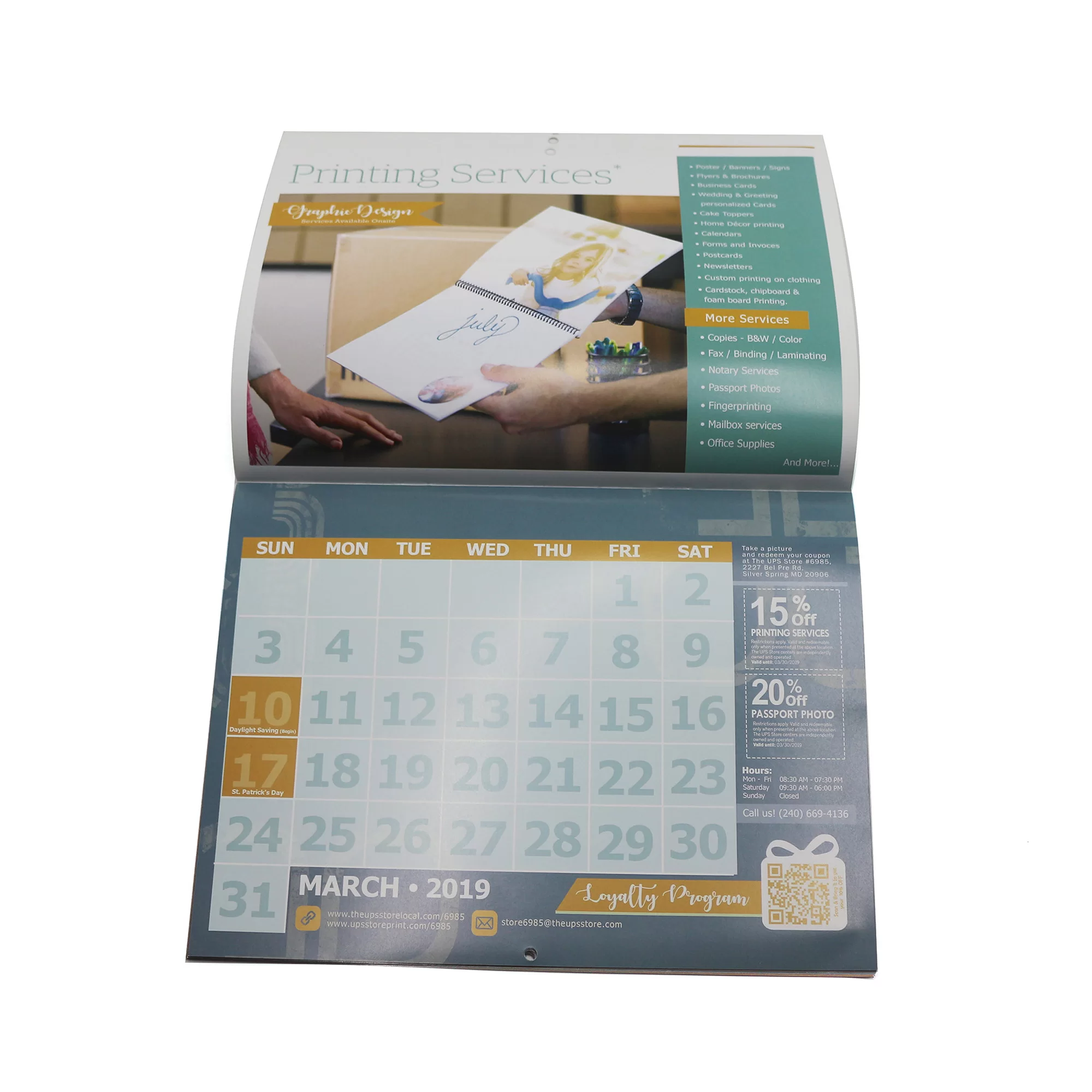 |
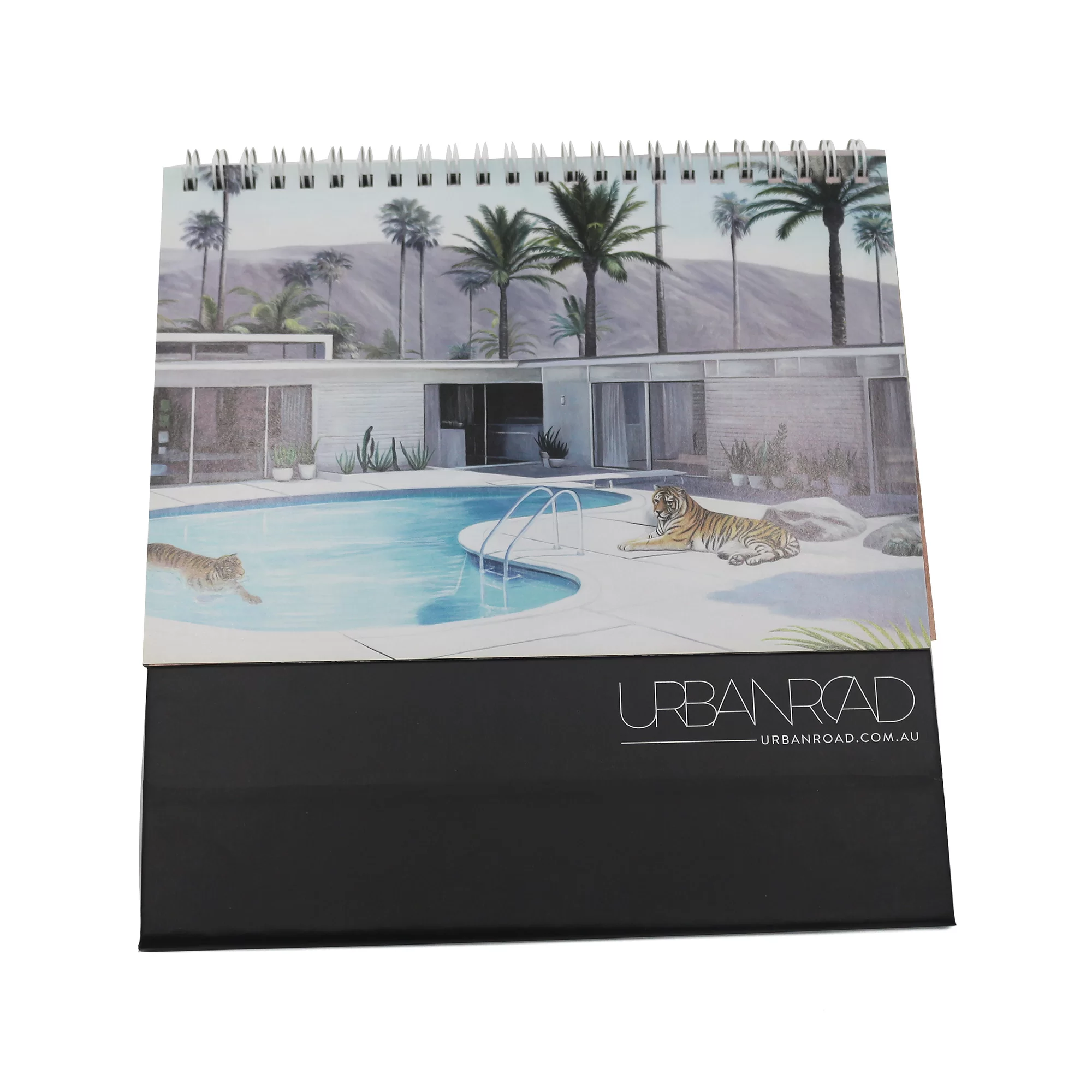 |
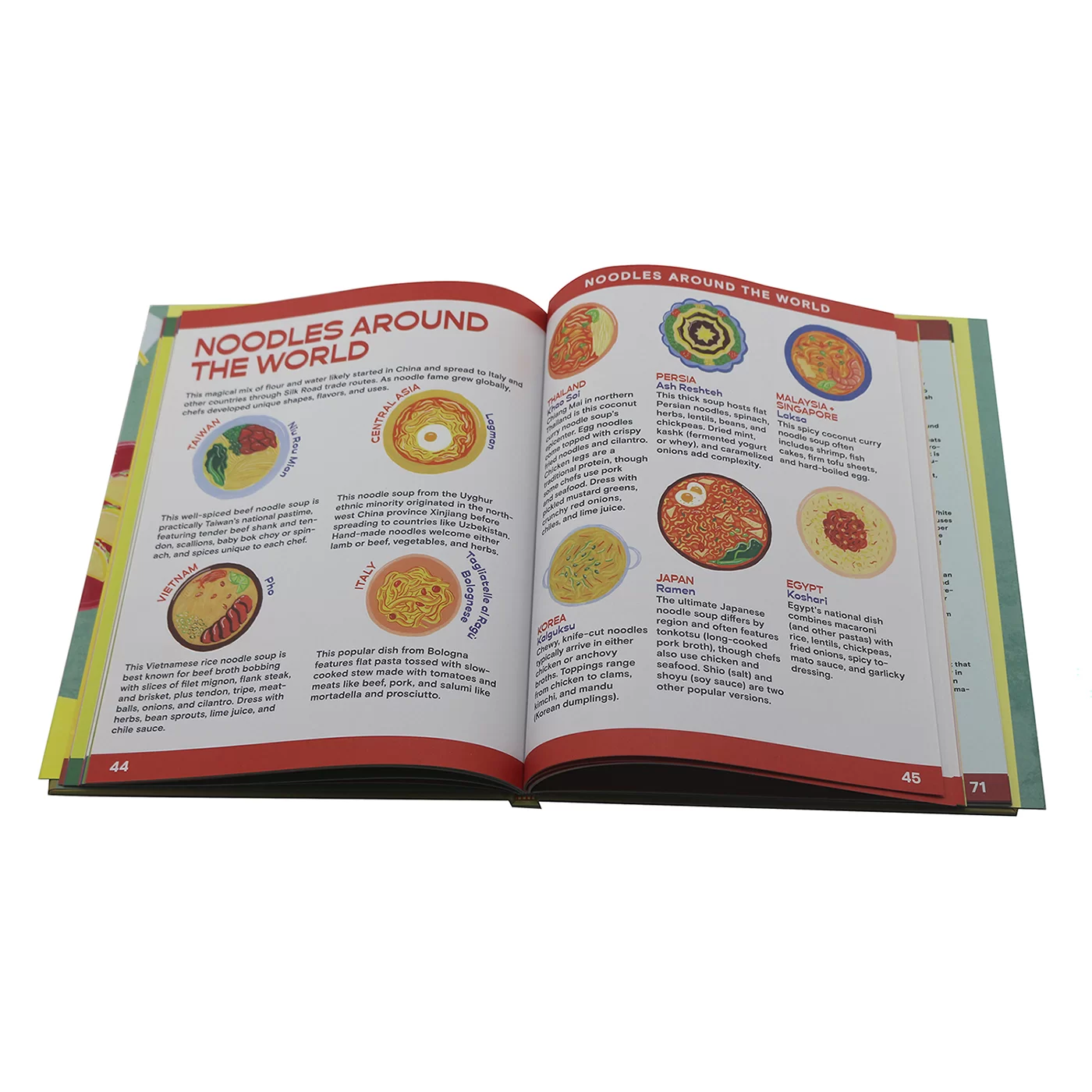 |
| Gloss art paper | Matte art paper | Uncoated paper |
Binding Options for Program Printing
The binding method you choose for your program can significantly impact its durability, appearance, and overall user experience. Here are some popular binding options to consider:
Saddle Stitch
Saddle stitching is a cost-effective binding method. It involves stapling the program pages together along the spine. Saddle stitch is ideal for smaller booklets or programs with a limited number of pages, providing a clean and professional look.
Spiral Binding
Spiral binding, also known as coil binding. It involves punching holes along the program’s spine and inserting a continuous metal or plastic coil. Spiral binding allows the program to lay flat and is a popular choice for larger programs or those that require frequent referencing.
Perfect Binding
Perfect binding is a professional binding technique. It involves gluing the program’s pages to a sturdy cover. Perfect binding creates a book-like appearance and is suitable for programs with a higher page count, providing a polished and durable final product.
Wire-O Binding
Wire-O binding is a versatile option. It involves punching holes along the program’s spine and inserting a double-loop wire binding. Wire-o allows the program to lay flat and provides a 360-degree opening. It is an excellent choice for programs that require frequent referencing or note-taking.
Hardcover Binding
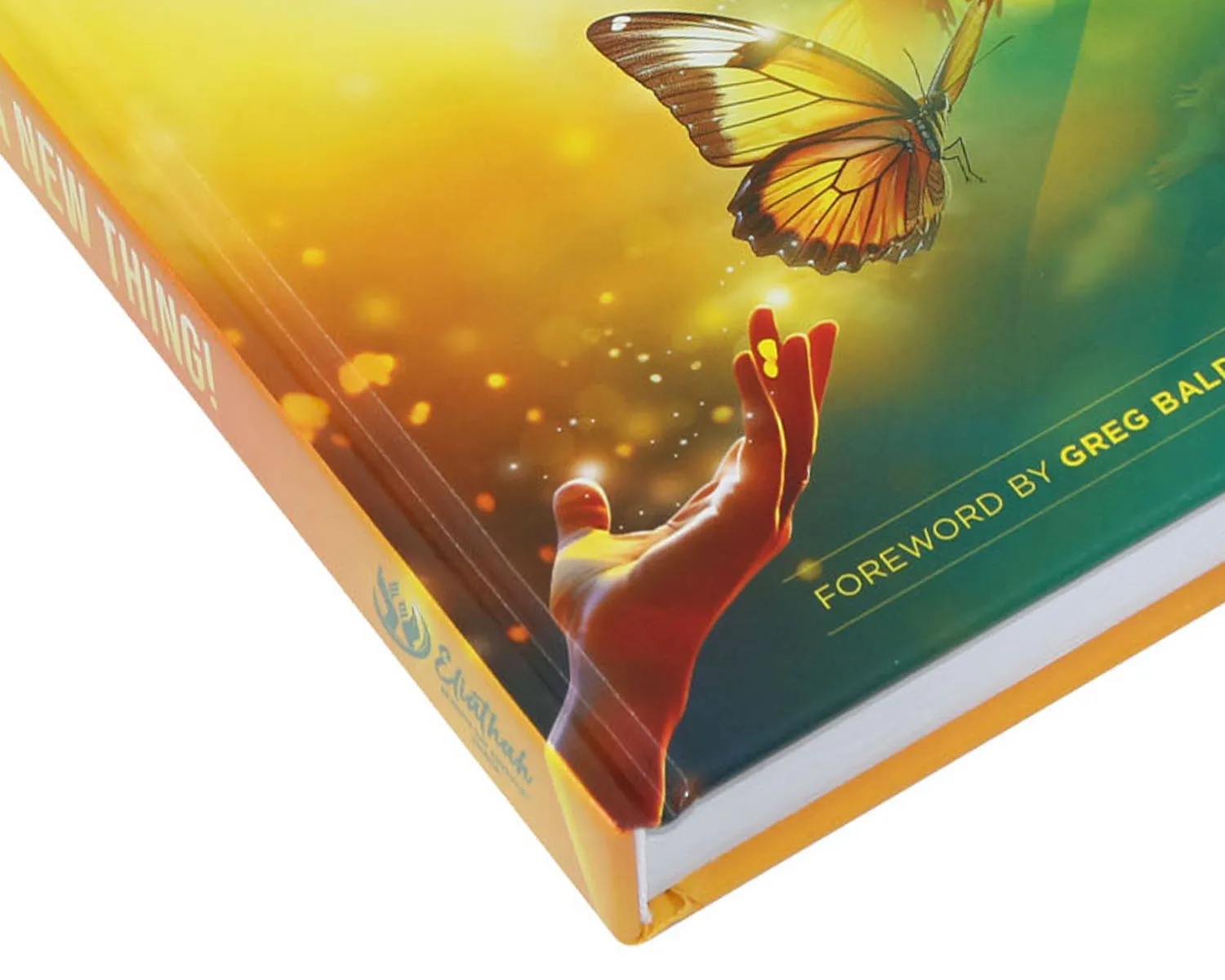
Hardcover binding is a premium and strongest option. It involves encasing the program’s pages within a sturdy, hard cover. Hardcover binding offers a luxurious and long-lasting appearance. It is an ideal choice for high-end events or programs that are intended to be kept as keepsakes.
Surface Options for Printing Program
In the world of print design, the surface finishing options can make a world of difference, transforming a basic project into a visually stunning masterpiece. The right surface treatment not only enhances the aesthetic appeal but also provides functionality and durability.
Below, we explore five essential surface options that can enhance your program printing.
Lamination
Lamination is one of the most popular surface treatments in printing. It provides a protective layer that enhances the appearance of printed materials. There are three primary types of lamination:
-
Gloss Lamination: It features a shiny finish that accentuates colors and images, making them appear vibrant and eye-catching. Perfect for event program such as sport program, beauty pageants, gloss lamination delivers a polished look that grabs attention.
-
Soft Touch Lamination: As the name suggests, this lamination provides a velvety texture that invites touch. It conveys a sense of luxury and elegance, making it an excellent choice for high-end products like wedding programs or premium branding collateral.
-
Matte Lamination: Matte lamination offers a non-reflective finish that provides a sophisticated, understated look. It also reduces glare, making it easier to read text and appreciate intricate designs. It is perfect for projects aimed at a more professional audience, such as dance and music recitals, conventions and expos.
Foil Stamping
Foil stamping is a striking surface option. It applies metallic or pigment foil onto the substrate to create a reflective, eye-catching design. This technique is perfect for adding logos, branding elements, or accents to program card or book.
Available in various colors and finishes, foil stamping allows you to create a unique and luxurious look that stands out. It’s particularly effective in enhancing high-end products or formal event invites, imparting a touch of sophistication and exclusivity.
Spot UV
Spot UV is a remarkable technique that applies a glossy coating to specific areas of a printed piece. This selective application creates a contrast that can highlight important elements like logos, images, or text, drawing attention where it matters most.
The result is a visually dynamic piece that engages viewers, making it ideal for program cards, booklets, and folder. Spot UV offers a unique tactile experience as well, adding depth and dimension to your designs.
Emboss/Deboss
Embossing and debossing involve creating a raised or recessed design on the surface of the printed material, adding a tactile element that captivates the audience.
-
Embossing: This process raises the design above the surface of the material, adding an elegant touch. It’s commonly used for logos and branding elements on card stock, making them more prominent and visually appealing.
-
Debossing: Conversely, debossing creates a recessed effect, producing a subtle and refined appearance. This is an excellent choice for invitations, stationery, providing an enriched texture that signifies quality.
Both techniques evoke a sense of craftsmanship, making them ideal for luxury brands and high-stakes projects.
Varnish
Varnish is a versatile surface option that can be applied as a clear coating over printed materials. It serves multiple purposes: providing additional protection, enhancing the visual appeal, and adding sheen or texture. There are two main categories of varnish:
-
Gloss Varnish: This adds a shiny finish that can enhance colors and details, similar to gloss lamination. It’s ideal for materials where depth and vibrancy are crucial.
-
Matte Varnish: A non-reflective option that dulls sheen, matte varnish can create a sophisticated look while maintaining readability. This is especially beneficial for text-heavy designs.
Additionally, varnish can be spot-applied to highlight specific areas or features, combining the benefits of both varnish and spot UV for a unique finishing touch.
What Can Program Book Printing Be Used For?
Program book printing has a wide range of applications across various industries and events. Here are some common uses for program book printing:
-
Conferences and Conventions: Program books are essential for large-scale conferences and conventions. They provide attendees with detailed schedules, speaker bios, exhibitor information, and other important event details.
-
Fundraising Events: Program books can be used for fundraising events such as galas, charity balls, or auctions, featuring event schedules, donor recognition, and information about the cause or organization.
-
Performing Arts: Program books are commonly used for theater productions, concerts, dance recitals, and other performing arts events. They provide audience members with information about the performers, the production, and the creative team.
-
Sporting Events: Program books can enhance the fan experience at sporting events by providing team rosters, player bios, game schedules, and other relevant information.
-
Educational Programs: Program books can be used for graduation ceremonies, award ceremonies, or other academic events, highlighting student achievements, event schedules, and important information for attendees.
-
Corporate Events: Program books can be used for corporate events such as product launches, company retreats, or employee recognition event. They provide attendees with event agendas, speaker bios, and other relevant information.
How to Design an Program
Designing an effective and visually appealing program requires careful consideration of various elements. Here are some key steps to follow when designing your program:
-
Define the Purpose: Clearly define the purpose of your program and the information you want to convey. It will help you determine the content and structure of your program.
-
Gather Content: Collect all the necessary information, such as event schedules, performer bios, sponsor logos, and any additional content you want to include.
-
Choose a Layout: Decide on a layout that effectively organizes the content and creates a visually appealing design. Consider using grids, columns, and white space to enhance readability.
-
Select Fonts and Colors: Choose fonts and colors that complement your event’s theme and branding. Ensure that the font sizes and styles are legible and consistent throughout the program.
-
Incorporate Visuals: Use high-quality images, illustrations, or graphics to add visual interest and reinforce the event’s theme or branding.
-
Review and Proofread: Carefully review and proofread your program design. To ensure accuracy and consistency before sending it for printing.
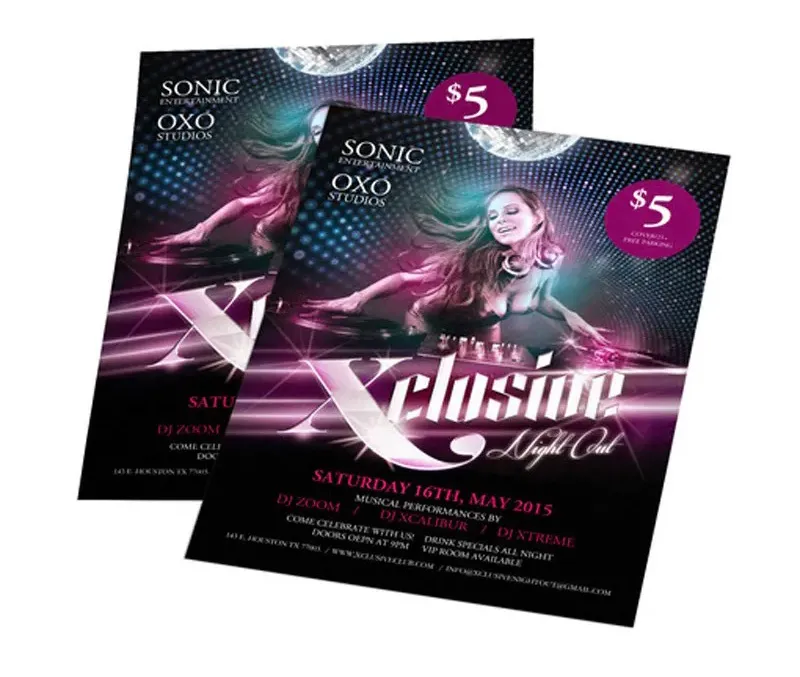
Factors to Consider When Printing Programs
When planning to print programs for your event, there are several factors to consider to ensure a successful outcome. Here are some important considerations:
Target Audience
Understanding your target audience is crucial in determining the appropriate program design, content, and printing specifications. Consider factors such as age, interests, and cultural backgrounds to create a program that resonates with your attendees.
Formats
As discussed earlier, there are various program printing formats to choose from, including cards, booklets, and folded programs. Select the format that best suits your event’s needs and budget, taking into account the amount of information you need to convey and the desired level of durability.
Paper Stock
The paper stock you choose can significantly impact the overall appearance and feel of your program. Consider factors such as paper weight, texture, and finish to create a visually appealing and tactile experience for your attendees.
Size
Determine the appropriate size for your program based on the amount of content you need to include and the intended use. Keep in mind that larger programs may be more costly to print, while smaller programs may be more portable and convenient for attendees.
Binding
The binding method you select can affect the program’s durability, ease of use, and overall aesthetic. Consider factors such as the number of pages, the intended use, and your budget when choosing the appropriate binding option.
Finish Options
Finishing options, such as lamination, spot UV, or foil stamping, can add an extra level of sophistication and visual appeal to your program. But, these options may increase the total printing cost, so consider your budget and the desired impact.
Budget
Establish a realistic budget for your program printing project. Taking into account factors such as the quantity needed, paper stock, binding, and any additional finishing options. Explore various printing options and seek quotes from reputable printing companies to ensure you get the best value for your investment.
Turnaround Time
Plan ahead and allow sufficient time for the printing process. This including design, proofing, and production. Communicate your desired turnaround time with your printing partner to ensure timely delivery and avoid any last-minute rushes or delays.
How Much Does It Cost To Print Programs?
Printing programs for events, weddings, or any special occasions can seem straightforward. But the costs can vary significantly based on many factors. Whether you are organizing a corporate event, a wedding, or a theatrical performance, understanding the cost breakdown can help you budget effectively.
Here, we will explore the various elements that affect the price of printing programs.
Key Factors Affecting Printing Costs
-
Quantity: The number of programs you need to print plays a significant role in the total cost. Typically, printing in bulk reduces the cost per unit. For instance, printing 500 copies will generally be less expensive per piece than printing just 100 copies.
-
Size and Format: Programs can come in various sizes (e.g., half-letter, full letter, or custom sizes) and formats (folded, booklet style, etc.). A standard foldable program may cost less than a detailed booklet with multiple pages. The printed size often influences paper costs and other printing expenses.
-
Paper Quality: The choice of paper has a major impact on printing costs. Standard printer paper is usually the most affordable option, while premium paper (e.g., linen, glossy, or cardstock) will increase costs. Consider how the paper quality aligns with the tone of your event.
-
Color vs. Black-and-White Printing: Full-color printing can significantly raise the production cost compared to black-and-white printing. If your program includes images or intricate designs, the cost may increase, particularly for full-color printing on both sides of the paper.
-
Printing Method: Different printing methods come with varying price tags. Digital printing is generally suitable for smaller quantities, while offset printing is more economical for larger projects. Each method has its own set of advantages and costs.
-
Turnaround Time: If you need your programs printed quickly, expedited services may come with a premium price. Planning ahead allows for standard turnaround times, which can help you save money.
Tips for Reducing Printing Costs
-
Plan Ahead: Start your project early to take advantage of longer turnaround times, which are often less expensive.
-
Combine Orders: If you have multiple events or programs to print, consider combining them into one order to save costs.
-
Digital Options: For tech-savvy attendees, consider digital programs (PDFs or websites) that can be accessed on smartphones or tablets.
-
Compare Quotes: Get quotes from multiple printing services to ensure you are getting the best price.
The cost of printing programs can vary widely based on a multitude of factors, from quantity and paper quality to design complexity and printing methods. By understanding these elements and doing your research, you can make informed decisions that align with your budget while still producing beautiful and effective programs for your event. Whether you choose to go with a basic design or opt for high-end finishes, careful planning can help you achieve the look you want without breaking the bank.
To get an accurate quote for your program printing project, it’s best to consult with professional printing companies and provide them with your specific requirements. These including the desired quantity, page count, paper stock, binding method, and any additional finishing options.
Tips for Program Printing
To ensure a successful and hassle-free program printing experience, here are some valuable tips to keep in mind:
-
Start Early: Begin the planning and design process well in advance to allow ample time for revisions, proofing, and printing. It will help you avoid any last-minute rushes or delays.
-
Work with a Professional Designer: Consider hiring a professional graphic designer to create a visually appealing and cohesive program design that aligns with your event’s theme and branding.
-
Proofread Carefully: Thoroughly proofread your program content for any errors, typos, or inconsistencies before sending it to the printer. Mistakes can be costly to correct once the printing process has begun.
-
Request Proofs: Ask your printing partner to provide digital or hard copy proofs of your program before proceeding with the final print run. It will allow you to review the design and make any necessary adjustments.
-
Consider Quantity Discounts: Many printing companies offer quantity discounts. So be sure to inquire about pricing for larger print runs if you anticipate needing a significant number of programs.
-
Explore Sustainable Options: If environmental sustainability is a priority, consider using eco-friendly paper stocks or printing with vegetable-based inks to reduce your event’s environmental impact.
-
Communicate Clearly: Maintain clear and open communication with your printing partner throughout the process. Provide detailed specifications, deadlines, and any special instructions to ensure a smooth and successful printing experience.
-
Plan for Extras: Order a few extra programs to account for potential mishaps or last-minute attendees. Having a small surplus can prevent any potential shortages during your event.
If you’re ready to take your event to the next level with professional and visually stunning program printing, look no further than BookPrintingChina. Our team of experienced printing experts is dedicated to bringing your vision to life, ensuring that every detail of your program is executed with precision and care. Contact us today for a free consultation and let us help you create a program that truly captivates and impresses your guests.
By following these tips and leveraging the expertise of professional program printing services. You can create memorable and impactful programs that elevate your event and leave a lasting impression on your attendees.