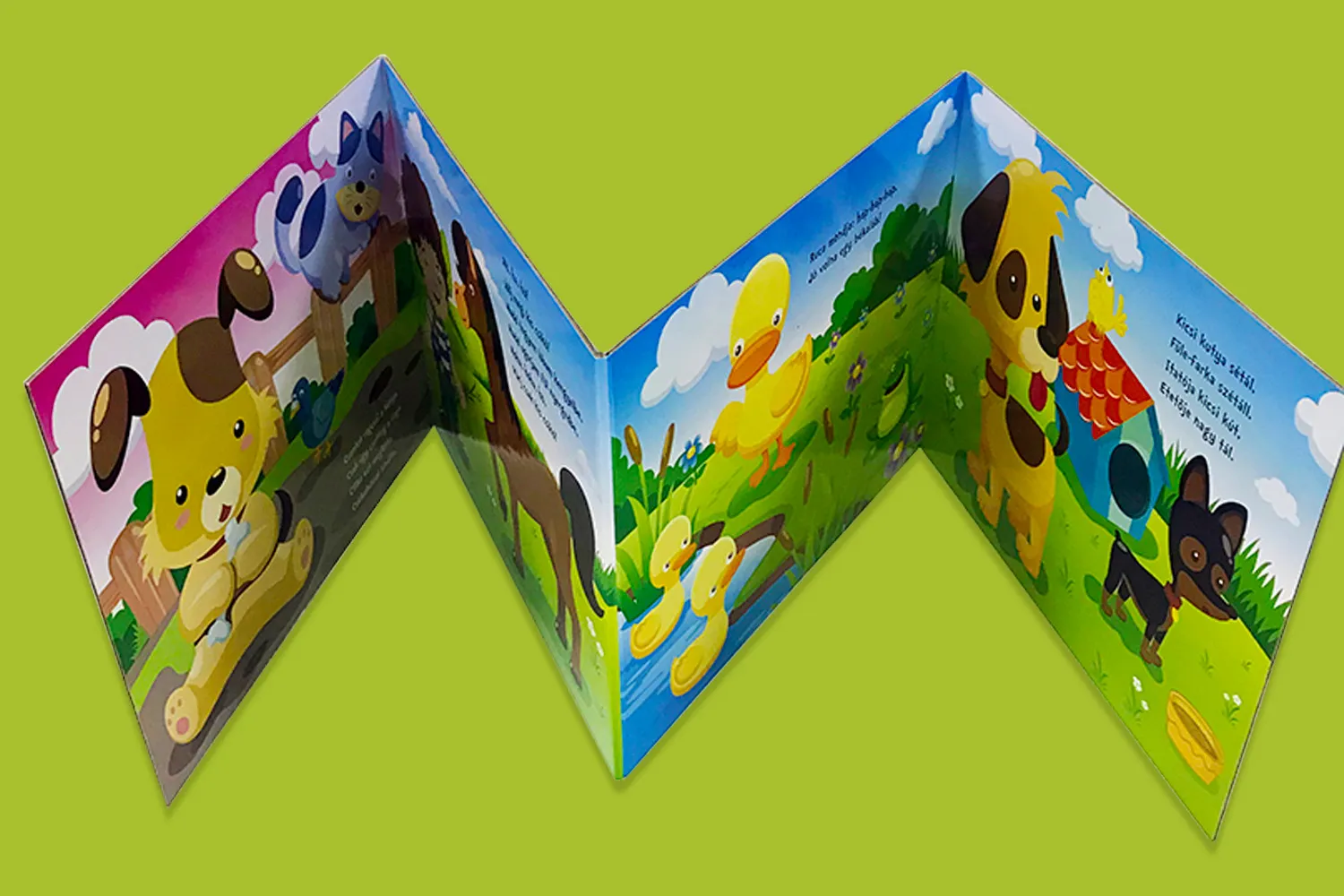






Whether you are a small business owner, a beginner or a marketing professional. If you want to want to grab a place in a crowded market, print marketing material is a essential and powerful tool to promote your business.
In this post, we’ll unlock 30+ picks marketing materials printing for business. Besides, we’ll focus on the enduring power of printed marketing materials and their significance in today’s digital age, as well as discuss how to create compelling and effective materials that resonate with your target audience.
What Are Marketing Materials
Whether your are a business owner or marketing professional, you need to understand the importance of effectively promoting and representing your brand. Marketing materials play a crucial role in achieving this goal, serving as tangible representations of your company’s identity and offerings. These materials come in various forms, from printed collateral like brochures and catalogs to digital assets like websites, blog and social media campaigns.
Marketing materials are more than just promotional tools; they are an extension of your brand, reflecting your values, messaging, and visual identity. By crafting well-designed and thoughtfully curated materials, you can leave a lasting impression on potential customers, partners, and stakeholders alike.
Are Printed Marketing Materials Still Effective?
In an era dominated by digital media and online marketing, you might wonder if printed marketing materials still hold relevance. The answer is a resounding yes! While digital channels are undoubtedly essential, printed materials offer unique advantages that complement and enhance your overall marketing strategy.
Firstly, printed materials have a tactile quality that resonates with people in a way that digital media cannot replicate. The feel of a well-designed brochure or the weight of a high-quality catalog can create a sense of value and permanence that leaves a lasting impression on the recipient.
Secondly, printed materials can be highly targeted and personalized. They allowing you to tailor your messaging and offerings to specific audiences or demographics. This level of customization is more challenging to achieve with digital channels, where content is often consumed in a more generalized manner.
Furthermore, printed materials have a longer lifespan than their digital counterparts. A well-crafted brochure or catalog can be kept and referenced repeatedly. They serve as a tangible reminder of your brand and offerings long after the initial interaction.
30+ Picks Marketing Materials Printing For Business
Now that we’ve established the enduring value of printed marketing materials, let’s dive into a comprehensive list of options to consider for your business:
1. Catalog
A catalog is a powerful tool for showcasing your products or services in a visually appealing and organized manner. Whether you’re a retailer, manufacturer, or service provider, a well-designed catalog can help customers easily navigate your offerings, making it an indispensable marketing asset.
2. Lookbook
Similar to a catalog, a lookbook is a highly visual and stylized publication that showcases your products or services in a more artistic and aspirational way. Lookbooks are particularly popular in the fashion, beauty, and lifestyle industries, where they can effectively convey the brand’s aesthetic and inspire customers.
3. Booklet
A booklet is a versatile printed piece that can serve a variety of purposes, from introducing your company and its offerings to providing detailed information about a specific product or service. With their compact size and multiple pages, booklets offer ample space for engaging content and visuals.
4. Flyers & Brochures
Flyers and brochures are classic marketing materials that have stood the test of time. Whether distributed door-to-door, handed out at events, or displayed in strategic locations. These compact and informative pieces can effectively promote your business, products, or services.
5. Calendars
Calendars are not only practical but also serve as powerful marketing tools. By providing customers with a functional item they’ll use daily, you can keep your brand top-of-mind throughout the year. Calendars can be customized with your branding, product images, and promotional offers, making them a valuable investment.
6. Menus
For businesses in the food and beverage industry, menus are essential marketing materials. They showcase your offerings and set the tone for the dining experience. Well-designed menus can not only inform customers but also reinforce your brand’s identity and create a memorable impression.
7. Notepads
Notepads are versatile and practical promotional items that can be customized with your branding and distributed to customers, clients, or employees. They serve as a constant reminder of your business while providing a useful tool for note-taking or jotting down ideas.
8. Presentation Folders
Presentation folders are professional and polished marketing materials. They can be used to organize and present important documents, proposals, or information about your business. They not only protect your materials but also create a cohesive and branded experience for your audience.
9. Banners & Posters
Banners and posters are highly visible and impactful marketing materials. They can be used in a variety of settings, from trade shows and events to in-store displays and outdoor advertising. Their large size and bold visuals make them ideal for grabbing attention and communicating key messages.
10. Labels & Stickers
Labels and stickers may be small in size, but they can pack a powerful marketing punch. These versatile materials can be used to brand products, packages, or promotional items. They can reinforce your brand image and create a consistent visual experience for your customers.
11. Postcards
Postcards are compact and cost-effective marketing materials. They can be used for a variety of purposes, such as promoting special offers, announcing new products or services, or simply keeping your brand top-of-mind. Their compact size and eye-catching visuals make them ideal for direct mail campaigns or distribution at events.
12. Door Hangers
Door hangers are a unique and attention-grabbing way to promote your business, especially for service-based companies or local retailers. These materials can be hung on doorknobs or handles, making them hard to miss and increasing the likelihood of capturing potential customers’ attention.
13. Business Cards
Business cards are essential marketing materials for any professional or business owner. They serve as a tangible representation of your brand and provide a convenient way to share contact information and make a lasting impression during networking events or meetings.
14. Bookmarks
Bookmarks are practical and cost-effective promotional items. They can be customized with your branding and distributed to customers or potential clients. They serve as a constant reminder of your business while providing a useful tool for avid readers.
15. Hang Tags
Hang tags are versatile marketing materials that can be attached to products, garments, or other items to provide important information, branding, or promotional messages. They not only enhance the presentation of your products but also offer an opportunity to reinforce your brand identity.
16. Envelopes
Envelopes may seem like a simple marketing material. But they can play a crucial role in creating a cohesive and professional brand experience. Customized envelopes with your branding and messaging can elevate the presentation of your correspondence and leave a lasting impression on recipients.
17. Letterheads
Letterheads are essential for any business that sends physical correspondence or documents. By incorporating your branding and visual identity into these materials, you can reinforce your professional image and create a consistent brand experience across all communication channels.
18. Tickets & Vouchers
Tickets and vouchers are practical marketing materials. They can be used for a variety of purposes, such as promoting events, offering discounts or special offers, or providing access to exclusive experiences. Their tangible nature and customizable design make them an effective way to engage customers and drive desired actions.
19. Greeting Cards
Greeting cards are a thoughtful and personal way to connect with customers, clients, or partners. By sending customized greeting cards for special occasions or holidays, you can strengthen relationships, show appreciation, and leave a lasting impression that sets your brand apart.
20. Thank You Cards
Similar to greeting cards, thank you cards are a simple yet powerful way to express gratitude and reinforce your brand’s values. By sending personalized thank you cards to customers or clients, you can demonstrate your appreciation and create a positive and memorable experience.
21. Invitations
Invitations are essential marketing materials for any business hosting events, launches, or special occasions. Well-designed and visually appealing invitations can set the tone for the event, generate excitement, and reinforce your brand’s identity.
22. Notebooks & Journals & Planners
Notebooks, journals, and planners are practical and versatile promotional items. They can be customized with your branding and distributed to customers, clients, or employees. These items not only provide a useful tool but also serve as a constant reminder of your brand throughout the year.
23. Pens
Pens are classic promotional items that can be branded with your company’s logo and contact information. Pens are inexpensive yet effective marketing tools. They can be distributed at events, trade shows, or as part of a larger promotional campaign.
24. Gift Bags
Gift bags are a stylish and practical way to package and present products or promotional items. By customizing these bags with your branding and visuals, you can create a memorable unboxing experience for customers and reinforce your brand’s identity.
25. Boxes & Packaging
Boxes and packaging are often overlooked as marketing materials. But they can play a crucial role in creating a cohesive and branded experience for customers. By incorporating your branding and visuals into these materials, you can reinforce your brand identity and leave a lasting impression.
26. Discount Cards
Discount cards are powerful marketing tools. They can be used to incentivize customer loyalty and drive repeat business. By offering exclusive discounts or special offers to cardholders, you can create a sense of exclusivity and reward customers for their patronage.
27. Newsletters
Newsletters are versatile marketing materials. They can be used to share news, updates, and valuable content with your audience. Whether printed or digital, well-designed newsletters can help you stay top-of-mind, build relationships, and establish your brand as a thought leader in your industry.
28. Brand Magazines
Brand magazines are a more comprehensive and immersive form of marketing material. They can be used to showcase your brand’s story, values, and offerings in a visually stunning and engaging format. These publications can be distributed to customers, clients, or industry influencers to create a deeper connection with your brand.
29. Rack Cards
Rack cards are compact and attention-grabbing marketing materials. They can be displayed in strategic locations, such as hotel lobbies, visitor centers, or retail establishments. Their size and visual appeal make them ideal for promoting products, services, or special offers to potential customers.
30. Scratch-Off Cards & Books
Scratch-off cards and books are interactive and engaging marketing materials. They can be used to promote special offers, discounts, or even games and contests. By incorporating a scratch-off element, you can create a sense of excitement and encourage customer participation, making these materials highly effective for driving sales or generating leads.
31. Annual Reports
Annual reports are essential marketing materials for publicly traded companies or organizations that need to communicate their financial performance, achievements, and future plans to stakeholders. Well-designed and informative annual reports can not only fulfill legal requirements but also reinforce your brand’s credibility and professionalism.
32. Guidebooks or Manuals
Guidebooks or manuals are valuable marketing materials for businesses that offer complex products or services. By providing comprehensive and well-designed guides, you can enhance the customer experience, demonstrate your expertise, and establish your brand as a trusted authority in your industry.
33. Brand T-Shirts
Brand t-shirts are not only practical promotional items but also powerful marketing tools. They can turn your customers into walking billboards for your brand. By creating stylish and eye-catching t-shirt designs, you can foster brand loyalty, generate buzz, and create a sense of community among your customers.
The Benefits of Printed Marketing Materials
While digital marketing channels have undoubtedly revolutionized the way businesses promote themselves, printed marketing materials offer unique advantages that cannot be replicated in the digital realm. Here are some key benefits of incorporating printed materials into your marketing strategy:
-
Tangibility and Longevity: Printed materials have a physical presence that resonates with people in a way that digital content cannot. They can be held, touched, and kept for future reference. They create a lasting impression and extending the lifespan of your marketing message.
-
Credibility and Professionalism: Well-designed and high-quality printed materials convey a sense of credibility and professionalism. They can enhance your brand’s reputation and perceived value. And they demonstrate a level of commitment and investment that can set you apart from competitors relying solely on digital channels.
-
Targeted and Personalized: Printed marketing materials allow for highly targeted and personalized messaging. They enabling you to tailor your content and offerings to specific audiences or demographics. This level of customization can be more challenging to achieve with digital channels, where content is often consumed in a more generalized manner.
-
Tactile Experience: The tactile nature of printed materials creates a sensory experience that can leave a lasting impression on recipients. The feel of a high-quality paper stock or the weight of a well-designed brochure can evoke emotions and associations that reinforce your brand’s identity.
-
Focused Attention: Unlike digital content, which can be easily scrolled past or ignored, printed materials demand focused attention from the recipient. This undivided focus can increase the likelihood of your message being absorbed and remembered.
-
Complementary to Digital Efforts: Printed marketing materials can effectively complement and enhance your digital marketing efforts. They create a multi-channel approach to reach your audience through various touch points and reinforce your brand message and image.
Digital Marketing vs Print Marketing Materials?
In today’s digital age, it’s natural to question the relevance of print marketing materials when so much of our communication and promotion happens online. However, the reality is that digital and print marketing materials serve different purposes. They can be highly effective when used in tandem as part of an integrated marketing strategy.
Digital marketing channels, such as websites, blog, social media, email campaigns, and online advertising, offer unparalleled reach, immediacy, and trackability. They allow businesses to connect with audiences globally, deliver real-time updates, and measure the effectiveness of their campaigns through analytics and data-driven insights.
On the other hand, marketing materials printing offer a tangible and tactile experience that resonates with audiences in a way that digital channels cannot replicate. The physical presence of a well-designed brochure, catalog, or direct mail piece can leave a lasting impression and create a sense of value and credibility for your brand.
Furthermore, print materials can be highly targeted and personalized, allowing businesses to tailor their messaging and offerings to specific audiences or demographics. This level of customization is more challenging to achieve with digital channels, where content is often consumed in a more generalized manner.
Rather than viewing print and digital marketing as competing approaches. It’s more effective to leverage their respective strengths in a complementary manner. By integrating print and digital channels, businesses can create a multi-touchpoint marketing strategy that reaches audiences through various channels and reinforces their brand’s messaging and identity.
For example, a printed direct mail piece can drive recipients to a dedicated landing page or social media campaign, creating a seamless cross-channel experience. Similarly, QR codes or augmented reality elements can bridge the gap between print and digital, offering interactive and engaging experiences for audiences.
Ultimately, the decision to invest in print or digital marketing materials should be guided by your specific business objectives, target audience, and marketing budget. In many cases, a balanced approach that incorporates both print and digital elements can yield the most effective and comprehensive marketing strategy.
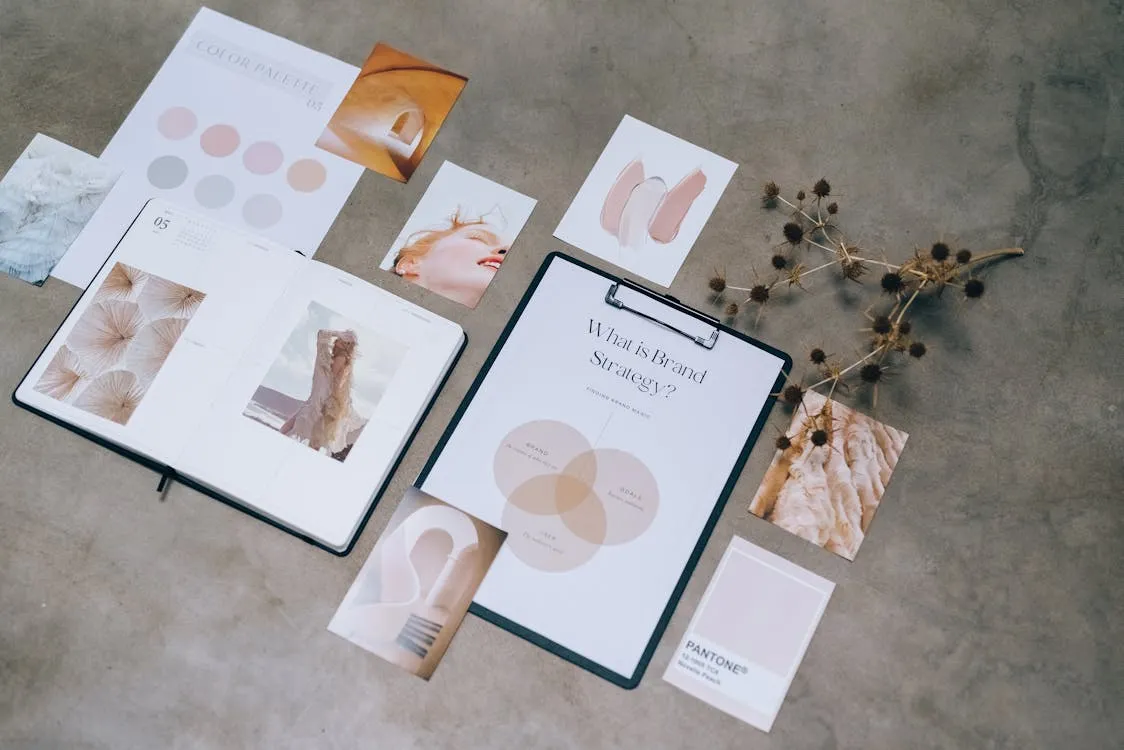
When Should You Print Marketing Materials?
Determining the appropriate timing and occasions for marketing materials printing is crucial. To ensure their effectiveness and maximize your return on investment. While the specific circumstances may vary depending on your industry, business goals, and target audience. Here are some common scenarios where printed marketing materials can be particularly valuable:
-
Product Launches: When introducing a new product or service to the market, printed materials such as brochures, catalogs, or lookbooks can effectively showcase your offerings and generate excitement among potential customers.
-
Trade Shows and Events: Attending trade shows, conferences, or industry events presents an excellent opportunity to distribute printed materials like flyers, brochures, or promotional items to capture the attention of attendees and promote your brand.
-
Sales and Marketing Campaigns: Whether you’re running a seasonal promotion, offering a limited-time discount, or launching a new marketing campaign. Printed materials like direct mail pieces, postcards, or door hangers can effectively communicate your message and drive desired actions.
-
Retail and In-Store Promotions: For businesses with a physical retail presence, printed materials like posters, banners, shelf talkers, or point-of-purchase displays. They can effectively attract and inform customers while they’re in the buying mindset.
-
Onboarding and Customer Engagement: Printed materials like welcome kits, guidebooks, or instruction manuals can enhance the customer experience and demonstrate your commitment to providing exceptional service and support.
-
Corporate Events and Meetings: When hosting corporate events, annual meetings, or investor presentations, printed materials like annual reports, presentation folders, or branded notebooks can reinforce your brand’s professionalism and credibility.
-
Brand Awareness and Promotion: If your goal is to increase brand awareness or establish a strong brand identity, printed materials like branded merchandise, apparel, or promotional items can effectively reinforce your brand’s presence and create lasting impressions.
It’s important to note that while these scenarios represent common opportunities for utilizing printed marketing materials. The decision should ultimately be guided by your specific business objectives, target audience, and marketing strategy. By carefully evaluating the potential impact and return on investment, you can ensure that your printed materials are strategically deployed and effectively contribute
Factors to Consider When Printing Marketing Materials
While printed marketing materials offer numerous benefits and can be leveraged in various scenario. It’s crucial to consider several factors to ensure their effectiveness and maximize your return on investment. Here are some key considerations to keep in mind:
-
Target Audience: Thoroughly understand your target audience’s preferences, behaviors, and demographics. This knowledge will guide the design, content, and distribution channels for your printed materials, ensuring they resonate with the intended recipients.
-
Purpose and Goals: Clearly define the purpose and goals of your printed marketing materials. Are you aiming to generate leads, increase brand awareness, promote a specific product or service, or drive sales? Aligning your materials with your objectives will help you craft compelling messaging and calls-to-action.
-
Design and Visual Appeal: The visual appeal of your printed materials is paramount. Invest in professional design services to create visually striking and cohesive materials that effectively communicate your brand’s identity and messaging. High-quality design can significantly impact the perceived value and credibility of your materials.
-
Content and Messaging: Compelling content and messaging are essential for capturing and retaining your audience’s attention. Ensure that your printed materials provide valuable information, address pain points, and clearly communicate the benefits of your products or services.
-
Print Quality and Materials: The quality of the printing and materials used can greatly influence the overall impression and perceived value of your marketing pieces. Consider factors such as paper stock, finishing techniques, and printing methods to create materials that exude professionalism and durability.
-
Distribution Channels: Identify the most effective distribution channels for your printed materials. This could include direct mail campaigns, in-store displays, event handouts, or targeted distribution through strategic partnerships or locations frequented by your target audience.
-
Integration with Digital Efforts: While printed materials offer unique advantages, they should be integrated with your digital marketing efforts to create a cohesive and multi-channel approach. Incorporate elements such as QR codes, augmented reality experiences, or dedicated landing pages to bridge the gap between print and digital.
-
Budgeting and ROI: Determine a realistic budget for your printed marketing materials, factoring in design, printing, and distribution costs. Additionally, establish metrics to measure the return on investment (ROI) and evaluate the effectiveness of your printed materials in achieving your desired goals.
After carefully considering these factors and tailoring your printed marketing materials accordingly. You can maximize their impact, resonance with your target audience, and overall contribution to your marketing strategy.

How to Create Effective Marketing Materials for Business
Creating effective marketing materials that resonate with your target audience and effectively promote your business requires a strategic approach. Here are some essential steps to follow:
-
Define Your Goals and Target Audience: Start by clearly defining the goals you want to achieve with your marketing materials, whether it’s increasing brand awareness, generating leads, or driving sales. Identify your target audience and gather insights into their preferences, behaviors, and pain points. This information will guide the content, messaging, and design of your materials.
-
Develop a Consistent Brand Identity: Ensure that your marketing materials consistently reflect your brand’s visual identity. This including your logo, color palette, typography, and overall aesthetic. Consistency across all touchpoints is crucial for building brand recognition and credibility.
-
Create Compelling Content and Messaging: Craft content and messaging that resonates with your target audience and effectively communicates the value proposition of your products or services. Focus on addressing their pain points, highlighting key benefits, and using persuasive language that encourages desired actions.
-
Incorporate Visuals and Design Elements: Visuals play a crucial role in capturing attention and conveying your message effectively. Invest in high-quality photography, illustrations, or graphics that complement your content and reinforce your brand’s identity. Ensure that your design elements are visually appealing, easy to navigate, and consistent across all materials.
-
Optimize for Different Formats and Channels: Tailor your marketing materials for various formats and distribution channels. For example, print materials like brochures or catalogs may require a different layout and design approach compared to digital assets like social media graphics or email newsletters.
-
Include Clear Calls-to-Action: Incorporate clear and compelling calls-to-action (CTAs) that guide your audience towards the desired action, whether it’s making a purchase, scheduling a consultation, or visiting your website. CTAs should be prominently displayed and easy to follow.
-
Integrate with Your Overall Marketing Strategy: Ensure that your marketing materials align with and support your overall marketing strategy. Coordinate their distribution and messaging with other marketing efforts. Such as email campaigns, social media activities, or advertising initiatives, to create a cohesive and reinforcing experience for your audience.
-
Test and Refine: Continuously monitor the performance of your marketing materials and gather feedback from your target audience. Use this data to refine and optimize your materials, making adjustments to content, design, or distribution channels as needed.
By following these steps and consistently producing high-quality, engaging, and targeted marketing materials. You can effectively promote your business, build brand recognition, and ultimately drive desired actions from your audience.
Why Need to Consider Brand Consistency When Designing Marketing Materials
Maintaining brand consistency across all marketing materials is crucial for building a strong and recognizable brand identity. Here are some compelling reasons why brand consistency should be a top priority when designing marketing materials:
-
Reinforces Brand Recognition: Consistent branding elements, such as logos, color schemes, typography, and visual styles. They help reinforce brand recognition among your target audience. When your marketing materials share a cohesive look and feel, it becomes easier for customers to identify and associate them with your brand, fostering familiarity and trust.
-
Establishes Credibility and Professionalism: A consistent brand identity across all marketing materials conveys a sense of professionalism and credibility. It demonstrates that your business is well-organized, attentive to detail, and takes its brand seriously. This can positively influence customer perceptions and enhance the perceived value of your products or services.
-
Creates a Cohesive Customer Experience: Brand consistency ensures that customers have a seamless and cohesive experience across all touchpoints. Whether they interact with your brand through print materials, digital channels, or in-person experiences. This consistency reinforces your brand’s messaging and values, creating a unified and memorable experience for your audience.
-
Differentiates Your Brand: In a crowded marketplace, maintaining brand consistency can help differentiate your brand from competitors. A distinct and consistently applied visual identity makes it easier for customers to recognize and remember your brand, setting you apart from others in your industry.
-
Supports Brand Equity and Loyalty: Brand consistency contributes to building brand equity and fostering customer loyalty over time. When customers consistently encounter a familiar and recognizable brand identity. It reinforces their positive associations and strengthens their emotional connection with your brand.
-
Facilitates Cross-Channel Integration: Consistent branding across all marketing materials, both print and digital, facilitates seamless integration and cross-channel promotion. For example, a print advertisement can effectively drive traffic to your website or social media channels when the branding elements are consistent and recognizable.
By prioritizing brand consistency in the design and development of your marketing materials. You can create a strong and cohesive brand identity that resonates with your target audience, establishes credibility, and ultimately contributes to the success and growth of your business.
Essential Elements & Rules When Designing Marketing Materials
Designing effective marketing materials requires careful consideration of various elements and adherence to established rules and best practices. Here are some essential elements and rules to keep in mind when designing marketing materials for your business:
-
Visual Hierarchy: Establish a clear visual hierarchy by strategically using typography, color, and layout to guide the viewer’s eye and emphasize the most important information. This helps ensure that your key messages and calls-to-action stand out and are easily comprehended.
-
Branding Consistency: As discussed earlier, maintaining brand consistency is crucial. Ensure that your marketing materials consistently incorporate your brand’s logo, color palette, typography, and visual style to reinforce brand recognition and credibility.
-
Readability and Legibility: Prioritize readability and legibility by using appropriate font sizes, line spacing, and contrast between text and background. Avoid overcrowding or using overly complex typography that can hinder comprehension.
-
Imagery and Graphics: Incorporate high-quality imagery and graphics that support and enhance your messaging. Visuals should be relevant, engaging, and aligned with your brand’s aesthetic. Avoid using generic or low-quality visuals that can detract from the overall impact of your materials.
-
White Space and Layout: Effective use of white space and layout can significantly improve the overall design and readability of your marketing materials. Utilize grid systems, alignment, and negative space to create a balanced and visually appealing composition.
-
Call-to-Action (CTA): Include clear and compelling calls-to-action that guide your audience towards the desired action, whether it’s making a purchase, scheduling a consultation, or visiting your website. CTAs should be prominently displayed and easy to follow.
-
Accessibility and Inclusivity: Consider accessibility and inclusivity when designing your marketing materials. Ensure that your materials are legible and comprehensible for individuals with varying abilities, and avoid using language or imagery that could be perceived as exclusionary or offensive.
-
Printing and Production Considerations: If your marketing materials will be printed, consider factors such as paper stock, finishing techniques, and printing methods. These elements can significantly impact the overall quality and perceived value of your materials.
-
Consistency Across Formats: While the design and layout may need to be adapted for different formats (e.g., print vs. digital), strive for consistency in the overall look and feel, messaging, and branding elements across all marketing materials.
-
Testing and Iteration: Continuously test and refine your marketing materials based on feedback and performance data. Be open to making adjustments and iterating on your designs to ensure maximum effectiveness and resonance with your target audience.
By adhering to these essential elements and rules, you can create marketing materials that are visually appealing, consistent with your brand identity, and effective in communicating your messaging and driving desired actions from your audience.
Tips for Designing Effective Marketing Materials that Stand Out from Competitors
In a crowded marketplace, it’s essential to design marketing materials that stand out from competitors and capture the attention of your target audience. Here are some tips to help you create effective and memorable marketing materials:
-
Understand Your Unique Value Proposition: Clearly define what sets your business apart from competitors. Then use this as the foundation for your marketing materials. Highlight your unique value proposition through compelling messaging, visuals, and design elements that resonate with your target audience.
-
Embrace Bold and Distinctive Design: Don’t be afraid to take risks and embrace bold and distinctive design elements that break away from industry norms. Use unexpected color combinations, unique typography, or eye-catching graphics to create a visually striking and memorable impact.
-
Incorporate Interactive Elements: Consider incorporating interactive elements into your marketing materials to engage your audience and create a more immersive experience. This could include augmented reality experiences, QR codes, or interactive print elements like pop-ups or folds.
-
Leverage Storytelling: Storytelling is a powerful marketing technique. It can help your brand stand out and forge emotional connections with your audience. Use your marketing materials to tell compelling stories about your brand, products, or customers, showcasing the human element behind your business.
-
Prioritize User Experience: Design your marketing materials with the user experience in mind. Ensure that your materials are easy to navigate, visually appealing, and provide a seamless and enjoyable experience for your audience. Pay attention to details like layout, typography, and content flow.
-
Incorporate Unique Finishing Techniques: If your marketing materials will be printed, consider incorporating unique finishing techniques like embossing, spot UV coating, or die-cutting to add tactile interest and a premium feel. These techniques can elevate the perceived value of your materials and make them more memorable.
-
Leverage Data and Insights: Utilize data and insights about your target audience to inform the design and messaging of your marketing materials. Tailor your approach to their preferences, pain points, and behaviors to create a more personalized and relevant experience.
-
Collaborate with Talented Designers and Creatives: Partner with talented designers, illustrators, or photographers who can bring fresh perspectives and innovative ideas to your marketing materials. Collaborating with creative professionals can help you push boundaries and create truly standout pieces.
-
Continuously Iterate and Refine: Regularly evaluate the performance of your marketing materials and gather feedback from your audience. Use this information to iterate and refine your designs, continuously improving and staying ahead of the competition.
By implementing these tips and continuously pushing the boundaries of design and creativity. You can create marketing materials that stand out from competitors, capture attention, and leave a lasting impression on your target audience.
How to Develop a Powerful Call to Action
A compelling call to action (CTA) is a crucial element in any effective marketing material. It serves as a clear directive, guiding your audience towards the desired action, whether it’s making a purchase, scheduling a consultation, or visiting your website. Crafting a powerful CTA can mean the difference between capturing your audience’s attention and losing it.
Here are some tips to help you develop CTAs that drive results:
-
Clearly Define the Desired Action: Before crafting your CTA, clearly define the specific action you want your audience to take. Is it to make a purchase, sign up for a newsletter, or request a quote? Having a clear understanding of the desired action will help you craft a more targeted and effective CTA.
-
Use Actionable Language: Use actionable language that leaves no room for ambiguity. Phrases like “Buy Now,” “Sign Up Today,” or “Request a Quote” are direct and leave no doubt about the desired action. Avoid vague or passive language that can confuse or disengage your audience.
-
Create a Sense of Urgency: Incorporate a sense of urgency or scarcity into your CTA to encourage immediate action. Phrases like “Limited Time Offer,” “Act Now,” or “Spots are Filling Up Fast” can create a sense of urgency and motivate your audience to take action before the opportunity passes.
-
Highlight the Benefits: In addition to the desired action, your CTA should also highlight the benefits or value proposition for your audience. For example, “Get Your Free Consultation Today” or “Upgrade to Premium and Enjoy Exclusive Perks” clearly communicates the benefits of taking the desired action.
-
Use Contrasting Colors and Design Elements: Ensure that your CTA stands out visually by using contrasting colors, bold typography, or design elements that draw the eye. A well-designed CTA should be impossible to miss, guiding your audience’s attention to the desired action.
-
Keep it Simple and Concise: While it’s important to communicate the benefits, avoid overcrowding your CTA with too much text. Keep it simple, concise, and easy to understand at a glance. A cluttered or wordy CTA can be confusing and ineffective.
-
Test and Refine: Continuously test and refine your CTAs based on performance data and audience feedback. Try different variations of language, design, and placement to determine what resonates best with your target audience and drives the highest conversion rates.
-
Ensure Consistency Across Channels: Maintain consistency in your CTAs across all marketing channels and materials. This consistency reinforces your messaging and creates a cohesive experience for your audience, increasing the likelihood of them taking the desired action.
By following these tips and continuously optimizing your CTAs. You can create powerful and effective calls to action that drive engagement, conversions, and ultimately, success for your business.

How to Print Marketing Materials On A Budget
While investing in high-quality marketing materials can yield significant returns for your business. It’s essential to be mindful of your budget constraints. Fortunately, there are various strategies you can employ to print effective marketing materials without breaking the bank.
Here are some tips to help your marketing materials printing on a budget:
-
Prioritize and Focus: Start by prioritizing the most essential marketing materials for your business. Focus on creating a few high-impact pieces rather than spreading your resources too thin across numerous materials.
-
Leverage Digital Printing: Digital printing technologies have become increasingly affordable and accessible. It is a cost-effective option for small print runs or personalized materials. Digital printing eliminates the need for expensive setup costs associated with traditional offset printing, allowing you to print smaller quantities at a reasonable price.
-
Explore Print-on-Demand Services: Print-on-demand services allow you to print materials as needed, eliminating the need for large upfront inventory costs. These services can be particularly cost-effective for items like brochures, catalogs, or booklets, where you only need to print what you require at a given time.
-
Optimize Design for Cost-Effective Printing: Work closely with your designer to optimize your materials for cost-effective printing. This may involve choosing standard paper sizes, limiting the number of ink colors, or opting for simpler finishing techniques.
-
Negotiate with Printers: Don’t be afraid to shop around and negotiate with different marketing materials printing companies. Many printers offer discounts for bulk orders or long-term partnerships. So it’s worth exploring these options to secure better pricing.
-
Consider In-House Printing: If your printing needs are relatively modest, investing in an in-house printer can be a cost-effective solution in the long run. This eliminates the need to outsource printing and allows you to produce materials on demand.
-
Leverage Online Printing Services: Online marketing material printing services often offer competitive pricing and discounts, especially for larger printing quantity. This method will be help you save a lot when bulk printing your marketing materials.
By following these tips, you can print your marketing materials on a budget.
How to Distribute and Market Your Print Marketing Materials?
In a digital world dominated by online marketing strategies, print marketing materials might seem outdated. However, when executed correctly, print marketing still holds significant power in creating a tangible connection with your audience. Whether you’re using brochures, flyers, posters, or business cards, distributing and marketing your print materials can elevate your brand presence and drive engagement.
Hereare some tips on how to distribute and promote your print marketing collateral effectively.
1. Define Your Target Audience
Before diving into distribution, it’s crucial to have a clear understanding of your target audience. Consider demographics such as age, gender, location, interests, and purchasing behavior.
Knowing who you want to reach allows you to tailor your messaging and choose the right channels for distribution. This foundational step ensures that your print materials are reaching the people most likely to engage with your brand.
2. Select the Right Print Marketing Materials
Based on your goals and audience, select the types of print materials you’ll produce. Here are some common options:
-
Brochures: Ideal for detailed information about your products or services.
-
Flyers: Great for events, promotions, or announcements due to their eye-catching nature and affordability.
-
Posters: Useful for creating visual impact in high-traffic areas.
-
Business Cards: Essential for networking and leaving a lasting impression.
-
And more…..
Choose materials that align with your brand image, message, and distribution strategy.
3. Create Compelling Designs and Messages
The design and content of your print materials should resonate with your target audience. Here’s what to keep in mind:
-
Eye-catching visuals: Use high-quality images and graphics that align with your brand aesthetic.
-
Clear messaging: Your message should be concise yet informative, highlighting key benefits or promotions.
-
Call to Action (CTA): Encourage your audience to take action, whether it’s visiting your website, signing up for a newsletter, or attending an event. CTAs should be prominently placed and compelling.
4. Leverage Local Businesses and Partners
Consider collaborating with local businesses or organizations that share a similar target market. You can cross-promote each other’s materials, allowing you to extend your reach within the community. Co-hosting events or offering joint promotions can also drive traffic to your print marketing efforts.
5. Utilize Events and Trade Shows
Events, trade shows, and community fairs provide excellent opportunities to distribute your print materials. Having a dedicated booth allows you to engage directly with potential customers. Use this face-to-face interaction to gather contact information for future marketing efforts and provide personalized insights about your offerings.
6. Implement Direct Mail Campaigns
Direct mail remains a powerful tool in print marketing. This approach allows you to reach individuals directly in their homes:
-
Segmentation: Utilize your audience data to segment mail lists and tailor your messaging accordingly.
-
Design: Ensure your mail piece stands out in mailboxes with striking designs and compelling offers.
-
Tracking: Use unique codes or URLs to track engagement and response rates, allowing you to adjust future campaigns based on performance.
7. Promote Your Materials Online
To maximize your print marketing efforts, integrate them with your digital strategies:
-
Social Media: Share photos and scans of your print materials on social media platforms, encouraging followers to engage. User-generated content such as customers sharing their flyers can enhance reach.
-
Website: Feature digital versions of your print materials on your website, offering downloadable content that can capture leads.
-
Email Marketing: Include scans or images of your print materials in your email newsletters, promoting special offers and encouraging recipients to visit your physical location or website.
8. Monitor and Measure Results
Once your print materials are distributed, it’s important to track their effectiveness. Monitor factors such as:
-
Engagement Rates: Are people responding to your CTAs?
-
Traffic Metrics: Is your website traffic increasing due to your print efforts?
-
Sales Data: Are you seeing a boost in sales related to specific print campaigns?
Evaluate this data to understand what works and what needs improvement in future campaigns.
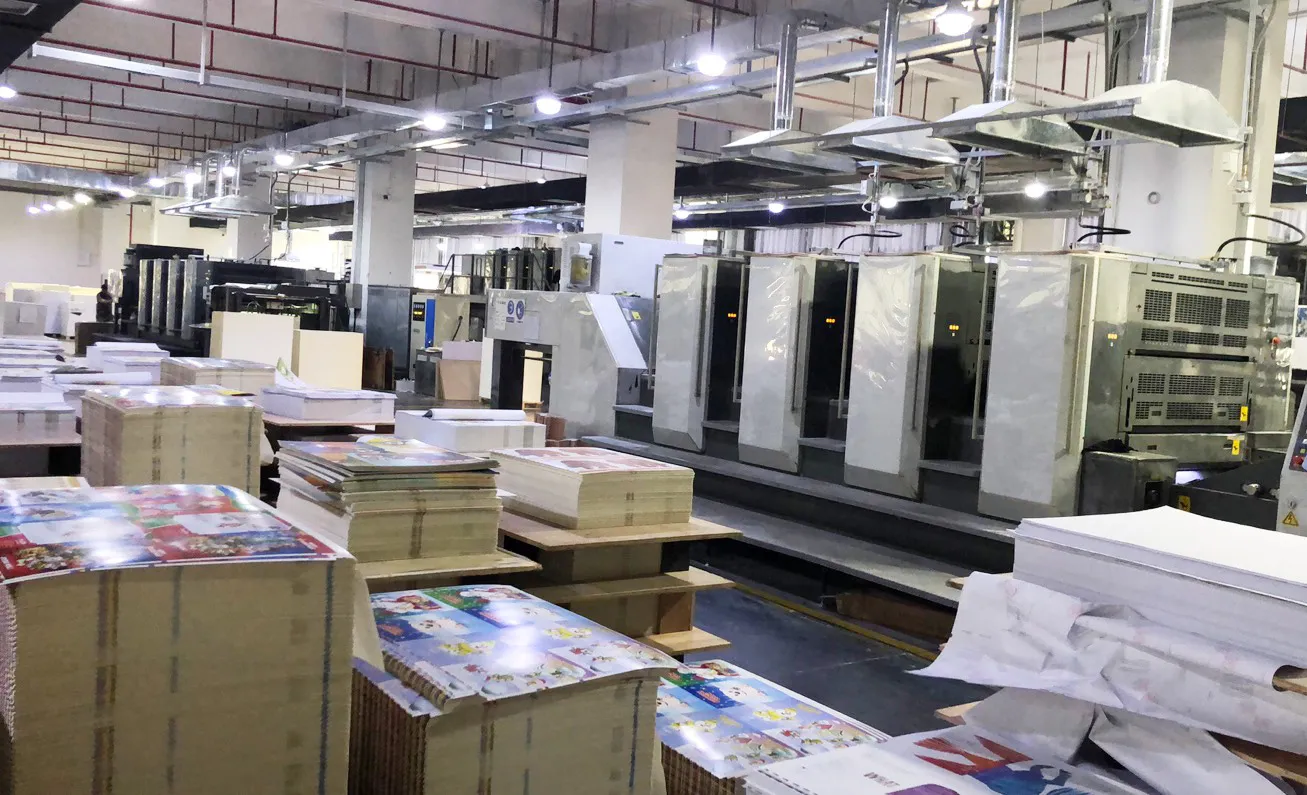
At BookPrintingChina, we provide above listed marketing materials printing service. If you plan to print your marketing materials to promote your business, request a quote today. We can ensure that your marketing materials products are printed with great appeal and quality to impress your target audience.