



As a printing professional, I often encounter terms that may seem foreign to those outside the industry. One such term is “round corner,” which refers to the process of rounding the corners of printed materials. This technique is widely used in various printing projects, ranging from books and cards to notebooks and other specialty items. In this article, we’ll delve into the world of round corners, exploring their purpose, applications, and the different methods employed to achieve this aesthetic touch.
Round corners not only add a visually appealing element to printed materials but also serve practical purposes. By eliminating sharp edges, rounded corners reduce the risk of paper cuts and make handling the printed products more comfortable, especially for children’s books and other materials intended for frequent use. Additionally, rounded corners can enhance the overall durability of the product, preventing premature wear and tear caused by frayed or bent corners.
As we navigate through the intricacies of round corners, I’ll share insights into the types of products that benefit from this technique, the various corner radius options available, and the processes involved in achieving the desired results. Whether you’re a publisher, designer, or simply someone with a curiosity about printing techniques. This article will provide a comprehensive understanding of round corners and their significance in the printing industry.
What’s Round Corner
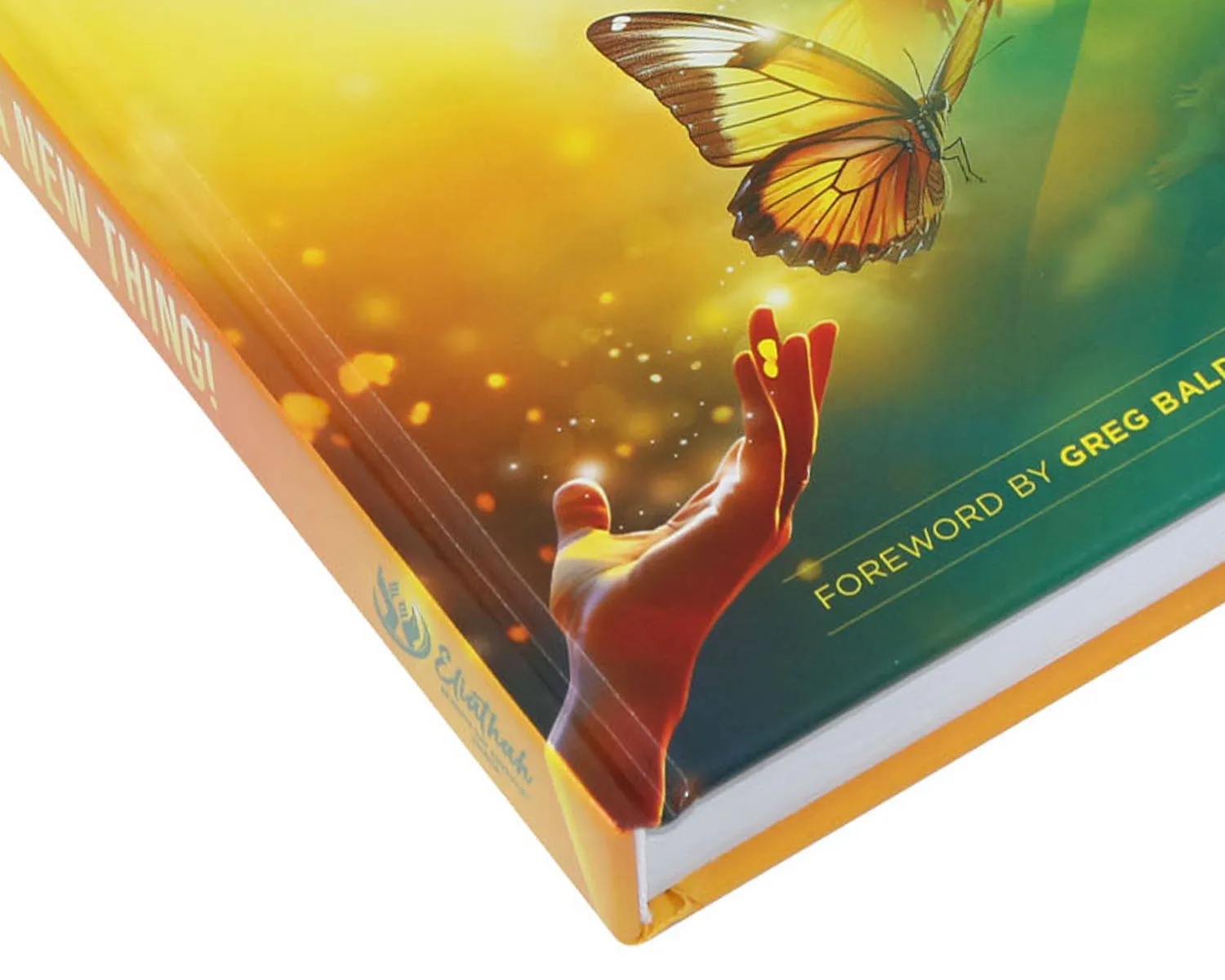
Round corner, also known as rounded corner or corner rounding. It is a printing technique that involves trimming or cutting the corners of printed materials into a curved or rounded shape. This process is typically performed after the printing and binding stages, ensuring a clean and consistent finish across all corners of the printed product.
The degree of rounding can vary depending on the desired aesthetic or functional requirements. Some products may feature a subtle curve, while others may have more pronounced rounded corners. The corner radius, measured in millimeters or inches, determines the extent of the rounding and can range from a gentle curve to a more pronounced arc.
Round corners not only enhance the visual appeal of printed materials but also serve practical purposes. By eliminating sharp edges, rounded corners reduce the risk of paper cuts and make handling the product more comfortable, particularly for materials intended for frequent use or those designed for children.
Why Rounded Book Corners and Does All Books Need To Round Corner
Not all books require rounded corners, but there are several compelling reasons why this technique is often employed in the publishing industry. Here are some key considerations:
-
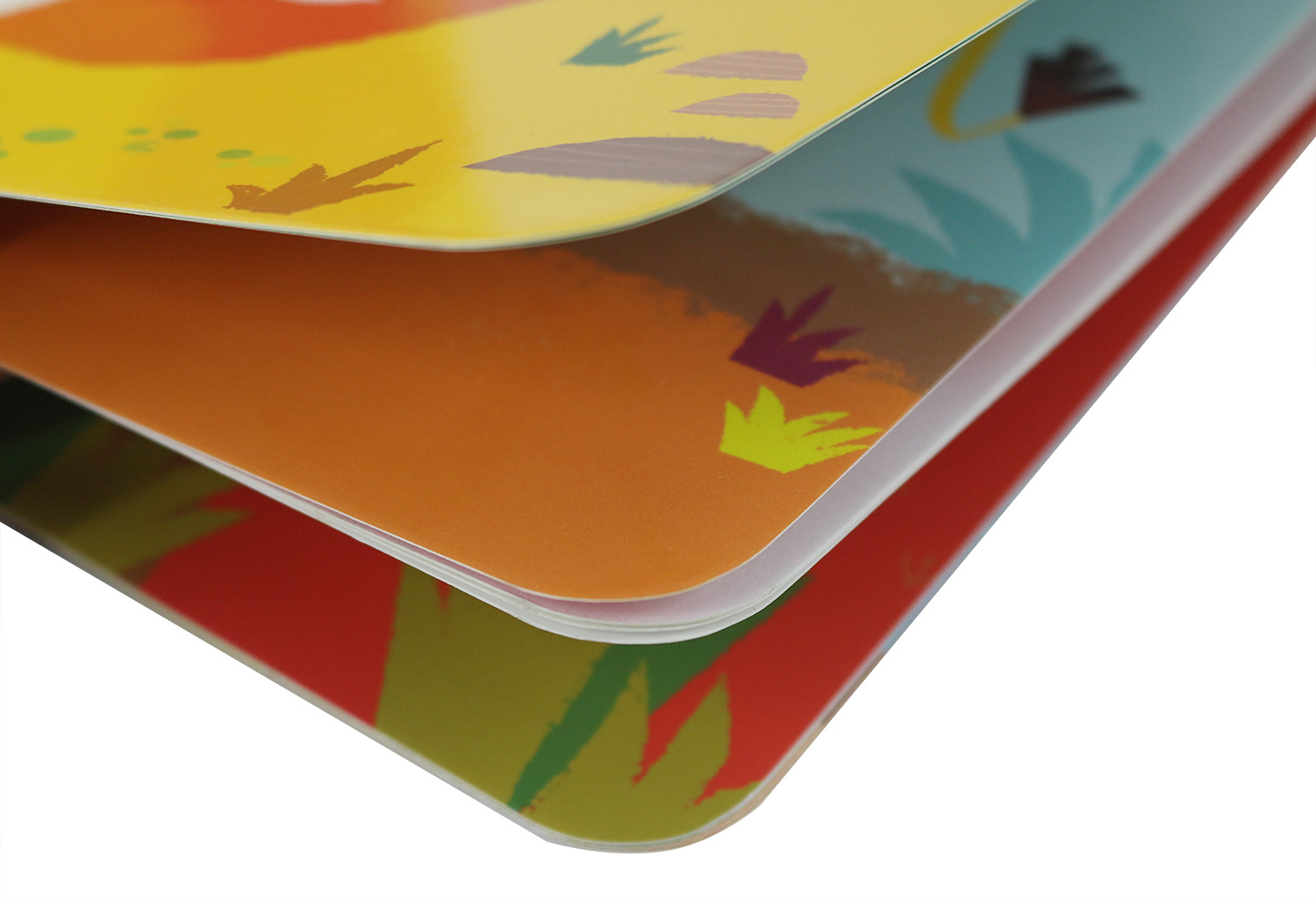 Safety and Comfort: Rounded corners minimize the risk of paper cuts, making books safer and more comfortable to handle. Especially for children’s books and materials intended for frequent use.
 -
Durability: Sharp corners are more prone to fraying, bending, and wear over time. Rounded corners enhance the overall durability of a book, ensuring a longer lifespan and a well-maintained appearance.
-
Aesthetic Appeal: Many publishers and designers opt for rounded corners. As they lend a visually appealing and polished look to books, particularly those with a more modern or minimalist design aesthetic.
-
Tradition and Familiarity: Certain book genres, such as religious texts or classic literature, have long-standing traditions of incorporating rounded corners, creating a sense of familiarity and continuity for readers.
While not all books require rounded corners, this technique is often employed for children’s books, religious texts, reference materials, and other books that are subject to frequent handling or intended for long-term use. Ultimately, the decision to incorporate rounded corners depends on the specific project requirements, design considerations, and the intended audience.
What’s Types of Products Are Good for Round Corner
Round corners can be applied to a wide range of printed materials, each benefiting from this technique in unique ways. Here are some common types of products that are well-suited for round corners:
Chidren’s Books
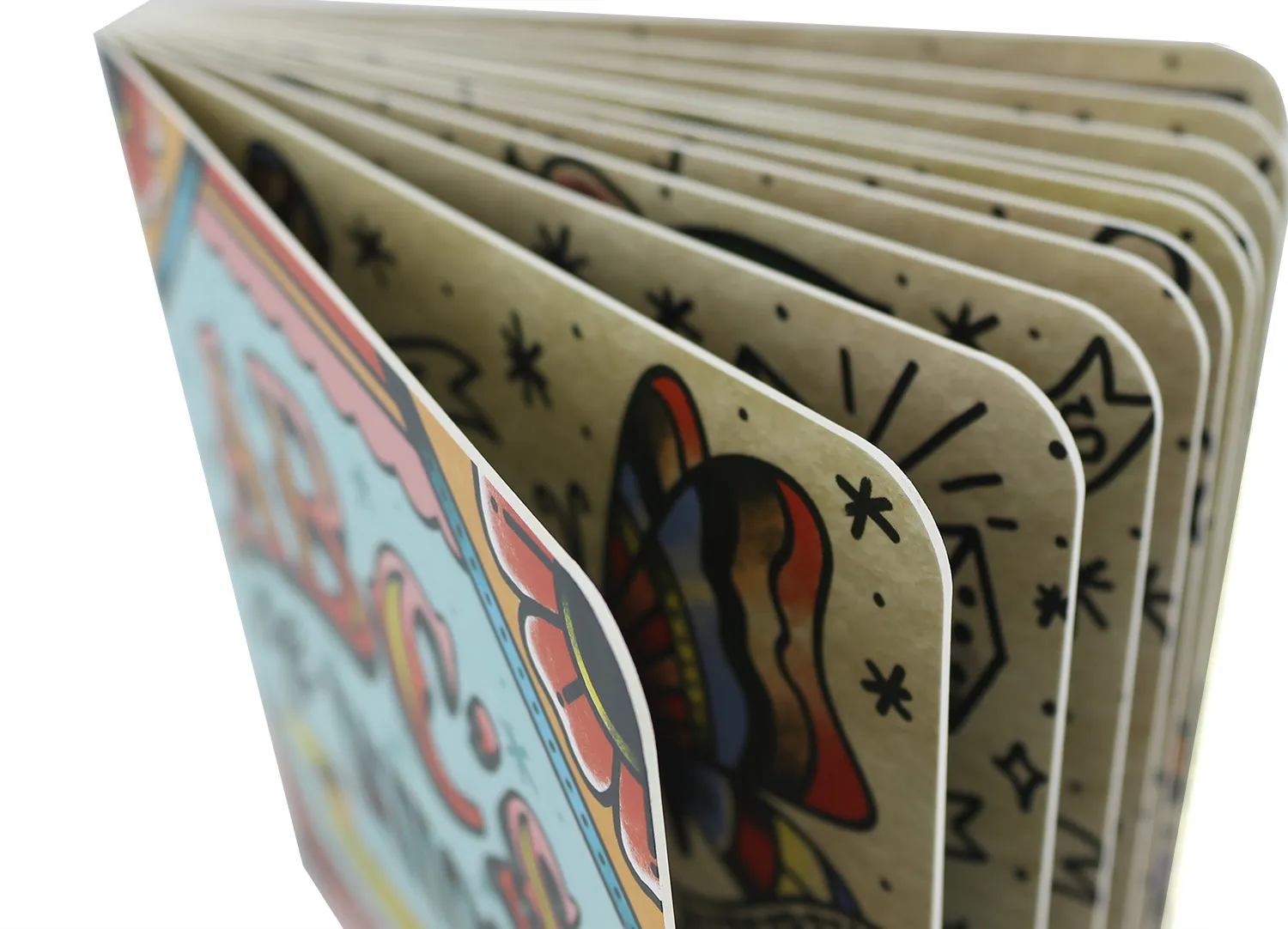
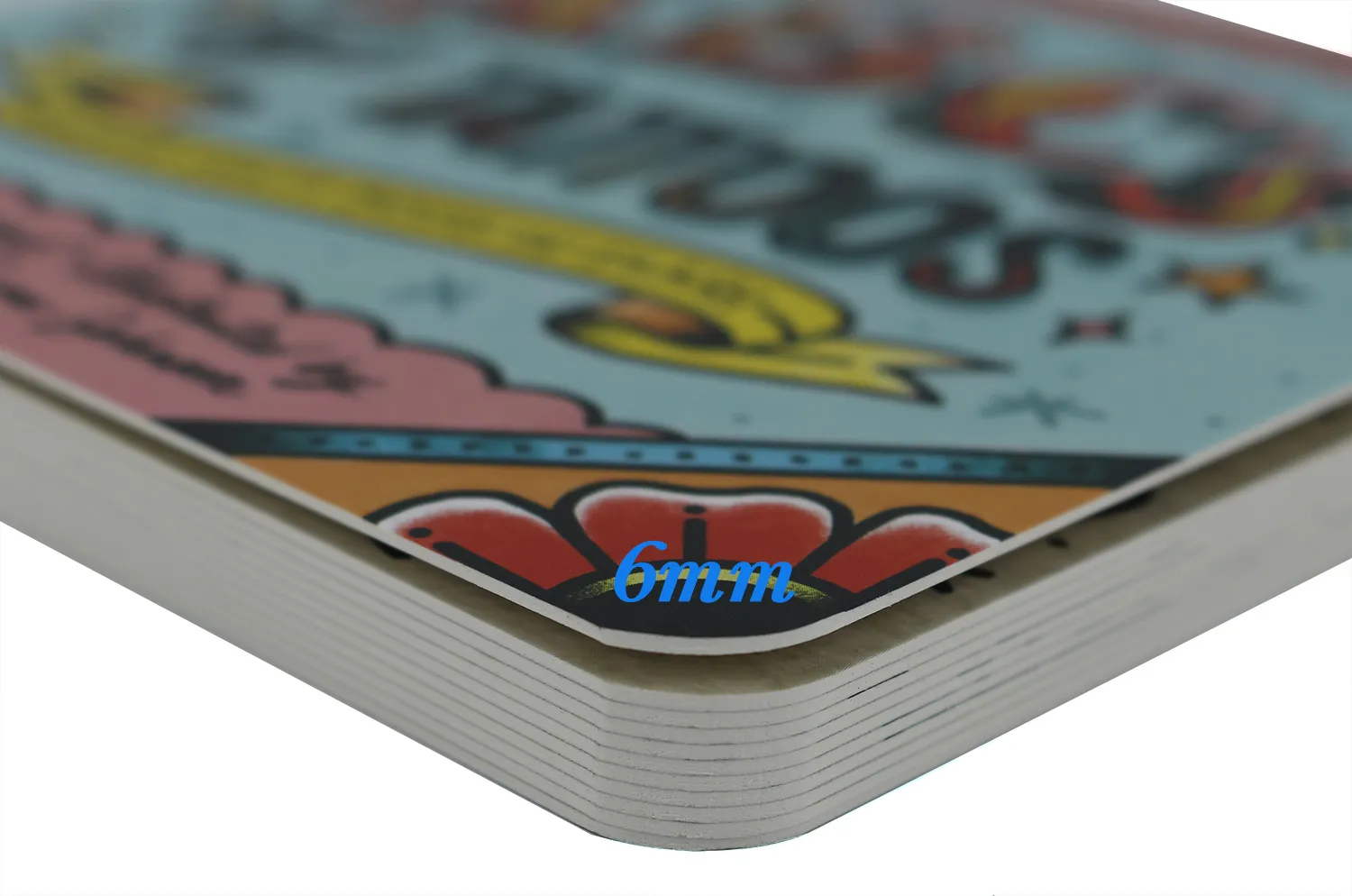
Children’s books, especially board books, are prime candidates for round corners. These durable books are designed for little hands, and rounded corners help prevent paper cuts. They ensure a safe and comfortable reading experience for young readers. Additionally, rounded corners enhance the overall durability of the book, withstanding the wear and tear that comes with frequent handling by curious and energetic children.
Religious Books
Religious texts, like the Bible, often incorporate rounded corners as a traditional and symbolic element. It not only adds a sense of reverence and respect but also contributes to the longevity of these cherished books, which are frequently handled and passed down through generations.
Cards
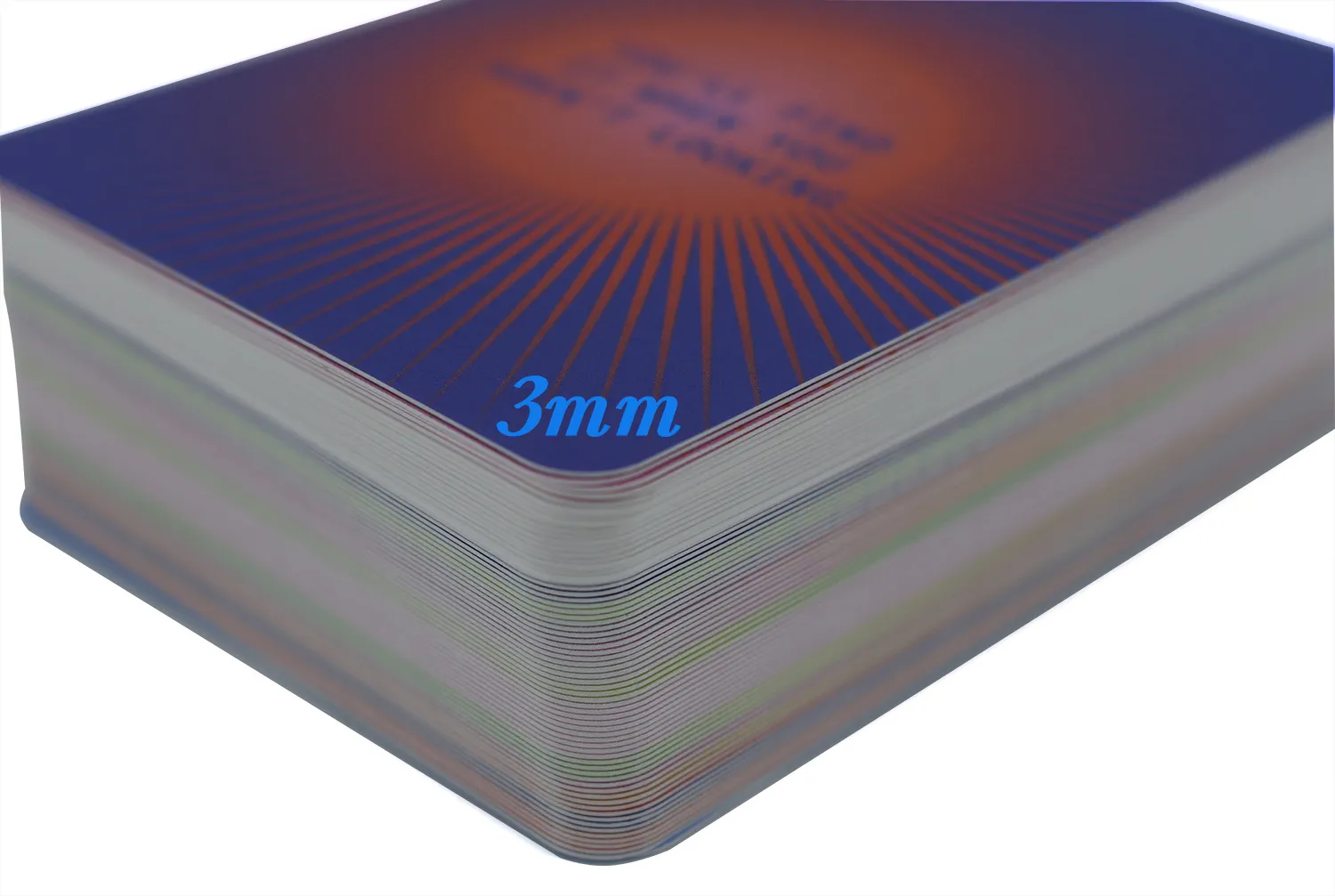
Round corners are essential for various types of cards, including tarot cards, flashcards, and playing cards. These products are subjected to frequent shuffling, dealing, and handling, making rounded corners a practical choice.
Sharp corners can easily become frayed or bent, compromising the integrity and appearance of the cards. Rounded corners ensure a smooth and comfortable handling experience while extending the lifespan of the cards.
Other Specific Books or Notebooks
In addition to the products mentioned above, round corners can be beneficial for other specific books or notebooks that are intended for frequent use or require a polished and professional appearance. Examples include reference materials, journals, sketchbooks, and notebooks used in educational or professional settings.
Round Corner Requirements for Different Products
Round corners can enhance the aesthetics and functionality of various printed materials. But the specific corner radius requirements may vary depending on the product type. Here are some typical corner radius recommendations for different products:
 |
 |
| Card deck | Board book |
-
Cards: For cards, such as playing cards, tarot cards, flashcards, or other type of cards, a corner radius of approximately 3mm is commonly used. This size provides a comfortable handling experience while maintaining the overall shape and integrity of the cards.
-
Books: For books, including children’s board books, a corner radius of around 6mm is often preferred. This larger radius helps prevent paper cuts and ensures a safe and comfortable reading experience, especially for young readers.
It’s important to note that these recommendations are general guidelines. The optimal corner radius may vary based on the specific project requirements, design considerations, and personal preferences. Some publishers or designers may opt for a more pronounced or subtle curve, depending on the desired aesthetic or functional needs.
Square Corner vs Round Corner: Which is Best for My P roject
When deciding between square corners or round corners for your printing project, several factors should be considered. Here’s a comparison to help you determine the best option:
Square Corners:
-
Provide a clean, crisp, and traditional look
-
Suitable for projects where a formal or classic aesthetic is desired
-
May be preferred for certain types of books, such as hardcover novels or coffee table books
-
Can be more cost-effective as no additional corner rounding process is required
Round Corners:
-
Offer a softer, more modern, and visually appealing appearance
-
Enhance safety and durability, making them ideal for frequently handled materials
-
Recommended for children’s books, religious texts, and other books subject to heavy use
-
Provide a comfortable handling experience, reducing the risk of paper cuts
-
May incur additional costs due to the corner rounding process
Ultimately, the choice between square corners or round corners depends on the specific project requirements, design preferences, and the intended audience or usage. Square corners may be preferred for projects where a traditional or formal aesthetic is desired. Round corners are often favored for their practical benefits and modern appeal, particularly for materials that will be handled frequently or by children.
It’s essential to consider the overall design aesthetic, the intended usage of the printed material, and any specific requirements or preferences of the client or target audience when making this decision.
How Do We Round the Corners
The process of rounding corners involves specialized equipment and techniques to achieve a consistent and precise finish. Here’s an overview of how we round the corners at our printing facility:
-
Pre-Production Planning: Before the corner rounding process begins, we carefully review the project specifications, including the desired corner radius, the type of material being used, and any specific design considerations. This step ensures that we have the appropriate tools and settings to achieve the desired results.
-
Cutting or Trimming: Once the printed materials have been bound or assembled, we use specialized corner rounding machines or die-cutting equipment to trim or cut the corners into the desired rounded shape. These machines are precisely calibrated to ensure consistent and accurate corner radii across all corners of the printed product.
-
Finishing Touches: After the corners have been rounded, we may apply additional finishing techniques, such as edge painting, gilding, to enhance the overall aesthetic appeal of the product. These finishing touches can add an extra layer of sophistication and uniqueness to the printed materials.
-
Quality Control: Throughout the entire process, we employ strict quality control measures to ensure that the rounded corners meet our high standards. We carefully inspect each printed piece, checking for consistency, accuracy, and any potential defects or imperfections.
At our facility, we take great pride in our attention to detail and commitment to delivering exceptional results. Whether you require a subtle curve or a more pronounced rounded corner. Our skilled team and state-of-the-art equipment ensure a flawless finish that meets or exceeds your expectations.
Other Custom Edge Options
While round corners are a popular choice for many printing projects, there are several other custom edge options available to enhance the overall appearance and functionality of your printed materials. Here are some additional options to consider:
Painted Edges
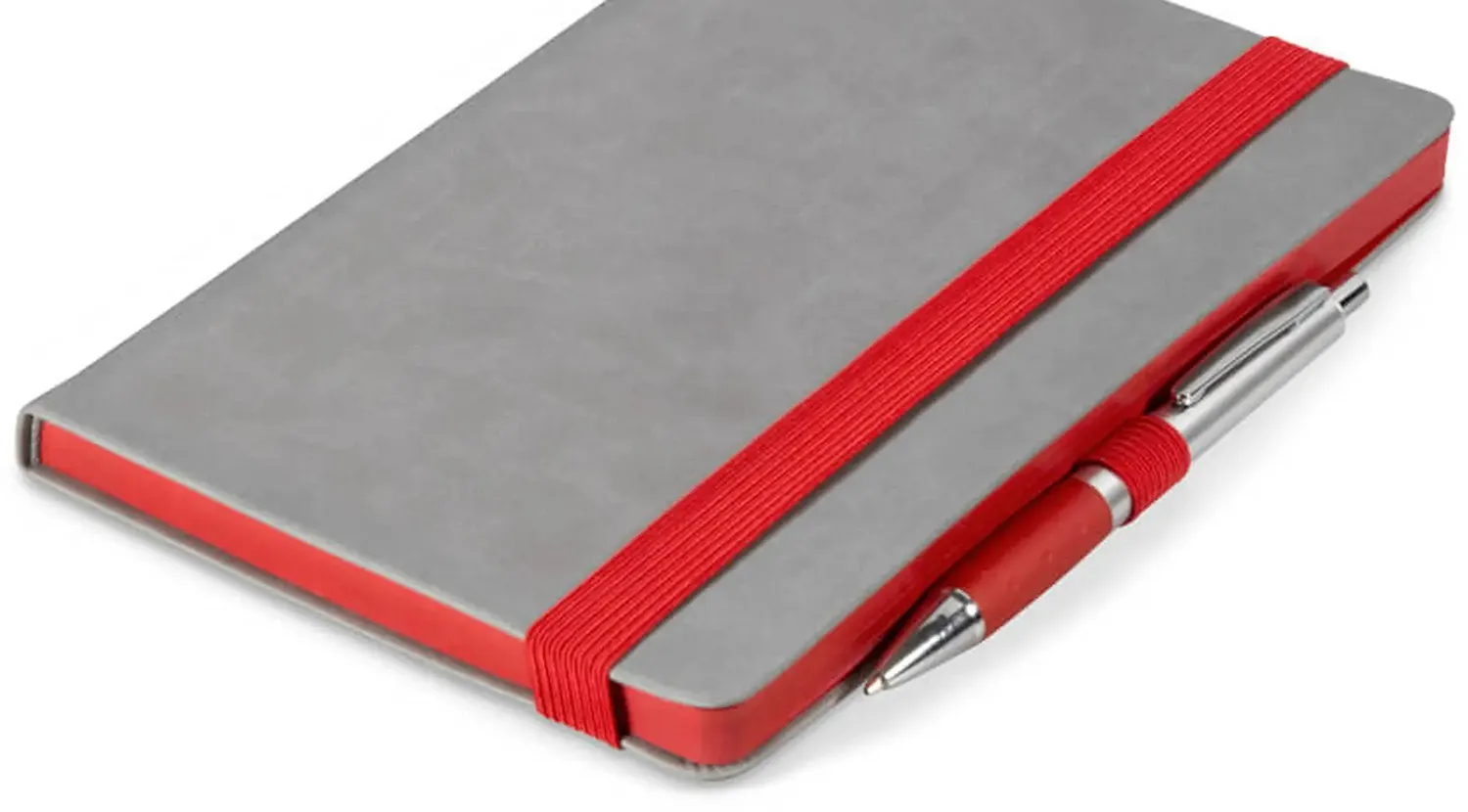
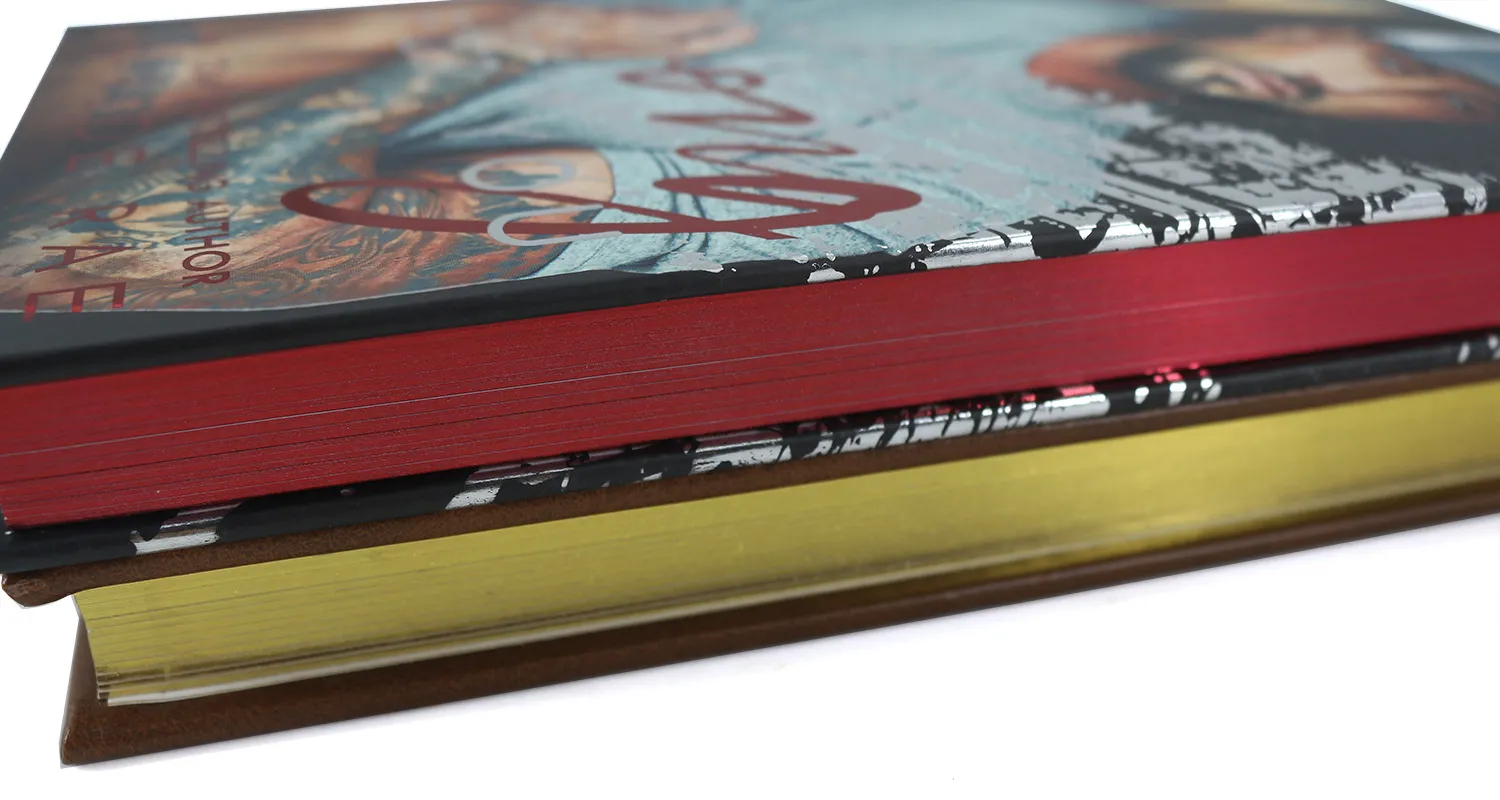
Painted edges add a touch of color and vibrancy to the sides of your printed materials. It involves applying a thin layer of ink or pigment to the trimmed edges. Then creating a striking contrast or complementary accent to the cover design. Painted edges are particularly popular for hardcover books, journals, and bibles, lending a luxurious and eye-catching finish.
Glitter Edges
For a truly dazzling effect, glitter edges can transform ordinary printed materials into something truly special. It involves applying a layer of sprinkling glitter or metallic powder to the outer edges surface. Glitter edges are often used for high-end books or religious books, such as wedding albums, keepsake journals, bible, etc. adding a touch of sparkle and glamour.
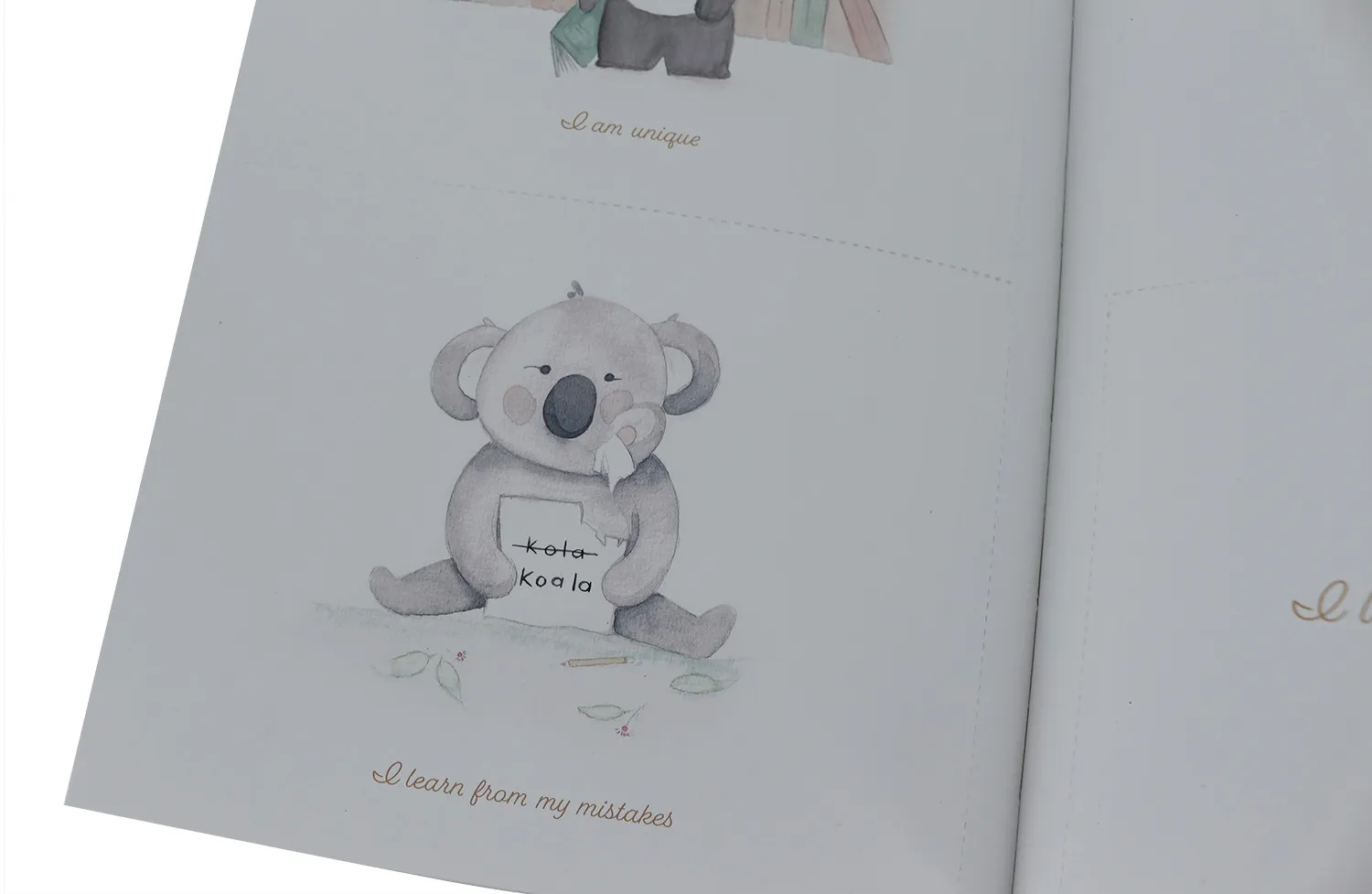
Perforated Pages
Perforated pages are a practical option for materials that require easy removal or separation of individual pages or sections. This technique involves creating a series of small, evenly spaced holes along the edge of the page, allowing for clean and precise tearing or detachment. Perforated pages are commonly used in workbooks, exercise manuals, and other educational or instructional materials.
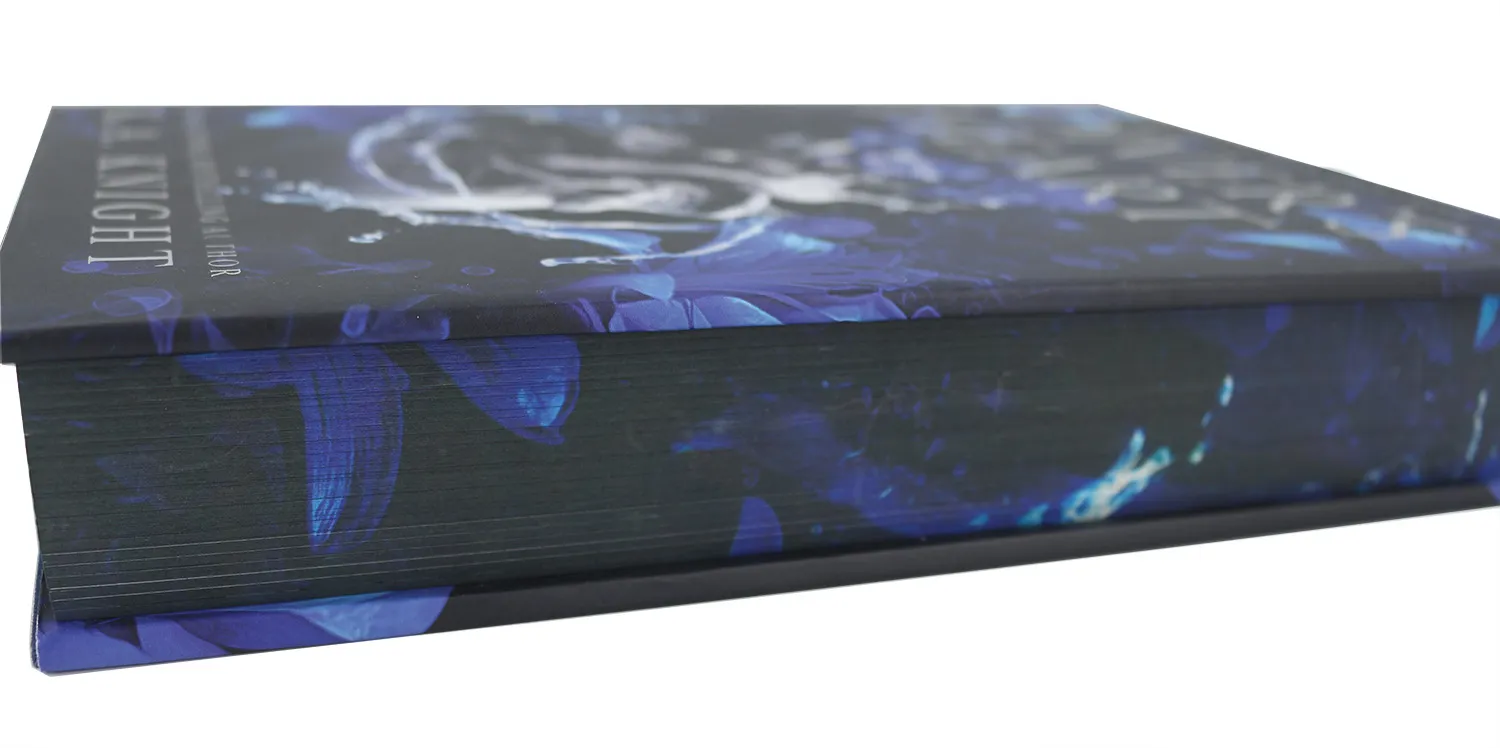
Edge Printing
Edge printing involves printing text, patterns, or designs directly onto the trimmed edges of the printed materials. This technique can be used to display titles, author names, or other relevant information, making it easier to identify and organize books or documents on a shelf. Edge printing is often employed in reference books, encyclopedias, and other informational materials.
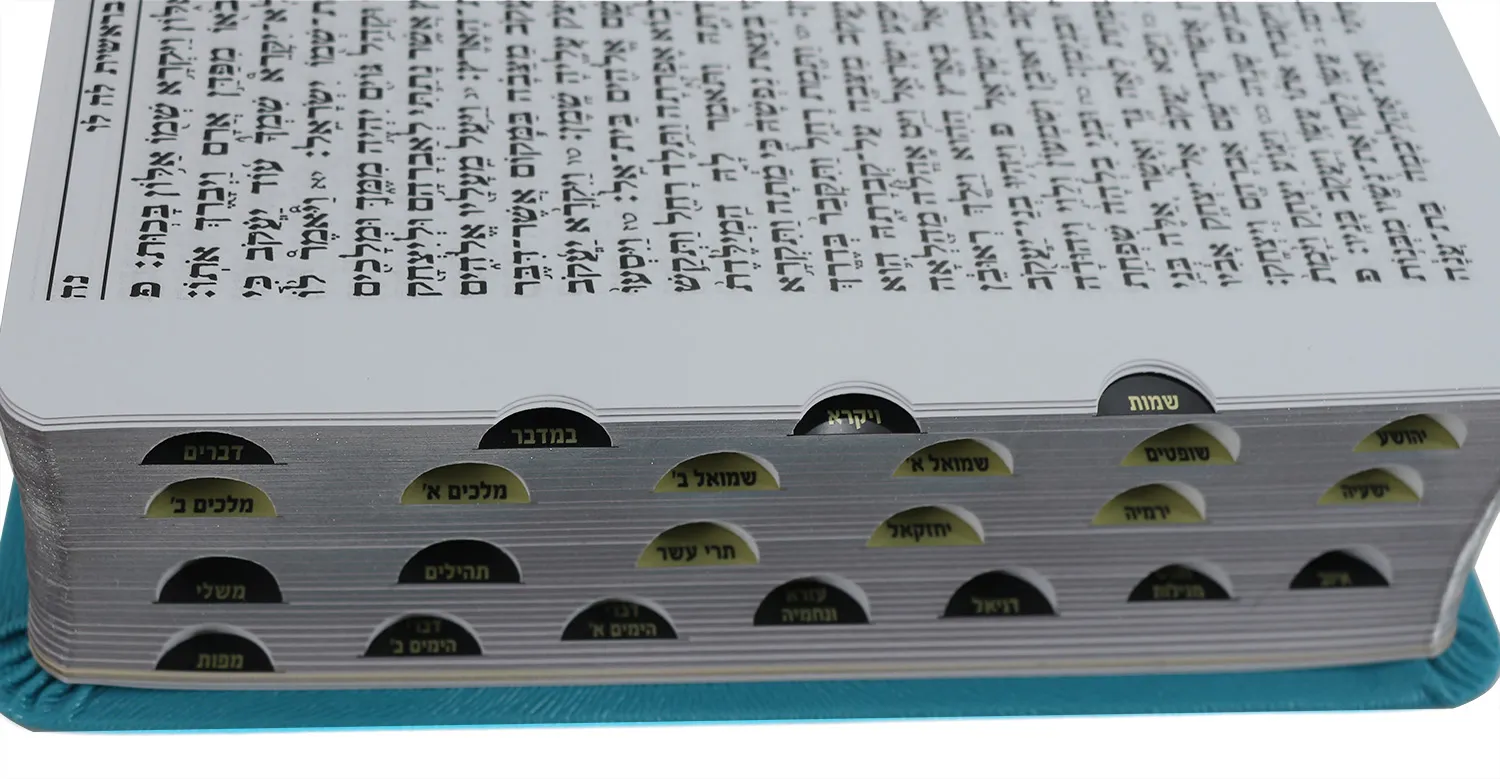
Thumb indexing
Thumb indexing, also known as tab indexing. It is a useful feature for materials that require quick and easy navigation between sections or chapters. This technique involves creating raised or indented tabs along the edge of the pages, each labeled with a corresponding section or chapter title. Thumb indexing is commonly used in reference manuals, bibles, and other materials that require frequent referencing.
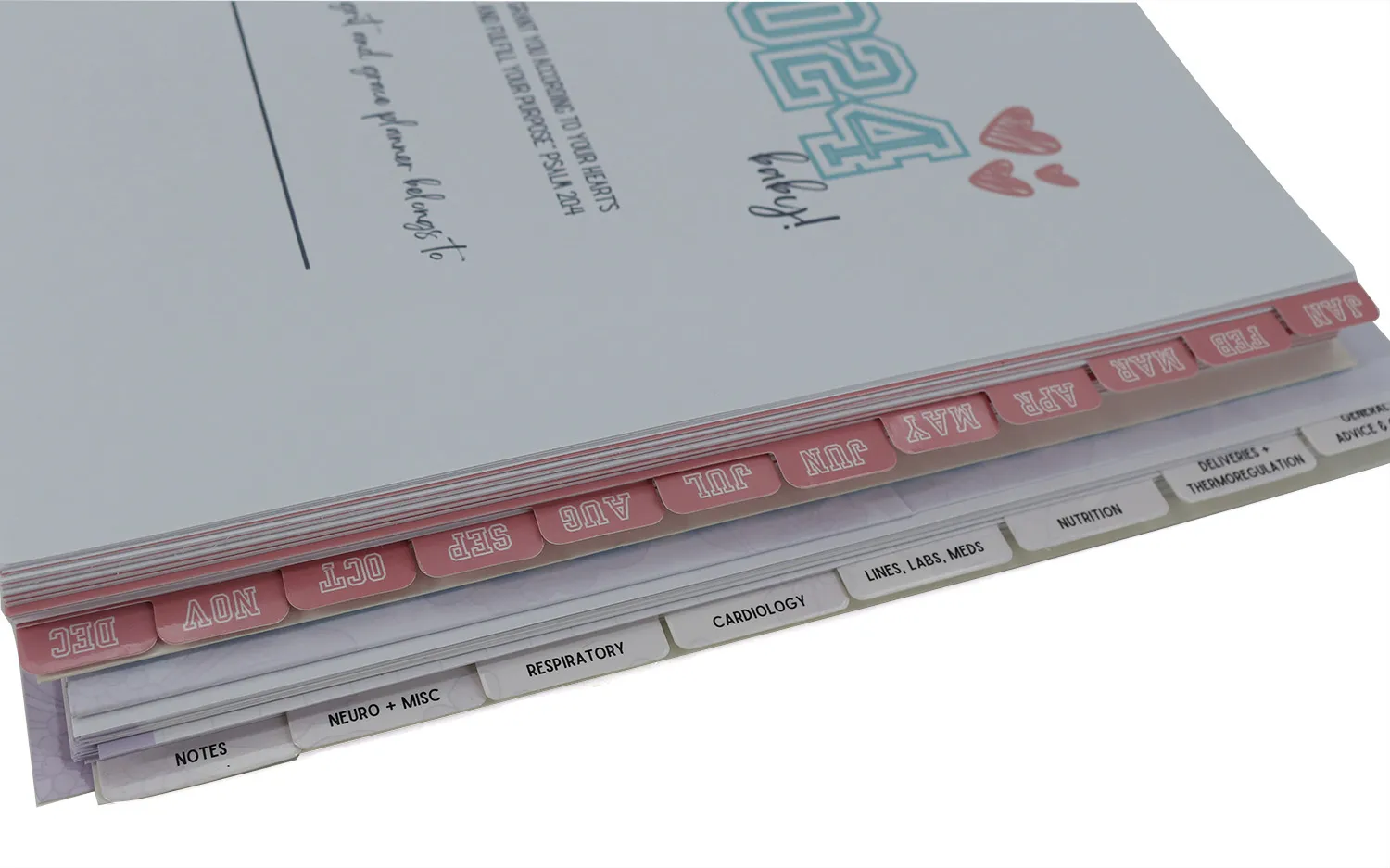
Cut Inserts or Tabs
Cut inserts or tabs are similar to thumb indexing but involve the insertion of separate, pre-cut tabs or dividers into the printed material. These inserts can be customized with labels, colors, or designs to help organize and separate different sections or topics. Cut inserts are often used in journals, planners, portfolios, catalogues, or other materials that require frequent reorganization or customization.
These custom edge options not only enhance the visual appeal of your printed materials but also provide functional benefits tailored to specific needs or applications. By exploring these additional options, you can create truly unique and personalized printed products that stand out from the crowd.
At our printing facility, we understand the importance of delivering exceptional results that meet your unique needs and preferences. Whether you require round corners, custom edge options, or a combination of techniques, our team of skilled professionals is dedicated to bringing your vision to life.
Contact us today to discuss your project requirements and explore the possibilities. Let us help you create printed materials that not only look stunning but also provide a seamless and enjoyable experience for your audience.