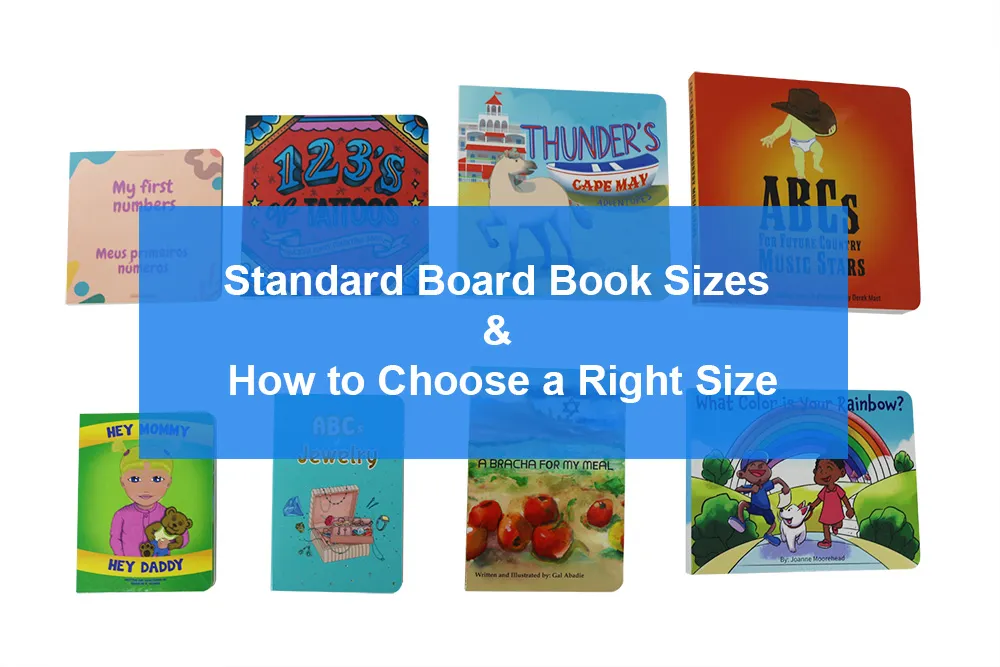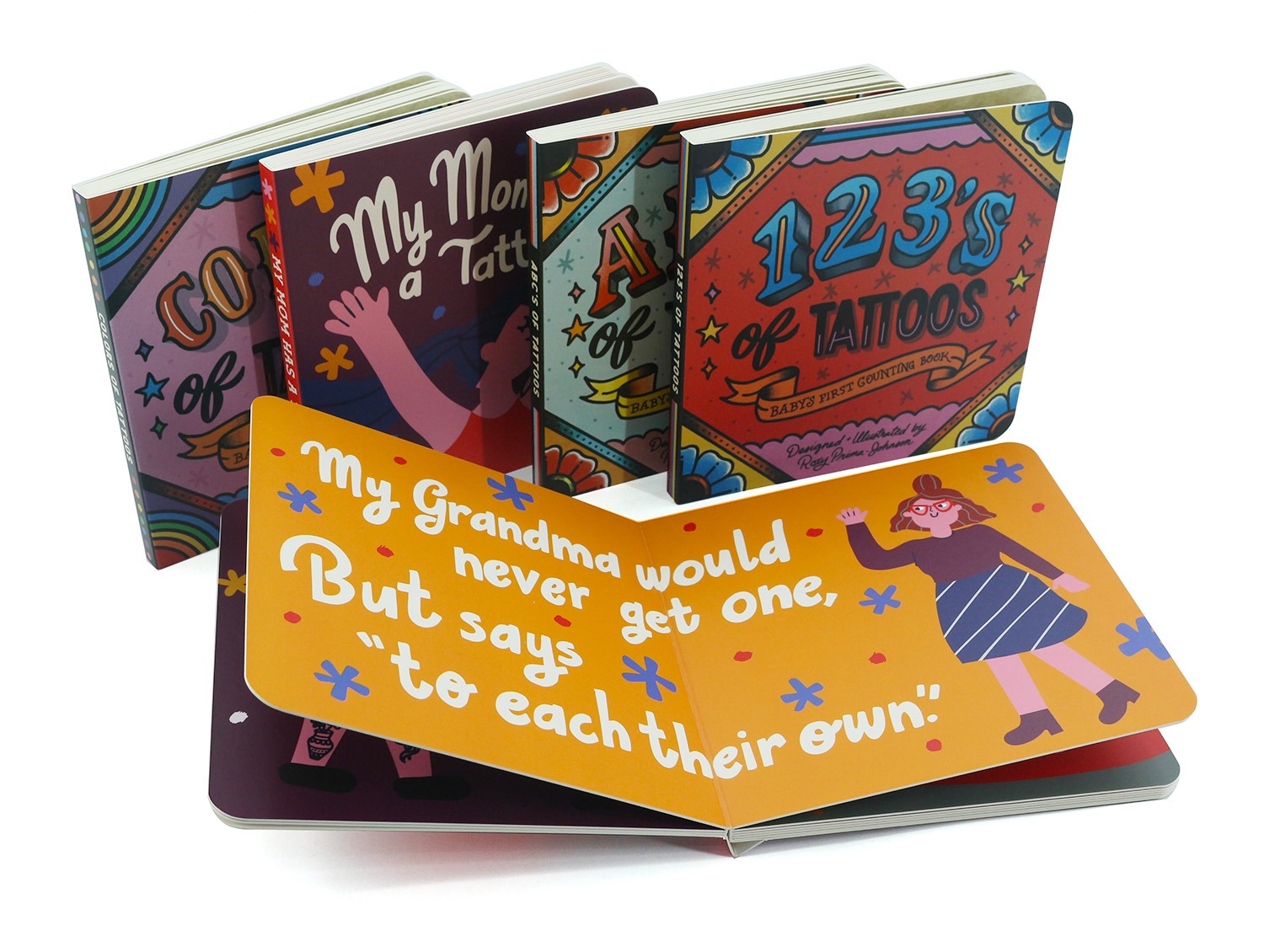



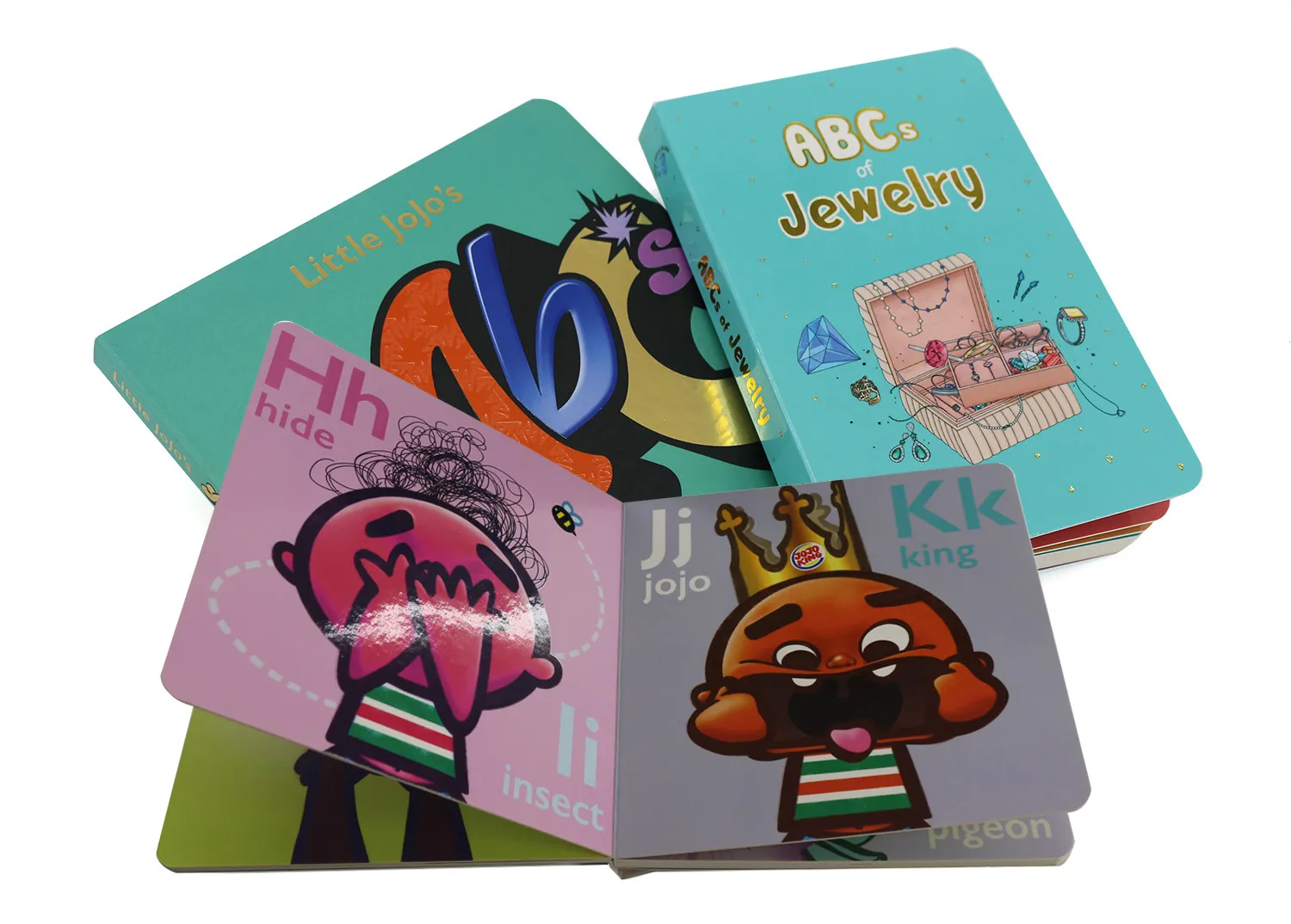
Print custom board books are popular among publishers, educators, businesses and independent creators. If you are new in this industry, you may meet a series of issues need to solve before ready to print your own board book.
In this ultimate guide, we have compiled the most common questions about print custom board books that beginners ask and provided detailed answers. With this guide, I trust you can print a custom board book more seamless and smooth, save more time and cost.
What’s A Board Book?
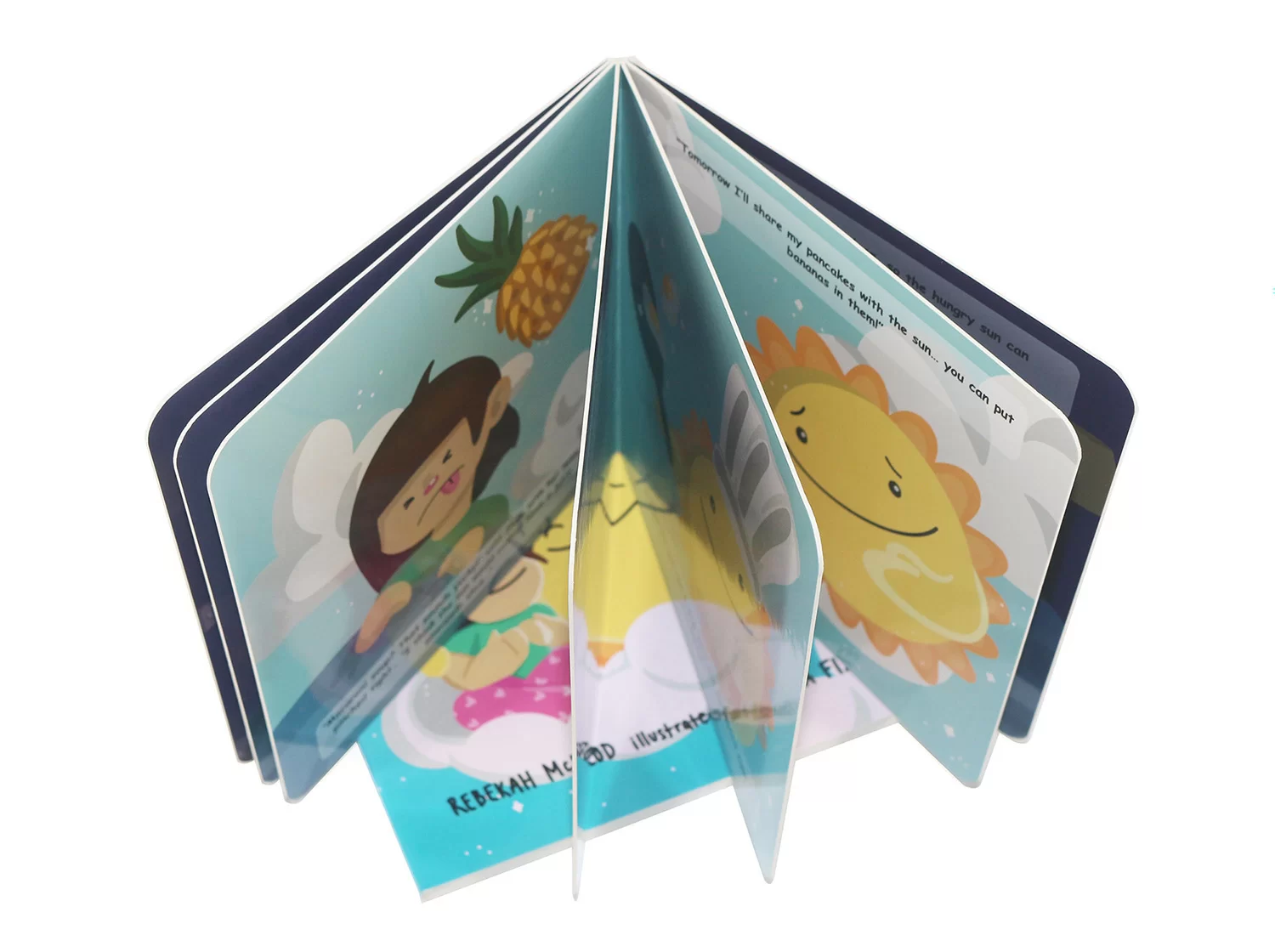 A board book, also known as a chunky book or a stiff book. It is a delightful and engaging reading experience designed specifically for young children. These sturdy, thick-paged books are crafted to withstand the rigors of curious little hands and occasional drops or tossing.
Unlike traditional paper books, board books are constructed with thick, durable cardboard pages. To make sure their longevity and resilience against wear and tear.
Board books are a beloved choice for parents, caregivers, and educators alike. Because they provide a safe and engaging way for infants and toddlers to explore the world of books. The thick, sturdy pages are not only easy for small hands to grasp and turn but also resistant to tearing or creasing, making them an ideal introduction to the world of reading.
Moreover, board books often feature vibrant illustrations, simple text, and engaging storylines that capture the attention and imagination of young readers. They serve as an excellent tool for early literacy development, fostering language skills, vocabulary building, and a love for books from an early age.
How Many Pages In A Board Book?
 Board books typically range from 8 to 40 pages, with the most common page counts being 12, 16, 20, or 24 pages. This range allows for a variety of storytelling possibilities while ensuring that the book remains manageable and engaging for young readers.
The number of pages in a board book is carefully considered during the design and production process. Shorter board books, such as those with 8 or 12 pages, are often aimed at very young children or those with shorter attention spans. These books may feature simple concepts, single words, or brief sentences. They are ideal for introducing basic vocabulary or simple narratives.
On the other hand, board books with a higher page count, such as 20 or 24 pages. They can accommodate more complex storylines, detailed illustrations, and longer text. These books are suitable for slightly older toddlers or preschoolers who have developed a longer attention span and are ready for more engaging and intricate tales.
It’s worth noting that the page count can also be influenced by the intended use of the board book. For example, educational board books designed for teaching specific concepts or skills may have a higher page count to accommodate more content and exercises.
What’s The Process Of Board Book Printing?
The process of printing custom board books involves several intricate steps to ensure the final product is durable, engaging, and of high quality. Here’s a breakdown of the typical process:
-
Printing: The first step is to print the book’s content onto large sheets of paper, often referred to as “parent sheets.” These sheets contain multiple copies of the book’s pages, arranged in a specific layout to optimize the printing process.
-
Lamination: After printing, the parent sheets are laminated with a durable plastic film on one the printed sides. The lamination process not only protects the printed content but also adds strength and durability to the pages, ensuring they can withstand the wear and tear of young readers.
-
Cutting: Once laminated, the parent sheets are precisely cut into individual pages or spreads (two facing pages) using specialized cutting equipment.
-
Folding: Then the spreads are carefully fold with automatic folding machine.
-
Mounting: After folding, the printed spreads are collateing in order and then mouthing with an automatic mounting machine. In this process, each two pages of back side(unprinted side) are mounting together with strong adhesives to form a book block. This step transforms the printed pages into the signature thick, rigid pages that characterize board books.
-
Self-Cover: In this process, the book block will be self-cover on the cover with strong adhesives to become a standard board book. Since there is no glue on the spine, the pages can be turned smoothly and opened flatly.
-
Trimming and Rounding Corners: The assembled board book undergoes a trimming process to ensure precise and even edges. Additionally, the corners of the book are rounded, creating a smooth and safe finish for young readers.
-
Quality Check: Before the final product is released, each board book undergoes a thorough quality check. This step ensures that all pages are properly aligned, the binding is secure, and the overall finish meets the highest standards.
Watch this video for an introduction of board book production process and why choose BookPrintingChina to print your own board book.
Throughout this process, attention to detail and precision are paramount. To ensure the final board book is not only visually appealing but also durable and safe for young readers.
What’s The Difference Between Self Cover And Hardcover Board Book Binding?
When it comes to board book binding, there are two main options: self-cover and hardcover. Each option offers distinct advantages and characteristics. It is important to understand the differences before deciding on the binding style for your custom board book project.
 Self-Cover Board Book Binding
-
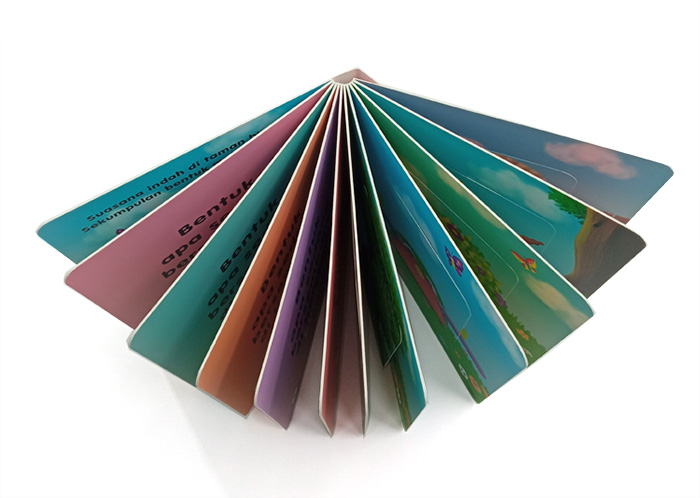
In a self-cover board book, the thick cardboard pages themselves act as the cover.
-
The front and back inside covers are typically the first and last pages of the book, printed and laminated like the interior pages.
-
Self-cover board books are often more cost-effective and have a simpler, minimalist appearance.
-
They are well-suited for books with fewer pages or those intended for very young children. As the binding is more flexible and easier for small hands to open and manipulate.
-
Self-cover board books have a flexible spine, allowing the pages turning smooth and open flat. As the pages are held together by the binding itself.
-
Self-cover board book usually come with round corner. The cover and inside pages of edges are cutting and round cornering one time, don’t need to separate cover and inside page to cut edge and round corner.
 Hardcover Board Book Binding
-
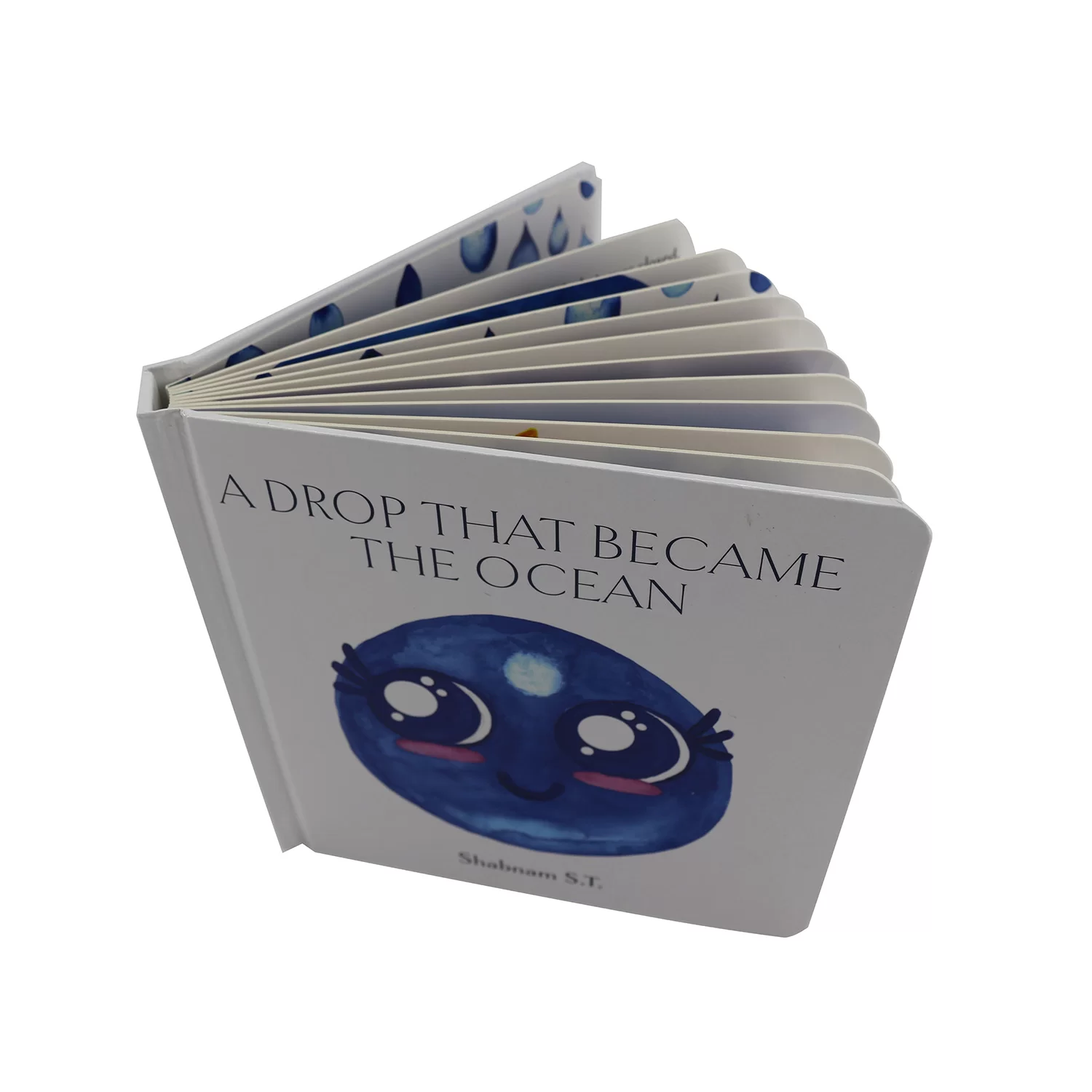
Hardcover board books feature a separate, rigid cover material (typically sturdy cardboard) attached to the book block.
-
The covers are often wrapped in a printed and laminated cover material, such as paper or cloth, providing a more polished and professional look.
-
Hardcover board books can be rounded corner or not rounded corner, depend on your design and aesthetics needs. Due to the cover siz is larger than inside page, so trim edges and round corners of cover and inside page will be separated.
-
This binding style offers added protection and durability, making it suitable for books with more pages or those intended for slightly older children.
-
Hardcover board books tend to have a more traditional book appearance and may be perceived as higher quality or more valuable.
-
The hardcover binding can be more expensive than self-cover options. But it also provides additional protection and a longer lifespan for the book.
Ultimately, the choice between self-cover and hardcover board book binding depends on factors such as budget, intended audience, and personal preference for the desired look and feel of the final product.
Which Paper Type Is Best Suited For Print Custom Board Books?
When it comes to custom board books printing, the paper type plays a crucial role in ensuring the final product is durable, visually appealing, and suitable for young readers. Among the various paper options available, coated one side (C1S) paper is widely regarded as the best choice for board book printing.
C1S paper, also known as coated one side or coated on one side. It is a type of paper that has a clay coating applied to one side, while the other side remains uncoated. The coating one side provides several advantages that make it an ideal choice for board book printing: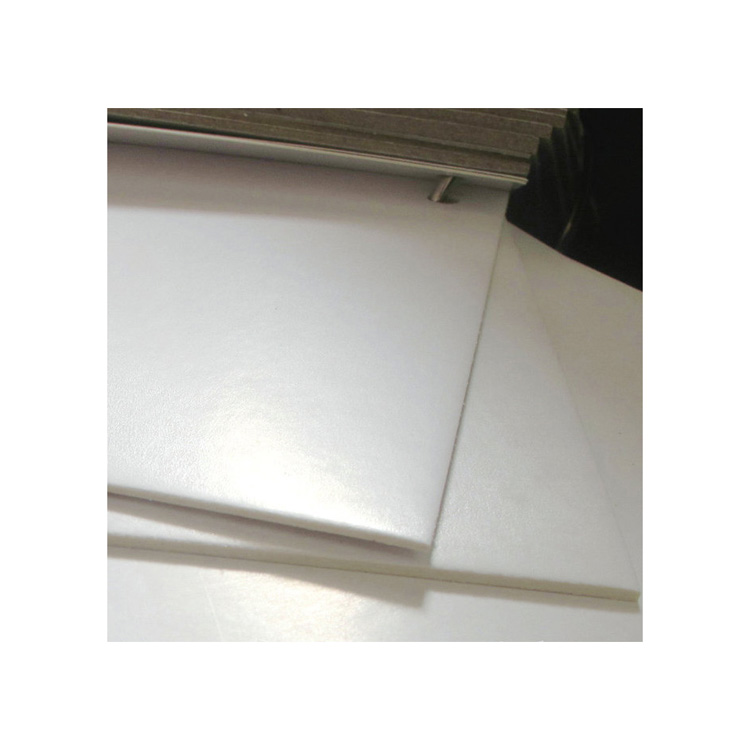
-
Vibrant Colors and Sharp Imagery: The coated side of C1S paper offers a smooth, glossy surface. It enhances the vibrancy and clarity of printed colors and images. It is particularly important for board books, which often feature vibrant illustrations and bold graphics designed to capture the attention of young readers.
-
Durability: The clay coating on C1S paper not only enhances the print quality but also adds an extra layer of protection against wear and tear. It makes the pages more resistant to scuffs, scratches, and other forms of damage that can occur from frequent handling by little hands.
-
Easy to Laminate: C1S paper is well-suited for lamination, a crucial step in the board book printing process. The coated side provides an excellent surface for the lamination film to adhere to, ensuring a smooth and long-lasting finish.
-
Moisture Resistance: The coating on C1S paper acts as a barrier against moisture. It helps to prevent the pages from becoming warped or damaged by spills or drool, which are common occurrences with young children.
-
Cost-Effective: While C1S paper is slightly more expensive than uncoated paper, it offers a cost-effective solution when compared to other coated paper options, making it an economical choice for board book printing.
It’s important to note that while C1S paper is the preferred choice for board book printing, the specific weight or thickness of the paper may vary depending on the desired durability and overall feel of the final product. Heavier or thicker C1S paper(such as 350gsm) is often used for board books to ensure maximum sturdiness and longevity.
By choosing C1S paper for your custom board book project, you can ensure that the final product not only looks vibrant and appealing but also withstands the rigors of repeated use by young readers, providing a long-lasting and enjoyable reading experience.
Why Are The Pages Of Board Books Made With Two Sheets Of C1S Paper?
In the production of board books, it is common practice to make the interior pages with two additional sheets of coated one side (C1S) paper. This technique serves several important purposes and contributes to the overall durability and quality of the final product.
The primary reason for making the pages with C1S paper is to provide an extra layer of protection and reinforcement. Board books are designed to withstand the rough handling and frequent use by young children. The additional C1S paper sheets help to reinforce the book block (the collection of interior pages) and prevent premature wear or damage.
Here are some specific benefits of making the pages with two sheets of C1S paper:
-
Increased Durability: The two additional C1S paper sheets act as a protective barrier. They shields the interior pages from external factors such as moisture, spills, and general wear and tear. This helps to extend the lifespan of the board book and ensure it remains in good condition for a longer period.
-
Structural Integrity: By wrapping two sheets C1S paper together, they can help to maintain the structural integrity of the book block. This ensures that the pages remain securely bound and prevents them from becoming loose or detached over time.
-
Enhanced Print Quality: The coated side of the C1S paper provides a smooth surface for printing design or artwork. This results in vibrant colors, sharp details, and a polished overall appearance for the exterior of the board book.
-
Cost-Effective Solution: Adding two extra sheets of C1S paper may seem like a minor detail. But it is a cost-effective solution compared to using more expensive materials or binding techniques. It provides an efficient way to increase the overall quality and longevity of the board book without significantly increasing production costs.
It’s important to note that the specific weight or thickness of the C1S paper sheets used for wrapping. As it may vary depending on the desired level of durability and the overall size and thickness of the board book. Heavier or thicker C1S paper is often used for larger or more substantial board books to ensure maximum protection and structural integrity.
Does All Board Books Are Laminated? And Gloss vs Matte Lamination: How To Choose?
Not all board books are laminated, but lamination is a common and recommended practice in the production of these durable children’s books. Lamination provides an additional layer of protection and enhances the overall durability and longevity of the book.
When it comes to lamination for board books, there are typically two options: gloss lamination and matte lamination. The choice between these two finishes depends on several factors, including the desired aesthetic, the intended use of the book, and personal preference.
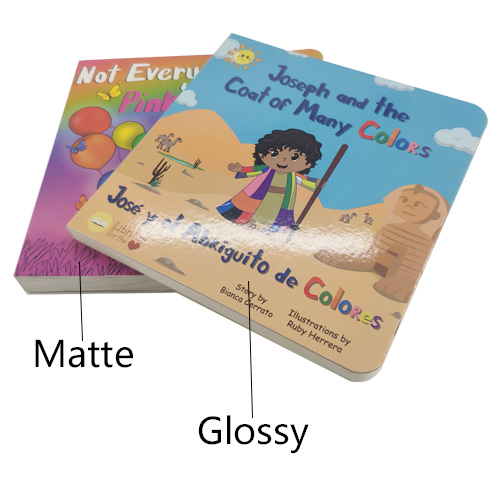 Gloss Lamination
-
Gloss lamination gives the book a shiny, glossy finish that enhances the vibrancy and saturation of colors and images.
-
It creates a smooth, reflective surface that can make illustrations and graphics appear more vibrant and eye-catching.
-
Gloss lamination is often preferred for board books with highly detailed or colorful illustrations. As it can help bring the artwork to life.
-
However, it’s worth noting that gloss lamination can also cause glare or reflections in certain lighting conditions, which may be a consideration for some readers.
Matte Lamination:
-
Matte lamination provides a more soft, non-reflective finish that can give the book a softer, more natural appearance.
-
It offers a slightly textured surface that can be visually appealing and easier on the eyes, especially for prolonged reading sessions.
-
Matte lamination is often preferred for board books with simpler illustrations or those with a more minimalist design aesthetic.
-
It can also be a good choice for educational or instructional board books. Because the matte finish may be less distracting and easier to read.
When choosing between gloss and matte lamination for your custom board book, consider the following factors:
-
Illustration Style: If your book features vibrant, detailed illustrations with bold colors. Gloss lamination may be the better choice to enhance their visual impact.
-
Intended Use: If the book will be used in environments with varied lighting conditions (e.g., classrooms, libraries). Matte lamination may be more suitable to reduce glare and reflections.
-
Personal Preference: Some individuals simply prefer the sleek, glossy look of gloss lamination. While others find the more subdued matte finish more appealing.
-
Age Group: For very young children who may be more easily distracted by shiny surfaces, matte lamination could be a better choice.
Ultimately, both gloss and matte lamination offer excellent protection for board books. The choice between the two often comes down to personal preference and the desired aesthetic for your specific project.
What’s The Difference Between “Page” and “Spread” In A Board Book?
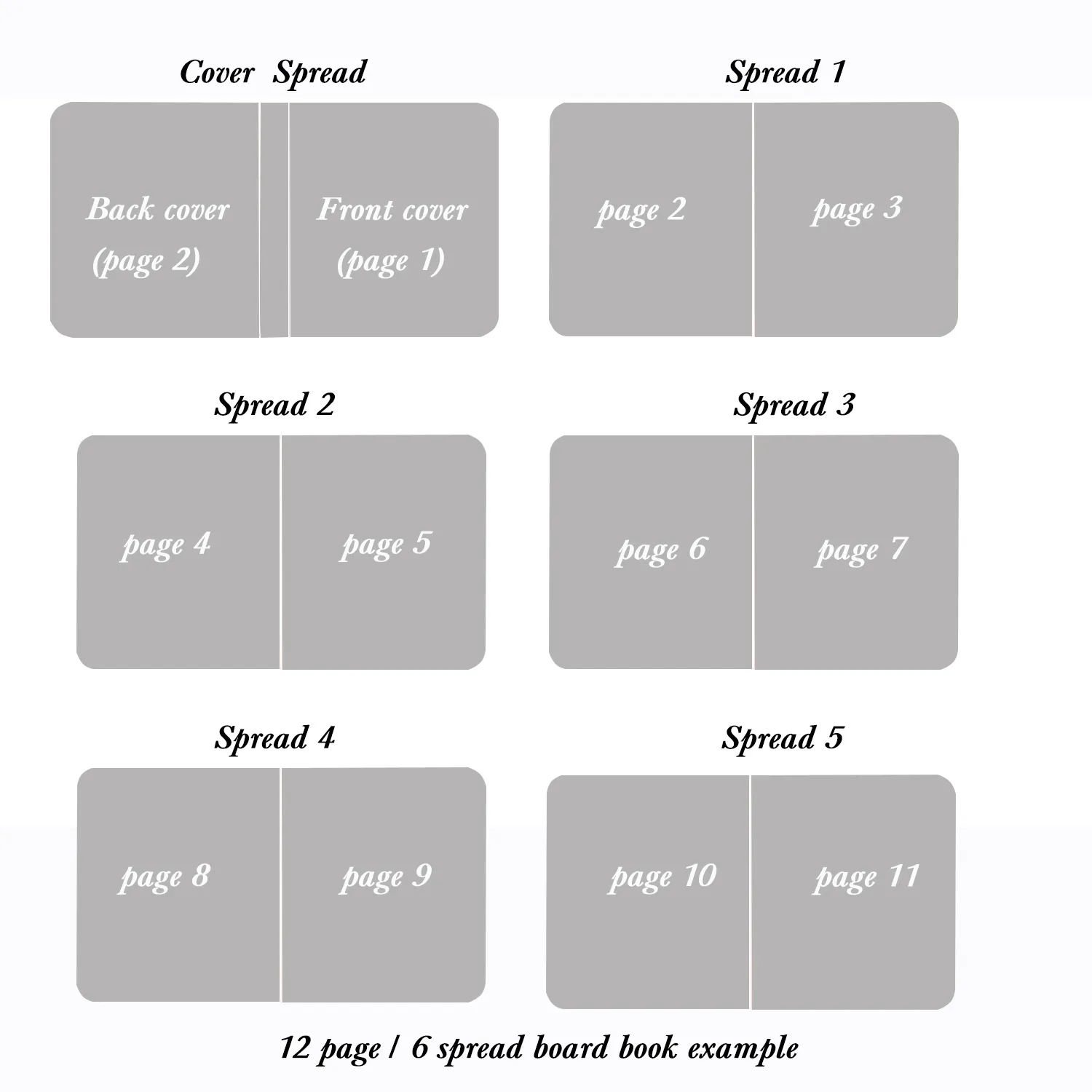
When discussing board books, it’s important to understand the distinction between the terms “page” and “spread”. While these terms may seem interchangeable at first glance, they refer to different aspects of the book’s layout and design.
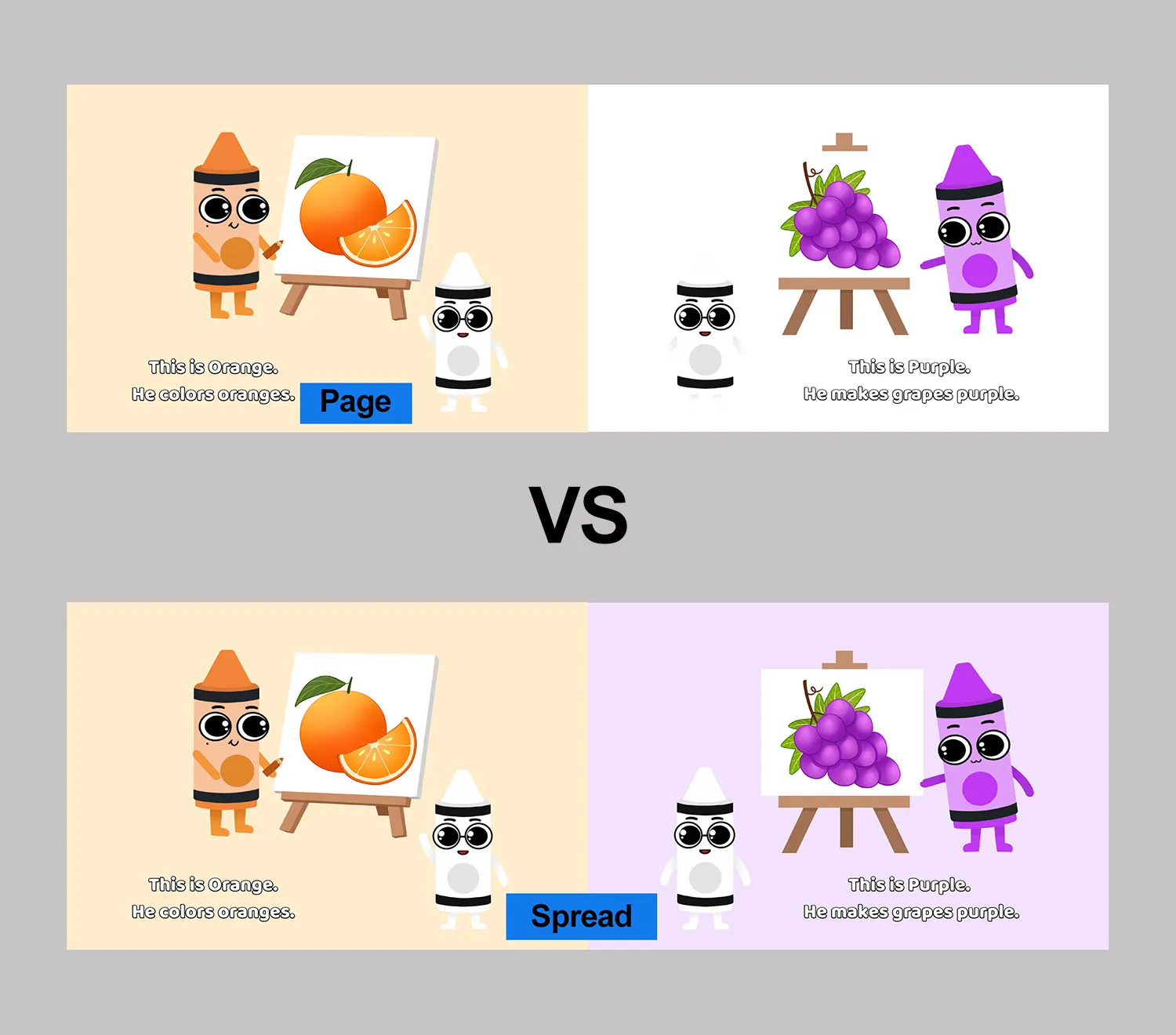
Page: A page refers to a single side or leaf of the book. In a board book, each individual thick cardboard sheet is considered a page. When you turn a page, you are moving from one side to the other, revealing new content.
Spread: A spread, on the other hand, refers to two facing pages that are viewed together as a single unit. When a board book is opened, the content on the left-hand page and the right-hand page is considered a spread. This term is particularly relevant for board books because their design often treats the two facing pages as a cohesive visual and narrative unit.
The distinction between pages and spreads is crucial in the design and layout process of board books. Here are a few key reasons why:
-
Visual Continuity: Spreads allow for a seamless visual experience, where illustrations or text can flow across the two facing pages. They creates a sense of continuity and immersion for the reader.
-
Narrative Flow: Board books often tell stories or convey concepts through a sequence of spreads, with each spread contributing to the overall narrative or theme.
-
Design Considerations: When designing a board book, the layout and placement of text and images must be carefully planned across spreads, ensuring a balanced and visually appealing composition.
-
Printing and Binding: During the printing and binding process, spreads are treated as individual units. Ensuring that the content on the facing pages aligns correctly when the book is assembled.
While individual pages are important building blocks of a board book, the spread is the fundamental unit of design and storytelling. By understanding the difference between pages and spreads, authors, illustrators, and designers can create board books that offer a cohesive and engaging reading experience for young children.
Why Consider Spread Is Not Page When Create Your Board Book?
When creating a board book, it’s crucial to consider the spread (two facing pages) as the fundamental unit of design and storytelling, rather than treating each page individually. This approach is essential for several reasons:
-
Visual Continuity: Board books often feature illustrations or graphics that span across the two facing pages, creating a seamless visual experience. Treating each page individually can disrupt this continuity and diminish the overall impact of the artwork.
-
Narrative Flow: The narrative or story in a board book typically unfolds across spreads, with each spread contributing to the progression of the plot or concept. Considering spreads as a unit allows for a more cohesive and engaging storytelling experience.
-
Design Cohesion: The layout and placement of text and images must be carefully planned across spreads to maintain a balanced and visually appealing composition. Treating each page independently can lead to disjointed or awkward designs that disrupt the reading experience.
-
Printing and Binding: During the printing and binding process, spreads are treated as individual units to ensure that the content on the facing pages aligns correctly when the book is assembled. Designing with spreads in mind ensures a seamless and consistent final product.
-
Engaging Experience: Young children often perceive and engage with board books as a whole, rather than focusing on individual pages. By designing with spreads in mind, you can create a more immersive and captivating reading experience that holds their attention and fosters their cognitive development.
When creating your print custom board book, it’s essential to plan and visualize the content as a sequence of spreads. It allows you to maintain visual continuity, narrative flow, and design cohesion throughout the book. Each spread should be carefully crafted to complement the preceding and following spreads, creating a seamless and engaging reading experience.
By considering the spread as the fundamental unit, you can ensure that illustrations, text, and design elements work harmoniously across the two facing pages. It not only enhances the visual appeal of your board book but also facilitates better comprehension and engagement for young readers.
Remember, board books are often a child’s first introduction to the world of books. A well-designed spread can captivate their attention, spark their imagination, and foster a lifelong love for reading.
Board Book vs Hardcover: Which Is Best For My Board Book Project?
When it comes to choosing between a board book format and a traditional hardcover format for your children’s book project, there are several factors to consider. Both options have their unique advantages and cater to different age groups and purposes. Let’s explore the key differences to help you determine which format is best suited for your project.
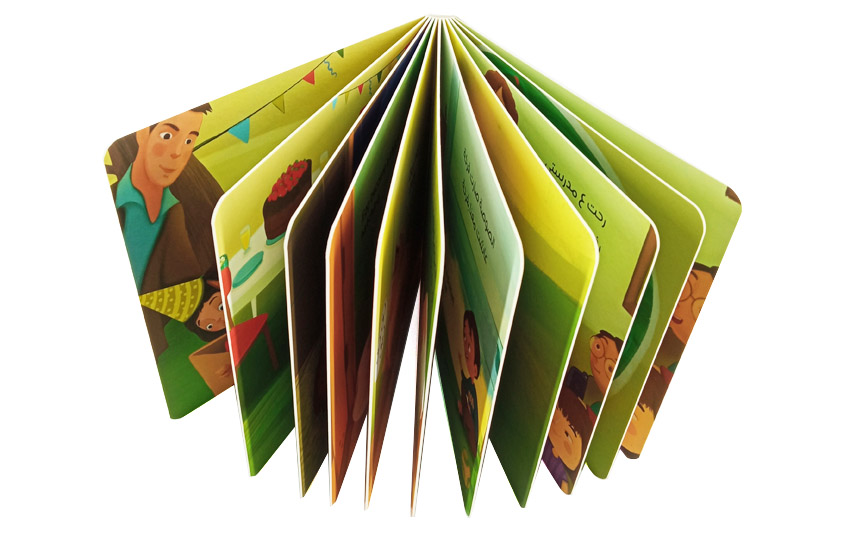 Board Books
-
Durability: Board books are designed with thick, sturdy cardboard pages. They can withstand rough handling and frequent use by young children. This makes them an ideal choice for infants, toddlers, and preschoolers who are still developing their motor skills and may not be as gentle with books.
-
Portability: Board books are typically smaller in size and lightweight. Their easy to carry around and perfect for on-the-go reading sessions or travel.
-
Engaging for Young Readers: The thick, chunky pages and vibrant illustrations in board books are visually appealing. They are also easy for little hands to grasp and turn, encouraging early reading and exploration.
-
Limited Page Count: Board books generally have a lower page count, ranging from 8 to 40 pages, which aligns with the shorter attention spans of young children.
-
Simplified Content: The content in board books is often simplified, featuring basic concepts, single words, or short phrases, making them suitable for early language and literacy development.
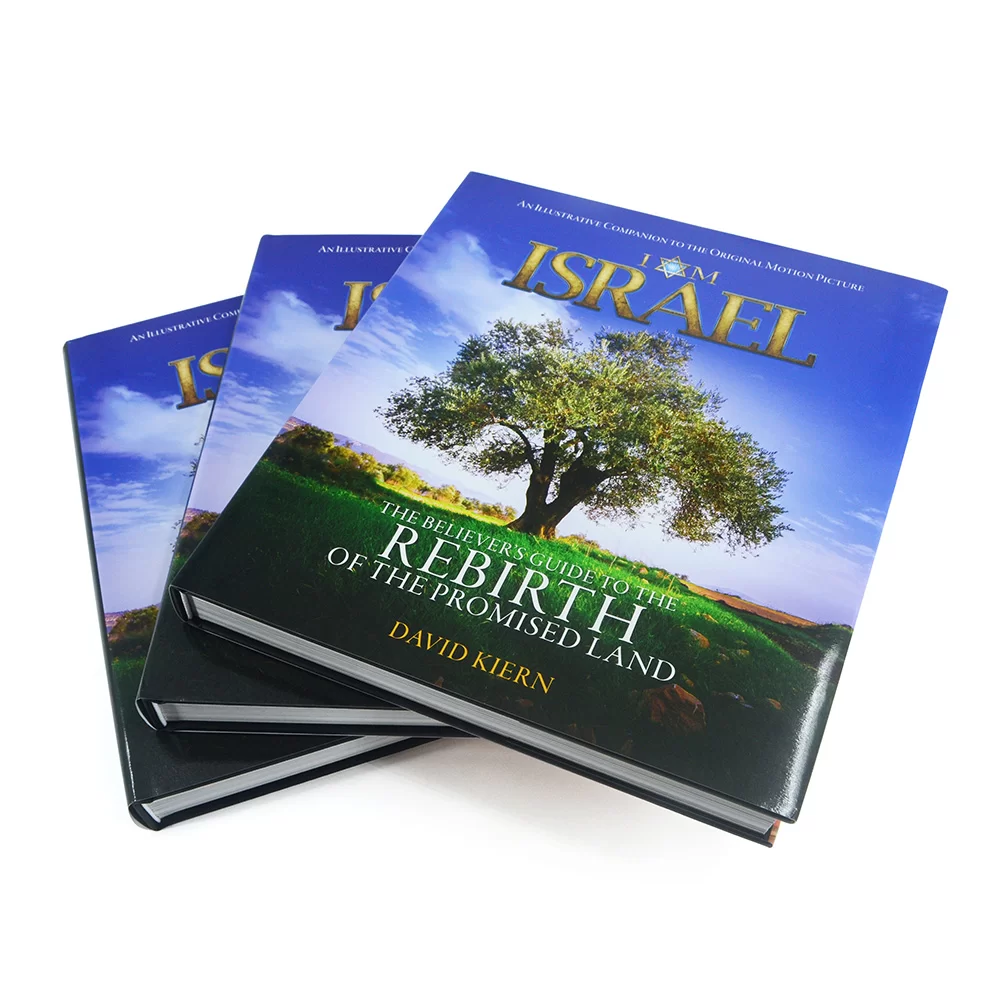 Hardcover Books
-
Longer Narratives: Hardcover books can accommodate more extensive narratives, complex storylines, and detailed illustrations, catering to older children with longer attention spans.
-
Larger Page Count: Hardcover books can have a higher page count, allowing for more in-depth content and longer stories.
-
Durability: While not as durable as board books, hardcover books are still designed to withstand regular use and handling by older children.
-
Collectibility: Hardcover books are often perceived as more valuable and collectible. Making them a popular choice for gifting or building a child’s personal library.
-
Versatility: Hardcover books can cover a wide range of genres, topics, and age ranges, from picture books to chapter books and beyond.
When deciding between a board book and a hardcover format for your project, consider the following factors:
-
Age Group: If your target audience is infants, toddlers, or young preschoolers. A board book format is likely the better choice due to its durability and age-appropriate content.
-
Intended Use: If the book is meant for frequent handling, travel, or use in settings where rough treatment is expected (e.g., daycare centers, libraries). A board book format may be more suitable.
-
Content Complexity: If your story or content is more complex, with detailed illustrations and longer narratives. A hardcover format may be better suited to accommodate the depth and length of the material.
-
Budget: Board books are generally more cost-effective to produce, especially for shorter books, while hardcover books may have higher production costs.
Ultimately, both board books and hardcover books have their place in a child’s reading journey. By considering the age group, intended use, content complexity, and budge. You can make an informed decision and choose the format that best suits your specific project and goals.
Why Most Board Books Are Design With Simple Word & Sentence And Fewer Pages?
Board books are designed with simple words, sentences, and fewer pages for several important reasons that align with the developmental needs and capabilities of their target audience: infants, toddlers, and young preschoolers. Here are some key factors that contribute to this design approach: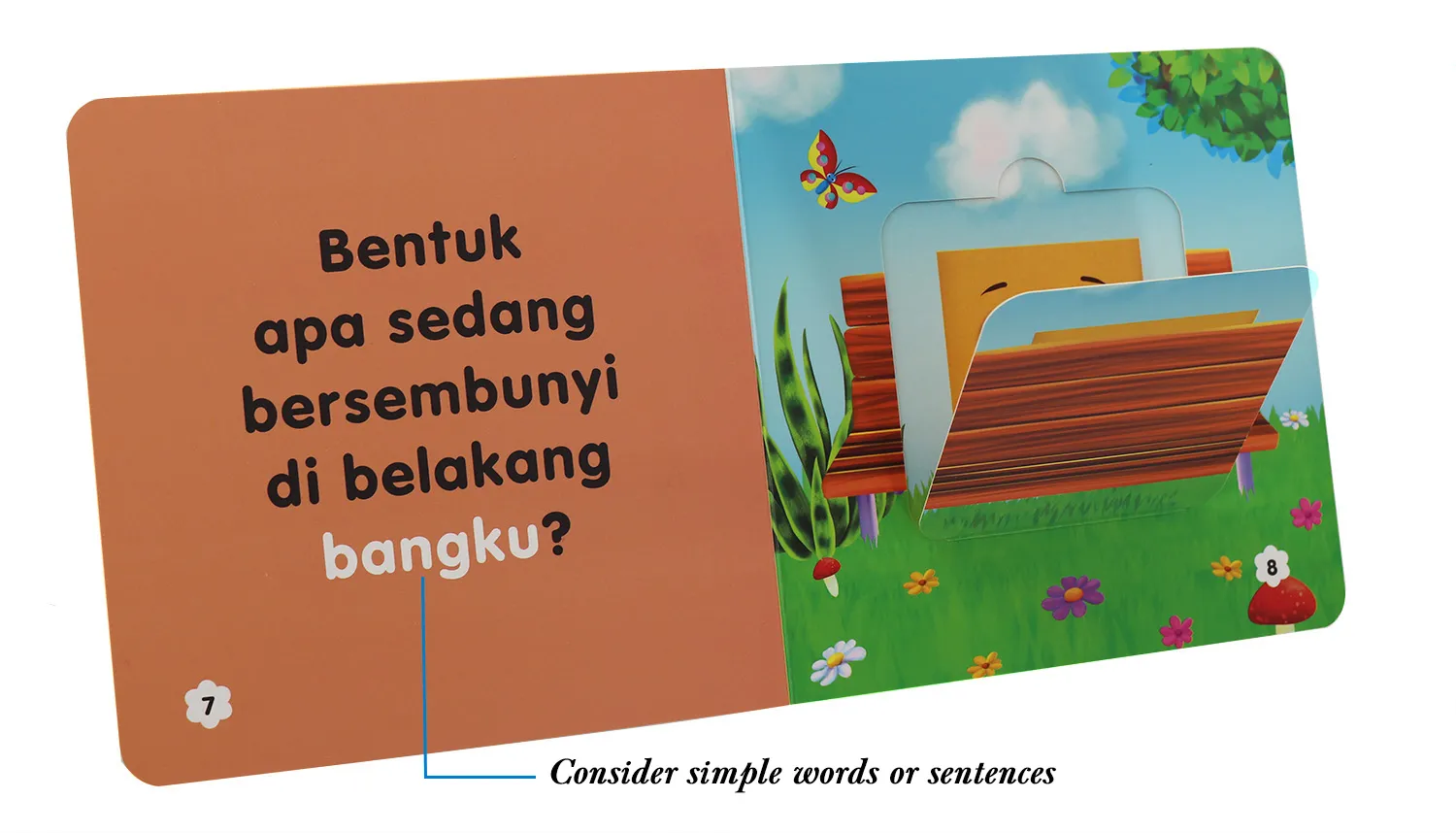
-
Shorter Attention Spans: Young children have shorter attention spans and. They can easily become distracted or overwhelmed by complex or lengthy content. Board books with simple language and fewer pages help to maintain their focus and engagement throughout the reading experience.
-
Early Language Development: Board books serve as an introduction to language and literacy for young children. Simple words and phrases aid in building their vocabulary and understanding of basic concepts, laying the foundation for future reading and comprehension skills.
-
Cognitive Development: Young children are in the early stages of cognitive development. Print custom board books with simple content and illustrations help to reinforce basic concepts, shapes, colors, and patterns, supporting their learning and growth.
-
Motor Skills Development: The thick, sturdy pages of board books are designed to be easily grasped and turned by little hands, helping to develop fine motor skills and hand-eye coordination.
-
Interactive Experience: Simple language and fewer pages encourage interaction and engagement between the child and the caregiver or parent during the reading experience. This interactive aspect fosters bonding, communication, and early literacy skills.
-
Age-Appropriate Content: Board books are tailored to the interests, attention spans, and developmental stages of their target audience. Complex narratives or lengthy text may be overwhelming or unengaging for very young children.
-
Portability and Durability: With fewer pages and a compact size, board books are lightweight and easily portable, making them convenient for on-the-go reading or travel. Their sturdy construction also ensures they can withstand the wear and tear of frequent handling by young readers.
Board books may seem simplistic in their design. But they are carefully crafted to provide an age-appropriate and engaging reading experience that supports the cognitive, language, and motor skills development of young children. As children grow and their abilities expand, they can transition to more complex and lengthier books, building upon the foundation laid by their early experiences with board books.
Why Most Board Books Are In Small Size, Rather Than Big Size?
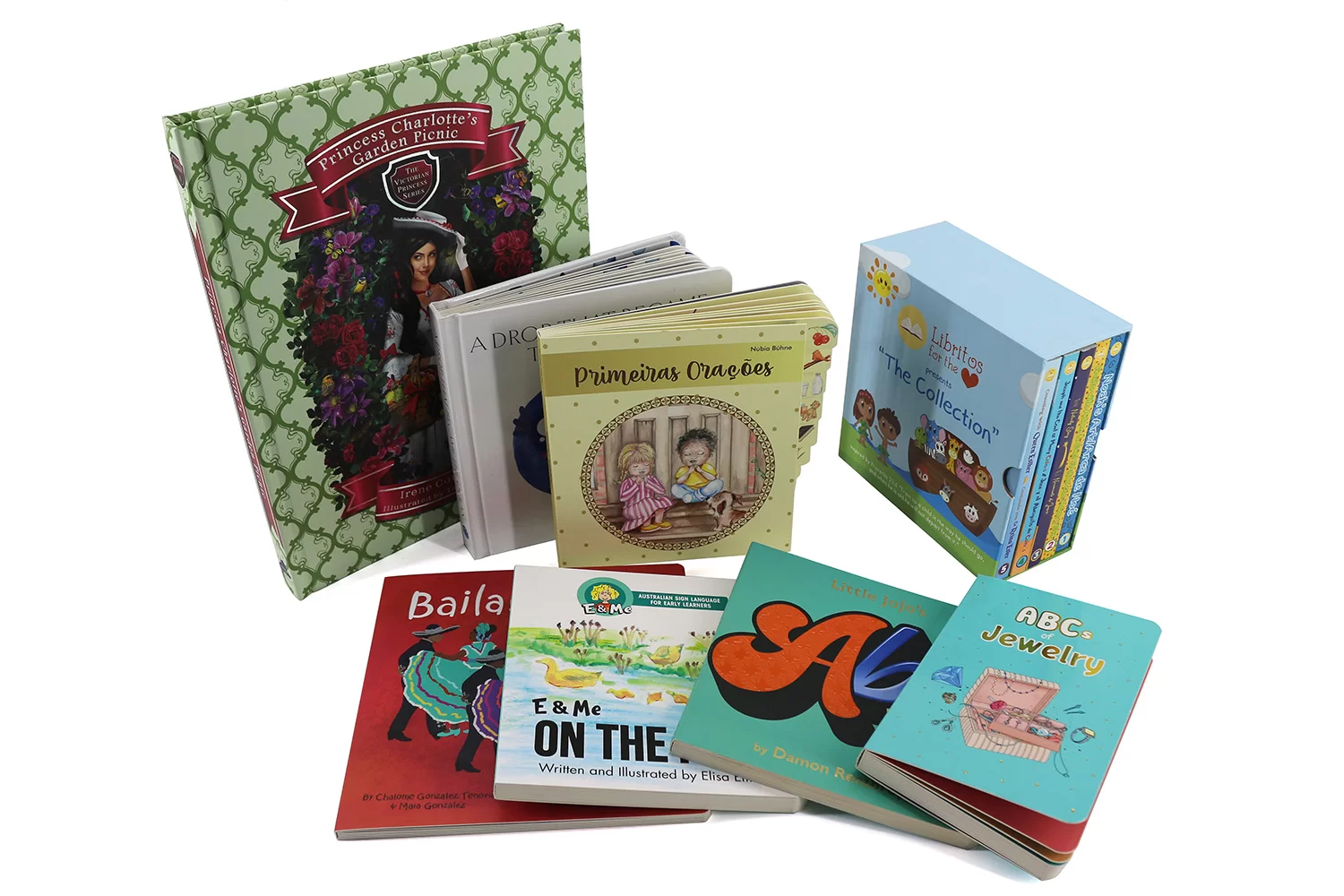 Board books are typically designed in a small, compact size for several practical and developmental reasons. This size consideration is intentional and plays a crucial role in ensuring that board books are suitable and engaging for their target audience: infants, toddlers, and young preschoolers. Here are some key reasons why most print custom board books are small in size:
-
Portability and Convenience: Small board books are easy to carry around, making them perfect for on-the-go reading sessions or travel. Their compact size allows them to fit easily into diaper bags, backpacks, or even a parent’s pocket, ensuring that reading opportunities are never missed.
-
Appropriate for Little Hands: Young children have smaller hands and shorter attention spans. A smaller book size is more manageable for their little hands to grasp, hold, and turn the pages. Encouraging independence and engagement during the reading experience.
-
Developmental Considerations: Young children’s visual and cognitive abilities are still developing. A smaller book size allows them to focus on the illustrations and text without being overwhelmed by a larger format, which could be visually overwhelming or distracting.
-
Lap Reading: Board books are often designed for lap reading, where a child snuggles up with a caregiver or parent. A smaller size allows for a more intimate and cozy reading experience, fostering bonding and shared enjoyment.
-
Durability: Board books are designed to withstand rough handling and frequent use by young children. A smaller size reduces the risk of damage or wear and tear, ensuring the book’s longevity and allowing it to be enjoyed for years to come.
-
Cost-Effective Production: Smaller board books generally require less material and have lower production costs compared to larger formats, making them more affordable and accessible for parents and caregivers.
-
Age-Appropriate Content: Board books often feature simple concepts, single words, or short phrases, which can be effectively conveyed in a smaller format. As children grow and their attention spans and comprehension abilities increase. They can transition to larger book formats with more complex narratives.
While there are exceptions, the small size of most board books is a thoughtful design choice that considers the developmental needs, physical abilities, and reading habits of young children. This size not only enhances the reading experience but also promotes early literacy skills, motor development, and a love for books from an early age.
If have have more question about board book printing, please keep on reading FAQ part 2 or contact our printing experts.
If you’re looking to create a print custom board book for your little one or as a gift, consider exploring our professional printing services. We offer high-quality board book printing with a wide range of customization options, from personalized text and illustrations to various binding styles and finishes. Contact us today to learn more and bring your board book vision to life!