


As an author or publisher, the decision to print hardcover books can be a daunting one, especially if you’re new to the process. Hardcover books are often associated with a sense of prestige, durability, and a premium reading experience. However, the process of printing hardcover books can be complex, with numerous factors to consider.
In this comprehensive guide, I’ll address the most frequently asked questions about print hardcover books, providing you with the knowledge and insights you need to make informed decisions.
How Much Does It Cost To Print Hardcover Books?
The cost of printing hardcover books can vary significantly depending on several factors. Understanding these factors is crucial in determining the overall cost and ensuring that you make the right choices for your project.
Cost factors:
-
Dimension: The size of your hardcover book will impact the cost. Larger books typically require more materials and inks, may incur higher printing costs.
-
Number of pages: The page count of your book directly affects the cost. More pages generally mean higher printing costs due to increased material usage and production time.
-
Cover material: The type of cover material you choose, such as laminated paperboard, cloth, or leather , will influence the cost. Higher-quality materials tend to be more expensive.
-
Interior paper type and weight: The quality and weight of the paper used for the interior pages can significantly impact the cost. Higher-quality paper and heavier weights typically cost more.
-
Binding: The binding method you select, such as sewn or glue binding, can affect the cost. Sewn binding is generally more expensive but provides greater durability.
-
Finish options: Additional finishing options, such as embossing, foil stamping, or dust jackets, can increase the overall cost.
-
Full color or black and white printing: Full-color printing is typically more expensive than black and white printing due to the additional ink and printing processes required.
-
Order quantity: Like most printing projects, the cost per unit decreases as the order quantity increases due to economies of scale.
-
Printing method (digital or offset printing): Digital printing is often more cost-effective for smaller print runs. Offset printing is typically more economical for larger quantities.
To get an accurate cost estimate for your custom print hardcover book project, it’s best to consult with us and provide us with the specific details of your project.
How Many Pages Does A Hardcover Book Need To Have At Least?
While there is no strict rule, most hardcover book printers prefer a minimum of 16 pages for the interior content. This is because hardcover books typically have a more complex binding process. So a certain number of pages is required to ensure structural integrity and durability.
However, it’s important to note that some printers may have different minimum page requirements based on their specific equipment and processes. It’s always best to consult with your chosen printer to ensure that your book meets their minimum page count requirements.
How Do I Arrange The Interior Pages For Hardcover Book Printing?
Arranging the interior pages for hardcover book printing involves several steps to ensure a professional and polished final product. Here’s a general overview of the process:
-
Typesetting and layout: Begin by typesetting your manuscript and creating the layout for the interior pages. This includes formatting the text, setting margins, and incorporating any images or illustrations.
-
Page numbering: Ensure that all pages are properly numbered, including the front matter (title page, copyright page, table of contents, etc.) and the main content.
-
Signature creation: Hardcover books are typically printed on large sheets of paper called “signatures.” These signatures are folded and bound together to create the book block. Your printer will provide specific instructions on how to arrange and submit your interior pages for signature creation.
-
Proofreading and review: Thoroughly proofread and review your interior pages before submitting them to the printer you chosen. This step is crucial to catch any errors or inconsistencies.
-
File preparation: Follow your printer’s guidelines for file preparation. These including accepted file formats, bleed, resolution requirements, and any necessary preflight checks.
-
Submission: Once your interior pages are ready, submit the files to your chosen printer according to their instructions.
It’s important to note that the arrangement of interior pages for hardcover book printing can vary depending on the printer and their specific requirements. Consulting with your printer and following their guidelines is essential to ensure a smooth and successful printing process.
What’s The Difference Between “Sheets” and “Pages?”
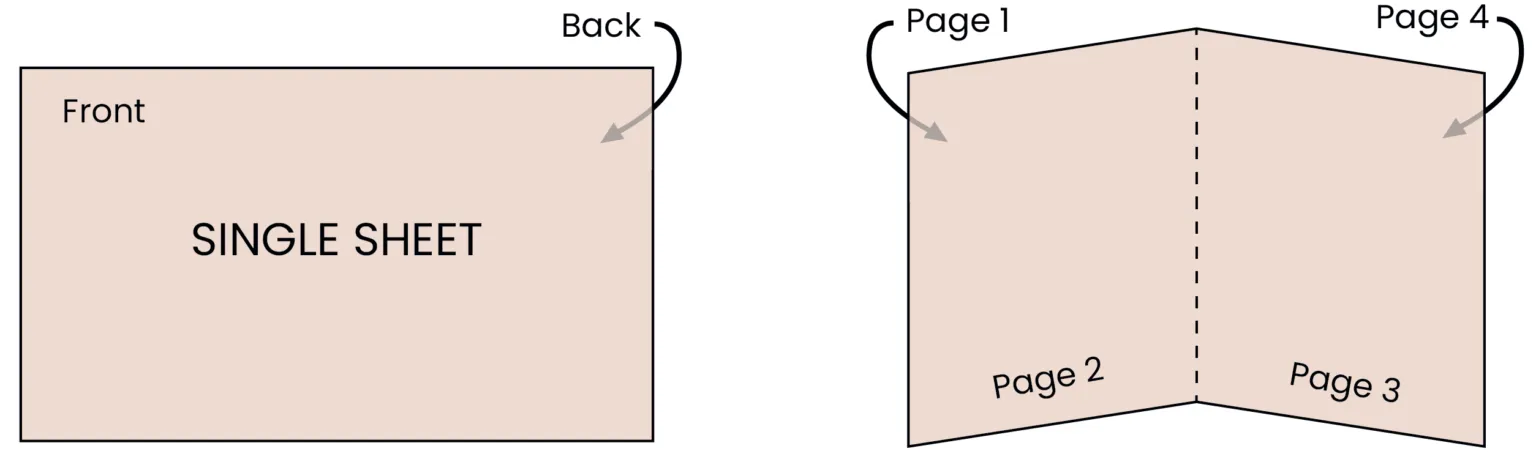
In the context of book printing, “sheets” and “pages” refer to different aspects of the printing process:
-
Sheets: A sheet is a single piece of paper that is printed on both sides. Printers typically print multiple pages on a single sheet, which is then folded and bound to create the book block.
-
Pages: A page refers to a single side of a sheet. In other words, one sheet contains two pages, front and back.
For example, if you have a 100-page book, it will be printed on 50 sheets (100 pages divided by 2 pages per sheet). These 50 sheets will then be folded, gathered, and bound to create the complete book block.
Understanding the difference between sheets and pages is crucial when working with printers. To make sure that your page count and printing specifications are accurate.
What Are Endpapers
Endpapers are the folded sheets of paper that are glued to the inside of the hardcover book’s case (highlight in red). They serve as a transition between the book block (the interior pages) and the book cover. Endpapers come in different styles and can be decorative or plain, adding an extra touch of elegance and character to your hardcover book.
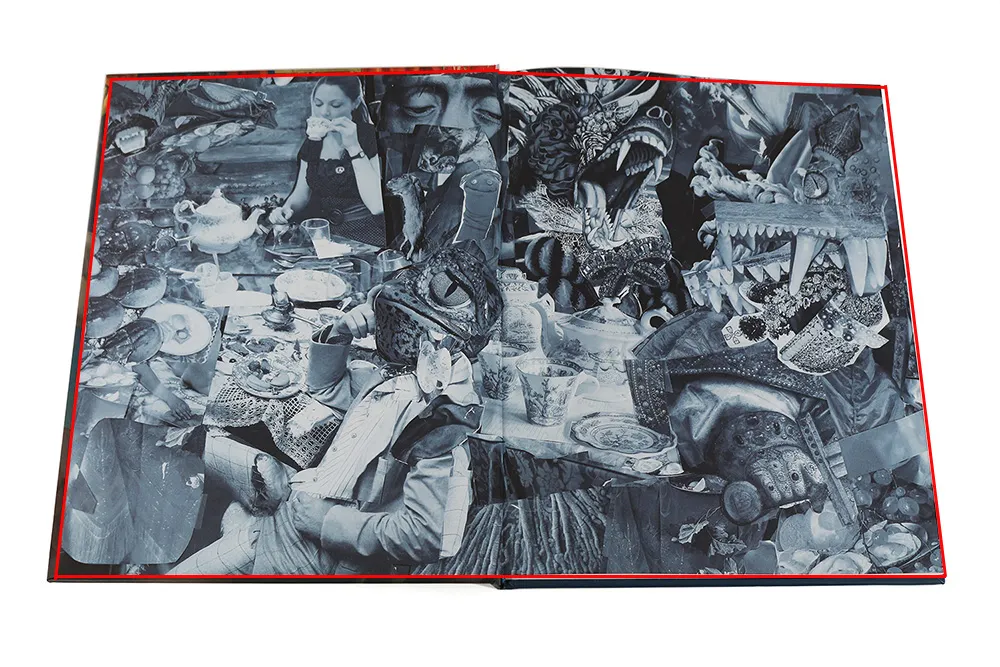
There many endpaper options to choose, such as uncoated paper, colored paper, coated paper and more. They not only provide a polished and professional look but also help protect the book block from wear and tear.
What Is The Structure Of A Hardcover Book?
A hardcover book is composed of several components that work together to create a durable and visually appealing final product. Here’s a breakdown of the typical structure of a hardcover book: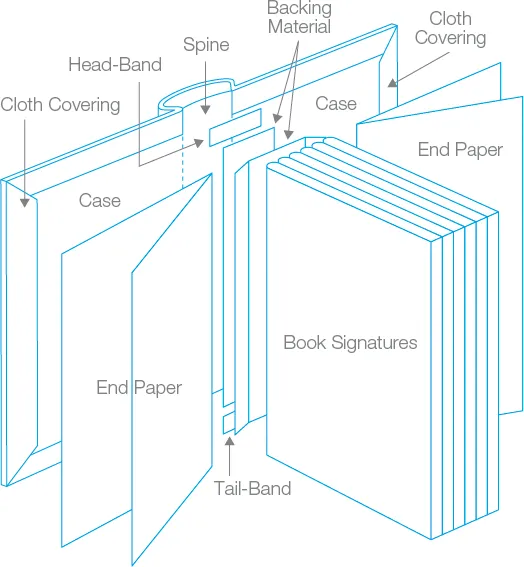
-
Book block: This is the interior section of the book, consisting of the printed and bound pages.
-
Endpapers: As mentioned earlier, endpapers are the folded sheets of paper glued to the inside of the hardcover case.
-
Hinge area: The hinge area, also known as the groove area, is the flexible bridge between the spine of the book and the cover.
-
Case: The case, or cover boards, are the rigid outer covers of the book, typically made from sturdy materials like grey board.
-
Cover material: The cover material is the outer layer that wraps around the case, such as cloth, leather, or printed paper.
-
Headbands: Headbands are the decorative strips of material (often cloth) that are attached to the head and tail of the book block, adding a finishing touch and protecting the book block from wear and tear.
-
Spine: The spine is the outer part of the book that joins the front and back covers, and it typically displays the book’s title and author.
-
Dust jacket (optional): A dust jacket is a removable outer cover, typically made of paper or printed material, that wraps around the hardcover case. It serves as a protective layer and provides space for additional design elements or marketing information.
Understanding the structure of a hardcover book is essential for authors and publishers who want to create a high-quality, professional-looking product.
What Is the Hinge Area In a Hardcover Book?
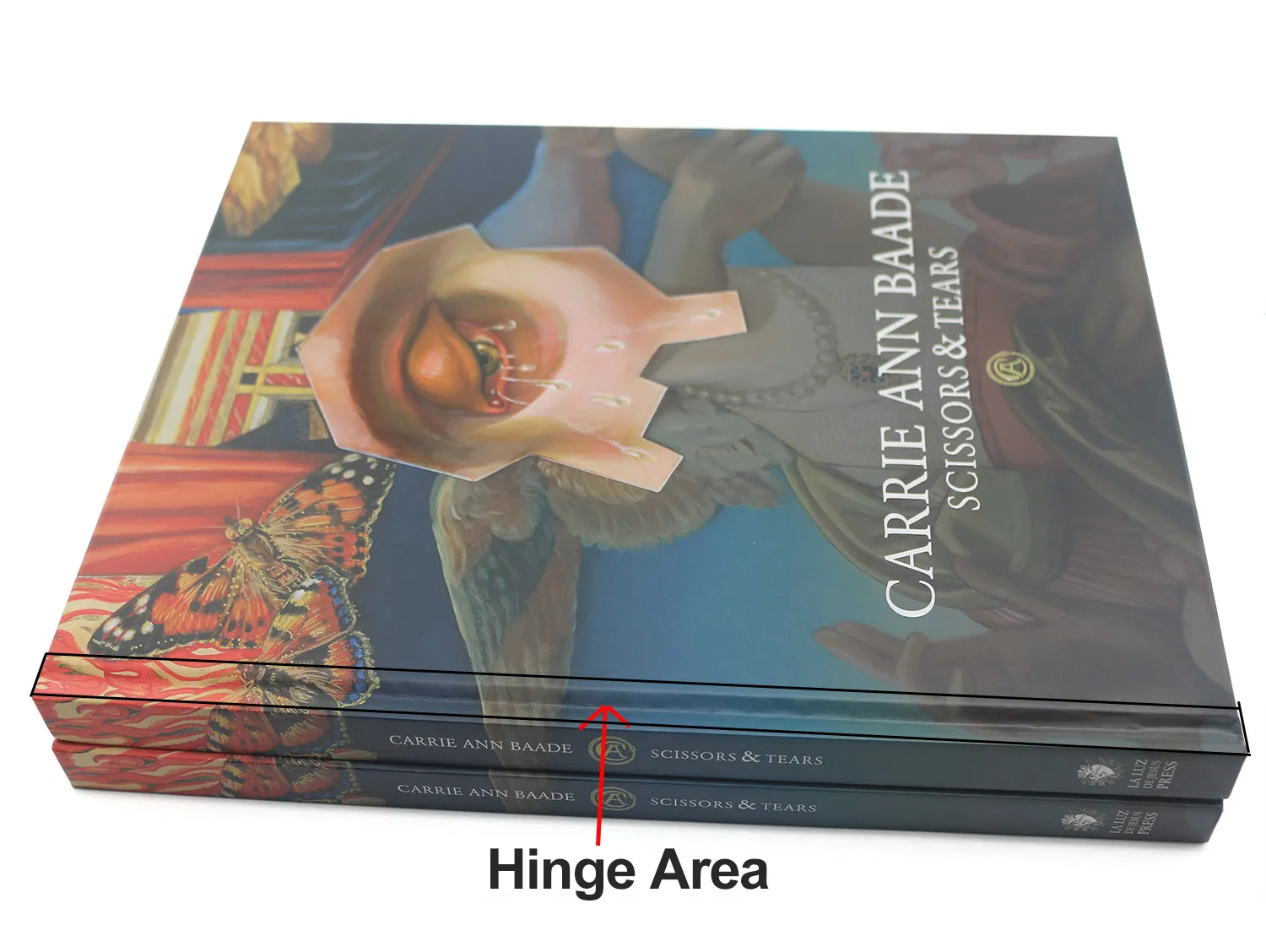 The hinge area, also known as the groove area, is a crucial component in the structure of a hardcover book. It is the flexible bridge between spine and cover.
The hinge area serves several important functions:
-
Flexibility: The hinge area allows the book block to open and close smoothly, providing flexibility for the reader to comfortably turn the pages.
-
Durability: The hinge area helps distribute the stress and strain that occurs when the book is opened and closed, preventing the book block from detaching from the case prematurely.
-
Aesthetics: A well-designed hinge area contributes to the overall professional appearance of the hardcover book, creating a clean and polished look.
During the binding process, using groove pressing machine to press the groove between the spine and front/back cover.
It’s important to note that a poorly constructed or damaged hinge area can compromise the integrity of the hardcover book, leading to potential separation of the book block from the case or difficulty in opening and closing the book. That’s why we pay close attention to the construction of the hinge area to ensure a high-quality and long-lasting hardcover book.
Paperback Printing vs Hardcover Printing: What’s The Difference?
Both paperback and hardcover books serve the purpose of delivering content to readers. But there are several key differences between the two formats: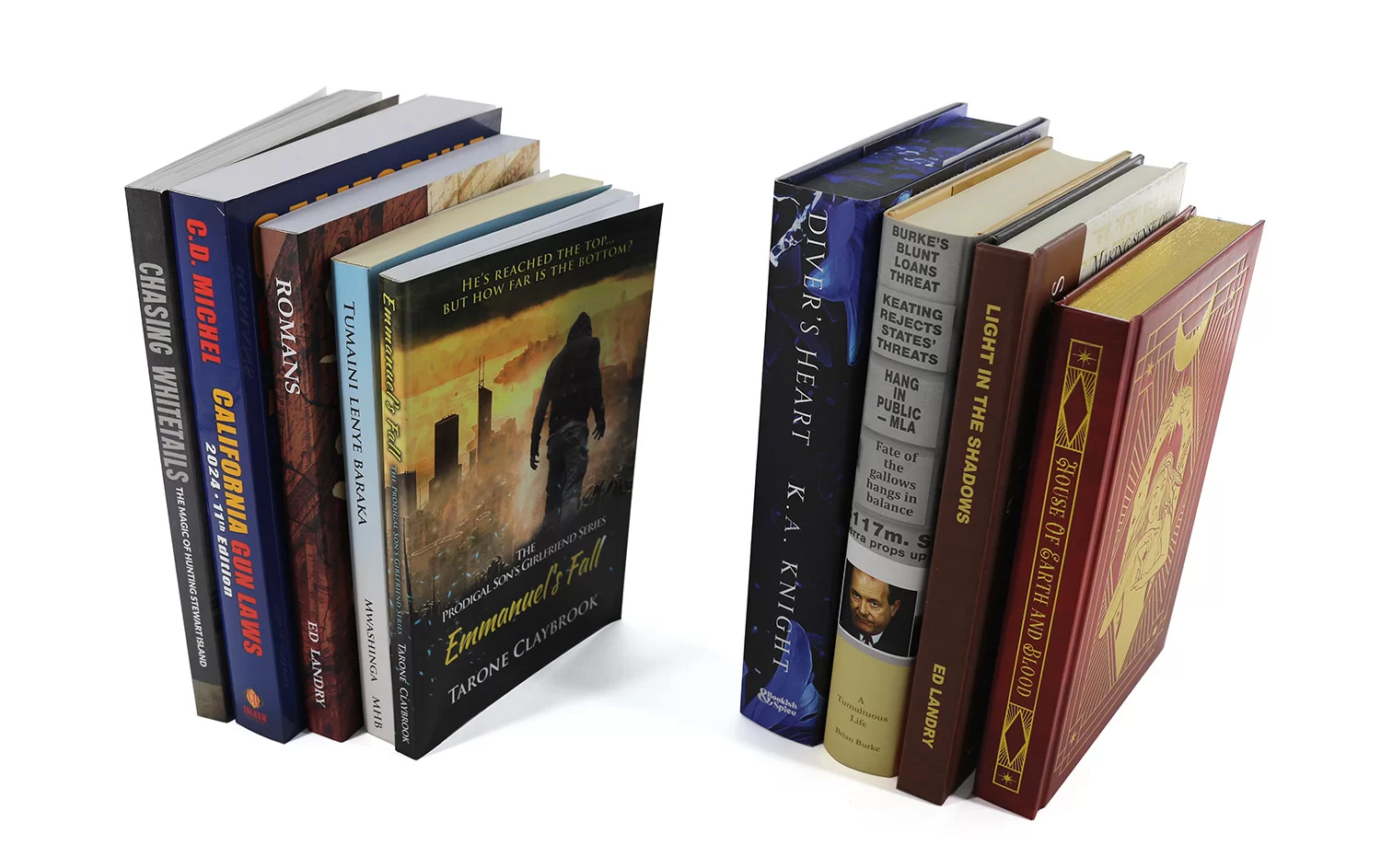
-
Durability and appearance: Hardcover books are generally more durable and have a more substantial, premium appearance compared to paperbacks. The rigid covers and reinforced binding of hardcover books make them more resistant to wear and tear, ensuring a longer lifespan.
-
Cost: Hardcover books typically have a higher production cost. Because of the additional materials and specialized binding processes involved. The increased cost is often reflected in the retail price, making hardcover books more expensive than their paperback counterparts.
-
Reader experience: The weight and sturdy construction of hardcover books can provide a more immersive and tactile reading experience. The pages often lie flatter, and the book itself has a more substantial feel in the reader’s hands.
-
Portability and shipping: Paperback books are generally lighter and more compact, making them easier to carry and transport. Hardcover books, on the other hand, can be heavier and more cumbersome, potentially adding to shipping costs.
-
Customization Limitations: While both formats offer opportunities for customization, paperbacks often have more limitations in terms of cover materials, special add ons. Usually, hardcover book printing have more options, such as cover options range from paper to cloth, various special add ons, such as bookmark, dust jacket.
The choice between paperback or hardcover printing ultimately depends on factors such as the intended audience, the book’s genre, the desired level of durability and presentation, and budget considerations. Many publishers opt to release books in both formats to cater to different reader preferences and price points.
Square vs Round Spine Hardcover: How To Choose?
Print hardcover books, one of the decisions you’ll need to make is whether to choose a square or round spine. The choice can impact the overall appearance and functionality of your book. So it’s important to understand the differences and considerations: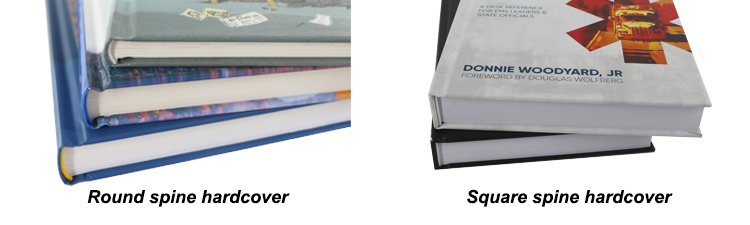
-
Square Spine: A square spine is characterized by a flat, straight edge along the book’s spine. Its design is often associated with a more modern, minimalist aesthetic and can provide a clean, streamlined look on a bookshelf. Square spines are also easier to print text or design elements on, making them a popular choice for displaying the book’s title and author.
-
Round Spine: A round spine, also known as a rounded or curved spine, features a gentle curve along the book’s spine. Its design is more traditional and can give the book a classic, elegant appearance. Round spines can also be more comfortable to hold and open, as the curved shape allows the book to naturally conform to the reader’s hands.
When choosing between a square or round spine, consider the following factors:
-
Aesthetic preference: Determine whether you prefer a more modern or traditional look for your book. Square spines often have a sleek, contemporary appeal, while round spines evoke a classic, timeless feel.
-
Genre and audience: Certain genres or audiences may have preferences or expectations when it comes to spine design. For example, academic or reference books are often associated with square spines, while fiction and literature titles may lean towards round spines.
-
Shelf presentation: If you anticipate your book being displayed on bookshelves, consider how the spine design will look when lined up with other books. Square spines can create a uniform, organized look, while round spines can add visual interest and variation.
-
Ergonomics and usability: If you expect your book to be read extensively, a round spine may provide a more comfortable and ergonomic reading experience. Because it can better conform to the reader’s hands and allow for easier page-turning.
Ultimately, the choice between a square or round spine is a matter of personal preference and the overall aesthetic and functional goals for your hardcover book.
What’s the Minimum and Maximum Size of Hardcover Book You Can Do?
When it comes to hardcover book printing, there are typically minimum and maximum size limitations imposed by printers and their equipment capabilities. These size constraints are important to consider when planning your hardcover book project.
Minimum size
At BookPrintingChina, we recommend minimum size for hardcover books is generally around 30mm x 40mm (1.18 x 1.57 inches). This tiny size is often referred to as a “miniature book” and can be challenging to produce due to the intricate binding and construction required.
Maximum size
We recommend maximum size for hardcover books is typically around 520mm (16.54 x 20.47 inches). This size is often referred to as a “coffee table book” or “folio” and is commonly used for large-format books featuring artwork, photography, or oversized illustrations.
However, it’s worth mentioning that producing hardcover books at the maximum size can be challenging and may require specialized equipment and processes. Besides, the weight and shipping considerations for these large books can significantly impact production costs.
When determining the size of your hardcover book, consider the following factors:
-
Content and purpose: The size should be appropriate for the content and intended use of the book. For example, a novel may benefit from a more compact size for portability, while a photography book may require a larger format to showcase the images effectively.
-
Printing capabilities: Consult with your chosen printer to ensure that your desired book size falls within their production capabilities and limitations.
-
Binding and construction: Larger or smaller sizes may require specialized binding techniques or additional reinforcement to ensure durability and longevity.
-
Shipping and handling: Oversized or heavy books may incur additional shipping and handling costs, which can impact your overall budget.
It’s always recommended to discuss your size requirements with our printing expert early in the planning process. To ensure that your print hardcover book project can be produced efficiently and to the highest quality standards.
What’s The Process Of Printing and Binding A Hardcover Book?
The journey of transforming your manuscript into a beautiful hardcover book involves several intricate steps. Let’s explore each one in detail:
Printing: The first step is to print the interior pages of your book. Depending on the printing method chosen (digital or offset), the pages are printed on large sheets of paper called “parent sheets.”
Cutting parent sheets in desired size: Once printed, these parent sheets are precisely cut down to the desired trim size of your book.
Fold: The cut sheets are then folded into signatures (groups of pages) to prepare them for binding.
Collating: The signatures are carefully collated (arranged) in the correct order to ensure the book’s content flows seamlessly.
Sewing: In the case of hardcover books, the signatures are sewn together using durable thread, creating a sturdy and long-lasting binding.
Trimming edges: After sewing, the book block (the sewn signatures) is trimmed on all three edges to achieve a clean, uniform appearance.
Making hardcover cases: Simultaneously, the hardcover cases are constructed using rigid paperboard and covered with your chosen material.
Binding: The trimmed book block is then expertly bound to the hardcover case, creating a seamless and durable final product.
Pressure groove: Finally, a pressure groove is added to the hardcover’s spine, allowing the book to open and close smoothly.
With each step meticulously executed, your hardcover book takes shape, ready to captivate readers with its stunning appearance and professional quality.
What Are The Common Hardcover Cover Options?
The cover of your hardcover book is not only a protective shell but also a canvas for expressing your book’s unique identity. Here are the most common cover options:
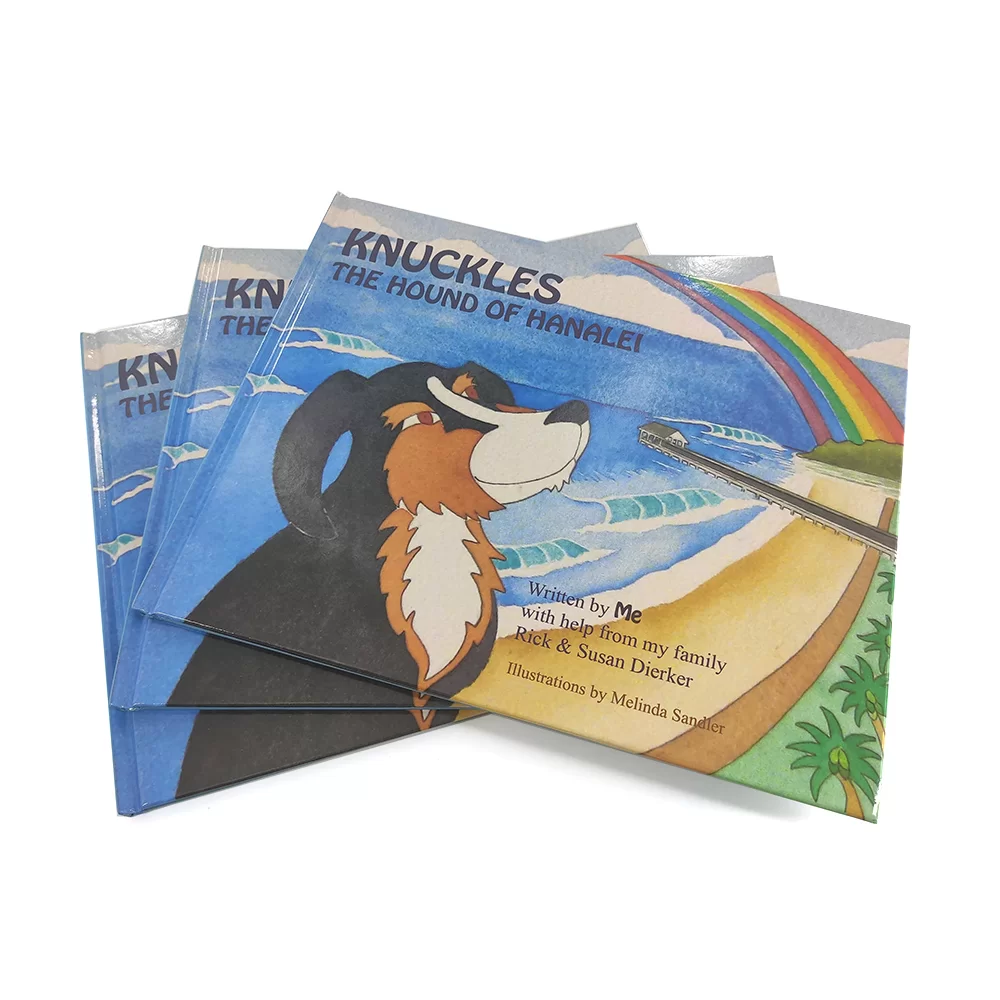 Full color printed and laminated paperboard cover
This option involves printing your desired design directly onto the gloss or matte art paper. Then laminating it for added durability and a glossy or matte finish. Finally, wrapping them on the grey board to form rigid hard cover.
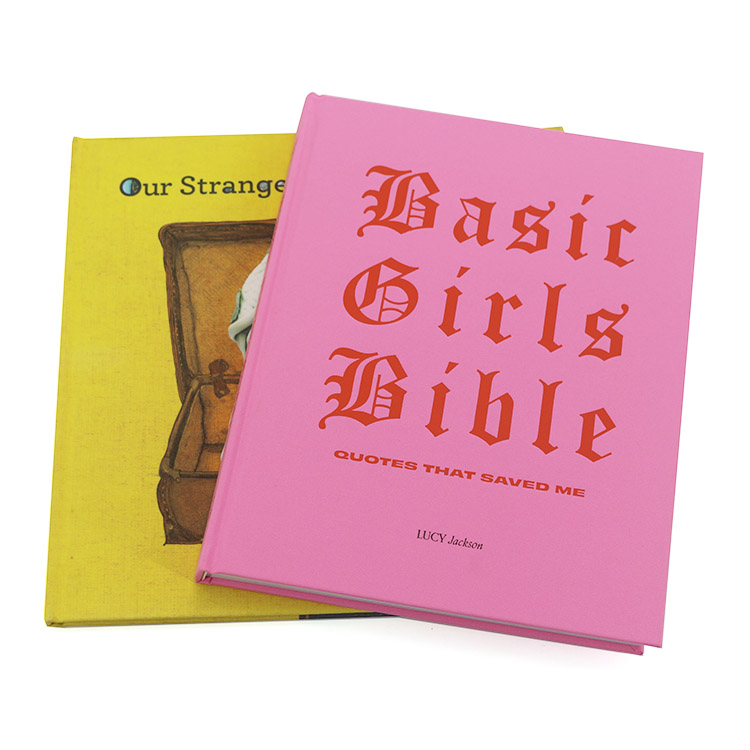 Cloth/linen cover
For a classic and timeless look, cloth or linen cover wrapping grey board are a popular choice. These covers are available in various colors and textures, lending an elegant and sophisticated touch to your book.
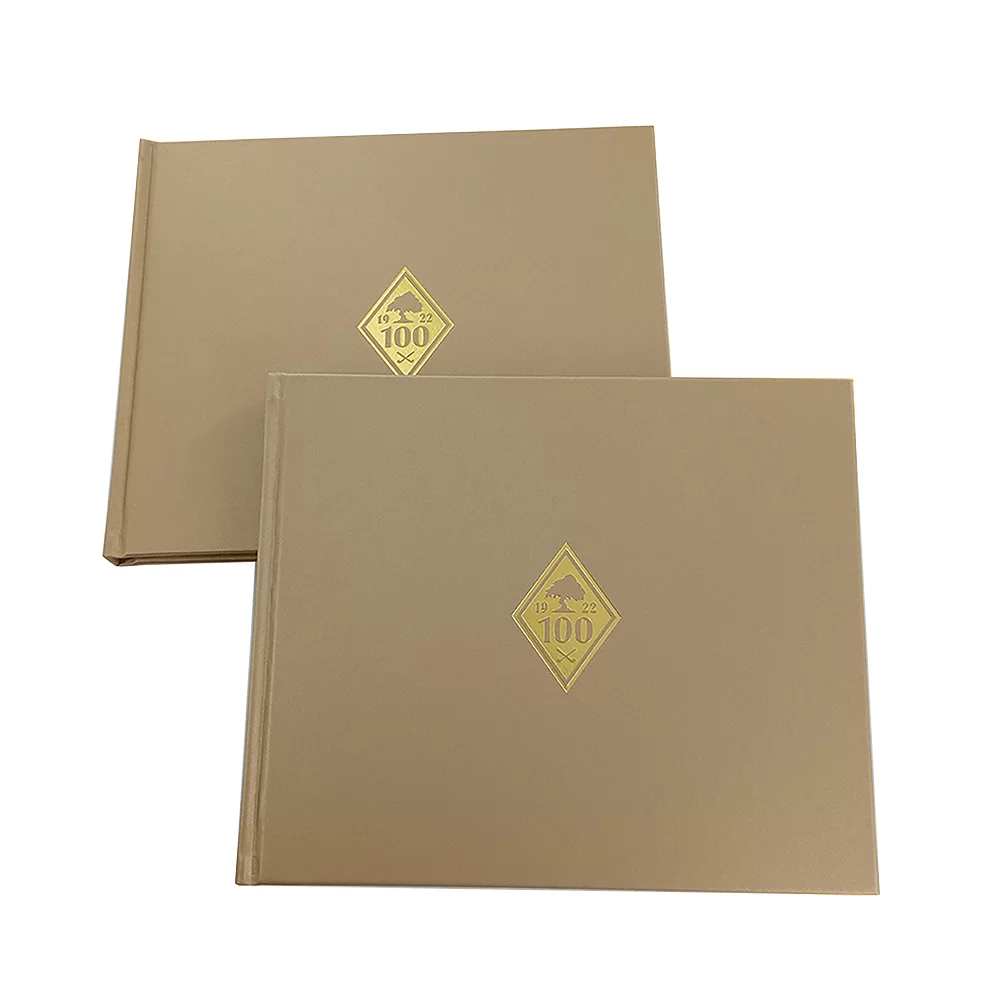 Leather cover
If you’re aiming for a luxurious and premium feel, PU leather cover wrapping grey board is an excellent option. Leather covers exude a sense of sophistication and can be embossed or debossed with intricate designs for added visual appeal.
Regardless of your chosen cover material, the possibilities for customization are endless. It allows you to create a truly unique and captivating hardcover book.
What Types Of Interior Papers Are Available?
The interior pages of your hardcover book play a crucial role in delivering an exceptional reading experience. Here are the main types of interior papers to consider:
Coated paper
Coated paper is a popular choice for hardcover books as it offers a smooth, glossy surface that enhances the vibrancy of images and text. It comes in various weights and finishes, such as gloss, silk, or matte.
Uncoated paper
Uncoated paper has a more natural, matte finish and a slightly rougher texture. It’s a great option for books with minimal imagery or those aiming for a more organic, earthy feel.
Special paper
For a truly unique touch, you can explore special papers like recycled paper, textured papers, or even custom-made papers with embedded elements like flower petals or fibers.
Choosing the right interior paper is essential for creating a cohesive and visually appealing book that aligns with your artistic vision and content.
What Add Ons Are Used For Custom Hardcover Books?
To take your hardcover book to the next level, consider incorporating these popular add-ons:
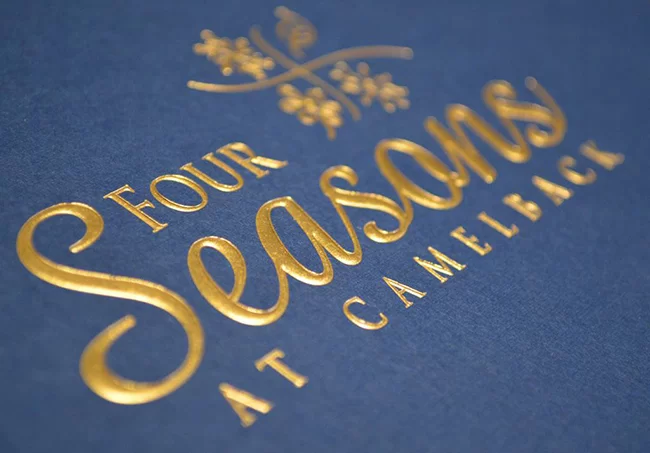 Foil stamping
Foil stamping adds a touch of elegance and sophistication to your book cover by applying metallic foil in intricate designs or text.
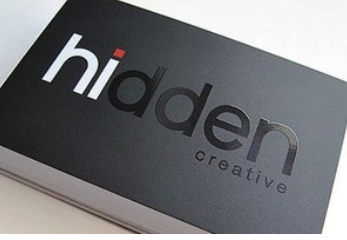 Spot UV
Spot UV is a finishing technique that selectively applies a glossy UV coating to specific areas of your cover. It creates a stunning contrast and adding depth to your design.
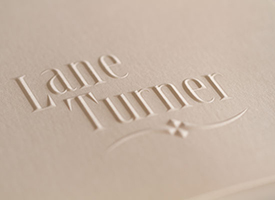 Emboss
Embossing raises portions of your cover design, creating a tactile, three-dimensional effect that adds texture and visual interest.
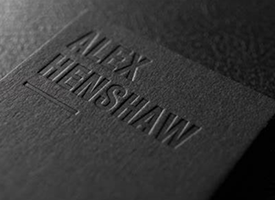 Deboss
The opposite of embossing, debossing creates recessed areas in your cover design, allowing for unique and creative effects.
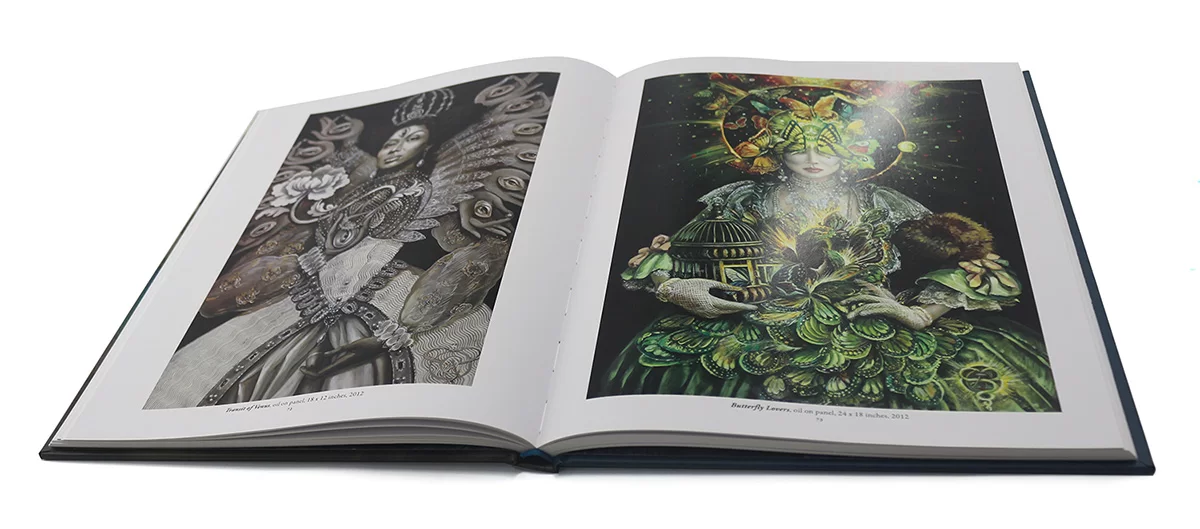 Varnish
Varnishing your text with a matte, gloss, or spot varnish can enhance the vibrancy of colors and provide a protective layer against scuffs and scratches.
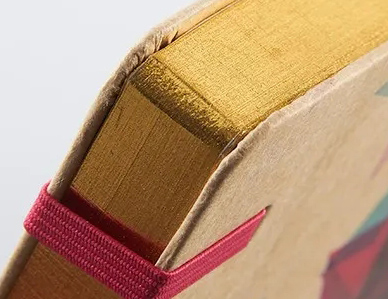 Glitter/ paint edges
Add a touch of sparkle to your hardcover book by applying glitter or paint inks to the edges of the pages, creating a truly eye-catching and unique feature.
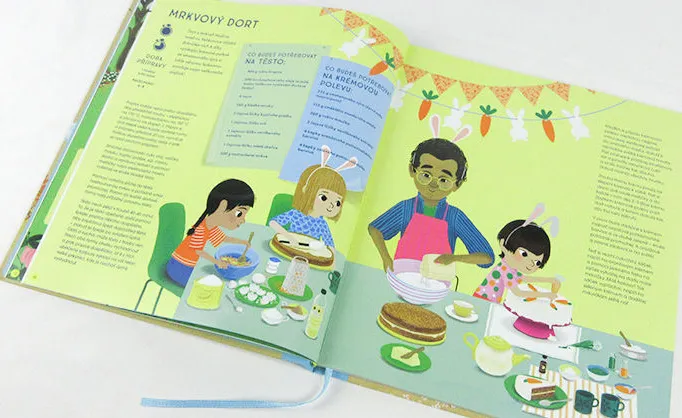 Silk bookmark
A silk bookmark not only serves as a functional tool for marking your place but also adds a luxurious touch to your book.
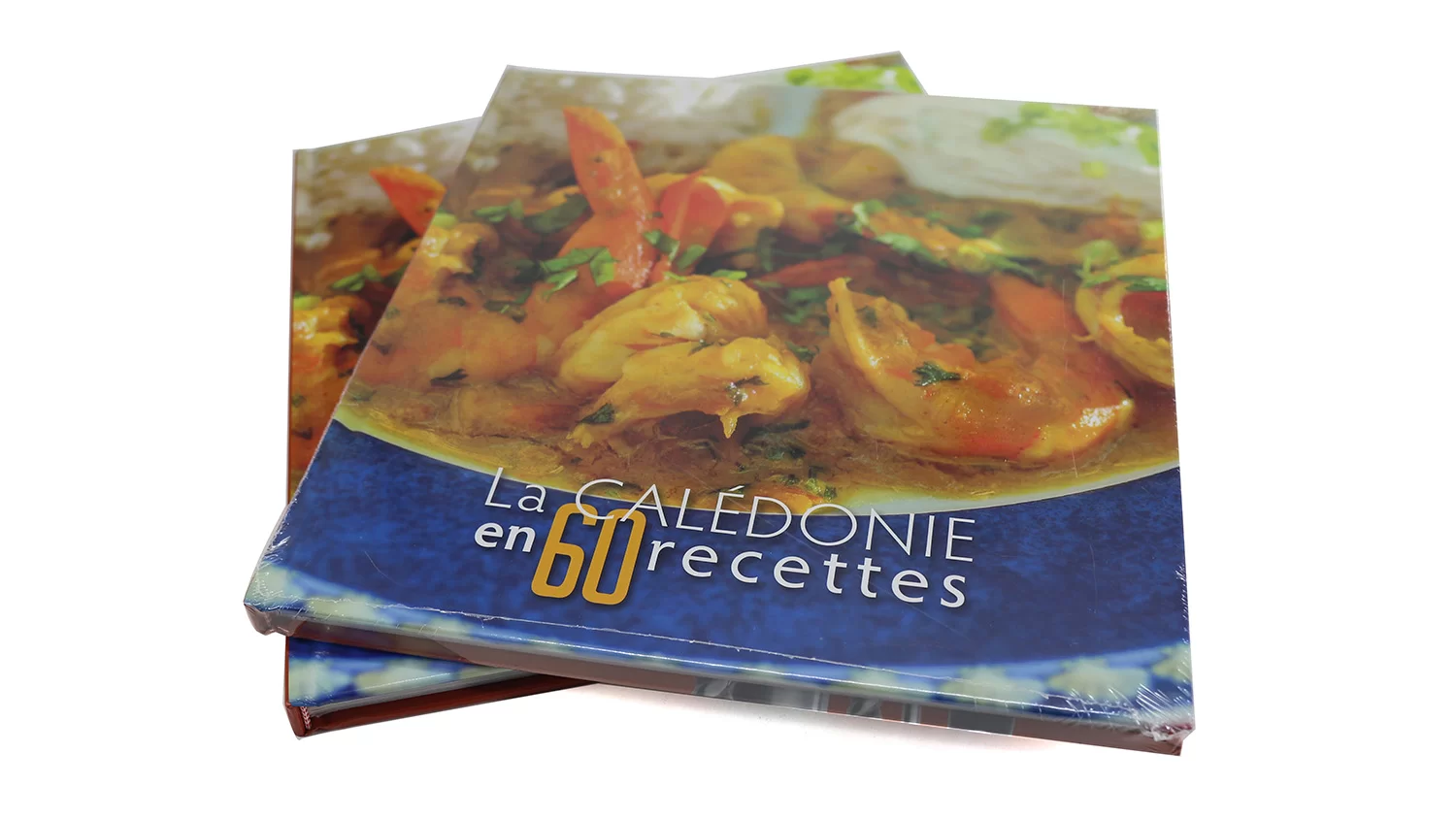 Shrink wrap
Shrink wrapping your hardcover book protects it from dust and minor wear and tear, ensuring it remains in pristine condition.
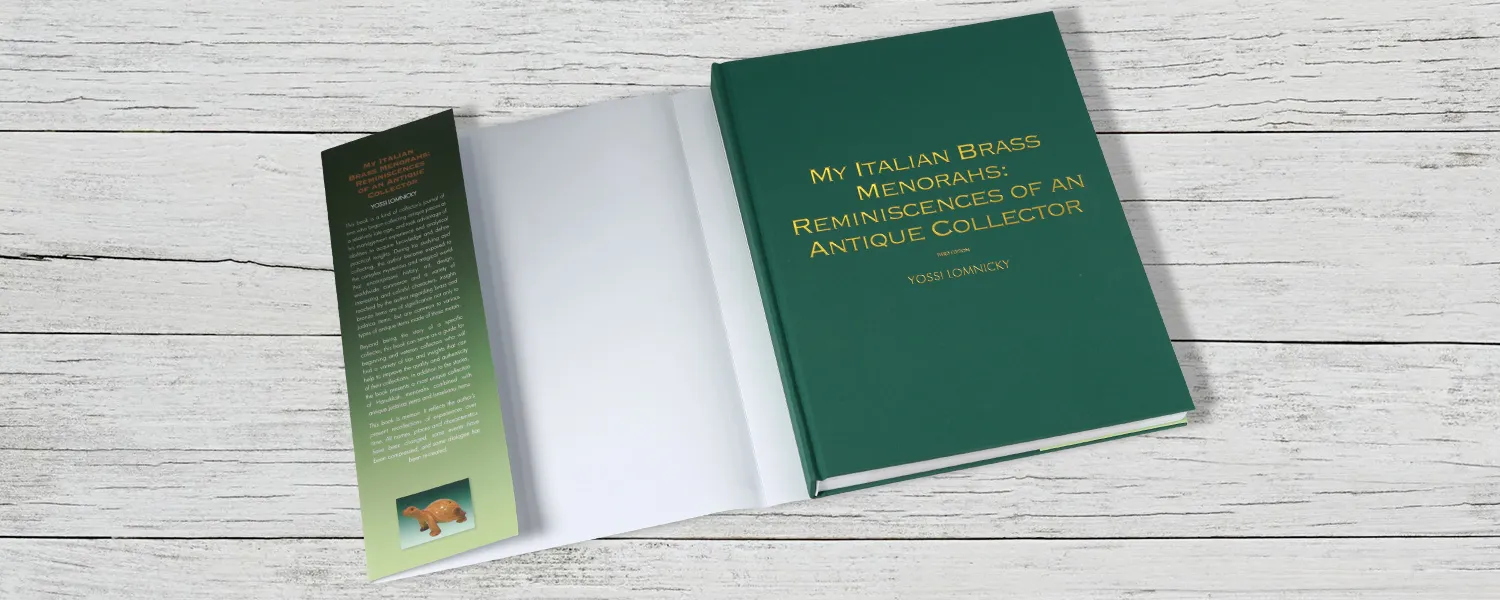
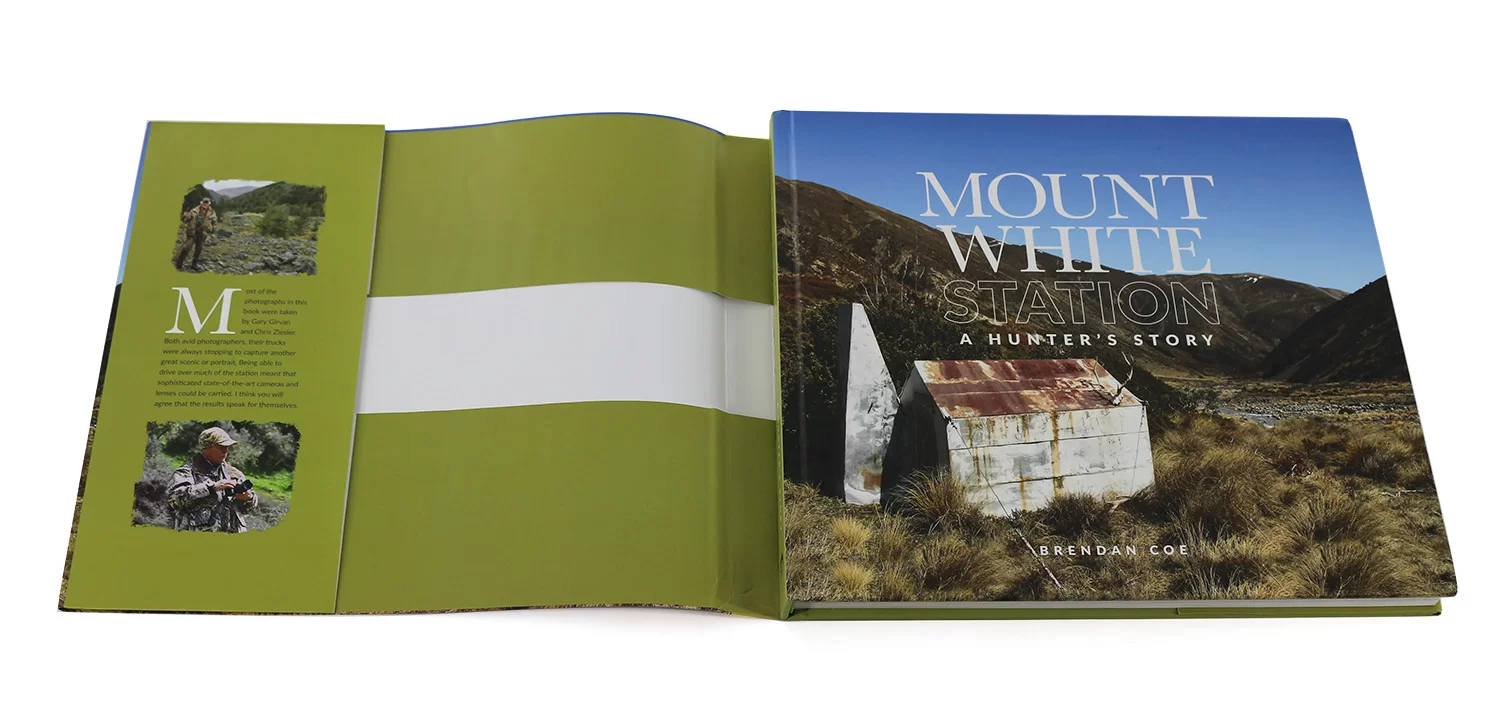 Dust jackets
A dust jacket is a removable cover that slips over your hardcover book. It provides an additional layer of protection and a canvas for showcasing your book’s design.
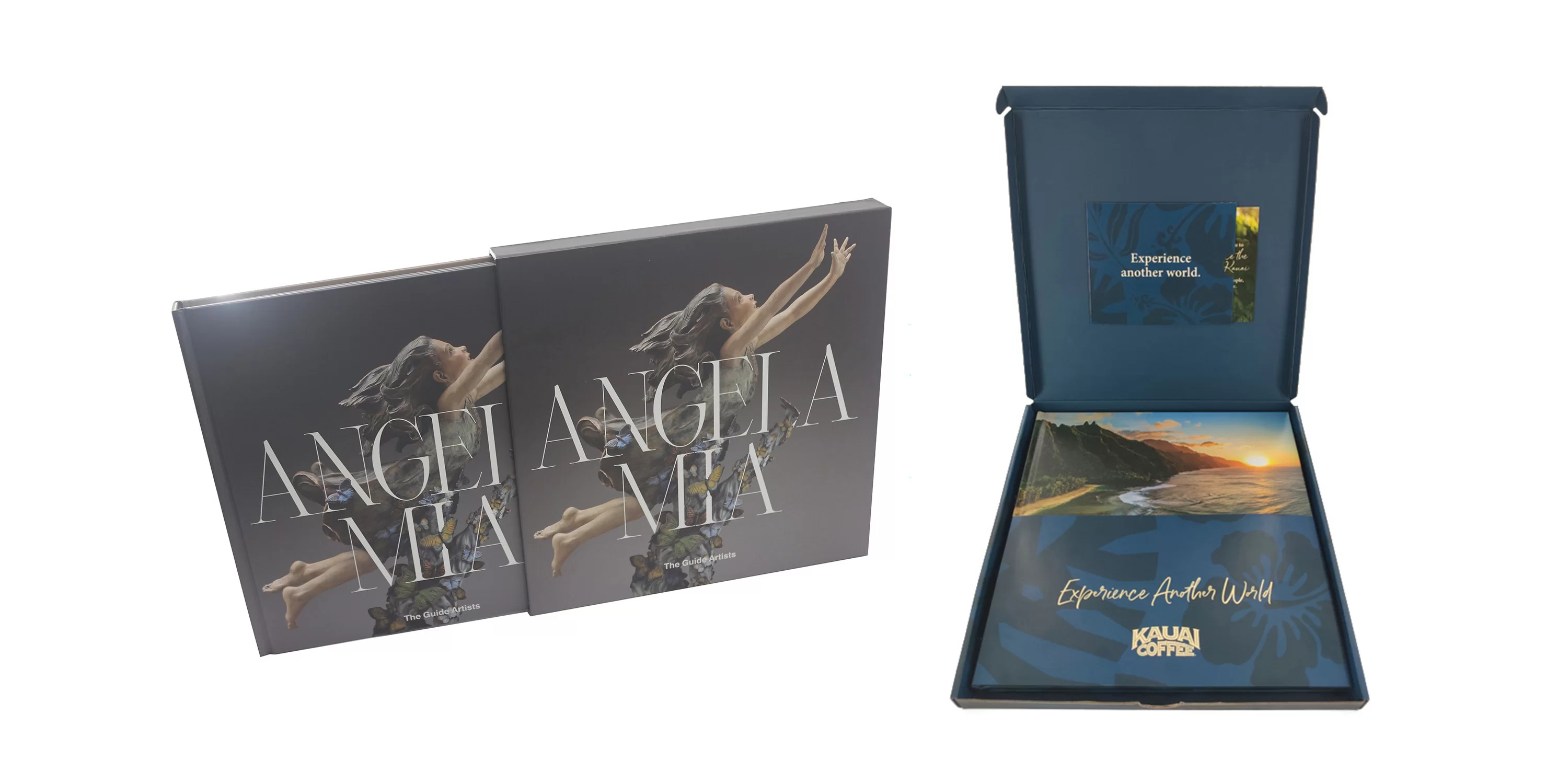 Slipcase or box
For a truly premium presentation, consider encasing your hardcover book in a slipcase or a custom-made box, adding an extra layer of sophistication and protection.
These add-ons allow you to create a truly unique and personalized hardcover book that stands out from the crowd and leaves a lasting impression on your readers.
What Thickness Of Paperboard Is Usually Used For Custom Hardcover Covers?
The standard thickness for custom print hardcover book covers is typically between 2-3mm. This range provides the perfect balance of durability and flexibility. Ensuring your hardcover book can withstand regular use while still allowing for smooth opening and closing.
The most common material used for hardcover book covers is greyboard, a sturdy and lightweight paperboard made from recycled materials. Its thickness and rigidity make it an ideal choice for hardcover book construction, providing a solid foundation for your chosen cover material.
What’s The Bleed And How Much Bleed Are Needed?
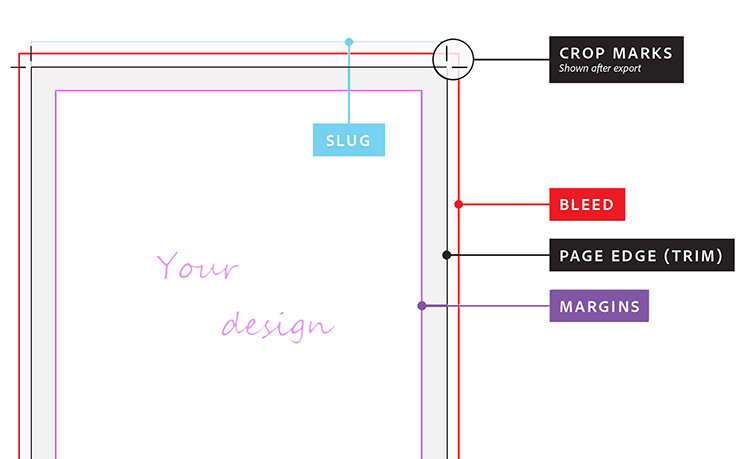
In the printing industry, “bleed” refers to the area of your design that extends beyond the trim line. It ensures that your artwork extends to the very edge of the trimmed page without leaving any unprinted margins.
Cover bleed
For hardcover book covers, a bleed of 15mm (or 0.6 inches) is typically required. We print your cover artwork and then wrapping the extra 15mm bleed to grey board to form a printed rigid cover. The bleed is hidden beneath the endpaper, creating a crisp, clean edge.
 Dust jacket and Interior bleed
For dust jackets and interior pages, a smaller bleed of 3mm (or 0.125 inches) is generally recommended. This bleed size is sufficient to accommodate minor trimming variations while maintaining a clean and professional appearance.
Providing the correct bleed measurements is crucial when preparing your hardcover book files for printing. It ensures that your design is printed accurately and extends to the very edge of the trimmed page, resulting in a polished and professional final product.
How To Calculate The Spine Size Of My Hardcover Books?
The spine size of your hardcover book is an essential element that must be calculated accurately to ensure a proper fit and a professional appearance. Here’s how you can calculate the spine size:
Hardcover SpineThickness = (Total Number of Pages / 2 x Interior Paper Thickness) + (Cover Board Thickness x 2)
Let’s break this down:
-
Total Number of Pages: This is the total number of pages in your book, including any blank pages or inserts.
-
Interior Paper Thickness: This refers to the thickness of the paper stock used for the interior pages of your book. The paper thickness comparison table refer “Paper Weight Conversion”
-
Cover Board Thickness: This is the thickness of the rigid paperboard used for the hardcover case. As mentioned earlier, the standard thickness ranges from 2-3mm.
For example, if your book has 300 pages, the interior paper thickness is 0.1 mm(105gsm matte art paper), and the cover board thickness is 3 mm, the calculation would be:
Spine thickness = (300/2 x 0.1 mm) + (3 x 2) = 15 + 6 =21 mm
By accurately calculating the spine size, you ensure that your hardcover book opens and closes smoothly, and the cover fits perfectly without any unsightly gaps or bulges.
What’s Your Minimum Order Quantity for Custom Hardcover Book Printing?
The minimum order quantity (MOQ) for custom hardcover book printing can vary depending on the printing method and the specific requirements of your project. Here are the typical MOQs for different printing methods:
Digital or print on demand
Digital printing, also known as print on demand (POD), is an excellent option for smaller print runs or personalized hardcover books. With this method, our MOQ is typically low, ranging from just a single copy to around 100 copies.
Digital printing is ideal for authors, self-publishers, or those who want to test the market before committing to a larger print run. It offers flexibility, fast turnaround times, and lower upfront costs, making it a popular choice for on demand hardcover book printing.
Offset printing
For larger print runs, offset printing is the preferred method. Offset printing is a traditional printing technique that involves creating printing plates and transferring the ink onto the paper via a rubber blanket.
Offset printing offers higher print quality and lower unit costs for larger quantities. Our MOQ for offset printing is around 500 copies or more, if your MOQ lower than 500 copies, we also can do, but the per unit cost will be relatively higher. Offset printing is best suited for publishers, established authors, business or those with a guaranteed demand for their hardcover books.
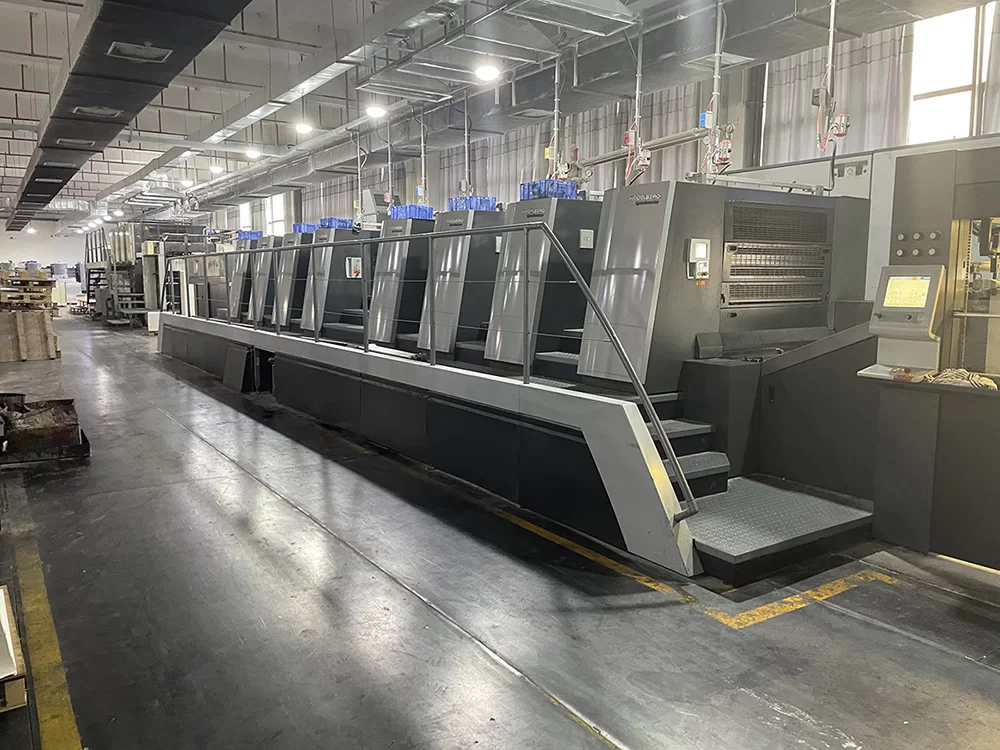
When considering your printing options, it’s always best to consult with a reputable printer. Then discuss your specific requirements to determine the most suitable and cost-effective solution for your hardcover book printing needs.
Where Can I Print A Hardcover Book?
When it comes to printing your hardcover book, you have several options to consider:
Local print shop
If you’re looking for a more hands-on approach and prefer working with a local printer, you can explore print shops in your area. Many local print shops offer hardcover book printing services and can provide personalized attention and guidance throughout the process.
Online printing
Online printing services have become increasingly popular due to their convenience, competitive pricing, and wide range of options. BookPrintingChina is a reputable online printing company that specializes in hardcover book printing, offering a user-friendly platform and a variety of customization options.
With online printing service, like BookPrintingChina, you can easily upload your files, select your desired specifications, and place your order from the comfort of your home or office. We provide streamlined ordering processes, fast turnaround times, and competitive pricing, making us an attractive option for authors and publishers alike.
Whether you choose a local print shop or an online printing service. It’s essential to research and compare options to find the one that best suits your needs, budget, and timeline. With the right printing partner, you can transform your manuscript into a beautiful and professional hardcover book that you’ll be proud to share with the world.
If you’re ready to embark on the journey of printing your hardcover book, consider partnering with a professional printing service like ours. Our team of experts is dedicated to guiding you through the entire process, from file preparation to delivery. Ensuring your hardcover book meets the highest standards of quality and craftsmanship.
Don’t hesitate to reach out and let us help you create a truly remarkable hardcover book that will captivate readers and leave a lasting impression.
Print a hardcover book is a significant investment, both financially and creatively. By understanding the intricacies of the process and making informed decisions. You can ensure that your hardcover book not only meets your expectations but also stands out as a testament to your dedication and craftsmanship.