


In last post (Part 1), we explored the world of custom board book printing, addressing common questions and providing valuable insights for beginners. In part 2, we keep addressing common custom board book printing questions that beginners who are focus on. Buckle up and get ready to embark on a journey that will demystify the process of bringing your board book ideas to life.
Does All Board Books Need To Round Corner and Its Features?
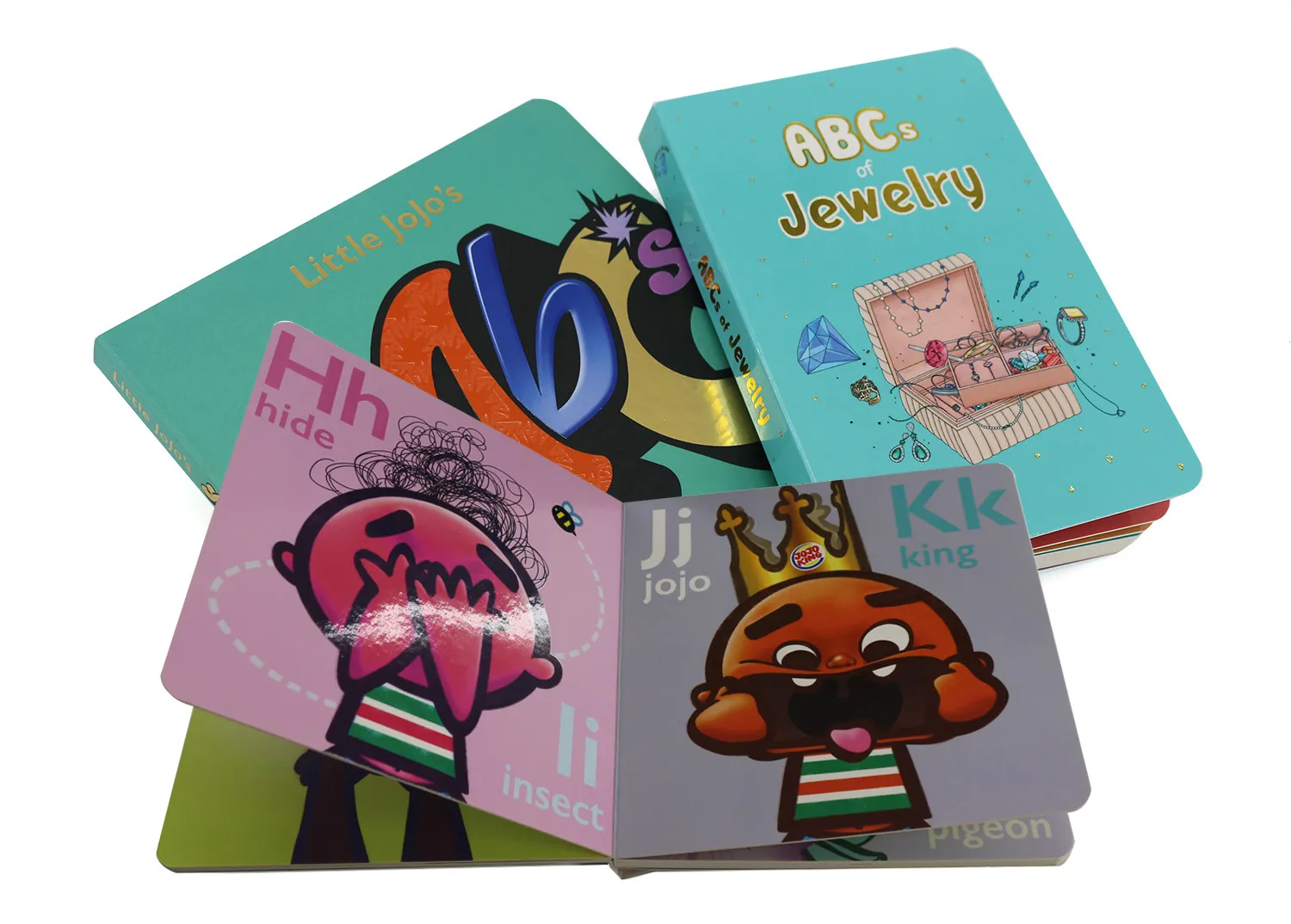
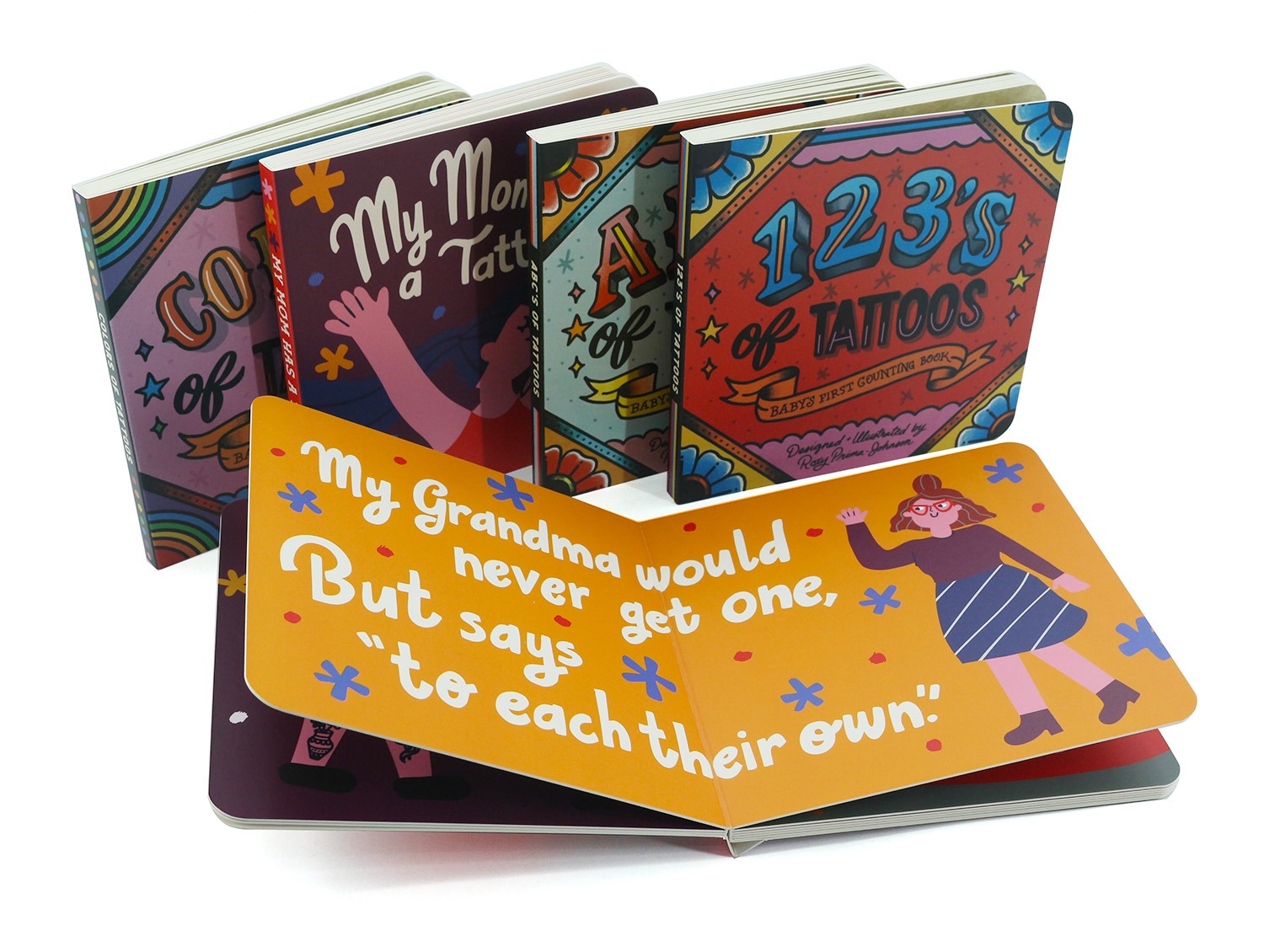
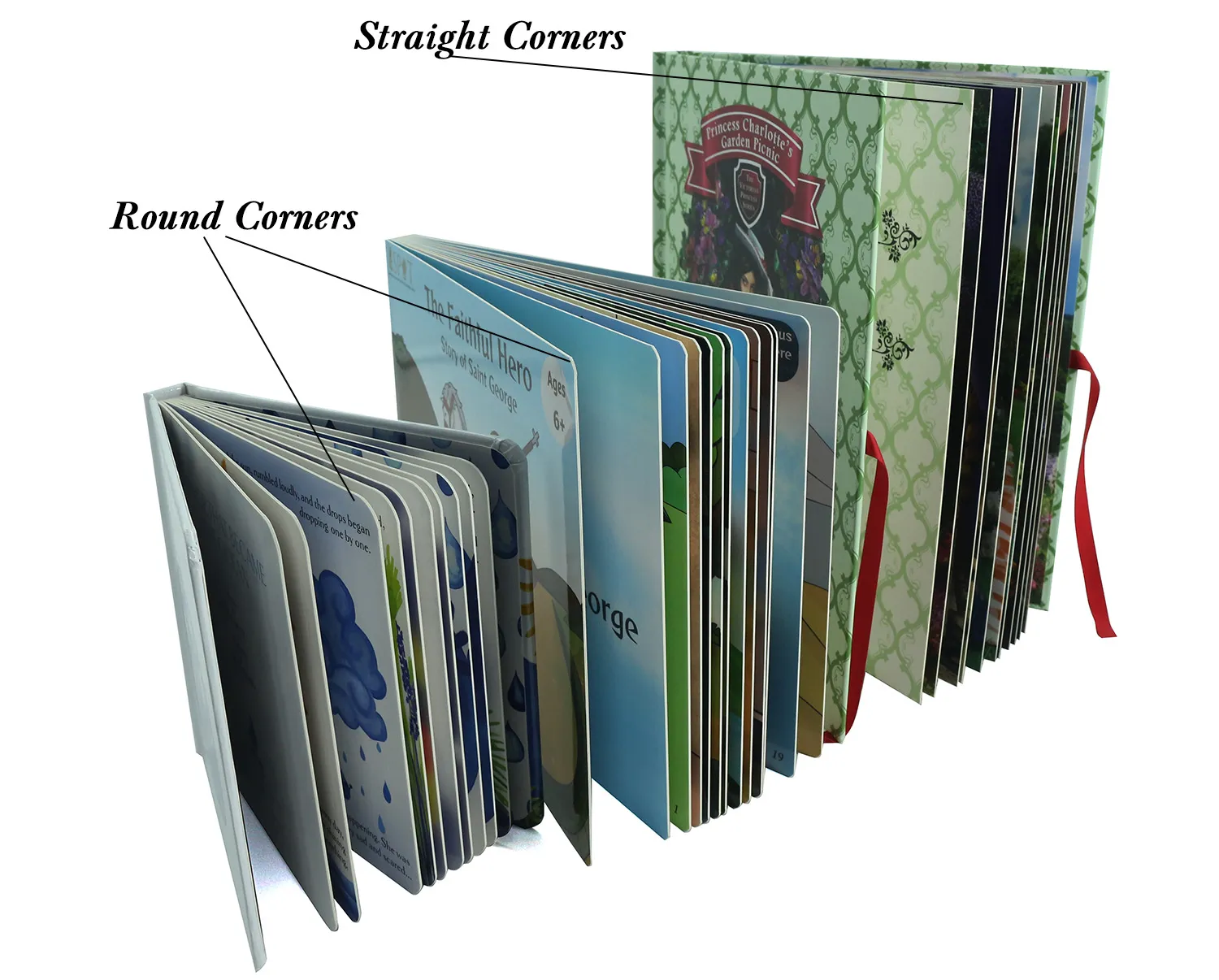 Board books are a beloved format for children’s literature, designed to withstand the wear and tear of curious little hands. One of the defining features of board books is their rounded corners. They not only enhance durability but also provide a safe and comfortable reading experience for young readers.
While rounded corners are a standard feature, board books can also incorporate additional elements to enhance their appeal and functionality. For instance, some board books may include die-cut shapes, or even interactive elements like flaps or pop-ups. These features can add an extra layer of engagement and sensory exploration, making the reading experience even more captivating for young minds.
It’s important to note that while rounded corners are a common characteristic, they are not an absolute requirement. Some publishers or authors may choose to produce board books with straight corners, particularly for older age groups or specific design considerations. But, for the majority of board books targeting infants and toddlers, rounded corners remain a popular and practical choice.
Why Use Bright and Vivid Colors to Design Your Board Books?
When it comes to designing board books for children, the use of bright and vivid colors is more than just an aesthetic choice. It’s a strategic decision rooted in child development and cognitive psychology. Vibrant hues have a profound impact on capturing and maintaining a young reader’s attention, enhancing their learning experience, and fostering a lifelong love for books.
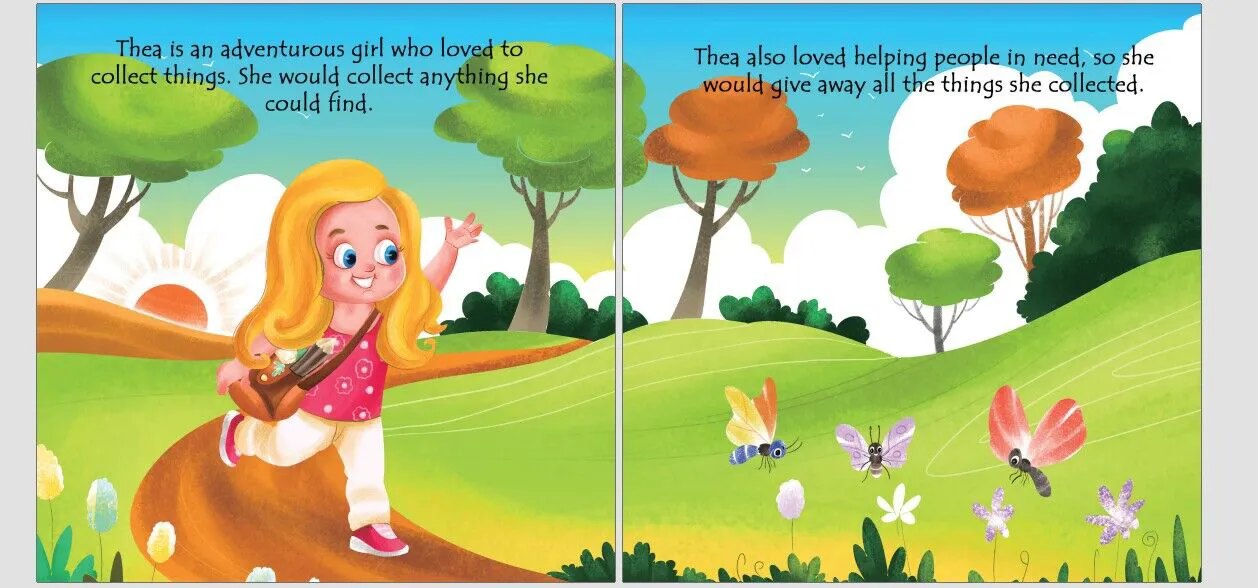
Firstly, bright colors are inherently appealing to children. Because their developing visual systems are naturally drawn to high-contrast and saturated shades. This attraction helps to engage their curiosity and maintain their focus, making the reading experience more enjoyable and memorable.
Moreover, vivid colors can play a crucial role in aiding comprehension and retention. Research has shown that children associate certain colors with specific concepts or objects more easily, facilitating their understanding of the content presented in the book. For instance, a bright red apple or a vibrant green frog can help reinforce the connection between the object and its visual representation.
Additionally, the use of vivid colors can stimulate emotional responses in children. They evokes feelings of happiness, excitement, or even calmness, depending on the color palette employed. This emotional connection can enhance the overall reading experience and create lasting impressions that shape a child’s perception of books as sources of joy and wonder.
By embracing bright and vivid colors in the design of board books. Authors and illustrators can create captivating visual narratives that not only entertain but also nurture early literacy skills and foster a love for reading from the earliest stages of a child’s development.
What’s The Standard Size of Board Book Printing?
When it comes to print custom board books, there is no one-size-fits-all standard. However, there are certain industry-accepted norms and guidelines that publishers and authors typically follow to ensure their board books are both functional and visually appealing.
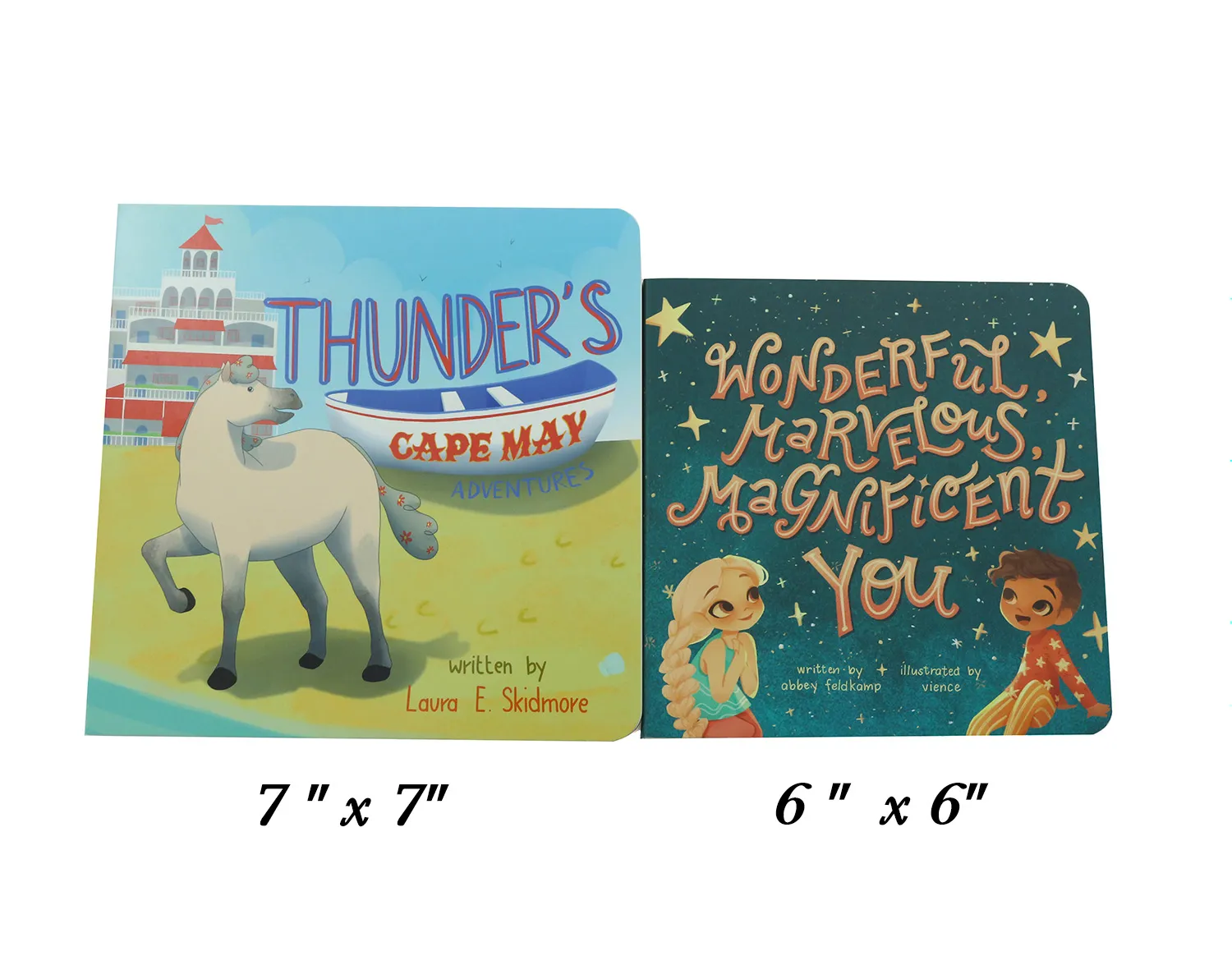
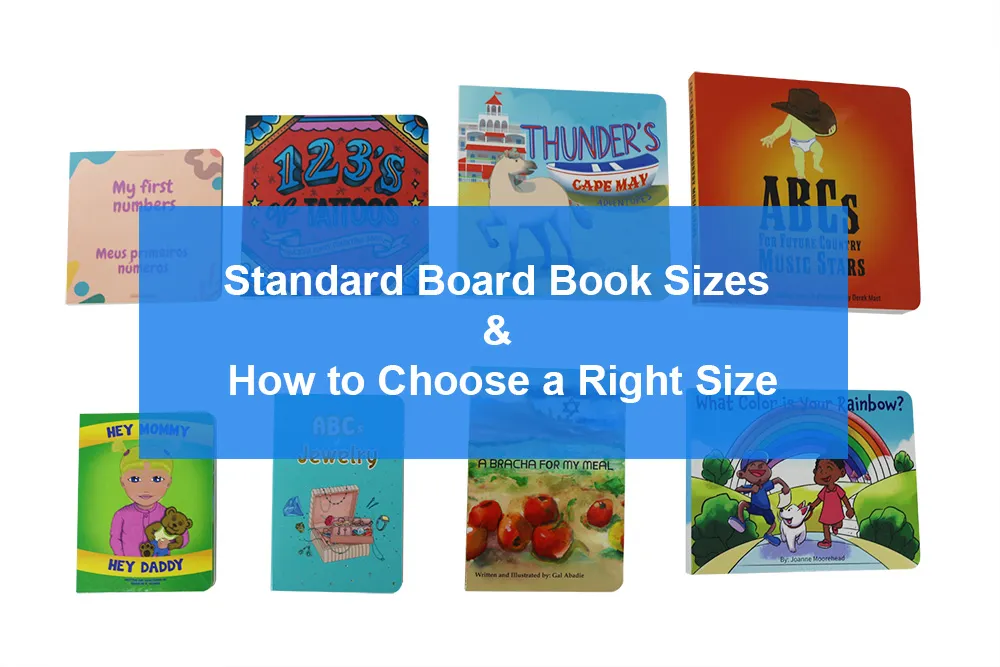
One of the most common sizes for board book printing is 6 x 6 inches (15.2 x 15.2 cm). This slightly smaller format is often preferred for books aimed at younger readers or those with shorter attention spans, as it can be easier to handle and navigate.
Another popular size for board book printing is is 7 x 7 inches (17.8 x 17.8 cm). This compact square format is widely recognized as a standard size, offering a comfortable reading experience for small hands while providing ample space for engaging illustrations and text.
It’s worth noting that while these sizes are widely used, they are not set in stone. Publishers and authors may choose to deviate from these norms based on specific design requirements, storyline considerations, or target audience preferences.
For example, some board books may be printed in a landscape orientation, such as 8 x 6 inches (20.3 x 15.2 cm), to better accommodate certain illustrations or narratives. Additionally, larger or smaller sizes may be used for specialized purposes. Such as oversized board books for shared reading experiences or miniature board books for travel or novelty purposes.
Ultimately, the standard size for board book printing is a balance between practicality, readability, and artistic vision. Publishers and authors should carefully consider the intended audience, content, and overall design goals when selecting the appropriate size for their board book project.
What’s The Common Size Range of Children’s Board Book Printing?
When it comes to children’s board book printing, the common size range typically falls between 5 and 8 inches (12.7 cm to 20.3 cm) in both width and height. This size range has been carefully curated to cater to the needs and preferences of young readers, ensuring a comfortable and engaging reading experience.
At the smaller end of the spectrum, board books measuring around 5 inches (12.7 cm) square are often designed for infants and younger toddlers. These compact sizes are perfect for little hands. They allow children to easily grasp and manipulate the book while exploring the vibrant illustrations and simple narratives.
As children grow and their attention spans and comprehension abilities expand, board books in the 6 to 7 inch (15.2 cm to 17.8 cm) range become more prevalent. These sizes provide ample space for detailed illustrations, longer text, and more complex storylines, making them suitable for preschoolers and early readers.
Larger board books, ranging from 7 to 8 inches (17.8 cm to 20.3 cm). They are often used for shared reading experiences or as educational tools in classrooms or libraries. These sizes allow for larger, more captivating visuals and can accommodate more text, making them ideal for group storytelling or interactive learning sessions.
It’s important to note that while this size range is common, it is not a strict rule. Publishers and authors may choose to deviate from these guidelines based on specific design considerations, target audience preferences, or unique storytelling requirements.
By understanding the common size range for children’s board book printing. Authors and publishers can make informed decisions that balance readability, portability, and visual appeal. Ultimately creating board books that captivate and engage young readers from the very first page.
Can I Apply Special Finishes or Other Add Ons in My Print Custom Board Books?
Absolutely! When it comes to custom board book printing, the possibilities for special finishes and add-ons are virtually endless. These enhancements can elevate your board book from a simple reading experience to a multi-sensory adventure, captivating young readers and fostering their love for books.
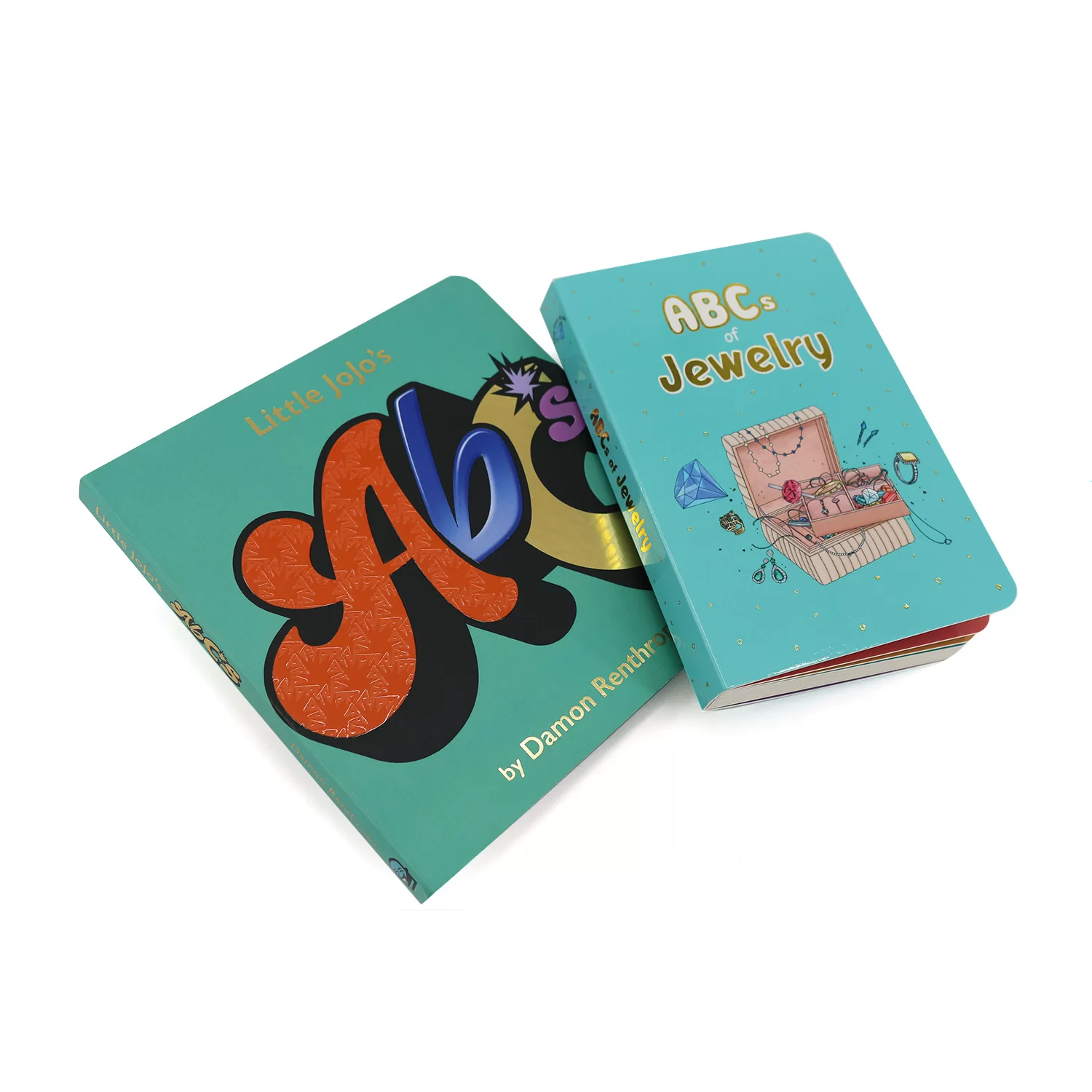 One popular option is the application of spot UV. It can add a glossy finish to specific elements on the cover or interior pages. Drawing attention to important details or creating tactile experiences that encourage interaction.
Another exciting addition is the use of foil stamping or embossing. These processes can add metallic accents, raised textures, or intricate patterns to the cover or pages. They creates a sense of depth and dimension that truly brings the illustrations to life.
For an extra touch of whimsy, you can incorporate die-cuts or shaped pages. They allows elements of the illustrations to extend beyond the traditional rectangular page format. This can create a sense of depth and movement, making the book feel like a three-dimensional experience.
If you’re aiming for a truly immersive experience, consider incorporating interactive elements such as flaps, pop-ups, or pull-tabs. These features not only engage young readers but also foster their problem-solving skills and hand-eye coordination.
It’s also possible to enhance the overall tactile experience by incorporating different materials. For instance, you could use fabrics to mimic the feel of different surfaces, or even incorporate scented elements to engage the sense of smell.
When it comes to customization, the possibilities are truly limitless. From custom packaging options like slipcases or gift boxes to personalized inscriptions or dedications. You can create a truly unique and memorable board book experience.
But, it’s important to keep in mind that some special finishes or add-ons may increase the production cost or complexity of your project. It’s always a good idea to consult with your chosen board book printer to understand the available options, their associated costs, and any potential limitations or considerations.
By embracing special finishes and add-ons, you can transform your print custom board book into a multi-sensory masterpiece that not only entertains but also fosters a lifelong love for books and reading in young minds.
Can I Custom Package for My Printed Board Books?
Absolutely! When it comes to print custom board books, the packaging options are nearly limitless. These allowing you to create a truly unique and memorable experience for your readers. From simple shrink wrapping to elaborate custom gift boxes or slipcases, the possibilities are endless.
One popular option is shrink wrapping, which provides a clean and protective covering for your board book. It is cost-effective and practical, ensuring that your book arrives in pristine condition while also allowing the cover design to shine through.
For a more luxurious touch, you can opt for custom gift boxes or slipcases. These packaging options not only protect your board book but also add an air of sophistication and exclusivity. Gift boxes can be designed to match the aesthetic of your book. Slipcases, on the other hand, provide a sleek and modern look, perfect for displaying your board book on a bookshelf or as a cherished keepsake.
If you’re looking to create a truly unique and memorable experience, consider incorporating additional elements into your packaging. For example, you could include a custom bookmark, a small plush toy inspired by your book’s characters, or even a personalized note or dedication.
Another option is to explore eco-friendly packaging solutions, such as using recycled or sustainable materials. It not only aligns with environmentally conscious values but also adds a touch of authenticity and thoughtfulness to your board book’s presentation.
It’s important to note that custom packaging options may come with additional costs or lead times. So it’s essential to discuss your specific requirements with your chosen board book printer early in the process. They can provide guidance on the available options, pricing, and any potential limitations or considerations.
By investing in custom packaging, you not only protect your board book but also create a truly memorable and engaging experience for your readers. Whether it’s a cherished gift or a personal keepsake, your custom board book will be elevated to a work of art, showcasing your dedication to quality and attention to detail.
How to Design My Board Book for High Quality Printing?
Designing a board book for high-quality printing requires careful consideration of various elements to ensure a visually stunning and durable final product. Here are some essential tips to help you create a board book design that is print-ready and captivating:
-
Understand the print specifications: Before you begin designing, familiarize yourself with the print specifications provided by your chosen board book printer. This includes information such as trim size, bleed requirements, color mode (CMYK or RGB), and file formats. Adhering to these specifications from the outset will save you time and ensure a smooth printing process.
-
Choose the right file format: Most board book printers prefer working with vector-based file formats like Adobe Illustrator (.ai) or Encapsulated PostScript (.eps) files. These formats ensure that your artwork remains crisp and scalable, regardless of the final print size.
-
Optimize your images: If you’re incorporating raster images (such as photographs or scanned artwork) into your design, ensure they are high-resolution (at least 300 dpi) and properly sized for the intended print dimensions. Low-resolution images can appear pixelated or blurry when printed.
-
Use a consistent color profile: Establish a consistent color profile (such as CMYK or Pantone) throughout your design. It will ensure that the colors you see on your screen are accurately represented in the final printed product.
-
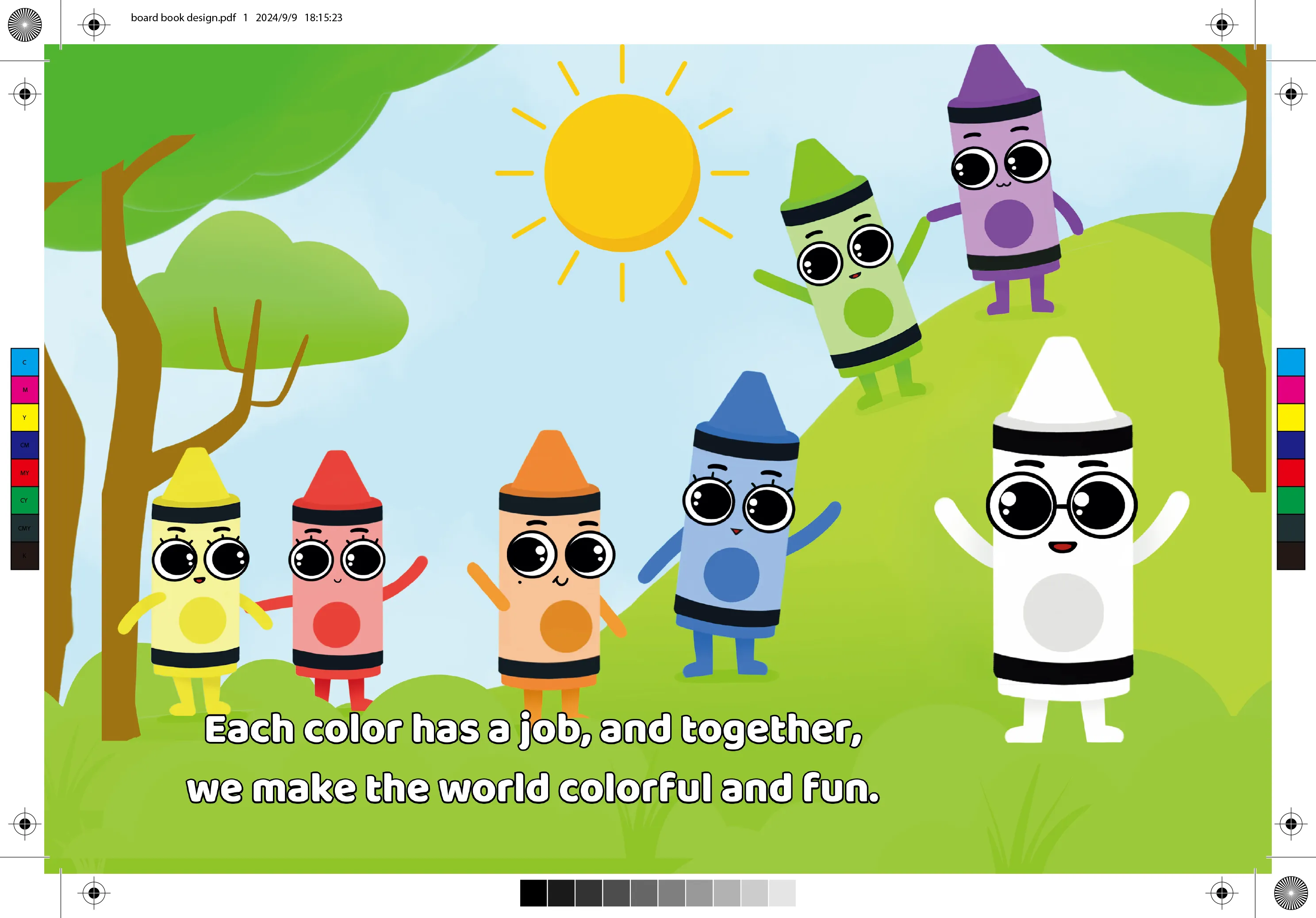
Incorporate bleed and trim marks: Board books often have intricate die-cut shapes or rounded corners. To ensure that your design extends beyond the trim lines, include a bleed area (typically 0.125 inches or 3.175 mm) around the trim lines. Additionally, include crop marks or trim marks to guide the printer during the trimming process.
-
Consider the binding method: Board books are typically bound using a specific method (e.g., self-cover board book binding or hardcover board book binding). Consult with your printer to understand the binding requirements and adjust your design accordingly, such as incorporating gutters or allowing for spine creep.
-
Test your design: Before submitting your final files, print a proof copy or create a digital mockup to review your design. It will allow you to identify any potential issues, such as text legibility, color accuracy, or layout concerns, and make necessary adjustments.
-
Communicate with your printer: Maintain open communication with your board book printer throughout the design process. Such as at BookPrintingChina, our printing experts can provide valuable insights, answer questions, and offer guidance to ensure your design is print-ready and meets our production requirements.
By following these tips and working closely with your chosen board book printer. You can create a visually stunning and high-quality board book design. It not only captures the attention of young readers but also withstands the wear and tear of frequent reading sessions.
How Much Does It Cost to Print Custom Board Books?
The cost of printing custom board books can vary significantly depending on several factors. However, understanding these factors can help you budget and plan accordingly for your board book printing project.
-
Quantity: One of the primary factors influencing the cost is the quantity you plan to print. Generally, the more copies you order, the lower the per-unit cost will be. This is because the setup costs and overhead expenses are spread across a larger print run, resulting in economies of scale.
-
Page count: The number of pages in your board book will also impact the printing cost. More pages typically mean higher material costs and increased production time, translating to a higher overall cost.
-
Paper stock: The type of paper stock you choose can significantly affect the printing cost. Board books are typically printed on thick, durable paper or cardstock, which is more expensive than standard paper. Additionally, specialty papers, such as textured paper, may incur additional costs.
-
Printing technique: The printing technique used can also influence the cost. Traditional offset printing is generally more affordable for larger print runs. Digital printing may be more cost-effective for smaller quantities.
-
Finishing options: Any additional finishing options, such as die-cutting, embossing, spot UV, or foil stamping, will add to the overall cost. These enhancements can elevate the visual appeal and tactile experience of your board book but may come with a higher price tag.
-
Binding method: The binding method you choose can also impact the cost. Some binding methods(such as spiral binding) are more labor-intensive or require specialized equipment, which can increase the overall printing cost.
-
Shipping and handling: If you’re working with a printer located outside your local area, you’ll need to factor in shipping and handling costs. Theycan vary based on the weight and distance of the shipment.
To get an accurate cost estimate for your custom board book printing project. Please consult with our printing experts and provide us with your specific requirements. We offer quote request forms to help you obtain a detailed quote based on your desired specifications.
It’s important to remember that while cost is a significant consideration, investing in high-quality printing and finishing can ensure your board book is visually appealing, durable, and engaging for young readers.
Is There A Minimum Order Quantity for Custom Board Books?
Yes, most board book printers typically have a minimum order quantity (MOQ) for custom board book projects. The standard MOQ in the industry is usually around 500 copies. But vary depending on the specific printer and the complexity of your project.
The reason for this minimum order quantity is twofold:
-
Setup costs: Bulk board book printing involves a significant amount of setup and preparation, such as creating printing plates, calibrating machines, and setting up the binding equipment. These setup costs are relatively fixed, regardless of the print run size. By establishing a minimum order quantity, printers can ensure that the setup costs are adequately covered and the project remains economically viable.
-
Efficiency and waste reduction: Printing is a highly optimized process, and printers aim to minimize waste and maximize efficiency. Smaller print runs often result in higher material waste and longer setup times, which can drive up costs and reduce overall efficiency. By setting a minimum order quantity, printers can streamline their production processes and minimize waste. Ultimately benefiting both the printer and the customer through cost savings and environmental sustainability.
While 500 copies is a common minimum order quantity, some printers may have higher or lower requirements depending on their production capabilities, equipment, and business model. For example, larger commercial printers with high-volume production lines may have a higher MOQ. Smaller, specialized printers catering to niche markets or offering digital printing services may have a lower MOQ.
If your desired print run falls below the printer’s minimum order quantity, you may have a few options:
-
Consider print-on-demand services: Some printers offer print-on-demand services, which allow for smaller print runs or even single-copy orders at a higher cost per unit. But, print-on-demand may have limitations in terms of paper stock, binding options, and customization.
-
Explore alternative printing methods: If your project allows for it, you could consider alternative printing methods such as digital printing or short-run offset printing, which may have lower minimum order quantities but potentially higher per-unit costs.
-
Partner with other authors or publishers: If your desired print run falls significantly below the minimum order quantity. You could explore partnering with other authors or publishers to combine your orders and meet the MOQ collectively.
It’s important to note that while the minimum order quantity may seem like a barrier for self-publishers or small-scale projects. It serves a practical purpose for printers and helps maintain cost-effective and efficient operations. By understanding and accommodating the MOQ, you can work effectively with board book printers to bring your vision to life while ensuring a high-quality final product.
What’s Bleed and Why You Need to Set Up Bleed before Submit for Printing?
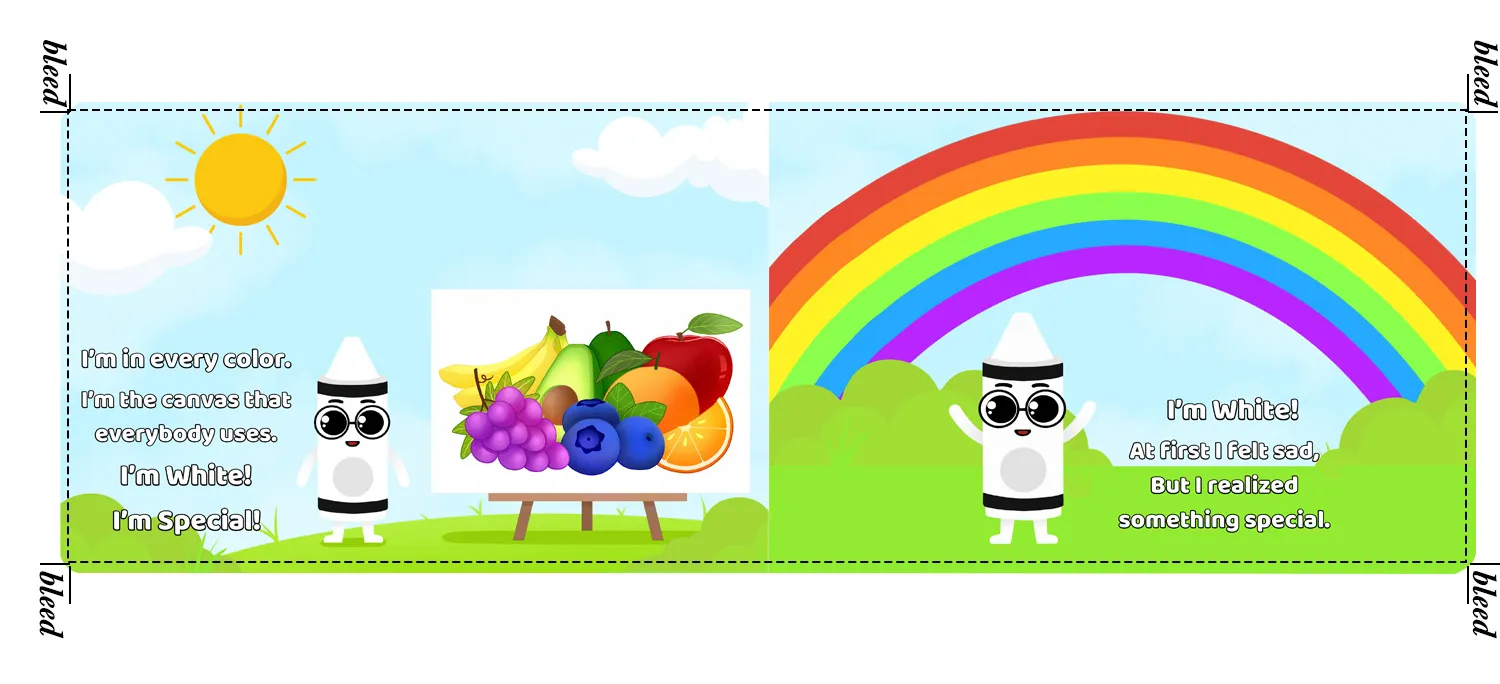
In the world of printing, bleed refers to the extension of printed elements beyond the trim lines or final cut edges of a printed piece. Setting up bleed before submitting your files for board book printing is crucial. To ensure that your design extends to the very edge of the page without leaving any unprinted margins or white borders.
When designing a board book, it’s common to have illustrations, patterns, or solid colors that extend to the edge of the page. Without proper bleed settings, these elements may be trimmed off during the cutting or binding process, resulting in an undesirable final product with visible white borders or incomplete designs.
To avoid this issue, most printers typically require a bleed area, which is an extension of your design beyond the trim lines. This bleed area acts as a buffer zone, ensuring that any elements intended to reach the edge of the page will be printed correctly, even after the trimming process.
The standard bleed requirement for most printing projects, including board books, is typically 0.125 inches (or 3.175 mm) beyond the trim lines on all sides. This means that if your board book’s trim size is 7 x 7 inches, your design should extend an additional 0.125 inches beyond that dimension on all four sides.
Setting up bleed correctly is crucial for several reasons:
-
Accurate trimming: By extending your design into the bleed area, you ensure that any elements intended to reach the edge of the page will be printed correctly, even after the trimming process. This prevents unsightly white borders or incomplete illustrations.
-
Consistent printing: Proper bleed settings help ensure that your design is printed consistently across all pages, without any shifting or misalignment issues.
-
Professional appearance: A well-designed board book with properly set bleed areas will have a polished, professional appearance, with no visible unprinted margins or trimming issues.
Most design software, such as Adobe Illustrator or InDesign, provides tools and settings for configuring bleed areas. It’s important to follow the specific guidelines provided by your chosen board book printer. Because bleed requirements may vary slightly depending on their equipment and production processes.
By understanding the importance of bleed and setting it up correctly before submitting your files for printing. You can ensure that your print custom board book looks its best, with a seamless and professional finish that brings your designs to life.
How To Self Publish My Board Book?
Self-publishing a board book can be a rewarding and empowering experience for authors and illustrators who want to bring their creative visions to life. While the process may seem daunting at first, with careful planning and execution, it is entirely possible to self-publish a high-quality board book. Here’s a step-by-step guide to help you navigate the self-publishing journey:
-
Develop your concept: Start by crafting a compelling story or educational concept that resonates with your target audience. Consider the age range, interests, and learning goals of your intended readers.
-
Create your illustrations and layout: If you’re not an illustrator yourself, consider collaborating with a talented artist or hiring a freelancer to bring your vision to life. Once you have your illustrations, work on the layout and design of your board book, keeping in mind the unique format and durability requirements.
-
Prepare your files for printing: Ensure that your design files are print-ready by following the guidelines provided by your chosen board book printer. This may include setting up proper bleeds, using the correct color profiles, and adhering to specific file formats.
-
Find a reputable board book printer: Research and compare different board book printing companies to find one that meets your quality standards, budget, and production timelines. Look for printers with experience in board book printing and a track record of delivering high-quality products.
-
Determine your printing and binding options: Discuss your desired paper stock, printing techniques (e.g., offset or digital), binding methods, and any additional finishing options (e.g., die-cutting, embossing) with your chosen printer. This will help you understand the associated costs and timelines.
-
Obtain necessary copyrights and ISBNs: If you’re using any copyrighted material or illustrations, ensure that you have the proper permissions and licenses. Additionally, obtain an ISBN (International Standard Book Number) for your board book, which is essential for distribution and sales.
-
Develop a marketing and distribution plan: Research your target market and develop a comprehensive marketing and distribution plan. This may include creating a website, leveraging social media platforms, reaching out to book reviewers, and exploring distribution channels such as online retailers or local bookstores.
-
Consider print-on-demand options: If you’re unsure about the demand for your board book or have a limited budget, explore print-on-demand services. These allow you to print smaller quantities or even single copies as orders come in, minimizing upfront costs and inventory risks.
-
Promote and sell your board book: Once your board book is printed and ready for distribution, execute your marketing plan. Engage with your target audience, attend book fairs or events, and explore various sales channels to reach potential buyers.
-
Gather feedback and consider future projects: Solicit feedback from readers, reviewers, and industry professionals to identify areas for improvement. Use this feedback to refine your craft and consider creating additional board books or expanding your product line.
Self-publishing a board book requires dedication, creativity, and perseverance, but the rewards of seeing your vision come to life can be immensely satisfying. By following these steps and working closely with reputable printing partners, you can navigate the self-publishing journey successfully and share your board book with the world.
Where To Find Best Board Book Printer?
When it comes to finding the best board book printer, there are several factors to consider, including quality, expertise, customization options, and reliable service. BookPrintingChina stands out as a trusted partner in the industry.
BookPrintingChina is a leading book printing company that specializes in providing high-quality board book printing solutions to authors, publishers, and businesses worldwide. With years of experience and a commitment to excellence, we have earned a reputation as a reliable and professional printer for custom board books.
Here are a few reasons why BookPrintingChina is an excellent choice for your board book printing needs:
-
Expertise and experience: BookPrintingChina has a team of knowledgeable professionals who are well-versed in the intricacies of board book printing. We understand the unique requirements and challenges involved in producing durable, visually appealing board books for young readers.
-
State-of-the-art printing facilities: Our printing facilities are equipped with the latest technology and equipment, ensuring high-quality output and consistent results. We use advanced printing techniques and specialized materials to create vibrant, long-lasting board books.
-
Customization options: We offers a wide range of customization options, allowing you to tailor your board book to your specific needs. From paper stocks and binding methods to special finishes and interactive elements, we can bring your creative vision to life.
-
Competitive pricing: Despite our commitment to quality, we offer competitive pricing for our board book printing services. We strive to provide affordable solutions without compromising on quality. Making us an attractive choice for authors and publishers with varying budgets.
-
Reliable service and support: BookPrintingChina is known for our reliable service and excellent customer support. Our team is always available to answer questions, provide guidance, and ensure that your project runs smoothly from start to finish.
-
Eco-friendly practices: BookPrintingChina is dedicated to sustainable and eco-friendly printing practices. We use environmentally-friendly materials and processes whenever possible. Minimizing our environmental impact while still delivering high-quality products.
Whether you’re a self-publishing author, a small press, or a larger publishing house. BookPrintingChina has the expertise and resources to bring your board book ideas to life. With our commitment to quality, customization, and reliable service. You can trust that your board book will be a masterpiece that captivates and delights young readers. Request a quote today and let us bring your dream to life.