


Designing a dust jacket for a hardcover book is an art that combines creativity with purpose. A well-designed dust jacket not only protects the book but also serves as a powerful marketing tool. In this article, I will walk you through the essential steps involved in creating an effective and visually appealing dust jacket. Whether you’re a seasoned designer or a first-time author, understanding the intricacies of dust jacket design is crucial for making your book stand out on the shelves.
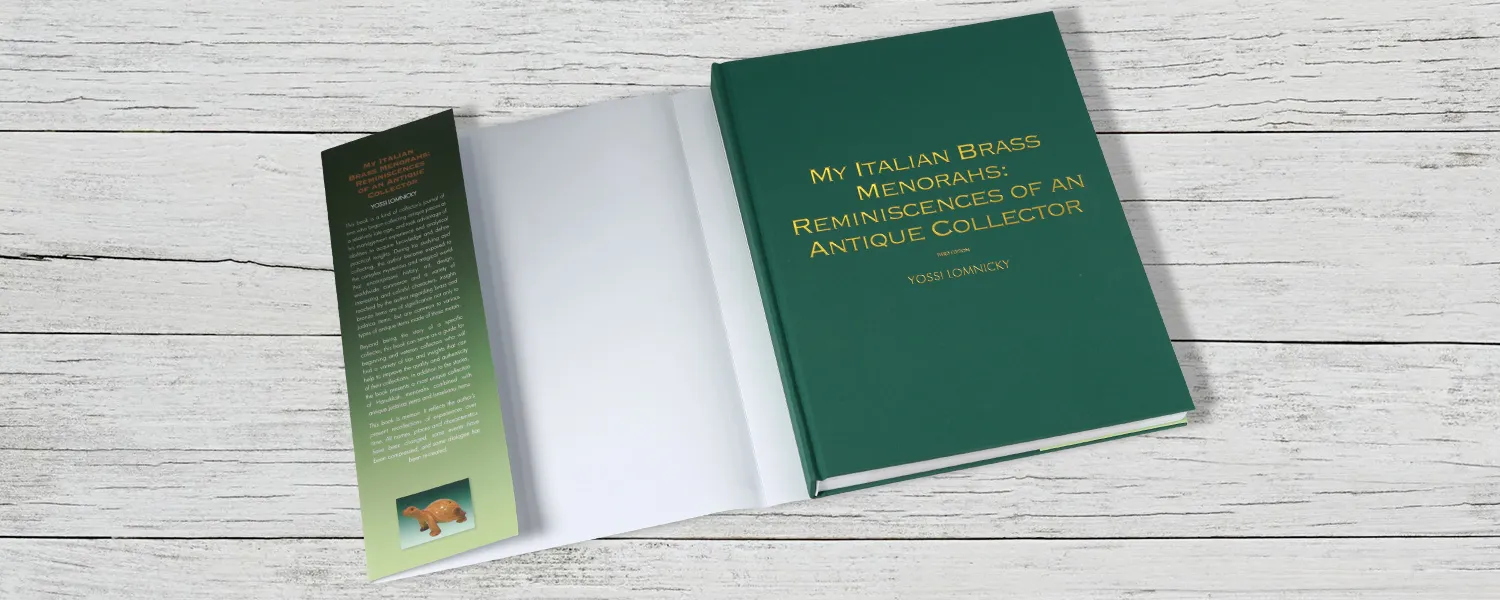
Before diving into the design process, it’s important to have a clear overview of what a dust jacket entails. A dust jacket is a detachable outer cover, usually made of paper, that wraps around a hardcover book. Its primary function is to protect the book from dust and damage while also serving as a canvas for marketing and aesthetic appeal.
The dust jacket is not just a protective layer; it’s an opportunity to capture the reader’s attention and convey the essence of your book. A well-crafted dust jacket can enhance the reader’s experience, provide essential information, and even influence purchase decisions. Therefore, each element of the dust jacket should be thoughtfully designed to align with the book’s content and target audience.
Understand the Purpose and Components of Dust Jacket
To design an effective dust jacket, it’s important to understand its purpose and components. A typical dust jacket comprises various sections, each serving a unique purpose. Here’s a breakdown of these components: 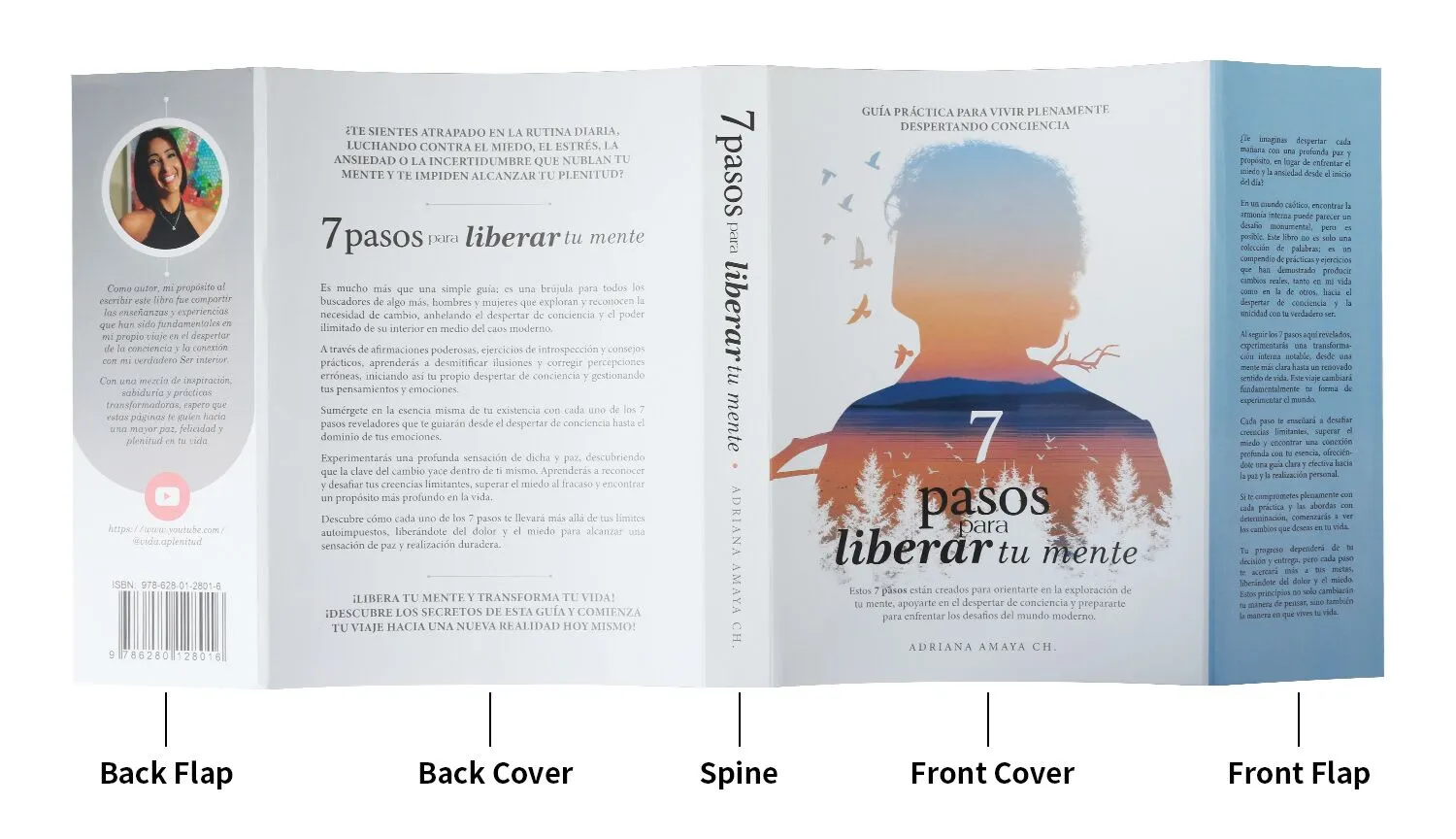
Front Cover
The front cover is arguably the most crucial part of the dust jacket. It features the main artwork, the book’s title, the author’s name, and possibly a tagline. The main artwork should be visually striking, as it is the first thing potential readers will see. It should reflect the book’s theme and tone, capturing the essence of the story or subject matter.
The title and author’s name should be prominently displayed and easily readable. A catchy tagline can also be included to intrigue readers and provide a glimpse into the book’s content. The front cover is your opportunity to make a strong first impression, so ensure that every element is meticulously crafted and aligned with the overall design theme.
Front Flap
The front flap is where you can delve deeper into the book’s content with a brief synopsis or tagline. This section may also include the genre or category of the book, along with the publisher’s logo or imprint. The synopsis should be concise yet engaging, offering readers a taste of what they can expect from the book.
Including the genre or category helps readers quickly identify whether the book aligns with their interests. The publisher’s logo or imprint adds a professional touch and can enhance credibility. The front flap serves as a teaser, enticing readers to open the book and explore further.
Spine
The spine of the dust jacket houses essential information such as the title, author, and publisher logo or emblem. This section is crucial for visibility when the book is placed on a shelf. The spine should be designed to stand out and be easily readable from a distance.
The title and author’s name should be positioned conspicuously, with typography that complements the overall design. Including the publisher’s logo or emblem reinforces branding and adds a professional touch. A well-designed spine ensures that your book catches the eye even when it’s nestled among others on a crowded shelf.
Back Cover
The back cover is an important space for providing additional information about the book. It typically includes a more detailed synopsis, author bio, reviews, barcode, publisher info, and sometimes additional artwork or quotes. The synopsis should expand on the front flap, offering more insight into the book’s plot or subject matter.
An author bio helps readers connect with the person behind the book, adding a personal touch. Including reviews and endorsements from reputable sources can enhance credibility and entice potential readers. The barcode is essential for retail purposes, and additional artwork or quotes can be used to further capture interest.
Back Flap
The back flap is an extension of the book’s promotional material. It often includes a summary of the book, author bio and photo, endorsements and reviews, and information about any book series the title may be part of. This section provides an opportunity to further engage readers and reinforce their interest in the book.
The author bio and photo humanize the book and create a connection with readers. Endorsements and reviews from well-known figures or publications can serve as powerful persuaders. If the book is part of a series, mentioning this can entice readers to explore other titles.
Define Your Book’s Genre and Audience
Understanding your book’s genre and target audience is fundamental to designing a dust jacket that resonates with readers. Different genres have distinct visual languages and conventions that should be considered when conceptualizing your design.
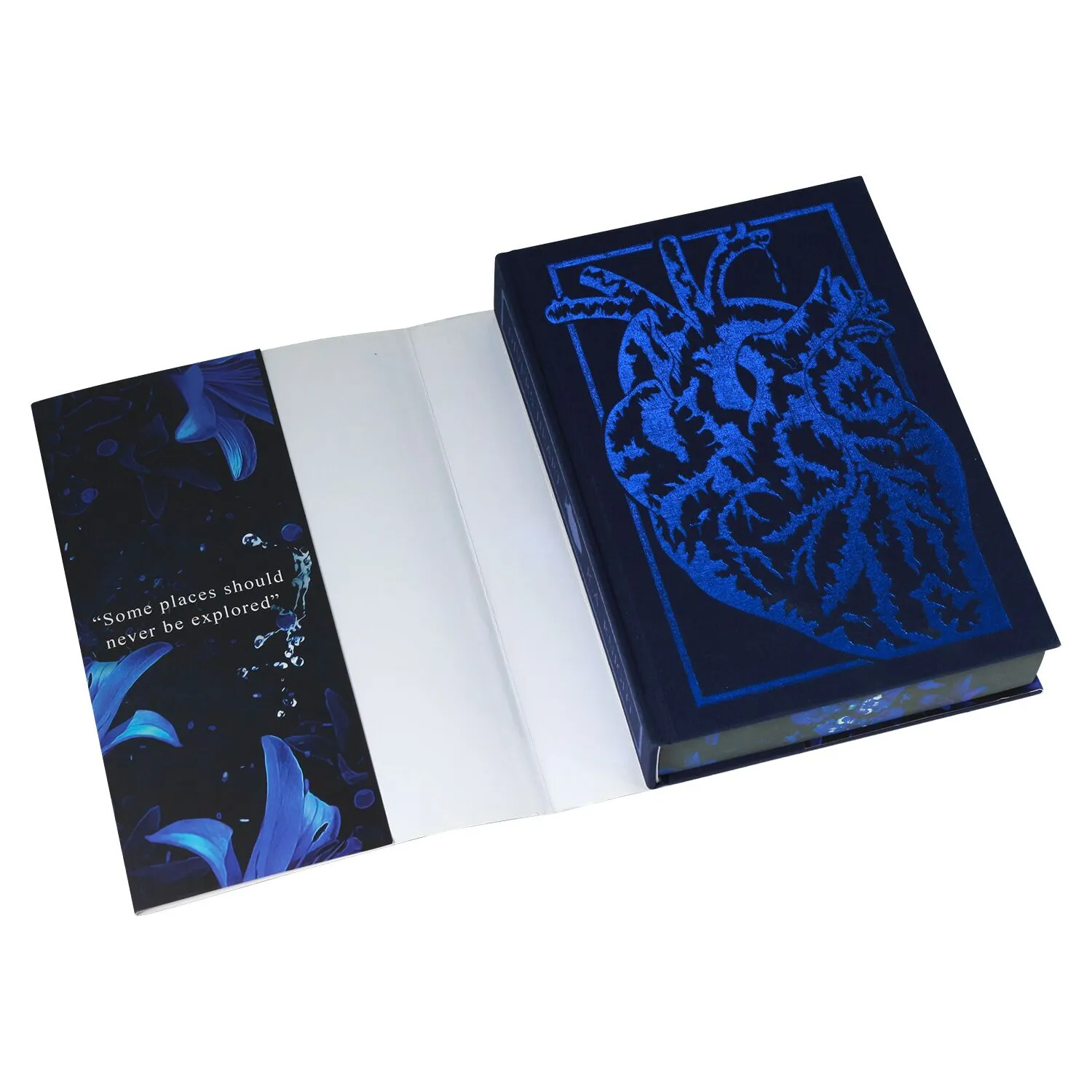 Fiction Book
For a fiction book, the dust jacket should evoke the mood and tone of the story. Whether it’s a thrilling mystery, a heartwarming romance, or a fantastical adventure, the design should reflect the narrative’s essence. Consider using imagery that captures key themes or scenes, and choose a color palette that complements the story’s atmosphere.
Understanding your target audience is crucial. A young adult fantasy novel, for instance, will have a different design approach than a literary fiction book aimed at adult readers. Tailoring the design to the preferences and expectations of your audience can enhance the book’s appeal and increase its chances of success.
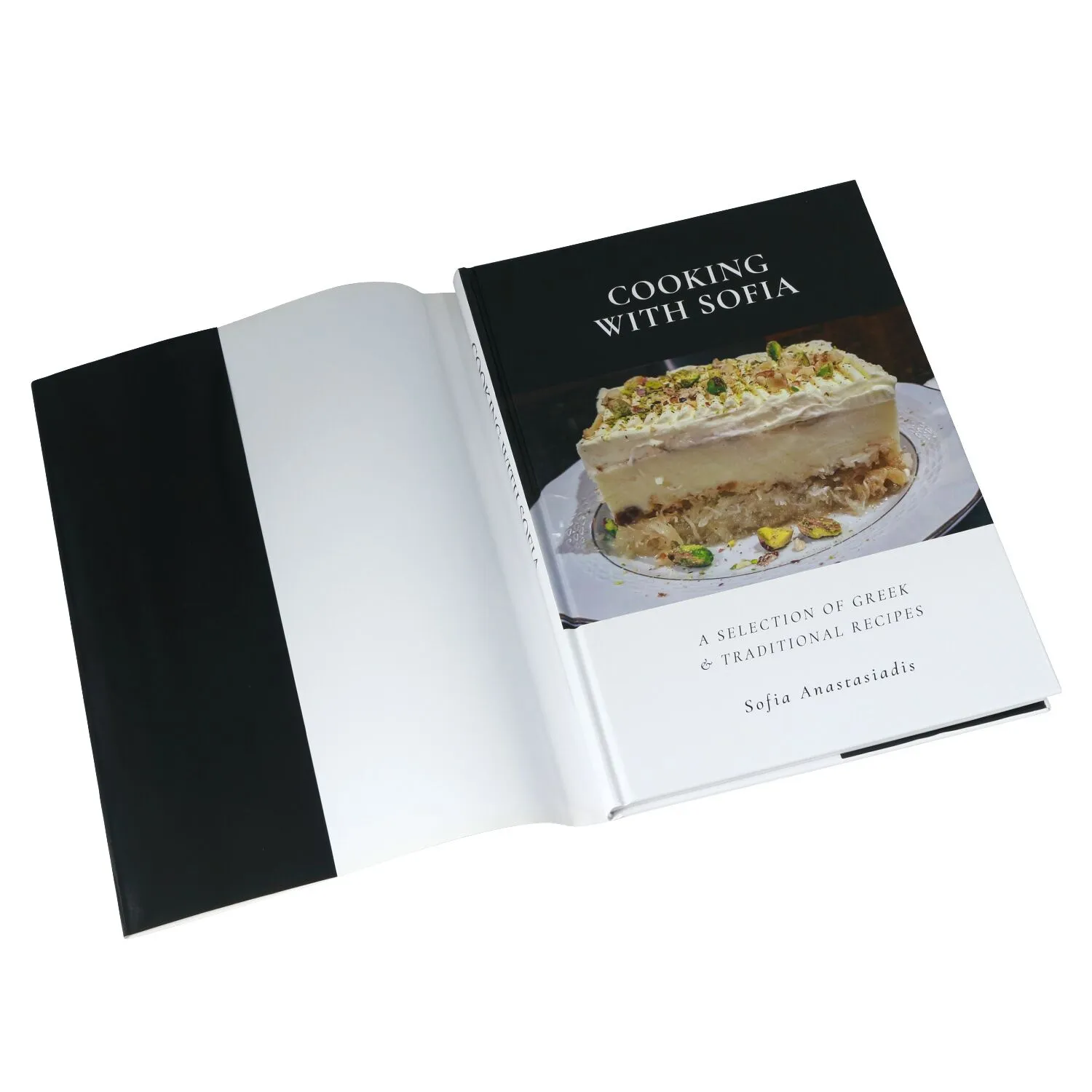 Non-fiction Book
For non-fiction books, the dust jacket should communicate the book’s subject matter and credibility. The design should be clean and professional, with a focus on conveying information clearly. Imagery should be relevant and support the book’s theme, while the color palette should be sophisticated and appropriate for the topic.
Consider the audience’s needs and expectations. A self-help book, for example, may enjoy an uplifting and motivational design, while a history book may need a more formal and authoritative approach. Understanding your audience will guide your design choices and ensure the dust jacket aligns with their interests.
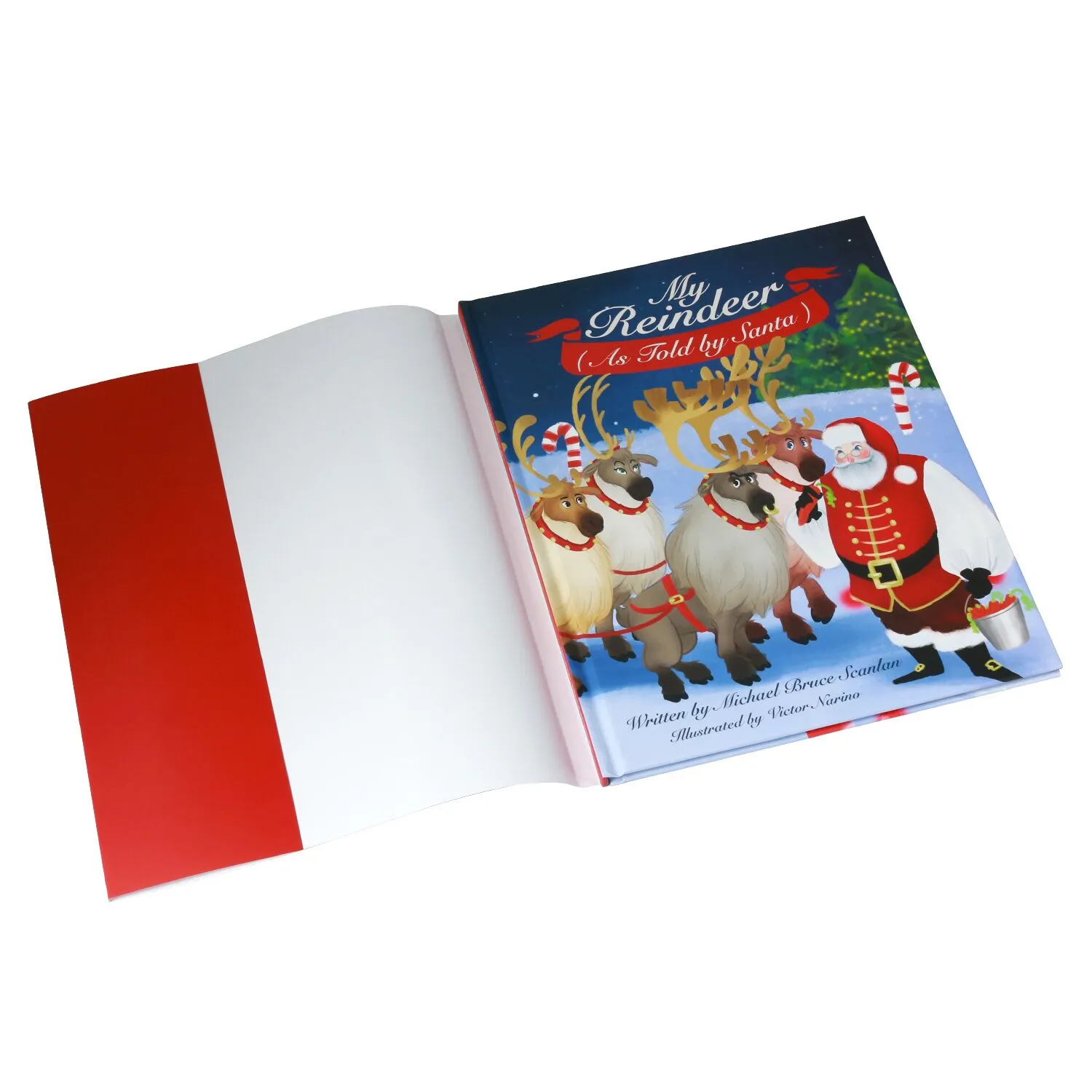 Children’s Book
Designing a dust jacket for a children’s book requires a playful and imaginative approach. Bright colors, whimsical imagery, and engaging typography are key elements that can capture the attention of young readers. The design should be fun and inviting, reflecting the book’s content and sparking curiosity.
Consider the age group and interests of your target audience. Picture books for toddlers will have a different design approach than chapter books for older children. Ensuring the design is age-appropriate and engaging will enhance the book’s appeal and encourage young readers to pick it up.
Conceptualize Your Visual Theme
Once you’ve defined your book’s genre and audience, it’s time to conceptualize the visual theme of your dust jacket. This involves considering the mood and tone, color palette, and imagery that will best convey the essence of your book.
Mood and Tone
The mood and tone of your book should be reflected in the dust jacket design. Whether it’s a thrilling adventure, a heartfelt romance, or an informative guide, the design should capture the book’s emotional core. Consider the emotions you want to evoke in readers and choose design elements that align with those feelings.
A cohesive mood and tone will create a harmonious design that resonates with readers and accurately represents the book’s content. Use typography, imagery, and color to enhance the mood and create a visually appealing and engaging dust jacket.
Color Palette
The color palette is a crucial aspect of dust jacket design. Colors can evoke emotions, convey themes, and create visual interest. Choose a color palette that complements the book’s content and appeals to the target audience. Consider the psychology of colors and how they can influence reader perception.
A well-chosen color palette can enhance the overall design and make the dust jacket more visually appealing. Experiment with different combinations to find the perfect balance that captures the essence of your book and attracts readers.
Imagery
Imagery plays a vital role in dust jacket design, providing visual cues that convey the book’s theme and content. Whether it’s an illustration, photograph, or abstract design, the imagery should be relevant and engaging. Consider using imagery that represents key elements of the story or subject matter.
Selecting the right imagery can enhance the dust jacket’s appeal and draw readers in. Ensure that the imagery aligns with the overall design theme and enhances the book’s message. A compelling visual theme will make your dust jacket memorable and enticing.
Typography and Layout
Typography and layout are essential components of dust jacket design, influencing readability and visual appeal. Choosing the right fonts and organizing text elements effectively can enhance the overall design and ensure the dust jacket communicates the necessary information clearly.
Title
The title is the centerpiece of the dust jacket, and its typography should be large, bold, and prominent. It serves as the book’s primary identifier and should be instantly recognizable. The font choice and size should reflect the book’s genre and mood, making a strong visual impact.
Consider using custom or unique fonts to create a distinctive and memorable title. The typography should be legible and clear, even from a distance. Experiment with positioning and spacing to find the most effective layout for the title.
The title’s design should harmonize with other elements on the dust jacket, maintaining a consistent style. It should be an integral part of the overall visual theme, reinforcing the book’s identity and capturing the reader’s attention.
Author’s Name
The author’s name is another crucial element of the dust jacket design. While slightly smaller than the title, it should still be clear and prominent, allowing readers to easily identify the author. The font choice should complement the title, creating a cohesive and balanced design.
Consider the author’s brand and reputation when designing their name. Established authors may benefit from larger, bolder typography, while debut authors might prioritize clarity and simplicity. The author’s name should be legible and easy to read, even at a glance.
Position the author’s name strategically, ensuring it doesn’t compete with other elements on the dust jacket. It should be an integral part of the overall design, contributing to the book’s visual appeal and identity.
Text Blocks
Consistent font styles and sizes are essential for creating organized and readable text blocks on the dust jacket. These text elements convey critical information, such as the synopsis, author bio, and reviews, and should be designed for clarity and accessibility.
Use a hierarchy of fonts to differentiate between various text elements. The synopsis might use a larger font than the author bio, while reviews could be italicized or set in a different style. Maintain consistency in font choices across all text blocks to create a unified appearance.
The layout of text blocks should be well-organized, guiding the reader’s eye naturally across the dust jacket. Consider using bullet points or numbered lists to present information clearly and concisely. The design should balance text with imagery, ensuring that both elements complement each other.
Publisher Logo or Emblem
The publisher logo or emblem is an essential component of dust jacket design, adding credibility and authority to the book. It serves as a mark of quality and professionalism, reassuring readers of the book’s value and authenticity.
Position the logo strategically on the dust jacket, ensuring it is visible but not overpowering. It should complement the overall design, harmonizing with other elements like the title and imagery. The logo’s size and placement should enhance the book’s branding without detracting from its visual appeal.
The publisher logo should be high-quality and clearly rendered, reflecting the publisher’s brand identity. It should be an integral part of the dust jacket design, contributing to the book’s overall narrative and presentation.
Barcode
The barcode is a functional element that must be included on the back cover of the dust jacket. It contains essential information for retailers, such as the ISBN and price, and should be designed with practicality in mind.
Position the barcode in a discreet yet accessible location, ensuring it doesn’t disrupt the overall design. It should be legible and scannable, adhering to industry standards for size and placement. The barcode’s design should be simple and unobtrusive, allowing other elements to shine.
While functional, the barcode should still integrate seamlessly into the dust jacket’s design. Consider using a background color or border to differentiate it from surrounding elements, ensuring it remains an essential but subtle part of the book’s presentation.
Spacing
Proper spacing is crucial for creating a balanced and visually appealing dust jacket design. It ensures that all elements are well-arranged and easily readable, enhancing the overall presentation and effectiveness of the design.
Consider the spacing between elements, such as the title, author’s name, and text blocks, to create a harmonious and organized layout. Adequate spacing prevents clutter and confusion, allowing readers to navigate the dust jacket effortlessly.
The spacing should be consistent across all parts of the dust jacket, maintaining a cohesive and professional appearance. Experiment with different spacing options to find the most effective arrangement, ensuring that the design is both functional and visually striking.
Incorporate Essential Text
Incorporating essential text is a critical aspect of dust jacket design. The title, author’s name, synopsis, and other key text elements should be prominently displayed and easily readable. Choose fonts that complement the overall design and enhance readability.
Consider the hierarchy of information and organize text elements in a logical and visually appealing manner. The layout should be balanced and harmonious, ensuring that each section flows naturally and supports the overall design theme.
Book Title and Subtitle (if any)
The book title and subtitle are the most prominent text elements on the dust jacket, serving as the primary identifiers of the book. They should be designed for largest impact, using bold typography and strategic placement to capture the reader’s attention.
Consider the relationship between the title and subtitle, ensuring they complement each other in style and size. The subtitle should be clear and legible, providing additional context or information about the book’s content or theme.
The design of the title and subtitle should align with the overall visual theme, contributing to a cohesive and memorable dust jacket. Use color, font, and positioning to create a striking and effective presentation that resonates with the target audience.
Author’s Name
The author’s name is a critical component of the dust jacket, representing the book’s creator and adding credibility to the work. It should be prominently displayed, using typography that complements the title and overall design.
Consider the author’s brand and reputation when designing their name. Established authors may enjoy larger, more prominent typography, while debut authors might focus on clarity and simplicity. The author’s name should be easy to read and instantly recognizable.
Position the author’s name strategically, ensuring it balances with other elements on the dust jacket. It should be an integral part of the design, contributing to the book’s visual identity and appeal.
Tagline or Hook (Optional)
A compelling tagline or hook can add intrigue and allure to the dust jacket, enticing readers to explore the book further. It should be short, memorable, and relevant to the book’s content, providing a glimpse into the story or theme.
Incorporate the tagline in a way that complements the overall design, using typography and color to make it stand out. Consider its placement carefully, ensuring it enhances rather than competes with other elements like the title and author’s name.
A well-crafted tagline can differentiate your book from others on the shelf, capturing the reader’s curiosity and encouraging them to delve deeper. Use it strategically to reinforce the book’s identity and appeal.
Brief Synopsis or Blurb for the Back Cover
The synopsis or blurb on the back cover provides a concise overview of the book’s content and themes. It should be engaging and informative, offering readers enough information to decide whether the book aligns with their interests.
Craft the synopsis with care, using language that resonates with the target audience. Highlight key plot points or themes, and consider using quotes or questions to pique curiosity. The synopsis should be easy to read and well-organized, guiding the reader through the book’s narrative.
The design of the synopsis should integrate seamlessly with other elements on the back cover, maintaining a cohesive and professional appearance. Use typography, color, and spacing to create a visually appealing and informative presentation.
Author Bio and Photo (if desired)
The author bio and photo add a personal touch to the dust jacket, allowing readers to connect with the book’s creator. The bio should provide relevant information about the author’s background, achievements, and motivations, enhancing the book’s credibility and appeal.
Incorporate the author photo in a way that complements the overall design, using high-quality, professional imagery. The photo should be positioned strategically, ensuring it balances with other elements like the synopsis and reviews.
The author bio and photo should be well-integrated into the dust jacket, contributing to the book’s narrative and identity. Consider the target audience when crafting the bio, ensuring it resonates with their interests and expectations.
Publisher Logo or Imprint
Including the publisher logo or imprint on the dust jacket adds authority and professionalism to the book. It serves as a mark of quality and trust, reassuring readers of the book’s value and credibility.
Position the logo strategically, ensuring it is visible but not overpowering. It should complement the overall design, harmonizing with other elements like the title and imagery. The logo’s size and placement should enhance the book’s branding without detracting from its visual appeal.
The publisher logo should be high-quality and clearly rendered, reflecting the publisher’s brand identity. It should be an integral part of the dust jacket design, contributing to the book’s overall narrative and presentation.
ISBN Barcode and Price (Usually on the Back)
The ISBN barcode and price are essential elements for retailers, providing necessary information for inventory and sales. They should be included on the back cover of the dust jacket, designed with practicality and accessibility in mind.
Position the barcode and price in a discreet yet accessible location, ensuring they don’t disrupt the overall design. They should be legible and scannable, adhering to industry standards for size and placement. The design should be simple and unobtrusive, allowing other elements to shine.
While functional, the barcode and price should still integrate seamlessly into the dust jacket’s design. Consider using a background color or border to differentiate them from surrounding elements, ensuring they remain an essential but subtle part of the book’s presentation.
Consider the Finishes in the Dust Jacket Design
Absolutely! Finishes are a crucial element in dust jacket design—they add tactile and visual richness, making your book stand out and feel premium. Incorporating special finishes can enhance the overall aesthetic, evoke emotion, and create memorable tactile experiences for readers. Here are some popular finishes you might consider:
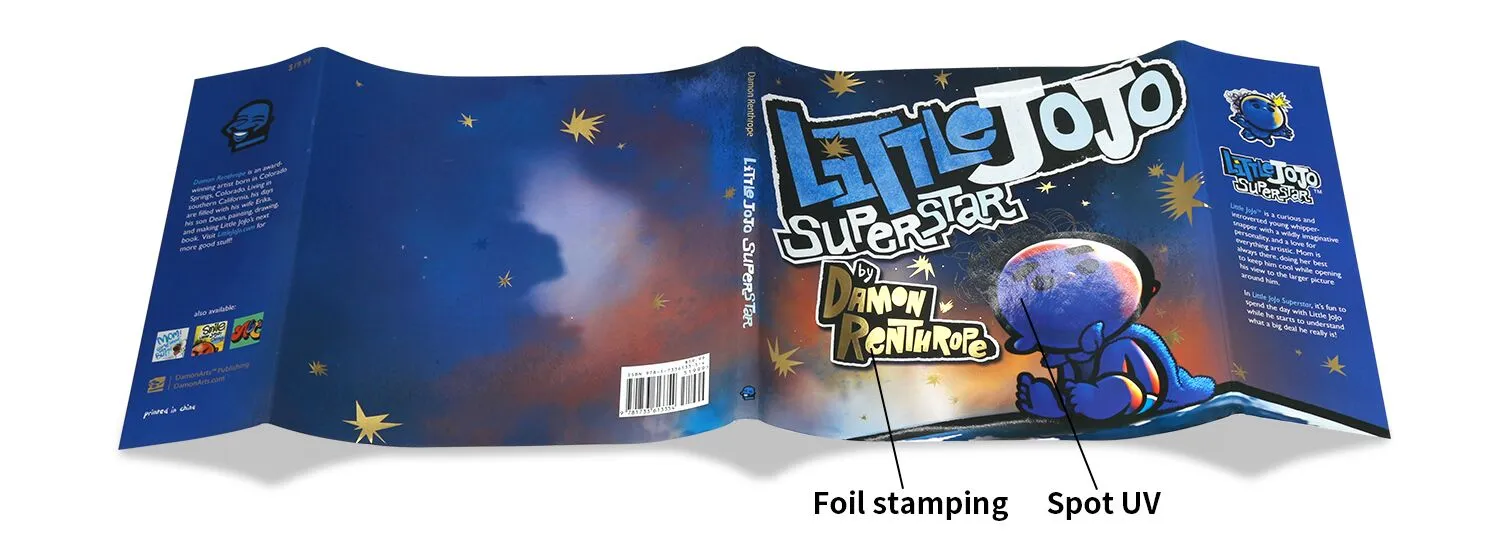
Spot UV
Spot UV is a finishing technique that adds gloss and texture to specific areas of the dust jacket, enhancing its visual appeal and creating a tactile experience for readers. It can be used to highlight key elements like the title, author’s name, or imagery, adding depth and dimension to the design.
Consider the areas where Spot UV would be most effective, ensuring it complements the overall design and theme. Use it strategically to create contrast and draw attention to essential elements, enhancing the book’s impact and memorability.
Spot UV can elevate the dust jacket’s quality and professionalism, making it stand out on the shelf. Experiment with different applications to find the most effective use of this technique, creating a visually striking and engaging design.
Foil Stamping
Foil stamping adds a luxurious and elegant touch to the dust jacket, using metallic or colored foil to highlight specific elements. This technique can create a premium look and feel, enhancing the book’s aesthetic appeal and perceived value.
Consider the elements that would benefit from foil stamping, such as the title, author’s name, or decorative motifs. Use it sparingly to maintain a balanced and cohesive design, ensuring it enhances rather than overwhelms the overall presentation.
Foil stamping can create a sense of exclusivity and sophistication, making the book more attractive to potential readers. Experiment with different colors and finishes to find the most effective application, creating a memorable and impactful design.
Embossing
Embossing adds texture and depth to the dust jacket, raising specific elements to create a tactile experience for readers. This technique can enhance the book’s visual and sensory appeal, making it more engaging and memorable.
Consider the areas where embossing would be most effective, such as the title, author’s name, or key imagery. Use it strategically to create contrast and draw attention to essential elements, enhancing the book’s impact and identity.
Embossing can add a unique and distinctive touch to the dust jacket, setting it apart from others on the shelf. Experiment with different embossing techniques and combinations to find the most effective use, creating a visually striking and engaging design.
Finalize the Dimensions and Bleed
Finalizing the dimensions and bleed of your dust jacket is a crucial step in the design process.
Dust Jacket Dimensions
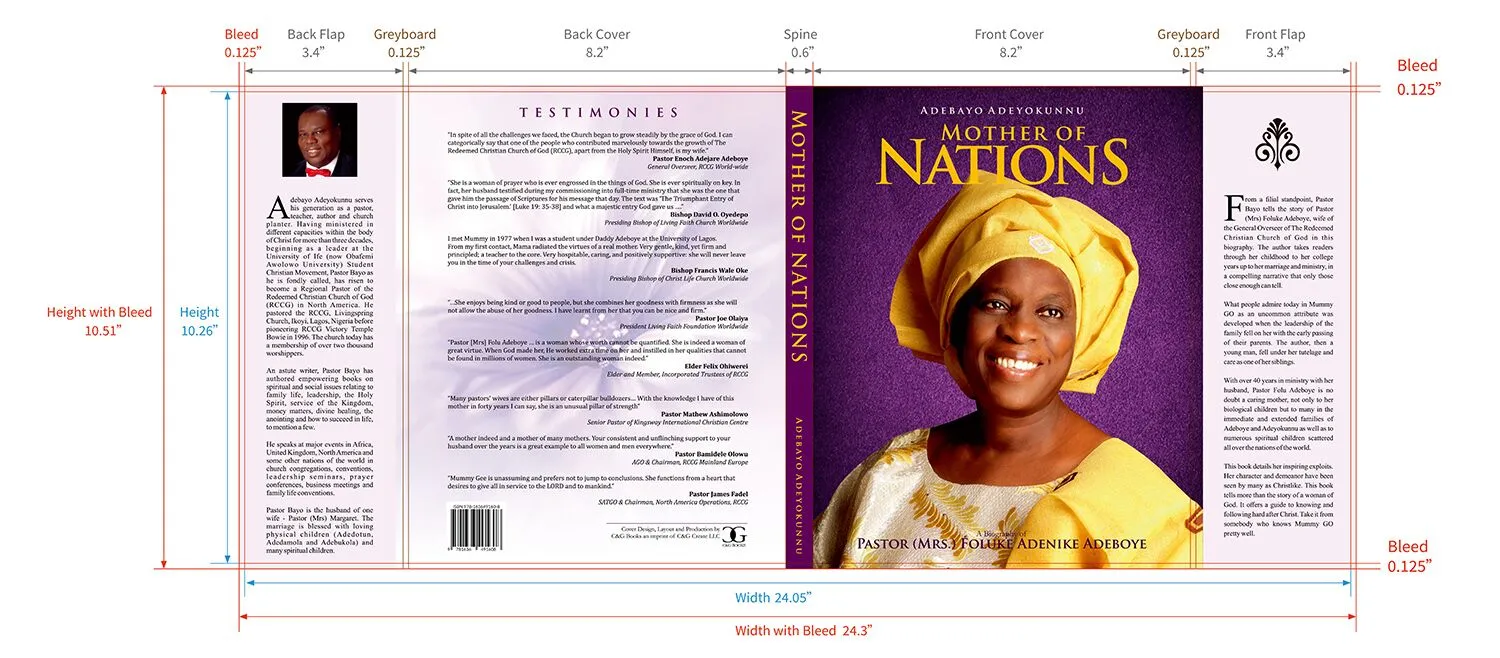
The dimensions of the dust jacket are critical for ensuring a perfect fit and professional appearance. It should encompass the front cover, spine, back cover, and both flaps, with precise measurements and alignment.
Consider the book’s size and thickness when finalizing the dimensions, ensuring the dust jacket fits snugly and securely. The design should account for any variations in size or shape, creating a seamless and cohesive presentation.
The dimensions should be carefully calculated and verified before printing, ensuring accuracy and consistency. Consider using templates or guides to assist with the process, creating a polished and professional dust jacket.
Bleed Area
The bleed area is an essential consideration in dust jacket design, providing extra space around the edges to prevent white lines after trimming. It ensures that the design extends beyond the final cut, creating a clean and professional finish.
Consider the bleed area when finalizing the design, ensuring all elements are correctly aligned and positioned. The standard bleed area is usually 0.125 inches, but check with your printer for specific requirements and guidelines.
The bleed area should be carefully calculated and verified before printing, ensuring accuracy and consistency. Consider using templates or guides to assist with the process, creating a polished and professional dust jacket.
Ready to Print?
Once your dust jacket design is complete, it’s time to prepare for printing. At this stage, it’s important to ensure that all elements are finalized and that the design is print-ready. Review the design for any errors, ensure all text is correct, and confirm that the dimensions and bleed are accurate.
If you’re seeking high-quality printing services, consider contacting BookPrintingChina. Whether for hardcover book printing or softcover book printing, we can bring your dream to life with premium printing that ensures your book stands out on the shelves. Our team of experts is ready to assist you in creating a stunning dust jacket that captures the essence of your book and engages readers.