


The choice of a children’s book illustrator can feel overwhelming at first. Yet it stands as one of the most vital decisions in creating a children’s book. Pictures don’t just decorate pages—they serve as powerful storytelling tools that substantially affect how young readers connect with your story.
Young readers’ eyes naturally go straight to the pictures when they open a book. Studies reveal that preschoolers pay more attention to illustrations than text during storytime. These visual elements create their gateway into your story’s world. Research shows that young preschoolers remember story events better when books come with pictures and interactive reading.
Pictures do much more than catch attention. A Reading Psychology journal study showed that first and third graders understood stories best when reading illustrated books. Research also points out that pictures lead to more interactive reading sessions between parents and kids, which helps boost literacy skills.
Book illustrations play several key roles in children’s literature. They help kids grasp the story’s setting and context—especially valuable for young readers still learning to understand what they read. Pictures also spark imagination by adding visual depth to the written story. Great illustrations create unforgettable characters and scenes that stick with children.
Self-published authors must pick their illustrators carefully. Unlike traditional publishers who handle this task, self-publishing puts you in charge of this game-changing decision. Your partnership with an illustrator needs careful thought since they become your story’s visual voice.
The children’s book market keeps changing, and publishers of all sizes want top-notch illustrations. Print sales dropped about six percent between 2022 and 2023, but e-books are gaining ground. These digital formats need dynamic pictures to keep young readers interested. This trend shows why finding artists who create compelling visuals across different platforms matters more than ever.
In this guide, we’ll will walk you through finding and working with a children’s book illustrator. You’ll learn about different illustration styles, contract basics, and building strong creative partnerships to help you find the perfect artist to bring your story to life.
Why Illustrations Matter in Children’s Books
Pictures open the door to reading for young children. Kids connect with visual stories long before they can read words. Text and images blend in children’s books to create a unique experience that shapes how kids think, feel, and understand different cultures.
Visual storytelling builds vital foundations
Pictures in children’s books give developing minds a framework to grow. Young readers look at illustrations to understand meaning, guess what happens next, and feel close to characters. These visual reading skills become the building blocks for learning other subjects. Pictures also help kids process their feelings through images they relate to.
Young readers use illustrations as clues to understand context. Kids naturally look at pictures to figure out new words and build their vocabulary. Good illustrations add more to the story than just words, which leads to deeper talks and better thinking skills.
Age-Appropriate Visual Design
Each age group responds best to different picture styles:
-
Babies and toddlers (0-2 years): Bold, simple pictures with high contrast colors
-
Preschoolers (3-5 years): More detailed pictures with bright colors and familiar objects
-
Early elementary (6-8 years): Complex scenes that tell more than the words
-
Middle elementary (9-12 years): Sophisticated pictures that match their growing maturity
These age-based priorities matter a lot when you’re looking for a children’s book illustrator who fits your target audience.
Building emotional connections through art
Children’s book illustrations leave a lasting mark on young minds. Characters with unique visual styles become friends as kids read more books. These picture-based connections often stay strong into adulthood. Many parents look for the same beloved characters from their childhood to share with their kids.
The best children’s book artists know how to show feelings through colors, layout, and character design. A talented illustrator captures subtle emotions that young readers might not know how to express yet. This helps children develop empathy and understand social situations better.
Cultural representation and diversity
Today’s children’s book illustrations help show many different life experiences. Kids feel better about themselves when they see characters who look like them in books. They also learn to understand and include others by seeing characters from different backgrounds early on.
Pictures that show various cultures, abilities, family types, and experiences make children’s world bigger. Finding an artist who can show diversity with care matters a lot when creating books for all children.
Beyond decoration: illustrations as narrative
The best children’s books use pictures to tell essential parts of the story. Skilled artists use visual techniques to share details not written in the words. This layered storytelling helps children become active readers who can understand both pictures and text.
Words and images work together to create a rich experience. Pictures sometimes match the text, while other times they show different viewpoints or extra information. This teaches kids to blend different types of information, which helps them become better readers.
Impact on reading habits and attitudes
Great pictures often determine whether a child likes a book. An eye-catching illustrated book can turn kids who don’t like reading into book lovers. Finding an artist whose style strikes a chord with your readers becomes essential to create books kids will read again and again.
Through pictures, children see books as fun and exciting rather than just learning tools. This positive feeling about reading creates habits that last way beyond childhood.
Pros and Cons of Hiring an Illustrator
The choice to hire a children’s book illustrator depends on several key factors. Professional illustrations can make your book much more appealing, though you’ll need to think about the costs carefully. Let’s get into the pros and cons of working with a professional illustrator.
Benefits of Hiring a Professional Illustrator
Professional illustrators bring stories to life in ways that fascinate young readers. Their specialized skills and experience help them create visually appealing artwork that strikes a chord with children and complements your story. Professional illustrations show refined techniques in color theory, composition, and character design that amateur work just can’t match.
You’ll see a huge difference between professional and amateur illustrations. Professional illustrators have spent years becoming skilled at their craft. They create detailed, polished images that amateur artists are nowhere near able to match. This higher quality helps your book stand out in a competitive market.
Professional illustrators save authors time and energy. You can focus on writing and storytelling while they handle the visual elements. This works especially well when you’re facing tight deadlines or juggling multiple projects.
Books with professional illustrations do better in the marketplace. High-quality visuals draw more readers and potential buyers, both in physical and online bookstores. Professional illustrations build trust with readers, reviewers, and booksellers. This often leads to better reviews and more word-of-mouth recommendations.
Drawbacks to Consider When Hiring an Illustrator
-
Cost: Money is the biggest problem when hiring a professional illustrator. Experienced illustrators charge between $3,000 and $20,000 based on the project’s size and complexity. Self-published authors with tight budgets might find this too expensive.
-
Time-Consuming: Creating illustrations takes time. The process includes multiple stages—from character design and sketches to final artwork—and each needs feedback and possible revisions. Both parties need patience and clear communication.
-
Creative Differences: There might be differences in vision, which can lead to revisions and additional costs.
Agencies and freelancers each offer different advantages:
| Agencies | Freelancers |
| Higher rates | Generally lower rates |
| More experienced illustrators | Experience levels vary widely |
| Access to multiple styles | Individual style priorities |
| Additional services (design, formatting) | Typically illustration-only focus |
| More structured process | More flexible arrangements |
New authors often make these crucial mistakes when hiring illustrators:
-
Choosing based only on price instead of quality
-
Not checking portfolios carefully
-
Poor communication about expectations
-
Skipping proper contracts
Finding Balance in Your Decision
Many children’s book authors ended up finding that professional illustration benefits outweigh the costs. Think about professional illustrations as an investment in your book’s quality and marketability rather than just an expense. Quality illustrations can change an ordinary story into an unforgettable reading experience.
Whatever you decide, careful research matters when looking for a children’s book illustrator. Look through portfolios, check references, and explain your vision clearly. Quick decisions often lead to poor collaboration and disappointing final products.
Types of Children’s Book Illustrations
Knowledge of children’s book illustration types helps you communicate better with potential illustrators. A good grasp of these different formats lets you state exactly what you need and plan your book layout well.
Spot Illustration
Spot illustrations are small, standalone images that appear within or around text. These compact visuals usually don’t have backgrounds and act as visual accents rather than main storytelling elements. They work best to:
-
Add visual interest to text-heavy pages
-
Highlight specific objects or characters
-
Create visual sequences that show progression
-
Decorate chapter headings or corners
These illustrations give flexibility in page design. Artists can add small visual elements without overwhelming the text. Small, focused illustrations often appear in sequence to give closer looks at the story and help readers connect with characters. They are a great way to get value in early readers and chapter books where full-page illustrations might not fit.
Half-page or Vignette Illustration
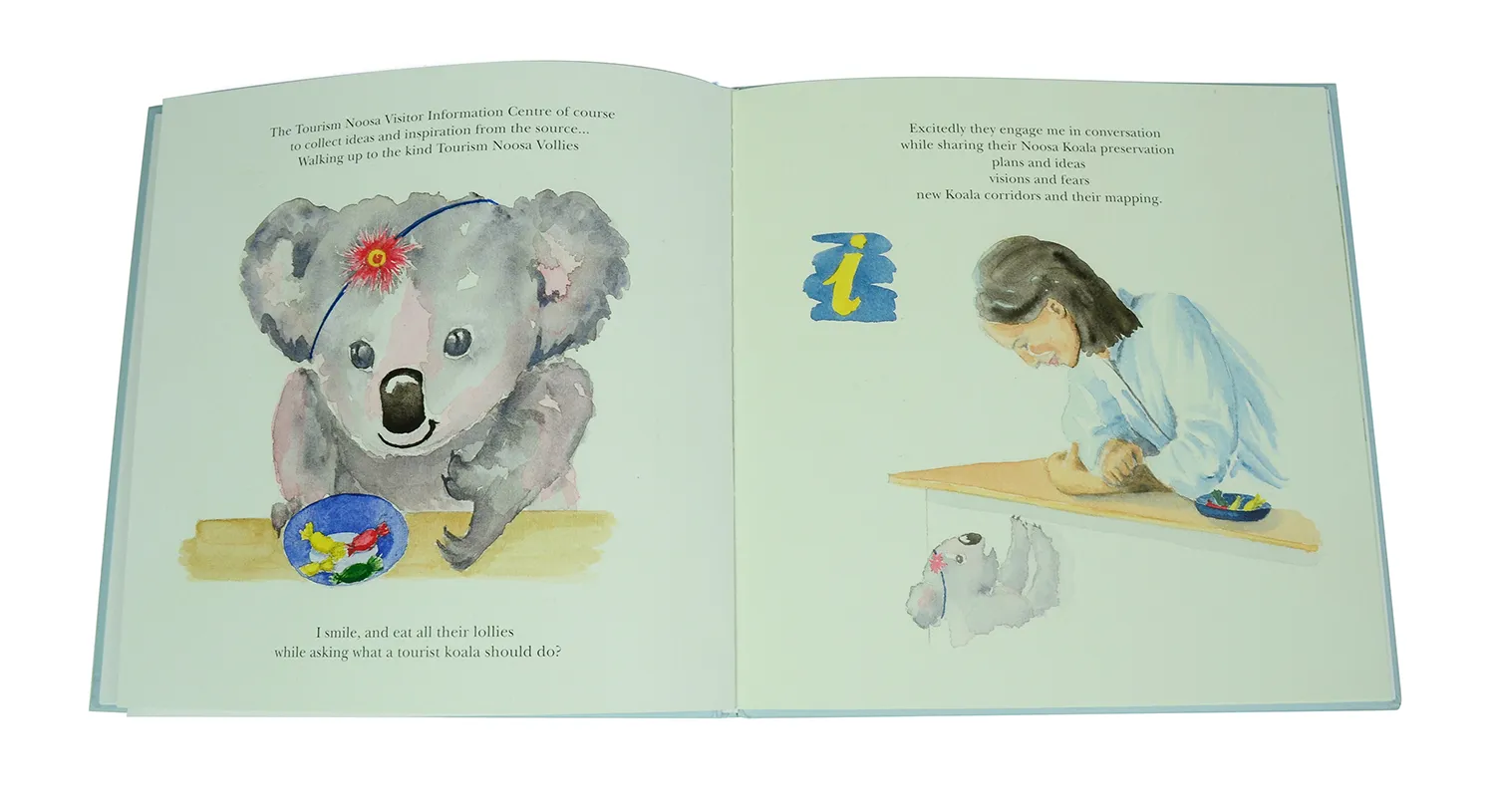
Half-page illustrations take up about 50% of a page, with text filling the rest. They show more detail than spots but stay simpler than full-page art. Half-page illustrations strike a perfect balance between minimal spot illustrations and detailed full-page art.
Vignettes are illustrations with faded or loosely defined edges. Their loose borders blend with white space, making the image feel light and pulling readers into the scene. Vignettes excel at:
-
Breaking up text-heavy sections
-
Showing quick scene snapshots
-
Depicting time passing through sequential images
-
Balancing busy pages with lighter elements
Artists often mix vignettes with spot illustrations to create visual variety throughout a book. This keeps readers interested while controlling the story’s pace.
Full-bleed Page Illustration
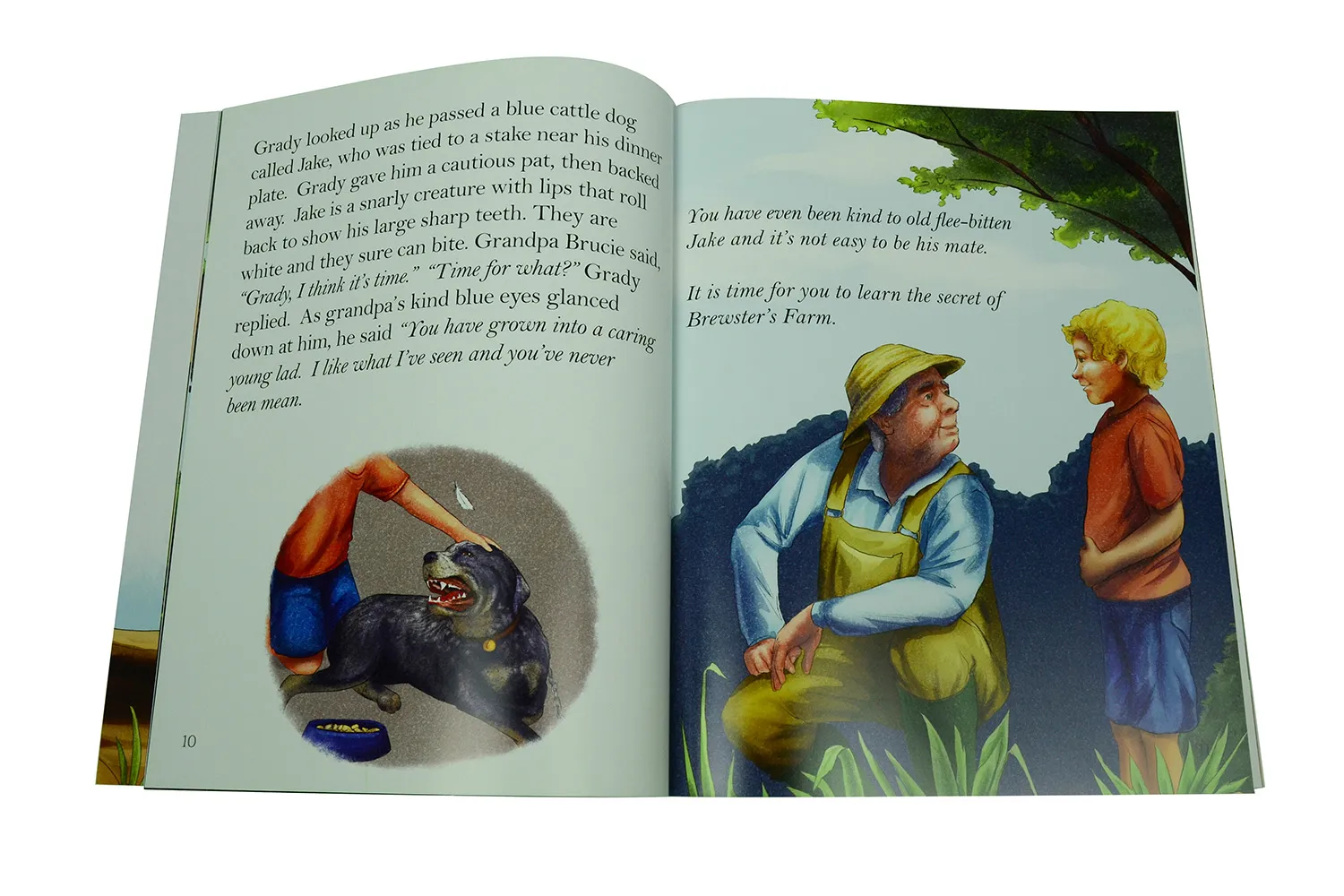
Full-bleed page illustrations reach right to the page edges without borders or margins. They cover an entire page and usually show the most important story moments. “Bleed” comes from printing terminology – artwork extends past the final trim size to ensure no white edges show after cutting.
Full-page illustrations give room for:
-
Rich detail and background elements
-
Immersive environments
-
Emphasis on key story moments
-
Text blocks that merge with the design
Artists need to keep vital elements away from the edges since they might get cut during printing. An illustration reaching even one edge counts as full-bleed and needs proper trim allowance.
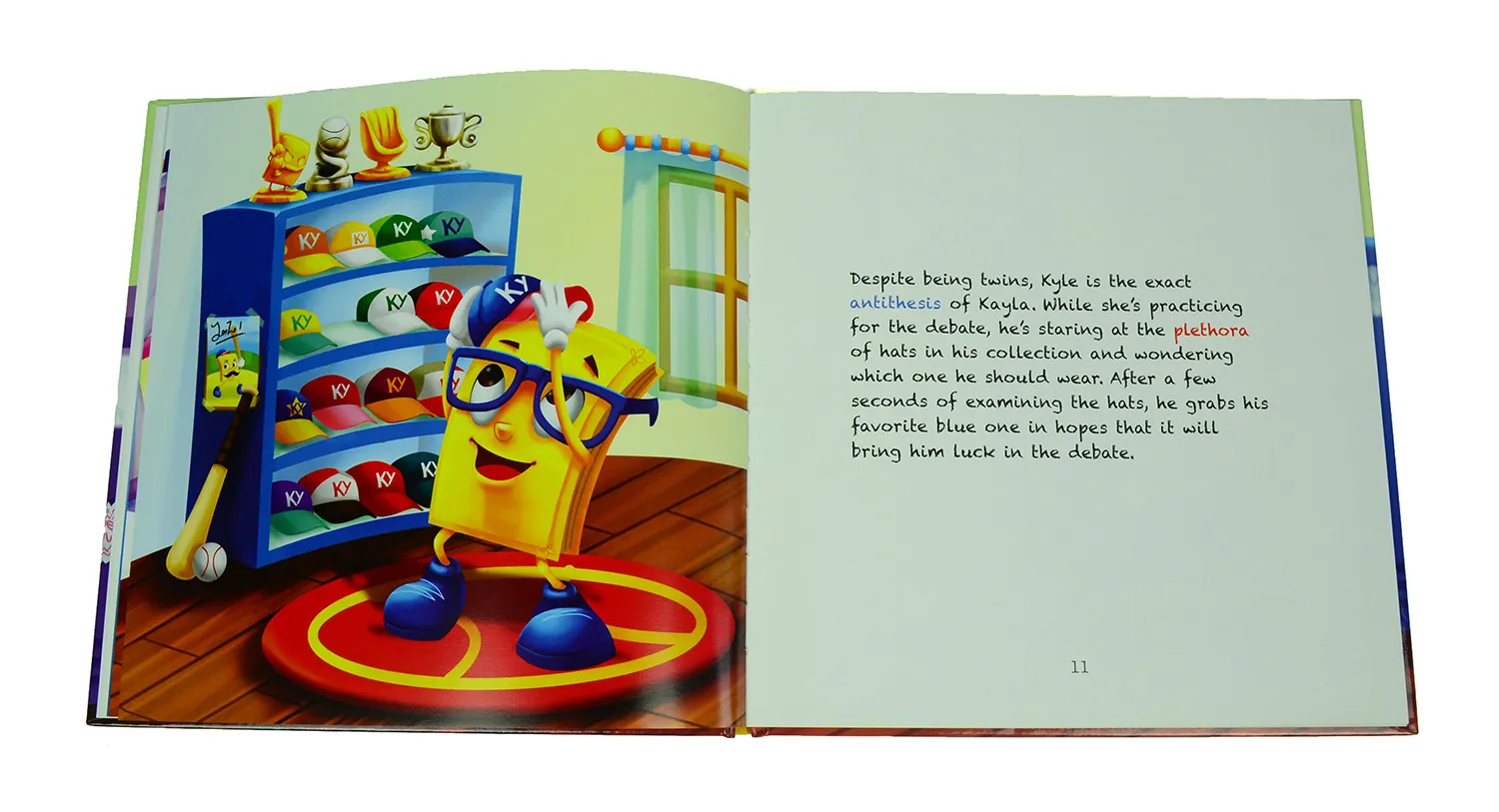
Full-bleed Spread Illustration
Full-bleed spread illustrations stretch across two facing pages to create dramatic panoramic views. These wide illustrations give the biggest canvas for your story and usually show the most effective moments. Books for very young children often use spread illustrations.
Your artist must think over:
-
The gutter where pages meet at the binding
-
Keeping vital elements away from the center
-
Naturally placing text blocks within the illustration
Spreads create strong visual impact and let artists show sweeping landscapes or wide scenes. Picture books often use spreads at climactic moments or as opening/closing images to set the story’s visual mood.
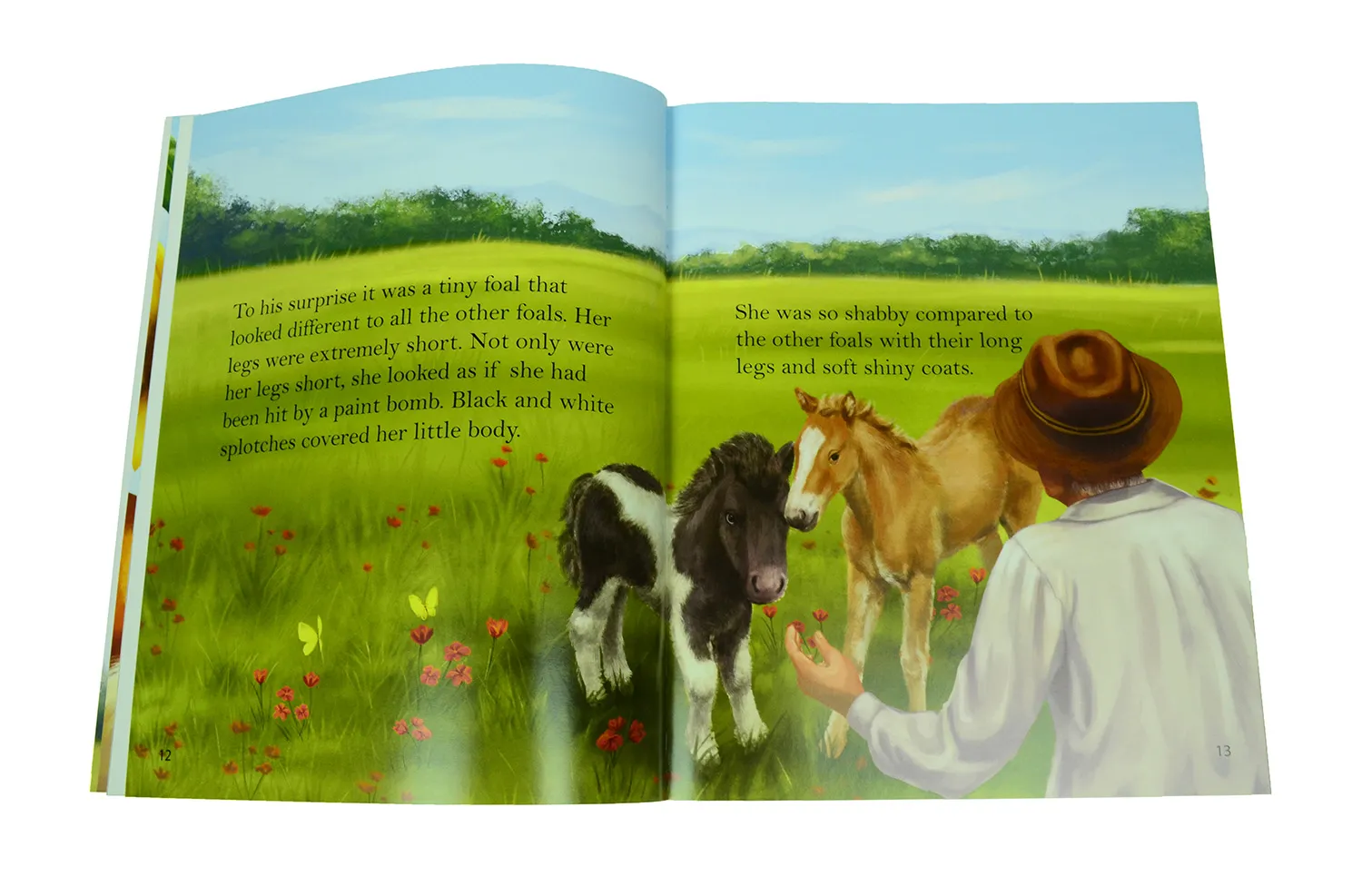
The right mix of illustration types depends on your story, audience, and budget. Most children’s books use different illustration styles to create visual rhythm throughout the story. Early discussions about these options with your artist will help you find the perfect visual approach for your book.
Steps to Find a Children’s Book Illustrator
Finding the right illustrator involves several key steps. Here’s a detailed guide to help you navigate the process:

Decide Your Book Style
Your story needs the right artistic style. Different mediums create unique moods and appeal to specific age groups. Watercolor illustrations add a soft, dreamy quality that works best for bedtime stories. Digital art creates crisp, vibrant images that fascinate young readers with their clarity.
The bold lines of marker illustrations or the texture of colored pencils might suit your narrative better. This choice substantially changes how readers connect with your story. To name just one example, ethereal watercolors enhance a whimsical fantasy, while digital illustrations make adventure stories pop.
Consider Your Illustration Type
Your illustration formats should tell your story in the most compelling way. Your book style choices naturally guide this step. Picture books for younger children need full-page or spread illustrations, while chapter books work well with spot illustrations.
Your choice of illustration type affects your budget and timeline. Full-bleed illustrations take more time and resources than spot illustrations. The visual flow of your book and reader engagement depend on these decisions.
Set Up Your Budget
A realistic budget helps you find the right children’s book illustrator. Quality illustration comes at a price—professional illustrators charge between $150-$1000 per illustration. A standard 32-page picture book needs about 20 illustrations, so your total costs might range from $3,000 to $20,000.
Note that your budget should include:
-
The illustrator’s experience level (newcomers vs. veterans)
-
How complex your illustrations need to be
-
The number and type of illustrations
-
Your timeline (rush jobs cost extra)
-
Rights agreements (exclusive rights cost more than limited usage)
Looking for Illustrators
With your style and budget in mind, start looking for illustrators. Use online directories, platforms, forums, and social media to find potential candidates. Be open to exploring different sources to discover diverse talents.
Conduct Interviews
Once you have a list of potential illustrators, conduct interviews to assess their compatibility with your project. Discuss their experience, previous work, and approach to collaboration. This step helps ensure that you find someone who shares your vision.
Compared different illustrators
Create a comparison matrix after interviewing several candidates. Focus on:
-
Portfolio quality and style match
-
Children’s book track record
-
How well they communicate
-
Price and value
-
Available timeline
-
What their clients say
-
Their excitement about your project
This organized comparison helps you make decisions based on facts rather than feelings. The right personality fit matters in this partnership, so trust your gut about who you’ll work with best.
Discuss Contract and Payment
Clear contracts cover everything after you pick your illustrator. Include payment schedules (usually 30-50% upfront), deliverables, revision policies, timeline, and rights assignments. Most illustrators keep certain rights to their work, so spell out these boundaries clearly.
Your contract should address copyright issues and usage rights. Publishers handle illustration arrangements and payments in traditional publishing. Self-publishing authors usually need “work-for-hire” agreements for exclusive illustration rights.
Keep communication open and respectful throughout the process. Finding a children’s book illustrator means building a creative partnership that brings your story to life visually. Clear expectations and professional boundaries help everyone succeed.
Where to Find An Illustrator for Children’s Book
You know what you need, so let’s talk about the best places to find talented illustrators. Here are some effective places to look:
Online Directories and Platforms
Specialized marketplaces give you direct access to thousands of professional illustrators. Behance and Dribbble showcase portfolios from experienced artists worldwide, and you can filter specifically for children’s book illustration. These platforms let you browse extensive galleries and reach out to artists directly.
Here are some great freelance marketplaces to check out:
-
Upwork and Fiverr have illustrators at every price point
-
Reedsy focuses on book professionals with verified credentials
-
Children’s Book Illustrator Directory lists only children’s book artists
If you’re looking at traditional publishing, the Society of Children’s Book Writers and Illustrators (SCBWI) has a complete database of professional illustrators with solid industry credentials.
Forums and Groups for Illustrators
Online communities are a great way to connect with illustrators. SCBWI forums let members post their illustration needs and get responses from interested artists. You’ll need a membership to join these communities, but the quality of candidates makes it worth the investment.
Reddit communities like r/ChildrensBooks and r/HungryArtists have dedicated threads for posting project descriptions. These forums often attract new talents who offer competitive rates.
Social Media
Social media has revolutionized how authors find illustrators. Instagram is probably the most visual platform, where hashtags like #childrensbookillustration reveal countless portfolios. Pinterest also offers searchable inspiration boards that feature children’s book art styles.
Facebook groups focused on children’s publishing create spaces for authors to post their illustration needs to targeted audiences. LinkedIn helps you search for professionals with specific children’s publishing experience and see their work.
Recommendation
Personal referrals are still one of the most reliable ways to find a children’s book illustrator. Fellow authors can give you insights about their illustration experiences that no portfolio can show.
Local art schools often have alumni networks of new illustrators who want to build their portfolios. These connections can lead to affordable options if you have a limited budget.
Children’s librarians are an overlooked resource. They work with thousands of illustrated books and often know local artists. Their recommendations come with a deep understanding of what catches young readers’ eyes.
FAQ about Finding an Illustrator
Authors often ask the same questions when they search for the perfect artist. Here are some of the most common questions new authors ask when looking for an illustrator.
1. How to start finding an illustrator?
Start by looking at different illustration styles you like. Visit bookstores or libraries to look through published children’s books that match what you want. Save examples of artwork you love during this process. After you know your priorities, check out online platforms like the Society of Children’s Book Writers and Illustrators (SCBWI), specialty directories, or social media where artists share their work.
2. What should I need to think about when viewing illustrator’s portfolio?
Look beyond just beautiful images when reviewing portfolios. Focus on these key points:
-
Characters that look consistent across scenes
-
Characters showing different emotions (not just happy faces)
-
Different composition styles and camera angles
-
Well-done backgrounds and settings
-
The ability to tell stories through pictures
-
Art that fits your target age group
3. Do I need to have a clear idea of my book’s illustrations before looking for an illustrator?
You should know your book’s simple parameters—trim size, page count, and general artistic direction. A clear vision helps you explain what you need, but skilled illustrators will add creative ideas that often boost the original concept. Stay open to their expertise while keeping your core vision intact.
4. How do I make sure the illustrator’s style matches my story?
Ask for samples related to your project before you commit. Get potential illustrators to draw a character sketch or sample scene from your manuscript. This helps you see if their style fits your story’s tone. Many artists offer this service for a small fee that can count toward the final project cost.
5. What should I include in my contract with an illustrator?
A solid contract should cover:
-
Payment schedule (usually three installments)
-
Timeline with specific milestones
-
Number of included revisions
-
Copyright ownership and usage rights
-
Credit and attribution details
-
Cancelation terms and kill fees
-
Delivery format requirements
6. What is the best way to communicate my ideas?
Write a detailed brief with character descriptions, scene outlines, and reference images. Complex projects benefit from a document that shows each illustration with text placement to help visualize the final product. Keep communication channels open and give quick feedback on sketches before the artist moves to final artwork.
7. How can I find an illustrator who specialized in children’s book illustration?
Look for artists with children’s book experience through specialty directories like ChildrensIllustrators.com or SCBWI membership. Art schools, children’s book conferences, and social media groups focused on children’s literature are great places to find specialized talent.
8. How long can I find a suitable illustrator?
Your timeline depends on how much research you do and what your project needs. Most authors spend 2-4 weeks researching and talking to candidates. Professional illustrators book their work months ahead, so start your search well before you plan to publish.
Printing your Children’s Book with Us
Your next big step after completing your story and illustrations is getting your children’s book printed. BookPrintingChina brings 25+ years of expertise to help you with custom children’s book printing.
We have many binding options that match your project needs. You can choose from hardcover children’s books (most popular choice), softcover versions, saddle stitch binding, or specialty formats. We also provide custom board books, pop-up books, and sound books with solutions tailored for different age groups.
The quality and feel of your book substantially depends on paper choice. BookPrintingChina has:
-
Coated paper with glossy or matte finishes that improve image clarity
-
Uncoated paper giving a natural look while keeping vibrant colors
-
Cover options with thicker papers (250gsm for paperbacks) or materials like cloth or leather wrapped on gray board for hardcovers
-
Custom paper options also available
BookPrintingChina helps make your book visually appealing with these cover finishing options:
-
Lamination (glossy, soft-touch or matte)
-
Foil stamping for metallic accents
-
Die cutting for unique shapes
-
Spot UV for glossy raised effects
-
Embossing/debossing for tactile elements
BookPrintingChina values eco-friendly materials, quick delivery, competitive pricing, and customer-focused service. We will turn your creative vision into a professionally printed children’s book that will fascinate young readers for years.