


For newcomers to the publishing industry, there are a host of issues that can arise when preparing to print your first paperback book. In this beginner guide, we provide a step-by-step guide to help you print a paperback book, including paperback types and sizes, materials, proofs, binding, and more. Let’s get started.
What’s A Paperback Book?
A paperback book, as the name suggests, is a book bound with a thick paper or soft cover. Unlike hardcover books, which have rigid covers, paperback books have flexible covers that can bend without breaking. This makes them lightweight, portable, and cost-effective compared to their hardcover counterparts.
Paperback books have been around for centuries, but they gained widespread popularity in the mid-20th century when mass-market paperbacks became a staple in bookstores and newsstands. Today, paperback books are a popular choice for fiction, non-fiction, and reference books. They offer readers an affordable and convenient reading experience.
As an experienced printing provider, I appreciate the versatility and accessibility of paperback books. They are easy to carry around, making them perfect for commuting, traveling, or simply reading on the go. Moreover, their lower cost compared to hardcover books makes them an excellent option for readers on a budget or those who prefer to build their personal libraries without breaking the bank.
Benefit of Printing A Paperback Book
Print a paperback book offers several benefits, both for authors and readers. Here are some key advantages:
-
Cost-effective: Print paperback books are generally less expensive than hardcover books, making them a budget-friendly option for authors and publishers. This lower cost also translates to a more affordable price point for readers.
-
Portability: The lightweight and flexible nature of paperback books makes them easy to carry around, whether you’re commuting, traveling, or simply lounging at home.
-
Accessibility: With their lower price point, paperback books are more accessible to a wider range of readers, including students, book enthusiasts, and those on a tight budget.
-
Promotional tool: Paperback books can serve as an effective promotional tool for authors and publishers. They can be used for book signings, giveaways, or as part of marketing campaigns to build an audience and generate interest in an author’s work.
-
Environmental friendliness: Paperback books generally have a smaller environmental footprint compared to hardcover books. Because they require fewer materials and resources to produce.
Paperback Book Types and Sizes
Paperback books come in various types and sizes, each designed to cater to different genres, audiences, and printing requirements. Here are some common types and sizes:
Trade Paperback
Trade paperbacks are known for their higher quality and larger dimensions compared to other paperback formats. Typically printed on thicker paper, they are favored by readers who seek a more aesthetically pleasing and durable option. When considering custom paperback book printing, trade paperbacks often come with larger trim sizes—ranging from 5.5” x 8.5” to 6” x 9”—making them ideal for novels and general fiction.
Mass Market Paperback
Mass market paperbacks are smaller and more affordable than trade paperbacks, frequently found in supermarkets, drugstores, and airport kiosks. They are typically 4.25” x 6.87” and made from lower-quality paper, allowing for mass production and lower price points. This format is ideal for genres like romance, mystery, and science fiction, giving readers easy access to their favorite stories.
Digest Size Paperback
Digest size paperbacks sit between trade and mass market formats, usually measuring around 5.5” x 8”. They are often used for serialized content and magazines. This format is popular for collections of short stories, comics, or anthologies. Digest size is perfect for readers looking for something compact yet high-quality.
Non-Fiction Paperback
Non-fiction paperbacks can range across various sizes, depending on the subject matter and audience. They often contain illustrations, diagrams, or charts, making them ideal for educational or professional publications. For example, memoir paperback can be as small as 5.25″ x 8″, while paperback cookbook can be 8″ x 8″ or large as 8.5″ x 11″.
Children’s Paperback
Children’s paperbacks feature vibrant illustrations and engaging formats designed specifically for younger audiences. Ranging in size from 7” x 7” to 8” x 10”, these books often utilize durable covers and paper types that can withstand wear and tear. Children’s paperback books are fantastic for storytelling, early readers, and educational purposes.
Comic & Graphic Novel Paperback
Comic books and graphic novels are typically printed in larger formats, often measuring 6.625” x 10.25” or larger to accommodate vibrant illustrations and detailed artwork. Comic and graphic novel paperbacks are a popular choice for fans of storytelling through art.
Pocket Paperback
Pocket paperbacks are the most compact format, usually sized at around 4” x 6.75”. They are designed for convenience, making them easy to carry in a bag or pocket. This type of paperback is great for readers on the go, who enjoy having a book at their fingertips wherever they are. Pocket paperbacks can include a range of genres, from thrillers to classic literature.
Textbook Paperback
Textbook paperbacks are built for durability and functionality, often featuring a larger trim size (8.5” x 11”). These books can include color pages, illustrations, and diagrams, particularly in subjects like science, mathematics, and social studies.
Oversized Paperback
Oversized paperbacks feature larger dimensions, often exceeding standard sizes, which can vary widely (12” x 12” or larger). This format is commonly used for art books, coffee table books, and photography collections, where visuals play a substantial role.
Understanding the different types of paperback books and their sizes is essential when considering how to print a paperback book. From trade and mass-market paperbacks to specialty formats like children’s or graphic novel paperbacks, each type serves a unique purpose. When utilizing paperback book printing services, keeping in mind the genre, audience, and presentation will lead to the ideal paperback that captures attention and stands the test of time.
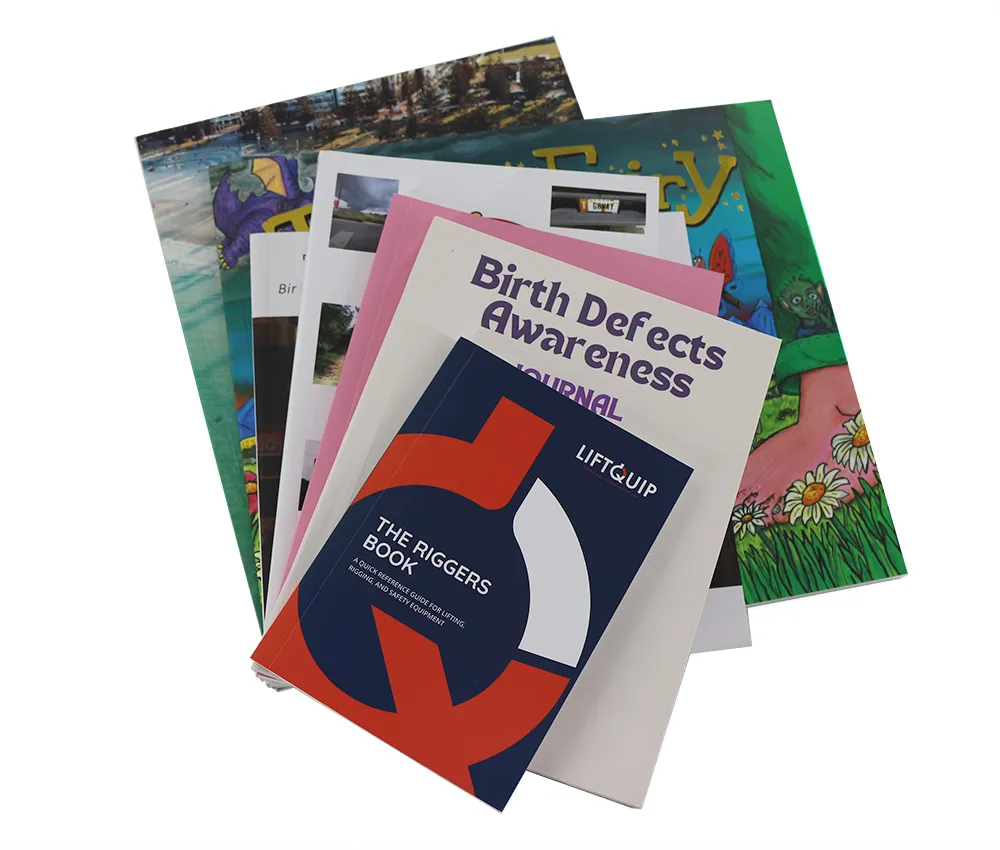
The Process of Producing A Paperback Book
Producing a paperback book involves several steps, each crucial to ensuring a high-quality final product. Here’s a breakdown of the process:
1. Quote
The first step is to obtain a quote from a reputable printing company. This quote will provide you with an estimate of the costs involved, taking into account factors such as the book’s size, page count, paper stock, binding method, and printing quantity.
2. Prepare print-ready file
Once you have received and accepted the quote, you’ll need to prepare a print-ready file for your book. This file should be properly formatted and include all the necessary elements, such as the cover design, text layout, and any illustrations or graphics. It’s essential to follow the printer’s guidelines to ensure a smooth printing process.
3. Proof
After submitting your print-ready file, the printing company will provide you with a proof, which is a preliminary version of your book. This proof allows you to review the content, layout, and overall appearance before proceeding to the final printing stage. It’s crucial to carefully inspect the proof and provide any necessary feedback or corrections to the printer.
4. Printing
Once you have approved the proof, the printing process can begin. Depending on the printing method (digital or offset), the printer will use specialized equipment to print the book’s pages and cover.
5. Binding
After printing, the individual pages and cover are bound together to create the finished paperback book. The most common binding method for paperbacks is perfect binding, where the pages are glued together at the spine and attached to the cover.
6. Finishing
The final step in the process is finishing, which may include additional treatments or embellishments to enhance the book’s appearance and durability. Common finishing options include lamination, foil stamping, embossing, and trimming.
Request A Quote
To begin the process of printing your paperback book, you’ll need to request quotes from different paperback book printing factory. Here are some key considerations when requesting a quote:
Printing Specification:
-
Size: Specify the desired size of your paperback book, such as trade paperback, mass market paperback, digest size or custom size. Usually larger sizes need more material and ink, so the cost will also increase.
-
Paper Stock and Weight: Choose the type and weight of paper you prefer for the interior pages and cover. Common options include gloss art paper, matte art paper, uncoated paper, and recycled paper. Thicker and higher-quality paper will be more expensive than regular paper, increasing your overall cost.
-
Binding: Indicate your preferred binding method, such as perfect binding, sewed binding or flexible binding. Different binding methods have different costs due to different binding processes. For example, sewn perfect binding has an extra sewing process, so the cost will be higher than perfect binding.
-
Color: Specify whether you want your book printed in full color or black and white. As we all know, full color printing costs more than black and white printing (usually black ink) because it requires mixing the four colors of cyan, magenta, yellow, and black.
-
Finish Options: Consider any additional finishing options you may want, such as lamination, foil stamping, or embossing. The more complex the design craft of a paperback book, the more it will cost.
-
Printing Quantity: Provide the number of copies you need to print as this will affect the total cost. Print more copies means a lower price per copy.
By providing these details, the printing company can provide an accurate quote tailored to your specific requirements.
Tips for Preparing Print-Ready File for Printing
To ensure a smooth printing process and a high-quality final product, it’s essential to prepare your print-ready file correctly. Here are some tips to keep in mind:
1. Bleed and Margins
Understand the printer’s requirements for bleed (the area extending beyond the trim line) and margins. Proper bleed and margin settings ensure that your content is printed correctly and without unwanted white borders or cropping. For softcover printing, the standard print bleed is 3 mm (0.125 inches).
2. Fonts
Embed or outline all fonts used in your document to prevent any font substitution issues during printing. Additionally, avoid using system fonts, as they may not be available on the printer’s system.
3. Image Resolution
Ensure that all images and graphics in your file are at the appropriate resolution for printing. Generally, a resolution of 300 dpi (dots per inch) or higher is recommended for optimal print quality.
4. Color
Convert all colors in your document to the CMYK (Cyan, Magenta, Yellow, Black) color mode, as this is the standard for professional printing. Avoid using RGB (Red, Green, Blue) colors, as they may not print accurately.
5. File Format
Save your final print-ready file in PDF format, as this format is widely accepted by printing companies and ensures easier to transfer between computers without losing data or resolution quality.
Materials for Paperback Book Printing
When venturing into the world of publishing, authors and self-publishers often find themselves navigating the intricate landscape of book materials. Choosing the right materials is critical, as they directly impact the overall quality and aesthetic of the final product.
Here are some common options to consider:
Paper Type
The type of paper selected for a paperback book significantly influences the reading experience and the book’s appeal. Here are some popular choices:
-
Gloss Art Paper – Known for its shiny finish, gloss art paper is perfect for books that include images or full-color illustrations. It enhances vibrancy and makes colors pop, ensuring visual elements stand out. If you intend to print a paperback book that prioritizes graphics or photography, gloss art paper is an excellent choice.
-
Matte Art Paper – Unlike its glossy counterpart, matte art paper presents a non-reflective surface. It offers a more subdued and sophisticated look, making it ideal for literary works and novels. Authors who want a tactile experience and a premium feel might prefer matte art paper.
-
Uncoated Paper – This type of paper is free from any coatings or finishes, giving it a more natural and organic feel. Uncoated paper typically offers better ink absorption and is often used in novels or text-heavy books where the focus is on the words rather than visuals. It provides a rustic feel, appealing to readers who appreciate simplicity and authenticity.
-
Recycled Paper – With growing concerns about environmental sustainability, recycled paper has become increasingly popular among authors and publishers. This eco-friendly option not only uses post-consumer materials but also conveys a message about corporate responsibility. Choosing to print a paperback book on recycled paper can attract environmentally-conscious readers and enhance your book’s appeal.
Weight
The weight of the paper used for your print paperback book plays a crucial role in the book’s overall feel, durability, and even cost. Typically measured in grams per square meter (GSM), weight affects factors like texture and thickness.
-
Lightweight Papers (80-90GSM) – These are often used for novels and text-heavy books where the primary focus is the content. Lightweight papers can reduce shipping costs and are easier for readers to handle, making them a common choice for large print paperback books.
-
Mid-range Papers (100-128 GSM) – Offering a balanced option, mid-range papers work well for books with some visual elements but are still predominantly text-focused. They provide a sturdy feel while remaining affordable.
-
Thicker Papers (157-200 GSM) – Ideal for high-quality publications, premium papers make an impression but can increase printing and shipping costs. Books that need a premium finish and have extensive illustrations or photographs often benefit from thicker paper.
-
Heavy Weight Cardstock(200-350 GSM)– These papers are perfect for book covers, enhancing the cover’s durability, resisting tears and wear, while making the cover design more eye-catching.
Finish
The finish of your paperback book not only influences the aesthetics but also impacts durability and usability. Your choice should align with your audience’s preferences and the book’s content.
-
Gloss Finish – A gloss finish adds shine to the surface of the paper, making colors appear vivid and images lively. It’s suited for books with extensive graphics and illustrations, offering a polished presentation.
-
Matte Finish – Matte finishes provide a softer, subdued perception, evoking a sense of elegance and sophistication. This finish is also less prone to fingerprints and smudges, making it a favorite for high-end literary works.
-
Uncoated Finish – With an uncoated finish, readers receive a tactile experience that is both rough and natural. This option is often associated with literary and artistic works, where the focus is on the written word and the sensory interaction of the reader with the book.
Selecting the right materials for printing your paperback book is vital in ensuring it captures attention, aligns with your vision, and resonates with readers. By considering paper types, weight, and finish, you can create a beautiful and functional print paperback book that stands out in a crowded market. Whether you’re aiming for a luxurious matte finish for a literary masterpiece or a glossy cover for a colorful children’s book, understanding the intricacies of these materials will guide you in making informed decisions throughout your publishing journey.
Proofing
Before the final printing, it’s essential to review a proof of your paperback book to ensure that everything is as you intended. There are two main types of proofs:
Soft Proof
A soft proof is a digital version of your book, typically provided as a PDF file. This allows you to review the content, layout, and design on your computer screen before moving forward with the physical printing.
Hard Proof
A hard proof is a physical sample of your book, either a digital print or an offset printing sample. This gives you the opportunity to see and feel the actual quality of the paper, binding, and overall presentation of your book.
Carefully reviewing both the soft and hard proofs is crucial to catching any errors or making last-minute adjustments before the final printing. This step helps to ensure that your paperback book meets your high standards and the expectations of your readers.
Printing: Digital Printing or Offset Printing
When it comes to printing your paperback book, you have two primary options: digital printing or offset printing. Each method has its own advantages and considerations:
Digital Printing
Digital printing is a more cost-effective and flexible option, especially for shorter print runs or books with frequent updates. It uses digital files to directly print the pages, eliminating the need for physical plates. Digital printing is well-suited for on-demand book production and small-to-medium print runs.
Offset Printing
Offset printing is a traditional printing method that uses physical plates to transfer ink onto the paper. This process is typically more cost-effective for larger print runs and can produce higher-quality results, particularly for books with complex layouts or images. Offset printing is often the preferred choice for high-volume paperback book production.
When deciding between digital and offset printing, consider factors such as your print run size, budget, timeline, and the specific requirements of your paperback book project. Consulting with a reputable printing company can help you determine the best printing method for your needs.
Binding Methods for Paperback
The binding method used for your paperback book can significantly impact its overall appearance, durability, and reading experience. Here are some common binding options:
PUR Binding (Perfect Binding)
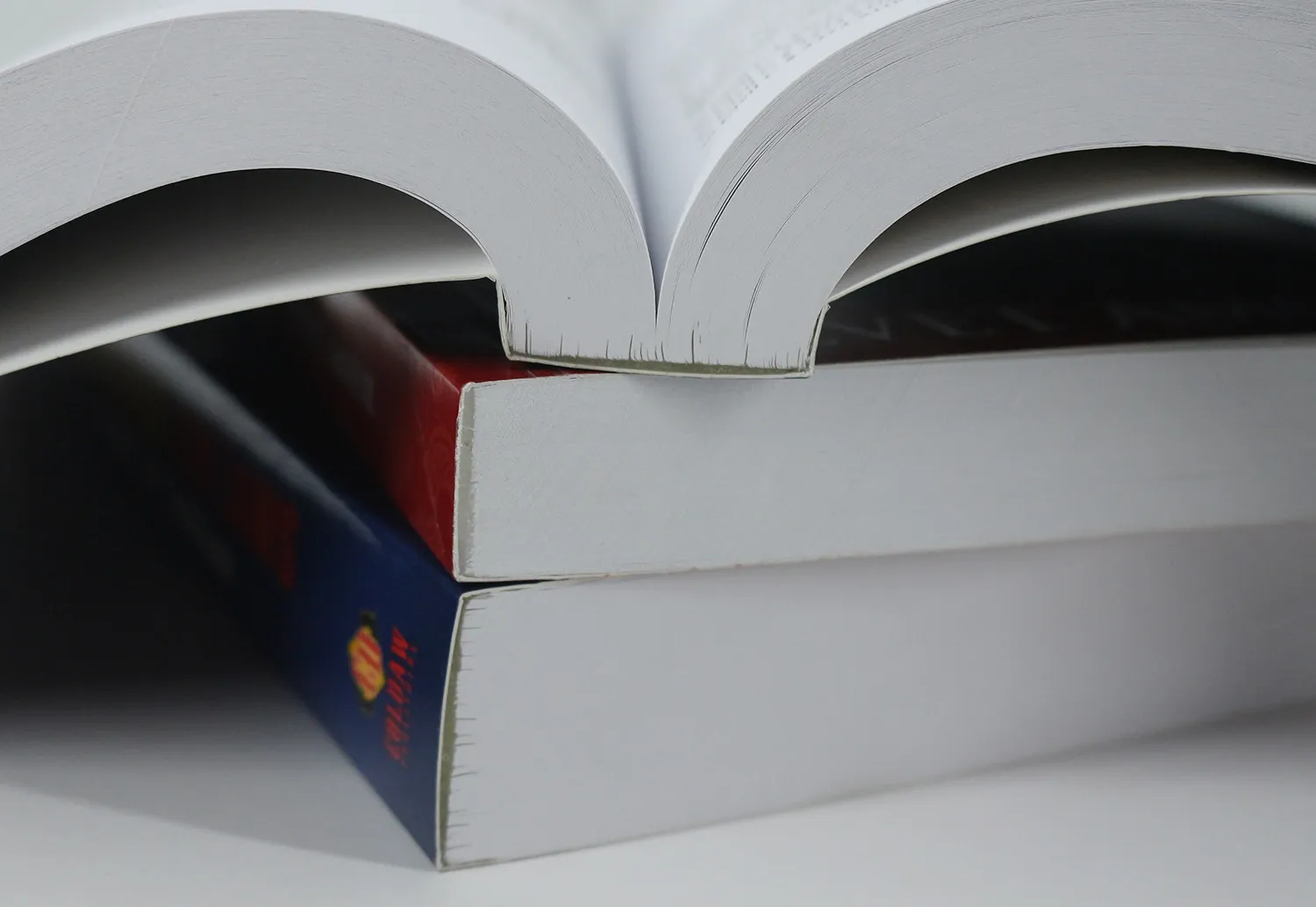
PUR (Polyurethane Reactive) binding is the most common binding method for paperback books. It involves gluing the pages together at the spine and attaching the cover. PUR binding is a cost-effective and durable option, making it suitable for a wide range of paperback books.
Sewn Perfect Binding
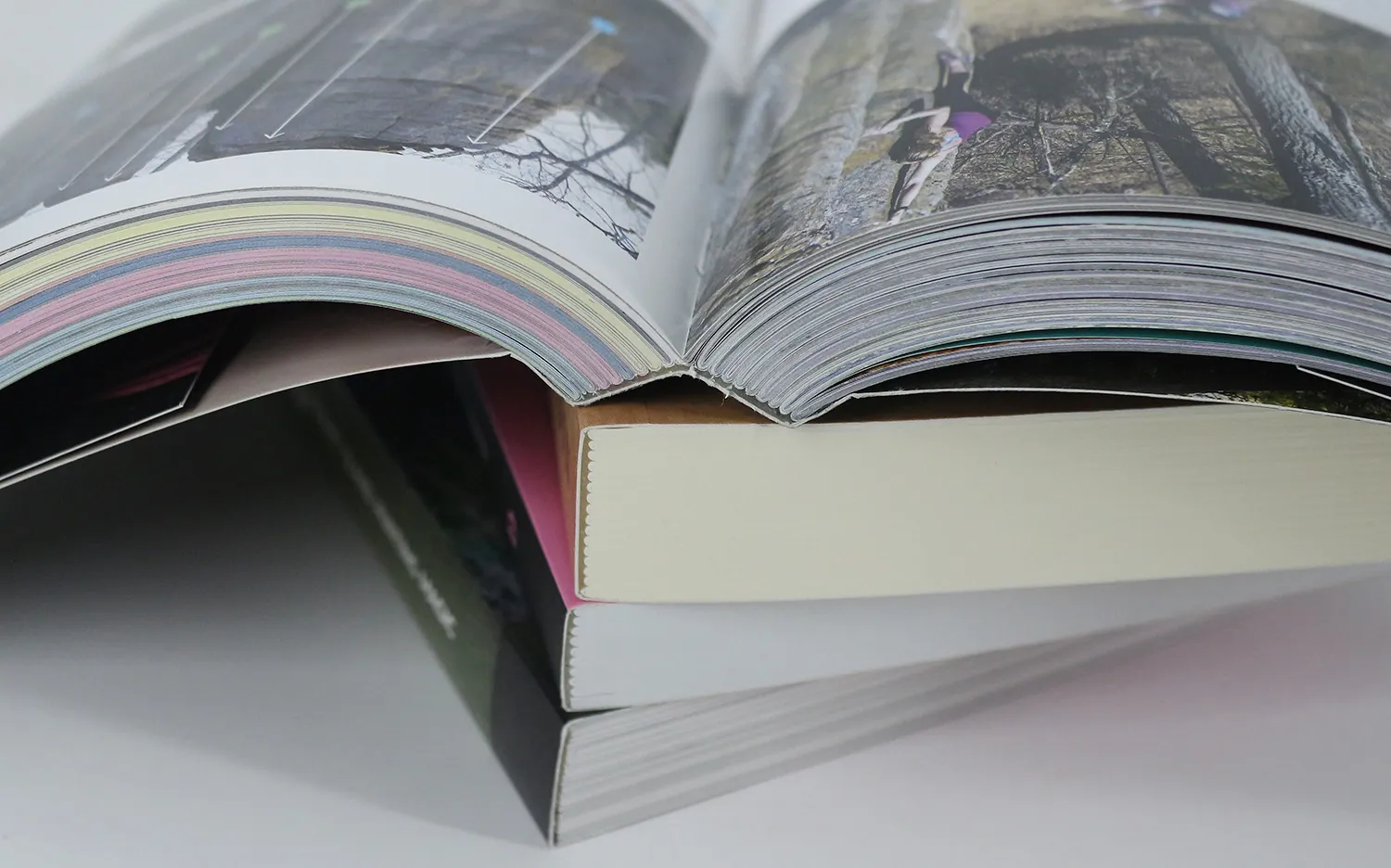
Sewn perfect binding combines the strength of traditional sewn binding with the flexibility of a paperback cover. The pages are sewn together at the spine, providing enhanced durability and a high-quality feel, also allowing the pages open flat. But due to adding the extra process of sewing, the cost is higher than PUR binding, as well as longer production time.
Flexibinding
Flexibinding, also known as lay-flat binding, allows the book to open and lie flat without excessive creasing or cracking of the spine. This binding method is particularly useful for books that require easy access to content, such as bible books, jounals, cookbooks or reference materials.
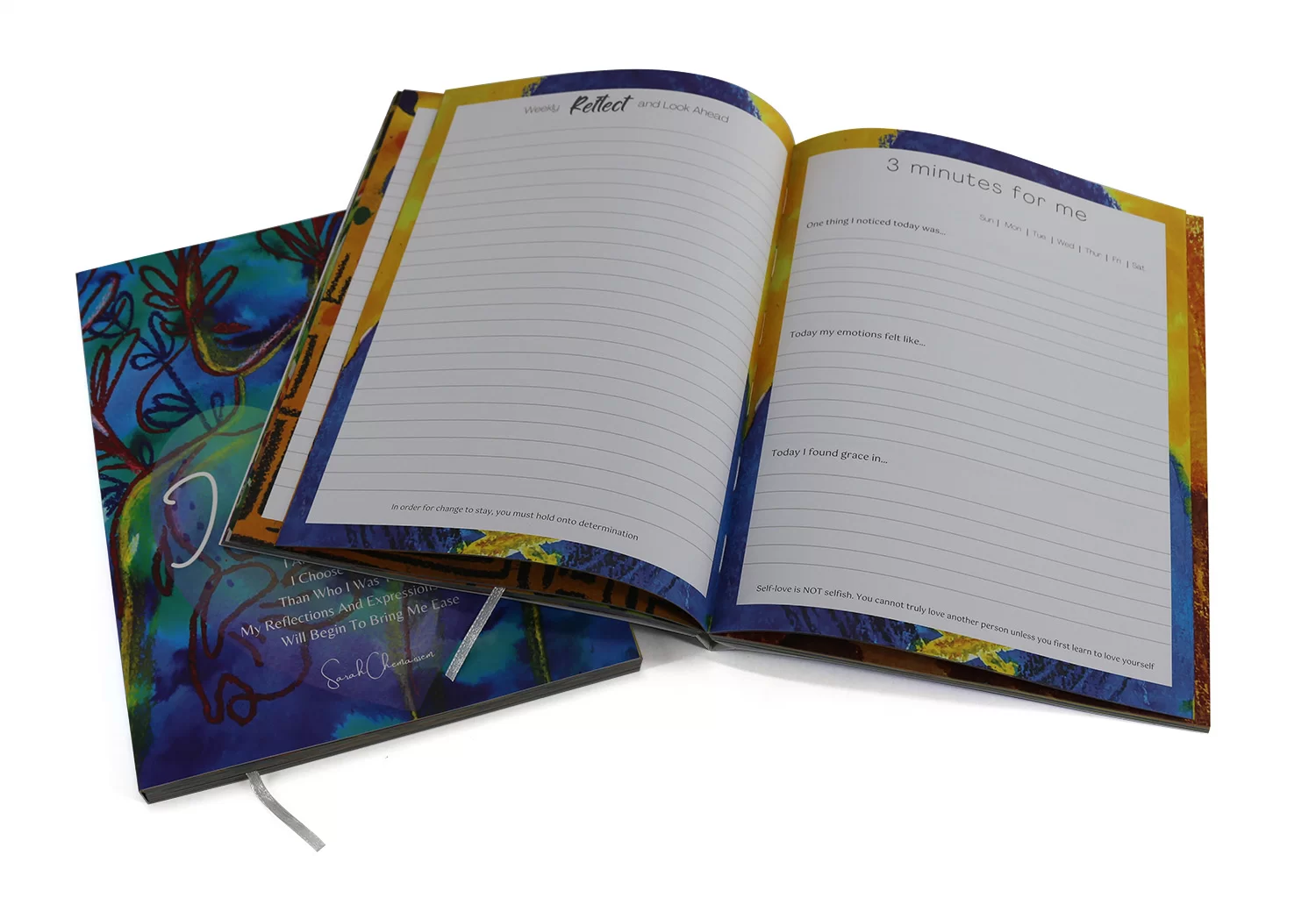
Considering the binding method that best suits your paperback book’s intended use, design, and budget will help you create a cohesive and functional final product.
Adding Special Finishes or Other Elements
To enhance the visual appeal and tactile experience of your paperback book, you can consider adding various special finishes or other elements. Here are some options to explore:
Lamination
-
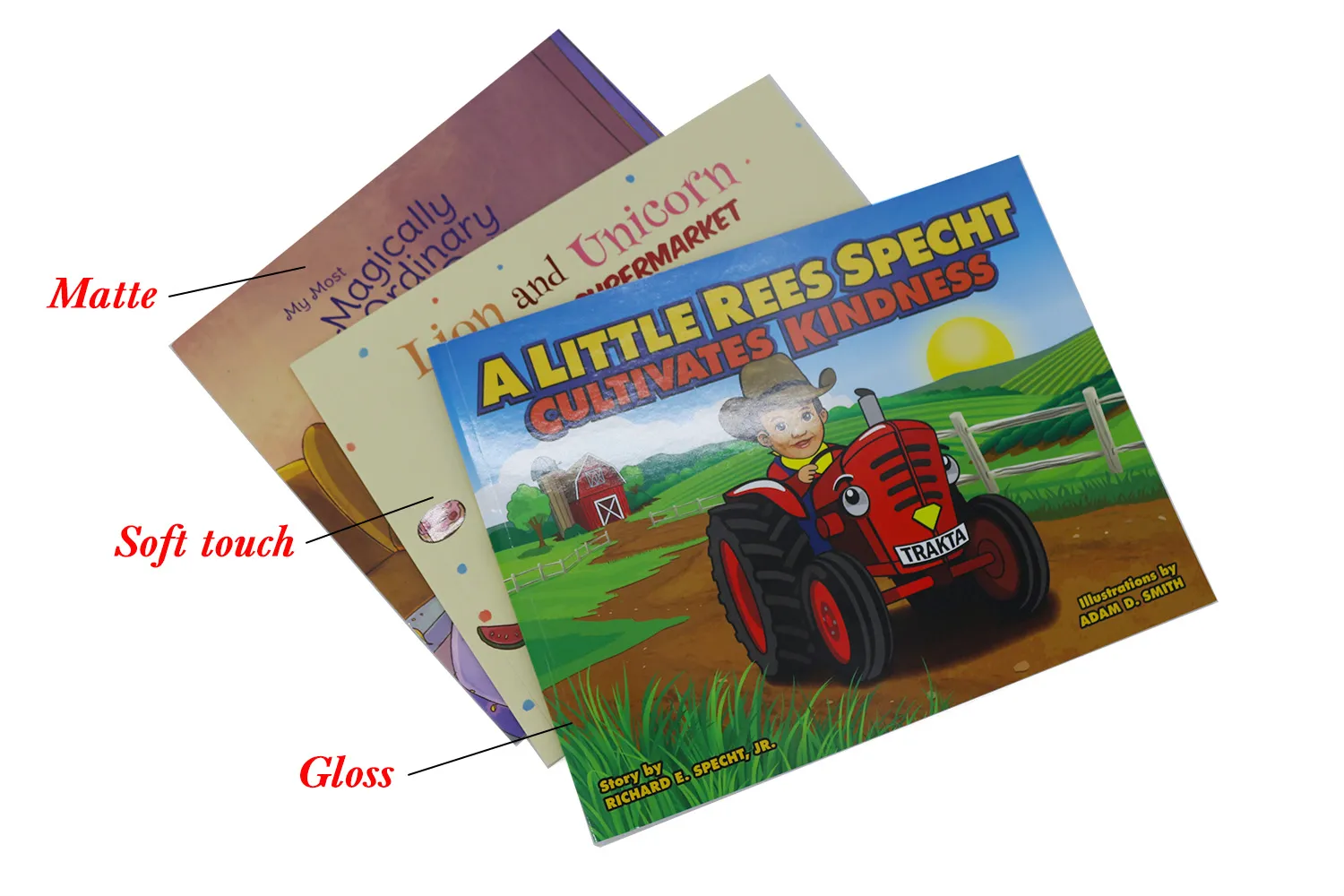
Gloss Lamination: Provides a shiny, reflective surface to the book cover. This finish enhances colors and gives a vibrant look, making images pop. It also adds a layer of protection against scratches and scuff marks, ensuring that your print paperback book remains in pristine condition longer.
-
Matte lamination: Offers an elegant and sophisticated appearance. This finish offers a smooth, non-reflective surface that gives a professional touch to your book. A matte finish feels soft to the touch and reduces glare, allowing readers to view the cover comfortably from various angles.
-
Soft touch lamination: Creates a velvety texture that invites touch. This luxurious finish not only enhances the aesthetic appeal but also provides protection against wear and tear. A soft touch laminate can make any print paperback book feel more premium, attracting readers who appreciate a higher-end product, especially in a competitive market.
Foil Stamping
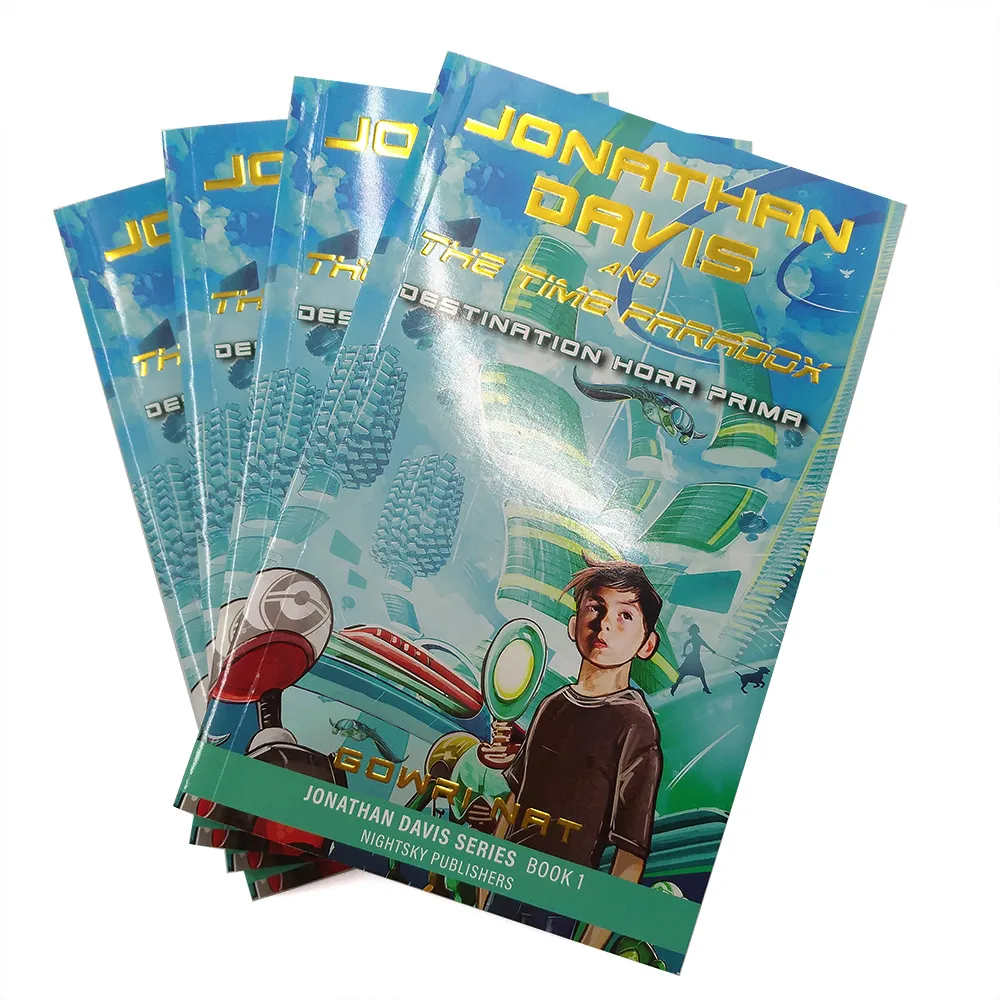
For an eye-catching detail that truly stands out, foil stamping adds a metallic or color to specific areas of the cover and spine. This technique can be used for titles, logos, or distinctive graphic elements, offering an added layer of sophistication and visual interest. Foil stamping can elevate even simple designs into something striking, making your paperback book a memorable one on bookstore shelves or library catalogs.
Embossing
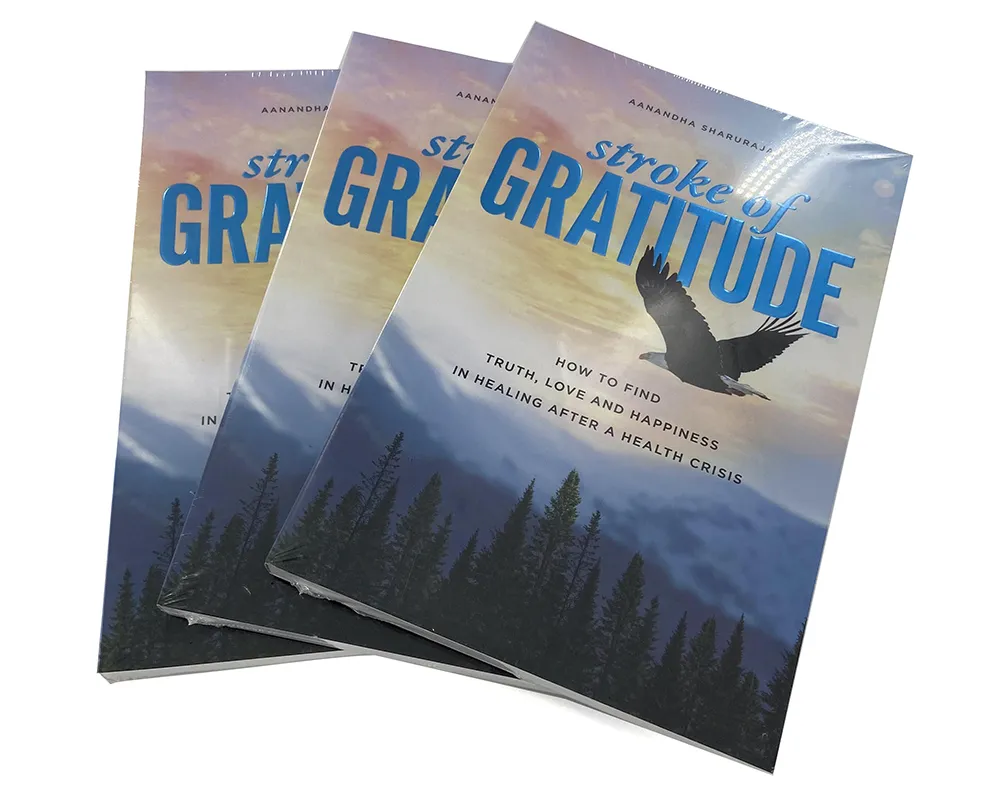
Embossing entails raising certain elements of the book cover or spine, creating a tactile and visual experience that is hard to resist. This technique can be particularly effective for titles and logos, giving them prominence and depth. An embossed finish not only adds an element of luxury to your printed paperback but also invites readers to interact with the cover, making your book more memorable.
Spot UV
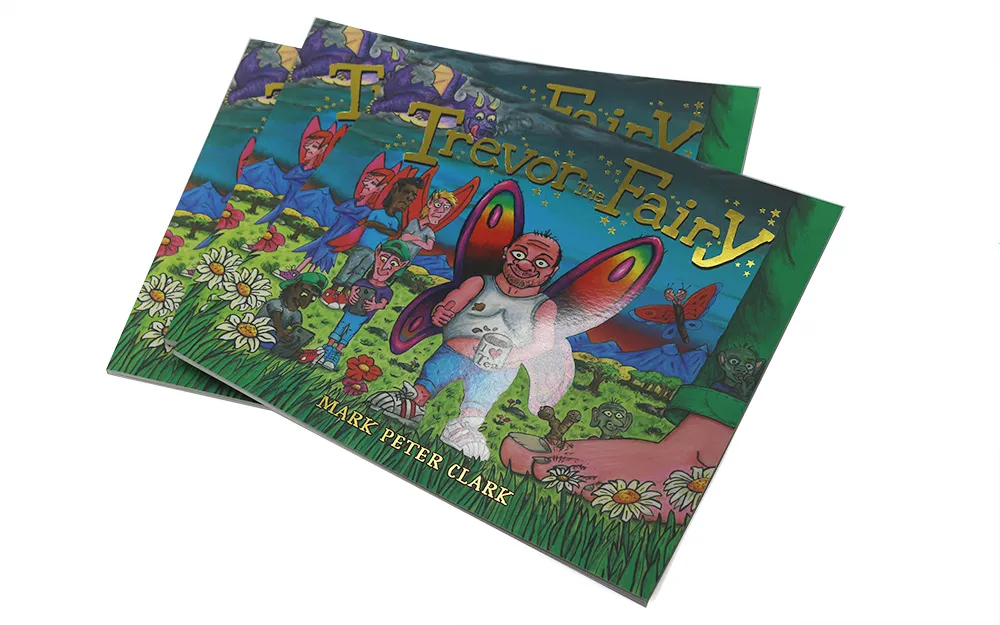
Spot UV is a finishing method that creates a glossy effect on specific areas of the cover while leaving other areas matte. This technique is perfect for emphasizing titles or images, drawing the reader’s eye towards these details. By adding a touch of contrast, spot UV can make elements of your print paperback book visually pop, adding an engaging factor to your overall design.
Edge Printing
Edge printing is a unique approach where the edges of the book pages are printed with color or a design that matches the theme of the book. This finishing detail adds an unexpected pop of color and creativity that can tie the entire book together. It enhances the visual appeal of your print paperback book, making it stand out even when placed on a bookshelf closed.

Shrink Wrap
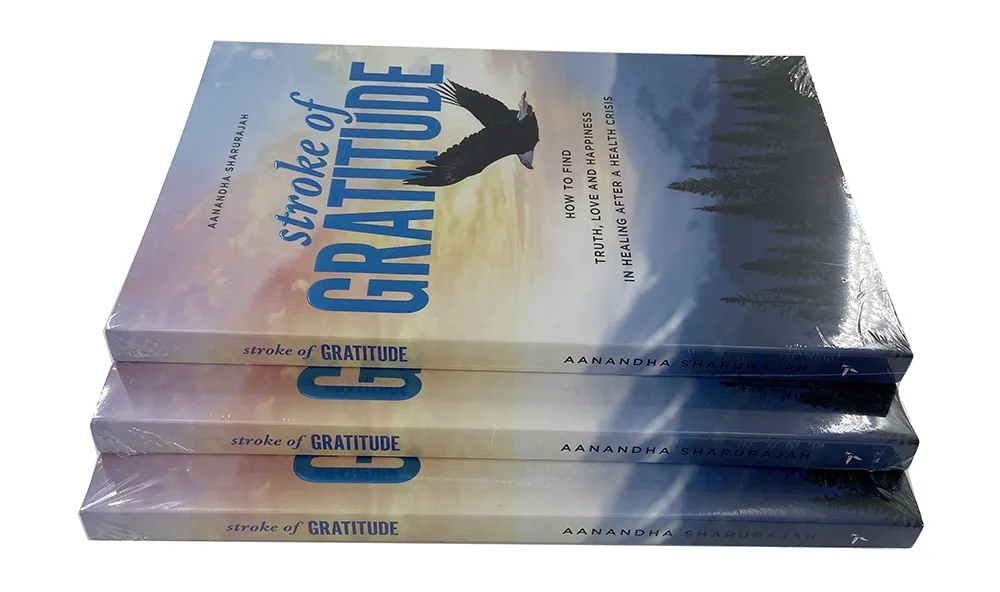
While shrink wrap may not technically be a finish, it is an important protective feature for paperback books, especially in a retail setting. This method keeps the book safe from dust, moisture, and damage during transportation and display. Shrink wrap ensures that your print paperback book remains in perfect condition from the moment it leaves the printer to the hands of readers.
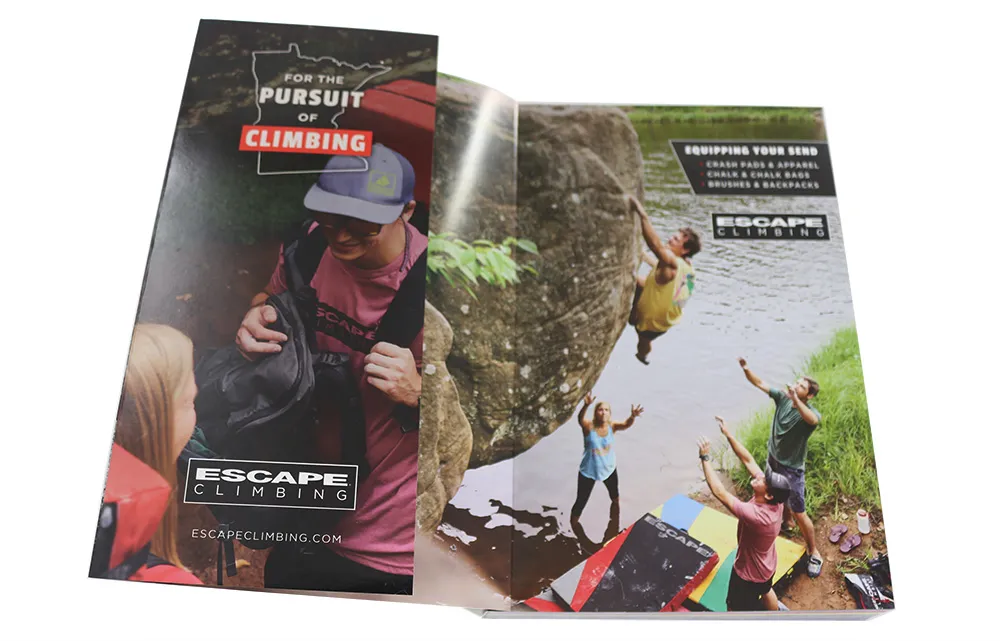
Flap
Including flaps in your paperback book design can offer additional benefits. Flaps can serve as a place to include extra information about the book or author, quotes, or even brief reader endorsements. They add an element of design that can enhance the reader’s experience and increase perceived value, especially for special editions where layout matters significantly.
Carefully considering these special finishes and elements can help you create a paperback book that stands out and provides a memorable reading experience for your audience.
Where to Print A Paperback Book?
If you are planning to print a paperback book, there are many options available, both locally and internationally. One reliable and cost-effective choice is BookPrintingChina, a leading provider of high-quality book printing services.
BookPrintingChina has extensive experience in the paperback book printing industry. We offer a wide range of services and customization options to meet the unique needs of authors and publishers. Our state-of-the-art printing facilities, combined with a team of experienced professionals, ensure that your paperback book project is handled with the utmost care and attention to detail.
If you’re ready to bring your paperback book to life, contact our printing experts to request a quote now. Our team will work closely with you to guide you through the entire printing process, from file preparation to final delivery, ensuring a seamless and stress-free experience. Don’t hesitate to explore our services and see how we can help you achieve your publishing goals.