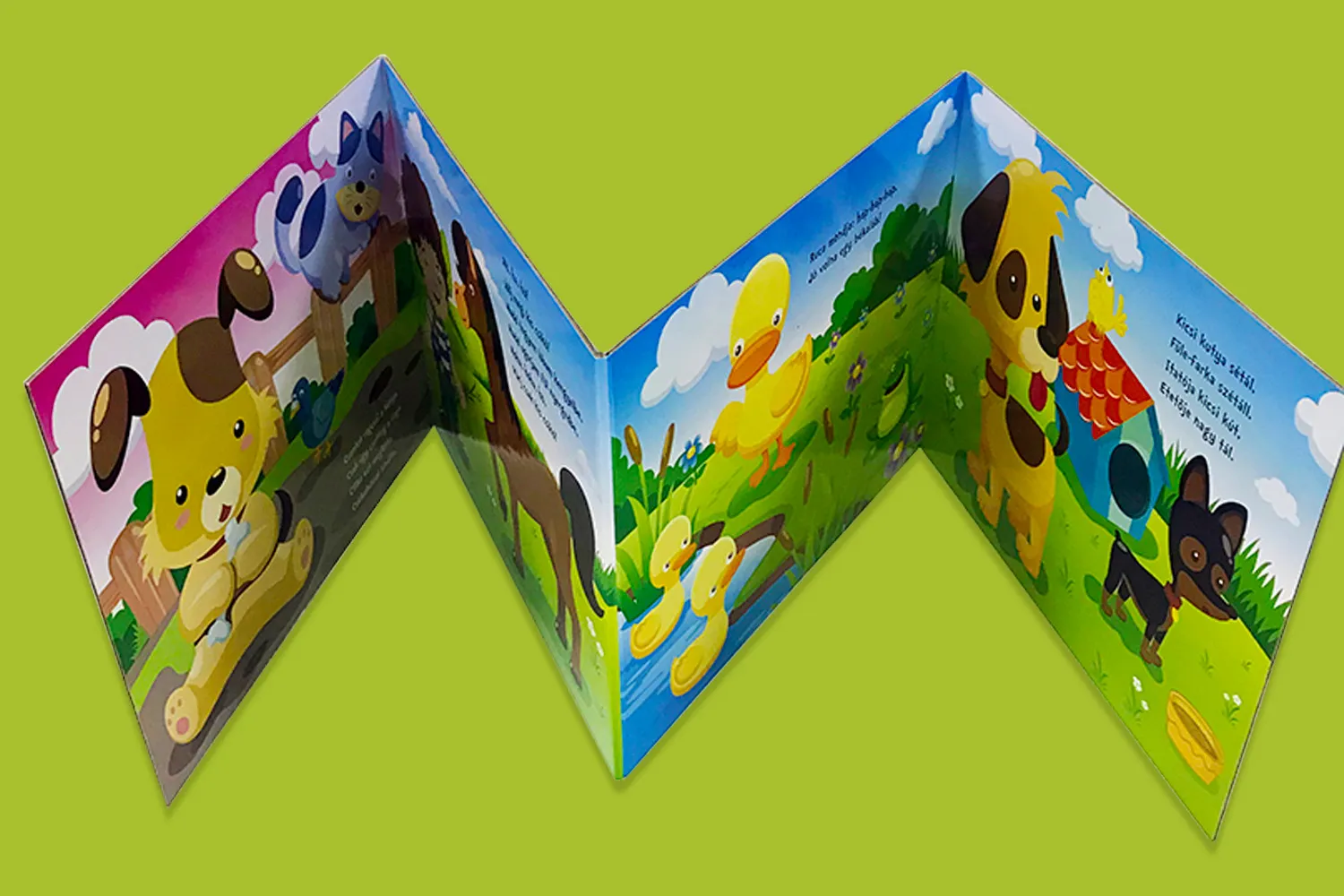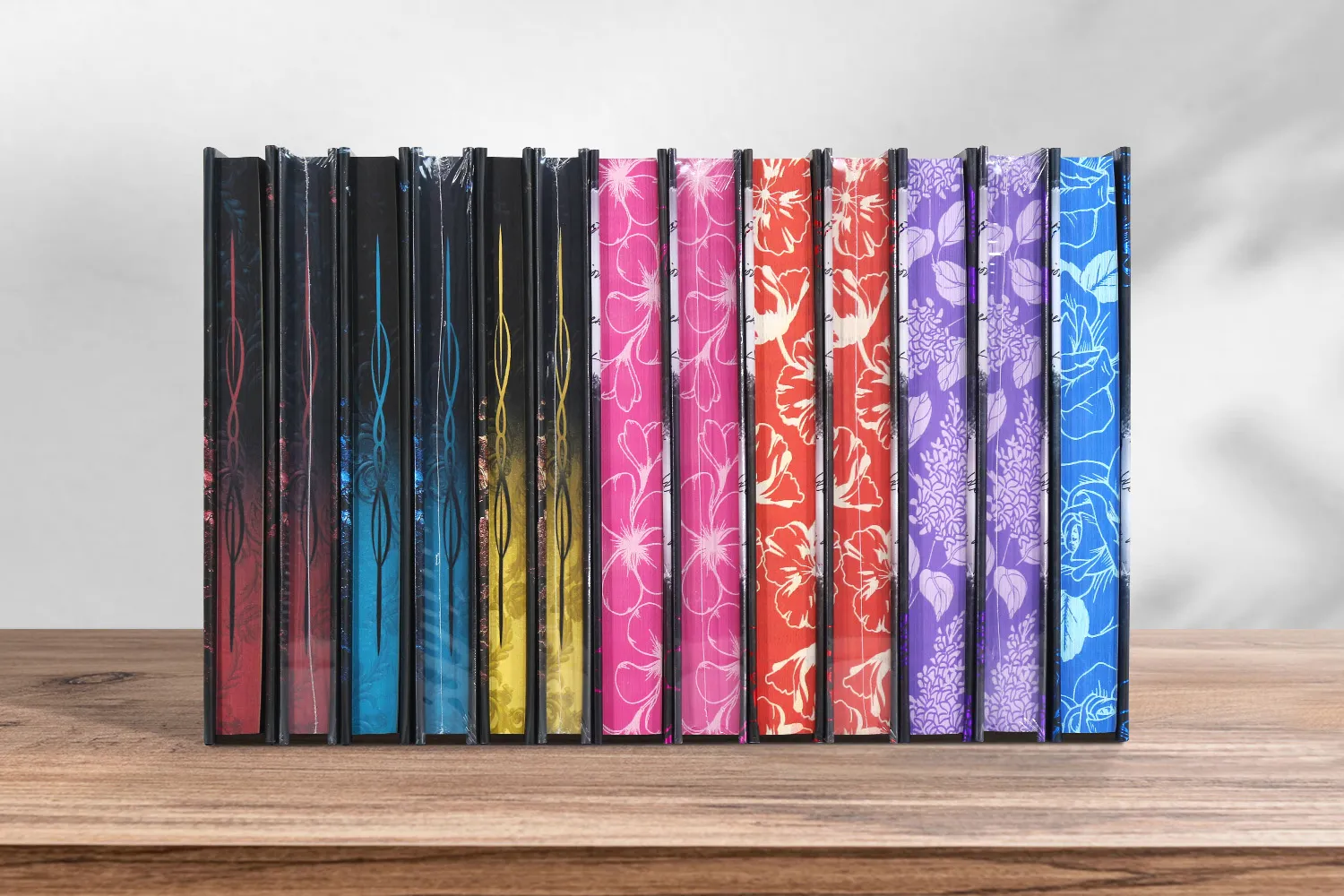



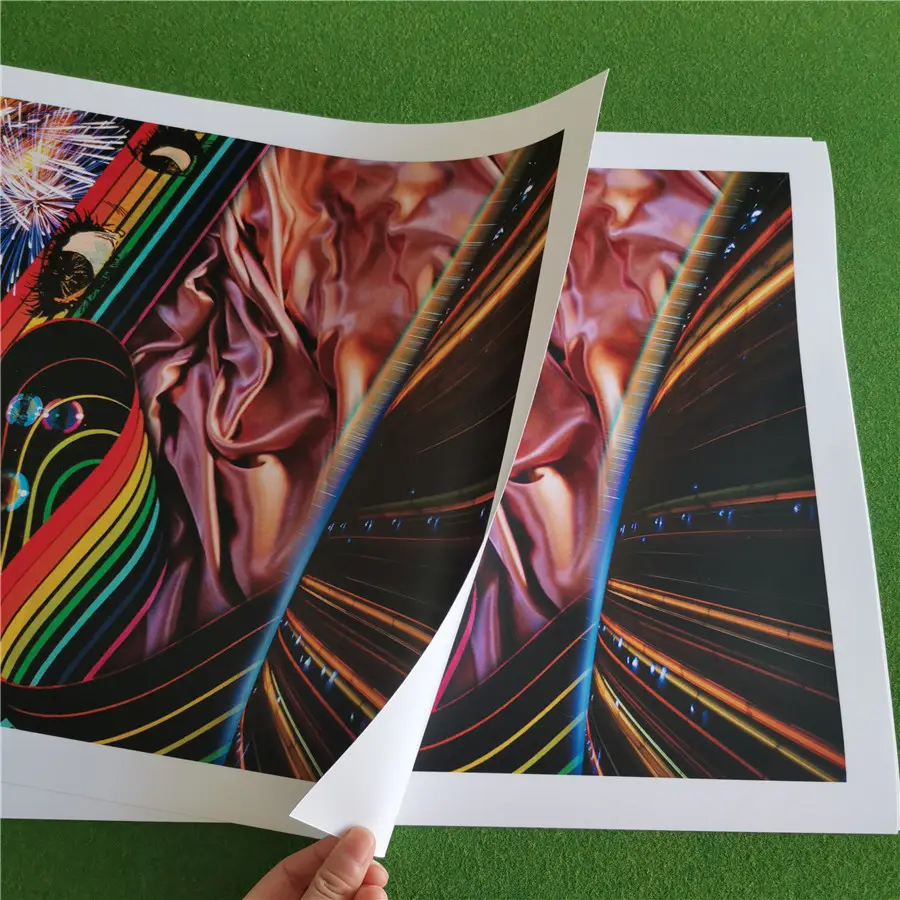
The profound joy and satisfaction that comes from the artistic process doesn’t end with the last brushstroke or last carved detail. Sharing your art with the world is an equally important aspect of the creative process. One powerful way to achieve this is through art printing.
In this comprehensive guide, I’ll walk you through the intricate world of art printing, from understanding its essence to choosing the right printing service and ultimately, sharing your masterpieces with collectors and art enthusiasts worldwide.
What’s Art Print?
An art print is a reproduction of an original artwork, created through various printing techniques. It allows artists to produce multiple copies of their work, making it more accessible to a broader audience. Art prints are not limited to paintings or drawings; they can also be created from photographs, digital art, or other visual mediums.
Why Do Artists Print Art Prints?
There are several compelling reasons why artists choose to print art prints:
-
Accessibility: Art prints allow artists to make their work available to a broader audience at more affordable prices than the original piece.
-
Preservation: Printing art helps preserve the original artwork, which can be susceptible to damage or deterioration over time.
-
Income Generation: Selling art prints can provide a steady stream of income for artists, enabling them to continue creating and pursuing their artistic endeavors.
-
Promotion: Art prints can serve as promotional tools, helping to raise awareness and build a following for an artist’s work.
Types of Art
Before delving into the printing process, it’s essential to understand the different types of art:
1. Original Art (Unique Copies)
Original art refers to one-of-a-kind pieces created by the artist’s hand. These works are unique and cannot be replicated identically. Examples include paintings, drawings, sculptures, and mixed media pieces. It is the most valuable and sought-after piece.
2. Limited Edition
Limited edition art prints are produced in a predetermined and limited quantity. Each print is numbered and signed by the artist, making them more valuable and collectable. These editions are typically restricted to a few hundred copies or less.
3. Multiple/Open Edition
Multiple or open edition art prints are not limited in quantity. They are often more affordable and accessible to a broader audience. While not as valuable as limited editions, they still allow artists to share their work with a wider range of collectors.
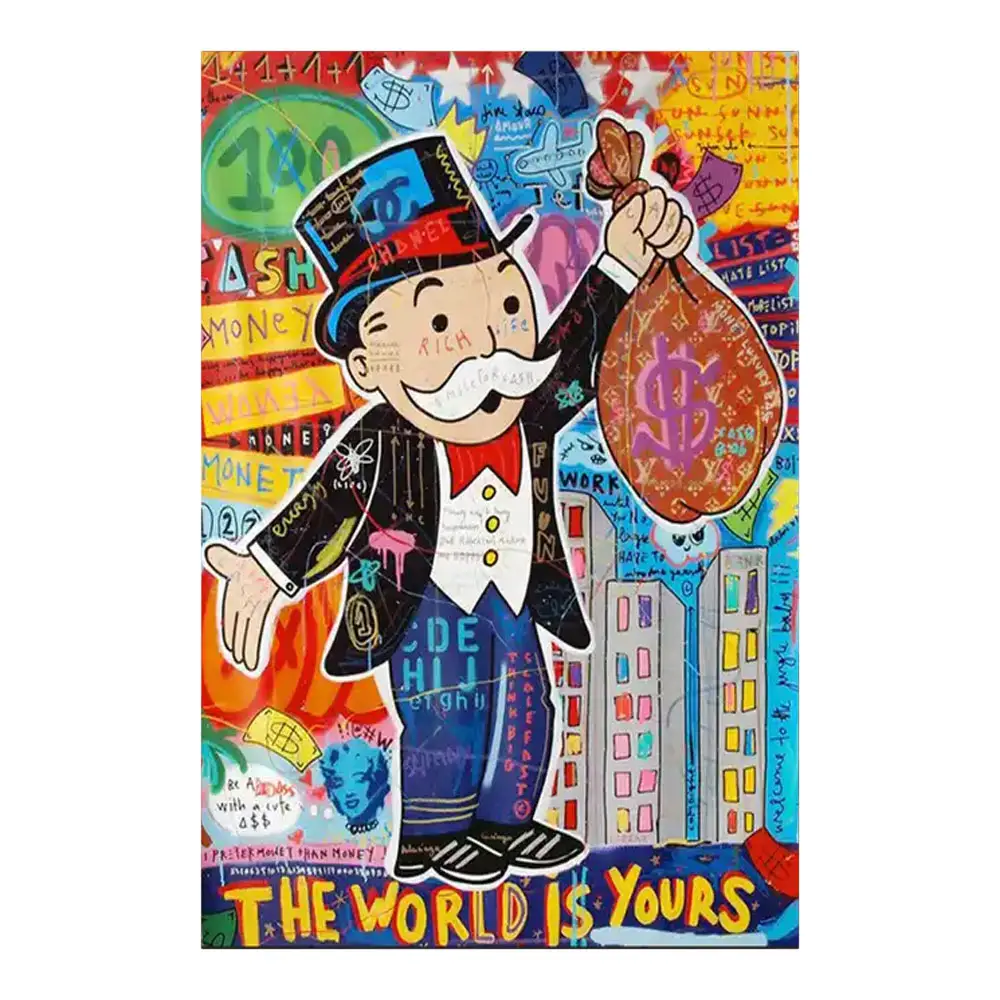
Digitize Your Art
The first step in the art printing process is to digitize your artwork. This involves creating a high-quality digital file of your original piece. Here’s a comprehensive guide on how to effectively digitize your art.
1. Understanding the Importance of Digitization
Digitizing your art allows you to:
-
Preserve Your Work: Protect your artwork from deterioration, fading, or damage.
-
Share Easily: Reach a larger audience through social media, websites, and online galleries.
-
Create Merchandise: Turn your designs into prints, T-shirts, stationery, and other products.
-
Increase Sales: Selling digital downloads has become a lucrative option for many artists.
-
Collaborate: Work with other artists and creators more readily through digital formats.
2. Gather Your Tools
Before you begin the digitization process, ensure you have the right tools at your disposal:
-
Camera or Scanner: A high-quality camera or a flatbed scanner is essential for capturing your artwork accurately.
-
Computer/Software: A computer with image editing software like Adobe Photoshop, GIMP, or Procreate will help refine your images.
-
High-Resolution Settings: For best results, your camera or scanner should have a resolution of at least 300 DPI (dots per inch) for prints or 72 DPI for web images.
-
Tripod/Stabilizer: If using a camera, a tripod can help avoid blurriness.
3. Scanning Your Artwork
Using a scanner can be the most straightforward method for digitizing art, particularly for flat pieces.
Steps to Scan:
-
Clean the Scanner: Dust and smudges on the glass can affect image quality.
-
Prepare Your Art: Ensure your artwork is dry (if painted) and free from creases or wrinkles.
-
Place Your Art on the Scanner: Align it properly to avoid cutting off edges.
-
Select the Correct Settings: Choose the highest resolution available (300 DPI or higher).
-
Scan: Initiate the scan and save your image in a high-quality format (such as TIFF or PNG).
4. Photographing Your Artwork
If your artwork is large or three-dimensional, a camera might be the better option.
Steps to Photograph:
-
Set Up Your Space: Use natural light or soft artificial lighting to avoid harsh shadows.
-
Stabilize Your Camera: A tripod will help keep your camera steady for a clear shot.
-
Frame Your Art: Make sure the artwork fills the frame without cutting off details.
-
Use Manual Settings: If your camera has manual controls, adjust the aperture, and ISO settings to achieve a balanced exposure.
-
Take Multiple Shots: Capture several images from different angles to compare later.
-
Transfer the Images: Upload your photos to your computer for editing.
5. Editing Your Digitized Art
Once you have your scanned images or photographs, using editing software can enhance their presentation.
Steps to Edit:
-
Adjust Brightness/Contrast: Correct any lighting issues to ensure colors pop.
-
Crop and Straighten: Trim any excess space and straighten the image if needed.
-
Clean Up: Remove any blemishes or imperfections that may have been captured.
-
Color Correction: Adjust colors to match the original artwork more closely.
-
Save and Export: Save your file in multiple formats and resolutions depending on its intended use (print, web, etc.).
6. Storing Your Digital Files
After digitizing and editing your artwork, it’s essential to organize and back up your files:
-
Create a Naming System: Use a consistent naming convention for easy retrieval.
-
Organize by Category: Sort your files into folders by medium, project, or date.
-
Backup Regularly: Use external hard drives or cloud storage to minimize the risk of data loss.
7. Sharing Your Digitized Art
Now that your artwork is digitized, it’s time to share it with the world:
-
Social Media: Use platforms like Instagram, Pinterest, and Facebook to showcase your work.
-
Online Portfolios: Create a website or use sites like Behance or ArtStation to share your portfolio.
-
E-commerce: Consider selling your art on platforms like Etsy, Redbubble, or Shopify.
-
Art Communities: Join online communities or forums where you can connect with fellow artists and art lovers.
Digitizing your art opens a world of opportunities for artists today. By following the steps outlined in this guide, you can ensure that your work is preserved, easily shared, and ripe for new revenue streams. Embrace the digital world and take your artistry to new heights!
Prepare Your File for Printing
Once you have a digital file of your artwork, it’s crucial to prepare it for printing. This involves ensuring that the file meets the necessary specifications and requirements for high-quality printing:
-
File Format: Most printing companies prefer files in vector formats (e.g., AI, EPS, PDF) or high-resolution raster formats (e.g., TIFF, PSD).
-
Resolution: For best results, your file should have a resolution of at least 300 dpi (dots per inch) at the desired print size. If your file has a lower resolution, it may appear pixelated or blurry when printed.
-
Color Mode: Ensure your file is in the correct color mode (CMYK for print, RGB for digital).
-
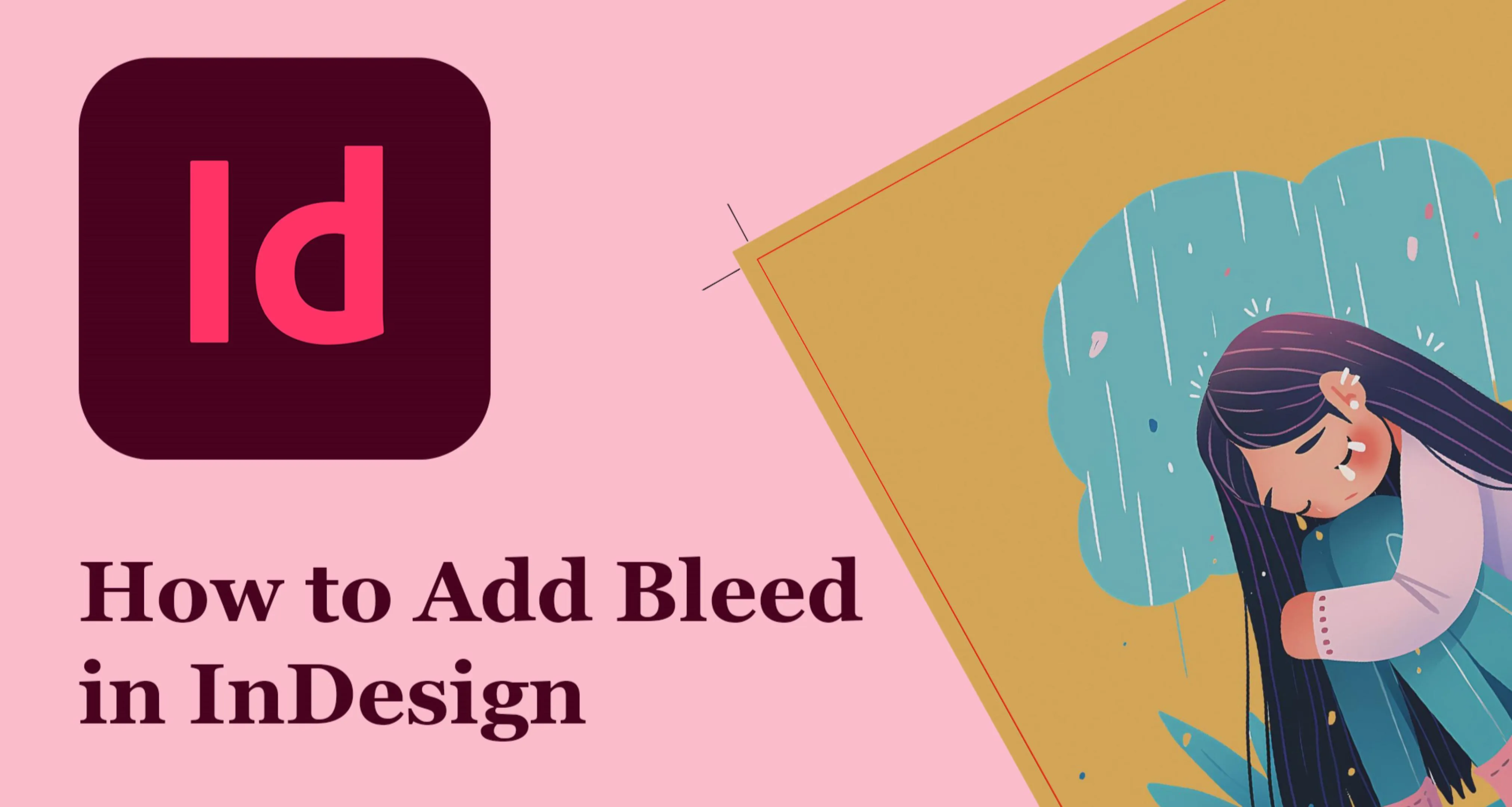
Bleed and Safe Area: Understand the concepts of bleed (extending the artwork beyond the trim line) and safe area (keeping important elements within a specific margin) to ensure your artwork is printed correctly.
Factors to Consider Before Printing Your Arts
Before proceeding with the printing process, there are several factors to consider:
1. Orientation
Decide whether you want your print to be in landscape or portrait orientation. This choice can significantly impact the overall composition and impact of your artwork.
2. Size
Determine the desired size of your print. Consider the intended display location and how the size will affect the viewer’s experience. Larger prints can create a bold statement, while smaller prints may be more suitable for intimate settings.
3. Paper Type and Weight
The type and weight of paper you choose can greatly influence the overall look and feel of your print. Different papers have varying textures, surfaces, and tonal qualities that can enhance or detract from your artwork. Common paper options include:
-
Photo Paper: Glossy or matte finishes, ideal for vibrant colors and sharp details.
-
Fine Art Paper: Textured or smooth surfaces, designed to emulate the look and feel of traditional art media.
-
Canvas: A popular choice for reproducing the texture and depth of oil paintings.
4. Colors
Choose between full color printing and grayscale printing. Full color printing provide vibrant colors, while grayscale printing is ideal for someone want a classic and everlasting appearance.
5. Finish
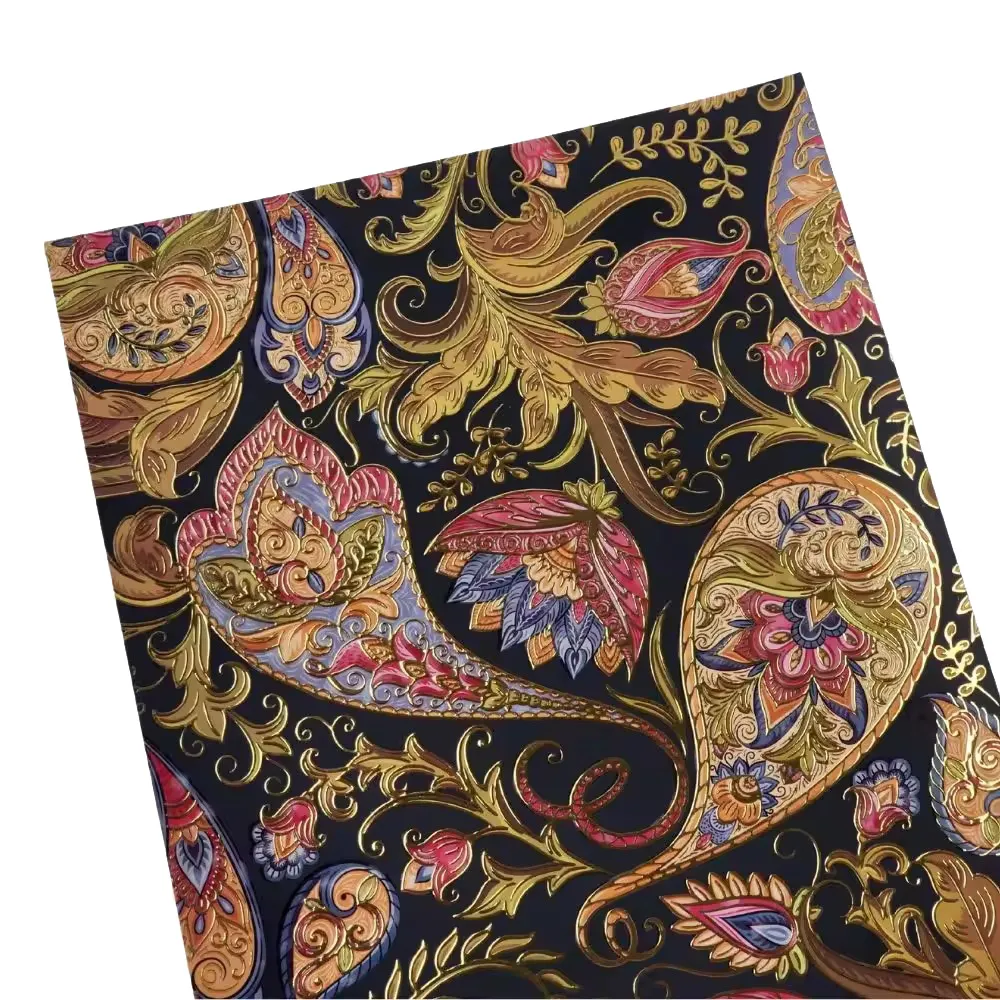
Consider adding finishing touches to your print to enhance its visual appeal and durability. Lamination can protect your print from moisture, scratches, and fading. Foil stamping or spot UV can add metallic accents or glossy highlights, respectively, creating a unique and eye-catching effect.
Choosing A Right Art Printing Service
Selecting the right art printing service is crucial for achieving high-quality results. When evaluating potential partners, consider the following:
-
Reputation and Experience: Look for a reputable printing service with a proven track record in art printing.
-
Printing Capabilities: Ensure the service offers the printing techniques and finishing options you require.
-
Quality Control: Inquire about their quality control processes to ensure consistent and accurate color reproduction.
-
Customer Service: A responsive and knowledgeable customer service team can make the printing process smoother and more efficient.
-
Pricing and Turnaround Time: Compare pricing and turnaround times across different services to find the best value for your needs.
Why Choose BookPrintingChina?
BookPrintingChina is a leading art printing service that offers a comprehensive range of solutions for artists and creators. Here’s why we stand out:
-
Instant Quote: Get an instant quote for your art printing project by email within 1-2 hours.
-
Competitive Pricing: Enjoy competitive pricing without compromising on quality.
-
Free File Checking and Sample: Our team will review your files and provide a free sample to ensure you’re satisfied with the final product.
-
High-Quality Materials: We use premium materials, including archival-quality papers and inks, to ensure the longevity of your prints.
-
Worldwide Shipping: We ship your art prints globally, making it easy for you to reach collectors and buyers worldwide.
-
Premium Customer Service: Our dedicated customer service team is available to assist you throughout the entire printing process.
Discover the art of printing perfection with us. Get an instant quote for your art printing project today and experience the unparalleled quality and service that have made us a trusted partner for artists and creators worldwide.
Proofing
Before finalizing your print order, it’s essential to review a proof. We will provide a digital or physical proof for your approval. Carefully inspect the proof for any errors, color discrepancies, or other issues. This step ensures that your final prints meet your expectations and standards.
Printing
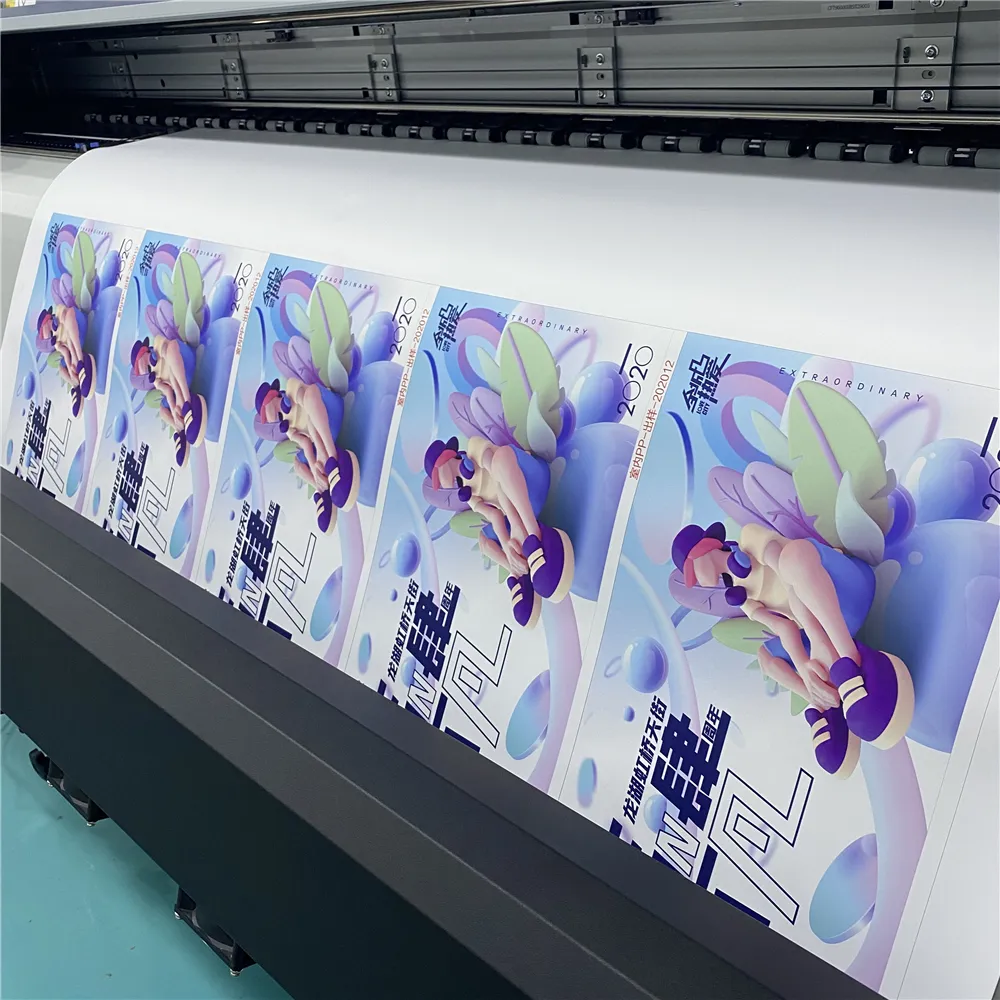
Once you’ve approved the proof, the printing process can begin. There are several printing techniques commonly used for art prints:
-
Digital Printing: This method uses digital printers to transfer the image directly onto the paper or canvas. It’s ideal for smaller print runs and offers a wide range of paper and canvas options.
-
Offset Printing: Offset printing is a traditional printing method that uses metal plates to transfer the image onto the paper. It’s best suited for larger print runs and offers consistent high-quality results. Offset printing is particularly well-suited for reproducing intricate details and vibrant colors.
-
Screen Printing: Screen printing involves forcing ink through a mesh screen onto the paper or canvas. It’s often used for limited edition prints and can produce vibrant, long-lasting results.
Selling Your Art Prints
After successfully printing your art, it’s time to explore various avenues for selling your prints. Here are some options to consider:
-
Online Marketplaces: Platforms like Etsy, Society6, and Saatchi Art offer artists the opportunity to showcase and sell their prints to a global audience.
-
Personal Website or Online Store: Building your own website or online store allows you to have complete control over the presentation and sales of your art prints.
-
Galleries and Art Fairs: Partnering with local galleries or participating in art fairs can help you reach a wider audience and build connections within the art community.
-
Social Media: Leveraging social media platforms like Instagram, Facebook, and Twitter can be an effective way to promote and sell your art prints directly to your followers.
Ways to Care for Your Art Prints
To ensure the longevity and preservation of your art prints, it’s essential to handle and care for them properly:
-
Framing: Invest in high-quality frames and archival-grade materials to protect your prints from moisture, UV light, and other environmental factors.
-
Handling: Always handle your prints with clean, dry hands or use cotton gloves to avoid transferring oils or moisture from your skin.
-
Storage: Store your prints in a cool, dry place away from direct sunlight and humidity.
-
Cleaning: Use a soft, clean cloth or brush to gently remove any dust or debris from the surface of your print.
By following these simple guidelines, you can ensure that your art prints remain vibrant and beautiful for years to come.
Fine Art Print vs Art Print: What’s The Difference?
While the terms “fine art print” and “art print” are often used interchangeably, there is a subtle difference between the two:
-
Fine Art Prints: Fine art prints are typically produced using high-quality materials and printing techniques, such as archival inks and acid-free papers. They are often limited editions, signed and numbered by the artist, and considered collectible pieces.
-
Art Prints: Art prints, also known as reproductions or giclee prints, are more affordable and produced in larger quantities. While they still aim to capture the essence of the original artwork, they may not have the same level of exclusivity or longevity as fine art prints.
Both fine art prints and art prints can be beautiful and valuable additions to any art collection, but the distinction lies in the exclusivity and collectability of fine art prints.
Conclusion
Art printing offers a remarkable opportunity for artists to share their creations with a wider audience while generating income and building their brand. By following this comprehensive guide, you’ll be equipped with the knowledge and tools to navigate the art printing process successfully, from digitizing your artwork to selling your prints.
Remember, the key to a successful art printing endeavor lies in choosing the right printing service, understanding the various printing techniques, and implementing strategies to protect your intellectual property. With dedication and a commitment to quality, you can transform your artistic vision into tangible, captivating prints that resonate with art enthusiasts worldwide.
Embrace the world of art printing and embark on a journey to share your artistic expression with the world. The possibilities are endless, and the rewards are immeasurable.
At BookPrintingChina, whether you are printing art prints for personal use, selling or sharing your arts for others, we can help you print in perfect result. Contact us today!