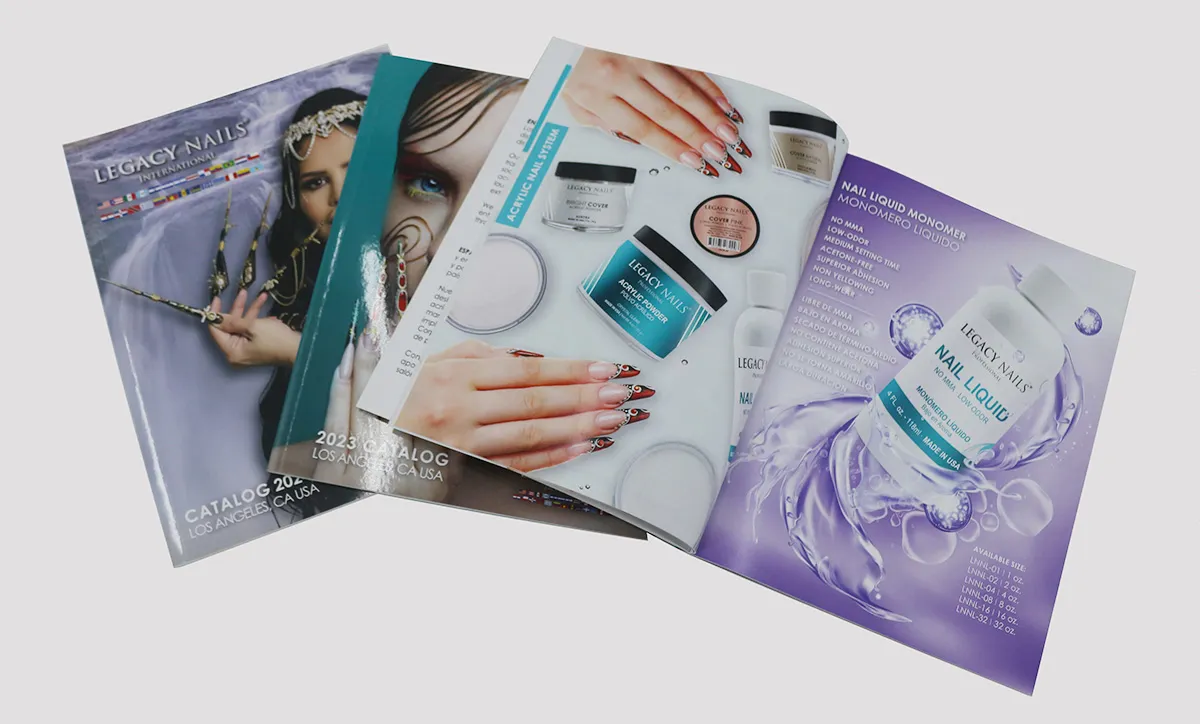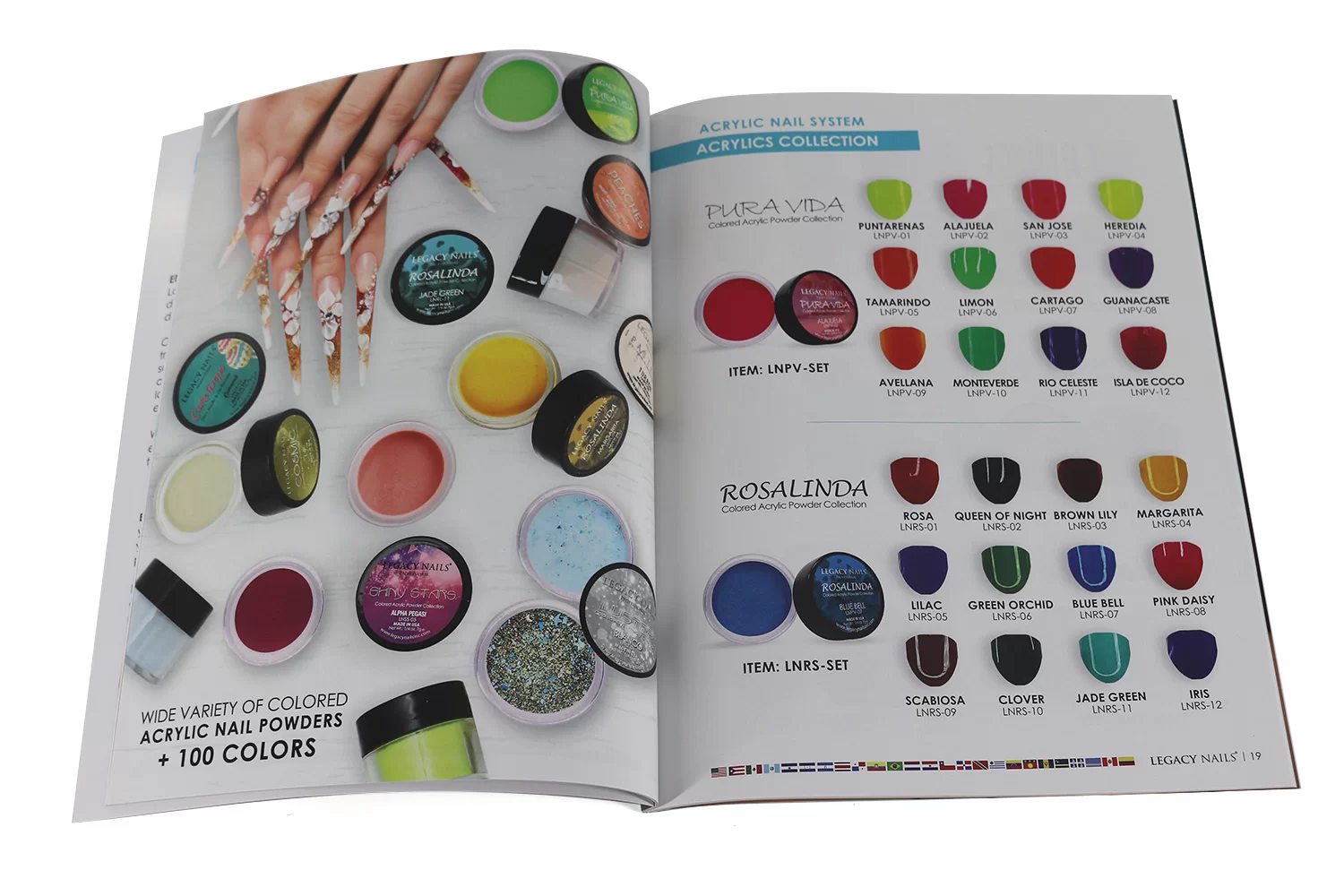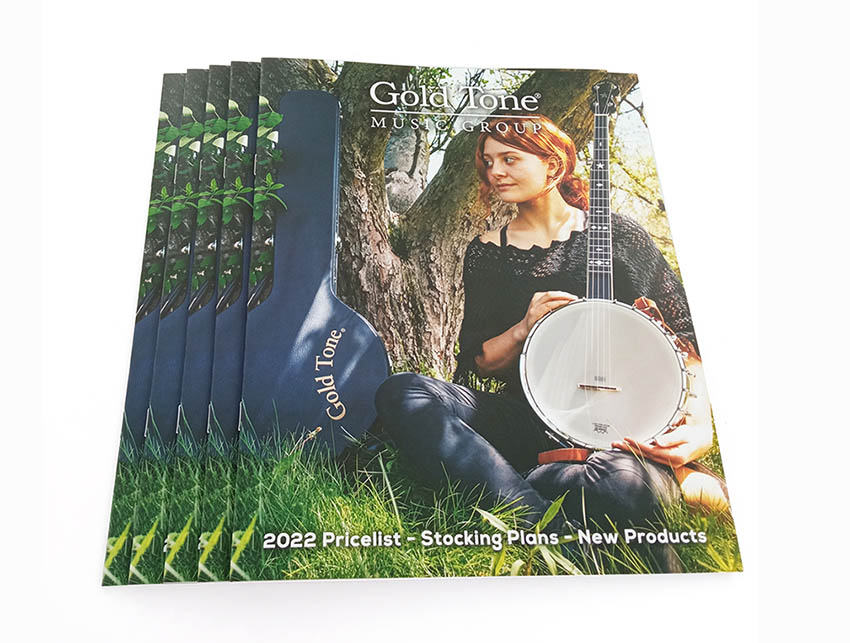




Print finishing techniques turn ordinary catalogs into powerful marketing assets that catch the eye. Great design might grab attention in today’s competitive business world—but premium finishes make it stick. These special touches do more than make printed catalogs look better. They serve vital practical purposes.
Finishing options add both visual appeal and texture while making catalogs more durable and professional. These elements help your materials last longer, read better, and stand out on shelves. Your materials can make a bigger impact with the right finishing touches—from UV coating and metallic foils to die cuts for your custom printed catalog.
In this article, we will explore how premium finishes can take your printed catalogs from basic to exceptional. You’ll learn expert tips to pick the perfect finishing touches that match your needs.
Why Finishing Matters in Printed Catalogs
Your catalog makes its first impression the moment a potential customer picks it up. The finishing touches on printed catalogs tell your brand’s story even before readers see a single word.
First Impressions and Brand Perception
Physical catalogs create the first tangible connection between your brand and potential buyers. This makes them crucial touchpoints. Studies show that 57% of consumers like printed catalogs better than digital ones. This proves that physical marketing materials still hold great value.
Your chosen finish reveals your brand’s values and market position right away. Here’s how different finishes create distinct impressions:
-
Matte finishes show sincerity, warmth, and authenticity – perfect for brands that focus on trust and relationships
-
Glossy finishes show competence, success, and luxury – great for showing technical expertise or premium products
One expert in the field says, “A high-quality business catalog is not a brochure; it’s a firm handshake, it shows people you care about the details”. This attention to detail goes beyond looks. It shows your dedication to quality, which customers often link to product quality too.
Your finishing choices shape how people notice your brand. Premium finishes like spot UV coating, foil stamping, or soft-touch lamination will raise your brand’s perceived value and professionalism by a lot.
Durability and Usability Benefits
Quality finishes do more than look good – they make catalogs last longer and work better. Lamination protects catalogs from damage and extends their life. This matters because catalogs stay in homes or offices for weeks or months, giving repeated exposure to your products.
On top of that, different finishes affect how easy the catalog is to read and use. Matte finishes cut down glare and make text clearer, which works great for text-heavy catalogs. This means your message stays available, whatever the lighting conditions.
Premium finishes keep your catalog looking good through multiple uses. Research shows that physical catalogs help connect digital and physical worlds. They become reference materials that customers check again and again. This makes protective finishes essential investments rather than optional extras.
Emotional and Tactile Engagement
The most powerful aspect of print finishes is their ability to create experiences that digital media can’t copy. A well-finished catalog connects with customers both physically and emotionally. Print with unique finishing techniques stands out from digital channels that can’t create the same emotional connection.
Studies show different textures create specific emotional responses. Soft-touch finishes, to name just one example, boost oxytocin (the “love hormone”) and lower cortisol (the “stress hormone”). This creates positive feelings and better connections between people.
This tactile engagement leads to real business results. Customers who get physical catalogs spend about 28% more per sale. Websites backed by printed catalogs see a 163% boost in revenue. These numbers show why premium finishing options are smart investments.
Different textures create specific brand impressions. Matte surfaces feel soft and link to sincerity and warmth. They work great for family-oriented or value-based brands. Glossy finishes have smooth, reflective surfaces that show competence and leadership—perfect for technical or luxury products.
Your thoughtful selection of catalog finishing techniques turns a basic marketing tool into a powerful brand ambassador. It connects with customers visually, physically, and emotionally.
Benefits of Using a Special Finish to Enhance Your Printed Catalog

Premium print finishes revolutionize customer interactions with your catalog. They turn simple browsing into a memorable brand experience. These specialized techniques boost your marketing effectiveness and directly affect your bottom line.
Premium finishes make your printed materials look sophisticated and appealing. Spot UV coating creates eye-catching effects with a thin layer of UV-cured varnish on specific elements. This results in glossy, raised areas that highlight key information. Foil stamping adds a distinctive metallic sheen that reflects light and creates visual interest. Your catalog becomes instantly more attractive.
Specialty finishes protect your investment by extending your catalog’s life substantially. Lamination protects your printed materials from wear and tear, spills, and handling damage. Your catalog stays pristine through multiple viewings, which matters because catalogs stay in circulation longer than other marketing materials.
The tactile dimension of premium finishes matters a lot. Embossing and debossing add a three-dimensional element that connects with touch and creates memorable experiences. Soft-touch lamination gives a velvet-like finish that people want to handle. It creates a luxurious impression. Digital media cannot match these physical connections between your brand and potential customers.
Research shows that customers form stronger emotional connections with products they can touch. This multi-sensory experience creates deeper brand associations than visual elements alone.
Premium finishes serve strategic marketing purposes:
-
Spot UV and varnishes direct eyes to logos and calls-to-action
-
Embossing and debossing convey exclusivity
-
Foil stamping creates memorable highlights
-
Lamination protects while making colors vibrant
Premium finishes often justify their costs through better response rates. A ground case study showed soft-touch matte folders with gold foil got 70% callback rates from high-value prospects. Matte laminated booklets with spot UV and foil increased brand quality perception by 25%.
These finishes make ordinary catalogs powerful brand ambassadors. They show professionalism and attention to detail that customers associate with your products. This improved perception helps you stand out in competitive markets.
Various finishing techniques let you match your catalog to your brand identity and audience. You can choose anything from subtle blind embossing to bold metallic foils. These options help create unique printed pieces that represent your brand’s personality.
Your catalogs become more than product showcases with these benefits. They turn into desirable objects that keep your brand physically present long after digital impressions fade.
Common Types of Special Finishes
Your catalog tells a story, and special finishes are tools that boost that story. Here’s a look at the main print finishing techniques to lift your next custom printed catalog.
Lamination
Lamination is one of the most popular catalog finishing options because it both protects and enhances your printed materials. A thin plastic film is applied to the surface, increasing durability and improving visual appeal.
-
Glossy lamination provides a shiny, reflective surface that makes colors look vibrant and sharp. It also offers resistance to fingerprints, scratches, and moisture—perfect for catalogs handled frequently.
-
Matte lamination creates a smooth, non-reflective surface that reduces glare and offers a sophisticated, understated look. It’s ideal for catalogs that need to balance elegance with readability, especially in direct light.
-
Soft-touch lamination delivers a velvety texture that feels luxurious to the touch. It encourages interaction and elevates the perceived value of your catalog, making it a favorite for high-end brands and premium product lines.
Lamination not only extends the life of your catalog but also enhances the customer’s tactile and visual experience.

Foil Stamping
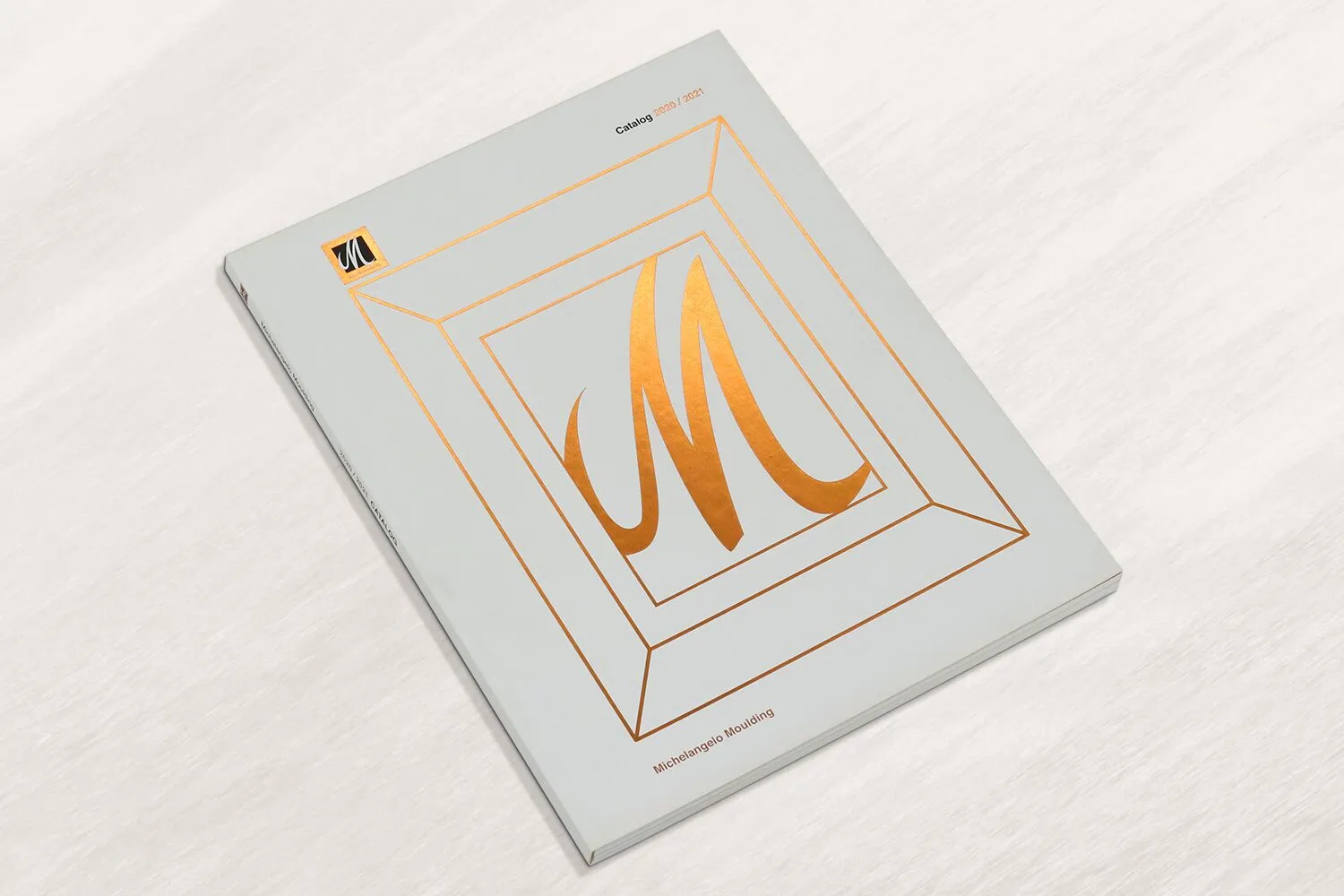
Foil stamping is a finishing technique that applies metallic foil to paper using heat and pressure. Traditionally available in gold and silver, foil stamping now comes in a wide variety of colors, including holographic and iridescent finishes.
This technique instantly elevates the look of your catalog, making logos, product names, or key messages shine with a reflective, high-end finish. The shimmer of foil draws attention and conveys a sense of quality and exclusivity.
For best results, foil stamping works beautifully on smooth, thick paper stock. Whether you want to highlight a brand logo or create dazzling accents on the cover, foil stamping ensures your catalog stands out.
Spot UV
Spot UV is a striking technique that applies a clear, shiny coating to specific areas of your catalog. The coating is cured with ultraviolet light, producing a glossy effect that contrasts with the surrounding matte areas.
This method is perfect for highlighting logos, images, or headlines, creating both visual and tactile interest. Spot UV is especially impactful when applied over matte lamination, allowing the glossy sections to pop even more.
If your catalog design relies heavily on subtle details, Spot UV can emphasize those areas without overwhelming the entire page.

Varnish
Varnish is a liquid coating applied directly to catalog pages through the printing press. It offers a wide range of finishes, from protective layers to creative design enhancements.
-
Gloss varnish deepens color saturation and adds shine.
-
Matte varnish softens the appearance with a smooth, non-reflective finish.
Embossing & Debossing
Embossing and debossing add a three-dimensional element to your catalog design.
-
Embossing presses paper upward to create raised designs.
-
Debossing presses designs downward to create recessed impressions.
Both techniques enhance the tactile appeal of your catalog and work beautifully with other finishes like foil stamping. Embossed logos or text feel premium, while debossed patterns add subtle elegance.
Thicker paper stock is ideal for these techniques, as it produces deeper and more durable impressions. Readers are naturally drawn to run their fingers over these textures, making your catalog memorable.
Die Cutting
Die cutting uses sharp metal blades to cut unique shapes or patterns into your catalog. It allows for creative elements like windows, tabs, or custom shapes that distinguish your catalog from traditional rectangular designs.
This finishing technique can also serve practical purposes. For instance, you can die-cut pockets to hold additional inserts or create slots for business cards. With die cutting, your catalog becomes both functional and visually distinctive.
Punching Holes
Hole punching is a simple yet practical finishing option. Catalogs with holes can be inserted into binders or displayed on hooks for easy access.
-
Three-hole punching is commonly used for binder-ready catalogs.
-
Single-hole punching allows catalogs to hang neatly in stores or showrooms.
Though understated, well-placed hole punching increases usability and ensures your catalog fits seamlessly into your customer’s workflow.

Tab Dividers
Tab dividers are particularly useful in longer or more complex catalogs. They make it easy for readers to navigate sections quickly, improving the overall user experience.
Tabs can be customized with section titles, themes, or branding elements. Not only do they improve organization, but they also add design interest. For B2B catalogs, instructional manuals, or large product directories, tab dividers are an indispensable feature.

Factors to Consider when Choosing Finishes for Your Printed Catalog
Picking the right finishes for your printed catalog means you need to balance practical needs with creative vision. Several key factors will guide your choices. Let’s get into what makes the most sense for your project.
Design Considerations
Your catalog’s design plays a big role in which finishing techniques will work best. We looked at how finishes work with visual elements. Gloss finishes work great for catalogs full of product images with fine details or bright colors. These finishes boost color vibrancy and image sharpness. Text-heavy catalogs work better with matte finishes that cut down on glare and make reading easier.
Here’s what makes certain elements pop in your catalog:
-
Covers need tougher finishing than inside pages
-
Spot UV, or foil stamping, can make key messages stand out
-
Brand logos look better with special treatments like embossing, debossing, or foil stamping
Each finish serves a specific purpose. Spot UV coating adds either a subtle, muted look or a shiny gloss finish – it’s your call. Dull varnish gives you an even matte coat, while gloss varnish adds shine to the whole piece.
Budget
Money always affects finishing choices. You’ll need to know both fixed and variable costs to create a realistic budget. Fixed costs stay the same no matter what – things like creative concepts, catalog design, copywriting, photography, and computer page production.
Variable costs change based on quantity. These include printing, binding, and special finishes. Special touches like foil stamping, embossing, and spot UV coating cost more but might pay off through better response rates.
Here’s how to get the most from your budget:
-
Save premium finishes for covers or key elements.
-
Build relationships with good printers who can help you save money
-
Ask for physical samples before big print runs
The balance between upfront costs and potential returns is vital. Better finishes might cost more at first, but can lead to improved customer response and longer catalog life.
Audience Impact
Different groups react differently to various finishing techniques. Your target audience’s priorities should shape your finishing decisions. High-end brands often use premium finishes like soft-touch lamination or metallic foil stamping to show luxury and sophistication.
The way your catalog feels creates lasting impressions. Soft-touch film feels smooth and luxurious, while gloss film makes colors pop and adds durability. These physical elements create emotional connections that affect buying decisions.
Age groups have different needs, too. Older readers might prefer matte finishes that cut glare and make reading easier. Younger, design-savvy audiences often like creative finishing techniques like die-cutting or spot UV effects.
Material Type
Paper weight and texture affect how well certain finishes work. Heavier stock creates deeper, more noticeable embossing effects. Thinner stock pairs better with lamination or varnishes that protect without adding weight.
Special papers like linen or felt have unique textures that might help or hurt certain finishes. To name just one example, see how textured papers can reduce the impact of spot UV treatments that rely on surface contrast.
When you weigh these factors – design needs, budget limits, what your audience wants, and material matches – you’ll pick finishing techniques that make your printed catalog work better without wasting money.
Expert Tips for Selecting The Right Finishes

Becoming skilled at catalog finishing needs smart planning and expert knowledge. We’ve looked at different finish types and what matters most. Let’s get into how to use the expert tips to make these choices to get the best results.
Define Your Purpose & Audience
Your catalog’s purpose should be crystal clear. What’s your goal? Are you showing off luxury items, giving technical details, or building a reference guide? Your answer shapes every finishing choice you make.
Knowing what your audience wants is vital. Different groups react differently to how things feel. To cite an instance, studies show soft-touch coatings boost positive emotions by raising oxytocin levels when people handle them. Once you know your audience, you can pick finishes that strike a chord and build real connections.
Balance Esthetics with Practicality
Finding the sweet spot between looks and usefulness is key to good catalog design. Product design fascinates through visual appeal, while function focuses on real use and efficiency. This balance works like a dance where the final show must connect with viewers both practically and emotionally.
Put your users first – know what they need, want, and how they behave. This way, both beauty and function serve your end-user well. Then use a step-by-step process to refine your designs based on what users tell you.
Highlight Key Elements
Decorative touches raise visual appeal, but they do more than just look good. Smart marketers use these features to grab attention, build trust and value, and get people talking about their products.
In our screen-filled world, printed materials with special touches like foils, varnishes, and 3D effects really stand out. These improvements help achieve bigger marketing goals – whether you want to catch eyes, boost brand image, or create buzz.
Think About Budget & Print Run Size
The biggest problem affecting catalog costs needs careful planning. Paper quality, texture, finish, colors, and binding all change your final cost. To keep things economical:
-
Start planning early – you’ll have more scheduling options and might get better prices
-
Try smaller print runs first to see how the market reacts
-
Team up with experienced printers who can suggest money-saving options without cutting corners
Less is More
Simple finishing often looks more sophisticated. Clean lines, basic fonts, and careful use of effects show elegance clearly. Minimalism isn’t about doing less – it’s about making every element count.
Each detail should have a purpose: showing off your product while reflecting quality. This keeps things clean and focuses on what matters: your brand, product details, and key messages.
Test Samples Before Finalizing
Getting samples before full production might be your most important step. Think of them as your first draft – a chance to check feel, quality, and looks before going all in.
Samples let you tweak small but important details like texture or finish. Look at everything carefully. Does the finish make your design better? Is the material good enough? Do the colors look right? Does it feel like your brand?
Good sample checks help catch mistakes early. You’ll save time, talk better with suppliers, and have fewer issues with your finished catalogs.
Catalog Printing Services
BookPrintingChina provides high-quality catalog printing services at competitive prices, making us the trusted partner for businesses aiming to showcase their products and services. With years of expertise, we ensure every catalog is printed with sharp details, vibrant colors, and professional finishes that help elevate your brand.
If you are looking for a reliable printer, our experienced sales team is ready to assist with every step—from artwork adjustments to paper selection, binding, and finishing options. Contact us today for a free quote and let us deliver a printing solution tailored to your business needs.