


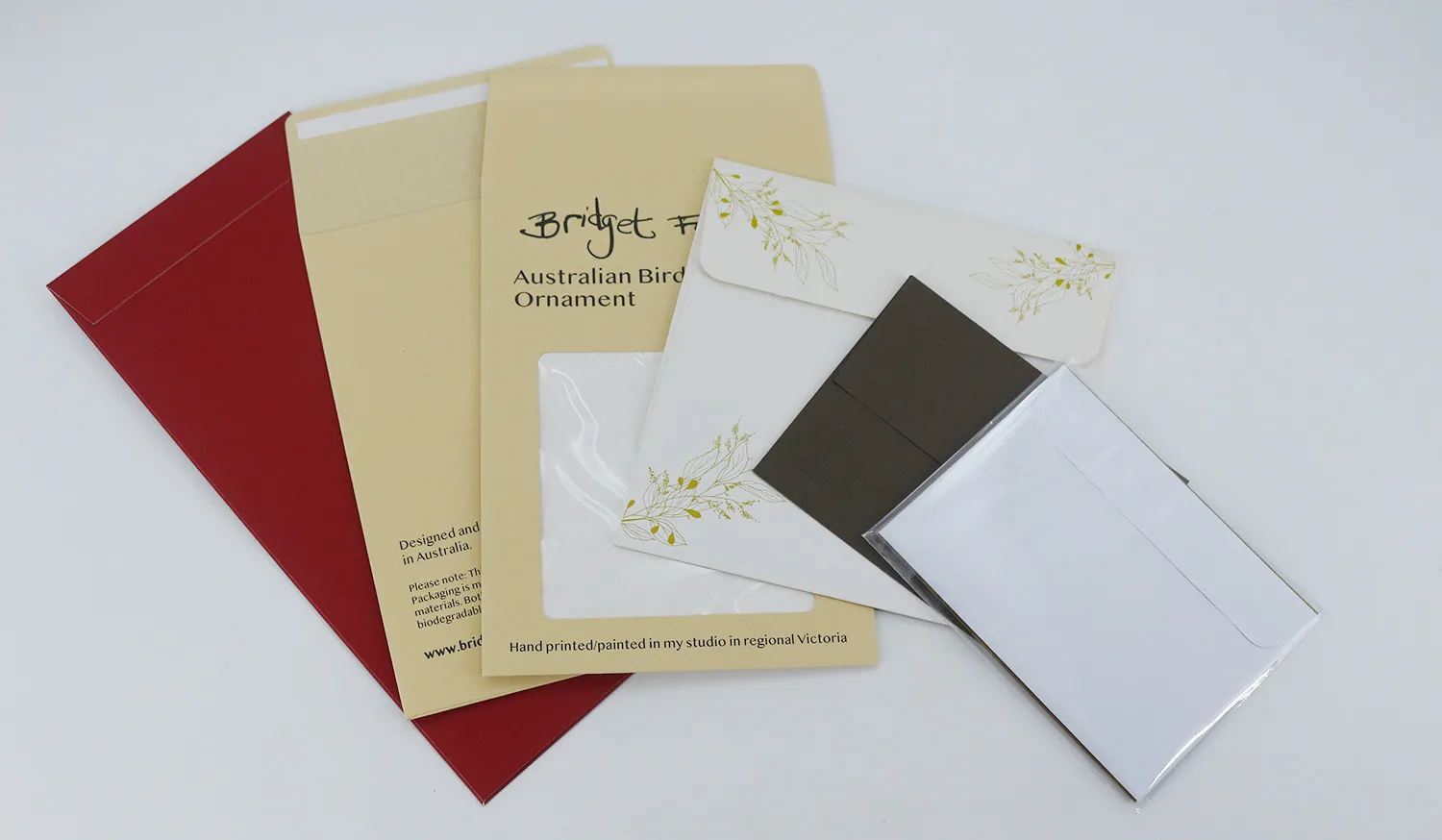
In today’s digital age, the art of envelope printing might seem like an antiquated practice. However, the truth is that envelopes still play a crucial role in various industries, from weddings and corporate events to marketing campaigns and direct mail. As a seasoned professional in the printing industry, I understand the importance of creating high-quality, visually appealing envelopes that leave a lasting impression.
In this comprehensive guide, I’ll take you through the intricate world of envelope printing, covering everything from popular genres and design tips to paper selection and finishing options. Whether you’re a business owner looking to enhance your brand’s image or an individual seeking to add a personal touch to your special occasion. I trust this article will equip you with the knowledge needed to achieve professional results.
Why Custom Envelope Printing for Your Brand or Personal
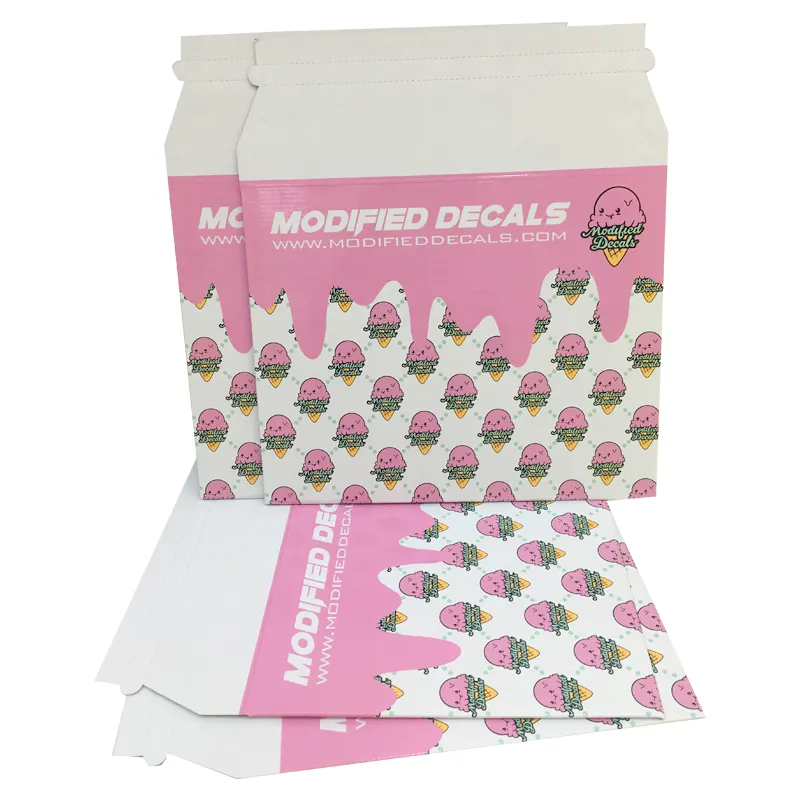 Custom envelope printing offers a unique opportunity to elevate your brand’s identity or add a personal touch to your special occasions. Through incorporating your logo, color scheme, or personalized design elements, you can create a cohesive and memorable experience for your clients, customers, or guests.
For businesses, custom envelopes serve as a powerful branding tool, reinforcing your company’s image and values with every correspondence. They can also help you stand out in a crowded marketplace, leaving a lasting impression on potential clients or partners.
On a personal level, custom envelope printing allows you to infuse your personality and style into your invitations, thank-you notes, or any other correspondence. Whether you’re planning a wedding, a birthday celebration, or simply sending out holiday greetings, personalized envelopes add a touch of elegance and sophistication to your event or occasion.
Popular Genres of Envelope Printing
Envelope printing encompasses a wide range of genres, each with its own unique design considerations and purposes. Here are some of the most popular genres:
Wedding envelope printing
Wedding envelopes are a timeless tradition, setting the tone for the entire event. From elegant calligraphy to intricate designs, these envelopes are a reflection of the couple’s personal style and the overall wedding theme.
Business envelope printing
Professional envelope printing is a must for any business that values a polished and consistent brand image. From standard #10 envelopes to specialized sizes, these envelopes can feature your company’s logo, contact information, and branding elements.
Catalog envelope printing
Catalogs are a powerful marketing tool, and their envelopes serve as the first point of contact with potential customers. Catalog envelopes should be eye-catching and enticing, encouraging recipients to open and explore the contents inside.
Addressed envelope printing
Pre-printed addressed envelopes are a convenient solution for businesses or individuals who frequently send out bulk mailings. These envelopes can be customized with recipient addresses, logos, or marketing messages, streamlining the mailing process.
Invitation envelope printing
Whether it’s for a corporate event, a birthday party, or a fundraiser, invitation envelopes set the tone for the occasion. They should be visually appealing and consistent with the overall theme or branding of the event.
Packaging envelope printing
In the world of e-commerce, packaging envelopes play a crucial role in creating a positive unboxing experience for customers. These envelopes can be customized with your brand’s logo, colors, and messaging, reinforcing your brand identity with every delivery.
How to Determine Envelope Size for Printing
Choosing the right envelope size is essential for both practical and aesthetic reasons. The size should accommodate the contents comfortably while also aligning with your design vision.
When determining the envelope size, consider the following factors:
-
The dimensions of the contents (e.g., invitations, catalogs, brochures)
-
The desired visual impact (larger envelopes can create a more substantial presence)
-
Mailing requirements and regulations (if applicable)
-
Budget constraints (larger envelopes may incur higher printing and mailing costs)
To ensure a seamless printing process, consult with your chosen printing provider. They can guide you through the available envelope sizes and recommend the most suitable option based on your specific needs.
Envelope Design Tips
Creating a visually appealing envelope design is an art form in itself. Here are some tips to help you achieve a professional and eye-catching result:
-
Incorporate your branding elements: Use your brand’s logo, color scheme, and typography to reinforce your brand identity and create a cohesive look across all your printed materials.
-
Consider the overall theme or occasion: If you’re designing envelopes for a specific event or occasion, ensure that the design elements align with the overall theme or mood you want to convey.
-
Play with textures and finishes: Experiment with different paper textures, foil stamping, embossing, or spot UV to add depth and visual interest to your envelope design.
-
Keep it simple and clean: While intricate designs can be stunning, sometimes a minimalistic approach can be just as impactful. Consider using clean lines, negative space, and a limited color palette for a modern and sophisticated look.
-
Prioritize legibility: If including text or addresses on your envelopes, ensure that the font size and style are readable and easy to decipher at a glance.
-
Consider the recipient’s perspective: Put yourself in the recipient’s shoes and think about how your envelope design will be perceived. Will it grab their attention? Will it convey the intended message or mood?
Remember, a well-designed envelope can set the tone for the contents inside and create a lasting impression on the recipient.
Selecting the Right Paper for Your Envelope Printing
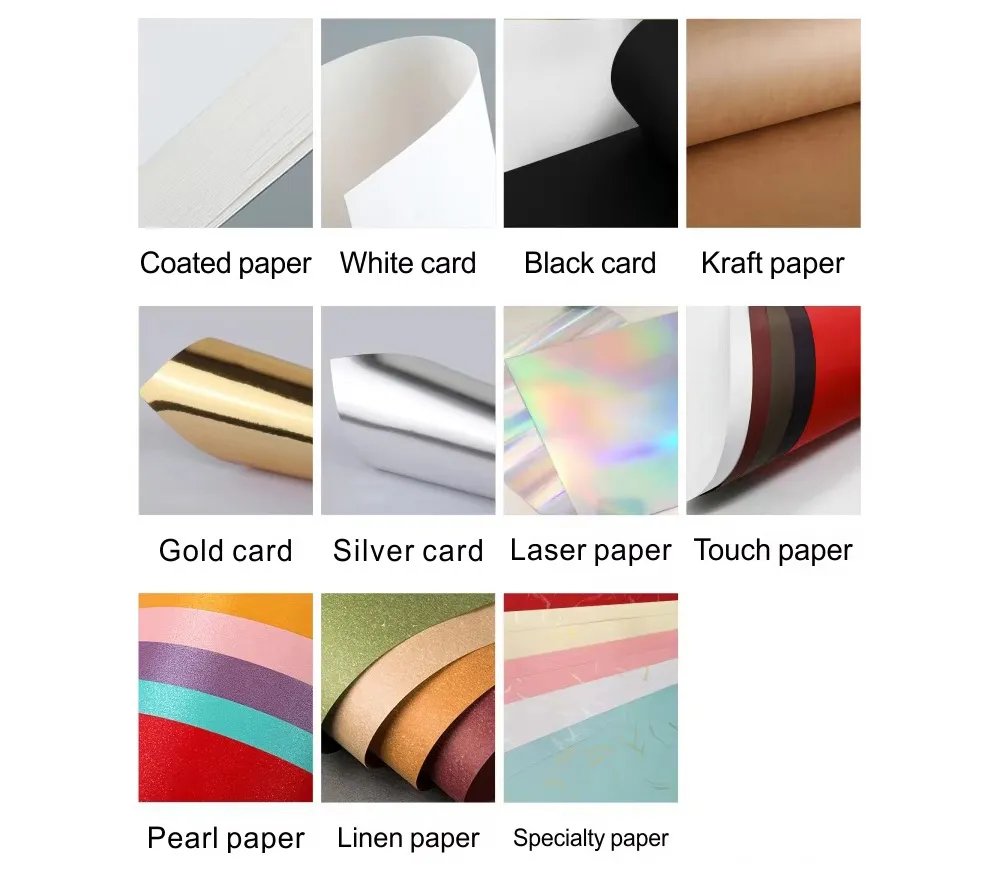
The choice of paper plays a crucial role in the overall look, feel, and quality of your printed envelopes. Different paper types offer unique characteristics and can significantly impact the final result. Let’s explore some popular paper options for custom envelope printing:
Art paper
Art paper, also known as coated paper, is a versatile choice for envelope printing. Its smooth surface and glossy finish make it ideal for showcasing vibrant colors and intricate designs. Art paper is available in various weights and finishes(gloss or matte), allowing you to achieve the desired level of thickness and sheen.
Black card paper
For a luxurious and sophisticated look, black card paper is an excellent choice. Its rich, deep color creates a striking contrast with metallic or light-colored inks. It is a popular option for high-end invitations, corporate events, or luxury brand packaging.
Kraft paper
If you’re aiming for an eco-friendly and rustic aesthetic, kraft paper is a fantastic option. Its natural, unbleached fibers give it a warm, earthy tone that pairs beautifully with minimalistic designs or nature-inspired themes.
Offset paper
Offset paper, also known as uncoated paper, offers a matte finish and a slightly textured surface. This paper type is ideal for envelopes that require a more understated, yet professional look. It is a popular choice for business correspondence or corporate mailings.
Textured paper
Textured papers, such as linen or felt, add a tactile element to your envelope design. The unique surface texture can create depth and visual interest. It is a great choice for high-end invitations, announcements, or luxury brand packaging.
Gold/silver card paper
For a truly opulent and luxurious touch, consider using metallic card papers like gold or silver. These papers have a shimmering, reflective surface that can add a touch of elegance and sophistication to your envelope design.
When selecting the paper for your envelope printing, consider not only the aesthetic appeal but also practical factors such as durability, weight, and compatibility with your chosen printing method.
Applying Finishes On Your Customized Envelope
In addition to selecting the right paper, you can elevate your envelope design by incorporating various finishing techniques. These finishes can add depth, texture, and visual interest, taking your envelopes from ordinary to extraordinary. Following are some popular finishing options:
 |
 |
 |
 |
| Foil stamping | Emboss | Deboss | Spot UV |
Foil stamping
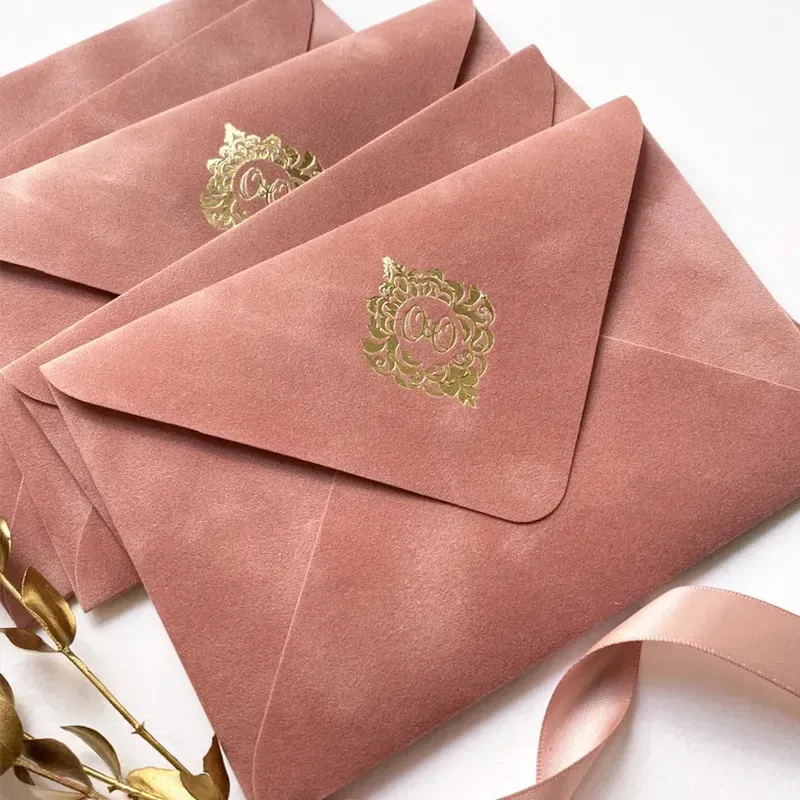
Foil stamping is a luxurious finishing technique often used for custom envelope. It involves applying metallic foil (such as gold, silver, or colored foils) to the surface of the envelope using heat and pressure. It creates a striking, eye-catching effect that adds a touch of elegance and sophistication to your design.
Emboss
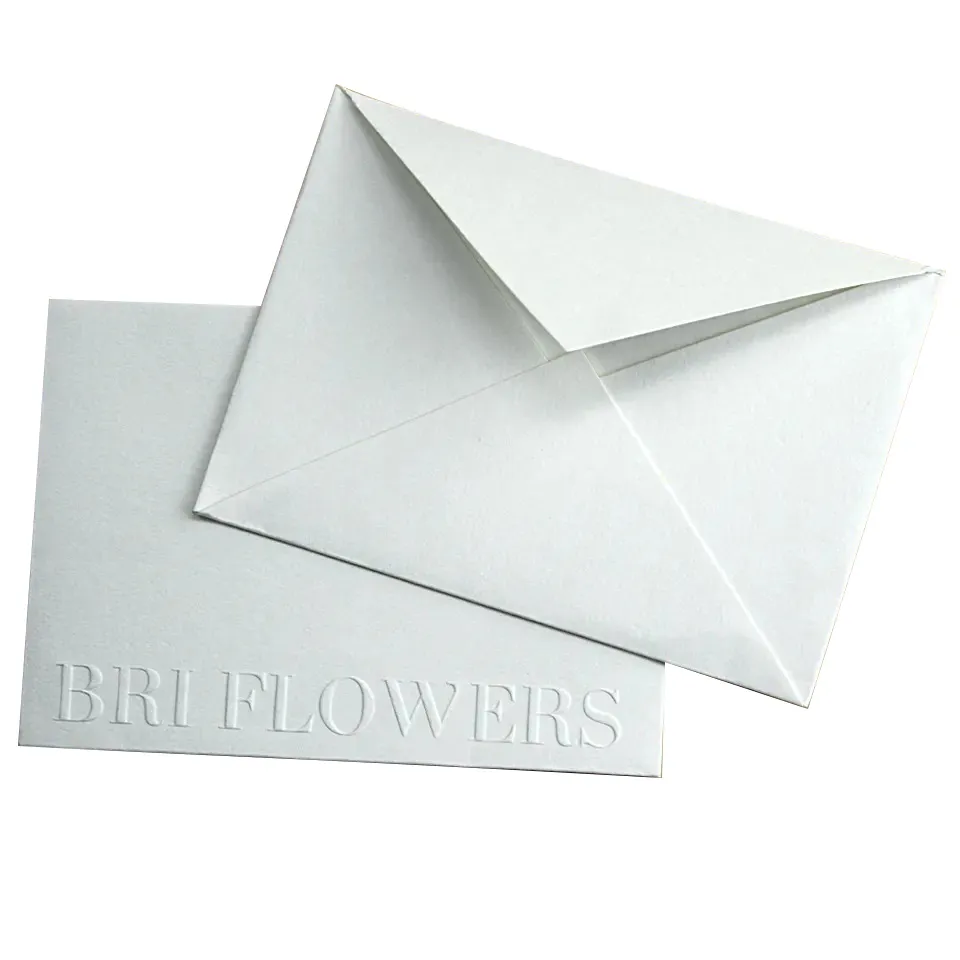
Embossing is a process that creates raised areas on the surface of the envelope. This technique adds texture and depth to your design, making it visually appealing and tactile. Embossing is often used in combination with foil stamping for an even more striking effect.
Deboss
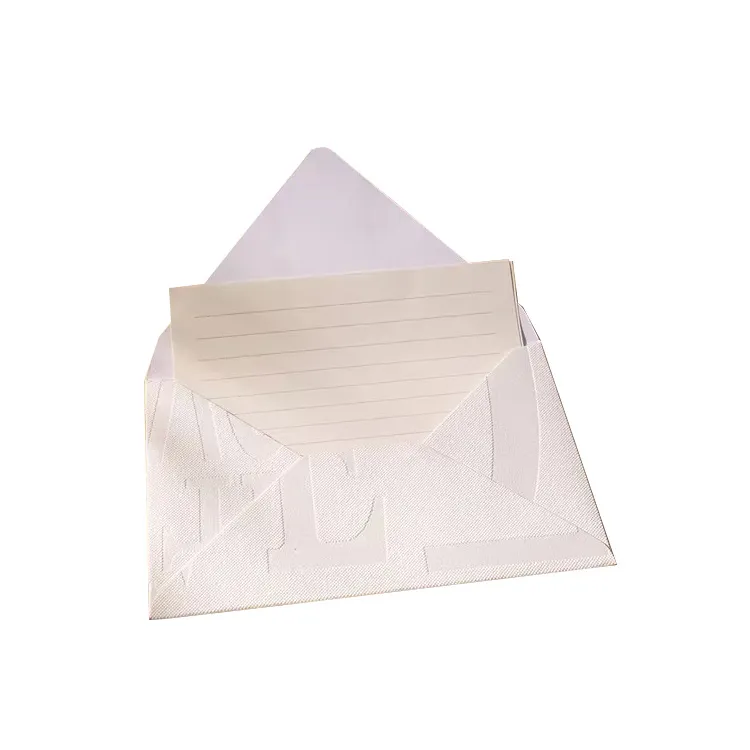
Debossing is the opposite of embossing, where the design elements are recessed into the surface of the envelope. This technique creates a subtle, yet elegant effect and can be used to highlight specific design elements or text.
Spot UV
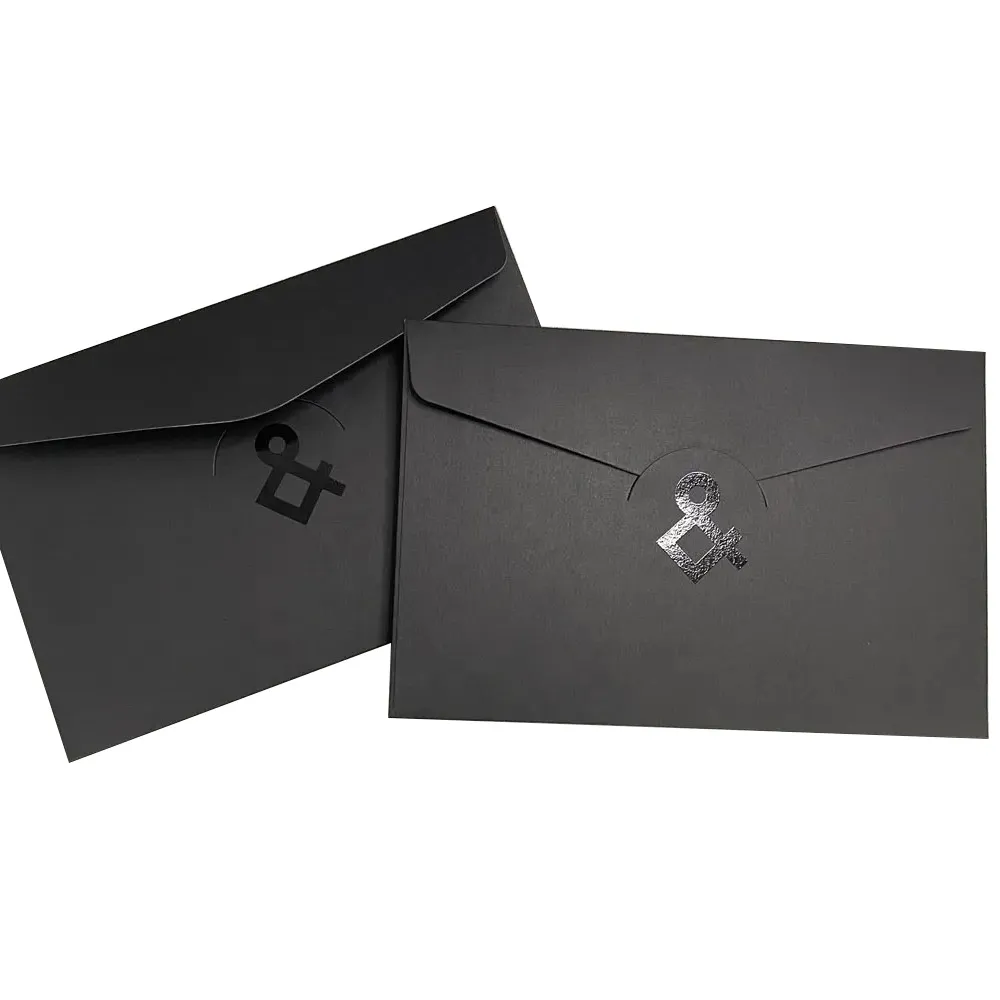
Spot UV is a finishing technique that involves applying a clear, glossy coating to specific areas of the envelope design. This creates a contrast between the matte and glossy areas, adding depth and visual interest to your design. Spot UV is often used to highlight logos, text, or intricate design elements.
When considering finishing options, keep in mind that these techniques can add to the overall cost of your envelope printing project. However, the added visual impact and perceived value can be well worth the investment, especially for high-end or luxury applications.
Popular Envelope Accessories Options
In addition to the envelope itself, you can enhance the overall presentation by incorporating various accessories. These complementary items can add a personal touch, reinforce your branding, or create a cohesive and memorable experience for the recipient. Here are some popular envelope accessory options:
Plum blossom chapter
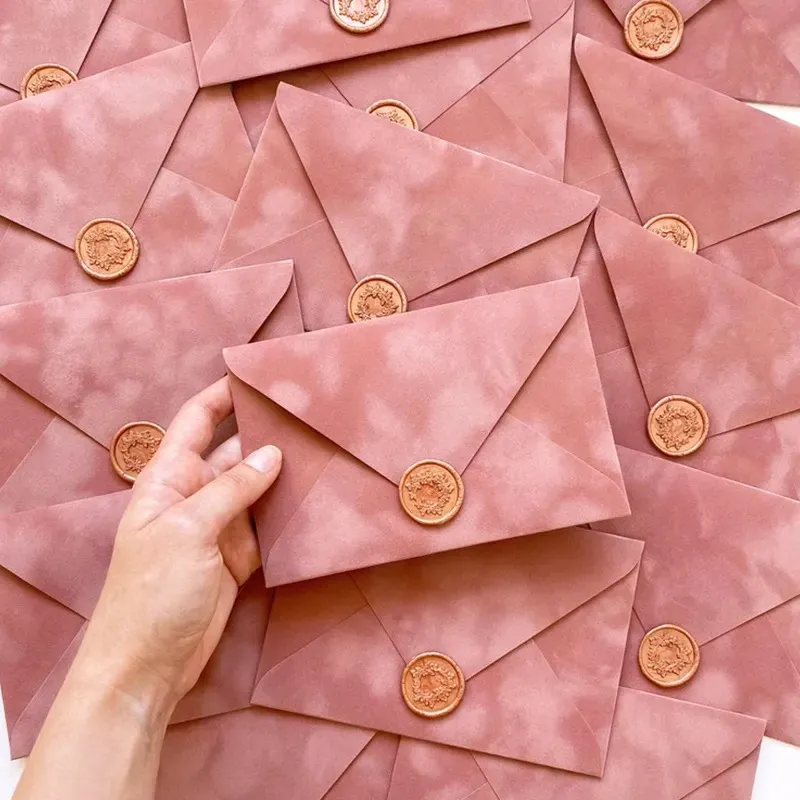
A plum blossom chapter, also known as a wax seal, is a decorative element that can be added to the envelope closure. These seals can feature your initials, a monogram, or a custom design, adding a touch of elegance and sophistication to your envelopes.
Sticker
Stickers are a versatile accessory that can be used for various purposes, such as sealing the envelope, adding a decorative element, or reinforcing your branding. They can be customized with your logo, graphics, or text, making them a great option for both personal and professional applications.
Thank you card
Including a personalized thank you card inside your envelope can add a thoughtful and appreciative touch. These cards can be designed to match the overall theme or branding of your envelope, creating a cohesive and polished presentation.
Letter paper
For business or formal correspondence, including custom-printed letter paper can elevate the overall professional appearance. These letter papers can feature your company’s logo, letterhead, or other branding elements, reinforcing your brand identity with every communication.
Postcard
Postcards are a versatile accessory that can be used for various purposes, such as save-the-dates, event reminders, or promotional materials. These can be designed to complement your envelope design, creating a cohesive and memorable marketing campaign.
Invitation
For special occasions or events, including a custom-designed invitation inside your envelope can set the tone and create anticipation for the upcoming celebration. These invitations can be tailored to match the overall theme and design of your envelopes.
Flyer/brochure/booklet/catalog
For marketing or promotional purposes, including printed materials such as flyers, brochures, booklets, or catalogs inside your envelopes can be an effective way to share information and showcase your products or services.
By incorporating these accessories, you can create a complete and cohesive package. It not only looks visually appealing but also enhances the overall experience for the recipient.
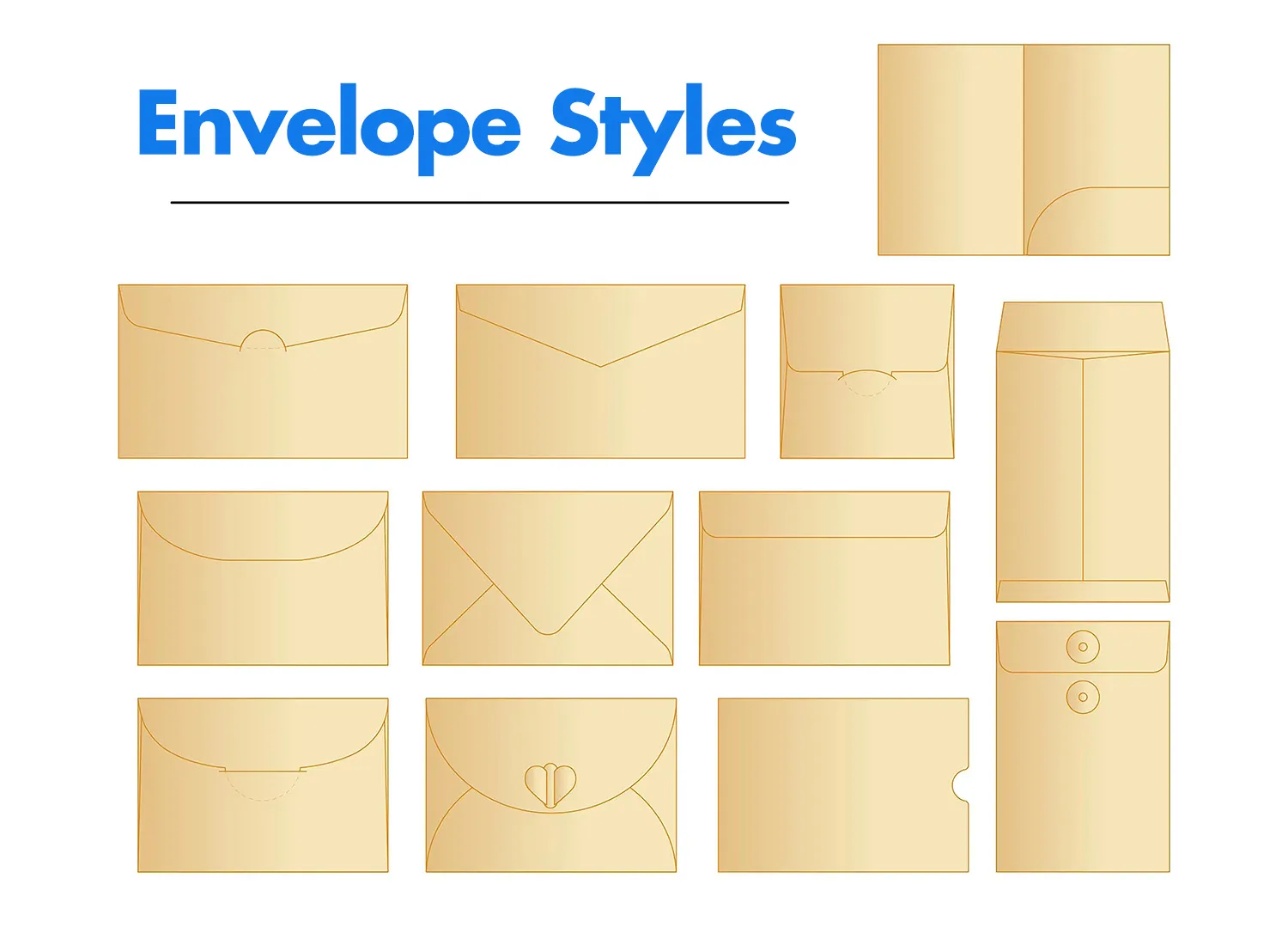
Envelope Closures Styles
The way your envelope is sealed can also contribute to the overall aesthetic and functionality of your design. There are various closure styles to choose from, each offering its own unique look and purpose. Let’s explore some popular envelope closure options:
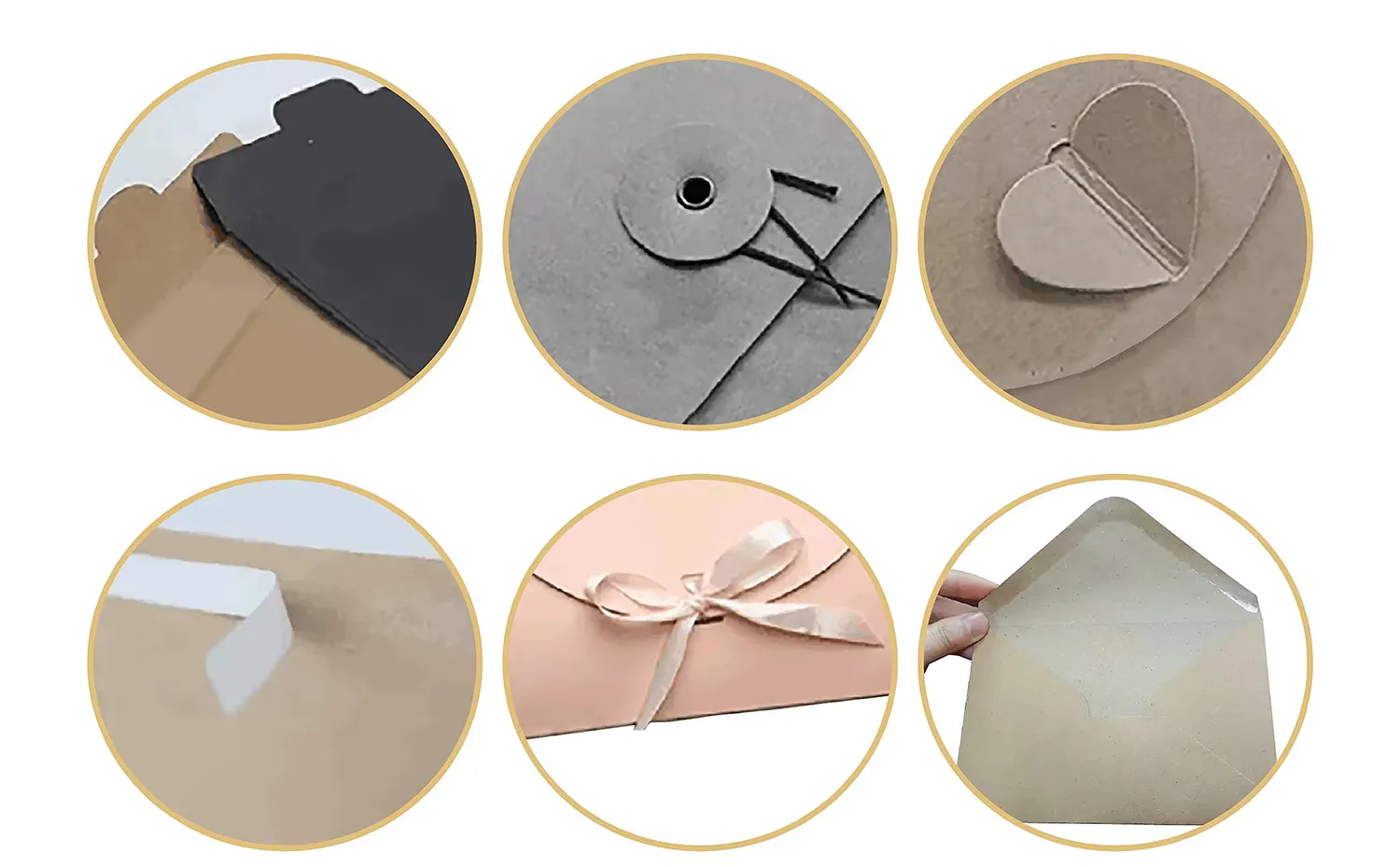
Slot closures
Slot closures are a classic and practical choice for envelopes. They feature a slit or slot at the top or side of the envelope, allowing the recipient to easily open and close the envelope without damaging the contents.
For a more rustic or vintage look, string and button closures can add a charming and unique touch to your envelopes. This closure style involves tying a string or ribbon around the envelope and securing it with a decorative button or knot.
Heart shaped closure
If you’re looking to add a romantic or whimsical element to your envelopes, consider a heart-shaped closure. This style features a die-cut heart shape at the top of the envelope, creating a visually appealing and memorable design.
Peel and seal closure
Peel and seal closures offer a convenient and secure way to seal your envelopes. This style features a strip of adhesive that can be peeled away and sealed, ensuring your contents remain secure during transit.
Sticker
For a simple and cost-effective closure option, stickers can be used to seal your envelopes. These can be customized with your branding, a decorative design, or a personalized message, adding a unique touch to your envelopes.
Silk ribbon
For a luxurious and elegant look, silk ribbon closures can be a beautiful choice. These ribbons can be tied in various styles, such as bows or knots, and can be paired with other finishing techniques like wax seals or embossing.
Sealing wax
Sealing wax is a traditional and elegant closure option that adds a touch of sophistication to your envelopes. This technique involves melting wax and stamping it with a personalized seal or monogram, creating a unique and visually striking closure.
When selecting your envelope closure style, consider not only the aesthetic appeal but also the practicality and security requirements of your mailing or delivery needs.
Envelope Printing: Digital vs Offset Printing
When it comes to envelope printing, you have two main printing methods to choose from: digital printing and offset printing. Each method has its own advantages and is better suited for different printing needs and quantities. Let’s explore the differences between these two techniques:
Digital Printing
Digital printing is a modern printing method that uses toner or liquid ink to transfer the design directly onto the envelope surface. This process is ideal for smaller print runs, personalized or variable data printing, and quick turnaround times. Here are some key advantages of digital envelope printing:
-
Cost-effective for small quantities: Digital printing is more economical for smaller print runs. As there are no setup costs associated with plate-making or press setup.
-
Personalization and variable data printing: Digital printing allows for easy personalization and variable data printing, making it ideal for addressed envelopes, direct mail campaigns, or other applications that require customization.
-
Quick turnaround times: Since there is no need for plate-making or extensive setup, digital printing can offer faster turnaround times, making it a great choice for time-sensitive projects.
-
Proofing and revisions: Digital printing makes it easier to proof and make revisions to your design before the final print run, ensuring you achieve the desired results.
Offset Printing
Offset printing is a traditional printing method. It involves transferring the design from a plate to a rubber blanket, and then onto the envelope surface. This method is best suited for larger print runs and offers consistent, high-quality results. Here are some key advantages of offset envelope printing:
-
Cost-effective for large quantities: While offset printing has higher setup costs due to plate-making and press setup, it becomes more cost-effective for larger print runs, making it ideal for bulk envelope printing.
-
Consistent quality: Offset printing offers consistent color reproduction and sharp, crisp images. It is a great choice for high-quality, professional envelope printing.
-
Wider range of paper and finishing options: Offset printing allows for a broader range of paper stocks and finishing techniques, such as embossing, foil stamping, and spot UV, providing more creative possibilities for your envelope design.
-
Pantone color matching: Offset printing can accurately match Pantone colors, ensuring precise color reproduction for branding and corporate identity applications.
When deciding between digital or offset printing for your envelope project, consider factors such as the print quantity, turnaround time, personalization requirements, and desired finishing options. Your printing provider can guide you in selecting the most suitable printing method based on your specific needs and budget.
How to Prepare Your Print-Ready File for Envelope Printing
Preparing a print-ready file for envelope printing service is crucial to ensure accurate and high-quality results. Here are some essential steps to follow when preparing your envelope design file:
-
Understand the printer’s specifications: Before starting your design, familiarize yourself with the printer’s specifications, such as accepted file formats, bleed and trim requirements, and color profiles. This information will help you set up your design file correctly from the beginning.
-
Set up the correct dimensions: Ensure that your design file is set up with the correct dimensions for your chosen envelope size. This includes the front and back panels, as well as any flaps or closure areas.
-
Use the appropriate color mode: For most envelope printing projects, you’ll want to use the CMYK color mod. As this is the standard for professional printing. Avoid using RGB or spot colors unless specifically required by your printer.
-
Embed or package all fonts: To ensure that your design prints accurately, it’s essential to embed or package all fonts used in your file. This prevents font substitution issues and ensures that your text appears exactly as intended.
-
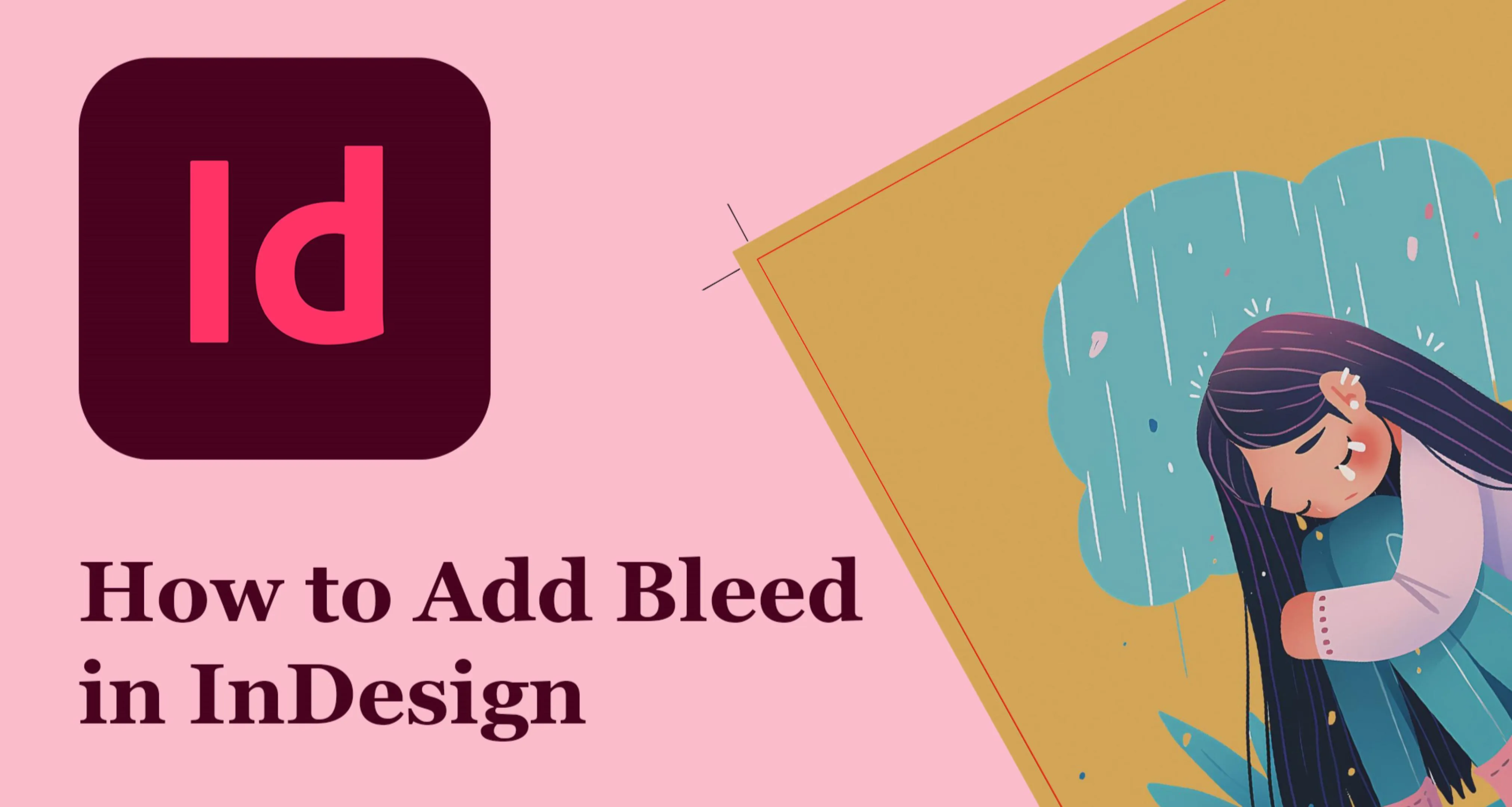
Create bleed and trim marks: Most printers require a small bleed area(usually 3mm/0.125″) beyond the trim line to account for minor shifts during the cutting process. Follow the printer’s guidelines for bleed and include trim marks in your file for accurate trimming.
-
Use high-resolution images: Any images or graphics used in your envelope design should be high-resolution (typically 300 dpi or higher) to ensure sharp and crisp printing results.
-
Check for overprint settings: Depending on your design and the printer’s requirements, you may need to adjust the overprint settings in your file. Overprinting can affect how colors and elements overlap, so it’s essential to get this setting right.
-
Preflight and proof your file: Before sending your file to the printer, always preflight and proof it thoroughly. This step helps identify and resolve any potential issues, such as missing fonts, low-resolution images, or color mode discrepancies.
-
Follow the printer’s file submission guidelines: Each printer may have specific file submission guidelines, such as accepted file formats(most printers are preferred PDF file), naming conventions, or upload procedures. Carefully follow these guidelines to ensure a smooth and successful printing process.
By following these steps and working closely with your chosen printing provider. You can ensure that your envelope design file is print-ready and will produce high-quality, professional results.
Where to Print My Own Envelopes?
Now that you’ve learned about the various aspects of envelope printing, you may be wondering where you can get your envelopes printed. There are several options available, each with its own advantages and considerations:
-
Online printing services: Many online printing companies(such as BookPrintingChina) offer envelope printing services, making it convenient to upload your design, place an order, and have your envelopes delivered directly to your doorstep. BookPrintingChina often provides competitive pricing, quick turnaround times, and a user-friendly ordering process.
-
Local print shops: If you prefer a more hands-on approach or need personalized assistance, consider working with a local print shop in your area. These establishments can guide you through the printing process, offer advice on design and paper choices, and provide additional finishing options.
When choosing where to print your envelopes, consider factors such as print quality, turnaround time, cost, and any specific requirements or finishing options you may need. It’s also a good idea to request samples or review previous work from the printer to ensure they can meet your expectations.
At BookPrintingChina, we understand the importance of creating visually stunning and professional envelopes for your brand or personal needs. Our team of experts is dedicated to guiding you through every step of the envelope printing process, from design consultation to final production.
With a wide range of paper stocks, finishing options, and printing techniques available, we can bring your vision to life with exceptional quality and attention to detail. Contact us today to discuss your envelope printing project and receive a personalized quote tailored to your specific requirements.
In conclusion, envelope printing is an art form that requires careful consideration of design, paper selection, finishing techniques, and printing methods. By following the guidelines and tips outlined in this comprehensive guide, you can create envelopes that not only look professional and visually appealing but also leave a lasting impression on your recipients. Whether you’re a business owner seeking to enhance your brand’s identity or an individual planning a special occasion, investing in high-quality envelope printing can elevate your overall presentation and create a cohesive, memorable experience.