


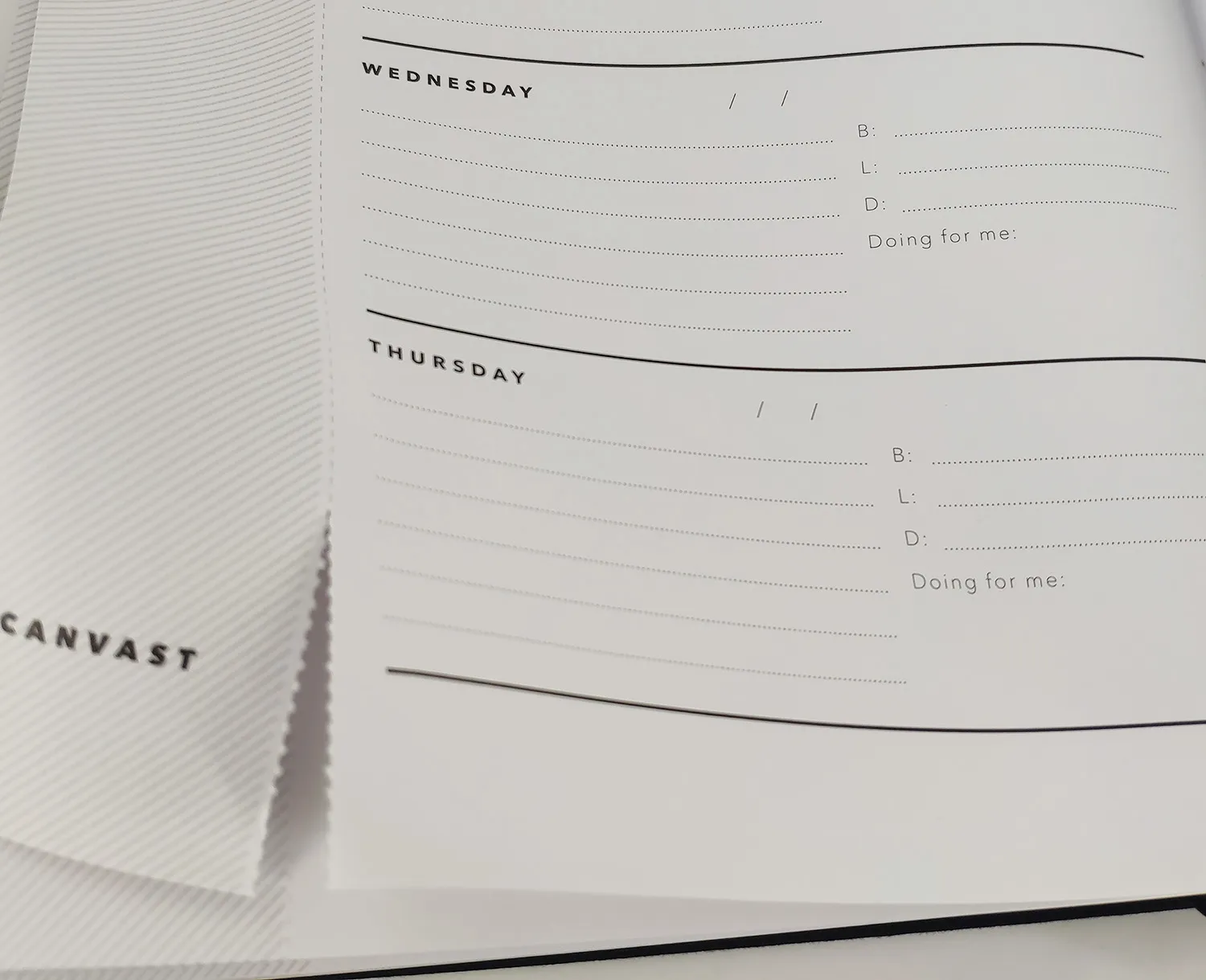
In the realm of printed materials, perforated pages stand as a testament to ingenuity and functionality. These cleverly designed sheets offer a unique blend of convenience and versatility, catering to a wide array of applications. From notebooks and workbooks to promotional materials and event ticketing, perforated pages have become an integral part of our daily lives, streamlining processes and enhancing user experiences.
In this comprehensive guide, we will delve into the world of perforated pages, uncovering their purpose, advantages, and diverse applications.
What Are Perforated Pages Meaning
Perforated pages, also known as tear-off pages or detachable sheets. They are printed materials that feature a row or multiple rows of perforations, which are small, evenly spaced holes or indentations. These perforations allow individual pages or sections to be cleanly separated from the main document or booklet, creating a seamless and effortless detachment process.
What is The Purpose of Perforated Pages
The primary purpose of perforated pages is to provide a practical and convenient solution for various scenarios where detachable sections are required. Whether it’s for note-taking, completing exercises, or distributing coupons and tickets, perforated pages offer a user-friendly experience by eliminating the need for scissors or other cutting tools. This design ensures a clean separation while maintaining the integrity of the remaining pages.
The Advantage of Perforate Pages
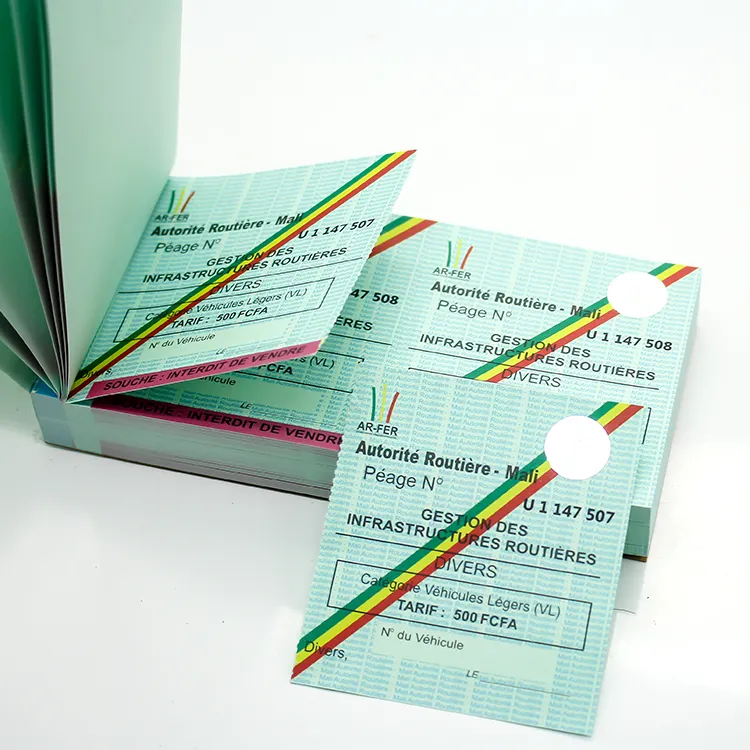 Perforated pages offer numerous advantages that have contributed to their widespread adoption across various industries and applications:
-
Convenience: The ability to tear off pages effortlessly allows users to extract and utilize specific sections of the material without damaging the remaining content.
-
Portability: Detachable pages enable users to carry only the necessary information with them, reducing bulk and enhancing mobility.
-
Organization: Perforated pages promote better organization by allowing users to separate and categorize content according to their needs.
-
Shareability: Easily removable pages facilitate sharing and distribution of specific information among colleagues, clients, or customers.
-
Cost-effectiveness: By utilizing perforated pages, businesses and organizations can reduce waste and minimize the need for reprinting or duplicating entire documents.
Different Types of Perforated Pages
Perforated pages come in various forms and configurations. Each designed to serve specific purposes:
-
Single Perforation: A single row of perforations running horizontally across the page, allowing for the removal of individual sheets.
-
Multiple Perforations: Multiple rows of perforations, enabling the separation of smaller sections or individual portions of the page.
-
Vertical Perforations: Perforations running vertically along the page, facilitating the removal of columns or sections from left to right.
-
Micro-Perforations: Tiny perforations that create a clean, almost invisible tear line, often used in high-quality materials or promotional pieces.
The Application of Perforated Pages
Perforated pages can be used in various applications. Here are some of popular ways to use perforated pages in your printing projects.
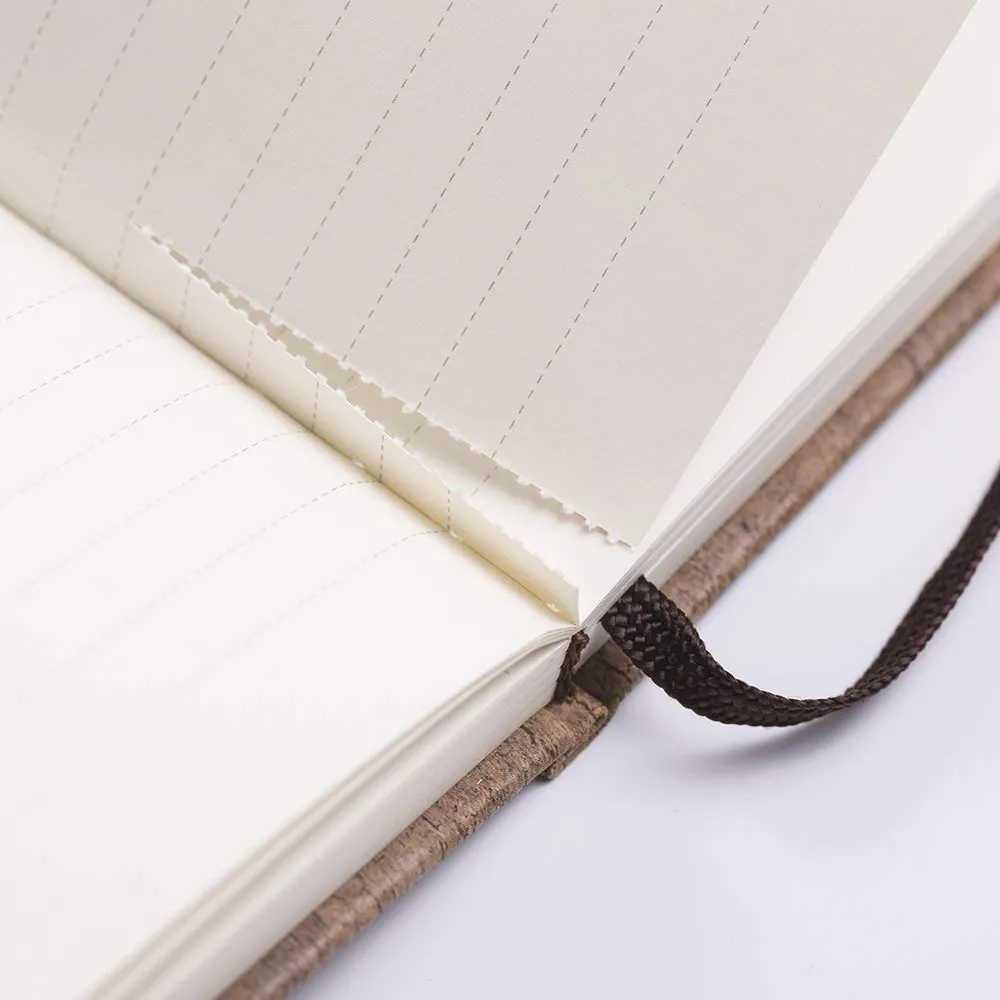
Perforated pages in notebooks and journals
In the realm of notebooks and journals printing, perforated pages have become a beloved feature. These pages allow users to easily remove individual sheets for sharing notes, creating to-do lists, or preserving important information. The perforated design ensures that the remaining pages remain securely bound, providing a seamless writing experience.
Perforated pages in textbooks and workbooks
Educational materials, such as textbooks and workbooks. They often incorporate perforated pages to facilitate learning and practice. Students can conveniently tear out exercises, assignments, or supplementary materials, allowing them to work on them separately or submit them for grading. This feature enhances the overall learning experience and promotes organization.
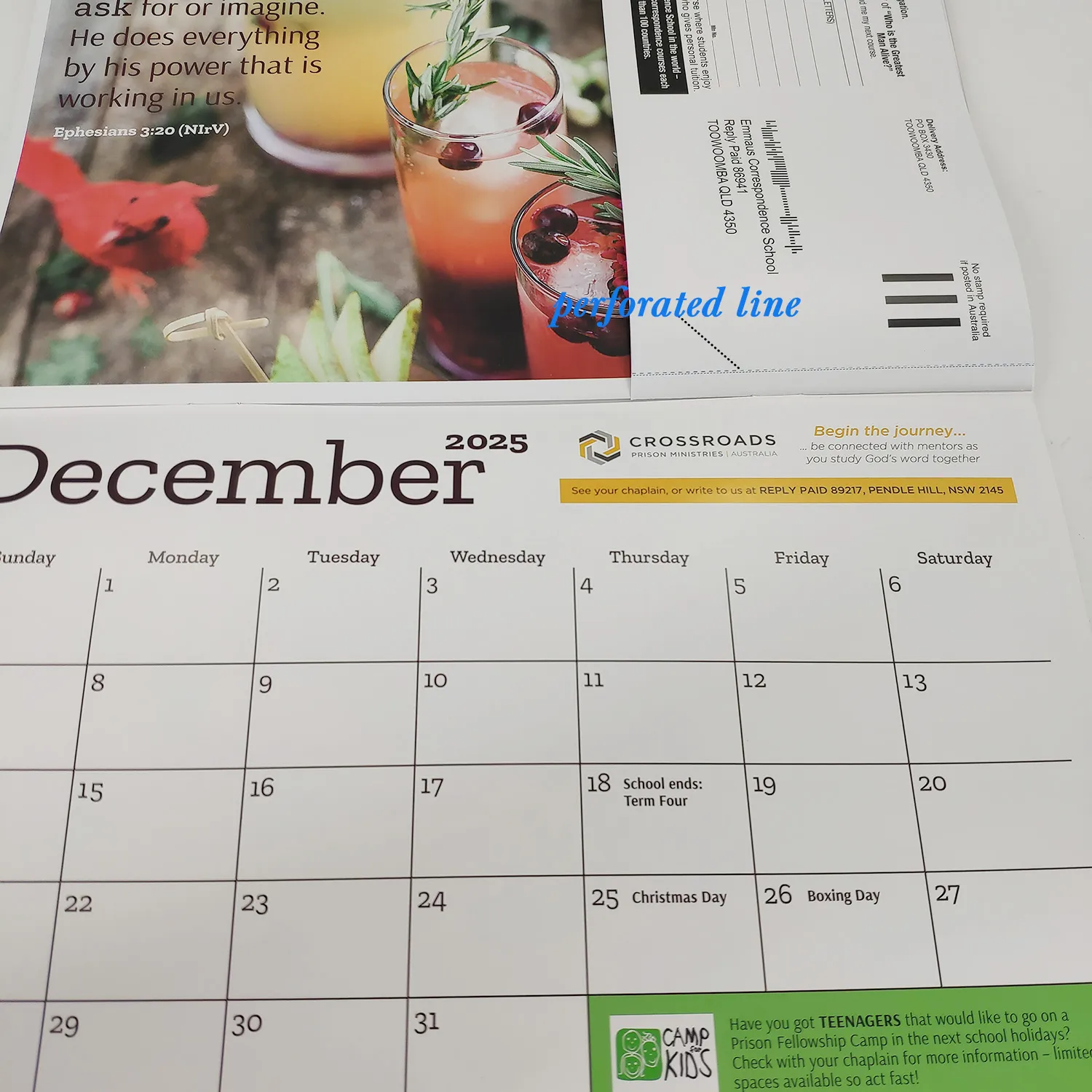 Perforated pages in planners and calendars
Perforated pages in planners and calendars offer a practical solution for time management and organization or call to action. Users can easily detach individual pages or sections, enabling them to carry only the relevant information with them. This feature is particularly useful for those who prefer a minimalist approach and need to share specific calendar entries with others or business need to remind clients making an order.
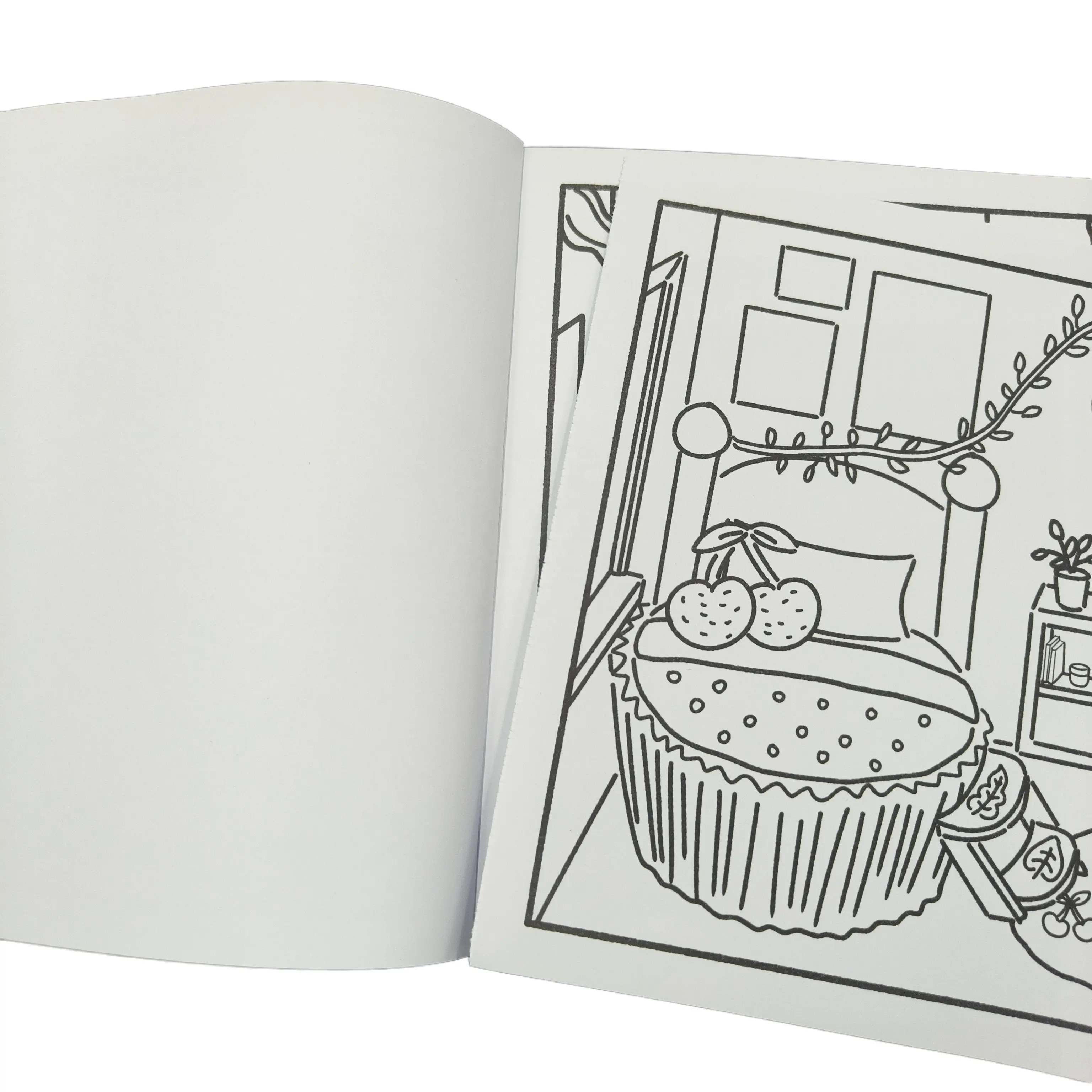
Perforated pages in coloring book and sketchbook
Coloring books and sketchbooks with perforated pages cater to the creative minds of artists and hobbyists. The detachable pages allow users to remove their completed artworks or sketches, creating a portfolio or sharing their creations with others. This design encourages artistic expression while providing a clean and organized workspace.
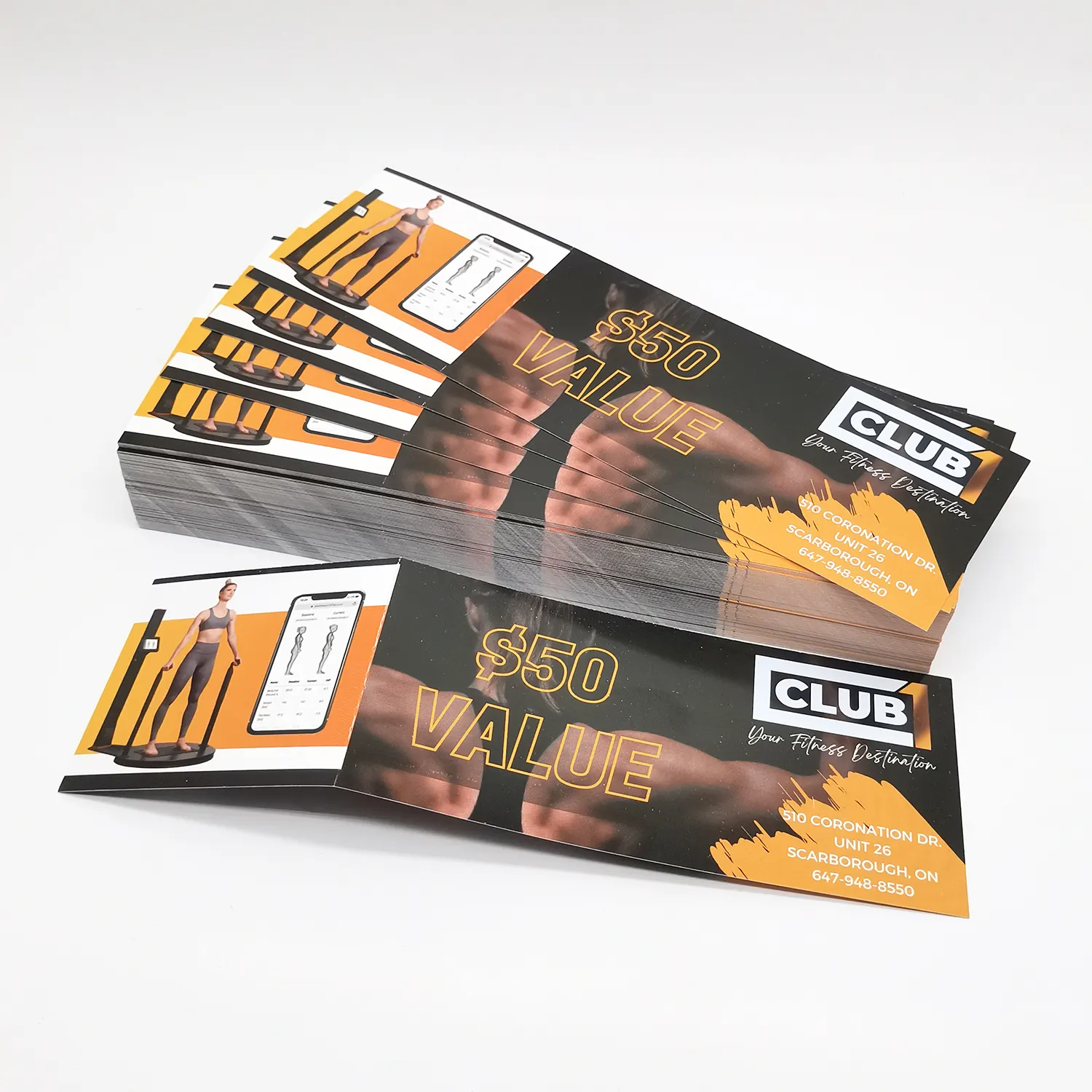
Perforated pages for promotional materials and coupons
In the world of marketing and promotions, perforated pages play a crucial role. Flyers, leaflets, coupons, and coupon books printing often feature perforated sections. They enable customers to easily tear off and redeem offers or distribute promotional materials. This design enhances the user experience and encourages engagement with the brand or product.
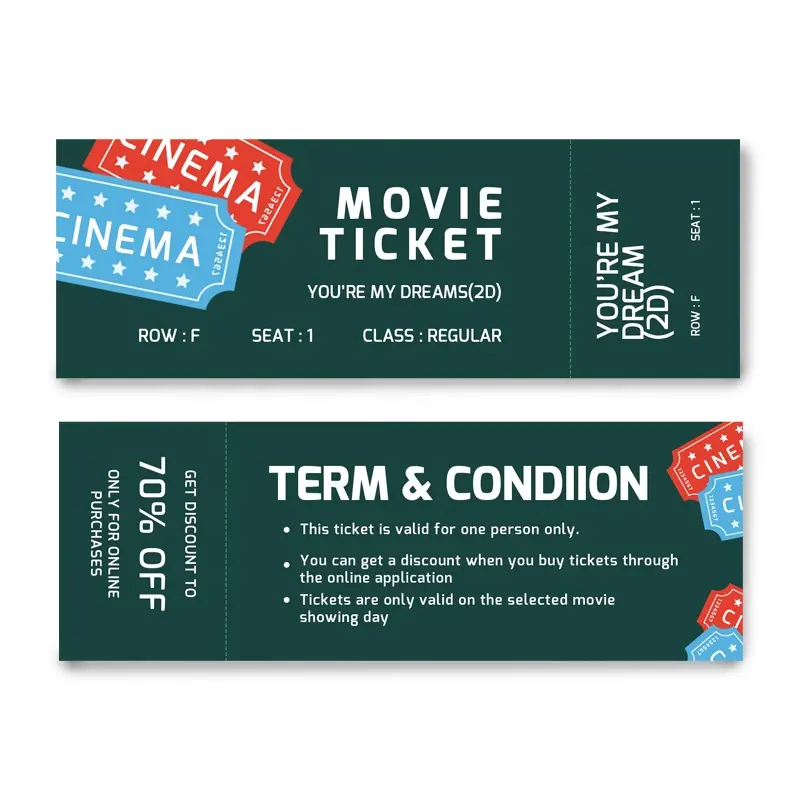
Perforated pages in event planning and ticketing
Event planners and ticketing companies rely on perforated pages to streamline the ticketing process. Perforated ticket stubs or sections allow attendees to detach their tickets conveniently, while the remaining portion serves as a record or proof of purchase. This design ensures a smooth entry process and prevents the need for manual cutting or tearing.
How to design and print perforated pages effectively
Designing and printing perforated pages requires careful consideration and attention to detail. Here are some key factors to keep in mind:
-
Page Layout: Strategically plan the placement of perforations, ensuring they align with the intended tear-off sections or pages.
-
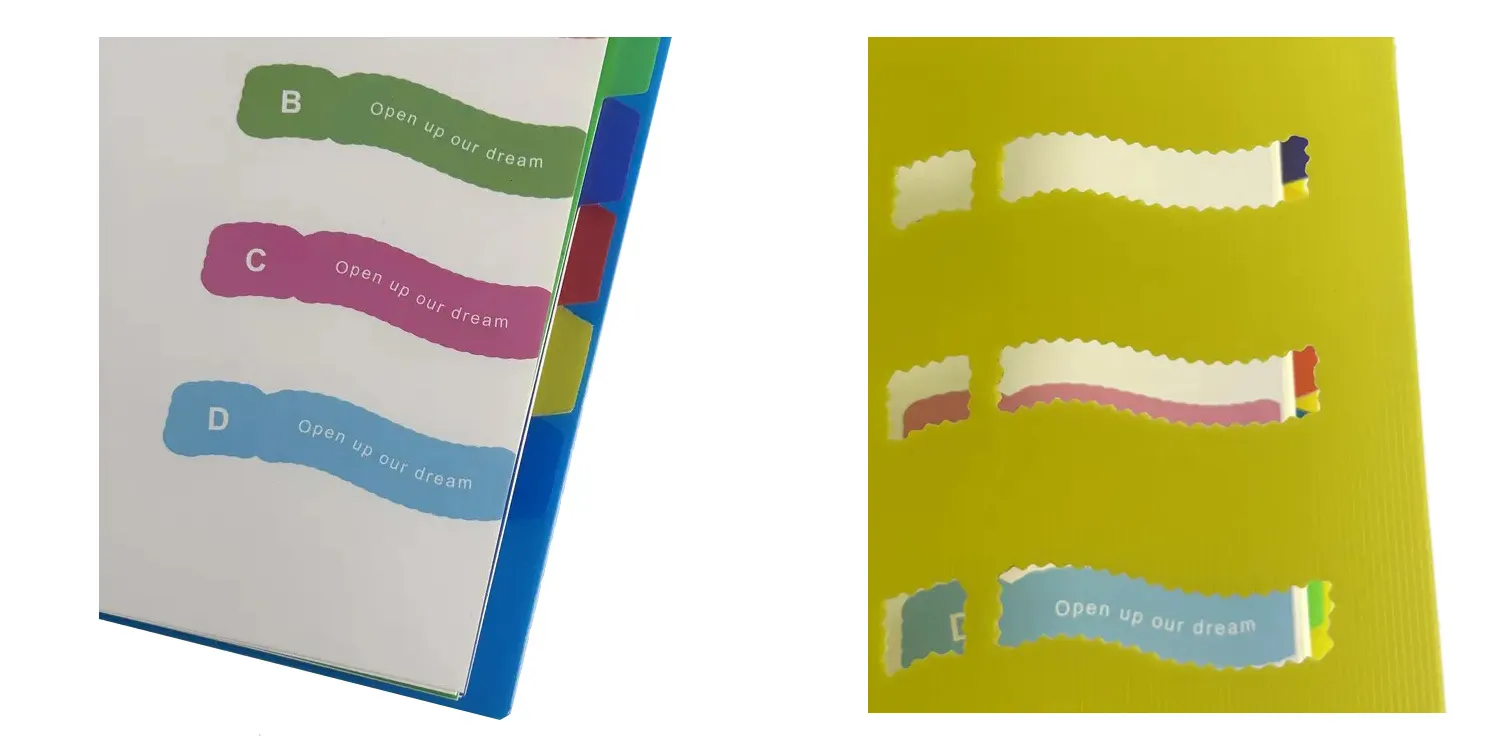
Perforation Type: There are different types of perforations, including standard perforations, micro-perforations, and die-cut perforations. Choose the appropriate type based on the thickness of the paper stock and the desired level of detachment ease.
-
Bleed and Safety Margins: When designing perforated pages, ensure that important content falls within the safe zone, away from the perforation line. Bleed and safety margins should be considered to prevent any unintended cropping or loss of information.
-
Paper Stock: Select a suitable paper stock that can withstand the perforating process without compromising the integrity of the remaining pages.
-
Printing Considerations: Perforated pages require specialized printing techniques and equipment. Work closely with experienced print service providers who have expertise in handling perforated materials. They can advise on the best paper stock, ink types, and printing methods to achieve optimal results.
- Testing and Quality Control: Conduct thorough testing and quality control checks to ensure consistent perforation quality and ease of detachment across all printed materials.
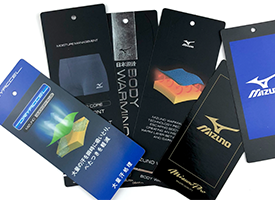
Perforate Pages vs Punched Holes
While perforated pages and punched holes share similarities in their ability to facilitate page removal, they differ in several key aspects:
|
|
|
-
Precision: Perforated pages offer a more precise and controlled tear-off experience, ensuring clean and consistent detachment.
-
Versatility: Perforations can be strategically placed along any edge or within the page, allowing for greater flexibility in design and functionality.
-
Durability: Punched holes can weaken the paper over time, especially with frequent removal and reinsertion, while perforated pages maintain the integrity of the remaining content.
-
Aesthetics: Perforated pages maintain a seamless and professional appearance, free from the potential distractions or damage caused by punched holes.
-
Binding Options: Perforated pages can be bound using a variety of techniques, including saddle-stitch, perfect binding, or spiral binding, offering versatility in presentation.
While both methods enable detachment, perforated pages offer a more streamlined and user-friendly experience. Particularly for applications where individual pages or sections need to be removed frequently or distributed separately.
Conclusion
Perforated pages have revolutionized the way we interact with printed materials, offering a harmonious blend of practicality and functionality. From notebooks and planners to promotional materials and event ticketing. These ingenious designs have streamlined our daily lives, fostering organization, efficiency, and convenience.
As we navigate the ever-evolving landscape of printing and publishing, it becomes increasingly evident that perforated pages are more than just a passing trend. They are a testament to the ingenuity and adaptability of the industry. Embrace the power of perforated pages and unlock a world of possibilities, where functionality meets seamless design, and practicality reigns supreme.
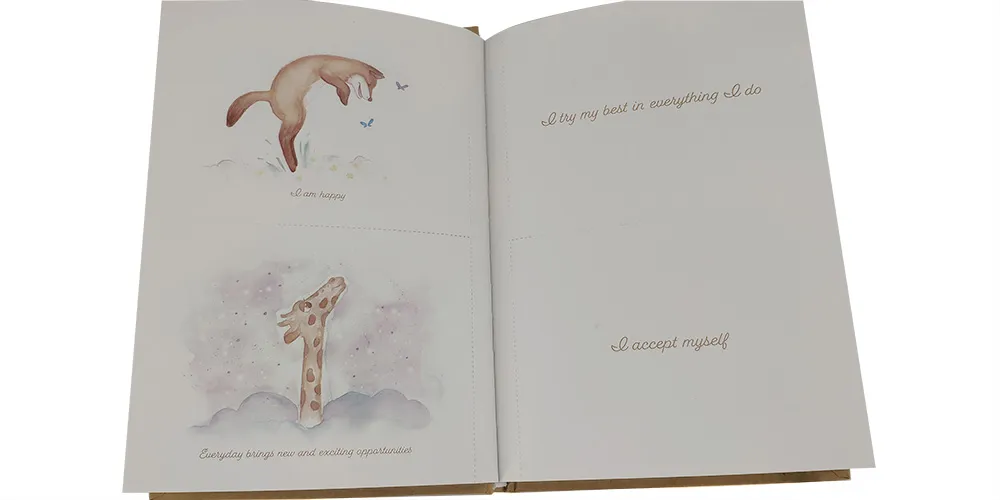
If you’re ready to elevate your printing and publishing game, consider exploring our comprehensive range of perforated pages printing solutions. Our team of experts is dedicated to guiding you through the process, ensuring that your perforated materials are designed and printed to perfection.
Contact us today to discuss your unique requirements and let us help you unlock the secrets to practicality and functionality with perforated pages.