


When embarking on the exciting journey of creating a children’s book, one of the pivotal decisions you’ll face is choosing the perfect size for your book. The dimensions of your book not only affect its visual appeal but also its functionality and manufacturing costs. In this comprehensive guide, we’ll explore everything you need to know about children’s book sizes, providing you with the insights needed to make an informed decision that aligns with your creative and financial goals.
What’s Children’s Book Trim Size
The term “trim size” refers to the final dimensions of your book after it has been printed and trimmed to its finished size. For children’s books, the trim size is crucial as it influences how the illustrations are displayed, the book’s portability, and its overall market appeal. It’s important to choose a size that complements your story and resonates with your target audience.
Understanding the trim size also helps in setting up your manuscript correctly. Many authors and illustrators consider how their book will be held by small hands or how it will fit on a standard bookshelf. These considerations are vital for ensuring that your book is not only visually appealing but also practical for young readers and their parents.
Choosing the correct trim size can also affect the cost of printing. Larger books may be more expensive to produce, which is an essential factor to consider when budgeting for your project. By selecting a standard size, you may benefit from reduced printing costs and easier distribution options.
Standard Children’s Book Sizes by Age Group
When publishing a children’s book, size matters. The right dimensions not only affect the printing cost but also influence how young readers engage with the story. From sturdy board books for infants to sleek young adult novels for teens, each age group has standard sizes that best suit their developmental stage and reading preferences. Below is a guide to the most common children’s book sizes by age group.
Board Books
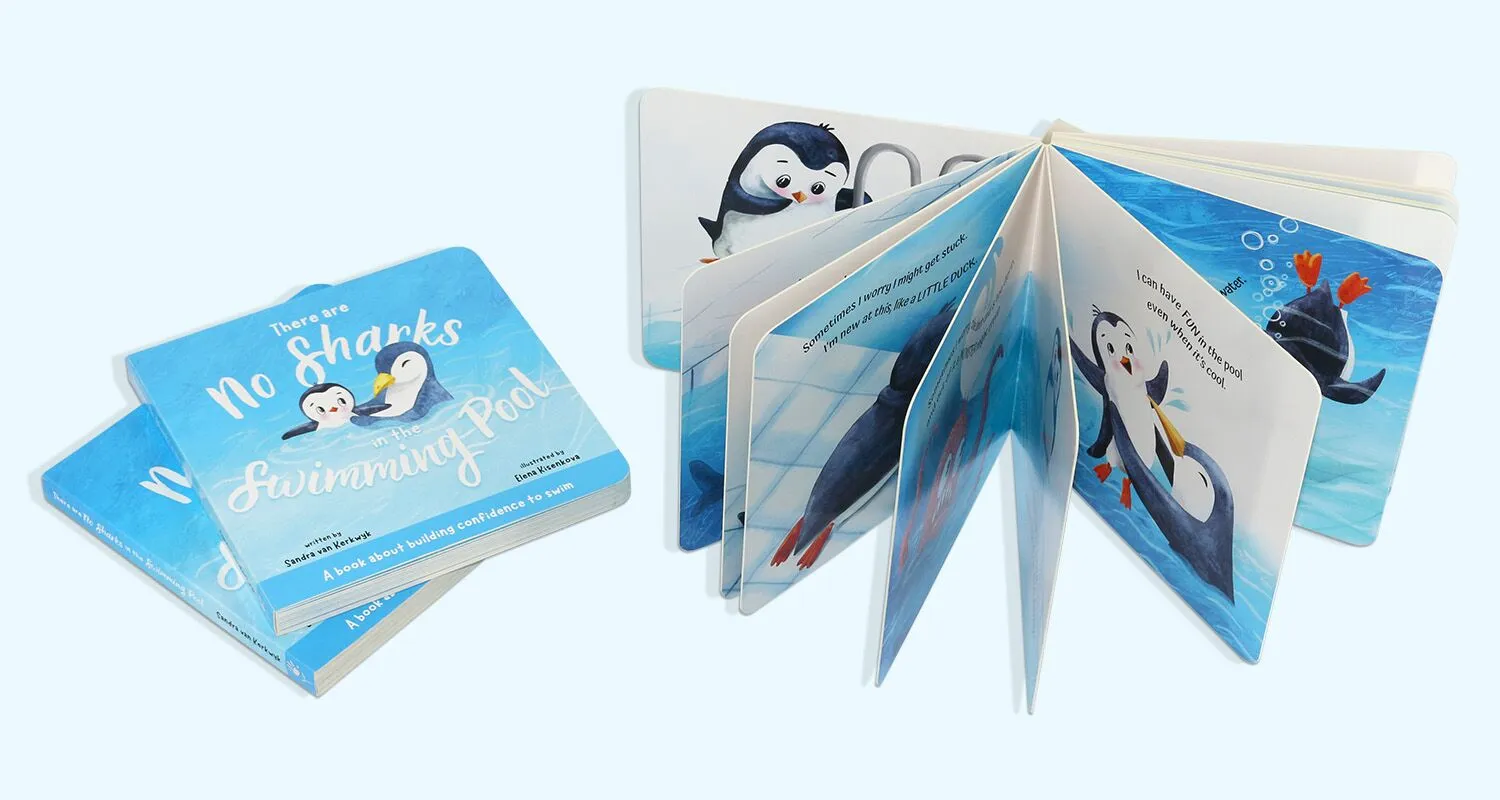
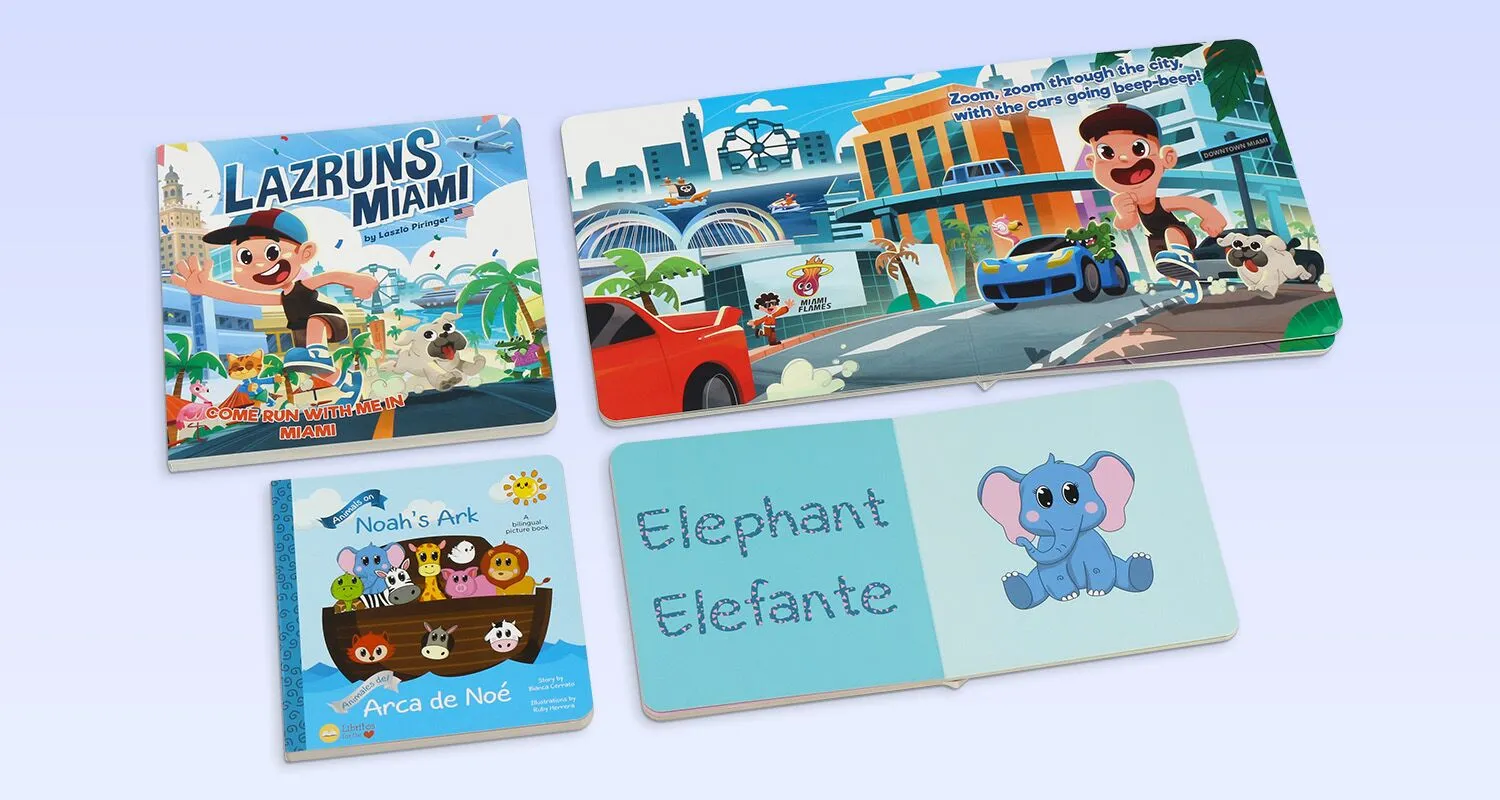
Board books are the earliest introduction to reading for infants and toddlers. Their defining feature is durability—thick, laminated pages that can withstand chewing, drooling, and endless flipping. A popular choice is the 6” x 6” format, which is small enough for tiny hands to grasp but large enough to showcase simple, bold illustrations.
Larger square sizes like 7” x 7” or 8” x 8” are also common, giving illustrators more room for colorful designs while remaining portable for parents on the go.
Picture Books
As children grow into preschool and early elementary years, they are ready for picture books that combine storytelling with vibrant imagery. These books are designed to capture attention during read-aloud sessions and to introduce kids to narrative flow.
Standard picture book sizes—such as 8” x 10” or 8.5” x 11”—allow for expansive illustrations that bring characters and settings to life. Square formats like 8.5” x 8.5” are also widely used, balancing artwork with large, easy-to-read text.
Early Readers & Chapter Books
Once children begin reading independently, early readers and chapter books become their bridge from picture-heavy formats to text-driven stories. These books often feature short chapters, simple vocabulary, and supportive illustrations.
Standard sizes like 6” x 9” or 5.5” x 8.5” are comfortable for children to hold while providing ample room for text and spot illustrations. This stage is crucial for building confidence in young readers, and the familiar size makes transitioning into more advanced books seamless.
Middle Grade Books
Middle-grade books target readers roughly ages 8–12, who are ready for longer, more complex narratives. These books often reduce the number of illustrations, focusing instead on immersive storytelling.
Common formats include 5.25” x 7.5” and 5” x 8”, though the slightly larger 6” x 9” size is also used for longer works. These dimensions strike a balance between being portable for kids to carry to school and spacious enough for comfortably set typefaces.
Young Adult (YA) Fiction
Young adult fiction is aimed at teenagers and often mirrors the look and feel of adult novels. The most popular sizes—5” x 7”, 5.25” x 8”, and 5.5” x 8.5”—are sleek, professional, and versatile for both hardcover and paperback editions. These dimensions not only make YA titles appealing on bookstore shelves but also signal a transition into more mature, sophisticated reading material.
Choosing the right size for a children’s book is about more than aesthetics—it’s about matching the format to the reader’s developmental stage and reading experience. From the sturdy compactness of board books to the polished dimensions of YA novels, standard sizes help guide young readers through every stage of their literary journey.
Considerations when Choosing a Children’s Book Size
The size impacts readability, the effectiveness of illustrations, and even the book’s marketability. Below are six key considerations every author, illustrator, or publisher should keep in mind when determining the best size for a children’s book.
Age Group
The age group of your target audience is the most fundamental factor when choosing book dimensions. Infants and toddlers benefit from compact, sturdy board books that fit comfortably in small hands. Larger trim sizes with bold, simple illustrations work well for preschoolers who enjoy vivid visual storytelling. As children grow older, their reading skills improve, and they transition to smaller, more text-heavy formats such as chapter books and middle-grade novels. Understanding the developmental stage of your audience ensures the book’s size enhances, rather than hinders, the reading experience.
Content and Style
The type of content and storytelling style also play a significant role in determining book size. For example, if your book relies heavily on detailed illustrations, a larger trim size will provide the necessary space to showcase the artwork without compromising clarity. Text-heavy books are ideal for smaller, more compact formats, which are easier for independent readers to carry and handle. Matching size to content helps highlight the strengths of your story while maintaining reader engagement.
Illustration and Layout
Illustrations are the cornerstone of most children’s books, especially picture books and early readers. The chosen trim size must work harmoniously with the layout of the illustrations and text.
Larger books allow for full-page or double-page spreads that immerse readers in the story world. Smaller books, while more portable, often require creative layouts to balance artwork and text without feeling overcrowded. Close collaboration between the author, illustrator, and designer ensures that the final size complements the artwork and enhances visual storytelling.
Page Count and Readability
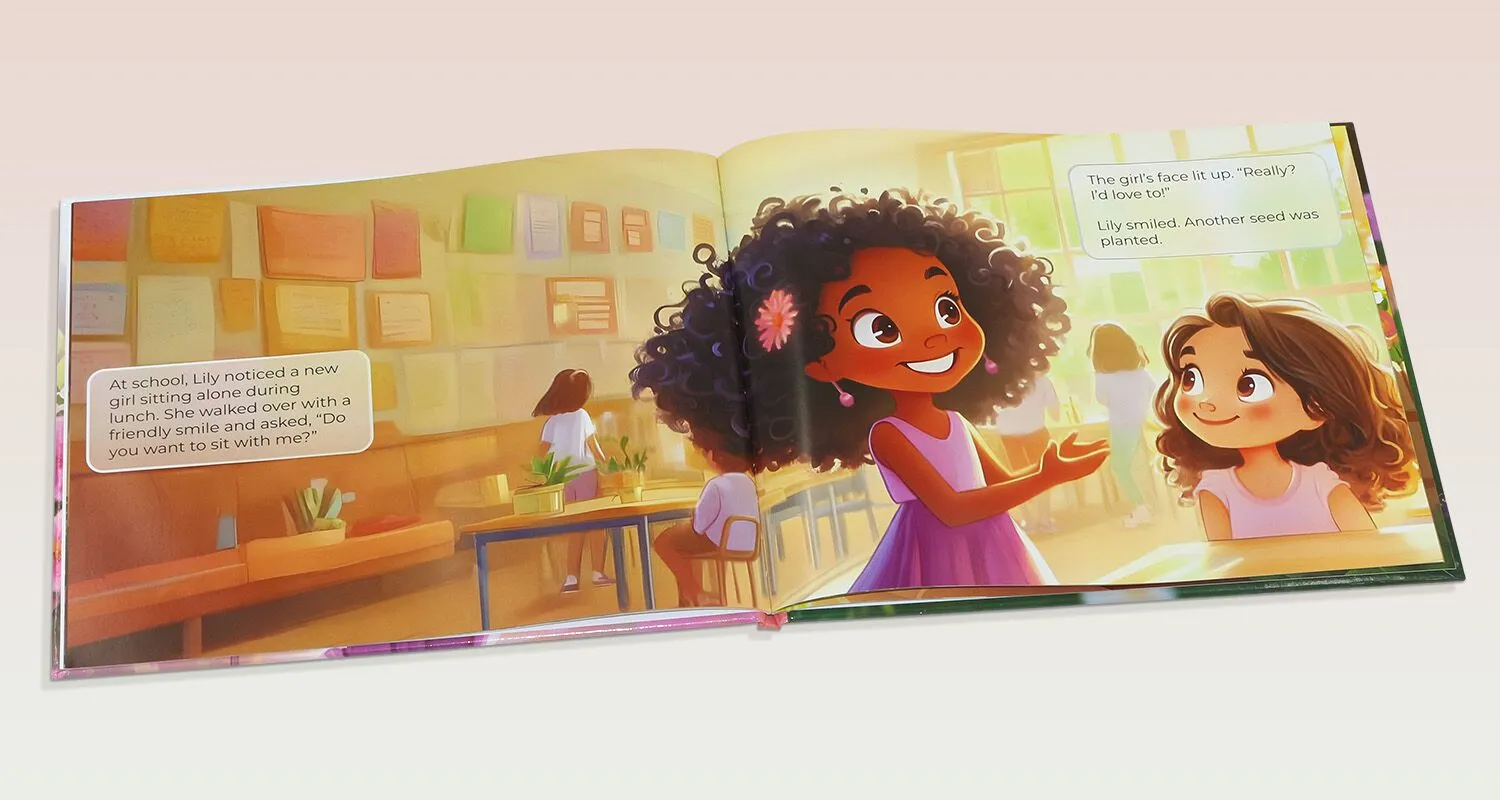
The relationship between page count and book size is crucial for maintaining readability. A high page count in a smaller book can lead to cramped text, which may discourage young readers. Conversely, a larger format with too few pages may appear sparse or underdeveloped.
Striking the right balance helps maintain consistent pacing and keeps readers engaged from start to finish. Clear fonts, proper line spacing, and age-appropriate design choices should all be factored into the decision.
Market Trends and Competition
Understanding industry trends and analyzing successful titles within your genre can provide valuable guidance. Popular children’s books often follow certain size conventions that resonate with both parents and young readers. By aligning with these standards, your book will feel familiar and accessible on bookstore shelves. While it’s possible to experiment with unique dimensions, staying informed about market expectations ensures your book remains competitive.
Budget
Finally, the budget plays a significant role in determining book size. Larger books generally incur higher printing and shipping costs, which can quickly add up, especially for self-publishers. Smaller books are often more economical but may limit design possibilities. Evaluating your financial resources and weighing them against creative goals will help you choose a size that balances quality with affordability.
How Size Influences Storytelling in Children’s Books
The size of a children’s book does more than just dictate its physical appearance; it also influences the storytelling experience. Larger books can accommodate more detailed illustrations, which can enhance the narrative and engage readers more deeply. For instance, a sprawling landscape illustration can immerse readers in the setting of the story, making it more vivid and memorable.
Conversely, smaller books might focus more on text, offering a more intimate reading experience. The compactness can encourage children to focus on the story and characters rather than being distracted by elaborate visuals. This is particularly effective for chapter books and early readers, where the emphasis is on developing reading skills.
In essence, the size of your book can help set the tone and pace of your story. It can dictate how readers interact with the content, whether they’re flipping through large pages with awe or delving into a compact book that feels personal and engaging. Your choice of size should align with the story you wish to tell and the experience you want to provide.
Portrait, Landscape, or Square?
When designing a children’s book, one of the most important decisions you’ll make is its orientation. Beyond trim size and page count, the orientation—portrait, landscape, or square—plays a major role in how the story is presented and experienced. Each format comes with unique strengths, challenges, and creative opportunities. Choosing the right one requires balancing your target audience, story content, and design goals.
Portrait Orientation
Portrait orientation, where the book is taller than it is wide, is the most traditional and widely used format for children’s books. Common sizes include 8” x 10” and 8.5” x 11”. This format offers a familiar look that parents, educators, and retailers recognize immediately.
Advantages:
-
Readability: The tall format provides plenty of vertical space, making it ideal for fitting text and illustrations together without feeling cramped.
-
Retail Display: Because portrait is the standard, it fits easily onto bookstore shelves and libraries without looking out of place.
-
Versatility: Portrait orientation works well for a wide range of genres, from picture books to early readers and educational content.
Best For: Portrait orientation suits books where text is just as important as illustrations, or where scenes are best displayed vertically—such as depictions of people, animals, or tall objects. It’s also a safe choice for authors who want their book to feel consistent with traditional children’s publishing.
Landscape Orientation
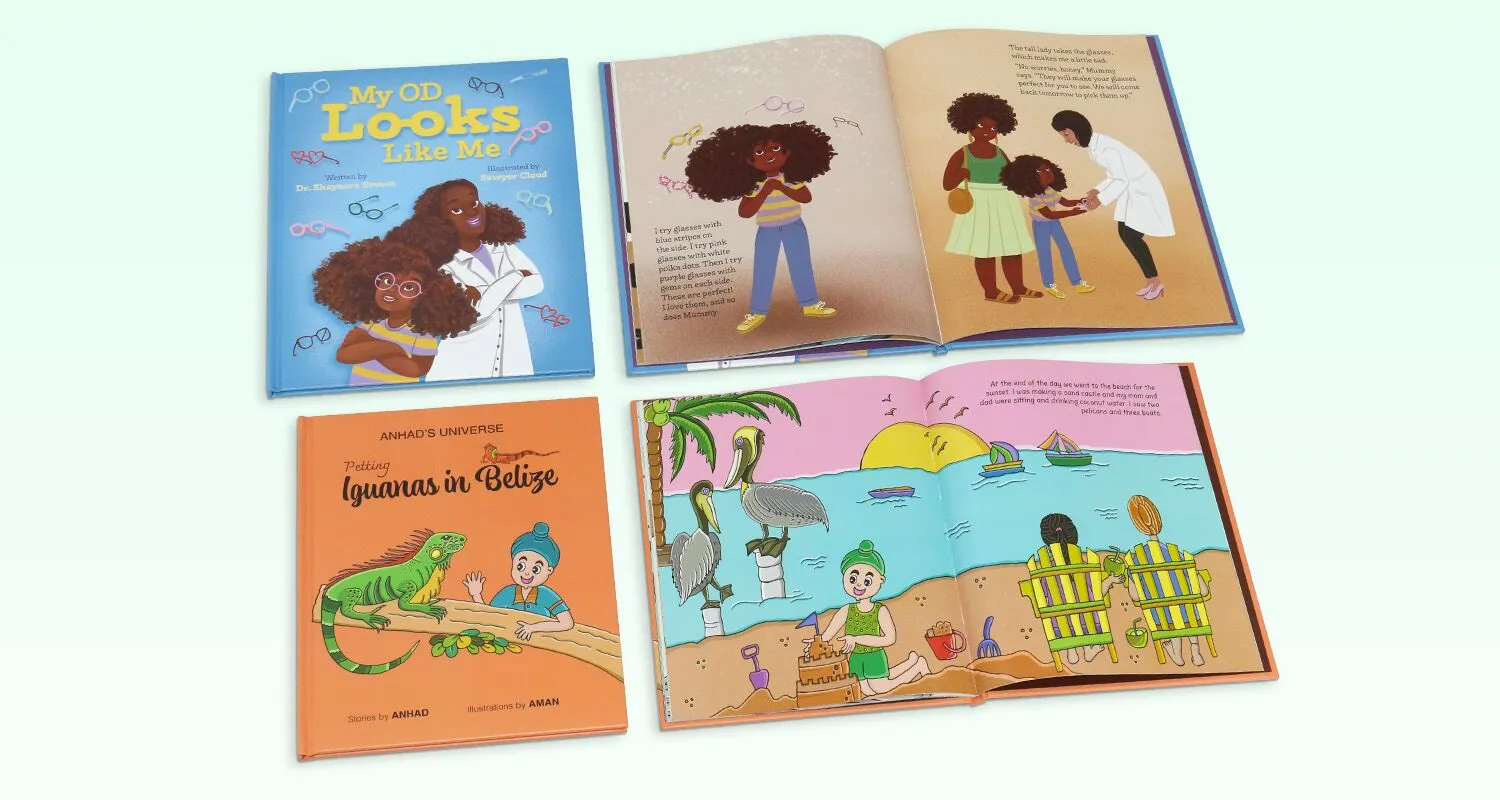
Landscape orientation, where the book is wider than it is tall, is less common but highly impactful. Sizes such as 11” x 8.5” are popular for this style. Landscape layouts naturally lend themselves to expansive illustrations and panoramic storytelling.
Advantages:
-
Immersive Illustrations: The wider spread creates a cinematic feel, perfect for depicting scenery, action sequences, or journeys across a page.
-
Visual Flow: Landscape orientation encourages readers to scan from left to right, aligning with natural reading direction in English and many other languages.
-
Unique Appeal: Because it’s less common, landscape books stand out on the shelf and can feel more creative or artistic.
Challenges:
-
Retail Fit: Landscape books may not fit standard shelving as neatly, sometimes requiring sideways display.
-
Printing Costs: Depending on your printer, landscape formats can sometimes be more expensive to produce.
Best For: This orientation is excellent for stories that focus heavily on visuals—such as books about animals in nature, transportation, or adventures that span wide scenes. It’s also a great choice for artistic projects that aim to feel distinct from traditional children’s books.
Square Orientation
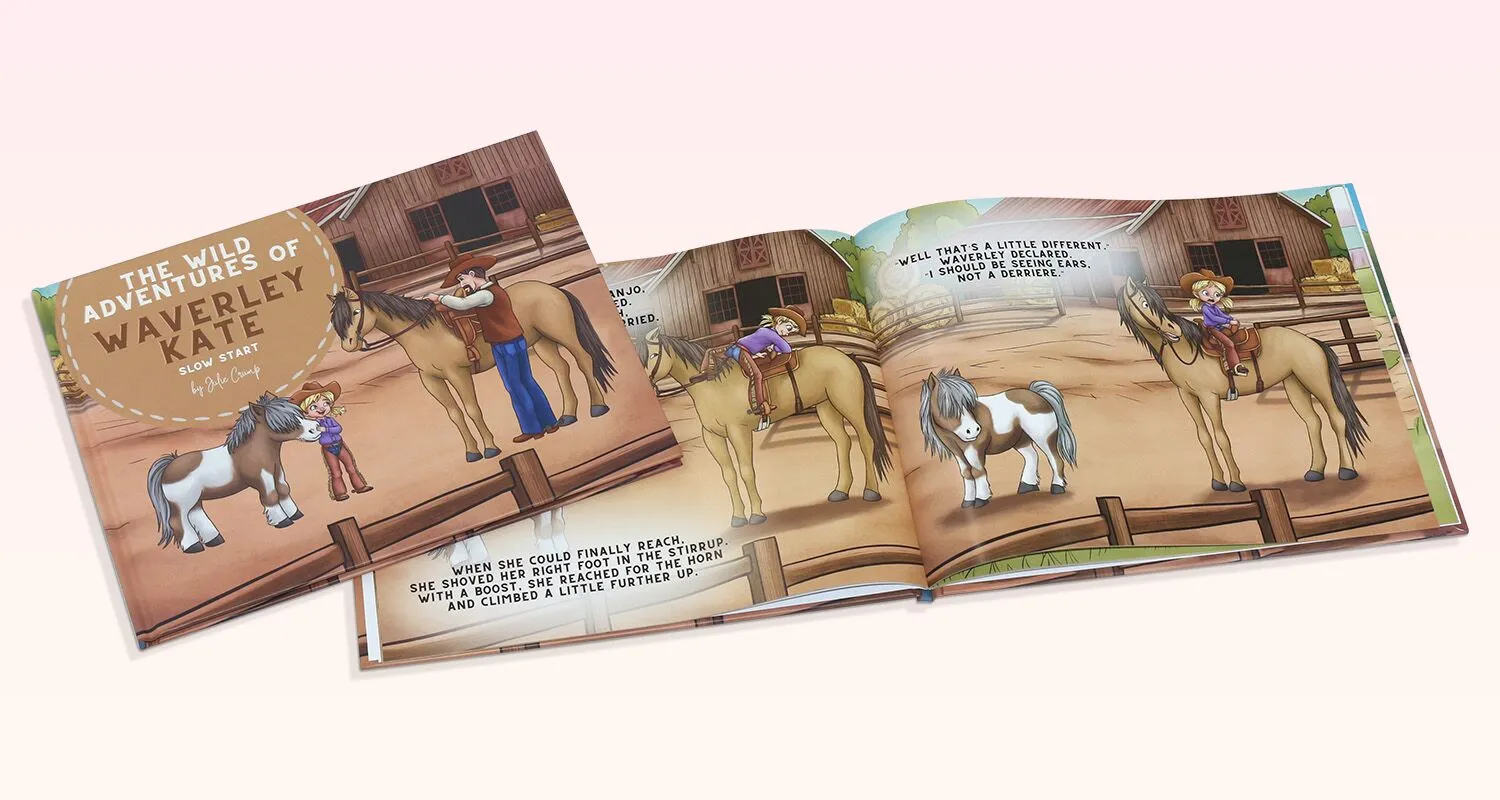
Square books, often sized at 6″ x 6″, 8” x 8”, or 8.5” x 8.5”, have become increasingly popular in modern children’s publishing. Their symmetrical design feels contemporary, playful, and engaging for young readers.
Advantages:
-
Balanced Layouts: The equal width and height allow for creative layouts, giving equal weight to text and images.
-
Modern Appeal: Square books have a trendy, eye-catching appearance that appeals to both kids and parents.
-
Flexibility: Works well for stories that emphasize repetition, patterns, or whimsical illustrations.
Challenges:
-
Printing and Shipping Costs: Square books may be less efficient to print and ship, depending on your printer and distributor.
-
Retail Display: While they fit on shelves, square books can look unconventional alongside portrait titles.
Best For: Square formats are ideal for playful picture books, interactive titles, or books that highlight bold, colorful illustrations. They’re especially effective for board books aimed at toddlers, since the shape is easy for small hands to hold.
Key Considerations When Choosing Orientation
-
Audience Age Group: Younger children often prefer larger formats (portrait or square) with illustrations that fill the page. Older readers may be more comfortable with portrait books, which mimic the style of chapter books and novels.
-
Storytelling Style: Is your book more visual or text-heavy? Expansive illustrations may benefit from landscape, while text-driven narratives typically work better in portrait.
-
Illustration Needs: Collaborate with your illustrator to determine the best orientation for their art style. Some compositions work best vertically, others horizontally, and some adapt naturally to a square.
-
Market Trends: Research competing titles in your genre. If most successful books use a portrait, you may want to follow that trend unless you have a strong reason to stand out with a different orientation.
-
Budget and Printing: Not all printers handle unusual orientations equally. Confirm costs and availability before committing to a unique size or format.
The orientation of a children’s book shapes how young readers experience the story. Portrait remains the reliable standard, landscape offers cinematic flair, and square creates a modern, playful feel. By considering your audience, content, and market goals, you can choose the format that best complements your storytelling.
Why Book Size Matters for Printing Costs and Readability
The size of your children’s book has direct implications for printing costs and readability. Larger books generally require more materials, leading to higher production costs. This is an important consideration for authors and publishers working within a budget, especially those who are self-publishing.
Moreover, the size of the book affects readability. A book that’s too large might overwhelm young readers, while a book that’s too small could make reading cumbersome due to tiny text and cramped pages. Striking a balance between size, cost, and readability is essential to ensure that your book is both affordable to produce and accessible to its intended audience.
Understanding the relationship between book size, printing costs, and readability will help you make informed decisions that benefit both your narrative and your financial bottom line. By finding the right balance, you can create a book that’s both economically viable and enjoyable for readers.
Standard vs. Custom Sizes: Which is Best for Your Children’s Book?
When deciding on the size of your children’s book, you have the option to choose between standard sizes or custom dimensions. Standard sizes are industry norms that are widely accepted and often more cost-effective due to their compatibility with existing printing processes. They ensure easier production and distribution.
Custom sizes, on the other hand, allow for greater creative freedom and can make your book stand out in a crowded market. However, they may come with higher production costs and could present challenges in terms of distribution and shelf space.
To determine which option is best for your book, consider your creative goals, budget, and distribution plans. If you aim for a unique, standout product and have the resources to support it, a custom size might be the way to go. Conversely, if budget and distribution are your primary concerns, sticking with a standard size could be more advantageous.
The Role of Illustrations in Determining Book Size
Illustrations are a defining feature of children’s books, and they play a crucial role in determining the appropriate book size. The scale and complexity of your illustrations should guide your size choice. Larger books can better accommodate detailed illustrations, allowing them to shine and capture the reader’s imagination.
Collaborating with your illustrator early in the process is essential. Discuss how the illustrations will be laid out and how they interact with the text. This collaboration will ensure that your illustrations are optimized for the chosen size, enhancing the overall storytelling experience.
Ultimately, the synergy between illustrations and book size is what makes a children’s book visually appealing and engaging. By choosing a size that complements your illustrations, you can create a book that captivates young readers and stands out on the shelf.
Tips for Self-Publishers: Choosing the Right Size for Your Children’s Book Project
Self-publishing a children’s book comes with unique challenges and opportunities, especially when selecting the right book size. Here are some tips to help you navigate this decision:
Research Standard Sizes
Before making a decision, it’s essential to familiarize yourself with the standard sizes commonly used in children’s publishing. Board books for toddlers often come in compact square formats like 6” x 6” or 7” x 7”, while picture books for preschoolers and early elementary readers are typically larger, such as 8.5” x 8.5”, 8” x 10”, or 8.5” x 11”. For early readers and chapter books, sizes like 5.5” x 8.5” or 6” x 9” are the norm, while middle-grade and young adult books follow similar formats to adult novels.
Understanding these norms will help you align with industry expectations. While unique sizes may stand out, they could also complicate distribution and printing costs. Research what sizes are most successful in your genre to guide your decision.
Consider Your Budget
Budget plays a huge role in self-publishing, and book size directly impacts printing costs. Larger books require more paper and ink, which can increase expenses. They may also affect shipping and storage costs, especially if you plan to sell physical copies online or at events.
If you’re working with print-on-demand services like Amazon KDP or IngramSpark, note that each trim size may come with different pricing structures. Smaller books are generally more economical, but you don’t want to compromise on a format that suits your content. Striking the right balance between affordability and design will help you produce a high-quality book without exceeding your budget.
Focus on Readability
Children’s books must be easy to read and enjoyable to look at. The chosen size should enhance readability for the intended age group. For instance, picture books benefit from larger sizes that allow illustrations to dominate the page, while early chapter books should have dimensions that comfortably fit text without overwhelming young readers.
Think carefully about font size, line spacing, and the relationship between text and illustrations. Cramped layouts in a small book can frustrate children, while oversized pages with too little content may appear sparse. Your book should encourage a smooth, engaging reading experience.
Test Print Before Finalizing
One of the biggest mistakes new self-publishers make is committing to a full print run without testing how the book looks in real life. Digital previews can only show so much; the physical book may feel very different once printed.
Create a test print or author proof to evaluate how your chosen size, fonts, and illustrations work together. This hands-on review allows you to spot issues with margins, readability, and image quality before making a larger investment. Holding the book in your hands also gives you a sense of how children and parents will experience it.
Seek Feedback from Your Audience
Once you have a test copy, share it with people who resemble your target audience. Parents, teachers, librarians, and children themselves can provide valuable feedback on whether the book feels too large, too small, or just right. Kids may find oversized books harder to manage, while parents may appreciate compact formats for travel.
This feedback is especially valuable for self-publishers who may not have a publishing house guiding their decisions. Small adjustments based on early input can make a big difference in the final product’s success.
Match Size to Content and Illustrations
The style of your story and artwork should guide your size choice. If your book relies on detailed, full-page illustrations, a larger trim size will give the artwork room to shine. For text-heavy books, a more compact size can feel professional and accessible. Collaborating with your illustrator or designer ensures that your content looks its best at the chosen dimensions.
Think About Marketability
Your book’s size will also influence how it is perceived in the market. Standard sizes fit more comfortably on bookstore shelves and library racks, while unconventional dimensions may stand out but risk being harder to stock. For self-publishers who want to compete in mainstream markets, sticking to familiar formats is often the safest choice.
Printing Your Children’s Book with Us
Choosing the right printer for your children’s book is a critical step in the publishing process. At BookPrintingChina, we pride ourselves on offering competitive pricing and high-quality printing services that many authors trust. We provide a wide range of options for book sizes, paper types, binding methods, and finishes, making it easier for you to achieve the exact look and feel you envision.
As an experienced children’s book printer, we know how to streamline the production process and help you navigate challenges along the way. We offer guidance on artwork preparation, material selection, printing techniques, and cost-effective solutions tailored to your project’s needs.
If you’re ready to bring your children’s book to life, we encourage you to explore our size options and connect with us directly. With our expertise and your creative vision, together we can produce a captivating book that delights and inspires young readers. Let’s take the next step in your publishing journey today!