



In this article, we’ll explore the 12 best types of board games that cater to various interests and preferences. Let’s dive into the fantastic world of board game types!
Board games have a unique charm that transcends generations, bringing people together for hours of fun and strategic thinking. Whether you’re a seasoned player or just starting your board game journey, understanding the different types of board games can enrich your gaming experience.
Placement Games
Placement board games are one of the popular board game types, which allow players to strategically position their tokens, tiles or other pieces on a board to gain advantages or achieve specific objectives. These games emphasize spatial reasoning and often involve territory control, resource management, or area development.
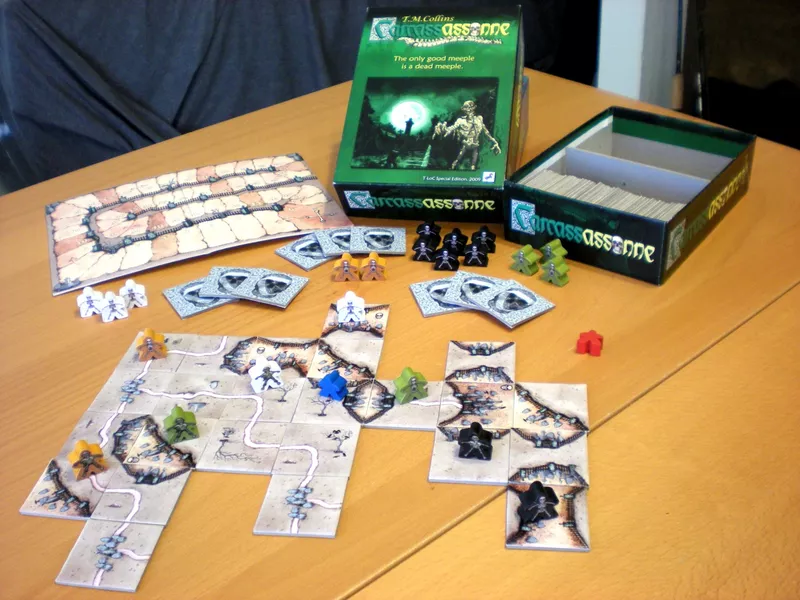
Titles like Azul and Carcassonne have gained immense popularity due to their engaging mechanics and stunning visuals. In Azul, players compete to construct beautiful tile mosaics, while Carcassonne allows for tile placement that builds a medieval landscape, creating opportunities for scoring based on completed features like cities, roads, and farms.
In these board games, players must carefully consider their moves while anticipating their opponents’ strategies. The dynamic nature of placement games adds an exciting layer of competition, as each player tries to outmaneuver others to secure valuable positions. Additionally, placement games often encourage critical thinking and planning, making them ideal for both casual and serious gamers
Design Tips
When designing a placement board game, consider the balance between simplicity and strategic depth. Here are a few tips to keep in mind:
-
Clear Objectives: Ensure that players understand the scoring system and how their actions affect the game state.
-
Varied Options: Provide players with multiple paths to victory, allowing for different strategies to emerge.
-
Visual Appeal: High-quality components and artwork can elevate the gaming experience, making the game more inviting and enjoyable.
Set-Collection Games
This type of board games focus on gathering specific groups of items or cards to score points or achieve objectives. The thrill of building a collection can be immensely satisfying, as players work toward completing sets while competing against one another.
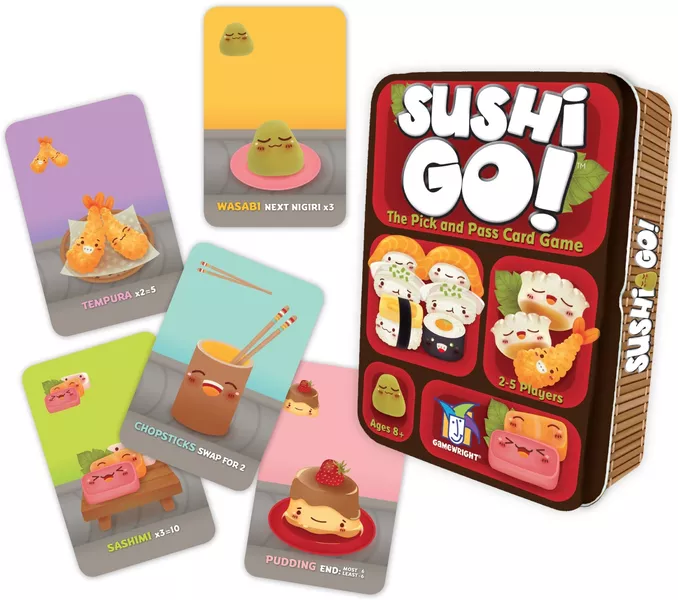
Sushi Go! is a delightful example where players draft sushi-themed cards to create the best meal. Dominion introduces deck-building mechanics as players collect cards to build their kingdom. Ticket to Ride combines set collection with route building, as players collect train cards to claim paths across a map.
In set-collection games, the challenge lies in predicting opponents’ moves and making strategic decisions about which items to collect. Players must weigh the risks and rewards of pursuing certain sets while keeping an eye on what others are collecting. This adds a layer of tension and excitement, as players vie for limited resources.
Design Tips
To create an engaging set-collection game, consider the following design elements:
-
Card Variety: Include a diverse range of cards or items that encourage different strategies and interactions.
-
Player Interaction: Design mechanics that allow players to impact each other’s collections, fostering a sense of competition.
-
Scoring Mechanisms: Implement clear and rewarding scoring systems that motivate players to pursue specific sets while remaining flexible in their choices.
Area Control Games
Area control board games challenge players to dominate specific territories on the game board. These games often involve strategic positioning and conflict, as players vie for control over valuable locations.
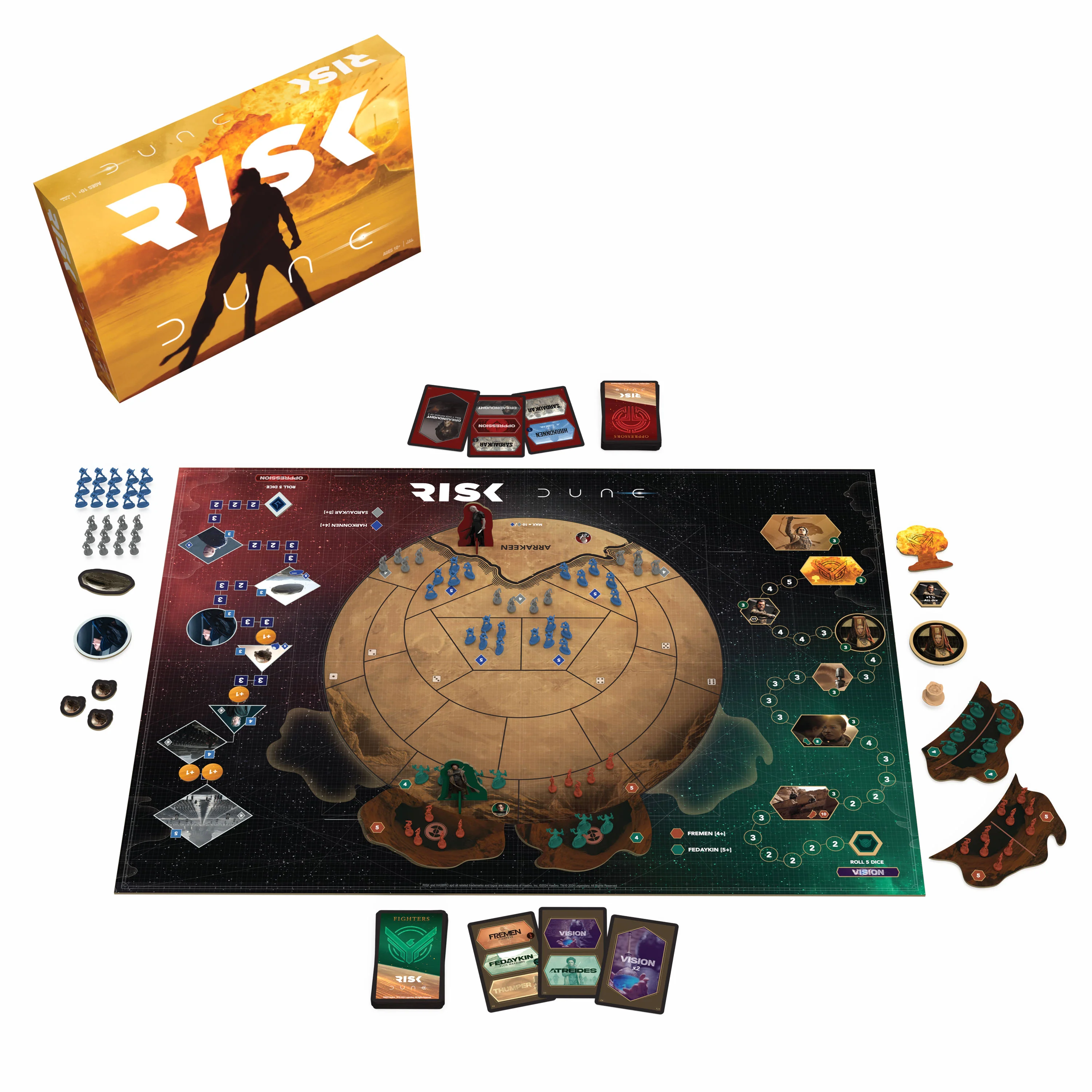
Risk is a classic in this genre, where players aim to conquer territories on a world map through strategic troop placement and dice rolling. Negotiation and alliances often play a crucial role, as players must balance aggression with diplomacy. The thrill of reclaiming lost territories or forming temporary alliances adds depth to this classic game.
Catan offers a more resource-driven approach, where players trade and build settlements to control valuable areas on the board.
In area control games, players must balance their ambitions with the need for diplomacy and negotiation. Forming alliances can be beneficial, but trust is fragile, and betrayals are common. The social dynamics at play add depth to the gaming experience, as players navigate relationships while pursuing their goals.
Design Tips
When designing an area control board game, it’s important to focus on:
-
Balanced Territories: Ensure that all areas on the board offer equal opportunities for players to control them, preventing any single player from gaining an insurmountable advantage.
-
Dynamic Play: Implement mechanics that allow for shifting power dynamics, encouraging players to adjust their strategies throughout the game.
-
Player Engagement: Create opportunities for meaningful player interactions, whether through alliances, negotiations, or direct confrontations.
Deck Building Games
Deck building games revolve around constructing a personal deck of cards that players use to achieve their objectives. These games emphasize strategic planning and resource management, as players must carefully select cards to enhance their decks.
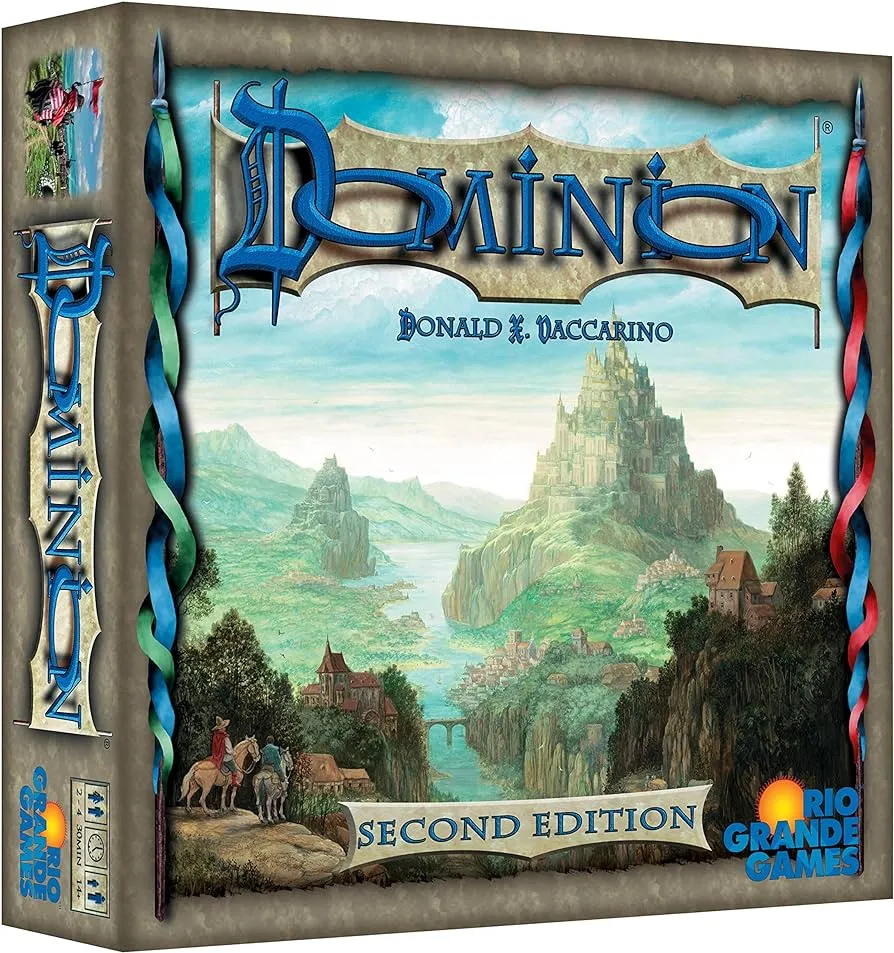
Dominion is often credited with popularizing the deck-building genre. Players start with a basic deck and gradually acquire more powerful cards, strategically improving their deck throughout the game. The choices made during card acquisition significantly impact gameplay, creating a rich tapestry of strategy and planning.
In addition to Dominion, games like Ascension and Star Realms have gained popularity in the deck-building genre. These games often incorporate combat or competition, adding an exciting twist to the deck-building mechanics. Overall, deck building games offer a rich and strategic gaming experience that keeps players coming back for more.
The beauty of deck building games lies in their replayability, as each session can unfold differently based on the cards available and the strategies employed. Players must adapt their approaches, making each game a unique experience. This dynamic element keeps players engaged and encourages experimentation with different strategies.
Design Tips
To create a compelling deck-building game, consider these design suggestions:
-
Diverse Card Pool: Include a variety of card types that promote different strategies and synergies, keeping gameplay fresh and exciting.
-
Resource Management: Balance the acquisition of cards with resource management to ensure that players make meaningful decisions throughout the game.
-
End Game Conditions: Clearly define how the game ends, whether through a depletion of cards or achieving a specific goal, to maintain tension and excitement.
Combat Games
Combat games were once one of most common category in different board game types. They immerse players in intense battles where they must strategize and compete to outsmart their opponents. These games often feature direct confrontation, tactical maneuvers, and resource management.
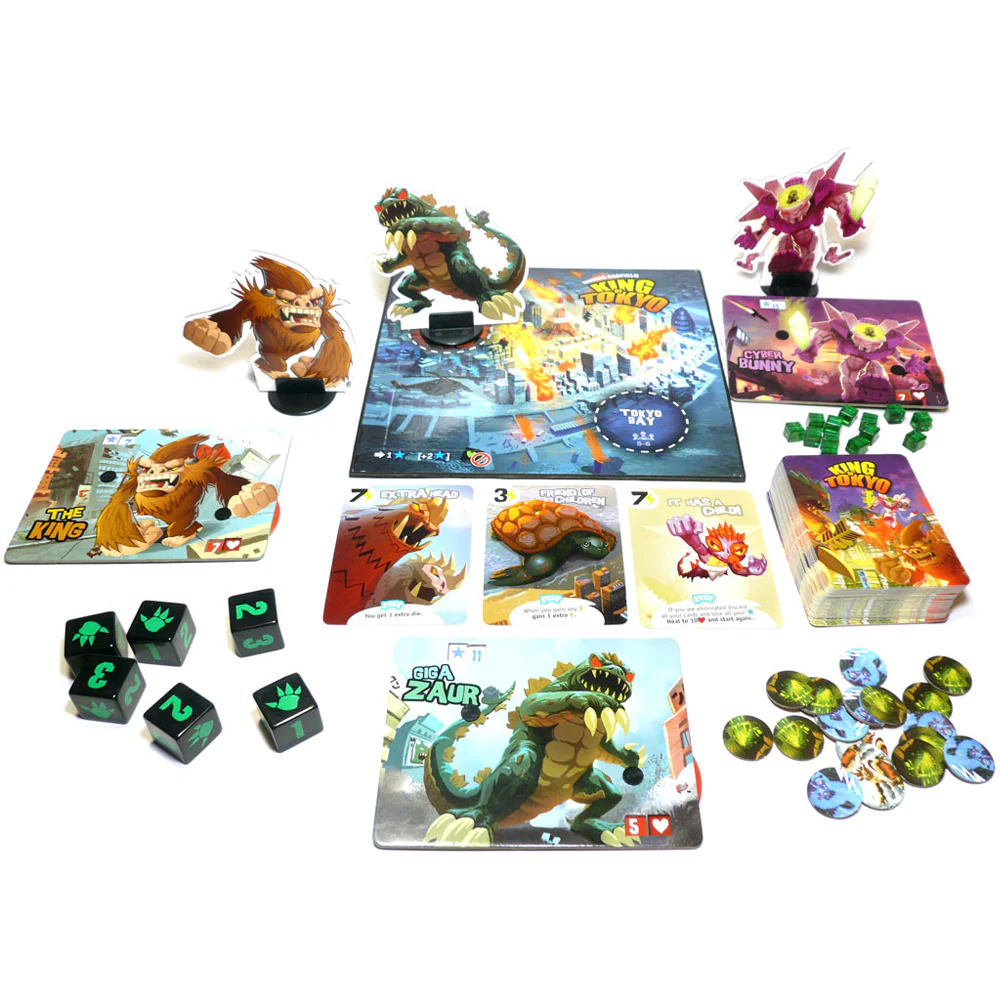
King of Tokyo is a light-hearted take on monster battles, where players roll dice to attack and earn power in a quest to become the ultimate monster. Star Wars: Imperial Assault offers a tactical experience, allowing players to engage in skirmishes and campaigns in the iconic Star Wars universe.
Other popular combat games include Combat Commander, which emphasizes strategic warfare during World War II, and Warhammer 40,000, known for its deep lore and extensive miniatures. These games often feature rich narratives and intense competition, appealing to players who enjoy tactical depth.
In combat games, players often need to balance aggression with defense, making calculated decisions about when to attack or hold back. The thrill of victory in these games comes from outwitting opponents and executing well-planned strategies. As a result, players often feel a sense of accomplishment when they emerge victorious from fierce battles.
Design Tips
When crafting a combat game, focus on:
-
Engaging Mechanics: Develop unique combat mechanics that encourage strategic planning and tactical decision-making.
-
Varied Units: Include a diverse cast of characters or units that offer different abilities, allowing players to create unique strategies.
-
Balanced Combat: Ensure that combat outcomes are fair and incorporate elements of chance, skill, and strategy to keep players invested in the outcome.
Co-operative Games
Cooperative games foster teamwork and collaboration among players as they work together to achieve a common goal. These games emphasize communication and strategy, creating a unique gaming experience where players must rely on one another’s strengths.
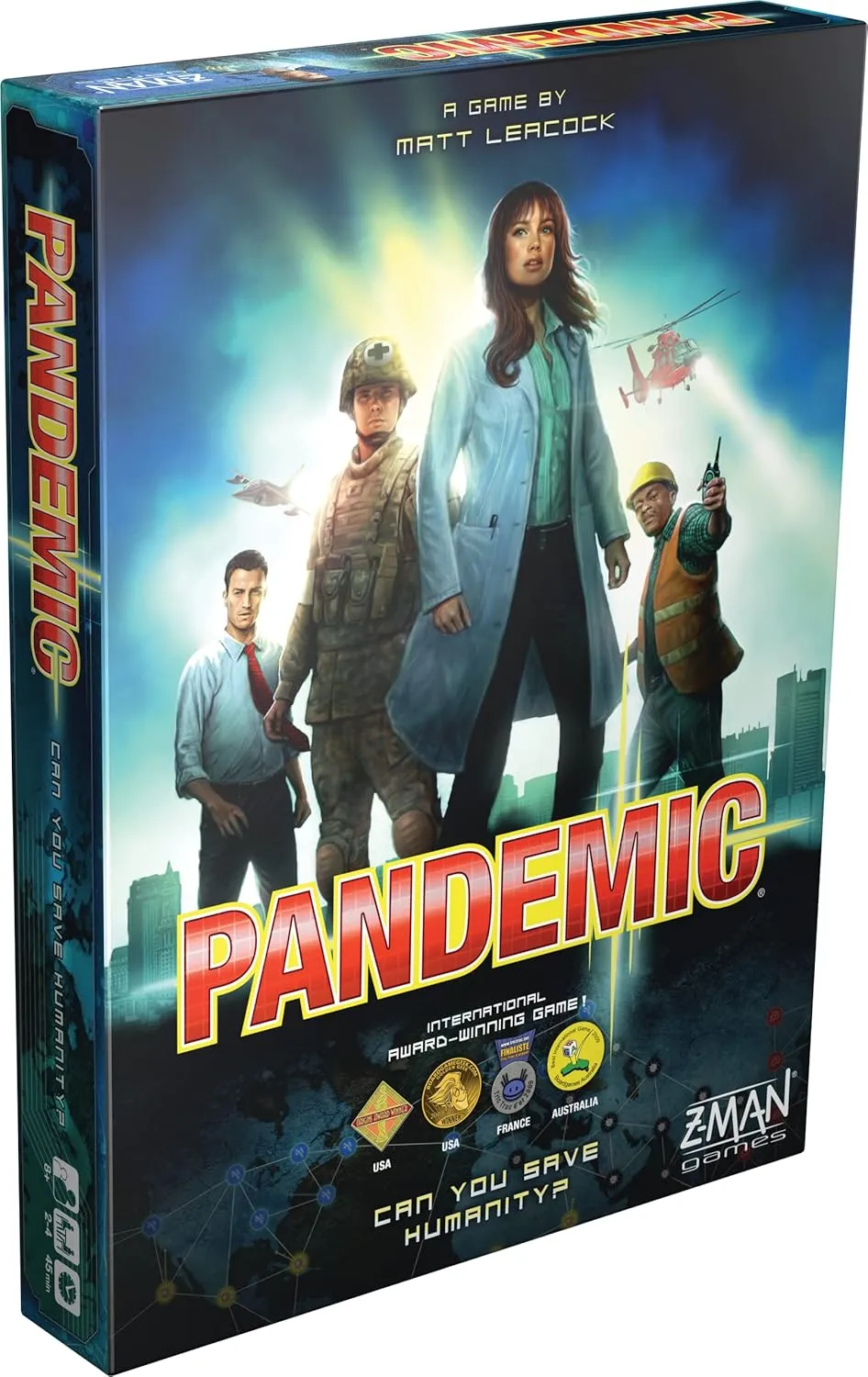
A popular example is Pandemic, where players take on roles of specialists working to stop global outbreaks of diseases. Each turn requires strategic planning and teamwork, as players must coordinate their actions to contain the spread of infections. The pressure of time and limited resources creates an exhilarating experience that keeps players engaged.
In addition to Pandemic, games like Forbidden Island and Spirit Island offer exciting cooperative challenges that require players to strategize and coordinate their actions. The shared victories and defeats foster a sense of connection and accomplishment, making cooperative games a cherished choice for many.
The essence of cooperative board games lies in their ability to unite players toward a shared objective. Unlike competitive games, where players strive to outdo each other, cooperative games encourage camaraderie and collaboration. This type of board games ideal for family gatherings or friend groups looking for a more inclusive gaming experience.
Design Tips
To enhance the experience of a co-operative game, consider these elements:
-
Role Specialization: Design characters with unique abilities that complement each other, encouraging players to develop strategies that leverage their strengths.
-
Dynamic Challenges: Implement varying scenarios or objectives that change each game, keeping the experience fresh and engaging.
-
Scaling Difficulty: Allow for adjustable difficulty levels to accommodate varying player skill levels and ensure that everyone can enjoy the game.
Legacy Games
Legacy games introduce a unique twist by allowing players to influence the game world permanently over multiple sessions. These games evolve as players make decisions, unlock new content, and alter the game board. A prominent example is Pandemic Legacy, where players face new challenges and storylines as they progress through the campaign.
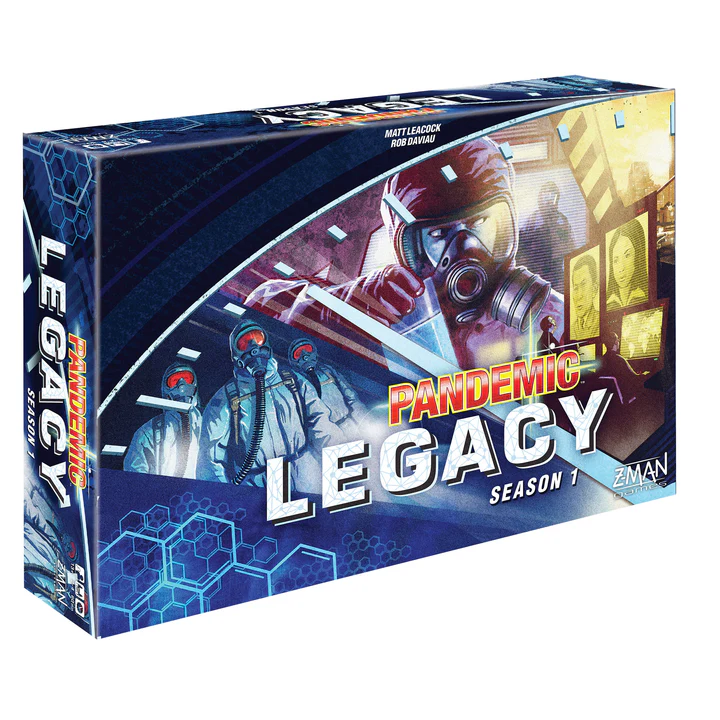
The evolution of legacy games creates a deeply immersive experience, as players feel invested in the story and consequences of their actions. Each session feels significant, and the anticipation of what will happen next keeps players engaged. This sense of progression adds an exciting layer to the gameplay, making legacy games a popular choice for dedicated gaming groups.
Legacy games often require commitment, as players need to complete multiple sessions to fully experience the story. However, the payoff is well worth it, as the memories created during the journey become cherished moments among friends and family.
Design Tips
When designing a legacy game, consider:
-
Narrative Development: Craft a compelling story that unfolds over multiple sessions, keeping players engaged and eager to return.
-
Player Choices: Allow for meaningful decisions that impact future games, giving players a sense of ownership over the evolving narrative.
-
Component Management: Design components that can be altered, destroyed, or added to, ensuring that players have a tangible impact on the game world.
Mystery Games
Mystery games engage players in a world of intrigue and deduction, where they must solve puzzles and uncover secrets. These board games often revolve around a central mystery that players work collaboratively or competitively to unravel. A classic example is Clue, where players deduce the murderer, weapon, and location through strategic questioning and clue-gathering.
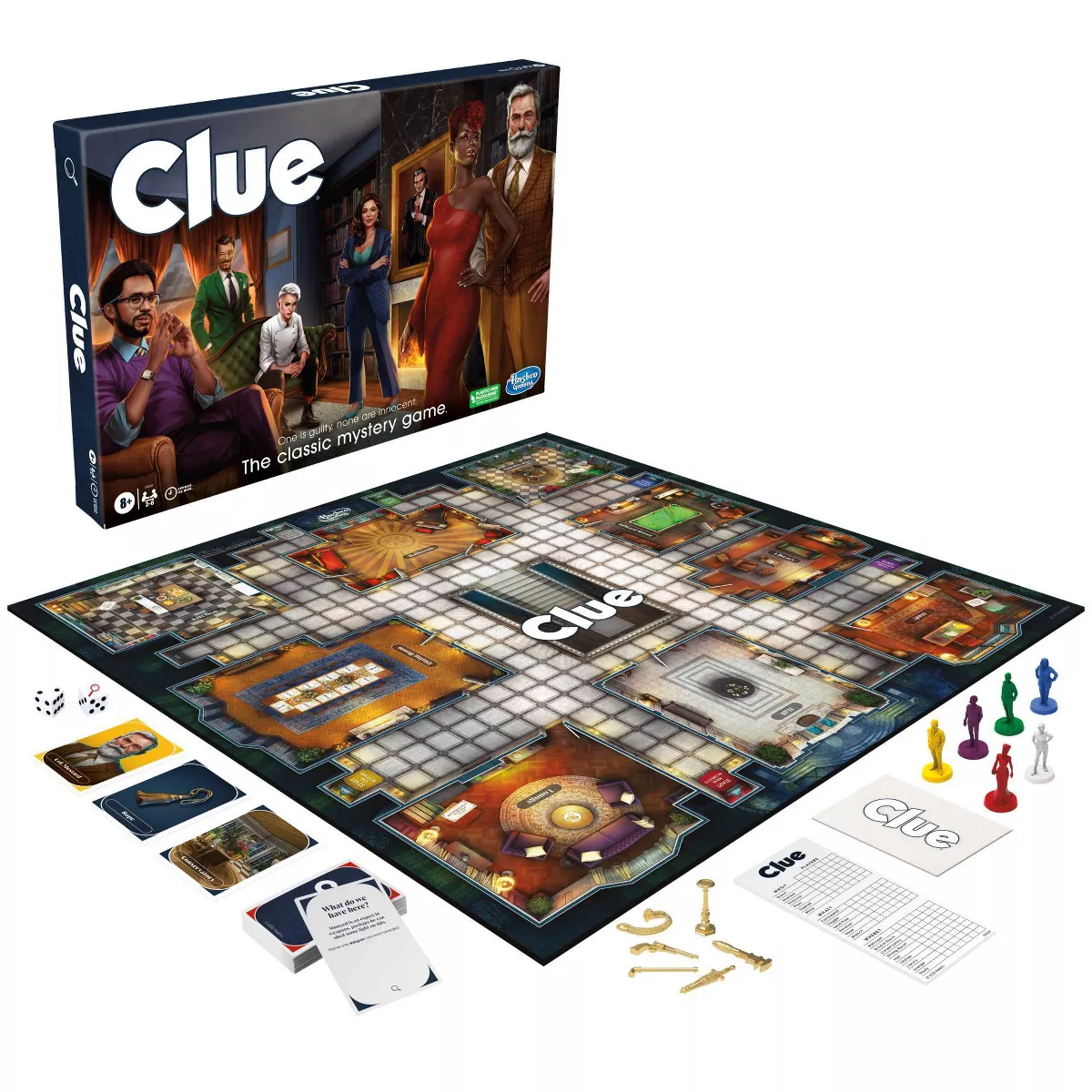
Beyond Clue, games like Mysterium and Sherlock Holmes: Consulting Detective offer rich narratives and captivating mysteries to solve. The interactive nature of mystery games fosters engagement and encourages players to immerse themselves in the storyline, making them a popular choice for game nights.
The thrill of mystery games lies in the challenge of piecing together clues and making connections. Players must think critically and creatively, often collaborating with others to share insights and theories. The atmosphere of suspense and excitement creates an engaging experience that keeps everyone on their toes.
Design Tips
To create an engaging mystery game, focus on:
-
Intriguing Puzzles: Design a variety of challenging puzzles that require players to think critically and work together to solve.
-
Narrative Depth: Develop a rich backstory and engaging characters to immerse players in the mystery.
-
Replayability: Consider implementing multiple scenarios or endings to encourage replayability and keep players coming back for more.
Party Games
Party games are designed to be lighthearted and entertaining, making them perfect for social gatherings. These games often emphasize fun, laughter, and interaction among players. A well-known example is Codenames, where teams compete to guess words based on clues given by their teammates.
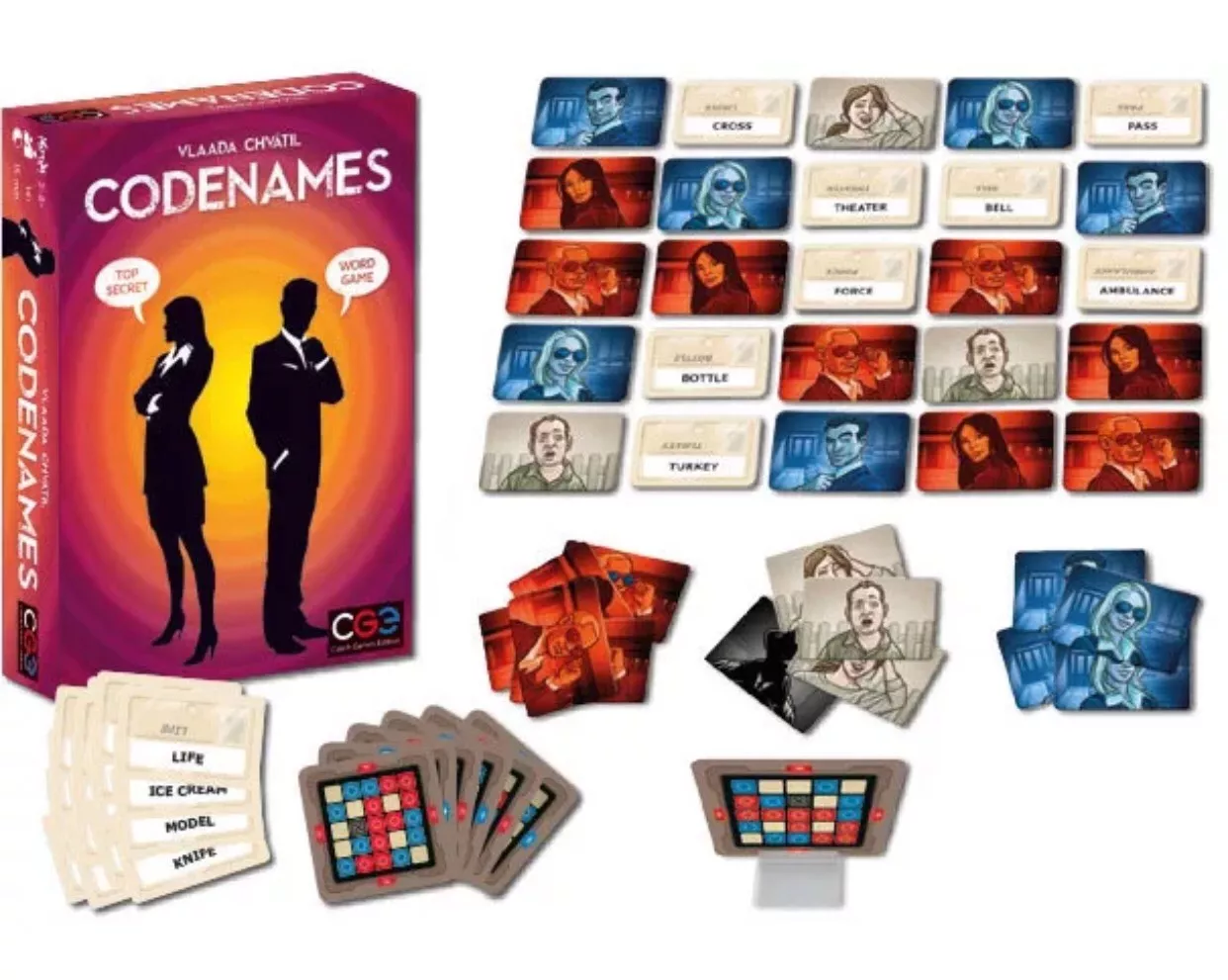
Other popular party games include Cards Against Humanity and Telestrations, both of which encourage creativity and humor. The relaxed atmosphere of party games allows players to let loose and enjoy the experience, making them a staple at any gathering.
The appeal of party board games lies in their accessibility and capacity to involve large groups. They often require minimal setup and can be played in a short amount of time, making them ideal for casual get-togethers. The laughter and camaraderie fostered by these games create unforgettable moments among friends and family.
Design Tips
When designing a party game, consider:
-
Accessibility: Ensure that the rules are easy to understand, allowing new players to join in quickly without feeling overwhelmed.
-
Social Interaction: Create mechanics that encourage conversation, laughter, and engagement among players.
-
Scalability: Design the game to accommodate various player counts, ensuring that it remains fun whether played with a small or large group.
Children’s Games
Children’s games are a type of board games designed for kids. They introduce young players to the world of board gaming, offering fun and engaging experiences tailored to their age group. These games often feature simple rules and themes that resonate with kids, making them easy to understand and play.
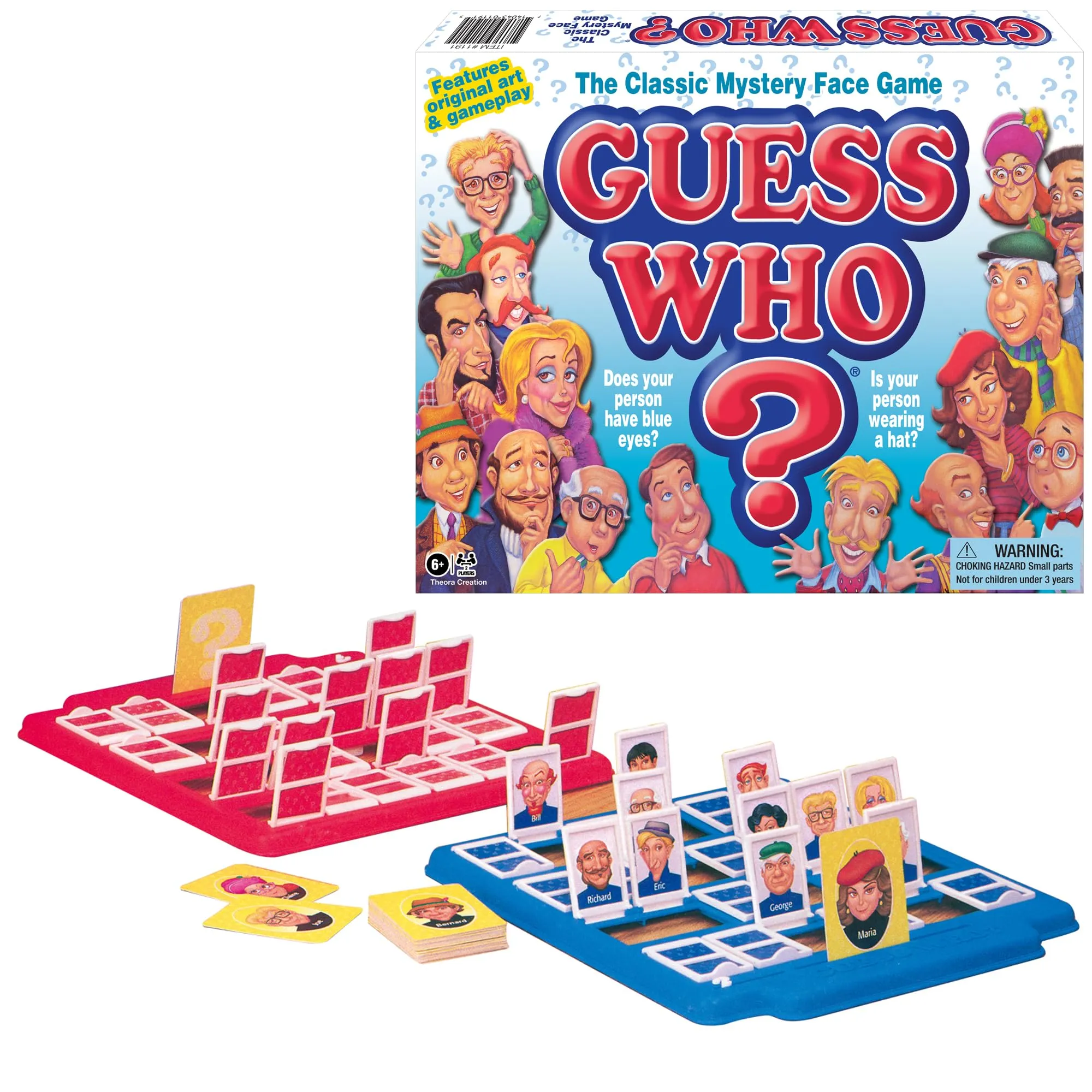
Candy Land is a classic that introduces young players to the world of board games through colorful visuals and straightforward gameplay. Guess Who? encourages critical thinking and deduction as players ask questions to identify their opponent’s character.
Other notable children’s board games include Zingo, a bingo-style game that helps with word recognition, and Hungry Hungry Hippos, which combines action and competition in a fun and vibrant setting. These games foster early cognitive skills while ensuring enjoyment.
In children’s board games, the focus is often on developing essential skills such as counting, color recognition, and turn-taking. These games provide a valuable opportunity for kids to socialize and learn through play.
Design Tips
To create an engaging children’s game, focus on:
-
Simplicity: Ensure that the rules are straightforward and easy for young players to understand and follow.
-
Engaging Themes: Incorporate vibrant artwork and relatable themes to capture children’s attention and imagination.
-
Short Playtime: Design the game for shorter play sessions to maintain focus and excitement, preventing fatigue.
Educational Games
Educational games combine learning with fun, providing opportunities for players to acquire new skills and knowledge while enjoying the gaming experience. These types of board games often focus on subjects like math, language, or history, making them valuable tools for both children and adults.
Scrabble is a classic word game that enhances vocabulary and spelling skills while providing a competitive edge. The Magic Labyrinth introduces young players to spatial reasoning and memory as they navigate a maze while avoiding hidden walls.
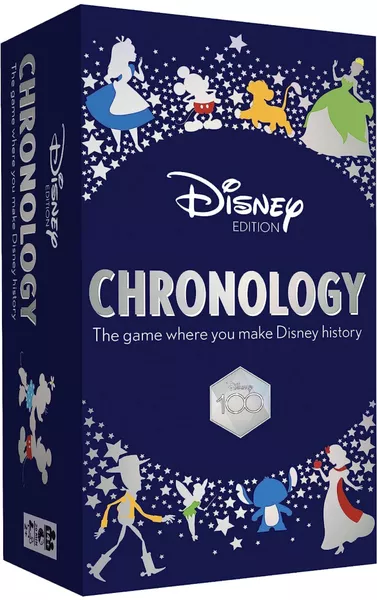
Other notable educational titles include Chronology, which teaches historical events and timelines, and Math Dice, a fun way to reinforce math skills through competition. These games offer an enjoyable way for players to learn while engaging with family and friends.
The beauty of educational games lies in their ability to make learning enjoyable. Players can engage with the material in a relaxed and interactive environment, fostering a positive attitude toward education.
Design Tips
To create a successful educational game, consider:
-
Learning Objectives: Clearly define the educational goals of the game, ensuring they are seamlessly integrated into the gameplay.
-
Engagement: Design mechanics that maintain players’ interest while promoting learning, creating a fun and interactive experience.
-
Variety: Include diverse content that appeals to different learning styles and age groups, ensuring broad accessibility.
Adult and Mature Games
Adult and mature games tackle themes and mechanics that resonate more with older players. They often exploring more complex narratives or deeper strategies than children’s games. These games may feature intricate plots, mature themes, or advanced gameplay mechanics that require critical thinking and strategy.
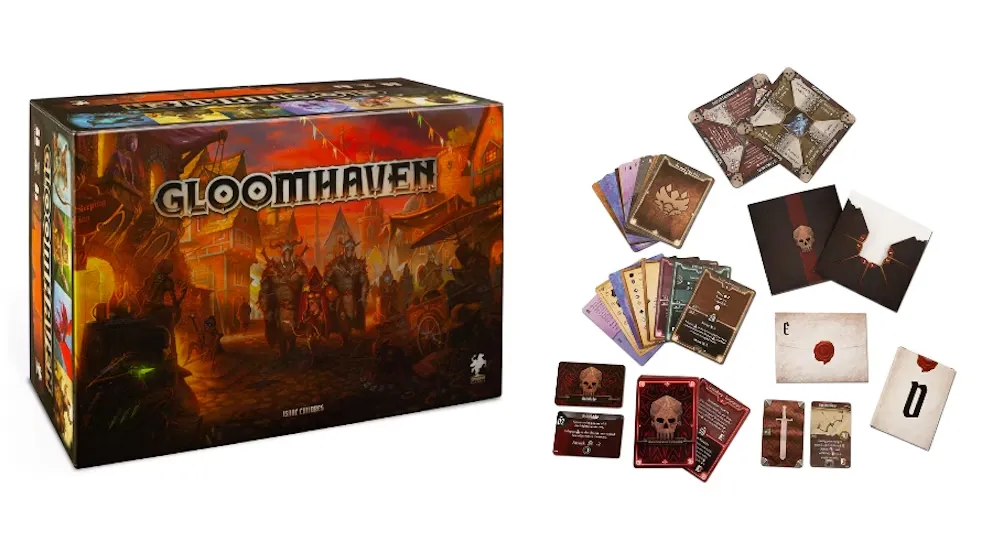
Gloom allows players to control characters with unfortunate lives, aiming to make them suffer while others meet a happier fate. Dead of Winter combines survival mechanics with moral dilemmas, encouraging players to navigate both personal and group objectives.
Other noteworthy adult titles include Codenames: Deep Undercover, a more mature twist on the classic word association game, and Twilight Imperium, an epic space opera that spans hours of deep strategy and negotiation. These games often foster intense discussions and strategic planning.
The allure of adult and mature games lies in their ability to provoke thought and discussion among players. These board games often invite players to explore darker themes or engaging narratives, creating a rich and immersive experience.
Design Tips
When designing adult and mature games, focus on:
-
Thematic Depth: Create rich narratives and themes that resonate with adult players, inviting them to explore complex ideas.
-
Complex Mechanics: Incorporate multi-layered strategies that encourage critical thinking and long-term planning.
-
Engaging Interactions: Design mechanics that promote player interaction, negotiation, or conflict, enhancing the overall experience.
Conclusion
Each of these board game types offers something unique, whether it be strategic depth, social interaction, or educational value. As you consider your next game night, think about the preferences and interests of your group. The right game can spark laughter, ignite competition, and create lasting memories.
If you’re looking a professional board game manufacturer to produce your game, whether custom board game for adult or children, consider partnering us. BookPrintingChina is a leading board game manufacturer, offering a wide range of services tailored to bring your vision to life. Let us help you create an unforgettable gaming experience!