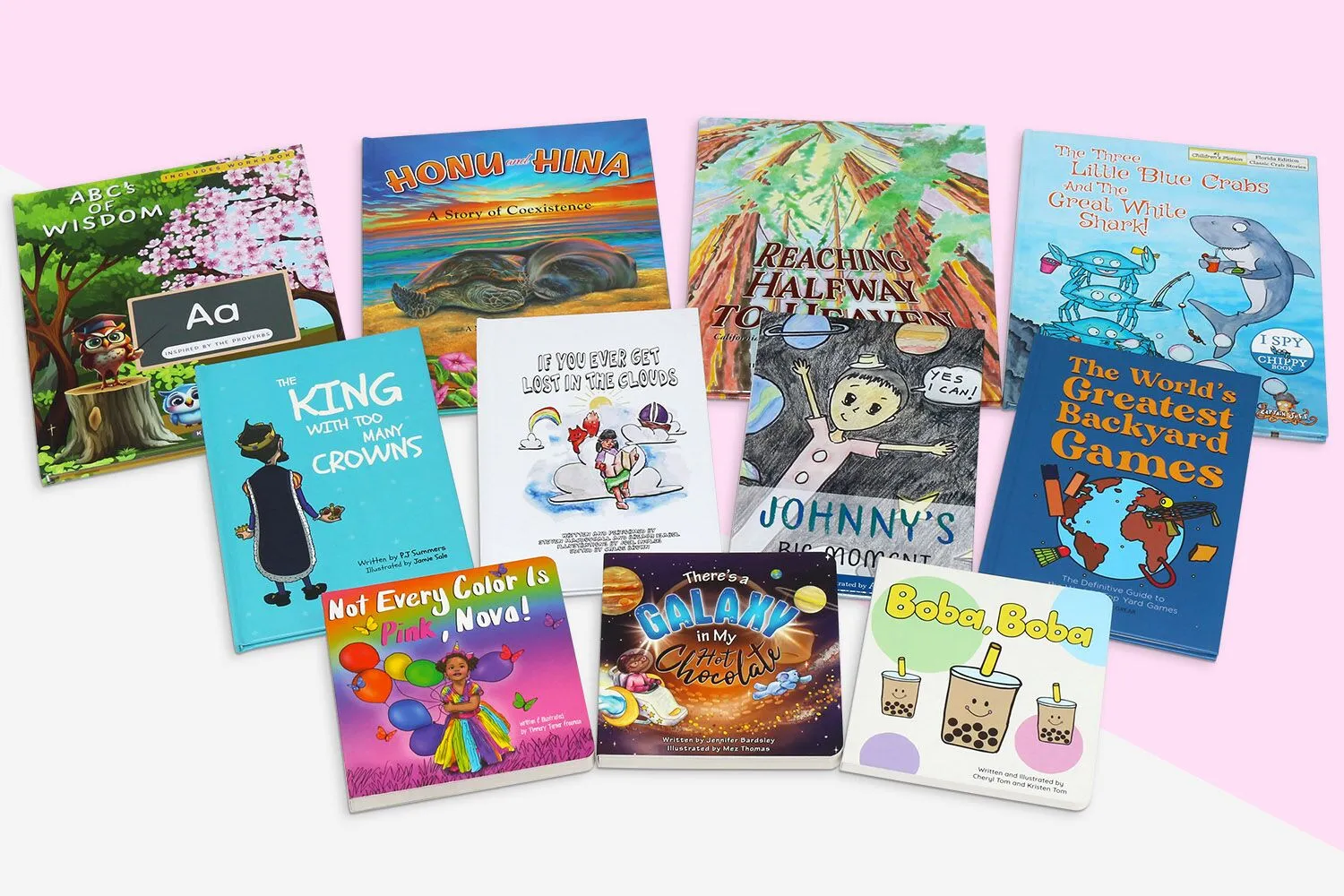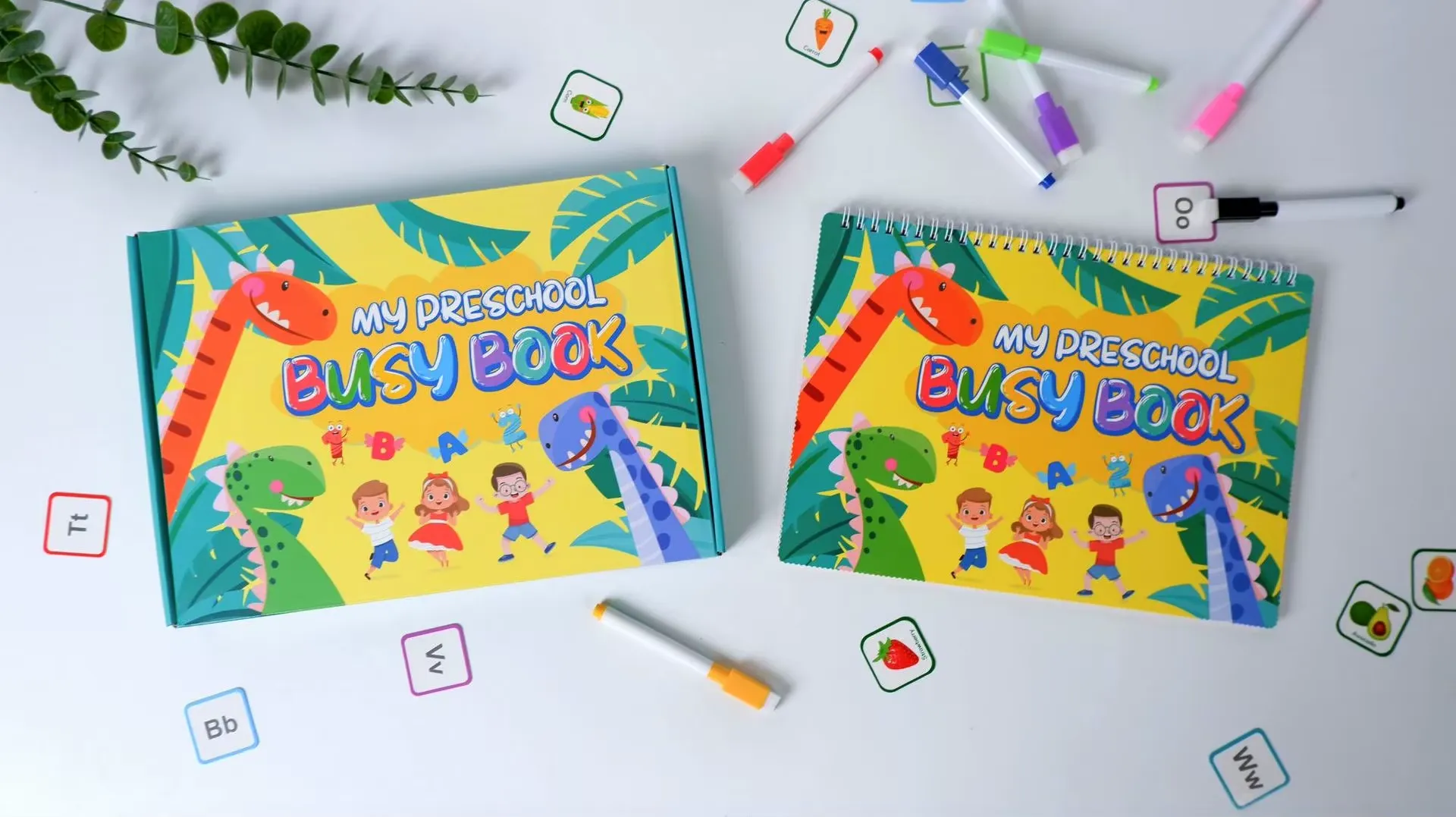



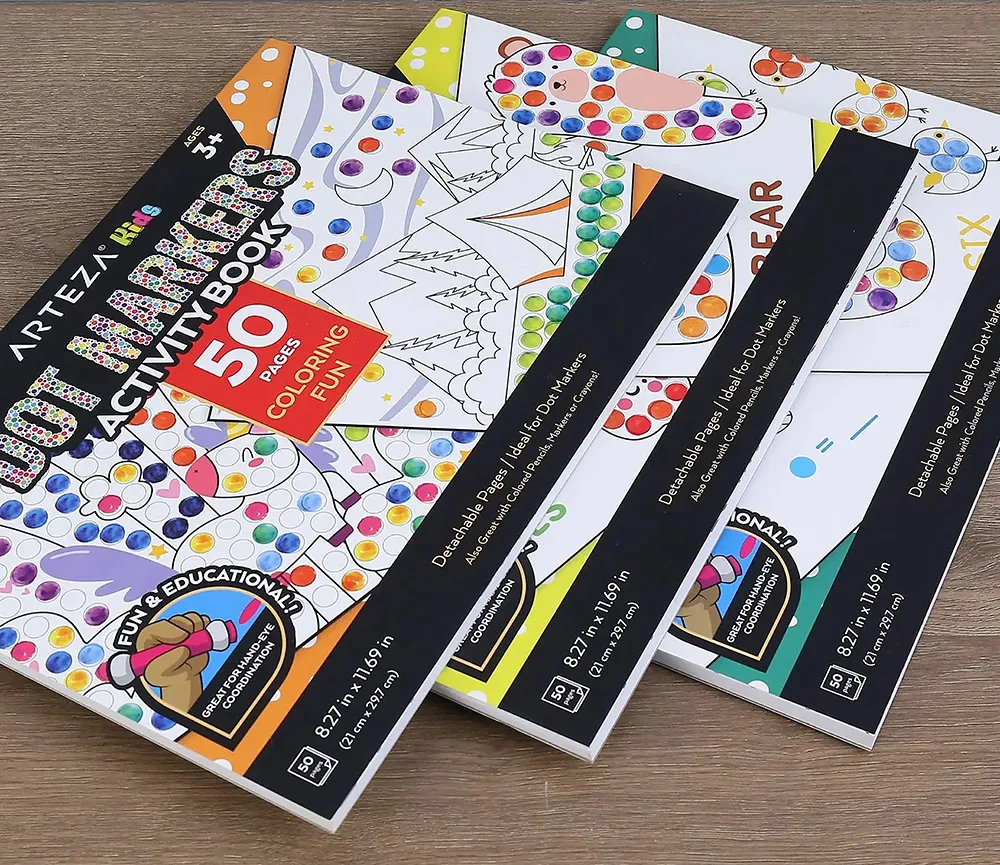
In today’s fast-paced digital world, custom activity books for kids have emerged as a refreshing and engaging way to foster learning, creativity, and cognitive development. These personalized educational tools offer a unique blend of entertainment and instruction, making them invaluable resources for parents, educators, and caregivers alike.
As you embark on the journey of creating a custom activity book, it’s crucial to consider various factors that will ensure its effectiveness and appeal to young minds. In this article, we’ll walk you through 9 key factors you should consider when designing and creating custom activity books that engage and educate your children.
1. Age-Appropriate Activities
When creating a custom activity book for kids, one of the most crucial factors to consider is the age-appropriateness of the activities included. Tailoring the content to suit the developmental stage and capabilities of your target age group ensures that the book remains engaging, challenging, and beneficial for young learners. Let’s explore the key considerations for designing age-appropriate activities across different age ranges.
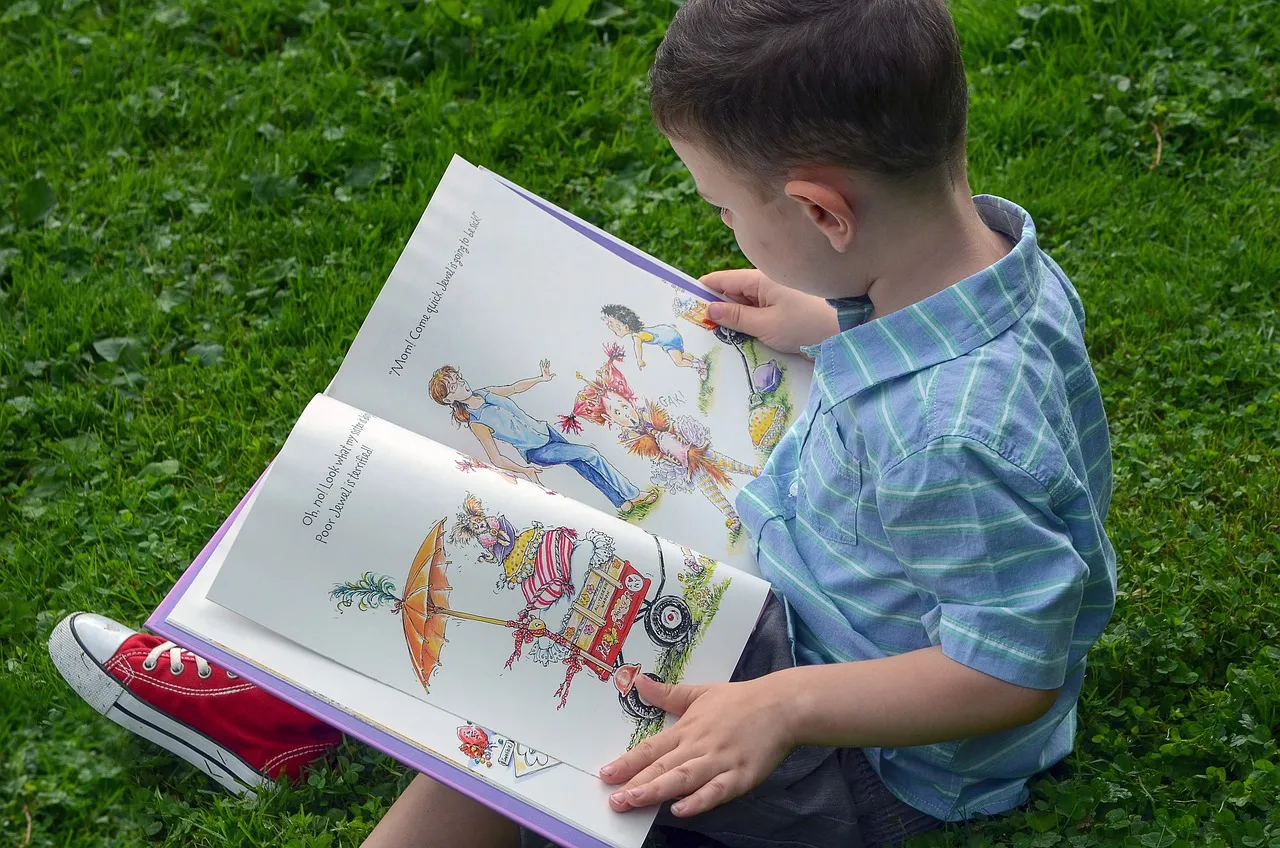
Early Childhood (Ages 2-5)
For toddlers and preschoolers, focus on activities that develop basic skills and concepts:
-
Simple Matching Games: Encourage pattern recognition and visual discrimination with straightforward matching exercises.
-
Basic Counting Activities: Introduce numbers and counting through colorful illustrations and simple tasks.
-
Large-Scale Coloring Pages: Provide ample space for coloring to help develop fine motor skills.
-
Shape Recognition: Include activities that familiarize children with basic shapes through tracing and identification exercises.
-
Picture-Based Storytelling: Use sequences of images to encourage narrative thinking and language development.
Remember to use large, clear fonts and uncomplicated instructions that can be easily understood by young children or read aloud by adults.
Early Elementary (Ages 6-8)
As children enter elementary school, they can handle more complex tasks:
-
Word Searches and Simple Crosswords: Introduce vocabulary-building activities with age-appropriate words.
-
Basic Math Puzzles: Include addition and subtraction problems presented in fun, visual formats.
-
Guided Drawing Activities: Offer step-by-step instructions for drawing simple objects or characters.
-
Spot the Difference Games: Enhance observational skills with side-by-side comparisons.
-
Simple Science Experiments: Include safe, easy-to-follow experiments that explain basic scientific concepts.
Incorporate a mix of text and images in instructions, gradually increasing the complexity of language used.
Late Elementary (Ages 9-12)
For older elementary students, activities can be more challenging and diverse:
-
Logic Puzzles and Brain Teasers: Stimulate critical thinking with age-appropriate riddles and logic problems.
-
Creative Writing Prompts: Encourage imagination and writing skills with engaging story starters.
-
Advanced Math Challenges: Include multiplication, division, and basic geometry problems in game formats.
-
Geography and Map Skills: Incorporate activities that teach map reading and basic geography concepts.
-
Cultural Exploration Activities: Introduce diverse cultures through interactive learning exercises.
Use more sophisticated language and concepts, but maintain a balance between challenge and achievability.
Considerations Across Age Groups
Regardless of the target age, keep these general principles in mind:
-
Gradual Progression: Within the activity book, arrange tasks from simpler to more complex, allowing children to build confidence as they progress.
-
Clear Instructions: Ensure that directions are clear and concise, using age-appropriate language and visual aids where necessary.
-
Diverse Learning Styles: Include a variety of activities that cater to different learning styles (visual, auditory, kinesthetic).
-
Adaptability: Where possible, design activities that can be adjusted for difficulty, allowing the book to grow with the child.
-
Interactive Elements: Incorporate elements that encourage physical interaction, such as stickers, fold-out pages, or tactile components, appropriate to the age group.
Balancing Challenge and Success
The key to creating engaging, age-appropriate activities lies in striking the right balance between challenge and achievability. Activities should be difficult enough to be stimulating but not so hard that they lead to frustration. This balance helps maintain interest and builds confidence as children successfully complete tasks.
Incorporating Growth and Learning
Design your activity book with the understanding that children’s abilities can vary widely, even within the same age group. Consider including:
-
Difficulty Ratings: Label activities with difficulty levels to help guide choices.
-
Extension Activities: Provide optional, more challenging versions of activities for advanced learners.
-
Scaffolding Support: Offer hints or simplified versions of tasks to support struggling learners.
2. Educational Value of Custom Activity Books
Custom activity books are not just sources of entertainment; they are powerful educational tools that can significantly contribute to a child’s cognitive, social, and emotional development. When designing a custom activity book, it’s crucial to consider its educational value to ensure that it provides meaningful learning experiences.

Cognitive Development
Activity books play a vital role in enhancing various cognitive skills:
-
Problem-Solving Skills: Puzzles, mazes, and logic games challenge children to think critically and develop strategies to overcome obstacles.
-
Memory Enhancement: Memory games and recall activities help strengthen both short-term and long-term memory capabilities.
-
Attention to Detail: Spot-the-difference games and hidden object activities improve observational skills and attention span.
-
Spatial Reasoning: Tangram puzzles and pattern completion exercises develop spatial awareness and geometric understanding.
-
Language Development: Word searches, crosswords, and storytelling prompts expand vocabulary and improve language comprehension.
Academic Skills Reinforcement
Custom activity books can be designed to support and reinforce academic concepts:
-
Mathematics: Include age-appropriate math problems, from basic counting for younger children to more complex arithmetic and geometry for older ones.
-
Literacy: Incorporate reading comprehension exercises, phonics activities, and writing prompts to enhance language arts skills.
-
Science: Design simple experiments or fact-based activities that introduce scientific concepts and foster curiosity about the natural world.
-
Social Studies: Include activities that teach geography, history, and cultural awareness through interactive exercises and informative content.
Creative Expression
Encouraging creativity is a crucial aspect of educational development:
-
Art Activities: Provide opportunities for drawing, coloring, and design that allow children to express themselves visually.
-
Storytelling Exercises: Include prompts that encourage children to create their own stories, developing narrative skills and imagination.
-
Open-Ended Questions: Incorporate thought-provoking questions that encourage children to think creatively and express their ideas.
Social and Emotional Learning
Activity books can also support social and emotional development:
-
Empathy Building: Include scenarios or stories that encourage children to consider others’ perspectives and feelings.
-
Self-Reflection Activities: Design exercises that help children explore their emotions and develop self-awareness.
-
Cooperative Tasks: Include activities that can be done with friends or family members, fostering teamwork and communication skills.
Life Skills Development
Practical life skills can be taught through carefully designed activities:
-
Time Management: Incorporate timed activities or planning exercises to help children learn to manage their time effectively.
-
Decision Making: Include choice-based activities that encourage children to weigh options and make decisions.
-
Financial Literacy: Design simple budgeting or money management activities appropriate for the target age group.
Multidisciplinary Learning
Create activities that integrate multiple subjects or skills:
-
STEAM Activities: Develop exercises that combine Science, Technology, Engineering, Arts, and Mathematics concepts.
-
Cross-Curricular Projects: Design activities that require children to apply knowledge from different subject areas to solve problems or complete tasks.
Cultural and Global Awareness
Incorporate elements that broaden children’s understanding of the world:
-
Multicultural Content: Include activities that introduce diverse cultures, traditions, and languages.
-
Global Issues Awareness: For older children, incorporate age-appropriate activities that introduce global challenges and encourage critical thinking about world issues.
Adaptive Learning
Consider ways to make the educational content adaptable to different learning levels:
-
Tiered Activities: Design exercises with multiple difficulty levels to accommodate different skill levels within the same age group.
-
Customizable Content: Include activities where children can input their own information or preferences, making the learning experience more personal and relevant.
Assessment and Progress Tracking
Incorporate elements that allow children and parents to monitor learning progress:
-
Self-Check Quizzes: Include short, fun quizzes at the end of sections to reinforce learning and allow children to assess their understanding.
-
Progress Charts: Design visual aids that children can use to track their completion of activities and see their progress over time.
Encouraging Further Exploration
Stimulate ongoing learning beyond the activity book:
-
Research Prompts: Include suggestions for further reading or exploration on topics introduced in the activities.
-
Real-World Applications: Design activities that encourage children to apply what they’ve learned to real-life situations or observations.
When designing your custom activity book, consider collaborating with educators or child development experts to ensure that the educational content is accurate, age-appropriate, and aligned with current educational standards. This approach will help you create a valuable resource that parents, teachers, and children will appreciate for its educational depth and engaging content.
3. Safety Considerations
When creating a custom activity book for children, safety should be a top priority. Every aspect of the book, from the materials used to the design elements, must be carefully considered to ensure that it poses no risk to young users.

Safe Inks and Printing Methods
The choice of ink is crucial for children’s safety, especially considering that young children may put the book in their mouths:
-
Non-Toxic Inks: Use only non-toxic, food-grade inks that are safe if ingested. Look for inks that are certified by relevant safety organizations.
-
Soy-Based or Vegetable-Based Inks: These are environmentally friendly options that are also safe for children.
-
Low VOC (Volatile Organic Compounds) Inks: Choose inks with low VOC content to minimize harmful emissions.
-
UV-Cured Inks: These inks dry instantly under UV light, reducing the risk of smudging and transfer onto skin or clothing.
Safe Materials
The materials used in the construction of the activity book are equally important:
-
Paper Quality: Use high-quality, thick paper that is tear-resistant to prevent choking hazards from small pieces.
-
Non-Toxic Adhesives: If the book includes any glued elements, ensure that all adhesives used are non-toxic and safe for children.
-
Lead-Free Materials: Ensure that all components, including any metal parts (like spiral bindings), are lead-free.
-
Phthalate-Free Plastics: If any plastic elements are included (like stickers or overlays), make sure they are phthalate-free.
Structural Safety Features
The physical design of the book should incorporate safety features:
-
Rounded Corners: Implement rounded corners on all pages and the cover to prevent paper cuts and reduce the risk of eye injuries.
-
Secure Binding: Choose a binding method that is sturdy and won’t easily come apart, preventing small parts from becoming choking hazards.
-
Smooth Edges: Ensure all edges, including those of cut-outs or pop-ups, are smooth and free from sharp points.
Age-Appropriate Design
Consider the age group when designing safety features:
-
Larger Components for Younger Children: For books aimed at toddlers and preschoolers, avoid small parts that could pose a choking risk.
-
Sturdy Pages for Rough Handling: Young children may not handle books gently, so use durable materials that can withstand tearing and chewing.
Safe Interactive Elements
If your custom activity book includes interactive elements, ensure they are safe:
-
Non-Toxic Stickers: If stickers are included, use those made with non-toxic adhesives and materials.
-
Safe Textures: Any textured elements should be firmly attached and made from safe, non-toxic materials.
-
Secure Pop-Ups: Ensure that any pop-up elements are sturdy and well-constructed to prevent tearing or detachment.
Warning Labels and Instructions
Include clear safety information:
-
Age Recommendations: Clearly state the appropriate age range for the activity book.
-
Usage Instructions: Provide guidelines for safe use, especially for any interactive elements.
-
Parental Supervision Notices: Include reminders for parental supervision where necessary, especially for younger children.
Environmental Safety
Consider the environmental impact of your materials:
-
Eco-Friendly Options: Use recycled or sustainably sourced papers and materials where possible.
-
Non-Toxic Production Processes: Ensure that the manufacturing process is environmentally safe and doesn’t produce harmful byproducts.
4. Theme and Interests
Selecting the right theme and incorporating children’s interests are crucial factors in creating an engaging and successful activity book. A well-chosen theme can capture a child’s imagination, making learning more enjoyable and memorable. Let’s explore how to effectively incorporate themes and interests into your custom activity book.
Understanding Your Audience
Before selecting a theme, it’s essential to understand your target audience:
-
Age Group Preferences: Different age groups have varying interests. For example, younger children might be drawn to animals or fairy tales, while older kids might prefer sports or science fiction themes.
-
Gender-Neutral Themes: Consider themes that appeal to all genders to ensure inclusivity.
-
Cultural Relevance: Be mindful of cultural differences and choose themes that are universally appealing or specifically tailored to your target market.
Popular Themes for Children’s Activity Books
Some evergreen themes that often resonate with children include:
-
Nature and Animals: Explore ecosystems, wildlife, or specific animal groups.
-
Space and Astronomy: Spark curiosity about planets, stars, and space exploration.
-
Underwater Adventures: Dive into ocean life and marine ecosystems.
-
Dinosaurs and Prehistoric Life: A perennial favorite among many children.
-
Fantasy and Magic: Encourage imagination with mythical creatures and magical worlds.
-
Science and Experiments: Foster a love for scientific discovery and exploration.
-
Around the World: Introduce different cultures, landmarks, and global awareness.
-
Seasons and Weather: Explore natural phenomena and seasonal changes.
-
Transportation: Delve into various modes of transport, from cars to rockets.
-
Superheroes and Adventure: Tap into children’s love for heroic stories and exciting quests.
Incorporating Current Interests and Trends
Stay relevant by considering current popular interests among children:
-
Popular Media Characters: While being mindful of copyright, consider themes that align with current popular children’s shows or books.
-
Technology and Gadgets: For older children, incorporate themes related to current technology trends.
-
Environmental Awareness: Tap into growing interest in environmental issues and sustainability.
-
Sports and Athletics: Align with major sporting events or popular sports figures.
Customization and Personalization
Allow for personalization to make the activity book more engaging:
-
Customizable Characters: Include activities where children can create or customize their own characters within the theme.
-
Personal Interest Sections: Provide blank sections where children can add their own themed content or interests.
-
Choose-Your-Own-Adventure Elements: Incorporate decision-making elements that allow children to guide the direction of activities or stories within the theme.
Balancing Education and Entertainment
Ensure that the chosen theme supports educational goals:
-
Educational Tie-Ins: Weave educational content seamlessly into the theme. For example, a space theme can incorporate math problems about calculating distances between planets.
-
Fact Boxes: Include interesting facts related to the theme to enhance learning.
-
Theme-Based Vocabulary: Introduce new words and concepts within the context of the theme.
Multi-Themed Approach
Consider incorporating multiple themes to cater to diverse interests:
-
Themed Chapters: Divide the book into sections with different themes.
-
Crossover Themes: Combine two or more themes creatively, like “Dinosaurs in Space” or “Underwater Superheroes.”
Interactive Theme Elements
Enhance engagement with interactive elements that support the theme:
-
Themed Stickers: Include stickers that match the book’s theme for added interactivity.
-
Cut-Out Elements: Incorporate themed cut-outs that can be used in activities or as standalone play elements.
-
Themed Puzzles and Games: Design puzzles and games that reinforce the book’s theme.
Visual Consistency
Maintain a cohesive visual style throughout the book:
-
Consistent Color Palette: Choose colors that complement the theme and use them consistently.
-
Themed Illustrations: Ensure all illustrations and graphics align with the chosen theme.
-
Themed Page Borders and Backgrounds: Use design elements that reinforce the theme on every page.
Narrative Elements
Weave a narrative thread through the activities to enhance the theme:
-
Recurring Characters: Create themed characters that guide children through the book.
-
Progressive Story: Develop a simple storyline that unfolds as children complete activities.
-
Themed Challenges: Frame activities as challenges or quests within the theme’s context.
Age-Appropriate Complexity
Adjust the theme’s complexity to suit the target age group:
-
Simpler Themes for Younger Children: Use straightforward, easily recognizable themes for younger ages.
-
More Complex Themes for Older Children: Introduce more nuanced or abstract themes for older children.
Cultural Sensitivity and Inclusivity
Ensure that your chosen theme is culturally sensitive and inclusive:
-
Diverse Representation: Include diverse characters and scenarios within your theme.
-
Avoid Stereotypes: Be mindful of cultural stereotypes and aim for authentic representation.
-
Global Perspectives: If using a global theme, represent various cultures accurately and respectfully.
Feedback and Testing
Before finalizing your theme:
-
Focus Groups: Test your theme ideas with a group of children in your target age range.
-
Parent and Educator Input: Seek feedback from parents and educators on the appeal and educational value of your chosen theme.
Seasonal and Timeless Themes
Consider both seasonal themes and timeless options:
-
Seasonal Themes: Create activity books themed around holidays, seasons, or specific times of the year.
-
Evergreen Themes: Choose themes that have lasting appeal and aren’t tied to specific trends or time periods.
5. Consider Various Activity Types
Incorporating a diverse range of activity types in your custom activity book is crucial for maintaining children’s interest and catering to different learning styles. A well-rounded activity book should offer a variety of engaging tasks that challenge different skills and keep young minds stimulated.
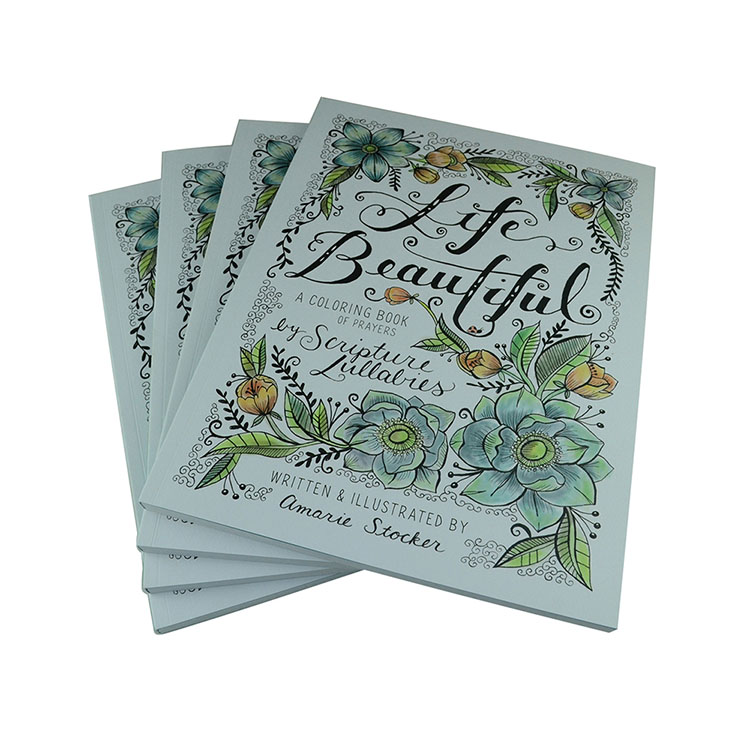
Coloring Activities
Coloring book is a classic activity that offers numerous benefits:
-
Fine Motor Skill Development: Helps improve hand-eye coordination and finger strength.
-
Creativity and Self-Expression: Allows children to express themselves through color choices.
-
Stress Relief: Can be a calming, meditative activity for children.
-
Color Recognition: Teaches color names and relationships.
Types of coloring activities:
-
Simple outline drawings for younger children
-
More complex patterns for older kids
-
Color-by-number pages to reinforce number recognition
-
Themed coloring pages that align with the book’s overall theme
Puzzles
Puzzles are excellent for cognitive development:
-
Problem-Solving Skills: Encourages logical thinking and strategy development.
-
Spatial Awareness: Improves understanding of shapes and how they fit together.
-
Patience and Persistence: Teaches the value of working through challenges.
Types of puzzles to include:
-
Jigsaw puzzles (printed on the page or as cut-outs)
-
Maze puzzles of varying complexity
-
Connect-the-dots activities
-
Tangram puzzles for shape recognition
-
Sudoku for number-based problem-solving (for older children)
Games
Interactive games add an element of fun while teaching important skills:
-
Social Skills: Games that involve multiple players can teach turn-taking and cooperation.
-
Strategic Thinking: Many games require planning and foresight.
-
Rule Following: Helps children understand and adhere to set guidelines.
Game ideas:
-
Simple board games printed on the pages
-
Scavenger hunt activities
-
Memory matching games
-
Tic-tac-toe or other quick, repeatable games
-
“I Spy” type games for observational skills
Quizzes and Trivia
These activities test and reinforce knowledge:
-
Knowledge Retention: Helps children remember facts and information.
-
Self-Assessment: Allows children to gauge their own understanding.
-
Curiosity Stimulation: Can spark interest in learning more about topics.
Quiz formats:
-
Multiple-choice questions
-
True/False statements
-
Fill-in-the-blank exercises
-
Picture-based quizzes for younger children
Writing and Drawing Prompts
Creative prompts encourage self-expression and language development:
-
Imagination Stimulation: Encourages creative thinking.
-
Language Skills: Improves vocabulary and sentence construction.
-
Storytelling Abilities: Develops narrative skills.
Ideas for prompts:
-
“Finish the story” exercises
-
“Draw what happens next” scenarios
-
Journal-style prompts for personal reflection
-
Comic strip creation with partly filled panels
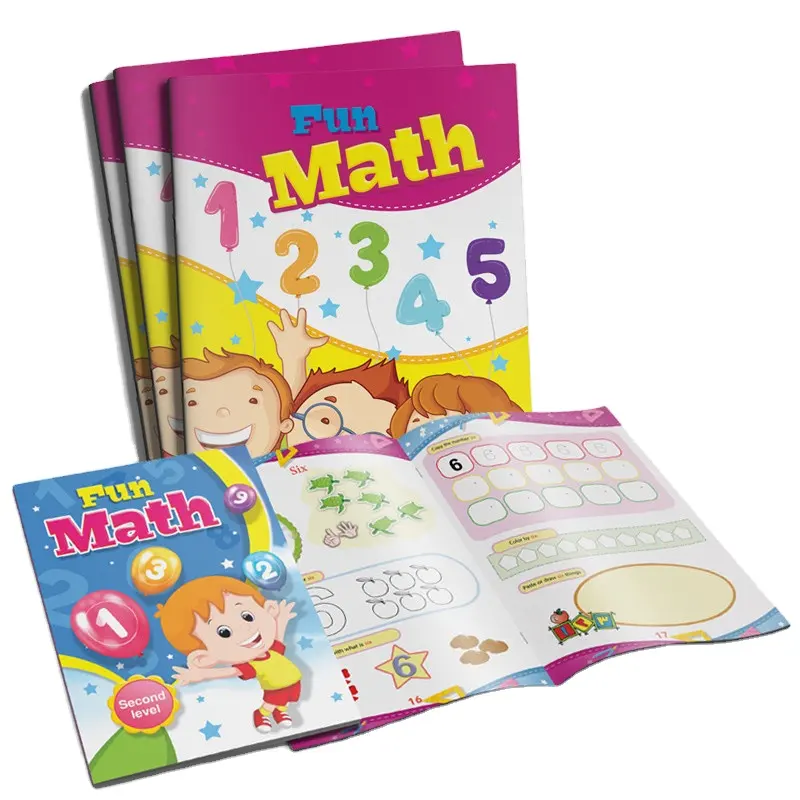 Math Activities
Incorporate age-appropriate math exercises:
-
Numerical Literacy: Reinforces basic math concepts.
-
Problem-Solving: Encourages analytical thinking.
-
Real-World Application: Shows how math is used in everyday life.
Math activity types:
-
Simple addition and subtraction for younger children
-
Multiplication and division puzzles for older kids
-
Money-based problems for practical math skills
-
Geometric shape activities for spatial reasoning
Science Experiments and Observations
Include simple, safe experiments or observational activities:
-
Scientific Method Introduction: Teaches basic principles of hypothesis and testing.
-
Curiosity Encouragement: Sparks interest in how things work.
-
Observational Skills: Improves attention to detail.
Ideas:
-
Simple, safe experiments that can be done with household items
-
Nature observation activities
-
Weather tracking exercises
-
Basic physics concept demonstrations
Arts and Crafts
Incorporate craft activities that can be done within the book:
-
Creativity Boost: Encourages artistic expression.
-
Following Instructions: Improves ability to follow step-by-step directions.
-
Fine Motor Skills: Enhances dexterity and hand-eye coordination.
Craft ideas:
-
Paper folding activities (simple origami)
-
Cut-and-paste projects
-
Drawing tutorials
-
Collage-making with provided elements
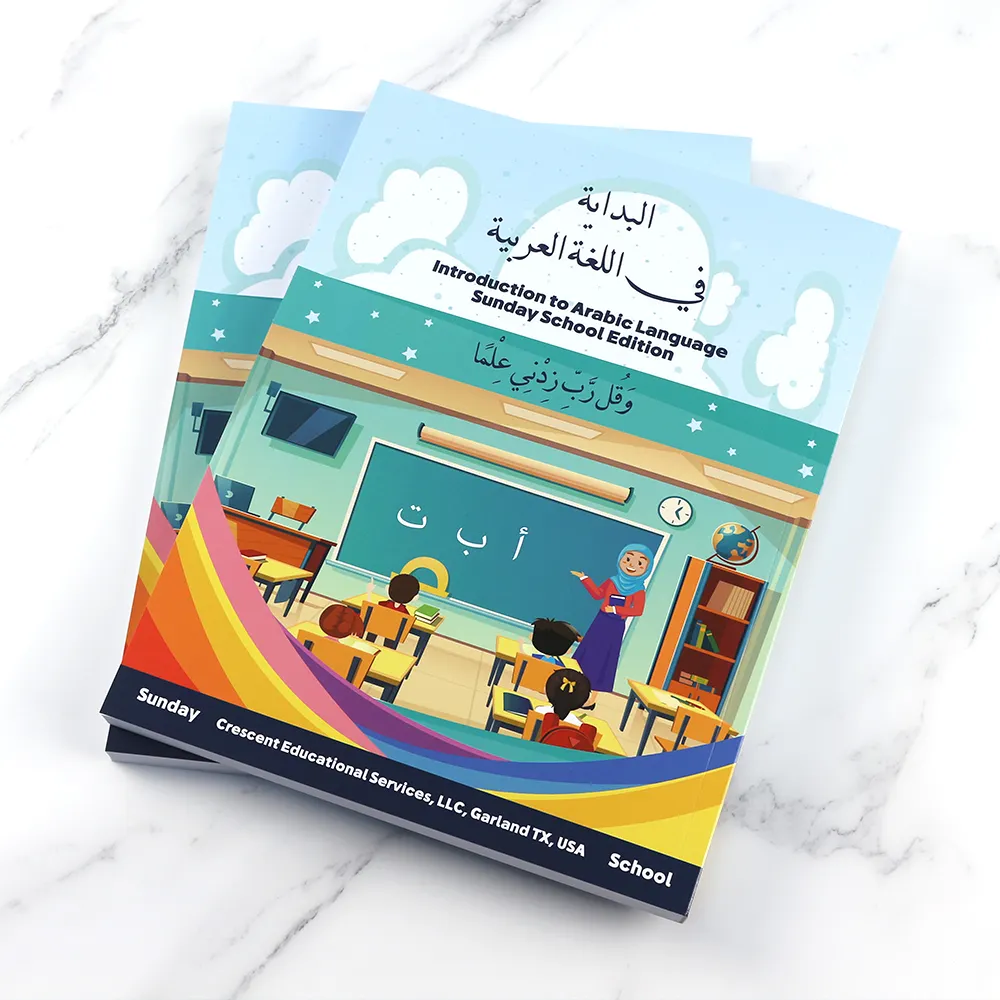 Word Games and Language Activities
Enhance language skills with various word-based activities:
-
Vocabulary Expansion: Introduces new words and reinforces known ones.
-
Spelling Practice: Improves spelling skills.
-
Language Pattern Recognition: Helps understand word structures.
Types of word games:
-
Crossword puzzles (age-appropriate)
-
Word searches
-
Anagrams
-
Rhyming games
-
Simple code-breaking activities
Physical Activities and Movement Prompts
Include activities that encourage physical movement:
-
Gross Motor Skills: Develops larger body movements and coordination.
-
Health Awareness: Promotes the importance of physical activity.
-
Energy Release: Provides an outlet for physical energy.
Ideas:
-
Simple yoga poses or stretches
-
Indoor scavenger hunt instructions
-
Dance move illustrations
-
Basic exercise routines
Sensory Activities
Incorporate activities that engage different senses:
-
Sensory Development: Enhances awareness of different sensory inputs.
-
Cognitive Processing: Improves ability to process various sensory information.
Sensory activity ideas:
-
Texture identification exercises
-
Sound matching games
-
Scent description activities (with adult supervision)
-
Visual perception challenges
Problem-Solving Scenarios
Present age-appropriate scenarios for children to solve:
-
Critical Thinking: Encourages analytical and creative problem-solving.
-
Decision Making: Improves ability to weigh options and make choices.
-
Empathy Development: Can include scenarios that require considering others’ perspectives.
Types of scenarios:
-
“What would you do if…” questions
-
Ethical dilemmas appropriate for the age group
-
Logical puzzles with real-world applications
6. Interactive Elements of Activity Book
When it comes to creating captivating custom activity books for children, the incorporation of interactive elements is paramount. These engaging features not only capture a child’s attention but also enhance the learning experience, making the activity book a valuable educational tool.
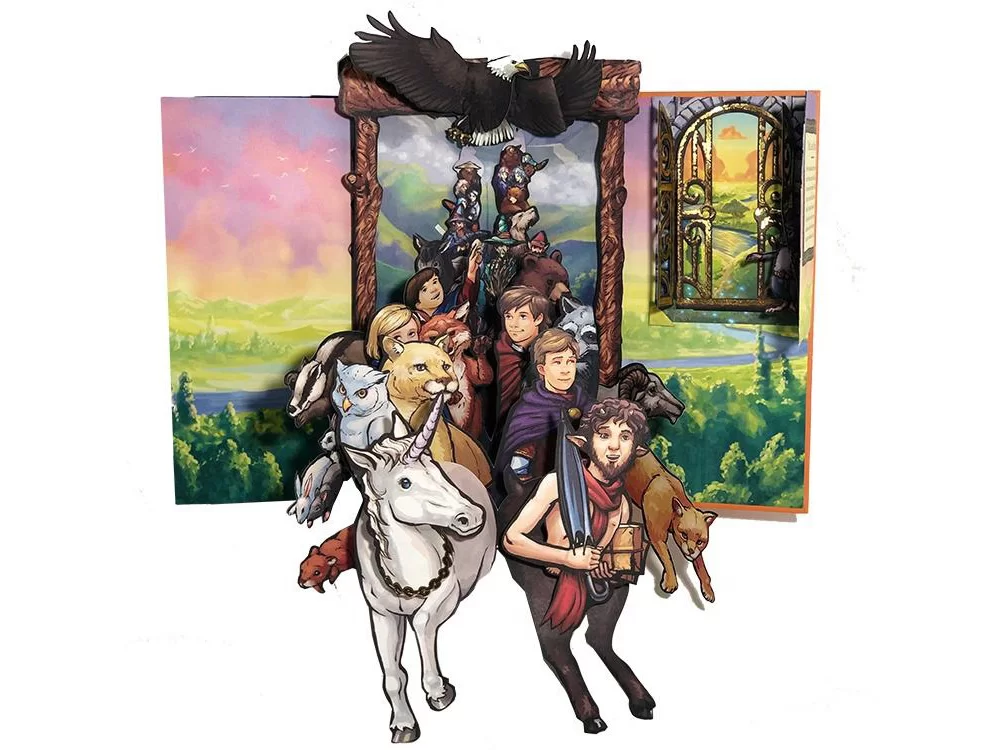 Pop-up Features
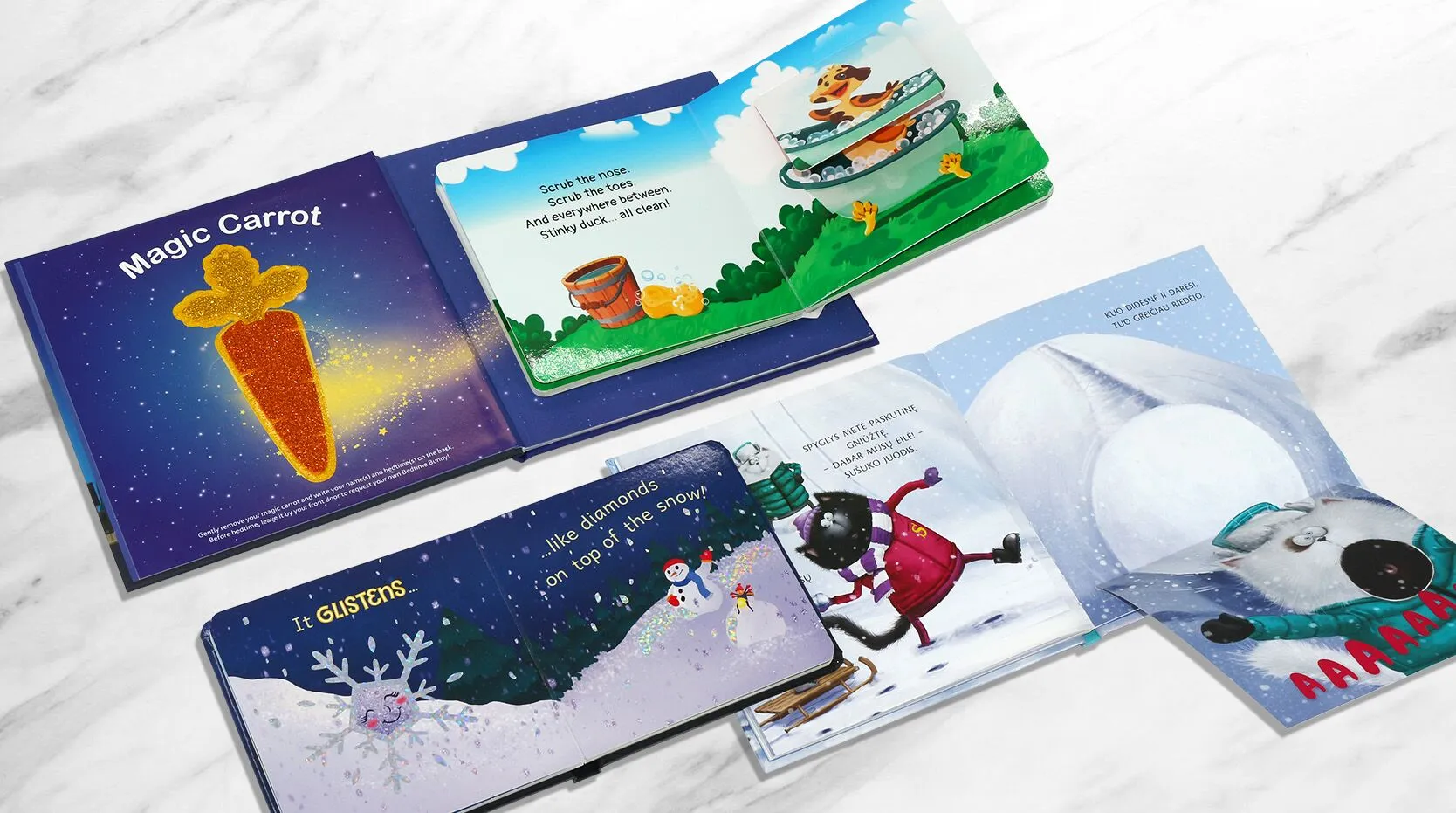
Pop-up elements add a three-dimensional aspect to activity books, bringing stories and concepts to life. These surprising and delightful features can illustrate complex ideas, reveal hidden information, or simply provide a fun, tactile experience.
When designing pop-ups, consider the age group of your target audience. For younger children, simple pop-ups with sturdy construction work best, while older kids might appreciate more intricate designs that challenge their spatial reasoning skills.
To incorporate pop-ups effectively:
-
Ensure the pop-up mechanism is durable and can withstand repeated use
-
Align the pop-up content with the overall theme or lesson of the page
-
Use pop-ups to highlight key information or create memorable visual representations
Sticker Activities
Sticker activities are a perennial favorite among children of all ages. They offer a hands-on approach to learning and can be used to reinforce various concepts, from vocabulary to basic math. When including sticker activities in your custom activity book, consider the following:
-
Use high-quality, repositionable stickers that can be easily peeled and reapplied
-
Create clear, designated areas for sticker placement to guide younger users
-
Incorporate a variety of sticker shapes, sizes, and designs to maintain interest
-
Ensure the sticker activity aligns with the educational goals of the book
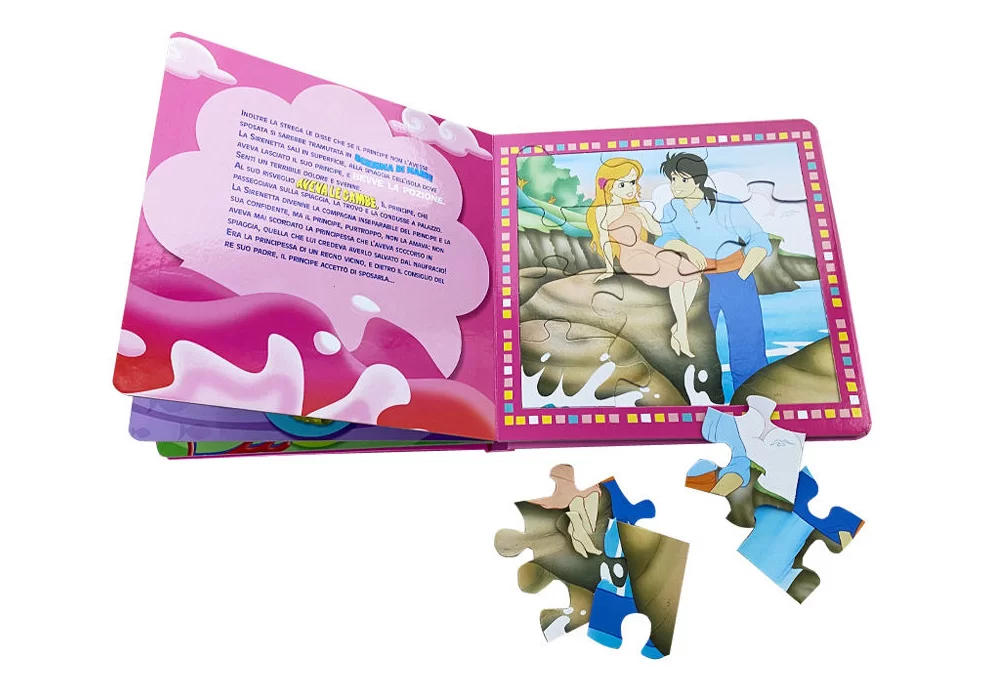 Puzzles and Brain Teasers
Integrating puzzles and brain teasers into your activity book challenges children’s cognitive skills and promotes problem-solving abilities. These can range from simple matching games for toddlers to more complex word searches or sudoku-style puzzles for older kids. When designing puzzles:
-
Tailor the difficulty level to the target age group
-
Provide clear instructions and examples for each puzzle type
-
Include a variety of puzzle styles to cater to different learning preferences
-
Consider incorporating themed puzzles that tie into the book’s overall content
Cut-out Windows and Flaps
Cut-out windows and flaps add an element of discovery and surprise to activity books. They can be used to reveal hidden information, create before-and-after scenarios, or simply add a playful interactive element. When implementing these features:
-
Ensure the cut-outs and flaps are sturdy enough to withstand frequent use
-
Use high-quality paper or card stock to prevent tearing
-
Design the revealed content to be engaging and informative
-
Consider how the cut-outs or flaps contribute to the overall learning objectives
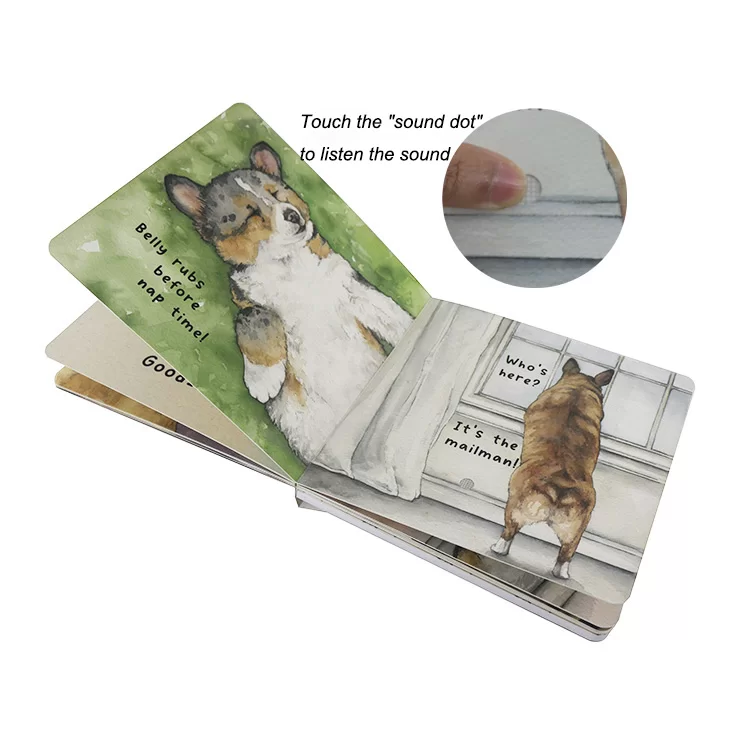 Talking or Sound-Enabled Features
For a truly immersive experience, consider incorporating talking or sound-enabled elements into your activity book. These can include built-in speakers, sound buttons, or even QR codes that link to audio content. When adding audio features:
-
Ensure the sound quality is clear and the volume is appropriate for children
-
Use voice actors or sound effects that appeal to your target age group
-
Align the audio content with the visual elements on the page
-
Consider the durability of electronic components and their power sources
7. Design and Layout
The design and layout of a custom activity book play a pivotal role in capturing a child’s attention and maintaining their engagement throughout the learning process. A well-thought-out design not only enhances the visual appeal of the book but also facilitates better understanding and retention of the content.
Cover Design
The cover of your activity book is the first point of contact with your audience, making it crucial to create a strong first impression. Here are some considerations for an effective cover design:
-
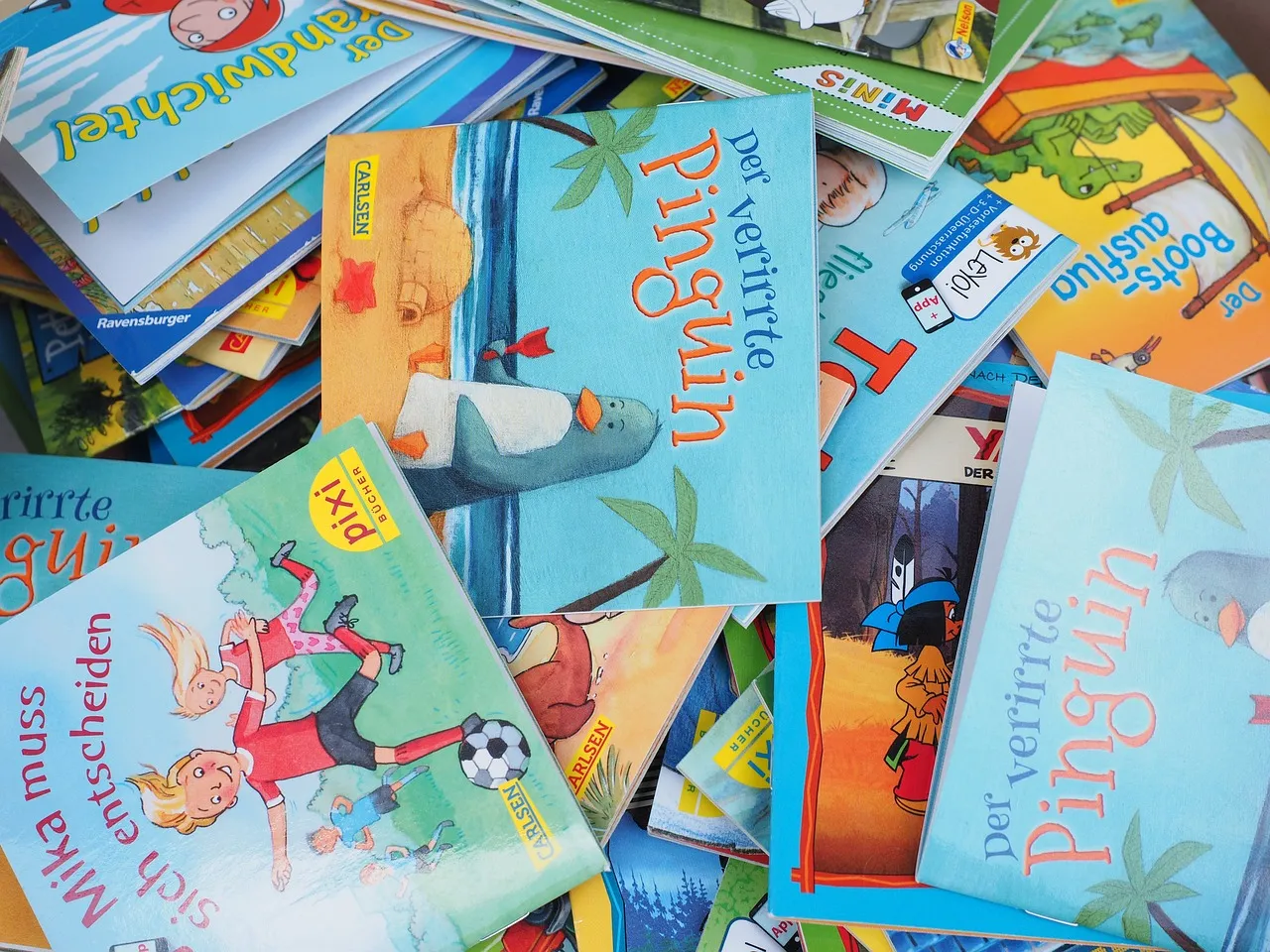
Eye-catching Visuals: Use vibrant colors and appealing illustrations that resonate with your target age group. For younger children, bright primary colors and simple shapes work well, while older kids might appreciate more sophisticated designs.
-
Clear Title and Branding: Ensure the title of the book is prominently displayed and easy to read. If it’s part of a series or associated with a particular brand, include relevant logos or series information.
-
Thematic Elements: Incorporate visual elements that reflect the book’s content, giving potential readers a glimpse of what to expect inside.
-
Age-appropriate Design: Tailor the cover design to suit the intended age group. For example, a toddler activity book might feature large, friendly characters, while a student activity book for older children could include more complex imagery.
-
Durability Considerations: Choose cover materials and finishes that can withstand handling and protect the interior pages.
Interior Layout
The interior layout of your activity book should be designed to guide the reader through the content in a logical and engaging manner. Consider the following aspects:
-
Consistent Grid System: Establish a consistent layout grid to organize content, ensuring a cohesive look throughout the book.
-
White Space: Incorporate adequate white space to prevent pages from feeling cluttered and overwhelming. This is particularly important for younger readers.
-
Typography: Choose fonts that are easy to read and appropriate for the target age group. For younger children, opt for larger, simpler fonts, while older readers can handle more varied typography.
-
Color Scheme: Develop a color palette that complements the cover design and maintains consistency throughout the book. Use colors strategically to highlight important information or separate different sections.
-
Page Numbering and Navigation: Include clear page numbers and consider adding a table of contents for easier navigation, especially in longer activity books.
Illustration Quality
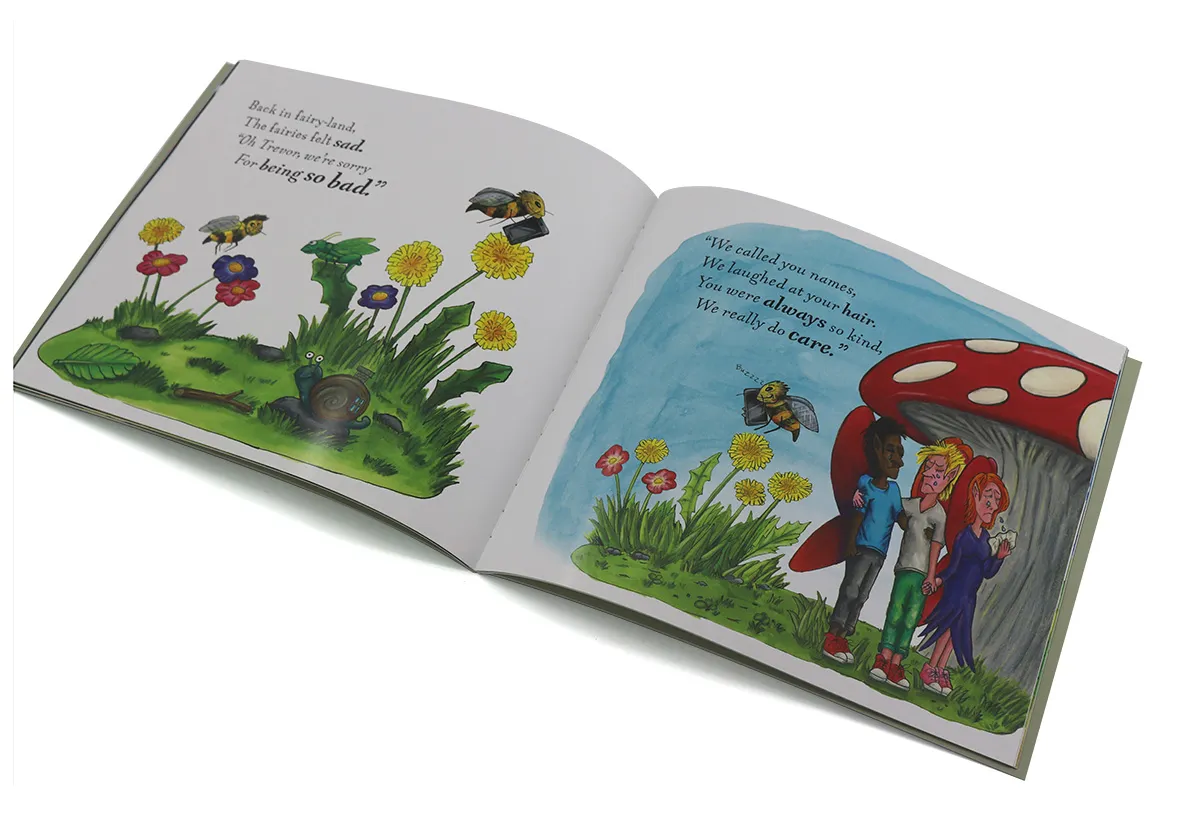
High-quality illustrations are essential for engaging young readers and effectively conveying information. Consider these points when incorporating illustrations:
-
Style Consistency: Maintain a consistent illustration style throughout the book to create a cohesive visual experience.
-
Age-appropriate Complexity: Tailor the complexity of illustrations to suit your target age group. Simpler, bolder illustrations work well for younger children, while more detailed artwork can be appreciated by older readers.
-
Cultural Sensitivity: Ensure illustrations are inclusive and represent diverse characters and scenarios to appeal to a wide audience.
-
Educational Value: Use illustrations to support learning objectives, such as depicting step-by-step processes or visualizing abstract concepts.
-
Interactive Potential: Design illustrations that can be colored, traced, or interacted with in some way to enhance engagement.
Content Organization
Organizing the content of your activity book in a logical and engaging manner is crucial for its effectiveness:
-
Thematic Sections: Group related activities or topics into thematic sections to create a sense of progression and organization.
-
Difficulty Progression: If applicable, arrange activities in order of increasing difficulty to provide a sense of achievement and challenge.
-
Variety in Layout: Alternate between different types of activities and page layouts to maintain interest and cater to various learning styles.
-
Clear Instructions: Provide clear, concise instructions for each activity, using age-appropriate language and, where necessary, step-by-step visual guides.
-
Answer Keys: For puzzle or question-based activities, consider including answer keys at the back of the book or in a separate section.
Visual Hierarchy
Establishing a clear visual hierarchy helps guide the reader’s attention and enhances the overall user experience:
-
Headings and Subheadings: Use varying font sizes and styles to clearly differentiate between main headings, subheadings, and body text.
-
Color Coding: Employ color coding to distinguish between different types of activities or sections of the book.
-
Icons and Symbols: Incorporate consistent icons or symbols to indicate different types of activities or difficulty levels.
-
Emphasis Techniques: Use techniques like bolding, underlining, or color highlighting to draw attention to key information or instructions.
-
Visual Cues: Implement visual cues such as arrows or numbered steps to guide readers through multi-step activities.
8. Printing Considerations
When it comes to bringing your custom activity book to life, the printing process plays a crucial role in determining the final quality and appeal of your product. Careful consideration of various printing aspects can significantly impact the book’s functionality, durability, and overall user experience.
Here are some key printing considerations to help you create a high-quality activity book for kids.
Size and Portability
The size of your activity book is a critical factor that affects both its usability and appeal. Consider the following aspects when deciding on the dimensions of your custom activity book:
-
Age-appropriate Sizing: Younger children may benefit from larger books with bigger print and more space for activities, while older kids can handle smaller, more compact formats.
-
Standard vs. Custom Sizes: Standard sizes (e.g., 8.5″ x 11″, 6″ x 9″) are often more cost-effective and easier to produce. However, custom sizes can make your book stand out and may be necessary for specific types of activities.
-
Portability: Consider whether the book needs to be easily carried in a backpack or used on-the-go. Compact sizes may be preferable for travel-friendly activity books.
-
Activity Space: Ensure the chosen size provides adequate space for activities, especially those requiring writing or drawing.
-
Binding Compatibility: Some binding methods work better with certain sizes, so consider this when deciding on your book’s dimensions.
Paper Type and Weight
The choice of paper significantly impacts the book’s durability, writing surface, and overall feel. Consider these factors:
-
Weight: Heavier paper (e.g., 80-100 lb text) is more durable and reduces show-through, which is especially important for children’s activity book printing.
-
Finish: Uncoated paper is generally better for writing and coloring activities, while coated paper can enhance the vibrancy of printed images and resist smudging.
-
Brightness: Higher brightness levels can make colors pop and improve readability, but consider the potential for eye strain with very bright paper.
-
Opacity: Choose paper with good opacity to minimize show-through, especially if printing on both sides of the page.
-
Eco-friendly Options: Consider recycled or sustainably sourced paper options to appeal to environmentally conscious consumers.
 Binding Methods
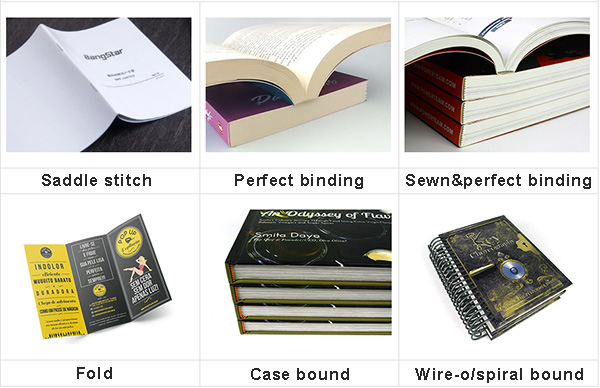
The binding method you choose affects the book’s durability, lay-flat ability, and overall aesthetic. Here are some popular binding options to custom activity book:
-
Saddle Stitching: Ideal for thinner books (usually up to 64 pages), this method uses staples along the spine. It’s cost-effective and allows the book to lay relatively flat.
-
Perfect Binding: Suitable for thicker books, this method uses glue to attach the cover to the spine. It creates a professional look but may not allow for completely flat opening.
-
Spiral Binding: Offers excellent durability and allows the book to lay completely flat, making it ideal for activity books that require writing or drawing.
-
Case Binding: Provides a high-quality, durable hardcover finish, suitable for premium activity books or those intended for long-term use.
-
Wire-O Binding: Similar to spiral binding but uses double-loop wire, offering a more upscale look while still allowing the book to lay flat.
 Cover Finish
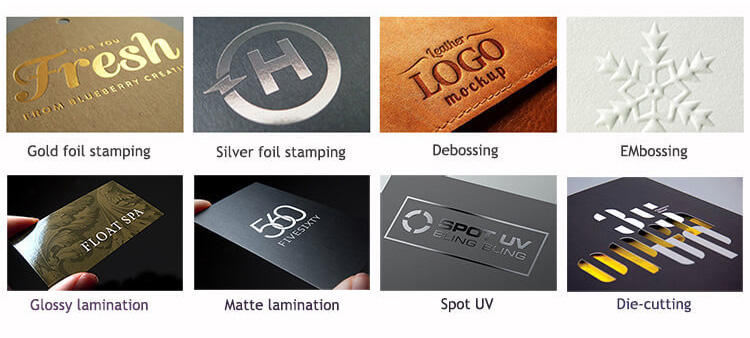
The cover finish not only affects the book’s appearance but also its durability and resistance to wear and tear:
-
Gloss Lamination: Provides a shiny, reflective surface that enhances color vibrancy and offers good protection against moisture and scratches.
-
Matte Lamination: Offers a softer, non-reflective finish that’s easier on the eyes and provides a more sophisticated look. It’s also fingerprint-resistant.
-
Soft Touch Lamination: Provides a velvety, tactile finish that’s appealing to touch and offers good durability.
-
Spot UV: Allows for selective glossy highlights on specific areas of the cover, creating visual interest and texture contrast.
-
Embossing or Debossing: These techniques add texture and visual interest to the cover, making it more engaging for children.
Color Management
Ensuring accurate and vibrant color reproduction is crucial for the visual appeal of your custom activity book:
-
Color Mode: Use CMYK color mode for printing to ensure accurate color reproduction. Convert any RGB images to CMYK before submitting for print.
-
Proofing: Always request a hard copy proof to check color accuracy, especially for critical color elements.
-
Special Colors: Consider using spot colors or Pantone matching for brand colors or specific design elements that require exact color matching.
Print Technology
The choice of print technology can affect the quality, cost, and minimum order quantities of your activity book:
-
Offset Printing: Ideal for larger print runs (typically 500+ copies), offering high-quality results and the ability to use special inks or finishes.
-
Digital Printing: Suitable for smaller print runs or on-demand printing, with improving quality that rivals offset for many applications.
-
Print-on-Demand: Allows for very small print runs or even single-copy production, ideal for testing or personalized activity books.
-
Special Printing Techniques: Consider techniques like foil stamping, embossing, or die-cutting for unique cover or interior elements that add value to your activity book.
Remember to communicate clearly with our printing expert, providing detailed specifications and requesting samples or proofs to ensure the final product meets your expectations. A well-printed activity book will enhance the learning experience, encouraging children to engage with the content and fostering a love for educational activities.
9. Budget Considerations
Creating a custom activity book for kids involves careful financial planning to ensure a balance between quality and affordability. Understanding the various cost factors and making informed decisions can help you produce an engaging and effective activity book within your budget constraints.

Production Costs
The bulk of your budget will likely go towards production costs, which encompass several elements:
-
Size and Format: Non-standard sizes or formats may incur additional costs.
-
Paper Selection: Higher quality papers increase costs but may be necessary for certain activities or to enhance durability.
-
Number of pages: The more pages there are, the higher the cost.
-
Print run size: larger quantities generally reduce per-unit cost.
-
Use of color: Full-color printing generally costs more than black and white printing.
-
Binding: Different binding methods come with varying costs. Saddle stitching is typically the most economical.
-
Special finishes or effects: Special finishes like embossing, foil stamping, or spot UV also will increase the total cost.
Design and Development
The cost of designing and developing your activity book can vary widely based on your approach:
-
Professional Design Services: Hiring a graphic designer or illustrator can significantly impact your budget but may result in a higher-quality product
-
DIY Design: Using design software or templates can reduce costs but may require more time and potentially compromise on quality
-
Content Creation: Consider the cost of: writing and editing, creating or sourcing illustrations and graphics, developing interactive elements, licensing fees(If using copyrighted characters or content, factor in licensing costs).
To optimize design and development costs:
-
Consider collaborating with emerging artists or design students for more affordable rates
-
Use royalty-free images and graphics where possible
-
Invest in quality design software if planning to create multiple books over time
Marketing and Distribution
Factor in costs associated with getting your custom activity book into the hands of your target audience:
-
Marketing Materials: Budget includes: sample copies for reviewers or influencers, promotional materials like flyers or bookmarks, digital marketing costs (e.g., social media ads, website development).
-
Distribution Channels: Consider costs related to: shipping and handling for direct sales, retailer margins if selling through bookstores or online platforms, fulfillment services for managing orders and inventory
-
Storage: If printing in bulk, factor in storage costs for unsold inventory
To manage marketing and distribution costs:
-
Focus on targeted marketing efforts to reach your specific audience
-
Explore print-on-demand options to reduce upfront inventory costs
-
Consider digital distribution for certain types of activity books
Cost-Saving Strategies
Implement cost-saving measures without compromising on quality:
-
Print Optimization: Work with our printing expert to optimize layout and reduce paper waste
-
Bulk Ordering: If storage isn’t an issue, larger print runs can significantly reduce per-unit costs
-
Digital Companions: Offer digital components to complement the physical book, reducing printing costs while adding value
-
Modular Design: Create a design that allows for easy updates or customization, reducing long-term development costs
-
Reusable Elements: Design elements that can be repurposed across multiple books or editions
To implement cost-saving strategies effectively:
-
Prioritize features based on their impact on learning outcomes and user engagement
-
Seek feedback from your target audience to focus on the most valued elements
-
Regularly review and adjust your approach based on sales data and user feedback
Conclusion
Creating a custom activity book for kids is a rewarding endeavor that combines creativity, educational insight, and practical considerations. By carefully addressing the ten essential factors we’ve explored – from interactive elements and material quality to design, printing, and budget considerations – you can develop an engaging and effective learning tool that captivates young minds.
Whether you’re creating a toddler activity book, a bible activity book, a coloring activity book, or a comprehensive student activity book, the principles we’ve discussed apply across the board. Contact us today, let us bring your activity book version to life. From artwork to printing and binding, we are here to provide guidelines to make sure your activity book is printed with professional quality and leaves a lasting impression on your readers.